If you have ever gone trekking in Nepal, or even spoken to someone who has been there, you have probably heard the phrase Dal Bhat Power 24 Hour. It is something that you hear a lot on mountain trails in teahouses and when backpackers talk to each other. It is like a joke that everyone understands. Guides say it with a smile trekkers say it after they have been hiking all day. Locals nod their heads when they hear it.
At first it sounds funny like something you would see in a fitness advertisement, there is more to it than that. Dal Bhat Power 24 Hour is about what it’s like to go trekking in Nepal. It is about being able to keep going about keeping things simple and about the power of traditional food.
Dal Bhat Power 24 Hour is not just something people say. It is about the routine of people who live in the Himalayas, where food is not just about taste but about having the energy to keep going on long and difficult journeys. For travelers it is something they experience every day and it is something they will always remember about Nepal.
What Does Dal Bhat Power 24 Hour Mean?
To understand what Dal Bhat Power 24 Hour means we need to look at what each word means. Dal is a type of lentil soup that’s full of protein and other important nutrients. Bhat means rice, which’s the main food in Nepal and gives people the energy they need. Together Dal and Bhat are the basis of one of the common meals in Nepal.
The Power 24 Hour part is where it gets interesting. It means that this meal gives you energy to last all day which is something that trekkers really appreciate after walking for hours in difficult terrain.
The phrase Dal Bhat Power 24 Hour probably started as something guides and porters said to each other because they have been eating this meal for a time. Over time it became popular with trekkers from countries and now it is like a motto for anyone who goes trekking in Nepal.
What is Dal Bhat? A Quick Overview
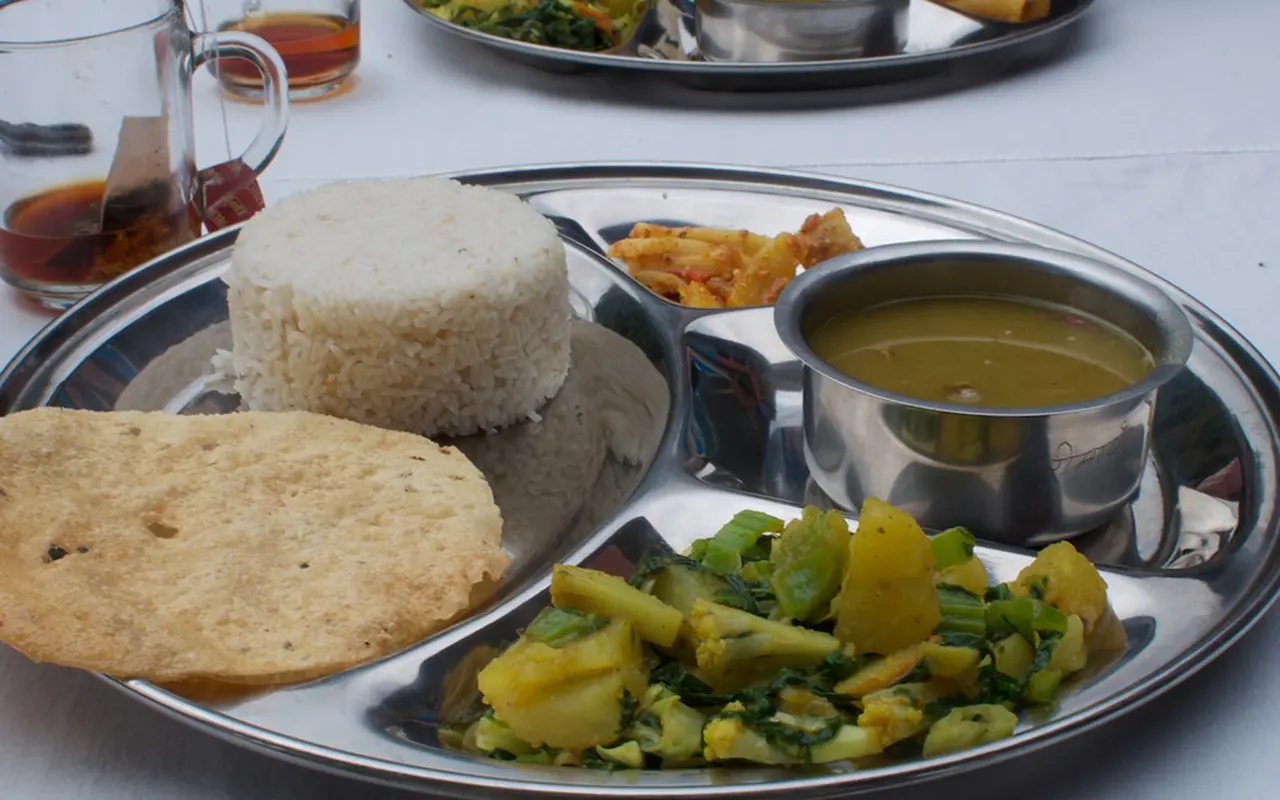
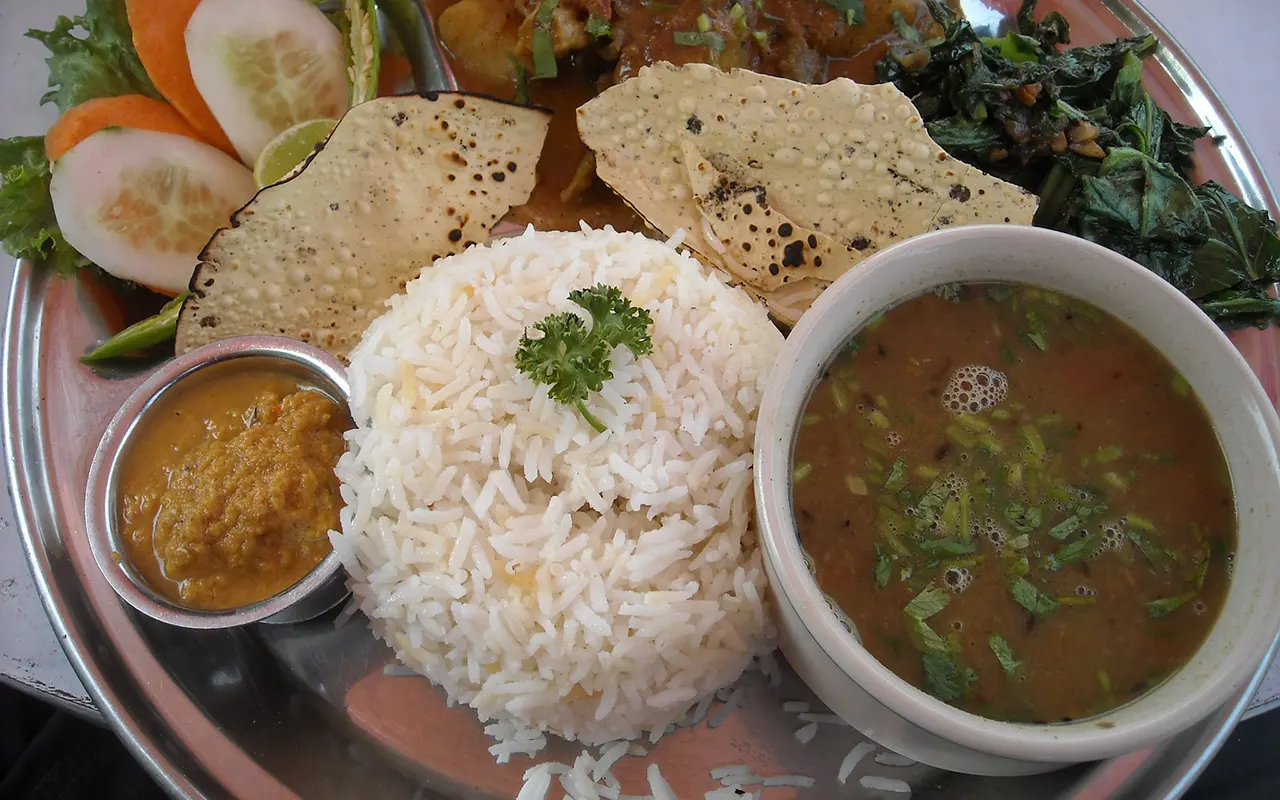
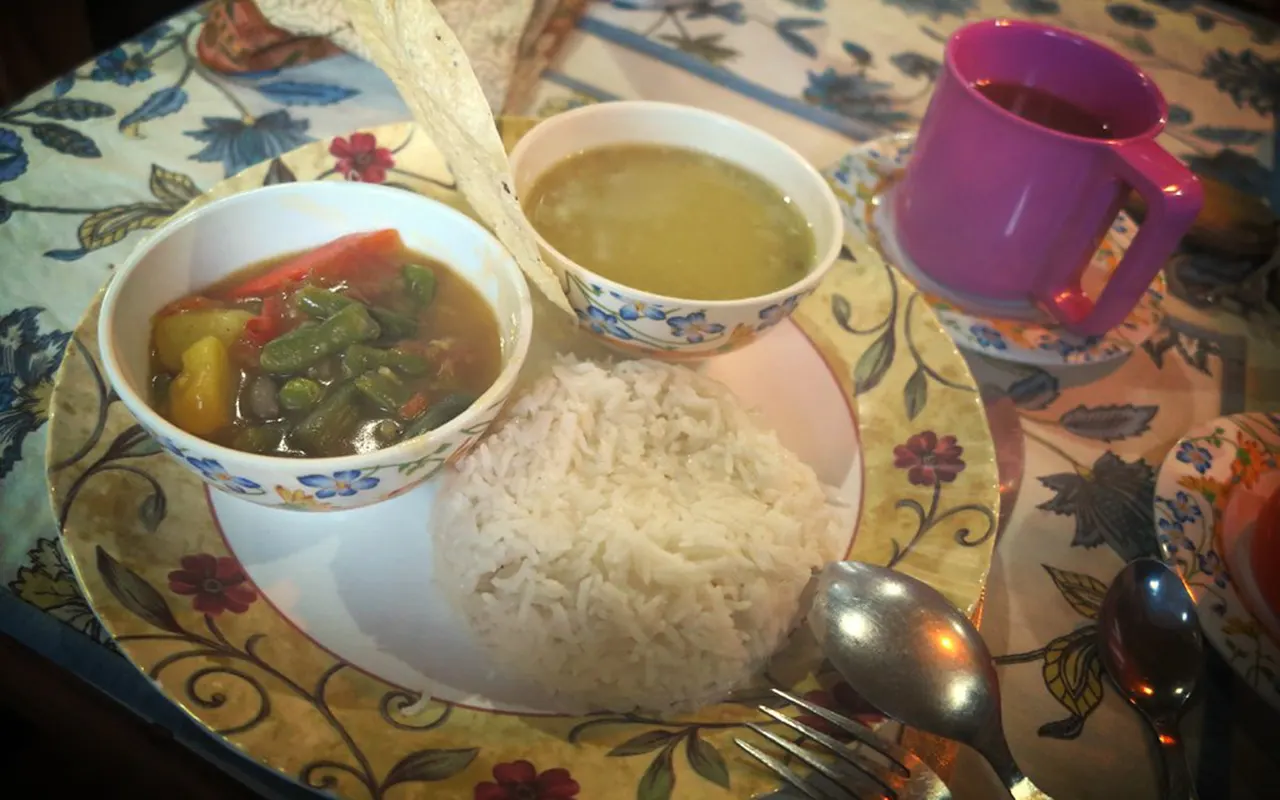
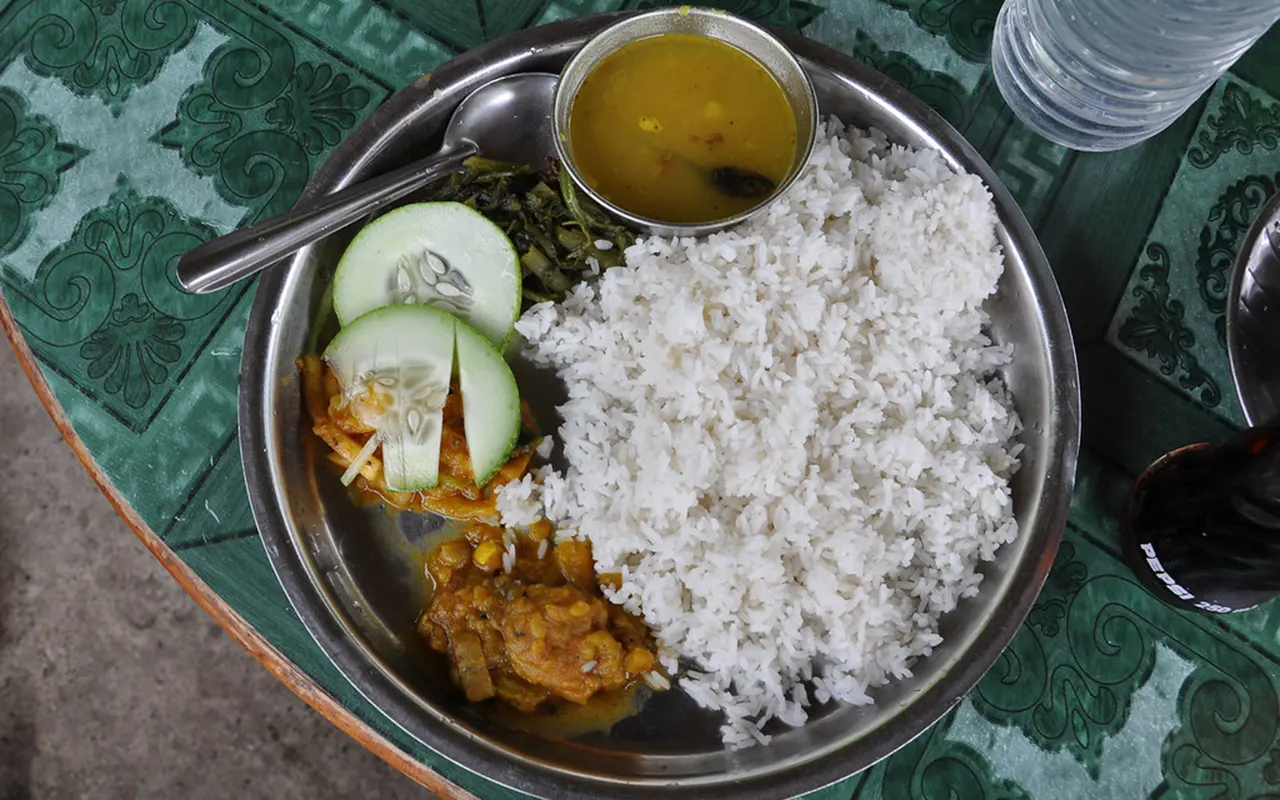
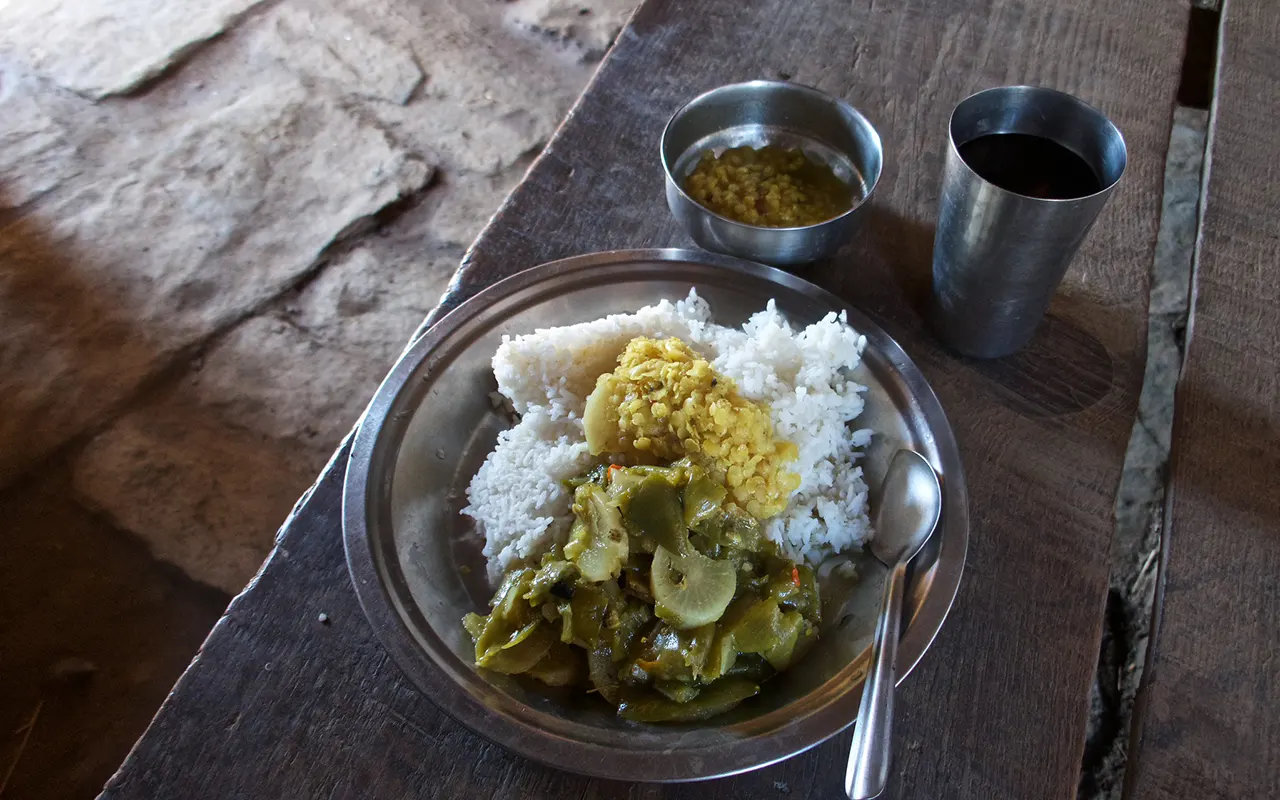
Dal Bhat is the traditional meal in Nepal and it is something that people eat all the time. It is not one dish but a lot of different things that are served together on a plate.
The main parts of Dal Bhat are rice and a bowl of lentil soup. You also get a lot of things like vegetable curry, leafy greens and pickles. Sometimes it comes with meat, yogurt or other things like fried potatoes.
The great thing about Dal Bhat is that it is balanced. It has carbohydrates, protein and fiber which makes it filling and nutritious. This is especially important in a country where people are physically active every day.
In parts of Nepal Dal Bhat is a little different. In cities like Kathmandu you might find complicated versions, with a lot of different dishes. In the mountains it is simpler but it is still the same basic idea.
The Origin of the Phrase
The phrase “Dal Bhat Power 24 Hour” is really connected to Nepal’s trekking culture. In places like Everest Base Camp and the Annapurna Circuit Dal Bhat is the common meal you can find.
Guides and porters who walk for hours on high-altitude trails have been eating this food for years. They joke that Dal Bhat gives them the strength to keep going no matter how tough the journey gets.
Over time this joke became a phrase that people repeated a lot and it became famous. Trekkers started using it sharing it in conversations, blogs and social media posts. What started as a joke turned into a symbol of trekking life in Nepal.
Why Dal Bhat is Famous Among Travelers
Energy Boost for Trekking
One reason Dal Bhat is so popular among travelers is that it gives you sustained energy. Trekking in Nepal means walking for hours a day sometimes at high altitude where you get tired quickly.
The mix of rice and lentils is a combination of carbohydrates and protein. This helps keep your energy levels up throughout the day making it perfect for hikes.
Trekkers often notice that after eating Dal Bhat they feel more energized than after eating meals. This practical benefit reinforces the idea behind “Power 24 Hour” and Dal Bhat.
Unlimited Refills Culture
Another unique thing about Dal Bhat is the tradition of refills in many teahouses. When you order a plate you can usually get rice, lentils and vegetables without extra cost.
This makes it not filling but also great value for money. For trekkers who burn a lot of calories during the day this is an advantage.
The refill culture also adds to the experience as it makes you eat slowly and enjoy the meal than rushing through it and forgetting about Dal Bhat.
Availability Everywhere
Dal Bhat is available almost everywhere in Nepal. Whether you are in a city or a remote mountain village you can count on finding Dal Bhat.
This consistency makes it a reliable choice for travelers. On trekking routes, where menu options may be limited Dal Bhat becomes a staple that you can trust for both quality and nutrition and that’s why Dal Bhat is so popular.
Nutritional Power of Dal Bhat
From a perspective Dal Bhat is surprisingly well-balanced. Rice gives you carbohydrates for energy while lentils offer protein and essential nutrients. Vegetables add vitamins and fiber completing the meal and making Dal Bhat a great choice.
This combination is particularly suitable for high-altitude trekking, where your body requires energy and nutrients to function effectively and Dal Bhat provides that.
Compared to Western meals, which may be heavier or less balanced Dal Bhat offers a simpler yet more efficient source of nourishment. It fuels your body without causing heaviness making it ideal for days and supporting the idea of “Dal Bhat Power 24 Hour”.
The Dal Bhat Experience
Eating Dal Bhat is not about the food, it’s about the experience of eating Dal Bhat. Traditionally the meal is eaten by mixing rice with lentil soup and side dishes creating a blend of flavors in each bite of Dal Bhat.
Many locals eat with their hands, which adds a connection to the meal of Dal Bhat. Travelers often start with utensils. May eventually try eating the local way as part of the cultural experience of Dal Bhat.
Meals are often shared in a setting especially in trekking lodges. This creates opportunities for conversation, storytelling and connection with travelers and locals, over Dal Bhat.
Dal Bhat on the Trekking Trail
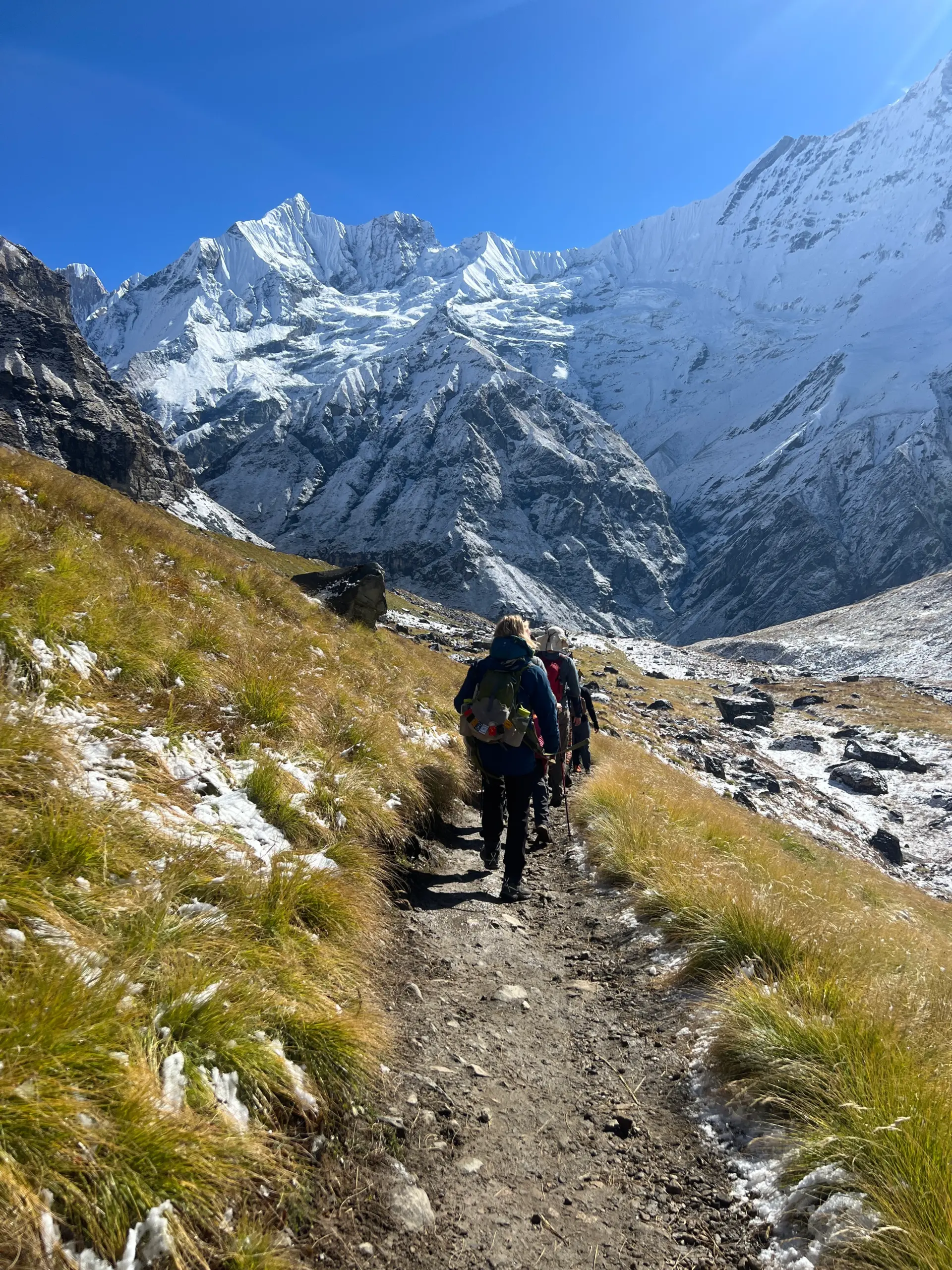
When you are on a trekking route Dal Bhat is not something you eat. It is something you look forward to every day. After walking for a time sitting down to a warm plate of Dal Bhat feels really good.
You can find Dal Bhat at teahouses along the trail, they serve it all the time. A lot of trekkers eat it twice a day, after a while it becomes something that you can count on.
People often, share stories when they eat Dal Bhat together when take a break from walking. This makes the simple meal feel special.
Where to Try Authentic Dal Bhat
You can find Dal Bhat anywhere. Some places make it the way it is supposed to be and if you eat it at someone’s home it is usually the traditional. They cook it with care and serve it in a warm and welcoming place.
In cities like Pokhara there are restaurants that serve Nepali food. They have fancy versions of Dal Bhat.
For a lot of travelers the best way to eat Dal Bhat is on the trekking route. The simple setting makes the food feel more special.
Tips for First-Time Travelers
If you are trying Dal Bhat for the time it is best to eat it for lunch or dinner. The portions can be big so do not eat much at once. If they offer you more you can always have some later.
Eating Dal Bhat like a local can be fun. You mix everything together and use your hands but it is okay to use utensils if you want to.
The taste of Dal Bhat can be different depending on the spices and how it is made. It is usually mild and comforting, a lot of travelers like it more as they eat it.
Why “Dal Bhat Power 24 Hour” Became a Cultural Icon
The phrase “Dal Bhat Power 24 Hour” is funny but it also means something. It is about the connection between food being strong and traveling in Nepal.
For people it is a way of life. They value it and stay strong and for travelers it is something they share with each other.
Travelers often remember the phrase even after they leave Nepal. It reminds them of their trip. What they learned.
Final Thoughts
The phrase “Dal Bhat Power 24 Hour” is special. It is funny but useful and it has cultural meaning. People who have been to Nepal understand it well.
Dal Bhat is more than a meal. It gives you energy it is a tradition. It is something travelers share.
If you visit Nepal you definitely should try Dal Bhat. It is a part of the country’s identity. It helps you understand what makes Nepal special.
Sometimes simple things, like a plate of rice and lentils can make an impression.
Autumn 2026 is an ideal season for trekking in Nepal, offering clear skies and stunning views of peaks like Mount Everest. Nepal is a famous trekking destination with routes like Everest and Annapurna Base Camp attracting thousands each year. Basically, there are four main trekking seasons: spring (March-May), autumn (September-November), summer/monsoon (June-August), and winter (December-February). Among these, autumn is widely considered the best time for trekking because of stable weather and clear mountain visibility. Autumn, from September to November, offers crystal-clear skies, fresh air after the monsoon rains, and stunning views of snow-covered Himalayan peaks. The trail becomes vibrant with lush greenery, blooming alpine plants, and traditional Nepali festivals like Dashain and Tihar, which give trekkers a chance to experience local culture along the journey. Comfortable temperatures and low chances of rainfall make trekking safer and more enjoyable during the season.
Looking ahead to 2026, trekking in Nepal is expected to grow even more popular as travelers increasingly seek adventure travel, authentic cultural experiences, and nature-based tourism. Many trekkers are planning longer and more remote routes, such as the Everest Three High Passes trek and off-the-beaten-path trails, to avoid crowds. Sustainable trekking practices and eco-friendly travel are also becoming major trends, encouraging visitors to explore Nepal responsibly while supporting local communities.
Perfect Weather Conditions in Autumn 2026
Autumn 2026 is expected to offer excellent trekking conditions in Nepal after the monsoon ends. In autumn, weather becomes stable and predictable, which makes it one of the best seasons for outdoor adventures. Trekkers can enjoy clear blue skies and bright sunny days. which provide stunning views of the Himalayan mountains and surrounding landscapes. The daytime temperatures are comfortable for hiking, neither too hot nor too cold, allowing long trekking days without much difficulty. In autumn, mountain flights are more reliable due to low rainfall, which means fewer chances of delays or cancellations for travelers. It helps travelers follow their itinerary smoothly. Because of these stable conditions and stunning scenery, autumn 2026 will undoubtedly be one of the most popular and rewarding seasons for trekking in Nepal.
Stunning Mountain views and visibility
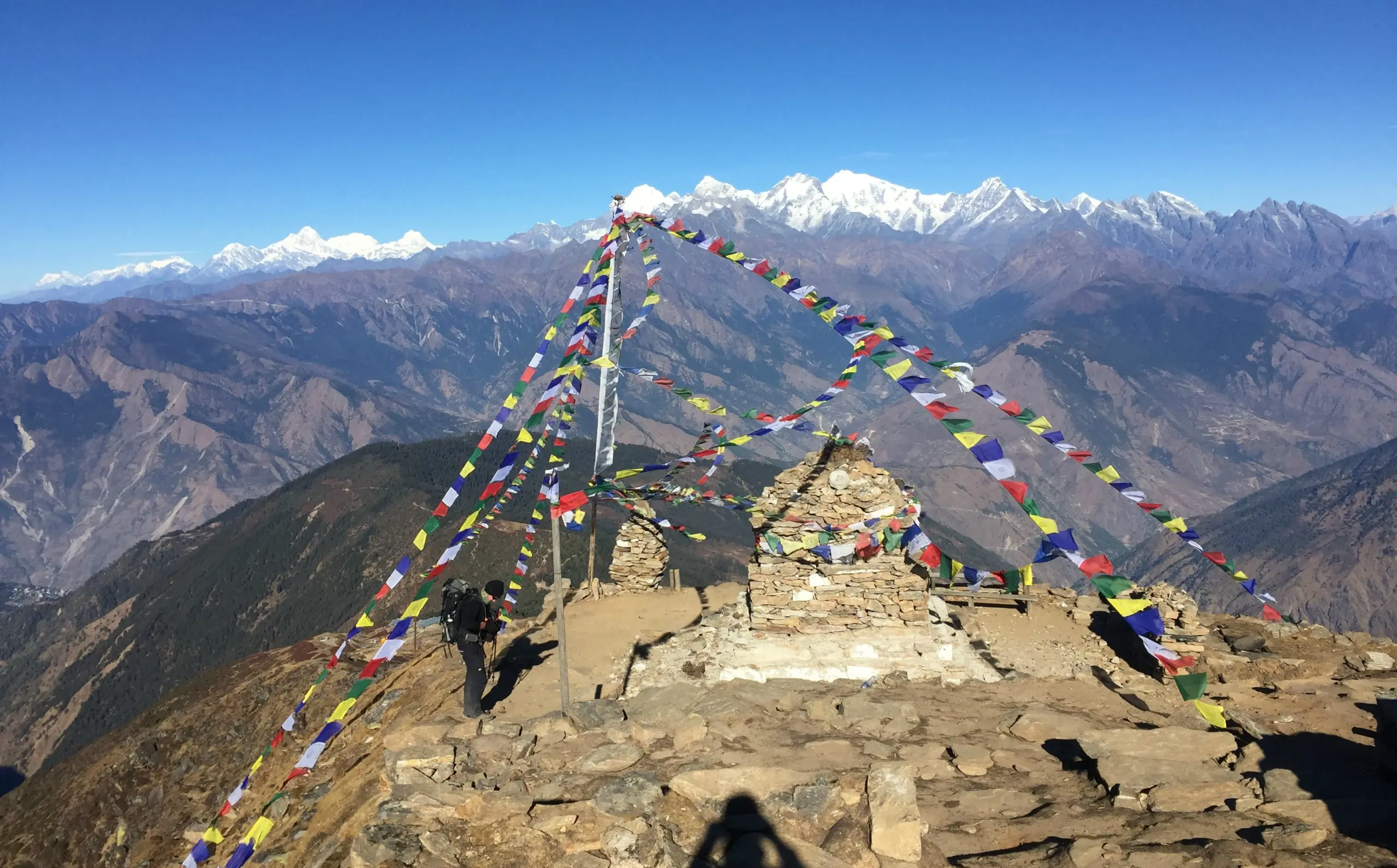
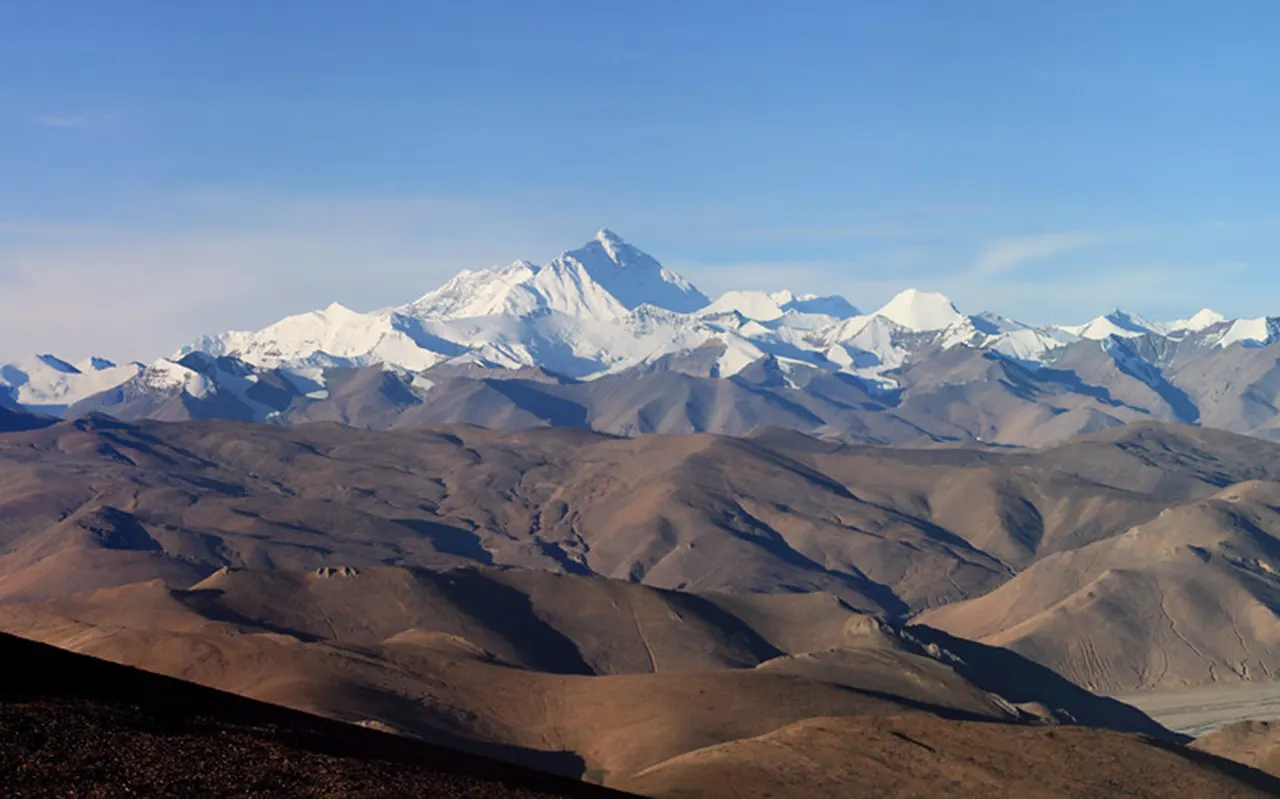
One of the biggest highlights of trekking in autumn is the opportunity to witness crystal-clear views of the Himalayan mountains. After the monsoon rains wash away dust and haze from the air, visibility becomes exceptional. Trekkers can enjoy uninterrupted panoramic views of some of the world’s tallest peaks, including Mount Everest, Annapurna I, and Mount Manaslu. The dramatic contrast between the bright blue sky and the snow-covered peaks creates breathtaking scenery that attracts photographers and nature lovers from around the world
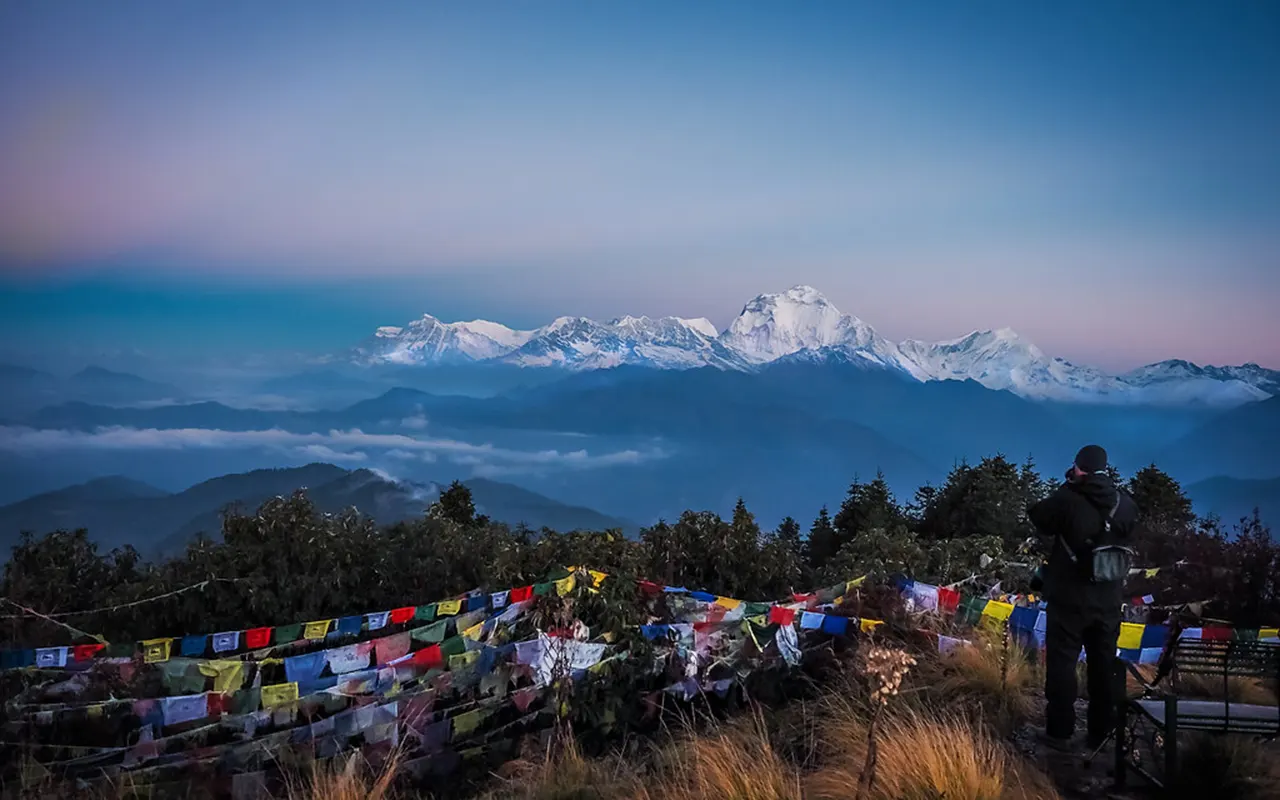
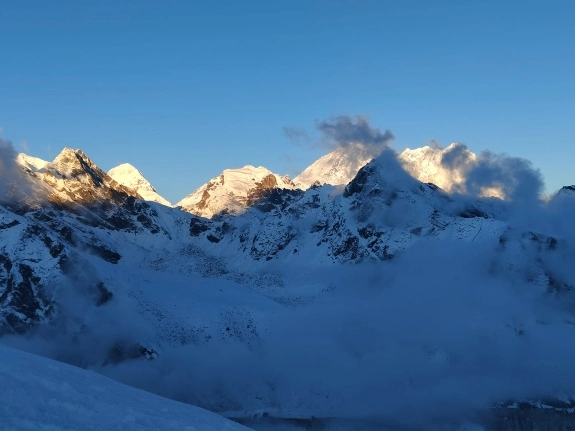
Morning hours are particularly magical in the mountains. As the sun rises, golden light illuminates the peaks, creating stunning views known as the “alpenglow.” Similarly, sunsets often paint the mountains in shades of pink, orange, and purple, providing unforgettable visual experiences. Because of these clear skies and stable weather conditions, autumn is considered the best season for mountain photography in Nepal. Trekkers can capture incredible landscapes, glaciers, alpine valleys, prayer flags, monasteries, and traditional Himalayan villages.
Best Trekking routes to explore in autumn
Nepal offers hundreds of trekking routes across different regions, but some trails are especially spectacular during autumn because of the clear weather, excellent mountain visibility, and stable conditions.
Everest Base Camp Trek
one of the most iconic trekking adventures in the world.
Home to the base camp of Mount Everest, located in the Khumbu region.
Popular stops include Namche Bazaar and Tengboche Monastery.
Passes through beautiful Sherpa villages and Buddhist monasteries.
Autumn offers crystal-clear views of Mount Everest and surrounding Himalayan peaks.
Annapurna Circuit Trek
One of Nepal’s most diverse and scenic trekking routes.
Trekkers experience forests, rivers, villages, and high-altitude landscapes.
Crosses the famous Thorong La Pass (5,416 m).
Circles the Annapurna Himal.
Stable weather in autumn makes the high pass crossing safer.
Langtang Valley Trek
One of the closest destinations to Kathmandu.
Offers spectacular mountain views, glaciers, and alpine meadows.
Shorter trekking duration compared to Everest and Annapurna treks.
Known for authentic Tamang culture and traditional villages.
Perfect choice for trekkers with limited time.
Manaslu Circuit Trek
Remote and less crowded trekking route in Nepal.
Circles the majestic Mount Manaslu.
Crosses the challenging Larkya La Pass.
Features dramatic landscapes, deep valleys, and Tibetan-influenced culture.
Autumn provides the best weather and clear Himalayan views.
Annapurna Base Camp Trek
Surrounded by spectacular Himalayan peaks.
Passes through forests, terraced fields, and Gurung villages.
Provides close-up views of Annapurna I and other mountains.
The trek leads into the beautiful Annapurna Sanctuary.
Ideal autumn conditions offer breathtaking sunrise and sunset views.
Other popular autumn treks include
Upper Mustang Trek
Gokyo Lakes Trek
Mardi Himal Trek
Ghorepani Poon Hill Trek
Kanchenjunga Base Camp Trek
Tilicho Lake Trek
Makalu Base Camp Trek
Everest Three Passes Trek
Ready to book your trip with us? Fill out the inquiry form below
Festive season and cultural experience
Autumn trekking in Nepal is not only about mountains and nature but also about experiencing the country’s vibrant culture. The biggest festival celebrated during autumn is Dashain, which symbolizes the victory of good over evil. Families gather together, perform rituals, and receive blessings from elders.
Another great festival is Tihar, during which homes and villages are decorated with colorful lights, candles, and flowers. Trekkers visiting villages during these festivals can witness traditional dances, music, and cultural celebrations. This unique cultural atmosphere adds an unforgettable dimension to the trekking experience.
Ideal Trekking Conditions and Trail Quality
After the monsoon season ends, the trekking trails across Nepal become clean, dry, and comfortable to walk on. Heavy rains during the monsoon wash away dust and pollution, leaving behind lush greenery and fresh landscapes. The forests look vibrant, rivers flow beautifully, and mountains views become clearer. The trails are generally firm and less slippery, which improves trekking safety. These ideal trail conditions allow trekkers to enjoy long hiking days without worrying about muddy paths or different terrain.
Availability of teahouses and trekking services
Autumn is the peak trekking season, so most of the trekking routes are fully prepared for visitors. Teahouses and lodges remain open and offer comfortable accommodation and meals along the trails. Trekkers can easily find experienced guides and porters who help with navigation, logistics, and safety. Trekking agencies operate efficiently during this season, ensuring smooth travel arrangements.
Safety and Accessibility in Autumn
Safety is another important factor that makes autumn the best trekking season in Nepal. The risk of landslides and floods decreases significantly after the monsoon season ends. Transportation to trekking regions is also more reliable. Flights to mountain airports operate more frequently, and roads to trekking starting points are generally in better condition. Because many trekkers travel during this season, trails are well marked and busy, which adds an extra layer of safety for solo travelers.
Crowd Factor: Peak Season Insights
Since autumn is a peak season, some trails can become busy, particularly during October. Popular routes such as Everest Base Camp and Annapurna Circuit attract trekkers from all over the world. However, this lively atmosphere also allows trekkers to meet fellow adventurers and share experiences along the trail. Travelers who prefer a quieter trekking experience can choose offbeat routes or trek during early September or late November.
Cost and Booking Tips for autumn 2026
Autumn is the peak trekking season, so the demand for flights, guides, and accommodations increases significantly. Prices may be slightly higher compared to other seasons.Booking flights and trekking packages several months in advance is highly recommended to secure availability and better prices. Trekkers can choose between budget teahouse trekking and luxury trekking experiences, depending on their preferences and travel style.
Packing Tips for Autumn Trekking
Proper packing is essential for a safe and comfortable trekking experience in Nepal during autumn. Although the weather is generally stable, temperatures can vary significantly between daytime and nighttime, especially at higher altitudes. Carrying the right gear helps trekkers stay warm, protected, and prepared for changing mountain conditions.
Layered Clothing for changing Temperatures
Autumn trekking requires layered clothing because temperatures can change throughout the day.
Wear light and breathable base layers during the day when trekking.
Carry a warm fleece or insulated jacket for colder mornings and evenings.
A waterproof and windproof outer jacket is also important to protect against sudden weather changes in the mountains.
Essential Gear checklist
Trekking poles
Warm down jacket
Thermal base layers
Waterproof jacket and pants
Comfortable trekking pants and shirts
Gloves, hat, and scarf or buff
Sunglasses and sunscreen
Headlamp or flashlight
First aid kit and personal medications
Reusable water bottle and water purification tablets
Boots should be comfortable, waterproof, and provide strong ankle support.
Good quality trekking boots are one of the most important pieces of gear.
Proper trekking shoes help prevent blisters and injuries on long mountain trails.
It is recommended to break in your boots before the trek to ensure maximum comfort.
With the right packing and preparation, trekkers can fully enjoy the beauty of Nepal’s mountains during the autumn trekking season.
Tips To Plan Your Autumn 2026 Trek
Planning your next adventure in Nepal during autumn requires careful preparation to ensure a safe and enjoyable journey. From choosing the right trekking season to understanding permits and regulations, proper planning will help you make the most of your Himalayan experience.
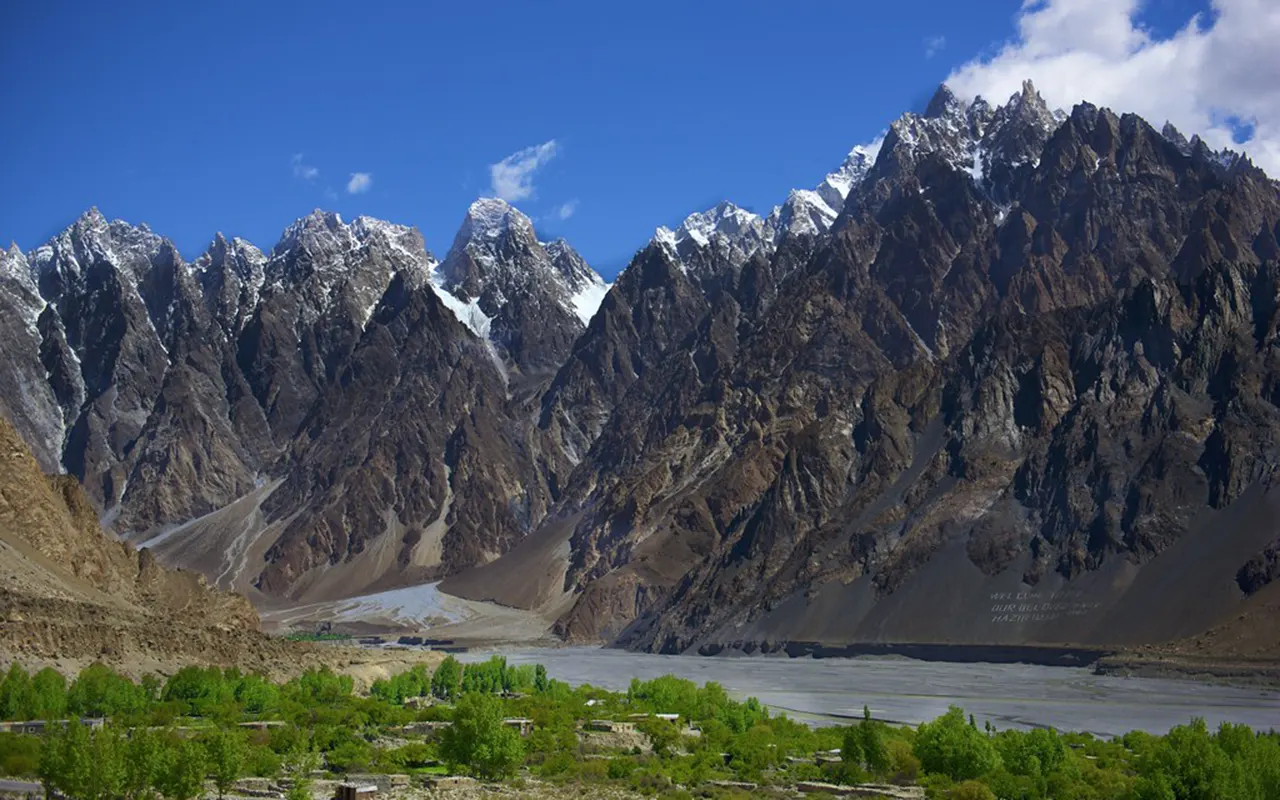
Best months: Late September to November
The autumn trekking season in Nepal generally runs from late September to November. After the monsoon rains end, the skies become clear and the weather becomes stable. October is often considered the best month because of excellent visibility and comfortable temperatures. During this time, trekkers can enjoy spectacular views of Himalayan peaks such as Mount Everest and Annapurna I.
Choosing the Right Trek Based on fitness
When planning a trek, it is important to choose a route that matches your fitness level and trekking experience. Beginners may prefer shorter and easier treks like the Ghorepani Poon Hill Trek or the Langtang Valley Trek. More experienced trekkers can attempt challenging routes such as the Everest Base Camp trek or the Manaslu Circuit.
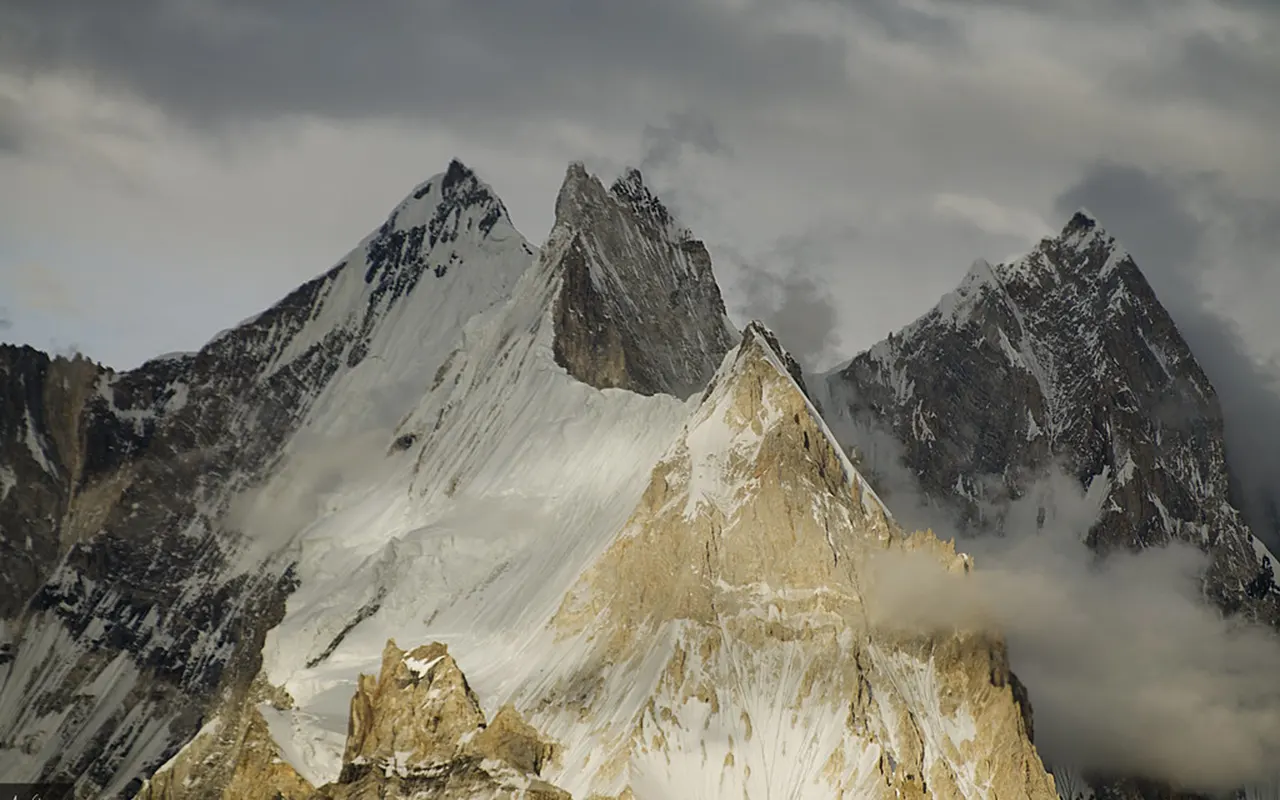
Permits and Regulations
Most trekking regions in Nepal require special permits. Common permits include the TIMS (Trekkers’ Information Management System) card and conservation area or national park permits, depending on the trekking destination. Restricted areas such as the Manaslu region may also require special permits and a licensed trekking guide. It is recommended to arrange all permits through a registered trekking agency before starting your trek.
Proper planning, the right trekking route, and the necessary permits will ensure a smooth and unforgettable trekking adventure in Nepal during Autumn 2026.
Conclusion
Autumn offers the perfect combination of stable weather, clear mountain visibility, vibrant cultures, and ideal trekking conditions. It is truly the best time to explore the Himalayas with reliable trails, beautiful landscapes, and welcoming local communities.
If you are planning a trekking adventure, autumn 2026 is the perfect opportunity to experience Nepal with Nature Explore. We provide you a professional licensed guide and porter, included in the itinerary.
FAQ’s
1. Is autumn the best time to trek in Nepal?
Yes, autumn is considered the best time to trek in Nepal due to clear skies, stable weather, and excellent mountain visibility.
2. How cold is Nepal in October?
Temperatures usually range from 10°C to 20°C in lower trekking areas, while higher altitudes can be colder, especially at night.
3. Do I need a guide for trekking in Nepal?
Yes, many trekking regions are in restricted areas where you require licensed guides, and hiring one also improves safety and cultural understanding.
4. Which trek is best for beginners in autumn?
The Ghorepani Poon Hill trek and Langtang Valley trek are the best beginner-friendly options with stunning scenery.
5. Are trekking routes crowded in Nepal?
Yes, autumn is the peak trekking season in Nepal, so popular routes can be busy. However, this also creates a lively atmosphere with trekkers from around the world.
6. Is trekking in Nepal safe during autumn?
Yes, trekking in Nepal is generally very safe because the weather is stable, trails are dry, and trekking services are fully available.
7. What permits are required for trekking in Nepal?
Most trekking routes require permits, such as the TIMS card and national park or conservation area permits, depending on the trekking region.
8. When should I book a trek for autumn 2026?
It is recommended to book your trek at least 3 to 6 months in advance to secure flights, guides, and accommodations.
9. How much does trekking in Nepal cost?
The costs depend on the trekking route, duration, and services used. Treks can range from budget teahouse trekking to luxury trekking experiences.
10. Are teahouses open during the autumn trekking season?
Yes, most teahouses and lodges are fully operational during autumn because it is the busiest trekking season in Nepal.
Nepal has long been one of the world’s most iconic trekking destinations, known for its dramatic Himalayan landscapes, rich cultural heritage, and remote mountain trails. Nepal has many trekking destinations, but it has always been known as a place where adventure travel is limited to specific, controlled routes. These sensitive zones, usually found along international borders or in culturally sensitive areas, have traditionally required strict permits, licensed guides, and, most notably, a minimum group size.
However, in a significant policy change announcement in March 2026, Nepal adopted new regulations, which currently allow the restricted areas of Nepal to be accessibly visited by solo trekkers with conditions. This has created a lot of buzz among the international trekking fraternity.
This article will discuss the most recent changes in some detail, how they impact travelers, and provide full knowledge of the new rules, requirements, and consequences.
Understanding Restricted Area Trekking in Nepal
Restricted regions in Nepal are those geographically, politically, environmentally, or culturally sensitive areas that need special permits. These places are often found close to the borders with Tibet (China) or in the distant Himalayan territories, where there is a lack of infrastructure and preservation of traditional cultures.
The most popular restricted trekking destinations are Upper Mustang, Upper Dolpo, Manaslu (including Tsum Valley), Nar-Phu Valley, Humla, and Kanchenjunga. The areas are characterized by pristine landscapes, prehistoric monasteries, and the Tibetan-inspired cultures.
Restricted areas were always closely regulated, unlike popular trekking destinations like Everest Base Camp or Annapurna Base Camp, which have been open to solo trekking. The policies are to protect the locals, preserve sensitive ecosystems and to ensure the safety of trekkers in remote locations.
The Previous Rule: Why Solo Trekking Was Not Allowed
In restricted areas, a minimum of two trekkers were required during trekking. The solo travelers were not allowed to issue a Restricted Area Permit (RAP). They were required to either be matched up with a partner or to join a group that was arranged by a registered trekking agency.
Practical difficulty posed a challenge to many solo travelers to align travel dates or itineraries with those of other travelers. In some instances, it resulted in informal or workaround solutions, which were not necessarily optimal.
The limitation was initially put there to ensure safety and surveillance. The mountainous nature of Nepal can be unpredictable and the dangers involved may include altitude sickness, landslides, extreme weather and inadequate communication. Governments thought that group trekking facilitated easier control of emergencies and less risk.
What’s New: Solo Trekkers Now Allowed in Restricted Areas
This long-standing rule is altered in the major update that was introduced in March 2026. Nepal has given clearance through its Department of Immigration to permit solo trekkers to buy a permit to experience restricted area trekking in Nepal.
It implies that solo foreigners do not have to join two or more people to visit these areas. They can independently apply to get permits, and trekking through the restricted areas is now more accessible than before.
This change was made following constant criticisms by tourism stakeholders such as the Trekking Agencies Association of Nepal (TAAN), who said that those rule was reducing tourism growth and deterring independent tourists.
Important Condition: Solo Does Not Mean Without a Guide
Although the new rule has given solo trekkers an opportunity to obtain permits, it is worth noting that, still, no individual trekking without a guide is allowed in restricted places.
According to the new rules, individual trekkers need to register with an authorized trekking agency, a licensed trekking guide is required, and the agency will take care of logistics and emergency rescue.
It implies that solo trekking is no longer applicable when traveling without a group of people, but with the help of a professional.
Guide requirements are a method of assuring safety, correct route navigation and according to local requirements.
Ready to book your trip with us? Fill out the inquiry form below
Digital Permit System and Easier Application Process
The digitization of the permit system is another significant difference brought about by the change in policy.
The process of obtaining restricted area permits has become quicker and easier, as trekkers can now apply to the restricted area using an online platform.
One of the useful changes is that tourists can use their visa application number (submission ID) to apply even prior to reaching Nepal. It enables improved planning and minimizes delays.
The new system makes the process easier and more efficient for both trekkers and agencies. As in the past it would have taken more days to get permits, including physical paperwork.
Safety Measures and Regulations Still in Place
Although the regulations regarding solo trekkers are loosened, Nepal has ensured that the restricted area trekking is highly safe.
The guide-to-trekker ratio is one of the most important regulations, and there are up to seven trekkers per guide.
This, as far as solo trekkers are concerned, translates to a guide to one person or a small group. The guide is very important in the area of monitoring altitude-related hazards, navigating remote roads and trails, organizing rescue missions, where necessary, and ensuring adherence to local traditions and laws.
The trekking agency in charge of the trip is also tasked with emergency response and logistics, which adds to the safety measures.
Why This Change Matters for Tourism
It is believed that the move to permit solo trekkers to visit restricted areas will have a positive effect on the tourism sector in Nepal.
In the past, the two-person minimum policy deterred a large number of individual travelers, particularly those who enjoy the benefits of flexible and self-paced modes of travel. Nepal is opening its most remote and beautiful places by eliminating this barrier.
This new policy will also grow the number of international tourists, boost the number of domestic workers, such as guides and porters, rebuild rural economies in isolated areas, and enhance general trekking management.
Officials consider the modification to be a balance between availability and security.
Popular Restricted Trekking Routes in Nepal
Now, solo trekkers have access to some of the most attractive restricted trekking routes in Nepal with the new rules in place.
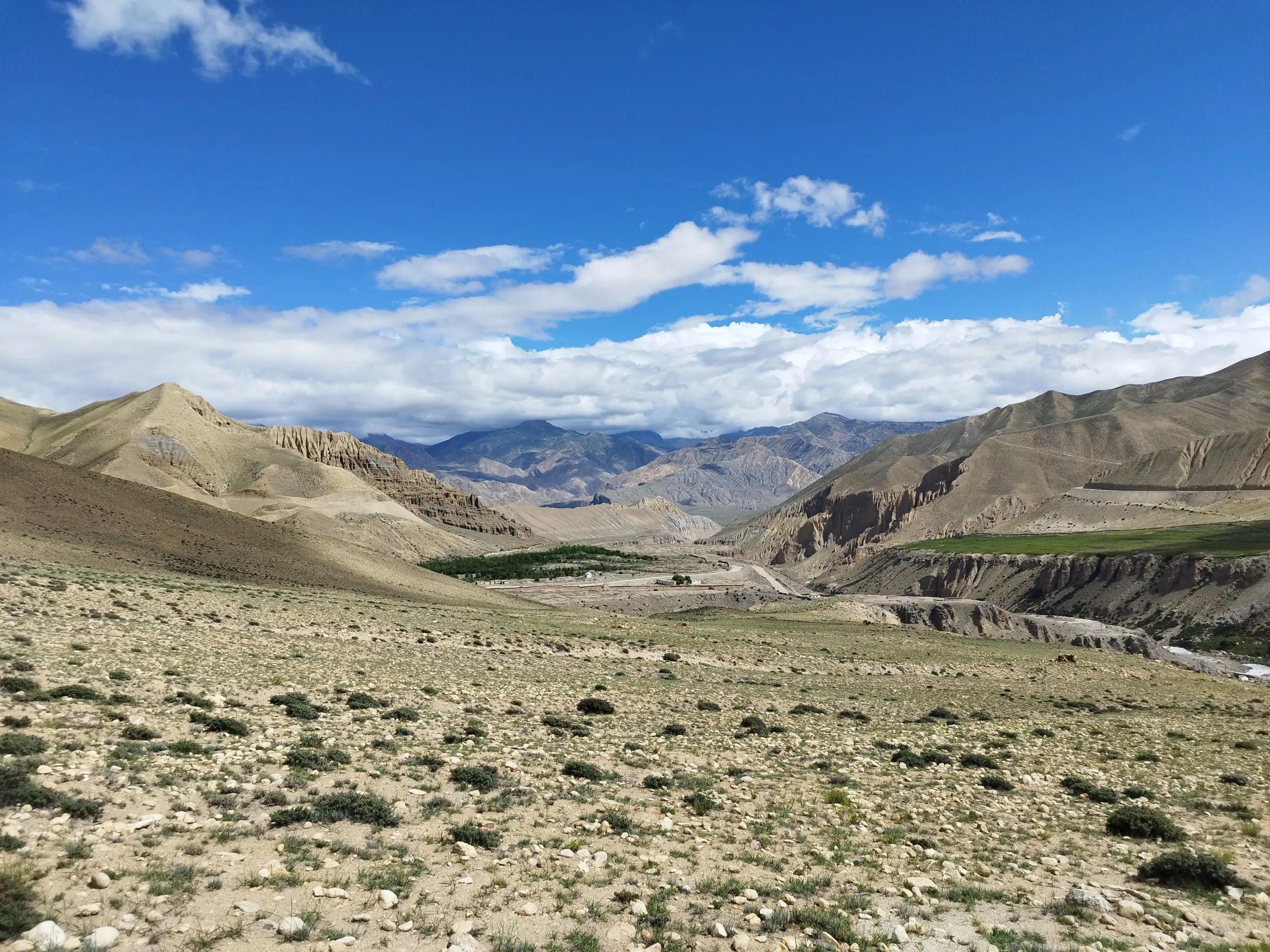
One of the most well-known restricted regions is the Upper Mustang, where the landscapes resemble deserts and the walled cities of ancient times, including the city of Lo Manthang. The area has an average elevation of nearly 3,800 meters (12,467 feet).
Another isolated and culturally diverse place of interest is the Upper Dolpo, which is characterized by steep topography and the existence of lakes of great height. Dolpo is considered to be one of the most challenging areas to trek, as there are many areas that are located over 4,000 meters (13,123 feet) above sea level.
Manaslu Circuit is a well-liked restricted trek that encircles Mount Manaslu (8,163 meters / 26,781 feet), and is associated with breathtaking mountain scenery and various cultural lessons. The highest elevation in this trek includes Larkya La Pass at 5,160 meters (16,929 feet).
The Nar-Phu Valley is an isolated area in the Annapurna region that is characterized by spectacular scenery and high altitudes which usually over 4000 meters (13,123 feet).
They provide a less compromising and more genuine trekking experience than mainstream trails.
Difference Between Open and Restricted Trekking Areas
The restricted and open trekking areas in Nepal are separated.
In most cases, independent trekking without a guide can be undertaken in open trekking areas like the Everest region, the Annapurna region (except Nar-Phu), and the Langtang Valley. Infrastructure in these regions is highly developed, with teahouses, alpine trails, and communication networks.
Conversely, special regions demand Special permits (Special Permit Restricted Area Permit), licensed guides, agency, and additional documentation.
The new regulation changes the group size requirement, but does not alter the entire regulatory framework.
Why Restricted Areas Still Require Strict Control
The new flexibility has some limits that are closely controlled because there are a number of reasons that are important.
These areas are usually close to sensitive international boundaries, especially with Tibet, and it is important to monitor them. They also harbor delicate ecosystems and exotic cultural practices that must be preserved.
There is also poor infrastructure in these regions. It has fewer teahouses, medical centers, and communication lines than the well-liked trekking paths. Professional guidance is essential in this regard.
The existence of guides also benefits the local communities by providing jobs and making the benefits of tourism more evenly spread.
What This Means for Solo Trekkers
This is a big step for solo travelers.
It is much more flexible and independent, and at the same time, safe and responsible tourism. Tourists no longer have to modify their itinerary to seek trekking partners, and can explore Nepal on their own terms.
It should be noted, though, that trekking in restricted zones is more costly than trekking in open zones. The most expensive costs are Restricted Area Permit fees, Guide fees, and Agency service charges.
Even with this expense, the experience is worthwhile as many trekkers find it exclusive and authentic to these regions.
Challenges and Considerations
The new rules are a positive change, but certain points should be mentioned.
This is due to the fact that fully independent trekking cannot be practiced in limited sections due to its obligatory guide requirement. There are those who may want to enjoy absolute freedom, and this can only be found in open trekking areas.
Restricted area permits may be costly, in places like Upper Mustang and Upper Dolpo. Power trekking to higher altitudes, usually over 4,000 m (13,123 feet) in altitude needs proper acclimatization and physical conditioning as well.
The distance and weather conditions may complicate these treks more than the usual routes.
The Future of Trekking in Nepal
The most recent update to the policy is indicative of the changing attitude towards tourism in Nepal. The government is attempting to strike a balance between three main priorities: accessibility, safety and sustainability.
By enabling solo trekkers in Nepal to visit restricted places in a controlled environment, the authorities are also ensuring the relevant safety measures.
This step also lead to more changes in the trekking industry, specifically regarding online services and traveller comfort.
Conclusion
Allowing individual trekkers to enter restricted areas is a major change in Nepal’s trekking policies. It eliminates an old-fashioned obstacle and maintains the necessary processes of security and control.
Those who are keen on restricted area trekking in Nepal, this is a thrilling opportunity to visit some of the most isolated and culturally varied parts of the country with more flexibility.
Nevertheless, the main essentials are the same: trekking should be guided, permits are necessary and responsible trekking is required.
Now, with planning and knowledge of the new regulations, solo trekkers will be able to explore the lesser-known secrets of the Himalayas as it has never been experienced before.
Climbing an 8000-meter mountain is a big dream for many people, but it often seems too expensive. The good news is that even the lowest cost of an 8000 m mountain can be achieved by those who are careful and spend reasonably. All the mountains are not equally expensive. Some have extremely high permit fees, expensive flights, and huge supporting staff, and others are cheaper and simpler to arrange. This implies that even budget mountaineers can pursue a high-altitude adventure without necessarily picking the most expensive one.
An expedition is very expensive and relies upon a great number of factors, such as permits, transportation, guides, equipment, meals, insurance, and emergency rescue. There are those climbers who spend huge amounts of money on luxury services, and those are those who reduce the costs by joining group departures, renting equipment, and selecting local operators. This makes a big difference.
To most individuals, the concept of the cheapest 8000m summit is more than just money saving. It is also the search for a mountain that is of good value, has reasonable logistics, and a realistic possibility of success. Having the correct information, great preparation, and a trusted company, reaching the summit in the Himalayas may be much easier, safer, and cheaper than most individuals initially might think.
Understanding the Costs of an 8000m Expedition
You should also know where the money goes before settling on the cheapest 8000m peak. An 8000m expedition has several significant expenses, and each of them can alter the final price in a significant manner.
Climbing permits, guide services, transport, accommodation, food, equipment, oxygen, insurance, and emergency support have been identified as the most common. The combination of these can make the final cost range between the relatively low-priced climb and the extremely high-priced one.
One of the fixed costs is permit fees. These are determined by the government of the country that the mountain belongs to. Next are the logistics, which can constitute the largest portion of the budget. This involves guides, Sherpas, base camp staff, transport to the mountain, and the price of establishing camps. Another high cost is equipment. Purchasing all the necessary equipment to go high can run in the thousands of dollars, and this is the reason why many low-end mountaineers opt to rent some equipment.
Transport and lodging are also important. Before and after the climb, international flights, hotel accommodations, and food are all counted. Insurance is also necessary since the rescue at high altitude can be extremely costly. The knowledge of these costs makes the climbers compare and decide on the cheapest 8000m peak in a smart, realistic manner.
Permits and Government Fees
Every high-altitude climb incurs some unavoidable permits and charges by the government. Even if you desire to at least be able to reach the cheapest 8000m peak, you just have to spend money on official fees to start with.
These fees are imposed by the government and can be extremely varied based on the nation, the season, and the mountain itself. The permit is one of the most expensive in certain locations. In others, it is far more affordable and contributes to the generality of the expedition being inexpensive.
Nepal has numerous of the 8000-meter mountains, and its permit system is expensive, particularly throughout spring. Everest is by far the costliest, with other Nepali mountains like Manaslu, Lhotse, Makalu, and Dhaulagiri costing significantly less.
Permit fees are lower during the autumn in Nepal, and you can do the expedition in autumn to cut down on the overall budget. Besides the basic climbing permission, there can be park entry fees, owing to local charges, garbage deposits, and liaison officer expenses.
In most cases, Pakistan is cheaper to permit. Mountains like Gasherbrum II, Gasherbrum I, Broad Peak, and Nanga Parbat tend to be cheaper than in Nepal. This is one of the reasons why the 8000m peaks in Pakistan are cheaper. Lower permit fees make climbing more affordable for budget mountaineers. Because the permit cost is lower, it becomes easier to plan a cheaper expedition overall.
Logistics: Guides, Transport, and Accommodation on a Budget
Logistics can take the biggest expense in the 8000m expedition budget. Once you decide on the cheapest 8000m peak, the expenses can escalate within a short period unless transport, support crew and accommodation are put into consideration.
That is why smart logistics are so significant to climbers who do not want to spend much money and still do not want to be deprived of safety. A good operator will assist in striking the right combination of comfort, support, and price in a viable manner.
Support staff and guides cost a lot. Expeditions organized by international operators tend to be significantly costlier compared to the locally arranged ones. The experienced Sherpa guides, porters, and base camp staff are usually provided at a significantly lower cost by local companies in Nepal and Pakistan. This is among the most effective cost control methods for many budget mountaineers. Being a member of a group trip is also beneficial as a lot of the costs are distributed, such as base camp gear, cook staff and set ropes.
Another important area is transport. There are also those mountains that can be accessed via road, and hence reduce costs since they do not have to fly at high costs or use helicopters. There are treks in Nepal where a jeep ride is taken, after which the trek starts. In Pakistan, most climbs involve extensive overland journeys and walks to base camp, which is less expensive than air travel.
Budget-friendly accommodation is most of the time easy and sensible. Logistics will allow one to make the 8000m peak that may otherwise seem unrealistic and unfeasible when planned wisely.
Gear: Rent vs. Buy and Other Equipment Tips
One of the largest aspects of personal expenses during an expedition is high-altitude climbing equipment. Gear choices can be of great importance to people looking to achieve the cheapest 8000m peak.
When you have to purchase down clothes, high-altitude boots, crampons, harnesses, sleeping bags, etc., all the technical equipment is very expensive. This is why a combination of renting, borrowing, and purchasing only the most significant idea is used by numerous climbers to save money.
Gear renting is quite a feasible solution, particularly in such destinations as Kathmandu, where numerous stores provide expedition gear at a cheaper cost than the cost of purchasing new equipment. This is convenient to the budget mountaineers who might only get to use the equipment once or twice. Down suits or high-altitude boots can be rented and save money.
Second-hand equipment is also a good purchase, provided that the gears are in good condition and will not fail during extreme weather.
Simultaneously, certain equipment must be selected with a lot of care. Personal clothing layers, such as boots, personal clothing, socks, and any other item that directly influences the comfort and safety, must fit and work well. Major costs are also added by the use of oxygen systems.
The right choice of gear can assist climbers to be ready for the lowest cost of reaching the 8000m peak and, at the same time, remain safe, comfortable, and equipped to face tough conditions in the mountains.
Best Climbing Seasons and Weather Considerations
Choosing the right season is just as important as choosing the right mountain. It is essential to choose the right season as well as the right mountain. The cost and success of climbing the 8000m peak are influenced by the season for climbers seeking the lowest cost.
Everything is different in the high mountain weather. An improved season will enhance the chances of success on a summit, decrease delays and increase the efficiency of the entire expedition. Meanwhile, certain seasons have increased permit fees or busier routes and time is an issue both in safety and budget.
The peak climbing season in Nepal is spring. The climate is typically on the more predictable side, and various teams prefer trekking in this season on big mountains such as Everest, Lhotse, and Makalu. The spring season can be expensive for permits, though.
Another good alternative in Nepal is autumn. Generally, it has lower permit charges, less congestion, and clear weather, which is appealing to budget mountaineers, particularly at summits such as Manaslu.
The Karakoram mountains have summer as the primary climbing season in Pakistan. This is the period when most of the climbing is done to peaks such as Gasherbrum II, Broad Peak, and K2 since the season is more conducive to climbing.
Winter is not a feasible low-cost alternative in most cases, since it is colder, more hazardous, and may require additional support and equipment.
The selection of the appropriate season assists climbers in being more planned, more favorable, and more balanced in the budget in reaching the cheapest 8000m peak.
Ready to book your trip with us? Fill out the inquiry form below
Safety and Rescue Logistics
Safety must always come before savings. Climbers must never compromise on the necessary safety precautions in order to cut the price, even in the event that they are seeking the lowest possible price in reaching the 8000m peak.
It is risky to have to climb over 8000 meters, and carrying out a rescue in remote mountainous regions may be complex, time-consuming and costly. Good planning includes knowing the rescue system, having the right insurance and having an operator whose emergency plans are well defined.
Helicopter rescue services are more available in Nepal, especially in popular climbing areas. This makes emergency evacuation easier in many mountain regions. Injured or sick climbers can most of the time be evacuated to lower camps or base camp by helicopters, which may be quite costly. That is the reason why high-altitude rescue insurance is required.
You also need trained guides, medical provisions, and additional oxygen to be used in case of an emergency. The operator should clearly explain what steps will be taken if a climber becomes sick or gets injured during the climb. This helps climbers understand the emergency plan before the expedition starts.
Rescuing is not impossible in Pakistan, but it can frequently be more difficult as the mountains are far. The functioning of helicopters is based on weather, military coordination and distance. This enhances the importance of self-rescue and high team support.
Safety needs to be considered as a fundamental factor, and not an additional service to budget-minded mountaineers. It is only logical that the peak of 8000m would be the most affordable, but it should be accompanied by sound rescue planning, appropriate training, and a solid team that would approach the emergency seriously.
Budgeting Tips for International Travelers
International climbers need to think beyond the mountain itself. Travel costs to and out of the expedition can be high, even if you opt for the cheapest 8000m peak, unless you manage them. The final budget is influenced by flights, hotels, meals, baggage charges, local transport, and so on. These additional expenses can be minimized through proper budgeting to render the entire expedition cheaper for budget mountaineers.
One of the simplest methods of saving money is to book international flights in advance. Flexible travel times usually come in handy. Packing should also be done well, as the additional baggage fees may turn out to be costly when packing mountaineering equipment. Budget hotels and guesthouses are common in cities such as Kathmandu or Islamabad, hence there is no necessity to stay in costly areas. Dining in local restaurants and purchasing stuff in local stores can also lower the expenses per day.
Exchanging money should be smart, and some local currency should be retained to spend on smaller expenditures.
Another significant component of budgeting is insurance. It might look like an additional expense, but it can save you a lot of money in case of mishaps. Tips, delay, and personal expenditure are also prudent to plan.
A realistic budget also enables climbers to be prepared throughout the expedition. This renders the trip to the cheapest 8000m summit more organized, less stressful, and manageable.
Comparison of All 8000m Peaks Cost: Which is the cheapest?
Knowledge of the difference in costs of climbing the 148000-meter peaks of the world assists mountain climbers in planning their adventure in a wise manner.
The following table is a comparison of the permit fees and estimated cost of the expedition to assist those who have limited funds and thus want to know the cheapest 8000m peak.
Based on this comparison, Gasherbrum II is the most affordable 8000m peak, mainly due to, again, lower permit fees and relatively cheap logistics in Pakistan.
Nevertheless, the issue of accessibility, safety assistance, and level of experience is to be considered by climbers who want to select the appropriate mountain to engage in the journey during their 8000m experience.
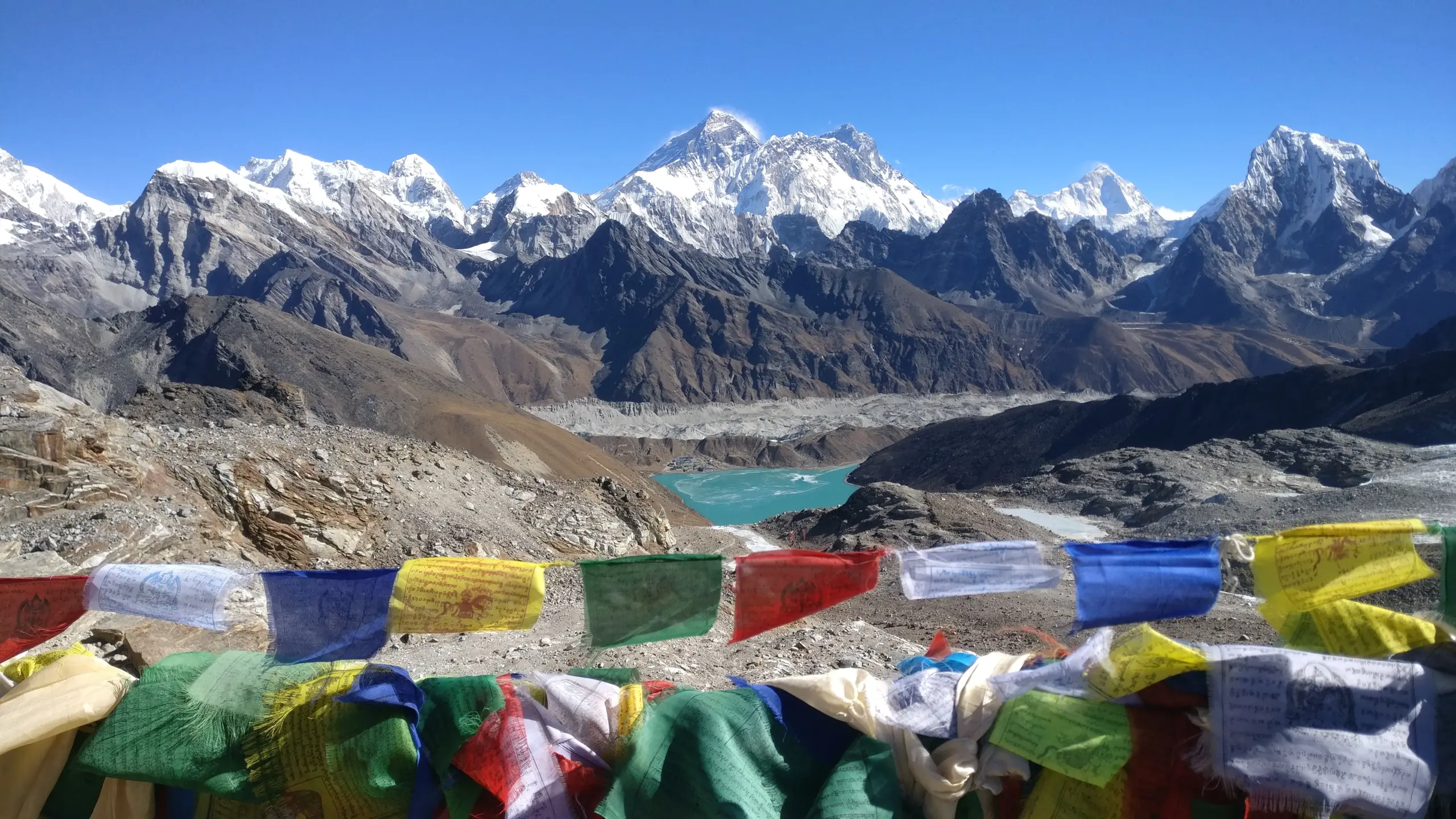
Choosing a Reputable but Affordable Operator
One of the most significant aspects of the expedition planning is to find the right operator. Remember that a low price is not always the best, and the cheapest company is not always the one that may be chosen.
In case you want to climb the cheapest 8000m peak, then you ought to seek an operator who offers reasonable prices, transparent services, and a safety record. Good value entails a trade-off between price and trust, experience, and quality support on the mountain.
A reputable operator must offer a complete cost breakdown. This must indicate clearly what is provided, and these may include permits, transport, guides, base camp services, oxygen, accommodation, and food. Making information clear will assist climbers in making comparisons of offers in the right way. It also avoids hidden charges. In the case of budget mountaineers, transparency is just as important as price.
Reviewing the safety systems of the operator and their climbing history is prudent. A local firm can be far cheaper than a big foreign name with efficient logistics and qualified Sherpa guides. Enquire concerning rescue strategy, acclimatization timetables, guide to client ratio, and summit assistance.
All permits should also be taken care of by the company legally and professionally. The idea when selecting support of the cheapest 8000m peak is not necessarily to spend less. It is to spend well with a team that provides certainty, security, and an increased likelihood of making it to the top successfully.
Why Choose Nature Explore Treks for Your 8000m Adventure
Nature Explore Treks is recommended to those who seek to have a mountain experience at a fair price. Any person intending to achieve the cheapest 8000m peak can consider having a local firm to facilitate the expedition and make it cheaper and more viable.
Nature Explore Treks aims to provide the climbers with the support that they really require, and not add any unnecessary luxury expenses that make the final price high.
Clear-cut pricing is one of the largest strengths of Nature Explore Treks. The company focuses on explaining costs in a very straightforward manner so that the climbers know what is included from the beginning. This will prevent confusion and simplify budgeting.
The company also collaborates with the local guides and Sherpas who have years of experience in the mountain range, weather conditions, routes, and any challenges that might arise at high altitudes.
Another reason why Nature Explore Treks should be chosen is the safety. There should be a price-saving service, but not at the compromise of the quality, and the company poses as attentive to thorough planning, appropriate equipment, acclimatization, and rescue support.
It also provides practical assistance prior to the expedition and during the expedition, such as logistics, local advice, and flexible arrangements according to the needs of each climber.
To the people who dream of the 8000m peak at the minimum possible price, Nature Explore Treks provides an ideal combination of price, familiarity with the local people, security, and quality service.
Achieve Your 8000m Dream – Without Breaking the Bank
It might appear out of reach to summit an 8000-meter mountain, but with proper planning, that will be achievable. The fact that the cheapest 8000m peak does not imply that you reduce your ambition. It involves making wise choices on where to go, when to travel, how much to spend, and who to believe. High-altitude mountaineering is not as expensive as many people would have thought with the proper approach.
Good information is the most likely to guide one in the best direction. Peak comparisons, knowledge of permits, gear cost estimation, and selecting an operator that offers value and safety should be in the plan of climbers.
Climbs like Gasherbrum II and Manaslu show that reaching above 8000 meters does not always require extremely high costs. With careful planning, climbers can achieve these big mountains without spending a huge amount of money. To the budget mountaineers, there are actual opportunities of reaching high without spending money on useless extravagances.
Nature Explore Treks could assist in making this plan into action. After comparing mountains or deciding which ones to climb, the next thing is to receive clear advice and a realistic budget. Request a more detailed quote, get to know what is included and develop a plan that fits your experience and financial constraints.
It all starts with a single choice, by deciding to take a step toward the cheapest 8000m mountain peak. The right support can make your 8000m dream challenging, safe and attainable without having to break the bank.
Everest Three High Passes Trek 2026/2027 crosses Kongma, Cho, and Renjo La with Everest Base Camp and Gokyo Lakes, including costs and group dates. This adventure crosses three spectacular Himalayan passes like Kongma La (5,535 m), Cho La (5,420 m), and Renjo La (5,360 m). While also visiting Everest Base Camp and the stunning Gokyo Lakes, this trek offers a complete Everest experience beyond the standard route, combining breathtaking mountain panoramas, authentic Sherpa culture, and thrilling alpine terrain.
In this epic journey, you will find everything you need to plan your 2026/2027 adventure, including detailed itinerary options, updated trek costs, permit information, the best seasons for travel, fitness requirements, and confirmed group departure dates. Whether you are an experienced trekker looking for a high-pass challenge or planning your first major Himalayan expedition, this guide will help you prepare for one of the most spectacular trekking routes in the world.
Major Highlights of Everest’s Three High Passes
The Everest Three High Passes Trek is the most complete trekking adventure in the Everest region. It combines extreme altitude, dramatic landscapes, iconic landmarks, and a full Himalayan circuit into one of the unforgettable journey. Below are the key highlights that make this trek truly extraordinary.
Exploring Everest Base Camp
Everest Base Camp (5,364 m) is standing at the foot of Mount Everest. Reaching Everest Base Camp (EBC) is one of the most iconic achievements in the trekking world. You are surrounded by towering Himalayan giants, massive glaciers, and expedition camps during the climbing season. The trails to Everest Base Camp pass through rugged terrain, moraines, and glacial landscapes, offering a real sense of high-altitude adventure. During spring, colorful tents of international mountaineering teams create a vibrant atmosphere at base camp.
Kala Patthar Viewpoint
The hike to Kala Patthar viewpoint (5,545 m) is often considered the visual highlight of the entire trek. As the first rays of sunlight hit Everest, the mountain glows golden against the deep blue Himalayan sky. From this viewpoint, you get the closest and clearest panoramic view of Everest, along with Lhotse, Nuptse, and Pumori. Because Everest Base Camp itself does not provide a full summit view, Kala Patthar is the best vantage point for photography and unforgettable mountain scenery.
Gokyo Lake Exploration
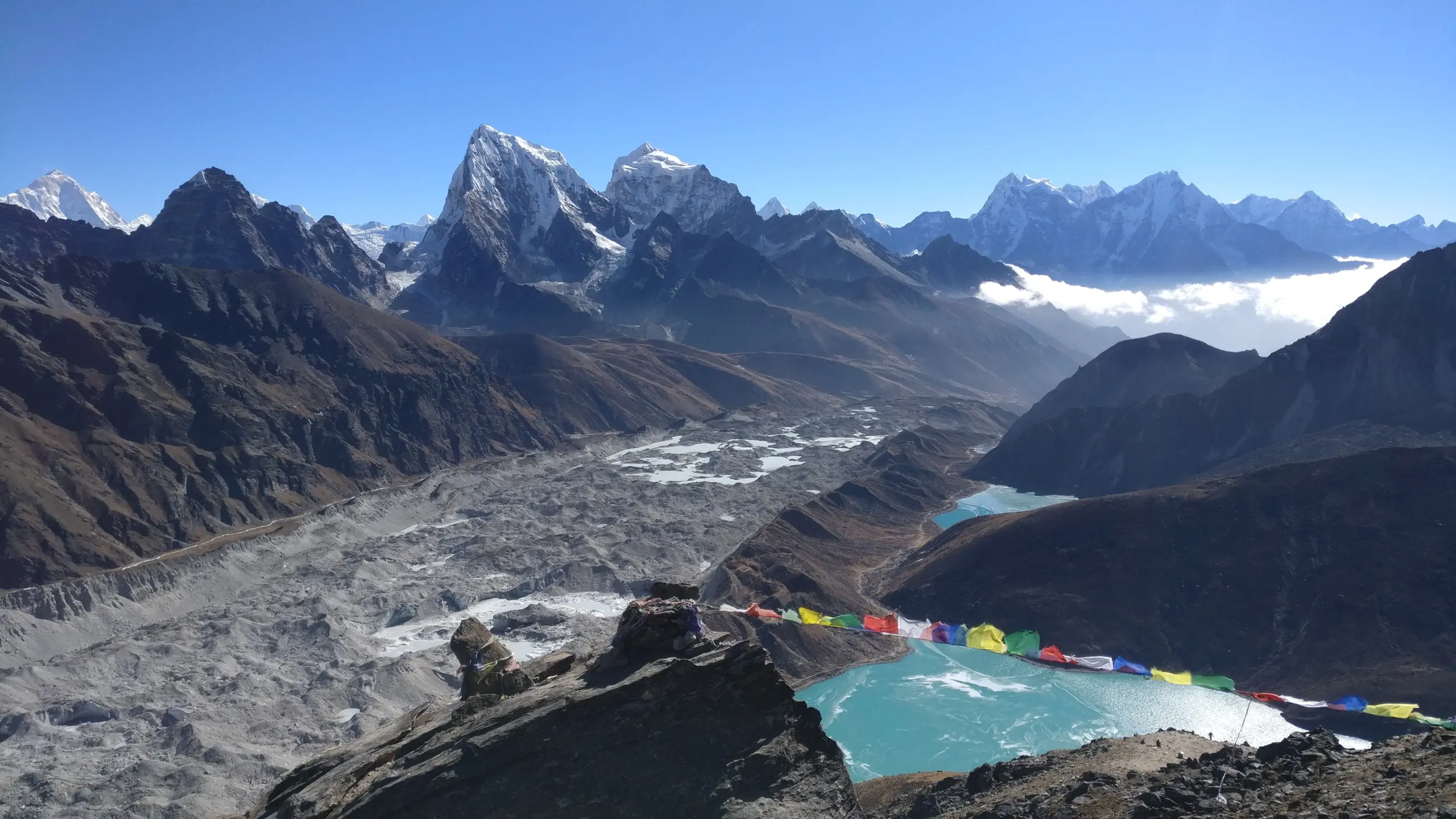
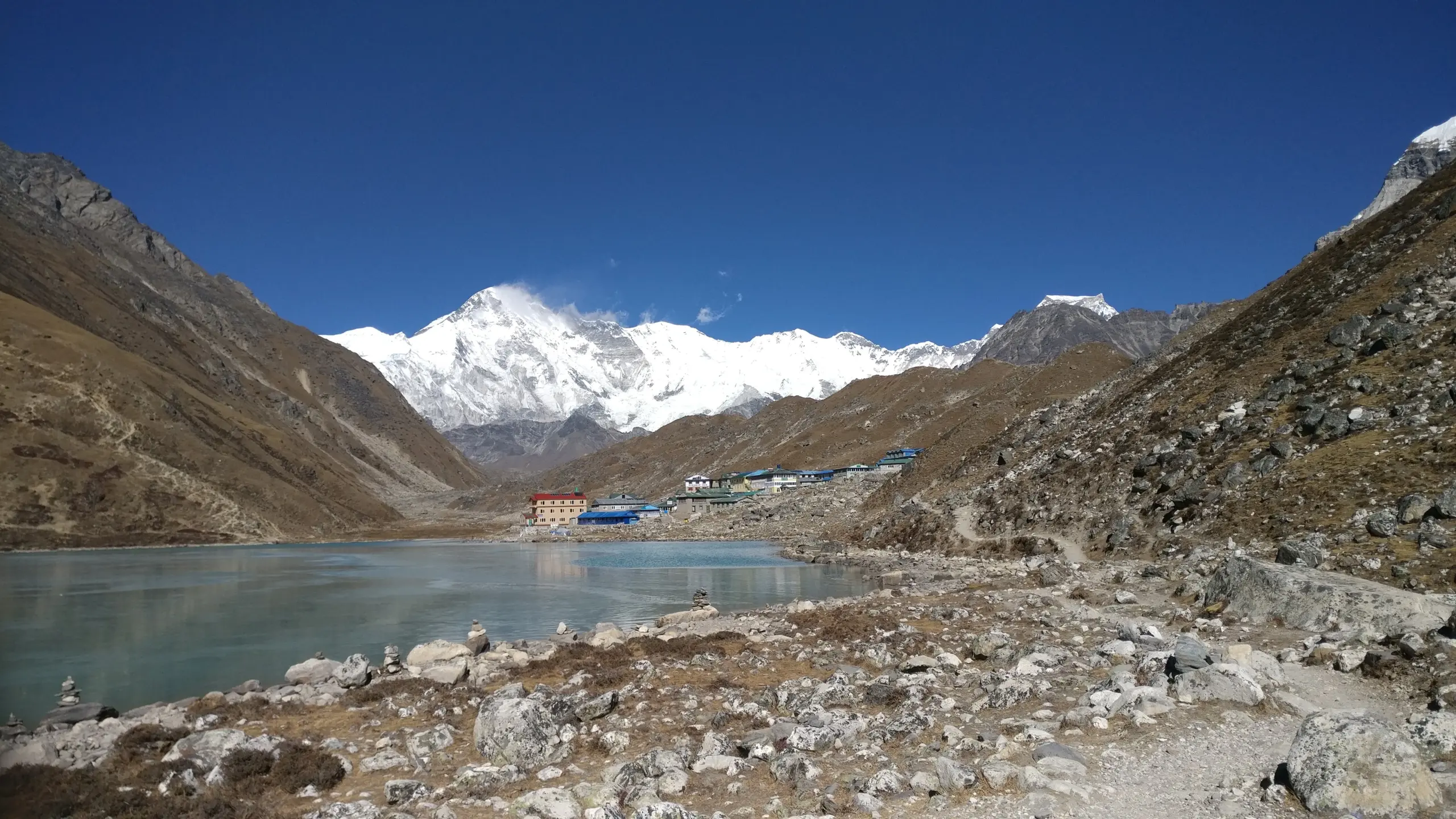
The turquoise Gokyo Lakes are among the most beautiful high-altitude lakes in Nepal. Located in the remote Gokyo Valley, these glacial lakes reflect the surrounding snow-covered peaks, creating a breathtaking landscape. Trekkers also climb Gokyo Ri for a 360-degree panorama of Everest, Cho Oyu, Makalu, and other Himalayan giants. Compared to the busy Everest Base Camp trail, the Gokyo region feels quieter and more peaceful, offering a deeper connection with nature. The lakes, glaciers, and vast open valley make this section one of the most photogenic parts of the trek.
Ready to book your trip with us? Fill out the inquiry form below
Altitude Sickness & Safety
The Everest Three High Passes Trek reaches elevations above 5,500 meters, where oxygen levels are significantly lower than at sea level. Because of the extreme altitude, understanding altitude sickness and following proper safety measures is essential. As trekkers cross high mountain passes such as Kongma La, Cho La, and Renjo La, the body must gradually adapt to thinner air. Without proper acclimatization, there is a risk of developing Acute Mountain Sickness (AMS).
Altitude sickness occurs when the body cannot adjust quickly enough to reduced oxygen levels at higher altitudes. Early symptoms always include headache, nausea, dizziness, fatigue, shortness of breath, and difficulty sleeping. These symptoms are common above 3,000 meters but can worsen at higher elevations if you ignore the symptoms. Proper acclimatization is the most effective way to prevent altitude sickness. The Everest Three High Passes itinerary includes rest days in key locations to help the body adjust gradually.
Safety on this trek also depends on preparation and responsible decision-making. Trekking with an experienced guide ensures proper altitude management and route management and route awareness, especially when crossing high passes and glacier sections. Weather in the Everest region can change rapidly, so starting early in the morning and being prepared for cold temperatures and strong winds is essential. Travel insurance that covers high-altitude evacuation is strongly recommended, as helicopter evacuation is sometimes necessary in emergencies.
Accommodation & Food
During the Everest Three Passes Trek, accommodation is similarly in local treehouses or lodges, which are scattered along the trekking route in the Khumbu region. These lodges offer basic but comfortable rooms, usually with twin-sharing beds. Facilities differ with altitude; in lower elevations, rooms often have attached bathrooms, while at higher elevations, shared bathrooms are more common. Heating is generally provided in common areas, but private rooms may be cold, so carrying a warm sleeping bag is recommended.
Food on the trek is simple, nutritious, and filling, designed to keep trekkers energized for long days of walking. Popular meals include Dal Bhat, noodles, soups, pasta, and Tibetan bread. Hot drinks like tea and coffee are available throughout the day, helping trekkers stay warm in cold weather. Prices for food and drinks increase gradually as the altitude rises, so it’s a good idea to carry some energy snacks for long trekking days.
Is the Everest Three Passes Trek Worth It?
Yes, the Everest Three High Passes Trek is absolutely worth it if you’re looking for a challenging and truly immersive Himalayan adventure. The route takes you beyond the classic Everest Base Camp trail, crossing high passes like Kongma La, Cho La, and Renjo La, while offering breathtaking views of Mount Everest and surrounding giants. You also visit highlights like Everest Base Camp and the stunning Gokyo Lakes, making it one of the most complete treks in the Khumbu region.
It’s physically demanding and requires good preparation, but the sense of achievement is unmatched. With fewer crowds, uncertain sections, rich Sherpa culture, and dramatic alpine landscapes, the Three Passes Trek delivers both adventure and authenticity. For trekkers seeking more than just a base camp visit, it’s one of Nepal’s most rewarding high-altitude experiences.
Physical Fitness & Preparation
Proper physical fitness is essential for a safe and enjoyable trekking experience, especially for high-altitude trails in Nepal. Trekking the Everest Three High Pass route is a challenging high-altitude adventure that requires good physical fitness and endurance. Trekkers should be able to walk 6-8 hours per day on steep, rocky, and uneven trails while carrying a daypack. Pre-trek training should focus on cardiovascular exercises like brisk walking, jogging, cycling, and stair climbing, along with strength exercises such as squats, lunges, and step-ups to build leg and core muscles. Practicing long hikes with a weighted backpack will help simulate real trekking conditions and improve stamina for crossing high passes like Kongma La, Cho La, and Renjo La.
Trek duration
20 days
Maximum Altitude
5,545 m at kala patthar
Average Cost (2026/2027)
USD 1,750 – 2,500 per person (depending on group size and services)
Cost includes:
Airport Pickup and drop-off (Car/ Jeep/ Bus as a group size).
Hotel in Kathmandu, including breakfast as per the itinerary.
Three Times Meals a day during the trek (Breakfast,Lunch and Dinner).
1 cup of Hot Drinks (Tea or coffee) after each meal.
Seasonal fresh fruits
Flights from Kathmandu to Lukla and back (Note: Flight will be from Ramechhap Airport during the autumn season (October–November) and spring season (March–April). The round trip includes a 4-hour drive from Kathmandu to Ramechhap.
Through Ramechhap, a public shared bus/van/jeep is included; if you want to go through a private vehicle, an additional USD 90–120 will be charged after educting the public transport cost.
Accommodation throughout the trek in normal twin-sharing basic room
Professional English Speaking guide
All the necessary airport pick up and drop
Porter (Each 2 people have 1 porter and the max weight limit is 25 kg.) If you don’t want a porter, then the price will decrease.
Sagarmatha National Park Entrance Fee
Khumbu-Pasang Lhamu village municipality fee
TIMS card
Basic Medical kit bag
Treat drinking water.
All necessary trip arrangements
Last night dinner after the trek.
Itinerary
Day 01: Arrive at Kathmandu
Day 02: Trip Preparation Day
Day 03: Fly to Lukla (2,840 m) and trek to Phakding (2,610 m, 4-5 hrs).
Day 04: Trek from Phakding to Namche Bazaar (3,440 m, 5-6 hrs).
Day 05: Acclimatization day at Namche Bazaar (3,440 m).
Day 06: Trek from Namche Bazaar to Debuche (3,820 m, 5-6 hrs).
Day 07: Trek from Debuche to Dingboche (4,410 m, 5-6 hrs).
Day 08: Rest day in Dingboche (4,410 m) with a short hike to Nagarjun Hill (5,100 m, 3 hrs).
Day 09: Trek from Dingboche to Chhukung alt. 4,730 m, 4 hrs.
Day 10: Trek from Chhukung to Lobuche (4,910 m) via Kongma-La Pass alt 5,535 m, 7-8 hrs.
Day 11: Trek from Lobuche to Gorak Shep (5,164 m) and Everest Base Camp (5,364 m) and back to Gorak Shep (7-8 hrs).
Day 12: Trek from Gorak Shep to Kala Patthar (5,545 m) and then to Dzongla (4,830 m, 7-8 hrs).
Day 13: Trek to Thagnak (4,700 m) via Cho-La Pass (5,420 m, 6-7 hrs).
Day 14: Trek to Gokyo lakes
Day 15: Early morning climb to Gokyo-Ri (5,357 m) and return to Gokyo Lake (3-4 hrs).
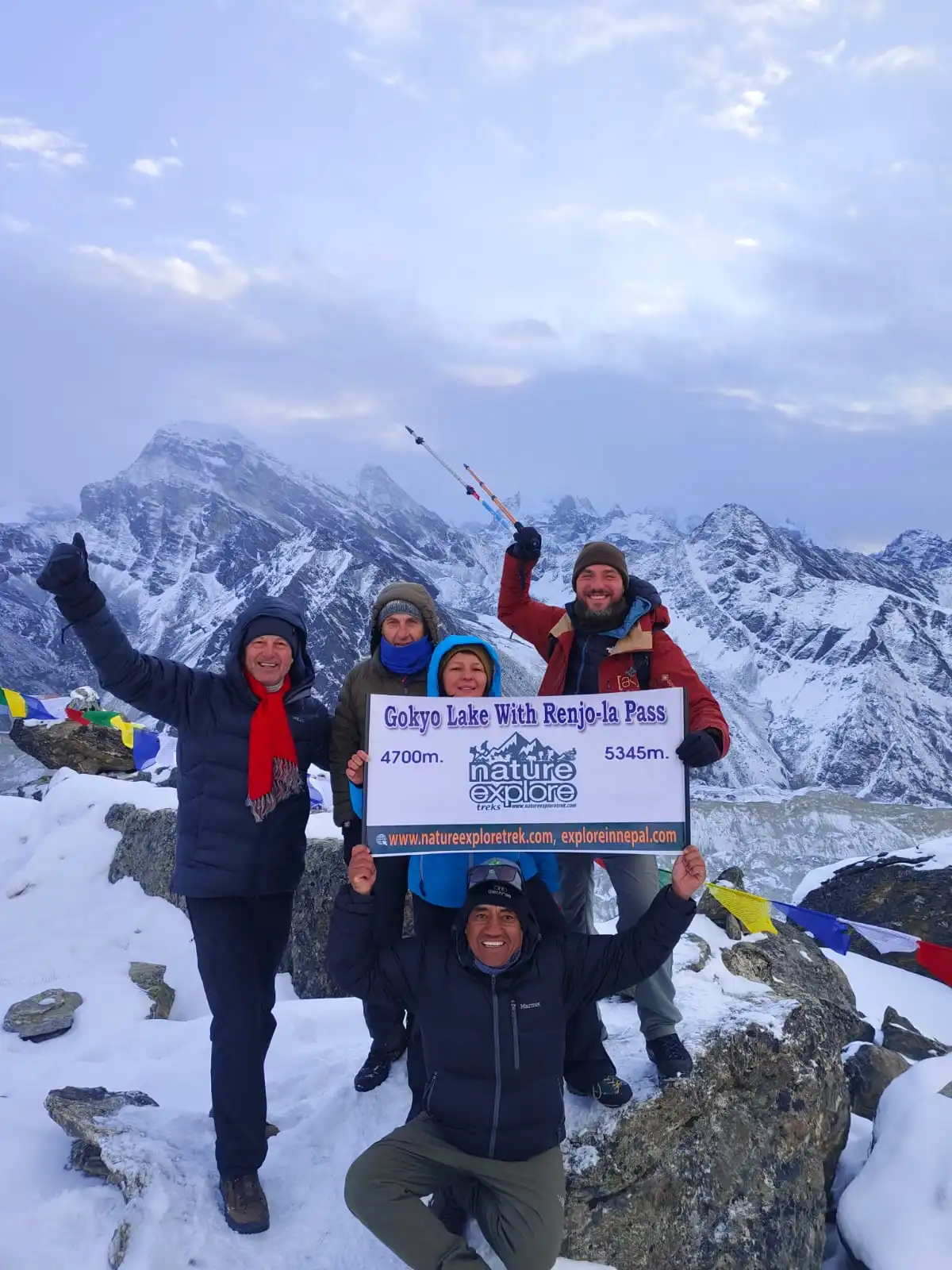
Day 16: Trek from Gokyo Lake to Lungden (4,380 m) via Renjo-La Pass (5,360 m, 7-8 hrs).
Day 17: Trek from Lungden to Thame (3,800 m, 4-5 hrs).
Day 18: Trek from Thame to Namche Bazaar (3,440 m, 5 hrs).
Day 19: Trek from Namche Bazaar to Lukla (2,840 m, 6-7 hrs).
Day 20: Fly back to Kathmandu (1,350 m).
Who Can Join ?
Experienced Trekkers
This trek is suited for those trekkers who have prior high-altitude trekking experience (above 4,000 meters). The long walking days, steep ascents, and high mountain passes require strong physical endurance and mental resilience. If you have completed challenging treks before, this route will be your next big achievement.
Adventure Photographer
This trek is best for the Adventure photographers seeking rare Himalayan perspectives beyond the classic Everest Base camp trail. With dramatic views of Mount Everest, turquoise Gokyo lakes, glacial landscapes, and and panoramic viewpoints like Kala Patthar.
High-Altitude enthusiasts
This adventure offers the ultimate altitude experience, if you are passionate about trekking above 5,000 meters and want to test your endurance across multiple himalayan passes. You will be crossing Kongma La, Cho La, and Renjo La makes it one of the Nepal’s most demanding trekking circuits.
Mountaineering preparation climbers
The Everest three high passes trek is excellent preparation for future himalayan expeditions. It helps to build stamina, altitude adaption, glacier-crossing confidence, and mental toughness. This trek makes it ideal traning before attempting peak climbing or higher mountaineering goals.
Everest Three High Passes Trek – Nepal’s Most Demanding Trek Explained (2026)
The Everest Three high passes is one of the most challenging trek with combine of Everest Base Camp, Kala Patthar (5,545 m), Gokyo lakes, and all three passes (Kongma La (5,535 m), Cho La (5,420 m), Renjo La (5,360 m)). The difficulty level of this trek is strenuous to very challenging. Unlike the standard Everest Base camp Trek, this route forms a complete circuit of the khumbu region.
This trek is Nepal’s most demanding Trek, trek high altitude above 5,500 m. The walking hours in this trek is approximately 6-9 hours each day. In ths trek, the terrain is steep ascents and descents. Crossing the glacier especially, Cho La Pass, see the beautiful scenery. There is a high risk of altitude sickness during the trek. This trek demands physically and mentally strong. The terrain is continuous elevation gain and loss. This trek is perfect for serious adventure seekers looking for a once-in-a-lifetime Himalayan challenge.
Why Everest Three Passes Trek Is the Ultimate Challenge in Nepal (2026/27 Group Trek) because you have to
Crosses three high Himalayan passes above 5,000 m.
Long trek of 21–24 days covering rugged terrain.
High-altitude exposure increases risk of altitude sickness.
Includes steep ascents, glacial paths, and rocky descents.
Faces unpredictable weather with snow and strong winds.
Offers iconic Everest and Himalayan views.
Traverses remote, less-frequented areas.
Combines trekking with real adventure challenges.
Tests physical endurance and mental resilience.
Provides ultimate achievement and trekking satisfaction.
You will get a chance to look 360° Himalayan panorama views of Everest, Lhotse, Makalu And Cho oyu. There is a remote village of sherpas with beautiful culture and religion. In this trek, There is less crowded than standard EBC route. You will get the full exploration of everest region in this trek. This trek is adventurous and challenging so physical fitness is necessary in this trek.
Nature Explore trek is giving you a biggest opportunities to trek in the Nepal’s Everest region with licensed guide, where you can trek in three high passes, EBC, Kala Patthar, etc. So, if you are interested then contact us for detailed information.
Bumthang Valley is located in the diverse mountainous zone of Bhutan. The majestic beauty is also rich in nature, and its beauty, it also offers the spiritual aspect, for which Bhutan is best known.
With centuries old monasteries and belief of different mythologies, Bumthang valley is considered the spiritual heartland of Bhutan. The significant places, such as Jakar Dzong, also known as the castle of White Birds, and Jambay Lhakhang, which is one of the oldest temples in Bhutan, with other such sites makes it the spiritual heart of Bhutan.
Bumthang valley is located at the centre of Bhutan at the Bumthang District, which is rich in it’s Serena beauty too. It is surrounded by high mountain peaks and alpine hills, making it a scenic destination for travel enthusiasts and visitors.
Among several iconic places to travel and explore in Bhutan, Bumthang Valley always stands as one of the most admired and chosen places by travel enthusiasts due to its Spiritual harmony, natural beauty and traditional living style of the Bhutanese people.
Due to its spiritual significance and its natural beauty, it offers both a pilgrimage experience and a travelling taste. It makes it one of the most admired and chosen places inside Bhutan to Travel.
Here, we are about to talk about the features and aspects of the Bumthang valley to ensure insights for you to make your plan for your next bucket list properly. Stick up to end to get properly into the land of Bumthang Valley of Bhutan.
Understanding Bumthang Valley
The name Bumthang derives from the words “Bum” meaning “vase” or “sacred vessel” and “Thang” meaning “plain” or “flat land/valley”, making it Bumthang, a flat land.
In spiritual significance, local believes the name is connected to a holy treasure, along with sacred relics, which are hidden in the valley. It is believed to be especially connected with Guru Rinpoche and Terton Pema Lingpa. The sacred vase symbolises spiritual abundance, blessings, and hidden teachings, which fits well with its reputation as the spiritual heartland of Bhutan, keeping some of the oldest monasteries and temples of the country.
There are mainly four valleys inside the Bumthang, which make it a big valley overall. They are Chokhor, Tang, Ura and Chhume.
The altitude of this valley lies between the elevations of 2600m and 3000m above sea level. The temperature is ideal as it remains mild throughout the year. The landscape offers a great view of layered hills and snow-capped mountains.
Birthplace of Bhutanese Buddhism
Bumthang is very significant for the birth of Buddhism in Bhutan. Guru Rinpoche, also known as Padmasambhava, is credited with bringing Vajrayana Buddhism to Bhutan in the period of 8th century . He is also revered as the “second Buddha” and is believed that he have mediated in several sites across Bumthang, leaving behind the spiritual imprints as well as blessings that continue to sanctify the valley. Rinpoche’s teaching laid the foundation for Bhutanese Buddhist practices, rituals and monastic practices in Bhutan, founding Buddhism.
Later Bumthang people played an important role in the early propagation of Buddhism along with the local rulers and monks. It helped them to establish monasteries and temples, which later became the centres of a religious learning hub with numerous Buddhist schools and monasteries all across the valley. It made Bumthang Valley the centre of speritual hub.
Sacred Monasteries and Temples of Bumthang Valley
Jakar Dzong(castle of the White Bird)
JakarDzong, which was built in the 17th century, dominated the Bumthang landscapes with its spirituality. It is believed that a white bird indicated the location for the fortress. And beyond its administrative role, it serves as a spiritual hub, housing monks and hosting the religious ceremonies all around the year round.
Kurjey Lhakhang
It is one of the most sacred temples in Bhutan. Kurjey Lhakhang is built on the mediation site of Guru Rinpoche. It houses the imprint of Rinpoche, believing a relic radiates the blessings. Pilgrims visit to obtain and seek spiritual guidance there.
Jambay Lhakhang
Jambay Lhakhang is one of the oldest temples in Bhutan. It was built in the 7th century by the Tibetan King Songtsen Gampo. The temple remains a centre for rituals, prayers and the ceremony site for the annual Jambay Lhakhang Drip festival. It is celebrated with the Spiritual legends speaking about the miraculous events during its construction and ongoing blessings for its devotees.
Tamshing Lhakhang
Founded in 1501 by the saint Pema Lingpa, the Tamshing Lhakhang is a pivotal Nyingma monastery. Its walls are adorned with ancient murals which stays depicting Buddhist teachings. Pilgrims often visit to receive blessings and participate in meditation, honouring the spiritual lineage of Pema Lingpa.
Festivals and Living Spiritual Traditions
Jambay Lhakhang Drul
It is celebrated annually. The festival of Jambay showcases sacred mask dances and rituals. It commemorates the temple’s foundation as well as embodies the centuries-old traditions. Locals and pilgrims gather to receive blessings and participate in communal celebrations.
Tamshing Phala Choepa
This festival honours Pema Lingpa’s legacy in the spiritual world of Buddhism. Monks perform elaborate rituals and devotees from different regions. Engage in prayers, fostering the sense of community and spiritual continuity further.
Mask Dances, Rituals and Blessings
Mask dances are usually performed to expel negative energies and to invoke divine protection from them. Rituals also include offering prayers, lighting lamps, and receiving blessings from monks. These traditions and culture of Bhutan keep the valley spiritually vibrant.
Role of Festivals in Local Spiritual Life
Festivals are not only the merely cultural events but are integral to Bumthang’s identity. It reinforced community bonds as well provide opportunities for mediation, reflection and merit-making to people.
Daily Life in Bhutan’s Spiritual Heartland
The daily life of people of Bumthang is deeply connected with their culture and traditional practices.
Monks in Bumthang receive rigorous education in Buddhist philosophy, their rituals, and meditation. More often, local youths join monasteries for spiritual training, preserving religious knowledge and practices.
Prayer flags are scattered across the valleys, spreading blessings, fluttering in the wind. Mani walls inscribed with mantras line paths, and chores make the sacred sites.
As well, people of Bumthang engage in daily prayers, meditation, and offerings. From sunrise to sunset, spiritual awareness guides their routine, whether in farming, crafts, or household chores, creating a very harmonious balance. In their daily life.
Natural Beauty with Spiritual Meaning
Bumthang’s landscape features sacred mountains, crystal clear rivers, and pristine forests. Many natural sites in the valley are considered abodes of deities or their mediation spots, enhancing the valley’s spiritual aura.
The Bhutanese people see nature as a living embodiment of spiritual energy. Pilgrims and travelers gets and opportunity to experience a sense of peace and reverence as walking through the valley, along with rivers, becoming a meditative practice.
Bumthang’s limited development preserved forests, and sacred landmarks offer a serene environment. The intertwine sperituality and beauty of nature make the valley feel timeless and deeply contemplative.
Best Time to Visit Bumthang Valley
Spring and Autumn
The time during spring and Autumn is considered ideal for visiting Bumthang Valley. During these times, both seasons offer moderate temperatures, stable weather, better visibility, clear skies, as well festivals season. So during these two seasons of Spring and Autumn, Bumthang valley is considered to be the best time to get there, which not only offers peak nature of Bhutan but also the deep cultural immersion and traditional festivals in practice.
Also, these two season offers the best features, which you can have better in comparison to other seasons of the year.
Winter
Winters also offer quite solitude and crisp air. It brings a contemplative environment very ideal for meditation and reflective travel. Snow-capped peaks enhance the Valley’s serene beauty. You may also find most of the peaks covered with snow, adding more beauty to the landscapes. It adds more flavour to the scenic enthusiast who loves to enjoy the serenity of nature.
Here are some brief features you will get during different seasons in Bumthang Valley,
Spring: pleasant and colorful blossoms
Autumn: clear skies and mild temperatures
Winter: cold but tranquil
Summer: Occasional rains but lush landscapes
Ready to book your trip with us? Fill out the inquiry form below
How to Reach Bumthang Valley
Flights to Bumthang Airport
Regular flights operate from Paro to Bumthang and other regional airports. Domestic flights are popular and convenient for travellers with limited time and who are in short vacation. It also offers you a great aerial view of traditional Bhutan and its serene mountainous beauty.
Road Journey from Thimpu or Punakha
A road trip offers the scenic drive from Thimphu, which takes 9 to 10 hours, or from Punakha, which takes about 5 to 6 hours. It provides an opportunity to experience Bhutan’s landscapes and interact with local communities. A road trip is always considered the best during travel, as you get more time and opportunity to interact with the scenery and local lifestyle in different places.
Travel permits
Travellers or visitors require Bhutanese visas and travel permits. Different museums and programs may cost entrance fee. Hiring licensed tour operators offers and ensures smooth access to valleys, monasteries, and cultural sites.
Where to stay in Bumthang Valley
Hotels and Guesthouse
Bumthang valley offers and has comfortable hotels and guesthouses catering to different budgets. It consists of local cuisines and cultural experiences. Most of these local guesthouses and hotels are also affordable, with good services and great hospitality.
Farm Stays and Local Homestay
Another great option to enhance your stay further is to stay with local families, which provides insight into daily life, spiritual routines, and traditional farming practices, enriching the travel experience. This can be picked as the best way to enhance your travel experience during the Bumthang Valley to include an authentic taste of Bhutan.
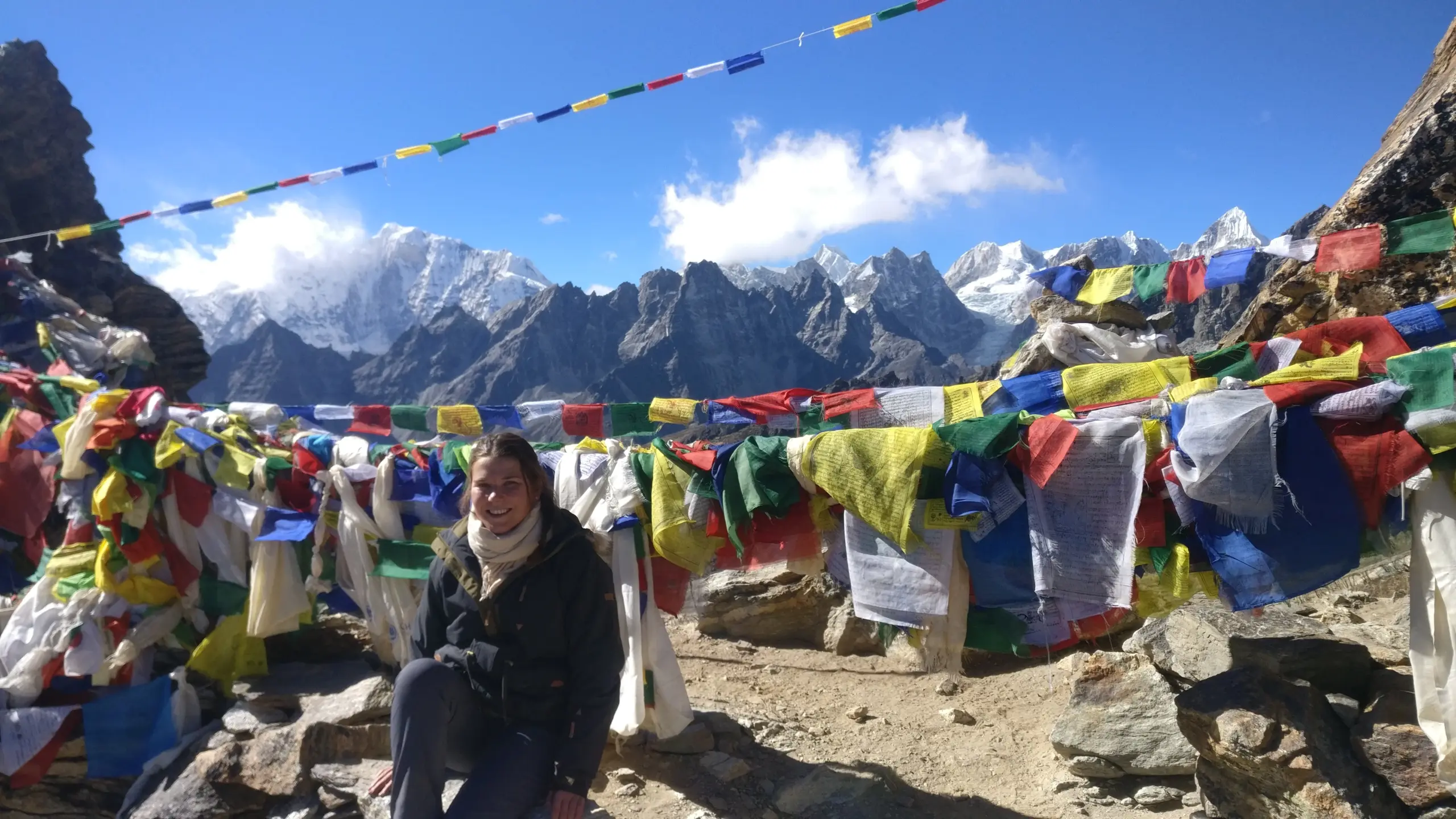
Spiritual Retreats and Monastery stays
The Bumthang valley offers retreat programs for meditation and spiritual learning, which allow visitors to engage directly with monastic life. You can also participate in those chanting and mediation which are often conducted daily by the Monasteries.
Responsible Travel in Bumthang Valley
Respecting Monasteries and Local Customs
Travellers and visitors are recommended to dress modestly. Remove shoes when entering sacred spaces, following the monastery’s regulations. Respect local customs and always be respectful towards the spiritual sites. They are not only significant for religious people, but also their beliefs.
Photography Etiquette
Before taking photographs of monks, rituals, or any sacred objects, always seek permission. And recommended to avoid flash photography in temples as well as respect their privacy. So, always be responsible while taking photographs of any specific subjects.
Supporting Local Communities
Purchasing local crafts, hiring local guides, and participating in community-led initiatives help to contribute positively to Bumthang’s economy. It also helps with cultural preservation. Also, the locally crafted and made products are always a good thing to take with you as a token.
Why Bumthang Valley is the Spiritual Heartland of the Himalayas?
Bumthang’s unique combination of sacred Monasteries, living spiritual traditions, vibrant festivals, and pristine natural landscapes makes it a very spiritual place to be in. It makes it the heart of spiritual heart of Bhutan.
Travelers always leave with a profound sense of peace, cultural understanding, and spiritual enrichment, carrying home memories. The valley always offers faith, nature, and daily life that coexist harmoniously.
Conclusion
Up to here, we provide you with the insight about the Bumthang valley, and its natural features as well as cultural immersion, which makes it the heart of spiritual harmony and a beauty icon of Bhutan. All these features are the experiences that travellers and visitors get an opportunity to explore and to experience.
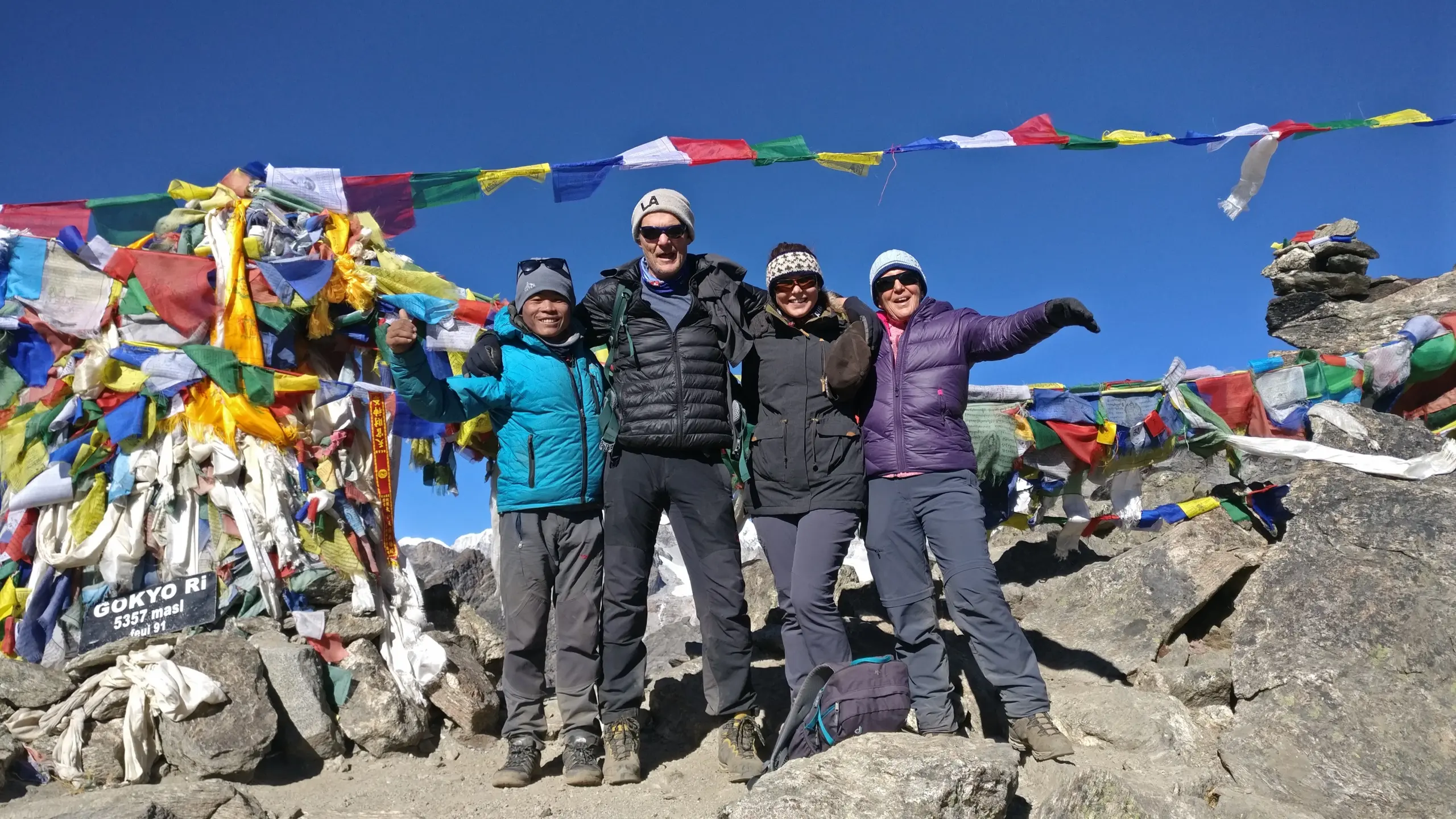
Bhutan is always known for its religious harmony and the great hospitality of its people. As well as unspoiled nature and historic sites too stands as the ultimate feature to explore. The mountains in Bhutan hold such enormous beauty and a very vibrant experience to have.
So, Bhutan is always open for visitors and travellers, all around the year round. You just need to pack yourself. Get yourself out and experience the mountainous gem of Bhutan.
Kanchenjunga Trek Group Join is a perfect option for trekkers who want to explore the remote eastern Himalayas while sharing costs, services, and experiences with like-minded adventurers.If you ever dreamed of trekking to the remote and majestic peaks of Himalayas, the Kanchenjunga Trek is perfect for you it’s an experience unlike any other. As the 3rd highest mountain in the world (8,586m), kanchenjunga offers the breathtaking panoramas, untouched landscapes and deep immersion into the rich culture of eastern part of Nepal
For adventure lovers who are looking to explore this stunning region, joining a fixed departure group trek is the perfect way to enjoy safety, companionship and logistic support all while sharing the incredible journey with like-minded trekking people.
The kanchenjunga region is located in the eastern Nepal, bordering the Sikkim (India). The trek is known for its remote villages, dense forests, alpine meadows, glacial rivers and dramatic mountain views. The trek is of like 17-20 days depending on your pace, holiday, budget etc . The trek itself is in remote area so its challenging so, its recommended for those trekkers with previous high-altitude experience. The trek involves long trekking days, rugged terrain and significant altitude gains.
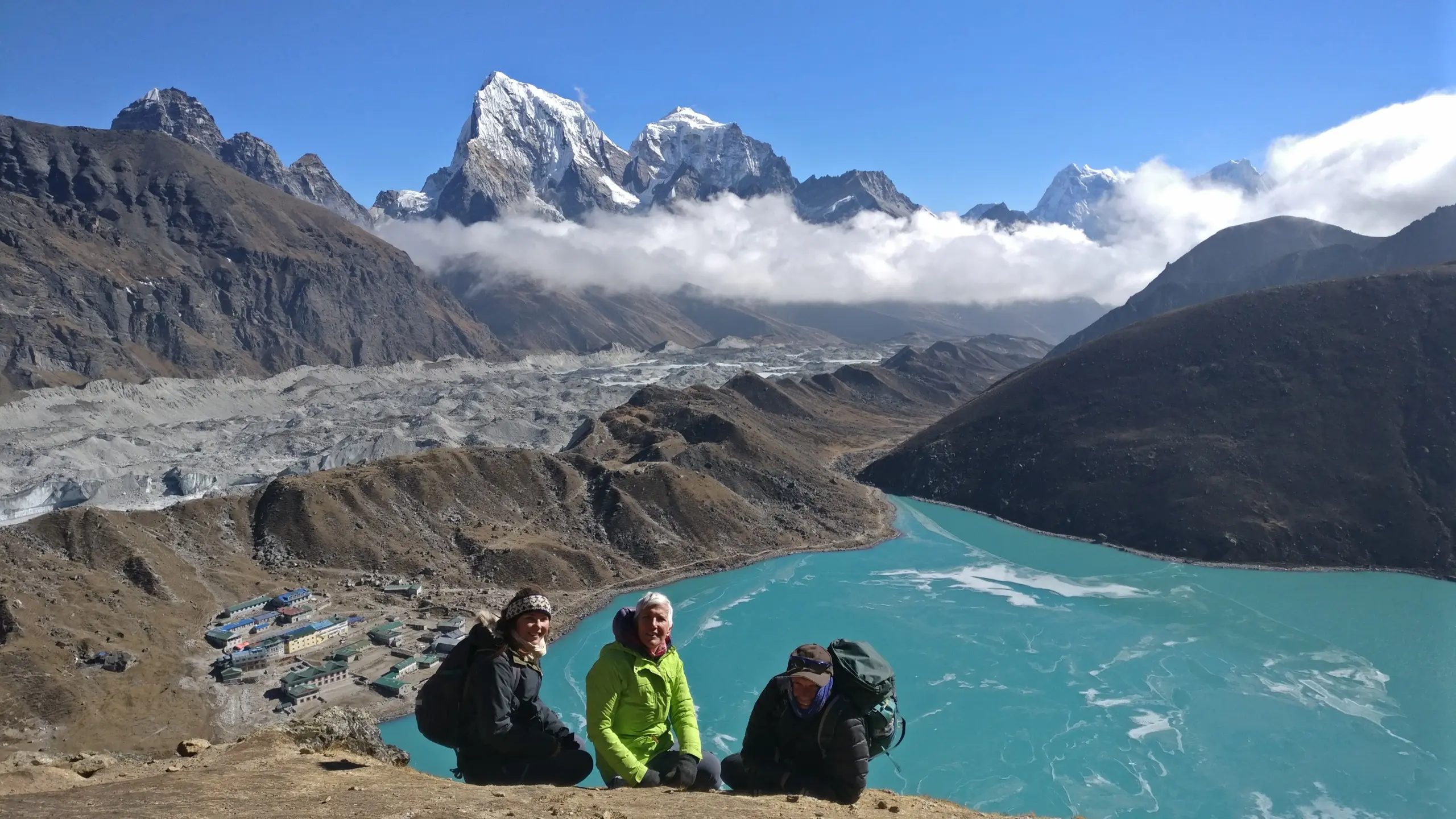
Why You should join Kanchenjunga Trek Group Join
Joining a Kanchenjunga Trek group is the most convenient and reliable way to experience this remote himalayan region. Here are the reason why you should choose the Kanchenjunga trek for group join
Mandatory Guide and Permit Support
Kanchenjunga is restricted trekking area and trekking here independently is not allowed. You need at least 2 people inorder to get the permits for this region trek. When you join a group trek all required permits and legal formalities are arranged by the trekking agency. A licensed and experienced guide accompanies the group throughout the journey ensuring the trek is safe and well-managed from the start to the finish.
Cost Sharing
The Kanchenjunga trek involves higher cost due to its remoteness and long duration. However by joining a group major expenses such as guides, porter, permits, transportation and accommodation are shared among the trekkers which eventually make it more affordable, meaning the more people more affordable treks becomes
Safety in a remote region
Kanchenjunga is one of the most isolated trekking regions in Nepal with limited infrastructure and medical facilities. Trekking in a group will provide you greater safety and security. Guides will manage the altitude acclimatization, trail navigation and emergency situation while group members will support one another along the challenging section of the trail
Fixed Departure and Guaranteed Tip
Our Group join trek operates on fixed departure dates allowing you to plan your travel well in advance. Once a minimum group size is reached, the departure is guaranteed which will gives you a confidence and peace of mind when booking the flight and travel arrangements.
Kanchenjunga Group Join Trek-Best Season
Choosing the right season is crucial for a safe and enjoyable kanchenjunga Group trek as this remoted himalayan region is highly influenced by weather conditions and trail accessibility. The best time to join a kanchenjunga group trek is during Spring and Autumn when weather is stable, visibility is excellent and trekking conditions are at their best.
Spring Season (March-May)
Spring is one of the best and most popular seasons for the kanchenjunga Trek
Why choose Spring?
Clear skies with excellent mountain visibility
Pleasant daytime temperatures
Blooming rhododendron and wildflower forests
Stable weather conditions at hight elevations
Temperature(Approx)
Lower region: 10°C to 20°C
Higher region: -5°C to 10°C
Spring season departure are ideal for trekkers who want the vibrant landscapes combined with stunning views of Mount Kanchenjunga, Jannu and surrounding peaks
Autumn Season (September to November)
Autumn is considered the best overall season for joining a kanchenjunga group trek
Why choose Autumn?
Crystal-clear skies after the monsoon
Dry trails and stable weather
Best panoramic mountain views
Comfortable trekking temperatures
Festive atmosphere in local village
Temperature (Approx.):
Lower region: 10°C to 18°C
Higher region: -8°C to 8°C
Most fixed departure group trek are scheduled in autumn due to the reliable weather and ideal trail conditions
Winter Season (December to February)-For Experienced Trekkers only
Winter trekking in the kanchenjunga region is possible but challenging
Challenges:
Heavy snowfall at higher passes
Extremely cold temperatures
Limited lodge availability
Increased risk of trail blockage
Suitable for
Highly experienced trekkers
Small well-prepared groups
Those seeking solitude and adventures
Monsoon Season (June-August)-Not Recommended
The monsoon season is not recommended for Kanchenjunga trekking
Reason
Heavy rainfall and slippery trails
Leeches in lower forested areas
Poor mountain visibility
Risk of landslides and transportation delays
Who Should Join This Trek?
Experienced trekkers with prior high-altitude trekking experience
Adventure seekers looking for remote and less-crowded Himalayan trails
Physically fit individuals comfortable with long and challenging trekking days.
Trekkers willing to walk on rugged terrain and high mountain passes
Trevelers comfortable with basic teahouse accommodation and limited facilities
Nature Lovers interested in untouched landscapes and wilderness trekking
Cultural explorers wanting authentic village life and local traditions
Solo trekkers willing to join a fixed-departure group
Small group looking to reduce trekking costs through the group joining.
Kanchenjunga Trek Group Join-Highlights
Trek to the 3rd highest mountain in the world-Mount Kanchenjunga (8,586m)
Explore one of Nepal’s most remote and least-crowded trekking region
Join Fixed departure group trek (2026 and 2027) with guaranteed departures
Experience the authentic limbu, Rai, Sherpa and Tibetan-influenced cultures
Walk through the dense rhododendron forests, alpine meadows and glacial valleys
Trek to Kanchenjunga North and South Base Camp areas
Travel with licensed, experienced guides and full logistical support
Benefit from cost-sharing for guides, accommodation, porters and transportation
Safer trekking in a remote region with professional altitude management
Stay in traditional teahouses and remote mountain lodges
Perfect for experienced trekkers seeking true wilderness adventures.
Why Choose a Group Joining Kanchenjunga Trek?
Joining a group Kanchenjunga Trek will offers many advantages especially for trekkers planning to explore one of the Nepal’s most remote and less-traveled regions.
Advantages of Joining a kanchenjunga Group Trek
Sharing the trek cost:
The Kanchenjunga Trek is expensive due to the special permits, long duration and remote logistics Joining a group significantly reduces the overall cost by sharing permis, guides, porters, accommodation and transportation.
Increased safety and security:
The Kanchenjunga region is remote with limited facilities. Trekking in a group provides better safety especially at high altitude and in emerging situations. In case of altitude sickness, injury or bad weather group support helps manage situation more efficiently.
Experienced guide and logistics support:
Group treks are led by professional and experienced guides familiar with the kanchenjung region, terrain and local communities All trekking permits, accommodation and food arrangements are handles in advance
Fixed Itinerary and guaranteed departure:
Group joining trek have fixed itinerary and set departure dates, making planning easier. There is a higher chance of confirmed departure once the minimum group size meet
Meet new people and share experiences:
A great opportunity to meet trekkers from different countries and share experiences, culture and adventure stories.Group interaction makes long trekking days more enjoyable
Hassle-free trekking experience:
Less stress in planning since accommodation, meals transportation and permits are arranged collectively.Group coordination makes teahouse booking easier in remote villages where options are limited
More motivation and enjoyment:
Trekking in a group provides encouragement, teamwork and emotional support during the long and demanding days. Group energy helps maintain morale is challenging sections of the trek.
Disadvantages of Joining a kanchenjunga group trek
While group trekking has many advantages, it may not be suitable for everyone. Below are some possible drawbacks:
Limited itinerary customization:
The itinerary is fixed and individual customization is not possible. Side trips or extra rest days are generally not included unless agreed upon by the entire group
Different fitness levels:
Group members may have varying fitness and trekking experience which can affect daily walking pace. Faster trekkers may feel slowed down, while slower trekkers may feel pressured
Shared Accommodation
Accommodation in the Kanchenjunga region is basic and usually shared.Private rooms are very limited and often unavailable in higher and remote villages
Limited food choices:
Due to remoteness, meal options are limited, especially during lunch stops.Group schedules may restrict meal times
Follow group rules and pace:
Trekkers must walk together and follow the guide’s instructions for safety reasons.Independent walking or changing plans individually is not permitted
Cultural and personality differences:
Traveling with people form different backgrounds and cultures may require some patience and adjustment.Group dynamics may not suit everyone
Kanchejunga Trek group Join Fixed Departures Dates 2026 and 2027
The kanchenjunga Trek fixed departure dates for 2026 and 2027 have been announced for the spring (March to June) and autumn (September to December). These dates procides you all a great chance to meet other individual traveler or group joining the trek.
Spring Season Departure Dates 2026
March 2026: 8th , 16th, 24th April 2026 : 2nd , 10th, 18th May 2026: 4th, 12th, 20th
Autumn Season Departure Dates 2026
September 2026: 6th , 15th 27th October 2026: 3rd, 9th, 22nd November 2026 : 2nd, 6th, 18th
Spring Season Departure Dates 2027
March 2027: 7th, 15th 23rd April 2027: 1st, 9th, 25th May 2027: 3rd, 11th, 19th
Autumn Season Departure Dates 2027
September 2027: 6th , 14th, 26th October 2027: 2nd, 8th, 15th, 21st November 2027: 1st, 5th
Ready to book your trip with us? Fill out the inquiry form below
Kanchenjunga Trek- Group Join General Itinerary
The Kanchenjunga Trek group Joining Itinerary is designed for those who want a well-structured guided trekking experience in Nepal’s remote eastern region. The trek passes through the beautiful villages, rhododendron forests, high-altitude landscapes, and culminates at the Kanchenjunga Noth Base Camp Trek
Kanchenjunga Circuit Trek Outline Itinerary
Day 01: Arrive in Kathmandu (alt. 1,300 m)
Day 02: Trip preparation day – briefing, equipment check
Day 03: Fly to Bhadrapur (40–45 min, alt. 91 m) – Drive to Taplejung (6–7 hrs)
Day 04: Drive to Sakathum (alt. 1,650 m)
Day 05: Trek to Amjilosa (alt. 2,498 m)
Day 06: Trek to Gyapla (alt. 2,725 m)
Day 07: Trek to Ghunsa (alt. 3,415 m)
Day 08: Rest day / acclimatization at Ghunsa (alt. 3,415 m)
Day 09: Trek to Khambachen (alt. 4,145 m)
Day 10: Trek from Khambachen to Jannu Base Camp (≈15 km, 6–7 hrs, alt. 4,750–4,850 m)
Day 11: Trek to Lhonak (alt. 4,792 m)
Day 12: Trek to Pangpema North Base Camp (alt. 4,750 m) and return to Lhonak
Day 13: Trek back to Ghunsa (alt. 3,415 m)
Day 14: Trek over Sele La Pass (alt. 4,689 m), camp at Sele (alt. 4,000 m)
Day 15: Trek over Mirgin La Pass (4,645 m) and Sinion / Sinelapcha La Pass (≈4,660 m) to Cheram (alt. 3,868 m)
Day 16: Trek from Cheram (Tseram) to Ramche, hike to Oktang Viewpoint near Yalung Base Camp (alt. 4,740 m), return to Ramche
Day 17: Trek back to Tortong (alt. 2,980 m)
Day 18: Trek to Yamphudin (alt. 1,692 m) via Lasiya La Pass
Day 19: Drive to Kanyam (Ilam) (8–9 hrs)
Day 20: Drive to Bhadrapur airport – Fly back to Kathmandu
Kanchenjunga North Base Camp trek outline Itiinerary
Day 01: Arrival in Kathmandu (alt. 1,300 m)
Day 02: Trip preparation day – briefing, equipment check
Day 03: Fly to Bhadrapur and drive to Taplejung (7–8 hrs)
Day 04: Drive to Sakathum (5 hrs, alt. 1,660 m)
Day 05: Trek to Amjilosa (6 hrs, alt. 2,510 m)
Day 06: Trek to Gyapla (6–7 hrs, alt. 2,750 m)
Day 07: Trek to Ghunsa (6–7 hrs, alt. 3,415 m)
Day 08: Rest day / acclimatization at Ghunsa (alt. 3,415 m)
Day 09: Trek to Khambachen (5–6 hrs, alt. 4,099 m)
Day 10: (Skipped in original, optional acclimatization or short hike)
Day 11: Trek to Lhonak (5 hrs, alt. 4,780 m)
Day 12: Trek to Pangpema North Base Camp (5,200 m) and return to Lhonak (7–8 hrs)
Day 13: Trek back to Ghunsa (6–7 hrs, alt. 3,415 m)
Day 14: Trek to Amjilosa (6–7 hrs, alt. 2,510 m)
Day 15: Trek to Chhiruwa (5–6 hrs, alt. 1,185 m)
Day 16: Drive to Illam (7–8 hrs, alt. 1,167 m)
Day 17: Drive to Bhadrapur (3–4 hrs) and fly to Kathmandu (1 hr 15 min)
Why Should You Do the Kanchejunga Trek
The Kanchenjunga Trek is one of the Nepal’s most spectacular and less-traveled trekking routes, offering an unparalleled adventure through the Kanchenjunga Conversation Area. The trek takes you through the remoted villages, pristine forests and high-altitude landscapes while offering stunning views of Kanchenjunga the world’s third-highest mountain (8,586m) along with other giant peaks such as Yalung, Kumbhakarna, Pandim and Jannu.
This trek is perfect for those traveler who want to experience the off-the beaten-path trails, rich sherpa culture and dramatic himalayan scenery all while enejoying the peace and solitude of one of Nepal’s most untouched trekking regions.
Majestic Mountain Views
The trek provides spectacular sunrise and sunset views over Kanchenjunga and its surrounding peaks
You will also see glaciers, snow-covered ridges and multiple high Himalayan summits in close range, offering breathtaking photo opportunities every day.
Remote viewpoints such as Lhonak, Pangpema and Oktang give trekkers close-up views of Kanchenjunga north and south faces
Experince the unique Cultutre and Traditional Villages
The trek passes through the traditional limbu and Sherpa villages, where you can observe local offer, culture and hospitality
Exploring around the monasteries, tea houses and community schools, experiencing the authentic Himalayan lifestyle
Interacting with locals provides insight into their daily life, traditions and religious practice
Reaching High-Altitide Base Camps
Trek to Kanchenjunga North Base Camp ( approx 5200m ) or visit other high camps such as Lhonak and Pangpema
From these vantages points you can see Kanchejunga I, II , III, IV as well as Jannu, Pandim and Yalung Glacier
Spending nights at high camps provides a truly immersive high-altitude himalayan experience.
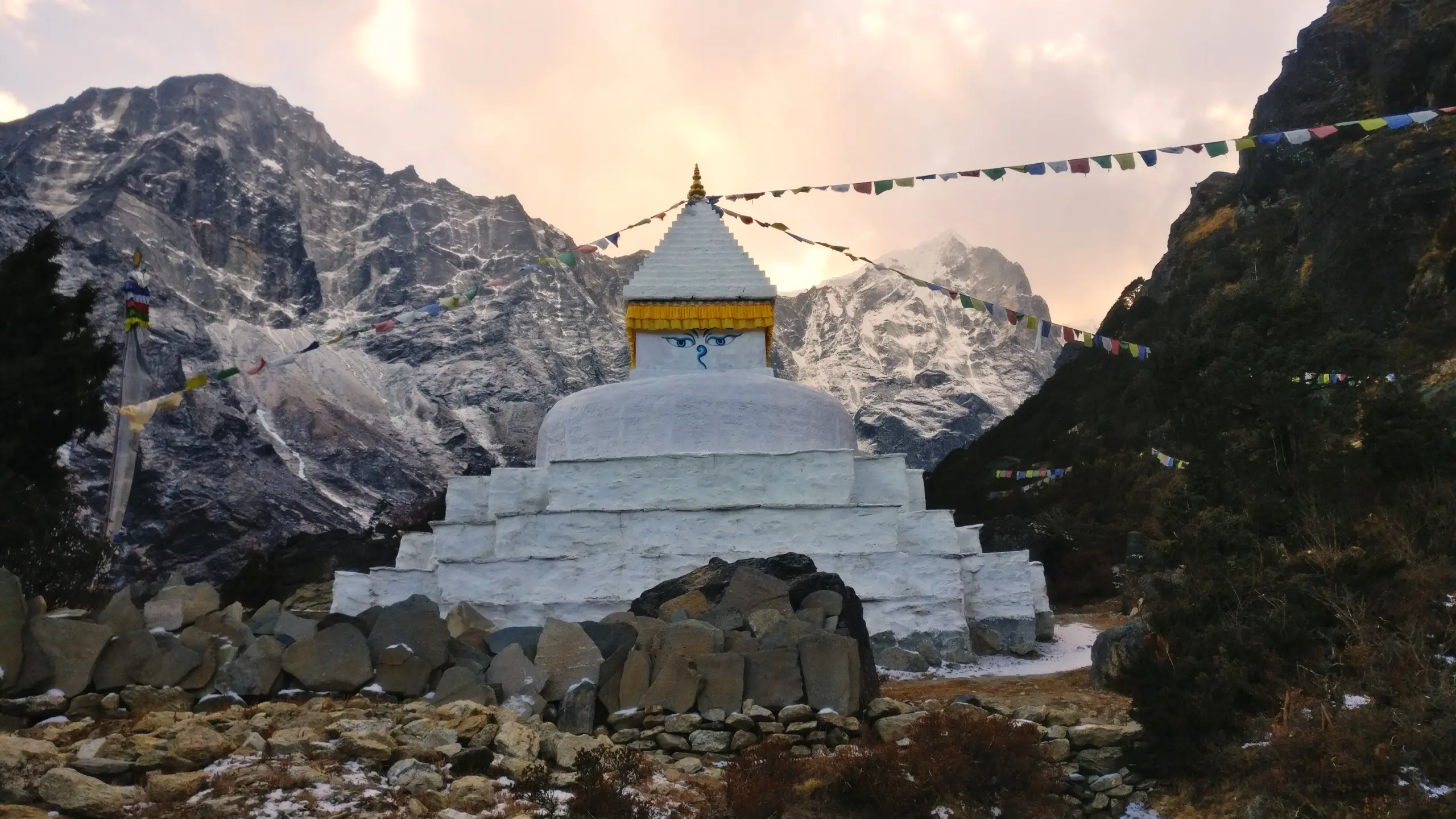
Diverse Landscapes and Nature
The Kanchenjunga trek is rich in biodiversity passing through dense forests of rhododendron, oak, and bamboo
Alpine meadows, sparkling rivers and glaciers make the tril visually stunnning throughout the journey.
This trek is ideal for nature lovers, wildlife enthusiasts and photography enthusiasts
Off-the-Beaten-Path Adventure
The kanchenjunga trek is less crowded than other popular treks like Annapurna or Everest, giving you a serene and secluded trekking experienced.
The trail combines moderate and challenging section, perfect for adventurous trekking looking for an authentic himalayan journey
Cultural and Natural Highlights
Visiting the remote villages , high mountain passes like Sele La and Mirgin La and high-altitude viewpoints like Oktang near Yalung Base Camp
Experince the traditional cuisine, teahouses and local hospitality along the trail
Explore remote IIam tea gardens and rural Nepalese villages on the treks’ return route
Suitable for Adventurers of Different Levels
The trek is suitable for experienced trekkers and fit beginners seeking a challenging yet rewarding himalayan adventure
If needed the itinerary can be adjusted to shorten the trek or skip higher camps without missing out on the major highlights
Truly Unforgettable Himalayan Exeperience
The Kanchenjunga Trek combines stunning high-altitude vistas, cultural immersion and off-the-beatenn-path adventure.
Staying overnight in high camps close to Kanchenjunga and its surrounding peaks is a once-in-a-lifetime experience offering memories that will last forever.
Group Join Kanchenjunga Trek Cost
The Kanchenjunga Group Join Trek is available for scheduled departures and the cost depends mainly on the group size. Kanchenjunga is a remote and restricted trekking area, so the cost is higher compared to other popular treks in Nepal. The price includes essential trekking services such as food, accommodation, professional guides, porter, permits and transportation according to the itinerary
This trek is suitable for trekkers who want to share services and costs while enejoying a professionally organized expedition to the easten himalayan .
Kanchenjunga Group Join Trek Cost (Per Person)
Kanchenjunga Circuit Trek Group Join Trek Cost (Per Person)
S.N
No. of Pax
Cost (USD)
1
2–4 People
US$ 2400
2
5–8 People
US$ 2250
3
9+ People
US$ 2100
Kanchenjunga Circuit Trek Cost Includes
Airport pick and drop.
Hotel in Kathmandu one on arrival and in departure B/B
Three times meals on trek (breakfast, lunch &, dinner)
Hot drinks Tea or coffee-Fresh fruit after dinner everyday
Accommodation on a normal basis twin sharing room.
Experience English-speaking guide.
Porter. (Two people one porter) Each porter carries 25kg.
Kanchenjunga conservation fee
Kanchenjunga restricted area especially permit
TIMMS CARD
Rural municipality entrance fee.
All the ground transportation
Treated drinking water.
All the Ground transportation.
First aid kit.
Nature explore trek down jacket(to be returned after the trek)
Duffle bag for the trip (to be returned after the trek)
Sleeping bag (to be returned after the trek)
Trekking poles (if need only)
Last night Dinner at Nepali kitchen with a culture dance show at Nepali typical resturants.
All the trip necessary documents.
Gov. Vat and tax.
Nature Explore Trek T-shirt gift
Trek Map
Nature Explore Trek Cap
Trekking successful achievements certificate
Excludes
Personal travel insurance.
International airfare.
Lunch and dinner in Kathmandu.
Trekking equipment.
All type of beverage.
Extra expenses like Battery charge, WIFI- Hot shower, Laundry during the trek.
Tipping for staff.
Final Say : Kanchenjunga Group Join Trek
The Kanchenjunga Group Join Trek is an excellent options for travelers who want to share guides, porters, transportation, permits and overall trekking logistics through a reputable trekking agency in Nepal. This Group-Join option is especially suitable for trekkers seeking a cost-effective way to experience one of Nepal’s most remote and untouched trekking regions while sharing the journey. With like-minded aadventureers. Trekking in a group also creates a wonderful opportunity to meet people from different countries who share the same passion for the adventure , nature and exploration.
Group departures for the Kanchenjunga Trek are more common during the autumn and spring seasons as these are the most favorable times for trekking in Nepal. During these season the weather is generally stable with clear skies, sunshine and breathtaking visibility of Mt. Kanchenjunga and surrounding Himalayan peaks. The trails are safer, the scenery is at ots best and trekking conditions are ideal for long -distance and high-altitude adventures. For trekker looking to join a group autumn and spring offer the best chances to find suitable departure dates
Nature Explore Trek is a trusted trekking company established in 2015, dedicated to providing high-quality services to adventure-loving travelers from around the world. Our guides are native to Nepal’s mountain regions and have extensive experience trekking in remote areas like Kanchejunga. They are well trained in basic first aid, altitude sickness managements and emergency respnose which ensures your safety and comfort throughout the journey.
We have received excellent feedback from trekkers on Trip Advisor, Google Reviews, and other platforms reflecting our commitment to safety , professionalism and customer satisfaction. If you have any question or need more details we are happy to assist you via email : [email protected], Whatsapp +977 9851131287 , Messenger or Viber.
Spiritual journeys in the Himalayas are always admired for their authenticity and the pilgrimage from long ago. Even from the mythology of Hinduism and Buddhism, the Himalayas are always depicted as a sacred location for various myths and beliefs. It makes the Himalayas a more important part of the pilgrimage. For both Hindus and Buddhists, their beliefs and important religious significance are centred around their geography.
Nepal and Tibet are always the best places for pilgrimage tours. As most of the important pilgrimage sites and spots lie inside Nepal and the terrains of Tibet, Nepal is the most popular pilgrimage country. It is also due to the shared Himalayan geography on both sides of the country.
In 2026, it is becoming more popular, not only for the religious people or for the pilgrimage significance, but for the travel enthusiast too. The terrains where pilgrimage sites lie also hold the spectacular beauty of nature, as well as adventurous terrains. So, no doubt, both the immersion of a spiritual journey as well as the majestic nature make it a top destination for pilgrimage and adventure in a single frame. Here, we are about to provide you the guide and insight about the pilgrimage sites which are mostly the once in a lifetime choice to go. Until the end, this guide will provide you with insights about top pilgrimage sites, whether you are planning for an international pilgrimage, spiritual travel or a cultural immersion in your next journey.
Why Choose a Himalayan Pilgrimage Tour in 2026?
So, you may be having some thoughts about the question of why to choose Himalaya for your pilgrimage in 2026. Here we are to clear your doubt about it.
In recent years, the Himalayan geography has improved its accessibility through modern infrastructure. It is giving travellers access to places that were once very difficult to reach. The opening of the new guest house and the teahouse made it more accessible to have a comfortable journey, especially if you are taking the long pilgrimage tours.
After the post-pandemic, the graph of spiritual rising drastically. Due to the realization of important travelling spirituality and inside nature, the statistics are changing to their prime. Also, the immersion of spirituality, culture, and nature made it a more interesting activity too, leading to the rising graph in track and pilgrimage tours.
Nepal and Tibet are ideal places for significant pilgrimage tours like Mount Kailash, Lhasa, and the temples around Nepal. These temples have their own belief background and significance in religious importance.
Kathmandu: Sacred Temples & UNESCO World Heritage Sites
Kathmandu itself is a very sacred city filled with hundreds of temples, making it the city of temples. It is itself a museum holding historic and religiously significant sites. The whole city is filled with temples, shrines, ghompas, stupas, and pilgrimage sites, making it a living spiritual museum.
The Kathmandu blends both the spiritual values of Hinduism and Buddhism. It holds very important pilgrimage sites with significant beliefs. The following are the most sacred and pilgrimage sites inside the Kathmandu valley,
Pashupatinath Temple (Hindu pilgrimage hub)
The Pashupatinath Temple is a very important and religiously significant place for Hindu followers. The sacred temple lies inside the city at the bank of the Bagmati River. It is listed as a UNESCO World Heritage Site due to its pilgrimage importance and historical significance.
From all around the world, people come to Pashupatinath for pilgrimage once in a lifetime. The temple is always full of devotees and Hindu followers throughout the year. It is also one of the major pilgrimage hubs in Nepal.
Swayambhunath Stupa (Monkey Temple)
Popularly known as Monkey Temple, Swayambhunath is located on a small hill at the side of the city. It is also a very important pilgrimage site for Buddhism. Due to its location at the natural tower of a hill lock, it is also popular for the panoramic view of Kathmandu city.
The Stupa is surrounded by the artifact shops and cafes to enjoy and have some relaxing time with the peace and significance of the Swayambunath Stupa. It is also full of Buddhist pilgrims all year round.
Boudhanath Stupa (Tibetan Buddhist center)
The Boudhanath Stupa, a UNESCO-listed world heritage site, is another important pilgrimage site located at the centre of a diverse city. It not only holds importance in Buddhist pilgrimage but is also a popular site for its ancient architectural beauty. The Stupa holds a majestic stupa and a very vibrant surrounding of artifact shops and rooftop restaurants.
The Boudhanath is also another pilgrimage site which is filled with Buddhist followers, and its architectural admirers all year round.
Changunarayan Temple
Another pilgrimage site, which is located at the hill lock beside Bhaktapur. It is a medieval era Hindu Temple, an important pilgrimage among Hindus. It is also a very significant place to witness the classic arts and handicrafts.
It is listed by UNESCO as a World Heritage Site due to its important features and religious significance among the people. It is also rooted in several nature hiking routes.
Kathmandu Durbar Square
It is one of the most popular areas in Kathmandu, with its historic background and religious significance. It is more considered a museum which holds important historic events in the history of Modern Nepal. It is also filled with street markets to buy souvenirs and handmade crafts. These vibrant features make it more likely to be on our list. The area of Kathmandu Durbar Square consists of Bhairavnath Temple, Museum, street markets and authentic restaurants and cafes to enjoy the day.
Pilgrimage Experience in Kathmandu
Kathmandu not only holds religious sites and historic places. It is also the hub for diverse cultures and traditions. Mostly, the valley is always celebrating several festivals in Newark throughout the year. As well as the rituals and other festivals of different ethnic groups can be experienced inside Kathmandu.
Also, the daily prayers all around the temples of the valley are another spiritual feature to experience and witness. The monasteries also conduct daily chanting sessions for peace and harmony. The best time to meet for prayer and chanting is morning for temples and evenings for chanting in monasteries. The dress which covers the whole body or local dresses is recommended to wear if you are planning to visit or participate in such holy sessions, respecting the culture and giving the impression of a real traveller.
Pokhara not only holds the pilgrimage sites but also is a well-admired, serene city in Nepal. Due to its location on the lakeside of Phewa Lake and the view of the Macchapucchre range, it stands out as a prime example of what a Himalayan city looks like.
With the natural beauty, it also plays a role as a gateway to other various pilgrimage places and a gateway to the great Himalayan journey.It also consists of several Temples with significant religious importance and sacred places all around the city and nearby. Such immersion makes it one of the most diverse cities to explore besides the pilgrimage tours.
Tal Barahi Temple (Lake Temple)
Located at the centre of Phewa Lake, this temple is visited by devotees of the Hindu religion. Due to its location, it is also admired for its beauty, surrounded by the body of water. The small island keeps the holy beliefs and religious significance.
Bindhyabasini Temple
The temple, located near the Davis Falls, has various mythological beliefs of being sacred. This temple not only gives you the spiritual significance but also the great view of the Seti gorge, the deepest gorge in the world, due to its geographical location.
Gupteshwor Mahadev Cave
This cave not only has pilgrimage importance but also has an amazing cave formation. This cave is believed to be a sacred place for Hindu people, or mostly the caves are devoted by followers of Hinduism in Nepal. This is also one of the most iconic caves in Nepal, with branching Caves.
World Peace Pagoda
The stupa-like architectural icon, the World Peace Pagoda, is also located in Pokhara after Lumbini. The beauty of the pagoda and its significance for world peace and harmony always attract visitors from all around the world. Besides, the beauty is revered by the Buddhist followers.
Pokhara is a hub for Spiritual Relaxation.
Similar to Katham du and Lumbini, it is also considered a spiritual relaxation hub. You can find a yoga and meditation hub all around the valley of Pokhara. The sunrise ritual, too, is a very spiritual thing to do there, along with the peaceful scenery of landscapes and the lake. Pokhara can also be a great choice for an ideal stop on pilgrimage tours before you head to another destination in your journey.
Muktinath Temple Tour: The Ultimate Himalayan Pilgrimage
Muktinath is another spiritual journey that is located at the foothills of the Himalayas. It is both sacred for Hindu and Buddhist. Muktinath is signified as a holy place, the symbol of salvation. Rituals & Spiritual Beliefs
The Temple is one of the most devoted sites in Nepal. The belief is so strong that once in a lifetime, you should visit the temple. Even some beliefs suggest one can be free from their sins after taking a bath at 108 holy water spouts, which are located inside the Temple premises, and a blessing for your wish from the eternal flame, which is also called Jwala Mai.
How to Reach Muktinath
The way to get to the Muktinath Temple is through various available means of transportation. You can go through the jeep if you like road trips for your journey. You can also go by flight or have a helicopter ride up to Muktinath.
During your visit to Muktinath, consider taking precautions to avoid altitude sickness. So acclimatisation can be a good idea to have during your pilgrimage journey to Muktinath.
Best Time for Muktinath Temple Tour
The best time for Muktinath Temple is during the spring and Autumn. Due to its location in the proper Himalayan region, during this time, you will be favoured with various factors. You will get stable weather, clear visibility, and proper accessibility of overnight stays in guesthouses.
Janakpur Dham: Birthplace of Goddess Sita
Janaki Temple is located in the eastern part of Terai in Nepal. The Temple is a magnificent Hindu Temple. It is popular among Hindu followers due to its connection with the Situation, the wife of Lord Ram. It is believed to be the birthplace of Sita. Due to its connection with Ramayana, a holy epic in Hinduism, it is sacred, which makes it obvious for Hindu followers as well as for those who are interested in mythology.
The Temple is devoted and outstanding as a pilgrimage for once in a lifetime for Hindu followers. The temple is also a spiritual place, as a celebrated site during the great festivals of Terai, such as Chat. Among travellers, it is also a very admired temple due to its amazing architecture, besides its religious side. Also, the surroundings of the Temple are filled with other sacred temples and local shrines, including Ram Mandir.
Lumbini: Birthplace of Lord Buddha
Nepal also have a very important site for Buddhism. Lumbini, the birthplace of Buddha, is already a very important pilgrimage for Buddhist followers. Due to its significant importance as the birthplace of Siddhartha Gautama Buddha, the founder of Buddhism, it was made a UNESCO Heritage site in the Terai Region of Nepal.
No doubt such a holy place holds an important pilgrimage among the believers and followers. The place is also connected with the foundation of Buddhism. It is a grand museum in itself with several shrines and gompas, which are built in different eras of history. The site is also an important place for archaeological findings.
Some Major Monasteries & Sacred Areas
Lumbini is not just the birthplace of Lord Buddha, but also a site that consists of wide sacred areas and monasteries. The whole landscape is filled with sacred sites and archaeologically important areas.
Maya Devi Temple
The Maya Devi temple, located just near the Ashoka pillar, is believed to be the temple devoted to the mother of Gautam Buddha. This made the Maya Devi Temple a very religiously significant and important place for pilgrimage.
Ashoka Pillar
The Ashoka Pillar is proof of Lord Gautam Buddha. This sacred pillar is written with the manuscript explaining the birth of Buddha, made by or during the visit of King Ashoka after he fought the big wars in the kingdoms of India.
Monasteries
It is obvious to see the monasteries around the Lumbini as they carry the holy beliefs. Several monasteries visited and chanted by the people all around the world are seen spreading around the birthplace of Buddha. You can also join the chanting while having the pilgrimage tour in Lumbini, to enhance your spiritual journey further.
Meditation & Pilgrimage Experience
Lumbini not just holds the pilgrimage significance but also holds the spiritual features in its basic infrastructure. There, you can have the peaceful walking zones around the temples, as well as in monasteries.
The spiritual journey or pilgrimage is not complete until you have a peaceful time. So, during Lumbini, you can participate in Charing sessions in different monasteries to clear your thoughts, which helps you to get spiritual clarity.
Chitwan National Park: Nature, Spirituality & Inner Peace
Chitwan is one of the most diverse biodiversity locations in Nepal. With endangered One-Horn Rhino, Royal Bengal Tiger, and rare animals of thousands of species, it stands out as one of the best nature parks for nature enthusiasts.
Why Chitwan Complements a Pilgrimage Tour
It is not that pilgrimage significant places like others in our list, it’s a biodiversity and naturally rich location to explore, which can be a complement during your pilgrimage tour.It is still a great place to have naturally connected spiritual places. The popular jungle safari gives you the opportunity to explore the surrounding forested area of the park.Chitwan National Park can be your stop for relaxation and a great place to enjoy breaks during your pilgrimage tour in Nepal.
Cultural & Natural Highlights
Even though it is not that popular, it offers an ethnic, cultural, and traditional immersion. You can experience and witness the Tharu culture and traditions in practice. Also, the river rituals are often featured as a unique culture to witness.So, with all these, Chitwan can be a short spiritual-nature retreat in between your pilgrimage tour, along with a wildlife experience.
Mount Kailash Yatra: The Most Sacred Himalayan Pilgrimage
Mount Kailash is a very popular and significant pilgrimage journey. It is due to the connection with lord shiva. Mount Kailash is so important in mythology that it is sacred for Hindus, Buddhist, Jains, and Bon followers. It lies near the border of 3 countries.
Kailash Parikrama (Kora) Explained
The pilgrimage is known for its kora, which is locally called Parikrama. It has a very spiritual meaning, which means revolving around the sacred object. This kora passes through Tibet, Nepal, and India, covering a distance of 53 km, and taking around 3 days, making it a very sacred pilgrimage tour.
Kailash Yatra Routes
Due to its complex geopolitical location, it has different routes to go through. The most popular is from or via Nepal, passing Simikot, which later takes you through the overland of the Tibetan terrains.
Best Time for Kailash Yatra 2026
The best time for Kailesh Yatra 2026 os during the time of March to May and from September to November.At the time, you will get stable weather, clear visibility, and beautiful landscapes. You need some permits to have during your pilgrimage tour while passing through the trails from different locations. As mentioned above, due to its complex geopolitical location, you need several entry permits to get access to the route to Mount Kailash. The following are the permits you need,
• Nepal Entry Visa • Chinese Group Visa • Tibet Travel Permit • Alien permit • Restricted area permit • Military permit for sensitive areas
Ready to book your trip with us? Fill out the inquiry form below
Tibet Lhasa Tour (7 Nights / 8 Days): Gateway to Tibetan Buddhism
Lhasa is another popular pilgrimage place in Tibet. It is considered a very spiritual town. Once a former capital of Tibet, the town is full of monasteries and shrines. The ancient town of Lhasa offers you a very peaceful geographic location for your spiritual journey inside the mountainous terrains, which is one of the best features during a pilgrimage tour. It is considered the heart of Buddhism as it holds the ancient monasteries all around the town and spiritual heritages. Most of them are ancient major monasteries where the biggest lama(priest) used to live in the Potala Palace, which was also used to be the main figure of Tibet, making it a very sacred site.
Other sacred sites, such as Jokhang Temple, also add more significance in Lhasa, along with Sera and Drepung monasteries, which also hold very important significance in Buddhist pilgrimage. And also, Jokhang is not just a pilgrimage hub but also a great immersive place for spiritual and cultural experiences. From morning prayers to the chanting sessions, you will get to explore the diverse spiritual journey.
The pilgrimage circuit around Jokhang and monastic debates are mostly admired by the people who seek the authentic Buddhist spiritual experience in its original lands.
Kailash Mansarovar Tour package from Nepal offers a spiritually enriching journey with convenient routes, experienced guides, and breathtaking Himalayan landscapes.Mount Kailash is not just a traveler’s destination for scenery; it is a world-renowned pilgrimage site where you get pure energy and strength, full of blessings. Mount Kailash is located in the west Tibet, China, bordering the Karamkurum himalayas range , Pakistan, at an elevation of 6638m above sea level. Every year thousands of pilgrims like Hindu, Buddhist, Jains and Bon religion yatris, used to travel to Mount Kailash from April to October, as the weather is favorable in Tibet. Every devotee has a dream to visit Mount Kailash to wash away sins and bring inner peace, love, prosperity, energy, long life, and spiritual inspiration.
Kailash Mansarovar tour packages from Nepal are more practical, Scenic, Religious and good enough for acclimatization, and they include a visit to the Pasupatinath temple before visiting Kailash. The mount Kailash tour from Nepal is organized to bring a smoother, customized itinerary and affordable cost, which meets the needs of every age group of travelers, from children to senior citizens, and those who have dreamed of visiting Kailash once in a lifetime.
Nepal, Kathmandu en elevation of 1300m from sea level, is quite good for those of you who travel to Nepal directly from sea level and stop for fewer days and wait until the visa we receive from China embassy we get a chance to visit the popular Pasupatinath temple, including Budhanilkantha, the Swoyambhunath temple, and many more. In the meantime you will have a proper altitude acclimatization too before we head to the higher elevation. Before we start the sacred journey to Mount Kailash from Kathmandu, we will do the Home Puja and Rudri Puja with the good darshan of the Pasupatinath temple, for which we are fully blessed to travel to Kailash.
Arranging the Tibet-Kailash travel group visa is easier from Kathmandu for an NRI than applying from your hometown’s nearest embassy. Since you are traveling in a group, we have to apply for the visa also in a group. We can’t apply individually and the minimum group required to travel to Tibet is 5 people up to 50 or more in the same group. Therefore, travel to Kailash from Nepal gives you a good opportunity to visit the Pasupatinath temple , easy visa application, and good acclimatizations many more ..
Why Choose a Kailash Mansarovar Tour from Nepal?
Here are many advantages to traveling to Kailash from Nepal:
Visiting the Temples like Pasupatinath, Budhnilkantha and Swoyambhunath temple, the spiritual journey begins from Kathmandu.
Comfort acclimatization: since we are travelling to Mount Kailash, a higher elevation above 5600m at Dolmala pass includes many high passes along the tour, spending fewer extra nights in Kathmandu (alt. 1300m) can be helpful to yatris for better acclimatization.
Scenic views: since we are traveling to connect to the Nepal-Tibet border by driving through the Nepalese hilly regions like Kathmandu-Timure or Kathmandu-Kodari-Nyalam and flying to Lhasa and taking a helicopter ride to Simikot-Hilsa, you have a good opportunity to see the scenic views.
Explore the Nepalese Heritage sites and enjoy seeing the traditional villages and lifestyle, as well as visiting the local markets; it can be a totally different experience.
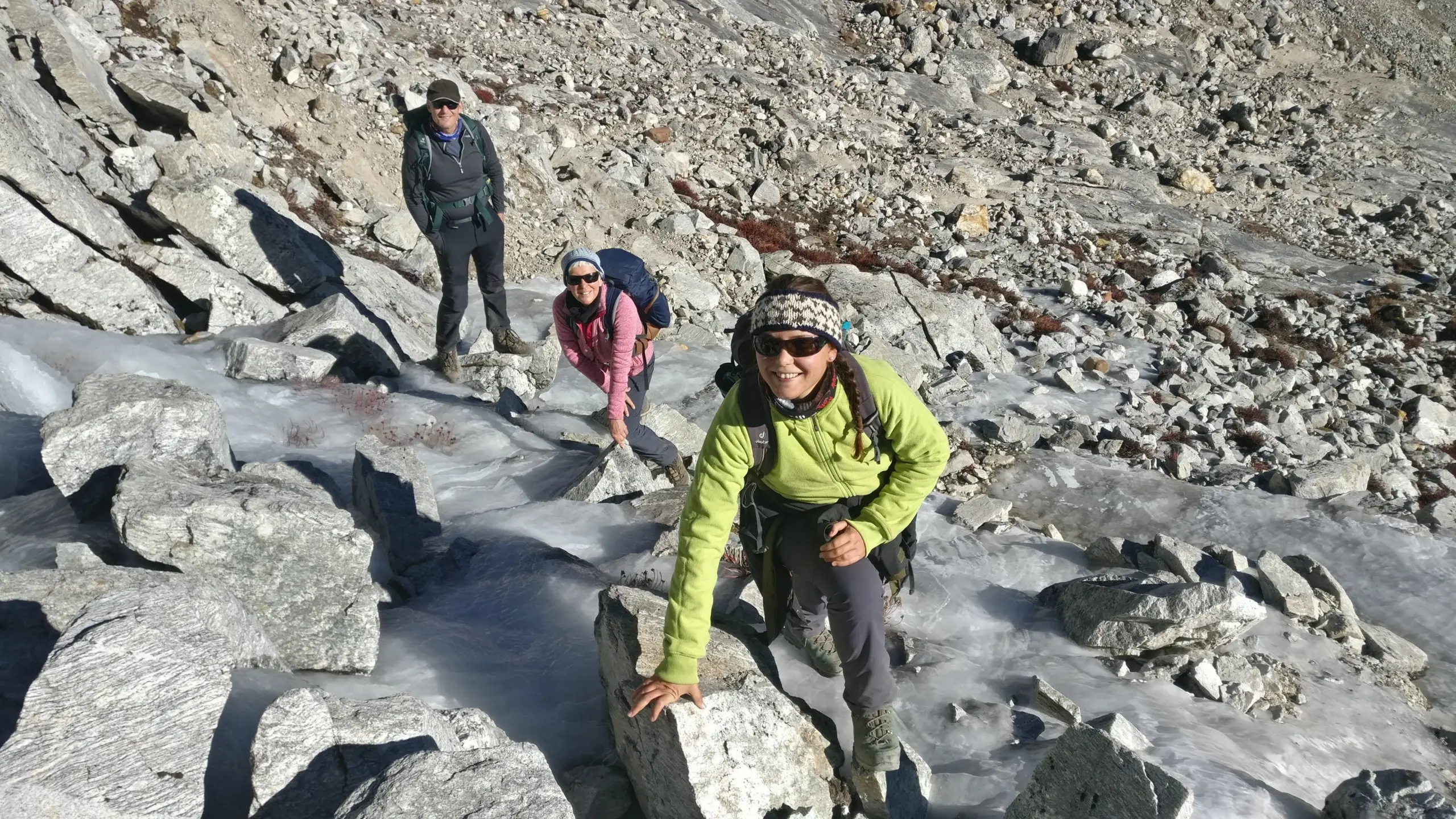
Many route options take you to Kailash, like via the Keyirung Overland tour, Via Flight to Lhasa, Via Kodari and by helicopter from Simikot-Hilsa.
Trusted and reliable tour agent compared with the international tour organizer:
Professional guide, Sherpa and Kitchen crews and equipment.
Organize the Pure vegetable meals and shop for all necessary food items that are needed during the Kailash yatra. Which makes the good and same taste of foods and drinks.
Kailash Mansarovar Yatra Overview
Trip Name
Kailash – Mansarovar Yatra from Nepal
Starting Point
Kathmandu (Alt. 1300m)
Ending Point
Kathmandu (Alt. 1300m)
Maximum Altitude
5600m / 18,368 ft (Dolma La Pass)
Transportation
Bus & Jeep (as per group size)
Meals Plan
Vegetarian Indian & Nepali Style
Accommodation
Hotels, Guesthouses & Lodges
Duration
15 Nights / 16 Days
Trip Type
Pilgrimage – Kailash Tour
Sherpa Ratio
3 Yatris : 1 Nepali Sherpa
Guide
Professional English & Hindi Speaking Guide
Kailash Parikrama Distance
52 km
Horse & Porter
Available at additional cost. Can be hired from Yamadwar (starting point of Kailash Kora).
Ready to book your trip with us? Fill out the inquiry form below
Popular Kailash yatra routes from Nepal:
The most popular route, which takes you to Kailash from Kathmandu, Nepal, is here:
It’s one of the most used routes after early 2017. In the 2015 earthquake, the Kodari route was totally damaged, so alternately, the Keyirung route was used to enter Tibet from Kathmandu. It is located in the Rasuwa district, north of Kathmandu. We get here by driving (165-180km) , 6/7 hours or by taking a helicopter from Kathmandu in 30 minutes.
The best time to use this route is April, May and June-early July. July, August and September may not be good times to take this route because of the rain, landslides, etc. But the weather is unpredictable.
via the Lhasa route is another popular one after the Keyirung overland tour route. Going via Lhasa takes fewer days more in comparison with the Overland route as the Lhasa is located more east and Kailash is located west of Tibet platu. Meeting the classical route to Kailash at saga already takes 3 – 4 days. Lhasa by flight route is more luxurious and expensive and takes extra days, as you have to buy the air tickets to Lhasa and arrange the luxury hotels and we eat meals at restaurants before we meet the kitchen staff at saga. The best time to use this route is July, August, September as the via Keyirung or by heli route can be affected by rain, floods, etc. July, August and September is the high season in Nepal.But the weather is unpredictable.
This is one of the short routes, which takes you to Kailash quickly. This route is more popular among the Indian nationality pilgrims, as the route is close from Nepalgunj – Lakhnau – India. Taking this route to go to Kailash involves more flights, like Kathmandu-Nepalgunj-Simikot by air and Simikot-Hilsa by helicopter, before we enter Tibet-Kailash. Comparatively the Keyirung route is more expensive and similar budget with the Lhasa route even though it is a short route since there are many flights we have to buy. But the weather is unpredictable.
The best time to use this route is mid-April, May, June and July, as the weather is clear, there is good visibility and less chances to cancel the air flights to Nepalgunj-Simikot and Helicopter to the Hilsa border. The end of July, August and September may not be a very good time to use this route. It can be affected by floods, rain, cloudy and no visibility to fly in the mountain area. But the weather is unpredictable.
Overland route via the Kodari-Nyalam:
The Kodari route is one of the shortest routes from Kathmandu; we can reach the Nepal-Tibet border in 4-5 hrs—120 km—via the Dhulikhel, Dolalghat, and Barabishe eastern side from Kathmandu. This route was very popular and most of the overland tibet tour from Kathmandu used to take it. After the earthquake damaged and opened the Keyirung route, this route is still under construction on both sides in China and Nepal. But alternatively, it’s used for import and export as well in 2025 after floods swept the Keyirung bridge in July, this border was used temporarily.
Since the Kyirong route is reopened after putting in the beli bridge this might be closed for travelers as it’s still under construction. This border might open in a few years, as it’s almost ready to open on both sides of the countries Nepal and China.
The best time to use this route is the same as the Keyirung route like April, May and June. There are a few more borders, like the border in Upper mustang are ready to open but not officially open yet. Since Nepal-Tibet is bordered by mountains and hills, it’s difficult to build many borders like we have with India.
Popular Kailash-Mansarovar yatra Itinerary which meets the needs of all categories of Yatries and Travelers:
Day 1: Arrive to Kathmandu and drive to your Hotel alt. 1300m.
Warm welcome by our representative with flowers and a Rudraksha mala at the airport and transfer to the Hotel.
Once we reach the hotel, we will offer the the welcome drinks
Rest and relax.
3, 4 and 5-star hotels as per the requested budget.
We collect your passport and process your visa application to travel to Tibet.
Vegetable meals include.
Day 2: Visiting the Pasupatinath Temple in the morning and afternoon Trip briefing.
On the second day in Kathmandu, you will visit the Pasupatinath temple and we will organize the Puja. come back to the hotel, we have lunch and then today we have a trip briefing and equipment demonstration. And retired for the day.
Back to Hotel for Lunch , and a trip to necessary goods shops if needed
Trip briefing and team introductions with the nepali team.
Vegetable meals include.
Day 3: Visit Budhnilkantha (Vishnu Jal narayan temple, Swoyambhunath temple:
On the 3rd day of the Kailash yatra, in Kathmandu, we will visit the Vishnu temple and Swoyambhunath temple. After lunch you will have free time to pack the bags and if you do not have enough equipment or have anything left to buy, you have time for shops’ last hour before we depart to Kailash tomorrow.
Visit the Vishnu Jal narayan temple
Swoyambhunath temple (Monkey temple)
Back to Hotel for Lunch
Last-hour preparation before starting the trip to Kailash.
Vegetable meals include.
Day 4: Drive from Kathmandu to Timure via the Dunche-Sybrubeshi in 6/7 hrs. 180 km.
Early in the morning after breakfast, we depart to Timure through the Trisuli-Dunche-Sybrubeshi bazar. It’s a 6-7 hr drive through the scenic traditional Nepalese villages, landscapes,hills and snowscapes.
Along the way we stopped for lunch and continued driving to Timure for an overnight stay. Timure is a small Nepalese town which is scenic and surrounded by mountains, where we spend a night before we cross the Nepal-Tibet, China friendship bridge tomorrow.
Early morning Breakfast,
Drive to Timure – 180km , 6/7hrs
Lunch at Trisuli
Scenic views of snowscapes, Hills, traditional villages, waterfalls, etc.
Vegetable meals include.
Overnight at a simple guesthouse.
Breakfast, Lunch and Dinner.
Day 5: Drive to the Nepal-Tibet friendship bridge then cross to the immigration office at tibet side. After completing all the customs formalities, we drove to Keyirung.(alt. 2950 m.), (4-5 hrs, 40 km)
As in Tibet, China time is 2 hrs 15 minutes ahead of Nepal, so we will start the day early in the morning after breakfast. We can also walk 10/15 minutes to get to the friendshive bridge and where we have to clear the Nepal-side and tibet side customs. Nepal side is not that take time, but tibet, china side take a long time for clear all process as they check everything line by line like visa, travel necessary documents etc.
The Tibet side is stricter in checking the documents than the Nepal side.We need to be patient and wait until our turn comes, as there can be a long queue, especially in the busy high season. After crossing the border, all group members, and participants, our tibet side guide will give us warm greetings with Khata and then we will continue to drive to Keyirung for about one hour and 40 km.
Keyirung is the first Tibetan-side town that we reach today. It is standing at an elevation of 2950m from sea level. The beautiful city is surrounded by the mountains and lush forest and hills. Since it is already a developed country like China, you can already see nice roads, including well-managed basic infrastructure, etc.
Early breakfast,
Drive to Border then cross to tibet
Waiting in immigration line until your turn comes
Warm greetings from tibet side agent
Drive to Keyirung—the first town on the Tibetan side.
Cooking fresh meals.
Day 6: Rest/acclimatization day:
Another easy day starts with the late morning. No rush today. After breakfast, we went for a short hike around Keyirung village. Afternoon: back to the hotel for a hot lunch and free rest and relaxation. Today is the day we use for good acclimatization because we are going to higher elevations and high passes during this yatra. It can be good and helpful for digesting altitude and accommodating the Tibetan atmosphere, etc.
We do the short hike after breakfast. Which helps us to have a good acclimatization day .
Visits markets
Good rest before going to higher elevations.
Ready for a long trip to Kailash.
Overnight at Guesthouse
Breakfast,Lunch & Dinner.
Day 7: Drive from Keyirung to Saga, 270m , 4-5 hrs. (Alt. 4450m.)
The 3rd day in Tibet is short and scenic. After a warm breakfast, we drive to Saga in 4-5 hrs. Along the way we have very beautiful views over the mountains, Landscapes, Hills. After a couple of hours’ drive, we reach the Keyirung la pass at an elevation of 4900m above sea level. From there we can see Mt. Choyuo and Mt. Shishapangma, including the Mt Everest mountain range in the distance, if the weather permits. Before we reach saga we reach Brahma Putra river where we can stop the bus and touch the water.
We will have a Hot packing lunch; we stop somewhere in a nice spot along the route after a 3-hour drive from Keyirung, and we take lunch as a picnic with beautiful scenery.
Saga is the beautiful city where all major Kailash-Mansarovar yatra routes meet, like from Lhasa, via Kodari Nyalam. We get comfortable lodges and warm water for showers, and after that you can also visit the city, where we see lots of commercial buildings, supermarkets, restaurants, shopping malls, etc.
Drive to Saga 270km 3 /4 hrs
Early breakfast.
Cross the Nyalam la pass 5000m above.
Touching the Bramahaputra river water
Scenic views of snowscapes, mountains, and landscapes.
Overnight at Hotel,
Breakfast, Lunch and Dinner.
Day 8: Drive from Saga to Mansarovar lake, 500km, 7 – 8hrs alt. 4546m.
Today is one of the biggest and longest driving days to reach Mansarover lake from Saga. we drive 500km in 7-8 hrs; very early in the morning, after breakfast, we start the day. Along the way we pass fewer high passes above 5000m like Nuyam la pass, Saga pass etc. the scenery mesmerizes you all the time, as the tibet is a scenic beauty in the high himalayan region of the world.
We cross several settlers, nomadic tents, ships, wild and domestic yaks, and many more. After a 4-hour drive from Saga we reach Paryang, where we stop for lunch. Continuing, we drive to Mansarover lake and we see the first Darshan of Mahadev, which includes Mansarovar lake.
After enjoying the first views of Kailash and lake Mansarovar , we will continue driving to our camp at chhu monastery where we will spend a night. The basic mood houses are very close to the mansarovar lake. If you want, you can fill up the water from the lake to take home as prasadam, and we perform a Puja tomorrow morning before we head to darchen.
Mansarovar lake is a holy, spiritual lake surrounded by Mt. Kailash, the Guru mandala himalaya shringkhala. Where we believe Mata parvati and Mahadev take deep baths and meditate. It’s pure holiness. At the lake, we put our feet in mansarovar lake water and take a shower from the holy water. beliefs we wash away all our bad karma and bring back the positive energy, strength, love and care to each other.
First views of Mt. Kailash from Manasarovar lake
Reach at the Holy lake at Manasarover
Scenic views
Feels you are close to Mahadev home
Enjoy the great Darshan of Shiva ji (Kailash) and holy lake mansarovar
Parikrama the manasarovar tal by drive.
Day 9: Drive from Mansarovar lake to Darchen, 1 hr., 40km (alt. 4645m)
Very Early in the morning we provide warm water to everyone for showers before we sit for Puja. we arrange the holy water from Lake Mansarovar. Since it is a cold temperature, we can’t take showers with the cold water, so we suggest taking a quick bath. We take breakfast and then attend the puja, which takes a couple of hours. Once we finish all the processes and the puja, we arrange lunch and continue driving to Darchen, about 40km in 1 hour.
Darchen is a beautiful Tibetan city located beneath the south side of Mt. Kailash at an elevation of 4600m above sea level. As is known, it is the base camp of Mount Kailash. After Dachen, there is no similar big place during the Kailash Kora. Most of the pilgrims used to stop here overnight before they started their three-day Kailash parikrama. We repack the bags here, as we do not need all the equipment during the parikrama. Unnecessary goods we store here until we come back from Parikrama.
Morning Puja at Mansarovar lake
Lunch at Mansarovar lake
Drive to Darchen
Preparation for Parikrama.
Overnight at the Hotel.
Breakfast, Lunch and Dinner
Day 10: 1st day of Parikrama—Drive to Tarbuche then hike to Dirapuk (alt. 4800m – 5 /6 hrs.)
Early in the morning, after breakfast, we get ready to go to Mt. Kailash parikrama. With the limited backpacks basically here, we finally start to walk 3 more days to complete the Kailash parikrama. First in the morning we drive to Yama dawar(5 km) from darchen and basically we start to walk from here. Those people who can’t walk, you can hire a horse and helper at an additional cost. And a horse and helper meet you at Yamadawar. If you plan to walk, you can continue to walk, and those who hire a horse or porter, please, you have to wait until the horse comes.
Since it is the starting point of Kailash parikrama, this is going to be very crowded, so it may take more time than we expect to start. Horses take less time to reach dirapuk than the walking people. So in the afternoon you will meet all participants at dirapuk. Due to the remote, we spent a challenging night here. toilets is common and accommodation is basic. They count the bed, not the room. Here are only a few guesthouses available. Please do not expect the comfort lodge during the Parikrama.
1st day of parikrama (17 km) a 5- to 6-hour walk
Scenic views of Mt. Kailash’s south face
Crossing the rivers, hills, and mountains.
Close view of the north face of Kailash from Dirapuk
First day of the hike, it’s gradual ascents hikes
Tarbuche (Yamadwar), where we meet the horse and local porters
Drive 5 km from Darchen to Yamadawar.
Pack lunch.
Overnight at a basic guesthouse.
Breakfast, Lunch and Dinner
Day 11: Trek from Dirapuk to Zutulkpuk (alt.4700m) via the Dolmala pass (alt.5600m) 22km , 9-11 hrs.
The highlight day of this tour (Yatra): very early in the morning we start the day. Those people in the group who plan to go by foot should leave earlier than those who are following by horseback. Horses walk quicker even in the higher elevation; they are used to it. Walkers start about 4 am and horse riders can start at 6 am after the daylight comes, as the horse can’t walk in the dark.
Getting to the summit of Dolma la pass alt. 5600m from Dirapuk takes 4-5 hrs for walking yatris, and by horse it takes only a few hours. The downhills from the summit to the other side horse—the horse can’t carry the people, so no matter what, even if you have a horse, you have to walk the downhill sections, like 5 km in 1.5 hrs, until the horse is waiting at the ending point of the downhill. And you can continue to ride a horse to Zutulpuk, where we stop today, as the path goes on a gentle, gradual descent.
Accommodation and meals are as like in Dirapuk. You will feel tired after a long day of about 22km with lots of ups and downs. But you will be rewarded with the Kailash views, scenery, rivers, domestic yaks and ships groups manymore. Ending the day’s hike means you are almost close to completing the Kailash yatra. We only have 5-7 km left for tomorrow to the end points of Kailash parikrama. We go to bed early and take a rest.
The hike starts very early in the morning.
8 km to the top and from the Top to the bottom, section 5km and last part to Zutulpuk 11km total 22km
Longest day of the hike, exhausted, tired and a long day.
To the summit of Dolmala pass 3-4 hrs and from Dolma la pass to the other side of base camp takes
1.5 hrs and the last part is a gradual descent of 11km. 3-4 hrs.
Overnight at guesthouse
Breakfast, Lunch & Dinner
Day 12: Trek from Zutulpuk to Darch and drive back to Saga (7-8 hrs, alt. 4546m, 540 to 555km).
We start the day in the morning after breakfast; we walk 7km and our bus picks us up to Darchen. We collect our bags, take lunch and then continue the drive back to Saga. Here we come to the end of our Kailash parikrama. We celebrate the successful yatra before we take a bus ride back to Darchen. Onwards to Kathmandu, we will continue driving to Saga.
Early in the morning after breakfast, start a 5 km hike (2 hrs).
Bus will pick us up after a 7 km walk and 3-4km drive back to Darchen
Kailash Parikrama completed.
Lunch on the way
Pick up the stored gears
Drive to Saga 540km in 7-8 hrs.
Breakfast, Lunch and Dinner.
Overnight at the Hotel.
Day 13: Drive back to Kathmandu via the Keyirung-Nepal, Tibet border.
Early in the morning, we drove back to Kathmandu. It is another long drive day since we are going directly back to Kathmandu from Saga. Since the road is upgraded in the Tibet side and the Nepal side, generally driving time is reduced. so , generally, we can come back on the same day directly from Saga to Kathmandu. We drive from Saga to Keyirung, where we will take a break and continue driving to the Tibet-Nepal border and after clearing the customs systems, we will reach the Nepal side. We take lunch and continue driving to Kathmandu. The road we will be traveling back to Nepal is the same route that we used to go to Kailash. If any unpredictable things come up and we can’t make it to Kathmandu, we have an extra spare day that we can use and reach Kathmandu the next day.
Early breakfast,
Drive to Keyirung first stop
Continue driving to the Tibet-Nepal border for 1 hour.
Clear the immigration formalities
Continue drive back to kathmandu in 5- 6 hrs
Overnight at Hotel
Breakfast, Lunch and dinner.
Day 14: Free day in Kathmandu:
Today we have a free day. You can visit the Pasupatinath temple, last-hour shops and rest after the long journey back from Kailash. In the evening we distribute the yatra completed certificate and say farewell to the sherpa team.
Free day
Can use this reserve day if needed anywhere during the yatra.
Final shopping and Relax day.
Farewell programs.
Breakfast, Lunch & Dinner
Day 15: Departure :
As per your itinerary schedule, we escort you to the airport.
According to the flight escort to the airport.
Leave your footprint here and take a deep memory with you
Breakfast,
Kailash-Mansarover tour cost from Nepal:
The Kailash-Mansarover tour cost from Nepal depends on group size, routes that you want to take and you want to include the hotel categories, facilities, etc.
The general cost we are offering among the enthusiastic yatris—those who are planning to go to Kailash this year cost based from USD 2500 – 3500 for NRIs via the normal overland route. And going by flight to Lhasa cost will expensive little bit more, as the tour is long and includes flight costs, Hotel , restaurants expenses etc. and going via helicopter costs from USD 3000 to $4000 per person. This route is shorter but more expensive compared to the overland route. Going by helicopter and involved through the route numbers flights and demands a higher budget.
Overland route from Keyirung: USD 2500-$3500 Per person. Depends on group size. Via Lhasa by flight: USD 3000 – $4500, depending on group size.
By helicopter from Simikot to Hilsa—USD 3000 – $4000, depending on group size.
Kodari-Nyalam route: USD 2450-$3400 per person, depending on group size.
Basic cost includes:
Airport pickups and drops
Hotel in Kathmandu as per the itinerary. (4- or 5-star reputable hotel
Veg meals ( Breakfast, Lunch & Dinner)
Hot drinks (tea, coffee
Sightseeing – Temple visits, heritage sites in Kathmandu, etc.
Transportation (Car, Bus & jeep as per the group size).
Down jackets, duffle bags, Beanies, Day backpack
All the trip logistics support.
Tibet permit & visa
Accommodation (hotel & guesthouse)
Vegetarian meals
All the ground Transportation as per the itinerary, which mentions days.
Experienced guide & staff
Oxygen and medical support
Kitchen crews & equipment
Experience sherpa
Yatra successful certificate
Down jackets, (to be returned after the trek)
Daybag pack
Duffel bag
Topi etc more …
Cost Excludes:
Personal expenses
Travel insurance
Yatra Equipment
Emergency evacuation
Hospital bills for the case of sick and admin at hospital
Horse or porters during parikrama
Tips for guides and drivers.
The best time (season) to go to the Kailash:
The best season to travel to Kailash from the Nepal side starts from early May to the end of September every year. As the weather is favorable like less rain, reliable temperature, sunshine, clear visibility and blue skies. Here are the month-by-month reports or trips, suggestions for those travelers and it is based on past experience. But the weather is unpredictable
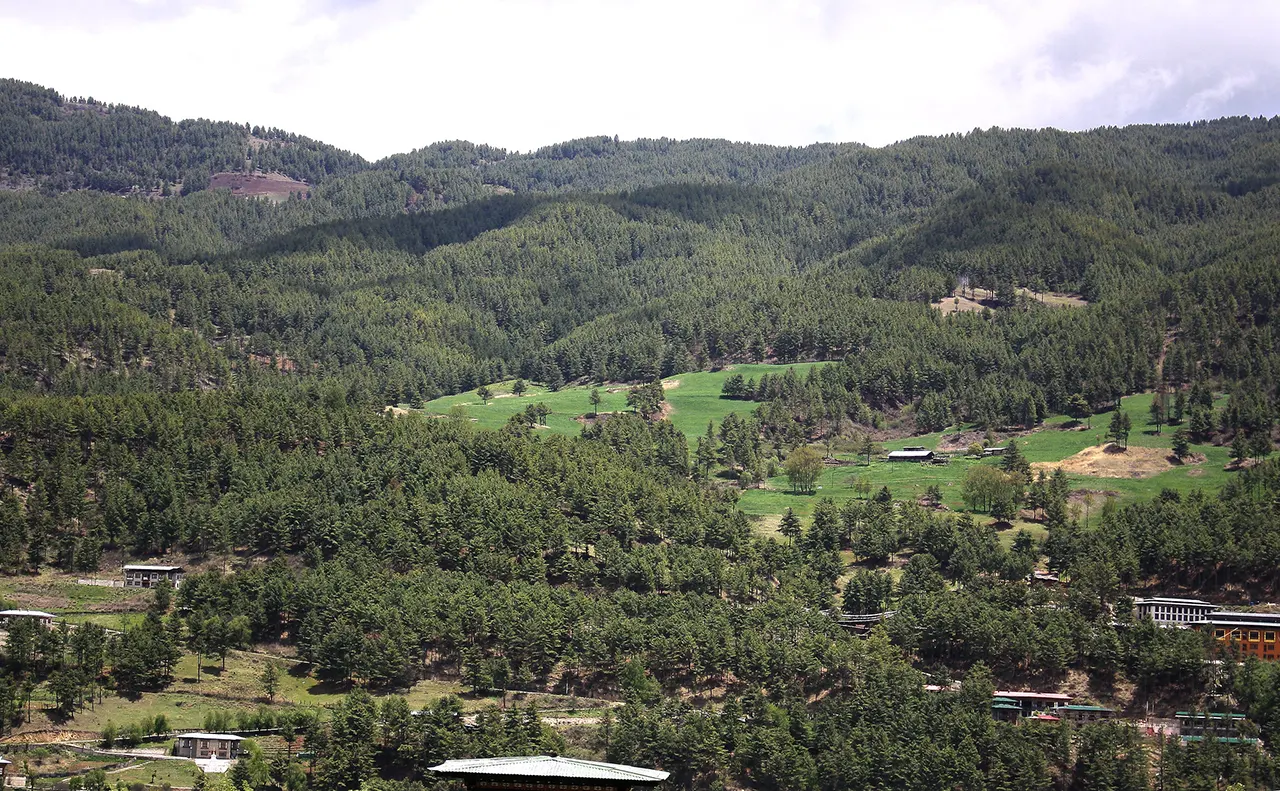
May: May is the beginning of the season and it is still the spring season in Nepal and Tibet. The temperature is warmer, with sunshine and good visibility. To the higher sections of the route there can sometimes be ice and snow; it may demand good experience and proper physical and mental preparation. Those people who prefer to be in the Kailash region for good, clear darshan, May could be the best choice for you.
June: June is the perfect month to travel to Kailash, as the weather is bearable and sunny. blue skies and warm temperatures. There are higher chances to see the clear views of Kailash and the landscapes; the hills are more scenic. There is no ice or snow even in the higher sections of the route.
July: early July is fine, but from the second week of July, the real big monsoon enters Nepal and the lower section of Tibet, especially where Nepal and Tibet border. Sometimes the heavy rains bring landslides and floods too. But higher sections around the Mount Kailash and Lake Mansarovar region can be clear and dry, as the tibet stays drier with less rain most of the time. Still, it can be cloudy and not very clear visibility compared to June and May or September for July. but the temperature can be warmer and feel less chill.
August: August weather to travel to Kailash is similar to July. It can be the same as rain, with less visibility in the lower part of the region. But higher sections of the Kailash can be clear, with good views and less rain too. In the Nepal-Tibet border area floods can bring landslides and it may disturb the yatra, but still many pilgrims used to travel in August too. The temperature can be reasonable, with no cold and winds. Visibility is the same as in July. Since the world climate changes, the weather is unpredictable too; it can be different from when we are sharing information here. But this is based on the last 5-7 years of past experience.
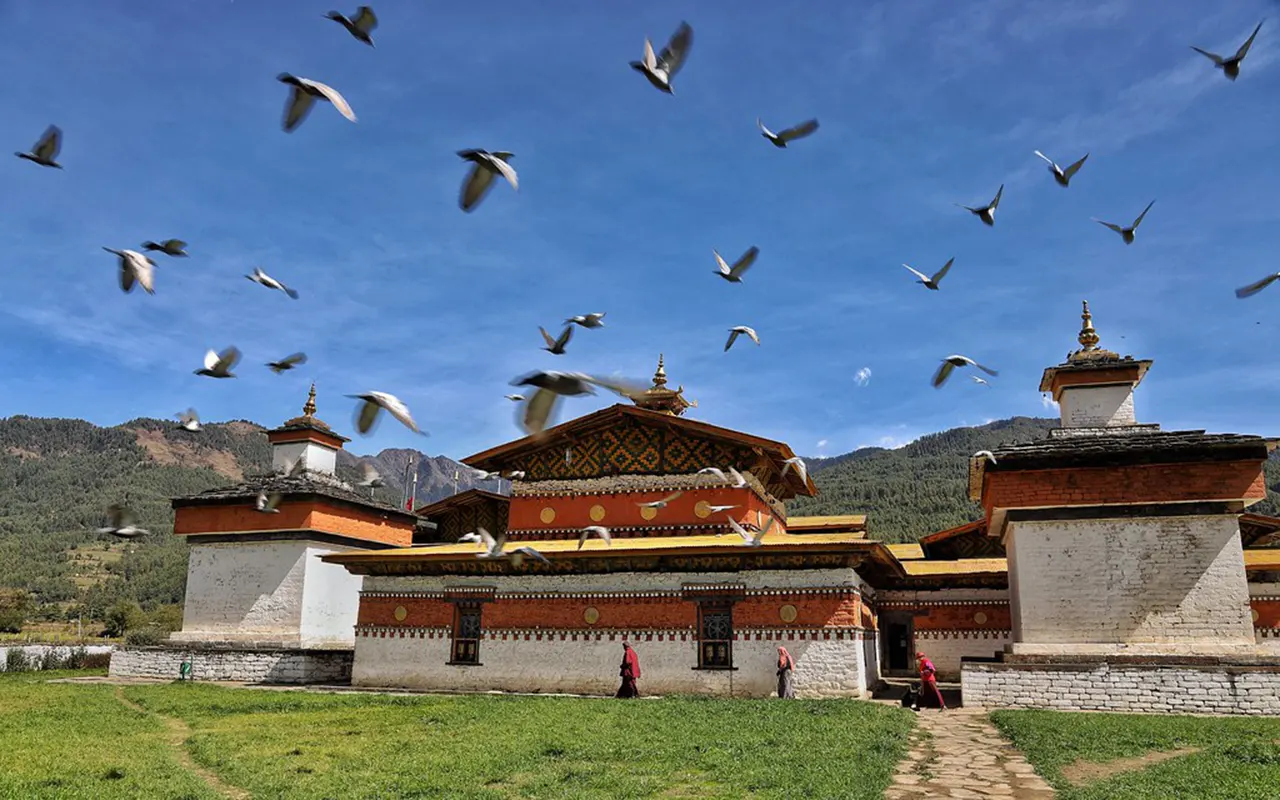
September:September is the perfect time for less rain in Tibet. Sunshine can make a comeback in May or June. but the temperature starts to fall, but not a huge difference comes immediately. September brings clear weather, sunshine and much better visibility of Kailash and other mountain views. Temperature can fall and be chill after the mid september. If you want clear weather and are less worried about the cold weather, then we suggest you travel to do this in September, from after the second week to the end of the month.
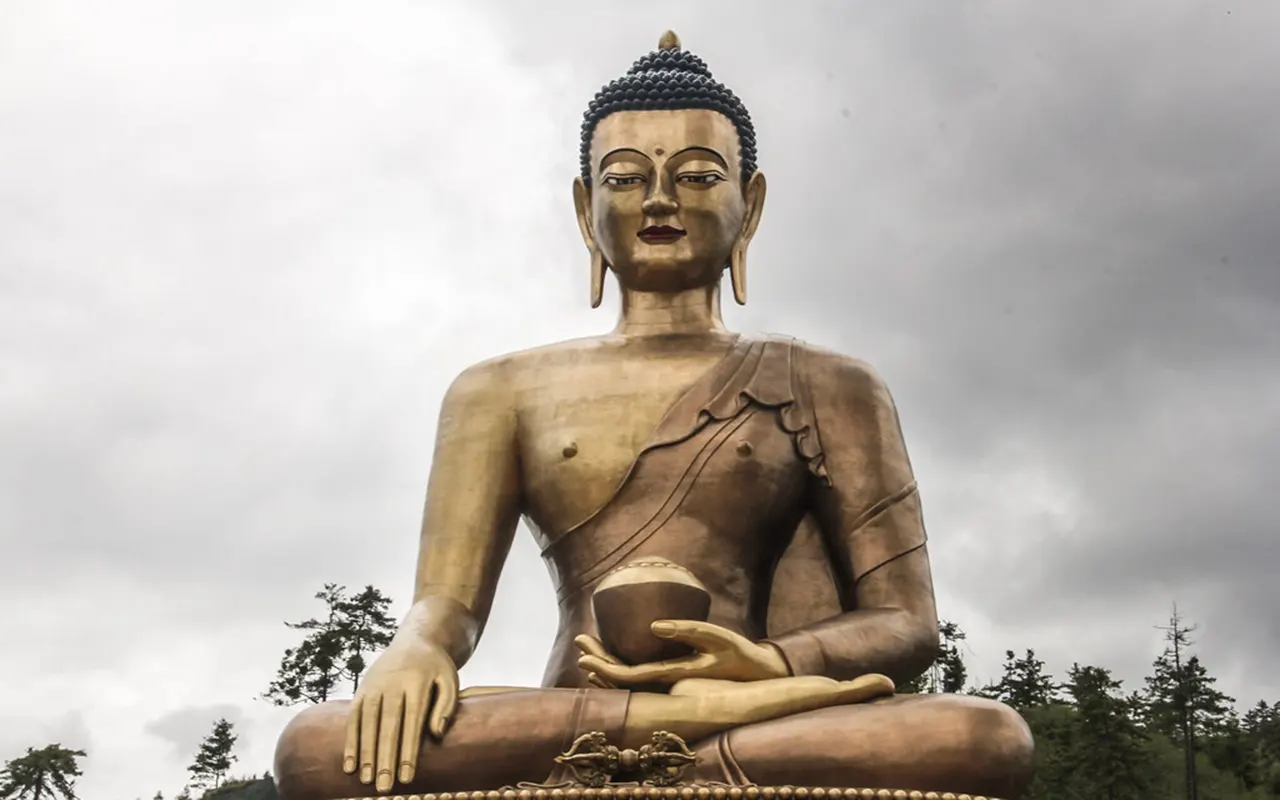
I do not recommend going to Kailash after mid-October and in November and December. It is cold. But some people are still doing the tour, those who have prepared for the cold weather too. Sometimes the weather can be even warmer when it is sunny. But the visibility can be the best in October-November always. Peace and quiet are in April, October, and November since there is less travel used to visit the Kailash. Visiting Lhasa-Everest base camp from tibet side is still good to travel in October and November too.
Temperature chart table that we can feel during the Kailash mansarovar Yatra from may to september
Month
Kathmandu
Lower Region of Route
Higher Region of Route
During Parikrama
May
25–30°C
22–25°C
15–20°C
10–12°C
June
30–35°C
25–28°C
17–25°C
12–15°C
July
35–40°C
28–32°C
15–20°C
13–14°C
August
35–40°C
28–32°C
12–15°C
12–14°C
September
25–30°C
18–20°C
10–12°C
8–10°C
October
20–22°C
12–15°C
8–10°C
-4 to 5°C
November
12–14°C
8–10°C
2–4°C
-10 to -20°C
Note: during the nighttime the temperature falls slightly every month. During May, June, July and august you won’t feel cold even at night, but in september and early may can feel it cooler at nighttime.
Kailash yatra difficulty and preparations:
Mount Kailash is located in the high Himalayan range in tibet, china. And everyday since we left Kathmandu for Kailash yatra, we have reached different altitude levels and atmospheres, which demands the yatra difficulty. The beginning of the yatra lies below the 1300m Kathmandu from sea level, but slowly the route leads us to higher sections of the route, which lie mostly between alt. 4500m to alt.5600m on the top of the dolmala pass. During the Kailash parikrama everyday you have to walk from 6 to 10 hours with ups and downs, which is required for the challenge of the yatra.
We spend several nights at high altitude, around alt. 4500 – alt. 4800 m from sea level and it is another challenge to get used to it. Most of the days we drive through the high hills and mountain ascents and descents throughout the journey. In the mountains, when we feel less oxygen on our buddy, we have difficulty breathing. As the tibet is dry lands , less tress , the oxyzen we feel less above the 3000m. But when we get used to it, then we don’t feel it.
To avoid difficulties of yatra and altitude sickness for the Kailash-Mansarovar yatra, the best physical and mental preparation can play the main role.
Here are the 10 top tips for how to prepare for Kailash yatra to avoid all obstacles:
Start Physical Training at Least 2-3 months in advance. Start to do regular walking, jogging or hiking aim for 5-10 km daily gradually increasing the speed and duration
Kailash Yatra is not a luxury trip . So make sure you are mentally prepared to adjust with the limited facilities and Parikrama days will be mentally and physically exhausting.
Consult your doctor before the yatra especially if you have heart issues,asthma, high blood pressure or diabetes. Carry some prescribed medicines and follow medical advice strictly.
Makes sure your passport has at least 6-8 months validity.
Kailash Yatra involves strict rules form guides and local authorities. So be respectful and follow the rules of the government.
Make sure you pack all the necessary equipments and if you dont find any of it in your hometown you dont need to worry you will find many shops in Kathamndu Thamel , where you can buy the euipments needed.
Always choose the trustworthy company . While choosing the agent many people choose while comparing the budget , please make sure to see whats included on the package as many company butter up the things in advance only to disappoint later . Check their reviews , itinerary etc as its your once-in-a-lifetime journey.
Set a clear Intention for the yatra weather spiritual, emotional or personal having a clear intention will help you maintain the focus and strength during the challenging moments.
Get the comprehensive tour insurance covering the high-altitude emergencies, medical evacuation and trip delays before starting the yatra.
While you are on the tour during parikrama dont get too excited and at the first day walk very fastly pace yourself gently -don’t push yourself to hard . Listen to yor body
Fitness level for Kailash Yatra
The Kailash Yatra is physically demanding because of the high altitude, long walking days and challenging terrain. Mostly during the 3 days of parikrama where you have to cover up the 52 km and highest point being Dolma La pass at 5600m. Although you can take horse and horse man during those parikrama days but note that altitude is gradually increasing and from the Top of the Dolma La pass to the phedi you have to walk eventhough you have hire horse as horse cannot walk in steep descents. It’s like 2-3 hrs walk . This concludes that good physical fitness is essential inorder to complete the yatra safely and comfortably.
Pilgrims should walk like 6-7 hrs a day on uneven paths, handle the up hill climbs and manage the steep descents during the parikrama . Endurance, stamina, and strong leg muscles are crucial as well as the ability to adapt to high-altitude condition where oxygen level gets lower.
You don’y need to be an athlete but the regular cardivasculir training, trekking practice and daily walking or jogging for a few months before the journey wil make a huge difference. Simple exercies like stair climbing, squats and lung strengthening routes will help you prepare your body for long hours on your feets.
Mental fitness is just as important as physical. The yatra can be exhausting and sometimes uncomfortable due to cold, dryness and limited facilities so patience , determination and a calm mindset are key to completing the yatra.
Permits and Documents for the Yatra
Tibet Travel Permit (TTP)
Issued by Tibet Tourism Bureau (TTB)
It allows Travel throughout the Tibet
Includes participants details, travel itinerary, arrival and Departure dates
You cannot change the plans individually , as you get the TTP in group all the members must follow accordingly.
Process
Submit your personal documents to the Licensed Tibet travel partner
Tibet agents will submit it to TTB and then invitation letter will be issued
Invitation letter is needed for the chinese group visa
Original TTP will be collected bu the guide at kyirong border.
2. Chinese Group Visa
It is mandatory unless your country is on visa-free list (45 countries including Australia, France, Austria etc to know more click here:
Required documents:
Invitation letter form TTB
Hotel Booking approved
Original Passport
Passport Scan ( colored , 2 blank pages )
Photo (48x33mm white background, face clear, no accessories, recents photo less thna 3 months)
Embassy will take your passports during the processing and returned after the approval
Group rule : All the participants must enter and exit bia same route together
3. Nepal Visa
Those citizens who doesnot get the free-visa for tibet needs to get the nepal visa before arrival in nepal . It is requires for the visa processing .
Updated Tibet Visa Process. (Since june 2025)
Tibet Visa process has now 2 stage
Stage 1: Online submission
In this phase we have to send your personal documents like passport scan , photos, scan of passport 2 blank pages, form,Nepal visa, invitation letter, hotel booking approval on online so we need your nepal visa before your arrival as it tales like 2-3 days fpr approval so before your arrival we can get the approval an move onto second phase
Stage 2: Physical Documents Submission
In this phase we will send the physical documents so, as soon as you arrive in kathmandu we will get your physical passport , It takes like 3-4 working days inorder to get the visa and once we get the visa we will return your passport
Please note: This was how it was like this year. So this year it might change or not as its not in our hand once we get update we will inform all our yatris. From your Side please fill the documents we provide correctly so that we can avoid the visa rejection.
Why Travel Insurance is Essential
High-Altitude journey (4500-5600m) comes with risk of altitude sickness, faigue, and cold-related issues
Remote locations with limited medical facilities make emergency expensive and difficult
Insurnace provides financial protection and peace of mind during the journey
What Insurance Should Cover
High-altitude emergencies (up to 6000m or higher)
Medical treatment and hospitalization
Emergency evacuation or helicopter rescue
Trip cancellation or delays
Loss of baggage or personal belongings
Accidental death or disability
When to Arrange Insurance
Before leaving your home country
Ensurance policy is valid for the entire duration of the yatra
Keep printed and digital copies of the policy
Share your insurance details with the tour operator or group leader
Tips for Kailash Yatra
Read the policy carefully to check the exclusion ( some policies high-altitude travel)
Don’t solely rely on personal funds – insurance is mandatory for the emeegency
Having insurance allows you to focus on the spiritual and physical journey without unnecessary worry.
Why Book Kailash Yatra with us from Nepal
Nepal is the most reliable and accessible route for Kailash Yatra with higher success rate
We arrange all the Tibet permits , Chinese group visa, hotel booking in tibet and kathmandu, food arrangements everything , making the process smooth and stress- free
Early birds discounts availabel for advance booking , including special january offers
Group join options available for solo traveler
Transparent packages with no hidden cost and clearly mentioned inclusion
We have more then decade of experience organizing Kailash Yatra with a high success and satisfaction rate
Well-managed acclimatization schedule designed for pilgrims of all age groups including senior citizens
Pre-Yatra spiritual arrangements in Kathmandu including Pashupatinath Darsham, Rudri Puja and Hom Puja to begin the journey with blessing
24/7 tour coordination support from arrival in Kathmandu until safe departure.
Medical preparedness including First-aid kits, oxygen cylinders and experienced staff trained to handle the altitude-related issues
Carefully selected hotels and hygenic meals including vegeterian meals throughout the yatra
Excellent client Feedback and repeat travelers with strong reviews on Google and TripAdvisor
Final Say: Kailash Mansarovar Tour Package from Nepal
Kailash Mansarovar Tour Package from Nepal remains the most preferred, practical, and spiritually enriching option for pilgrims planning the sacred Mount Kailash Yatra. Traveling via Nepal not only offers better acclimatization due to gradual altitude gain but also provides the rare opportunity to seek blessings at the holy Pashupatinath Temple before entering Tibet. Easy group visa processing from Kathmandu, scenic Himalayan landscapes, and well-structured itineraries make Nepal the ideal gateway for this once-in-a-lifetime pilgrimage.
Bookings for Kailash Yatra are currently open for 2026. This blog has highlighted everything that a pilgrim needs to know before booking a tour to Kailash Mansarovar from Nepal, which involves planning the itinerary, best travel season, cost considerations, packing requirements, and the importance of choosing a professional and experienced tour organizer.
Nature Explore Trek team professionally organizes the Kailash Mansarovar Yatra since 2003. With decades of experience and a dedicated expert With decades of experience and a dedicated expert team, we understand the spiritual significance, safety requirements, and comfort needs of every yatri. Our commitment is to provide a smooth, well-organized, and spiritually fulfilling journey to Mount Kailash.
For more details about the Kailash Mansarovar tour package from Nepal, we invite you to read our latest TripAdvisor and Google reviews or directly connect with our expert team leader on WhatsApp: +977-9851131287.