Kanchenjunga vs Makalu Base Camp Trek : Which Remote Himalayan Adventure is Right for You?


Makalu Base CampKanchenjunga vs Makalu Base Camp Trek is a comparison between two of Nepal’s most remote and rewarding high-altitude treks.Nepal has some extremely remote trekking trails, which take adventure lovers and trekkers off the beaten path. Kanchenjunga and Makalu Base Camp treks are highlighted as amazing treks into a completely wild Himalaya.
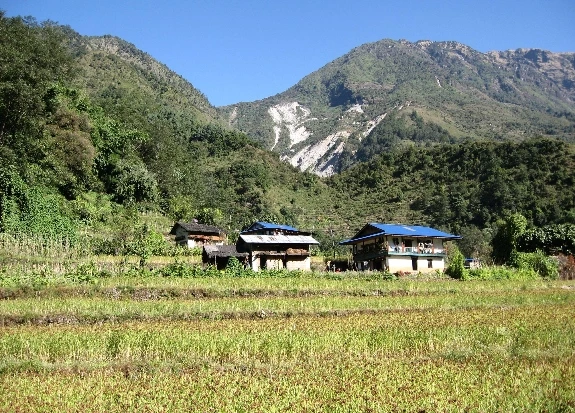
Both require good fitness levels and a certain level of altitude experience, as the trekking trails can be long, difficult, and very remote. Trekkers wanting some relative wilderness, varieties of ecosystems, and raw, extreme, dramatic scenery will get a lot from both.

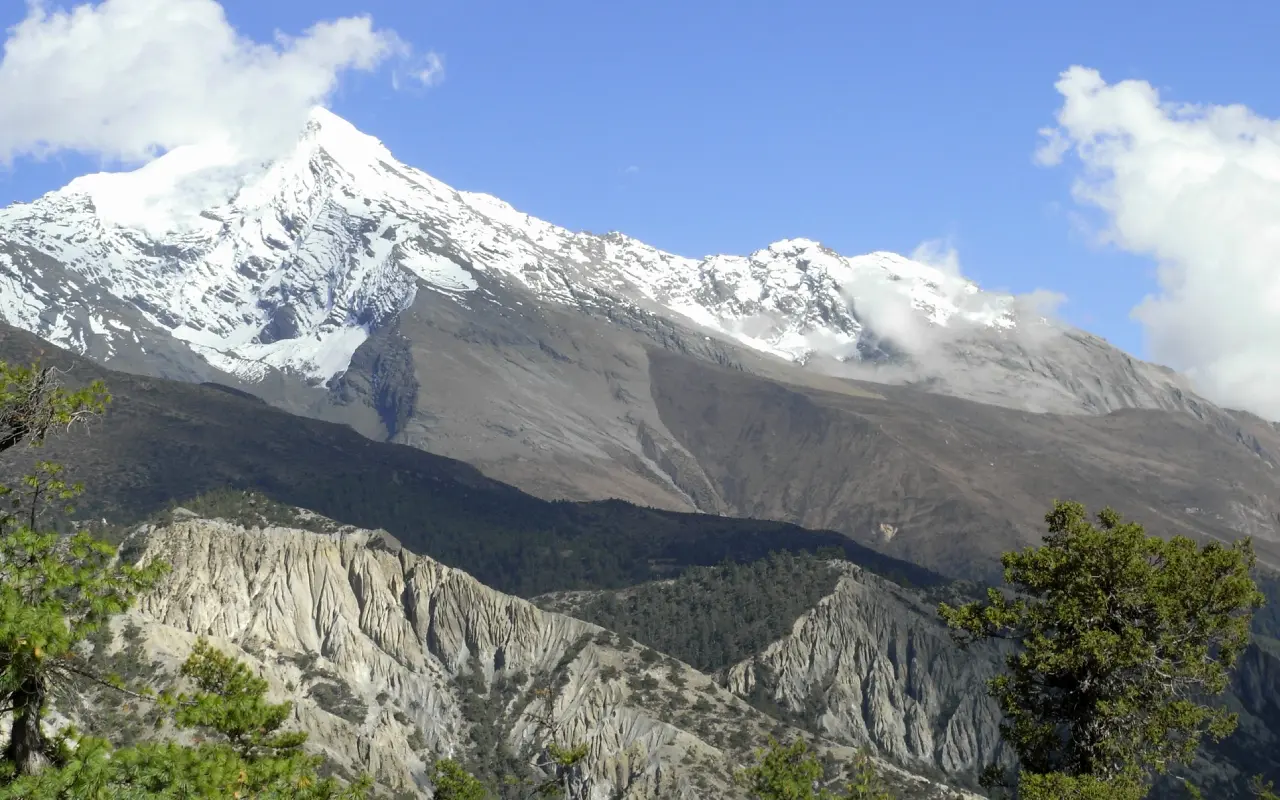
Depending on your preferences, you can choose the ideal Himalayan adventure. Kanchenjunga has its well-publicized pristine villages and views of the third-highest mountain in the world, and a dramatic landscape experience. Makalu Base Camp offers a journey through dramatic wilderness and unique biodiversity, with stunning views of Makalu, the world’s 5th highest mountain.

If cultural immersion is a priority, Kanchenjunga offers a more vibrant and authentic experience, while Makalu emphasizes remote wilderness and isolation. No matter which one you choose, both will provide lifetime memories and an unforgettable true Himalayan wilderness experience.

Quick Overview: Kanchenjunga vs Makalu

  • Features Kanchenjunga Base Camp Makalu Base Camp
  • Elevation 5,143 meters 5,050 meters
  • Time 20 to 24 days 18 to 22 days
  • Location Taplejung Sankhuwasabha
  • Difficulty level challenging Very challenging
  • Crowd level low Very low
  • Best time to visit March to May and September to November April to May and October to November.

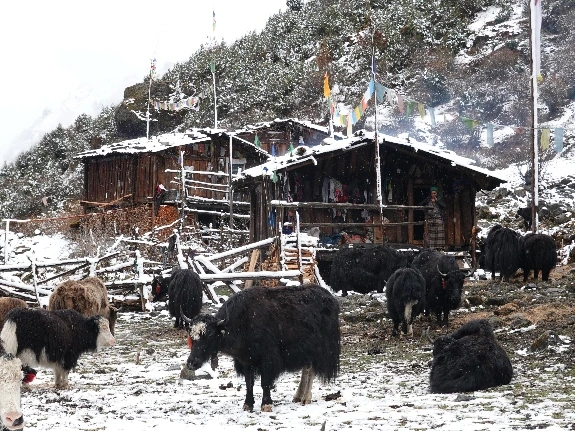
Yak grazing in winter season

Trekking Experience

a. Kanchenjunga Base Camp

The Kanchenjunga Base Camp Trek is tough in a remote area that takes approximately 22-26 days to complete. It is a true backcountry trek that takes you to the North (Pang Pema, 5143 m) and South Base Camps (Ramche, 4580 m) of Kanchenjunga, the world’s third-highest peak.

Kanchenjunga Base Camp trails have rugged terrains including glacial moraines, alpine forests, and rural villages. To enter the Kanchenjunga Conservation Area, you have to follow the Tamur River, and you will walk through stunning rhododendron forests, high passes, and glaciers. Each day will entail 4 – 8 hours of trekking.

Culturally, an experience of remoteness through the trek is that you will pass through the villages of a Rai and Limbu population who practice rich, authentic customs in a well-preserved fashion. This area does not see a lot of tourists, allowing visitors to experience a more tranquil cultural experience far from other overcrowded and less personal trekking routes.

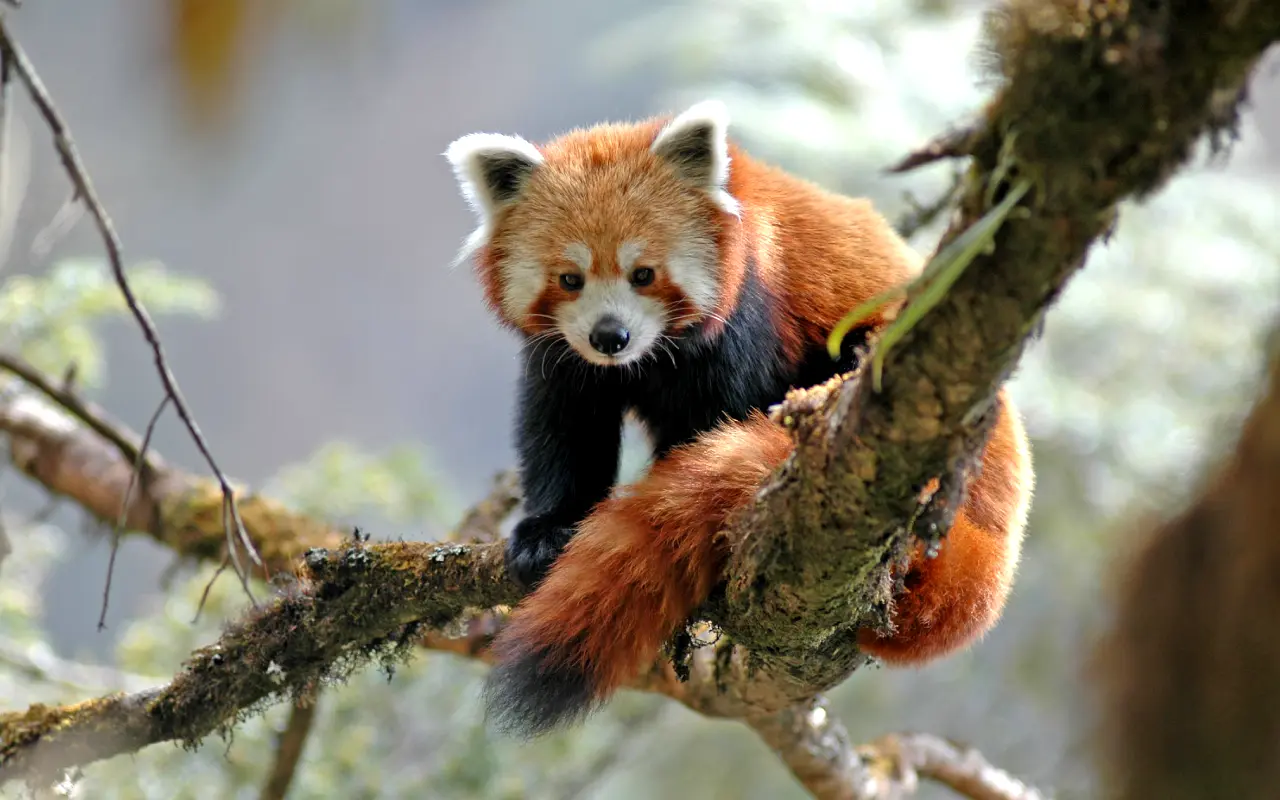
In addition to a wonderful cultural experience, this trek has a wealth of biodiversity to experience, with possibilities of seeing rare wildlife, including snow leopards and red pandas. During the trek, you will be walking in diverse ecological zones from the subtropical jungle to the alpine zone.

Overall, the Kanchenjunga Base Camp trek is perfect for you if you want solitude, rich cultural explorations, and amazing glacier views. The amazing blend of remote wilderness, high altitude, and vibrant culture makes your trek a truly outstanding Himalayan adventure.

b. Makalu Base Camp

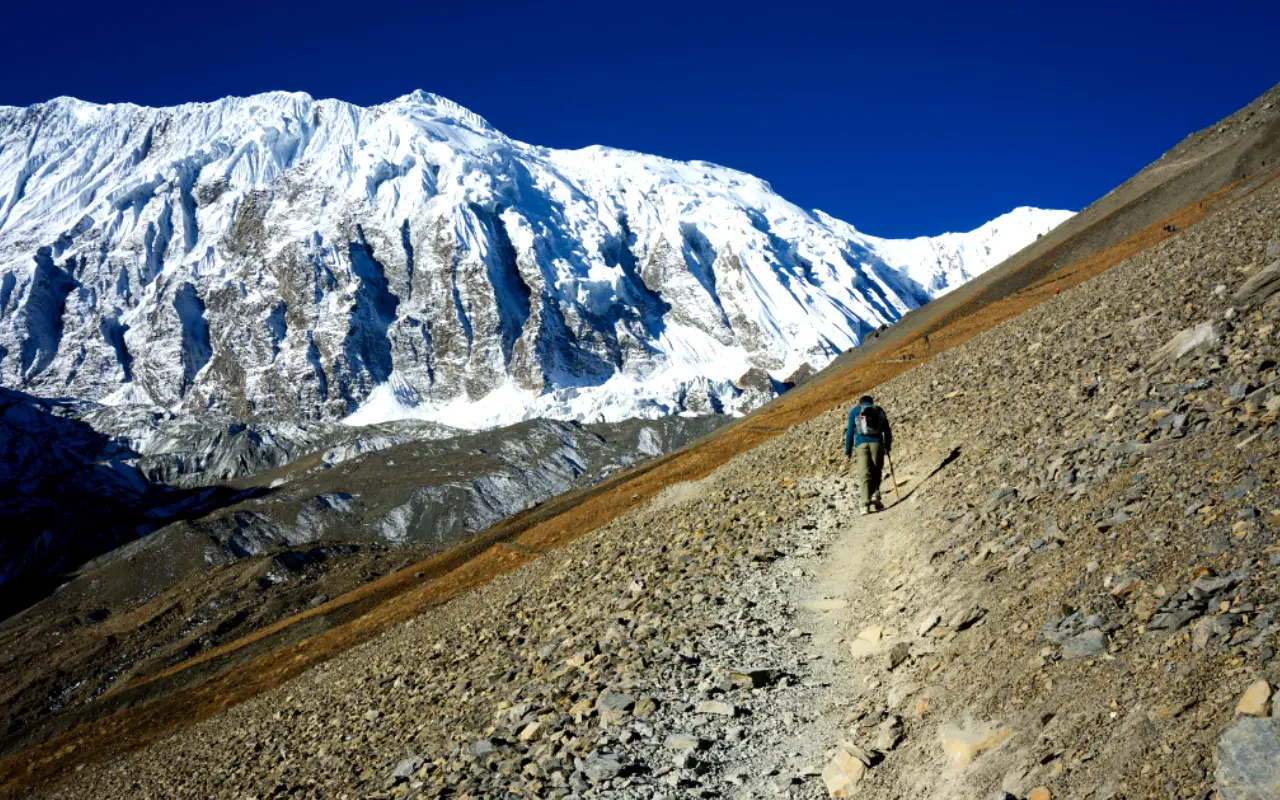
The Makalu Base Camp trek is challenging and complex in rugged terrain trails. From steep ascents, sharp descents, rocky trails, and river crossings, it has its challenges. You will witness changing ecological zones when you walk, leaving lowland forests to high alpine wildernesses and glacial moraines.

Even though the region is in the Solukhumbu and close to Everest, it is still remote and undeveloped. When trekking in Makalu Barun National Park, you will find unique wildlife, streams, and valleys that have never been trekked away from the crowds at Everest.

You will find that the facilities are basic, and you will be more likely to see fewer teahouses than on any of the other major trekking routes. Many trekkers opt to camp or take a semi-supported trek. Accommodation is basic with communal bathrooms and limited facilities during the trek, especially near the base camp.

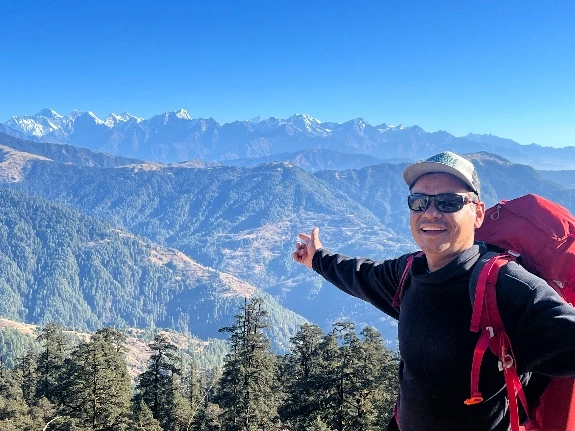
The reward for trekkers is breathtaking views at Makalu Base Camp. The insane views of Makalu, Everest, Lhotse, Chamlang, and Baruntse, along with the glacial lakes, high altitude terrain that absorbs you in every direction from the base camp, are incredible.

The trek to Makalu Base Camp is perfect for experienced explorers searching for a wild Himalayan trek, huge solitude, real Sherpa and Rai culture, and some of the most stunning mountain scenery in Nepal.

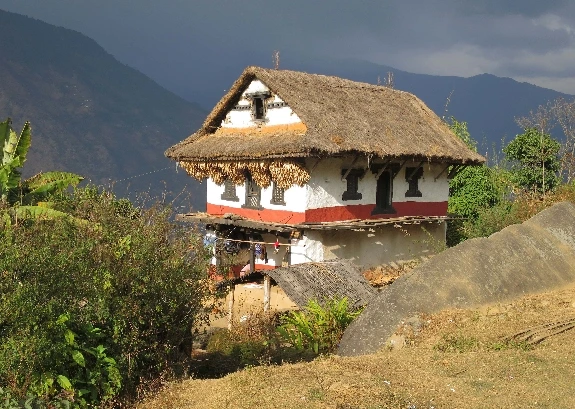
Village mud house

Scenery & Wildlife

• Kanchenjunga

You will walk through pristine forests of rhododendrons and terraced farms during the journey to Kanchenjunga. The route travels high, from the green valleys of the small yak herders, with stunning views of glaciers and the prominent Kanchenjunga peak amongst them. The trail winds through alpine meadows and the rich biodiversity of Kanchenjunga National Park.

During the trek, you will pass isolated villages of Rai and Limbu communities, subtropical forests, and alpine zones. Additionally, you will pass the glacier moraines and mountain passes (Mirgin La and Sele La), boasting panoramic views of Kanchenjunga and peaks on the border of Nepal and Tibet.

• Makalu

The spectacular scenery of Makalu is underscored by Arun Valley and Barun National Park, known for pristine rhododendron forests, glacial streams, and waterfalls. While the trek climbs from lush forests into arid high-altitude alpine dry deserts devoid of vegetation, it also comes with natural beauty and submerged ecologies, where the entire region has endemic flora and fauna enforced within the park.

You can see the beautiful views of Makalu, Everest, and Lhotse after reaching Makalu Base Camp. Additionally, you will encounter steep, rugged trails and river crossings in the stunning backdrops of untouched Makalu trails.

Difficulty Level & Trekking Logistics

• Kanchenjunga:

Good to excellent physical fitness and several previous treks at high altitude and long duration will be useful on the Kanchenjunga trek. Some trails can be tough to follow with limited way markers or other distinguishing features, while the trek is mostly non-technical. You’ll enjoy the trek more if you’ve had some previous trekking experience and are looking for an almost explorer-style trek.

Accommodations are lodge-based most of the way, but not in a luxurious sense. Facilities are limited: simple rooms, limited heating, basic meals, and rustic toilets. Expect rustic accommodations, meals, and the cultural charm is a bonus. Expect limited comfort, especially at higher altitudes.

Independent treks aren’t allowed, and a special permit is necessary with a minimum of two trekkers accompanied by a licensed guide. Independent trekking isn’t possible as a means to ensure safety and to promote local conservation. Incoming trekkers will be fully organized, logistically, in this restricted trekking region.

• Makalu:

The Makalu Base Camp trek is even more remote and has significantly fewer opportunities for local teahouse stops along the way. Camping or semi-supported trek is typically required, and provisions and supplies must be carefully planned since there is practically nothing offered in the villages except for those first few down low.

The routes are challenging with a significant number of river crossings, at least a couple of mountain passes, and some more technical sections of the trek. This trek requires very good physical fitness, solid navigation skills, and hiring an expedition leader who has experience navigating remote parts of the Himalaya.

Good planning is important to accomplish the Makalu Base Camp trek because the trek is in a remote and isolated location. Additionally, the changing weather patterns make the trek challenging. Therefore, this trek is for travelers willing to explore the area’s raw and wild natural beauty with challenges.

Permits & Regulations

You need a Restricted Area Permit and a Kanchenjunga Conservation Area Permit to visit the Kanchenjunga Base Camp trek. You cannot get these permits unless you trek with a licensed guide and at least one other trekker, as solo treks will not be allowed.

The Restricted Area Permit can be organized through a registered trekking company. This will enable you to be accompanied by a local guide who is acquainted with the area, and also give you the opportunity to adhere to restricted area conditions that will safeguard local culture and environment. Independent trekking is prohibited.

On the other hand, a TIMS card, a Conservation Area Permit, and a Makalu Barun National Park permit are required for the Makalu Base Camp Trek. You will not need a guide, but we strongly recommend it due to the remoteness. It is important to carry your permits to show for checks on the way, as you will be stopped frequently along the trail.

Cultural Experience

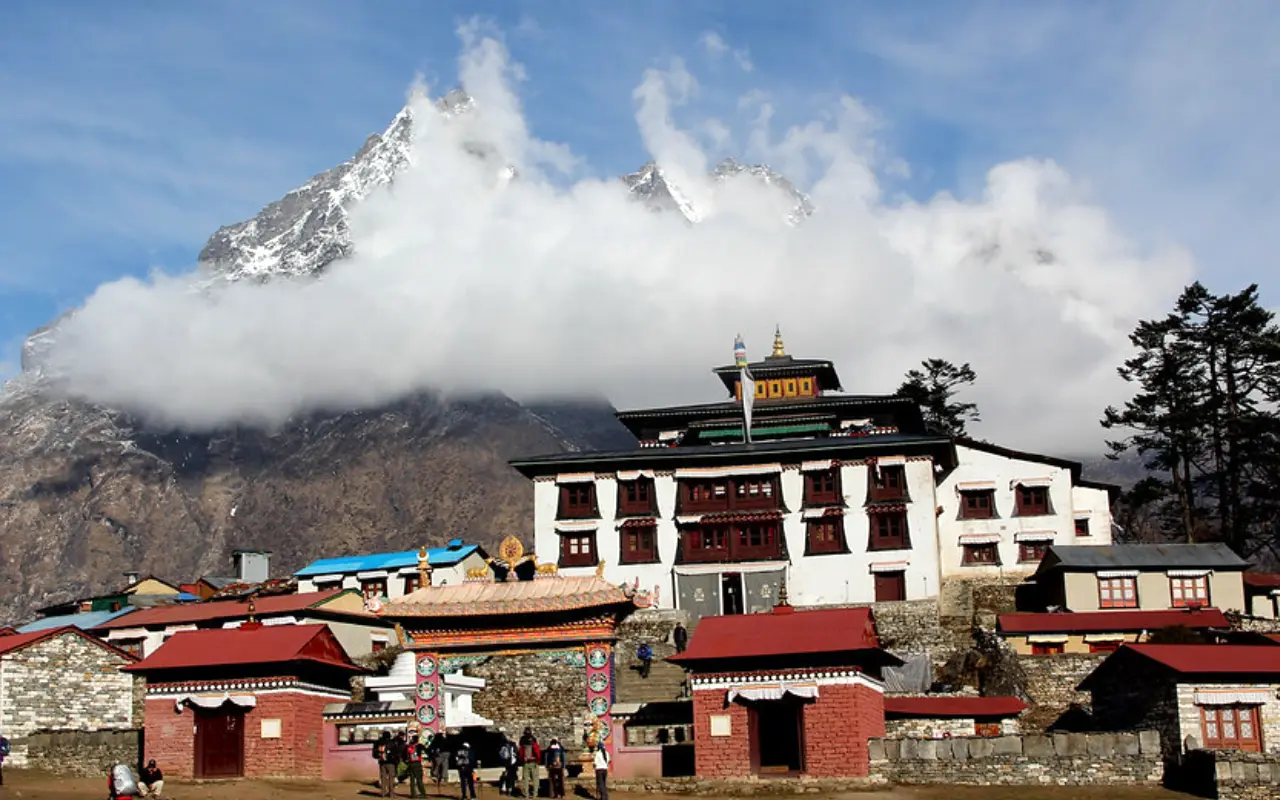
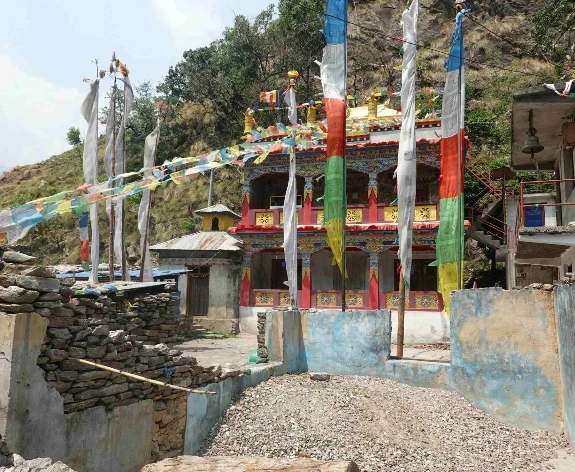
You will experience the unique Rai and Limbu culture when interacting with people in the traditional tea houses, which will introduce you to local hospitality and local cuisine. You will see Buddhist monasteries, prayer flags fluttering, and rituals being carried out on this trek.

The lifestyle in these villages is real and not very affected by modernization. Make no mistake right away; the cultural exchange opportunities are tangible. Simply meeting people, witnessing their daily lives, and enjoying a local cultural festival now and again was a great value for slugging through this trek.

On the Makalu trek, you will get an opportunity to see the Sherpa and Rai people’s remote lifestyle. You can feel a cultural space environment present, but it is mixed and less vibrant, mostly because these self-sufficient western Himalayan people live hard lives in the mountains. Due to fewer human settlements or trekkers on the Makalu trek, the cultural exchange has limited opportunities.

Trekking Infrastructure

In recent years, the trekking infrastructure of Kanchenjunga has been improved, especially on the North Base Camp Route and in the most important villages. Trekkers can find at least basic teahouses and homestays that provide basic infrastructure for trekkers.

Facilities in Kanchenjunga are basic, and trekkers can expect to find shared rooms, basic beds, and little else in the way of facilities, especially at higher elevations. Reservations are recommended during peak season when some of the villages are more remote and may only have a few available teahouses.

Makalu has fewer teahouse options in the lower sections. For the majority of treks, trekkers will be camping or in semi-supported logistics as the trekking route becomes more remote, so trekkers will have to be self-sufficient and plan appropriately.

Budget & Cost Considerations

Typically, the Kanchenjunga trek will cost you between $2,500 and $3,200 for a three-week itinerary and incorporates permits, guide, porter, food, accommodation, and internal transport. If you want a different itinerary, if you have a private group, or if you add in any extras, costs will rise.

The Makalu trek budgets range from $2,800 to $3,500, depending on logistics, as well as whether you have to coordinate camping support rather than teahouse support. The Makalu trek will cost slightly more due to:
– Fewer teahouse opportunities
– More remote and dense logistical connections
– Greater transport and cost through needing more gear due to camping, etc.

Both treks require domestic flights or transport to the trail heads, either from Kathmandu to Bhadrapur for Kanchenjunga or Tumlingtar for Makalu, as well as jeeps or local road transport to the trail heads. Travel for these logistical reasons is attached to the overall trip cost.

Daily cost patterns are generally stable. However, the daily family expenses can spike for gear rent, extra porters, or extra contingencies if you cannot return on time. It is important to be flexible with your budget at every turn – particularly if plans change or conditions become difficult in the mountains.

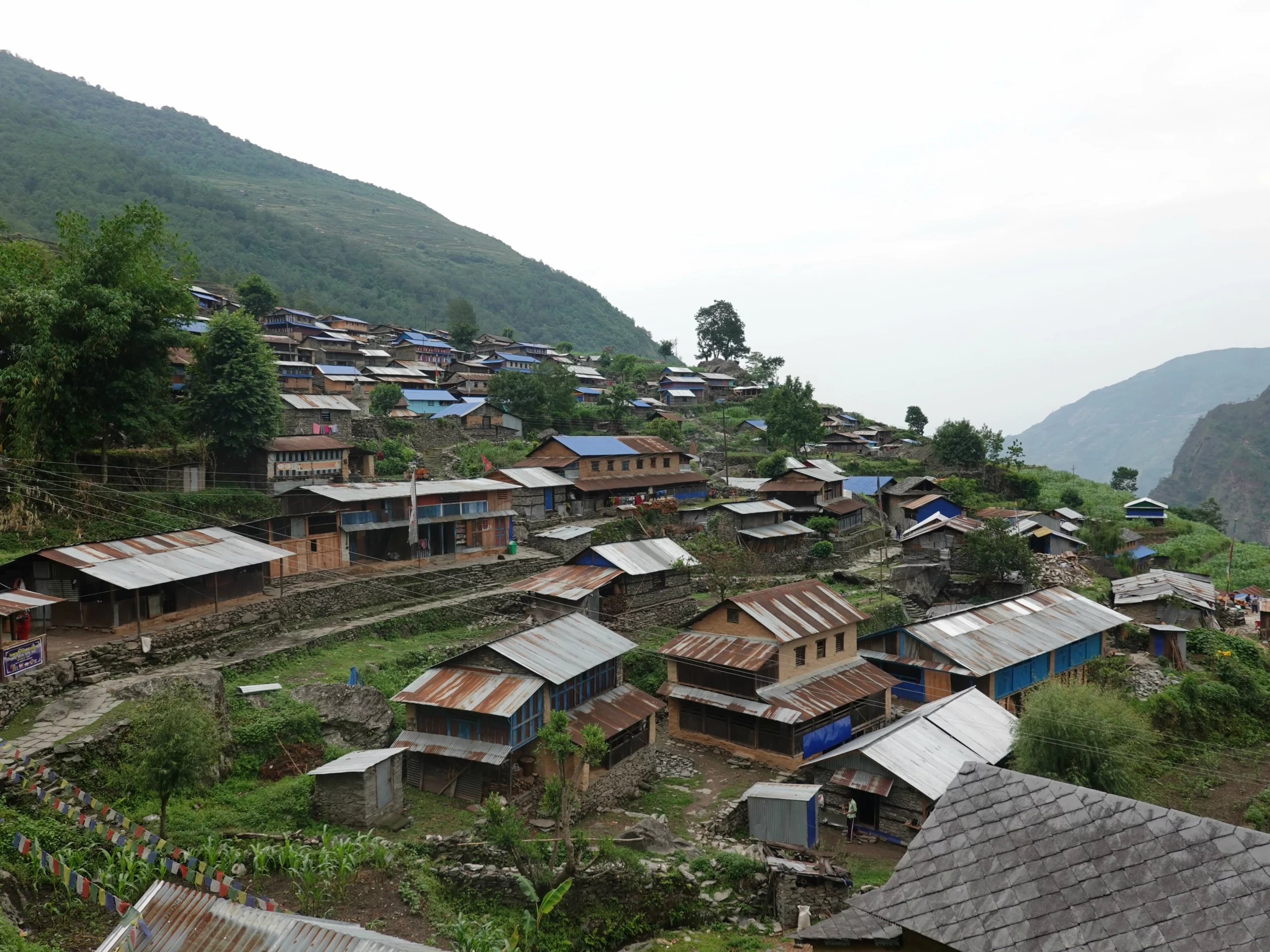
village on the Makalu base camp

Which One is Right for You?

Choose Kanchenjunga if:

If you want a culturally enthralling trek through the colorful Limbu and Rai villages in a remote area, we suggest Kanchenjunga. You will experience wonderful ancient monasteries, lovely people, and trekking in tea houses where you can have a taste of the traditions of the Himalayas.

If you like the social contact of a lodge-based trek rather than constantly camping, this trek is perfect. The infrastructure has developed lately to include the common tea houses, the trails are much quieter, and you will get to experience wonderful mid to high mountain cultural exchanges with mountain communities.

Choose Makalu if:

Makalu is best if you have experience trekking at high altitude and do not mind being rugged. Tea houses are few; the majority of treks include camping with very sporadic lodging in basic tea houses, which will take some dedication and acceptable planning while being prepared for changing conditions.

Choose Makalu if you want to witness a beautiful, striking, and raw landscape, as you will see Everest, Makalu, and Lhotse well above the glacier moraines. The trekking is pure and wild, with lofty peaks, technical trails, and the real experience and spirit of the Himalayan remoteness.

Conclusion

Kanchenjunga gives you cultural richness with Rai and Limbu villages, upgraded teahouse trekking, and a collection of glacial landscapes. Makalu offers extreme isolation, true wilderness, and stunning views of 8,000m mountains.

Both treks involve a serious amount of difficulty and only apply to those who are physically fit and experienced trekkers who value true Himalayan experience. Regardless of whether it is Kanchenjunga with two base camps or Makalu with destitute valleys, both destinations have testing trails and a poorer trekking infrastructure.

Ultimately, it will come down to your fitness, whether you lean towards cultural experiences or true wild remoteness, and your comfort level with trekking logistics. Regardless, either trek should be a very rewarding, memorable experience deep in the Himalayas of Nepal.

FAQs (Optional Section)

• Can I do these treks solo?

Yes, you can trek solo in Makalu, but trekking in Kanchenjunga requires a licensed guide and another traveler. Makalu has no legal restriction yet on solo travel.

• Do I need prior high-altitude experience?

Yes, both treks demand high-altitude experience and good physical fitness. The routes are rugged, steep, and have greater elevation, demanding acclimatization.

• How do I arrange permits for restricted areas?

Your permits can be arranged by your tour agency, but make sure to find a reputable tour agency first.

• Which trek is more scenic?

Both treks are scenic in their own way. You will see lush villages, glaciers, and two base camps in the Kanchenjunga trails, while Makalu features remote wilderness and changing alpine terrain.

• Are these treks suitable for photography?

Absolutely! Both treks are suitable for photography because you will see amazing Himalayan backdrops, untouched wilderness, cultural explorations, and breathtaking Mountain vistas.

Gokyo Lake with Renjo La Pass in October & November– Weather, Itinerary & Cost Guide

IMG 20181211 091456 1 1

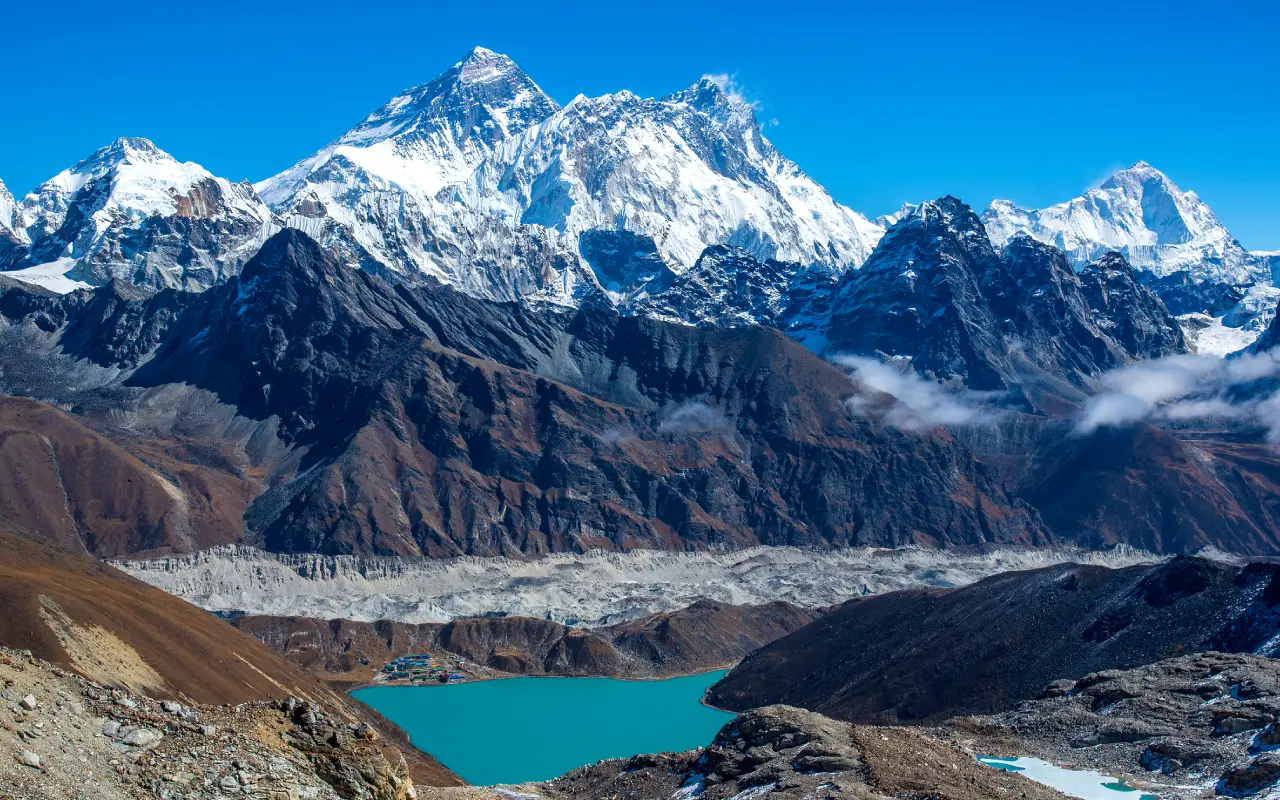
The Gokyo Lake with Renjo La Pass trek is an exciting adventure, situated in the Everest region of Nepal. and will give those looking for an experience in the Himalayas one that has no comparisons. The trek will take you to crystal-blue lakes, lovely Sherpa villages, and superb views of ridiculously nice mountains like Nuptse, Lhotse, and, of course, Everest. It’s a trek for the bucket list.

Considered to be an alternative trek to the crowded Everest Base Camp trek, this route gives trekkers time to sit back and soak in the beauty of the untouched Gokyo Lakes. It will also take you over and through the enlightenment it has to offer, crossing Renjo La Pass. Along the way, you will gaze on some incredible views of Everest and its massive companions.

This trek is recognized for incredible views and solitude (trekking-wise) as you will have mesmerizing views of the Himalayas, clear lakes, and colossal glaciers hanging in the distance. The adventurous appeal of the trek is that there are hardly any other crowds for this route, and you will have no trouble finding peace where people come from all over the world to disconnect and view the region’s beauty.

Embarking on this trek will be best done anytime from October to November. With clear skies and stable daytime temperatures with crisp mountain air, this region will offer bright, enjoyable views & lots of visibility at high altitudes for a great experience.

Highlights of the Gokyo Lake with Renjo La Pass Trek

  • Views of Everest, Lhotse, Makalu, and Cho Oyu

You will be blessed with stunning views of four of the tallest peaks in the world: Everest, Lhotse, Makalu, and Cho Oyu. The October and November atmosphere provides crystalline visibility and accentuates the awe-inspiring nature of their shapes.

The views of the Himalaya become something you will not forget. There is nothing like being greeted by their snowcapped silhouettes within the light of dawn. Each vista gives another view of these giants, making the trek well worth it in return for the view and beauty.

  •  Gokyo Ri sunrise panorama

The early morning climb up Gokyo Ri is the most recommended fun experience because you will get an opportunity to witness a majestic sunrise over the Himalaya. When you reach the viewpoint, it feels effortless to simply stare at the gold shine of daylight as it travels over Everest and its companions and the Gokyo lakes below, while in the frozen morning’s silence.

You’ll observe dawn revealing Himalayan peaks, ridges, and valleys in a stunning 360° panorama. There is something special about standing there breathing crisp, cool, fresh oxygen. It is an experience that is not easy to describe, especially in the month of autumn.

  • Breathtaking Gokyo Lakes

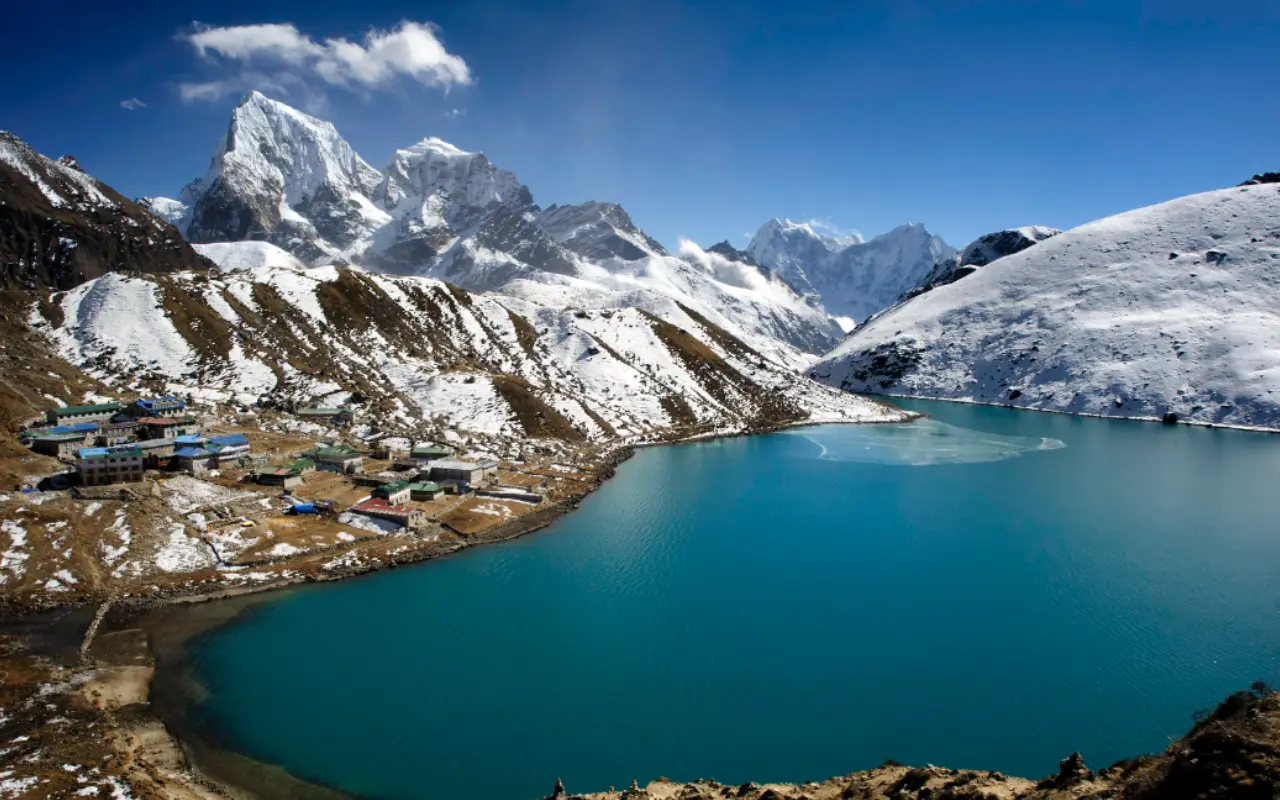
The Gokyo Lakes are stunning, deep turquoise and translucent lakes that are some of Nepal’s highest altitude wonders. Trekkers catch their breath as they take in and are amazed by the vibrant colors and dramatic mountain backdrops, all while enjoying the remote and unspoiled Himalayan wilderness.
The six main lakes are different, with each being a dedicated shoreline for rest and reflection. Their glacial origins and spiritual significance only add to their mysteriousness, creating Instagram image opportunities on the way.

  •  Remote Renjo La Pass crossing (5,360m)

The Renjo La Pass crossing will feel adventurous and distant, providing both solitude and wild mountain landscapes. At 5,360m and with a long, hard ascent, the reward of breathtaking views will be what most visitors will never see in Nepal.

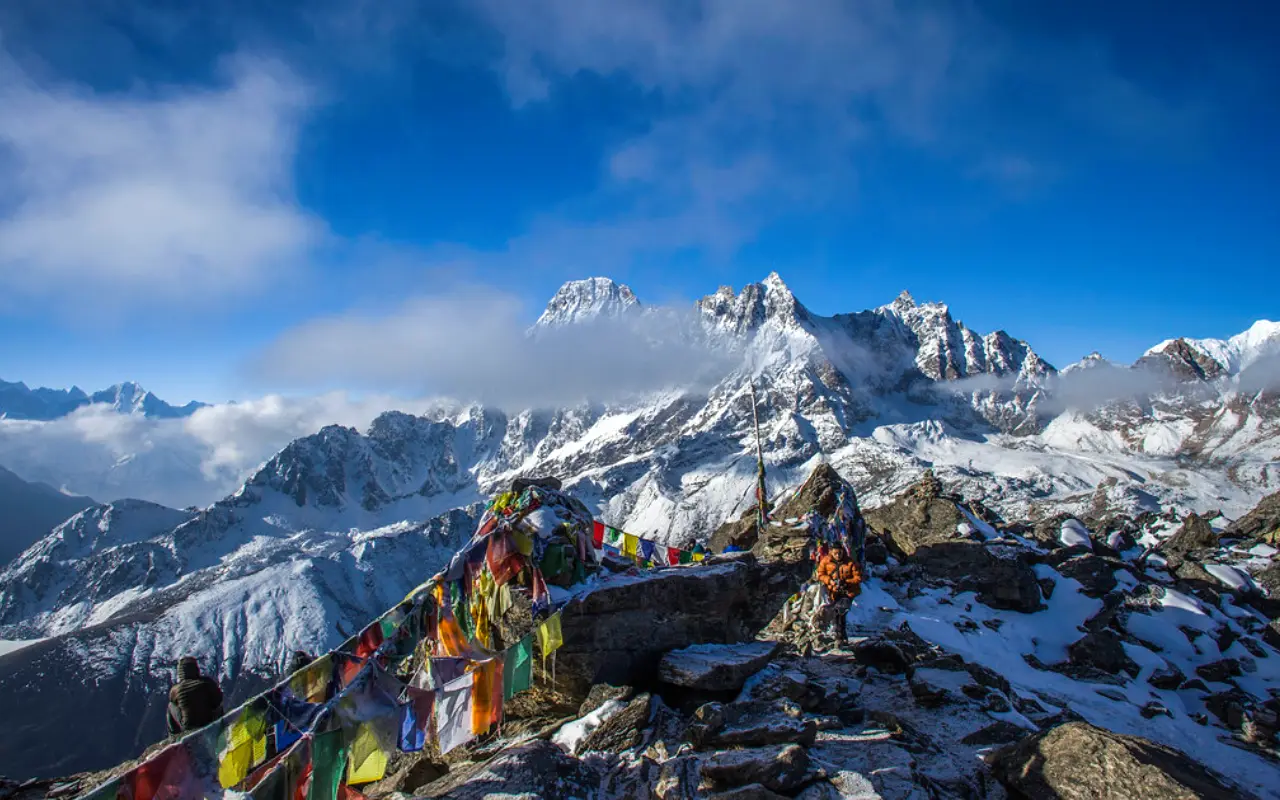
The pass itself is less popular a route than other Everest region routes, which adds an element of discovery and achievement when visiting. Rugged terrain, prayer flags, and limitless sightlines make the excitement of crossing truly remarkable.

  •  Sherpa culture and villages (Namche, Dole, Gokyo, Thame)

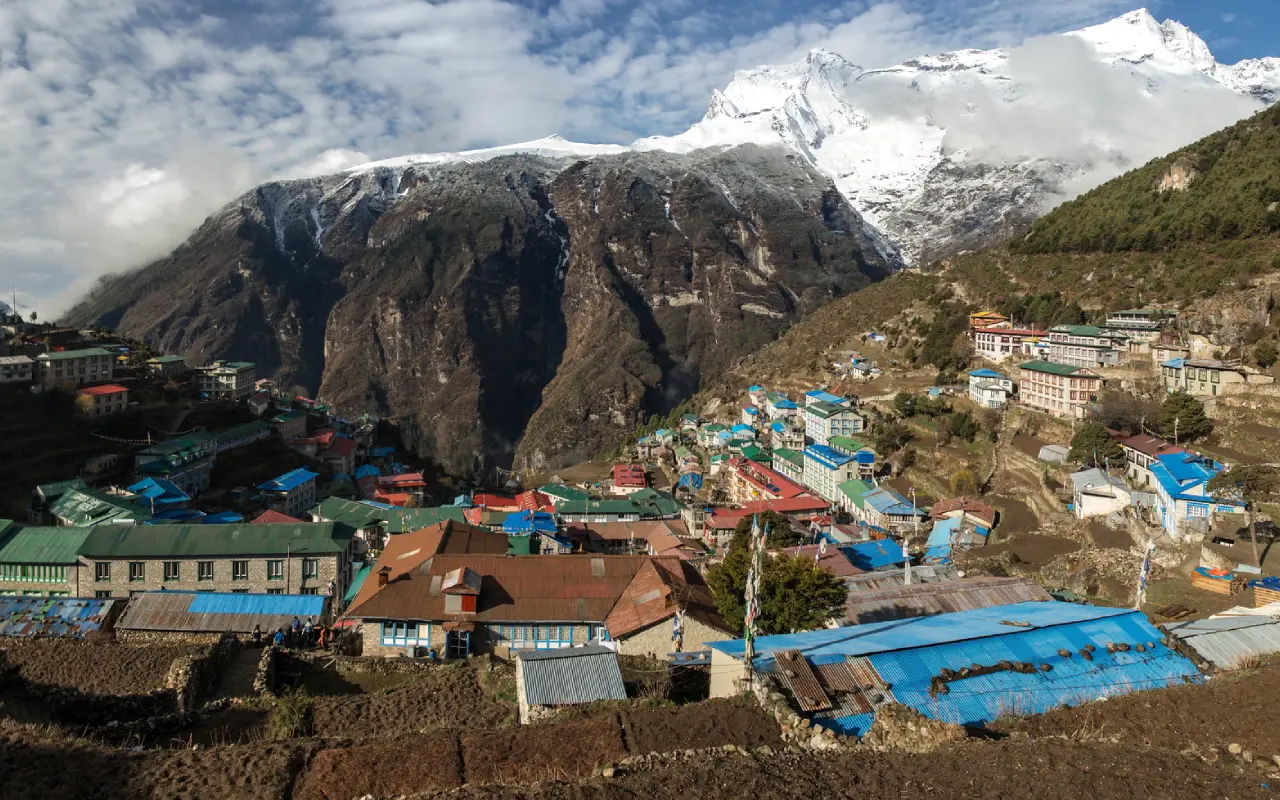
Along the route, you will visit places like Namche Bazaar, Dole, Gokyo, and Thame to experience these lively Sherpa villages. Each village has a unique presentation of friendliness, its practices, and colorful, rustic houses in dramatic mountain settings.
You will encounter daily life, right down to the ancient monasteries and rich cultural history. Your interaction with the locals gives you insight into their way of life, their beliefs, and their commitment to remain Sherpas in Nepal’s highest valleys.

IMG 20181206 115759 1 1

Weather in October and November

a. October Weather

The weather can often be a deciding factor for people on whether to undertake the Gokyo Lake with Renjo La Pass trek. October is clear and has amazing visibility of the mountains. The days are beautifully warm – between 10°C and 15°C – which makes for pleasant daytime trekking.

Night in Gokyo Lake can be cold, and the temperature may range between -5°C and -10°C. You must bring proper clothing for changing temperatures, especially for early mornings and late evenings. Also, bring a pair of warm socks and gloves to keep your feet and hands warm and comfortable.

The ideal trekking weather conditions in October, coupled with the clear skies, make for exceptional photography conditions of bright photos of snowcapped peaks with beautiful turquoise lakes. The crisp air makes distant mountain views easier and clearer, making October one of the most visually rewarding months for trekking in this region.

October is also popular because of the good trekking conditions; as a result, there are a lot of trekkers in this month. It is important to book all accommodations, guides, and permits well in advance. This will help to avoid the stress of not having same-day accommodations and local logistics during a crowded peak trekking season.

b. November Weather

November will have clear skies and crispness in the region, but the weather will come with coolness. The daytime temperature generally ranges from 0°C to 10°C, with fast-paced walking, but it’s still nice with the right layering and preparation.

However, the nighttime temperature is always considerably cooler and often floats between -10°C and -15°C. The use of well-insulated sleeping bags and a good amount of thermal gear will be a part of the trek to remain comfortable while staying at higher elevations.

November has fewer trekkers on the paths, which means a quieter trek with less or no disturbance. Lodges are less crowded and thus trekkers will have more opportunities to inhale and enjoy the peace and wilderness of their Himalayan experience with only rugged trails and majestic mountain views.

There can also be early snow at higher elevations, which will add a whimsical and wintry feel to the environment. Trekkers should also remain flexible in their itinerary as some routes or passes may be impassable for a short-term period following fresh snow and can alter planned itineraries.

IMG 20181211 094359 1

Permits Required

TIMS Card

The Trekker’s Information Management System (TIMS) card is compulsory for all trekkers in Nepal to assist authorities in tracking trekkers and ensuring their safety in the mountains. In order to acquire the TIMS card, you are able to apply for one in either Kathmandu or Pokhara, but you will be required to provide your passport details, and then you have to pay a fee.

Sagarmatha National Park Entry Permit

The Sagarmatha National Park Entry Permit is required to enter Sagarmatha National Park, which includes both the Gokyo and Everest regions. The proceeds of the permit fees are used to help with preservation initiatives and environmental protection.

The permit is $11, which is collected to improve the protection of Everest. The permit is obtained from Kathmandu or at the entry point into the park and requires a separate fee for the latter.

• Local Khumbu Municipality Permit

When trekking in Gokyo Lakes, you are required to obtain the Khumbu Pasang Lhamu Rural Municipality Entry Permit. This local permit allows you to enter the region and replaces the TIMS for this area. You can obtain it in Lukla or Monjo, and your payment contributes to local community development.

• Where to get and costs (updated 2025 rates)

To trek to Gokyo Lake and Renjo La Pass, you will require filling out the Sagarmatha National Park Entry Permit while also filling out the Khumbu Pasang Lhamu Rural Municipality Permit. The permits can be obtained at the Nepal Tourism Board office in Kathmandu or Monjo and Lukla.

Permits are expected to be required in 2025, and a Sagarmatha permit costs NPR 3,000 (approximately $23-$25 for foreigners), and the Khumbu Permit costs NPR 3,000 (approximately $23). The permits require fees in Nepalese rupees. Please bring your passport and photograph for processing.

Trek Difficulty and Altitude Tips

• Trek Difficulty

The trek from Gokyo Lake with the Renjo La Pass is graded moderate to challenging and rated in this way mainly because of the altitude and long, steep sections. There is nothing more strenuous than the ascent of Renjo La Pass, where both physical and mental endurance are challenged.

There is a lot of ascent, and with elevation gain, the air thins, making the higher altitudes more challenging to breathe as the climb becomes steeper. The climbs will be made more difficult due to rocky and uneven paths; thus, having prior experience trekking and being fit generally makes a trek safer and more enjoyable.

• Acclimatization

Acclimatization is important to adapt your body to higher elevations when the oxygen level is low. They lessen the chances of developing acute mountain sickness, and also give you time to recover before ascending any higher.

Usually, there will be added days spent at appropriate places, such as Namche Bazaar. These rest days improve your safety and add to your ability to complete the trek without the negative effects of altitude disease.

• Tips for preparation: cardio, strength, and stamina training

The trek from Gokyo Lake with the Renjo La Pass is graded moderate to challenging and rated in this way mainly because of the altitude and long, steep sections. There is nothing more strenuous than the ascent of Renjo La Pass, where both physical and mental endurance are challenged.

There is a lot of ascent, and with elevation gain, the air thins, making the higher altitudes more challenging to breathe as the climb becomes steeper. The climbs will be made more difficult due to rocky and uneven paths; thus, having prior experience trekking and being fit generally makes a trek safer and more enjoyable.

IMG 20181215 064905 1

Estimated Cost Breakdown (Per Person)

a. With Guide and Porter (Standard Package)

If you choose the standard travel package to the Gokyo Ri and Renjo La Pass trek, it will cost you round-trip airfare from Kathmandu to Lukla. The price may vary from $250 to $300 per person. If you book the airfare in advance, then you can save some money.

A permit will be needed for your trek: the Sagarmatha National Park permit and the local municipality permit. The combined cost for the permits is usually around $50 – $60 per person, which is necessary for proper legal entry into the area.

You can hire guides and porters at around $25 – $35 each per day. This can add up to over 12 – 14 days, but provides you with support, safety, and a cultural experience on the trek.

Tea house or lodge accommodation and meals typically run around $25 – $40 per day per person. Therefore, the total 12 – 14-day trek, being a standard package, ranges from $1,100 – $1,400.

b. With Trekking Agency (All-inclusive)

An all-inclusive trek package to Gokyo Lake, including Renjo La Pass, typically costs between $1,200 and $1,800 per person. This is for all the essentials required to take a trek, which means it is all very convenient for all those eager to take their first big adventure.

An all-inclusive package will be made up of all or most of the following inclusions: an experienced guide and porter, permits required to trek, meals while trekking, the domestic flights from Kathmandu to Lukla and back, and cosy accommodation in teahouses/lodges along the trek.

Engaging with an agency package adds real value to your trekking experiences in terms of logistics, cultural experience, safety/back-up support, and local expertise. Prices may differ by a few hundred dollars based on some unpredictable factors like group size, type of accommodation, and seasonal demand, but these estimates are reasonable for 2025.

Packing List Essentials for October–November

To tackle the rapid changes in mountain weather, a high-quality down jacket and mid layers made from merino or synthetic, as well as windproof outer shells, are important. Layering provides warmth while also allowing for easy adjustments depending on the temperature changes throughout the day.

When selecting hiking boots for challenging terrain, especially in the Himalayan region, go with a solid, waterproof boot with Ankle support. Salomon Quest 4 GTX or Scarpa Zodiac plus GTX matched with multiple pairs of warm and moisture-wicking socks will keep your feet dry and blister-free.

A thermal hat, a few pairs of gloves, and a sleeping bag with a temperature rating of at least -10°C (preferably even -15°C) are essential preparations for the cold nights at higher altitudes. Just because there are tea house blankets does not mean you will be warm and comfortable, which is why said preparation is essential.

Other essential items include a headlamp (with spare batteries), trekking poles, a water purifier/tablets, and high-SPF sunscreen. These items will add additional comfort, convenience, and safety while we trek along the remote, exposed Himalayan trail.

Tips for Trekking Gokyo and Renjo La in Autumn

• Purchase a Lukla flight well in advance, as it is advised that spots fill quickly in the autumn season.

• If you are crossing the Renjo La Pass, do it early in the morning; this is safer and also provides you the best chance to have decent weather.

• Take adequate snacks and enough water purification tablets with you for long trekking days.

• Be prepared to dress in lots of layers, and have your rain gear and wind gear easily accessible since the weather can be unpredictable.

• Make sure to include extra acclimatization days to help prevent altitude sickness.

• Check in on the daily weather, and always be prepared to change your safety plans.

• Do not be concerned about your speed, rest often, and listen to your body as you expect to gain altitude.

FAQs

• Is Gokyo with Renjo La Pass harder than EBC?

Yes, the altitude, path steepness, and technical difficulty at Renjo La Pass make the Gokyo journey more challenging than the Everest Base Camp trek.

• Do I need trekking experience?

While it’s helpful to have previous trekking experience, tenacious beginners who are fit enough can complete this trekking route. That said, having experience in mountains will increase your safety and confidence, especially when conditions are high altitude.

• Is it busy in October?

October is peak trekking season in Nepal. Trails and lodges may be more energetic and lively, but trails will not be nearly as busy as EBC. We recommend that you book your flights and accommodation in advance to have a smooth journey.

Can I do this trek solo?

Yes, you can trek solo to Gokyo Ri. But we recommend that you hire a guide or join a group. This will improve your safety, navigation of the route, and provide emergency support on the trails, especially on the isolated parts of the trek.

• What are the risks of altitude sickness?

Altitude sickness is a true risk given that this trek does reach very high elevations. Remember the following to reduce the risk: taking acclimatization days as required, traveling up slowly, staying hydrated, understanding the symptoms for awareness and prevention of symptoms, and traveling safely.

Conclusion

The Gokyo Lake with Renjo La Pass trek is arguably one of the Himalaya’s best treks, featuring beautiful turquoise lakes, breathtaking mountain scenery, and the opportunity for some solitude on a trail that is far less travelled than Everest Base Camp.

The area’s most breathtaking beauty can be seen during the walk in October and November. The sky is generally pristine blue, the vistas of Everest and her giants are stunning, the Sherpa culture and villages are lively with festivals, and the unbelievable mountain villages and high mountains are available at one of the best times for weather and photography.

Plan to acquire permits and accommodations for this busiest period – pack out your trash, travel responsibly, observe local etiquette, and leave no trace so you can help preserve this incredible and unforgettable journey in the Himalaya for future generations.

Lhasa to Everest Base Camp Cultural Tour – 8 Days in Tibet with Full Itinerary & Price


Kailash Manasarovar yatra via lhasaLhasa to Everest Base Camp Cultural Tour offers a unique blend of spiritual, historical, and natural experiences across the Tibetan plateau.Embarking on 8-day Lhasa to Everest Base Camp trek is an amazing transformative journey where you can get opportunities to experience Tibetan spiritual and natural delights. In this 8-day tour, you will not only visit important religious, sacred, historic, and cultural landmarks, but you will also experience the natural beauty of the area.
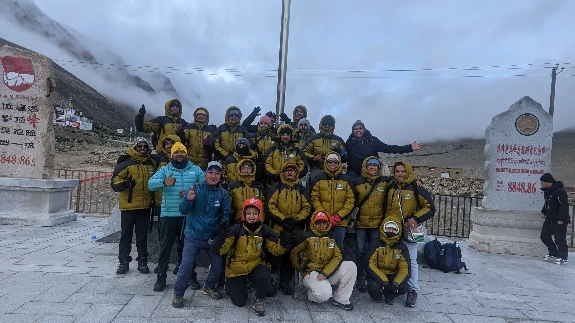
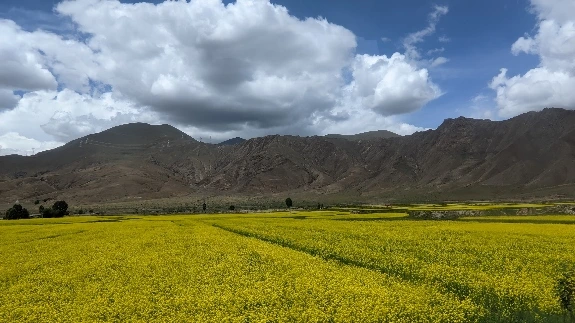
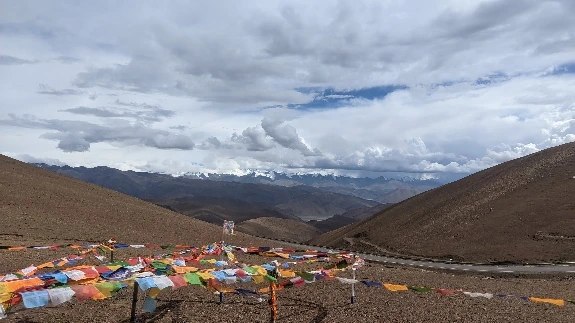
This tour is for you if you are seeking spiritual and cultural adventure. This tour is a combination of Tibetan history, heritage, religion, and amazing high-altitude scenery. Each day offers you great opportunities that will inspire you and make you engage with authentic locals and Tibetan ways of life.

You can explore the great Potala Palace, the timeless Jokhang Temple, and monks in peace at Tibetan monasteries. You will be standing at Everest Base Camp, facing the world’s highest mountain, and look out to unique and dramatic landscapes that take your breath away and hopefully invoke reflection.

2025 offers a wonderful opportunity to visit Tibet. You’ll experience improved access for travel, enriched cultural experiences from new local cultural festivals, cleaner mountain trails, and improved environmental protections. This makes Tibet one of the most unique and vibrant travel experiences on the planet.

We’re excited to welcome you to this incredible eight-day experience of exploration, connection, and adventure—a place where ancient traditions and natural wonder meet to create the memories of a lifetime on the roof of the world.

on EBC

Why Choose the Lhasa to Everest Base Camp Tour?

During the Lhasa to Everest Base Camp Tour, you will get truly immersive experience of Tibetan culture, the opportunity to visit ancient monasteries, learn about spiritual practices, and learn to understand the living faith of Tibetan Buddhism. Each temple and shrine we visit reveals another layer of history.

As a traveler, you will enjoy this 8-day tour because the tour will pass through the bustling Lhasa valley. You will additionally cross the amazing lakes on the way to the Everest Base Camp trek, revealing new and amazing landscapes every mile of the way.

This itinerary balances the spiritual engagement with natural splendor. You can experience Tibet’s beliefs and the untamed beauty of the region by seeing monks chanting and touring stunning monasteries.

With the improvements on the new Friendship Highway, the tour is now safer and smoother than ever. Travelers will benefit from newer vehicles, reliable transportation infrastructure, and exceptionally comfortable rest stops at higher elevations when traveling to Tibet’s most remote areas.

You get to enjoy a unique opportunity of meaningful cultural engagement against some of the greatest mountain scenery in the entire world. The Lhasa to Everest Base Camp Tour will introduce you to considerable insights into Tibetan culture as well as an amazing adventure in the heart of the Himalayas.

paddy hill

Lhasa to EBC Tour – 8 Days Itinerary Breakdown

Day 1: Arrival in Lhasa (3,650m)

Start this remarkable journey with an easy pick-up from Lhasa’s airport or railway terminal. You’ll soon be in the capital city, where you’ll be surrounded by the majestic mountains of Tibet.

Spend the afternoon acclimatizing in your hotel, resting to allow your body to adapt to the thin mountain air, and providing a safe experience.

If you feel you have some energy left over in the afternoon, take a leisurely local walk around the streets to explore what is in the immediate area. You can get your first impressions of Tibetan Life before calling it a night in Lhasa.

Day 2: Explore Lhasa – Potala Palace & Jokhang Temple

Day 2: Begin by journeying through Potala Palace (UNESCO’s World Heritage site). When you have completed visiting this iconic Tibetan architectural site, you will then see world-renowned Tibetan art, sacred chapels, and services, all witnessed from an incredible view looking down onto the city.

Take some time to wander through Barkhor Street in Lhasa. There are the vibrant items; prayer wheels radiating with the ceremony of an endless stream of pilgrims and traders making their way around.

Learn about Jokhang Temple, the spiritual heart of Tibet, which is illuminated with ancient statues and sacred ceremonies that offer a glimpse into the solemn devotion the people hold to their beliefs.

Day 3: Sera & Drepung Monasteries

You will then tour Drepung Monastery with its gleaming white terraces on the hillside, which was once home to thousands of monks.

Sera Monastery will delight you with monk debating sessions. The mixing of animated gestures and intellectual conversations suddenly reflects into vital Tibetan Buddhist teachings.

Experience monastic life as you noticed and thought about the various aspects of daily rituals, philosophy that relates to life in the region. The aesthetic beauty of the buildings beautifully shaped the Tibetan people and their spiritual identity.

Day 4: Lhasa to Shigatse via Gyantse (360 km)

Take a scenic journey past the turquoise Yamdrok Lake and frozen Karo La Glacier, with time to enjoy the beauty of the natural scenery.

You will stop in Gyantse to visit Palcho Monastery, known for its remarkable murals, and the Kumbum Stupa, which has multiple levels of Buddhist chapels.

Then, you will continue through barley fields and valleys to Shigatse, Tibet’s second largest city, for an overnight stay.

Day 5: Shigatse to Rongbuk Monastery / Everest Region

You will take an amazing journey from Shigatse to Rongbuk Monastery, which is located at an elevation of 5,000 meters. This monastery is the world’s highest monastery and is a gateway to reach Everest Base Camp.

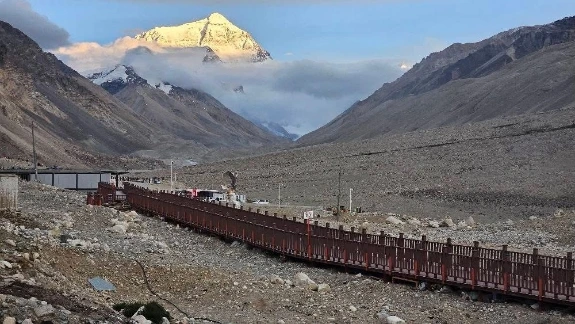
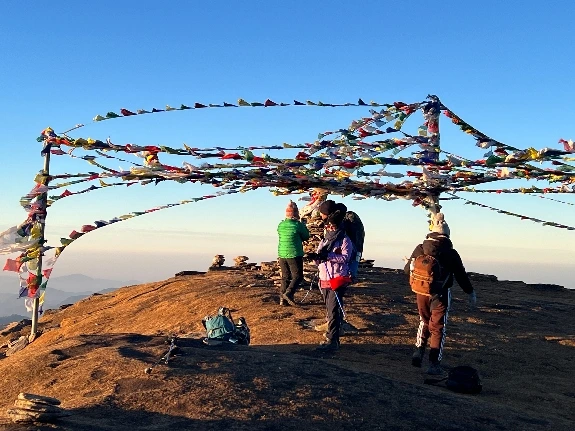
From Rongbuk Monastery, enjoy a breathtaking view of Mount Everest’s north face, where the jagged glaciers and massive ice pinnacles fill the distance. This spot offers incredible photo opportunities of the Himalayan landscape.

You will spend this night in Tibetan-style tent guesthouses, which are near Everest Base Camp. These guesthouses offer basic facilities but comfortable sleep and warm hospitality, an authentic mountaineering experience in the High Himalayas.

Day 6: Everest Base Camp Visit – Return to Shigatse

You have to wake up early to witness the stunning sunrise illuminating Mt. Everest in golden glow, a quiet yet powerful moment that relies on good weather. The mountain’s grand stature just after dawn will give you a memory that you will never forget.

After the sunrise, take some time to investigate the Everest Base Camp area and take in the insane scenery, prayer flags, and rugged landscape. Soak in the environment around you with the other tourists. If you feel like climbing, you’re not permitted to for regular tour groups.

After leaving Everest Base Camp, you will drive back to Shigatse, which is the second largest city in Tibet. You will take the mountain road away, see remote villages, and begin to see the peaks recede. You will comfortably rest overnight and reflect on your adventure.

Day 7: Shigatse to Lhasa Return

Commence your return trip to Lhasa. Travel back on gracious scenic highways, stopping at lovely lakes or small Tibetan towns. Take your final photographs of the high plains and mountains that have marked your journey in the Himalayas.

While traveling, take breaks to reflect on your trip and visit a local market. You can also pause to observe the valley for one last panoramic view before heading back to Lhasa. This return trip will be an amazing journey in the vehicle.

You will arrive in Lhasa in the afternoon or evening, and once you settle into your hotel, you will be allowed to unwind a bit. Take a moment for rest, some shopping, or go back to a favourite Lhasa tea house. Enjoy this time in Lhasa, as it has a special quality that will make it a fine goodbye to Tibet.

Day 8: Departure from Lhasa

The following morning will also be relaxed. Enjoy breakfast and prepare to pack your memories up nicely, and keep your souvenirs and journals from your time in Tibet safe. Hotel personnel or your tour guides will oversee your bags and the timings for your departure.

Your transfer will happen from your hotel in Lhasa to the airport or the train station. Appreciate the service and the guidance you have been provided for the week, and travel safely to end your trip at the “roof of the world.”

Near EBC from Lhasa

Cultural Insights & Experiences

Tibetan monks awoke before the sun rose to partake in long morning prayers and rituals. The monks would gather together for a formal assembly, which they called the “puja”.

They chanted together using mantras, served butter tea and porridge, then studied religious texts, meditated, and passionately debated what it meant to be a monk as part of the monastic lifestyle.

Tibetan foods are products of the harsh environment’s climate and use local resources to ensure sustainability. Common foods include tsampa (roasted barley flour), dumplings, thukpa noodle soup, and yak butter tea.

Tibetans describe meals as warm inclusions of sustenance and a large concept of family structure. Food, ultimately, is based on custom, so that eating is done in social and religious gatherings.

The everyday customs encourage collective harmony and respect. Tibetans would greet each other with khata scarves, join in accompaniment through prayer and festivals, and observe less common courtesies where they are not allowed to point their feet toward household stoves and altars. This suggests the more holistic belief system that Tibetans hold, as all acts are deemed spiritual.

Monasteries are at the center of Tibetan Buddhism; they are spaces where offerings of worship, meaningful debates, education, and a place where cultural content can be documented and continue to prosper.

The monastery dictates the monk’s spiritual life while it safeguards the teachings of ancient writings in classic texts, as well as provides a sense of community identity. Monasteries allow traditions to be exchanged through generations.

When meeting with Tibetan nomads, you can see the plateau’s pastoral heritage, which is still felt today. Nomads, seasonally migratory, travel wherever their herds move. Meeting nomads, often during treks, allows the opportunity for exchange and cultural elaboration through storytelling.

On the way to saga

Price Guide for 2025

Standard tour price:

In 2025, the cost structure for the 8-day Lhasa to Everest Base Camp Cultural Tours ranges from approximately $1,200-$1,800 per person. The price generally includes accommodation, transportation, guide service, entrance fees, and most meals.

Due to increasing group size, type of accommodation, season of travel, and specifics on inclusions, these price variations could differ. Likewise, optional items, private tours, and luxury arrangements may increase the price; smaller group sizes may decrease the price.

 Factors affecting cost:

Group vs private tour

Group tours are generally cheaper on a per-person basis since participants will be sharing costs associated with well-informed guides, vehicles, and permits. This type of trip creates camaraderie since participants are traveling as a team. This would be suitable for solo travelers and those seeking the most value.

Private tours will allow you to create a customized program, as people in the group will be given their desired itineraries. Private tours will also provide you with personal time with your guide. However, you will pay a significant price since all costs will be paid by you and not shared with travelers.

Season (peak vs off-season)

The price of tours will be at their highest during the high travel season, or when conditions are ideal for access and weather. High demand for guides, hotels, and permits will increase pricing overall.

Tourist price reductions on tours can be offered in the low travel season, which typically occurs in winter months. There will be far less tourism traffic, but travelling in winter will likely provide some cold weather and limited worker services, which may affect what is offered as part of the activities.

Level of accommodation

Typical packages will include mid-range, comfortable hotels and basic tent guesthouses at Everest Base Camp. That’s great for average costs, while having accommodation that should be fine.

Luxury upgrades, boutique hotels, and private rooms will increase the cost of the tour. You will have access to more amenities when appropriate. Private bathrooms along the way and greater comfort will be more expensive, and each property along the route will have a higher nightly rate.

Optional add-ons

Booking a flight from Kathmandu to Lhasa will be an add-on, but it is a nice touch when adjusting the package cost. These flights are popular because you save time and enjoy an incredible Himalayan view!

Access to extras like an oxygen tank rental, extra hotel nights, and private airport transfers will all add enormously to the cost of your tour. This is interesting, and having the option of adding these extras means your tour can be customized, but you will need to plan to budget for this accordingly.

Travel Tips for Lhasa to EBC Tour

Best time to go

April through June and September through October are the best months for the Lhasa to Everest Base Camp tour. These months offer comfortable weather, clear skies, tolerable temperatures, and visibility of the mountains, which are perfect conditions for sightseeing, trekking, and taking photographs.

Acclimatization and altitude sickness tips

Take time for acclimatization to reduce altitude-related sickness in higher altitudes. You will spend your first two days in Lhasa for acclimatization.

Along with acclimatization, you have to remain hydrated throughout the journey and avoid over-exerting yourself. If you observe some altitude-related symptoms, then it is best to take some medication and descend quickly.

 What to pack

You have to pack layered clothing because the weather at such an altitude is erratic. Additionally, pack sturdy hiking boots, sunscreen, and sunglasses for UV exposure. Don’t forget to pack personal medication, lip balm, a reusable water bottle, gloves, and a hat.

Photography etiquette and local customs

Always ask for permission before photographing anyone, such as monks, locals, or inside a monastery. When photographing local people, be quick, discreet, and respectful.

If someone is performing a religious ceremony, do not take photographs. When greeting locals, smile or offer a khata scarf, and respect local custom by walking clockwise around the physical space of sacred places.

Required documents

Be sure to bring your valid Chinese visa. Obtain a Tibet Travel Permit in advance with an authorized Tibetan tour operator. Make copies of all documentation, because you will need them at checkpoints. In many locations, additional permits are also required, so be sure to check the application of the requirements based on your departure.

Conclusion

The Lhasa to Everest Base Camp tour is an awesome cultural journey, exposing you to Tibetan spiritual customs, ancient monasteries, and awesome mountain views. There are not many journeys where you will experience so much adventure, tradition, and connection at one time.

As you travel, you will watch spiritual rituals in famous temples, fly by sacred lakes and glaciers, and stand gazing upon Mount Everest. Each day will be filled with inspirational moments from the lively debates of monk students to extraordinary views of the mountains.

With many travelers wanting to experience this tour, and with strict permit rules, please try to book early to secure your place. Booking early will mean not having to worry about the permits at the last minute, and you can enjoy your travels with Tibet’s amazing experiences.

FAQs

Is the Lhasa to Everest Base Camp road safe?

There is a good, paved route between Lhasa and Everest Base Camp. There are strict speed limits not only for your protection but also for everyone. They have speed bumps on certain winding mountain sections near Everest.

Do I need to be physically fit for this tour?

You do not have to be an athlete, but moderate physical fitness is recommended. You must also recognize that you are at altitude and taking long drives. Acclimatization and taking things slow on the road will help when managing the challenges of thinner air and mountainous terrain.

Can foreigners go to Tibet in 2025?

Yes, foreign travelers will still be able to travel to Tibet in 2025. Travel will still continue with the appropriate permits, including the Tibet Travel Permit, and visitors typically travel with a licensed tour operator according to the current regulations.

What’s the weather like at Everest Base Camp?

It is cold at Everest Base Camp all year, with temperatures hovering around freezing each night. April through June and September through October are the finest times to visit Everest Base Camp from Lhasa because of the brighter skies and more bearable temperatures.

How to get the Tibet Travel Permit?

The Tibet Travel Permit is obtained through a licensed tour operator, who takes your passport and itinerary and submits it to the Tibet Tourism Bureau. Although permits generally take 10-20 days to process, you cannot travel without this permit, an

Pikey Peak Trek in December and January : Weather, Cost & Itinerary for 2025

On the peaky peak

Pikey Peak Trek in December and January offers a unique and serene experience, as the trail is far less crowded compared to peak trekking seasons.Located in the Lower Everest region of Nepal, the Pikey Peak Trek is a spectacular walking route that offers wonderful views, beautiful walking trails, and the opportunity to experience the culture and hospitality of the Sherpa people.

This off-the-beaten-path trail is gaining traction as it provides an opportunity to experience the Himalayas in original and unique ways, away from the overcrowding of many of the most well-known treks in the region.

The Pikey Peak Trek is attracting more interest as it provides ideal early morning sunrise views of Everest and some of its close neighbours. It is a trek of moderate difficulty, with some trails with a lot of upward and downward elevation that are less used. The Pikey Peak Trek is, however, ideal for adventurous trekkers looking for an experience to enjoy peaceful places.

The months of December and January offer especially enchanting experiences on the Pikey Peak Trek. On these clear, crisp, dramatic days, walking through stunning mountains that look dusted in white delicately transports the trek to unforgettable moments.

Winter trekkers get to experience local lodges, have quiet paths to walk on, and opportunities to experience local communities, with all their winter glory, all on a more personal level. Even though January and December can be cool, trekkers can expect an amazing experience if they are prepared for colder temperatures.

Why Trek to Pikey Peak in December & January?

Pikey Peak trek in December provides a peaceful experience because the trails have fewer tourists. A less crowded trail will provide you with an opportunity to engage deeply in nature and local culture away from the usual bustle of tourists.

The weather in December and January is usually stable, with clear skies providing fantastic views of different Himalayan peaks without the clouds. The crisp air enhances the signature views of Everest, and this trek is especially rewarding for photographers and nature lovers.

Pikey Peak’s winter landscape is so unique, with snow-covered paths and beautiful villages cloaked in white. The peaceful landscape turns a corresponding trek into a journey through an imagined Himalayan winter wonderland.

Traveling during winter is also a great way to experience Sherpa culture in its authentic seasonal setting. Trekkers can incorporate themselves with communities that are less visited and can learn many things that will deepen your understanding of Sherpa culture.

Pikey Peak Winter Weather: What to Expect

Daytime temperatures on the Pikey Peak Trek in December and January usually sit comfortably between 5ºC and 12ºC. However, the nighttime temperature drops between -5ºC and -10ºC, so suitable warm clothing will help your comfort level.

There is potential for snow during these months, especially at altitude near the peak. Fresh snow can cover or cause trails to be slippery, so using trekking poles and micro spikes will be necessary to assist with your safety.

There are adequate hours of daylight for trekking, and the benefit of being easier to see with clear skies. On trek days, we start slightly later in the day to avoid early morning frosts, and we benefit from the crisp, bright sunshine of the winter months to afford us excellent visibility in panoramic mountain scenery.

Trail conditions will vary from clear paths at lower altitudes to areas with snow and ice at the peak. While in general, you have to be aware of icy patches and understand that post-snowfall, you should consider them while on trek.

In terms of managing the cold, trekkers should layer thermal clothing, carry a warm sleeping bag, and wear quality insulated boots. Staying dry, making sure your extremities are protected with gloves and hats, will aid in keeping you comfortable in winter conditions.

on the way to peaky peak

Is Pikey Peak Trek Safe in Winter?

The Pikey Peak Trek is thought to be safe in winter because it peaks at less than 4,065 meters, thereby limiting the chances of serious symptoms of altitude sickness that may affect higher Himalayan treks. However, acclimatization is still necessary, and care must be taken to maintain a slow speed to lessen mild AMS symptoms.

The safety of the trails in winter needs to be considered because snow and ice can make trails slippery. The usage of trekking poles, crampons, micro spikes, and wearing effective boots is suggested to enable safe access up or down trails. Winter guided treks have an improved safety aspect since they are done by a guide who is familiar with the trails.

Guides and porters to carry some of your equipment are generally available during the winter season, but their services will depend on how busy or quiet the trekking season is. The guides and porters can assist by carrying gear and making you safer and more comfortable if you are trekking along snowy trails.

The village teahouses are open in the off-season and can provide accommodation. However, they may only have limited services, so accommodation and food services will be limited. Planning ahead and even carrying extra food and accommodation if needed is good practice on any trek, especially in winter, to ensure that you will be able to find food and accommodation when you need it.

Pikey Peak Trek Itinerary (7 Days Example)

Day 1: Drive from Kathmandu to Dhap

The journey will start with the 8-hour drive from Kathmandu to Dhap. Along the way, there will be many opportunities to see this rural area of Nepal while driving through small towns and terraced hills covered in rice and other plants.

Day 2: Trek to Jhapre

You will trek toward Jhapre, a lovely village with its Buddhist stupas and views of distant mountains. You will travel through rhododendron forests and rural Sherpa settlements on the way.

Day 3: Trek to Pikey Base Camp

You will trek to Pikey Base Camp. As you travel, you will climb steadily in an alpine meadow over some pine forests. At camp, it will be a serene atmosphere. Everyone will be looking forward to the sunrise hike.

Day 4: Sunrise hike to Pikey Peak (4,065m) → Trek to Loding

You will wake up quite early to make your way to Pikey Peak, where we will enjoy an unforgettable sunrise of Everest and the rest of the Himalayas. Once we’re done taking it all in for as long as we like, we will descend to the quiet village of Loding, where we will stop for the night.

Day 5: Trek to Junbesi

You will start your journey to Junbesi, where traditional Sherpani lodging awaits you to rest and recover. The trail will traverse ridges and pastoral lands, which helped us experience the culture of the Sherpa people and enjoy the livestock and their monastic lives.

Day 6: Visit Thupten Chholing Monastery → Trek to Phaplu

You have a chance to visit a famous Buddhist site, Thupten Chholing Monastery, in the morning. You can visit and watch the monastery before continuing your journey to Phaplu, a village with luxury facilities available.

Day 7: Drive or flight back to Kathmandu

After completing your trek in Phaplu, you will take a flight to Kathmandu. You will have a great mountain adventure as you meet many interesting people and explore local culture before returning to Kathmandu.

Cost Breakdown for Winter Trekking

Permits costs

Winter trekking requires multiple permits. The cost of the Gaurishankar Conservation Area Permit is NPR 3000 – 3500 (about $25 -$30), the Sagarmatha National Park Permit is NPR 3000 (about $25), and the Local Area Permit is NPR 2000 – 2500 ($17 – 22).

Guide and porter cost in winter

You will spend $25 – $30 per day for a licensed guide and $15-$20 for a porter. Some porters or guides will offer a combined service guide and porter for $23/day. Insurance for each of these people will cost about $50 per trek.

Transportation

A private jeep from Kathmandu to Dhap costs $150 – 300. Public bus tickets range $10-$20 a seat, shared jeeps around $25, and flights from Phaplu range from $130-$200 one way (these flights are not frequent).

Food and accommodation

Teahouse accommodation prices range from $5-$15 per night, and meals range, on average, from $5-$10 each. Choices may be limited, but they may be slightly higher than you would typically pay at any altitude from the winter trekking season on.

Total estimated cost range

  • Budget $300-$400 (basic accommodation, public bus, few to no staff)
  • Mid-range $500-$600 (shared jeep, guided trip, better accommodation in tea houses)
  • Luxury $700-$900+ (private jeep, flying, full staff, best available accommodation).

Other Considerations for Winter

Fewer tourists for winter treks usually means the opportunity for a bargain on accommodation and guides. Some teahouses and paths will be closed, leading to some limitations for food or lodgings, so it is important to ask before trekking. Always leave extra money in your budget for rental gear or upgrades and all the unplanned things.


What to Pack for Pikey Peak Trek in December-January

December and January are months of packing for peaky peak demands, winter layers, and materials. You must bring a moisture-wicking thermal base layer, fleece or wool for a middle layer, and a waterproof or windproof outer layer. These layered clothes will help you keep warm.

Also, pack a good quality down jacket for extra warmth on freezing mornings and frost-bitten nights. Insulated gloves will keep your hands warm, and a warm beanie also provides warmth to your body. Bring thermal hiking socks and a neck gaiter to protect your neck and feet from biting wind and snow.

We recommend using micro spikes on sections of the trail when ice or snow is covering the trail, and a light crampon as a backup. Trekking poles with winter baskets offer stability and will also help you avoid slipping on icy trail sections.

To have a comfortable night’s sleep in unheated teahouses, make sure to bring a sleeping bag that is rated for at least -10°C. Adding sleeping bag liners is also handy if it happens to get colder than you would expect on a trek.

The tap water along the trail can’t be drunk directly, so bring a water purification tablet. Additionally, bring sun protection creams because the higher elevation often has higher UV exposure.

Tips for Trekking Pikey Peak in Winter

• If possible, begin your trip early each day for light and to help ensure you get to your destination before it is dark.
• Hire a local guide who has experience in winter trekking because the trail is almost covered with snow, which makes trekking risky.
• Check the weather forecast before starting your trek each day and adjust your itinerary for weather delays and trail block due to snow.
• Dress warm, layer thermals, wear gloves and a beanie, and pack a down jacket. Get yourself warm, or find yourself cold.
• Drink plenty of water on the trek since hydration is important.
• Clippers or microspikes are great to have for icy sections, and trekking poles are helpful if the snow is deep.
• Consider the local customs and the traditions of the Nepali Sherpa along the winter routes.


stunning view

Alternatives If Weather Turns Bad

If inclement winter weather causes issues for your Pikey Peak trip, a justifiable alternative is to switch to lower-altitude treks, which can be done year-round. These hiking routes have good accessibility, safe hiking conditions, and glorious scenery, and would lack the climbing challenges presented by heavy or difficult high-altitude snow.

The Namobuddha to Dhulikhel trek provides a hilly scenery trek with somewhat less altitude, coldness, friendly monasteries, and amazing views of the foothills. The Namobuddha trek area can be reached easily from the Kathmandu area, and placements are abundant and reliable.

The Ghorepani-Poonhill trek also provides another reliable trekking alternative with less likelihood of snow. The sunrises views, comfortable lodges, and colorful Gurung villages along these well-defined towns in the Ghandruk community balance out to a lower trekking cost over time.

In the worst-case scenario, where you are presented with a large winter snowstorm hitting your trek and have to delay your trekking start date for a few days, this is the safest and best trekking outcome. Mountain weather can change in a quick moment, and although a few days can be frustrating, it comes down to being safe before you carry on.

Final Thoughts: Is the December-January Trek to Pikey Peak Worth It?

Hiking to Pikey Peak in December and January will undoubtedly give you spectacular views of the Himalayas, peaceful walking in snow-covered landscapes, and peaceful mountain paths where you’re likely to be the only trekking group. The primary hardships are cold nights, shorter trekking days, and limited teahouse facilities for accommodation and food, due to winter closures.

Winter trekking is best suited for adventurous trekkers who enjoy solitude, crisp mountain air, an acceptable comfort level with cold, and an enjoyment of Sherpa Culture and life. If you’re a novice with basic winter trekking gear and are happy with cold weather, you will also have a wonderful trek.

Pikey Peak is a great option for a unique Himalayan adventure trek, particularly if the cold doesn’t bother you. For adventurous and brave winter trekkers, you will not forget the sunrises, the kindness of villages, and the magical world of snow.

Annapurna Circuit Tea Houses: What to Expect and How to Book

Annapurna Circuit tea houses are simple lodges that provide basic shelter, food, and warmth after a long day of trekking. Each tea house is typically operated by local families and offers accommodations ranging from basic to modest comfort. Luxury options are limited and decrease with altitude.

When considering your overnights in tea houses along the Annapurna circuit, you should expect uncomplicated rooms, a shared bathroom, and hearty food such as dal bhat. It will be beneficial if you bring a sleeping bag and a power bank for charging your devices. Respecting the local customs and habits will create a more holistic experience.

Annapurna Circuit
Annapurna Circuit

The Annapurna Circuit Trek is a famous journey through many beautiful Himalayan terrains from subtropical valleys to high alpine passes like the Thorong La. The trek showcases the stunning mountains surrounding you and provides rich cultural interactions during the journey. Although you can do the Annapurna circuit in many ways, a hallmark is the stay in Annapurna Circuit tea houses, as they provide rest and a sense of culture.

These teahouses offer you cultural and local interactions while also offering food and warmth, making them a center of nourishment and a socializing hub along the way. However, to experience such service, it is highly advisable to book teahouses early, as the teahouses are completely packed in peak seasons.

The less-trafficked months are less critical, but it is still worth considering, as tea houses may close, and owners migrate to low-lying sleeping areas where it is warmer during winter months. Agencies put this booking system in place, so visitors have a mechanism to book for their trek.

What Are Tea Houses?

Tea houses in Nepal began in the 1970s as basic lodges along Trekking routes, which developed from local homes that provided shelter and tea. The rise of tea houses supported a growing number of trekkers discovering the Himalaya, which created unique breaks during trekking on popular trails.

Traditional Teahouse Along the Annapurna Circuit

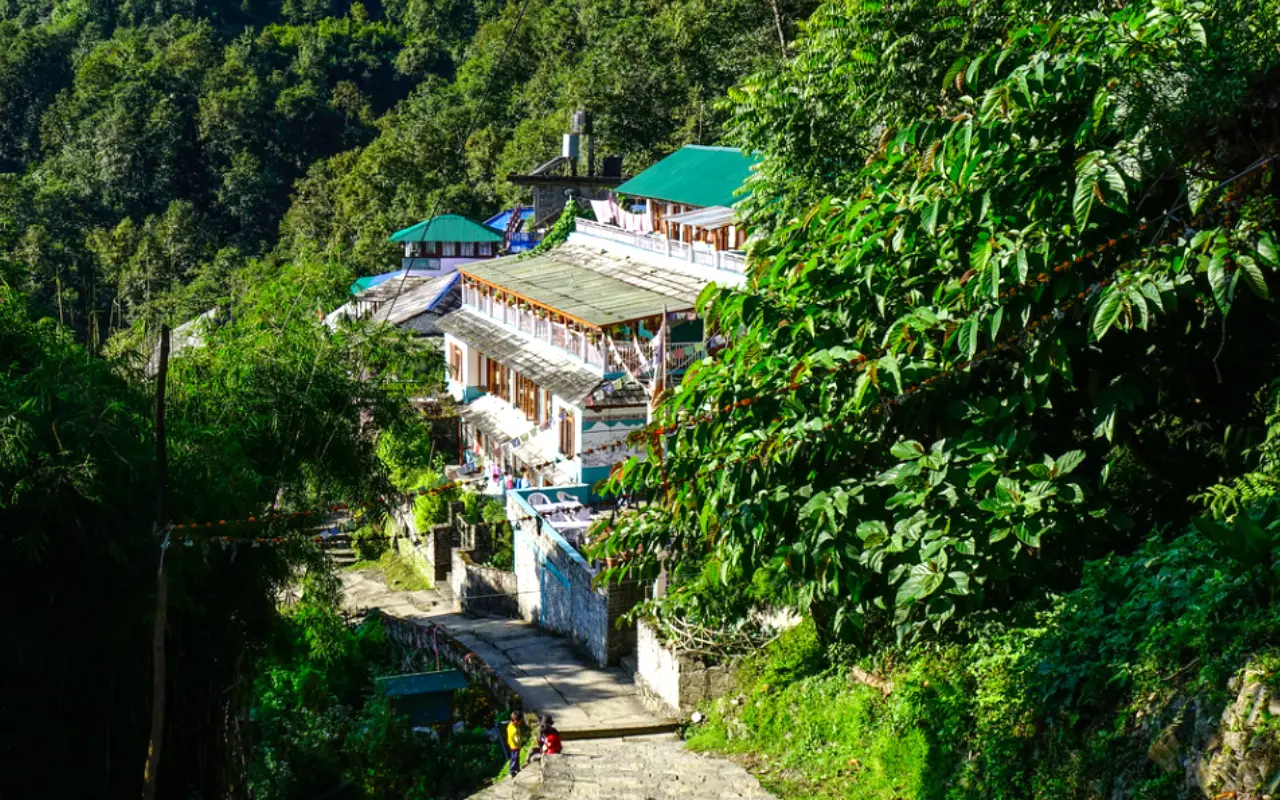
Tea houses are favored by trekkers as they provide simple, affordable meals in remote locations, especially high in the mountains. In combination with warm meals and shelter after long days of trekking, tea houses give trekkers a distinct cultural encounter to share their experiences with locals and other trekkers. Tea houses are usually small, family-run, simple, and not as select as hotels or lodges.

Tea houses are identified as a family dining experience with a basic shared toilet. Hotels and lodges are typically more comfortable and give visitors more privacy, while tea houses rely on local hospitality with little fluff and fuss before, during, and after the trek. However, tea houses are usually more practical associated with trekkers’ needs.

Ready to book your trip with us? Fill out the inquiry form below

Please enable JavaScript in your browser to complete this form.

What to Expect from the Annapurna Circuit Tea Houses

a. Rooms & Beds

Teahouses on the Annapurna Circuit offer basic but comfortable lodging with twin-sharing bedrooms having wooden beds, thin mattresses, pillows, and blankets. However, we recommend you bring your decent sleeping bag for warmth, especially at higher elevations where tea houses don’t have the means to offer heat in their bedrooms.

Bathrooms vary widely from tea house to tea house. Some have attached bathroom and hot shower options with an additional charge, but many teahouses have cold showers with squat toilets.

b. Food & Drinks

Tea houses serve traditional Nepali food, typically including dal bhat, momos, and fried rice. Bottled water is available in almost all locations, but can be much more expensive; boiled water is sometimes offered as a safer and cheaper alternative.

Generally, the price of meals increases with altitude because of limited locations to get supplies. Meals are substantial to provide trekkers with calories; however, you may see international items like noodles and pasta, and pizzas in some larger villages. Also, expect to pay a premium for snacks and drinks as you move up the trails towards Thorong La Pass.

c. Facilities & Services

Electricity is generally solar-powered; there are charging points in the common area for a small fee. WI-FI is available in many tea houses, sometimes for a fee, very slowly, and often with limited coverage. Hot showers are offered for an extra charge in mid-range or luxury tea houses, while basic tea houses only have cold showers.

d. Ambience & Local Hospitality

Tea houses provide a cozy, social ambiance where trekkers from all parts of the world come together to share stories after a long trek. Common dining rooms are usually the only heated area in a tea house, serving as the most social and welcoming area for both guests and hosts. This communal atmosphere is one of the defining aspects of the tea house experience on the Annapurna Circuit trek.

How to Book Tea Houses on the Annapurna Circuit

Trekker on the way to the Annapurna Circuit

a. Do You Need to Book in Advance?

Booking Annapurna Circuit tea houses is highly recommended during peak trekking times-spring (March to May) and fall (October to November). However, the monsoon and winter seasons have fewer trekkers on the trail, so it is quite easy to get a teahouse. But at higher elevations, the teahouses get closed due to the harsh environment.

b. Booking Methods

Many trekkers book Annapurna Circuit tea houses through an agency or guide, as they will handle the reservations and ensure accommodation at the busy stops. If trekking independently, you can call the tea houses directly using a local SIM card or Booking.com. Note that Booking.com is mainly good for booking tea houses at lower elevations. Otherwise, guides or porters often will book tea houses for you.

c. Best Practices

If you are not with a guide, it is best practice to arrive during the early part of the day at a tea house to book a room, especially during busy trekking days. Always ask for the room price politely before staying to avoid any surprises at the end of your stay.

If you did pre-book a room and decide not to go to the tea house or lodge, please give the owner a courtesy call. This respect towards the owners and their business is important, as it fosters good relationships with other trekkers on the trail.

Tips for a Comfortable Stay

You must bring a sleeping bag and toiletries. A sleeping bag over the blankets is going to ensure that you stay warm at higher altitudes. Some teahouses will supply you with toiletries while some don’t supply, so it is better to carry your own.

You will also need to bring a power bank and a flashlight or headlamp. In many tea houses, electricity will be limited or simply not reliable. The cost to charge your devices may also be exorbitant, and they may turn off at night. A flashlight for shared bathrooms is also useful.

Tea houses will typically have various rules and different local customs to follow. Simply respect a tea house, and your interactions with local people will more effectively lead to a positive experience on your trek. Hosts will find something in it for them in your good manners. You will also have the best practices to shape your cultural experience.

Be clean and courteous regarding noise and common areas in the Annapurna Circuit tea houses. Be respectful to others and minimize conversations after nighttime hours, be mindful in common areas, and make sure that you are not taking up large amounts of space. Being clean and courteous expresses to other trekkers a measure of good behavior and is the easy way to respect the local people and all your hosts.

Cost Breakdown

The cost of tea house rooms along the Annapurna Circuit is usually $3 to $5 in lower-altitude regions. As the altitude increases and you enter more alpine areas, the costs will increase to approximately $7 to $10 per night because of the logistical challenges and demand.

Rest Stop Along the Annapurna Circuit Trek

A meal of dal bhat, momos, or fried rice will typically cost $3 to $7 (depending on the altitude). A drink like tea or coffee is approximately $1 to $2. It is worth noting that prices will increase for supplies at higher altitudes, as supplies are more challenging to bring in.

Wi-Fi is usually available, but costs an average of $2 to $5 for a session. A hot shower usually costs $2 to $4. If you need to charge an electronic device, this will cost you about $1 to $3, depending on the location and plugs.

Tea House Trek vs Camping Trek

Tea house trekking on the Annapurna Circuit is easier and more eco-friendly. They allow for accommodation, food, and opportunities to interact with communities easily without carrying all the gear. It also supports local communities and minimizes environmental damage by reducing all forms of waste and resources along the way.

Camping in the Annapurna region is the best option if you are looking for remote routes, have your own itinerary needs, or are trekking in off-season when tea houses could be closed. Camping trekking allows flexibility to your trekking, and some private space when needed, but requires all of the equipment to be carried by porters. Therefore, the logistics function on your behalf, and can be more physically demanding activity-wise than tea house trekking, and less eco-friendly.

Conclusion

The tea houses along the Annapurna Circuit provide not only comfort, a cultural experience, and a sense of community. But they enhance the experience of trekking in an amazing landscape, local hospitality and human interaction, and meeting other trekkers and sharing your stories with them.

The flexibility of booking tea houses allows you to take your time, but you will want to consider pre-booking some of the busier sections of the trail. Pre-booking will ensure a place for you and take some of the stress away when you cannot see a tea house at the last minute, in some of the busier sections of the trail.

Staying in a tea house is the only true Nepali way to experience the Annapurna Circuit, resulting in an experience that was truly memorable.

FAQs Section

Do I need to carry a tent for the Annapurna Circuit?

Camping gear is not necessary for the Annapurna Circuit trek, as tea houses provide limited accommodations along the route. Carrying tent camping gear is not a requirement and is usually only done for more remote or customized trekking experiences.

Can I get vegetarian or vegan food in tea houses?

Vegetarian food can be found in the tea houses on the Annapurna circuit; for example, dal bhat, momos, and noodles etc. Vegan food will be harder to come by in tea houses because in many dishes eggs are used, and dairy too is often unavoidable. If you are vegan, please let the tea house know ahead of time if at all possible.

Is there Wi-Fi in all tea houses?

In many tea houses, Wi-Fi is available in the Annapurna circuit, especially at the lower and mid elevations, but not all tea houses provide Wi-Fi. It is often at an additional charge and can be slow or intermittent, especially at higher elevations.

Are tea houses safe for solo trekkers?

Yes, tea houses are safe for solo trekkers. In fact, for solo travelers, tea houses provide a nice, communal environment where solo travelers can meet other travelers, and experience local hospitality; all of which makes tea houses a nice, secure place to stay.

Do I need to tip the tea house owners or staff?

Tipping is never an obligation, but if you feel you have had decent service, it is a nice gesture to leave a small tip for the tea house owners. It helps their livelihood and continues these opportunities for hospitality.

Langtang Valley Trekking in November and December Weather, Itinerary & Cost

Langtang Valley Trek

The Langtang Valley trek is an incredible trek in the Langtang region that goes through Langtang National Park. This trek showcases amazing views of snowcapped mountain peaks, rhododendron forests, and rich Tibetan-Buddhism culture. The Langtang Valley journey appeals to both novice and seasoned hikers due to its accessibility to a broad spectrum of hikers.

It is important to decide the best month to enjoy the Langtang Valley trek. November and December are the most popular months among trekkers who want to go for the Langtang Valley Trek. This month offers stable weather and clear skies along with fresh air. Additionally, you can expect to witness the breathtaking panoramic view of the mountain along with a tranquil trail.

The days will be warm with cool night temperatures, making the trek an immersive trekking experience. In this guide, you will get all the information needed to know before going Langtang Valley Trek in November and December. We will provide you with a complete day-to-day itinerary and an itemized list of what to expect in terms of cost.

Whether you want to experience stunning Himalayan mountain views, cultural encounters with the Tamang people, or simply just get lost in the wilderness away from popular trekking routes. This blog offers you all the information to plan a very rewarding Langtang Valley trek in November and December, giving you all the confidence to prepare for such an experience with ease.

Weather Conditions in November and December

November Weather

November offers great weather conditions for the Langtang Valley Trek because it has ideal sunny weather with little rainfall. For a trekker, it provides some of the best conditions, as the air has been cleared of the monsoon rains, the mountains seem to be more visible, as rain averages only about 3mm.

The daytime temperatures can range from 10 to 15ºC with cold nights that can reach up to 5ºC. Therefore, you need to bring warm clothing and camping gear for nighttime. Since the weather is dry in these months, the relative humidity will reach t0 32%, providing a clear trek with little disturbance.

November offers 7 hours of sunshine each day, so you can see the spectacular Himalayan view of the Langtang region and amazing scenery with minimal weather interruptions. Overall, November has mild days and cold nights, perfect for trekking.

You can expect dry weather, with clear visibility day and night. When you combine the clear sky, trekking without wetness, and fantastic views of the mountains, November is the most favoured trekking season for travellers wanting to visit the Langtang Valley.

December Weather

December is the start of winter in the Langtang Valley therefore, the temperatures are colder and the trails are quiet. Generally, daytime temperatures are between 5°C to 10°C while the nights drop in temperature significantly, often below freezing, especially at altitude.

It may snow off and on at higher altitudes covering the trails in a brilliant white layer that enhances the beauty of the trek. It can also complicate the trek since the snow will cover portions of the trail making it harder to negotiate. Trekkers should be aware that the snow roads will usually be icy and slippery and very often will need trekking poles and possibly crampons.

Nonetheless, the cold temperatures do bring clear skies and fantastic visibility of the mountains during the month of December making it great for photography and enjoying the beautifully serene winter wonderland. The number of trekkers on the trails is also much less leading to a great sense of peace as you walk through traditional Tamang and Sherpa villages.

If you are well prepared you will have a good December trek. This includes wearing several layers of clothing, sleeping bags with enough warmth, and waterproof clothing. Accommodation will still normally be open, meaning your lodges still service trekkers and you would normally be able to stay in a nice comfortable tea house where you could warm up, enjoy local hospitality, and breathe in the crisp cold outside.

Langtang monastery

What to Pack for Cold Weather

For trekking in Langtang Valley in the cold weather of November and December, warm layers are the best option. It is going to be important to take a down jacket, fleece or mid-layer, thermal base-layers, as well as gloves and a warm hat or beanie to protect against freezing temperatures, as well as better protection for at night.

A sleeping bag that is rated for sub-zero temperatures is important for staying warm in teahouses, as it is unlikely to be heated significantly. A compressible down sleeping bag works great for insulation at high altitude, and is ultimately extremely light.

If you expect snow at higher elevations, also take crampons or ice spikes, as these will offer you the best chance of maintaining your footing on icy trails or slippery sections. Trekking poles with snow baskets also provide help with balance and stability from enduring lots of snow.

Also, take waterproof and windproof outer layers that can help break down wind chill and any potential precipitation. Layering your clothing provides options for modifying warmth and weather protection as temperatures will fluctuate during the day.

Langtang Valley Trekking Itinerary (7–10 Days)

Here is the detailed itinerary of the Langtang Valley Trek, perfect for trekkers seeking a memorable Himalayan experience.

Day 1: Drive from Kathmandu to Syabrubesi

The Langtang Valley journey starts in Kathmandu. After taking a drive from Kathmandu, you will reach Syabrubesi in 7 to 8 hours which is the starting point of the Langtang Valley Trek. This drive will take you through terraced fields, various small settlements, and mountain roads, giving you a perfect insight into the landscapes and remote culture.

Day 2: Trek to Lama Hotel

After leaving Syabrubesi, you will begin to trek through dense rhododendron and oak forests. You will follow the Langtang River for part of the journey. The trek begins by going up gradually, but it is steady and you have some ups and small waterfalls along the way. The Lama Hotel is very popular and has a few tea houses and a stunning view of the surrounding peaks.

Day 3: Trek to Langtang Village

On day three, it is a longer trek through forested paths to Ghoretable, a horse stable, and continue up through the village of Thyangsyap for lunch. Then up to Langtang village, which has been rebuilt since the earthquake of 2015. Here, you’ll find guesthouses, a health post, and a couple of monasteries. You also have an incredible view of Langtang Lirung and Gangchempo right when you arrive.

Day 4: Trek to Kyanjin Gompa

Another short trek today, as you travel up through fine alpine meadows and yak pasture to Kyanjin Gompa, the godly and cultural hub of the valley. You can visit the monastery and cheese factory, and soak in panoramic views of an outstanding mountain scenery.

Day 5: Acclimatization day

Another difficult day ahead, with the steep ascent to Tserko Ri (5,000 meters), but the views you receive are unmatched with 360-degree views of the Langtang Lirung, Dorje Lakpa, and many more of the huge Himalaya mountains. You will return to Kyanjin Gompa and rest well for the afternoon, gaining some energy for the following day’s trek.

Day 6: Return to the Lama Hotel

You will descend through the valley, retracing your steps to Thyangsyap. You will get to enjoy the changing landscapes as you return to the Lama Hotel.

Day 7: Trek to Syabrubesi

You will get to continue to descend through forest trails and riverside paths to complete the trek as you make your way to Syabrubesi.

Day 8: Drive back to Kathmandu

Drive back to Kathmandu, which will take around 7-8 hours. On the way back, you should reflect on the adventure, revisiting the best parts of it in your mind before departure or next journey.

Langtang vallye and Tamang Herritage trail trek scaled

Cost of Langtang Valley Trek in November–December (2025)

  • Budget Trek

If you want to budget for a Langtang Valley Trek in November and December of 2025, expect to spend between $400 and $600 per person. This budget will cover a local guide or porter service, basic tea house accommodations, simple dal bhat and noodles meals, and shared transportation for transport back to Kathmandu.

Local guide or porter services will cost approximately $20 to $25 per day, and then you need to add tips, approximately $15 to $30 per day depending on the service. Guides provide a better experience because they share local information, and they will ensure safety practices while hiking. Porters assist with loads that should be manageable, so you can enjoy the trek.

Tea house accommodations along the route into Langtang are basic but comfortable, at an average of $5 to $10 per night. Meals are inexpensive, with an average of around $4 to $7 per meal. You can have traditional Nepali dishes and western cuisine on the trail. Staying in the teahouse provides an opportunity to experience local hospitality and culture.

Transportation costs in the Langtang Valley Trek vary significantly depending on your personal choice. You can use a local bus to reach Syabrubesi, which can cost roughly $10-$50 one way. Shared jeep also charges a similar fee to reach Syabrubesi. If you have enough budget and want a comfortable experience then you can take private transport.
Overall, the Langtang Valley Trek in November and December offers affordable logistics, stunning Himalayan scenery, and rich cultural interactions. However, by planning and trekking in a group, you can lower the costs and have an unforgettable trek.

  •  Midrange Trek

A midrange Langtang Valley trek in November–December 2025 will be priced between $700 and $1,000. The price range includes the following features: you will be with a licensed guide and porter; better lodges; better food; and transport by a private or shared tourist vehicle. A midrange trek emphasizes comfort and local knowledge to support a successful trekking experience.

Licensed guides and porters provide safety, local knowledge, and, of course, help carry luggage. For our midrange trek, you will pay $175 to $300 to hire these paid services which include tips. If you are looking for a safer journey with local knowledge as you trek through the beautiful, remote, and rugged Langtang area, hiring a licensed guide and a porter will provide you with the peace of mind to have an enjoyable experience.

Midrange lodges in the Langtang area will cost around $15-$20 per night. These lodges will offer cleaner rooms and better amenities than their lower-cost counterparts. Dining costs will be $15–$25 per person per day during a midrange trek, but, will be a variety of local and international fare. The bottom line is you will be more comfortable and get better nutrition along your trek, not to mention a better climbing experience.

Transportation will be arranged by the agency which includes using private jeeps or shared tourist vehicles. You can expect transportation costs of $50-$100 for a round trip per person. The trekking agency also coordinates permits and responsibilities including permits like TIMS, as well as buy-in fees. They will also arrange the logistics allowing you to enjoy your trek without needless interruptions.

  •  Luxury Trek

A luxurious Langtang Valley trek may also vary in price from $1,200 and above. A ‘luxurious trek’ includes private transportation, premium class accommodations in Kathmandu, and the services to meet any requirement privately, ensuring maximum comfort and ease for the clients from start to finish for discerning travelers.

For accommodations, we are able to provide international-class hotels in Kathmandu with all amenities and premium-class lodges on the trekking trail. Throughout the trek, you will have hot showers in your rooms, and apart from accommodation, they include a full meal plan with a very good variety of quality food.

For trekkers, ‘luxury‘ also comes with personalized support, which could involve a full complement of qualified guides, porters, and personalized services for all your requirements on the trek. Snacks and refreshments for rest stops; and special requests for snacks like specific drinks or sweets can be taken care of easily, as there are trained people taking care of you every step of the journey with great luxury and care.

Private transportation ensures either a jeep or a helicopter as opposed to public transportation, minimizing your time traveling and maximizing your comfort. Using this type of transport allows you to explore and concentrate on the adventure; while enjoying an effortless luxury trekking experience in the beautiful Langtang region of Nepal.

Required Permits

For the Langtang Valley Trek, you will need two permits: the Langtang National Park Permit and the Trekker’s Information Management System (TIMS) Card. The Langtang National Park Permit costs NPR 3000 and is required to enter the National Park boundaries.

The TIMS Card is about NPR 3,000 and is given by a registered trekking agency or the Nepal Tourism Board. Both permits must be on the trekkers’ person at all times and will be checked at various checkpoints on the trek. Permits must be checked at each checkpoint to make sure trekkers are carrying the proper documentation and to promote the conservation of the environment.

Highlights of Langtang Valley Trek

  • Beautiful views of Langtang Lirung and Ganesh Himal.
  •  Authentic Tamang villages for a real cultural experience.
  •  The historic and spiritual monastery of Kyanjin Gompa.
  •  An optional trek to Tserko Ri to view an incredible sunrise.
  •  Tranquil trails versus the Everest and Annapurna regions.
  •  Lots to see in the national park – flora and fauna at Langtang National Park.
  •  Beautiful rhododendron forests and alpine meadows along the way.

Travel Tips for November and December Trekking

  • Begin each day early to take advantage of shorter daylight hours and avoid being out after dark.
  •  Check the tea house availability in December. Some tea houses may close in the less-trafficked Winter season.
  •  Dress in layers, and pack warmer clothing to consider cold temps and possible snow.
  •  You should also carry crampons and trekking poles to ensure safe navigation of icy or slippery spots on the trails.
  •  Pack enough cash as there are no ATMs on the trail, and few tea houses will accept bank cards.
  •  Acclimatize as best you can with pace and hydration to avoid altitude sickness.
  •  Make sure to check the road conditions to Syabrubesi prior since bad winter weather might cause accessibility issues.

Conclusion

Langtang Valley Trek is an excellent option in late autumn and early winter, as it features amazing mountain vistas and local cultural experiences. The weather during this period is fresh and clear which makes the trek more comfortable and enjoyable visually.

November is a perfect time for bright and colorful nature which is suitable for those, who want to see the great panoramas. December is colder but it gives the trekkers unwinding, less crowded trails, and a peaceful atmosphere as a gift.

The correct plan depends on your comfort, time, and budget. The Langtang Valley during these months is a dream coming true whether you choose a budget, midrange, or luxury trek, it offers unforgettable Himalayan adventures, custom-made for you.

Everest Base Camp Trek vs Annapurna Base Camp Trek Which One Should You Choose

EBC VS ABC 1

Everest Base Camp Trek vs Annapurna Base Camp Trek is a common debate among trekkers planning their first Himalayan adventure and for good reason. Both treks offer spectacular mountain views, rich cultural experiences, and unforgettable journeys, but they differ in altitude, difficulty, cost, scenery, and accessibility.

Nepal is home to two of the most famous trekking routes: the Everest Base Camp Trek and the Annapurna Base Camp Trek. Both treks offer amazing Himalayan views and a vibrant cultural experience in the foothills of towering mountains. This is why trekkers are attracted to these places from all around the world. Therefore, it is important to differentiate between the treks to select the trek that’s best for you.

Choosing the right trek for you is important because both treks offers different scenery, experiences, difficulties, costs, and cultural experiences. You need to consider these differences before selecting the trek to meet your physical ability, budget, and interests.

The Everest Base Camp trek is known for its maximum altitudes of approximately 5,300 meters and for how challenging the high altitudes are. However, the Annapurna Base Camp trek doesn’t have as high altitudes, as the maximum is about 4,130 meters, and thus offers more varied views and backgrounds ranging from lush-filled forests to terraced fields and beyond.

We will examine the differences between the Everest Base Camp trek vs the Annapurna Base Camp trek in this blog. The comparison is done on the basis of the length of the route, difficulty level, cost, cultural exposure, and type of trekking experience they have to offer, so you can more easily select which trek could best match your interests.

Trek Overview

Top of Kala patther 2

• Everest Base Camp (EBC) Trek

The Everest Base Camp trek vs the Annapurna Base Camp trek comparison begins with its location, as the Everest Base Camp Trek is located in the Khumbu region. The trek to Everest Base Camp generally lasts for 12 to 14 days, but we can shorten or lengthen the itinerary based on your preferences.

Everest Base Camp Trek offers amazing views of the Himalayas, landscapes, Sherpa villages, and monasteries along the way. All cultural as well as natural landmarks that allow for a very different trek to Annapurna Base Camp.

The Everest Base Camp trek starts with a flight from Kathmandu to Lukla. From Lukla, the trek starts and passes through vibrant Sherpa villages including Phakding and Namche Bazaar. This is why the Everest Base Camp trek stands out as a distinct trek as it blends challenging trekking with cultural exploration.

The trek requires good fitness as it is at high altitude and you will be walking long distances each day. The trek takes into account acclimatization stops to reduce the risks of altitude sickness. The Everest base camp trek vs Annapurna base camp trek differs in this respect as the Everest base camp trek is generally going to take you higher and with longer acclimatization.

Annapurna Base Camp Trek

• Annapurna Base Camp (ABC) Trek

The Annapurna Base Camp trek is located in the Annapurna Sanctuary and lasts for 7 to 10 days. This trek reaches a maximum elevation of about 4,130 meters and offers a view of Annapurna I and Machapuchare. While comparing the Annapurna Base Camp trek vs Everest Base Camp trek, ABC is shorter and less high from Everest Base Camp.
One of the key highlights of the Annapurna Base Camp trek is the varied landscapes and range of forest types with terraced fields, and then alpine meadows. Trekkers experience traditional Gurung villages, and the views of the mountains are ever-changing during the trek, quite different from any other trek in the Annapurna region.

The Annapurna Base Camp trek vs the Everest Base Camp trek is different in both culture and nature. It is rated as a moderately difficult trek in most parts because there is a consistent gain in altitude and parts of the trek near the Base Camp are definitely steeper sections.

Despite that, it’s not a hard trek in terms of fitness, compared to the high altitude and longer duration trek that is the Everest Base Camp trek.

You will start in Pokhara, trekking through villages like Ghandruk and Chhomrong along the way to the base camp and experiencing the culture on the way ultimately finishing at Annapurna Base Camp.

The breathtaking sunrise views from the whole massif, sun rise views at the summit viewpoints, are the key highlights of the Annapurna Base Camp trek vs Everest Base Camp.

When weighing the Annapurna Base Camp trek vs the Everest Base Camp trek, ABC will fit adventurers who want different landscapes and are looking at a shorter trek period without extreme considerations.

ABC

Scenery and Landscape

Both treks offer completely different scenery and experiences. While the Everest Base Camp trek involves high altitudes with glaciers and rugged alpine views creating a unique Himalayan experience, the starkly glaciated ice-scape is many a trekker’s quintessential “Himalayan” experience: It feels stark and cold.

The Annapurna Base Camp trek offers a variety of landscapes to trek through. The trek moves through jungle, waterfalls, rice fields, and alpine meadows before opening into a dramatic mountain amphitheater. This variety makes the Annapurna Base Camp trek feel rich and deep while the Everest feels stark and cold.

The debate within the contrasting treks is purely on variety for the Annapurna Base Camp trek for the changing ecosystems and cultural villages or to trek Everest for the high-altitude ruggedness. The Everest base camp trek vs Annapurna base camp trek debate is mostly a choice of trekkers who prefer lofty peaks, or variety in landscapes.

For trekkers looking for the ultimate “Himalayan” trek with iconic peaks like Everest, and challenging alpine weather, there is simply nothing that compares to the Everest Base Camp trek. The debate of Everest base camp trek vs Annapurna base camp trek usually comes down to a choice between high-altitude vigorous mountains or varied ecosystems.

Cultural Experience

The differences in cultural experience between the Everest base camp trek vs Annapurna base camp trek are substantial. The Everest Base Camp trek is experienced quite differently from Annapurna and is mostly Sherpa Buddhist culture.

A meaningful experience of Sherpa Buddhist culture is visiting monasteries like Tengboche and seeing the lovely prayer flags that symbolize the area’s deep Buddhist spiritual meaning.

The exercise of visiting a monastery, spending time in meditation, and seeing how life connects to spiritual actions gives the Everest trek a much more remote feeling- spirituality on a deeper level.

With the Annapurna Base Camp trek, although trekkers pass through Gurung and Magar communities, people practice a combination of both Hindu and Buddhist traditions.

Therefore, like other regions of culture visited in Nepal, it becomes a blend or melting pot of cultures. So trekkers will experience more differing cultures on the Annapurna compared to Sherpa Buddhistic cultures on the Everest base camp trek vs the Annapurna base camp trek.

On the Everest Base Camp trek, trekkers might see ancient monasteries like Pangboche and Namche, and feel the power of daily rituals, meditation, and awesome festivals. They also have some notion of Himalayan cultural spirituality that represents the remoteness and sacredness of the Everest region.

The cultural aspects of the Annapurna trek’s diversity include traditional villages and many aspects of their customs and festivals. It is not as remote as the Everest Base Camp trek however it is culturally diverse.

When observing differences in culture, on the Everest base camp trek vs the Annapurna base camp trek, the Everest base camp is isolated in remote spiritual practices whereas the Eco trek Annapurna is more blended culturally.

Difficulty Level

In terms of difficulty, the Everest Base Camp trek vs the Annapurna Base Camp trek will differ quite a bit. The Everest Base Camp trek is longer and at higher altitudes (5,364 m.), requiring good acclimatization and stamina to make this trek.

In contrast, the Annapurna Base Camp trek is a shorter trek (4,130 m.) which is also better for reasonably fit beginners. Additionally, there is less altitude gain in overall distance and therefore, in terms of preparation for altitude sickness, it will be easier to acclimatize than for Everest.

Both of these treks are non-technical but can be very physically demanding, and require proper physical preparation and a good mental attitude. The Everest Base Camp trek vs Annapurna Base Camp trek debate will usually be more to do with Everest’s higher altitude challenge versus Annapurna’s shorter distance and steeper terrain.

Altitude and Acclimatization

Both the Everest Base Camp trek and the Annapurna Base Camp trek differ significantly in height and the need for acclimatization. Everest Base Camp is situated at an elevation of 5,364 meters with 5,545 meters rise at Kala Patthar. This altitude increases the risk of having altitude sickness which necessitates acclimatization days.
In contrast, Annapurna Base Camp is located at an elevation of 4,130 meters which is lower than Everest Base Camp’s height. At such a height altitude sickness is still important but the risk is low and you will need fewer acclimatization days. This makes Annapurna Base Camp more approachable compared to the Everest Base Camp Trek.

Accessibility and Transportation

Both the Everest Base Camp trek and the Annapurna Base Camp trek differ significantly in height and the need for acclimatization. Everest Base Camp is at 5,364 meters and rises to 5,545 meters at Kala Patthar. This altitude increases the risk of having altitude sickness which necessitates acclimatization days.

In contrast, Annapurna Base Camp is located at an elevation of 4,130 meters which is lower than Everest Base Camp’s height. At such a height altitude sickness is still important but the risk is low and you will need fewer acclimatization days. This makes Annapurna Base Camp more approachable.

Trekking Infrastructure

There are clear differences when comparing the Everest base camp trek vs the Annapurna base camp trek when it comes to trekking infrastructure. The Everest Base Camp trek has excellent infrastructure and significantly improved lodges and teahouses with better amenities.

The amenities include bedding, better heating, solar power facilities, and Wi-Fi, providing a better level of comfort whilst trekking. There are also multiple medical posts and health outposts along the way in case of any altitude medical emergencies.

Relatively, the Annapurna Base Camp trek has a good tea house infrastructure too, however, at the top of the Annapurna Base Camp trek the amenities decrease to more basic. The facilities at Annapurna might be comfortable, but most of the places are not that well-developed compared to the Everest route, therefore Annapurna is slightly less convenient. However, there are enough facilities to support trekking in the region.

Cost Comparison

The Everest Base Camp trek is more expensive generally ranging from about $1,200 and more than $2,000 depending on options and includes expensive flights to Lukla and a longer duration.

The Annapurna Base Camp trek costs around $600 to $1,200 with potential shuttle transport by road or other available means and reduced trek duration. This makes ABC lighter on the wallet for many trekkers than the Everest Base Camp.

Permits for ABC are light in number and significantly cheaper to obtain, while the EBC trek permits are expensive. Similarly, the cost of a guide or porter on EBC is also generally higher due to altitude.

The costs of meals and accommodation also increase with height along the Everest Base Camp Trek. However, the cost of the Annapurna Base Camp is lower compared to the Everest Base Camp trek because of the lower elevation.

Best Time to Trek

Spring and autumn are the optimum seasons to visit both the Annapurna Base Camp and the Everest Base Camp. These seasons have the best trekking conditions because the weather is clear and temperatures are pleasant, making it ideal for many trekkers.

Winter trekking is difficult on the Everest Base Camp trek because of heavy snow, extre  mely cold conditions, and snow covering high passes. The Annapurna Base Camp trek is easier year-round with accommodation available in a mild winter and trekking in the off-seasons is safer due to being only at a lower altitude.

During the monsoon season (June to August), both treks suffer from heavy rain causing muddy trails and landslides. But the Annapurna trek at a lower elevation has better chances to navigate the monsoon conditions with even some forested trails, unlike the higher exposed terrain of the Everest trek.

Which Trek is Right for You?

If you want to see the iconic view of Everest scenery while facing challenges along with cultural exploration in the Sherpa village, then the Everest Base Camp Trek is for you.

Annapurna Base Camp is for those who want to trek in lush scenery in a short period. It is more appropriate for first-timers, on a budget, or limited time willing to experience the Himalayas without worrying about too much altitude.

Everest Base Camp Trek requires more preparation and is a more expensive and longer trek compared to the Annapurna Base Camp Trek. Therefore, Everest is suitable for trekkers willing to take challenges and strenuous walks in the most iconic area of Nepal. While Annapurna Base Camp is comparatively accessible, an easier and less expensive trek that emphasizes comfort and cultural interaction at a homestay.

Overall, the choice between the Everest Base Camp trek and the Annapurna Base Camp trek will come down to your fitness level, budget, time, and level of adventure you want. Both treks carry the potential of providing an unforgettable experience. However, attempting to find the trek most suited to your requirements will make you enjoy the best adventure in the Himalayas.

Conclusion

There is no right or wrong choice when comparing the Everest Base Camp and Annapurna Base Camp treks. Both give you the once-in-a-lifetime opportunity to venture into the Himalayas and will be filled with incredible views, culture, and unique experiences that you will talk about for years to come, no matter what level trekker you are.

When deciding, factors like your physical condition, time available, budget, and desired objectives must be taken into account. People who are most attracted to uncharted distances and high-altitude adventure would find the Everest Base Camp trek a good option. Whereas a trek to Annapurna Base Camp has better chances and logistics as well as being shorter in duration.

To get a full Nepal trekking adventure, many people choose to do both at different times of the year. As a result, you will not only witness the grandeur of Everest and its majestic snow-capped peaks, but you will also have the experience of seeing the rich and varied geography that is Annapurna, so you learn a lot about the beauty of Nepal’s Himalaya.

Mera Peak Climbing Itineraries: Three Best Routes for Every Trekker.

Overview 

Mera Peak Climbing Itineraries vary depending on your time constraints.There are several ways to reach the summit of Mera, which is 6476 meters above sea level, according to the Mera Peak Expedition. Mera is one of Nepal’s most exciting and daring peak climbs. If you have already completed some adventure treks and have aspirations of climbing a mountain in the Nepalese mountain ranges that is over 6000 meters high, are you interested in going on another small expedition in Nepal?

Mera Peak Climbing Itineraries
Summit of Mera peak at 6476m

The best option for you is Mera Peak, which is 6476 meters above sea level, less crowded, non-technical, and challenging to reach. The views from the summit are breathtaking because it is situated in the middle of several large mountains, including Mt. Everest, Kanchenjunga, Makalu, Choyuo, and Lhotse, as well as a number of other stunning peaks. Additionally, you are looking above 6000 meters, not lower or higher.

To reach this beautiful mera peak summit you have to trek at least one week but it depends on which routes you choose to base camp of Mera peak before starting the real climb or expedition section. There are three routes that are more popular and reasonable for you based on our past clients feedback and our experience as well.

Please go through the details for routes for those travelers who are looking forward to finding the best mera peak expedition itinerary for your upcoming 2025/2026/2027 or 028 mera peak expedition.

Mera peak itinerary via the Upper Trail—13-14 days

The Mera peak upper trail is one of the scenic and short ways to reach mera peak summit. The Mera peak upper trail starts after scenic flights from kathmandu ro Lukla. Lukla is the gateway to the Everest base camp trek as well. And the mera peak is located south of Lukla. You will essentially begin walking through the Chuthanga, passing Zawtrala Pass at an elevation of 4600 meters, Kharki dyang, Kothe, Thangnak, and finally you will reach Khare at an elevation above 5000m. Basically after the khare mera peak climbing is begins through the Mera la camp , highcamp and summit mera peak. Along the way back, you will follow the same trails as you went up.

Mera peak itineraries
One the to mera peak expedition via the Upper trail

The Mera peak upper trail is suitable for those travelers who have a limited time frame, want to skip the long drive but still want to climb mera peak. This route is more suitable for experienced hikers who have completed high-altitude treks and hikes because of its remote location, high passes like Zetrawla Pass (slt. 4600m) above Lukla, and numerous ups and downs. Mera peak upper trails routes are suggested for 13 to 14 days, including a minimum of three days summit duration. But you can customize the itinerary as per your timetable and flexibility.

Here is the mera peak 13 days upper trail suggested itinerary and route.

Day 1: Fly to Lukla from Kathmandu in 30 minutes and trek to Chhuthanga (4 hrs trek (alt. 3560m)).

Early morning drive to the domestic terminal from your hotel and catch a flight to Lukla. It takes 30 minutes, where you will meet your supporting staff (porter) after organize all basically you will starts your first day of mera peak expedition. The routes today lead to gradual ascents to Chhuthanga in 3 to 4 hours slowly. Rewarding is the fact that It is surrounded by lush forest and beautiful mountains. You will pass numbers of sherpa people traditional villages, mountains, snowscapes, Hills, charming people and their fascinating culture, and many more.

Take note that if you are planning to do this expedition in Autumn – October, November and spring (March and April), the Lukla flight will fly both way from Ramechhap airport. From Ramechhap, which is a three- to four-hour ‘drive from Kathmandu, all airlines operate flights.

Day 2: Trek from Chhutanga to Kharki Dyang (4200m) via the Zatrawala pass (alt. 4600 m), 6/7 hrs, 12 km

After breakfast, you will start your day. You will ascend to Zawtrala pass about 3 hours. There is a teahouse in the center of the hill where we will pause for lunch before continuing on. You can look back all the way from Lukla, where you spent the last 1.5 days trekking, and enjoy breathtaking views of the mountains once you reach the summit of Zatrawla Pass, which is 4600 meters above sea level, its finest vantage point. Following that, we will continue our trek for three more hours to Kharki Dyang. The route consists of two hours of gradual ascent and a final hour of descent to the teahouse, where we will spend the night.

Day 3: Trek from Kharki dyang to Kothe (alt. 3500m), 6/7 hours. 8.5 km

Trekking from Kharki dayng to Kothe takes five to six hours. The route begins with a gradual climb of about one hour, and you will descend to taktor another two hours for lunch. Continue descending and climbing for three more hours after lunch to reach Kothe where we will spend the night. The trail today is mostly surrounded by forest and hills. In the morning, if the weather permits us, you will have first views of Mera peak in the distance. When compared to previous days of trekking or trekking further, Koteh is a more comfortable place to stay because it has good lodging and delicious food. Koteh is a charming little Sherpa town where a few hundred people used to live.

Day 4: Trek from Kothe to Thaknak, 4-hour trek (alt. 4300m). 8-9 km

After breakfast, we will trek today from kothe to thaknak in 3 to 4 hours. Since you will only be walking for three to four hours before lunch, today’s trek is brief and easy. Since the trek is only a short day, we will eat lunch at the same location in Thaknak. If you would like, you can then hike a short acclimatization hike a few hundred meters up from your hotel after lunch. Because you will be higher than where you are sleeping overnight, this will help you get a good night’s sleep.

Today the trail leads primarily in a gradual ascent toward the Hinkhu River, passing both the tranquil Lungsungba monastery and alpine meadows before arriving at the Thanknak valley.

Day 5: Trek from Thaknak to Khare camp—3 hrs. (alt. 5045 m), 4 km.

After breakfast, we will start our day 5 of mera peak expedition. It is another short day of this trek. You will trek today for 3 to 4 hours slowly, slowly. We’ll have lunch when we get to Khare, and then you’ll have some free time. Alternatively, you could take the quick hike from yesterday, which would take you higher than where you were sleeping. Which will allow you good acclimatization. You will have breathtaking views of Mera Peak and numerous other stunning peaks on your journey to Khare today. It is also known as the Mera peak base camp, as after the khare we will not meet any teahouses. We will stay here one extra day for final Mera peak summit preparation and good acclimatization before we head to the high camp.

Day 6: Acclimatization day:

Today is your rest and free day of mera peak expedition, but in the morning before lunch we will go for 3 – 4 hours hiking to khare la viewpoint about 3 to 4 hundreds metters higher nearly 5500m then the khare camp
(alt. 5045m). Today hikes will allow you good acclimatization before we head to camp at about 5800m. This hike is more than just a walk to get over 5,500m. you will have a spectacular views of Mera peak rangesin distance, ama dablam , includes many beautiful peaks surrounded.

Following our return to Khare for lunch and some downtime, our climbing guide will give you a few hours of basic climbing instruction, which will include rope climbing and descending as well as many other skills required for the climb routes that will lead to the summit of Mera Peak in the coming days. Overnight at khare.

Day 7: Khare to high camp (alt. 5800 m), 6-7 hrs via the Mera la camp (alt. 5400 m) 6-7km

After an early breakfast today, we will trek to camp today via the mera la camp . It is a 6- to 7-hour adventure trek to reach camp, as the today walking path involves more ice, glacier and ascending all the way from khare (alt. 5045) to camp. alt. 5800 m. You will receive a packed lunch, and our kitchen staff will prepare hot beverages, soups, and freshly prepared meals once we arrive at HighAMP.

It’s undoubtedly a long and difficult day because of the high-altitude trails and the walking through the glacier and ice. After two hours of walking from Khare, we will arrive at the crampon point, where we will don crampons to enable us to walk over the snow and ice. Until we return to the same location, you will continue to use crampons to reach the summit tomorrow. Along the route you will also meet the crevasses, slippery ice, etc., but our climbing guide will lead the trail carefully and we will just follow his footprints all the way up to camp.

Once you reach the mera la camp to the camp section of the walk is amazing, with stunning views of the mountain in the distance. From high camp, you will be able to see the Mt. Everest range, Makalu, Baruntse, Kanchenjunga, Ama Dablam, and many other places.

Since we have to start very early tomorrow morning, you will eat dinner early today and go to bed early.

Day 8: Summit day of Mera Peak, elevation 6476m, and return to Khare in 10/11 hours.

Today is one of the longest, biggest and demanding day of this expedition. The day starts with early wakeup at around one in the morning, and following hot beverages and a light breakfast, we will begin our last ascent of the Mera Peak (altitude: 6476 meters) with head touch lights. Your guide will help you you to Considering the extreme cold, you might not be able to complete the task on your own without the climbing equipment, boots, and crampons. For this reason, our guides are always pleased to assist. We will begin the day once everyone is ready. You must follow your guide as he leads the trail. Although there are some steep ascents and gradual ascents along the trail, there isn’t a technical climb unless you’re 30 to 40 meters below the actual summits of Mera Peak. The final 30 to 40 meters of the summit are a true vertical climb, but there is a guide already there who will fix the rope; all you need to do is follow him.

Once you reach at the summit of Mera peak you will have mesmerizing views of eastern parts of nepalese himalayas ranges in the distance including five above eight thousand meters in height, namely Mt. Everest, Mt. Lhotse, Mt. Kanchenjunga, Mt Makalu, Mt. Cho yuo , Mt. Ama dablam , island peak, Lobuche peak includes hundreds of beautiful peaks and amazing landscapes to the eastern side of nepal. It’s the real heaven where you can see stunning views of mountains and memorize views of nepalese landscapes.

Although the beginning of the climb is not particularly difficult or technical, the Mera Peak route typically leads after the camp on the northeast side of the peak. However, because it is a mountain that is over 6400 meters high, you will most likely be climbing. With the high camp at 5800m and the Mera Peak summit at 6476m, you will have climbed over six hundred meters. The final ascent requires technical climbing skills and is a little challenging.

After taking in the views from the summit, you will descend to the high camp in a few hours. Still, we have to be careful coming down, as it is more slippery and not stable from tiredness and feel less energy. So we will walk back slowly, taking care of every steep descent, as we can also meet several crevasses. Once we reach high camp, you will be served hot beverages and warm food. In the afternoon, you will gradually return to Khare Camp after spending a few hours sleeping at High Camp.

Day 9: Reserve Day

Day 9 is your reserve day of the expedition. In the event of weather-related delays that prevent you from starting in the morning or other unforeseen circumstances, we will use this buffer day to ascend Mera Peak. After the summit of Mera Peak, if all goes according regular plan, we will spend this day somewhere pleasant to rest. It’s optional to return to early Kathmandu and rest.

Day 10: Trek back to Kothe, 5 hrs (alt. 3500m)

After breakfast, at around nine or ten in the morning, you can begin your hike back. You will return to Kothe today, and the trail is familiar because you went up the same way and it mostly descends in a gradual manner. After reaching the 6476-meter summit of Mera Peak, it will be easier and more comfortable to walk back because you will have already acclimated well.

Day 11: Return trek to Kharki Dayng, elevation 4200m, 6/7 hrs

We will begin our eleven-day trek back to Kharki Dyeing from Kothe after breakfast. The walk takes 6 to 7 hours. There are mixed sections in the trail, such as gradual descents at the beginning and mostly ascents towards the end of the hike. The route is well-known since we followed it, but it can be a little difficult to return and hike the same trail up today because there are more ascents.

Day 12: Trek back to Lukla, alt. 2860m , 6 hrs

We will conclude our trek in Lukla today before returning to Kathmandu by plane, so this is your last day of the expedition. You will climb from 4200m to 4600m to reach Zawtrala Pass three hours in the morning. It takes an additional three to four hours, including lunch, to return from the top to Lukla. In either Kathmandu or Ramechhap, we will wait for our flight back. Overnight at Lukla

Day 13: Fly back to Kathmandu or Ramechhap—30 minutes

After an early breakfast, as per our flight scheduling time, we will take a flight back from lukla to kathmandu. Its 30 minutes flight duration and once you land in kathmandu we will pick you up and transfer you back to your hotel. Your trek/expedition comes to an end here. Tonight we will have a celebration dinner together, which will be invited by us in typical ethnic cultural nepalese resturants with some cultural dance shows.
The arrival day in Kathmandu and the departure day following the trek or expedition are not included in the itinerary. Please include fewer days in your itinerary for both your arrival in Kathmandu and your departure from Kathmandu.

Route number 2: Middle route to Mera peak expedition via the Lukla, Piya—15 days.

One of the greatest options for travelers who are new to or inexperienced with high altitude but have flexible schedules is the middle route to the Mera Peak Expedition. Since you won’t be walking directly on the higher portion of the route, the middle route offers a more comfortable hike, adequate acclimatization, and a lower risk of altitude sickness. On many days, you will be walking at elevations below 3000m. You will have the best chance to adjust to the high altitude in this way.

Mera peak itienray via the middle route
views from Ramilo dada.

Following a picturesque flight from Kathmandu to Lukla, the middle routes continue on to Surke, Piya-Pangompa, Sibuche, Ramailo Dada, Chhatrala Khola, and finally Kothe, where all the trek routes converge, before continuing on to Mera Peak Summit.

Let’s discover the day-by-day itinerary of the middle route of mera peak expedition.

Day 1: Fly from kathmandu to Lukla and trek to Piya via the Surke and chheubash villages. Alt. 2700m, 6 hrs, 8 km walk

To catch your flight to Lukla, you will have to drive to the domestic airport early in the morning. After we get through customs, you will fly to Lukla via the breathtaking views if the weather is nice and there are no problems in Kathmandu or Lukla. It will take you thirty minutes to fly from Kathmandu to Lukla. The members of our support staff will greet you when you arrive in Lukla. We are preparing everyone for the trek, which will begin today and take five to six hours from Lukla to Piya via the Surke.

The trail descends 500–600 meters from Lukla to surke and then climbs to Chheubash. We’ll pause here for lunch. Following lunch, you will make the easy, gradual trek to Piya for a few hours, spending the night at Piya.

Day 2: Trek from Piya to Panggomba, 5-6 hours (alt. 2850 m)—10 to 11km.

Second day of mera expeditions, you will be gradually ascending and descending to Pangom today. Along the way you will stop for lunch at khali kharka after a 2.5 hours walk from Piya. after lunch you will walk another 3 hours to reach Pangom for an overnight stay. You will primarily be walking through the hills and forest today. If the weather holds out until noon, you will have fantastic views of Mera Peak, which is home to many traditional Sherpa villages and their simple way of life. In the lower Khumbu region of Nepal, Pangom is situated above the well-known Kharikhola villages.

Day 3: Pangom to Ningso or Ramailo dada: 5-7 hrs walk (alt. Ningso, 2500m and Ramailo dada alt. 3000m), 8km walk.

Easy trekking day today. You can start late in the morning. Beginning of the hike, you will gradually ascend to Sibuche pass and descend to sibuche sherpa villages. Continue, and you will trek to Ningso, which is another one-hour duration before the lunch break. Here we can take a lunch before climbing the big hill to Ramilo dada. Some travelers used to stay in Ningso and some climb ramailo dada, but now, after the new teahouse was built at ramailo dada most of the people used to be on this hill, as it offers the best views of mera peak and landscapes of the lookback of the valley. Also, it will be easier for the next day. So the suitable and recommended camp is Ramilo dada.

Optional: if you couldn’t climb to ramailo dada and then you can still stay overnight at Ningso. Very few people stay in this place, as there are less views and it will be a longer day for the next day from Nigso to Chhatra la khola.

Day 4: Trek from Ramilo dada to Chhatra la Khola camp—5 hrs., alt. 2900m , 6km

Since the trail is new, it is not wide and comfortable in comparison to the upper trail or the beginning of the trek. As it is narrow, with steep ascents, cliffs, ups and downs, hills, and narrow walking surfaces covered in grass and some hard mud. This makes today one of the more difficult and challenging hike days. However, in order to get to camp, we will walk cautiously up each steep hill and keep a close eye on things. Since there are no teahouses along the route for a lunch break, we are heading straight to lunch camp today.

A rewarding walk today that offers stunning views of hills, forests, rivers, waterfalls, and snowcaps and the sounds of various birds and wild animals.

Day 5: Trek from Chhatra khola to Kothe via the Thaktor teashops. 5 hrs., alt. 3500m – 6-7 km.

After breakfast today, we will begin our fifth day, which will take five to six hours, including lunch, to get from Chhatra Khola to Kothe. At the intersection of the upper and lower trails, you will pause for lunch at the Taktor teashop. Following lunch, you will continue your journey for a few more hours with short descents and ascents through the lush forests of bamboo and black oak pine trees and final hour, you will trek through the Hinkhu river.
Kothe is a pleasant spot for food and beverages, and it is encircled by lush, natural forests with pine trees, rhododendron, bamboo, and the soothing sounds of the Hinkhu River.

Day 6: Trek from Kothe to Thaknak, alt. 4300m, hrs., 6.5 km.

Day six of your mera peak expedition via the middle route to reach to the mera peak base camp or khare before purchase to the summit. The gradual ascent to thanknak will be followed by the Hinkhu river. Along the way you will cross several local shops, an old monastery, a stone chorten, a Mani wall, and buddhist pry flags. Rewarding by stunning views of mera central includes a number of beautiful peaks.

today is your short day trek. Basically it takes 4 to 5 hours to reach the camp. You will continue your journey to Thaknak without stopping for lunch because it is a short day’s walk. You can have lunch when you get to Thaknak, and then we’ll hike the short distance—at least a few hundred meters—up from your teahouse. You will sleep better because you will be higher than you were tonight. Overnight at thaknak.

Day 7: Trek from Thaknak to Khare—4 hrs. Walk (alt. 5045m) 4.5 to 5 km.

Easy ascending to khare from Thanak. Along the way you will be surprise by memarizing views of mera peak range including numbers beautiful peaks. The trail leads graudla ascending the khare. Along the way you can also have hot tea, as there are many new teashops open. Because of the high altitude, which makes our buddy feel less oxygenated, and the steep slope ascents of the trail, the last hour is particularly difficult. However, you will proceed cautiously. You will have plenty of time because the trek isn’t long. Similar to yesterday, if you’re still feeling energetic, we’ll take you on the short hike of about a few hundred meters up from the teahouse, which will help you sleep well. overnight at khare

Day 8: Acclimatization and climbing preparation day.

After breakfast, you will go on a short hike of about 400-500 m, ascending from khare.this will help you in the following days in the mera peak climbing section. After we return to the teahouse for lunch, we will have time to rest, and our climbing guide will teach you basic climbing skills, which are very useful while we are climb mera peak in the following days.
We will also have time to check the climbing equipment one last time, and if anything was left behind or not brought from Kathmandu, you can still rent it here for the last climb. Checking your essential climbing equipment at the last minute is crucial, and being prepared is one of the most important factors in reaching the summit without any problems. overnight at khare.

Day 9: Trek from Khare to mera peak highcamp – 6-7 hrs – (alt. 5800m), 6-7km.

One of the biggest days of this expedition. As we will be ascends direct from alt. 5045m to alt.5800m total alt.750m ascending to reach at highcamp is quite challenging hike between khare to highcamp via the mera la camp. the route involves ice, rocky loose rocks, stone steeps and crevasses, including the high altitude gain.

After an early breakfast, you will start your day. The trail starts off with steep, rocky climbs that lead to the crampon point, where we will place the crampons because we will be walking over a slippery, icy trail later on. The trail will be led by your climbing guide, and you will stay together and get closer to them. Our speed is lower than in the lower portion of the route due to the high altitude. We will walk at a leisurely pace, taking deep breaths as we go. The packed lunch will be provided by you today, and we will sample hot beverages, soups, and hot foods when we get to camp.

High Camp is located 5800 meters above sea level. With breathtaking views of mountains like Mount Everest, it’s also rewarding. There are several stunning peaks in Lhotse, Nuptse, Ama Dablam, Mount Kanchenjunga, Makalu, and Baruntse. Spend the night in the tent.

Some people stop in mera la and go another day to High Camp, making two short days instead of going directly in one day, but some people prefer to do it in one day as they do not want to spend many days at the high altitude. Based on our clients’ prior experiences, we advise traveling straight from Khare to High Camp without stopping at Mera La Camp (altitude 5500 m). We have observed that individuals who travel directly to High Camp succeed, whereas those who travel more slowly and make two stops between Mera La Camp and High Camp fail. The majority of people used to go straight from Khare to High Camp and then plan for the summit the following day because it is more difficult to spend two nights at high altitude due to the remoteness, the inability to eat prepared foods, and the difficulty of sleeping at high altitude.

Day 10: Mera peak Summit day: High Camp to Mera peak summit (alt. 6476m, 21240 ft. from sea level). and back to Khare (alt.5045m) via the high camp). 10-12 hrs. 10 to 11km.

Today is your highlight day of this expedition. As you ascend the summit of this beautiful peak early in the morning, at 1:00 am or 1:30 am, your climbing guide will wake you up. After setting up all our gear and eating breakfast, we will embark on an adventure climbing journey to mera peak summit with a headlight, as it is very early in the morning. Your guide will also help you to put on gear and tight shoes, crampons, etc., as it’s very cold early in the morning, and you may not have the energy to tighten all the gear properly.

The easy ascent of the Mera Peak climbing route, which is situated northeast of the peak, still requires technical attention because it is a mountain with an elevation of over 6000 meters. Basically, after highcamp, the Mera Peak Route begins with a few hours of gradual ascent before encountering steep ascents in certain mountainous areas. Our professional guide will lead the path carefully and slowly because Mera Peak is not a technical climb; you will simply walk and follow the guide’s footsteps. However, you must exercise extreme caution because there are many dangerous crevasses. The technical climb requires about 30 to 40 meters before the summit. In this section of the climb guide, the rope will be fixed, and we will proceed cautiously while using the rope, ice ax, and other equipment.

Once you reach on the top of the mera peak alt. 6476m from sea level you will celebrate that your dream come treu to reach above 6400m higer mountain to climb in nepal. Mera peak is not only climbed for making a record to reach above 6000m. However, you will have one of the best views of the Himalayan ranges from the top of Mera Peak, which includes several well-known mountains that are over 8,000 meters high, including Everest, Lhotse, Kanchenjunga, Choyuo, and Makalu. It’s true 360-degree views provide breathtaking views of Nepal’s Himalayas and the far-off eastern region of the country.
When compared to other peaks such as Island Peak, Lobuche Peak, and the Annapurna region’s Chulu East and West or Thorong La Peak, Mera Peak Summit offers the best views.

We will spend some time at the top taking some beautiful photos and videos and setting a new record of reaching an elevation of 6476 meters. Since it is much easier to descend than to ascend, we will gradually descend to High Camp in a few hours. You will return to Khare for an overnight stay after taking a rest in the afternoon.

Day 11: Reserve day incase of bad weather.

Day 11 of mera peak expedition is when we keep anemergency backup day, especially with the unpredictable weather conditions or any natural disaster happening along the trek. if the summit day the weather is not good or cloudy or there is no visibility, we will use this buffer day. If the plan goes on as planned, we will use somewhere in a nice place along the way to lukla before we take flight back to kathmandu.

Day 12: Trek back from Khare to Kothe, 4 hrs., alt. 3500m – 11km.

Day 12 of your mera peak expedition if the plan goes as planned, today we will start back down to kothe via the thaknak in 3 to 4 hours. Going down is much easier and not difficult for breathing and the trail is an easy descent day, you can start late in the morning, as it is a short day trek, and we can reach at kothe in the afternoon with an easy walk back.

Day 13: Trek from Kothe to Thuli kharka ( alt. 4200m,) 6-7 hrs., 8 km.

It takes six to seven hours to trek from Kothe to Thuli Kharka. The hike today is a little difficult because it requires a gradual descent and a mostly ascent of the hill, with the last hour being an easy, gradual ascent to Thulu Kharka. This hike will provide you with a little reminding challenge before the expedition ends at Lukla. You will stop for lunch along the way, and the trails are covered with lush forests and surrounded by snow peaks and hills.

Day 14: Trek from Thuli kharka to Lukla (alt. 2860m), 6-7 hrs. via the zatraw la pass (alt. 4600m)

Last day of the trek, after breakfast, we will start our mera peak last day hike. Today you will trek from thuli kharka to lukla in 6 to 7 hrs via the zatra la pass en elevation of 4600m from sea level. You will ascend from thuli kharka to zatra la pass in 3 hours, and from the top of zatraw la pass you will have stunning views of snowy peaks, including Lumber himal , Kusum kangaru himal includes the Lukla Bazaar. Then you will descend to lukla in 3 to 4 hours via the Chhuthnaga. Along the way you will stop for lunch at chhutanga before the end of the last day of mera peak expedition hike.

Today is the last day with your Nepalese crews, those who supported you during this expedition so you will celebrate last night together with them before you fly back to kathmandu.

Day 15: Fly back to Kathmandu from Lukla (alt. 1300m) 30 minutes flight duration.

If there is clear weather in both Lukla and Andu early in the morning, you will take a 30-minute flight from Lukla to Kathmandu, after which we will return you to your hotel. We will invite you to a traditional ethnic Nepalese restaurant for dinner and a cultural dance performance at the end of your Mera Peak expedition.

Note: if you planning to do this expedition in high peak season like autumn (October and November) or spring (March and April lukla flights fly from ramechhap instead of direct flights from kathmandu. But if your expedition is not in high season, then they still fly from kathmandu.

Note 2: We have not included your arrival and departure days in Kathmandu in the suggested itinerary. Take into account the arrival and departure dates as per the above-mentioned itinerary when making plans to climb Mera Peak.

3. Optional 3 itinerary: 16 days. Kathmandu to Kathmandu.

The Mera peak climbing itinerary goes by drive and comes back by flight from Lukla.

Option 3 or lower trail to Mera peak expedition. After short-out permits and all logistics for the expedition, you will drive from kathmandu to Phaplu/Salary in 7-8 hours via the BiPI highway by jeep, and still you can go further up to kharikhola the next day by driving, which takes another 4-5 hours via the basa village. Basically, you will start your trek from Kharikhola at an elevation of 2300m from sea level. Trekking continues to Pangam, Sibuche, Ramaito Dada, Chhatrow Khola, Kothe, Thaknak, and Khare. After Khare, the climbing portion begins after High Camp, Mera Peak Summit, and returns to Khare, Kothe, Khaki Dyang, Chhuthanga, and Lukla before returning to Kathmandu by plane.

Mera peak itineraries via the lower route
On the way to Nunthala from jumbesi villages.

The lower Mera Peak expedition route is recommended for those who are not experienced hikers, have not been at higher elevations for an extended period of time, are flexible with their schedule, and want to experience more of Nepalese traditional villages, culture, everyday life, etc. The lower trail is more convenient for you. You will be adequately acclimated because the route passes through the lower mountains and involves numerous ascents and descents. You will have a good amount of acclimatization before you reach the trek’s higher elevation.

For those who wish to conceal Lukla flights—such as those that are canceled, delayed, or frightening at the most dangerous airport in the world—the lower route is also a good option. Because the Lukla flight is more costly than the jeep drive in sharing base, taking the drive also saves money. I would therefore strongly advise following this itinerary if you are among the travelers searching for a similar concept itinerary.

This is the daily schedule using the lower route:

Day 1: Travel 7-8 hours, at an elevation of 2300 meters, from Kathmandu to Phaplu or Sallery.

Early in the morning you will drive from Kathmandu to Salleri via the prithivi highway in 6 to 7 hours. It’s a scenic drive; we pass several local villages, hills, snowscapes, and mountains. Additionally, you will pause for lunch at Ghurmi. Following lunch, you will continue driving to Salleri via the Pattale viewpoints. You will get your first look at the Mt. Everest range, the Lumber Himal range, and the early Mera Peak view in the distance if the weather is clear. Overnight at salleri.

Day 2: Drive from Salleri to Kharikhola via the Basa villages (alt. 2020 m). 5 hrs

Second day of driving on this trip. After breakfast at Salleri, you will continue driving to khari khola via the basa villages in 5 hours. Sometimes it can also take a little longer or shorter if, in case, unpredictable things happen. Once you reach Khari khola you will check in at the guesthouse and take some rest. In the afternoon, you can visit around the villages. Khari khola is one of the most rewarded villages where mixed ethnic groups like sherpa, Magar, Tamang and Rai people used to live for hundreds of years , there is a beautiful monastery, temples and a traditional sherpa people village we can explore and good to know about their basic lifestyle. Overnight at the guesthouse.

Note that it takes two extra days to get to Kharikhol via the Nunthala if you would prefer to walk to Khari Khola rather than drive there on the second day.

Day 3: 4-hour trek at an elevation of 2875 meters from Khari Khola to Pangam.

Today is a quick and simple trek from Khari Khola to Pangom. It takes 3 to 4 hours only. The trail leads steeply up through the lush forest and nepalese mountain farmlands. Along the way you will also cross the numbers of cattle house , domestic animal many more. The views are always captivating, such as when you look back at the villages of Khari Khola and the snowscapes, mountains, and hills. The fascinating culture and nature never cease to amaze you.

At an elevation of 2840 meters above sea level, Pangom is a charming little Sherpa village where we can observe the old traditional monastery, potato farmlands, exquisitely decorated teahouses, and more. You are going to spend the night at Panggom today.

Day 4: Trek from Pangom to Ramailo dada, 5 hrs., alt. 3000 m.

Another day 4 beautiful journey starts with panoramic views of mountains, landscapes, and hills. After breakfast, we will head to ramailo dada. Beginning of the day, you will steadily ascend to Pangom la pass an elevation of above 3000m. And continue gradual descents to Sibuche villages, where you can stop for the hot tea with the beautiful scenery. And you will continue trekking to Ningsow for another two hours for lunch. Following lunch, you will climb 500 meters from Ningsow to Ramailo Dada. You can enjoy stunning views of Nepal’s lush hills, Sherpa, Rai,and Magar people villages, snow camps, and distant mountains from Ramailo Dada, one of the rewarded viewpoints. Spend the night at the Teahouse.

Day 5: Trek from Ramailo dada to Chhatra Khola (alt. 3000m), 4 hrs

The hike is a day of gradual ascents and descents. We will walk cautiously and slowly because the trail is fairly narrow and some parts of the trek are difficult because it is a recently opened trek route. Since the hike is only a day long, we arrive at our destination for the night at lunchtime. You will have some free time after lunch; you will have some free time. Overnight at Guesthouse.

Day 6: Trek from Chhatra Khola to Kothe—6 hrs, alt. 3500m

Day 6 of mera peak expedition via the lower route. You will trek from Chhatra khola to Kothe via the Taktok teahouse. Kothe is the meeting point for all routes of Mera peak expeditions. Continue on Kothe to Mera Summit and then take the same routes back to Lukla.

The Chhatra Khola to Kothe hike is more shadowed, surrounded by lush forests, and features a variety of hill climbs and descents. After lunch at Taktok, we will continue our journey to Kothe, which will involve three more hours of climbing and descending. It takes about an hour to get to Kothe villages. Its quaint villages offer organic food, comfortable dining halls, and beautiful lodges, making them an excellent place to stay the night.

Day 7: Trek from Kothe to Thaknak—4 hrs (alt. 4300m)

Day 7 of the Mera Peak Climb: Due to the shorter day trek, you will begin your day late in the morning because it is an easy day. Following breakfast, you will hike through the Hinkhu valley today, making a gradual ascent from Kothe to Takhnak in three to four hours. You will pass several local teahouses, historic monasteries, a cave, and breathtaking views of Mera Peak, which is surrounded by mountains.

Since the trek is short today, you will arrive at Thaknak Camp for lunch. Following lunch, I would advise all prospective travelers to complete the short ascent from your teahouse, which is only a few hundred meters up. Reaching a higher altitude will help you get a better night’s sleep than if you were sleeping at an elevation. Sleep in Thaknak.

Day 8: Trek from Thaknak to Khare—3 hrs. (alt. 5045m)

Another short day as we only trek from thaknak to khare in 3 to 4 hours slowly. And the trail is a gradual ascent through the Hinkhu valley. Along the way you will have a amazing views of mera peak range includes many beautiful peaks. Just like on day 7, you will reach at khare at lunch camp. After lunch you can do the short hike, which is advantageous for you for good night sleep. Overnight at khare

Day 9: Acclimatization day and preparation for the push to mera summit.

After breakfast, you will do the short hike to khare viewpoint at least 400 to 500m higher than your lodge. As this will help you to go further, ascend to mera high camp and continue to the summit. We will be back for lunch and after lunch your climbing guide will teach you basic climbing skills training and check your climbing gear for the final preparation to summit beautiful mera peak. Overnight at khare.

Day 10: Trek from khare to highcamp – 6-7hrs alt.5800m

The detailed itinerary is similar to the upper or middle route above; please follow the same information.
Overnight at tent in camp

Day 11: Mera highcamp to summit (alt. 6476m) and back to Khare (alt. 5800 m), 10-12 hrs.

One of the highlights of this expedition. As we are attempting this amazing peak at an elevation of 6476m. Start very early every morning and reach the summit about 7-8 am and return to khare in the late afternoon.

generally , from highcamp to the summit takes 5-6 hours, and reuters back o highcamp two hours, and high camp to khare is three hours. For more information, please read another itinerary, as it has similar information.

Day 12: Reserve day.

This is a reserve day in case of weather changes or an unpredictable situation. If it comes, then we will summit today. If the plan goes on as planned, we will use this buffer day somewhere in a nice place for a good rest.

Day 13: Trek back to Kothe from Khare—4-5 hrs., alt. 3500m.

Easy descending day. It’s a 4- to 5-hour walk back to kothe from khare. The path is familiar and gradually descends.

Day 14: Trek from Kothe to Thuli Kharka, alt. 4200m—7 hrs.

Long day, mostly ascends and some sections of the walk will be gradual descents too. Mostly walk through the forests and it’s a new route for you, as you were gone on the lower route but now we take upper trail to reach Lukla.

Day 15: Trek from Thulu kharka to Lukla—7-8 hrs., alt. 2860m

Trek back to lukla. It’s quite a tough day, as it involves a high-altitude route , highpass like 4600m zawtrala and a descent to Lukla from 4600m to 2860m. Rewarded with snowcaps, mountains, Hills and beautiful landscapes inlcuds lukla bazzar

Day 16: Fly back to Kathmandu. Alt. 1300m (30 minutes)

You will fly back to kathmandu today and your trip will end. tonight we will invite you to a farewell dinner at a typical, cultural nepalese restaurants with a cultural dance show. For further information on the day, if you want to know more, please read our other route itinerary briefing, as it has the same day activities and same location.

How do i know which itinerary is suitable for me among the three of them?

It’s good to know which itinerary suits you. First of all, we would encourage any travelers to please go through the itineraries above. It may help you to know more or less about it. If you are new to climbing or have never done the long hikes in Nepal or anywhere else in the world, I would advise you to follow the lower trail if you are concerned about altitude, have a lot of free time, and want to see more of Nepal’s traditional sites. Lower routes are another great opportunity to learn about nepalese traditional culture and beautiful landscapes. Driving through the scenic roads from kathmandu to trekking places is a great experience for you, as the scenic views, Hills, Mountains , snowscapes, charming people and their fascinating cultures. Before summit mera peak you will have a good experience walking in the lower section of nepal and building the confidence to go to higher elevations.

on the way to Mera peak highcamp from khare camp
on the way to Mera peak highcamp from Khare camp

Choosing Middle route is another great idea, as you still explore the traditional Sherpa villages, snowscapes, Mountains , Hills, Forest and also this route offers the good opportunity for good enough acclimatization before you reach the higher elevation. I would strongly advise taking a middle route to the Mera Peak Expedition if you are uncomfortable with the long drive but are searching for something that offers both options, such as a hidden long drive and good acclimatization.

Higher or upper trail to Mera peak expeditions route suites for those adventure lovers who have already done many trips and have good experience of walking and hikes in the past. Moreover, these routes are recommend for who have short leave from work but still possess a strong sense of adventure and patience, then this is all right for you. You can climb mountains in Nepal.

The upper trails are shorter, more suitable, and more rewarding because they lead from higher mountain regions. After a few days of walking, you must cross Zawtra La Pass, a 4600-meter high elevation pass. and a number of lengthy ascents and descents, as this is a faster route to the top of Mera Peak.

Final say:

If time is short but you do want a real Himalayan mountaineering experience, then Mera Peak Upper Trail (13–14 days) would be ideal for you. It’s picturesque, not too touristy, and has a real high-altitude feel to it perfect for experienced trekkers who wish to move into mountaineering.

Mera peak high camp alt. 5800m above from sea level.
Mera peak high -camp alt. 5800m above from sea level.

We at Nature Explore Trek have been operating trekking and climbing expeditions since 2015. Our team is made up of experienced field staff the exact people who actually guide, carry, and support your way on the trail. That’s why we always say:
“We do what we promise.”

This itinerary comes straight from the ground built by the people that work there, not from offices. We know what works, and we guarantee your experience is safe, memorable, and exactly what you’re after.

Best Time to Do the Everest Three Passes Trek

Three passes like Renjo La, Cho La, and Kongma La, the passes between 5000 meters, are some of the challenging paths you will encounter on the Everest Three Passes trek. It’s very important to know what every season offers you. Understanding the season and the best time to trek ensures your safety.

Different time frames offer you weather conditions, temperature of the area, route, and trial conditions, as well as flight cancellations. Visibility matters while trekking to a certain destination to make your trek more memorable and interesting.

Visibility plays as a motivation tool. Season knowledge helps you to be prepared for your trek, as every season is different; some have high risk and some comparatively low.

Everest three high pass trek. the photo taken by our guide during the three high pass trek

Spring (March to May): Peak Trekking Seasons

A peak trekking season offers you clear visibility and safe paths. One of the seasons preferred by most of the trekkers. About the weather conditions, the spring season is very likely to be chilly as well as pleasant.

Expect your days to be pleasant and nights to be chilly. Routes are dry, visibility is clearer, skies are vibrant and clear, and new flower buds keep blooming. Rotes are mostly covered with blooming rhododendron.

You will see Everest and other peaks shining in the blue sky, making a heavenly scenario. As this season is liked by many, you will see a lot of trekkers travelling with you on the routes, routes are mostly busy. Spring is ideal for someone seeking beauty, a clear view, and someone who is a beginner trekker.

Pros of the spring season

Stable weather, clear view, warm temperature, suitable for first-time trekkers, the beauty that the Himalayas like Everest and other peaks offer, dry routes, and acknowledging new flowers bloom along the trails.

Cons of spring seasons

Trials are mostly busy, which can hamper your travelling experience, expect the lodges and teahouses to be full and limited, and lastly, there is a low chance of you enjoying your view in peace.

Autumn (September to November): Best Overall Season

The autumn season is the overall best season for trekking. Expect fresh air as the monsoon wipes all the dust around the trials. Autumn offers you a blend of beauty between the sky and the land.

Mountain peaks touching the blue sky and sun hitting the mountain spreading a golden color make this season an ideal season for every trekker all around the world who seeks beauty and peace in nature.

Trials are comparatively easier to walk; the temperature is moderate, and the weather is predictable. Picking this season is an advantage for your safety. Enjoying the festival is one of the major cultural experiences. Lodges and teahouses are open, and you will get to taste different foods that are mostly made during festivals.

Pros of choosing the autumn season

Getting to know about Nepali Culture and tasting the festival delights, especially made in Dashain and Tihar, mainly Saale roti and different kinds of meat. Dry route condition with moderate temperatures helps you to ease while packing stuff. Predictable weather conditions with clear and amazing visibility.

Cons of choosing the autumn season

Packed route and trial conditions make it hard for you to seek peace in nature. As the autumn season is also an ideal season for trekkers, teahouses are packed even though they’re still open. There will be a huge disadvantage for you if you don’t like interacting with other people.

Winter (December to February): For Hardcore Adventure

The winter season is recommended for those trekkers who are seeking for adventure experience. The winter season mostly feels silent and quiet. Routes are often quiet with less trekkers as there is a high risk to do trekking in the winter season due to slippery and icy trails. Weather conditions are unpredictable, and the temperature is mostly cold, sometimes unbearable.

During the day heat is bearable as it’s mostly freezing cold temperatures that can go down to -20 degrees. Even if the heat is low, you have to use sunscreen on your body. The Himalayas are filled with snow and high wind pressure.

Cho La and Kangma La suffer from snow blocks. Due to cold temperatures, lodges are closed, and you are left with limited choices. Facilities are limited as well, so you will be provided with basic food options and very less health services. But for someone seeking for adventure trip, then the winter season is suitable for you.

Pros of choosing the winter season

Adventure feeling with close-up views of snow-covered mountains and trails, a peaceful trekking experience, and lodges with fewer trekkers.

Cons of choosing the winter season

Winter season offers you less visibility of nature and the Himalayas, the expectation of sunny days should be less, slippery terrain can cause a life-threatening event, and rate of being infected with altitude sickness is high, high cold wind pressure, and a lack of medical and accommodation facilities.

Top of the Khong ma laa pass alt. 5555m
Ram, guide Jiri, Ivan and Purna standing on the top of the Khongmala pass.

The monsoon season is not preferred by trekkers, but if you want to have an adventure trek and want to take risks, then this season is for you. Clouds are thick and views are covered with hues, causing a high disadvantage for nature lovers.

Trials are slippery and affected by landslides. High chances of landslides, floods, and avalanches. Roads are infected with leeches; without a good prep, you can’t trek in the winter season. Rains are frequent, causing delays in your flight. Accommodation charges are high with basic facilities.

Pre-monsoon is a much better option for you if you prefer the Monsoon season. The temperature is humid.

Pros of choosing the Monsoon season

The monsoon season is great for adventure lovers, and the number of trekkers is lower. There is no advantage to choosing the monsoon season, as it is not safe.

Cons of choosing the autumn season

Slippery paths, high chances of Landslides, floods, and avalanches. High price of accommodation with basic facilities. Risky and can be life-threatening. Lack of visibility and flight delays.

Month by Month Summary Table

March: Starting of spring season, offering fresh trials

March season is the beginning of the spring season and is known as the peak trekking season in the Everest region. Even though the weather at night is still cold, this month offers clear skies and a clear view.

You will encounter snow lingering at the passes like Kongma La, making this trek particularly challenging. This trek is a bit less affected by trekkers, and you will enjoy peace during your trek. This month is best for the trekkers who want to experience the cold of the Himalayas but not the harshness of the winter season.

April: A peak month for trekking in the spring season with newly bloomed Rhododendrons

April is one of the peak months for trekking in the spring season, only affected by the beautiful flower buds and rhododendrons on the trails. This month offers you with suitable temperature with the best mountain view along the trails.

At 4000 meters, you will see a lot of rhododendron blooming at every corner. Routes are easy to access, making this month suitable for beginner trekkers and also photographers, as the whole Everest region looks like a piece of art. Most favorable month for cultural learners.

May: Slightly warmer days, occasional fogs along the view

May is the longest day in the spring season, offering you longer trekking hours. The temperature is warmer than in other spring seasons. May is closer to pre-monsoon season, affecting your visibility, especially at the lower altitudes. This month is affected by fog and clouds at the mountain, affecting your nature trekking experience.

Snowfall can occur occasionally at high altitudes, but the routes are dry, making it easier for you to trek. Trekkers will enjoy the beauty of the landscapes and the bond between sky, mountain, and land. But you have to be careful about humidity and thick clouds.

June: Beginning of monsoon and high risk of rainfall

June is the beginning month of monsoon, also known as the wet month in the Everest region. June can offer you quite good trials for trekking, but it is still risky. As the month keeps on going, the level of risk also gets higher. You will encounter slippery trails, rain falls and cloudy skies. Not only the skies but also the mountains are covered by thick layers of clouds.

High passes are still accessible, but at the last moment, everything can happen as weather conditions and rain on the trails are unpredictable. Even the weather forecast doesn’t match. Trekking agency also won’t recommend you this month or the whole monsoon season as this season offers you high risk.

July: Peak Monsoon season and difficult route conditions

July is a peak monsoon season that is highly affected by rainfalls on both lower and higher altitudes. Trials are muddy, slippery, and risky to trek. This month is the wettest month of the season in the Everest region. Trials are mostly affected by leeches; you might get infected by many.

Natural disasters like landslides and avalanches are common, making this season very risky, and most of the agencies don’t recommend this season. Domestic flights get cancelled often, and your trek will get delayed from time to time, costing you both your money and time.

August: End of monsoon season and high improvement in weather

As August approaches weather keeps improving. Monsoon rain makes the view clear and the forest will get a different color and vibrant. The air is fresh and cold, but the mountains are still covered with clouds. You can still trek at a lower altitude, but trekking at high passes is still risky. If you still want to trek in August, you can travel as the weather conditions are still improving.

September: Pre-monsoon season with freshness and clear skies

September month approaches the autumn season. As the monsoon ends, views become clearer and the color of the forest and skies becomes more vibrant. Dusty landscapes become wiped out, resulting in clear and fresh air.

Routes are still influenced by monsoon, you can expect wet trails as the month passes condition of weather starts to change. This month is still not as crowded as October, so if you want to escape the busy routes, then September is the best alternative for you.

Best Time to Do the Everest Three Passes Trek-guide and tips

October: Peak month for trekking

October falls in the autumn season, known as the best trekking month of all time. Route condition improves as October approaches. Routes are dry, which makes trekking accessible. The weather is stable and the temperature is moderate. With the best visibility experience, you will get a chance to get a closer view of Everest and other peaks even from afar.

Teahouses are busier, so you need to book your room in advance, as the probability of getting a room this month is nearly impossible. Trials are busy, so don’t expect a quiet trekking experience.

November: Cold mornings and great views

The first half of November month is fascinating for trekkers. This month is close to winter, so the weather is cold at night. This month offers you great visibility. Snow will increase, so keep your ears on the weather forecast. Risks are medium during this month.

December: Start of winter season and best season for adventure seekers

This season is the peak season in winter. Mountain peaks are less visible from afar. Trials are affected by thick snow and slippery snow stacks. Trek to high passes is physically tiring due to the high risk of avalanches and thin air, and one of the best trekking months for adventure seekers.

Seasonal Packing Tips

For spring and autumn, pack layered clothes, sunglasses, sunscreen, gloves, and a hat. For winter, pack layered clothes, jackets, sleeping bags, waterproof layers, and basic altitude sickness medications. As for the monsoon season, pack rain coats, waterproof backpacks, creams, gloves, buffs, batteries, and boots with good grips.

Conclusion

Everest three pass trek is an unforgettable adventure experience. Each season offers you different views and different types of advantages and disadvantages. You have to choose those seasons that you think are suitable for you.

Choosing the right season is best for your safety. Trekking is not always about the experience, but it is also about safety. Some seasons offer you less risk while others will offer you high risk. Are you ready with your favorite month or season?