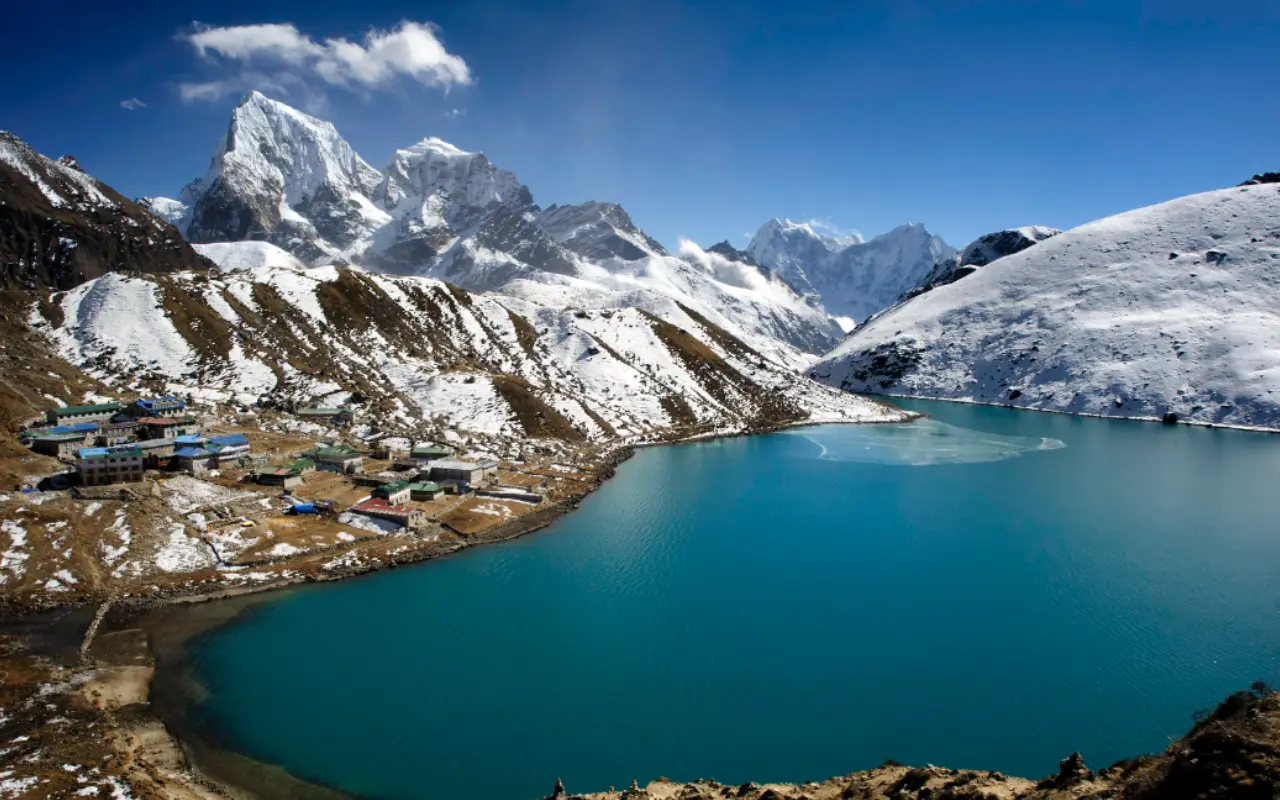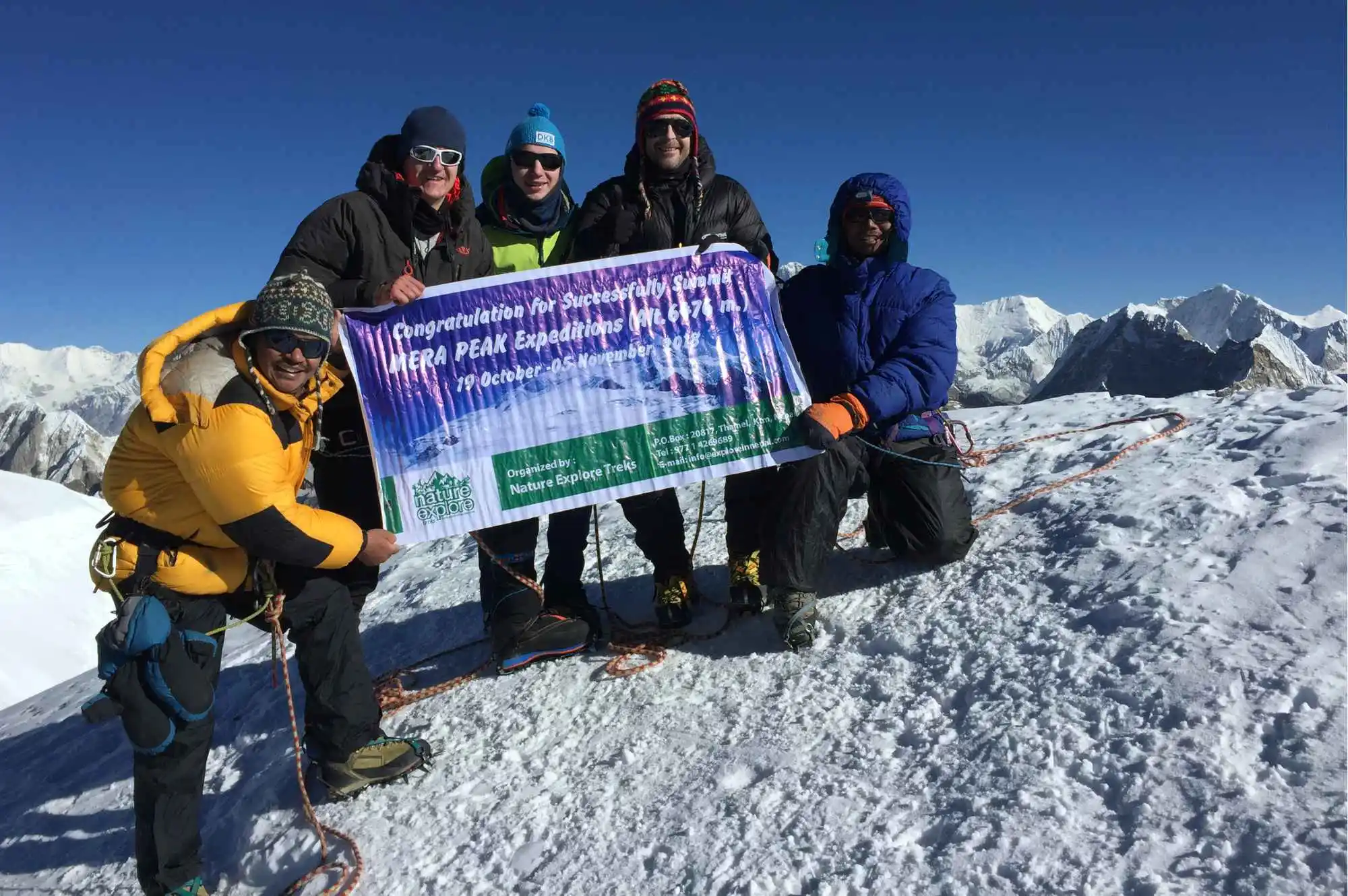
Is Nepal Safe for Tourists to Travel Right Now?

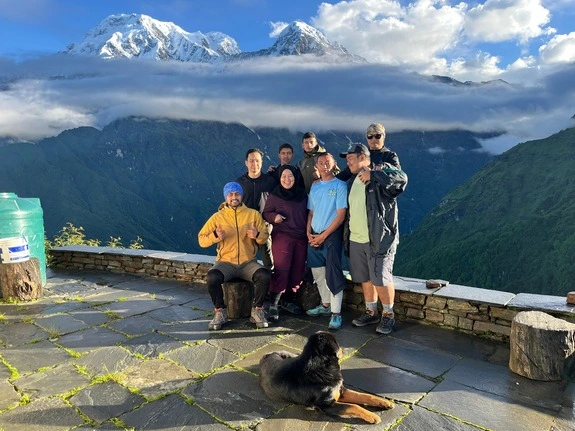
If you’re planning a trip to Nepal in 2025, one of the first questions you might ask is: Is Nepal safe for tourists right now?Nepal, the land of the Himalayas, spiritual heritage and warm hospitality has always been a dream destination for travelers. From Everest Base Camp and Annapurna Circuit trek to the sacred sites like Lumbini and Muktinath it offers adventure as well as the peace

However in early September 2025, Nepal made international news due to large-scale protest and political changes. Which made many travelers to doubt if its safe to travel in Nepal anymore and to give clarity about this matter here is a simple and detailed overview of what actually happened and what is the current situation right now

What caused the Protest

The main cause of the protest was due to political corruption and inequality. Many young people felt that politicians and their families were living in luxury while ordinary citizen are struggling for the basic needs , limited opportunity while they are flaunting the luxury. Also the trends in social media was going on exposing those corrupt politician and the things escalated as in the early September of 2025 when the Nepal government decided to banned popular 25 social media platforms like Facebook, Instagram , youtube , whatsapp etc The official reason was to control the misinformation but for young people who rely on these platforms for their works, education and entertainment felt their freedom to speech has been taken .

Students, workers and youth activist who are gen-z began peaceful demonstrations in Kathmandu and other big cities. They carried placards, chanted slogans and gathered in public spaces demanding accountability , transparency and equal opportunity . Note that this movement was not only about social media when mainland news covered it that way but it was to fight against corruption, inequality and political neglect. What started as small rallies quickly grew into Nepal’s “ Gen Z protest movement “ gaining nationwide attention.

How Events Escalated

The protest began as peaceful demonstrations. Students and youth activists gathered in Kathmandu and other major cities , holding placards, chanting slogans and demanding changes However as frustration grew tension between the protesters ans security forces increased rapidly. Police initially tried to control the situation by throwing the tear gas and the rubber bullets however in some areas live ammunition was used which resulted many children who were wearing the college uniform to died about 20 people died because of it which made protester to respond then by throwing the stones, burning tires and blocking roads and the next day because they used real bullet which made many people to die citizen were furious about it so they burned down the house of those corrupt politician , their related hotels . Streets were filled with clashes and to restore order the government imposed strict curfews stopping public transport and creating checkpoints in Kathmandu and other cities . Despite the chaos protestors occasionally paused to ensure tourists and travelers were safe showing the continued respect for the visitors even during the unrest

The Turning Point

The protests reached an ultimum when all the major political parties resigned from their posts, carving out a political vacuum in Nepal never witnessed before. The prompt and mushrooming mass resignation was clearly and implicitly an acknowledgment of the demands and frustrations of the people.

An interim council was formed on a quick basis with a view to stabilize the present condition and for that, Nepal got its first lady Prime Minister, which is yet another landmark in the history of the country.

The leadership pledged fair governance, reforms to be carried out without favoritism, and even restoration of peace and security, along with reestablishing public esteem for trust.

In the wake of this political change, the curfew was lifted, streets opened, public transport started functioning, and normalcy slowly started setting in. Amongst all alleviations to citizens and travelers alike were functioning schools, shops, and markets.

Both the resignation act and formation of a new government put a softer lid on the public outcry. As the outcry dimmed, the protesters slowly dispersed, feeling their voice had been heard, and citizens felt hopeful that Nepal could go forward to greater transparency and equity.

Tourists activating

For any visitor attempting to make a trip there, Nepal remains safe, friendly, and ready to offer any assistance. Though political unrest was witnessed quite recently, the situation has so far been stabilized, and tourism has rebounded with full force. And this is what tourists shall see:

1. Trekking and Adventure

The world-renowned trekking routes-Everest Base Camp, Annapurna Circuit, Upper Mustang, Langtang Valley, and Manaslu-all went untouched with the protests.

Trails, teahouses, and lodges are open, clean, well serviced, and trekkers can count on the assistance of experienced guides and porters.

Adventure activities such as mountaineering, paragliding in Pokhara, rafting, and jungle safaris in Chitwan and Bardia remain fully operational, under safety considerations and local regulations, so one can carry out these activities without any worries.

2. Cultural and Spiritual Sites

Spiritual sites of Nepal, including Lumbini (birthplace of Buddha), Muktinath, Pashupatinath Temple, and Boudhanath Stupa, are peaceful and fully accessible.

Cultural events, local festivals, and traditional performances are again taking place, giving visitors an authentic cultural experience.

The three Durbar Square, i.e., those of Bhaktapur, Patan, and Kathmandu, are open to visitors, allowing an exploration of centuries-old architecture, temples, and local trinkets.

3. local hospitality

Kathmandu, Pokhara, and so forth all vibrant and lively cities, with restaurants, cafés, shops, and local markets-snuggly wrapping within their walls.

Transportation public transports-from taxis, city buses, to domestic airlines-operate with relative punctuality, rendering an easy commute between cities or landing at trekking starting points.

Despite several days of unrest, Nepali people have retained their warmth and hospitality for tourists. Stories and videos emerging from the protests pointed out that even when there was chaos, locals made sure tourists were safe, an indication of a strong cultural regard for their visitors.

4. Safety and Practical Travel Tips

Although the major cities remain calm, tourists are advised to steer clear of political rallies or area-wide protests.
Keep an eye on local news and updates from your trekking agency or guide.

Hold a flexible schedule while trekking or traveling in Kathmandu or Pokhara, since once in a while slight adjustments need to be made.

Emergency services, hospitals, and the police exist and respond, so you should have a safe experience.

5. Economic and Social Rehabilitation

Tourism represents a vital part of Nepal’s economy and social life. Your visit is a vital contribution to the country’s rehabilitation, and your travel will find guides, hotels, and local businesses keen to welcome visitors.Tourism represents a vital part if Nepla’s economy and social life. Your visit is a vital contribution to the countries rehabilitation and your travel will find guides,hotels and local businesses keen to welcome visitors . Visitors will find trekking trails, guesthouses and cultural sites in better condition than ever with local people going out of their way to deliver a great experience for the tourists

Visitors will find trekking trails, guesthouses, and cultural sites in better condition than ever, with local people going out of their way to deliver a great experience for tourists.

6. Overall Experience

Nepal still has to provide unrivalled natural splendor, edge-of-the-seat adventures, vibrant culture, and spiritual fulfillments.Nepal still has to provide unrivalled natural splendor, edge of the seat adventures vibrant culture and spiritual fulfillments.Guests can look forward to the same radiant smiles, the customary “ Namaste “ welcome and genuine concern from the local. From trekking in the Himalayas visiting centuries-old temples or basking in lakeside vistas in Pokhara, Nepal is still one of the safest and most hospitable places on earth

In summary:

In summary, Nepal is open, safe, and welcoming for tourists in 2025. Travelers can confidently explore its breathtaking Himalayan mountains, rich culture, and UNESCO World Heritage sites while experiencing the warm hospitality the country is known for. Whether you’re trekking in the Everest region, discovering spiritual landmarks in Kathmandu, or enjoying adventure activities like rafting and paragliding, Nepal offers a safe and unforgettable journey. With improved infrastructure, reliable travel services, and a strong focus on tourism safety, visitors can truly enjoy the beauty, adventure, and charm that make Nepal one of the world’s top travel destinations.

Nepal Trekking Permit & TIMS Card Guide for 2026 Trekkers

Trekking permit 1

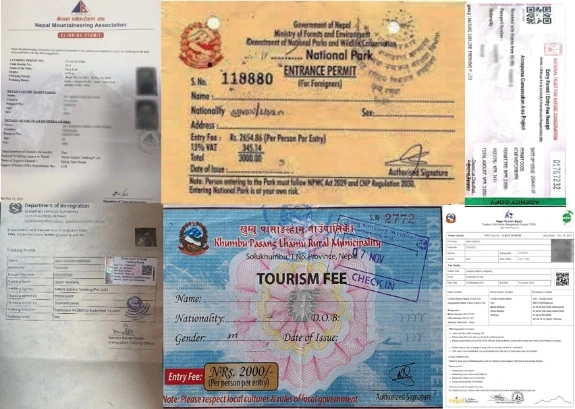
Nepal Trekking Permit is a mandatory requirement for all trekkers visiting protected areas and restricted regions in Nepal.All trekkers in Nepal need to carry trekking permits so as to legally enter the protected regions. They assist in controlling tourism and conservation, and also provide security to the trekkers in the various trekking regions throughout the country in 2026 and even beyond.

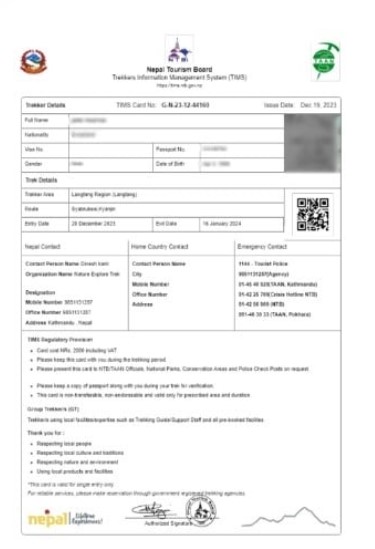
The TIMS card, also known as the Trekkers Information Management System card, is an identity and safety card for trekkers. Most of the trekking routes require this, and these permit is employed to keep track of the locations of trekkers and assist them when necessary.

In 2026, the trekking permit procedure in Nepal is still simplified, and new fee systems are introduced, including online application opportunities. Trekkers are also advised to get permits to enter restricted areas and make sure that they have their TIMS card registered and valid.

These permits and the TIMS system are important to understand to avoid payment of fines, easy trekking, and respecting the local rules. Prior planning ensures safe and hassle-free trekking in most of the tourist destinations such as Everest, Annapurna, and Langtang.

Why Are Trekking Permits Required in Nepal?

Trekking permits explain the legal right for all trekkers in Nepal to access protected areas. They are designed to manage tourism, help conservation efforts, and help ensure trekkers’ safety in the many trekking regions of the country in 2026 and beyond.

The TIMS card (Trekkers’ Information Management System card) is essentially a record of a trekker’s identity and safety. This record-keeping system will also ensure that trekkers use set tracks and can be tracked down in case of an emergency or unprecedented circumstances on the trail.

As of 2026, trekking permits in Nepal are still a relatively straightforward process, with just an updated fee structure and digital submissions for applications. Trekkers should obtain their permits before accessing restricted zones, and make sure the TIMS card is properly registered with authorities and that the card is valid.

Understanding how these permits work and the TIMS system is important to avoid getting fined. This provides trekkers with enhanced trekking experiences and reduced stress in the area, ensuring local rules are complied with. With some planning, they will help ensure a safer and stress-free trekking experience in popular trekking regions like Everest, Annapurna, and Langtang.

Types of Trekking Permits in Nepal (2026 Update)

TIMS card

  •  TIMS Card (for individual and group trekkers)

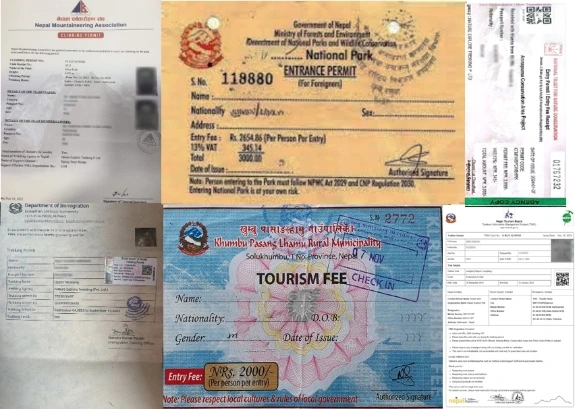
The TIMS card is essential for trekking in many areas of Nepal. There are 2 types of cards: a solo card for individuals trekking alone and a group card for those trekking with 2 or more people, so you can be tracked and safe.

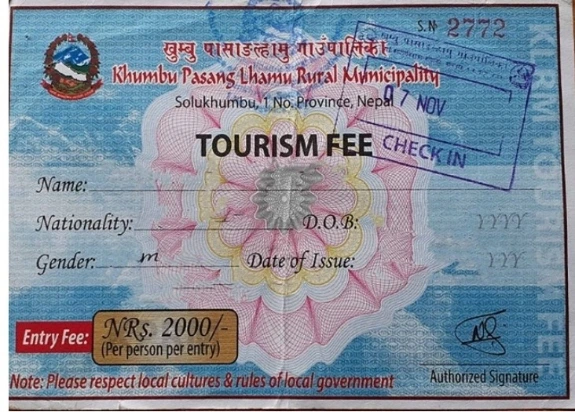
A TIMS card can be easily procured from trekking agencies or any of the Nepal Tourism Board offices. The purpose is strictly for authorities to keep track of where you are so they can rescue you if necessary and track if trekkers are trekking on the prescribed paths, for your safety. In the Khumbu region (Everest), a local Khumbu Pasang Lhamu Rural Municipality permit has replaced the TIMS card.

conservation area permit

  • Conservation Area Project (CAP) Permits

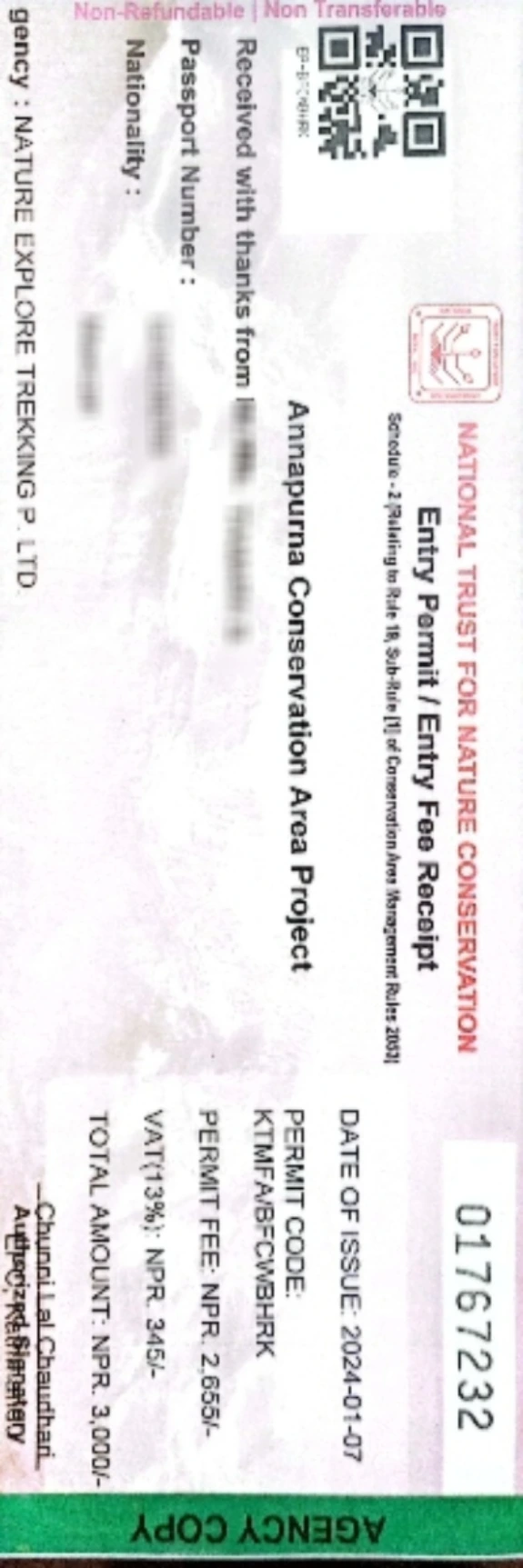
If you would like to trek in an allocated conservation area, such as Annapurna, Manaslu, and Langtang, you need a CAP permit. CAP permits are also a type of entry fee, which ultimately assists with the maintenance of these ecologically sensitive areas and related tourism sustainable initiatives through access control.

The collected fees contribute to the development of infrastructure and economic programs that benefit the communities within. They can develop tourism projects of benefit to the community as a whole. Always keep your CAP permits handy, and be prepared to show them to enforcement officials, as they can and will check on your adherence and degree of compliance with the environmental protection guidelines.

National park permit

  • National Park Permits

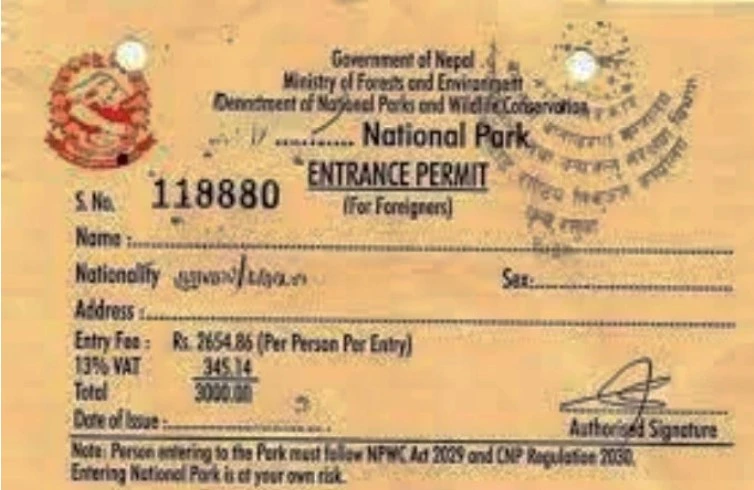
The entry of places such as Sagarmatha (Everest), Makalu Barun, and Rara National Parks is mandatory with national park permits. These parks preserve rare wildlife habitats and heritage sites that ensure biodiversity and natural scenery are taken care of by Nepal’s heritage.

Conservation work and ranger work are financed by permit fees. Trekkers are required to pre-apply before getting into these parks, and they carry permits when they go on the treks. The officials inspect them at the entry points or checkpoints to ensure that they are inspected.

Nepal Trekking Permit & TIMS Card Guide for 2026 Trekkers

  • Restricted Area Permits (RAPs)

Restricted area trekking permits are required to trek legally and in environmentally sensitive areas such as Upper Mustang, Dolpo, Kanchenjunga, Nar Phu, Manaslu, and Tsum Valley. These licenses aid in regulating entry to the area and maintaining local cultures and delicate ecosystems.

The acquisition of RAPs is accompanied by more papers and governmental permission from registered trekking agencies. The fees help fund the local government and protect environmental conservation activities in such restricted areas, ensuring the security and sustainability of the tourism activities.

TIMS Card Guide for 2026

TIMS card in Nepal applies mainly to three groups: individual trekkers, Group trekkers, and nationals of the SAARC. Individual trekkers get a green TIMS card at a cost of NPR 2,000 so that they can track their safety on solo trekking. Those trekking along with a registered agency or guide obtain a blue TIMS card, which costs NPR 1,000 per person.

The nationals of SAARC are provided with reduced TIMS charges because of regional cooperation agreements. Individual trekkers spend NPR 600, and group trekkers spend NPR 300 per person. These classes are safe, and at the same time, they foster regional trekking tourism in Nepal. All these fees are paid in Nepalese rupees.

TIMS cards can be conveniently obtained in Kathmandu through the Nepal Tourism Board or the Trekking Agencies Association’s office for private trekkers. For Annapurna trekkers, the Trekking Agencies Association of Nepal (TAAN) office in Pokhara also provides the TIMS card, whereas the Everest region does not need a TIMS card. Many licensed trekking agencies will complete the application for you.

2026 has some new developments with TIMS cards. This new development will make the process of verifying trekkers quicker at checkpoints, while also providing safety tracking for trekkers and easier record-keeping. Technology will enable trekkers’ safety tracking and record keeping in the future, creating better trekking management throughout Nepal.

The last thing to consider is that it has both digital and physical versions of the TIMS card to ensure trekkers are obeying regulations, and that trekkers will have access to a new level of safety provided by technology. It is important to collect up-to-date information and carry the proper TIMS card with you on the trek.

Where to Get Trekking Permits in Nepal

In Nepal, trekking permits are issued in the Nepal Tourism Board offices in Kathmandu and Pokhara. Permits to the popular trekking areas are issued through these offices, and they are also one of the major offices for travelers to process the permits officially.

In the case of certain limited regions that require special permission, trekkers would need to apply to the Department of Immigration in Kathmandu. These permits do include special permission or even Restricted Area Permits (RAP), which are only arranged by registered trekking agencies.

Most of the trekkers would prefer to obtain the permits through the trekking agencies because that would provide trekkers with a hassle-free service to apply for the permit and logistics as well. Some trekking areas have entry checkpoints in the region where they also sell permits, but this is not consistent, depending on each area.

Popular Trekking RouteRequired Permits
Everest Base CampSagarmatha National Park + Khumbu Local Permit
Annapurna Circuit/Base CampAnnapurna Conservation Area Project (ACAP) + TIMS Card
Manaslu CircuitManaslu Restricted Area Permit (RAP) + ACAP + TIMS Card
Upper MustangRestricted Area Permit (RAP) + ACAP
KanchenjungaRestricted Area Permit (RAP) + Kanchenjunga Conservation Area Permit (KCAP)
Langtang ValleyLangtang National Park + TIMS Card (only some agencies keep it)
Dolpo (Lower & Upper)Restricted Area Permit (RAP) + Shey-Phoksundo National Park

How Much Do Trekking Permits Cost in 2026?

In Nepal, the trekking permits as of the year 2026 will depend on the area and type. The most typical permits include the Annapurna Conservation Area (ACAP), which currently costs roughly NPR 3,000 for foreigners and NPR 1,000 for SAARC nations, and the Sagarmatha National Park permits, which cost NPR 3,400 for foreigners and NPR 1,500 for SAARC nations.

Restricted Area Permits can be more expensive, costing USD $100-500 depending on the area. You must pay USD $100 per week in areas like Upper Mustang and Dolpa. There will often be additional day fees as well. TIMS cards cost NPR 2000 (USD $17-20), except for SAARC nationals, for whom we offer discounts.

The possible updates to 2026 are that there will be a few designs and modifications that will apply to have a seasonal fee fluctuation and assist in allowing the permits to be digital. However, logistics will not change too much, really, because the whole goal is to ensure adherence to both legal and safety trekking practices in each area of Nepal.

How to Apply for Trekking Permits & TIMS Card

In Nepal, trekkers must buy trekking permits and a TIMS card with the help of documents such as a valid passport with a visa, recent passport-sized photos, and travel insurance. These are the documents that confirm the identity and security in the course of the trekking activity. Make sure your passport validity must cover the trek duration, and insurance must cover helicopter evacuation above 5,000 m.

The process of application is usually the procedure of choosing a trekking route and reaching a registered trekking agency so that the paperwork, payment, and submission can be provided. Both online apps through the digital system of Nepal Tourism Board and face-to-face applications can be done in the same year 2026 through the digital system of the Nepal Tourism Board or through the agency offices.

Ready to book your trip with us? Fill out the inquiry form below

Please enable JavaScript in your browser to complete this form.

Important Things to Know Before Applying

In the case of trekking in Nepal, a group with licensed guides and agencies is only permitted to trek in restricted areas. There are no solo hikers in these areas, as it is considered unsafe and uncontrollable.

The trekking permits normally cover the trek period, and single entry is always permitted, but one cannot enter the same trek with a different permit. Once permits have been issued, they cannot be cancelled, transferred, or refunded.

Illegal trekking may result in fines or legal actions since trekking without permits is against the law in the government. To get out of trouble, trekkers are expected to obtain all required permits before commencing the trek and to observe local regulations during the trek.

Travel Tips for 2026 Trekkers

• To avoid wastage of time, apply for trekking permits at least a day before trekking.

• Bring multiple copies of your passport and passport-sized photographs to use in obtaining permits.

• Carry permits along with your trek to be checked at checkpoints.

• Hire a licensed trekking guide for all restricted area treks.

• Make sure that the guide is legit and registered by an agency.

• Apply via official or authorized agencies to have an easy time with the permit application.

• Travel insurance, including high-altitude trekking, must be taken out.

• Keep digital scans of your permits on your phone/email in case of loss.

FAQs

1. Do children need permits?

Usually, children under the age of ten do not need to obtain trekking permits in Nepal.

2. Are digital TIMS cards available in 2026?

In 2026, digital TIMS cards with QR codes will be available and generally accepted.

3. Can I extend permits if my trek takes longer?

Trekking permits can usually be extended if the trek is longer than planned.

4. What happens if I lose my TIMS card?

If you lose your TIMS card, you will need to report it lost to the original issuer to be issued another.

5. Do I need insurance for a permit?

Yes, it is recommended but not mandatory for most trekking permits.

Conclusion

Trekking permits and a TIMS card are required to ensure safety, environmental preservation, and contribute to the welfare of the local people in Nepal. They assist in surveillance of trekking activities by the authorities and also assist in case of an emergency.

Responsible trekking involves consideration of local regulations, taking of all requisite permits, and engaging licensed guides where necessary. This will preserve the natural beauty and cultural heritage of Nepal and will help in the sustainable development of tourism in the region, to be adopted by the younger generations.

Always plan your trek, obtain your permits early on, and always carry them with you when trekking. These measures will make trekking in Nepal an easy, secure, and good adventure in the beautiful trails in 2026 and even beyond.

Short Treks in Nepal with Epic Views for 2026 – Perfect for Beginners

Short Treks in Nepal are perfect for travelers who have limited time but still want to experience the breathtaking Himalayan scenery, rich culture, and charming villages.Nepal is one of the best trekking paradises with trails of all skill levels. Its beautiful scenery and culture are appealing to adventure lovers globally. Beginner-friendly walks bring out the beauty of the Himalayas without the strenuousness of the long multi-week treks.

Short walks are ideal for novices, families, and time-starved tourists seeking a moderately challenging but also fulfilling way. The trails offer an alternative view of the rich scenery and culture of Nepal. They are easy to get to and acclimatize to, and are perfect points of departure.

Although short trek, these treks expose you to Mountain giants, abundant rhododendron forests, and beautiful little villages with epic views. Each trek has a unique atmosphere combining cultural experiences surrounded by natural wonders that create awesome outdoor excursions that are fun and memorable.

The year 2026 is shaping up to be a great year for trekking, with stable weather windows for both spring and autumn. Community efforts and improved infrastructure will make it more comfortable and safer. New visitors have an ideal moment to venture in Nepal with the most iconic sites with a lot of confidence.

Why Choose Short Treks in Nepal?

Nepal has short treks that are ideal when one does not want physical exertion. The routes are less strenuous to the body, and beginner walkers can have fun walking with gentler ascents compared to long treks.

Short treks are between 3 and 10 days, and work well with tight schedules. They provide an adventure that does not need vacation time; therefore, it is the best option to take when travelers are torn between work, family, or other obligations.

These treks will offer amazing close-ups of the Himalayan peaks, although they are brief. It is possible to observe snow-capped mountains, glaciers, and alpine forests without subjecting yourself to the greater risk offered by higher altitudes and an increased length of exposure.

These short trek routes can be easily accessed through the major cities in Nepal, namely Kathmandu and Pokhara. Several of the trailheads are accessible after a short drive or flight, which reduces the travel time and increases the trekking pleasure, especially for beginners.

Such expeditions are a good introduction to the trekking culture and landscape of Nepal. They also learn the fundamentals of acclimatization, packing, and trail etiquette, which act as a solid base before venturing into more challenging routes in the future.

To make sure that the adventure and the safety level are balanced, short treks should be chosen. Novices have the benefit of developing stamina, outdoor skills progressively, and yet enjoy some of the most picturesque mountain views in the world in hikes that are easily accessible and manageable.

Best Short Treks in Nepal for 2026

Ghorepani Poon hill

a) Ghorepani Poon Hill Trek

The Ghorepani Poon Hill Trek (4-5 Days) is one of the most iconic sunrise views in Nepal. From Poon Hill, trekkers can see the picturesque views of Annapurna, Dhaulagiri, and other giants of the Himalayan region bathing under golden morning light.

The path is smooth and well-kept with rock steps and moderate climbs daily, as it is not challenging and could be taken by beginners and families. The trail also has welcoming teahouses where having a warm meal and comfortable lodging gives it a cozy atmosphere of trekking, even for the elderly.

This brief journey sums up the Nepalese natural beauty and culture. It is perfect when a person desires a fast but unforgettable experience in the Himalayas, with the stunning mountains, reachable routes, and traditional experiences in the villages.

Nepal Photography tour and trek
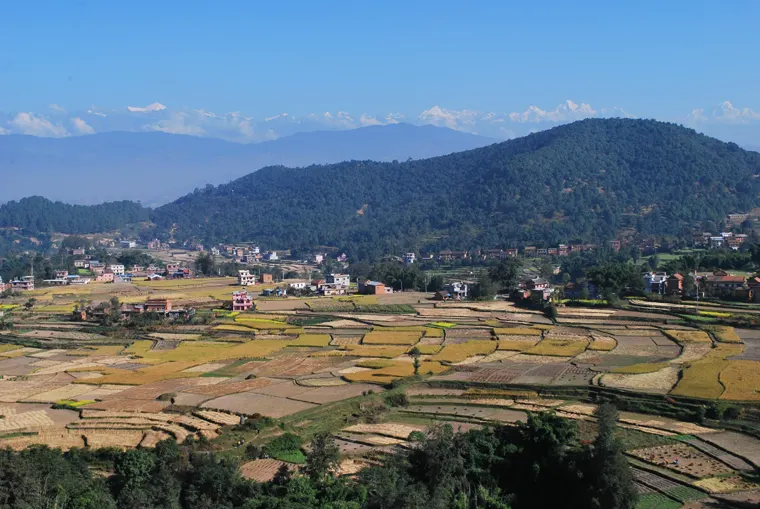
(One of the best mountain view  from Nagarkot hill which is very popular and closes from Kathmandu valley )

b) Nagarkot Sunrise Hike

Nagarkot Sunrise Hike (1 Day) is the nearest Himalayan viewpoint in Kathmandu. This option is the most relevant for people who have limited time. The early mornings give away wonders to the visitors where the sun rises above the snow-covered mountains.

The quick journey consists of a tranquil walk around the village through traditional settlements, where you get to see the lives of the locals and agricultural lands. This adventure experience brings with it some cultural immersion to the tight outdoor adventure.

Nagarkot is an attraction to travelers who want to get a mountain getaway fast near Kathmandu. It is also convenient to have a relaxing nature break with panoramic views to remember, even in the most hectic schedules.

Langtang Valley trek 2

c) Langtang Valley Short Trek

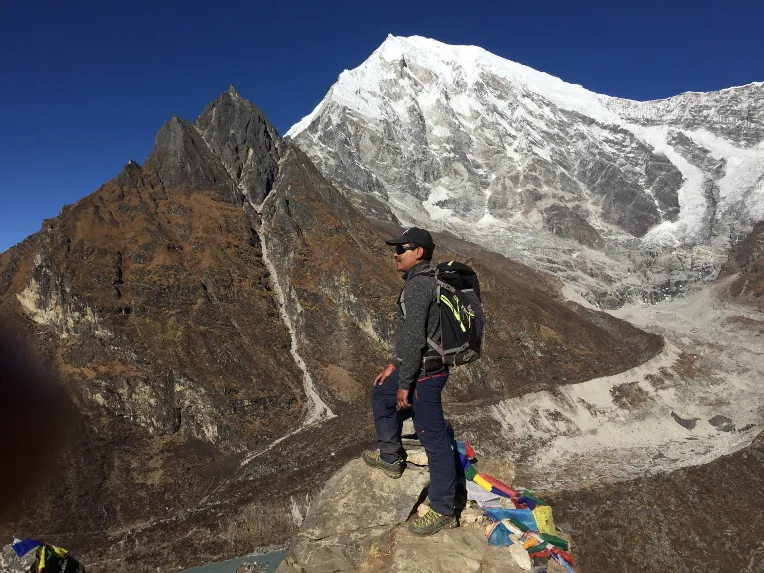
Langtang Valley Short Trek (7 Days) offers amazing mountain scenery and passes through several villages of the Tamang, which provide a diverse cultural experience. The breathtaking close-ups of Langtang Lirung, one of the most marvelous peaks in the region, are enjoyed by the trekkers who are surrounded by lush forests and mountain meadows.

This expedition starts with a scenic ride to Syabrubesi, which is the trek starting point. The Langtang region has less traffic compared with some of the other places, like Everest and Annapurna, so lower-traffic areas lead to lower noise and closer venturing in the environmental setting.

Such a trail as the Langtang Valley short trek is an ideal adventure when people are beginners or intermediates of all levels of experience. However, travelers are advisable to bring Langtang National Park entry permit and TIMS card. It fuses nature with culture perfectly, making it the perfect destination for those who want to experience the authentic off-the-beaten-path places.

Mardi Himal Trek 1

d) Mardi Himal Trek

Mardi Himal Trek (5-7 Days) is a cozy spot close to Pokhara, famous for the spectacular views of the Machhapuchre Mountain. This trail winds through rivers, going between rhododendron woodlands and rural landscapes with breathtaking views.

Mardi Himal, despite its short distance, seems to be an adventure because of its less popular trails and the isolated nature. The expedition is popular among people who want to take a relaxing trip to nature without the activity being overcrowded with thousands of people on the Annapurna Circuit, and a new piece of nature.

The Mardi Himal route is a strike between adventure and very easy nature, suitable for moderately fit beginners or a medium-level trekker. It will offer the invigoration of the Himalayan scenery and yet maintain a manageable distance, which is something that the 2026 trekkers in Nepal will appreciate.

How to See Mount Everest without the Tough EBC Trek: The Best Easy Alternatives
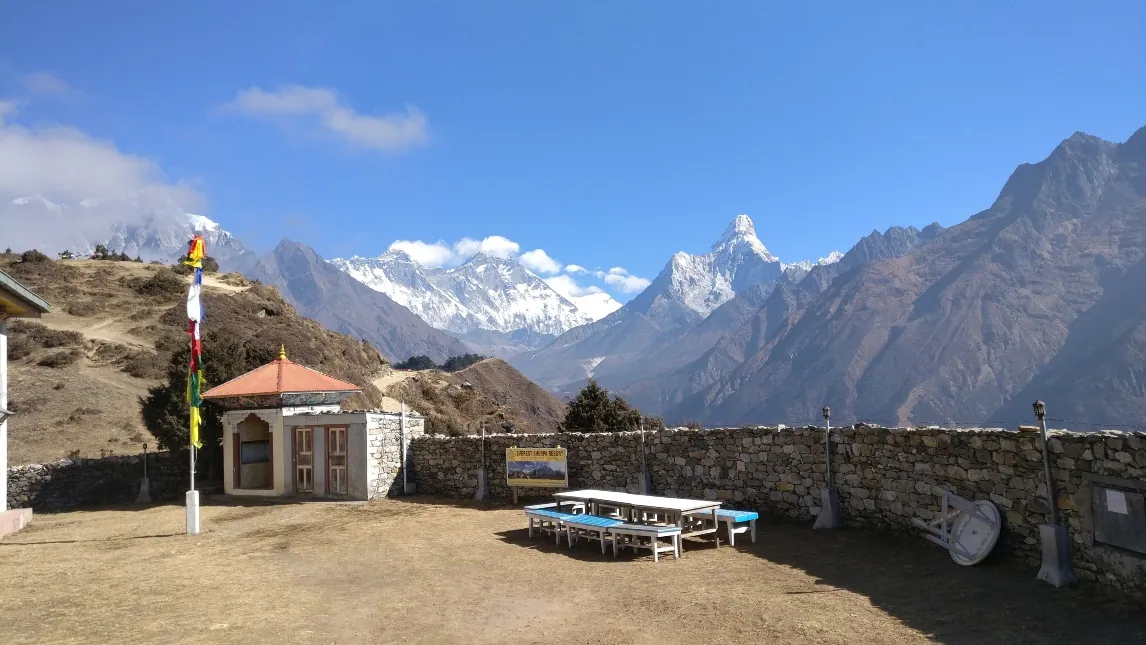
Mount everest views from Everest view hotel. alt. 3800m

e) Everest Panorama Trek

The trek begins with a spectacular flight to Lukla, and then continues through the vibrant town of Namche Bazaar and onto the holy Tengboche Monastery. Trekkers are able to get to iconic mountain sights without actually walking to Everest Base Camp.

This trek showcases Everest, Ama Dablam, and Lhotse Peaks from the scenic viewpoints along the trail. It serves to offer a quick Everest experience and capture the flavors of the natural beauty without all the foot slog to Everest Base Camp. You must bring Sagarmatha National Park entry permit and Khumbu Rural Municipality permit.

The Everest Panorama Trek is great for those travelers who dream of experiencing Everest but have limited time. It gets their spirit soaring with Himalayan grandeur and Sherpa culture. Additionally, it includes authentic accessibility and inspiration, and is an excellent way into the Everest region.

Helambu Trek 1

f) Helambu Trek

This trek lies a short distance from Kathmandu, with a culture rich in Hyolmo people (sometimes called Helambu Sherpas). The traditional mountain villages in the area can offer information on Tibetan Buddhist ways of life and practices to the trekking expedition, giving it a profound cultural dimension.

The roads are smooth and meander along the Himalayan ridges with several spectators on the way edge. This trek is suitable for the outdoor beginner while observing incredible views, rolling trails in forests, and the tranquil diversity of mountain ecosystems.

Helambu is a perfect travel experience for trekkers wanting a quick trekking experience near Kathmandu. The trek offers a deep cultural component through an experience of nature, creating an experience that puts nature or Himalayan trekking experience accessible while being meaningful to first-time trekkers and families.

Comparison Table

TrekDurationHighest AltitudeStarting Point
Poon Hill4–5 days3,210 mPokhara
Nagarkot Hike1 day2,175 mKathmandu
Langtang Valley7 days~3,800 mSyabrubesi
Mardi Himal5–7 days~4,500 m (Viewpoint)Pokhara
Everest Panorama5–7 days3,867 m (Tengboche)Lukla
Helambu5–6 days~3,600 mKathmandu

How to Choose the Right Short Trek in 2026

Choosing the right short trek in Nepal is based on your time and fitness. Some routes require a moderate level of stamina, while some are easy. Assess your physical condition and trip length and find a trek to match your pace and schedule.

Location is an important factor. Treks around the Kathmandu area are offered for the convenience and also cultural richness, whereas around Pokhara lie the spectacular lakes and mountain ranges. Selecting your trek by entering the city in Nepal by the shorter trip in Nepal, can optimize your travel logistics and the experience.

Decide whether you want to trek on your own or in a group. Solo treks allow for freedom and personal growth, and group treks provide for social interaction and supported climb guides. Both options have unique benefits for short trek experiences in Nepal.

Season and weather have a great effect on the safety and enjoyment of trekking. The best seasons for doing short treks in Nepal are the spring and autumn when the sky is clear, the temperature is mild, and the hills are accessible. Due to safety reasons, avoid the monsoon and harsh winter.

Do your research ahead of time in terms of trail conditions, permitting, and accommodations. Matching these things with your preference is the key to an enjoyable journey. Careful thought-read will aid you in choosing the ideal short trek in Nepal, for a grand trek adventure on your journey of life in 2026.

Travel Tips for Beginner Trekkers

The basic equipment when going on a short trek comprises good hiking boots, layers, a jacket, trekking poles, and a good backpack. Do not leave out sun protection, a water bottle, and some basic first-aid supplies. It is important not to carry excess weight when packing.

Even the small hikes call for serious acclimatization to avoid altitude illness. Ascend gradually, keep hydrated, and keep your ear to the ground. Take days off when necessary because the effects of the altitude can be seen even when altitudes are relatively low, like in beginner tries.

Hiring a guide comes in the form of local experience, security, and cultural sensitivity, which are perfect for first-time or individual trekkers. These types of trekking suit individual trekkers who are flexible and depend on the route and permits. Decide according to the levels of comfort and confidence.

In Nepal, long and short treks will require a permit, such as a TIMS card, and entrance fees at the National Park or Conservation Area in most cases. These should be organized before the trek by the agencies, so that the pilgrimage is without any hassle.

Best Season for Short Treks in 2026

The season of spring (March to May) is the best time for short-duration trips in Nepal as the weather is perfect and the trails along the way are surrounded by flowering rhododendrons and colorful wildflowers. Himalayan peaks are also very scenic, and the skies are clear with the moderate temperatures commanding high visibility.

Autumn (September and November) is the season of the best weather for trekking. Mountain views are inimitable by stable conditions, dry and crisp air. Familiar trails fill up with trekkers, making it very lively in the most preferred trekking periods in Nepal.

The trekking in winter conditions within the lower altitudes may have little snow. Cold weather demands warm outfits, though the number of people reduces, thus giving trekkers the rewards of exploring a lonely environment with special seasonal scenes.

Monsoon season (June- August) is not usually a better period for doing treks because of the rainfall, and the paths are perilous. Nonetheless, short, well-planned hikes in accessible regions or in lower elevations provide green-rich landscapes and reduce the number of adventurous travelers.

FAQs for Beginners

1. Do I need permits for short treks?

Yes, for most of the short trek locations, TIMS and National Park fees are needed, but the requirements vary by region:

Annapurna: ACAP + TIMS
Langtang/Helambu: Langtang NP + TIMS
Everest: Sagarmatha NP + Khumbu Rural Municipality fee (no TIMS).

2. Can beginners trek without a guide?

Most beginner trekkers usually can trek without a guide. However, hiring a guide is for your safety and gives you insight into the local culture.

3. What is the easiest trek with the best views?

The easiest short trek with great panoramic views of the Himalayas is the Ghorepani Poon Hill Trek.

4. Are short treks safe for children or seniors?

Short trek locations are generally safer for kids and seniors as long as they not only hike at their own pace but also follow proper acclimatization.

5. How much does a short trek cost?

The total costs depend, but it usually costs between $300 and $700 to do a short trek, which includes all permits, accommodation, and food.

Conclusion

The short treks in Nepal will be a perfect stepping stone to explore the magnificence of the Himalayas. They put an amazing scenery, cultural diversity, and accessible difficulty whereby anyone can navigate with ease to have a suitable experience of the natural marvels of Nepal.

These expeditions are ideal investments for first-time travelers and individuals with limited time, providing rewarding tours that require minimal to moderate physical effort. They are family-friendly, offer variety in the landscapes, and are good because of their ease for individuals wishing to experience memorable adventures in the mountains.

An adventure that is planned to be visitor-friendly in 2026 opens up sweeping scenery in the place and individual development. Get off to an excellent start in your trekking adventure with these short, breathtaking trails and have lifelong memories on the beautiful Himalayan trails of Nepal.

Mardi Himal Trek in November and December

The Mardi Himal Trek in November and December offers crisp mountain views, as the skies are usually clear after the autumn monsoon season.The Mardi Himal Trek is one of Nepal’s most scenic and less-traveled trails in the Annapurna range, renowned for its untouched trails, ever-changing landscapes, and close-up views of some of the world’s highest peaks. Often described as a “hidden gem,” this trek provides an intimate experience with the Himalayas without the crowds that flock to more popular routes like Annapurna Base Camp or Ghorepani Poon Hill.

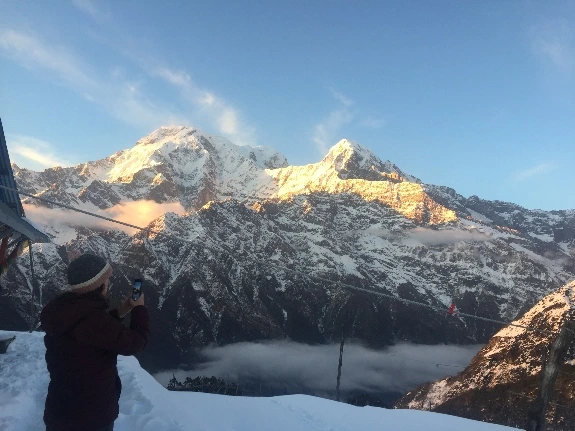
From the green, subtropical foothills, the trail goes through drowsy villages, primeval rhododendron forests, and bare alpine ridges. Along the way, Machapuchare the sacred Fishtail Mountain rises on the horizon, its spectacular, twin-peaked summit often burning with gold at sunrise and sunset. At upper altitudes, the scenery shifts to harsh, snow-streaked slopes and panoramic mountain vistas near enough to touch. The highlight of the trek is the Mardi Himal Viewpoint at 4,500 meters, where you are very close to the giant Annapurna range, including Annapurna South, Hiunchuli, and Mardi Himal itself.

November and December treks offer a unique blend of beauty, comfort, and isolation. November is the post-monsoon season, with blue skies, green forests, and stable weather. The temperatures are pleasantly cool, perfect for hiking, and the nights, though cold, are manageable with warm attire. December marks the beginning of winter, with chillier nights, some snow at the upper elevations, and a less busy trail. The temperatures drop but the reward is a peaceful and almost ethereal landscape of snow-sprinkled ridges, crisp mountain air, and the quietness of the off-season.

This guide provides everything you need to prepare for the Mardi Himal Trek in late autumn and early winter, from comprehensive weather, day-by-day itinerary, packing, estimated budget, permits, and travel tips to allow you to have a safe and unforgettable experience.

Mardi Himal Trek 1

Weather Conditions in November and December

November Weather

November is widely considered one of the best months for trekking Mardi Himal. The monsoon season has ended, leaving the air fresh and the skies brilliantly clear. Humidity drops to around 30–35%, allowing uninterrupted mountain views from morning till evening. Rainfall is rare less than 5mm for the month.

Lower elevations (Pokhara/Kande): 12°C–20°C during the day, 5°C–10°C at night

High Camp: 5°C–10°C during the day, 0°C–5°C at night

November days are typically sunny, with about 7 hours of daylight. The forests remain green from the recent rains, and the light filtering through the trees creates a golden glow. Trails are dry and comfortable, and the weather is stable enough for a reliable trekking schedule.

December Weather

December brings the start of winter to the Annapurna region. Days remain clear, but the temperatures drop significantly, especially at night. Snow is possible particularly above Badal Danda and High Camp turning the upper sections into a quiet, white wonderland.

Lower elevations: 8°C–15°C during the day, 0°C–5°C at night

High Camp: -5°C to 5°C during the day, often below freezing at night

The mornings can be icy, especially in shaded areas, so extra caution is needed on the trail. Despite the cold, the crystal-clear skies and snowy peaks make December one of the most visually stunning months for the trek.

Mardi Himal Trek

What to Pack for Cold Weather

Clothing

  • Thermal base layers (2–3 sets)
  • Fleece jacket / light down jacket
  • Waterproof & windproof jacket
  • Insulated trekking pants + regular trekking pants
  • Warm down jacket (essential)
  • Inner gloves + insulated waterproof gloves
  • Warm woolen hat + sun cap
  • Neck gaiter / buff
  • Wool & trekking socks (4–5 pairs)

Footwear

  • Waterproof trekking boots (well broken-in)
  • Camp shoes/sandals for evenings
  • Gaiters (useful if snow on trail)

Gear & Essentials

  • Backpack (35–45L) + rain cover
  • Daypack (20–30L if porter carries main bag)
  • Sleeping bag (-10°C to -15°C rating)
  • Trekking poles
  • Headlamp with spare batteries
  • Water bottles (2 × 1L, insulated if possible)
  • Water purification tablets/drops/filter

Toiletries & Health

  • Sunscreen (SPF 30+)
  • Lip balm with SPF
  • Wet wipes & hand sanitizer
  • Basic first aid kit (painkillers, band-aids, Diamox, personal meds)
  • Cold/flu medicine

Other Useful Items

  • Sunglasses (UV protection, for snow glare)
  • Power bank (solar or high-capacity)
  • Snacks (energy bars, nuts, chocolates)
  • Camera/phone


High camo

Mardi Himal Trekking Itinerary (9 Days)

Day 1: Arrive in Kathmandu (1,300 m)

Day 2: Drive from Kathmandu to Pokhara (740 m) — 6–7 hours

Day 3: Drive to Kande, trek to Deurali (2,100 m) — 5 hours

Day 4: Trek to Forest Camp (2,500 m) — 5 hours

Day 5: Trek to Badal Danda via Low Camp (3,310 m) — 4–5 hours

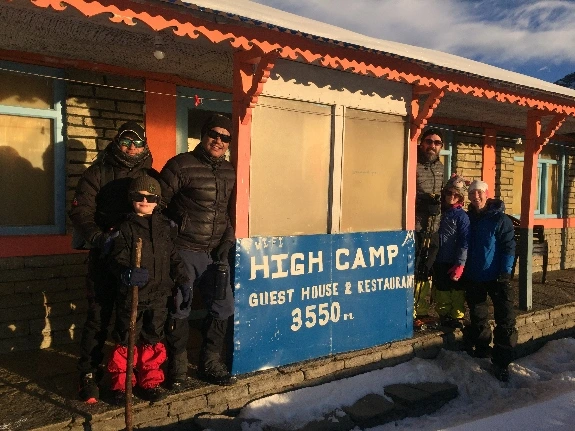
Day 6: Trek to High Camp (3,620 m) — 3 hours

Day 7: Hike to Mardi Himal Viewpoint (4,500 m) and return to Low Camp — 6–7 hours

Day 8: Trek to Siding (1,280 m) and drive to Pokhara — 3 hours trek

Day 9: Drive or fly back to Kathmandu

Permits Required

  • Annapurna Conservation Area Permit (ACAP): NPR 3,000
  • Trekker’s Information Management System (TIMS) Card: NPR 2,000
  • Available in Kathmandu, Pokhara, or through trekking agencies.

Highlights of the Mardi Himal Trek

  • Close, uninterrupted views of Machapuchare, Annapurna South, and Mardi Himal.
  • The magical “sea of clouds” at Badal Danda.
  • Peaceful forest trails and authentic village stays.
  • Sunrise from Mardi Himal Viewpoint is among the most spectacular in Nepal.
  • A less-crowded alternative to popular Annapurna treks.
  • Travel Tips for November and December
  • Start early each day to maximize daylight hours.
  • November is busier book teahouses in advance. December is quieter but some lodges may be closed.
  • Wear layers and be prepared for rapid temperature changes.
  • Use trekking poles and microspikes in December for icy paths.
  • Carry enough cash and no ATMs on the route.
  • Stay hydrated and pace yourself to avoid fatigue or altitude issues.

Why Trek to Mardi Himal in December and January?

The Mardi Himal Trek in December is unique because of the lack of people on the trails. The rest of the year, these trails have a lot of trekkers and tourists. The low numbers in December allow an opportunity to appreciate nature and the culture of the locals. The trekking routes are pristinely clear, the beauty and balance of nature is quiet and undisturbed away from the rush of the Fritter style. December and January meteorology balance towards clear, ice cold skies that allow splendid visibility of Annapurna, Machhapuchhre and Hiunchulu.

The Mardi Himal Trek in December is unique because of the lack of people on the trails. The rest of the year, these trails have a lot of trekkers and tourists. The low number in December allow an opportunity to appreciate nature is quiet and undisturbed away form the rush of the fritter style.

The visibility during this time of the year is second to none and it can be considered special for the photographers and the mountain admirers.The Mardi Himal Trek in December is unique because of the lack of people on the trails. The rest of the year these trails have a lot of trekkers and tourists. The low numbers in December allow an opportunity to appreciate nature

The Mardi Himal winter scenery has an alluring appearance with ridges capped with snow, untouched forests, and delightful villages covered with snow. It seems like a Himalayan winter fairy tale to trek through this beautiful landscape.

Additionally, winter trekking provides an opportunity to observe the Kako Gurung people in the authentic Gurung culture in accordance with the season. With so little visiting this place, chances to mingle with the locals and appreciate their culture are more frequent. The genuine Gurung culture to warm this place is much easier to experience.

Mardi Himal Trek 1

Is Mardi Himal Safe in Winter?

Winter is the safest season for the Mardi Himal Trek because the highest peak only ascends to an altitude of 4,500 meters, which is quite high but still lower than many other famous treks in Nepal. Even though the risk of severe altitude sickness is reduced in this case, it is still important to acclimatize. Trekkers should take their time and maintain a slow and gradual pace in order to reduce the symptoms of mild AMS.

Winter is the safest season for the Mardi Himal Trek because the highest peak only ascends to an altitude of 4,500m which is quite high but still lower than many other famous treks in Nepal. Even though the risk of sereve altitude sickness is reduced in this case, it is still important to acclimatize . Trekkers should take their time and maintain a slow and gradual pace in order to reduce the symptoms of mild AMS.

In winter snow and ice can make the trails difficult especially the higher sections above low camp and also high camp. Icy ridges and slippery slopes

In winter, snow and ice can make the trails difficult, especially the higher sections above low camp and also high camp. Icy ridges and slippery slopes may require sturdy boots to maintain stability as well as trekking poles, crampons, microspikes, and sturdy boots. As trail conditions constantly change in winter, hiring a guide is strongly recommended as they are familiar with the trails and can make passage safer.

Although guides and porters are available in winter, their availability is dependent on the quietness of the trekking period. A porter will ease the trekking process by carrying gear and a guide will provide safety and support on snowy and icy trails.

The teahouses serving the Mardi Himal track remain open during the offseason; however, their services are limited.

Final Thoughts: Is the December-January Trek to Mardi Himal Worth it?

In December and January, hiking to Mardi Himal offers a tranquility unlike other times of the year along with stunning views of Annapurna , Macchapuchare and the other mountains in the area, where you often have the mountains all to yourself. Some of the winter challenges are colder trekking nights, shorter daylight hours, and fewer teahouses, as several close for the winter.

In December and January hiking to Mardi Himal a tranquility unlike other times of the year along with stunning views of Annapurna, Machhapuchre and other mountains in the area, where you often

This trek in the winter season is perfect for trekkers that appreciate the quiet, that can deal with the cooler temperatures, and that want to see the true Gurung culture in the mountain villages. Even if you are a bit inexperienced in trekking, Mardi Himal is accessible for a memorable adventure in the cooler months as long as you have basic trekking winter gear and are used to the cold weather.

This trek in the winter season is perfect for trekkers that appreciate the quiet that can deal with the cooler temperatures and that want to see the true gurung culture in the mountain village . Even if you are a bit inexperienced in trekking, Mardi Himal is accessible for a memorable adventure in the cooler months as long as you have basic trekking winter gear and are used to the cold weather.

For the adventurous type, Mardi Himal in the winter offers you a distinctly unique Himalayan adventure. The snow-covered forests alongside the ridgelines, the warm hospitality of the locals, and the deeply-etched sunrises over Annapurna will linger in your memory.

Complete Guide to 6000m Peak Climbing in Nepal (2026 and 2027)

Peak climbing in Nepal is an adventurous exercise among the mountaineers, most of whom are attracted to the 6000m peaks. These summits are demanding, but are accessible to a wide range of climbing enthusiasts willing to put their skills to the test in the Himalayas.

Heights of 6000m levels show a significant point between high altitude mountaineering and trekking. It is also necessary as it allows climbers to acquire the necessary acclimatization and provides them with the technical experience before they can settle on more demanding expeditions.

The climbs serve as ideal training grounds for expeditions such as Everest, Ama Dablam, or other 7000m and above challenges. They aid in the development of stamina, method, and confidence that are required for the famous Himalayan giants. This is a starting point for many experienced climbers to prepare.

The future 2026 and 2027 are going to be milestone years in the Himalayan adventure travel industry. The greater accessibility, enhanced infrastructure, and escalating popularity will ensure that peak climbing in Nepal will receive a lot of never-before-seen excitement and breakthrough among the mountaineers around the globe.

What Makes 6000m Peaks Special?

Climbing 6000m peaks in Nepal offers unique challenges compared to trekking & expedition peaks. Trekking peaks are often not strenuous, but expedition peaks require significant skills. The 6000m level strikes a balance, providing thrilling technical opportunities.

Some 6000m peaks are non-technical, thus beginner mountaineers require a simple mountaineering experience. While others require technical skills like ice climbing or crevasse navigation. The types of peaks enable climbers to choose them according to their own levels and aspirations.

The essential skills required for 6000m peak climbing in Nepal include the use of crampons, handling of ropes, and traveling on glaciers. To venture into the hardest mountainous conditions with ice, snow, and steep mountain conditions, these techniques are required to master the art of surviving and success.

Of particular importance is glacier travel; a vast number of 6000m peaks are to be crossed over glacier crevasses. Rope systems, self-arrest, and rescue strategies are important to overcome these hazardous passages and move safely and without fear.

Achieving these summits rewards climbers with panoramic views of the Himalayas. The Kanchenjunga, Annapurna, Manaslu, and Everest ranges stretch across the horizon which providing one of the greatest natural scenes in the world, creating a sense of both awe and achievability.

Top 6000m Peaks in Nepal (2026–2027 Highlights)

Everest Base Camp Trek With Island Peak Climbing
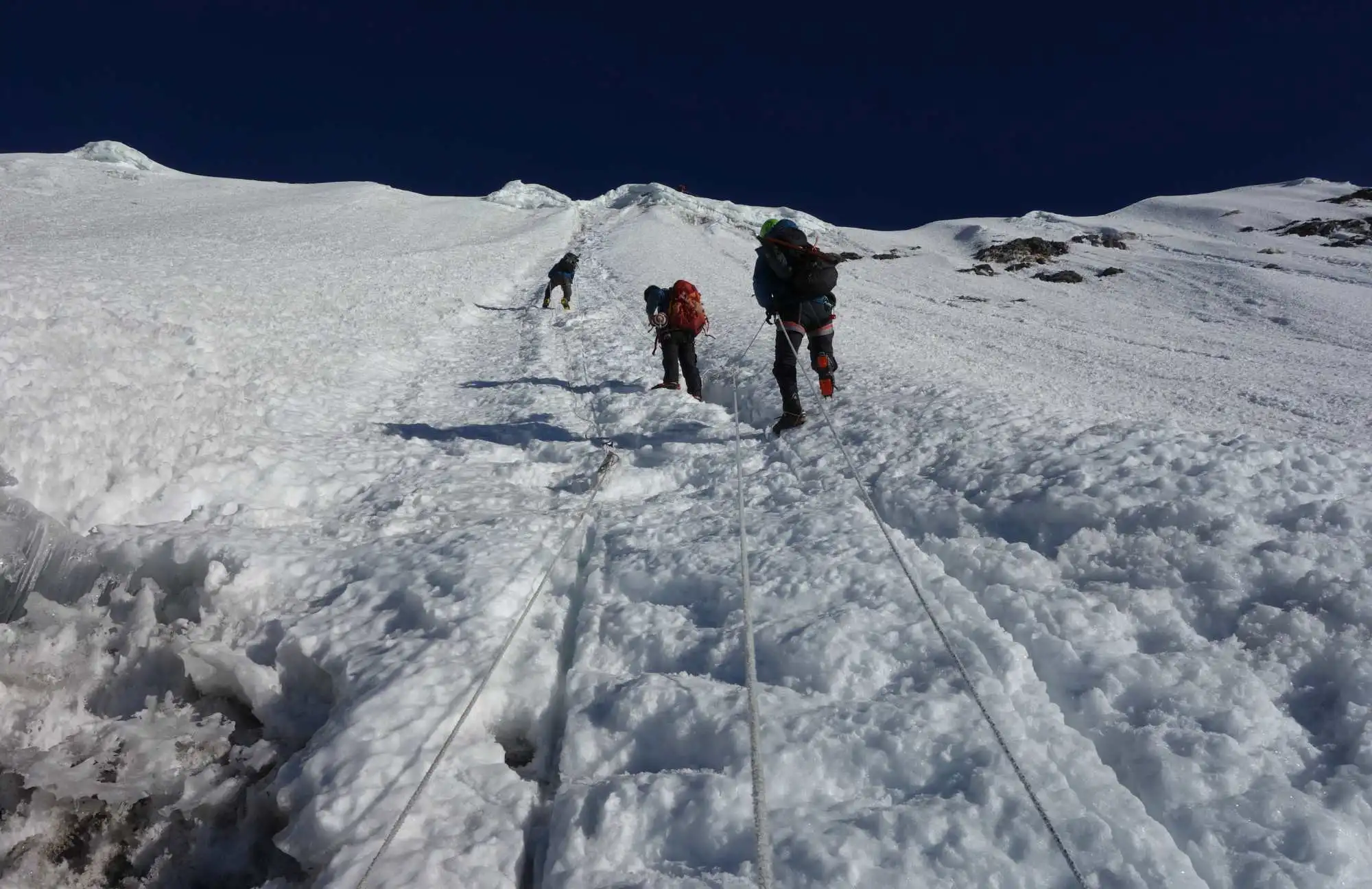
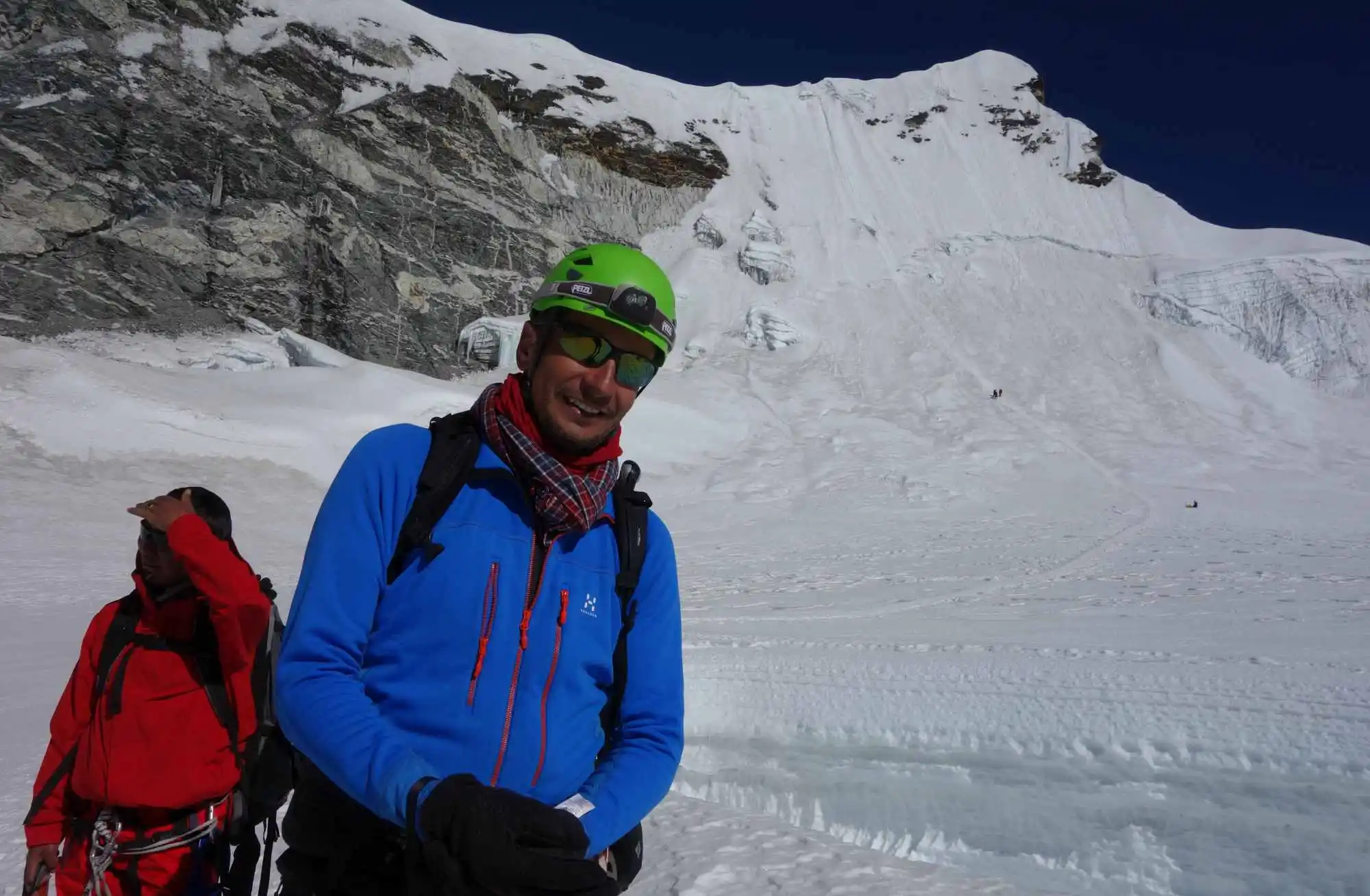
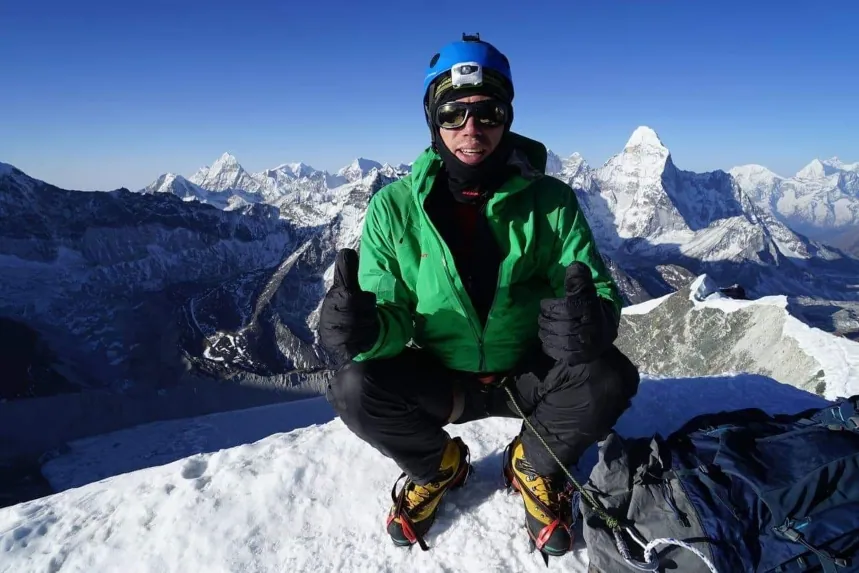
Everest Basecamp with Island peak climbing summit picture by our expereince climbers Mr: Lauren , Swazerland in 2029 with experties sherpa from Khumbu region. they starts the day very early in the morning and ends in late afternoon as it was challanging peak climbing in nepal.

1. Island Peak (Imja Tse, 6,189 m)

Island Peak is a classic Nepal Everest entry-level climb, popular for its accessibility and the beautiful views that the mountain offers. It provides trekking combined with technical climbing to climbers, and hence is friendly to beginners.

The climb involves travelling on the glaciers, ice climbing, and navigating the crevasses, which offer precious skill-building experiences. Climbers are rewarded with the Everest, Lhotse, and Ama Dablam panoramic views, making Island Peak an adventure that is popular in the Himalayan range.

Mera peak itineraries
One the to mera peak expedition via the Upper trail

2. Mera Peak (6,476 m)

The highest trekking peak in Nepal is Mera Peak. It appeals to those who are interested in altitude, but not in technical skills. The journey offers a gradual process of acclimatization and manageable climbing sections for adventure lovers.

You can enjoy spectacular scenes of the Everest, Kanchenjunga, and Makalu. This peak is a combination of physical stamina and scenic beauty among the most fulfilling Himalayan trekking peaks.

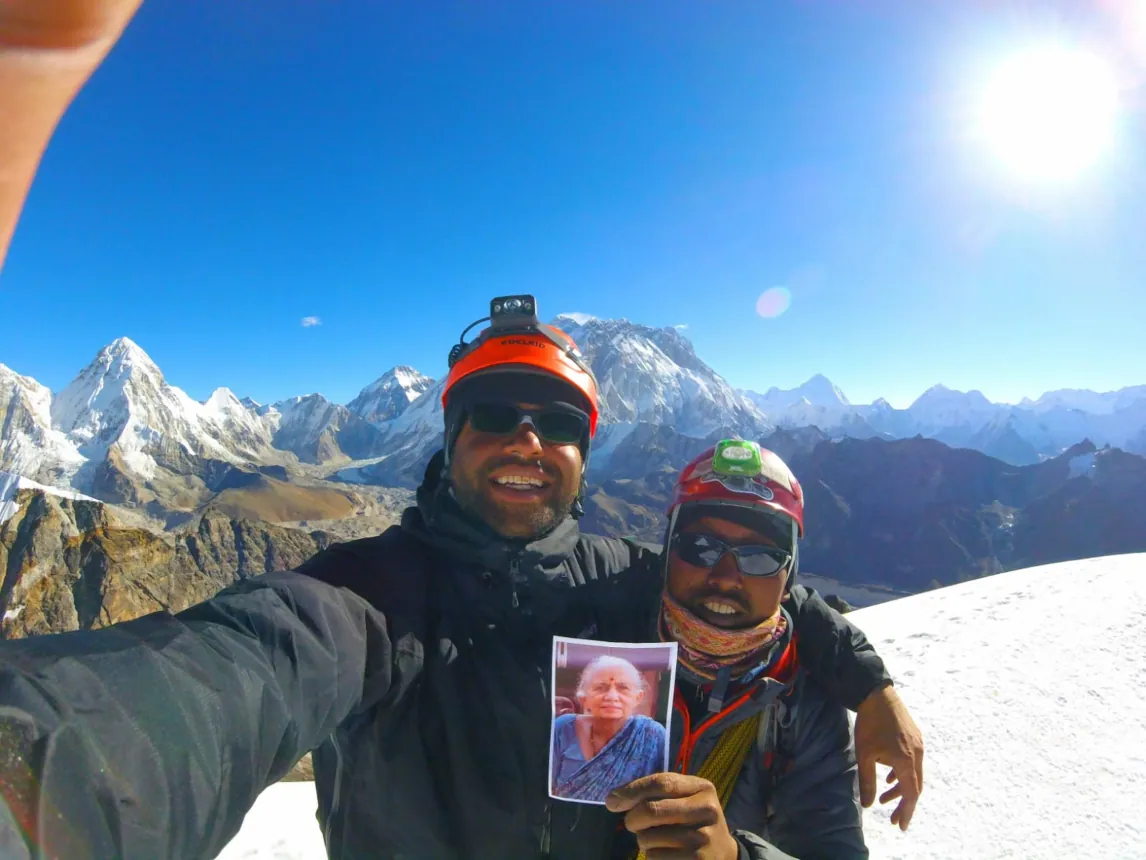
Shree ji from australia and Climbing guide , Pasang on the top of the Lobuche peak.
Pasang and Shree showing past mother photo as memorise

3. Lobuche East (6,119 m)

Lobuche East is a technical training peak, close to Everest Base Camp (EBC). It is perfect among climbers who are heading out to altitudes. The road incorporates climbing of rocky and icy paths, which requires sound mountaineering experience.

Lobuche East offers intense workout preparation. You will train on fixed ropes as well as crevasses. It is also next to EBC, which means it provides great scenery of Everest, Lhotse, and the Khumbu Icefall.

Yala peak climbing
on the way to Yalaya peak summit

4. Yala Peak (5,732 m)

Slightly less than 6,000, Yala Peak is a beginner-friendly trek in the Langtang region of Nepal. It provides a less busy option to the climbers who desire to enjoy the Himalayan summits that have moderate technical needs.

There are snow slopes and basic ice climbing, making the climb accessible to beginner mountaineers. The peak offers a stunning view of the Langtang Lirung and the nearby mountains.

Chulu west peak climbing
view from hihg camp of chulu west peak

5. Chulu East & Chulu West (~6,000+ m)

Chulu West and East are precious jewels of the Annapurna area, which provide exciting technical ascents with a diverse terrain. The peaks are ideal for climbers interested in moderate challenge and the rugged wilderness of the Himalayas.

The two peaks offer extreme routes like ice and rock climbing, glacier travel, and exposure. The summit rewards ascendants with magnificent panoramas of the Annapurna, Dhaulagiri, and Manaslu ranges.

6. Tent Peak (Tharpu Chuli, 5,663 m)

Tent Peak, almost adjacent to the Annapurna base camp, is a popular option as a beginner training climb because it is below 6000 meters. It is an ideal training for climbers who want to train their high-altitude techniques in the spectacular massif of Annapurna.

The ascent includes snowy slopes and light ice climbing, making it suitable for intermediate climbers. The view of the Annapurna range and valleys around it can also be seen in panorama, making the experience more complete, as seen from the Tent Peak summit.

7. Pokalde Peak (5,806 m)

Pokalde Peak is a short, yet fulfilling climb around Everest, luring trekkers who are taking the step to mountaineering. Pokalde Peak is also another peak with an altitude of less than 6,000 m, where beginner training climbs are done.

It’s a comparatively easy climb that involves ice climbing and traveling across the glaciers, which is perfect in the eyes of beginners to acquire an alpine experience. The views from the summit include sweeping views of Mt. Everest, Lhotse, and Ama Dablam. Pokalde is a very rewarding Himalayan peak that gives climbers a strong sense of accomplishment.

Best Time to Climb (2026–2027)

Spring (March to May) is the most appropriate time of year to climb 6000m peaks in Nepal. The weather in this season is stable, and snow conditions are favorable, hence ascents are more enjoyable and safe. The length of days is increased, which helps in the process of acclimatization and climbing plans.

The other season of excellent climbing is the autumn (September-November). There is clear weather with dry conditions and good visibility. The rich, vibrant autumn sceneries contribute to the general trekking and climbing experience around the beautiful Himalayan ranges of Nepal.

The cold and reduced daylight present with winter climbing (December-February) are a challenge. Although it is more dangerous, there can be fewer crowds and frozen ground, which aids snow stability in various places.

The rainy season (June-August) is very humid and encounters heavy rainfall, hence climbers find it hazardous to climb with avalanches and slippery slopes. The lush scenery is stunning, but the trails become more dangerous with landslides and leeches.

Peak climbing in Nepal is different in terms of season; Island Peak and Mera Peak are best during spring and autumn. During the monsoon, peaks in the Annapurna area can be affected by a lot of rainfall, and this needs to be well planned for safe climbing.
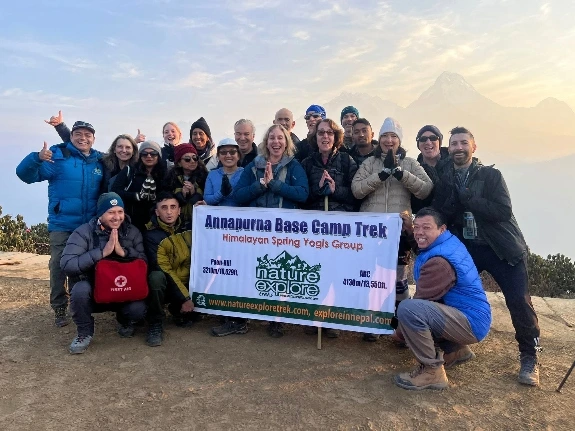
Permit & Regulations

Peak climbing is regulated by the Nepal Mountaineering Association ( NMA) in Nepal, particularly in the case of trekking peaks. Peaks with NMA under its jurisdiction should have the provision of climbers with official NMA permits, with safety standards and environmental protection. NMA also requires guides on the climb, and this ensures that there is responsible climbing of the peaks in Nepal.

The permit fee differs according to the time of the year and the peak. The cost is similar for popular peaks like Lobuche, Mera Peak, Lobuche, and Chulu. However, trekkers need to pay $250 (spring), $125 (autumn), and $70 (winter/summer) for Island Peak. Permits typically cover one month, with possible extensions.

There are other permits like the Trekkers Information Management System (TIMS) card and Conservation Area permits, like in the Everest (Sagarmatha National Park), Annapurna, and the Langtang areas. These permits promote local conservation and community conservation activities in Nepal when climbing.
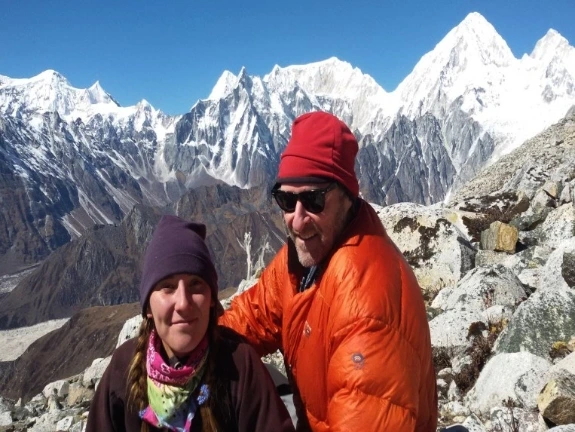
Some of the peaks cannot be climbed without a guide person or with a licensed guide or Sirdar registered with NMA. This prioritizes the safety of the climbers, offers local employment, and environmental welfare in peak climbing in Nepal.

Moreover, the policy of permits is changing to favor climbers in remote areas in the western region, with exemptions for 97 peaks to support economic growth and spare overcrowding in the busy zones. Another focus of the NMA is on the clean-up activities and long-term sustainable practices in future climbs.

Training & Preparation

Successful peak climbing in Nepal requires high levels of physical fitness, which include stamina, cardiac condition, and muscle strength. Physical conditioning should be based on hiking, running, and strength building to prepare the climbers for long, steep hikes, as well as on the height of difficult terrain of carrying loads.

Providing technical training is a must, and climbers have to learn how to operate ice axes, crampons, and ropes. Superiority over self-arresting, glacier climbing, and fixed-rope climbing is essential to guarantee the success and safety on 6,000 m peaks in Nepal.

Trials ahead of travel and walking establish fitness and enable acclimatization. Hiking in the hilly or mountainous areas regularly simulates the climbing conditions, hence trains the body to the extreme physical strain that peak climbing in Nepal presents.

Mental preparation is equally important as climbers need to adapt to cold, high altitude, and varied weather. Building resilience, focus, and confidence assists climbers in coping with the psychological challenges of peak climbing in Nepal.

Comprehensively, the safety and fun level among 6000 peak climbers in Nepal is significantly improved through the incorporation of physical, technical, and mental training. With early preparation, there are more chances of realizing and having a successful and rewarding summit experience.

Gear & Equipment Checklist

Peak climbing in Nepal requires necessary layers of clothes, down jackets, warm gloves, and durable mountaineering boots. Layering is used to adjust to the severe, changeable weather of the mountains and is good to make the climbers comfortable and safe in tough mountain climbs.

The technical equipment required is ice axes, crampons, climbing harnesses, helmets, and ropes. The tools play a critical role in glaciers’ travel, ice climbing, and in the control of steep or icy inclines, on 6000m peaks in Nepal.

Some expeditions need camping and climbing equipment like robust tents, cold-weather sleeping bags, and portable stoves for an overnight stay. At peak climbing in Nepal, shelter and warmth are of utmost importance and must be reliable.

Most mountaineers opt to hire equipment in Kathmandu so that they do not carry heavy equipment home with them. Kathmandu has good rental shops at reasonable prices, and therefore it is easy and pocket-friendly to peak climb in Nepal.

Cost of 6000m Peak Climbing in Nepal

The average cost of peak climbing in Nepal is USD 2,000 -4,000 per head based on summit choice, routes, and the nature of services. This high-range cover mid-level mountains such as Island Peak and Mera Peak, which are favorites among mountaineers.

The price normally comprises a Nepal government permit, commercial guiding and porter hire services, lodging expenses on the trek, food, and joint climbing equipment. This comprehensive coverage means a safer, well-supported Nepal climbing the mountain adventure.

Individual insurance, extra special equipment, guide or porter tips, and international flights in and out of Nepal are not included. Such additional costs need to be set aside in planning an expedition to peak climbing in Nepal.

As an example, the packages of Island Peak are in the range of USD 3400 to 4200, usually accompanied by the trek to the Everest Base Camp. Mera Peak climbs are usually priced USD 2500 to 4,000, depending on the itinerary, based on the amenities in the itinerary.

Challenges & Risks

High altitude and Acute Mountain Sickness (AMS) are some of the risk factors associated with peak climbing in Nepal, as the body cannot adapt well to low oxygen levels. Slow increase in altitude and acclimatization days are important elements to ensure reduced effects of AMS.

Another risk is the unpredictable Himalayan weather, of sudden storms, snow, and falls in temperature. The climbers should be flexible and have versatile plans to improve safety during peak climbing in Nepal.

Technical challenges involve maneuvering around ice walls, crevasses, and thin ridgelines, which demand excellent mountaineering abilities. The key to overcoming these challenging features is the adequate use of ropes, crampons, and ice axes.

The strains of physical and psychological activity, such as steep climbs and cold conditions, will require strong mental strength. In order to achieve a successful climb to the 6000m peaks of Nepal, the climbers ought to be focused, manage fatigue, and adjust to the stress psychologically.

Why Choose 2026–2027 for Climbing?

The recent plans to develop more trekking infrastructure in 2026-2027 have a big effect on climbing peaks in Nepal. Higher quality tea houses, less dangerous routes, and enhancement of emergency communication systems make expeditions less hard to reach and have a low probability of harm in both beginner and high altitudes.

Nepal is a politically stable country and has the prospects for the growth of tourism, contributing to a favorable atmosphere for peak climbing in Nepal. The vision of stability in the long run promotes investments in the mountaineering services.

Peak climbing in Nepal has been selected as a great adventure activity attracting global attention following the 2025 tourism promotions, since the country of Nepal is a haven for unrestrained peak climbing. The varied and picturesque Nepal 6000m peaks attract more international climbers every year.
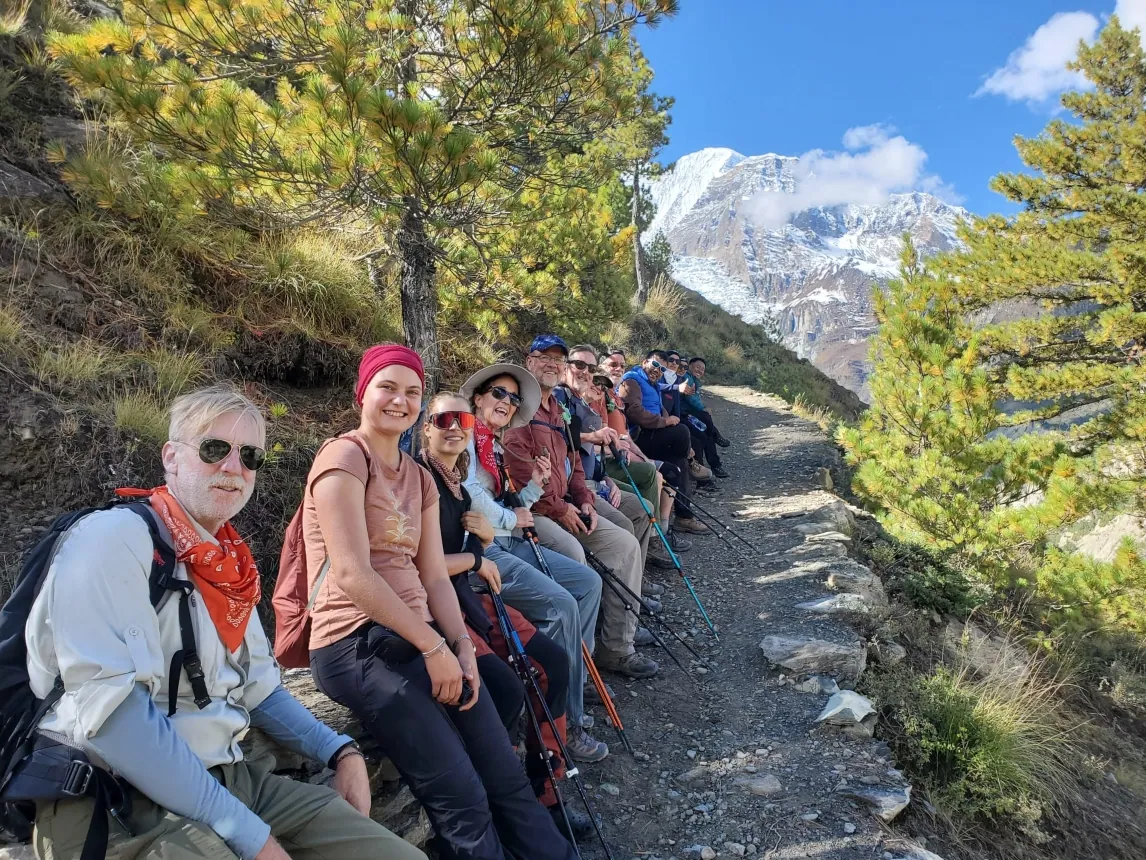
The peak climbing in Nepal calendar is augmented by special anniversary climbs and mountaineering events planned in the year 2026 to 2027. Through these festivals, interactivity is promoted and its mountaineering history is put in the limelight globally.

Tips from Experienced Climbers

  • Proper acclimatization is needed to prevent Acute Mountain Sickness in peak climbing, especially in Nepal. Climb slow uphill paths and plan to have off days so that you can safely acclimate your body to high altitude.
  • Use certified guides and climbing Sherpas as a source of local know-how and security. They are quite familiar with the environments and weather, as well as emergency analysis, which makes the peak climbing a lot more pleasant in Nepal.
  • Take a complete travel and rescue cover. Insurance offers money security in times of crisis and is a prerequisite for good peak climbing in Nepal.
  • Be a decent tourist in the fragile mountain environment and respect the local culture. Reduce the amount of waste, do not ruin wildlife, and uplift the local communities in the mountain climbing season in Nepal.
  • Allow time to create buffer days in your itinerary so that you can compensate for the retreat due to weather and the necessity of acclimatization. Flexibility means more successful climbing of the peaks in Nepal in spite of unpredictable weather in the Himalayas.

Conclusion

The ultimate adventure to be used in 2026-2027 in Nepal is the 6000m peaks that combine challenging climbs along with spectacular views of the Himalayas. The peaks are the best places where a climber can put their skills to the test, as well as have an experience to remember in the mountains.

These mountains give an ideal blend of trekking and expedition mountaineering. They fit both uninitiated and experienced adventurers who wish to move to the advanced and more technical walls under the facilitation of the addressed trekking infrastructure.
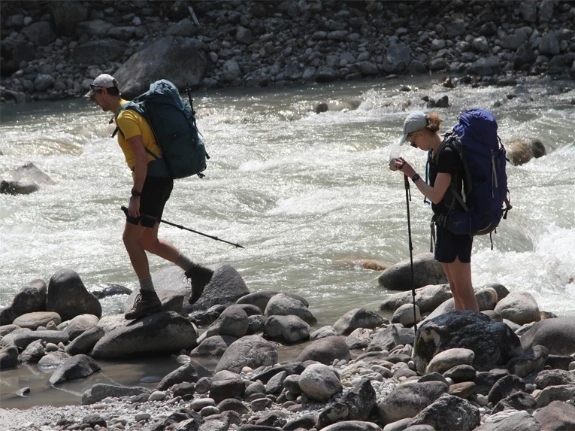
There are higher levels of climbers who are being further promoted by peak climbing in Nepal to explore the Himalayan beauties of the region. The 2026–2027 climbing seasons promise to be especially suitable and rewarding, with improved infrastructure, stable conditions, and a wide range of peaks offering both challenge and beauty

Top 10 Best Treks in Nepal to Do in Spring 2026

Mera peak

Top 10 Best Treks in Nepal to Do in Spring 2026 guide you through Nepal’s most scenic regions, where nature and culture blend beautifully.Nepal, often called the holy grail of trekking in the Himalayas, promises unrivalled natural beauty and cultural experiences. Trekking is one of the most significant attractions to the country, and trekkers all over the world employ trekking as one of the major tourist attractions highly sought by adventurous tourists.

In Nepal, the spring of 2026 (Mar-May) is the most opportune season for trekking. The skies are radiantly clear and visibility is quite good, temperatures during daytime are comfortably warm, and rhododendron trees come into bloom, adding color to the trek route.
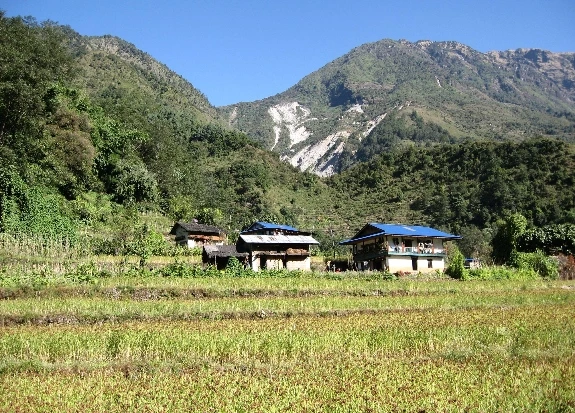
In spring, there is less weather-related risk, as there is less risk of heavy rains and cold weather. This season suits both those trekkers who are new to the environment and explorers of Nepal who are long-time travelers in the country of mountains.

Nepal is abundant in trekking: the famous Everest Base Camp, Kanchenjunga, and Makalu etc., are among them. Trekkers are able to visit internationally known landmarks or otherwise be in places where no footprints have ever been made.

We have listed the best treks in Nepal that cater to different fitness levels and interests. Nepal offers both easy and challenging treks in diverse terrains, promising adventurous experiences and amazing scenery for both seasoned adventure seekers and novice trekkers.

Trekkers should consider spring in 2026 as their trekking time in Nepal because it allows them to pursue an array of adventures without much difficulty. The treks mentioned in this guide are the best treks in Nepal, which help trekkers to explore the wonderful crevasses and the deep traditional roots of Nepal.

Why Trek in Nepal During Spring 2026?

Spring 2026 is the best time to trek in Nepal as the weather conditions are favorable to any hiker. The trekking in warm days is comfortable, and the cold but bearable nights enable good sleep, which makes the perfect trekking in Nepal without hardship or strain.

Great visibility of spectacular mountain views is also experienced in spring. Clear skies enable trekkers to have a clear view of geographical milestones such as the Everest and Mount Annapurna. This also adds to the experience when choosing the best trek in Nepal; the beautiful scenery will always be memorable.
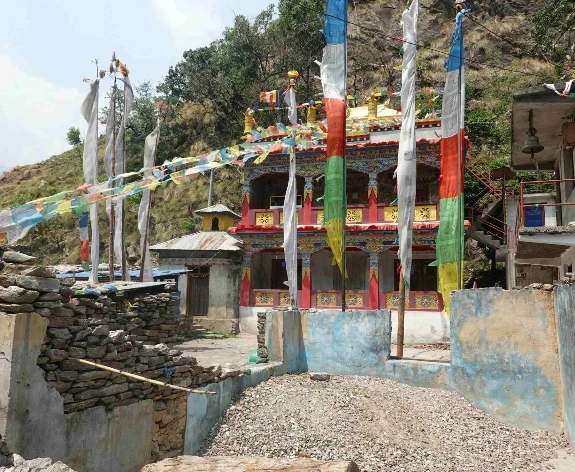
Besides the weather, spring is also characterized by a rich cultural flavor to the trek. Special celebrations such as Holi and Buddha Jayanti are popular festivals in spring. The trek in Nepal allows trekkers to experience or be a part of such colorful festivals, adding depth to their travel experience.

Rhododendrons burst into bloom in the spring, giving Rhododendron trails their red and pink color. Birds awaken, and upland pastures are filled with grazing Yaks. These natural beauties make the trail picturesque and exuberant, which adds much value to the trek in Nepal.

There are fewer risks of natural disasters in spring than in the other seasons. The decreased precipitation decreases the likelihood of landslides and meteorologists are stable, which reduces the likelihood of flight cancellations. This dependability makes spring the safest period to make the best trek in Nepal.

Overall, spring in 2026 is the perfect time to trek because of the weather, culture, beautiful nature, and safety. These contribute to being the best season to trek in Nepal, and get a feel of the best trek in Nepal.

Top 10 Best Treks in Nepal

Everest Basecamp trekking

(a) Everest Base Camp Trek


Everest Base Camp trek is the most popular trek in Nepal, known to all over the world, as it reaches an altitude of 5,364 meters. It has the traditional adventure of the Himalaya and is based in the Sagarmatha National Park area, where magnificent views of Everest and the Sherpa culture are available.

The Everest Base Camp Trek can be done well in spring 2026 because the skies are clear with amazing visibility. Bushes such as rhododendrons occur lower down the trail, giving it a colorful treat and making for a trekker holiday.

Among the highlights are the sunrise views of Kala Patthar, trips to Namche Bazaar, and Tengboche monastery. The terrain alternates between beautiful forests and rough alpine surfaces, adding to the beauty of the experience. You need Sagarmatha National Park Entry and Khumbu Pasang Lhamu Rural Municipality fee in Everest Base Camp Trek.

This trek is moderate to difficult, and fit hikers with altitude experience are allowed. It would take an average of 12 to 14 days, since good acclimatization and cultural village visits are part of the exploration, and there is provision of a balance between sports and safety.

The Everest Base Camp Trek is the most popular adventure trip and cultural tour attraction, which is limited to both adventure seekers and cultural tourists. Being the finest trek in Nepal, it offers magnificent mountain views, glorious culture, and the ultimate feeling of accomplishment.

Annapurna Base Camp Trek

(b) Annapurna Base Camp Trek

The Annapurna Base Camp Trek reaches the Annapurna Sanctuary at 4,130 meters and is known as the best trek in Nepal. It is a photogenic trek, with a view of Machhapuchhre (fishtail), Annapurna peaks, and an environment with a colorful, blossoming, lush blanket of diverse biomes forming a natural amphitheater.

The best period to trek is spring. Rhododendrons fill in huge forests that turn the routes into red and pink. The attractive mountain views in clear blue skies will add beauty to the landscape, which makes spring the best season to do the most beautiful trek in Nepal.

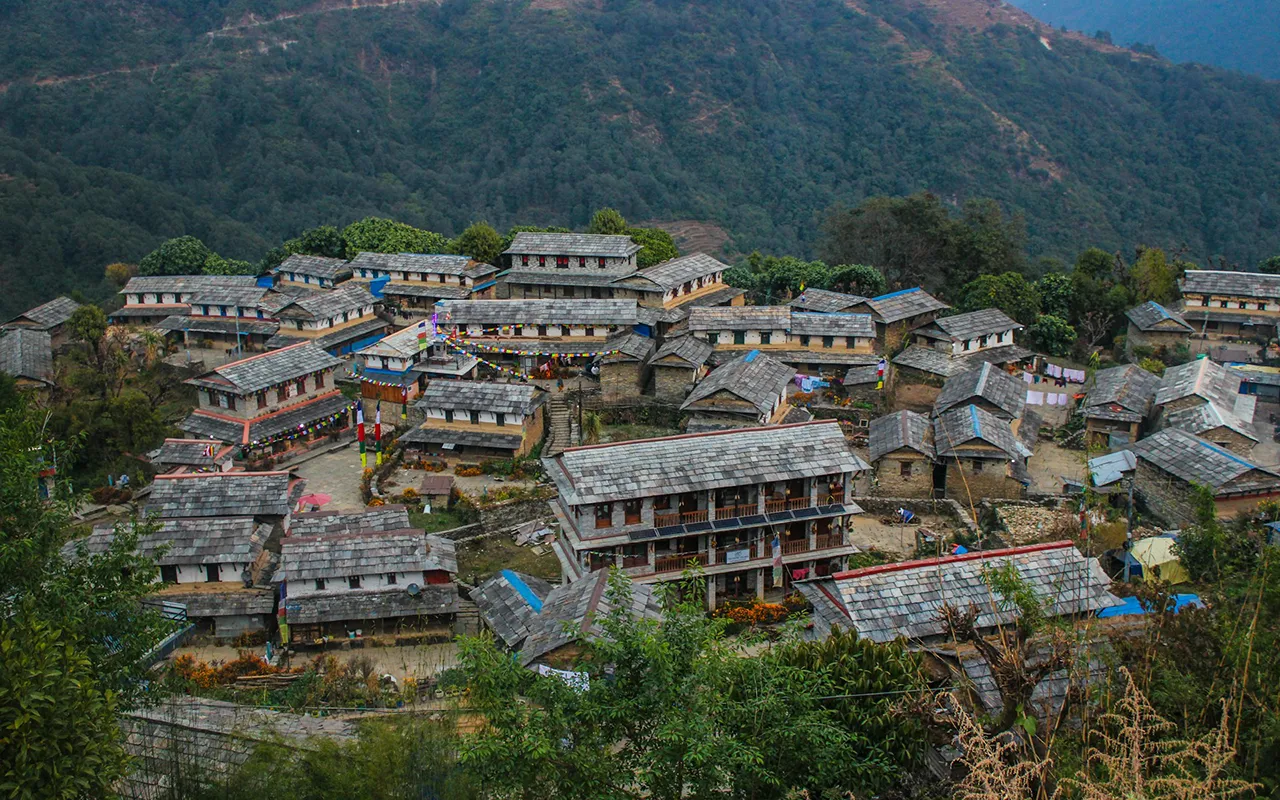
A couple of key highlights of the trek are the hot springs to relax at Jhinu Danda and Ghandruk, one of the few remaining Gurung villages, enriched with cultural history. The trek can support adventure seekers to enrich their trek by including cultural and natural attributes and comfort through facilities and activities along the trek.

The trekker’s difficulty level is moderate, which is suitable for average fitness. It can be done in 7 to 10 days, with an advantageous mix of adventure, culture, and the beautiful scenery of the Himalaya. Don’t forget to bring ACAP when on the trail.

Manaslu circuit trek

(c) Manaslu Circuit Trek

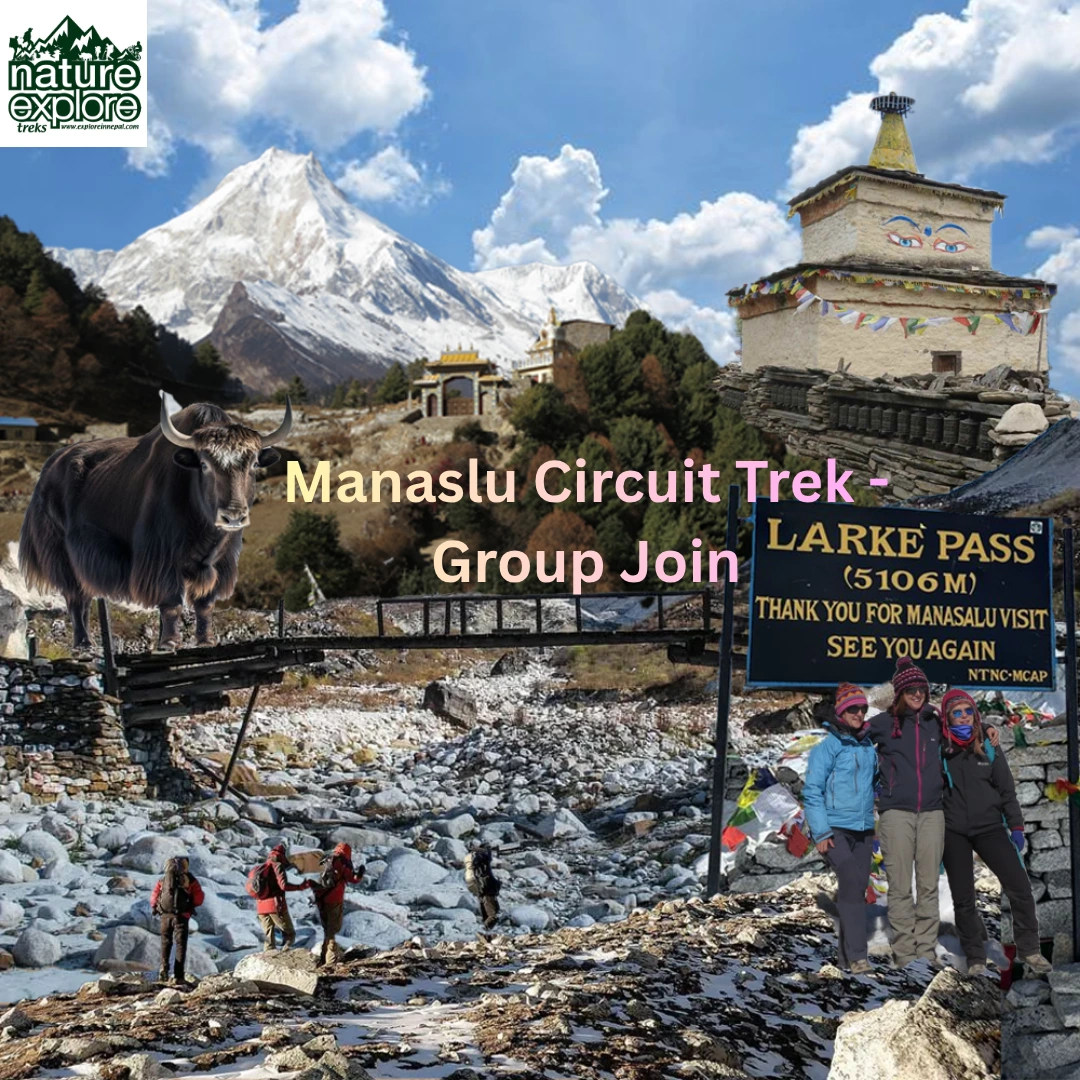
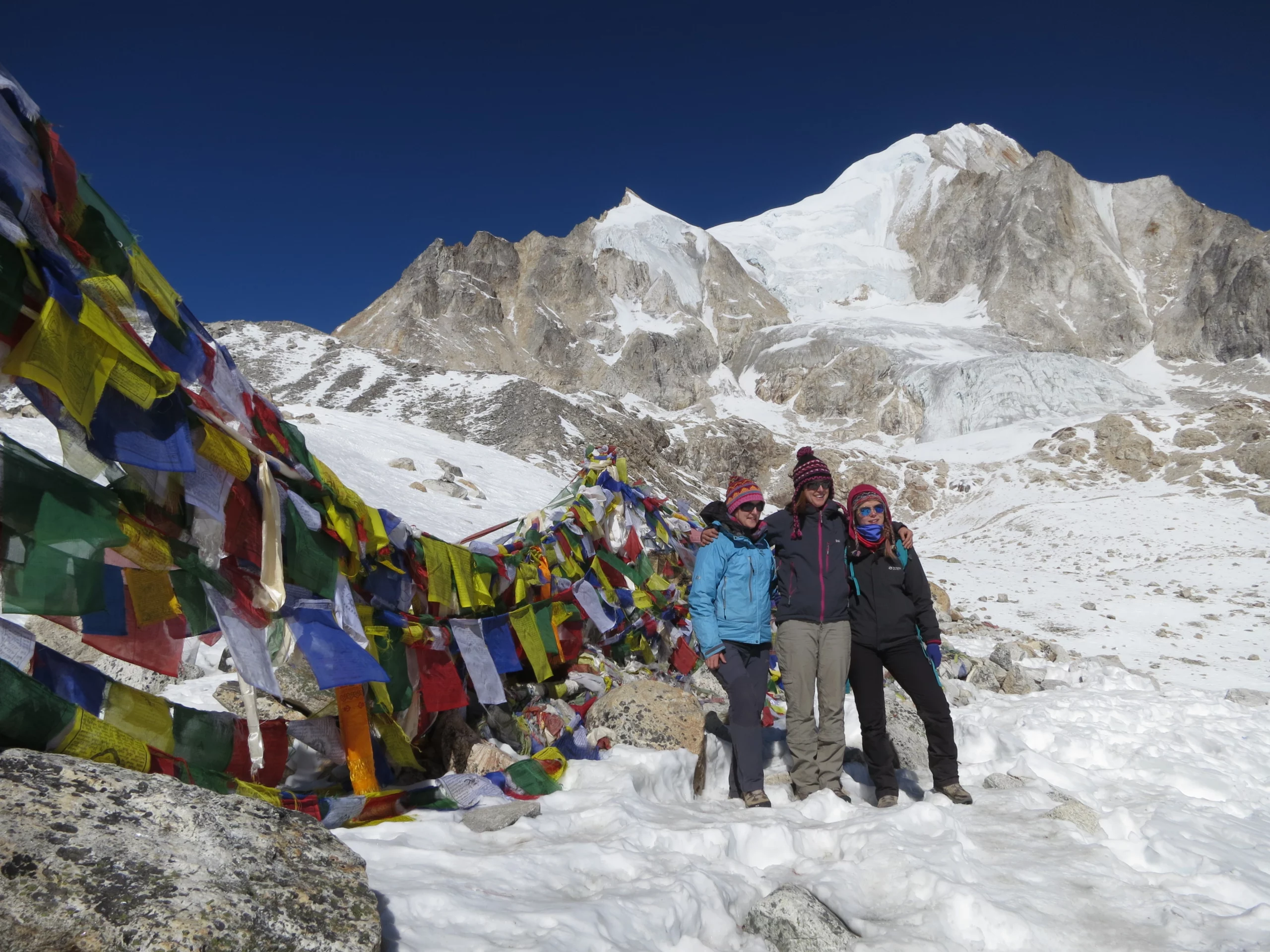
The Manaslu Circuit trek, one of the best treks in Nepal around the majestic mountain of Mt. Manaslu, the eighth-highest mountain in the world, standing at 8,163 meters, offers a trek with fewer crowds than competitors. The trek penetrates unfettered geography in remote western Nepal.

Spring also improves the experience as the wild flowers are full of blossom in the lower valleys, providing color to the path. During clear weather, excellent visibility is experienced, especially on high passes like Larke La, which is a challenging one at 5,160 meters.

The trek is challenging in nature as it entails steep inclines, as well as high altitude demands. The area is rustic, and the pure nature alongside the untainted local culture ensures a genuine experience of the region without the hustle and bustle of the tourist hordes.

The trek is recommended to experienced trekkers who are looking to take a path off the beaten trail into solitude, combined with views that are beyond spectacular, and the challenge that is a thrill. It has ideal spring conditions, so it is the best trek in Nepal to set foot on and bring restricted area permits with you.

Annapurna Circuit Trek in September
on the rest day at Manang, trekkers head up to Chhonkhor viewpoint on the rest day of an annapurna circut trek.

(d) Annapurna Circuit Trek

The Annapurna Circuit Trek is considered to be the best trek in Nepal that boasts a variety of landscapes, including a sub-tropical forest, alpine meadows, etc. It is an archetypal tour that is blessed with diversity and cultural enrichment in 16 to 20 days.

Spring increases the trek with dry, stable trails that make hiking easy. Apple orchards in Marpha and fresh rhododendron flowers complement the journey, making the best trek in Nepal in 2026 spring an immersive journey of nature.

One of the highlights of the trek is the difficult pass of Thorong La at 5,416m which offers an amazing view of the Himalaya. Trekkers are exposed to physical ability and also stunning scenery, making this trek so rewarding to those who seek adventure and the great outdoors.

The difficulty level of the trek is medium to hard and trekkers are require to bring Annapurna Conservation Area Permit. There are multiple combinations with the Circuit, Tilicho Lake, or Poon Hill to do extra travel. They combine that with a flexible itinerary plus idyllic conditions during spring, making it the best trek in Nepal across all types of adventurers.

Upper mustang

(e) Upper Mustang Trek

The Trek to Upper Mustang visits a region in Nepal that is out of bounds due to a low population density and the origin of a culture that is strongly Tibetan-influenced. This is an ancient region that affords trekkers a rare opportunity to see very ancient traditions, distant villages, and a kind of history and spirituality wrapped into one at a time in its history.

The best time to trek in Upper Mustang is during the spring. Dry weather and sunny days prevail before the summer winds, like the trekking conditions are stable. This guarantees improved sightseeing and reliability as one drives through dramatic landscapes and cultural places in the region.

Among the must-sees are Lo Manthang, a walled city with medieval features, ancient caves in the cliffs, and ancient monasteries. The trek features striking desert terrain, the contrast of which is strikingly amazing, with a complete immersion effect now and then, some lush greens of valleys that encompass a view that is of aesthetic pleasure and a culturally enriching experience.

The trek is of moderate demands; only physically fit trekkers can take part in an adventure of unique cultural character. Trekkers must need restricted area permit to visit Upper Mustang Trek. The Upper Mustang Trek, with its favorable climate in spring, presents an unrivalled experience of natural beauty, history, and a pure Himalayan culture.

Three High Pass

(f) Everest Three High Pass Trek

This is one of the best treks in Nepal that challenges every trekker while passing through the Renjo La, Cho La, and Kongma La passes. A blend of Everest Base Camp, Gokyo Lake, and Kala Patthar, it is a journey with breathtaking views of the Himalayas and a wide variety of terrain.

The best season to do this trek is spring in 2026, when the weather and the skies are stable and clear, and can offer a safe crossing of such high passes. The implicit weather conditions allow clear visibility and decreased risks; therefore, it is an ideal trekking expedition that an experienced trekker would want to take.

This trek is long, rough, and requires much stamina and fitness. It will be appropriate for experienced trekkers who want a physically challenging, adrenaline-filled journey. The trekking trail of the Everest Three High Pass has an unrivaled view and an elaborate, incredible stretch of mountains.

Gokyo Lake
Gokyo Lake

(g) Gokyo Lake Trek

Gokyo Lake Trek is another famous trek in Nepal that provides the hikers with a quieter Trek with a less-traveled trail as compared to the Everest Base Camp Trek. It leads trekkers to gorgeous blue lakes set in the Himalayas and out of the way of bushwhacking.

The Gokyo trek can be done in spring to fully enjoy its scenery. Gokyo Lakes are in full bloom during this timeframe, with the surrounding glaciers clear and freely accessible. This adds sparkle to the trekking experience through amazing landscapes and top visibility.

The other interesting part of the trek is ascending Gokyo Ri, a viewpoint at 5,357 meters, which also produces breathtaking panoramic views of Everest, Lhotse, and other high mountains. During the trek, crossing the Ngozumpa Glacier adds another exciting challenge.

The intensity of the trek should be considered moderate, and it is suitable enough to be chosen by those people who are looking not only at the adventure but also at the greatest difficulty. Being one of the finest treks in Nepal, the Gokyo Lake Trek has the perfect combination of nature, peace, and the beauty of the Himalaya.

Kanchenjunga trek

(h) Kanchenjunga Trek

The expedition to Kanchenjunga focuses on remote and eastern Nepal, where the third-highest mountain in the world can be found, 8,586 meters high. This trek delivers wilderness, pristine chats, and a unique off-route feel to the adventurous trekkers.

The best time of this trek is during spring, when the forests are lush and there are bright rhododendrons and crystal clear blue skies. These factors improve the scenic views and the landscapes of the place, making it the most impressive trek in Nepal.

This trek is really rigorous and only best suited to experienced trekkers who desire a rigorous adventure. The Kanchenjunga Trek is one of the greatest treks in Nepal, only because it is located in a remote part of the country, has magnificent landscapes, and does not host many tourists.

village on the Makalu base camp

(i) Makalu Base Camp Trek

Another best trek in Nepal is the Makalu Base Camp Trek heads to the base of the world’s fifth-tallest mountain at 8,485 m. It is a cross-country, off-the-beaten-trail adventure that gives beautiful views and a wilderness trekking experience.

Spring is the optimum time for this trek as weather conditions are stable. Clear skies and moderate temperatures will also ensure safety, as trekkers get around long and remote trails in spring, the best period of time within the year to attempt this challenging trek.

Other highlights are the exquisite Barun Valley, Makalu-Barun National Park, and chances at seeing rare animals. This trek is characterized by great biodiversity and an unspoiled landscape, with nature lovers and adventure seekers trooping to have an unforgettable experience on the trek.

This is a difficult trek that needs good stamina, and is the right choice for trekking adventure seekers. The Makalu Base Camp Trek is one of the most excellent treks in Nepal, with the favorable climatic conditions in spring.

Langtang monastery


(j) Langtang Valley Trek

The Langtang Valley Trek is one of the best treks in Nepal and is located near Kathmandu, thus easily accessible. It presents abundant Tamang culture, rural villages, and beautiful footpaths to trek more about in a short time.

Spring adds to the trek with the blooming rhododendron forest and colorful yak pastures, resulting in nice colored landscapes. Easy visibility and secluded weather conditions offer a good experience in this famous and culturally minded trekking route in this season.

Among the highlights of the trip, one can mention such activities as visiting the Kyanjin Gompa, the local cheese factory, and climbing such peak viewpoints as Kyanjin Ri and Tsergo Ri. It gives spectacular views of the Langtang ranges of the Himalaya, and surrounding landscapes, which makes it adds excitement and awe.

The trek is easy in grades, hence it is made to fit the short-time trekkers or trekkers on their first experience of an altitude trek. Langtang Valley Trek is more than just a trek in Nepal because it offers a cultural immersion plus the natural beauty, which makes this a great trek among beginners in the Himalayas.

Comparison Table of Treks


TrekDurationMax AltitudeDifficultyBest forSpring Highlights
Everest Base Camp12-14 days5,360 mModerate-hardClassic seekersEverest views, Kala Patthar sunrise
Annapurna Base Camp7-10 days4,130 mModerateBeginnersRhododendrons, amphitheater peaks
Manaslu Circuit14-16 days5,160 mDifficultOffbeat trekkersWildlife, remoteness, Tibetan culture
Annapurna Circuit16-20 days5,416 mModerate to difficultBeginner trekkersDiverse landscapes, Thorong La, Tilicho Lake
Upper Mustang Trek12-14 days3,800 mModerateCultural trekkersLo Manthang, desert landscapes, caves, Tibetan-influenced culture
Everest 3 Passes18-20 days5,535 mVery HardAdventure trekkers3 passes, Gokyo, EBC
Gokyo Lake12-14 days5,357 mModerate to HardAdventure loversTurquoise lakes, glaciers, mountain panoramas
Kanchenjunga20-25 days5,160 mVery HardRemote trails explorersRhododendron forests, solitude, cultural immersion
Makalu Base Camp Trek18-20 days4,870 mVery HardWilderness trekkersBarun Valley, rare wildlife
Langtang Valley7-10 days4,350 mModerateShort treksTamang culture


Essential Tips for Trekking in Nepal Spring 2026


Permits that are required for trekking in Nepal during spring 2026 are the TIMS in popular areas. Places such as Upper Mustang, Kanchenjunga, Manaslu and Makalu require restricted area permits, so be sure to abide by the best trek in Nepal.

A certified guide must be hired since 2023, and it has enhanced the safety, as well as local employment. Porters will be highly recommended when dealing with heavy loads to facilitate your trek to the best trek in Nepal, to make it a smoother and more enjoyable experience.

When you pack for spring, you need to keep in mind that you must layer clothing to deal with the changes in temperature and a rain jacket in case of an unexpected shower. Trekking poles will help one maintain balance, and a power bank to maintain battery power when in remote areas on the best trek in Nepal.

Altitude sickness is dangerous beyond 2500 meters; high-altitude sickness can be avoided by slow ascension and by staying fully hydrated. Learning the signs of early warning and a person who has had knowledge of the subject of altitude gives an added sense of safety on the best trekking in Nepal.

Budgeting would cover the permits, transportation, bed and food, as well as the fees of guides, with extras such as tips and insurance. Careful planning of the finances will make sure that you have everything essential, and experience the best trekking in Nepal without unwanted worry.

Responsible trekking involves the care of waste materials, anti-use of plastic products, and respect for the culture and tradition of the local people. Maintaining local communities and remaining on well-marked trails is beneficial to the environment and culture of Nepal, on the best trek in Nepal.

Conclusion

Due to the diverse beauty of Nepal in spring 2026, the country can be called an all-in-one destination when it comes to trekking adventures. Crystal clear skies, rhododendrons in their full bloom, and peaceful weather make the perfect combination to explore its marvelous mountains.

If it is iconic views you desire, visit Everest Base Camp or the richly cultural trek of Upper Mustang, and in Nepal, trekking to Kanchenjunga is the idea if you desire solitude. Every path is most likely to offer cutting-edge viewpoints, appalling adventures, and a Himalayan encounter that will never be forgotten.

An early booking of Nepal trekking is vital as it is peak trekking time in Nepal during the spring. The year 2026 is the time you should walk across the world’s tallest peaks and go on memorable adventures in the breathtaking mountain terrain of Nepal.

Top Things to See and Do in Sagarmatha National Park

The Sagarmatha National Park is a beautiful natural reserve in the Solukhumbu area of Nepal that is situated close to the magnificent Mount Everest. There are diverse green valleys, glaciers, and beautiful views of mountains that can be seen in the National Park, and this attracts many people to the wonderful site.

Sagarmatha National Park was formed in 1976 and covers 1,140 square kilometers. It is also home to various endangered flora and fauna of the world, including the snow leopard and red panda. The region has multiple Sherpa villages that will provide you with a superb cultural experience.

Listed on the UNESCO World Heritage list in the year 1979, Sagarmatha National Park is also a significant destination for trekkers and lovers of nature. This tour has a complete natural setup, natural biodiversity, and heritage, which makes the tour unforgettable in a lifetime.

Marvel at Mount Everest and Other Himalayan Giants

Mount Everest, Nepal

Sagarmatha National Park includes amazing vantage points where one can enjoy the sight of Mount Everest. Kala Patthar offers an amazing panorama of the Everest and surrounding peaks.

The Tengboche is a place of spiritual experiences with a grand monastery and breathtaking mountain landscapes. Gokyo Ri gives the trekkers spectacular views towards Everest and the glacial lakes.

The park includes several other Himalayan giants beyond Mount Everest. The massif of Lhotse and Nuptse are large mountain neighbours that can be viewed from above, including from Kala Patthar.

Ama Dablam, its pyramid-shaped pinnacle, makes an impression from near Tengboche and Gokyo. Thamserku, less well known, is still a commanding peak that offers views from near Namche Bazaar, including the setting for all of the trekking trips trekkers have initiated daily in the park.

Trekkers looking to recharge from their trekking experiences in the heart of the Himalayas will be rewarded with the unique high alpine scenery at these viewpoints. Together, the viewpoints and peaks offer great distinctiveness in viewing the extraordinary permissiveness of Sagarmatha’s memorable mountains, providing trekkers with stunning views, and fulfilling the activity of trekking.

Trek to Everest Base Camp

 Breathtaking panorama from Everest Base Camp
Breathtaking panorama from Everest Base Camp

Everest Base Camp trek begins in Lukla, which winds through villages such as Phakding, Namche Bazaar, and Tengboche. Starting at Lukla, you will walk along the Dudh Koshi River to reach such beautiful villages.

The trek consists of 12-14 days, after which there are days dedicated to acclimatization at places such as Namche Bazaar and Dingboche. The weather is excellent during March-May and September-November, and this is the best time to trek.

In the process of trekking, there is a magnificent sight of Everest, Lhotse, Ama Dablam, among others. You will also come across different monasteries along the trail, such as the world-renowned Tengboche monastery, and walk across several suspension bridges.

Explore Sherpa Culture and Villages

Namche Bazaar: Gateway to Mount Everest

The Namche Bazaar, in Sagarmatha National Park, is the most renowned town that is also referred to as the Gateway to Everest. A major stop to acclimatize and rest, this Sherpa town is at an extremely high altitude of 3,440 meters. It is chock-full of Sherpa culture, colourful markets, and panoramas of the Himalaya, and combines action with tradition.

The surrounding villages of Khumjung and Khunde are significant cultural centers of Sagarmatha National Park. It has classic villages such as villages with ancient monasteries, mani walls, as well as squalid houses. Guests are able to view local traditions, the religious customs of Buddhism, and the famous Sherpa hospitality that is enriched in these communities.

Particularly in the Sagarmatha National Park, Sherpa culture is interwoven with Tibetan Buddhism. Several festivals, including the Losar (Tibetan New Year) and Dumji, are important, and they are celebrated with community dances, prayers, and feasts. The respect for nature and nature preservation are shown through the spiritual connection of the mountain Sherpas with Mount Everest (Chomolungma).

Sherpa communities found in the Sagarmatha National Park are very hospitable. To visitors who come into their village, they are shown true hospitality and are commonly included in their cultural practices, like ceremonies, prayers, and everyday life. All this combination of cultural and emotional hospitality proves that going on a way of exploring Sherpa villages is unforgettable and valuable.

Visit Tengboche Monastery

Tengboche Monastery
Tengboche Monastery

In the Sagarmatha National Park, Tengboche Monastery is the largest and most important Buddhist Monastery. This monastery was built in 1916 and is an amazing spiritual landmark on the way to the Everest Base Camp trek. It has deep ancient Tibetan Buddhist traditions and is a peaceful place to pray, meditate, and soak in Sherpa culture.

Tengboche Monastery is set in an awe-inspiring location, at 3,867 meters, with not only a panoramic view of sun-ridden mountains, Mount Everest, Ama Dablam, and Lhotse, but also of other mountain giants that fall under Sagarmatha National Park. This is in its beautiful background that makes it a must-see attraction to trekkers taking the Everest Base Camp trail, and during wildlife tours too.

The Mani Rimdu festival brings the monastery to life every autumn. The festival symbolizes the victory of good over evil and is celebrated by dances and sacred rituals. Monks, pilgrims, and trekkers come to this event, during which they get a unique cultural and spiritual experience in the Sagarmatha National Park.

Witness the Unique Wildlife

Red Panda Spotted in Sagarmatha National Park

Sagarmatha National Park protects both rare and endangered wildlife, including the snow leopard and red panda. They are well-suited to the mountainous terrain and cold climate and emerge only sporadically to lucky tourists.

The park is also home to the Himalayan Tahr, a large wild mountain goat species, coated in thick woolly hair with thick curved horns, and musk deer. These species find life along the steep, rocky edges and with the alpine animals and plants.

Birding is fantastic in Sagarmatha National Park. Bird watchers flock to the park to observe a plethora of birds, vibrant and magnificent like the Himalayan Monal or Nepal’s National Bird. In total, over 200 birds live within this remoteness. Sagarmatha National Park is a bird watcher’s paradise.

Hike to Gokyo Lakes

Gokyo Lake
Gokyo Lake

Gokyo Lakes are must see place while in Sagarmatha National Park. The water in the glacier comes from Ngozumpa Glacier, one of the highest freshwater lake systems in the world. Gokyo Tsho is sacred to Hindus and Buddhists and is situated in Gokyo Valley in the park.

Gokyo Lake trails are less crowded than the Everest Base Camp trail, and this trail is surpassed by a view of calm scenery, alpine forests, and untouched glacier water. The lakes take on the dark blue and emerald color that varies according to seasons and the sun rays that provide a remarkable visual effect. Sagarmatha National Park safeguards the sensitive environment in the area and hence, helps in maintaining its ecological and cultural values.

You will get amazing views of Everest, Cho Oyu, and Gyachung Kang from Gokyo Lakes. The perspective is known to have a magnificent panoramic view of the massive giants in the Himalayas. The Gokyo Lakes and Gokyo Ri offer trekkers in Sagarmatha National Park a unique beauty of nature and mountains.

Cross High Mountain Passes

Himalayan Panorama from Renjo La

Trekking in Sagarmatha is full of adventure as one has to cross the popular three high passes, which are Cho La, Renjo La, and Kongma La. Both passes offer a monumental goal to trekkers and access to hard terrain; it comes at the cost of the unparalleled views down to Everest, and hundreds of peaks around it.

The 5,360meter Renjo La pass is easier. It links the Gokyo Lakes with the Thame Valley in Sagarmatha National Park, offering marvelous panoramic vistas of the mountain Everest, glaciers, and the picture-perfect Gokyo Valley.

The more difficult passes are Kongma La (5,535 meters) and Cho La (5,420 meters). The Kongma La will provide trekkers with mind-blowing experiences of standing tall, light blue Himalayan giants, and expansive, remote glacial scenery. Trekking across these would give you a thrilling experience of the wild and exotic beauty of Sagarmatha National Park.

Enjoy Scenic Viewpoints and Photography

Summit Views from Gokyo Ri

Kala Patthar is an amazing sunrise and sunset location in Sagarmatha National Park. Gokyo Ri is also a perfect spot for 360-degree vistas of mountains and Gokyo Lakes. Similarly, Tengboche Monastery is another spot that combines rich culture with Himalayan backdrops.

You can use a wide camera lens to capture vast Himalayan horizons and alpine vistas. Patience and timing are the key; the mornings and late afternoons provide soft, warm light, which adds texture and contrast. Look out for unusual viewpoints, and use natural framing to create depth and interest in shots.

To photograph wildlife, stealthy viewing and long-range cameras are useful in locating elusive animals that include snow leopards and colorful birds without scaring them away. Strive to be patient, follow the rule of respecting nature, and use good lighting to be able to get clean, intimate shots. These techniques used together cause photography in Sagarmatha National Park to be very fruitful.

Experience the Local Cuisine

Rildok, Savory Potato Dumpling Soup

Sagarmatha National Park also provides unique Sherpa food, including Sherpa stew (Shyakpa), which is a delicious heart heart-warming meat and vegetables noodle soup. The prevalent foods on the trek are Tibetan bread (Kur), a type of staple flatbread, and butter tea, which are warming and nourishing.

You will experience the real teahouse culture in Sagamartha National Park, as it is usual in these restaurants, to be served some traditional Sherpa dishes that are served fresh daily. These supplies of comforting teahouses provide the kind of local hospitality and an opportunity to enjoy the taste of delicacies such as Sha Phaley and the stunning scenery of the mountain.

Dining with trekkers in teahouses is also one way of getting acquainted with the Sherpa culture. Food such as Rildok (potato dumpling soup) and butter tea fuel trekkers at higher altitudes, and so the food in the Sagarmatha National Park trekking trip is something unforgettable.

Practical Travel Tips

The Sagarmatha National Park can be visited during the spring season (March to May) and the autumn season (September to November), as these are the most desirable seasons. In this period, there exists favorable weather characterized by blue sky days, nice temperatures, and trail conditions that provide excellent mountain scenery.

The Sagarmatha National Park entrance permit and TIMS (Trekkers Information Management System) card may be required to obtain entry and access to Sagarmatha National Park, as well as trekking in the area.

It is advisable to pack such basic things as layered clothing, suitable, robust trekking boots, a satin jacket, and rain covers. To be protected against UV rays, carry sunglasses, sunscreen, and a hat.

Altitude sickness is serious when one climbs beyond 3000 meters. Consequently, acclimatization, hydration, and symptomatic serenity are necessary.

You should pack basic medical supplies, including altitude sickness medicines, and high-energy snacks. Consider taking trekking poles to take weight off feet and knees, and take travel insurance that includes high altitude trekking for peace of mind safety.

Conclusion

The amazing scenery and the Sherpa culture in the Sagarmatha National Park give adventurers the chance to explore the park responsibly. Such an approach to nature and local culture safeguards such a rare tradition from lasting in the future.

A tour around the park is a lifetime experience with beautiful scenery around spectacular mountains, exotic animals, and colorful societies. Simply enjoy the journey and treat it with love and respect so that Sagarmatha National Park can stay in a state of pristineness to all who will come down the path.

Ghorepani Poon Hill Trek in November and December

Two- day Ghorepani PoonHill Trek from Pokhara
group of trekkers taking a phots at the poonhill alt. 3200m

The Ghorepani Poon Hill Trek in November and December is a short and beautiful trek in Nepal’s Annapurna region. Ghorepani Poon Hill Trek is a beautiful short trek in Nepal’s Annapurna region, renowned for its Himalayan mountain vistas, verdant forests, and welcoming village hospitality. This trek is suitable for all kinds of trekkers and is consistently ranked among the most gratifying and accessible treks in Nepal. The pièce de résistance must be the Poon Hill sunrise, a 3,210-meter viewpoint that unfolds the whole glory of the Annapurna and Dhaulagiri mountain ranges.

Trekking in November and December offers a unique mix of cool mountain air, breathtaking views, and empty trails. These months follow the post-monsoon and precede the midwinter heavy snowfall, offering the perfect compromise for trekkers seeking beauty and solitude. In this guide, you’ll receive all the information you should know before setting out on the trek, including a daily itinerary, how to pack, estimated costs, required permits, and local travel advice so that you can enjoy a safe and rewarding Himalayan experience.

Weather Conditions in November and December

November Weather

November is regarded as one of the best months for the Ghorepani Poon Hill trek. The monsoon has ended, and the skies are remarkably clear with a clear mountain view. The weather is cool and pleasant, ideal for trekking, and the humidity decreases by a significant percentage, typically 30–35%, with excellent visibility. This is one of the driest months of the year in the region, and there are minimal to no chances of rai rainfall amounts to just 3mm throughout the month.

Temperatures are comfortable for daytime trekking, ranging from 10°C to 18°C in the lower elevations. In higher elevations such as Ghorepani and Poon Hill, daytime temperatures can drop closer to 8°C, while nighttime can reach between 0°C and 5°C. Though the nights are cold, the days are typically sunny with a decent 7 hours of daylight, allowing trekkers sufficient time to take in the vistas and make distance on the trek. The forests are still lush from the recent monsoon, and the golden light streaming through rhododendron and oak forests lends a magical quality to the trek.

December Weather

December marks the beginning of winter in the Annapurna region. As the temperatures fall below, especially at night, the trail begins to take on a different character. Day temperatures can fluctuate between 5°C and 15°C, but the nighttime temperatures frequently fall below freezing point, especially in Ghorepani and the higher sections such as Poon Hill. Though the days still remain clear for the most part, the cold sets in more severely, and you can anticipate snowfall at the higher altitude sections that turns the trail into a quiet, white wonderland.

Snow will make parts of the trail icy or slippery, particularly on early mornings or in shaded areas, and trekkers will need to proceed with more caution. The added difficulty is more than worth the payoff, however. The mountains are even more breathtaking with snow peaks against the crystal-clear sky, and the off-season silence contributes to the sense of isolation and natural grandeur. With fewer trekkers along the trail, December offers a more contemplative, soul-moving experience perfect for people who wish to seek solitude and peace in the mountains.

a couple from USA heading to Ghorepani Poonhill viewpoint

What to Pack for Cold Weather

It’s critical to pack the right gear for a trek during November or December to remain comfortable and safe in the cold weather. The secret to clothing during this time of year is layering. Your base layers need to be moisture-wicking thermal tops to prevent sweat from coming into contact with your skin and to help retain heat. A decent mid-layer like a fleece or insulated jacket provides warmth, and a quality down jacket serves as your main insulator in cold weather.

Your outer layer needs to be windproof and waterproof especially important if you get snowfall or cold high-altitude winds. Waterproof hiking trousers and a rain jacket or hardshell will protect against wind chill and snow. Gloves (preferably insulated and waterproof), a warm beanie or hat that covers your ears, and a buff or neck gaiter to cover your face in bitter winds are also vital.

Footwear: Shoes need to be warm, waterproof, and broken-in hiking boots with strong ankle support and rubber boots with good tread. Waterproof boots are highly recommended. Warm, moisture-wicking socks are essential bring at least 3–4 pairs. In December, crampons or microspikes are helpful in icy areas, especially for the pre-dawn hike to Poon Hill. Trekking poles provide extra balance and are helpful for both ascending and descending, especially on uneven, snowy ground.

Accommodation on the trek is in teahouses, which are only slightly heated. A sleeping bag rated at least -10°C is required for this. Most teahouses will have blankets, but these are not sufficient on their own on colder nights. Bring also a headlamp with spare batteries, sunscreen, sunglasses (for snow glare protection), lip balm, water purification tablets or filter bottle, and personal toiletries. Power banks are useful since charging facilities may not be available or are at an extra charge in teahouses.

Ghorepani Poon Hill Trekking Itinerary (5–6 Days)

What follows is a day-by-day Ghorepani Poon Hill Trek itinerary that offers a mix of natural beauty, culture, and moderate adventure.

Day 1: Drive to Nayapul, Trek to Ulleri

You begin the trek with a scenic 1.5-hour drive from Pokhara to Nayapul, the starting point of the Annapurna Conservation Area. From Nayapul, you start trekking on a relatively flat path through the green farmland, river gorges, and village settlements. The trail soon ascends to Tikhedhunga, a small riverside village. If you’re up for the challenge, you can hike the steep stone-paved steps (more than 3,000 steps!) to Ulleri. The hike is difficult but rewarding, with wonderful vistas and a quieter atmosphere in the evening.

Day 2: Trek to Ghorepani

From Tikhedhunga or Ulleri, the trail continues upwards through dense forests dominated by rhododendron, magnolia, and oak trees. The path is well-worn, and the trees thicken and grow more enchanting as you ascend. The final climb in to Ghorepani is cold, but the village itself is a good place to rest. Clothed at the base of the mountains, Ghorepani possesses fine teahouses and a cozy atmosphere. At sunset, you will see your first glimpses of Dhaulagiri and Annapurna South smoldering red and orange in the fading light.

Day 3: Early Morning Hike to Poon Hill, Trek to Tadapani

Before dawn, you’ll begin the climb to Poon Hill, a popular viewpoint situated at 3,210 meters. The 45–60-minute climb is steep but manageable with a headlamp and warm layers. At the top, you’re rewarded with an unforgettable sunrise that illuminates a wide stretch of the Himalayas, including Annapurna I, Annapurna South, Dhaulagiri, Machapuchare (Fishtail), and more. Following sunrise intake, you will return to Ghorepani for breakfast, from where you can begin your trek to Tadapani. The trek has gentle ups and downs along ridges forested, with constant sights of the mountains peeking through the trees.

Day 4: Trek to Ghandruk

The trek from Tadapani is down through beautiful forest trails. This route is less populated and normally gives you chances to hear birds and glimpse wildlife. After a couple of hours, you reach Ghandruk, a large and culturally significant Gurung village. Ghandruk is renowned for its panoramic view of Annapurna South, Hiunchuli, and Machapuchare. You may also visit the museum and study traditional Gurung dress, customs, and daily life. This is a comfort stop where you can experience comfort and culture.

Day 5: Trek to Nayapul, Drive Back to Pokhara

Your final day is spent walking gently downhill through terraced countryside and villages to Nayapul. The route is quite straightforward and mostly downhill, allowing you time to reflect on the experience. From Nayapul, a vehicle drives you back to Pokhara where you can treat yourself to a well-earned meal and the comforts of lakeside hospitality.

on the top of Poonhill viewpoint
Team from Macxican standing on the top of Poonhill viewpoint (3210m)

Cost of Ghorepani Poon Hill Trek in November–December (2025)

Budget Trek

For budget travelers, the total cost of the Ghorepani Poon Hill trek can range between $300 and $500 per person. This also includes simple tea house accommodation, local food like dal bhat, and shared transport from Pokhara to Nayapul. Hiring a guide or porter is optional, though highly recommended for beginners or December when trails are likely to be slippery. Budget about $20–$25/day for a porter or guide, and tipping (roughly $10–$20/day) is discretionary. Budget trekkers can expect a more independent but rewarding experience.

Midrange Trek

A midrange experience typically costs between $600 and $900. This includes upgraded accommodation, full board meals, licensed guides and porters, and private or tourist-class transportation. In this category, you’ll have more comfort—cleaner rooms, better food variety, and an agency that arranges permits and logistics. This option offers a great balance between cost, comfort, and support, making it a popular choice among international travelers.

Luxury Trek

For complete comfort, luxury packages start from $1,000 and go up to $1,500 based on the extent of services included. The treks involve private jeeps or helicopter transport, top-rated Pokhara hotels, high-end lodges or boutique-style teahouses en route (with private bathrooms and hot showers), and a personalized team of guide, porter, and staff. Meals are organized, snacks and beverages included, and arrangements settled nicely. This is the best option for those who want a luxury trekking experience with minimal effort.

Permits Required

Two permits are required to trek in the Ghorepani Poon Hill area: the Annapurna Conservation Area Permit (ACAP) and the Trekker’s Information Management System (TIMS) card. The ACAP is NPR 3,000 and goes to the conservation efforts in the Annapurna region. The TIMS card is NPR 2,000 and secures your data for the purpose of safety and tracking. The permits are available at the Nepal Tourism Board office in Pokhara or Kathmandu or can be obtained through trekking agencies. The permit checkpoints are present along the trail and are to be produced if asked.

Highlights of the Ghorepani Poon Hill Trek

The sunrise on Poon Hill is undoubtedly the crowning glory of the trek, with an unbroken chain of Himalayan giants stretching out in all directions. But outside the mountains, the trek offers exposure to Nepal’s diverse landscapes from lush forests and waterfalls to remote mountain villages and slope fields. Ghorepani, Tadapani, and Ghandruk villages offer real experiences of local culture, with friendly, warm inhabitants, traditional houses, and home-cooked food. The forests, especially in November, are full of life, and December offers the possibility of snow making the ground white a serene winter wonderland.

Travel Tips for November and December Trekking

To get the best out of your hike in November or December, it is advisable to begin early in the mornings to utilize scarce daylight hours. Tea houses tend to become full in November, so booking in advance is advisable, while in December a few lodges are closed—check ahead of time. Warm clothes should always be carried along with you, and one should be ready for rapid temperature fluctuations, particularly at night or dawn.

December should bring snow and ice, and stability and security could be provided by trekking poles and crampons or microspikes. Carry enough money for the whole trekking because there are no ATMs along the trail and the tea houses prefer cash. Water should be drunk regularly even in cold weather, and the pace should be consistent while walking to stay away from exhaustion and altitude issues. Finally, inspect the road and trail conditions prior to departure, as winter weather can sometimes interfere with travel to and from Nayapul.

Conclusion

The Ghorepani Poon Hill Trek is the best of Nepal’s short treks, particularly in the late fall and early winter months of November and December. With crystal-clear skies, breathtaking sunrises, and serene trails, this trek presents an unforgettable combination of nature, culture, and Himalayan majesty. Whether you’re a budget-conscious traveler or a luxury seeker, the Ghorepani region welcomes you with open arms, beauty, and serenity. November is perfect for those who prefer to enjoy perfect weather and colorful landscapes, and December rewards the brave with white trails and serene mountain villages a true winter wonderland in the heart of Nepal.

Kailash Mansarovar Yatra from Nepal (2026/2027): Cost, Itinerary, Weather, and Travel Guide

At Lake Mansarovar

Mount Kailash and Lake Mansarovar in Tibet have significant value geographically and spiritually. This place draws a large number of people around the world seeking enlightenment and exploration of Himalayan beauty, and is popularly known as the “abode of Lord Shiva”.

The yatra is sacred for Hindus, Buddhists, Jains, and followers of Bon, where each tradition relates the mountains and lake to themes of creation, divinity, and liberation. A pilgrimage to Kailash Mansarovar is regarded as an effective method for absolving one’s sins and providing a pathway to salvation.

Kailash Mansarovar can be accessed via Nepal or India. You will get many scenic experiences, and the route is easily accessible from the Nepal side. The Indian route is based on ancient routes but operates a more regulated system, passing through Uttarakhand and Sikkim.

This blog outlines the cost, itinerary, permits, weather, and difficulty of the trek and answers the most commonly asked travel questions for the yatra pilgrimage in 2026/2027. With good planning, your Kailash Mansarovar yatra can be a life-long memory.

Why Start the Kailash Yatra from Nepal?

Beginning the Kailash Yatra from Nepal is a more straightforward entrance, along with excellent logistics backup, and therefore is most popular among international travelers wishing to experience ease of travel. Nepal has organized tour operators who comprehensively manage all required permits, hotels, and guides.

As far as routes from Nepal to Kailash, the popular list of route options is fairly short, including:

  • The Lhasa (Kyirong) overland route
  • The Simikot-Hilsa trekking route.

If you take the Kyirong overland route, you will be relying on a legitimate and safe driving route from Kyirong to Nepal’s border with Tibet. Additionally, you will get an opportunity to view the mountain scenery from a car rather than trekking.

If you take the Simikot-Hilsa route, you will be taking a mix of flights along with trekking routes through the more remote Himalayan mountain landscape unless you opt for the helicopter option.

The more commonly used starting points for traveling to Kailash from Nepal are Kathmandu, which is the central hub for Kailash Yatra paperwork; Hilsa, which is directly on the border and across from Tibet; and Simikot, which is also a base for other kinds of trek or helicopter options with a loading limit.

All the starting points are flexible enough that you can walk or travel as far out of your comfort zone as you’re comfortable, with various route options available.

In addition to the many layers of religious and scenic highlights on a pilgrimage route visiting Kailash from Nepal, the traveler has the added purpose of connecting with the intriguing Tibetan villages of the old Silk Road, and the hues of the many cultural adventures. Not to mention awe-inspiring Himalayan scenery at every turn.

Overall, Nepal is an easily accessible, culturally rich, and well-organized point to start your Kailash Mansarovar Yatra. It is a journey that mixes comfort, natural beauty, and spirituality, enriching the travel experience.

Mount Kailash

Cost of Kailash Mansarovar Yatra from Nepal (2026/2027)

• Average price range:

The approximate average cost of the Kailash Mansarovar Yatra 2026/2027 from Nepal ranges from $2,500 to $4,500. The variation in cost is because of the different routes and services you may or may not take. Overland versus helicopter routes and types of packages will vary significantly.

• What’s included:

What is included will typically cover permits, lodge/guest house accommodation in Nepal, meals, local transport, guides, yak/porters, and emergency backup as per regulations. Thus, this ensures a full pilgrimage experience on the route from Nepal to Kailash Mansarovar and the route back to Nepal, with as little hassle to the pilgrim as possible.

• What’s not included:

The cost of the package does not include the pilgrim’s expenses (snacks, drinks, medicines, etc.), International flight to Nepal, visa cost, travel insurance, or tips or gratuities. The pilgrims should consider these costs separately, as they are dependent on their expenses based on their preferences and nationality.

• Cost variation:

The cost will vary based on other factors such as group tour vs private arrangements, standard vs luxury packages, and the passport holder – Indian passport holders’ costs may differ from foreigner costs. Costs in a group tour tend to benefit from economies of scale compared to private arrangements.

Best Time to Go: Weather by Season

If you are planning to go on the Kailash Mansarovar Yatra in 2025/2026, then plan your schedule from May to September because the weather is good for trekking and travel. This month has comfortable temperatures for traveling and has the least amount of precipitation, clear skies, and manageable terrain.

The months of June to August could be classified as the pilgrimage peak months because full moon dates are very popular for pilgrims. Expect the highest number of travelers in these months with temperate weather and longer days, which is exceptional for trekking and spiritual practices.

Ready to book your trip with us? Fill out the inquiry form below

Please enable JavaScript in your browser to complete this form.

Charan Sparsh

Here is a month-by-month breakdown of the conditions:

May: Expect temperatures to be between about 5 °C and 16 °C with very little rainfall, which is great for a starting month for the pilgrimage.

June, July, August: Summer months will provide temperatures of about 15-17 °C during the day. Rainfall may come in, but it typically does not seriously affect trekking.

September: Temperatures are starting to cool down, 8-13 °C. There is potential for rainfall, but it will likely not severely impair visibility or trekking.

October: Temperatures will be a little cooler (3-7 °C) with less likelihood for rain. Visibility would be good as well as clear skies for a pilgrimage, but cooler nights will start to emerge. Additionally, early snowfall may start to appear.

The visibility of Mansarovar Lake and Mt. Kailash is generally very favorable from May to June and from September to October. These times provide clear skies, more so than full dark grey clouds and rain in the peak monsoon months. That said, the lake and landscape in the monsoon season are nothing short of beautiful.

First-timer planning Mt. Kailash Yatra and need some rookie tips for those making this trip from Nepal then click on this link to now better

http://azxh5fWeR58&t=285s

Difficulty Level and Physical Preparation

The Kailash Kora (parikrama) is a high-altitude trek of up to 5,650 meters (18,500 feet), over 54 km in 3-4 days. This journey involves steep ascents, rough, rocky trails, and so on, requiring a good deal of physical stamina and adjustment to low atmospheric oxygen.

• Who can go?

Most people suited to undertake the yatra are healthy individuals classified as able-bodied, generally between the ages of 18 and 70 years, who are fit and have a good cardiovascular fitness level. They shouldn’t have significant mental or respiratory conditions, and can prepare themselves for high altitude.

• Risks:

The most significant risks in trekking include Acute Mountain Sickness (AMS) and other high-altitude conditions resulting from lower oxygen levels at high altitude, as well as dramatic weather conditions. The potential for rapid weather changes leads to hypothermia and frostbite; it is paramount to acclimatize and prepare well.

In general, blood circulation can be improved with vigorous cardiovascular activity such as walking, running, cycling, etc. You can also do strengthening (legs and core), breathing activities, and flexibility stretching months before the trek.

• Emergency evacuation protocols

The typical emergency evacuation protocols should provide helicopter rescue options. Backup vehicles are organized by the tour operators if there are any altitude sickness or medical emergencies during the trek to address problems in a short time during the yatra, to keep pilgrims safe.

Permit & Visa Requirements

The Tibet Travel Permit (TTP) is required for entrance into Tibet, including Mount Kailash and Lake Mansarovar. This can be issued by the Tibet Tourism Bureau and travel agencies that operate the Kailash Mansarovar Yatra. Independent applications are not accepted.

You will also require an Alien Travel Permit to visit areas beyond Lhasa, including Mount Kailash and Lake Mansarovar. You can get this permit with the help of a Tibet tour operator.

Chinese Group Visa – All non-Indian pilgrims will require a Chinese group visa for the Yatra, which is issued as a group collectively by authorized tour operators through the Chinese Embassy located in Kathmandu. The other type of visa, individual Chinese tourist visas, will not work for the Kailash Yatra since the group visa is mandatory for the journey.

Indian passport holders have special arrangements through the Indian Government and authorized travel agencies. Therefore, the Indian passport holders still have to obtain the Tibet Travel Permit and the group Chinese visa, but have a separate processing route and sometimes different costs. The travel must then be through the government-sanctioned group tour, and an independent application is not allowed for Indian passport holders.

The Kailash Mansarovar Yatra requires a minimum group size in order to obtain permits and a group visa, which are usually arranged by a tour operator. The pilgrimage should be booked as early as possible (ideally 4-6 weeks before departure) in order to acquire permits, gather documentation, and confirm visas and permits for processing without delays.

Cultural and Spiritual Highlights

It is believed that a dip in the sacred Mansarovar Lake will purify your soul, remove sins, and lead to spiritual change. Pilgrims perform puja and meditate on the tranquil banks as they receive blessings and perform rituals practised by Hindus, Buddhists, Jains, and followers of Bon.

Dirapuk and Zuthulpuk Monasteries are important spiritual destinations on the kora. Establishments of solitude and rest, they also offer blessings and are linked to the legend of enlightened saints and sacred relics, continually supporting the spiritual significance of the Kora.

Places like Tirthapuri and Rakshas Tal are steeped in mythological significance. By completing the kora, one achieves a certain spiritual liberation, meaningfully encompassing the entire journey toward the ultimate truth.

Accommodation & Food During the Yatra

Accommodations on the Kailash Mansarovar Yatra are basic, mainly consisting of guest houses, mud houses, and communal tents on the route. The accommodations are simple but practical and give you basic bedding and shelter in small towns and in the wilderness of some Himalayan villages and monasteries.

Food is basic and vegetarian. You can find dal bhat, noodles, soups, and hot tea in teahouses. It is wise to bring water purification tablets, as the tap water along the way is not always clean, and not all accommodations will provide filtered water. Also, bring a basic hygiene kit including sanitizer, wet wipes, and trash.

Packing List for Kailash Mansarovar Yatra

Pack a down jacket, thermal base layers, waterproof clothing, hats, gloves, thick woolen socks, good trekking boots, etc. Additionally, for sun protection, bring UV sunglasses, a sun-protecting hat, and sun cream.

For altitude sickness, prepare a medical kit with prescribed medicine and Diamox in case altitude sickness becomes severe. Pack paint acts, rehydrating salts, antiseptic creams, Band-Aids, etc. Lip balm, eye drops, and personal toiletries are also beneficial for maintaining hygiene.

Additionally, pack trekking poles, a day pack, a sleeping bag, headlamps with extra batteries, and rain protection gear. Boots should be fit and broken in before the trek for your comfort when walking across mountains.

You will need high-energy food (energy bars, dried fruits, and chocolates), reusable water containers, and portable water purification options (chlorine/iodine tablets, filters, or UV purifiers). It is particularly important to seek a supply of safe freshwater and nutrition on long day hikes in the mountains.

Carry original copies and multiple photocopies of: a valid passport, permits, group visa, route approvals, and passport-sized photos. You can carry a money pouch and a small notebook for daily essentials and quick access, to be used for document checks at border crossings (permitting & visa).

Tips for a Successful Yatra

  • Stay extra days in Kathmandu or Simikot to acclimate your body before you begin the high-altitude yatra.
  •  We recommend arranging your yatra itinerary around the full moon for added spiritual context and specific rituals.
  • Buy travel insurance that is specific to high-altitude sickness and emergency rescue.
  • At all times, be respectful to local customs, monks, and religious sites along your journey.
  • Follow all high-altitude safety regulations, take your time, and listen to your guides to avoid sickness.
  • Bring some of your expenses in Chinese Yuan, as ATMs are hard to find in remote border areas.

FAQs

• How long is the Kailash Kora trek?

The Kailash Kora trek is about 52km (32miles) and usually completed in three days.

• Is prior trekking experience needed?

Previous experience at altitude is not a requirement; however, good physical fitness and acclimatization are advisable.

• Can senior citizens do this yatra?

People over 70 years old can participate if they are medically fit, and those who are older than 70 should be extremely healthy and given approval by tour agencies.

• What is the altitude of Mt. Kailash and Mansarovar?

Mt. Kailash is 6,638m (21,778ft), and Lake Mansarovar is 4,590–4,600m (15,100ft).

• Do I need oxygen support during the trek?

Many healthy travelers manage without oxygen support, though altitude affects individuals differently.

• Can I do the Kora on a horse or yak?

The Kora can be done on horseback/yak for participants needing assistance. However, for some rough areas, people must still walk.

• Is the Kailash climb allowed?

Climbs of Mt. Kailash are not permitted out of respect for religious beliefs and are prohibited by local authorities.

• Is photography allowed around Mt. Kailash?

Yes, you can have photo opportunities around Mt. Kailash. However, precautions exist around monasteries (no photography in monasteries) and some religious sites, as well as some prohibitions against photographing with drones unless approval is given.

• What if I get sick during the trek?

If you fall ill or need assistance, a variety of options exist, including oxygen supplies, basic treatment, or emergency transport via vehicle/helicopter.

• Are single travelers allowed?

Independent travelers are generally welcome and accepted if they travel as part of an organized group; however, the authorities do not acknowledge solo or independent travel due to the permit regulations.

• What are the rules for Indian passport holders?

Indian passport holders must apply through Indian government-approved agencies and must travel in a group with special permits.

• How early should I book the yatra?

Book your yatra at least 4-6 weeks in advance for permits and processing of your group visa, and whenever possible, sooner if visiting during peak months.

• Do I need to carry my food?

You do not need to carry all of your food as vegetarian meals are provided, but it is best to bring some snacks along.

• Is a satellite phone allowed or available?

Satellite phones are generally not permitted; there may be a few for emergency purposes only, once approved by your guide and obtained following local regulations.

• What are the emergency evacuation options?

Emergency evacuation is ultimately by road, jeep, or helicopter, and arranged through the tour operator, in the event of a medical emergency due to severe illness or altitude-related problems.

Final Thoughts

The Kailash Mansarovar yatra embodies the highest form of spiritual energy converging with the majestic Himalayan backdrop. Making the journey embodies more than an adventure; it represents a spiritual journey towards transformation and internalized peace.

This experience will be one of a lifetime, and therefore will ask for serious consideration and respect for the land and the living traditions of the people of this land. In preparation, it will be necessary to physically and mentally adapt within the hills of the Himalayas and respect the people and their ways.

The operator, route, and timing all contribute to the experience. Get ahead of your planning for the 2026/2027 year. Determining the balance between comfort and spirituality will lead to a safe journey. Ultimately, most importantly, having a yatra that is tr