
 English
 Dutch
Dutch Japanese
 Hindi
Hindi Italian
 Spanish
 French
 German
 Chinese
 Korean
 Arabic
 Hebrew
 Russian
 Portuguese
 Danish
 Czech
Czech Polish
 Swedish

Everest Base Camp Trek vs Annapurna Base Camp Trek is a common debate among trekkers planning their first Himalayan adventure and for good reason. Both treks offer spectacular mountain views, rich cultural experiences, and unforgettable journeys, but they differ in altitude, difficulty, cost, scenery, and accessibility.
Nepal is home to two of the most famous trekking routes: the Everest Base Camp Trek and the Annapurna Base Camp Trek. Both treks offer amazing Himalayan views and a vibrant cultural experience in the foothills of towering mountains. This is why trekkers are attracted to these places from all around the world. Therefore, it is important to differentiate between the treks to select the trek that’s best for you.
Choosing the right trek for you is important because both treks offers different scenery, experiences, difficulties, costs, and cultural experiences. You need to consider these differences before selecting the trek to meet your physical ability, budget, and interests.
The Everest Base Camp trek is known for its maximum altitudes of approximately 5,300 meters and for how challenging the high altitudes are. However, the Annapurna Base Camp trek doesn’t have as high altitudes, as the maximum is about 4,130 meters, and thus offers more varied views and backgrounds ranging from lush-filled forests to terraced fields and beyond.
We will examine the differences between the Everest Base Camp trek vs the Annapurna Base Camp trek in this blog. The comparison is done on the basis of the length of the route, difficulty level, cost, cultural exposure, and type of trekking experience they have to offer, so you can more easily select which trek could best match your interests.
Trek Overview

• Everest Base Camp (EBC) Trek
The Everest Base Camp trek vs the Annapurna Base Camp trek comparison begins with its location, as the Everest Base Camp Trek is located in the Khumbu region. The trek to Everest Base Camp generally lasts for 12 to 14 days, but we can shorten or lengthen the itinerary based on your preferences.
Everest Base Camp Trek offers amazing views of the Himalayas, landscapes, Sherpa villages, and monasteries along the way. All cultural as well as natural landmarks that allow for a very different trek to Annapurna Base Camp.
The Everest Base Camp trek starts with a flight from Kathmandu to Lukla. From Lukla, the trek starts and passes through vibrant Sherpa villages including Phakding and Namche Bazaar. This is why the Everest Base Camp trek stands out as a distinct trek as it blends challenging trekking with cultural exploration.
The trek requires good fitness as it is at high altitude and you will be walking long distances each day. The trek takes into account acclimatization stops to reduce the risks of altitude sickness. The Everest base camp trek vs Annapurna base camp trek differs in this respect as the Everest base camp trek is generally going to take you higher and with longer acclimatization.
• Annapurna Base Camp (ABC) Trek
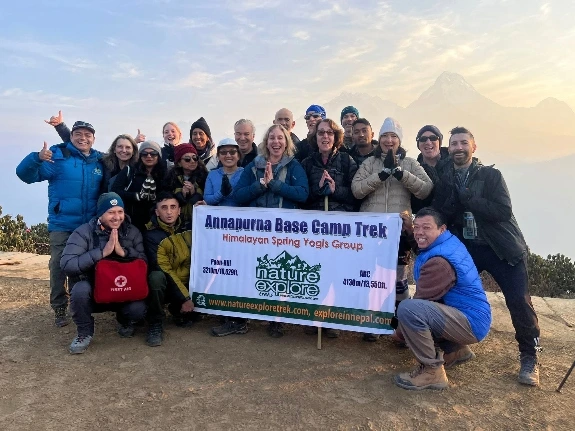
The Annapurna Base Camp trek is located in the Annapurna Sanctuary and lasts for 7 to 10 days. This trek reaches a maximum elevation of about 4,130 meters and offers a view of Annapurna I and Machapuchare. While comparing the Annapurna Base Camp trek vs Everest Base Camp trek, ABC is shorter and less high from Everest Base Camp.
One of the key highlights of the Annapurna Base Camp trek is the varied landscapes and range of forest types with terraced fields, and then alpine meadows. Trekkers experience traditional Gurung villages, and the views of the mountains are ever-changing during the trek, quite different from any other trek in the Annapurna region.
The Annapurna Base Camp trek vs the Everest Base Camp trek is different in both culture and nature. It is rated as a moderately difficult trek in most parts because there is a consistent gain in altitude and parts of the trek near the Base Camp are definitely steeper sections.
Despite that, it’s not a hard trek in terms of fitness, compared to the high altitude and longer duration trek that is the Everest Base Camp trek.
You will start in Pokhara, trekking through villages like Ghandruk and Chhomrong along the way to the base camp and experiencing the culture on the way ultimately finishing at Annapurna Base Camp.
The breathtaking sunrise views from the whole massif, sun rise views at the summit viewpoints, are the key highlights of the Annapurna Base Camp trek vs Everest Base Camp.
When weighing the Annapurna Base Camp trek vs the Everest Base Camp trek, ABC will fit adventurers who want different landscapes and are looking at a shorter trek period without extreme considerations.
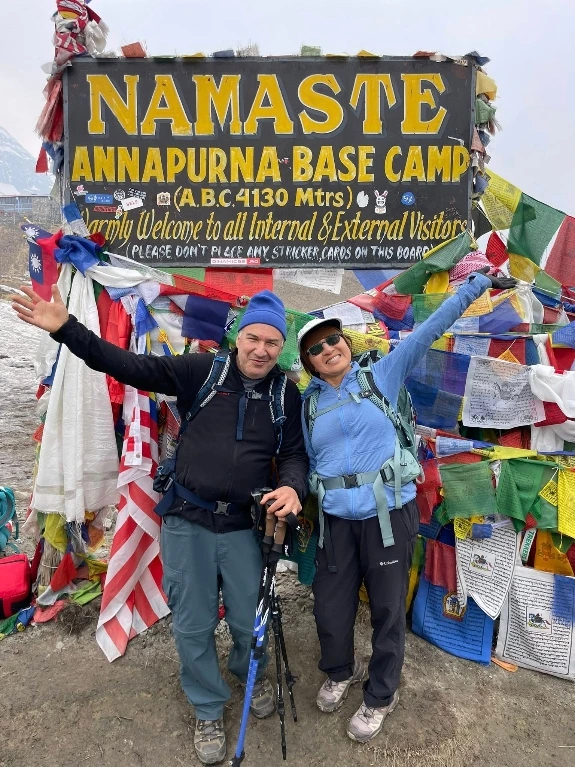
Scenery and Landscape
Both treks offer completely different scenery and experiences. While the Everest Base Camp trek involves high altitudes with glaciers and rugged alpine views creating a unique Himalayan experience, the starkly glaciated ice-scape is many a trekker’s quintessential “Himalayan” experience: It feels stark and cold.
The Annapurna Base Camp trek offers a variety of landscapes to trek through. The trek moves through jungle, waterfalls, rice fields, and alpine meadows before opening into a dramatic mountain amphitheater. This variety makes the Annapurna Base Camp trek feel rich and deep while the Everest feels stark and cold.
The debate within the contrasting treks is purely on variety for the Annapurna Base Camp trek for the changing ecosystems and cultural villages or to trek Everest for the high-altitude ruggedness. The Everest base camp trek vs Annapurna base camp trek debate is mostly a choice of trekkers who prefer lofty peaks, or variety in landscapes.
For trekkers looking for the ultimate “Himalayan” trek with iconic peaks like Everest, and challenging alpine weather, there is simply nothing that compares to the Everest Base Camp trek. The debate of Everest base camp trek vs Annapurna base camp trek usually comes down to a choice between high-altitude vigorous mountains or varied ecosystems.
Cultural Experience
The differences in cultural experience between the Everest base camp trek vs Annapurna base camp trek are substantial. The Everest Base Camp trek is experienced quite differently from Annapurna and is mostly Sherpa Buddhist culture.
A meaningful experience of Sherpa Buddhist culture is visiting monasteries like Tengboche and seeing the lovely prayer flags that symbolize the area’s deep Buddhist spiritual meaning.
The exercise of visiting a monastery, spending time in meditation, and seeing how life connects to spiritual actions gives the Everest trek a much more remote feeling- spirituality on a deeper level.
With the Annapurna Base Camp trek, although trekkers pass through Gurung and Magar communities, people practice a combination of both Hindu and Buddhist traditions.
Therefore, like other regions of culture visited in Nepal, it becomes a blend or melting pot of cultures. So trekkers will experience more differing cultures on the Annapurna compared to Sherpa Buddhistic cultures on the Everest base camp trek vs the Annapurna base camp trek.
On the Everest Base Camp trek, trekkers might see ancient monasteries like Pangboche and Namche, and feel the power of daily rituals, meditation, and awesome festivals. They also have some notion of Himalayan cultural spirituality that represents the remoteness and sacredness of the Everest region.
The cultural aspects of the Annapurna trek’s diversity include traditional villages and many aspects of their customs and festivals. It is not as remote as the Everest Base Camp trek however it is culturally diverse.
When observing differences in culture, on the Everest base camp trek vs the Annapurna base camp trek, the Everest base camp is isolated in remote spiritual practices whereas the Eco trek Annapurna is more blended culturally.
Difficulty Level
In terms of difficulty, the Everest Base Camp trek vs the Annapurna Base Camp trek will differ quite a bit. The Everest Base Camp trek is longer and at higher altitudes (5,364 m.), requiring good acclimatization and stamina to make this trek.
In contrast, the Annapurna Base Camp trek is a shorter trek (4,130 m.) which is also better for reasonably fit beginners. Additionally, there is less altitude gain in overall distance and therefore, in terms of preparation for altitude sickness, it will be easier to acclimatize than for Everest.
Both of these treks are non-technical but can be very physically demanding, and require proper physical preparation and a good mental attitude. The Everest Base Camp trek vs Annapurna Base Camp trek debate will usually be more to do with Everest’s higher altitude challenge versus Annapurna’s shorter distance and steeper terrain.
Altitude and Acclimatization
Both the Everest Base Camp trek and the Annapurna Base Camp trek differ significantly in height and the need for acclimatization. Everest Base Camp is situated at an elevation of 5,364 meters with 5,545 meters rise at Kala Patthar. This altitude increases the risk of having altitude sickness which necessitates acclimatization days.
In contrast, Annapurna Base Camp is located at an elevation of 4,130 meters which is lower than Everest Base Camp’s height. At such a height altitude sickness is still important but the risk is low and you will need fewer acclimatization days. This makes Annapurna Base Camp more approachable compared to the Everest Base Camp Trek.
Accessibility and Transportation
Both the Everest Base Camp trek and the Annapurna Base Camp trek differ significantly in height and the need for acclimatization. Everest Base Camp is at 5,364 meters and rises to 5,545 meters at Kala Patthar. This altitude increases the risk of having altitude sickness which necessitates acclimatization days.
In contrast, Annapurna Base Camp is located at an elevation of 4,130 meters which is lower than Everest Base Camp’s height. At such a height altitude sickness is still important but the risk is low and you will need fewer acclimatization days. This makes Annapurna Base Camp more approachable.
Trekking Infrastructure
There are clear differences when comparing the Everest base camp trek vs the Annapurna base camp trek when it comes to trekking infrastructure. The Everest Base Camp trek has excellent infrastructure and significantly improved lodges and teahouses with better amenities.
The amenities include bedding, better heating, solar power facilities, and Wi-Fi, providing a better level of comfort whilst trekking. There are also multiple medical posts and health outposts along the way in case of any altitude medical emergencies.
Relatively, the Annapurna Base Camp trek has a good tea house infrastructure too, however, at the top of the Annapurna Base Camp trek the amenities decrease to more basic. The facilities at Annapurna might be comfortable, but most of the places are not that well-developed compared to the Everest route, therefore Annapurna is slightly less convenient. However, there are enough facilities to support trekking in the region.
Cost Comparison
The Everest Base Camp trek is more expensive generally ranging from about $1,200 and more than $2,000 depending on options and includes expensive flights to Lukla and a longer duration.
The Annapurna Base Camp trek costs around $600 to $1,200 with potential shuttle transport by road or other available means and reduced trek duration. This makes ABC lighter on the wallet for many trekkers than the Everest Base Camp.
Permits for ABC are light in number and significantly cheaper to obtain, while the EBC trek permits are expensive. Similarly, the cost of a guide or porter on EBC is also generally higher due to altitude.
The costs of meals and accommodation also increase with height along the Everest Base Camp Trek. However, the cost of the Annapurna Base Camp is lower compared to the Everest Base Camp trek because of the lower elevation.
Best Time to Trek
Spring and autumn are the optimum seasons to visit both the Annapurna Base Camp and the Everest Base Camp. These seasons have the best trekking conditions because the weather is clear and temperatures are pleasant, making it ideal for many trekkers.
Winter trekking is difficult on the Everest Base Camp trek because of heavy snow, extre mely cold conditions, and snow covering high passes. The Annapurna Base Camp trek is easier year-round with accommodation available in a mild winter and trekking in the off-seasons is safer due to being only at a lower altitude.
During the monsoon season (June to August), both treks suffer from heavy rain causing muddy trails and landslides. But the Annapurna trek at a lower elevation has better chances to navigate the monsoon conditions with even some forested trails, unlike the higher exposed terrain of the Everest trek.
Which Trek is Right for You?
If you want to see the iconic view of Everest scenery while facing challenges along with cultural exploration in the Sherpa village, then the Everest Base Camp Trek is for you.
Annapurna Base Camp is for those who want to trek in lush scenery in a short period. It is more appropriate for first-timers, on a budget, or limited time willing to experience the Himalayas without worrying about too much altitude.
Everest Base Camp Trek requires more preparation and is a more expensive and longer trek compared to the Annapurna Base Camp Trek. Therefore, Everest is suitable for trekkers willing to take challenges and strenuous walks in the most iconic area of Nepal. While Annapurna Base Camp is comparatively accessible, an easier and less expensive trek that emphasizes comfort and cultural interaction at a homestay.
Overall, the choice between the Everest Base Camp trek and the Annapurna Base Camp trek will come down to your fitness level, budget, time, and level of adventure you want. Both treks carry the potential of providing an unforgettable experience. However, attempting to find the trek most suited to your requirements will make you enjoy the best adventure in the Himalayas.
Conclusion
There is no right or wrong choice when comparing the Everest Base Camp and Annapurna Base Camp treks. Both give you the once-in-a-lifetime opportunity to venture into the Himalayas and will be filled with incredible views, culture, and unique experiences that you will talk about for years to come, no matter what level trekker you are.
When deciding, factors like your physical condition, time available, budget, and desired objectives must be taken into account. People who are most attracted to uncharted distances and high-altitude adventure would find the Everest Base Camp trek a good option. Whereas a trek to Annapurna Base Camp has better chances and logistics as well as being shorter in duration.
To get a full Nepal trekking adventure, many people choose to do both at different times of the year. As a result, you will not only witness the grandeur of Everest and its majestic snow-capped peaks, but you will also have the experience of seeing the rich and varied geography that is Annapurna, so you learn a lot about the beauty of Nepal’s Himalaya.