
 English
 Dutch
Dutch Japanese
 Hindi
Hindi Italian
 Spanish
 French
 German
 Chinese
 Korean
 Arabic
 Hebrew
 Russian
 Portuguese
 Danish
 Czech
Czech Polish
 Swedish
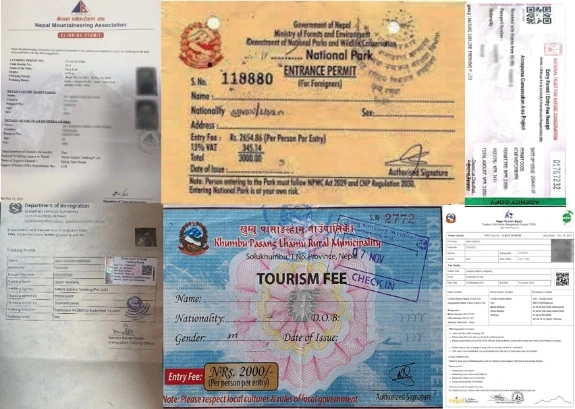
Nepal Trekking Permit is a mandatory requirement for all trekkers visiting protected areas and restricted regions in Nepal.All trekkers in Nepal need to carry trekking permits so as to legally enter the protected regions. They assist in controlling tourism and conservation, and also provide security to the trekkers in the various trekking regions throughout the country in 2026 and even beyond.
The TIMS card, also known as the Trekkers Information Management System card, is an identity and safety card for trekkers. Most of the trekking routes require this, and these permit is employed to keep track of the locations of trekkers and assist them when necessary.
In 2026, the trekking permit procedure in Nepal is still simplified, and new fee systems are introduced, including online application opportunities. Trekkers are also advised to get permits to enter restricted areas and make sure that they have their TIMS card registered and valid.
These permits and the TIMS system are important to understand to avoid payment of fines, easy trekking, and respecting the local rules. Prior planning ensures safe and hassle-free trekking in most of the tourist destinations such as Everest, Annapurna, and Langtang.
Why Are Trekking Permits Required in Nepal?
Trekking permits explain the legal right for all trekkers in Nepal to access protected areas. They are designed to manage tourism, help conservation efforts, and help ensure trekkers’ safety in the many trekking regions of the country in 2026 and beyond.
The TIMS card (Trekkers’ Information Management System card) is essentially a record of a trekker’s identity and safety. This record-keeping system will also ensure that trekkers use set tracks and can be tracked down in case of an emergency or unprecedented circumstances on the trail.
As of 2026, trekking permits in Nepal are still a relatively straightforward process, with just an updated fee structure and digital submissions for applications. Trekkers should obtain their permits before accessing restricted zones, and make sure the TIMS card is properly registered with authorities and that the card is valid.
Understanding how these permits work and the TIMS system is important to avoid getting fined. This provides trekkers with enhanced trekking experiences and reduced stress in the area, ensuring local rules are complied with. With some planning, they will help ensure a safer and stress-free trekking experience in popular trekking regions like Everest, Annapurna, and Langtang.
Types of Trekking Permits in Nepal (2026 Update)
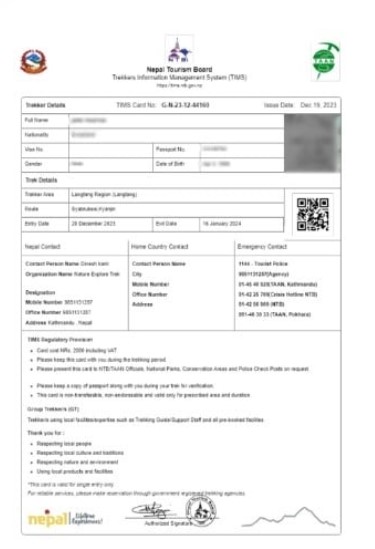
- TIMS Card (for individual and group trekkers)
The TIMS card is essential for trekking in many areas of Nepal. There are 2 types of cards: a solo card for individuals trekking alone and a group card for those trekking with 2 or more people, so you can be tracked and safe.
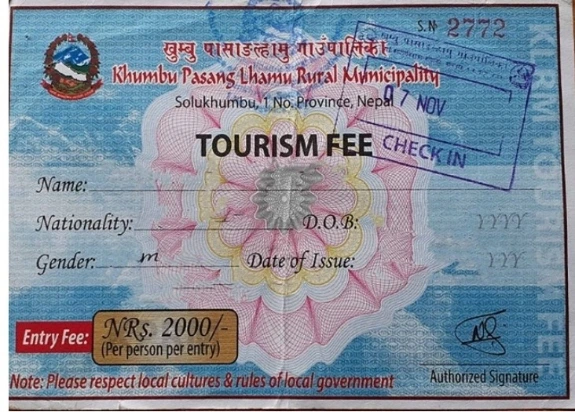
A TIMS card can be easily procured from trekking agencies or any of the Nepal Tourism Board offices. The purpose is strictly for authorities to keep track of where you are so they can rescue you if necessary and track if trekkers are trekking on the prescribed paths, for your safety. In the Khumbu region (Everest), a local Khumbu Pasang Lhamu Rural Municipality permit has replaced the TIMS card.
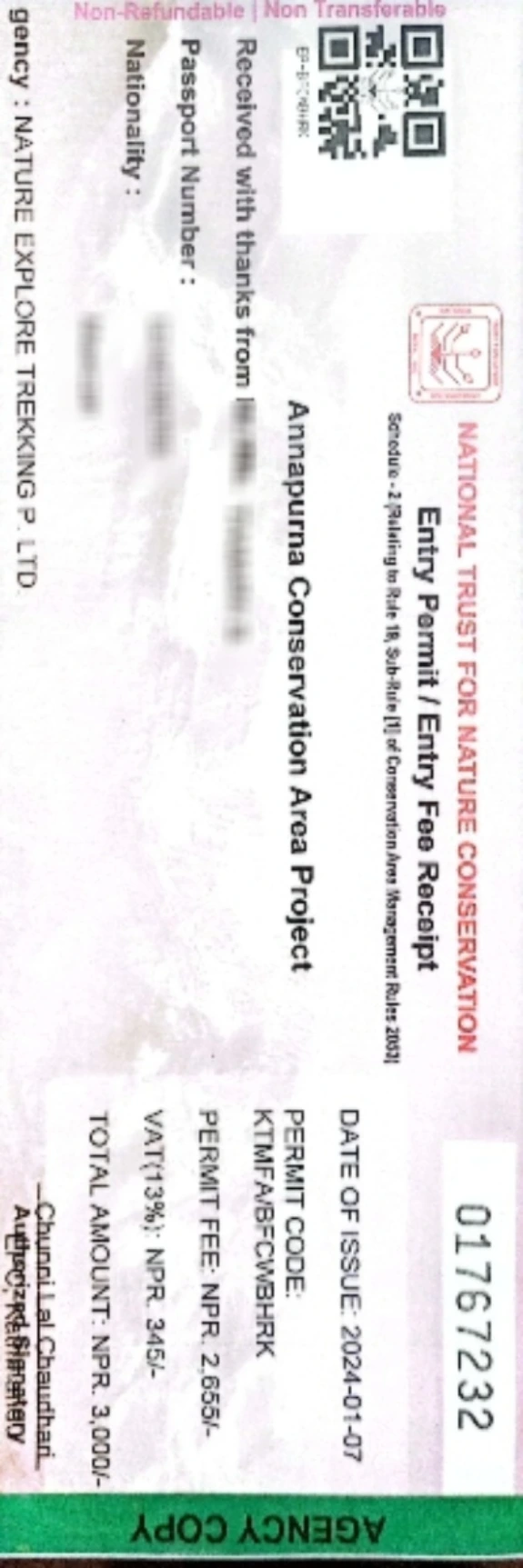
- Conservation Area Project (CAP) Permits
If you would like to trek in an allocated conservation area, such as Annapurna, Manaslu, and Langtang, you need a CAP permit. CAP permits are also a type of entry fee, which ultimately assists with the maintenance of these ecologically sensitive areas and related tourism sustainable initiatives through access control.
The collected fees contribute to the development of infrastructure and economic programs that benefit the communities within. They can develop tourism projects of benefit to the community as a whole. Always keep your CAP permits handy, and be prepared to show them to enforcement officials, as they can and will check on your adherence and degree of compliance with the environmental protection guidelines.
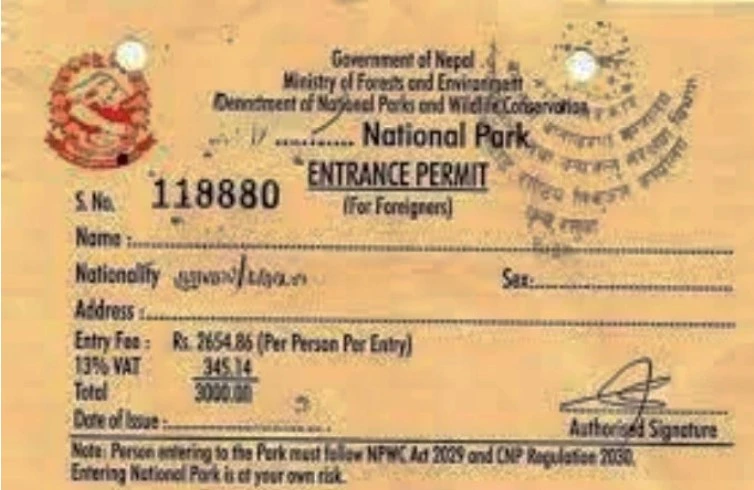
- National Park Permits
The entry of places such as Sagarmatha (Everest), Makalu Barun, and Rara National Parks is mandatory with national park permits. These parks preserve rare wildlife habitats and heritage sites that ensure biodiversity and natural scenery are taken care of by Nepal’s heritage.
Conservation work and ranger work are financed by permit fees. Trekkers are required to pre-apply before getting into these parks, and they carry permits when they go on the treks. The officials inspect them at the entry points or checkpoints to ensure that they are inspected.
- Restricted Area Permits (RAPs)
Restricted area trekking permits are required to trek legally and in environmentally sensitive areas such as Upper Mustang, Dolpo, Kanchenjunga, Nar Phu, Manaslu, and Tsum Valley. These licenses aid in regulating entry to the area and maintaining local cultures and delicate ecosystems.
The acquisition of RAPs is accompanied by more papers and governmental permission from registered trekking agencies. The fees help fund the local government and protect environmental conservation activities in such restricted areas, ensuring the security and sustainability of the tourism activities.
TIMS Card Guide for 2026
TIMS card in Nepal applies mainly to three groups: individual trekkers, Group trekkers, and nationals of the SAARC. Individual trekkers get a green TIMS card at a cost of NPR 2,000 so that they can track their safety on solo trekking. Those trekking along with a registered agency or guide obtain a blue TIMS card, which costs NPR 1,000 per person.
The nationals of SAARC are provided with reduced TIMS charges because of regional cooperation agreements. Individual trekkers spend NPR 600, and group trekkers spend NPR 300 per person. These classes are safe, and at the same time, they foster regional trekking tourism in Nepal. All these fees are paid in Nepalese rupees.
TIMS cards can be conveniently obtained in Kathmandu through the Nepal Tourism Board or the Trekking Agencies Association’s office for private trekkers. For Annapurna trekkers, the Trekking Agencies Association of Nepal (TAAN) office in Pokhara also provides the TIMS card, whereas the Everest region does not need a TIMS card. Many licensed trekking agencies will complete the application for you.
2026 has some new developments with TIMS cards. This new development will make the process of verifying trekkers quicker at checkpoints, while also providing safety tracking for trekkers and easier record-keeping. Technology will enable trekkers’ safety tracking and record keeping in the future, creating better trekking management throughout Nepal.
The last thing to consider is that it has both digital and physical versions of the TIMS card to ensure trekkers are obeying regulations, and that trekkers will have access to a new level of safety provided by technology. It is important to collect up-to-date information and carry the proper TIMS card with you on the trek.
Where to Get Trekking Permits in Nepal
In Nepal, trekking permits are issued in the Nepal Tourism Board offices in Kathmandu and Pokhara. Permits to the popular trekking areas are issued through these offices, and they are also one of the major offices for travelers to process the permits officially.
In the case of certain limited regions that require special permission, trekkers would need to apply to the Department of Immigration in Kathmandu. These permits do include special permission or even Restricted Area Permits (RAP), which are only arranged by registered trekking agencies.
Most of the trekkers would prefer to obtain the permits through the trekking agencies because that would provide trekkers with a hassle-free service to apply for the permit and logistics as well. Some trekking areas have entry checkpoints in the region where they also sell permits, but this is not consistent, depending on each area.
| Popular Trekking Route | Required Permits |
|---|---|
| Everest Base Camp | Sagarmatha National Park + Khumbu Local Permit |
| Annapurna Circuit/Base Camp | Annapurna Conservation Area Project (ACAP) + TIMS Card |
| Manaslu Circuit | Manaslu Restricted Area Permit (RAP) + ACAP + TIMS Card |
| Upper Mustang | Restricted Area Permit (RAP) + ACAP |
| Kanchenjunga | Restricted Area Permit (RAP) + Kanchenjunga Conservation Area Permit (KCAP) |
| Langtang Valley | Langtang National Park + TIMS Card (only some agencies keep it) |
| Dolpo (Lower & Upper) | Restricted Area Permit (RAP) + Shey-Phoksundo National Park |
How Much Do Trekking Permits Cost in 2026?
In Nepal, the trekking permits as of the year 2026 will depend on the area and type. The most typical permits include the Annapurna Conservation Area (ACAP), which currently costs roughly NPR 3,000 for foreigners and NPR 1,000 for SAARC nations, and the Sagarmatha National Park permits, which cost NPR 3,400 for foreigners and NPR 1,500 for SAARC nations.
Restricted Area Permits can be more expensive, costing USD $100-500 depending on the area. You must pay USD $100 per week in areas like Upper Mustang and Dolpa. There will often be additional day fees as well. TIMS cards cost NPR 2000 (USD $17-20), except for SAARC nationals, for whom we offer discounts.
The possible updates to 2026 are that there will be a few designs and modifications that will apply to have a seasonal fee fluctuation and assist in allowing the permits to be digital. However, logistics will not change too much, really, because the whole goal is to ensure adherence to both legal and safety trekking practices in each area of Nepal.
How to Apply for Trekking Permits & TIMS Card
In Nepal, trekkers must buy trekking permits and a TIMS card with the help of documents such as a valid passport with a visa, recent passport-sized photos, and travel insurance. These are the documents that confirm the identity and security in the course of the trekking activity. Make sure your passport validity must cover the trek duration, and insurance must cover helicopter evacuation above 5,000 m.
The process of application is usually the procedure of choosing a trekking route and reaching a registered trekking agency so that the paperwork, payment, and submission can be provided. Both online apps through the digital system of Nepal Tourism Board and face-to-face applications can be done in the same year 2026 through the digital system of the Nepal Tourism Board or through the agency offices.
Ready to book your trip with us? Fill out the inquiry form below
Important Things to Know Before Applying
In the case of trekking in Nepal, a group with licensed guides and agencies is only permitted to trek in restricted areas. There are no solo hikers in these areas, as it is considered unsafe and uncontrollable.
The trekking permits normally cover the trek period, and single entry is always permitted, but one cannot enter the same trek with a different permit. Once permits have been issued, they cannot be cancelled, transferred, or refunded.
Illegal trekking may result in fines or legal actions since trekking without permits is against the law in the government. To get out of trouble, trekkers are expected to obtain all required permits before commencing the trek and to observe local regulations during the trek.
Travel Tips for 2026 Trekkers
• To avoid wastage of time, apply for trekking permits at least a day before trekking.
• Bring multiple copies of your passport and passport-sized photographs to use in obtaining permits.
• Carry permits along with your trek to be checked at checkpoints.
• Hire a licensed trekking guide for all restricted area treks.
• Make sure that the guide is legit and registered by an agency.
• Apply via official or authorized agencies to have an easy time with the permit application.
• Travel insurance, including high-altitude trekking, must be taken out.
• Keep digital scans of your permits on your phone/email in case of loss.
FAQs
1. Do children need permits?
Usually, children under the age of ten do not need to obtain trekking permits in Nepal.
2. Are digital TIMS cards available in 2026?
In 2026, digital TIMS cards with QR codes will be available and generally accepted.
3. Can I extend permits if my trek takes longer?
Trekking permits can usually be extended if the trek is longer than planned.
4. What happens if I lose my TIMS card?
If you lose your TIMS card, you will need to report it lost to the original issuer to be issued another.
5. Do I need insurance for a permit?
Yes, it is recommended but not mandatory for most trekking permits.
Conclusion
Trekking permits and a TIMS card are required to ensure safety, environmental preservation, and contribute to the welfare of the local people in Nepal. They assist in surveillance of trekking activities by the authorities and also assist in case of an emergency.
Responsible trekking involves consideration of local regulations, taking of all requisite permits, and engaging licensed guides where necessary. This will preserve the natural beauty and cultural heritage of Nepal and will help in the sustainable development of tourism in the region, to be adopted by the younger generations.
Always plan your trek, obtain your permits early on, and always carry them with you when trekking. These measures will make trekking in Nepal an easy, secure, and good adventure in the beautiful trails in 2026 and even beyond.