Mera Peak Climbing Cost Breakdown

Mera peak climbing cost breakdown

Mera peak ( Alt. 6476 m, 21241.28 ft) is the most popular trekking peak that lies in the Hikhu valley Nepal , south of Lukla. The five mountains in the world that are more than 8,000 meters high—Everest (altitude 8848.86m), Lhotse (8516m), Makalu (altitude 8486m), Cho Yuo (altitude 8210m), and Mount Kanchenjunga (altitude m)—make Mera Peak the perfect place for people who enjoy climbing mountains and exploring from the summit. Climbing mera peak is not only climbing some mountains in the himalayas , you will also cross a number of traditional sherpa villages, cultures, beautiful landscapes, Hills, snowscapes, fascinating cultures, nature and warm hospitality from the locals.

But before you planning to climb the mera peak you need to know how much it cost ot climb Mera peak ?

In order to help you determine how much it will cost to climb the Mera peak in Nepal, let’s review this article. We’ll include the cost breakdown for permits, guides, airfare to and from kathmandu to Lukla and return to kathmandu, climbing equipment, lodging, food, Tipping suggestion , Makalu National Park permits, and other expenses.

Normally, the mera peak expedition cost starts from USD 2300 to 2600 per person. And how large the group is determines the cost. The price will be higher if you wish to go on a private, solo climb and lower if you go in a group. However, we arrange both solo and group events. Additionally, the price varies according to the service you wish to purchase from us. Additionally, it depends on the schedule, as there are two distinct routes, the upper and lower trails, for the Mera Peak Climb.

Since the trip begins at a lower elevation, the lower trails are longer and will allow you to acclimatize before reaching the higher elevation. The upper trails, on the other hand, begin at a slightly higher elevation and are shorter for those who are pressed for time and wish to finish the trip more quickly. So, here i share all the costs in of how it expenses USD 2300 in a group and USD 2500 in a solo private trip to the Himalayan adventure climb to the Mera peak.
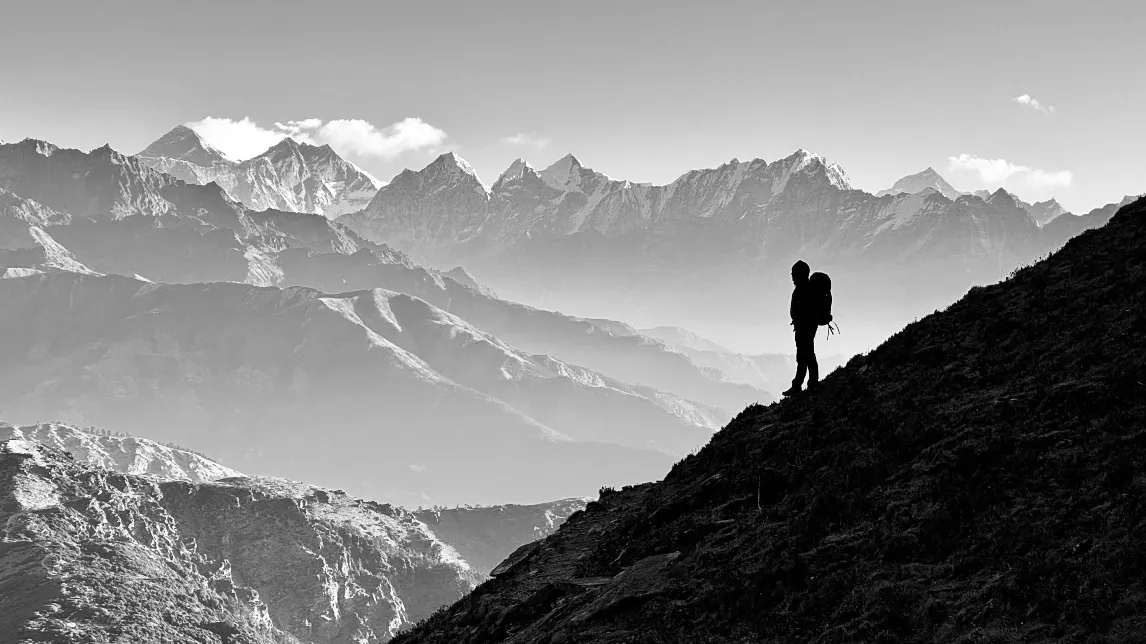
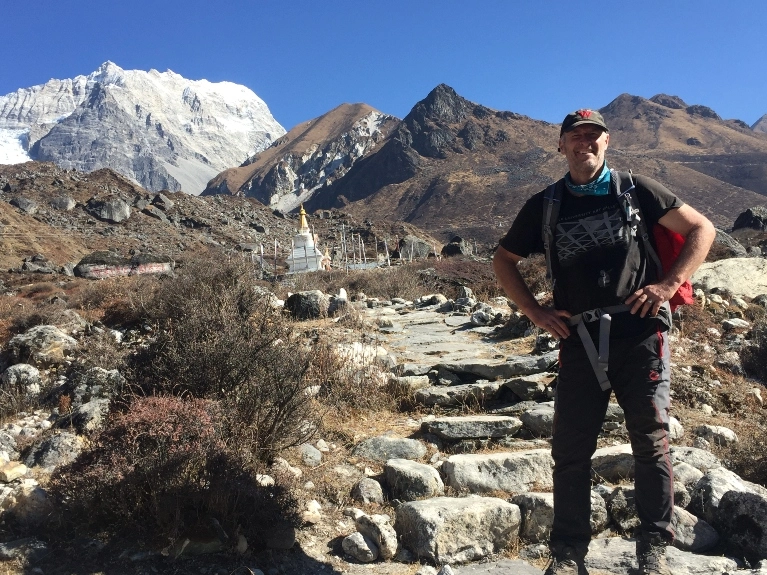
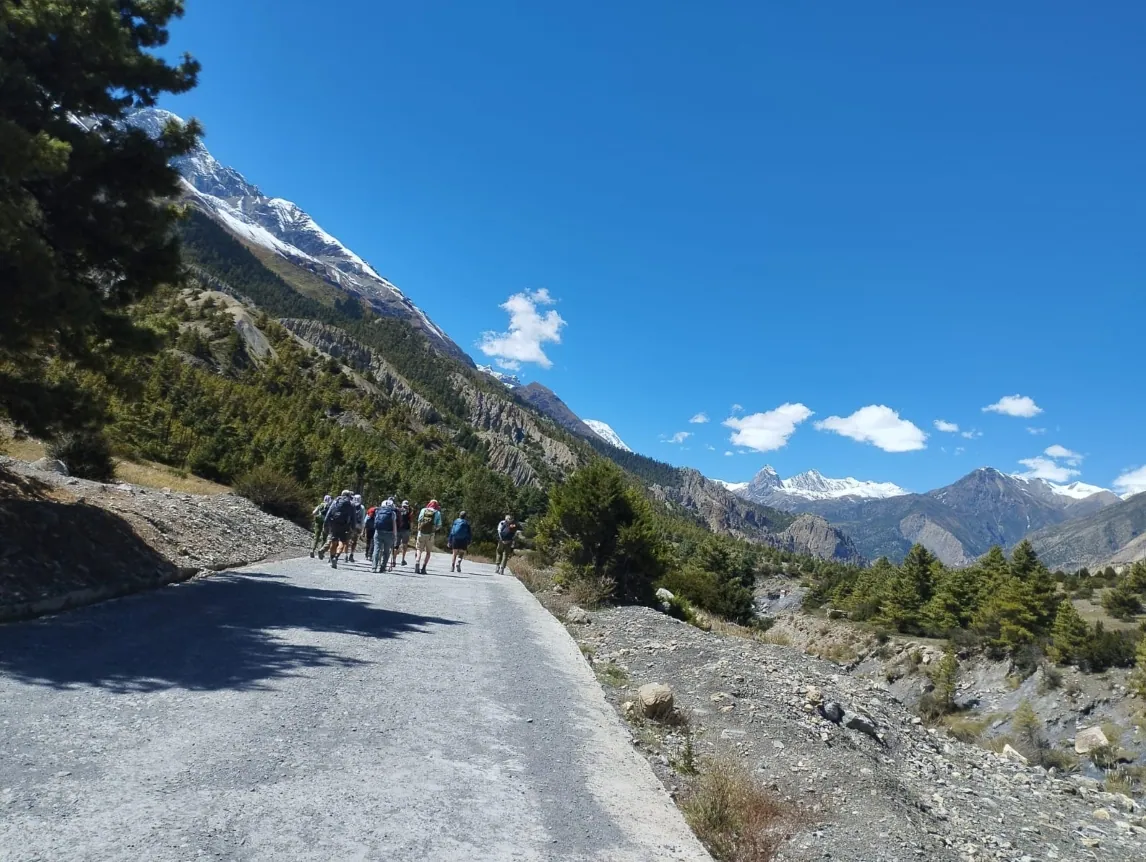
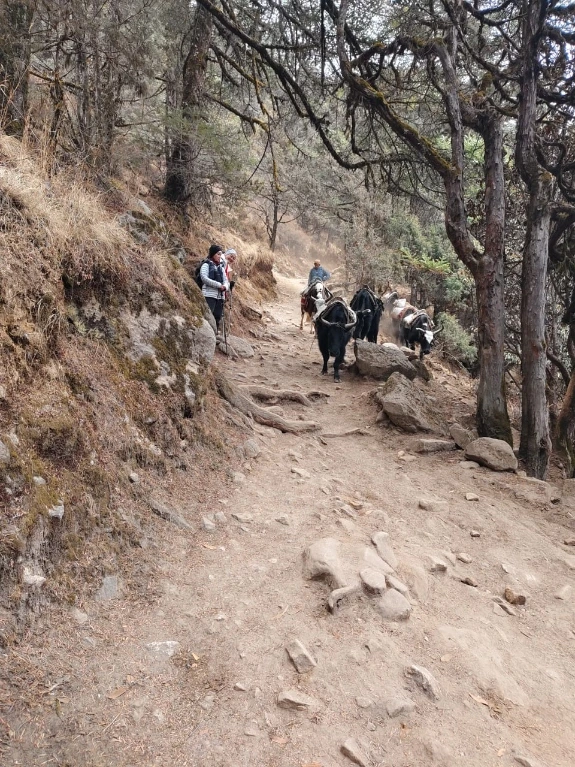
On the way to Mera peak

What does Mera peak climbing cost include?

Before we share the cost breakdown here, we’re going to share what’s included in the price and what’s not included normally.

Includes:

  • Accommodation
  • 3 star Hotel in Kathmandu includes the breakfast (two nights on arrival and one night on departure)
  • Trekking Guide
  • Porter (weight limit is 25 kg).
  • Kathmandu-Lukla and return Kathmandu airfare
  • Guide to airfare to Lukla
  • Airport pickup and drop off
  • All necessary ground transportation
  • Food (Breakfast, Lunch , Dinner )
  • Hot drinks (tea, coffees)
  • Climbing Permits
  • Professional guide
  • Supporting staff
  • Makalu national park permits
  • For the last section of the expedition – All 3 nights camping, kitchen crews , transportation , basic
  • climbing gear
  • Nature Explore trekking duffle bags
  • Down jackets
  • Walking stick
  • – 20 sleeping bags
  • All trip necessary arrangements
  • All documents
  • Fresh fruits as available
  • T-shirt, cap, and Map as a gift .
  • Successful certificates, etc.

Whats not includes

  • International airfare
  • Equipment
  • Lunch and dinner in Kathmandu
  • Wifi , hot shower , internet , Laundry Bar menu during the expedition
  • Tipping for guide and porter
  • Extra to the mention above.

Permit

Mera peak climbing permits cost breakdown:

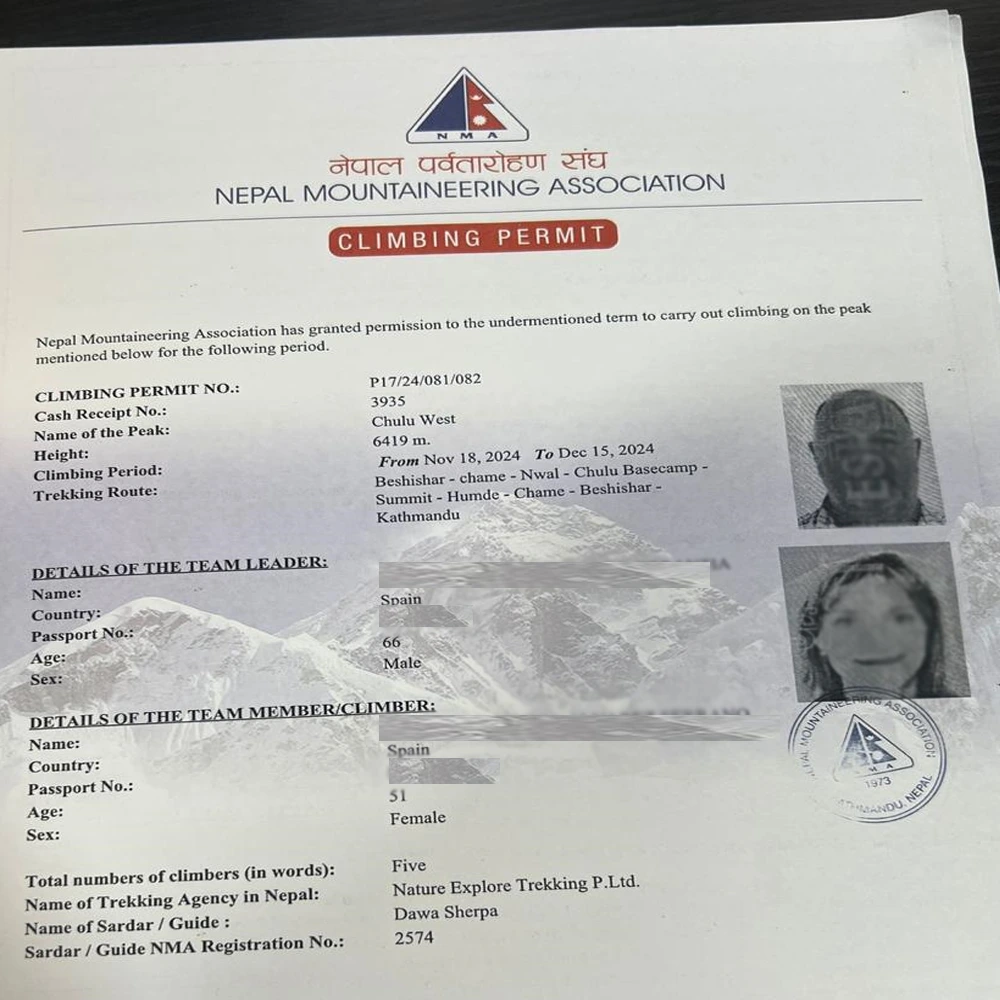
When you are planning to go for Mera Peak climbing, you need two permits, like climbing permits and Makalu national park permits. Climbing permits you have to apply for through the registered trekking agency in kathmandu and the respected agency will apply for your permits at the Nepal Mountaineering Association office (NMA) in Kathmandu. Makalu Barun national park permits you can apply for in kathmandu through the Nepal tourism Board or we can also get them on the way to Mera peak , there are checkpoints of the national park; they can provide them. When you book, here is the cost in for the mera peak climbing.

S.NSpring SeasonAutumn SeasonMonsoon and Winter Season
Mera Peak Climbing Permit FeesUSD 250USD 125USD 70
Makalu Barun National Park Permit FeesUSD 30USD 30USD 30
Khumbu Pasang Lhamu Rural Municipality Fees$20$20$2
TIMS Card Fees$20$20$20

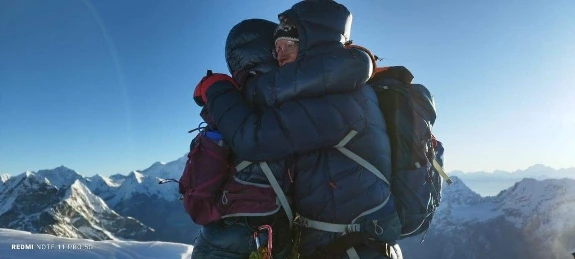
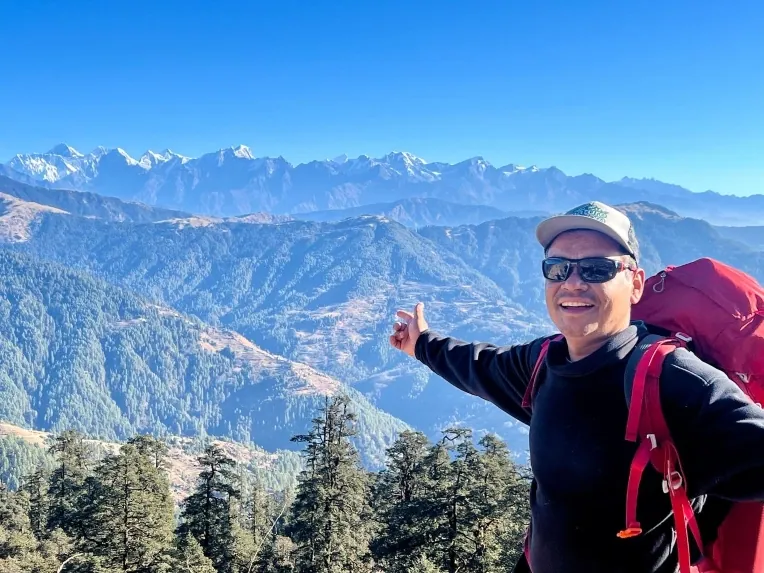
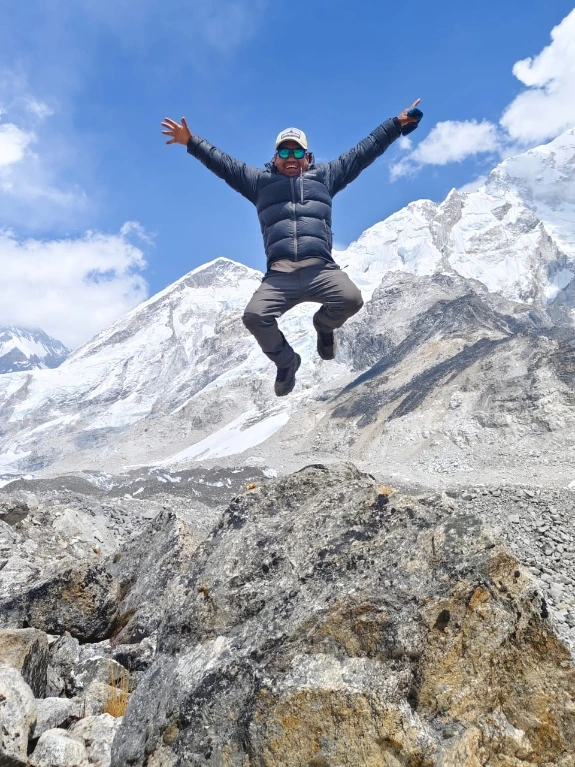
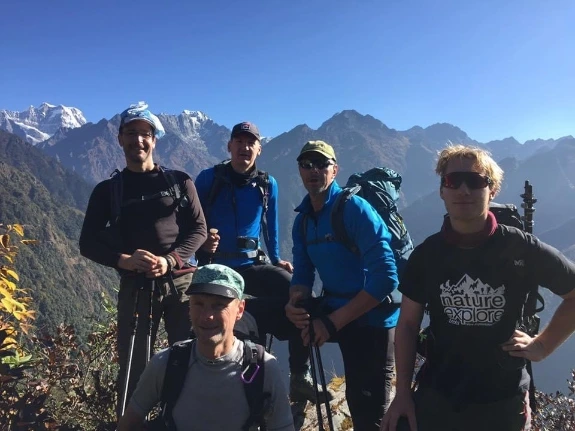
At the top of Mera Peak

Guide and porter services in cost breakdown

Due to the remote location of the mountain, you will need to hire a professional guide and strong porters if you intend to climb Mera Peak. The guide ought to have been there earlier with the group, known the trails well, and led the group. Because of the train’s remoteness and difficulty, the uphill and downhill trails, and the fact that you will essentially have more equipment than other normal trekkers due to your climbing, strong porters are also strongly advised. As a result, you will always need competent porters who can manage any situation that arises during the trip, regardless of how simple or complex.

It is also possible to hire a guide only for climbing parts from Khare to Khare for 3 -4 days. The base camp for Mera Peak is Khare, which is 4900 meters above sea level. If you would rather not hire a guide from Kathmandu, or if you are well-versed in trekking, have a lot of experience at high altitudes, and are familiar with the area you will be walking to reach the Mera Peak Base Camp, you can also go to Khare without a guide or porter and meet a guide at khare and continue the process to climb Mera summit and back to khare and return to Lukla-Kathmandu.

Here is the guide and porter cost based on the per-day daily wage.


ItemCostNotes
Food$35–45 per dayAverage daily meal cost
Accommodation$7–10 per dayFor twin-bed rooms
Hot Drinks (Tea or Coffee)$2–4 per cupEach cup charged separately
Cold Drinks$2–4Each bottle/can
Wi-Fi$10 per dayMay vary by location
Hot Shower$3–5Per use

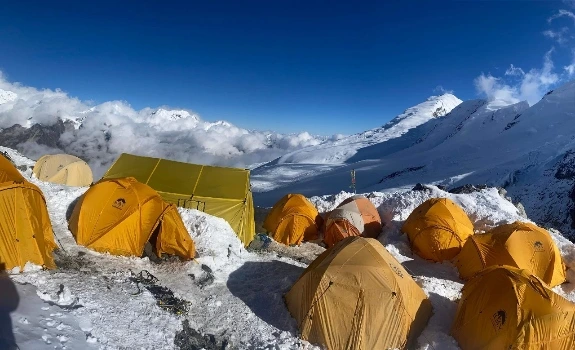
Last Day of the camp before Mera Peak Summit

Accommodation and food for Mera peak expedition in cost breakdown

During the mera peak climbing food and accommodation will be provided as best as possible in every single town. Due to its remote location, food and lodging are basic level. The best rooms with attached toilets are still available in some locations, though, and you can still enjoy delicious organic food and drinks. Porridge, toast, honey jam, eggs, pancakes, chapattis, hot tea or coffee, champa porridges, and so on are all part of breakfast. Mo. Mo (dumplings), fried rice, chow mein, noodles, pasta, dal bhat, breads, soups, and more are available for lunch. Pizza, pasta, noodles, fried potatoes, eggs, and other dishes are all available for selection at dinnertime.

There isn’t a guesthouse at Mera Peak High Camp, so you will be sleeping in a tent for the two to three days of climbing. Usually, accommodations are provided in rooms with twin beds and shared restrooms. However, there are other places where you can find better accommodations. There are also three-star hotels in Kathmandu that are clean and well-maintained and provide breakfast on time.

This is the breakdown of expenses for lodging and meals during the climbing expedition to Mera Peak.


ItemCostNotes
Food$35–45 per dayAverage daily meal cost
Accommodation$7–10 per dayFor twin-bed rooms
Hot Drinks (Tea or Coffee)$2–4 per cupEach cup charged separately
Cold Drinks$2–4Each bottle/can
Wi-Fi$10 per dayMay vary by location
Hot Shower$3–5Per use

Please be aware that the price I share is based on past expenses; it may vary depending on when you travel. For example, if you go a few years later, the price may change to reflect the new rate. The cost of the expedition will also be lower in the lower regions than in the higher ones.
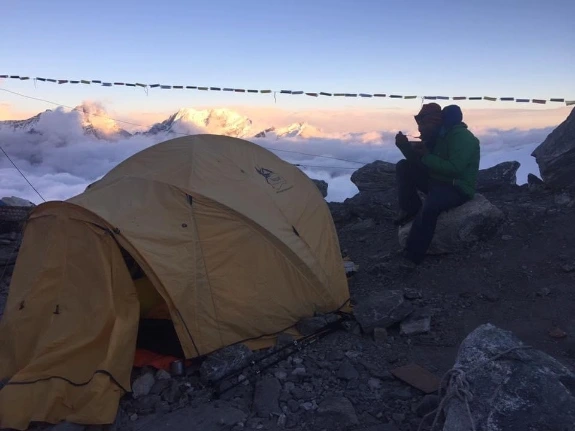
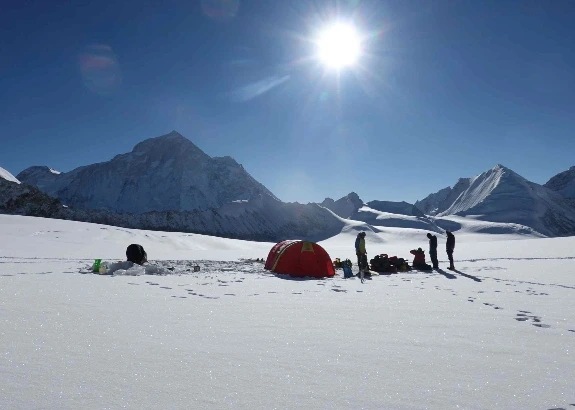
Camping near Mera Peak

Domestic Flights , and transportation costs for the Mera peak expedition before and after the trip.

Since Mera Peak is near Mount Everest in eastern Nepal, the expedition begins with a scenic 30-minute flight from Kathmandu to Lukla, which serves as the entry point to the Everest base camp and is regarded as the most dangerous airport in the world, where pilots face difficulties during takeoff and landing. In essence, the Mera Peak Expedition begins in Lukla and travels to Chhuthanga, Kharki Dayng, Kothe, Thaknak, and Khare before heading to the high camp and Mera La Camp for the real feel of climbing.

Therefore, if you plan to use the Mera Peak Upper Trail, you will also take the same flight routes before the expedition begins and at its conclusion. However, if you would prefer to take the Lower Routes to Mera Peak, you can also drive to Sallery-Kharikhola from kathmandu , from which you can essentially walk.

Since the car road reaches higher parts of the trek, Mera Peak climbing routes have become more flexible and offer alternative options. If someone prefers to drive from Kathmandu rather than take a plane, this is also an option, but you will need to be flexible with your schedule because it takes a few days to get to the starting points and return to Kathmandu after the expedition. Driving the lower routes is the best option, as it will allow for good acclimatization. After reaching the summit, take a flight from Lukla to Kathmandu. It is the best route, saves time, and rewards you with the best memories of all the expedition’s most notable scenery.

Here is the cost breakdown for the flight cost and ground transportation.


Transport TypeCostDetails
Kathmandu to Lukla (One Way)USD 225Direct flight from Kathmandu
Per person
Ramechhap to Lukla (One Way)USD 180+ extra cost for transport from Kathmandu to Ramechhap
Per person
Airport Pick-Up and Drop-OffCar: $12
Jeep: $15
Van: $22
One way transfer from or to airport
Jeep: Kathmandu to Salleri–Kharikhola & ReturnUSD 400–500Entire jeep cost
Can be shared by 5–6 people

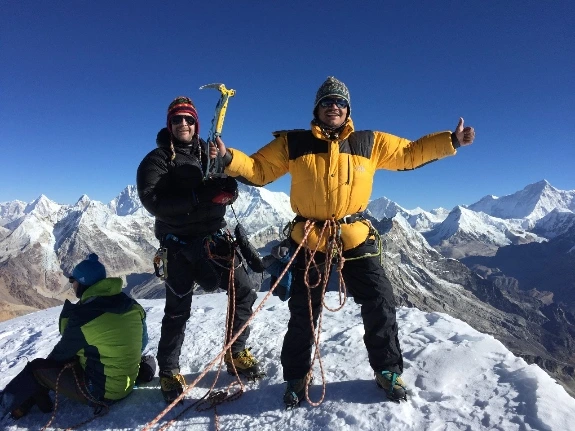
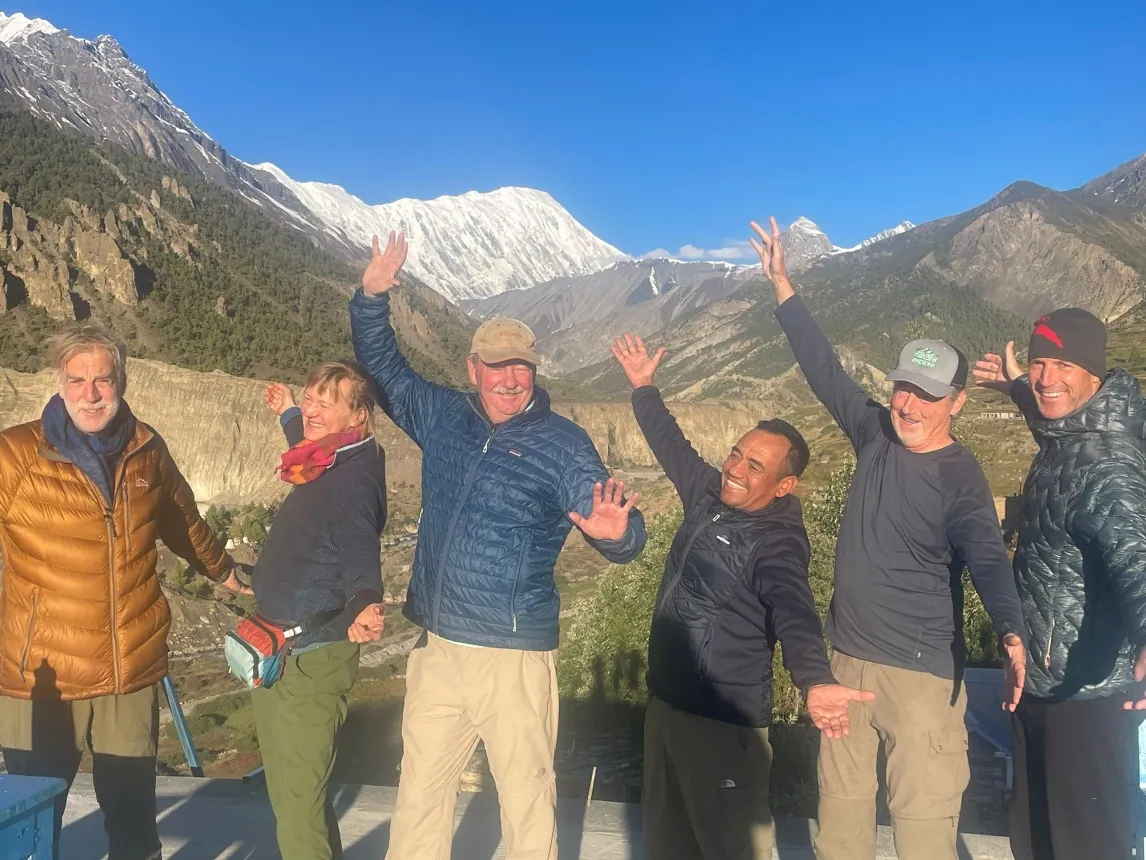
Summiting Mera peak with clients

Mera peak Expedition Cost for hire a climbing equipments.

You may not be able to find the exact sizes, brands, and colors of the climbing gear you need to hire if you plan to climb Mera Peak and are looking to do so in Kathmandu or at the starting point of this expedition, such as the base camp of Mera Peak at Khare, where there are several teahouses that rent climbing gear like boots, warm jackets, trousers, gloves, glasses, , ice axes, crampons, snow bars, jhumar necessary notes, etc. Your organizer might be able to locate your climbing boots if you tell them about your boot sizes
I highly recommend it to anyone. you can hire it in khare so no need to hire it in Kathmandu if you are planning to hire the equipment. Hiring in kathmandu means you will lose more budget since you are taking many days and hiring in khare means you will hire only for a few days so your budget will save.

Here are the basic costs for hiring equipment for Mera peak expeditions.


EquipmentCostRental LocationRental Duration
Climbing Boots$30–40Khare3 days
Feather Jackets & Trousers$30–35Khare3 days
Ice Axe$30Base Camp3 days
Rope$40Base Camp3 days
Gloves$143 days
Harness$203 days
Jumar$303 days
Carabiner$153 days
Helmet$253 days


Why Mera Peak is Nepal’s top climbing destination.


Mera Peak, which lies between Kanchenjunga and Makalu to the west and south of Mount Everest, is one of the most well-liked, tallest, and most picturesque trekking peaks. It is located in Nepal’s eastern region, in the Hankhu Valley. Anyone who has the patience to climb mountains in Nepal or who plans to climb a large mountain and wants to get good training and experience climbing before embarking on a major expedition, such as climbing Mount Everest, should definitely check out Mera Peak. For those who enjoy adventure, Mera Peak would be the ideal choice. Here are some noteworthy features that explain why Mera Peak is well-liked among the many peaks in the Nepalese Himalayan ranges.

360-degree panoramic views from the summit: Reaching the top of the 6476-meter Mera peak not only puts you at the summit, but you will also be able to enjoy breathtaking views of the five higher mountains, including Everest, Lhotse, Makalu, and Kanchenjunga, that are over 8000 meters. Makalu counts the number of surrounding peaks. The Himalayas and the eastern region of Nepal can be seen in breathtaking panoramic views from this vantage point.

Highest trekking peak in nepal: Mera peak is the highest trekking peak and lies in the eastern part of Nepal at an elevation of 6476m from sea level. It offers the best adventure and highest altitude climbing experience without the technical skills.

Remote and offbeat trails : mera peak is located in Hinkhu valley, its very remote and far from the city and basic infrastructure. but its also offers scenic mountain views , less crowded and peace and quiet.

Trekking through the beautiful landscapes: since the Mera peak trek starts with the beautiful landscapes, hills , forests, alpine meadows, rhododendron forests and more.

Cultural Heritages: along the trek you will pass numerous traditional Sherpa villages, old monastery, and museums many more.

Great experience of trekking and climbing in nepal: since it is less technical but higher than 6000, it is a good opportunity to have both experiences of trekking and climbing in nepal. Those who have past trekking experience and have already been in the higher section of the mountain, like above 5000m from sea level, if you are looking for a similar experience, then this is the ideal trip to go on for anyone.

Scenic flight to Lukla : Mera peak expeditions basically start with one from Lukla and another route by drive via the lower section of the khumbu region , Nepal. If you are planning to go via Lukla, then you will have a great experience of taking a short and scenic flight to Lukla, which is the world’s most dangerous airport.
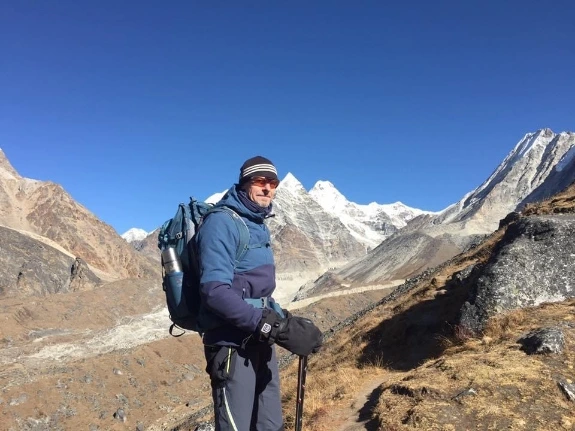
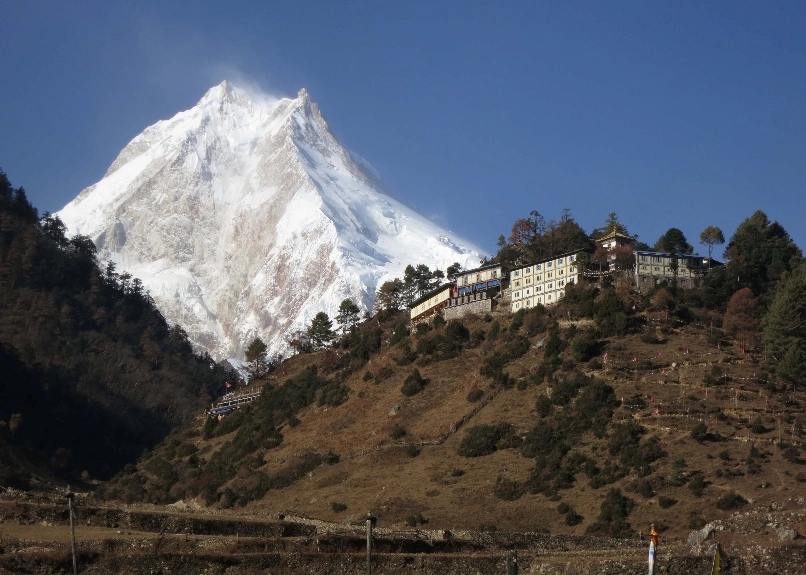
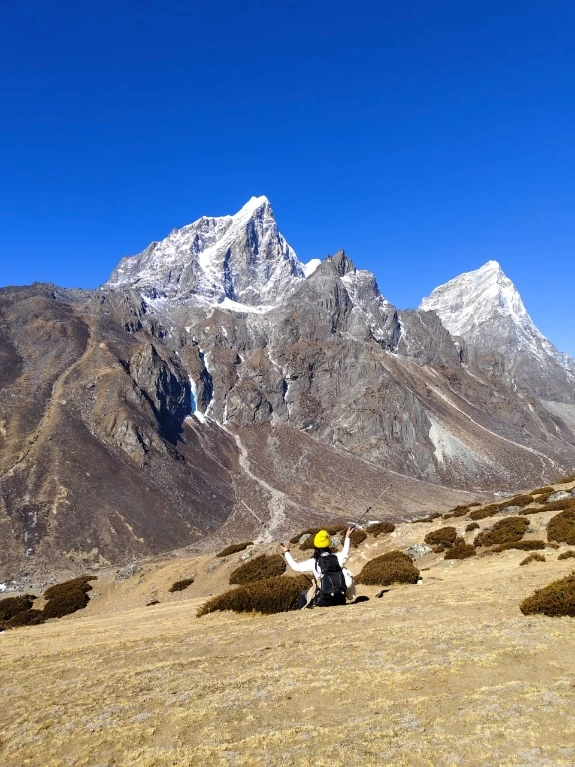
Above Khare

Reccommend Travel Insurance (with Helicopter Evacuation) for Mera peak expeditions

Going to climb Mera peak its highly recommended to have insurance with you, since it’s at a higher altitude and remote, and in case of an emergency situation, it’s important to have a good insurance policy with you that includes the helicoper resucue cover above from 6000m. As in our past experience i would like to share some company names you can check if you are looking for something similar.

World Nomad: It is the best insurance company, as we show some of our clients had their insurance policy with them and it works very well when they have some emergency in the mountains.

Global Rescue: Most of the travelers used to have this company. This is the best company.

Safety wings: It is more budget friendly and it covers high helicopter rescue also it is for long-term stays or for long adventure trekking and climbing .

Alpine Club membership: This is a benefit for those who often go to the mountains. It’s better to be a member with them.

Tips and Bonuses for Climbing guides and porters suggestions list.

Tips are not compulsory, but basically guides and porter expect tips at the end of the expedition. And everyone gives the good tips to guide and porter; it’s all about you respecting their hard work to take you to the succesfully summit of Mera peak.

Here is the suggestion list for tips for guides and porters.


RoleCost Range (USD)Notes
Climbing Guide (Full Expedition)$300–350Hired from Kathmandu
Climbing Guide (Summit Only)$200–250Hired from Khare
Trekking Guide$300–350Full trekking period
Assistant Guide$200–250For group support
Porter$250–300Per person load support
Kitchen CrewVariesCost depends on number of trekkers & service

Take note, please; it’s only our suggestion for you. If you are happy, you can give more of the suggestions listed above or can give less as you wish.

Miscellaneous Expenses

Buying a local SIM card — $10
Wifi, internet -$5-10
Hot shower in the teahouse- $3-5 per use
Laundry— $5-10
Souvenirs— $20–100+
Donation to schools, monasteries — $5-50 (optional)

Final Cost Summary Table


S.NParticularTotal Cost for 13–14 Days
1Climbing Guide$700 per person
2Trekking Guide$455 per person
3Porter (1)$390 per person
4Food$560 per person
5All Gear Hiring$250–300 per person
6Miscellaneous$250–300 per person
7Permits$250 per person
8Flights (Kathmandu–Lukla–Kathmandu)$500 per person
9Transportation by Road (Both Ways)$300–350 per person

Note : This is a rough estimate cost based on our experience from past treks. The cost is calculated for one person, so if more people join, the price may go down. It’s just for a general idea and not the exact price.

How to Save Money on Mera Peak

  • Hire a guide from Kathmandu
  • Hire equipment from Kathmandu.
  • Book your trek with local trekking agency in kathmandu
  • Chose the best season
  • Book trip with a professional guide and company

Conclusion

Climbing Mera Peak is not just reaching a Himalayan summit. It’s a journey through Sherpa villages, stunning alpine landscapes, and poignant cultural experiences, all set against the thrill of high-altitude adventure. Climbing Mera Peak typically costs between USD 2,800 and 3000 per person although the price will depend upon your itinerary, group size, length of stay, and services.

Nature Explore Trek, a trusted trekking agency established in 2015, has been organizing trekking, tours, and peak climbing expeditions in Nepal, Tibet, and Bhutan. Established by passionate experts with over two decades of knowledge in the Himalayan trekking industry, our team is dedicated, experienced, and knowledgeable about the terrain and local culture.

We deliver what we promise, prioritizing safety, good service, and authentic Himalayan experiences. You can count on us to make your Mera Peak expedition smooth, memorable, and rewarding regardless of whether you are a novice climber or seasoned mountaineer.

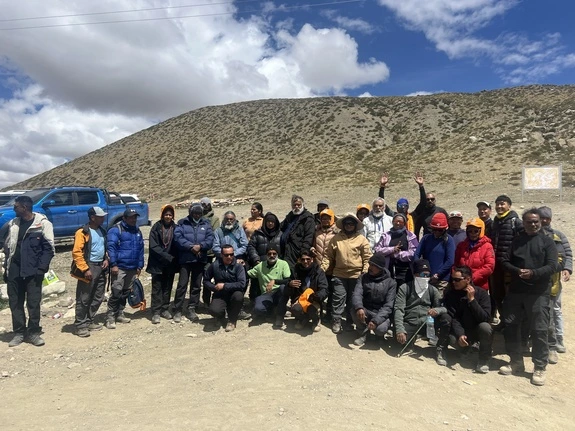
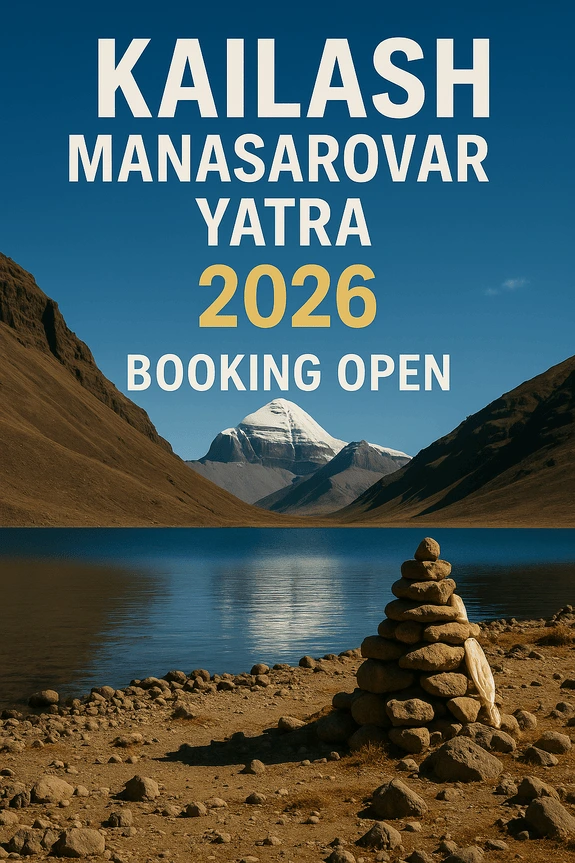
Kailash Manasarovar Yatra Complete Cost, Route , Itinerary, Departure Date- 2026/2027

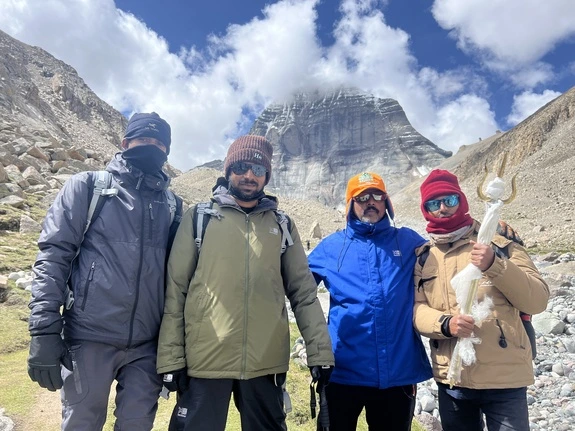
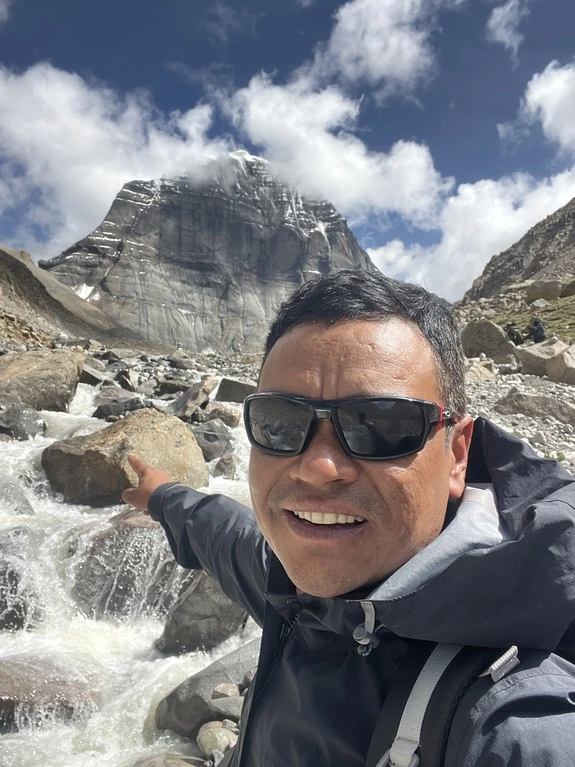
The Kailash  Manasarovar Yatra is a holy pilgrimage to Mount Kailash and Lake Manasarovar, two of the most sacred destinations in Tibet.Hinduism considers Mount Kailash to be the home of Lord Shiva, while Buddhism, Jainism, and Bon also have great reverence for the mountain. Each year, thousands of pilgrims are drawn to the area by its spiritual presence and natural beauty.

Mount Kailash’s base is home to Lake Manasarovar known for its crystal clear water which is believed to wash away sins from all lifetimes. Lake Manasarovar and Mount Kailash are located in Tibet at a high altitude, a must-visit site that combines physical beauty and symbolism for three religions at different levels of spirituality.

If you are looking to do the Yatra in 2026 or 2027, this is a very auspicious time to do it. The Tibetan Horse Year in 2026 is said to double all the spiritual merits you gain. The Saga Dawa festival coincides with the pilgrimage, creating an opportunity for a serious spiritual experience. Departure dates during full moons also add unique value to the pilgrimage.

This blog is written as a complete guide, with detailed costs, itineraries you might consider, your options for routes, full moon dates, difficulty level, etc. Whether you are looking for spiritual fulfillment or a trekking adventure, this blog will add a guiding light to your planning and experience of the Yatra to Kailash Manasarovar.

IMG 7194

Best Time to Go for Kailash Manasarovar Yatra 2026/2027

The Kailash Manasarovar Yatra could be performed between the period of May and September when weather conditions and travel arrangements are at their best. This duration is highly referred to as the Yatra Season because thousands of pilgrims visit for spiritual purposes as well as to embrace being on the spiritual ground.

In these months, the weather is cool and pleasant with daytime temperatures of approximately 5°C to 20°C. The skies are reasonably clear, and there is no snow on the tracks, allowing for safer and more enjoyable trekking and travel. The stability of weather is paramount, especially for acclimatization and health.
However, the main Yatra season represents a very busy time for routes with many more people than off-season treks, particularly May and June with additional limited guesthouse availability. Nevertheless, for most pilgrims, having access to good weather, guesthouses open, and supplies far outweigh the inconveniences posed by crowds of fellow pilgrims.

Altitude is the most critical consideration because the remarkable Dolma Pass is over 5,600 meters. Taking the Yatra during the main season maximizes a pilgrim’s ability to successfully manage altitude sickness, as the ambient mild environmental conditions allow the apex of acclimatization steeper and thus reduce the probability of developing serious problems associated with extreme cold. Lastly, accessibility via roads is typically secure from May to September because of upgraded infrastructure.

Full Moon Departure Dates 2026

For pilgrims on the Kailash Manasarovar Yatra, the Full moon is extremely significant spiritually, and many believe going on the Yatra rituals and parikrama at this time creates an amplification of spiritual merit and blessings. Because of this, a full moon night is considered amongst the most auspicious times for meditation, prayer, and receiving divine energies at Kailash and Manasarovar.

The 2026 season for full moon departures is May 22, June 21, July 20, August 19, and September 17. Over the years, many have chosen these chorological dates because they want to bless pilgrims with the sacred sites while enjoying and meditating in the glow of the full moon.

For the best experience, Travelers are always recommended to travel in June and July. The weather is pleasant at this time of year and there are more pilgrims to share your experience with, conditions are safer and more comfortable. Although there may be early snowfall, September is also a good month. Whatever dates you choose, always check for more up-to-date departure dates from your travel provider, as well as weather trends, before confirming your Yatra.

Departure Date for Kailash Manasarovar Yatra 2026

S.NKathmandu ArrivalVisa ApplyFinal DepartureRemarks
13rd May 20264th May 202617th May 2026Full Moon
218th May 202619th May 20261st June 2026
331st May 20261st June 202616th June 2026Full Moon
419th June 202620th June 20264th July 2026
529th June 202630th June 202614th July 2026
65th July 20266th July 202619th July 2026
728th July 202629th July 202611th August 2026Full Moon
83rd August 20264th August 202617th August 2026
926th August 202627th August 202610th September 2026Full Moon
1013th September 202614th September 202628th September 2026
1120th September 202621st September 20265th October 2026Full Moon

Note: This is a fixed departure group. However, if you have your own group, we can customize the dates according to your preference.


Permit Requirements and Travel Rules

In order to enter Nepal for the Kailash Manasarovar Yatra, you will need a passport, a Nepal entry visa, and sometimes a document for onward travel. For Tibet, you will require a Tibet Travel Permit, which your travel agency can take care of as it is not possible for you as an individual to apply for it. You also need to carry a passport photo as well as travel details.

For restricted areas of Tibet, foreigners require a special permit like the Tibet Travel Permit and Alien’s Travel Permit. The Tibet Travel Permit will be issued by the Bureau of Tibet Tourism and the Alien’s Travel Permit is for entry into remote or sensitive areas and will be applied by your travel agency. The permits will be group-based.

When you enter Tibet you will be subject to travel in a group or registered tour group. The Chinese Embassy issues group visas, which are initiated collectively through an agency and typically begin in Kathmandu. All members must arrive together and exit together. Individual travel is not allowed.
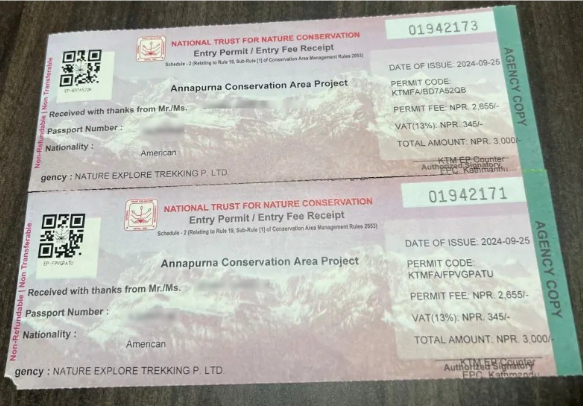
In regard to age and health fitness, most agencies require the applicants to be aged between 18 and 70 years and may require evidence of health fitness. Some government-organized Yatras may even require a medical examination. Travel insurance that includes coverage for high-altitude trekking is strongly advised.

IMG 7148

Route Options: Overland via Keyirung vs. Flights from Lhasa

Starting in Kathmandu, the overland route crosses the border between Nepal and Tibet by road. It is cheaper, provides spectacular Himalayan views, and affords one time to acclimatize to the high altitude on the way to Tibet. But those who travel this way should be prepared for long driving days, long trips, and varying road conditions that can be frustrating for some pilgrims.

Alternatively, the flight option involves flying from Kathmandu to Lhasa and then driving overland from Lhasa to Kailash. The path is also faster and a bonus is you will have a brief and informative city tour visiting key monasteries and landmarks within Lhasa. The flying option is more expensive and involves greater altitude exposure before arriving at Kailash therefore altitude sickness is more likely to occur.
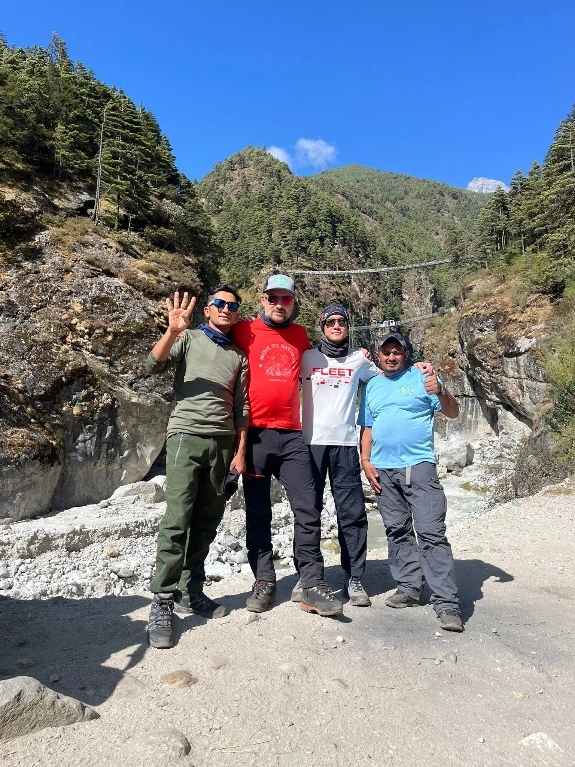
Everest Base Camp + Kailash Tour Combination

Many adventurers and spiritual seekers choose to combine the Everest Base Camp (EBC) with the Kailash Manasarovar Yatra. This combination itinerary allows you to experience the highest peak on earth before starting the sacred journey and provides an experience that has physical elements of challenge as well as spiritually satisfying experiences.
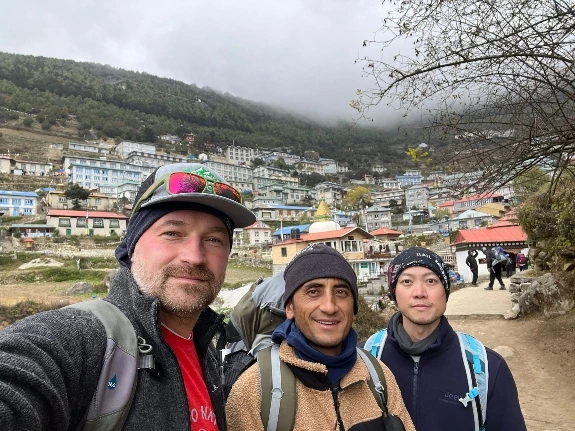
The standard Kailash Yatra itinerary adds 2-3 days to visit North Everest Base Camp, typically either on a scenic drive from Lhasa or overland from Kathmandu. These route travels through many ancient monasteries and higher Himalayan passes, enhancing the cultural and visual aspects of the whole experience.

There are many benefits of combining EBC and the Kailash Manasarovar Yatra. Specifically, the advantages of the gradual acclimatization method of visiting different heights. Traveling to Everest Base Camp before traveling to Kailash will allow your body to gradually acclimatize to high-elevation living. This adjustment will reduce the likelihood of altitude sickness and improve your ability to enjoy the challenging Kailash Kora.

However, the cost of a combined EBC and Kailash yatra will be more than a standard Kailash Yatra trip due to an extra day, traveling a more extensive route, or increased experiences. The cost is well worth it, as travelers will have iconic photography opportunities, enhanced acclimatization, and an experience that only provides the rare opportunity to visit two of the most revered places on earth in one trip.

IMG 7132

Kailash Yatra Difficulty Level

The Kailash Mansarovar Yatra is classified as moderately to very challenging; it is physically demanding as well as mentally challenging, requiring spiritual fortitude and endurance. Pilgrims will encounter uneven, rugged terrain, and steep uphill movement with a long-distance walk for multiple consecutive days. The length of the trek will vary from day to day and challenge mental strength and endurance through emotional isolation, fluctuating weather, and the psychology of trekking in remote, extreme environments at high elevations.

High altitude poses serious health risks. The higher you ascend, the more rarified oxygen becomes leading to the immediate risk of acute mountain sickness (AMS), presenting as headache, nausea, dizziness, or fatigue. In the most serious cases, individuals may develop life-threatening conditions such as high-altitude pulmonary edema (HAPE) or high-altitude cerebral edema (HACE) which require acclimatization.

Overall, preparation is necessary for a safe and healthy trip to Kailash Mansarovar. This should include cardiovascular fitness, strength fitness, and hiking long distances on uneven terrain to build both muscle endurance and stamina. In addition, Yoga, breathing exercises, and meditation will also support the body’s adaptation to the physical work, and help with mental toughness. Gradual ascent, drinking water, and rest days will greatly assist with acclimatization.

Typically, the Kailash Yatra is recommended for ages 18 to 70, but health and wellness are more important than just age. The pilgrim should be free of serious heart, lungs, or chronic disease. It is highly recommended that you undergo a full medical assessment and see your doctor for clearance, before making attempts to trek Mount Kailash. This will help the doctor to determine whether you are healthy enough for the extreme conditions and attitude.

IMG 7042

Weather and Temperature Overview

The Kailash Mansarovar Yatra has a considerable temperature fluctuation throughout the year. May to September have temperatures range between 10°C and 20°C, while nights may be very cold. During the coldest months, temperatures may drop well below freezing especially at higher altitudes however, summer is favored for trekking.

The weather conditions vary greatly throughout the year, and common at the high passes such as Dolma La, typically involve snow other than in summer months. Pilgrims can expect high winds with rain and hail, particularly during the monsoon period in July and August. The period in May and June is mostly free of significant weather conditions, although they can change abruptly.

While daytime temperatures may be mild, nights can be extremely cold, often below 0°C, and experience extreme diurnal temperature variations. Warm layers and sleeping equipment are essential on the trek, as wind chill factors can make conditions feel colder and induce hypothermia.

Acclimatization is important in order to help minimize the onset of altitude sickness. Gradual ascent along with rest days at intermediate altitudes, helps the body to adjust to lower oxygen levels. Staying hydrated, avoiding alcohol, and maintaining some level of mild activity are all critical to acclimatization. Trekkers should monitor their symptoms and take descend steps if they experience severe symptoms.

Manasarovar lake
Holy manasarovar lake

Lake Manasarovar – The Holy Lake

The sacred Lake Manasarovar is not just important for Hinduism, but also for the many other religions founded in the Himalayas including Buddhism, Jainism, and Bon. Hindus believe that Lake Manasarovar is a holy and pristine lake that is connected to both Lord Shiva and Lord Brahma. Buddhists perceive it to be the lake of the conception of the Buddha, while Jains consider it to be the birthplace of their first Tirthankara. Bon considers it a sacred source of spiritual energy.

Rituals take place every day at the lake including holy baths that are believed to eliminate sins and accelerate liberation. Pilgrims pray, worship, and meditate in the lake. Additionally, they perform the kora daily which represents the symbol of purification. It is forbidden to swim in the lake, but it has mystical significance to dip a hand or foot into it, either submerged or symbolically.

Aesthetically, the lake is stunningly beautiful. The lake is large, deep, and reflective. The wild environments make it a top destination for snowcapped peaks and wildlife such as bar-headed geese, Tibetan wild asses, and gazelles. The high altitudes also create micro-climates that shape the natural environment and contribute to the mystical nature of the lake’s relies.

Basic overnight accommodation is available near Lake Manasarovar. As a very remote place at a high altitude, facilities are severely limited – so pilgrims will want to be well-oriented and prepared before arriving. The relaxation at Lake Manasarovar itself helps with spiritual introspection and acclimatization before starting the second part of the trek.

Packing List & Documents

Essential Travel Gear

If you are planning the Kailash Mansarovar Yatra, the key travel gear you will require is suitable layers of clothing due to the fluctuating temperature. You should be prepared with thermal innerwear, fleecy jackets, waterproof windcheaters, and trekking pants. Trekking boots of good quality with ankle support are important; as are gloves, woolen socks, sun hats, and UV protection sunglasses from the sun’s harsh rays and cold wind.

Documents

Documentation includes a valid Passport and Chinese group visa along with a Tibet Travel Permit. It is essential to have travel insurance to meet high-altitude trekking requirements and emergencies. Also, it would be advisable to take multiple photocopies of all your documentation, emergency contact numbers, and a medical certificate confirming your fitness for travel to high altitudes.

Others essentials

Other necessary items include personal medications, altitude sickness tablets, and any anticipated prescribed medications. Food items including snacks and energy bars along with water purification tablets should be prioritized for drinking water. Additionally, trekking poles may be valuable in sustaining your balance and minimizing pressure on your knees on such long treks.

Four-Day Kailash Parikrama (Kora) Including North Face Visit

Day 1 – Darchen to Dirapuk

The first day of the trek starts at Darchen (4,664m) over rocky, rugged ground which involves gradual climbing to Dirapuk Monastery (4900m), a great stopping place due to its panoramic views of the north face of Mount Kailash. Also, the Monastery is a popular meditation spot for pilgrims who go here due to its spiritual energy.

Day 2 – Charansparsha Visit

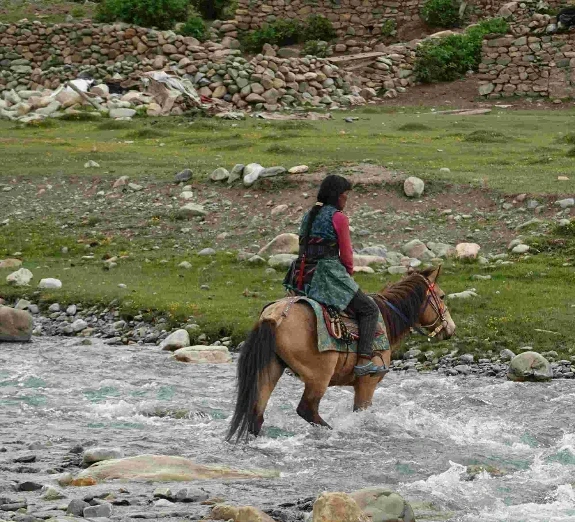
The second day involves going to Charansparsha (5,200m) – which is an inner kora. Charansparsha is a steep and rocky 6-8 km round trip from Dirapuk. Here, you must hire a local horse and guide because of the rocky path and the risk of altitude sickness. Charansparsha enables pilgrims to touch the base of Kailash and symbolically allows pilgrims to directly “be with” the divine.

Day 3 – Dirapuk to Zutulpuk via Dolma La Pass

The walk between Dirapuk and Zutulpuk is challenging, as it is 18-22 km long containing an altitude of 5,630m at Dolma La Pass, where the air is thin. On this trek, you will walk by Gauri Kund, which is a sacred glacial lake. The descent is stiff while heading down to Zutulpuk with risks for altitude sickness so a slow pace and hydration are required.

Day 4 – Trek End and Drive from Zutulpuk to Darchen/Saga

The walk from Zutulpuk to Darchen is a gentle 5-8 km trek from Zutulpuk. At the tail-end of this trek, you drive with the driver and crew from Darchen to Saga or Kerung. After a memorable pilgrimage, it’s time to return home when the reunion comes to a close at shady guesthouses before traveling to Kathmandu.

Horse and Porter Hire Costs

Riding a horse for Kailash Parikrama may cost between USD 400-680 and most horse bookings are typically for three days. Daily costing is approximately 700–1000 RMB, depending on the time of year. Pilgrims are usually accompanied by the horse and horseman to the Dolma La Pass, where all pilgrims must walk thereafter. The approximate three-day cost for porters is USD 120 to 200, depending on luggage, and for personal support.

It is recommended to pre-book horses and porters through your tour operator or Tibetan guide at Darchen, as prices may vary with little time to negotiate and it is possible to have low communication abilities leading up to the trip. Payments are accepted only in local cash. Always confirm prices beforehand, and be sure of the health and fitness of your horses and porters.

Suggested 15-Day Itinerary: Kailash Manasarovar Yatra from Kathmandu

Day 1: After arriving in Kathmandu, travelers rest and prepare for the Kailash Mansarovar Yatra.

Day 2: The itinerary for the day includes exploring the Pashupatinath Temple, an important pilgrimage site for Hindus, and the Swayambhunath Stupa, an ancient Buddhist complex. The experience is grounded upon previous spiritual exploration.

Day 3: The group will visit the Budhanilkantha, known for its reclining Vishnu statue and Boudhanath Stupa. Both of these sites support meditational and deeper spiritual experiences.

Day 4: Travelers will travel to Timure from Kathmandu on 4th day. This is the first day of creating extensive acclimatization, preparation for the border formalities, and adjustments needed to get used to being at higher altitudes.

Day 5: The journey after crossing into Tibet continues as the road to Kyirong Village. Kyirong is a Tibetan village with basic amenities but will help with preparation, acclimatization, and rest with this as the first stop in Tibet.

Day 6: A day of rest in Kyirong allows pilgrims not only to acclimatize their bodies to the elevation but also to recover from any travel fatigue. Some light walks will help the body to adjust to the environment before moving into higher elevations.

Days 7: Travelers will drive from Kyirong to Saga, which is a remote Tibetan town. The journey can be a little rugged but will offer the opportunity to witness some Tibetan culture. Saga is the gateway to the sacred sites and offers basic places to stay.

Day 8: On Day 8 Travelers will drive from Saga to Lake Manasarovar. The sacred lake has pristine beauty and magnificent heritage. Upon arrival, pilgrims will perform rituals on the banks and some take a ritual bath in the lake as a purification rite and for blessings.

Day 9: The trip continues at Lake Manasarovar in the morning with some rituals and pujas. Following that, visitors will proceed to Darchen, the Kailash Parikrama’s base camp.

Day 10: The next day we will begin with the Parikrama trek from Darchen to Dirapuk. This trek is approximately 12-14 km over rocky terrain.

Day 11: An optional inner kora to Charansparsha, the holy feet of Mount Kailash can be performed on this day. This steep 6–8 kilometer round trip requires a horse and guide due to the terrain difficulty and altitude.

Day 12: The most challenging portion of the trip is the hike across Dolma La Pass from Dirapuk to Zutulpuk. The trek is 18–22 kilometers and involves crossing the sacred 5,630-meter-high pass and visiting Gauri Kund, a glacial lake.

Day 13: After completing the trek, pilgrims will drive back to Saga for rest. This is a day to recuperate from the strenuous kora and prepare for the drive back.

Day 14: The return trip of the pilgrimage begins with the drive from Saga to the border town of Kyirong, where pilgrims reenter Nepal. From Kyirong, pilgrims will continue to Kathmandu, ending their spiritual and physical journey of the Kailash Mansarovar Yatra.

Note : If you want to learn more about the package then click on the link given below 

https://www.exploreinnepal.com/everest-base-camp-trek-14-days/


Kailash Manasarovar Yatra Cost 2026/2027

As of 2026/2027, Kailash Mansarovar Yatra will likely cost in the range of around USD 2,100 and 7,000 per person depending on the type of package, as it is cheaper to travel by road approximately USD 1,500-2,500 but is expensive on flights. There will be some additional costs required including accommodation, meals, permits, and vista, potentially around $1000- 1500 followed by horse and porter charges as well.

Packages start at a budget of around USD 2100, mid-range packages cost around 3000-5000, and deluxe or luxury packages can go for $6500 or more. The choice is always up to you in terms of comfort level and the size of the group, as well as what is included. A good way to ensure permits, transport, accommodation, and support staff are all arranged as best as possible is to pre-book with a reputable travel agency.

Tips for a Successful and Safe Yatra

• Implement altitude sickness safety precautions which start with gradual ascending, frequent rest, and medication to help avoid altitude sickness symptoms.
• Stay hydrated by drinking water and electrolyte beverages, avoid caffeine and alcohol, and eat light to provide energy to your body at high altitudes.
• Be mentally prepared and set achievable hopes and expectations with a positive mindset to resolve physical as well as psychological obstacles encountered during the trek.
• Respect the cultural ethnography and practices, and acknowledge spirituality with humility along the pilgrimage.
• Keep an eye on your well-being and be aware of the early indicators of altitude sickness. Be prepared to descend if you encounter distressful symptoms to stay safe along the Yarta.

Conclusion

The Kailash Manasarovar Yatra provides an opportunity to experience a vibrant spiritual and physical journey. This sacred pilgrimage is widely recognized as a revered place of worship and is cherished by multiple faiths offering stunning natural beauty alongside brilliant cultural and religious experiences. Given the complicated permit process and travel arrangements, full moon dates are considered auspicious for the Yatra, so it is best to prepare in advance as possible.

Additionally, it is strongly recommended to book early with a reputable tour operator if you want to have a hassle-free experience on the 2026/2027 tour. Tour operators will take care of permits, visas, accommodation, and travel arrangements, which allows pilgrims to devote their efforts to progress on their spiritual journey. Please contact the designated Kailash Yatra tour operators for all the costs, itineraries, and departure dates, as well as for their extensive itineraries tailored to suit a range of

Top 7 Easy Treks for Beginners in Nepal I Short, Scenic & Safe 2026/2027

Top 7 Easy Treks for Beginners in Nepal I Short, Scenic & Safe (2026/2027) – Nepal is well known for its Himalayan giants, unique tradition, culture, hospitality, beauty and most of all adventures. Nepal is surrounded by snowcapped mountains at the top, greenery at the bottom and plain landscapes at the bottom. Highly influenced by mix of Buddhist and Hindu culture and traditions, there are many unique features of Nepal, there are 123 language spoken by the locals, festivals and traditions varies from culture to culture. But one thing that makes Nepal unique is no matter the differences that people have they always stick together till their thick and thin. Nepal is secular country so you will feel warmth in people. No matter where you from you are always welcomed.

In the recent year especially the year 2026 to 2072 during trekking season there was a noticeable raise in the demand for beginner friendly treks including families, students, solo travelers, and even senior citizens who are looking for a meaningful experience in Himalayan trials that doesn’t need high physical and altitude demand or any technical skills. After looking at the scenarios in trekking most of the tours and travel agency have level up their game and introduced some short treks that offers a gentle Himalayan experience showcasing the beautiful landscapes covered with flora and fauna, peaceful rhododendron forests and some of the most authentic traditional mountain villages all this experience within a manageable time frame.

Choosing the right beginner trek is important. Factors like altitude, trials, route difficulties, accommodation and season demand should be highly acknowledged. Always choose the right agency that knows better so that you can expect a well-marked trials, welcoming tree houses, authentic delicious food and heartwarming interaction with local communities. Whether you have small time frame of week or even 5 days there is the perfect trekking journey waiting for you.

This blog will guide you to Nepal and its shortest treks with other experiences, if you are planning to explore the mountain region of Nepal in a shortest time frame then Nepal will offer you taste varieties of cultural background, ancient architecture, plain landscapes to rocky landscapes, warm to hot temperature, hot to cold temperature, nature, beautiful scenery, and adventure. Whether you are someone who loves thrillers, adventure, history, or just nature and don’t have time for all of these then this guide will help you to get all of these experience just in a week or less than a week without any necessary of physical demand. Here are some of the 7 easy treks in Nepal for 2026 to 2027 all offering short duration, scenic rewards and safe beginner friendly experience.

Annapurnacircuit trekking

Quick Comparison Table

Trek NameDurationMax AltitudeRegionDifficultyKey Highlight
Everest Panorama7 days3860 metersEverestEasy – ModerateEverest views, Sherpa Village
Pikey Peak Trek8 days4065 metersLower EverestEasyPanoramic peaks, local people
Poon Hill Trek5 days3210 metersAnnapurnaEasySunrise view, Ghorepani village
Everest View Hotel Trek6 days3880 metersEverestEasyHotel Everest view, luxury comfort
Mardi Himal Trek6 days4500 metersAnnapurnaModerateOff the beaten path trails
Langtang Valley Trek8 days3870 metersLangtangEasy – ModerateGlacier valley, Tamang culture
Helambu Trek5 days3650 metersLangtangEasyMonasteries, cultural immersion


Why Choose Easy Treks in Nepal

Choosing an easy trek doesn’t mean you are compromising on your experience. Although easy trek is an option for you beginner treks in Nepal offers you the same rewarding experience both visually and culturally without any demand of physical ability and stress of the high altitude expeditions. Short treks usually last for maximum 5 to 8 days making them an ideal treks for the travelers’ who have short time duration, senior citizens, family people or someone who just wants to enjoy the nature without any physical stress.

Another benefits of the short and beginner friendly trekking is lower altitude. Most of the beginner friendly trekking does not exceeds the altitude of 4000 meters for the safety of trekkers and reducing the risk of altitude sickness, which affects most of the experienced hikers or trekkers as well. Rotes offered by beginner friendly trek offers a well maintained routes with frequent rest stops and traditional accommodations. Lower altitude tree houses are simple but yet will offer you cozy lodges with home cooked meals and warm bed at the end of your day.

This trials have so many experience to offer to the families with children, older or senior travelers, student on year gap, solo travelers and beginner travelers. Nepal is beyond the boundary of natural beauty or beginner treks. Beginner treks in Nepal not only offers you natural beauty but it will also give an opportunity to engage and interact with local cultures. Sherpa, Tamang, Gurung and other ethnic communities are the major community in Himalayan region providing you different taste of foods, festivals and cultural experience from the traditional wear to traditional food. From the Buddhist monasteries to the Yak herding Nepal beginner trek will offer you a fusion of adventure and the immersion to the culture. This is the whole reason why beginner trek in Nepal is considered unique.

However, most of the treks are accessible throughout the year especially during the peak seasons spring and autumn which will offer you a best experience, weather and views. So whether you are looking for an adventure trek or cultural trek or just a trek to enjoy the trekking experience without any need of physical demand then easy treks are way to go.

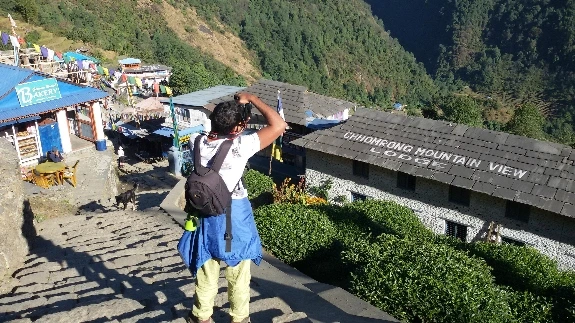
Chomrong village

Top 7 Easy Treks in Nepal

Everest Panorama Trek – 7 days

Glimpse of Mount Everest is every one’s dream so for those who are willing to get the glimpse of Mount Everest without any pressure of high altitude expedition. Everest Panorama Trek is the perfect introduction to Khumbu region. This 7 day trek will offer you the majestic view of Everest, Lhotse, and Ama Dablam along with some of the cultural stops like Namche Bazzar and Tengboche Monastery all this experience while staying below the altitude of 4000 meters.

This trek is fast and frequent with rest days and gradual altitude gain. The major highlight of Everest Panorama Trek is to reach Tengboche Monastery one of the iconic monasteries that lies in the middle of the beautiful landscapes with the backdrop of snow-capped giants. Along the routes trekkers will be warmly welcomed by Sherpa villages, not only that trekkers will get to learn about local costumes and experience the life in Everest region.

This trek is most favorable in spring or autumn season. This trek is considered as a beginner friendly treks due to lower elevation, manageable daily walks and cultural knowledge.

Pikey Peak Trek – 8 days

This trek offers you off the beat path with serene beauty due to this Pikey Peak Trek has and is gaining popularity among tourist who are seeking a quitter and introvert friendly trials in the lower Everest region. Pikey Peak lies at the height of 4065 meters offering you one of the best a panoramic viewpoints in Nepal. On a clear day you can spot the clear views of Everest, Makalu, Kanchenjunga, and Annapurna from a single viewpoint.

Your routes begins from the wind trials of rhododendron forests, remote Sherpa and Rai villages and scenic pastures. Cultural Experience is the major highlight of this trek and one of the major fact that you have to blend in. Not only the scene and the beauty this trek also offers you a traditional homestays and Buddhist monasteries along with the routes and fewer crowed and supported trials which makes this trek one of the best choice for beginners.

Poon Hill Trek – 5 days

It is one of the shortest trek that Nepal offers you. Poon Hill Trek perfect for the families who wants to experience their adventure together. So where is Poon Hill located? This trek is located in Annapurna region this whole trek will take you at least 5 days to complete. You will experience the altitude of 3120 meters with the famed viewpoint of sunrise over the Dhaulagiri and Annapurna mountains.

The route to Poon Hill will take you through charming villages like Ghorepani and Ghandruk which is the home to two main communities Magar and Gurung. It is one of the easy trek due to its well defined routes, well developed tree houses and plenty of opportunities like taking pictures of beautiful landscapes. The blend between the nature, forest, routes and culture makes this trek ideal for first time trekkers.

Everest View Hotel Trek – 6 days

Everest View Hotel Trek is considered as one of best Himalayan treks with the twist of luxury. This 6 days trek will take you to the world’s highest hotel Hotel Everest View which is located at the height of 3880 meters. This trek is all about comfort. Make yourself comfortable in the iconic and luxurious accommodation with the sunning views of Everest, Ama Dablam, and Thamserku. This trek is considered soft with the spice of immersive Himalayan experience.

This trek is ideal for families and senior or older trekkers as this trek is luxurious so expect helicopter return options and deluxe lodging. Get relaxed with the thrilling experience in Everest region heart of Nepal with the blend of light trekking, cultural visits and breathtaking scenery.

Mardi Himal Trek – 6 days

Mardi Himal Trek is one of the popular and most chosen trek in the Nepal’s trekking scene. This trek is ideal for those who carves for peace and quite trekking. This trek is basically a ridge line hike with dramatic views of mountains. In this six days of trekking you will take a route through lush forests of the Annapurna region, alpine ridges which offers you a close up views of mountains like Machapuchare (Fishtail), Annapurna South and Hiunchuli.

Mardi Himal Trek lies at the height of 4500 meters one of the highest trekking destination from all the trek in short treks in Nepal. Though this trek is at the high altitude the ascend duration is quiet short making it one of the manageable treks for fit beginners. Mardi Himal trek’s route is less crowded than Annapurna Base Camp making it ideal for the trekkers who are looking for solitude, adventure and photographic natural beauty.

Langtang Valley Trek – 8 days

Langtang valley is considered as the hidden gem of Northern Nepal offering you various forms of glaciers, alpine meadows and a culture that is highly influenced by Tibetan. You will start your journey from Kathmandu this trial will lead you to Kyanjin Gompa at the height of 3870 meters in this trek hike to Kyanjin Gompa for panoramic views is optional.

This region was highly affected by earthquake so it’s still rebuilding from 2015. Trekking to Lantang Valley will support the local community. You can expect yak pastures, Buddhist monasteries and traditional villages. This whole trek is considered moderate if we are taking about difficulty or challenges. You will experience profound cultural depth as well. Langtang valley is perfect for those who are looking to go out of the box and explore the things beyond the boundaries.

Helambu Trek – 5 days

Helambu Trek is very close from Kathmandu but yet it will give you the feeling of remoteness. This trek is short and a peaceful escape from this busy world making this trek ideal for peace seekers. In the time interval of 5 days you will travel through the green hills, cross through suspension bridge and the villages filled with beautiful Tamang and Hyolmo communities. The maximum altitude that you will face during your trek is around 3650 meters making this trek way easier than other treks from the list above.

Major highlights of this trek are Monasteries, prayers flags along the routes, and the variation of landscapes that offers you a tranquil views, culturally rich experience without the need of long hours walk and high elevation. Helambu Trek is ideal for the trekker who wants to enjoy their weekends with adventures or those who wants and ease trekking.

What to Pack for Short Treks

One of the key point to pack for trek is packing light and smart. Essential things that are very helpful for your trekking are layered clothes that includes base layers, fleece, down jackets, and waterproof outerwear layers, comfortable trekking shoes with good grips, sun protection like sunscreen and sunglasses, a small backpack 20 – 30L with hydration, snacks that consists carbohydrates, chocolate bar, hand lamp, a first aid kid in case of emergency, trekking poles, and a reusable water bottle. Pack medications like Acetazolamide or Diamox to prevent yourself from altitude sickness.

Take your permits like TIMS and national park entry with you since these are required for most routes these permits are often included in your tour packages. Gears like sleeping bags or jackets can easily be rented in Kathmandu or Pokhara which will reduce your loads during travel and packing.

Best season for Easy Trekking

Always choose the best season for best experience. Spring March – May offers you blooming rhododendrons and clear sky making this season ideal for those who are looking for nice scenic views and moderate temperature. Spring season is a blossom adventure as this season is peak for new floras. Major highlight of this season is mild temperature, blooming rhododendrons, blooming wildflowers, excellent visibility and less crowd than other peak season. This season is one of the popular seasons for Treks that offers you vibrant landscapes, safe trials since the snow starts to melt and excellence morning with beautiful mountain views.

Autumn September – November overall a best season for short trekking and recommended by most of the trekkers and is on the bucket list of every travelers since this season offers you stable weather and unmatched visibility of mountains. Trial condition is excellent since the trials are dry and rivers and waterfall are in flow because of the ended monsoon season. You should choose autumn season because of the unbeatable mountain views, and best trial conditions helping the trekkers to travel efficiently.

Winter December – February is risky for high altitude climbing but best for lower altitude trekking especially in the trekking destination like Helambu and Poon Hill nights are comparatively colder than morning. Monsoon June – August this season should be avoided due to heavy rainfall, unpredictable weather, slippery routes and leeches.

Safety Tips for Beginners

Acclimatization is the key for both high to low altitude climbing remember to not rush and ascend slow always keep yourself hydrated don’t take alcohol or caffeine as it dehydrates your body making high risk of altitude sickness. Hire guide or porters because it enhances your safety, experience and the interaction with local people. Always carry your travel insurance which will cover your trekking and helicopter evacuation. Respect trials etiquette and protect the surroundings and environment.

Always be mindful towards your altitude symptoms. Recognized the early symptoms of altitude sickness like headache this is the most common symptoms, Nausea, vomiting, loss of appetite, Fatigue, Malaise it is a condition when you mostly feel unwell, trouble sleeping, dizziness, lightheadedness, and vision change a rare condition caused due to blood vessel ruptures in your retina. Be well prepared for a safe trek.

Booking Your Trek

Booking your trek through a reputed local company or agency is very important for your safety and value and a reputed agency will offer you customized packages like guide facilities, porters, permits, meals and also accommodation. Private and groups trekking options are available for short trekking. Trekking packages will cost you a price ranging from 400 dollars to 900 dollars this price range differs depending on the region and the level of comfort. Travel insurance and gear rentals can be easily arranged before your departure. Booking your treks can be done from two ways they are through local trekking agency or online via international platforms. International platforms offers you connivance.

Conclusion

Nepal is known for its unlimited trekking destination from the higher altitude to the lower altitude and this experience is not just for seasoned adventures. These 7 easy treks proves that even a beginner and a senior citizen can enjoy the world class mountain views, authentic villages experience and unforgettable moments on the trials. Nepal offers you the same rewarding experience both visually and culturally without any demand of physical ability and stress of the high altitude expeditions. Short treks usually last for maximum 5 to 8 days making them an ideal treks for the travelers’ who have short time duration, senior citizens, family people or someone who just wants to enjoy the nature without any physical stress. Whether you are a first time climber or someone who is looking for a short term experience in the Himalayas then this short treks at lower altitude is best for you.

In short Mardi trek offers you peace and quiet trekking. Everest Panorama trek offers you the experience of MT Everest and Tengboche Monastery. Pikey Peak Trek offers you off the beat path with serene beauty. Poon Hill Trek offers you famed viewpoint of sunrise over the Dhaulagiri and Annapurna mountains and is one of the shortest trek of Nepal. Everest View Trek offers you one of best Himalayan treks with the twist of luxury. Langtang Valley Trek offers you various forms of glaciers, alpine meadows and a culture that is highly influenced by Tibetan culture and lastly Helambu trek that offers you peaceful escape from this busy world and peace and the travelling experience through the green hills, suspension bridge and the villages filled with beautiful Tamang and Hyolmo communities.

These seven trek trials have so many experience to offer to the families with children, older or senior travelers, student on year gap, solo travelers and beginner travelers. Nepal is beyond the boundary of natural beauty or beginner treks.

So which destination are you choosing is it Everest Panorama Trek or Pikey Peak Trek or Poon Hill Trek Everest View Hotel Trek or Mardi Himal Trek or Langtang Valley Trek or Helambu Trek?

Last-Minute Trek in Nepal

Last Minute Trek In Nepal

Last-minute trek in Nepal is easier than you’d think local guides, guesthouses, and gear rentals are readily available even on short notice.In today’s busy world, no matter how much you try to stick to your plans, there are always those spontaneous moments when you just say, “I’ll do it.” These days, social media also plays a huge role seeing similar content over and over can spark a sudden desire to go on an adventure.
In this blog, I’ll include everything you need to know if you’re planning a last-minute trek in Nepal.

Making a spontaneous decision to trek in Nepal can bring up a lot of questions. There are several important factors to consider, so read this blog thoroughly to get all the essential information.
Personally, I’m also a last-minute person. I act on impulse and truly believe in the idea of walking a path without knowing exactly where it leads. Going with the flow, without expectations, can be a beautiful experience.

Why go Trekking in Nepal on a Whim?

Let’s be honest, a lot of us are influenced by what we see on social media. The breathtaking Himalaya landscapes, serene villages, snow-capped peaks and that perfect shot from a mountain ridge its very tempting you know. You see someone else living it and something inside you says, Why not me?
Spontaneity adds a special flavour to your travel. It pushes you out of your comfort zone and into moments you can’t predict. And Nepal known for its welcoming culture and world-renowned trekking trails is one of the best places to embrace that spirits. People are often very friendly and welcoming .

manaslu

What to Consider for a last- Minute Trek in Nepal

1)Choose your Trek wisely

As you are doing your trek in last minute means you have to consider the trek like it menas you are not fully prepare for the trek which are of hard level like Annapurna Circuit Trek, Everest Base Camp Trek, Kanchenjunga Trek etc these trek requires physical endurance as well as mental preparation if you are ohysically fit or you do some hikes or any other sports activities or like exercising then you are exception . Choose trek which are less hard or if you really want to do EBC or hard trek then consider doing another trek right before the trek so that your body can get used to of the nepal trails and you’ll be somehow mentally prepared for it. Here are the suggested trek for last minute trek in Nepal

1) Ghorepani Poonhill Trek

If you want to bring in the himalayan vibes but are on short in terms of time, then simply the poon hill trek would be one of the best. This short trek can be done in about 3 days, but for a relaxed trek people like to trek from anywhere arond 4-6 days people people like to opt for anywhere around 4–6 days. It starts from Nayapul, only a little ride away from Pokhara, and goes through charming Gurung villages surrounded by terraced fields and rhododendron forests to be lit up during spring.

One of the highlights of this trek will be the early morning hike to Poon Hill for a magical Himalayan sunrise. As the first ray of sun touches the snow-capped peaks, Annapurna South, Machapuchare (Fishtail), Dhaulagiri, and other mountains start glowing with golden hues. Such moments feel as if they are straight out of a postcard.

The trek is mostly uphill, with lots of stone steps, but it is quite doable for a beginner with basic fitness. The maximum altitude is around 3,210 m and hence altitude sickness is not likely to occur. Plus, hospitality in local teahouses will make it a very comfortable trek for last-minute travelers.

2. Short Annapurna Base Camp Trek

For anyone who wants to experience the real Himalayas and yet is unwilling to spend days hiking into the mountains with all their gear, the relatively short ABC trek would be perfect. It generally takes a duration of 5 to 7 days starting from Pokhara. Onward from there, the trail passes through bamboo forests and along rivers down beautiful villages such as Chhomrong and Bamboo. This can be looked upon as a rather fast-track version of the complete ABC trek; it is not short on sights.

They say the climb is tough, yet the view is worth every ounce of sweat; now, the big question: Have you ever stood at Annapurna Base Camp (4,130 m), surrounded on all sides by towering snow-clad peaks: Annapurna I, Hiunchuli, at one side and Machapuchare on the other? The place is basically a giant natural amphitheatre of mountains. Considering that the place is high, it is attitudinally rewarding through gradual ascending that helps form the state of acclimatization very well.

The trek really makes for the perfect getaway for spontaneous adventurers because it’s easy enough to organize from Pokhara, with a ton of guides and gear shops around. One has to be moderately fit, and the trek comprises about 5-6 hours of walking every day-walking at a slightly faster pace.

3. Everest View Trek

Anyone who doesn’t have the time or doesn’t feel like walking all the way to Everest Base Camp can easily zip by with the Everest View Trek. It should take 5-7 days, short but truly worthy of getting into the heart of the Khumbu region. After flying into Lukla, you follow the valley trail through pine forests and Sherpa villages all the way to Namche Bazaar-the vibrant gateway to Everest.

From Namche, there is a considerable uphill hike to Hotel Everest View, which quite adequately affirms the name.Walking from Namche towards Hotel Everest View, which, through its name, promises spectacular views of Mount Everest, Lhotse, and Ama Dablam. The walking is, comparatively speaking, rather light with respect to the full base camp trek, but the feeling of being cast in the immense shadow of Everest stays with you. The altitude here is about 3880 meters, rather grippingly high but still not too risky for the first-timers.

This trek is excellent for last-minute plans since flights to Lukla are quite frequent, and many trekking agencies based either in Kathmandu or Pokhara could easily arrange guides, permits, and anything else you might need on short notice. This is the ideal way to absorb some of the magic of Everest without having to carve out time for, or physically endure, a longer expedition.

4. Mardi Himal Trek

For those who want to avoid the crowds and revel in the quiet, Mardi Himal Trek is an excellent late find. It usually takes between 4 to 6 days and commences from Kande, near Pokhara. The path will take you through beautiful forests, ridgelines, and serene teahouses that genuinely revive an atmosphere of adventure and solitude.

The beauty of this walk is truly enhanced by the proximity of views of Machapuchare (Fishtail); it really feels close from Mardi Himal Base Camp, around 4,500m. There are also superb views of Annapurna South, Hiunchuli, and the Annapurna range as you continue. In terms of altitude gain, the trail climbs reasonably fast but remains manageable for anyone with an average fitness level.
All arrangements could be made in Pokhara even a day before the trek starts since it is still considered to be an off-the-beaten-track one.

5) Khumai Danda Trek

Khumai Danda Trek is a hidden treasure near Pokhara that’s perfect for a spontaneous adventure. This trek usually takes like 3-5 days and starts from a short drive away in hemja . The trail then leads you through the peaceful forests, quiet villages and up to grassy ridges with hardly any crowds. It’s a lesser-known route , which makes it ideal if youre looking for a serenity and natural beauty.

The highlight of the trek is reaching Khumai danda, a ridge that offers breathtaking views of Machapuchare (fishtail) and the Annapurna range. You can also enjoy incredible sunrise and sunset moments from the ridge. The walk is moderate and suitable for beginners or those wanting a more laid-back hike.

Since it’s not commercial trail yet, the teahouse are basic but warm and welcoming. You dont need a lot of preparation and everything can be arranged quickly in Pokhara . The highest point is around 3,245m so the altitude is rarely an issue making this an ideal last-minute escape to mountains.

6)Langtang Valley Trek

The langtang valley trek is one of the most beautiful and accessible himalayan treks in kathmandu making it another ideal option for a last minute trek in Nepal. It usually takes 7-10 days and starts with a drive to syabrubesi, From there, you can walk through the lush forests , riverside trails and welcoming tamang villages gradually climbing into the alpine valley of lanftang valley.

What makes this trek even special is that mix of culture and landscapes. The local people have tibetan roots and you’ll get to experience their traditions and food along the way. The scenery keeps in changing from green forests to wide open meadows and finally to glacier-filled landscapes near kyanjin gompa. At the to you’ll see views of langtang lirung, dorje lakpa and even the langtang glacier.

The highest point of the trek is about 3,870m which is manageable for most of the hikers. The trail is well-marked and supported by comfortable teahouses, Since it’s not as remote as other treks, it’s fairly easy to arrange gear, permits and guides even at the last minute from kathmandu.

7)Upper Mustang Trek

If you’re looking for a trek that feels like steeping into another world, the upper mustang trek is a fantastic choice. It’s more remote and culturally unique often described as a mini-Tibet within Nepal. This trek takes about 10-14 days and requires a special permit but manu agencies in Pokhara or kathmandu can organoze it quickly for you even on short notice.

The trail passes through a dry, desert-like landscapes with colorful cliffs, ancient cave dwelling and centuries-old buddhist monasteries. You’ll visit the ancient walled city of Lo Manthang, which feels frozen in time. This region was once a restricted kingdom and still holds strong Tibetan traditions and a very different vibe from the green himalayan trails.

The highest point is around 3,800 meters , so the altitude isnot too extreme and the terrain is not very steep. Though it takes longer and costs a bit more due to the permits it’s absolutely worth it for a last-minute adventure into a place few people get to see.

8)Helambu Trek

Just a short drive form kathmandu , the Helambu trek is an ideal short trek that feels remote but doesnot require complicated planning . It can be completed in 5-7 days and is perfect for beginners or those who want a peaceful hike without going too high. The trail winds through lovely sherpa and tamang villages, forest and hillside paths with fantastic mountain views.

Though its close to the city , you’ll feel like you’re far away in a mountain village. The culture here is rich with Buddhist influence and you’ll come across old monasteries chortens and prayers flags fluttering in the wind, You’ll also get a chance to enjoy panoramic views of Langtang ganesh himal and Dorje lakpa on the clear days.

The treks highest point is around 3,650 m at Tharepati which is safe for most trekkers with no need for heavy acclimatzation . Since its less popular than other routes you’ll find quiet trails and welcoming locals.

9)Gosaikunda Lake Trek

Gosaikunda is a sacred alpine lake that draws both trekkers and pilgrims. This trek usually takes 5-7 dyas and starts from Dhunche or Sundarijal, both reachable by road from kathmandu. The trail climbs steadily through forests, meadows and small villages before reaching the lakeside at high altitude.

At the top , you’ll be rewarded with the views of the stunning Gosaikunda lake, a deep-blue glacial lake nestled among the mountains. It’s spiritual place and many Hindus make pilgormage here during the Full moon festival in August. On the way, you’ll get great views od langtang, ganesh himal and sometimes even glimpses of Manaslu in the distance.

The highest point is about 4,380m so you do need to pace yourself and stay hydrated. However the trail is well supported with teahouses and the route e can be arranged easily if you’re trekking on impulse. It’s a beautiful , meaning destination that combines nature , culture and bit of adventure.

10) Tsum Valley Trek

The Tsum valley trek is for those who want something remote, spiritual and truly off-the beaten-path. This trek takes 12-16 days and is a part of the larger Manaslu region. Although its remote many trekking agencies can organize it quickly and its great last-minute plan for those seeking a quieter trail
The valley was opened to trekkers only in 2008, so it retains a raw, untouched charm. You’ll walk through the forest, cross suspension bridges and pass through the villages that still practice ancient Tibetan buddhist traditions. Monasteries like Mu Gompa and Rachen Gompa offers the insight into the spiritual life in the himalayas.

You’ll see mountains like Ganesh himal and Shringi Himal and the highest point is about 3,700m. The trail is long but not very difficult, making it a peaceful and meaningful journey for those with a bit more time. If you are that kind of traveler who values authenticity and depth then Tsum valley would be a perfect pick for your last minute trek in Nepal.

2)Permits and Documentation

Even if you’re deciding to go trekking in Nepal spontaneously , there is one thing you cant ignore which is permit . These arenot just formalities they are mandatory and is enforced along every major trekking route. Depending on where you’re heading, you’ll need specific documents

TIMS card (Trekkers Information Management System ):

Regional Permits

Annapurna Region

If you’re trekking in the Annapurna region such as Annapurna Base Camp, the Circuit or Poon hill you must have

  • TIMS Card
  • ACAP (Annapurna Conservation Area Permit)

Everest Region

To trek to Everest Base Camp or nearby areas, you will be needed to get

  • Sagarmatha National Park Permit
  • Khumbu Pasang Lhamu Rural Municipality Permit

Langtang Region

If you are heading to Langtang Valley , Gosaikunda or Helambu you will need

  • TIMS Card
  • Langtang National Park permit

Manaslu Region (Restricted area)

To trek in the Manaslu region which includes Manaslu Circuit you will need

  • Restricted Area Permit
  • MCAP (Manaslu Conservation Area Permit)
  • ACAP (If you exit through the Annapurna region )
  • A licensed guide is mandatory and you must be in a group of two or more

Upper Mustang (Restricted Area)

For the culturally rich and remote Upper Mustang :

  • Restricted Area Permit
  • ACAP
  • In this also licensed guide is mandatory as well as this is one of the most expensive permits.

Tsum Valley (Restricted Area)

To explore this peaceful hidden valley near Manaslu you’ll need to get

  • Restricted Area permit
  • MCAP
  • Here again a guide is needed and at least two trekkers are required

Dolpo Region (Upper and Lower)

For the remoted trek like Dolpo you’ll need

  • Restricted Area permit (For Upper Dolpo)
  • Shey Phoksundo National Park Permit
  • TIMS Card
  • Permits are costly and guides are mandatory.

No matter where you go Annapurna , Everest, Langtang etc you must obtain the required permits before beginning of your trek. We also help you organize this permits so if you book your trek with us you dont need to worry about it.

If you’re going independent (Where is allowed ) then you have to be sure to bring:

  • Your Passport
  • Passport-size photos
  • Enough cash in Nepali Rupees
  • A copy of your itinerary

Jomso juphal D

3) Gear Up Smartly

Let’s be honest packing for a trek at the last minute can feel a bit chaotic . From deciding what to wear to figuring out what gear you really need, it’s easy to feel overwhelmed. But you know whats the good news its that Nepal is incredibly well-prepared for trekkers even for spontaneous ones.

Whether you land in Kathmandu or in Pokhara you’ll find entire neighbourhood like Thamel and Lakeside dedicated to trekking supplies. These areas are full of trekking gear shops both national and international brands and many of the gears like down jacket, sleeping bag, trekking poles you can actually rent it .

What Gear you can get in Nepal

  • Down Jackets
  • Sleeping Bags
  • Trekking poles
  • Hiking boots
  • Base layers and thermals
  • Fleece and insulated mid-layers
  • Winproof and waterproof jackets
  • Backpacks and rain covers
  • Gloves, beanies, buff and warm socks
  • Headlampa or torched
  • Crampons or micrispikes

Packing Tips – What you really need

Since trekking involves walking long hours at high altitude , your backpack should be light , functional and minimal .

Clothes

  • Base Layer : Moisture-wicking (avoid cotten)
  • Mid-layer: fleece or light down jacket
  • Outer Shell : Water proof and windproof jacket
  • Trekking pants
  • Extras: Hat, gloves , scarf or buff , sunglasses

Essential gear to pack

  • Reusable water bottle plus filter
  • First Aid Kit (Basic supplies including altitude sickness tablets)
  • Snacks
  • Sun portection
  • Toiletries
  • Trekking permits and copies of passports
  • Power banks and adapter
  • Cash

west col D

4)Guides and Porter

When you are planning to trek in Nepal , especially at the last minute, one common question that comes up is : Do I really need a guide or a porter ? Technically speaking , for many trekking routes in Nepal , hiring a guide or porter is not mandatory particularly if you’ve already trekked in Nepal before, are confident with your route and are physically fit. However , if you are a first time visitor , not familiar with the trails or organizing your trek spontaneously then having a guide or porter by your side can make a huge difference.

A guide does far more than just lead the way. They help you navigate complex or poorly marked trails provide the insight into the local cutlureal and tradition assist with accommodation and food arrangements along the way and most importantly, ensure your safety especially when dealing with the altitude sickness , injuries or changing weather conditions. They also help take care of trekking permits and paperwork saving you time and potential confusion.
In certain regions like Manaslu , Upper mustang , Tsum Valley and Dolpi having a guide is not optional its mandatory and is legally required and you must go through a registered agency to obtain the necessary permits.

As for porter they are incredibly helpful if youre carrying a heavy backpack or trekking at higher elevation where physical exertion can quickly become exhausting. A porter typically carries your main gear (up tp 15-20 kg) allowing you to trek with just a small daypack. This not onnky reduces your physical strain but also allows you to enjoy the journey more fully . If you’re not used to trekking at altitude or over multiple days a porter can be truly a game changer . Some trekking agency even offer guide-porter service where one person do the both tasks however he/she carries limited load.

5)Weather and Season

Nepal experiences four distinct trekking seasons, offering an individual experience for anyone on a trek. Autumn (September to November) is generally considered the best season for trekking. It has clear blue skies, stable weather conditions, splendid mountain views after the air has been cleaned by the monsoon, dry trails, and pleasant temperatures-Water conditions at such a time make Everest and Annapurna wonderful trekking venues.

Spring (March to May), however, comes as the second-best season and bestows a whole different charm on the Himalayas. The hills are carpeted with blooms of rhododendrons and wildflowers; the temperatures remain warm during the afternoon and cool off in the night. Being a beautiful time for trekking, lower elevations do have some haze; however, this does not deter nature and photography enthusiasts.

Winter (December to February) can be very cold, mainly at higher altitudes, snow covering many high passes, though it is still a feasible time for lower-altitude treks like Ghorepani Poon Hill, Langtang Valley, or hikes around Kathmandu and Pokhara. Trails are much quieter at this time, while the crisp air sometimes allows for clear visibility—just make sure you take plenty of warm clothes with you.

The monsoon, on the other hand, runs from June until August, bringing rains and slippery trails, also putting out the leeches in full swing, particularly around the lower elevations. While it is not pretty the best of times for trekking at high altitudes for reasons of clouds and landslides, it can be a good time to explore rain-shadow areas like Upper Mustang or Dolpo, which lie beyond the reach of the monsoon rains. These regions stay relatively dry and are accessible even during the wet season.

6)Fitness Level

No need to be an elite athlete for trekking in Nepal, but you will require an average level of fitness. Even the so-called “easy” treks involve daily uphill and downhill walking, and mountain terrain can take your breath away at times — sometimes literally! That said, it is certainly okay if you have not spent months in training. In fact, many people have successfully completed these trekking routes without a strict training plan, especially if they maintain a moderate pace and spend time acclimatizing.

Taking it slow is important; take regular breaks, and above all else, listen to your body. The second biggest challenge is really just the altitude. High altitude can affect anyone regardless of how fit they may be. So symptoms like headaches, tiredness, or dizziness can come at you anytime, and that’s why it is advised to go slow, hydrate well, and definitely not go past your comfort level. Rest and acclimatization days can work wonders in helping you, and these rest days may directly reflect on your performance on the trail.

Should you choose the toughest trek, like Everest Base Camp or Manaslu Circuit, then some walking and hiking will greatly benefit you from a preparatory point of view. For shorter or lower-altitude routes, mental toughness, and pacing often count for more than peak physical fitness. Remember, though — for any trek in Nepal, it is never a race but an experience; so have fun cruising at your own pace as your body will surprise you.

7)Accomodation

Among the most fascinating and unique experiences in Nepal trekking is the Tea House system. Scattered around popular trekking regions such as the Annapurna, Langtang, and Everest areas, these little family run lodges offer warm shelter for weary trekkers. Usually, a tea house provides a very atmospheric room with two single beds, a dry shared bathroom, and thick blankets should it get cold. The meals are freshly cooked, mostly consisting of a few local specialities like dal bhat (rice, lentils, and vegetables), noodles, soups, and sometimes even pancakes or pizza. Plenty of hot tea is served, with everyone usually gathering around the stove or fireplace to warm up, have some fun, and share stories.

You usually don’t have to book accommodation beforehand unless you are trekking very busy times, such as October-November or March-April, or very busy routes, such as Annapurna Base Camp or Everest Base Camp. Most tea houses operate on a first-come, first-served basis, giving the whole trekking experience a little element of spontaneity and adventure. The tea houses don’t really boast fancy facilities, but what one loses in comfort is surely gained in warmth, hospitality, and memory-making experiences. This basic style of living among the tea houses also helps foster greater bonding between the local culture and the mountainous environment.

8)Visa on arrival

Nepal is wonderful to travel to, so why not make your trip hassle-free by obtaining the visa. With most countries eligible for the Visa on Arrival, tourists can land directly at the Tribhuvan International Airport or cross the Indo-Nepal Land Border crossing into Nepal.

Have the Visa application form ready before airport arrival and thus speeding up the procees. This can be done within 15 days of the date of travel. The official application form can be found:

https://nepaliport.immigration.gov.np/onlinevisa-mission/application

After landing at Kathmandu, you’ll enter the Visa on Arrival office. There is no worry if you haven’t filled up the form online; electronic kiosks exist in the airport to guide you smartly through it. Then you move to the cash counters to deposit your fee. Fees are differentiated by length:

  • 15 days- $30
  • 30 days-$50
  • 90 days-$125

The best thing to do is bring along cash dollars or a major currency, although some counters do entertain payments by card. With your fees paid, continue to the Immigration counter with your receipt, passport, and visa form confirmation (if it was an online submission), and your visa will be stamped.
Ensure that your passport is valid for at least six months, and though they may not always require it, carrying a passport-sized photo is always handy, particularly at land borders.
This visa process is designed to be quick and traveler-friendly so you can spend less time at the airport and more time enjoying the mountains, temples, and warm hospitality of Nepal. Whether you’re here for trekking, culture, or adventure, your journey begins with a smooth and simple arrival.

9)Go With a Trusted Trekking Company

In case you are pressed for time and want your trek to go smoothly, trusting an efficient local agency can make all the difference. Nature Explore Trek, launched in 2015, arranges trekking, touring, and peak climbing services across Nepal, Bhutan, and Tibet. Starting off with an entrepreneur with more-than-20-years experience in the field, it’s safe to say that they know of what they speak.

We look after all those little things that arise.-from finding the right guide to arranging permits, and, most importantly, to your security and comfort on the path. The more experienced guides and helpful porters will make your last-minute vacation both memorable and smooth.

Annapurna Base Camp Trek in December and January : Weather, Itinerary, Cost, and Difficulty

Accommodation during the trek

The Annapurna base camp trek in winter (December, January) offers unique winter trekking experiences in nepal, and stunning views of annapurna mountains range. On the based in past experience the weather has been changes and it has been more pleasant like clear skies, sunshine , minimal rain and snow in the mountain. You won’t feel any colder in December or the first few weeks of January either because of global climate change. However, there are other unique difficulties as well, like the weather’s unpredictability (snowing, avalanches, colder temperatures), which can make the hike more difficult.

For individuals who lack the time to trek in October, November, or another season in March, April, or May, we suggest going to the Annapurna Base Camp Trek in December and January. However, if you have the time, it would be ideal to complete this trek in the fall or spring when the weather is favorable, with consistent temperatures, sunny days, and fewer chances of snow and rain. Trekking in December and January is feasible, but it is strongly advised that you prepare thoroughly because it is winter in Nepal and the weather is erratic, with snow, ice on the trail, and cold temperatures compared to the fall and spring.

Highlights of Annapurna Base camp trek

  • A breathtaking drive from Kathmandu to Pokhara that takes in the stunning scenery, hills, snowcaps, amiable locals, and intriguing culture of Nepal.
  • Enjoy breathtaking views of the Annapurna ranges and the Dhaulagiri ranges. Mt. Fishtail (Machhapuchhre) is surrounded by a number of stunning peaks.
  • Sunrise and sunset over the Annapurna ranges and Mount Dhaulagiri mountains from the Poon Hill viewpoint (3210m).
  • Beautiful paths through traditional Nepalese villages, rice, and the friendly locals.
  • As you stroll through the verdant woodlands with bamboos, pines, and rhododendrons,
  • You will have the best trekking experience in Nepal if you hike to the Annapurna Base Camp, which is 4130 meters above sea level.
  • Sunset and sunrise views over Annapurna I , South Annapurna , Mt. fishtail , Ganga Purna, and Annapurna III include several peaks around.
  • Discover the Annapurna Base Camp, one of the longest and deepest glaciers that passes through the Annapurna I and South Annapurna.
  • After the hike, enjoy a bath at Jhinu Dada’s natural hot spring. Which is the best way to relive a mountain walk with a friend after several days?
  • Walking through Nepal’s hills, trails, and numerous ups and downs through the many stone steps and suspension bridges was an amazing experience.
  • Try the delectable food and beverages: since the Annapurna region produces a lot of organic vegetables and foods, you will have plenty of opportunities to eat organic food.

Crossing the suspension bridge

Advantages of going Annapurna Base camp trek in December and January.

As usual, annapurna base camp trek is always popular among the travelers. However, there are certain benefits to trekking to Annapurna Base Camp in December and January, especially for those who are searching for those options.

Peace and Quie trail: There are fewer hikers on the trail because December and January are considered Nepal’s off-season. Winter officially began in December, and the autumn season is now over. Previously, fewer hikers would embark on this trek during this time of year. You will also find peace and fewer people on the trail.

Good weather: December and January are winter months, which means that there will be snow on the mountains. The temperature will drop and visibility will decrease, but since the climate is changing globally, this is the exact opposite of what has happened in the previous ten years. It has been a very clear day with blue skies and sunshine. The temperature hasn’t dropped significantly, and visibility is excellent with no fog, haze, or mist. Therefore, the weather is ideal for the Annapurna Base Camp Trek in December and January.

Accommodation and Food: The Annapurna Base Camp Trek is a popular trekking route that is easily accessible to larger groups, seniors, families, and Nepali domestic trekkers. Particularly in October, November, and another season in April, May is extremely crowded and full of guesthouses and very busy restaurants along the trail. It is very difficult to manage the comfortable rooms after Chhomrong to ABC and back to Chhomrong. Due to the Annapurna Conservation Protected Area, it is also not possible to construct large guesthouses.

As a result, there are fewer teahouses available in this area. However, fewer people go trekking in December and January because it’s off-season and lodging is easier to find. Additionally, because there are fewer patrons, restaurants are free to create delectable meals with whatever is available at their establishments.

Easy, quick, and friendly trekking trail: The Chhomrong and Annapurna Base Camp trek is a moderately difficult trek that is appropriate for families of all ages due to the proximity of the road to the mountain. Furthermore, the Annapurna Base Camp Trek is a quick journey that takes six to ten days to finish, which makes it perfect for people who don’t have a lot of time to spend in Nepal or on vacation. There are several time-saving options, like renting a horse for ascents, and you can alter the itinerary to suit your schedule. If you find it difficult, are comfortable with the budget, and wish to shorten the number of days due to time constraints, you can hire a helicopter ride from Annapurna Base Camp to Pokhara or Kathmandu. Furthermore, the Annapurna Base Camp Trek route does not lie at a higher elevation because it is less than 4200 meters above sea level. As a result, the trekking trail is brief and simple.

Scenic beauty: The Annapurna Base Camp Trek, which takes place in December and January, provides breathtaking views of Annapurna I and the Mount Dhaulagiri range, which are both over eight thousand feet higher than the other two highest mountains in the world. Mount Fishtail, South Annapurna, and Himal Chuli all have numerous stunning peaks that are clearly visible due to the pleasant weather in these months. The trek starts with stunning scenery, including waterfalls, traditional villages, mountain views, suspension bridges, snowcaps, quaint locals, intriguing cultures and religions, and lovely teahouses along the way. These features will make your journey to Annapurna Base Camp unforgettable.

Less crowded : those people who are looking for peace and quiet and less people on the trail. The ideal time to complete this trek is in December or January.

Economical: given that the peak season is over and it’s You can go on this trek for less money during the off-season, so those on a tight budget candly highly recommended to do it in december and January.Meet with the professional guide and porter. Since most professional guides are free during the off-season, you may have more options to choose the one who can lead you on the trek more effectively and who will be with you for the rest of your life.

Disadvantages of going Annapurna Base camp trek in December and January.

Yes, both advantages and disadvantages are available in the december and january to going annapurna base camp trek. The unpredictable weather can be disturbing in the higher section of the trek.

Particular weather conditions: you shouldn’t be concerned about the Annapurna Base Camp trek in the beginning, but as you get to the higher parts of the route, there may be snow, which would make the trail muddy and icy. Additionally, the upper part of the Annapurna Base Camp route has a higher risk of avalanche between the Himalayas and MBC if there is only a lot of snow. However, December and early January should be fine because of the more agreeable weather, which is clear, dry, and sunny.

Risk of blocking the trail in the event of heavy snowfall: Yes, you run the risk of having to return if there is heavy snowfall in the upper portion of the trek.

There aren’t many teahouses open because it’s off-season, but since fewer people are trekking this month, there aren’t any issues with managing the lodging.

Finding the trail in the event of heavy snow can be more difficult, particularly for those who would rather travel alone without the assistance of a guide or porter. However, if you follow the guide and porter, you can do it without any issues.

The number of daylight hours is lower in winter than in autumn or spring. Because of the short daylight, it can be effect for people with busy schedules who are unable to walk for extended periods of time. However, those who are going with the pepper itinerary and flexible time have no problems with shorter daylight.

Weather conditions in december & January during the Annapurna Base Camp Trek:

The weather for the Annapurna Base Camp Trek in December and January is described below. It can get cold, dry, and chilly, especially in the morning and evening, during December and January, which are regarded as Nepal’s winter months. It is not cold during the day when the sun is shining, but as the sun sets, the mountains become chilly, especially in the higher parts of the journey. However, because the trek routes are at a lower elevation and surrounded by hills, the lower portion of the trek doesn’t feel it.

Snowfall is possible in December and January, particularly in areas higher than 3000 meters, such as Daulali. Additionally, it can make the trail challenging, slick, and covered in ice, making it slow to walk. In certain cases, severe snowfall can also turn the trail black, mostly in January. Due to climate change, December has become a convenient month for trekking in Nepal.

The visibility and sunshine with the clear sky during the december and january. Although there may be some fog in the afternoon, there is always clear visibility and fresh air in the morning, along with breathtaking views of the distant mountains. You may experience more chill winds as you ascend the trail, but there are pleasant teahouses with secluded windows and a cozy dining area open all day.

The temperature during the trek to Annapurna Base Camp in December and January is determined by historical data.

LocationAltitudeDay TemperatureNight Temperature
Kathmandu1350 m10°C – 15°C7°C – 10°C
Pokhara740 m15°C – 20°C12°C – 13°C
Poon Hill Viewpoint3210 m8°C – 10°C4°C – 0°C
Chhomrong Village2300 m10°C – 12°C6°C – 2°C
Deurali3300 m7°C – 10°C0°C – -5°C
Machapuchare Base Camp (MBC)3700 m6°C – 8°C-2°C – -8°C
Annapurna Base Camp (ABC)4130 m4°C – 6°C-6°C – -12°C
Ghorepani2874 m10°C – 12°C3°C – 0°C

Please take note that the information above was gathered from our knowledgeable guide, who has been leading the group in months like December and January. Due to the unpredictability of mountain weather, temperatures may drop and become even colder than reported above if there is rain in the lower portion of the trek and snow in the upper portion.

Annapurna Base Camp

Annapurna Base Camp Trek itinerary

The Annapurna Base Camp Trek itinerary varies depending on where you want to begin the journey. Additionally, it takes six to ten days to complete the Annapurna Base Camp trek. The traditional full Annapurna base camp trek, which takes nine nights and ten days to complete via the Ghorepani PoonHill to Annapurna Base Camp trek, can also be completed in five nights and six days via the Jhinu Dada if you are traveling on a short trip and want a shorter, more affordable itinerary. Please review the general itinerary for the Annapurna Base Camp trek, which is what most hikers used to do.

Day 1: Drive from Kathmandu to Pokhara (200km), 6/7 hrs, (alt. 740m)

After breakfast today, you will travel six or seven hours by car to Pokhara via the Prithivi highway. Because of its unpredictability, the read traffic can occasionally take longer than usual. You have more fun and get to see Nepal’s countryside for the first time when you drive through its stunning hills, valleys, and numerous traditional villages.

An alternate option is to take the plane from Pokhara to Kathmandu, which takes 30 minutes and saves time if you intend to conceal the lengthy drive of six or seven hours.

This day will be excluded if you intend to travel from Pokhara to Pokhara. Not count

Day 2: Drive from Pokhara to Hille or Thikhedunga (3hrs) , at 1500m, and trek to Ulleri another 3 hrs.

After breakfast in the morning, you will travel three hours by car/Jeep or Bus as per the group size, from Pokhara to Hille or Thikhedunga via Nayapool-Birethati and Hille, and then you will essentially begin walking from there. Since this is the first day of the trek, you might feel a little more challenged because you have to climb a lot of stone stairs 2 / 3 hrs to get to Ulleri villages, where we will spend the night.

In addition, you will be rewarded with traditional villages, waterfalls, paddy rice, domestic animals, and, if the weather permits, your first glimpses of Himchuli and Mount South Annapurna from Ulleri. You will have to wait for another day if there are clouds today. One of the largest Magar and Gurung villages, Ulleri was once home to over 2,000 people for hundreds of years. You will be spending the night in Ulleri.

Please be aware that you can drive further up to Banthati in a jeep and save an additional day if you intend to complete the Annapurna Base Camp in a shorter amount of time than this.

Day 3: Trek from Ulleri to Ghorepani. 5 hours, 2800.

Today is the third day of the trek. You will begin the day after breakfast at the teahouse at around 7:00 am, and you will essentially begin the trek between 7:30 and 8:00 am. For the best views, it is always advised to start early in the morning and avoid the hot humidity in the afternoon, as well as any rain, clouds, etc.

Today’s hike takes 4 to 5 hours and leads you gradually up to Ghorepani through the beautiful forest of bamboo, black oak, and rhododendron. Following Banthati, the whole path to Ghorepani is covered in forest. It takes two hours to get to Ghorepani after lunch, but you can also stop for lunch at Nangethati along the way. If the weather is clear, you will be able to see the Annapurna mountain and Dhaulagiri in the distance once you arrive at Ghorepani. If it’s unclear, you’ll have to wait until another day.

Day 5: Hike to Poonhill viewpoint (alt. 3210m) and trek to Tadapani (6/7 hrs, alt. 2600 m)

Early in the morning, before sunrise, you will hike to the Poon Hill viewpoint (3210m), a steep ascent, about a one-hour’s hike from Ghorepani. The goal of today’s early-morning hike to Poon is to take in the sunrise views over the Himchuli (6400m), South Annapurna (alt.7210m), Mt. Annapurna,(alt. 8091 m), Mt. Fishtail (Machhapuchhare) (alt. 6993m), Mt. Manaslu (alt. 8163 m), Nirgiri (south alt. 6893m), Tukuche Peak (alt. 6400 m), and mt.Dhaulagiri (alt. 8167m)range in very close distance.
The best sunrise views in 360-degree panoramic views will be your reward on this first highlight day of the trek. This trek is well worth the once-in-a-lifetime opportunity to take in the breathtaking views and get a close-up look at the Himalayas.

It will take you half an hour to return to Ghorepani after taking in these breathtaking sunrise views. We will depart Ghorepani and continue trekking to Tadapani via the Deurali and Banthati for another four to five hours, with many ups and downs, through the rhododendron forest, hills , beautiful landscape, and good views of Annapurna and Dhaulagiri before arriving in Tadapani for an overnight stay.

Day 6: Trek from Tadapani to Lower Sinwa, 6 hrs., alt. 2100m.

Early in the morning from your teahouse, you can still see the sunrise views over the fishtail , South annapurna and Himchuli. After breakfast, you will easily descend to Khimrong Khola via the Chuile in two to three hours. After lunch, you will arrive in Gurjung after crossing the suspension bridges. gradual ascents to Since there is a lovely German bakery in Chhomrong, we can stop there for good coffee and a brewery. Once you have made the gradual ascents to Chhomrong Khola, it will take you an additional thirty minutes and an additional hour to arrive at Lower Sinwa for your overnight stay.

Day 7: Trek from Lowe sinwa to Deurali (6/7 hours, alt. 3300m)

Since we are climbing from 2100m to 3300m through numerous steep ups and downs, today is a little bit larger. You will hike to Upper Sinwa in the morning and then continue walking for another hour and a half to Bamboo, where we will end the commercial tea break. We will then continue our contour trek to Dovan for another hour in order to have lunch. Following lunch, we will hike Deurali in 3 to 4 hours. Up until the Deurali, the majority of the hiking trail is shadowed and completely covered by forest.

Day 8: Trek from Deurali to Annapurna Base camp via the MBC (Machhapuchhre Base Camp), 5 hrs. (alt. 4130 m)

Today is the last day of the ascent, but it will be a challenging trek because we will be walking over 3500 meters above sea level, where we will feel less oxygen on our companions, and the trail may occasionally become more difficult due to cold winds and ice. However, we will begin our hike today from Deurali to Annapurna Base Camp, which is 4130 meters above sea level, after breakfast. The hike takes four to five hours in total, and the walking trails lead to gradual ascents through hills, snow peaks, and lush forests. You will be in close proximity to the Annapurna South, Himchuli, and Fishtail mountains on both sides of the hill.

The trail, known as the Modi River, descends from the Annapurna Base Camp Trek and winds through the hills. It is situated between two large mountains. After three hours of walking from Deurali, we will take a lunch break at Machhapuchhre BC. From Mahhapuchhre, it will take us one and a half hours to walk to Annapurna Base Camp, which offers stunning views of Annapurna South, Fishtail, Himal Chuli, and Gangapurna. The trail is surrounded by many stunning peaks. You will be in close proximity to the views, which are more expansive. mountains and annapurna glaciers, it may feel windy and cold. Your dream will undoubtedly come true when you arrive at an Annapurna base camp at an elevation above 4,000 meters. You will be rewarded with breathtaking views of the Annapurna Himalayas in the distance.

Day 9: Early morning wakeup and enjoy the sunrise views and return back to Bamoo , 6/7 hrs alt. 2300m

You will return to Bamboo today after taking in the sunrise views from Annapurna Base Camp. The sunrise views over Annapurna I, Annapurna South, Himchuli, Mt. Fishtail Gangapurna, and Annapurna from Annapurna Base Camp are truly unique; they make you feel as though you are in heaven, where nothing from our previous lives compares to these views. You will be appreciatively taking in the view and taking some amazing photos here before slowly returning to Bamboo in six or seven hours. We will be returning on the same trail that we ascended yesterday or a few days prior, so it is familiar.
The advantage of returning after the Annapurna case camp is that you don’t have to climb any higher because most of the trails descend through Machhapuchhare BC, Deurali, Himalayan Hotel, Dovan, and finally Bamboo. Bamboo gets its name from the bamboo forests that encircle this location.

Day 10: Trek back from Bamboo to Jhinu dada. 4 hrs , (alt. 1700m)

Today is a short and easy day trek. After breakfast, you will start the day. You will first trek back to Chhomrong villages via the Sinuwa, which will be uphill and downhill for two to three hours. We’ll stop for lunch at Chhomrong, and then you’ll walk for an additional hour to Jhinu Dada, where you’ll spend the night.
Another option is to visit the Jhinu Hot Spring, which is 15 to 20 minutes from your teahouse and close to the Modi River. After hiking the mountain for several days, it’s unique and rejuvenating to take a natural hot bath. To experience the natural hot water that comes from the mountain and is extremely hot, we strongly advise visiting a hot spring. This was the end of the trek that most people used to do.

Day 11: Drive back to Pokhara (3 hrs, alt. 740m)

After breakfast, you will walk to the jeep station for 30 minutes and we will take a jeep ride back to Pokhara in 3 hours via Nayapool and Birethati. Where your trek ends.

Day 12: Drive or Fly back to Kathmandu from Pokhara:

You’ve reached the end of your journey. if you are visiting nepal for only this trek and returning back home, and you are tight with the schedule and looking to go to the next destination, then you will go back to kathmandu the next day, but if you are not immediately planning to go to the next destination and still looking to explore more sides of Nepal and want to stay extra days in pokhara it is possible, and you can spend more time here, and still you can visit the fomush chitwan national park , the birthplace of lord gautam buddha Lumbini , Palpa Tansen. let us know; we are happy to help you with additional costs.

Short version itinerary of Annapurna Base camp trek

If anyone is planning to go to annapurna base camp trek in a quicker way, as you don’t have time like 10/12 days to spend in the mountains, then here are good alternative options for those who don’t have a long time.

Here is the short itinerary.

Day 1: Drive from Pokhara to Jhinu Dada via the Nayapool (3 hrs.) and trek to Chhomrong villages (3 hrs.).
Day 2: Trek from Chhomrong to Bamboo 5 hrs alt. 2100m
Day 3: Trek from Bamboo to Deurali , 6 hrs alt. 3300m
Day 4: Trek from Deurali to Annapurna Base camp alt. 4130m, , 5 hrs
Day 5: Explore the sunrise views and trek back to Bamboo at 2100m
Day 6: Trek back to Jhinu dada alt. 1700m , 5 hrs
Day 7: Drive back to Pokhara (3 hrs); your trek ends here.

on the way to bamboo

Annapurna base camp trek cost / price .

The Annapurna Base Camp trek cost depends on the service that you want to buy from the local agency. Typically, you need to arrange for a guide, permits, food, lodging, transportation, a porter, and all other equipment needed for the Annapurna Base Camp trek. This is a breakdown of the costs.
As most of the travel agencies, like nature explore trek offers to the travelers service packages and full board packages, service packages mean you will pay day wages guide and porter , permits , transportation, and some service charges for the agency, and food and accommodation you can pay yourself along the trek.
Full board package include everything: food, accommodation , Transportation , guides, porters, permits, etc.

To help you better understand and prepare for your upcoming trip to Annapurna Base Camp Trek with Nature Explore Trek, here is a breakdown of the costs.

Trekking Cost Overview
CategoryDescriptionCost (USD)
GuidePer day (includes meals & accommodation)28 – 30
PorterPer day (includes meals & accommodation)28 – 30
ACAP Permit30-day validity25
TIMS Card30-day validity20
Food & Accommodation (on trek)Per day, estimated range35 – 45
Hot DrinksTea, coffee (per cup)2 – 3
Shared TransportJeep/bus Kathmandu–Pokhara (one way)25
Private VehicleKathmandu–Pokhara (split among group)100
Domestic FlightKathmandu–Pokhara (one way per person)100
Tourist BusKathmandu–Pokhara (one way per person)12
Hotel in KathmanduPer night (includes breakfast)30 – 35
Hotel in PokharaPer night (includes breakfast)25 – 30

⚠️ Prices may vary depending on season, elevation, and preferences (e.g., bar menus, cold drinks, coffee machines). Budget-friendly guesthouses are available in both Kathmandu and Pokhara.

Please be aware that this is based on the cost experience from the most recent year and could change at any time.

Poonhill trek

Annapurna base camp Trek Difficulty during the months of December and January:

It’s vital to be aware that the Annapurna Base Camp trek can be challenging in December and January. Since the december and january is the winter seasons in nepal it is always challenging, such as with the snow, chilly wind, and slippery walking trails in the higher section of the trek. The Annapurna Base Camp Trek is a medium-level trekking route with many ups and downs. You will typically have to talk for five to six hours each day. Although the trail has steep ascents, there are many stone stairs and steep ups and downs, particularly in the early part of the trek, because Ghorepani Poon Ponhill is lower in elevation and easier to breathe.

There is less concern about altitude because the Annapurna Base Camp Trek starts at a lower elevation of about 1500m and takes many days to reach an altitude of 3000m. This is because the trek is situated below the 4500m lower elevation from sea level. which causes altitude sickness in the spouse.

All things considered, the Annapurna Base Camp Trek is a medium-difficult trekking route that requires a high level of mental and physical preparedness. Anyone planning to trek to Annapurna Base Camp should prepare for basic exercises like running, hiking, yoga, jogging, etc., at least three or four months before the trek begins. This is especially important for those who intend to go in December or January.

Best time to go Annapurna Base Camp Trek

The best seasons to trek to Annapurna Base Camp are typically autumn, October, November, and December, as well as spring, which includes mid-March, April, May, and early June.

For those who are unable to complete the trek in the fall months of October, November, March, April, and May, it is still possible to complete it in December, January, June, and September. It is really hard to predict the weather because of climate change, but these days it is pleasant in December, January, May, and June. and September. It is strongly advised that those seeking a more tranquil, quiet, and uncrowded trek do so in December, January, May, or September.

Packing list for Annapurna base camp trek during the months of December and January:

The suggested packing list for the Annapurna Base Camp Trek in December or January is provided here for those who wish to travel during these months to complete the trek.

Here is the recommended packing list for annapurna base camp trek

  • Sun hat ,
  • Warm beanie,
  • mask,
  • sunglasses,
  • Sunscreen.
  • A medium-sized daypack (20 to 25 liters)
  • 1 50 to 70 liter backpack
  • Sleeping bag or inner liner,
  • Toiletry bags,
  • Travel towels,
  • Good hiking boots, which cover the ankle.
  • 1 pair of long t-shirts,
  • 1 pair short t-shirt,
  • inner thermals
  • 1 pair of trousers, and i can use half in the beginning of the trek.
  • warm down jacket, or Gore-Tex water- and windproof
  • medium jacket, warm sweaters,
  • 2 pairs gloves 1 pair light and 1 pair heavy (waterproof)
  • One pair of campsite shoes or sandals,
  • Two regular pairs and two warm wool socks make up four pairs of socks.
  • Dry foods such as snacks,
  • Personal kit bag
  • Rain or snow protection, like rain ponchos, bag covers, rain jackets and pants, etc.

Conclusion

Annapurna Base Camp trekking during December and January is a rare occasion, the best winter experience provided by clear skies, superb mountain scenarios, and fewer crowds. However,  of climate patterns showing the possibility for unusual warmth and weather during early winters, trekkers must be on their toes for unpredictable conditions. Snow, ice, and cold temperatures tend to make hard work out of this during winter, unlike during fall and spring.

Winter trekking thus stands possible and memorable for those who miss the opportunity to travel in the best seasons-well prepared and equipped.

Nature Explore Treks, since 2015, has accompanied countless adventurers along this sacred path with loving care, professionalism, and profound respect for the journey. After nearly ten years of assisting thousands in successfully completing this awe-inspiring trek, our devoted and knowledgeable team guarantees and commits that every part of your journey will be physically rewarding as well as spiritually enriching.

Kailash Manasarovar Yatra 2026-Bookings Now Open


20250519 1225 Kailash Yatra 2026 remix 01jvkm80hwf70r8z6r0qvkd68z 2


Kailash Manasarovar Yatra 2026 – Bookings Now Open. Embark on a sacred journey to the holy Mount Kailash and Lake Manasarovar in 2026. There are great joys in announcing that the bookings for Kailash Manasarovar Yatra 2026 are now officially open. This sacred journey has, over the years, left a very deep imprint on the lives of a large number of pilgrims. Due to our past yatris’ continued love and esteem and constant recommendations, most of the departures available for this year have already been booked out.

However, last-minute seats do still exist for some 2025 departures.Last-minute So, if you feel called to undertake this life-altering journey and the timing fits into your schedule, then we recommend that you make it the basis of your forthcoming departure:

  • 27 July 2025
  • 1 August 2025
  • 8 September 2025

These are the last chances to experience the Mount Kailash Yatra for the year 2025.

Why the Year 2026 Is Extra Special

Being a Year-of-Now-Horse in the Tibetan lunar calendar, 2026 is exceptionally auspicious. Tibetan Buddhists believe that any pilgrimage conducted in a Horse Year multiplies the spiritual merits by a factor of 100,000. It is said that Guru Rinpoche (Padmasambhava) himself did the sacred Kora (circumambulation) of Mount Kailash in a Horse Year, thus marking it as the most auspicious time for the journey.

Further, Saga Dawa and the season for the Yatra will collide in 2026. Saga Dawa is the most pious festival in Tibetan Buddhism, commemorating the birth, enlightenment, and parinirvana of Lord Buddha. It reaches its zenith on the full moon in May or June, during which time thousands of pilgrims…

Celebrating the birth, enlightenment, and parinirvana of Lord Buddha, Saga Dawa reaches its pinnacle from the full moon day in May to the full moon of June. From that time onward, thousands of pilgrims from all over the Himalayan world come to Mount Kailash to witness the Tarboch Flagpole Ceremony: the erection of a gigantic prayer flag pole on the bone-dry plains of Kailash charged with chanting, devotion, and an intensity of emotion; it is a moment of being described by many as truly life-transforming.

IMG 6316

Best Time to Travel

The Kailash Manasarovar Yatra is best undertaken during May to September when weather conditions in Western Tibet remain fairly pleasant and stable and are appropriate for high-altitude travel and trekking. May and June are quite special, characterized by clear skies, fresh mountain air, and the sacred Saga Dawa festival, creating a strongly spiritual and visually immaculate ambiance. July and August bring slight increases in temperature and occasional light showers. The monsoon does affect the Tibetan Plateau only mildly, so the journeys broadly remain smooth. These months also paint glamorous greenery with vibrant vistas.

September draws fewer travelers and gives one a more peaceful and reflective experience, especially for those who seek serene solitude and silent meditation. Out with this schedule, from October to April, helter-skelter winters sally forward, with temperatures frequently below -15°C, making not only the traveling but also the trekking quite a challenge and somewhat dangerous as snow could block the routes and would hinder accessibility.

Kerung Overland Route (15 Days)

Kerung Overland Route is liked by many traveler types favoring an adventurous road trip. Starting in Kathmandu, the route proceeds down to the border of Kerung and enters Tibet’s Gyirong Valley. Slow ascent is perfect for gradual acclimatization, and one will see stunning vistas stretching endlessly onward, tranquil Tibetan high-altitude plains, and aged Tibetan stupas on the way.

From Saga, the route takes you to the sacred Manasarovar Lake, and after that comes the major matter — the three-day Kailash Kora, the Grand circle around sacred Mount Kailash, which is physically challenging yet spiritually inspiring.

  • Approximate total length: 1,917 km (combined driving and trekking)
  • Terrain environment: mountain passes, glacier-fed rivers, and rocky valleys

Lhasa Fly In Route (18 Days)

Conjoined with the Tibetan culture and history, the Lhasa Route provides a deeper and more enriching experience. Commencing with a flight from Kathmandu to Lhasa, Tibet’s spiritual-political heart, you will have enough time to visit the great Potala Palace, Jokhang Temple, and Barkhor Street, all the while acclimatizing the altitude.

From Lhasa, overland stop at Gyantse and Shigatse and Saga before arriving at Lake Manasarovar and Mount Kailash. The last highlight is the sacred Kora trek, which guarantees spiritual renewal and scenic Himalayan vistas.From Lhasa overland stop at Gyantse and Shigatse and Saga arriving at Lake Manasarovar and Mount Kailash . The last highlight is the sacred kora trek which guarantees spiritual renewal and scenic Himalayan vistas.

Highlights: Tibetan architecture, cultural depth, and scenic overland adventure

IMG 6399

Mount Kailash Yatra Weather Overview (Tibet)

MonthDay TemperatureNight TemperatureWeather ConditionsNotes
May5°C – 12°C-5°C – -2°CMostly clear skies, dry & coolCrisp air, great views, Saga Dawa festival starts
June7°C – 14°C-3°C – 1°CSunny with light wind, occasional rainVery scenic, spiritual buzz from Saga Dawa
July8°C – 16°C0°C – 4°CSlightly warmer, chance of rainLush high-altitude summer, some cloud cover
August7°C – 15°C0°C – 3°CMild, with possible light showersGreen landscape, fewer crowds after early Aug
September4°C – 13°C-3°C – 1°CClearer skies, cooler tempsLess crowded, beautiful crisp weather

Tip: Weather is cold and dry at high altitudes. Nights can be freezing, especially at Dolma La Pass (5,630m). Layered clothing and warm sleeping gear are essential.

Departure Date for Kailash Manasarovar Yatra 2026

S.NKathmandu ArrivalVisa ApplyFinal DepartureRemarks
13rd May 20264th May 202617th May 2026Full Moon
218th May 202619th May 20261st June 2026
331st May 20261st June 202616th June 2026Full Moon
419th June 202620th June 20264th July 2026
529th June 202630th June 202614th July 2026
65th July 20266th July 202619th July 2026
728th July 202629th July 202611th August 2026Full Moon
83rd August 20264th August 202617th August 2026
926th August 202627th August 202610th September 2026Full Moon
1013th September 202614th September 202628th September 2026
1120th September 202621st September 20265th October 2026Full Moon

Note: This is a fixed departure group. However, if you have your own group, we can customize the dates according to your preference.

day 1

Outline Itinerary via Kerung , 2026

Day 01: Arrive in Kathmandu and Transport to your Hotel. (Alt.1300m)
Day 02: Visiting the famous Pashupatinath Temple followed by a Puja
Day 03: Visiting Narayanthan, Swayambhunath and Trip preparation
Day 04: Drive to Timure via Sybrubesi (130km) , 1800m, 7-8 hrs
Day 05: Crossing the border and drive to Kyirug village, 50km , 2,800m, 3-4 hrs.
Day 06: Drive to Saga (270km.), (alt.4400m), 4 – 5 Hours
Day 07: Drive from Saga to Lake Manasarovar, (alt. 4485m), (500km, 7-8 hrs).
Day 08: Morning puja at Manasarovar and afternoon drive to Darchen. 35 km, 4,664m, 2-3 hrs.
Day 09: First day of Parikrama , 20 km, 4700m, 6-7hrs
Day 10: Exploring the North Side of Mt. Kailash Inner Kora.
Day 11: Trek over Dolma La via Zutulpuk, 22km 5,630m( Dolma La Pass), 9-10 hrs
Day 12: Trek from Zutulpuk to Darchen to Saga and concluding the Parikrama. 30 km, 4,600m, 7-8 hrs
Day 13: Drive back to Kathmandu through Saga and Kyirong, 630 km, 1,300m, 8-9 hrs
Day 14: Reserve day, 1300m
Day 15: Farewell’s departure to your own destination.

Outline Itinerary via Lhasa for 2026

Day 01: Arrive in Kathmandu and Transport to your Hotel. (Alt.1300m)
Day 02: Visiting the famous Pashupatinath Temple followed by a Puja
Day 03: Visit the Famous temple in Kathmandu
Day 04: Trip preparation day
Day 05: Fly to Lhasa. (alt.3650m) 2-hour flight from Kathmandu to Lhasa.
Day 06: Exploration Lhasa (Alt 3650m.)
Day 07: Drive from Lhasa to Xigatse (370km, approx. 7-8 hours)
Day 08: Drive to Saga (460km.) 6-7 Hours
Day 09: Drive from Saga to Lake Manasarovar (500km, 7-8hrs).
Day 10: Puja and Drive to Darchen (4664 m.) 40km
Day 11: Drive from Darchen to Yamadawar (5km) and Trek to Dirapuk (14km), 5- 6 hours.
Day 12: Exploring the North Side of Mt.Kailash Inner Kora
Day 13: Dirapuk to ZhutulPuk over Dolma-La Pass (Alt 5630 m) Total 22km, generally 11-12 hours
Day 14: Drive From Zhutulpuk to Darchen and Drive back to Saga (10 to 11 hrs)
Day 15: Drive to Xigatse (520km) 6-7 Hours
Day 16: Drive back to Lhasa, 300 km 5 -6 hrs.
Day 17: Fly to Kathmandu from Lhasa (2 hours)
Day 18: Departure to your own destination

IMG 6270

Packing List for Mount Kailash Yatra 2026

Clothing (Layered for All Weather Conditions)

  • Lightweight down (feather) jacket
  • Windbreaker jacket (with hood, rain/wind protection)
  • Thermal innerwear (top & bottom – 3–4 sets, light microfiber preferred)
  • Woolen/thermal long underwear (especially for Parikrama)
  • Fleece or warm hoodie tops
  • Long sleeve shirts or tops
  • T-shirts or polo shirts (lightweight, quick-dry)
  • Track pants / trekking pants / slacks (2–3 pairs)
  • Jeans or ski-type pants (optional)
  • Woolen socks (4–6 pairs)
  • Undergarments (easy-dry, washable – 4–5 pairs)
  • Warm cotton gloves + waterproof outer gloves
  • Sun hat / beanie / warm cap
  • Neck scarf or muffler
  • Raincoat or poncho (lightweight and foldable)
  • Casual nightwear
  • Salwar kameez or modest attire for ladies (especially for Parikrama)
  • Comfortable slippers or casual shoes for lodge use
  • Walking/trekking shoes (well broken-in, comfortable, lightweight)
  • Optional: Walking stick/trekking pole (telescopic, spiked tip recommended)

Travel & Trekking Gear

  • Lockable lightweight suitcase
  • Duffle bag (provided by organizers in Nepal)
  • Lightweight waterproof backpack (with multiple compartments)
  • Inner luggage organizer or satchel
  • Water bottles (2x aluminum or BPA-free, 1–2 L
  • Thermos flask (for hot water or tea)
  • LED mini torch or headlamp (with spare batteries)
  • Folding umbrella (optional)
  • Microfiber towel (quick-dry)
  • Zip bags (for organizing clothes, snacks, toiletries, etc.)
  • Sleeping bag (lightweight, zip-style).
  • Pillow cover and personal bedsheet (for remote lodges)

Health & First Aid

  • Personal prescription medication (carry enough for the whole trip)
  • General first aid kit (band-aids, antiseptic, etc.)
  • Painkillers (Paracetamol, Tylenol, etc.)
  • Cough drops, cold/flu tablets
  • Lozenges
  • Vicks or inhalant rub
  • Lip balm
  • Eye drops
  • Motion sickness tablets (e.g., Diamox for altitude)
  • Diarrhea tablets
  • Blister care cream
  • Antiseptic ointment
  • Muscle pain balm (e.g., Deep Heat)
  • Multi-vitamins
  • Sunscreen (high SPF)
  • Mosquito repellent spray
  • Hand sanitizer
  • Wet wipes and tissues

Personal Hygiene (Travel Size Recommended)

  • Toothbrush & toothpaste
  • Shampoo & soap
  • Deodorant
  • Face wash
  • Comb or hairbrush
  • Small mirror (optional)
  • Feminine hygiene products (as needed)
  • Shaving kit (if required)
  • Electronics & Power
  • Mobile phone
  • Camera/video (lightweight)
  • Extra memory card & batteries
  • Power bank (portable charger)
  • Multi-socket power strip with USB ports
  • Charging cables
  • Universal plug adapter (Nepal/China compatible)
  • China SIM card (can be bought in Nepal) or global roaming SIM (e.g., Vodafone Intl.)
  • Binoculars (optional)

Snacks & Travel Fuel

  • Energy bars & protein snacks
  • Assorted nuts (in small zip pouches)
  • Chocolates, dry fruits, candies
  • Powdered juice mix or electrolyte sachets
  • Biscuits or Indian snacks (Haldiram-type)

Spiritual & Miscellaneous Items

  • Small offering items for Pooja at Lake Manasarovar
  • Travel-size prayer items or idols (optional)
  • Notebook & pen
  • Favorite book for reading
  • Waterproof plastic wallet or pouch (for passport & permits)
  • Small padlocks (x2 for duffel and suitcase)
  • Quick Checklist Summary
  • Clothing for layering (thermal, waterproof, warm)
  • Trekking shoes & walking gear
  • Personal hygiene & toiletries
  • First aid & altitude medication
  • Snacks & hot drinks setup
  • Electronics & power supplies
  • Travel documents & money pouch
  • Sleeping gear & weather protection

Note: This is just a brief packing checklist to help you review your own list. You don’t need to bring everything mentioned, and many items can ba shared by others.

Final Say

There comes a moment in life when your heart whispers that it’s time for something greater something beyond the ordinary. For many, that moment leads to one of the most sacred journeys on Earth: the Kailash Manasarovar Yatra.

It is not just a physical trek but a spiritual awakening: a meeting of a lifetime with one’s innermost self, a sensing of the divine energy of Mount Kailash, and an embrace of the serene grace of Lake Manasarovar.

Many put this yatra on their bucket list and think, “Someday I will go.” Why wait?
If not now, when?

2026 being a very auspicious year, it is just the right time to respond to that inner call. We are offering Full Moon departure dates, known to maximize the spiritual benefits of the yatra. Group departures can be customized as well if preferred.

Since 2015, Nature Explore Treks has been escorting the pilgrims along this sacred path with careful, heartfelt, and professional consideration. Getting on towards almost a decade of experience, we have now been able to assist thousands in accomplishing this awe-inspiring journey with success. The knowledge and expert guidance provided by our team really encapsulate the meaning of the yatra not just physically but spiritually as well.

Each year, we feel honored and humbled to be part of this journey, for we are more than your mere guides to Kailash we become fellow seekers who walk beside you. Guiding all pilgrims on this yatra is a blessing and we regard it that way.

If you’re still unsure, we invite you to:

Watch our YouTube videos to see real journeys and real experiences.

Read our reviews on TripAdvisor and hear directly from the people who have walked this path with us.

Join us for the Kailash Manasarovar Yatra 2026, and take the step your soul has been waiting for.
The mountains are calling. The sacred lake is waiting. Let’s walk this path together.

Is October the Best Time to Hike in Nepal I Here’s What You Need to Know

Introduction

Is October the Best Time to Hike in Nepal ? Nepal has become a world-class trekking destination, as it is located in the heart of the Himalayas and attracts trekkers from around the world. Trekkers can find stunning views around every corner because of its diverse topography and dramatic landscapes that range from snow-capped peaks to lush valleys and pristine lakes. Trekkers can choose from popular trekking routes, such as the Everest Base Camp trek, the Annapurna Circuit trek, and the Langtang Valley trek. These walking paths offer hikers an exciting adventure as well as a window into the rich native culture. Interactions with locals and experiencing their traditions are still the highlights of the trek.
When planning to trek in Nepal, it is important to select the appropriate time for you to undertake this Himalayan adventure. Nepal has a complex climate that keeps changing monthly, requiring trekkers to understand what to expect each month. The trails get muddy and the view of the Mountain gets obstructed during the trek in monsoon seasons. While trekking in winter at high elevations has cold weather that can hinder your trekking experiences, high-altitude trails may become inaccessible due to snow and high winds. Selecting the right time of year to trek in Nepal is important to ensure safety and comfort.

Is October the Best Time to Hike in Nepal
With William Autumn’s yogi group, return to Pokhara after ending the ABC trek .


Trekking in October in Nepal is the best time for a good reason. October is in the middle of Nepal’s autumn season and is considered a prime time for trekking. The weather is stable, with day temperatures ranging from 15 to 20°C, making it a great time for both high-altitude and lower-elevation treks. The monsoon has ended, leaving clear skies and great visibility, ideal for mountain views and photographs. Trails are bustling with excellent festivals like Dashain and Tihar, perfect for trekkers interested in immersing themselves in Nepal’s vibrant cultural celebrations.
October is the optimal time to trek in Nepal and the reasons extend far beyond the blue skies and comfortable temperatures. Besides those advantages, trekkers benefit from longer daytime and a low risk of altitude sickness while accomplishing their treks in comfort, capturing all the wonders of nature and culture that Nepal has to offer. Whether you are a seasoned mountaineer or a first-time visitor to Nepal, hiking in Nepal in October promises not just stunning scenery but intimacy with the land and its people.

Weather in October: Clear Skies and Perfect Temperatures

October in Nepal is the beginning of the post-monsoon clean state, which makes the country a trekker’s dream. After months of oppressive summertime rains, the air is fresh and clean and the dust and pollution are washed away, revealing Nepal’s natural beauty in the least sense. The hillsides are lush green with wildflowers blooming everywhere on the trails, and the rivers are running clear and full. This renewal of the environment makes you feel like you are also reflecting a new vitality and freshness by being in the region.
October also has the perfect temperature for trekking. In the daytime, trekkers will experience pleasantly mild temperatures, typically between 15°C and 20°C for popular areas such as the Annapurna and Everest regions. At higher elevations, it will be slightly cooler than in the valleys, but trekking is generally comfortable in frequently chilly weather. At nighttime, you may experience temperatures below freezing. However, in any teahouse or tent, a decent sleeping bag and a few warm clothes will provide a comfortable night’s sleep.

Is October the Best Time to Hike in Nepal

Another good thing about October weather in Nepal is the visibility. The monsoon clouds are gone and the skies are clear, offering stunning views of the snowy mountains. Trekkers can expect views of the high peaks and snow-covered ridges during the day, from sunrise to sunset. This is the time of year when trekkers can see huge peaks such as Everest, Annapurna, and Machapuchare, and many more along the southern slopes of the Himalayan range. Also, this is an excellent time of year for photographers and those who appreciate the beauty of nature. When the air is cool and the golden sunshine of autumn is falling onto the mountain landscapes, photographs are great.

Trail Conditions and Scenery

October provides the best trail conditions of the year for trekking in Nepal. The trails have dried out, leaving firm, stable hiking paths instead of the slippery, muddy, and difficult sections revelatory of trekking during the rains. Trekkers will find obvious, hiked-in trails whether they are trekking the rocky ascents of the Annapurna Circuit or the twists and turns of the Everest Base Camp trek. Dry trail conditions improve safety and enable you to cover more distance each day in relative comfort.

Is October the Best Time to Hike in Nepal
Pikey peak trek

The scenery in October is gorgeous. The hillsides and valleys are painted golden with rice ripening in the fields for harvesting, creating a pattern of color against the dark green forests. The rhododendron and oak trees remain vibrant with birdsongs and wildlife noise. Above the tree line, it is remarkable to see just how dramatically different the golden fields below are from the freshly snowcapped peaks of the Himalayas. The landscape feels almost magical. Each bend in the trail yields another grand view, from terraced farms to stunning mountains.
On top of this, the rivers and waterfalls were still flowing strong after the recent monsoon runoff. The streams and waterfalls along the trail are at their most spectacular, glimmering in the autumn sun. The flowing streams provided not only additional beauty but also places of respite along the trail with their sounds and refreshing spots to rest. The dry trails, vivid views, and water led to a full and rich hiking experience in Nepal in October.

Best Treks to Do in October

Everest Base Camp Trek

The Everest Base Camp trek has the best weather of the year in October. After the monsoon season ends, the weather clears up, which allows hikers to enjoy sunny days with little precipitation. Daytime temperatures in the lower Everest region typically range from 12°C to 16°C, while nights can be cold, dropping to about -10°C at higher altitudes near Base Camp. In addition to reliable trekking sections, trekkers will enjoy fantastic visibility with stunning views of Everest, Lhotse, Nuptse, and Ama Dablam against bright blue skies along the way.

On the way to EBC

October is the prime trekking season for the EBC route, meaning that the trails are alive but still quite manageable. After the freshness of the post-monsoon season, the vegetation along the path is vibrant too, and cool and breezy winds are refreshing. Being the busy season, teahouses and flights to Lukla can fill up quickly, so early planning is important. With mild daytime temperature ranges, clear skies, and views of some of the world’s tallest mountainous regions, October offers keen trekkers the best trekking experience at Everest Base Camp.

Annapurna Circuit Trek

The Annapurna Circuit is one of Nepal’s most popular trekking routes to experience in October. The trails are dry and firm, with diverse landscapes between the subtropical forests and high alpine environments covering the trek. October daytime temperatures are pleasantly mild at lower elevations, with an average temperature range of 15°C to 20°C, while night temperatures can become cool but manageable with the right gear. Additionally, October is a fantastic month for unhindered views of Machapuchare and the Annapurna Range.

Annapurna Circuit Trek in december and Januwary
Congratulation Nature Explore Trek team for successfully reach on the top of the Thorong la pass

The trek offers all the great colors of autumn, especially the gold and green shades of the rice areas and forests, contrasting against the snowcapped Himalayan backdrops. Also, rivers and waterfalls will still be active with the larger flows of the monsoon runoff creating beautiful backdrops on the trek. All the excellent weather, stunning scenery, great people, and well-maintained paths all contribute to why October is an ideal time to trek the Annapurna Circuit.

 Langtang Valley Trek

October is a fantastic time to hike in the Langtang Valley. The lower valley is usually around 15° to 18° C during the day, but the temperature decreases as you trek higher. At higher elevations, it can be cold at night, but not too cold to interfere with sleep and acclimatization. The beauty associated with post-monsoon clarity cannot be overstated. It will provide spectacular views of Langtang Lirung and the surrounding peaks, which could be frequently obscured during other seasons.

IMG 2252
October in the Langtang Valley will also be especially colorful, with golden fields, blooming rhododendrons, and green forest layers supplying a rich assortment of colors. Waterfalls and rivers flow strongly from the previous monsoon activity, contributing to the overall beauty of the trek. A combination of weather conditions, trail conditions, and beauty will make October one of the best months to hike in the Langtang Valley.

 Manaslu Circuit Trek

The Manaslu Circuit trek is not only remote but also culturally rich. Completing the trek during October allows for dry, stable trails, as well as the clearest skies, giving trekkers some of the best mountain views in all of Nepal. The daytime trek temperatures at lower elevations typically range between 12° C and 18° C, but nighttime is cold at higher altitudes. October’s good weather assures reduced incidents of landslides and trail damage that often occur during the main monsoon months in the Manaslu Circuit Trek.

short-manaslu-circuit-trek-10-days/
Mt. Manaslu view from Lho gaun

When the skies are clear, it is also easier to admire the colossal peaks of Manaslu. Trails of Manaslu have a rich landscape with golden terraced fields, thick forests, and flowing rivers from the recent monsoon runoff. Additionally, October provides a good opportunity to enjoy the Tibetan-influenced culture of Manaslu without the crowds. If you are looking for an amazing Himalayan trek with fewer crowds, October offers you all the sights and experiences you are looking for with the Manaslu Circuit trek in Nepal.

Festivals That Add to the Experience

Trekking in Nepal during October is a distinctive experience, with vibrant cultural festivals. Dashain, also known as Bijaya Dashami, is a 15-day Hindu festival that celebrates the victory of good over evil and occurs from late September to mid-October. During Dashain, families gather together and receive tika, jamara, and blessings from elders. So, the month has a lively atmosphere that spills into towns and villages along trekking trails where trekkers can observe amazing traditional ceremonies, kite flying, and bustling markets swarming with local food, crafts, and products.
After Dashain, Tihar is another festival that takes place in late October to early November, often coinciding with peak trekking season. Homes and streets are lit up with oil lamps and decorated in colorful styles during the Tihar festival. Along popular trekking routes, western trekkers will see locals decorating their homes and celebrating with joy and abundance.

holi in kathmandu

Trekking in October offers an open invitation for trekkers to join in and engage with a variety of ethnic communities in their cultural celebrations. Festivals like Tihar and Dashain give trekkers chances for rare encounters with cultures and deepen learning about Nepal, culture, and hospitality. Enjoying Dashain and Tihar while trekking not only enhances the experience but leaves trekkers with inevitable memories of Nepal’s cultural vibrance.

Pros and Cons of Trekking in October
Pros

 October boasts the best weather with clear skies, pleasant temperatures, and little or no precipitation.
 After the monsoon rains, everything is fresh, dry, and stable – making excellent hiking conditions.
 Trekkers can experience spectacular mountain views and beautiful fall foliage on the way.
 Many rich cultural festivals occur at this time of year including Dashain and Tihar, which enhance the trekking experience.
 The peak month creates a vibrant atmosphere when hiking with fellow trekkers and staying at well-established hotels and teahouses.
Cons
 High traffic levels on popular trekking routes.
 The cost of accommodations and flights tends to increase during popular tourist times.
 You need to book teahouses, flights, and trekking permits well in advance to reserve your place.
 Increased flow creates a feeling of being less isolated, which may detract from some trekkers’ preferences for solidarity.
 Increased flow in busy, narrow areas of the trail will ultimately create occasional delays for trekker groups.

Tips for a Successful October Trek

Secure your flights, teahouses, and guides as soon as possible, since October is peak trekking season with probably higher demand than usual.
 Layer your clothing for warm, sunny days and cold nights including a warm jacket, hat, gloves, moisture-wicking base layers, etc.
 Waterproof trekking boots and comfortable socks are important to keep your feet dry and protected during varied weather conditions.
 Hydration is important throughout the trek for acclimatization, energy level, and general health.
 Take your time on acclimatization with rest days and slowly ascending at higher altitudes when possible to prevent altitude sickness.
 Bring trekking elements like a sleeping bag, rain cover, sleeping mat, trekking poles, sunscreen, lip balm, and headlamps to stay safe throughout the trek.
 Physical training including cardio and strength exercise is important before the trek to build stamina and endurance for long days of hiking.
 Hike early each day to avoid windy afternoons and unpredictable weather that may arise in the October trek.

Conclusion

October is a golden window for trekking in Nepal, providing a unique balance of favorable weather, lively culture, and beautiful scenery. The freshness of the post-monsoon clears the way for crystal clear skies and often unobstructed views of the world’s highest peaks, an opportunity few other months can give you. Daytime temperatures tend to be comfortably mild with cool breezy nights that help with good sleep, making the month suitable for all levels of trekkers. The balance of weather and beautiful scenery leads to October being the busiest month of trekking in Nepal.

October provides a perfect time for trekking in Nepal and coincides with major festivals such as Dashain and Tihar. Trekkers walking along the designated trails will have chances to experience the local traditions, see the decorations, and meet the locals who are fully embroiled in the festival festivities. The cultural experience mixes well with trekkers exploring the local culture and traditions on their travels to meet and greet with the Kathmandu lifestyle. Because October is the peak month, sharing your experience with fellow trekkers is highly likely because trekkers from all around the world will be there, often fostering an encouraging and supportive trekking environment in Nepal.

Lastly, as the main trekking season, the popularity of October can present some challenges. Popular trekking routes and teahouses will be busier, the price for hotels and flights may be higher, and you have to plan early to secure the best accommodation. However, the benefits of hiking in October: are unbeatable weather, amazing views, and rich cultural aspects of the experience. If you are planning to trek in the Himalayas, October is still the best time to trek in Nepal which provides you with an unforgettable experience in one of the most beautiful parts of the world.


Annapurna Circuit Trek in September I What to Expect


Introduction

The Annapurna Circuit Trek in September  is recognized as one of the best trekking routes in Nepal, consisting of great scenery, cultural variety, and challenges. The total length of the trek is about 160 to 230km and the length varies depending on where the trek starts and finishes. The Annapurna Circuit goes around the Annapurna Massif and crosses subtropical forests, terraced farmland, and dry high mountain terrain. The Annapurna Circuit trek offers trekkers to experience varied Hindu and Buddhist villages, waterfalls, and views of mountains, including Annapurna, Dhaulagiri, Machhapuchhre, and Manaslu.

Annapurna circuit trek in september
Group of Trekkers from Montana , USA having a wonderful time at Manang village during the month of september,2024

The Annapurna Circuit Trek is best to start in September because the monsoon rains will have passed and autumn trekking has begun on the Annapurna Circuit. At the beginning of the month, you are more likely to experience some rain, especially at lower elevations, because the weather will still be trying to clear after monsoon season. The rains will bring life to the lush landscape, terraced fields, and forests, creating a great freshness for trekkers to experience.

As the month progresses, the weather becomes more settled with clear skies, particularly during the second half of the month, which allows trekkers to appreciate the beauty of the snow-capped Himalayas and the valleys below. During September, the daytime temperatures at lower altitudes are usually between 15°C and 22°C, but cooler at higher altitudes, between -4°C and 5°C. Nighttime is cold, especially at altitude, but generally isn’t as severe as a trekker would expect in the winter months. The mild temperatures and decrease in humidity offer an easier time during long days of trekking, but trekkers should always be aware of changing conditions, particularly in the mountains.

Similarly to the crowds of peak October, crowds are less of an issue in September. The natural environment is in all of its glory and the clarity post-monsoon provides arguably the best views of the year in the mountains. September provides solitude for the early trekkers, but they will most likely mix in with some people toward the end of the month. Mountains and weather change quickly, and it is important to stay flexible at higher altitudes.

Weather in September during the Annapurna Circuit trek.

September is a transitional month on the Annapurna Circuit, where the weather shifts from the end of the monsoon to the clear and stable weather of autumn. Early September still bears the residual rain from the monsoon, especially at lower elevations. Trekkers can expect occasional rain, cloudiness, and high humidity, which may make a wet and slippery path. Since the conditions are damp, the surroundings are lush and green with a flowing waterfall and rice terraces in vivid green bloom. Trekkers will encounter fewer people on the trails and the trail is noticeably quieter overall.

Annapurna Circuit Trek in September
Clear skies during the month of september , along the way to Manang from Chame

As the month progresses, the rainfall will decline, and the weather will begin to improve with more consistent dry days. By mid- to late September, trekkers will see progressively less rain and thoroughly clearing skies. The change in weather provides crisp, clean air and beautiful views of the Annapurna region’s famous snow-capped mountains. As the rain subsides, river crossings will usually become less challenging and the trails will dry, making more pleasurable trekking conditions. The transition from wet to dry can be quite stark as the scenery shifts from mysterious and misty to bright and panoramic within a few days.

The temperature in September can vary widely depending on altitude. At lower elevations at 2,500 meters, the daytime temperatures may range from 15°C to 22°C; nights will get cooler to approximately 10°C. When trekkers reach a mid-altitude of 2,500 to 4,000 meters, daytime temperatures will drop between 8°C and 12°C and nighttime temperatures could be as low as 2°C to 6°C. The air gets cooler and drier as the trekker moves up in altitude—noticeably cooler in the morning or evening, requiring layering to stay comfortable.

At the trek’s highest elevations, like Thorong La Pass (5,416 meters), the weather can be considerably cooler and more erratic. The daytime temperatures at these altitudes may range between -4°C and 5°C, with nights usually dropping below freezing. The days of Late September will be generally clear and pleasant but trekkers will still have to consider changing weather, including winds and early-season snowfall at the higher elevations. Therefore, having the right equipment, such as insulated clothing and a warm sleeping bag, is essential to a safe and enjoyable trek around the Annapurna Circuit in September.

Trail Conditions

September on the Annapurna Circuit provides the greater experience of natural beauty shaped by the rains from the monsoon season. The landscape is green and lush during this month. Terraced fields, forests, and meadows are full of life. The plants are at their peak, with wildflowers lining the trail, adding bright colors to the greenery. The significant amount of vegetation makes a refreshing and beautiful setting for trekking that is an extreme contrast to the dusty and dry conditions later in autumn.

Early September still has traces of monsoon rain, which will affect the trail conditions. In particular, many trails can be muddy and slippery, especially in the lower  and mid-altitude areas where the rain has more time to saturate the ground. Despite that, trekkers should get ready for muddy and slippery trails that will require good trekking shoes. Also, trekkers need to use poles to balance their bodies while walking on slippery and uneven surfaces. The mud on the trail creates a challenging trek, but they will also create vigorous vegetative growth and healthy water sources along the route.

Annapurna Circuit Trek in September
Trekkers heading  up to Chhongkhor viewpoint on the rest day of an annapurna circut trek.

Of all the experiences of trekking in September, one of the most notable is the volume of water flowing in rivers and streams. Rivers are swelled by monsoon rains, while waterfalls are full providing stunning views throughout the trails of the circuit. Crossing a river can be exhilarating for the trekkers, especially earlier in the month when the water levels and flows are higher. Generally, bridges on the circuit are well-made and maintained, but trekkers have to be aware of these conditions. It is always advisable to avoid a crossing if it’s raining or has rained recently.

As the month progresses, the trail conditions improve significantly. The drying weather reduces mud and slippery conditions, which facilitates travel and reduces danger along the way. Similarly, as the rivers and waterfalls lose their heights, they remain beautiful and lively. September is a time of abundance, and it is exemplified by the combination of vibrant landscapes, blooming flora, and flowing water features. These conditions make the trek memorable and engaging by adding vibrancy to the surroundings.

Pros of Trekking in September

  • As the monsoon rains have finished, the landscape is vibrant and lush with beautiful natural scenery.
  • Wildflowers line the trail, adding bright colors to the green grass, making for picturesque views of nature.
  • The amazing views can be enjoyed away from the crowds often found during the busy October peak season, making this trek truly enjoyable.
  • Accommodation and meal prices tend to be cheaper at the beginning of the month, giving a more budget-friendly trek.
  • When trekking at the end of the month is fresh and clean air, enhancing mountain views and photography opportunities.
  • The trails are quiet and relatively unbroken from the dry season dust clouds.

Cons of Trekking in September

  • The likelihood of wet rain, particularly during early September, can make trails muddy and slippery.
  • The temperate and tropical forest of lower altitudes has leeches due to the moist environment left after the monsoon.
  • Rivers will be swollen, creating difficult and riskier stream crossings.
  • Transport may be delayed due to unpredictable weather effects up to several days after the rains have ceased.
  • Some teahouses and lodges may be closed and under service during the early part of the month.
  • The weather will be unpredictable, with some quickly changing situations requiring trekkers to be prepared for rain and cold on all treks at this time of the year.

Tips for a Successful Trek

  • September is a great time to hike the Annapurna Circuit, particularly in mid- to late September after the monsoon rains have cleared, leaving clear skies.
  • If you are traveling early in September, pack some important rain gear, including waterproof jackets, pants, and a rain cover for your backpack in case of sudden rain showers.
  • Leeches are common in the moist forests of lower altitudes, so it is a good idea to pack some leech socks or repellent to keep them away.
  • Hire a local guide who knows the trails well and is used to working under wet and slippery trail conditions. This will not only keep you safer, it will also enhance your overall trekking experience.
  • Having layered clothing will also be important, as you will experience a range of temperatures throughout the day, including warmer days with colder nights, especially at higher altitudes.
  • Bring cash on the trek because many teahouses along the trail do not accept credit cards.
  • Make sure to have enough time for acclimatization to prevent altitude sickness.
  • Sturdy waterproof trekking boots with good grip and soles are recommended for handling muddy and slippery pathways early in September.
  • Stay hydrated and fuel yourself with balanced meals to help maintain energy levels during your trek.

Permit and Booking Info

The Annapurna Circuit trek requires an Annapurna Conservation Area Permit (ACAP) and the Trekkers’ Information Management System (TIMS) card. This permission fosters local community development, sustainable tourism, and conservation. The TIMS card is a safety and management tool created by the Nepal Tourism Board and Trekking Agencies Association of Nepal to manage trekkers and help rescue them in emergencies. These two permits are compulsory for all foreign trekkers and you can obtain them in Kathmandu or Pokhara along with identification and passport-sized stickers.
For non-SAARC nationals, the ACAP permit costs about USD 25, whereas for SAARC nationals, it costs about NPR 1,000. For single hikers, the TIMS card costs around USD 18; for group hikers, it costs around USD 9. You should carry these permits in person throughout the trip as checkpoints will regularly check your permits along the trek. In case of not being able to present the permits, results in fines or not being able to continue into the park.
When it comes to accommodation, trekkers may reserve teahouses ahead of the trek. Early September is less busy so you should have no problem getting a room in the teahouses. However, as the trekking season gears up heading into September, the teahouses get busier. To guarantee a room, it is therefore advised to make reservations in advance. Booking ahead can also allow trekkers to more effectively gauge their daily distance with proper sleep after a long day on the trail.

Annapurna Circuit Trek in September
Annapurna conservation trek permits

For independent trekkers, arranging permits is an important part of the planning process, while for trekkers with a guide, the permits can be arranged by their agencies. However, it is a good idea to keep copies of the two permits ACAP and TIMS as these permits are checked several times along the trek. Understanding permit requirements and accommodation options helps to facilitate a smooth, legal, and safe Annapurna Circuit trek and makes a positive contribution to conservation and sustainable development.

Conclusion

September is a wonderful and rewarding time to trek the Annapurna Circuit.  The transition out of monsoon is explosive; the landscape turns thick with vegetation, flowers bloom, and nature is iconic. Early September may bring additional showers and slick trails, extra crispness, active streams, and stimulating visuals to create a new trekking experience different from the dryer and dustier months.

One great part about trekking in September is that, there may be fewer trekkers. Fewer trekkers mean a nice escape into the gorgeous Himalayas and great interaction in local villages. Also, early September finds food, and accommodations are afforded. As September goes on, there will be more days of clearer skies and summer out days stuffed with crisper mountain views that may have been hidden during the rainy season.

Generally, the weather is moderate and the areas are less crowded than prime trekking months, providing an opportunity to explore the Annapurna Circuit comfortably and safely. Overall, September is a combination of natural beauty, cultural wealth, and quietness with an unforgettable and fulfilling experience in the Himalayas.

Prepare yourself for an amazing adventure this September !

Is October a good time for Everest Base Camp Trek?

Yes, October is one of the best months for the Everest Base Camp Trek. Post-monsoon weather means clear skies, stable conditions, and breathtaking views of the Himalayas .Everest Base Camp is one of the world’s most iconic treks which drawn people from all over the world who dream of standing under the shadow of the world’s highest peak. When it comes to timing the journey, questions are often raised is October really the best time to go? October, roughly in the middle of Nepal’s autumn travel season, is typically considered the optimal time for this iconic trek. It is important to decide the right time of year for an incredible adventure because of the unpredictable weather in the Himalayas and the demands of the trek.

For good reason, October is considered the best time of year to trek Everest Base Camp. The summer monsoon rain has finished, leaving clear skies, fresh air, and blossoming nature behind and hasn’t yet stabilized into the bitterly cold winter temperatures. The weather is usually dry and stable, this provides trekkers with some of the most incredible mountain views of the year with daytime temperatures at lower camps ranging from 10°C to 20°C and cold but manageable at night. Due to this great climate, many trekkers will flock to the trails from all over the world.

This guide attempts to give you all the information you require for your trek to Everest Base Camp in October. You will discover detailed information on weather patterns, temperature ranges through elevations, and what to expect regarding visibility and track conditions. We lay out the pros and cons for you from spectacular mountain views and ambiance to an abundance of teahouse guests and higher costs during peak season.

Whether you consider yourself a trekker or beginner, we have provided you with handy hints to make your trek as smooth as possible – including tips on packing and maximizing your best chance of a decent bed and avoiding the madness of the trails. After reading this, you will have a solid understanding of what you can expect through October, which can ultimately assist you in determining whether or not now is the ideal moment to hike to Everest Base Camp.

On the way to EBC

Why October is Considered the Best Month for EBC Trek

October is considered the best month for the Everest Base Camp (EBC) trek mainly because it is immediately after the monsoon season, which means it’s dry. The intense summer rains have cleared the dust and pollution from summer, resulting in stable and dry air which greatly reduces flight delays to Lukla. Since there is little rain and consistent sunshine, trekkers can expect great trekking conditions and less slippery trails as there is less precipitation.

One of the appealing attributes of October is the clear mountain views that trekkers should expect. The skies are typically a deep blue and visibility is at its best so trekkers can enjoy stunning panoramas of Everest and the other giants of the Himalayas. Trekkers can enjoy the area’s snow-capped peaks, verdant valleys, and crystal-clear vistas because of less clouds and fogs.

October has a moderate temperature with a true balance of warm and cold. Generally, days are warm at lower elevations because temperatures sit around 10°C to 16°C, whereas at higher elevations nights may be between -5°C to 2°C. This comfortable temperature range in particular after the blazing heat of summer, but before the severe cold of winter. As a result, it will be easier for trekkers to layer up, or down and enjoy the journey.

Additionally, October offers a lively atmosphere in the Everest region. It is peak season, and the trails have their fair share of fellow trekkers from around the globe. Teahouses and lodges are open, and the villages and communities are alive with buzzing energy due to the festive environment. This creates a spirit of community and international sharing that seems to enhance the experience for those trekking in October.

On the way to Khumjung

Weather Conditions in October

October is often considered the best month to trek to Everest Base Camp from a weather perspective, and thus many people go trek during this month. During the daytime, a comfortable temperature range at the lower elevations is from 10ºC to 15ºC. While this is mild, and it can be quite comfortable to hike without bearing the extreme summer temperatures, as you go higher into the mountains, it will become colder.
At night the temperatures can sometimes drop considerably, particularly at the higher camps close to Everest Base Camp, where it is possible to expect nights that drop below freezing. It is important to be prepared with enough layering as it becomes much colder overnight. Because of freezing nights, it is important to have a good quality sleeping bag and warm clothes. Trekkers should bring enough warm layers to get a good night’s sleep and energy for the next day’s trek.

One of the highlights of trekking in October is that it rarely rains or snows. The monsoon historically ends in September, resulting in mostly clear skies. Also, the month of October has predominantly dry weather which means safer trails due to minimal slipperiness and fewer obstacles to navigate around on the trek. Dry days are much more predictable as a trekker, making the trekking experience much better.
October is the best month due to its visibility for trekkers having an interest in photography and nature. Trekkers can witness the highest peak of Everest and the Himalayas in all its magical splendor because of the crisp and clean Himalayan air. The combination of clear blue skies, sunshine, and minimal haze leads to ideal conditions for capturing photos. The weather in October offers a special setting for appreciating and reliving these moments indefinitely, from the breathtaking morning scenery to the limitless valleys below.

Namache Bazaar

Crowd Levels: The Peak of Trekking Season

October is the peak of trekking season on the Everest Base Camp trail, which leads to high foot traffic, especially in popular villages such as Namche Bazaar and Tengboche. At this time of year, as many as 500 trekkers on the trail each day, and crowds appear on the busier main routes. The trail is buzzing in the popular section of walk where you will often find yourself surrounded by other trekkers from all around the world.

Due to a large number of trekkers, teahouses, and lodges quickly fill up, especially at key stops.The trails have high traffic, so trekkers have to make advance reservations on teahouses and lodges. In addition, Prices will also depend on the availability of meals and accommodations, although the increased demand for basic amenities may result in higher costs and a more competitive environment.

Although the realities of the crowds may make some feel uncomfortable, many see the atmosphere as a desired characteristic of trekking in October. The social aspect of trekking is undeniable-shared meals, and stories are common leading to easy connections and friendships. With the trails busy, and lodges filled, there is often a festive mood with trekkers celebrating their progress and enjoying the rich culture of the area.

Even though October is a popular month, it is not the ideal time of year for those seeking solitude. For those looking for solitude, the expression of many people delighting in the trails, you may find that the constant flow of people and noise detracts from your quiet and introspective nature of the adventure. The sense of wilderness may feel diminished, especially in the most trafficked parts, but, for many the energy and camaraderie from the activity with a group of people will outweigh the negatives in terms of spectators.

Flight and Permit Considerations in October

October has the highest volume of trekkers to Everest Base Camp, hence it is important to plan your flights and permits carefully. Flights into Lukla, the gateway to the Everest region are heavily booked during this time. So, make sure to plan your flight in advance, especially considering last-minute tickets tend to be unavailable and are more expensive. October is a very busy season, and flight availability each day can be limited because of expected demand. If the weather conditions change, you will likely see delays or cancellations at the last minute.

Permit requirements are stationary within the Everest region; there will be no seasonal changes regarding regulations and fees for permits. However, it is highly advised to apply for permits before the trek, especially in October as there is a last-minute rush. Trekkers should get both the Sagarmatha National Park Permit and the Khumbu Pasang Lhamu Rural Municipality Permit before the trek. Applying for these permits in advance of your journey can guarantee a more smooth entry into the Everest region.

During October, the Lukla flight is packed especially for the Everest region. So, consider booking your entire package-including flights and permits-through a reliable trekking agency. Trekking agencies often have better access to flight bookings and assistance with managing flight schedules in case of sudden changes. If you are booking independently, closely watch flight schedules based on your flexible travel dates. It is also a good idea to have a couple of days in Kathmandu before your Lukla flight to have a buffer in case you are delayed by the weather.

Khumjung

Accommodation and Food Availability

Accommodation and food availability on the Everest Base Camp trek is greatest in October, with almost all teahouses open and stocked. These family-run teahouses have simple but comfortable spaces, usually twin-sharing with common dining rooms, where people hang out. The food availability in October is more diverse than in the off-season due to sufficient supply and demand. Menus are predominantly Nepali staples, such as dal bhat, but may also have pasta, noodles, soups, and a handful of Western meals like pancakes and omelets.

In October, the peak season for trekking, prices for hotel rooms and meals can be higher than in off-season months. Most travelers can experience an increase in prices at certain stops or altitudes above 4,500m. Higher altitude meal prices can run anywhere from $5 to 15 per meal, with additional charges for extras like Wi-Fi, hot showers, and charging devices. The costs may seem unreasonable – but the food quality and variety are better during peak trekking months than in the off-season.

As October is a popular month for trekking, it is strongly advised to pre-book your teahouse rooms, especially in smaller villages or higher altitude stops when possible. This precaution avoids the last-minute frenzy to secure accommodation in your teahouse. If you pre-book your tea house you may also find yourself enjoying lodges with better resources and locations, which facilitates a better Everest Base Camp experience in this hard-working trekking month.

Festivals and Cultural Highlights in October

October is a culturally rich month for trekking as it offers trekkers to experience two main festivals in Nepal; Dashain and Tihar. Dashain frequently takes place in early or mid-October, when families unite, houses are decorated, temples are packed with devotees, and the festive spirit permeates the whole country.

After Dashain, Tihar (Festival of Lights) takes place, trails are draped with oil lamps and brightly colored decorations, giving the crisp autumn evenings a magical feel. Both Dashain and Tihar present a tremendous opportunity for trekkers to experience Nepalese hospitality, taste festival foods and observe sacred traditions and rituals that are cannot seen outside of these two months. The trails feel more alive than normal with locals and fellow trekkers embracing their joyous sentiments.

One true highlight of October is the Mani Rimdu festival, held at Tengboche Monastery in the Everest region. This Buddhist festival is celebrated in late October or early November and is the most significant event on the calendar for the Sherpa people living in the Everest region. Mani Rimdu is a three-day celebration of masked dance, rituals, and prayers carried out by the monks. Attending Mani Rimdu not only adds a more spiritual dimension to your trek but also allows you a rare opportunity to take a peek at the living traditions in the region.

Attending these festivals in October provides an amazing experience that adds a real cultural element. More than just a physical challenge, the Everest Base Camp journey is an adventure filled with vibrant festivities, religious rites, and community gatherings. Everest Base Camp trek in November provides first-hand experience to connect to land and locals, and memories that just go beyond the mountains.

Cows on the trail to EBC

Packing Tips for October Trek

  • Pack clothing in layers: base layers for moisture control, insulated mid-layers, and an outer layer to deal with the warm day and cold night.
  • A lightweight, waterproof rain jacket is perfect for the occasional rainfall and wind protection.
  • Protect yourself against strong sun exposure by bringing high SPF Sunscreen, a brim hat, and UV protection sunglasses, as higher altitude has a high level of UV exposure.
  • A sleeping bag rated to freezing temperatures can be required for nights up at higher camps.
  • A comfortable sturdy pair of trekking boots, warm gloves, and a down jacket for cold evenings and mornings are also essential.
  • Bring a head torch with spare batteries, and a reusable water bottle to stay hydrated.
  • Bring camping items, gear, pre-pack consumables like snacks, and a first aid kit for comfort and safety.

Pros and Cons of Trekking in October

✅ Pros:

  • October has moderate, dry, and mild temperatures to trek in.
  • October has crystal clear day and night with a constant view of the mountains on the trek.
  •  The trekking trails in October are full of adventure-loving trekkers from all over the globe.
  • Most trekkers will have the opportunity to witness major Nepali festivals including Dashain, Tihar, and the Tengboche Mani Rimdu festival.
  • Almost all teahouses and lodges are open with inventories to guarantee good food and accommodations.

❌ Cons:

  • Trails and teahouses can become busy during October in villages like Namche Bazaar and Tengboche.
  • Flights and accommodations in teahouses fill up quickly, so booking must be done in advance.
  • Accommodations, food, and services prices in October can be more expensive due to the busy peak trekking season.
  • Most people are seeking the adventure of trekking experience in the mountains, the hustling environment may not suit those people who enjoy peace and quiet.
  • Although October is generally good weather for trekking, there can be delayed flights to Lukla caused by varying weather in the mountains.

Conclusion

October is arguably the best month for EBC — with a combination of fantastic weather, visibility, and a charm of liveliness on the trails. Trekkers will experience the most stunning views of Mt Everest and the surrounding mountains due to stable temperatures, little precipitation, and mostly clear skies. The active trekkers on the trail, busy teahouses, and the opportunity to see Nepali festivals such as Dashain, Tihar, and Mani Rimdu all add to the trip, making the month of October more memorable.

For first-time trekkers, the hike experience is everything you could want including the well-defined trail, opened teahouses, and a joyful environment. Additionally, the hiking route is full of trekkers all around the world, creating opportunities to meet new friends and trade stories.

Ready to trek Everest Base Camp this October? Now, it’s your turn to start planningto secure Lukla flights, permits, and accommodation during this peak season. With the right planning and preparation, you will have an unforgettable experience on top of the world.