
 English
 Dutch
Dutch Japanese
 Hindi
Hindi Italian
 Spanish
 French
 German
 Chinese
 Korean
 Arabic
 Hebrew
 Russian
 Portuguese
 Danish
 Czech
Czech Polish
 Swedish
Three passes like Renjo La, Cho La, and Kongma La, the passes between 5000 meters, are some of the challenging paths you will encounter on the Everest Three Passes trek. It’s very important to know what every season offers you. Understanding the season and the best time to trek ensures your safety.
Different time frames offer you weather conditions, temperature of the area, route, and trial conditions, as well as flight cancellations. Visibility matters while trekking to a certain destination to make your trek more memorable and interesting.
Visibility plays as a motivation tool. Season knowledge helps you to be prepared for your trek, as every season is different; some have high risk and some comparatively low.
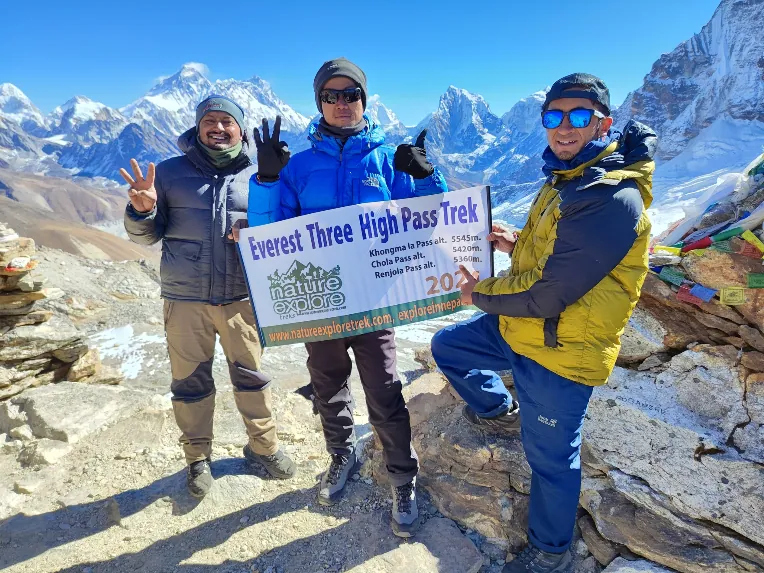
Spring (March to May): Peak Trekking Seasons
A peak trekking season offers you clear visibility and safe paths. One of the seasons preferred by most of the trekkers. About the weather conditions, the spring season is very likely to be chilly as well as pleasant.
Expect your days to be pleasant and nights to be chilly. Routes are dry, visibility is clearer, skies are vibrant and clear, and new flower buds keep blooming. Rotes are mostly covered with blooming rhododendron.
You will see Everest and other peaks shining in the blue sky, making a heavenly scenario. As this season is liked by many, you will see a lot of trekkers travelling with you on the routes, routes are mostly busy. Spring is ideal for someone seeking beauty, a clear view, and someone who is a beginner trekker.
Pros of the spring season
Stable weather, clear view, warm temperature, suitable for first-time trekkers, the beauty that the Himalayas like Everest and other peaks offer, dry routes, and acknowledging new flowers bloom along the trails.
Cons of spring seasons
Trials are mostly busy, which can hamper your travelling experience, expect the lodges and teahouses to be full and limited, and lastly, there is a low chance of you enjoying your view in peace.
Autumn (September to November): Best Overall Season
The autumn season is the overall best season for trekking. Expect fresh air as the monsoon wipes all the dust around the trials. Autumn offers you a blend of beauty between the sky and the land.
Mountain peaks touching the blue sky and sun hitting the mountain spreading a golden color make this season an ideal season for every trekker all around the world who seeks beauty and peace in nature.
Trials are comparatively easier to walk; the temperature is moderate, and the weather is predictable. Picking this season is an advantage for your safety. Enjoying the festival is one of the major cultural experiences. Lodges and teahouses are open, and you will get to taste different foods that are mostly made during festivals.
Pros of choosing the autumn season
Getting to know about Nepali Culture and tasting the festival delights, especially made in Dashain and Tihar, mainly Saale roti and different kinds of meat. Dry route condition with moderate temperatures helps you to ease while packing stuff. Predictable weather conditions with clear and amazing visibility.
Cons of choosing the autumn season
Packed route and trial conditions make it hard for you to seek peace in nature. As the autumn season is also an ideal season for trekkers, teahouses are packed even though they’re still open. There will be a huge disadvantage for you if you don’t like interacting with other people.
Winter (December to February): For Hardcore Adventure
The winter season is recommended for those trekkers who are seeking for adventure experience. The winter season mostly feels silent and quiet. Routes are often quiet with less trekkers as there is a high risk to do trekking in the winter season due to slippery and icy trails. Weather conditions are unpredictable, and the temperature is mostly cold, sometimes unbearable.
During the day heat is bearable as it’s mostly freezing cold temperatures that can go down to -20 degrees. Even if the heat is low, you have to use sunscreen on your body. The Himalayas are filled with snow and high wind pressure.
Cho La and Kangma La suffer from snow blocks. Due to cold temperatures, lodges are closed, and you are left with limited choices. Facilities are limited as well, so you will be provided with basic food options and very less health services. But for someone seeking for adventure trip, then the winter season is suitable for you.
Pros of choosing the winter season
Adventure feeling with close-up views of snow-covered mountains and trails, a peaceful trekking experience, and lodges with fewer trekkers.
Cons of choosing the winter season
Winter season offers you less visibility of nature and the Himalayas, the expectation of sunny days should be less, slippery terrain can cause a life-threatening event, and rate of being infected with altitude sickness is high, high cold wind pressure, and a lack of medical and accommodation facilities.

Monsoon season (June to August): Less recommended
The monsoon season is not preferred by trekkers, but if you want to have an adventure trek and want to take risks, then this season is for you. Clouds are thick and views are covered with hues, causing a high disadvantage for nature lovers.
Trials are slippery and affected by landslides. High chances of landslides, floods, and avalanches. Roads are infected with leeches; without a good prep, you can’t trek in the winter season. Rains are frequent, causing delays in your flight. Accommodation charges are high with basic facilities.
Pre-monsoon is a much better option for you if you prefer the Monsoon season. The temperature is humid.
Pros of choosing the Monsoon season
The monsoon season is great for adventure lovers, and the number of trekkers is lower. There is no advantage to choosing the monsoon season, as it is not safe.
Cons of choosing the autumn season
Slippery paths, high chances of Landslides, floods, and avalanches. High price of accommodation with basic facilities. Risky and can be life-threatening. Lack of visibility and flight delays.
Month by Month Summary Table
March: Starting of spring season, offering fresh trials
March season is the beginning of the spring season and is known as the peak trekking season in the Everest region. Even though the weather at night is still cold, this month offers clear skies and a clear view.
You will encounter snow lingering at the passes like Kongma La, making this trek particularly challenging. This trek is a bit less affected by trekkers, and you will enjoy peace during your trek. This month is best for the trekkers who want to experience the cold of the Himalayas but not the harshness of the winter season.
April: A peak month for trekking in the spring season with newly bloomed Rhododendrons
April is one of the peak months for trekking in the spring season, only affected by the beautiful flower buds and rhododendrons on the trails. This month offers you with suitable temperature with the best mountain view along the trails.
At 4000 meters, you will see a lot of rhododendron blooming at every corner. Routes are easy to access, making this month suitable for beginner trekkers and also photographers, as the whole Everest region looks like a piece of art. Most favorable month for cultural learners.
May: Slightly warmer days, occasional fogs along the view
May is the longest day in the spring season, offering you longer trekking hours. The temperature is warmer than in other spring seasons. May is closer to pre-monsoon season, affecting your visibility, especially at the lower altitudes. This month is affected by fog and clouds at the mountain, affecting your nature trekking experience.
Snowfall can occur occasionally at high altitudes, but the routes are dry, making it easier for you to trek. Trekkers will enjoy the beauty of the landscapes and the bond between sky, mountain, and land. But you have to be careful about humidity and thick clouds.
June: Beginning of monsoon and high risk of rainfall
June is the beginning month of monsoon, also known as the wet month in the Everest region. June can offer you quite good trials for trekking, but it is still risky. As the month keeps on going, the level of risk also gets higher. You will encounter slippery trails, rain falls and cloudy skies. Not only the skies but also the mountains are covered by thick layers of clouds.
High passes are still accessible, but at the last moment, everything can happen as weather conditions and rain on the trails are unpredictable. Even the weather forecast doesn’t match. Trekking agency also won’t recommend you this month or the whole monsoon season as this season offers you high risk.
July: Peak Monsoon season and difficult route conditions
July is a peak monsoon season that is highly affected by rainfalls on both lower and higher altitudes. Trials are muddy, slippery, and risky to trek. This month is the wettest month of the season in the Everest region. Trials are mostly affected by leeches; you might get infected by many.
Natural disasters like landslides and avalanches are common, making this season very risky, and most of the agencies don’t recommend this season. Domestic flights get cancelled often, and your trek will get delayed from time to time, costing you both your money and time.
August: End of monsoon season and high improvement in weather
As August approaches weather keeps improving. Monsoon rain makes the view clear and the forest will get a different color and vibrant. The air is fresh and cold, but the mountains are still covered with clouds. You can still trek at a lower altitude, but trekking at high passes is still risky. If you still want to trek in August, you can travel as the weather conditions are still improving.
September: Pre-monsoon season with freshness and clear skies
September month approaches the autumn season. As the monsoon ends, views become clearer and the color of the forest and skies becomes more vibrant. Dusty landscapes become wiped out, resulting in clear and fresh air.
Routes are still influenced by monsoon, you can expect wet trails as the month passes condition of weather starts to change. This month is still not as crowded as October, so if you want to escape the busy routes, then September is the best alternative for you.
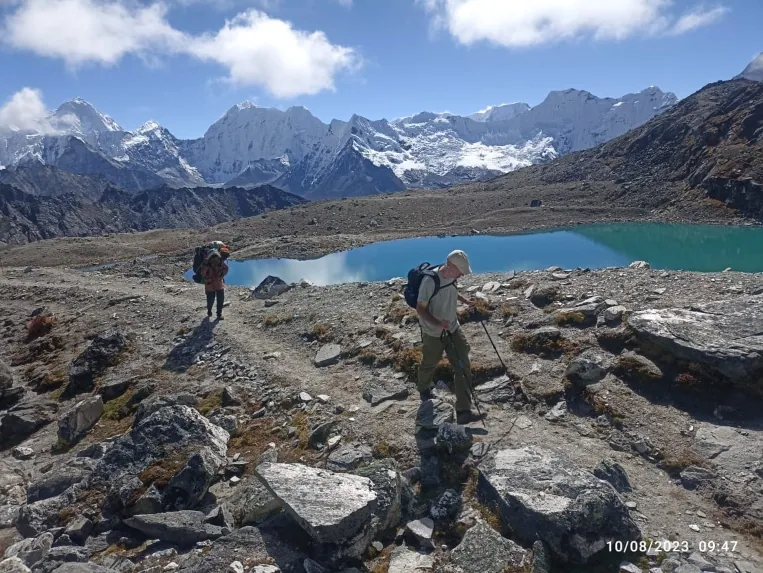
October: Peak month for trekking
October falls in the autumn season, known as the best trekking month of all time. Route condition improves as October approaches. Routes are dry, which makes trekking accessible. The weather is stable and the temperature is moderate. With the best visibility experience, you will get a chance to get a closer view of Everest and other peaks even from afar.
Teahouses are busier, so you need to book your room in advance, as the probability of getting a room this month is nearly impossible. Trials are busy, so don’t expect a quiet trekking experience.
November: Cold mornings and great views
The first half of November month is fascinating for trekkers. This month is close to winter, so the weather is cold at night. This month offers you great visibility. Snow will increase, so keep your ears on the weather forecast. Risks are medium during this month.
December: Start of winter season and best season for adventure seekers
This season is the peak season in winter. Mountain peaks are less visible from afar. Trials are affected by thick snow and slippery snow stacks. Trek to high passes is physically tiring due to the high risk of avalanches and thin air, and one of the best trekking months for adventure seekers.
Seasonal Packing Tips
For spring and autumn, pack layered clothes, sunglasses, sunscreen, gloves, and a hat. For winter, pack layered clothes, jackets, sleeping bags, waterproof layers, and basic altitude sickness medications. As for the monsoon season, pack rain coats, waterproof backpacks, creams, gloves, buffs, batteries, and boots with good grips.
Conclusion
Everest three pass trek is an unforgettable adventure experience. Each season offers you different views and different types of advantages and disadvantages. You have to choose those seasons that you think are suitable for you.
Choosing the right season is best for your safety. Trekking is not always about the experience, but it is also about safety. Some seasons offer you less risk while others will offer you high risk. Are you ready with your favorite month or season?