
 English
 Dutch
Dutch Japanese
 Hindi
Hindi Italian
 Spanish
 French
 German
 Chinese
 Korean
 Arabic
 Hebrew
 Russian
 Portuguese
 Danish
 Czech
Czech Polish
 Swedish
Climbing an 8000-meter mountain is a big dream for many people, but it often seems too expensive. The good news is that even the lowest cost of an 8000 m mountain can be achieved by those who are careful and spend reasonably. All the mountains are not equally expensive. Some have extremely high permit fees, expensive flights, and huge supporting staff, and others are cheaper and simpler to arrange. This implies that even budget mountaineers can pursue a high-altitude adventure without necessarily picking the most expensive one.
An expedition is very expensive and relies upon a great number of factors, such as permits, transportation, guides, equipment, meals, insurance, and emergency rescue. There are those climbers who spend huge amounts of money on luxury services, and those are those who reduce the costs by joining group departures, renting equipment, and selecting local operators. This makes a big difference.
To most individuals, the concept of the cheapest 8000m summit is more than just money saving. It is also the search for a mountain that is of good value, has reasonable logistics, and a realistic possibility of success. Having the correct information, great preparation, and a trusted company, reaching the summit in the Himalayas may be much easier, safer, and cheaper than most individuals initially might think.
Understanding the Costs of an 8000m Expedition
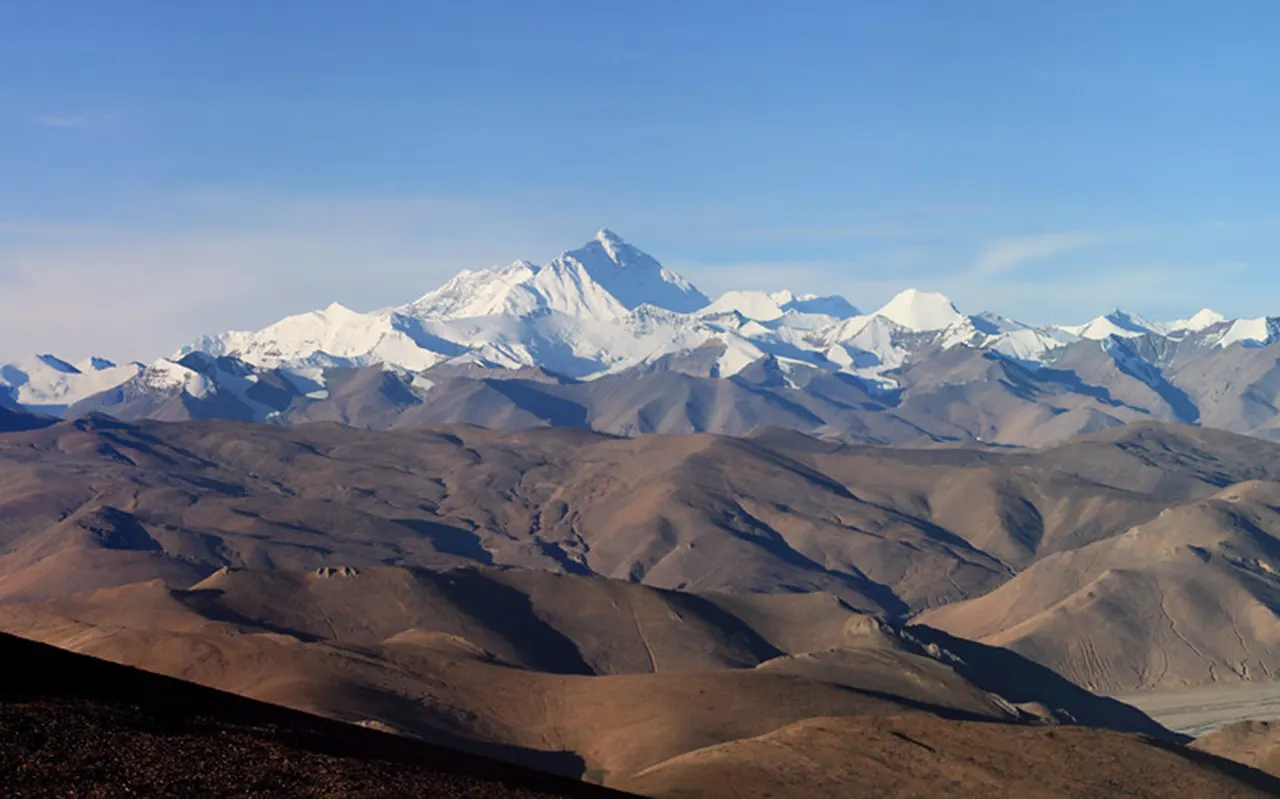
You should also know where the money goes before settling on the cheapest 8000m peak. An 8000m expedition has several significant expenses, and each of them can alter the final price in a significant manner.
Climbing permits, guide services, transport, accommodation, food, equipment, oxygen, insurance, and emergency support have been identified as the most common. The combination of these can make the final cost range between the relatively low-priced climb and the extremely high-priced one.
One of the fixed costs is permit fees. These are determined by the government of the country that the mountain belongs to. Next are the logistics, which can constitute the largest portion of the budget. This involves guides, Sherpas, base camp staff, transport to the mountain, and the price of establishing camps. Another high cost is equipment. Purchasing all the necessary equipment to go high can run in the thousands of dollars, and this is the reason why many low-end mountaineers opt to rent some equipment.
Transport and lodging are also important. Before and after the climb, international flights, hotel accommodations, and food are all counted. Insurance is also necessary since the rescue at high altitude can be extremely costly. The knowledge of these costs makes the climbers compare and decide on the cheapest 8000m peak in a smart, realistic manner.
Permits and Government Fees
Every high-altitude climb incurs some unavoidable permits and charges by the government. Even if you desire to at least be able to reach the cheapest 8000m peak, you just have to spend money on official fees to start with.
These fees are imposed by the government and can be extremely varied based on the nation, the season, and the mountain itself. The permit is one of the most expensive in certain locations. In others, it is far more affordable and contributes to the generality of the expedition being inexpensive.
Nepal has numerous of the 8000-meter mountains, and its permit system is expensive, particularly throughout spring. Everest is by far the costliest, with other Nepali mountains like Manaslu, Lhotse, Makalu, and Dhaulagiri costing significantly less.
Permit fees are lower during the autumn in Nepal, and you can do the expedition in autumn to cut down on the overall budget. Besides the basic climbing permission, there can be park entry fees, owing to local charges, garbage deposits, and liaison officer expenses.
In most cases, Pakistan is cheaper to permit. Mountains like Gasherbrum II, Gasherbrum I, Broad Peak, and Nanga Parbat tend to be cheaper than in Nepal. This is one of the reasons why the 8000m peaks in Pakistan are cheaper. Lower permit fees make climbing more affordable for budget mountaineers. Because the permit cost is lower, it becomes easier to plan a cheaper expedition overall.
Logistics: Guides, Transport, and Accommodation on a Budget
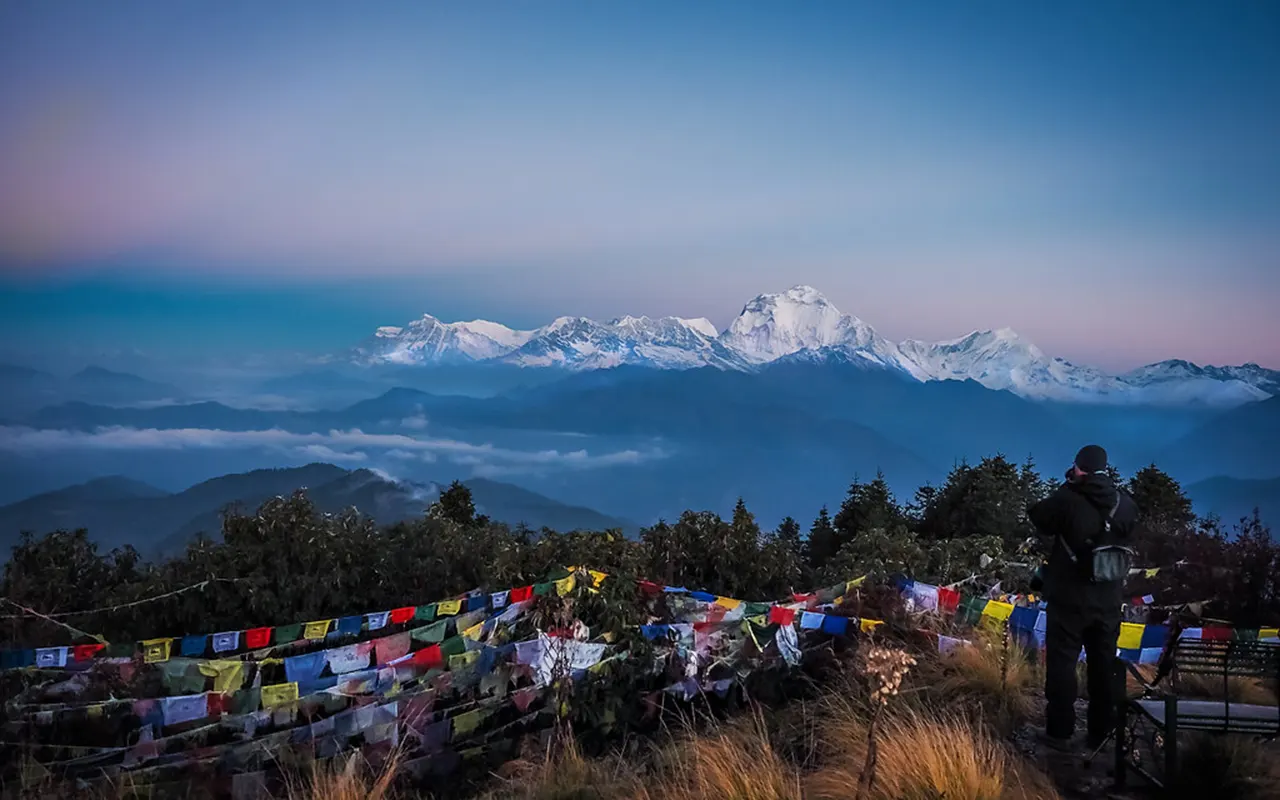
Logistics can take the biggest expense in the 8000m expedition budget. Once you decide on the cheapest 8000m peak, the expenses can escalate within a short period unless transport, support crew and accommodation are put into consideration.
That is why smart logistics are so significant to climbers who do not want to spend much money and still do not want to be deprived of safety. A good operator will assist in striking the right combination of comfort, support, and price in a viable manner.
Support staff and guides cost a lot. Expeditions organized by international operators tend to be significantly costlier compared to the locally arranged ones. The experienced Sherpa guides, porters, and base camp staff are usually provided at a significantly lower cost by local companies in Nepal and Pakistan. This is among the most effective cost control methods for many budget mountaineers. Being a member of a group trip is also beneficial as a lot of the costs are distributed, such as base camp gear, cook staff and set ropes.
Another important area is transport. There are also those mountains that can be accessed via road, and hence reduce costs since they do not have to fly at high costs or use helicopters. There are treks in Nepal where a jeep ride is taken, after which the trek starts. In Pakistan, most climbs involve extensive overland journeys and walks to base camp, which is less expensive than air travel.
Budget-friendly accommodation is most of the time easy and sensible. Logistics will allow one to make the 8000m peak that may otherwise seem unrealistic and unfeasible when planned wisely.
Gear: Rent vs. Buy and Other Equipment Tips
One of the largest aspects of personal expenses during an expedition is high-altitude climbing equipment. Gear choices can be of great importance to people looking to achieve the cheapest 8000m peak.
When you have to purchase down clothes, high-altitude boots, crampons, harnesses, sleeping bags, etc., all the technical equipment is very expensive. This is why a combination of renting, borrowing, and purchasing only the most significant idea is used by numerous climbers to save money.
Gear renting is quite a feasible solution, particularly in such destinations as Kathmandu, where numerous stores provide expedition gear at a cheaper cost than the cost of purchasing new equipment. This is convenient to the budget mountaineers who might only get to use the equipment once or twice. Down suits or high-altitude boots can be rented and save money.
Second-hand equipment is also a good purchase, provided that the gears are in good condition and will not fail during extreme weather.
Simultaneously, certain equipment must be selected with a lot of care. Personal clothing layers, such as boots, personal clothing, socks, and any other item that directly influences the comfort and safety, must fit and work well. Major costs are also added by the use of oxygen systems.
The right choice of gear can assist climbers to be ready for the lowest cost of reaching the 8000m peak and, at the same time, remain safe, comfortable, and equipped to face tough conditions in the mountains.
Best Climbing Seasons and Weather Considerations
Choosing the right season is just as important as choosing the right mountain. It is essential to choose the right season as well as the right mountain. The cost and success of climbing the 8000m peak are influenced by the season for climbers seeking the lowest cost.
Everything is different in the high mountain weather. An improved season will enhance the chances of success on a summit, decrease delays and increase the efficiency of the entire expedition. Meanwhile, certain seasons have increased permit fees or busier routes and time is an issue both in safety and budget.
The peak climbing season in Nepal is spring. The climate is typically on the more predictable side, and various teams prefer trekking in this season on big mountains such as Everest, Lhotse, and Makalu. The spring season can be expensive for permits, though.
Another good alternative in Nepal is autumn. Generally, it has lower permit charges, less congestion, and clear weather, which is appealing to budget mountaineers, particularly at summits such as Manaslu.
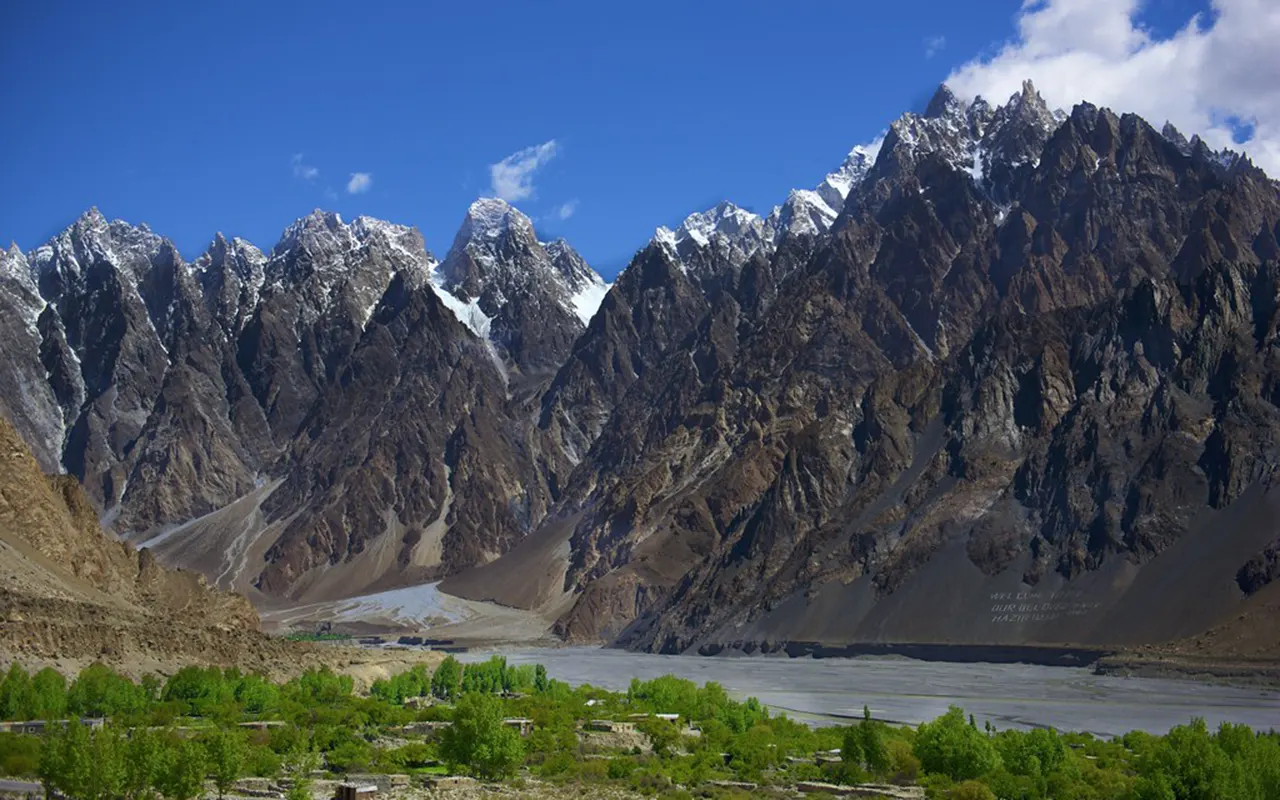
The Karakoram mountains have summer as the primary climbing season in Pakistan. This is the period when most of the climbing is done to peaks such as Gasherbrum II, Broad Peak, and K2 since the season is more conducive to climbing.
Winter is not a feasible low-cost alternative in most cases, since it is colder, more hazardous, and may require additional support and equipment.
The selection of the appropriate season assists climbers in being more planned, more favorable, and more balanced in the budget in reaching the cheapest 8000m peak.
Safety and Rescue Logistics
Safety must always come before savings. Climbers must never compromise on the necessary safety precautions in order to cut the price, even in the event that they are seeking the lowest possible price in reaching the 8000m peak.
It is risky to have to climb over 8000 meters, and carrying out a rescue in remote mountainous regions may be complex, time-consuming and costly. Good planning includes knowing the rescue system, having the right insurance and having an operator whose emergency plans are well defined.
Helicopter rescue services are more available in Nepal, especially in popular climbing areas. This makes emergency evacuation easier in many mountain regions. Injured or sick climbers can most of the time be evacuated to lower camps or base camp by helicopters, which may be quite costly. That is the reason why high-altitude rescue insurance is required.
You also need trained guides, medical provisions, and additional oxygen to be used in case of an emergency. The operator should clearly explain what steps will be taken if a climber becomes sick or gets injured during the climb. This helps climbers understand the emergency plan before the expedition starts.
Rescuing is not impossible in Pakistan, but it can frequently be more difficult as the mountains are far. The functioning of helicopters is based on weather, military coordination and distance. This enhances the importance of self-rescue and high team support.
Safety needs to be considered as a fundamental factor, and not an additional service to budget-minded mountaineers. It is only logical that the peak of 8000m would be the most affordable, but it should be accompanied by sound rescue planning, appropriate training, and a solid team that would approach the emergency seriously.
Budgeting Tips for International Travelers
International climbers need to think beyond the mountain itself. Travel costs to and out of the expedition can be high, even if you opt for the cheapest 8000m peak, unless you manage them. The final budget is influenced by flights, hotels, meals, baggage charges, local transport, and so on. These additional expenses can be minimized through proper budgeting to render the entire expedition cheaper for budget mountaineers.
One of the simplest methods of saving money is to book international flights in advance. Flexible travel times usually come in handy. Packing should also be done well, as the additional baggage fees may turn out to be costly when packing mountaineering equipment. Budget hotels and guesthouses are common in cities such as Kathmandu or Islamabad, hence there is no necessity to stay in costly areas. Dining in local restaurants and purchasing stuff in local stores can also lower the expenses per day.
Exchanging money should be smart, and some local currency should be retained to spend on smaller expenditures.
Another significant component of budgeting is insurance. It might look like an additional expense, but it can save you a lot of money in case of mishaps. Tips, delay, and personal expenditure are also prudent to plan.
A realistic budget also enables climbers to be prepared throughout the expedition. This renders the trip to the cheapest 8000m summit more organized, less stressful, and manageable.
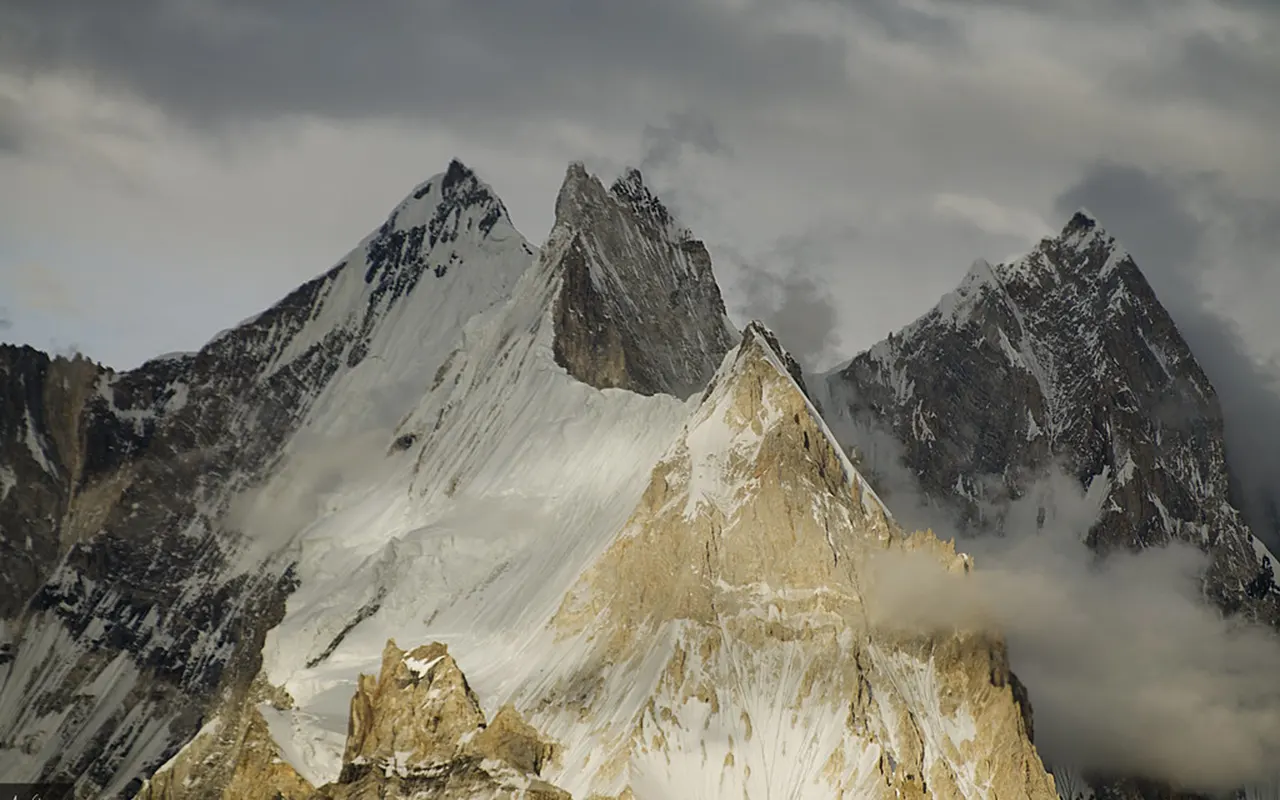
Comparison of All 8000m Peaks Cost: Which is the cheapest?
Knowledge of the difference in costs of climbing the 148000-meter peaks of the world assists mountain climbers in planning their adventure in a wise manner.
The following table is a comparison of the permit fees and estimated cost of the expedition to assist those who have limited funds and thus want to know the cheapest 8000m peak.
| 8000m Peak | Location | Permit Fee (Approx.) | Typical Budget Expedition Cost |
| Gasherbrum II | Pakistan | $2,500 | $7,000 – $15,000 |
| Gasherbrum I | Pakistan | $2,500 | $7,000 – $18,000 |
| Broad Peak | Pakistan | $2,500 | $7,300 – $20,000 |
| K2 | Pakistan | $3,500 | $7,800 – $30,000+ |
| Nanga Parbat | Pakistan | $2,500 | $8,000 – $25,000 |
| Manaslu | Nepal | $1,500 – $3,000 | $8,500 – $18,000 |
| Lhotse | Nepal | $1,500 – $3,000 | $8,500 – $30,000 |
| Makalu | Nepal | $1,500 – $3,000 | $9,000 – $25,000 |
| Dhaulagiri I | Nepal | $1,500 – $3,000 | $9,000 – $30,000 |
| Annapurna I | Nepal | $1,500 – $3,000 | $10,000 – $35,000 |
| Kangchenjunga | Nepal | $1,500 – $3,000 | $15,000 – $35,000 |
| Cho Oyu | Tibet/China or Nepal side | Around $10,000 | $30,000 – $50,000 |
| Everest | Nepal/China | $15,000 | $33,000 – $70,000 |
| Cheapest Peak Overall | Gasherbrum II (Pakistan) | $2,500 | Starting around $7,000 |
Based on this comparison, Gasherbrum II is the most affordable 8000m peak, mainly due to, again, lower permit fees and relatively cheap logistics in Pakistan.
Nevertheless, the issue of accessibility, safety assistance, and level of experience is to be considered by climbers who want to select the appropriate mountain to engage in the journey during their 8000m experience.
Choosing a Reputable but Affordable Operator
One of the most significant aspects of the expedition planning is to find the right operator. Remember that a low price is not always the best, and the cheapest company is not always the one that may be chosen.
In case you want to climb the cheapest 8000m peak, then you ought to seek an operator who offers reasonable prices, transparent services, and a safety record. Good value entails a trade-off between price and trust, experience, and quality support on the mountain.
A reputable operator must offer a complete cost breakdown. This must indicate clearly what is provided, and these may include permits, transport, guides, base camp services, oxygen, accommodation, and food. Making information clear will assist climbers in making comparisons of offers in the right way. It also avoids hidden charges. In the case of budget mountaineers, transparency is just as important as price.
Reviewing the safety systems of the operator and their climbing history is prudent. A local firm can be far cheaper than a big foreign name with efficient logistics and qualified Sherpa guides. Enquire concerning rescue strategy, acclimatization timetables, guide to client ratio, and summit assistance.
All permits should also be taken care of by the company legally and professionally. The idea when selecting support of the cheapest 8000m peak is not necessarily to spend less. It is to spend well with a team that provides certainty, security, and an increased likelihood of making it to the top successfully.
Why Choose Nature Explore Treks for Your 8000m Adventure
Nature Explore Treks is recommended to those who seek to have a mountain experience at a fair price. Any person intending to achieve the cheapest 8000m peak can consider having a local firm to facilitate the expedition and make it cheaper and more viable.
Nature Explore Treks aims to provide the climbers with the support that they really require, and not add any unnecessary luxury expenses that make the final price high.
Clear-cut pricing is one of the largest strengths of Nature Explore Treks. The company focuses on explaining costs in a very straightforward manner so that the climbers know what is included from the beginning. This will prevent confusion and simplify budgeting.
The company also collaborates with the local guides and Sherpas who have years of experience in the mountain range, weather conditions, routes, and any challenges that might arise at high altitudes.
Another reason why Nature Explore Treks should be chosen is the safety. There should be a price-saving service, but not at the compromise of the quality, and the company poses as attentive to thorough planning, appropriate equipment, acclimatization, and rescue support.
It also provides practical assistance prior to the expedition and during the expedition, such as logistics, local advice, and flexible arrangements according to the needs of each climber.
To the people who dream of the 8000m peak at the minimum possible price, Nature Explore Treks provides an ideal combination of price, familiarity with the local people, security, and quality service.
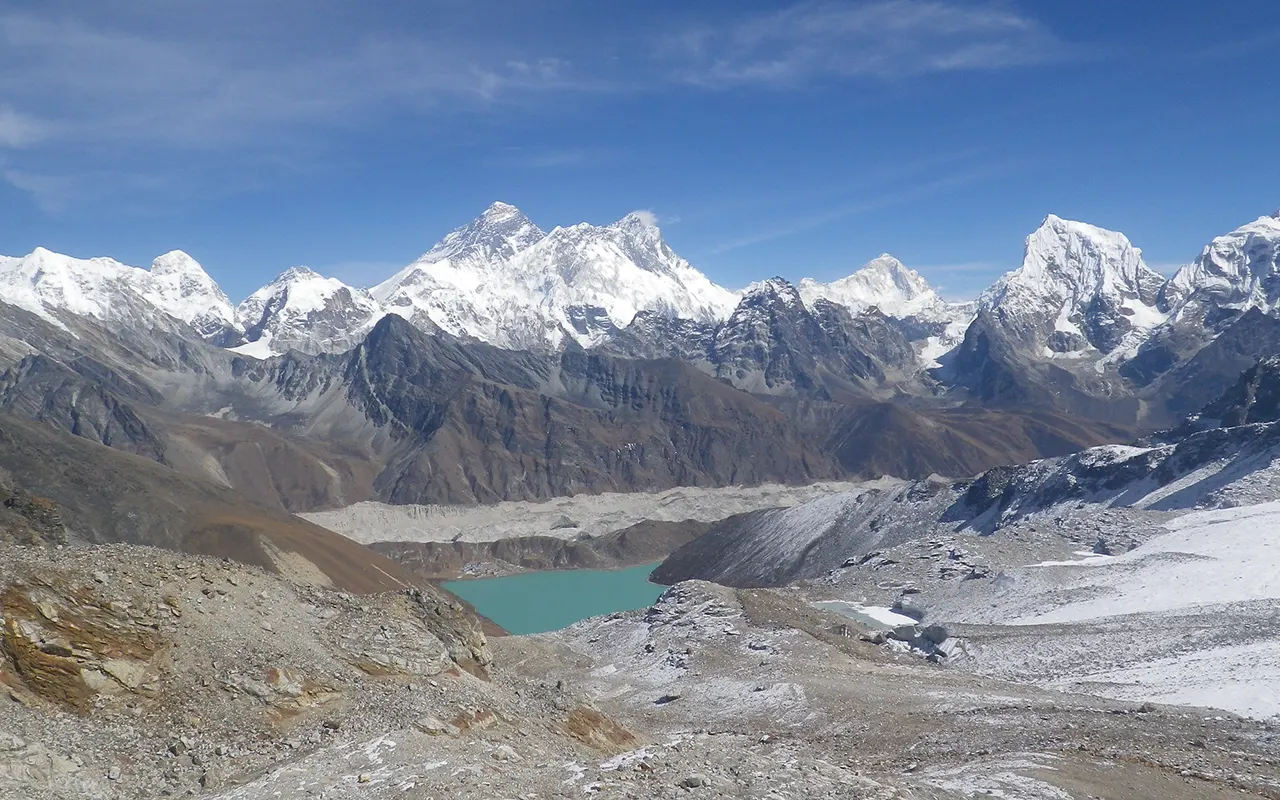
Achieve Your 8000m Dream – Without Breaking the Bank
It might appear out of reach to summit an 8000-meter mountain, but with proper planning, that will be achievable. The fact that the cheapest 8000m peak does not imply that you reduce your ambition. It involves making wise choices on where to go, when to travel, how much to spend, and who to believe. High-altitude mountaineering is not as expensive as many people would have thought with the proper approach.
Good information is the most likely to guide one in the best direction. Peak comparisons, knowledge of permits, gear cost estimation, and selecting an operator that offers value and safety should be in the plan of climbers.
Climbs like Gasherbrum II and Manaslu show that reaching above 8000 meters does not always require extremely high costs. With careful planning, climbers can achieve these big mountains without spending a huge amount of money. To the budget mountaineers, there are actual opportunities of reaching high without spending money on useless extravagances.
Nature Explore Treks could assist in making this plan into action. After comparing mountains or deciding which ones to climb, the next thing is to receive clear advice and a realistic budget. Request a more detailed quote, get to know what is included and develop a plan that fits your experience and financial constraints.
It all starts with a single choice, by deciding to take a step toward the cheapest 8000m mountain peak. The right support can make your 8000m dream challenging, safe and attainable without having to break the bank.