
 English
 Dutch
Dutch Japanese
 Hindi
Hindi Italian
 Spanish
 French
 German
 Chinese
 Korean
 Arabic
 Hebrew
 Russian
 Portuguese
 Danish
 Czech
Czech Polish
 Swedish
Yes, October is one of the best months for the Everest Base Camp Trek. Post-monsoon weather means clear skies, stable conditions, and breathtaking views of the Himalayas .Everest Base Camp is one of the world’s most iconic treks which drawn people from all over the world who dream of standing under the shadow of the world’s highest peak. When it comes to timing the journey, questions are often raised is October really the best time to go? October, roughly in the middle of Nepal’s autumn travel season, is typically considered the optimal time for this iconic trek. It is important to decide the right time of year for an incredible adventure because of the unpredictable weather in the Himalayas and the demands of the trek.
For good reason, October is considered the best time of year to trek Everest Base Camp. The summer monsoon rain has finished, leaving clear skies, fresh air, and blossoming nature behind and hasn’t yet stabilized into the bitterly cold winter temperatures. The weather is usually dry and stable, this provides trekkers with some of the most incredible mountain views of the year with daytime temperatures at lower camps ranging from 10°C to 20°C and cold but manageable at night. Due to this great climate, many trekkers will flock to the trails from all over the world.
This guide attempts to give you all the information you require for your trek to Everest Base Camp in October. You will discover detailed information on weather patterns, temperature ranges through elevations, and what to expect regarding visibility and track conditions. We lay out the pros and cons for you from spectacular mountain views and ambiance to an abundance of teahouse guests and higher costs during peak season.
Whether you consider yourself a trekker or beginner, we have provided you with handy hints to make your trek as smooth as possible – including tips on packing and maximizing your best chance of a decent bed and avoiding the madness of the trails. After reading this, you will have a solid understanding of what you can expect through October, which can ultimately assist you in determining whether or not now is the ideal moment to hike to Everest Base Camp.
Why October is Considered the Best Month for EBC Trek
October is considered the best month for the Everest Base Camp (EBC) trek mainly because it is immediately after the monsoon season, which means it’s dry. The intense summer rains have cleared the dust and pollution from summer, resulting in stable and dry air which greatly reduces flight delays to Lukla. Since there is little rain and consistent sunshine, trekkers can expect great trekking conditions and less slippery trails as there is less precipitation.
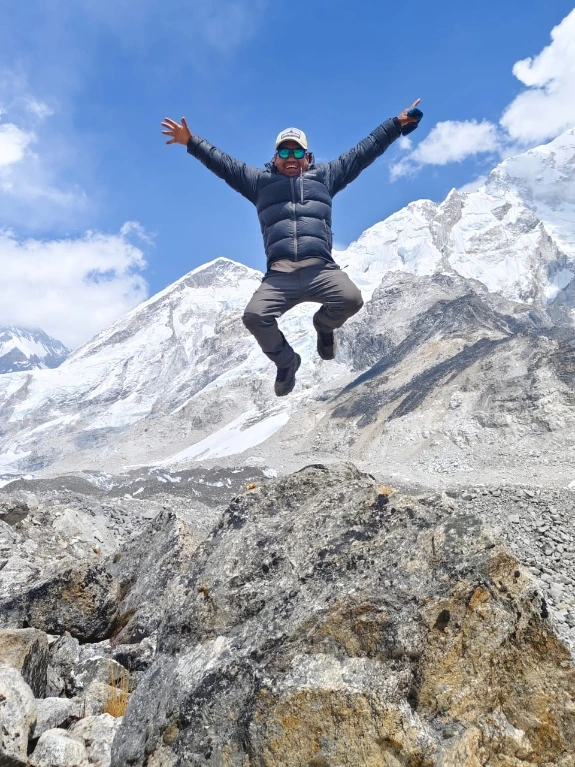
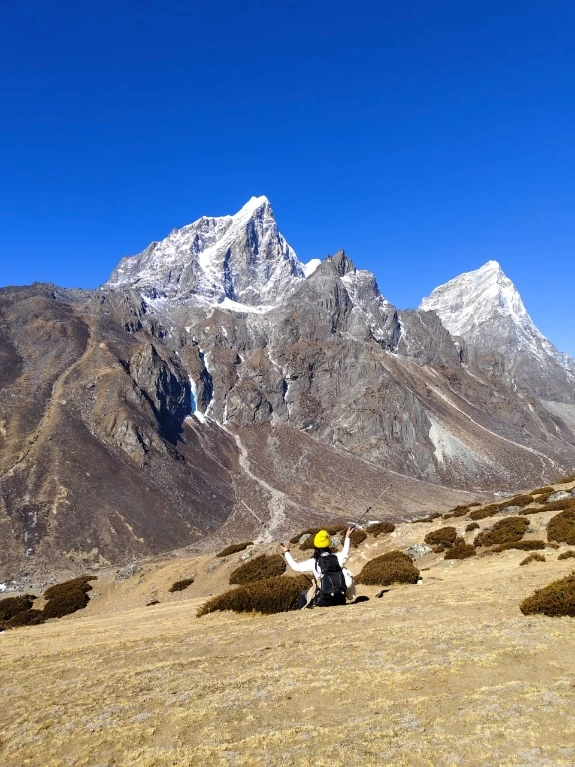
One of the appealing attributes of October is the clear mountain views that trekkers should expect. The skies are typically a deep blue and visibility is at its best so trekkers can enjoy stunning panoramas of Everest and the other giants of the Himalayas. Trekkers can enjoy the area’s snow-capped peaks, verdant valleys, and crystal-clear vistas because of less clouds and fogs.
October has a moderate temperature with a true balance of warm and cold. Generally, days are warm at lower elevations because temperatures sit around 10°C to 16°C, whereas at higher elevations nights may be between -5°C to 2°C. This comfortable temperature range in particular after the blazing heat of summer, but before the severe cold of winter. As a result, it will be easier for trekkers to layer up, or down and enjoy the journey.
Additionally, October offers a lively atmosphere in the Everest region. It is peak season, and the trails have their fair share of fellow trekkers from around the globe. Teahouses and lodges are open, and the villages and communities are alive with buzzing energy due to the festive environment. This creates a spirit of community and international sharing that seems to enhance the experience for those trekking in October.
Weather Conditions in October
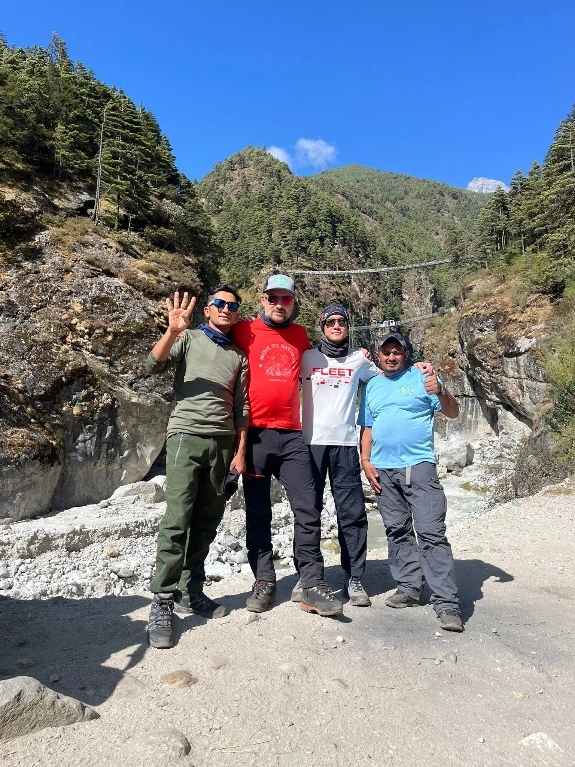
October is often considered the best month to trek to Everest Base Camp from a weather perspective, and thus many people go trek during this month. During the daytime, a comfortable temperature range at the lower elevations is from 10ºC to 15ºC. While this is mild, and it can be quite comfortable to hike without bearing the extreme summer temperatures, as you go higher into the mountains, it will become colder.
At night the temperatures can sometimes drop considerably, particularly at the higher camps close to Everest Base Camp, where it is possible to expect nights that drop below freezing. It is important to be prepared with enough layering as it becomes much colder overnight. Because of freezing nights, it is important to have a good quality sleeping bag and warm clothes. Trekkers should bring enough warm layers to get a good night’s sleep and energy for the next day’s trek.
One of the highlights of trekking in October is that it rarely rains or snows. The monsoon historically ends in September, resulting in mostly clear skies. Also, the month of October has predominantly dry weather which means safer trails due to minimal slipperiness and fewer obstacles to navigate around on the trek. Dry days are much more predictable as a trekker, making the trekking experience much better.
October is the best month due to its visibility for trekkers having an interest in photography and nature. Trekkers can witness the highest peak of Everest and the Himalayas in all its magical splendor because of the crisp and clean Himalayan air. The combination of clear blue skies, sunshine, and minimal haze leads to ideal conditions for capturing photos. The weather in October offers a special setting for appreciating and reliving these moments indefinitely, from the breathtaking morning scenery to the limitless valleys below.
Crowd Levels: The Peak of Trekking Season
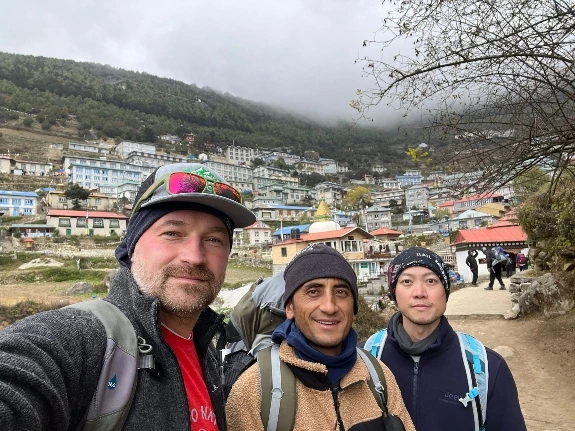
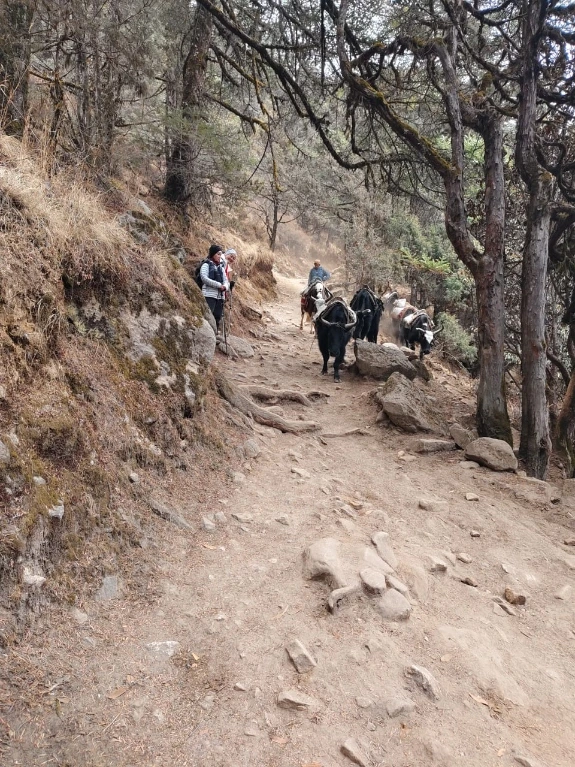
October is the peak of trekking season on the Everest Base Camp trail, which leads to high foot traffic, especially in popular villages such as Namche Bazaar and Tengboche. At this time of year, as many as 500 trekkers on the trail each day, and crowds appear on the busier main routes. The trail is buzzing in the popular section of walk where you will often find yourself surrounded by other trekkers from all around the world.
Due to a large number of trekkers, teahouses, and lodges quickly fill up, especially at key stops.The trails have high traffic, so trekkers have to make advance reservations on teahouses and lodges. In addition, Prices will also depend on the availability of meals and accommodations, although the increased demand for basic amenities may result in higher costs and a more competitive environment.
Although the realities of the crowds may make some feel uncomfortable, many see the atmosphere as a desired characteristic of trekking in October. The social aspect of trekking is undeniable-shared meals, and stories are common leading to easy connections and friendships. With the trails busy, and lodges filled, there is often a festive mood with trekkers celebrating their progress and enjoying the rich culture of the area.
Even though October is a popular month, it is not the ideal time of year for those seeking solitude. For those looking for solitude, the expression of many people delighting in the trails, you may find that the constant flow of people and noise detracts from your quiet and introspective nature of the adventure. The sense of wilderness may feel diminished, especially in the most trafficked parts, but, for many the energy and camaraderie from the activity with a group of people will outweigh the negatives in terms of spectators.
Flight and Permit Considerations in October
October has the highest volume of trekkers to Everest Base Camp, hence it is important to plan your flights and permits carefully. Flights into Lukla, the gateway to the Everest region are heavily booked during this time. So, make sure to plan your flight in advance, especially considering last-minute tickets tend to be unavailable and are more expensive. October is a very busy season, and flight availability each day can be limited because of expected demand. If the weather conditions change, you will likely see delays or cancellations at the last minute.
Permit requirements are stationary within the Everest region; there will be no seasonal changes regarding regulations and fees for permits. However, it is highly advised to apply for permits before the trek, especially in October as there is a last-minute rush. Trekkers should get both the Sagarmatha National Park Permit and the Khumbu Pasang Lhamu Rural Municipality Permit before the trek. Applying for these permits in advance of your journey can guarantee a more smooth entry into the Everest region.
During October, the Lukla flight is packed especially for the Everest region. So, consider booking your entire package-including flights and permits-through a reliable trekking agency. Trekking agencies often have better access to flight bookings and assistance with managing flight schedules in case of sudden changes. If you are booking independently, closely watch flight schedules based on your flexible travel dates. It is also a good idea to have a couple of days in Kathmandu before your Lukla flight to have a buffer in case you are delayed by the weather.
Accommodation and Food Availability
Accommodation and food availability on the Everest Base Camp trek is greatest in October, with almost all teahouses open and stocked. These family-run teahouses have simple but comfortable spaces, usually twin-sharing with common dining rooms, where people hang out. The food availability in October is more diverse than in the off-season due to sufficient supply and demand. Menus are predominantly Nepali staples, such as dal bhat, but may also have pasta, noodles, soups, and a handful of Western meals like pancakes and omelets.
In October, the peak season for trekking, prices for hotel rooms and meals can be higher than in off-season months. Most travelers can experience an increase in prices at certain stops or altitudes above 4,500m. Higher altitude meal prices can run anywhere from $5 to 15 per meal, with additional charges for extras like Wi-Fi, hot showers, and charging devices. The costs may seem unreasonable – but the food quality and variety are better during peak trekking months than in the off-season.
As October is a popular month for trekking, it is strongly advised to pre-book your teahouse rooms, especially in smaller villages or higher altitude stops when possible. This precaution avoids the last-minute frenzy to secure accommodation in your teahouse. If you pre-book your tea house you may also find yourself enjoying lodges with better resources and locations, which facilitates a better Everest Base Camp experience in this hard-working trekking month.
Festivals and Cultural Highlights in October
October is a culturally rich month for trekking as it offers trekkers to experience two main festivals in Nepal; Dashain and Tihar. Dashain frequently takes place in early or mid-October, when families unite, houses are decorated, temples are packed with devotees, and the festive spirit permeates the whole country.
After Dashain, Tihar (Festival of Lights) takes place, trails are draped with oil lamps and brightly colored decorations, giving the crisp autumn evenings a magical feel. Both Dashain and Tihar present a tremendous opportunity for trekkers to experience Nepalese hospitality, taste festival foods and observe sacred traditions and rituals that are cannot seen outside of these two months. The trails feel more alive than normal with locals and fellow trekkers embracing their joyous sentiments.
One true highlight of October is the Mani Rimdu festival, held at Tengboche Monastery in the Everest region. This Buddhist festival is celebrated in late October or early November and is the most significant event on the calendar for the Sherpa people living in the Everest region. Mani Rimdu is a three-day celebration of masked dance, rituals, and prayers carried out by the monks. Attending Mani Rimdu not only adds a more spiritual dimension to your trek but also allows you a rare opportunity to take a peek at the living traditions in the region.
Attending these festivals in October provides an amazing experience that adds a real cultural element. More than just a physical challenge, the Everest Base Camp journey is an adventure filled with vibrant festivities, religious rites, and community gatherings. Everest Base Camp trek in November provides first-hand experience to connect to land and locals, and memories that just go beyond the mountains.
Packing Tips for October Trek
- Pack clothing in layers: base layers for moisture control, insulated mid-layers, and an outer layer to deal with the warm day and cold night.
- A lightweight, waterproof rain jacket is perfect for the occasional rainfall and wind protection.
- Protect yourself against strong sun exposure by bringing high SPF Sunscreen, a brim hat, and UV protection sunglasses, as higher altitude has a high level of UV exposure.
- A sleeping bag rated to freezing temperatures can be required for nights up at higher camps.
- A comfortable sturdy pair of trekking boots, warm gloves, and a down jacket for cold evenings and mornings are also essential.
- Bring a head torch with spare batteries, and a reusable water bottle to stay hydrated.
- Bring camping items, gear, pre-pack consumables like snacks, and a first aid kit for comfort and safety.
Pros and Cons of Trekking in October
✅ Pros:
- October has moderate, dry, and mild temperatures to trek in.
- October has crystal clear day and night with a constant view of the mountains on the trek.
- The trekking trails in October are full of adventure-loving trekkers from all over the globe.
- Most trekkers will have the opportunity to witness major Nepali festivals including Dashain, Tihar, and the Tengboche Mani Rimdu festival.
- Almost all teahouses and lodges are open with inventories to guarantee good food and accommodations.
❌ Cons:
- Trails and teahouses can become busy during October in villages like Namche Bazaar and Tengboche.
- Flights and accommodations in teahouses fill up quickly, so booking must be done in advance.
- Accommodations, food, and services prices in October can be more expensive due to the busy peak trekking season.
- Most people are seeking the adventure of trekking experience in the mountains, the hustling environment may not suit those people who enjoy peace and quiet.
- Although October is generally good weather for trekking, there can be delayed flights to Lukla caused by varying weather in the mountains.
Conclusion
October is arguably the best month for EBC — with a combination of fantastic weather, visibility, and a charm of liveliness on the trails. Trekkers will experience the most stunning views of Mt Everest and the surrounding mountains due to stable temperatures, little precipitation, and mostly clear skies. The active trekkers on the trail, busy teahouses, and the opportunity to see Nepali festivals such as Dashain, Tihar, and Mani Rimdu all add to the trip, making the month of October more memorable.
For first-time trekkers, the hike experience is everything you could want including the well-defined trail, opened teahouses, and a joyful environment. Additionally, the hiking route is full of trekkers all around the world, creating opportunities to meet new friends and trade stories.
Ready to trek Everest Base Camp this October? Now, it’s your turn to start planningto secure Lukla flights, permits, and accommodation during this peak season. With the right planning and preparation, you will have an unforgettable experience on top of the world.