
 English
 Dutch
Dutch Japanese
 Hindi
Hindi Italian
 Spanish
 French
 German
 Chinese
 Korean
 Arabic
 Hebrew
 Russian
 Portuguese
 Danish
 Czech
Czech Polish
 Swedish
The Kailash Manasarovar Yatra is a holy pilgrimage to Mount Kailash and Lake Manasarovar, two of the most sacred destinations in Tibet.Hinduism considers Mount Kailash to be the home of Lord Shiva, while Buddhism, Jainism, and Bon also have great reverence for the mountain. Each year, thousands of pilgrims are drawn to the area by its spiritual presence and natural beauty.
Mount Kailash’s base is home to Lake Manasarovar known for its crystal clear water which is believed to wash away sins from all lifetimes. Lake Manasarovar and Mount Kailash are located in Tibet at a high altitude, a must-visit site that combines physical beauty and symbolism for three religions at different levels of spirituality.
If you are looking to do the Yatra in 2026 or 2027, this is a very auspicious time to do it. The Tibetan Horse Year in 2026 is said to double all the spiritual merits you gain. The Saga Dawa festival coincides with the pilgrimage, creating an opportunity for a serious spiritual experience. Departure dates during full moons also add unique value to the pilgrimage.
This blog is written as a complete guide, with detailed costs, itineraries you might consider, your options for routes, full moon dates, difficulty level, etc. Whether you are looking for spiritual fulfillment or a trekking adventure, this blog will add a guiding light to your planning and experience of the Yatra to Kailash Manasarovar.
Best Time to Go for Kailash Manasarovar Yatra 2026/2027
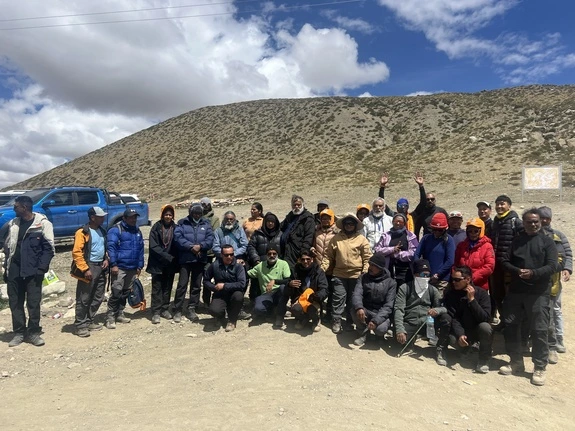
The Kailash Manasarovar Yatra could be performed between the period of May and September when weather conditions and travel arrangements are at their best. This duration is highly referred to as the Yatra Season because thousands of pilgrims visit for spiritual purposes as well as to embrace being on the spiritual ground.
In these months, the weather is cool and pleasant with daytime temperatures of approximately 5°C to 20°C. The skies are reasonably clear, and there is no snow on the tracks, allowing for safer and more enjoyable trekking and travel. The stability of weather is paramount, especially for acclimatization and health.
However, the main Yatra season represents a very busy time for routes with many more people than off-season treks, particularly May and June with additional limited guesthouse availability. Nevertheless, for most pilgrims, having access to good weather, guesthouses open, and supplies far outweigh the inconveniences posed by crowds of fellow pilgrims.
Altitude is the most critical consideration because the remarkable Dolma Pass is over 5,600 meters. Taking the Yatra during the main season maximizes a pilgrim’s ability to successfully manage altitude sickness, as the ambient mild environmental conditions allow the apex of acclimatization steeper and thus reduce the probability of developing serious problems associated with extreme cold. Lastly, accessibility via roads is typically secure from May to September because of upgraded infrastructure.
Full Moon Departure Dates 2026
For pilgrims on the Kailash Manasarovar Yatra, the Full moon is extremely significant spiritually, and many believe going on the Yatra rituals and parikrama at this time creates an amplification of spiritual merit and blessings. Because of this, a full moon night is considered amongst the most auspicious times for meditation, prayer, and receiving divine energies at Kailash and Manasarovar.
The 2026 season for full moon departures is May 22, June 21, July 20, August 19, and September 17. Over the years, many have chosen these chorological dates because they want to bless pilgrims with the sacred sites while enjoying and meditating in the glow of the full moon.
For the best experience, Travelers are always recommended to travel in June and July. The weather is pleasant at this time of year and there are more pilgrims to share your experience with, conditions are safer and more comfortable. Although there may be early snowfall, September is also a good month. Whatever dates you choose, always check for more up-to-date departure dates from your travel provider, as well as weather trends, before confirming your Yatra.
Departure Date for Kailash Manasarovar Yatra 2026
| S.N | Kathmandu Arrival | Visa Apply | Final Departure | Remarks |
|---|---|---|---|---|
| 1 | 3rd May 2026 | 4th May 2026 | 17th May 2026 | Full Moon |
| 2 | 18th May 2026 | 19th May 2026 | 1st June 2026 | |
| 3 | 31st May 2026 | 1st June 2026 | 16th June 2026 | Full Moon |
| 4 | 19th June 2026 | 20th June 2026 | 4th July 2026 | |
| 5 | 29th June 2026 | 30th June 2026 | 14th July 2026 | |
| 6 | 5th July 2026 | 6th July 2026 | 19th July 2026 | |
| 7 | 28th July 2026 | 29th July 2026 | 11th August 2026 | Full Moon |
| 8 | 3rd August 2026 | 4th August 2026 | 17th August 2026 | |
| 9 | 26th August 2026 | 27th August 2026 | 10th September 2026 | Full Moon |
| 10 | 13th September 2026 | 14th September 2026 | 28th September 2026 | |
| 11 | 20th September 2026 | 21st September 2026 | 5th October 2026 | Full Moon |
Note: This is a fixed departure group. However, if you have your own group, we can customize the dates according to your preference.
Ready to book your trip with us? Fill out the inquiry form below
Permit Requirements and Travel Rules
In order to enter Nepal for the Kailash Manasarovar Yatra, you will need a passport, a Nepal entry visa, and sometimes a document for onward travel. For Tibet, you will require a Tibet Travel Permit, which your travel agency can take care of as it is not possible for you as an individual to apply for it. You also need to carry a passport photo as well as travel details.
For restricted areas of Tibet, foreigners require a special permit like the Tibet Travel Permit and Alien’s Travel Permit. The Tibet Travel Permit will be issued by the Bureau of Tibet Tourism and the Alien’s Travel Permit is for entry into remote or sensitive areas and will be applied by your travel agency. The permits will be group-based.
When you enter Tibet you will be subject to travel in a group or registered tour group. The Chinese Embassy issues group visas, which are initiated collectively through an agency and typically begin in Kathmandu. All members must arrive together and exit together. Individual travel is not allowed.
In regard to age and health fitness, most agencies require the applicants to be aged between 18 and 70 years and may require evidence of health fitness. Some government-organized Yatras may even require a medical examination. Travel insurance that includes coverage for high-altitude trekking is strongly advised.
Route Options: Overland via Keyirung vs. Flights from Lhasa
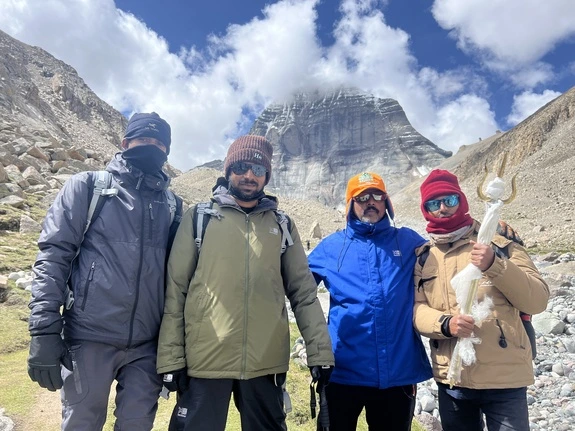
Starting in Kathmandu, the overland route crosses the border between Nepal and Tibet by road. It is cheaper, provides spectacular Himalayan views, and affords one time to acclimatize to the high altitude on the way to Tibet. But those who travel this way should be prepared for long driving days, long trips, and varying road conditions that can be frustrating for some pilgrims.
Alternatively, the flight option involves flying from Kathmandu to Lhasa and then driving overland from Lhasa to Kailash. The path is also faster and a bonus is you will have a brief and informative city tour visiting key monasteries and landmarks within Lhasa. The flying option is more expensive and involves greater altitude exposure before arriving at Kailash therefore altitude sickness is more likely to occur.
Everest Base Camp + Kailash Tour Combination
Many adventurers and spiritual seekers choose to combine the Everest Base Camp (EBC) with the Kailash Manasarovar Yatra. This combination itinerary allows you to experience the highest peak on earth before starting the sacred journey and provides an experience that has physical elements of challenge as well as spiritually satisfying experiences.
The standard Kailash Yatra itinerary adds 2-3 days to visit North Everest Base Camp, typically either on a scenic drive from Lhasa or overland from Kathmandu. These route travels through many ancient monasteries and higher Himalayan passes, enhancing the cultural and visual aspects of the whole experience.
There are many benefits of combining EBC and the Kailash Manasarovar Yatra. Specifically, the advantages of the gradual acclimatization method of visiting different heights. Traveling to Everest Base Camp before traveling to Kailash will allow your body to gradually acclimatize to high-elevation living. This adjustment will reduce the likelihood of altitude sickness and improve your ability to enjoy the challenging Kailash Kora.
However, the cost of a combined EBC and Kailash yatra will be more than a standard Kailash Yatra trip due to an extra day, traveling a more extensive route, or increased experiences. The cost is well worth it, as travelers will have iconic photography opportunities, enhanced acclimatization, and an experience that only provides the rare opportunity to visit two of the most revered places on earth in one trip.
Kailash Yatra Difficulty Level
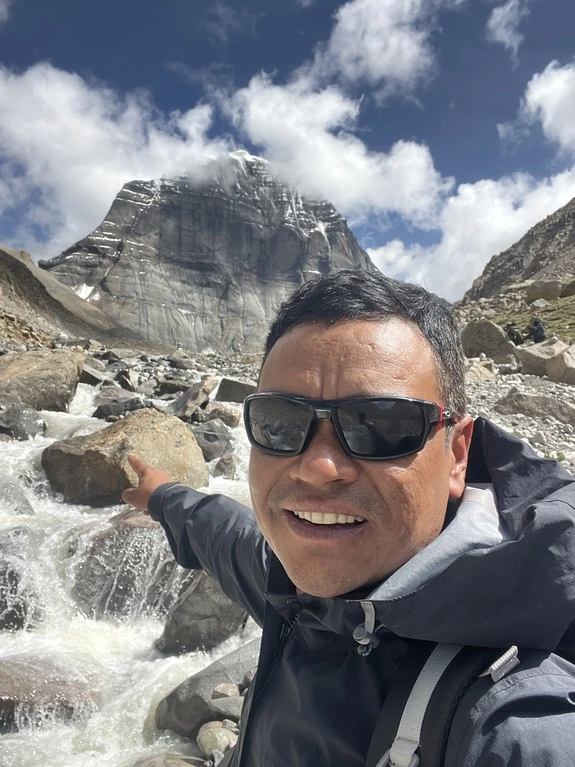
The Kailash Mansarovar Yatra is classified as moderately to very challenging; it is physically demanding as well as mentally challenging, requiring spiritual fortitude and endurance. Pilgrims will encounter uneven, rugged terrain, and steep uphill movement with a long-distance walk for multiple consecutive days. The length of the trek will vary from day to day and challenge mental strength and endurance through emotional isolation, fluctuating weather, and the psychology of trekking in remote, extreme environments at high elevations.
High altitude poses serious health risks. The higher you ascend, the more rarified oxygen becomes leading to the immediate risk of acute mountain sickness (AMS), presenting as headache, nausea, dizziness, or fatigue. In the most serious cases, individuals may develop life-threatening conditions such as high-altitude pulmonary edema (HAPE) or high-altitude cerebral edema (HACE) which require acclimatization.
Overall, preparation is necessary for a safe and healthy trip to Kailash Mansarovar. This should include cardiovascular fitness, strength fitness, and hiking long distances on uneven terrain to build both muscle endurance and stamina. In addition, Yoga, breathing exercises, and meditation will also support the body’s adaptation to the physical work, and help with mental toughness. Gradual ascent, drinking water, and rest days will greatly assist with acclimatization.
Typically, the Kailash Yatra is recommended for ages 18 to 70, but health and wellness are more important than just age. The pilgrim should be free of serious heart, lungs, or chronic disease. It is highly recommended that you undergo a full medical assessment and see your doctor for clearance, before making attempts to trek Mount Kailash. This will help the doctor to determine whether you are healthy enough for the extreme conditions and attitude.
Weather and Temperature Overview
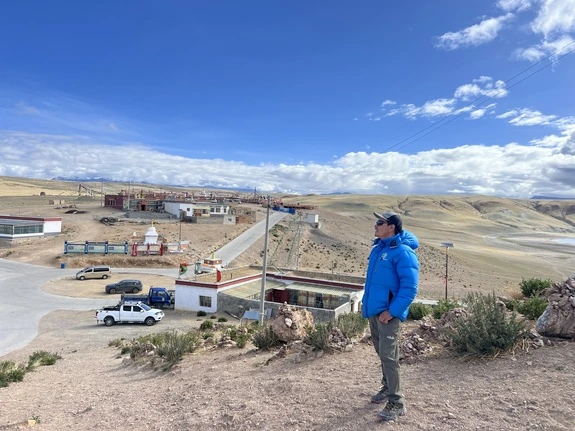
The Kailash Mansarovar Yatra has a considerable temperature fluctuation throughout the year. May to September have temperatures range between 10°C and 20°C, while nights may be very cold. During the coldest months, temperatures may drop well below freezing especially at higher altitudes however, summer is favored for trekking.
The weather conditions vary greatly throughout the year, and common at the high passes such as Dolma La, typically involve snow other than in summer months. Pilgrims can expect high winds with rain and hail, particularly during the monsoon period in July and August. The period in May and June is mostly free of significant weather conditions, although they can change abruptly.
While daytime temperatures may be mild, nights can be extremely cold, often below 0°C, and experience extreme diurnal temperature variations. Warm layers and sleeping equipment are essential on the trek, as wind chill factors can make conditions feel colder and induce hypothermia.
Acclimatization is important in order to help minimize the onset of altitude sickness. Gradual ascent along with rest days at intermediate altitudes, helps the body to adjust to lower oxygen levels. Staying hydrated, avoiding alcohol, and maintaining some level of mild activity are all critical to acclimatization. Trekkers should monitor their symptoms and take descend steps if they experience severe symptoms.

Lake Manasarovar – The Holy Lake
The sacred Lake Manasarovar is not just important for Hinduism, but also for the many other religions founded in the Himalayas including Buddhism, Jainism, and Bon. Hindus believe that Lake Manasarovar is a holy and pristine lake that is connected to both Lord Shiva and Lord Brahma. Buddhists perceive it to be the lake of the conception of the Buddha, while Jains consider it to be the birthplace of their first Tirthankara. Bon considers it a sacred source of spiritual energy.
Rituals take place every day at the lake including holy baths that are believed to eliminate sins and accelerate liberation. Pilgrims pray, worship, and meditate in the lake. Additionally, they perform the kora daily which represents the symbol of purification. It is forbidden to swim in the lake, but it has mystical significance to dip a hand or foot into it, either submerged or symbolically.
Aesthetically, the lake is stunningly beautiful. The lake is large, deep, and reflective. The wild environments make it a top destination for snowcapped peaks and wildlife such as bar-headed geese, Tibetan wild asses, and gazelles. The high altitudes also create micro-climates that shape the natural environment and contribute to the mystical nature of the lake’s relies.
Basic overnight accommodation is available near Lake Manasarovar. As a very remote place at a high altitude, facilities are severely limited – so pilgrims will want to be well-oriented and prepared before arriving. The relaxation at Lake Manasarovar itself helps with spiritual introspection and acclimatization before starting the second part of the trek.
Packing List & Documents
Essential Travel Gear
If you are planning the Kailash Mansarovar Yatra, the key travel gear you will require is suitable layers of clothing due to the fluctuating temperature. You should be prepared with thermal innerwear, fleecy jackets, waterproof windcheaters, and trekking pants. Trekking boots of good quality with ankle support are important; as are gloves, woolen socks, sun hats, and UV protection sunglasses from the sun’s harsh rays and cold wind.
Documents
Documentation includes a valid Passport and Chinese group visa along with a Tibet Travel Permit. It is essential to have travel insurance to meet high-altitude trekking requirements and emergencies. Also, it would be advisable to take multiple photocopies of all your documentation, emergency contact numbers, and a medical certificate confirming your fitness for travel to high altitudes.
Others essentials
Other necessary items include personal medications, altitude sickness tablets, and any anticipated prescribed medications. Food items including snacks and energy bars along with water purification tablets should be prioritized for drinking water. Additionally, trekking poles may be valuable in sustaining your balance and minimizing pressure on your knees on such long treks.
Four-Day Kailash Parikrama (Kora) Including North Face Visit
Day 1 – Darchen to Dirapuk
The first day of the trek starts at Darchen (4,664m) over rocky, rugged ground which involves gradual climbing to Dirapuk Monastery (4900m), a great stopping place due to its panoramic views of the north face of Mount Kailash. Also, the Monastery is a popular meditation spot for pilgrims who go here due to its spiritual energy.
Day 2 – Charansparsha Visit
The second day involves going to Charansparsha (5,200m) – which is an inner kora. Charansparsha is a steep and rocky 6-8 km round trip from Dirapuk. Here, you must hire a local horse and guide because of the rocky path and the risk of altitude sickness. Charansparsha enables pilgrims to touch the base of Kailash and symbolically allows pilgrims to directly “be with” the divine.
Day 3 – Dirapuk to Zutulpuk via Dolma La Pass
The walk between Dirapuk and Zutulpuk is challenging, as it is 18-22 km long containing an altitude of 5,630m at Dolma La Pass, where the air is thin. On this trek, you will walk by Gauri Kund, which is a sacred glacial lake. The descent is stiff while heading down to Zutulpuk with risks for altitude sickness so a slow pace and hydration are required.
Day 4 – Trek End and Drive from Zutulpuk to Darchen/Saga
The walk from Zutulpuk to Darchen is a gentle 5-8 km trek from Zutulpuk. At the tail-end of this trek, you drive with the driver and crew from Darchen to Saga or Kerung. After a memorable pilgrimage, it’s time to return home when the reunion comes to a close at shady guesthouses before traveling to Kathmandu.
Horse and Porter Hire Costs
Riding a horse for Kailash Parikrama may cost between USD 400-680 and most horse bookings are typically for three days. Daily costing is approximately 700–1000 RMB, depending on the time of year. Pilgrims are usually accompanied by the horse and horseman to the Dolma La Pass, where all pilgrims must walk thereafter. The approximate three-day cost for porters is USD 120 to 200, depending on luggage, and for personal support.
It is recommended to pre-book horses and porters through your tour operator or Tibetan guide at Darchen, as prices may vary with little time to negotiate and it is possible to have low communication abilities leading up to the trip. Payments are accepted only in local cash. Always confirm prices beforehand, and be sure of the health and fitness of your horses and porters.
Suggested 15-Day Itinerary: Kailash Manasarovar Yatra from Kathmandu
Day 1: After arriving in Kathmandu, travelers rest and prepare for the Kailash Mansarovar Yatra.
Day 2: The itinerary for the day includes exploring the Pashupatinath Temple, an important pilgrimage site for Hindus, and the Swayambhunath Stupa, an ancient Buddhist complex. The experience is grounded upon previous spiritual exploration.
Day 3: The group will visit the Budhanilkantha, known for its reclining Vishnu statue and Boudhanath Stupa. Both of these sites support meditational and deeper spiritual experiences.
Day 4: Travelers will travel to Timure from Kathmandu on 4th day. This is the first day of creating extensive acclimatization, preparation for the border formalities, and adjustments needed to get used to being at higher altitudes.
Day 5: The journey after crossing into Tibet continues as the road to Kyirong Village. Kyirong is a Tibetan village with basic amenities but will help with preparation, acclimatization, and rest with this as the first stop in Tibet.
Day 6: A day of rest in Kyirong allows pilgrims not only to acclimatize their bodies to the elevation but also to recover from any travel fatigue. Some light walks will help the body to adjust to the environment before moving into higher elevations.
Days 7: Travelers will drive from Kyirong to Saga, which is a remote Tibetan town. The journey can be a little rugged but will offer the opportunity to witness some Tibetan culture. Saga is the gateway to the sacred sites and offers basic places to stay.
Day 8: On Day 8 Travelers will drive from Saga to Lake Manasarovar. The sacred lake has pristine beauty and magnificent heritage. Upon arrival, pilgrims will perform rituals on the banks and some take a ritual bath in the lake as a purification rite and for blessings.
Day 9: The trip continues at Lake Manasarovar in the morning with some rituals and pujas. Following that, visitors will proceed to Darchen, the Kailash Parikrama’s base camp.
Day 10: The next day we will begin with the Parikrama trek from Darchen to Dirapuk. This trek is approximately 12-14 km over rocky terrain.
Day 11: An optional inner kora to Charansparsha, the holy feet of Mount Kailash can be performed on this day. This steep 6–8 kilometer round trip requires a horse and guide due to the terrain difficulty and altitude.
Day 12: The most challenging portion of the trip is the hike across Dolma La Pass from Dirapuk to Zutulpuk. The trek is 18–22 kilometers and involves crossing the sacred 5,630-meter-high pass and visiting Gauri Kund, a glacial lake.
Day 13: After completing the trek, pilgrims will drive back to Saga for rest. This is a day to recuperate from the strenuous kora and prepare for the drive back.
Day 14: The return trip of the pilgrimage begins with the drive from Saga to the border town of Kyirong, where pilgrims reenter Nepal. From Kyirong, pilgrims will continue to Kathmandu, ending their spiritual and physical journey of the Kailash Mansarovar Yatra.
Note : If you want to learn more about the package then click on the link given below
https://www.exploreinnepal.com/everest-base-camp-trek-14-days/
Kailash Manasarovar Yatra Cost 2026/2027
As of 2026/2027, Kailash Mansarovar Yatra will likely cost in the range of around USD 2,100 and 7,000 per person depending on the type of package, as it is cheaper to travel by road approximately USD 1,500-2,500 but is expensive on flights. There will be some additional costs required including accommodation, meals, permits, and vista, potentially around $1000- 1500 followed by horse and porter charges as well.
Packages start at a budget of around USD 2100, mid-range packages cost around 3000-5000, and deluxe or luxury packages can go for $6500 or more. The choice is always up to you in terms of comfort level and the size of the group, as well as what is included. A good way to ensure permits, transport, accommodation, and support staff are all arranged as best as possible is to pre-book with a reputable travel agency.
Tips for a Successful and Safe Yatra
• Implement altitude sickness safety precautions which start with gradual ascending, frequent rest, and medication to help avoid altitude sickness symptoms.
• Stay hydrated by drinking water and electrolyte beverages, avoid caffeine and alcohol, and eat light to provide energy to your body at high altitudes.
• Be mentally prepared and set achievable hopes and expectations with a positive mindset to resolve physical as well as psychological obstacles encountered during the trek.
• Respect the cultural ethnography and practices, and acknowledge spirituality with humility along the pilgrimage.
• Keep an eye on your well-being and be aware of the early indicators of altitude sickness. Be prepared to descend if you encounter distressful symptoms to stay safe along the Yarta.
Conclusion
The Kailash Manasarovar Yatra provides an opportunity to experience a vibrant spiritual and physical journey. This sacred pilgrimage is widely recognized as a revered place of worship and is cherished by multiple faiths offering stunning natural beauty alongside brilliant cultural and religious experiences. Given the complicated permit process and travel arrangements, full moon dates are considered auspicious for the Yatra, so it is best to prepare in advance as possible.
Additionally, it is strongly recommended to book early with a reputable tour operator if you want to have a hassle-free experience on the 2026/2027 tour. Tour operators will take care of permits, visas, accommodation, and travel arrangements, which allows pilgrims to devote their efforts to progress on their spiritual journey. Please contact the designated Kailash Yatra tour operators for all the costs, itineraries, and departure dates, as well as for their extensive itineraries tailored to suit a range of