
 English
 Dutch
Dutch Japanese
 Hindi
Hindi Italian
 Spanish
 French
 German
 Chinese
 Korean
 Arabic
 Hebrew
 Russian
 Portuguese
 Danish
 Czech
Czech Polish
 Swedish
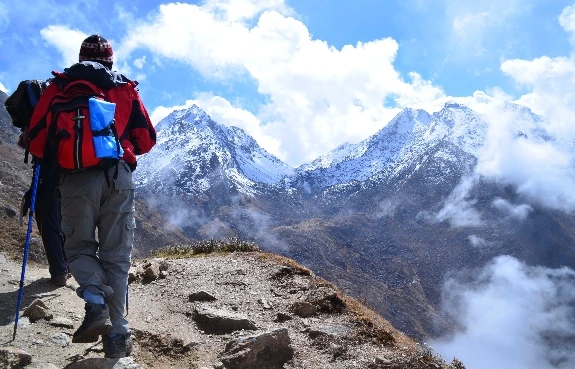
The Langtang Valley trek is an incredible trek in the Langtang region that goes through Langtang National Park. This trek showcases amazing views of snowcapped mountain peaks, rhododendron forests, and rich Tibetan-Buddhism culture. The Langtang Valley journey appeals to both novice and seasoned hikers due to its accessibility to a broad spectrum of hikers.
It is important to decide the best month to enjoy the Langtang Valley trek. November and December are the most popular months among trekkers who want to go for the Langtang Valley Trek. This month offers stable weather and clear skies along with fresh air. Additionally, you can expect to witness the breathtaking panoramic view of the mountain along with a tranquil trail.
The days will be warm with cool night temperatures, making the trek an immersive trekking experience. In this guide, you will get all the information needed to know before going Langtang Valley Trek in November and December. We will provide you with a complete day-to-day itinerary and an itemized list of what to expect in terms of cost.
Whether you want to experience stunning Himalayan mountain views, cultural encounters with the Tamang people, or simply just get lost in the wilderness away from popular trekking routes. This blog offers you all the information to plan a very rewarding Langtang Valley trek in November and December, giving you all the confidence to prepare for such an experience with ease.
Weather Conditions in November and December
November Weather
November offers great weather conditions for the Langtang Valley Trek because it has ideal sunny weather with little rainfall. For a trekker, it provides some of the best conditions, as the air has been cleared of the monsoon rains, the mountains seem to be more visible, as rain averages only about 3mm.
The daytime temperatures can range from 10 to 15ºC with cold nights that can reach up to 5ºC. Therefore, you need to bring warm clothing and camping gear for nighttime. Since the weather is dry in these months, the relative humidity will reach t0 32%, providing a clear trek with little disturbance.
November offers 7 hours of sunshine each day, so you can see the spectacular Himalayan view of the Langtang region and amazing scenery with minimal weather interruptions. Overall, November has mild days and cold nights, perfect for trekking.
You can expect dry weather, with clear visibility day and night. When you combine the clear sky, trekking without wetness, and fantastic views of the mountains, November is the most favoured trekking season for travellers wanting to visit the Langtang Valley.
December Weather
December is the start of winter in the Langtang Valley therefore, the temperatures are colder and the trails are quiet. Generally, daytime temperatures are between 5°C to 10°C while the nights drop in temperature significantly, often below freezing, especially at altitude.
It may snow off and on at higher altitudes covering the trails in a brilliant white layer that enhances the beauty of the trek. It can also complicate the trek since the snow will cover portions of the trail making it harder to negotiate. Trekkers should be aware that the snow roads will usually be icy and slippery and very often will need trekking poles and possibly crampons.
Nonetheless, the cold temperatures do bring clear skies and fantastic visibility of the mountains during the month of December making it great for photography and enjoying the beautifully serene winter wonderland. The number of trekkers on the trails is also much less leading to a great sense of peace as you walk through traditional Tamang and Sherpa villages.
If you are well prepared you will have a good December trek. This includes wearing several layers of clothing, sleeping bags with enough warmth, and waterproof clothing. Accommodation will still normally be open, meaning your lodges still service trekkers and you would normally be able to stay in a nice comfortable tea house where you could warm up, enjoy local hospitality, and breathe in the crisp cold outside.
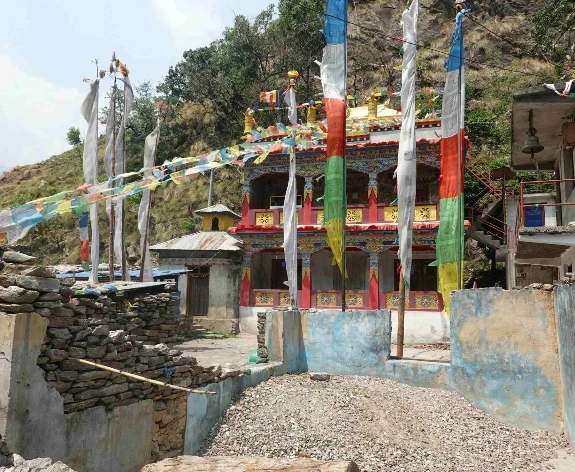
What to Pack for Cold Weather
For trekking in Langtang Valley in the cold weather of November and December, warm layers are the best option. It is going to be important to take a down jacket, fleece or mid-layer, thermal base-layers, as well as gloves and a warm hat or beanie to protect against freezing temperatures, as well as better protection for at night.
A sleeping bag that is rated for sub-zero temperatures is important for staying warm in teahouses, as it is unlikely to be heated significantly. A compressible down sleeping bag works great for insulation at high altitude, and is ultimately extremely light.
If you expect snow at higher elevations, also take crampons or ice spikes, as these will offer you the best chance of maintaining your footing on icy trails or slippery sections. Trekking poles with snow baskets also provide help with balance and stability from enduring lots of snow.
Also, take waterproof and windproof outer layers that can help break down wind chill and any potential precipitation. Layering your clothing provides options for modifying warmth and weather protection as temperatures will fluctuate during the day.
Langtang Valley Trekking Itinerary (7–10 Days)
Here is the detailed itinerary of the Langtang Valley Trek, perfect for trekkers seeking a memorable Himalayan experience.
Day 1: Drive from Kathmandu to Syabrubesi
The Langtang Valley journey starts in Kathmandu. After taking a drive from Kathmandu, you will reach Syabrubesi in 7 to 8 hours which is the starting point of the Langtang Valley Trek. This drive will take you through terraced fields, various small settlements, and mountain roads, giving you a perfect insight into the landscapes and remote culture.
Day 2: Trek to Lama Hotel
After leaving Syabrubesi, you will begin to trek through dense rhododendron and oak forests. You will follow the Langtang River for part of the journey. The trek begins by going up gradually, but it is steady and you have some ups and small waterfalls along the way. The Lama Hotel is very popular and has a few tea houses and a stunning view of the surrounding peaks.
Day 3: Trek to Langtang Village
On day three, it is a longer trek through forested paths to Ghoretable, a horse stable, and continue up through the village of Thyangsyap for lunch. Then up to Langtang village, which has been rebuilt since the earthquake of 2015. Here, you’ll find guesthouses, a health post, and a couple of monasteries. You also have an incredible view of Langtang Lirung and Gangchempo right when you arrive.
Day 4: Trek to Kyanjin Gompa
Another short trek today, as you travel up through fine alpine meadows and yak pasture to Kyanjin Gompa, the godly and cultural hub of the valley. You can visit the monastery and cheese factory, and soak in panoramic views of an outstanding mountain scenery.
Day 5: Acclimatization day
Another difficult day ahead, with the steep ascent to Tserko Ri (5,000 meters), but the views you receive are unmatched with 360-degree views of the Langtang Lirung, Dorje Lakpa, and many more of the huge Himalaya mountains. You will return to Kyanjin Gompa and rest well for the afternoon, gaining some energy for the following day’s trek.
Day 6: Return to the Lama Hotel
You will descend through the valley, retracing your steps to Thyangsyap. You will get to enjoy the changing landscapes as you return to the Lama Hotel.
Day 7: Trek to Syabrubesi
You will get to continue to descend through forest trails and riverside paths to complete the trek as you make your way to Syabrubesi.
Day 8: Drive back to Kathmandu
Drive back to Kathmandu, which will take around 7-8 hours. On the way back, you should reflect on the adventure, revisiting the best parts of it in your mind before departure or next journey.
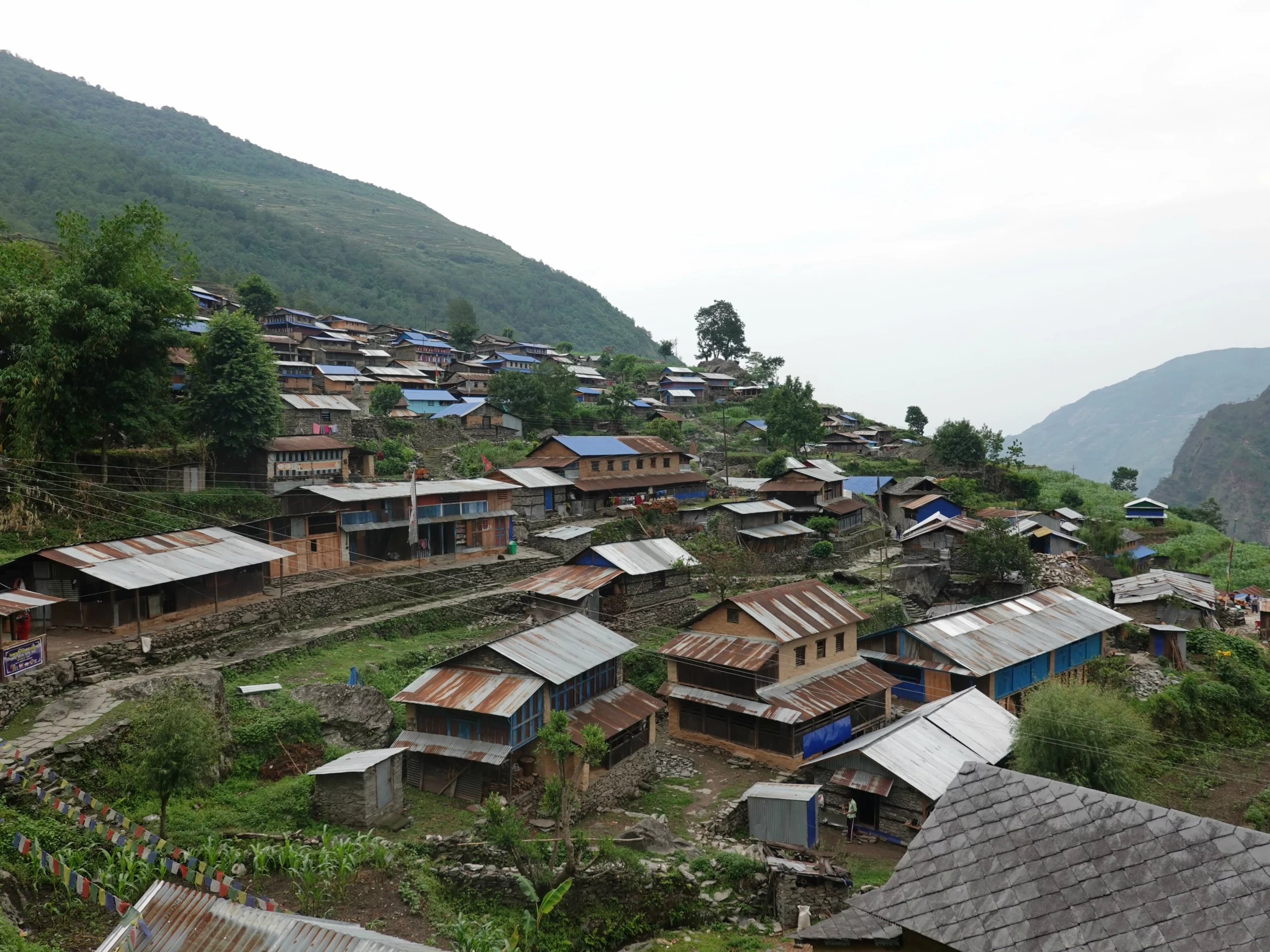
Cost of Langtang Valley Trek in November–December (2025)
- Budget Trek
If you want to budget for a Langtang Valley Trek in November and December of 2025, expect to spend between $400 and $600 per person. This budget will cover a local guide or porter service, basic tea house accommodations, simple dal bhat and noodles meals, and shared transportation for transport back to Kathmandu.
Local guide or porter services will cost approximately $20 to $25 per day, and then you need to add tips, approximately $15 to $30 per day depending on the service. Guides provide a better experience because they share local information, and they will ensure safety practices while hiking. Porters assist with loads that should be manageable, so you can enjoy the trek.
Tea house accommodations along the route into Langtang are basic but comfortable, at an average of $5 to $10 per night. Meals are inexpensive, with an average of around $4 to $7 per meal. You can have traditional Nepali dishes and western cuisine on the trail. Staying in the teahouse provides an opportunity to experience local hospitality and culture.
Transportation costs in the Langtang Valley Trek vary significantly depending on your personal choice. You can use a local bus to reach Syabrubesi, which can cost roughly $10-$50 one way. Shared jeep also charges a similar fee to reach Syabrubesi. If you have enough budget and want a comfortable experience then you can take private transport.
Overall, the Langtang Valley Trek in November and December offers affordable logistics, stunning Himalayan scenery, and rich cultural interactions. However, by planning and trekking in a group, you can lower the costs and have an unforgettable trek.
- Midrange Trek
A midrange Langtang Valley trek in November–December 2025 will be priced between $700 and $1,000. The price range includes the following features: you will be with a licensed guide and porter; better lodges; better food; and transport by a private or shared tourist vehicle. A midrange trek emphasizes comfort and local knowledge to support a successful trekking experience.
Licensed guides and porters provide safety, local knowledge, and, of course, help carry luggage. For our midrange trek, you will pay $175 to $300 to hire these paid services which include tips. If you are looking for a safer journey with local knowledge as you trek through the beautiful, remote, and rugged Langtang area, hiring a licensed guide and a porter will provide you with the peace of mind to have an enjoyable experience.
Midrange lodges in the Langtang area will cost around $15-$20 per night. These lodges will offer cleaner rooms and better amenities than their lower-cost counterparts. Dining costs will be $15–$25 per person per day during a midrange trek, but, will be a variety of local and international fare. The bottom line is you will be more comfortable and get better nutrition along your trek, not to mention a better climbing experience.
Transportation will be arranged by the agency which includes using private jeeps or shared tourist vehicles. You can expect transportation costs of $50-$100 for a round trip per person. The trekking agency also coordinates permits and responsibilities including permits like TIMS, as well as buy-in fees. They will also arrange the logistics allowing you to enjoy your trek without needless interruptions.
- Luxury Trek
A luxurious Langtang Valley trek may also vary in price from $1,200 and above. A ‘luxurious trek’ includes private transportation, premium class accommodations in Kathmandu, and the services to meet any requirement privately, ensuring maximum comfort and ease for the clients from start to finish for discerning travelers.
For accommodations, we are able to provide international-class hotels in Kathmandu with all amenities and premium-class lodges on the trekking trail. Throughout the trek, you will have hot showers in your rooms, and apart from accommodation, they include a full meal plan with a very good variety of quality food.
For trekkers, ‘luxury‘ also comes with personalized support, which could involve a full complement of qualified guides, porters, and personalized services for all your requirements on the trek. Snacks and refreshments for rest stops; and special requests for snacks like specific drinks or sweets can be taken care of easily, as there are trained people taking care of you every step of the journey with great luxury and care.
Private transportation ensures either a jeep or a helicopter as opposed to public transportation, minimizing your time traveling and maximizing your comfort. Using this type of transport allows you to explore and concentrate on the adventure; while enjoying an effortless luxury trekking experience in the beautiful Langtang region of Nepal.
Required Permits
For the Langtang Valley Trek, you will need two permits: the Langtang National Park Permit and the Trekker’s Information Management System (TIMS) Card. The Langtang National Park Permit costs NPR 3000 and is required to enter the National Park boundaries.
The TIMS Card is about NPR 3,000 and is given by a registered trekking agency or the Nepal Tourism Board. Both permits must be on the trekkers’ person at all times and will be checked at various checkpoints on the trek. Permits must be checked at each checkpoint to make sure trekkers are carrying the proper documentation and to promote the conservation of the environment.
Highlights of Langtang Valley Trek
- Beautiful views of Langtang Lirung and Ganesh Himal.
- Authentic Tamang villages for a real cultural experience.
- The historic and spiritual monastery of Kyanjin Gompa.
- An optional trek to Tserko Ri to view an incredible sunrise.
- Tranquil trails versus the Everest and Annapurna regions.
- Lots to see in the national park – flora and fauna at Langtang National Park.
- Beautiful rhododendron forests and alpine meadows along the way.
Travel Tips for November and December Trekking
- Begin each day early to take advantage of shorter daylight hours and avoid being out after dark.
- Check the tea house availability in December. Some tea houses may close in the less-trafficked Winter season.
- Dress in layers, and pack warmer clothing to consider cold temps and possible snow.
- You should also carry crampons and trekking poles to ensure safe navigation of icy or slippery spots on the trails.
- Pack enough cash as there are no ATMs on the trail, and few tea houses will accept bank cards.
- Acclimatize as best you can with pace and hydration to avoid altitude sickness.
- Make sure to check the road conditions to Syabrubesi prior since bad winter weather might cause accessibility issues.
Conclusion
Langtang Valley Trek is an excellent option in late autumn and early winter, as it features amazing mountain vistas and local cultural experiences. The weather during this period is fresh and clear which makes the trek more comfortable and enjoyable visually.
November is a perfect time for bright and colorful nature which is suitable for those, who want to see the great panoramas. December is colder but it gives the trekkers unwinding, less crowded trails, and a peaceful atmosphere as a gift.
The correct plan depends on your comfort, time, and budget. The Langtang Valley during these months is a dream coming true whether you choose a budget, midrange, or luxury trek, it offers unforgettable Himalayan adventures, custom-made for you.