
 English
 Dutch
Dutch Japanese
 Hindi
Hindi Italian
 Spanish
 French
 German
 Chinese
 Korean
 Arabic
 Hebrew
 Russian
 Portuguese
 Danish
 Czech
Czech Polish
 Swedish
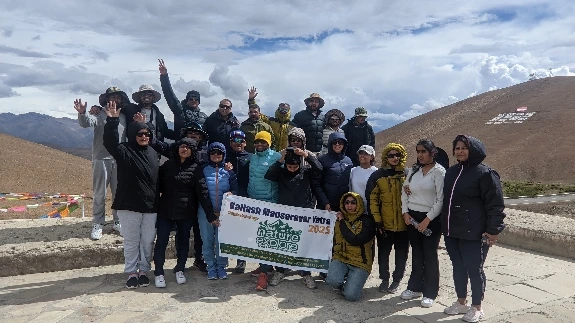 Lhasa to Everest Base Camp Cultural Tour offers a unique blend of spiritual, historical, and natural experiences across the Tibetan plateau.Embarking on 8-day Lhasa to Everest Base Camp trek is an amazing transformative journey where you can get opportunities to experience Tibetan spiritual and natural delights. In this 8-day tour, you will not only visit important religious, sacred, historic, and cultural landmarks, but you will also experience the natural beauty of the area.
This tour is for you if you are seeking spiritual and cultural adventure. This tour is a combination of Tibetan history, heritage, religion, and amazing high-altitude scenery. Each day offers you great opportunities that will inspire you and make you engage with authentic locals and Tibetan ways of life.
You can explore the great Potala Palace, the timeless Jokhang Temple, and monks in peace at Tibetan monasteries. You will be standing at Everest Base Camp, facing the world’s highest mountain, and look out to unique and dramatic landscapes that take your breath away and hopefully invoke reflection.
2025 offers a wonderful opportunity to visit Tibet. You’ll experience improved access for travel, enriched cultural experiences from new local cultural festivals, cleaner mountain trails, and improved environmental protections. This makes Tibet one of the most unique and vibrant travel experiences on the planet.
We’re excited to welcome you to this incredible eight-day experience of exploration, connection, and adventure—a place where ancient traditions and natural wonder meet to create the memories of a lifetime on the roof of the world.
Why Choose the Lhasa to Everest Base Camp Tour?
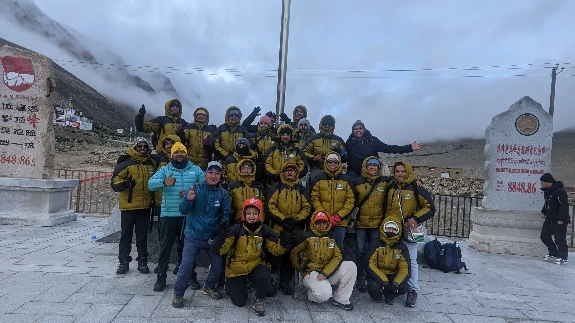
During the Lhasa to Everest Base Camp Tour, you will get truly immersive experience of Tibetan culture, the opportunity to visit ancient monasteries, learn about spiritual practices, and learn to understand the living faith of Tibetan Buddhism. Each temple and shrine we visit reveals another layer of history.
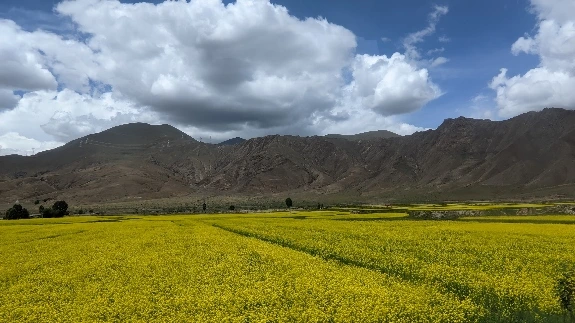
As a traveler, you will enjoy this 8-day tour because the tour will pass through the bustling Lhasa valley. You will additionally cross the amazing lakes on the way to the Everest Base Camp trek, revealing new and amazing landscapes every mile of the way.
This itinerary balances the spiritual engagement with natural splendor. You can experience Tibet’s beliefs and the untamed beauty of the region by seeing monks chanting and touring stunning monasteries.
With the improvements on the new Friendship Highway, the tour is now safer and smoother than ever. Travelers will benefit from newer vehicles, reliable transportation infrastructure, and exceptionally comfortable rest stops at higher elevations when traveling to Tibet’s most remote areas.
You get to enjoy a unique opportunity of meaningful cultural engagement against some of the greatest mountain scenery in the entire world. The Lhasa to Everest Base Camp Tour will introduce you to considerable insights into Tibetan culture as well as an amazing adventure in the heart of the Himalayas.
Lhasa to EBC Tour – 8 Days Itinerary Breakdown
Day 1: Arrival in Lhasa (3,650m)
Start this remarkable journey with an easy pick-up from Lhasa’s airport or railway terminal. You’ll soon be in the capital city, where you’ll be surrounded by the majestic mountains of Tibet.
Spend the afternoon acclimatizing in your hotel, resting to allow your body to adapt to the thin mountain air, and providing a safe experience.
If you feel you have some energy left over in the afternoon, take a leisurely local walk around the streets to explore what is in the immediate area. You can get your first impressions of Tibetan Life before calling it a night in Lhasa.
Day 2: Explore Lhasa – Potala Palace & Jokhang Temple
Day 2: Begin by journeying through Potala Palace (UNESCO’s World Heritage site). When you have completed visiting this iconic Tibetan architectural site, you will then see world-renowned Tibetan art, sacred chapels, and services, all witnessed from an incredible view looking down onto the city.
Take some time to wander through Barkhor Street in Lhasa. There are the vibrant items; prayer wheels radiating with the ceremony of an endless stream of pilgrims and traders making their way around.
Learn about Jokhang Temple, the spiritual heart of Tibet, which is illuminated with ancient statues and sacred ceremonies that offer a glimpse into the solemn devotion the people hold to their beliefs.
Day 3: Sera & Drepung Monasteries
You will then tour Drepung Monastery with its gleaming white terraces on the hillside, which was once home to thousands of monks.
Sera Monastery will delight you with monk debating sessions. The mixing of animated gestures and intellectual conversations suddenly reflects into vital Tibetan Buddhist teachings.
Experience monastic life as you noticed and thought about the various aspects of daily rituals, philosophy that relates to life in the region. The aesthetic beauty of the buildings beautifully shaped the Tibetan people and their spiritual identity.
Day 4: Lhasa to Shigatse via Gyantse (360 km)
Take a scenic journey past the turquoise Yamdrok Lake and frozen Karo La Glacier, with time to enjoy the beauty of the natural scenery.
You will stop in Gyantse to visit Palcho Monastery, known for its remarkable murals, and the Kumbum Stupa, which has multiple levels of Buddhist chapels.
Then, you will continue through barley fields and valleys to Shigatse, Tibet’s second largest city, for an overnight stay.
Day 5: Shigatse to Rongbuk Monastery / Everest Region
You will take an amazing journey from Shigatse to Rongbuk Monastery, which is located at an elevation of 5,000 meters. This monastery is the world’s highest monastery and is a gateway to reach Everest Base Camp.
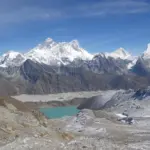
From Rongbuk Monastery, enjoy a breathtaking view of Mount Everest’s north face, where the jagged glaciers and massive ice pinnacles fill the distance. This spot offers incredible photo opportunities of the Himalayan landscape.
You will spend this night in Tibetan-style tent guesthouses, which are near Everest Base Camp. These guesthouses offer basic facilities but comfortable sleep and warm hospitality, an authentic mountaineering experience in the High Himalayas.
Day 6: Everest Base Camp Visit – Return to Shigatse
You have to wake up early to witness the stunning sunrise illuminating Mt. Everest in golden glow, a quiet yet powerful moment that relies on good weather. The mountain’s grand stature just after dawn will give you a memory that you will never forget.
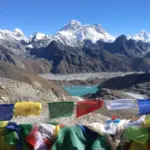
After the sunrise, take some time to investigate the Everest Base Camp area and take in the insane scenery, prayer flags, and rugged landscape. Soak in the environment around you with the other tourists. If you feel like climbing, you’re not permitted to for regular tour groups.
After leaving Everest Base Camp, you will drive back to Shigatse, which is the second largest city in Tibet. You will take the mountain road away, see remote villages, and begin to see the peaks recede. You will comfortably rest overnight and reflect on your adventure.
Day 7: Shigatse to Lhasa Return
Commence your return trip to Lhasa. Travel back on gracious scenic highways, stopping at lovely lakes or small Tibetan towns. Take your final photographs of the high plains and mountains that have marked your journey in the Himalayas.
While traveling, take breaks to reflect on your trip and visit a local market. You can also pause to observe the valley for one last panoramic view before heading back to Lhasa. This return trip will be an amazing journey in the vehicle.
You will arrive in Lhasa in the afternoon or evening, and once you settle into your hotel, you will be allowed to unwind a bit. Take a moment for rest, some shopping, or go back to a favourite Lhasa tea house. Enjoy this time in Lhasa, as it has a special quality that will make it a fine goodbye to Tibet.
Day 8: Departure from Lhasa
The following morning will also be relaxed. Enjoy breakfast and prepare to pack your memories up nicely, and keep your souvenirs and journals from your time in Tibet safe. Hotel personnel or your tour guides will oversee your bags and the timings for your departure.
Your transfer will happen from your hotel in Lhasa to the airport or the train station. Appreciate the service and the guidance you have been provided for the week, and travel safely to end your trip at the “roof of the world.”
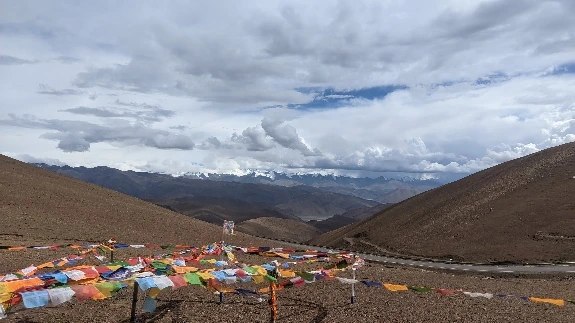
Cultural Insights & Experiences
Tibetan monks awoke before the sun rose to partake in long morning prayers and rituals. The monks would gather together for a formal assembly, which they called the “puja”.
They chanted together using mantras, served butter tea and porridge, then studied religious texts, meditated, and passionately debated what it meant to be a monk as part of the monastic lifestyle.
Tibetan foods are products of the harsh environment’s climate and use local resources to ensure sustainability. Common foods include tsampa (roasted barley flour), dumplings, thukpa noodle soup, and yak butter tea.
Tibetans describe meals as warm inclusions of sustenance and a large concept of family structure. Food, ultimately, is based on custom, so that eating is done in social and religious gatherings.
The everyday customs encourage collective harmony and respect. Tibetans would greet each other with khata scarves, join in accompaniment through prayer and festivals, and observe less common courtesies where they are not allowed to point their feet toward household stoves and altars. This suggests the more holistic belief system that Tibetans hold, as all acts are deemed spiritual.
Monasteries are at the center of Tibetan Buddhism; they are spaces where offerings of worship, meaningful debates, education, and a place where cultural content can be documented and continue to prosper.
The monastery dictates the monk’s spiritual life while it safeguards the teachings of ancient writings in classic texts, as well as provides a sense of community identity. Monasteries allow traditions to be exchanged through generations.
When meeting with Tibetan nomads, you can see the plateau’s pastoral heritage, which is still felt today. Nomads, seasonally migratory, travel wherever their herds move. Meeting nomads, often during treks, allows the opportunity for exchange and cultural elaboration through storytelling.
Price Guide for 2025
Standard tour price:
In 2025, the cost structure for the 8-day Lhasa to Everest Base Camp Cultural Tours ranges from approximately $1,200-$1,800 per person. The price generally includes accommodation, transportation, guide service, entrance fees, and most meals.
Due to increasing group size, type of accommodation, season of travel, and specifics on inclusions, these price variations could differ. Likewise, optional items, private tours, and luxury arrangements may increase the price; smaller group sizes may decrease the price.
Factors affecting cost:
Group vs private tour
Group tours are generally cheaper on a per-person basis since participants will be sharing costs associated with well-informed guides, vehicles, and permits. This type of trip creates camaraderie since participants are traveling as a team. This would be suitable for solo travelers and those seeking the most value.
Private tours will allow you to create a customized program, as people in the group will be given their desired itineraries. Private tours will also provide you with personal time with your guide. However, you will pay a significant price since all costs will be paid by you and not shared with travelers.
Season (peak vs off-season)
The price of tours will be at their highest during the high travel season, or when conditions are ideal for access and weather. High demand for guides, hotels, and permits will increase pricing overall.
Tourist price reductions on tours can be offered in the low travel season, which typically occurs in winter months. There will be far less tourism traffic, but travelling in winter will likely provide some cold weather and limited worker services, which may affect what is offered as part of the activities.
Level of accommodation
Typical packages will include mid-range, comfortable hotels and basic tent guesthouses at Everest Base Camp. That’s great for average costs, while having accommodation that should be fine.
Luxury upgrades, boutique hotels, and private rooms will increase the cost of the tour. You will have access to more amenities when appropriate. Private bathrooms along the way and greater comfort will be more expensive, and each property along the route will have a higher nightly rate.
Optional add-ons
Booking a flight from Kathmandu to Lhasa will be an add-on, but it is a nice touch when adjusting the package cost. These flights are popular because you save time and enjoy an incredible Himalayan view!
Access to extras like an oxygen tank rental, extra hotel nights, and private airport transfers will all add enormously to the cost of your tour. This is interesting, and having the option of adding these extras means your tour can be customized, but you will need to plan to budget for this accordingly.
Travel Tips for Lhasa to EBC Tour
Best time to go
April through June and September through October are the best months for the Lhasa to Everest Base Camp tour. These months offer comfortable weather, clear skies, tolerable temperatures, and visibility of the mountains, which are perfect conditions for sightseeing, trekking, and taking photographs.
Acclimatization and altitude sickness tips
Take time for acclimatization to reduce altitude-related sickness in higher altitudes. You will spend your first two days in Lhasa for acclimatization.
Along with acclimatization, you have to remain hydrated throughout the journey and avoid over-exerting yourself. If you observe some altitude-related symptoms, then it is best to take some medication and descend quickly.
What to pack
You have to pack layered clothing because the weather at such an altitude is erratic. Additionally, pack sturdy hiking boots, sunscreen, and sunglasses for UV exposure. Don’t forget to pack personal medication, lip balm, a reusable water bottle, gloves, and a hat.
Photography etiquette and local customs
Always ask for permission before photographing anyone, such as monks, locals, or inside a monastery. When photographing local people, be quick, discreet, and respectful.
If someone is performing a religious ceremony, do not take photographs. When greeting locals, smile or offer a khata scarf, and respect local custom by walking clockwise around the physical space of sacred places.
Required documents
Be sure to bring your valid Chinese visa. Obtain a Tibet Travel Permit in advance with an authorized Tibetan tour operator. Make copies of all documentation, because you will need them at checkpoints. In many locations, additional permits are also required, so be sure to check the application of the requirements based on your departure.
Conclusion
The Lhasa to Everest Base Camp tour is an awesome cultural journey, exposing you to Tibetan spiritual customs, ancient monasteries, and awesome mountain views. There are not many journeys where you will experience so much adventure, tradition, and connection at one time.
As you travel, you will watch spiritual rituals in famous temples, fly by sacred lakes and glaciers, and stand gazing upon Mount Everest. Each day will be filled with inspirational moments from the lively debates of monk students to extraordinary views of the mountains.
With many travelers wanting to experience this tour, and with strict permit rules, please try to book early to secure your place. Booking early will mean not having to worry about the permits at the last minute, and you can enjoy your travels with Tibet’s amazing experiences.
FAQs
Is the Lhasa to Everest Base Camp road safe?
There is a good, paved route between Lhasa and Everest Base Camp. There are strict speed limits not only for your protection but also for everyone. They have speed bumps on certain winding mountain sections near Everest.
Do I need to be physically fit for this tour?
You do not have to be an athlete, but moderate physical fitness is recommended. You must also recognize that you are at altitude and taking long drives. Acclimatization and taking things slow on the road will help when managing the challenges of thinner air and mountainous terrain.
Can foreigners go to Tibet in 2025?
Yes, foreign travelers will still be able to travel to Tibet in 2025. Travel will still continue with the appropriate permits, including the Tibet Travel Permit, and visitors typically travel with a licensed tour operator according to the current regulations.
What’s the weather like at Everest Base Camp?
It is cold at Everest Base Camp all year, with temperatures hovering around freezing each night. April through June and September through October are the finest times to visit Everest Base Camp from Lhasa because of the brighter skies and more bearable temperatures.
How to get the Tibet Travel Permit?
The Tibet Travel Permit is obtained through a licensed tour operator, who takes your passport and itinerary and submits it to the Tibet Tourism Bureau. Although permits generally take 10-20 days to process, you cannot travel without this permit, an