
 English
 Dutch
Dutch Japanese
 Hindi
Hindi Italian
 Spanish
 French
 German
 Chinese
 Korean
 Arabic
 Hebrew
 Russian
 Portuguese
 Danish
 Czech
Czech Polish
 Swedish
The Mardi Himal Trek in November and December offers crisp mountain views, as the skies are usually clear after the autumn monsoon season.The Mardi Himal Trek is one of Nepal’s most scenic and less-traveled trails in the Annapurna range, renowned for its untouched trails, ever-changing landscapes, and close-up views of some of the world’s highest peaks. Often described as a “hidden gem,” this trek provides an intimate experience with the Himalayas without the crowds that flock to more popular routes like Annapurna Base Camp or Ghorepani Poon Hill.
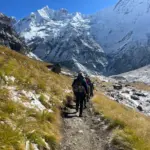
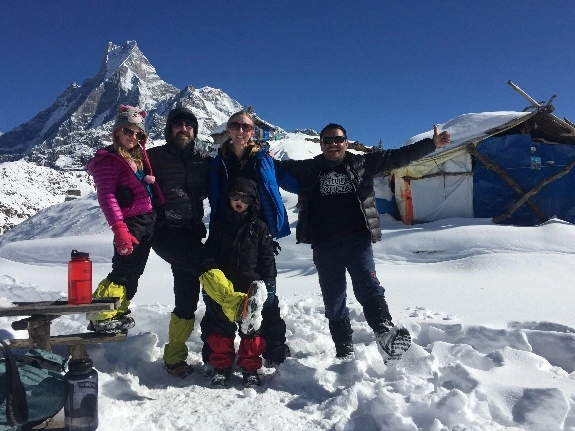
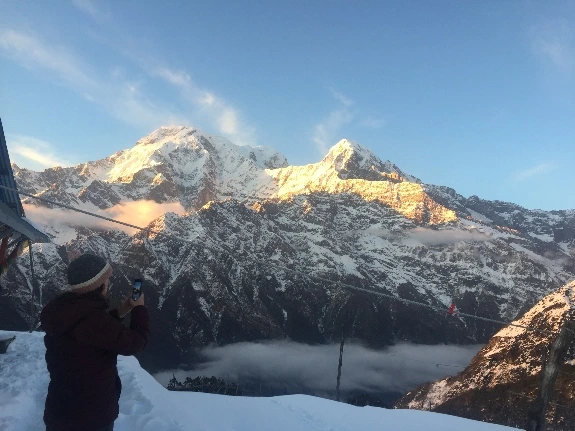
From the green, subtropical foothills, the trail goes through drowsy villages, primeval rhododendron forests, and bare alpine ridges. Along the way, Machapuchare the sacred Fishtail Mountain rises on the horizon, its spectacular, twin-peaked summit often burning with gold at sunrise and sunset. At upper altitudes, the scenery shifts to harsh, snow-streaked slopes and panoramic mountain vistas near enough to touch. The highlight of the trek is the Mardi Himal Viewpoint at 4,500 meters, where you are very close to the giant Annapurna range, including Annapurna South, Hiunchuli, and Mardi Himal itself.
November and December treks offer a unique blend of beauty, comfort, and isolation. November is the post-monsoon season, with blue skies, green forests, and stable weather. The temperatures are pleasantly cool, perfect for hiking, and the nights, though cold, are manageable with warm attire. December marks the beginning of winter, with chillier nights, some snow at the upper elevations, and a less busy trail. The temperatures drop but the reward is a peaceful and almost ethereal landscape of snow-sprinkled ridges, crisp mountain air, and the quietness of the off-season.
This guide provides everything you need to prepare for the Mardi Himal Trek in late autumn and early winter, from comprehensive weather, day-by-day itinerary, packing, estimated budget, permits, and travel tips to allow you to have a safe and unforgettable experience.
Weather Conditions in November and December
November Weather
November is widely considered one of the best months for trekking Mardi Himal. The monsoon season has ended, leaving the air fresh and the skies brilliantly clear. Humidity drops to around 30–35%, allowing uninterrupted mountain views from morning till evening. Rainfall is rare less than 5mm for the month.
Lower elevations (Pokhara/Kande): 12°C–20°C during the day, 5°C–10°C at night
High Camp: 5°C–10°C during the day, 0°C–5°C at night
November days are typically sunny, with about 7 hours of daylight. The forests remain green from the recent rains, and the light filtering through the trees creates a golden glow. Trails are dry and comfortable, and the weather is stable enough for a reliable trekking schedule.
December Weather
December brings the start of winter to the Annapurna region. Days remain clear, but the temperatures drop significantly, especially at night. Snow is possible particularly above Badal Danda and High Camp turning the upper sections into a quiet, white wonderland.
Lower elevations: 8°C–15°C during the day, 0°C–5°C at night
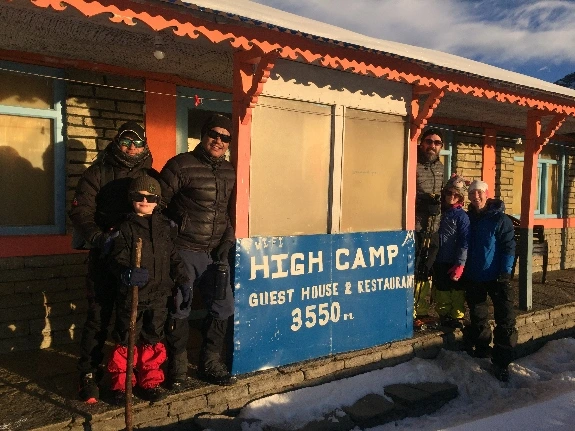
High Camp: -5°C to 5°C during the day, often below freezing at night
The mornings can be icy, especially in shaded areas, so extra caution is needed on the trail. Despite the cold, the crystal-clear skies and snowy peaks make December one of the most visually stunning months for the trek.
What to Pack for Cold Weather
Clothing
- Thermal base layers (2–3 sets)
- Fleece jacket / light down jacket
- Waterproof & windproof jacket
- Insulated trekking pants + regular trekking pants
- Warm down jacket (essential)
- Inner gloves + insulated waterproof gloves
- Warm woolen hat + sun cap
- Neck gaiter / buff
- Wool & trekking socks (4–5 pairs)
Footwear
- Waterproof trekking boots (well broken-in)
- Camp shoes/sandals for evenings
- Gaiters (useful if snow on trail)
Gear & Essentials
- Backpack (35–45L) + rain cover
- Daypack (20–30L if porter carries main bag)
- Sleeping bag (-10°C to -15°C rating)
- Trekking poles
- Headlamp with spare batteries
- Water bottles (2 × 1L, insulated if possible)
- Water purification tablets/drops/filter
Toiletries & Health
- Sunscreen (SPF 30+)
- Lip balm with SPF
- Wet wipes & hand sanitizer
- Basic first aid kit (painkillers, band-aids, Diamox, personal meds)
- Cold/flu medicine
Other Useful Items
- Sunglasses (UV protection, for snow glare)
- Power bank (solar or high-capacity)
- Snacks (energy bars, nuts, chocolates)
- Camera/phone
Mardi Himal Trekking Itinerary (9 Days)
Day 1: Arrive in Kathmandu (1,300 m)
Day 2: Drive from Kathmandu to Pokhara (740 m) — 6–7 hours
Day 3: Drive to Kande, trek to Deurali (2,100 m) — 5 hours
Day 4: Trek to Forest Camp (2,500 m) — 5 hours
Day 5: Trek to Badal Danda via Low Camp (3,310 m) — 4–5 hours
Day 6: Trek to High Camp (3,620 m) — 3 hours
Day 7: Hike to Mardi Himal Viewpoint (4,500 m) and return to Low Camp — 6–7 hours
Day 8: Trek to Siding (1,280 m) and drive to Pokhara — 3 hours trek
Day 9: Drive or fly back to Kathmandu
Permits Required
- Annapurna Conservation Area Permit (ACAP): NPR 3,000
- Trekker’s Information Management System (TIMS) Card: NPR 2,000
- Available in Kathmandu, Pokhara, or through trekking agencies.
Highlights of the Mardi Himal Trek
- Close, uninterrupted views of Machapuchare, Annapurna South, and Mardi Himal.
- The magical “sea of clouds” at Badal Danda.
- Peaceful forest trails and authentic village stays.
- Sunrise from Mardi Himal Viewpoint is among the most spectacular in Nepal.
- A less-crowded alternative to popular Annapurna treks.
- Travel Tips for November and December
- Start early each day to maximize daylight hours.
- November is busier book teahouses in advance. December is quieter but some lodges may be closed.
- Wear layers and be prepared for rapid temperature changes.
- Use trekking poles and microspikes in December for icy paths.
- Carry enough cash and no ATMs on the route.
- Stay hydrated and pace yourself to avoid fatigue or altitude issues.
Why Trek to Mardi Himal in December and January?
The Mardi Himal Trek in December is unique because of the lack of people on the trails. The rest of the year, these trails have a lot of trekkers and tourists. The low numbers in December allow an opportunity to appreciate nature and the culture of the locals. The trekking routes are pristinely clear, the beauty and balance of nature is quiet and undisturbed away from the rush of the Fritter style. December and January meteorology balance towards clear, ice cold skies that allow splendid visibility of Annapurna, Machhapuchhre and Hiunchulu.
The Mardi Himal Trek in December is unique because of the lack of people on the trails. The rest of the year, these trails have a lot of trekkers and tourists. The low number in December allow an opportunity to appreciate nature is quiet and undisturbed away form the rush of the fritter style.
The visibility during this time of the year is second to none and it can be considered special for the photographers and the mountain admirers.The Mardi Himal Trek in December is unique because of the lack of people on the trails. The rest of the year these trails have a lot of trekkers and tourists. The low numbers in December allow an opportunity to appreciate nature
The Mardi Himal winter scenery has an alluring appearance with ridges capped with snow, untouched forests, and delightful villages covered with snow. It seems like a Himalayan winter fairy tale to trek through this beautiful landscape.
Additionally, winter trekking provides an opportunity to observe the Kako Gurung people in the authentic Gurung culture in accordance with the season. With so little visiting this place, chances to mingle with the locals and appreciate their culture are more frequent. The genuine Gurung culture to warm this place is much easier to experience.
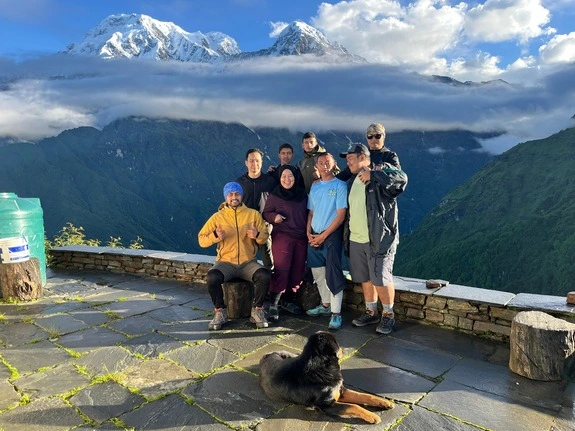
Is Mardi Himal Safe in Winter?
Winter is the safest season for the Mardi Himal Trek because the highest peak only ascends to an altitude of 4,500 meters, which is quite high but still lower than many other famous treks in Nepal. Even though the risk of severe altitude sickness is reduced in this case, it is still important to acclimatize. Trekkers should take their time and maintain a slow and gradual pace in order to reduce the symptoms of mild AMS.
Winter is the safest season for the Mardi Himal Trek because the highest peak only ascends to an altitude of 4,500m which is quite high but still lower than many other famous treks in Nepal. Even though the risk of sereve altitude sickness is reduced in this case, it is still important to acclimatize . Trekkers should take their time and maintain a slow and gradual pace in order to reduce the symptoms of mild AMS.
In winter snow and ice can make the trails difficult especially the higher sections above low camp and also high camp. Icy ridges and slippery slopes
In winter, snow and ice can make the trails difficult, especially the higher sections above low camp and also high camp. Icy ridges and slippery slopes may require sturdy boots to maintain stability as well as trekking poles, crampons, microspikes, and sturdy boots. As trail conditions constantly change in winter, hiring a guide is strongly recommended as they are familiar with the trails and can make passage safer.
Although guides and porters are available in winter, their availability is dependent on the quietness of the trekking period. A porter will ease the trekking process by carrying gear and a guide will provide safety and support on snowy and icy trails.
The teahouses serving the Mardi Himal track remain open during the offseason; however, their services are limited.
Final Thoughts: Is the December-January Trek to Mardi Himal Worth it?
In December and January, hiking to Mardi Himal offers a tranquility unlike other times of the year along with stunning views of Annapurna , Macchapuchare and the other mountains in the area, where you often have the mountains all to yourself. Some of the winter challenges are colder trekking nights, shorter daylight hours, and fewer teahouses, as several close for the winter.
In December and January hiking to Mardi Himal a tranquility unlike other times of the year along with stunning views of Annapurna, Machhapuchre and other mountains in the area, where you often
This trek in the winter season is perfect for trekkers that appreciate the quiet, that can deal with the cooler temperatures, and that want to see the true Gurung culture in the mountain villages. Even if you are a bit inexperienced in trekking, Mardi Himal is accessible for a memorable adventure in the cooler months as long as you have basic trekking winter gear and are used to the cold weather.
This trek in the winter season is perfect for trekkers that appreciate the quiet that can deal with the cooler temperatures and that want to see the true gurung culture in the mountain village . Even if you are a bit inexperienced in trekking, Mardi Himal is accessible for a memorable adventure in the cooler months as long as you have basic trekking winter gear and are used to the cold weather.
For the adventurous type, Mardi Himal in the winter offers you a distinctly unique Himalayan adventure. The snow-covered forests alongside the ridgelines, the warm hospitality of the locals, and the deeply-etched sunrises over Annapurna will linger in your memory.