
 English
 Dutch
Dutch Japanese
 Hindi
Hindi Italian
 Spanish
 French
 German
 Chinese
 Korean
 Arabic
 Hebrew
 Russian
 Portuguese
 Danish
 Czech
Czech Polish
 Swedish
Nepal has long been one of the world’s most iconic trekking destinations, known for its dramatic Himalayan landscapes, rich cultural heritage, and remote mountain trails. Nepal has many trekking destinations, but it has always been known as a place where adventure travel is limited to specific, controlled routes. These sensitive zones, usually found along international borders or in culturally sensitive areas, have traditionally required strict permits, licensed guides, and, most notably, a minimum group size.
However, in a significant policy change announcement in March 2026, Nepal adopted new regulations, which currently allow the restricted areas of Nepal to be accessibly visited by solo trekkers with conditions. This has created a lot of buzz among the international trekking fraternity.
This article will discuss the most recent changes in some detail, how they impact travelers, and provide full knowledge of the new rules, requirements, and consequences.
Understanding Restricted Area Trekking in Nepal
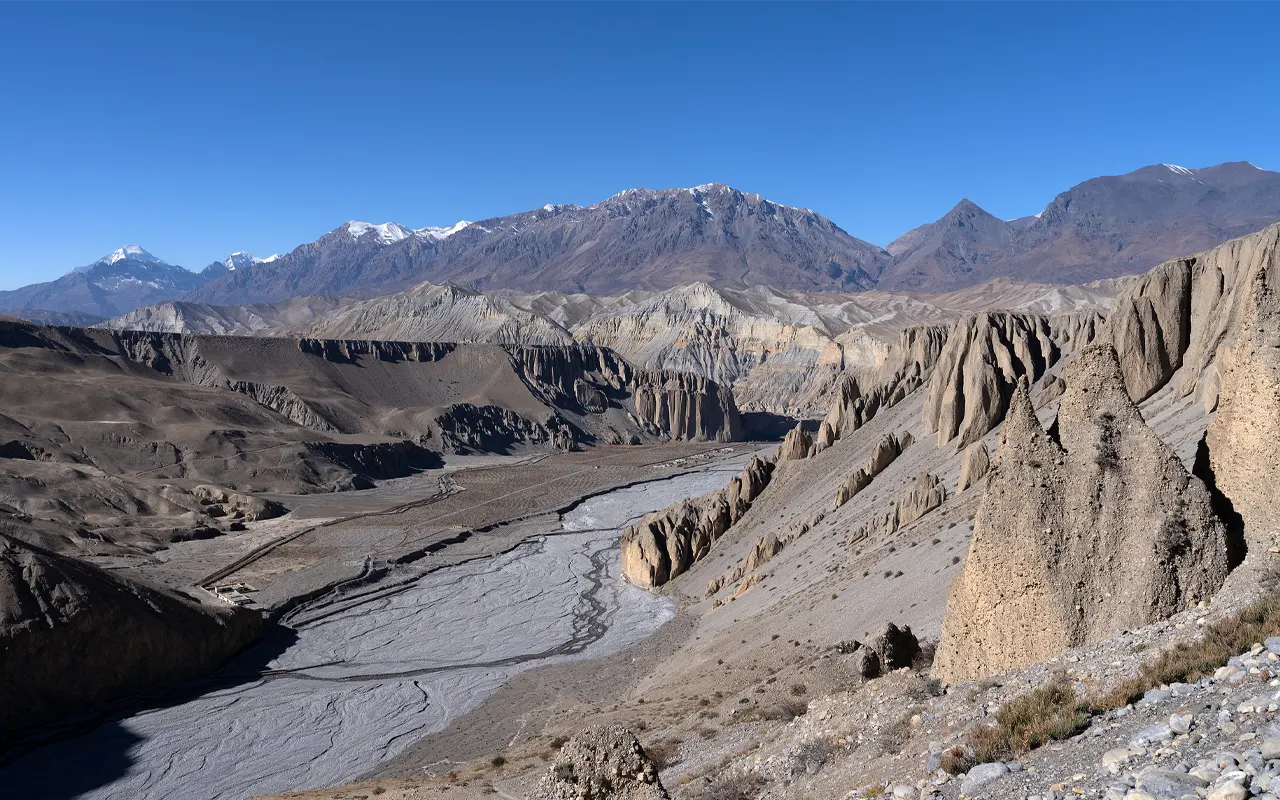
Restricted regions in Nepal are those geographically, politically, environmentally, or culturally sensitive areas that need special permits. These places are often found close to the borders with Tibet (China) or in the distant Himalayan territories, where there is a lack of infrastructure and preservation of traditional cultures.
The most popular restricted trekking destinations are Upper Mustang, Upper Dolpo, Manaslu (including Tsum Valley), Nar-Phu Valley, Humla, and Kanchenjunga. The areas are characterized by pristine landscapes, prehistoric monasteries, and the Tibetan-inspired cultures.
Restricted areas were always closely regulated, unlike popular trekking destinations like Everest Base Camp or Annapurna Base Camp, which have been open to solo trekking. The policies are to protect the locals, preserve sensitive ecosystems and to ensure the safety of trekkers in remote locations.
The Previous Rule: Why Solo Trekking Was Not Allowed
In restricted areas, a minimum of two trekkers were required during trekking. The solo travelers were not allowed to issue a Restricted Area Permit (RAP). They were required to either be matched up with a partner or to join a group that was arranged by a registered trekking agency.
Practical difficulty posed a challenge to many solo travelers to align travel dates or itineraries with those of other travelers. In some instances, it resulted in informal or workaround solutions, which were not necessarily optimal.
The limitation was initially put there to ensure safety and surveillance. The mountainous nature of Nepal can be unpredictable and the dangers involved may include altitude sickness, landslides, extreme weather and inadequate communication. Governments thought that group trekking facilitated easier control of emergencies and less risk.
What’s New: Solo Trekkers Now Allowed in Restricted Areas
This long-standing rule is altered in the major update that was introduced in March 2026. Nepal has given clearance through its Department of Immigration to permit solo trekkers to buy a permit to experience restricted area trekking in Nepal.
It implies that solo foreigners do not have to join two or more people to visit these areas. They can independently apply to get permits, and trekking through the restricted areas is now more accessible than before.
This change was made following constant criticisms by tourism stakeholders such as the Trekking Agencies Association of Nepal (TAAN), who said that those rule was reducing tourism growth and deterring independent tourists.
Important Condition: Solo Does Not Mean Without a Guide
Although the new rule has given solo trekkers an opportunity to obtain permits, it is worth noting that, still, no individual trekking without a guide is allowed in restricted places.
According to the new rules, individual trekkers need to register with an authorized trekking agency, a licensed trekking guide is required, and the agency will take care of logistics and emergency rescue.
It implies that solo trekking is no longer applicable when traveling without a group of people, but with the help of a professional.
Guide requirements are a method of assuring safety, correct route navigation and according to local requirements.
Digital Permit System and Easier Application Process
The digitization of the permit system is another significant difference brought about by the change in policy.
The process of obtaining restricted area permits has become quicker and easier, as trekkers can now apply to the restricted area using an online platform.
One of the useful changes is that tourists can use their visa application number (submission ID) to apply even prior to reaching Nepal. It enables improved planning and minimizes delays.
The new system makes the process easier and more efficient for both trekkers and agencies. As in the past it would have taken more days to get permits, including physical paperwork.
Safety Measures and Regulations Still in Place
Although the regulations regarding solo trekkers are loosened, Nepal has ensured that the restricted area trekking is highly safe.
The guide-to-trekker ratio is one of the most important regulations, and there are up to seven trekkers per guide.
This, as far as solo trekkers are concerned, translates to a guide to one person or a small group. The guide is very important in the area of monitoring altitude-related hazards, navigating remote roads and trails, organizing rescue missions, where necessary, and ensuring adherence to local traditions and laws.
The trekking agency in charge of the trip is also tasked with emergency response and logistics, which adds to the safety measures.
Why This Change Matters for Tourism
It is believed that the move to permit solo trekkers to visit restricted areas will have a positive effect on the tourism sector in Nepal.
In the past, the two-person minimum policy deterred a large number of individual travelers, particularly those who enjoy the benefits of flexible and self-paced modes of travel. Nepal is opening its most remote and beautiful places by eliminating this barrier.
This new policy will also grow the number of international tourists, boost the number of domestic workers, such as guides and porters, rebuild rural economies in isolated areas, and enhance general trekking management.
Officials consider the modification to be a balance between availability and security.
Popular Restricted Trekking Routes in Nepal
Now, solo trekkers have access to some of the most attractive restricted trekking routes in Nepal with the new rules in place.
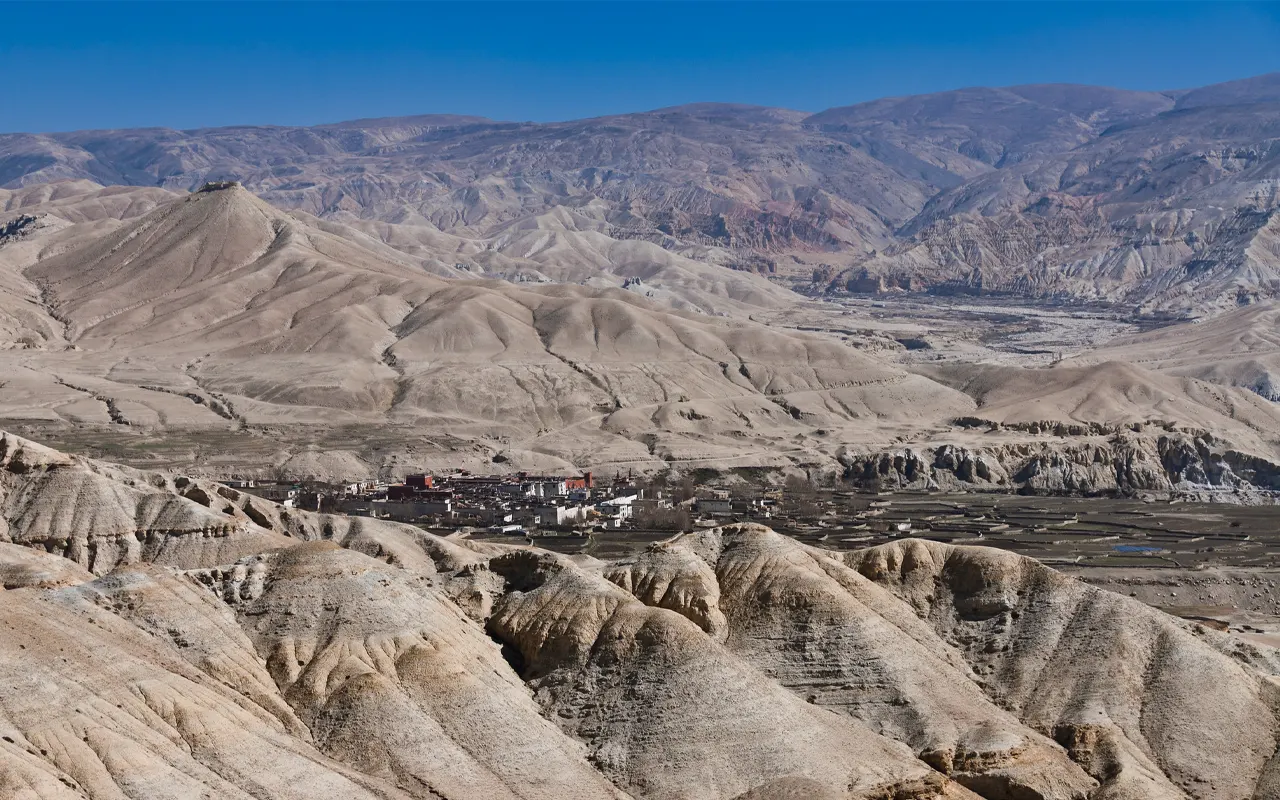
One of the most well-known restricted regions is the Upper Mustang, where the landscapes resemble deserts and the walled cities of ancient times, including the city of Lo Manthang. The area has an average elevation of nearly 3,800 meters (12,467 feet).
Another isolated and culturally diverse place of interest is the Upper Dolpo, which is characterized by steep topography and the existence of lakes of great height. Dolpo is considered to be one of the most challenging areas to trek, as there are many areas that are located over 4,000 meters (13,123 feet) above sea level.
Manaslu Circuit is a well-liked restricted trek that encircles Mount Manaslu (8,163 meters / 26,781 feet), and is associated with breathtaking mountain scenery and various cultural lessons. The highest elevation in this trek includes Larkya La Pass at 5,160 meters (16,929 feet).
The Nar-Phu Valley is an isolated area in the Annapurna region that is characterized by spectacular scenery and high altitudes which usually over 4000 meters (13,123 feet).
They provide a less compromising and more genuine trekking experience than mainstream trails.
Difference Between Open and Restricted Trekking Areas
The restricted and open trekking areas in Nepal are separated.
In most cases, independent trekking without a guide can be undertaken in open trekking areas like the Everest region, the Annapurna region (except Nar-Phu), and the Langtang Valley. Infrastructure in these regions is highly developed, with teahouses, alpine trails, and communication networks.
Conversely, special regions demand Special permits (Special Permit Restricted Area Permit), licensed guides, agency, and additional documentation.
The new regulation changes the group size requirement, but does not alter the entire regulatory framework.
Why Restricted Areas Still Require Strict Control
The new flexibility has some limits that are closely controlled because there are a number of reasons that are important.
These areas are usually close to sensitive international boundaries, especially with Tibet, and it is important to monitor them. They also harbor delicate ecosystems and exotic cultural practices that must be preserved.
There is also poor infrastructure in these regions. It has fewer teahouses, medical centers, and communication lines than the well-liked trekking paths. Professional guidance is essential in this regard.
The existence of guides also benefits the local communities by providing jobs and making the benefits of tourism more evenly spread.
What This Means for Solo Trekkers
This is a big step for solo travelers.
It is much more flexible and independent, and at the same time, safe and responsible tourism. Tourists no longer have to modify their itinerary to seek trekking partners, and can explore Nepal on their own terms.
It should be noted, though, that trekking in restricted zones is more costly than trekking in open zones. The most expensive costs are Restricted Area Permit fees, Guide fees, and Agency service charges.
Even with this expense, the experience is worthwhile as many trekkers find it exclusive and authentic to these regions.
Challenges and Considerations
The new rules are a positive change, but certain points should be mentioned.
This is due to the fact that fully independent trekking cannot be practiced in limited sections due to its obligatory guide requirement. There are those who may want to enjoy absolute freedom, and this can only be found in open trekking areas.
Restricted area permits may be costly, in places like Upper Mustang and Upper Dolpo. Power trekking to higher altitudes, usually over 4,000 m (13,123 feet) in altitude needs proper acclimatization and physical conditioning as well.
The distance and weather conditions may complicate these treks more than the usual routes.
The Future of Trekking in Nepal
The most recent update to the policy is indicative of the changing attitude towards tourism in Nepal. The government is attempting to strike a balance between three main priorities: accessibility, safety and sustainability.
By enabling solo trekkers in Nepal to visit restricted places in a controlled environment, the authorities are also ensuring the relevant safety measures.
This step also lead to more changes in the trekking industry, specifically regarding online services and traveller comfort.
Conclusion
Allowing individual trekkers to enter restricted areas is a major change in Nepal’s trekking policies. It eliminates an old-fashioned obstacle and maintains the necessary processes of security and control.
Those who are keen on restricted area trekking in Nepal, this is a thrilling opportunity to visit some of the most isolated and culturally varied parts of the country with more flexibility.
Nevertheless, the main essentials are the same: trekking should be guided, permits are necessary and responsible trekking is required.
Now, with planning and knowledge of the new regulations, solo trekkers will be able to explore the lesser-known secrets of the Himalayas as it has never been experienced before.