
 English
 Dutch
Dutch Japanese
 Hindi
Hindi Italian
 Spanish
 French
 German
 Chinese
 Korean
 Arabic
 Hebrew
 Russian
 Portuguese
 Danish
 Czech
Czech Polish
 Swedish
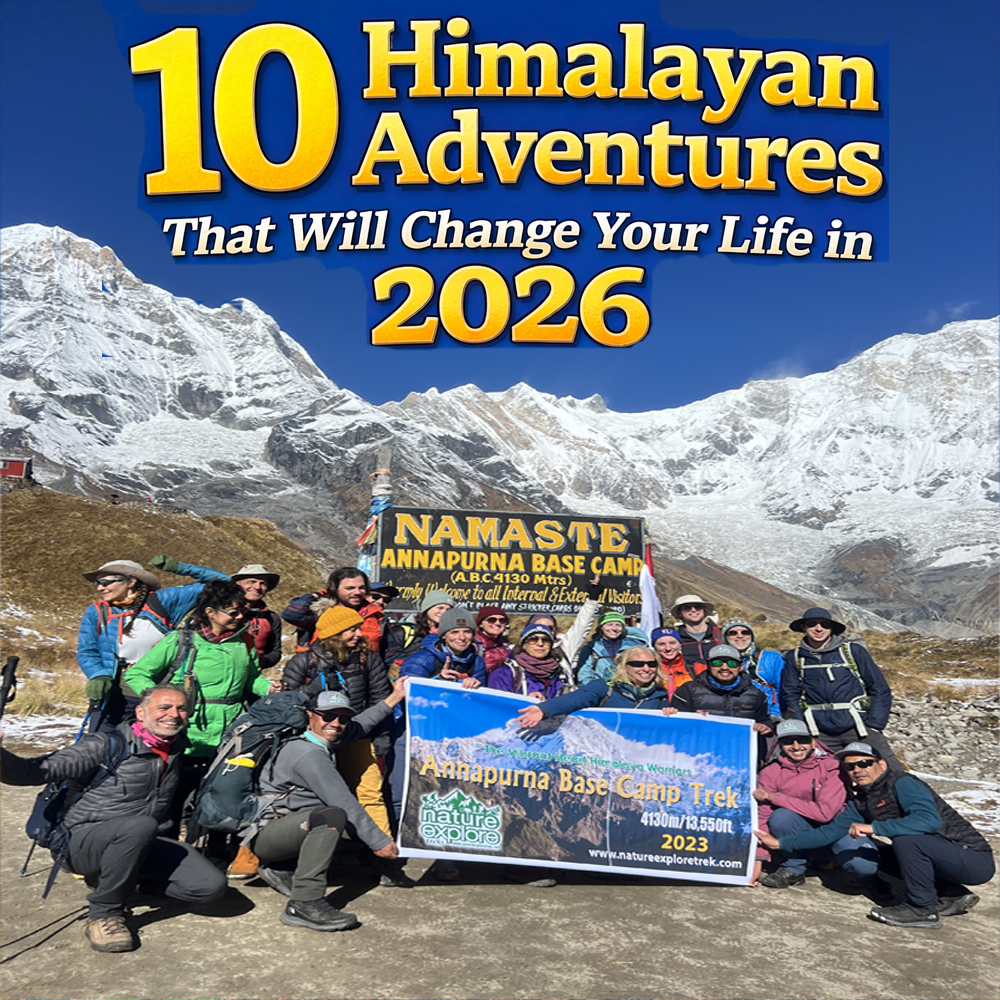
The Himalayas is a wonder land and they provide some breathtaking landscapes, a rich culture and life changing experiences. These great mountains will take you on memorable trips in the year 2026, be it adventure, spiritual or just to be in touch with nature. There are treks of all kinds, whether you are a high-altitude outdoors adventure traveler or a cultural tourist. Every adventure is not just a physical one but also makes the head and heart grow bigger. It makes you plunge into the peculiarities of the traditions and hospitality of local people. We have listed ten fantastic Himalayan adventures below with some significant details that can assist you in planning your Himalayan trip.
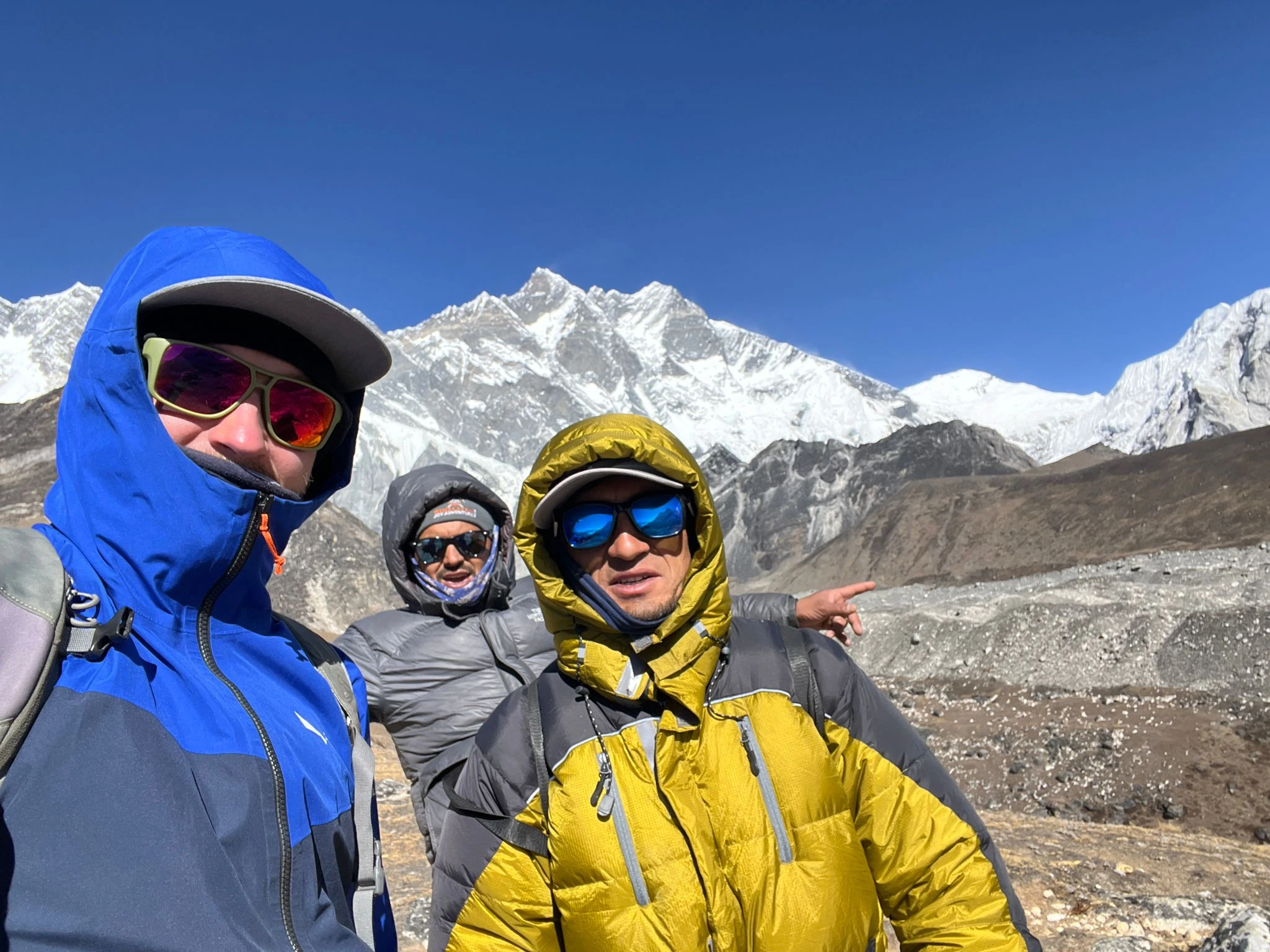
1.Everest Base Camp Trek
Overview
The Everest Base Camp Trek is one of the most popular trekking routes in Nepal and is frequented by people from all over the world. This trek normally takes about twelve to fifteen days and begins with a scenic flight from Kathmandu to Lukla. The trail then passes through Sherpa villages like Phakding, Namche Bazaar, Tengboche and Dingboche, which is full of local culture along with the mountain landscapes.
The primary objective of the trip is to arrive on Everest Base Camp at 5,364 meters where climbers will be ready to climb Mount Everest. It also includes a hike to Kala Patthar, which provides a clear view of Everest, Lhotse and Nuptse, particularly in the sunrise. On their way, the trekkers also reside in the local tea houses, attend monasteries and experience the life in the mountain communities.
The expedition is technically moderate but strenuous considering the elevation and therefore good fitness and appropriate acclimatization are essential. The most appropriate seasons are spring and autumn, when the weather is steady and clear. The Everest Base Camp Trek is an ideal choice to first time Himalayan trekkers, families with older kids and anyone who wants a rewarding trekking experience and cultural understanding.
Outline Itinerary
This classic walk normally takes between 12 to 15 days. The trip begins with a beautiful flight between Kathmandu and Lukla where one gets to see the Himalayas in its full glory. Hiking through Sherpa villages such as Phakding, Namche Bazaar, Tengboche and Dingboche gives a mixture of a culture and scenic beauty. The best moment is getting to the Everest Base Camp at 5,364 meters where climbers are ready to make the final climb. To experience an unsurpassed panorama of the sunrise, a walk to the Kala Patthar of 5,545 meters gives a good overview of Everest, Nuptse and Lhotse. Along the way, trekkers love to stop in at monasteries, traditional tea-houses and markets where local crafts are sold. The way back follows the same route to Lukla.
Cost
A two-week guided package typically costs between $1,200 and $1,500 per person, which includes permit, flights, meals and lodging, and a guide. Budget travelers can spend as little as $750 on their own while luxury packages can cost $3,000 or more. It is a good idea to budget extra on tips, gear, or small cultural experiences.
Best Season
Spring, from March to May, and autumn, from September to November, provide good weather with clear skies and cool temperatures. These months also bring with them festivals such as Mani Rimdu in Tengboche, which offer a cultural experience to the trekkers. Monsoon season receives heavy rainfall, and also the winter season is extremely cold with snow at higher elevations, which makes the trekking difficult.
Difficulty
Moderate technically, but difficult because of the altitude. Trekkers must be in good physical condition and have acclimatization days to prevent altitude sickness. Daily treks may vary between five and seven hours. Though the trail is not so hard to follow, weather may be rather unpredictable and change rapidly and, thus, you should be ready and dress properly.
Who is it for?
Ideal for first time trekkers to the Himalayas that are looking for a bit of adventure and comfort. Those with previous multi-day hiking experience will find it accessible but everyone enjoys the rich Sherpa culture on the way. Families with teenagers as well as groups of friends find this trek a rewarding experience, as it is a trek that blends natural beauty with cultural immersion.
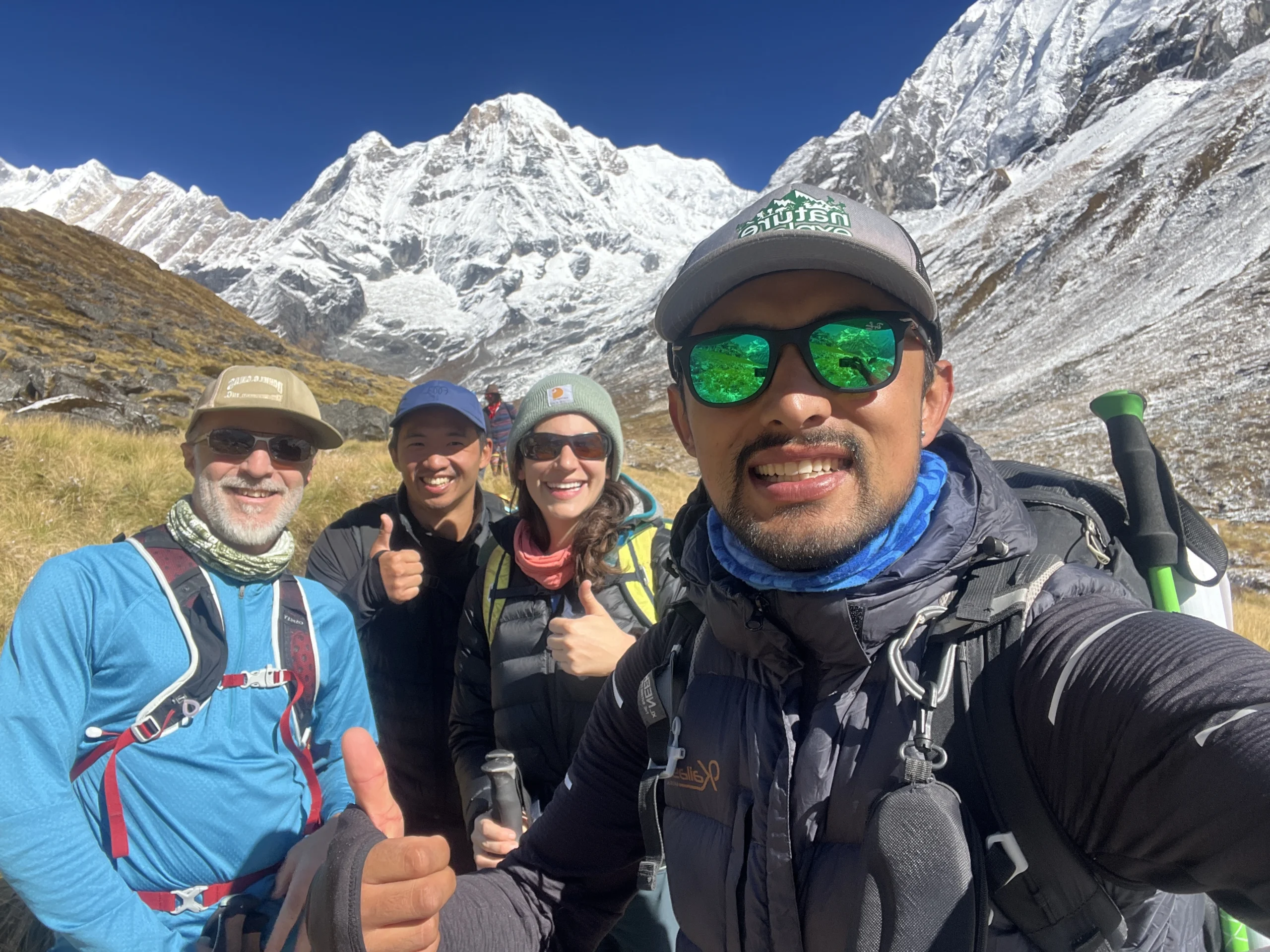
2. Annapurna Base Camp Trek
Overview
Annapurna Base Camp Trek is a favorite destination among tourists who do not seek the mountainous landscape and local culture as much as they would need within a shorter period of time. It is a trek that typically lasts between seven and ten days and starts within the Pokhara region. The path goes through terraced agricultural fields and classic Gurung villages giving a chance to the trekkers to experience the rural life in the Annapurna area. The journey is pleasant and diverse as people walk through the rhododendron forest and bamboo forest crossing suspension bridges and waterfalls.
The Machhapuchhre Base Camp, which is 3,700 meters old, is the first of the destinations that trekkers are taken to before the Annapurna Base Camp, which is 4,130 meters, all enclosed in high Himalayan mountains. Most of the itineraries incorporate a relaxing visit on Jhinu Danda on the way back where one can relax in the natural hot springs. A cultural touch to the trek is being in the local tea houses and having local meals such as the dal bhat and the momo.
The Annapurna Base Camp Trek is rated moderate and the average hours of walking every day are between five and six hours. The best seasons would be spring and autumn, which has clear skies and comfortable temperatures. This is a good adventure trek with first time trekkers or individuals who would like an adventure at a lower altitude as well as a cultural experience and mountain scenery.
Outline Itinerary
A trek from near Pokhara of seven to ten days, going up through the terraced farms and traditional Gurung villages. The route goes through lush rhododendron and bamboo forests, waterfalls, and suspension bridges, so that every step is picturesque. Trekkers reach Machhapuchhre Base Camp at 3,700 meters and finally Annapurna Base Camp at 4,130 meters, nestled under the towering peaks. The return trip often makes a stop at Jhinu Danda to enjoy natural hot springs. Along the way, it’s interactions with villagers and trying local cuisine such as dal bhat and momo that add a cultural depth.
Cost
Budget trekkers can spend about $500 on their own, while guided packages cost an average of $800 per person, including transport, permits, accommodations, food and guide services. Optional extras include hot spring fees, trekking insurance and photography tours.
Best Season
Spring and Autumn offers a clear sky and blooming rhododendrons while monsoon and winter is not so ideal due to muddy trails or snow.
Difficulty
Moderate – 5 to 6 hours of walking daily, with some steep sections close to Chhomrong. Well-marked trails and teahouses make the trek manageable for those of a basic fitness level. Trekkers also take a side trip to viewpoints such as Bamboo or Deurali for beautiful views of Annapurna South and Machhapuchhre.
Who is it for?
Trekkers of intermediate ability or first-timers seeking a little less high altitude experience. The trek is perfect for those looking for beautiful mountain landscape with culture and landscapes perfect to take pictures.
3. Kanchenjunga Trek
Overview
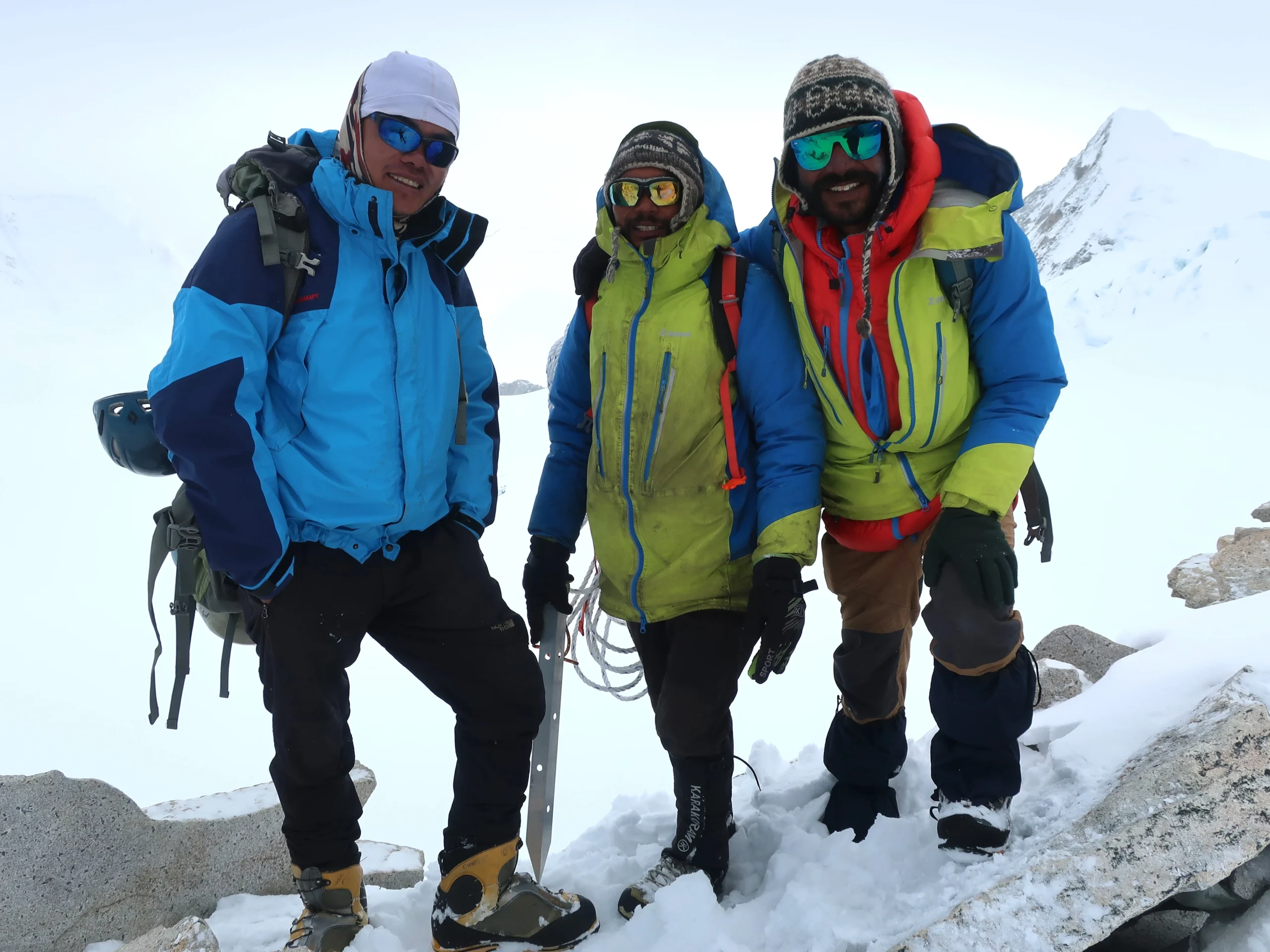
The Kanchenjunga Trek is a remote and challenging experience that puts the trekkers at the base of the third highest mountain in the world, Kanchenjunga. This expedition takes a period of twenty to twenty four days and is an expedition starting at Taplejung, which is in eastern Nepal. The path goes through the silent villages of Limbu and Rai people, where it is possible to see their traditional houses and lifestyle. The passage cuts through wooded hills, alpine meadows and high ridges and then to the north and south base camps of Pangpema and Oktang.
The area is characterized by underdeveloped features and thus it is a rough and genuine experience. Some of the wildlife that trekkers can meet on the way are the red pandas and Himalayan tahr. Mostly in humble tea houses or camps accommodation is taken, but this varies with the portion of the trail. Since the number is limited, hiking requires the services of an authorized guide.
The journey is physically challenging, involving hiking and walking days, mountain passes and minimal amenities. The best seasons are spring and fall because there is no severe weather or clouds that cover mountain views. The Kanchenjunga Trek is most appropriate to those who are highly experienced in their trecking, comfortable to be in high altitude, in long days and remote mountain areas and are willing to have deep cultural and natural experiences.
Outline Itinerary
Remote trek, 20 to 24 days, to the base of Kanchenjunga, the third highest mountain in the world. The journey starts from Taplejung and traverses through isolated villages of Limbu and Rai people, and through the journey, travelers can see the traditional architecture and lifestyle. Trekkers traverse high ridges, alpine meadows and lush forests before they reach North Base Camp and South Base Camp at Pangpema and Oktang respectively. Expect difficult passes, pure landscapes, and rare wildlife sightings, such as red pandas and Himalayan tahr. Camping or teahouse accommodations offer an authentic experience in this untouched region.
Cost
Around $1,800-2,500 per person for a guided trek, including permits, transport, guide, and porter and meals. Independent trekking is not allowed, because of restricted access.
Best Season
The period of mid-March to June and mid-September to mid-November provide good weather. Spring offers blooming rhododendrons, while autumn offers clear skies and panoramic views. The heavy snowfall in winter makes the way hazardous and monsoon causes landslide.
Difficulty
Challenge: Hard, long treks day in and out, high passes, few accommodation. This trek should be only undertaken by skilled trekkers who are in great physical shape. The conditions on the trails are rough and trekrs must bring along certain necessities including water purification and additional clothing.
Who is it for?
Adventure enthusiasts who want to truly be in the wild, be alone, and be immersed in the culture. This is a trail that requires experienced trekkers, who have already experienced high-altitude treks and would like to taste a true flavor of untouched Himalayas.
4. Manaslu Circuit Trek
Overview
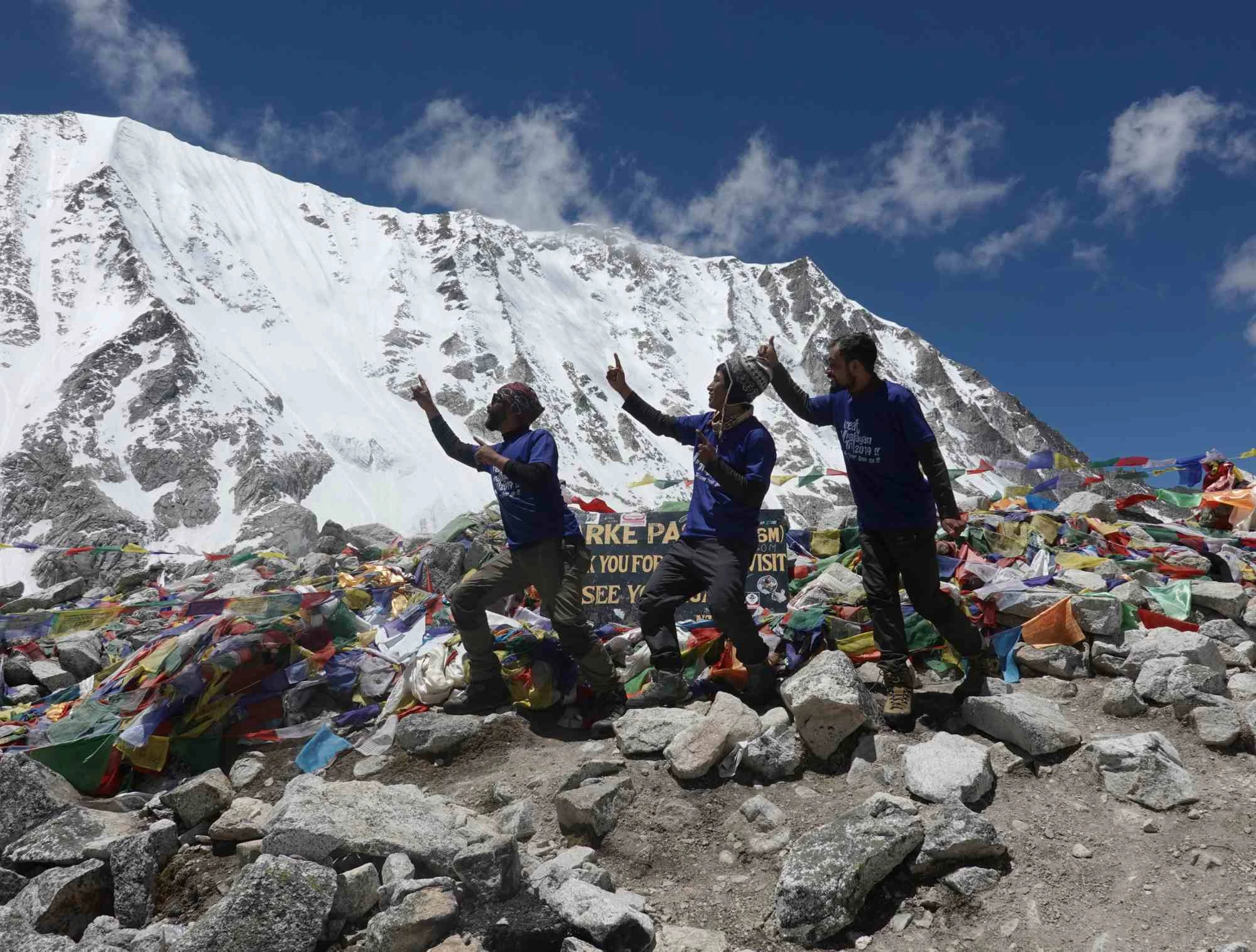
The Manaslu Circuit Trek is an enriching adventure trip that make circuit around Mount Manaslu and provides a blend of culture with mountain landscape. The journey typically involves four to sixteen days and begins at Soti Khola on the Budi Gandaki River. The trail goes through Gurung villages like Namrung and Samagaon in which the trekkers can see the traditional lifestyles, farming methods and local festivals. Such villages are also good places to rest, and acclimatize to the higher elevations.
Crossing Larkya La Pass is one of the most important sections of the trek as it is the highest point of the route and is 5,106 meters in height. It is also possible to have broad vistas of surrounding mountains, glaciers and valleys.
Manaslu Circuit Trek is rated as a strenuous one because of the long walking days, steep ascent and high altitude. The spring and autumn seasons are the most suitable due to the stable weather and clear skies. This is a journey that will attract experienced and fit trekkers who are looking for a less crowded and quieter path.
Outline Itinerary
A 14 to 18 day circuit around Mount Manaslu starting from Soti Khola from Budi Gandaki River. Trekkers travel through Gurung villages such as Namrung and Samagaon where they can see the traditional festivals, terraced fields, and friendly people. Acclimatization takes place near Manaslu Base Camp, before crossing the Larkya La Pass at 5,106 meters, one of the trek’s most spectacular points of view. The trip down to Marsyangdi Valley brings in some stunning views of glaciers, rivers, and various flora.
Cost
Guided packages generally are $1,600 to $2,200 per person, including permits and conservation fees, transportation, guide, porter and meals. Independent trekking is limited, hence trekkers must keep the local conservation standards.
Best Season
Spring and autumn are the most stable seasons. Winter is possible for the experienced group, while monsoon brings landslides and leeches in the lower areas.
Difficulty
Strenuous, covering approximately 180 kilometers with long ascents, high passes, and rough trail sections. Lodging is primarily in teahouses and is therefore a little more accessible than fully camping treks. Trekkers should be equipped for sudden changes in weather, icy trails at high altitudes and low mobile network coverage.
Who is it for?
Fit trekkers who want a quieter and less travelled alternative to the Annapurna Circuit. Ideal for people who enjoy remote landscapes, Tibetan influence and a physically challenging trek, as well as opportunities for photography and wildlife spotting.
5. Annapurna Circuit Trek
Overview
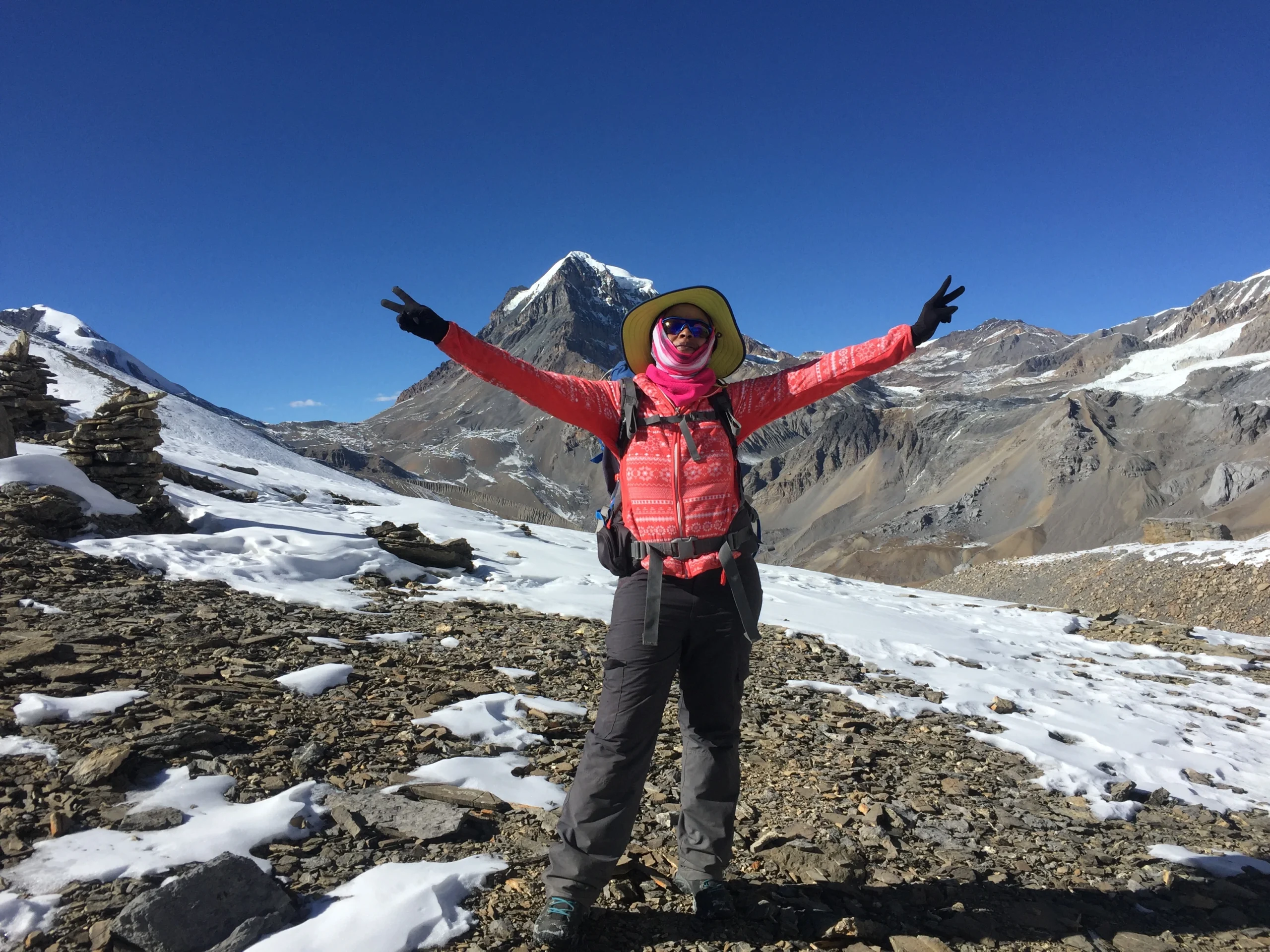
The Annapurna Circuit Trek is a famous long distance hike that circles the Annapurna Massif and displays an exceptionally diverse array of landscapes and cultures. Travel time normally requires between twelve and eighteen days, beginning at Besisahar and travelling through ethnic villages, forest and high altitude land then crossing Thorong La Pass, which is located at 5,416 meters. Once the pass has been crossed, the trail leads in the Mustang area where trekkers enjoy the monasteries, caves and Tibetan influenced culture and as an option side trips are available, including Ghorepani and Poon hill.
It is a moderate to strenuous walk because of its duration and elevation with numerous walks that take several hours per day. The best time of year is spring and autumn when the weather is stable and mountain views are clear. The Annapurna Circuit Trek is an ideal place where first-time adventurous trekkers can be found and experienced hikers would like to have one trip that would serve as a natural adventure, cultural and diverse adventure.
Outline Itinerary
A 12 to 18 day journey around the Annapurna Massif. Starting from Besisahar, trekkers pass through various ethnic villages, climb through dense forests and high altitude deserts and arrive at Manang then cross the Thorong La Pass at 5416 meters. Descending into Mustang, the trekkers experience ancient caves, monasteries and Tibetan influenced culture. Optional extensions include Ghorepani and Poon Hill for panoramic views of Dhaulagiri, Annapurna and Machhapuchhre at sunrise. The trail provides many different landscapes from subtropical valleys to alpine terrain.
Cost
Independent trekking can be $500 to $800. Guided packages cost between $1,200 and $1,500, and include transport, guide, porter, permits and accommodation. Extra costs may include cultural performances, photography tours and extra camping fees.
Best Season
Spring and autumn have the best weather and clear views of the mountains. Winter is possible for experienced trekkers, but the monsoon witness less crowds but muddy trails.
Difficulty
Moderate to strenuous because of altitude and distance for each day. Trekking 6 to 8 hours a day is typical, with the pass day leading to an early morning start (pre-dawn) and stamina. Acclimatization is crucial and trekkers are allowed to experience snow or rain depending on the time of the year.
Who is it for?
People who like trekking with a great variety of landscapes, cultural diversity and a well-developed path. It can be recommended to both the first-time adventurous or experienced trekker who wants to combine nature, culture and scenic beauty of the Himalayas in one trip.
Ready to book your trip with us? Fill out the inquiry form below
6. Everest Three High Passes Trek
Overview
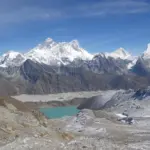
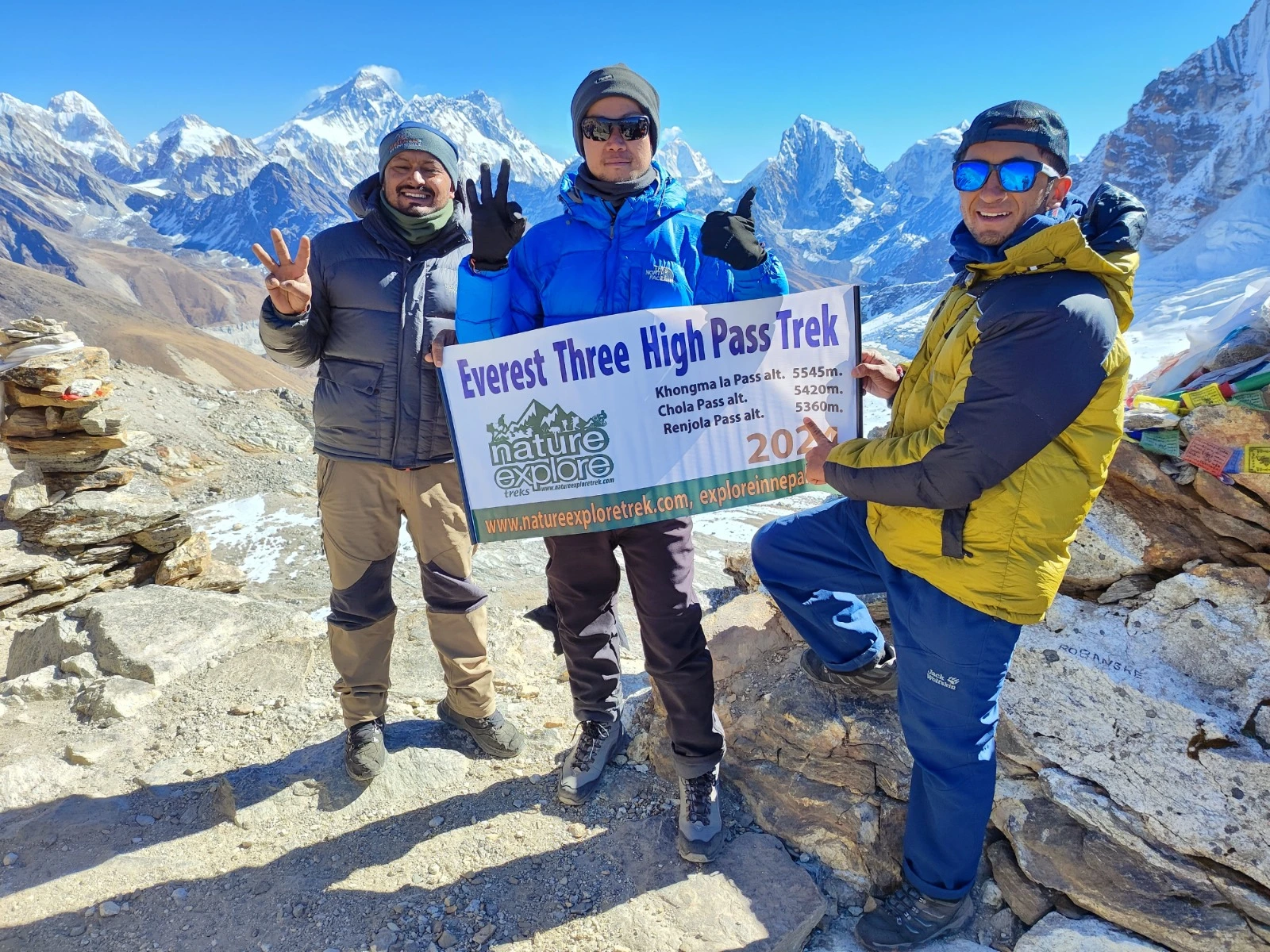
The Everest Three High Passes Trek in Everest is a strenuous trek in Khumbu region; it takes about three weeks in the Everest region. The route ascent to Lukla goes on to the Namche Bazaar and crosses three high mountain passes with altitudes above 5,300 meters, including Renjo La, Cho La and Kongma La. This route includes the Gokyo Lakes, the valley of the Everest Base Camp and Chukhung, traditional Sherpa villages, monasteries and the small but picturesque side valleys.
This is an engaging adventure across the Everest area with a shifting landscape that comprises of glacial lakes, high ridges and distant valleys. The path enables trekkers to view Everest, Lhotse, Ama Dablam and other large mountains in various perspectives. There is tea house accommodation, but due to the long walking days and the elevation, the trek is strenuous.
The Everest Three High Passes Trek is regarded as highly intense and it is only advisable to the experienced trekkers. The most favorable seasons are spring and autumn because weather is always stable, and skies are clear. The trek can be considered perfect when the person has already been on high altitude treks and wants to have a challenging trail with less people and good exposure to the culture in the Everest region.
Outline Itinerary
This is a three week exciting adventure that guides you to a central point in the Khumbu region, traversing three wonders that are above 5,300 meters. Starting from Lukla, trekkers reach Namche Bazaar and then pass the Renjo La Pass to reach the gorgeous Gokyo Lakes, which is an area of turquoise glacial lakes, flanked by snow-capped mountains. From there the Cho La Pass brings us to the Everest Base Camp valley, where we have much closer views of Everest, Lhotse and Ama Dablam. The last pass, Kongma La, falls down into Chukhung and Island Peak valley. Along the way trekkers visit traditional Sherpa villages, monasteries and remote valleys such as Thame and Thonak. It is a wonderful adventure of both a physical adventure and a trip to the Himalayan culture and a wonderful chance to take great photographs.
Cost
Guided packages cost $1,700 to $2,800, which includes flights, permits, guide and porter services and teahouse accommodations. Additional expenses may include trekking insurance, gear, and additional days for acclimatization. Independent trekking is not recommended because of the difficulty and altitude.
Best Season
The trek is best in Spring (March-May) and Autumn (September-November) when the weather is more stable and the skies are clear. The late spring and early autumn months are times of relatively mild temperatures with longer periods of daylight. Winter is extremely cold, and there is a lot of snow in monsoon with the possibility of landslides.
Difficulty
Very strenuous, only for experienced trekkers. Every one of these passes takes long days of hiking through rocky and steep paths, many times past the elevation of 5300 meters and issues with the altitude sickness can be very severe. It is crucial to be physically fit, acclimatize and mentally solid. The weather may shift very fast necessitating adaptability and readiness to sudden snow or rain.
Who is it for?
Those who want a very challenging adventure in Everest region. Those who have previously completed Everest Base Camp or other similar high altitude treks will find this rewarding. It is perfect for trekkers who wish to explore the Khumbu region from a variety of perspectives, enjoy the quieter trails and lose themselves in remote Himalayan landscapes.

7. Makalu Base Camp Trek
Overview
Makalu Base Camp Trek is an 18-20 days trip to the remote Makalu-Barun National Park in the east of Nepal and provides a literal off-grid Himalayan experience. The adventure starts with a flight to Tumlingnar and continues along the Arun Valley with its tiny villages, Num and Tashigaon. The main route is the Trekker crossing Shipton La and Keke La to the upper Barun Valley and Makalu Base Camp located at 4,870 meters. The road can be taken through dense forests, alpine meadows and glacial rivers which provide the opportunity to observe some wildlife that is hard to see including red pandas, Himalayan black bears and blue sheep.
The trek is physically demanding, good physical fitness, endurance and good acclimatization is needed since it involves many days of walking and much elevation. The weather in spring and autumn are the most suitable seasons to do trekking and the skies are clear with moderate temperatures and flowering trees. It is a perfect trip to the seasoned trekker who prefers solitude in the mountains, appreciates nature and a mountain adventure that is tough enough to suit the interests of a trekker who loves to explore the untouched nature, to see wildlife and to view the mountainous Himalayan landscapes without having to walk on busy paths.
Outline Itinerary
This 18-20 day trek is a trip into remote Makalu-Barun National Park, in eastern Nepal. Tumlingnar is flown to, and the Trekkers walk through the Arun Valley in small villages such as Num and Tashigaon. This route goes through Shipton La and Keke La pass to reach the upper Barun Valley and Makalu Base Camp at 4,870 meters. It has thick forests, Alpine meadows and glacial rivers and provides the chance to see some of the rare and unique animals including red panda, Himalayan black bear and blue sheep. Nights are spent in rustic teahouses or camps, giving a true “off-grid” Himalayan experience. The return follows the same trail, but gives trekkers time to think about the journey and enjoy the surrounding landscapes.
Cost
A guided trek costs about $2,000 to $2,300 which includes flights, permits, guide, porter, meals and accommodation. Independent trekking is logistically difficult and not recommended because the location is remote. Trekkers should budget for equipment, contingency expenses and tips.
Best Season
Spring (April – May) and autumn (September – November). The spring has a nice temperature and the flowers are in blossom and autumn has the amazing skies that give a beautiful look of the mountains. Monsoon season is marked by heavy rain and clouds, and the winter is extremely cold and may block passes.
Difficulty
Strenuous and physically demanding because of high elevation, long days and steep passes. Trekking takes endurance, good acclimatization and tolerance for minimum support infrastructure. While not actually difficult, remoteness and distances make it only appropriate for experienced trekkers.
Who is it for?
Seasoned trekkers who are hungry of solitude, untouched nature and an adventurous challenge. Naturalist and lover of photography, will love the biodiversity and the mountainous dramatic scenery. Makalu is perfect when one wants to avoid tourists going to the more popular trails and explore the Himalayas in their most pristine form.
8. Mera Peak Climb
Overview
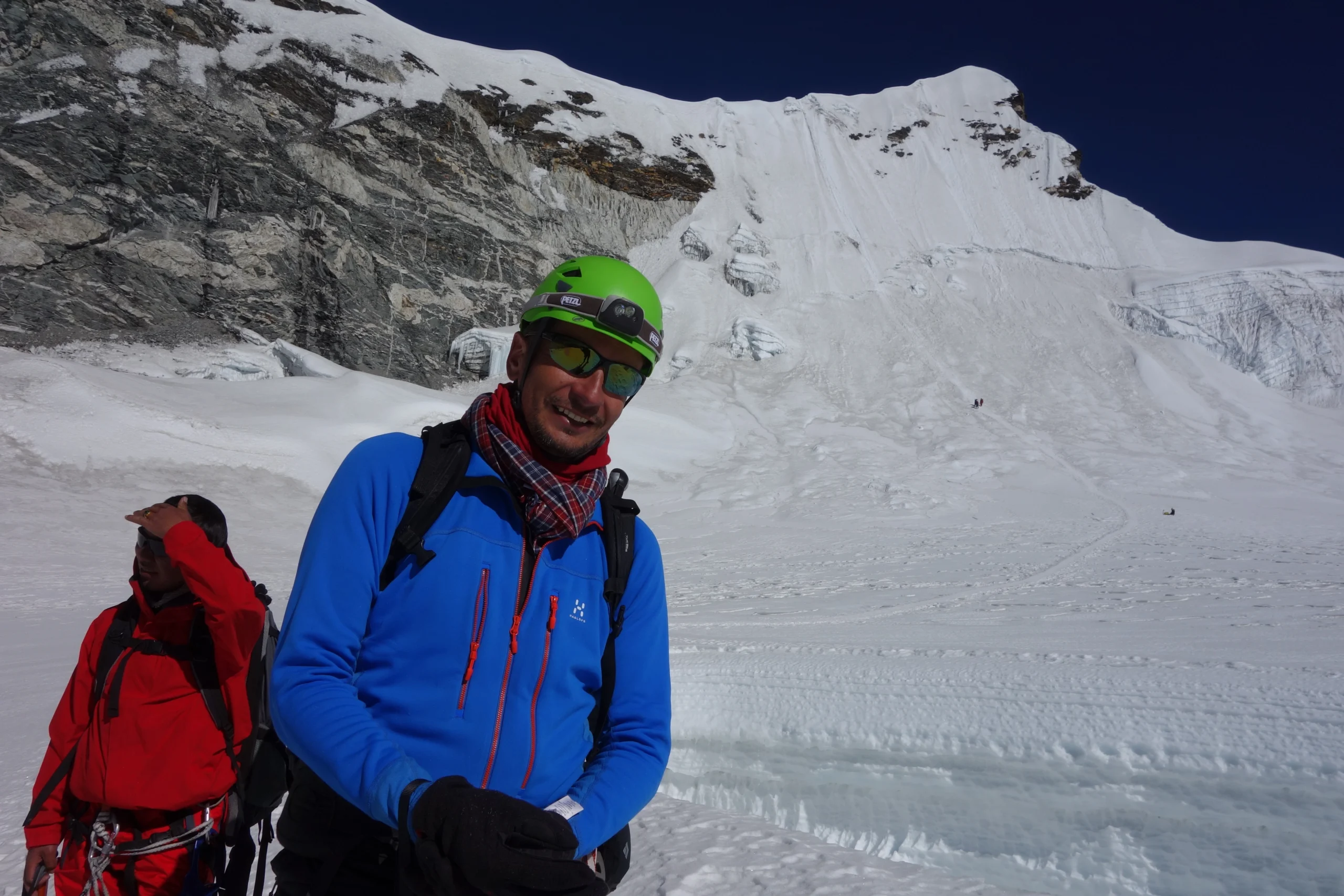
Mera peak is the tallest trekking peak in Nepal with 6476 meters and provides 15-18 days climbing trip. The expedition starts by flying into Lukla and then the south eastern route into the isolated Hinku Valley, through bamboo forest, alpine meadows and tiny villages. Trekkers spend the night in teahouses or camps, including Thagnak and Khare, and have acclimatization days at the high camps to get ready to the summit. Summit day begins prior to daylight and the climbers cross the glacier by means of crampons and ropes. There are five 8,000 meter peaks visible at the top which include Everest, Lhotse, Cho Oyu, Makalu and Kanchenjunga.
It is a non-technical climb, yet physically challenging, where one needs to be in good physical shape, mentally strong and acclimatized. The best seasons to climb are pre-monsoon (April to May) and post-monsoon (September to November), and winter climate is very cold and monsoon is very dangerous.
Mera Peak is the best place to be when a trekker desires a first Himalayan peak and has already experienced an altitude of above 5,000 meters. It also suits people who aim to learn the fundamental skills of mountaineering and to have extensive panoramic views of the tallest mountains in Nepal.
Outline Itinerary
Mera Peak, the highest trekking peak in Nepal at 6476 meters, is a 15 to 18 day climbing adventure. Starting from a flight to Lukla, trekkers follow the southeast route to the remote Hinku Valley. The trail leads through bamboo forests and alpine pastures and to small teahouses or camps in areas such as Thagnak and Khare. There are acclimatization days at high camps to prepare for the summit. Summit day starts pre-dawn with climbers using crampons and rope to climb the glacier, which is not technical but difficult. From the top, it is possible to see five 8,000 meter peaks: Everest, Lhotse, Cho Oyu, Makalu and Kanchenjunga. After summiting, trekkers climb down to Khare and towards Lukla.
Cost
Package costs vary between $2,200 and $3,000 and include flights and permits, guide services, climbing gear, meals and lodging. The difference in prices can be made based on the size of the group, equipment rent and other costs including individual Sherpa support.
Best Season
Pre-monsoon (April to May) and post-monsoon (September to November) are the best seasons that have stable weather. Monsoon brings dangerous conditions while winter is extremely cold with heavy snow.
Difficulty
Moderate, difficult. Though it is non-technical, the climb involves long hours at high altitude, presenting the need for very good physical fitness and mental stamina. Proper acclimatization is important if they want to avoid altitude sickness and climbers should be comfortable with glacier travel and cold conditions.
Who is it for?
Ambitious trekkers in pursuit of their first Himalayan Summit. Suitable for people with trekking experience above 5,000 meters and the desire to learn some basic mountaineering techniques. Mera Peak is one of the best panoramic views in Nepal and a stepping stone for further climbs.
9. Muktinath Temple Tour
Overview
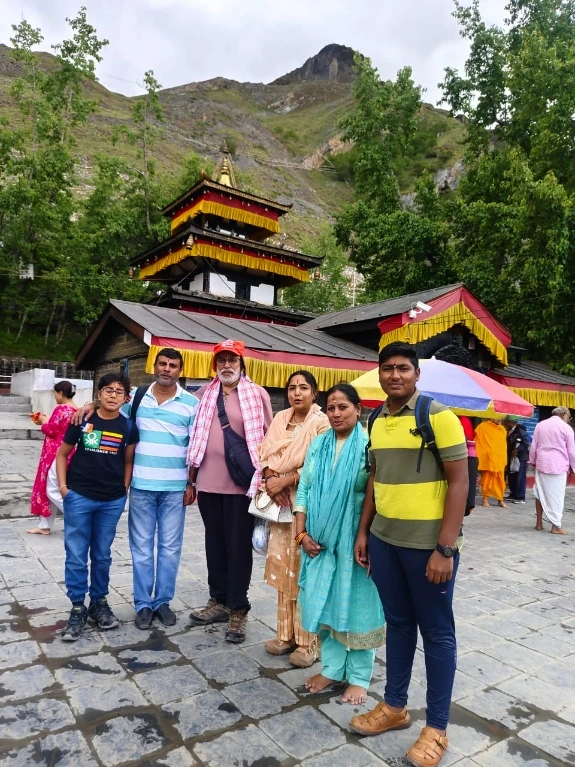
The Muktinath Temple Tour is a 5 to 8 days trip in Mustang which includes road trip and light trekking to the holy Muktinath Temple at 3,710 meters. Majority of the itineraries begin at Kathmandu where one takes a drive or a flight to Pokhara and another flight or a jeep ride to Jomsom. It is a short walk to the temple at Jomsom which is characterized by 108 sacred spouts of water and the everlasting flame at Jwala Mai Temple. On the route, the ancient village called Kagbeni is also worth visiting, as well as one can see the mountain ranges of Annapurna and Dhaulagiri.
The sightseeing is not a difficult hike and the hotels are not too expensive. The best seasons are spring (March to May) and autumn (September to November), and the weather and skies are clear and pleasant. Mustang is relatively dry in the monsoon but can also result in landslides and winter is cold but clear.
It is the perfect tour to go to with those who want to have a spiritual and cultural tour that does not require tiresome walking. The journey can be enjoyed by families or seniors or anybody with limited time. It is also ideal amongst people who would like to know more about Hindu and Buddhist culture, religious practices and the special culture of Mustang.
Outline Itinerary
This is a 5 to 8-day tour that involves a mix of road travel and easy trekking up to the sacred Muktinath Temple at 3,710 meters in Mustang. Many itineraries begin in Kathmandu with a drive or flight to Pokhara then either a flight or jeep ride to Jomsom. From Jomsom, it is only a short walk to Muktinath. The temple is well known for the 108 holy water spouts and eternal flame in Jwala Mai Temple. Along the way, the visitors can explore the ancient village of Kagbeni while enjoying the views of the Annapurna and Dhaulagiri ranges. The journey is a combination of scenic drives and optional short treks and gives you a lot of insight into the local religious practices.
Cost
Guided jeep tours are around $600 to $800 per person, including transport, guide and accommodations. Independent travellers can pay less, but it takes more work to organise the logistics. Additional expenses may include permits, local guides and meals.
Best Season
Spring (March-May) and autumn (Sept-Nov) offer pleasant weather and clear views of the mountains. Monsoon also can cause landslides but the rain-shadow of Mustang keeps it quite dry. Winter is cold but clear.
Difficulty
Easy, a little trekking. The highest point reached is at 3,710 meters; for some this may be a bit short of breath. Most travel is by vehicle and accommodations are comfortable. Trekking is optional, though, and is doable for all ages.
Who is it for?
Travelers who are looking for spiritual enrichment and cultural experiences without intensive trekking. Families and seniors can enjoy this tour, as well as people on a limited schedule. It is ideal for all those interested in the Hindu and Buddhist traditions and sacred rituals and the unique culture of Mustang.
10. Kailash Manasarovar Yatra
Overview
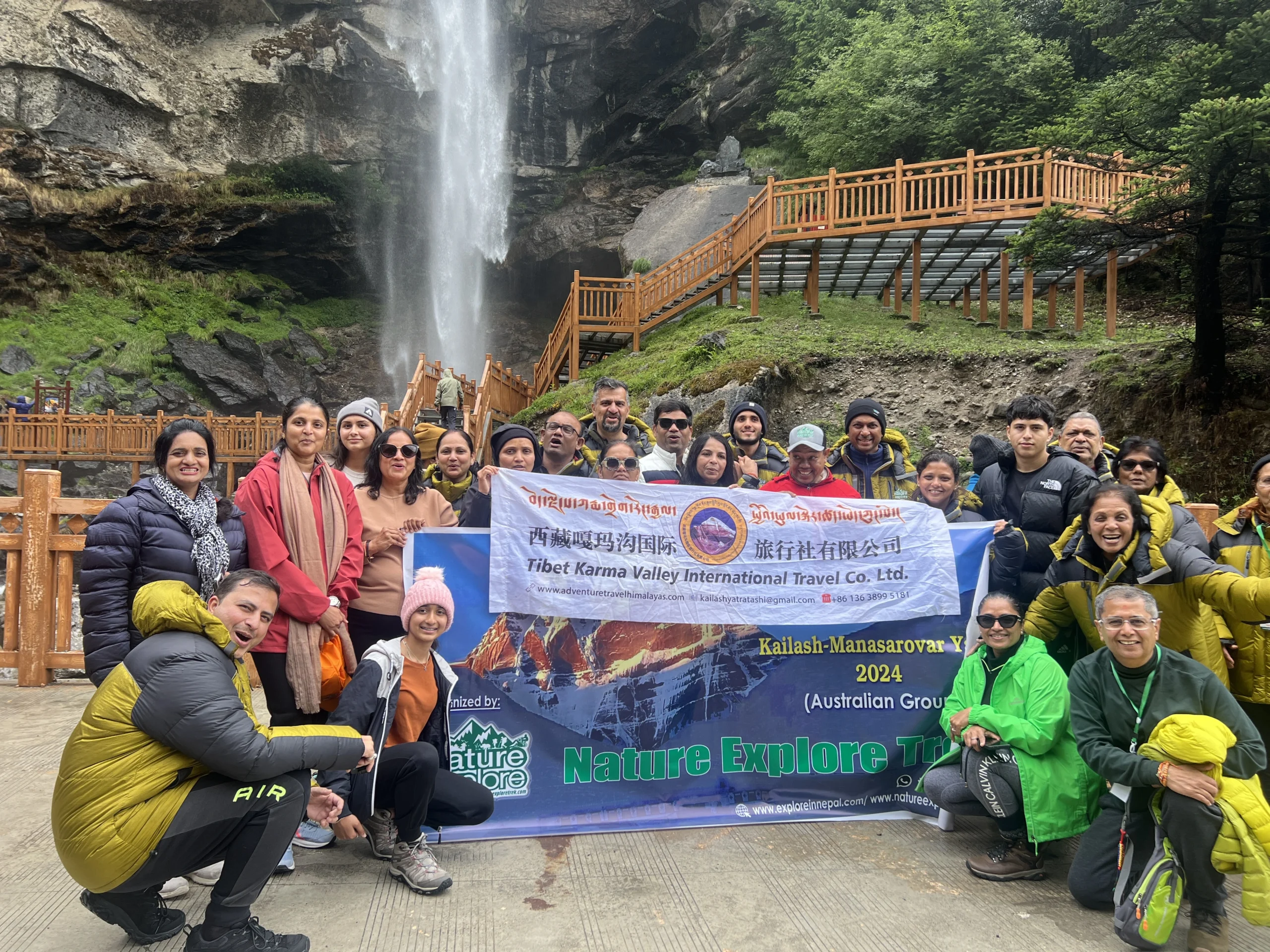
Kailash Manasarovar Yatra refers to a 10-14 day pilgrimage to Mount Kailash 6638 meters and Lake Manasarovar in Tibet which is holy to Hindu religion, Buddhism religion, Jain religion and Bon religion. This pilgrimage starts in Kathmandu and crosses the Tibetan Plateau via the Kerung or Rasuwagadhi border to the holy lake of Manasarovar where they undergo holy bathing and worship.
The three day kora is the principal part of the Yatra, a three day 52 kilometer circuit around Mount Kailash in a clockwise direction, including day one between Darchen and Dirapuk, day two over Dolma La Pass at 5,630 meters to Zuthulphuk and day three a moderate walk to the road. The needy can be supported using horses or yaks.
The route is physically challenging because of the high-altitude and length and Dolma La Pass is the most difficult part of the trail. The most favorable weather and clear views of the mountain are in late spring to early autumn. The pilgrimage is a spiritual journey that is perfect to pilgrims, spiritual seekers and adventurers as it offers a mix of sacred practices, Tibetan culture and dramatic scenery and as such it is a transformative journey to those who are ready to undertake the challenge.
Outline Itinerary
10 to 14 days pilgrimage to Mount Kailash – 6,638 meters and Lake Manasarovar in Tibet, revered in Hinduism, Buddhism, Jainism, and Bon religion. The traversal of the journey usually starts from Kathmandu and enters Tibet through the Rasuwagadhi/Kerung border. After driving all the way across the Tibetan Plateau, travelers arrive at Lake Manasarovar for sacred bathing and rituals.
The main part of the Yatra is the 3-day kora, a 52-kilometer trek around the Mount Kailash, also in a clockwise direction. Day one is from Darchen to Dirapuk (18 kilometers), day two is crossing the Dolma La Pass (5,630 meters) to Zuthulphuk (22 kilometers), and day three is a moderate 11 kilometer walk to the road. Horses or yaks can help those who do not get along. The journey is a profound spiritual experience, with breathtaking Tibetan landscapes all the way.
Cost
All-inclusive packages $2,200 to $2,600 which includes visas, permits, guide, transportation, accommodations, and meals Costs might be slightly higher for extended itineraries or flying via Lhasa. Travelers should also budget for tipping guides, optional ponies, and contingency expenses.
Best Season
Late spring to early autumn (May to September) is best. May-June provides good weather and festivals such as Saga Dawa. September brings clear skies and post-monsoon views. July and August are also possible but rain can occur at times. Winter is very severe, and the month of October brings decreasing temperatures and snow.
Difficulty
Difficult because of elevated altitude and distance. The Dolma La Pass, 5,630 meters, is particularly difficult. It is necessary to be properly acclimatized, psychologically determined, and pacing. Though not too challenging technically, the trek requires exposure to cold and thin air and basic facilities.
Who is it for?
Spirituality seekers, pilgrims, adventurers. Individuals, who have been attracted to Mount Kailash, will see the trip as something significant, however. Picture makers and cultural lovers will enjoy the scenic Tibetan sceneries and exclusive rituals. The Yatra is an experience of spirituality and physical strength combined and is a transformative event.
Conclusion
The Himalayas are not just mountains, but they are the place where nature comes in to contact with human spirit. Whether standing on top of a 6,400-meter high peak, crossing high passes or witnessing sacred rituals, each adventure makes a profound impression. From the accessible trek to Everest Base Camp to the remote Kanchenjunga and Makalu circuits or the spiritual Kailash Manasarovar Yatra, these journeys are a challenge for the body and a soul-nourishment for the soul.
In 2026, travellers have a choice of trek based upon their physical capabilities, cultural interests and sense of adventure. Every route brings its own rewards: panoramic vistas over the world’s tallest mountains, meetings with hardy mountain communities, sightings of rare wildlife and a sense of deep accomplishment.
The Himalayas take you to a world of awe, serenity, and discovery. Each adventure is life-changing and teaches lessons in endurance, humility, and wonder. Whether your goal is to achieve physically, culturally or spiritually, the mountains are waiting to welcome you.