
 English
 Dutch
Dutch Japanese
 Hindi
Hindi Italian
 Spanish
 French
 German
 Chinese
 Korean
 Arabic
 Hebrew
 Russian
 Portuguese
 Danish
 Czech
Czech Polish
 Swedish
Annapurna Circuit tea houses are simple lodges that provide basic shelter, food, and warmth after a long day of trekking. Each tea house is typically operated by local families and offers accommodations ranging from basic to modest comfort. Luxury options are limited and decrease with altitude.
When considering your overnights in tea houses along the Annapurna circuit, you should expect uncomplicated rooms, a shared bathroom, and hearty food such as dal bhat. It will be beneficial if you bring a sleeping bag and a power bank for charging your devices. Respecting the local customs and habits will create a more holistic experience.
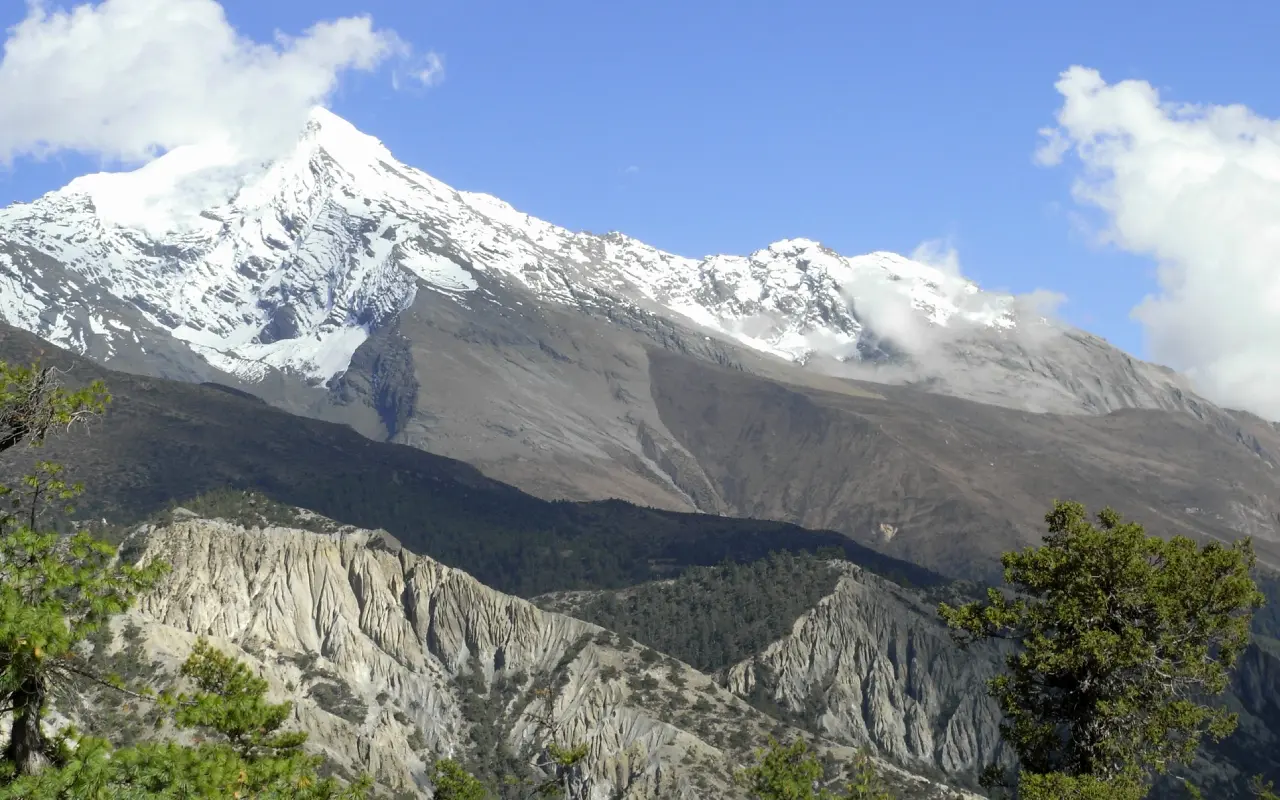
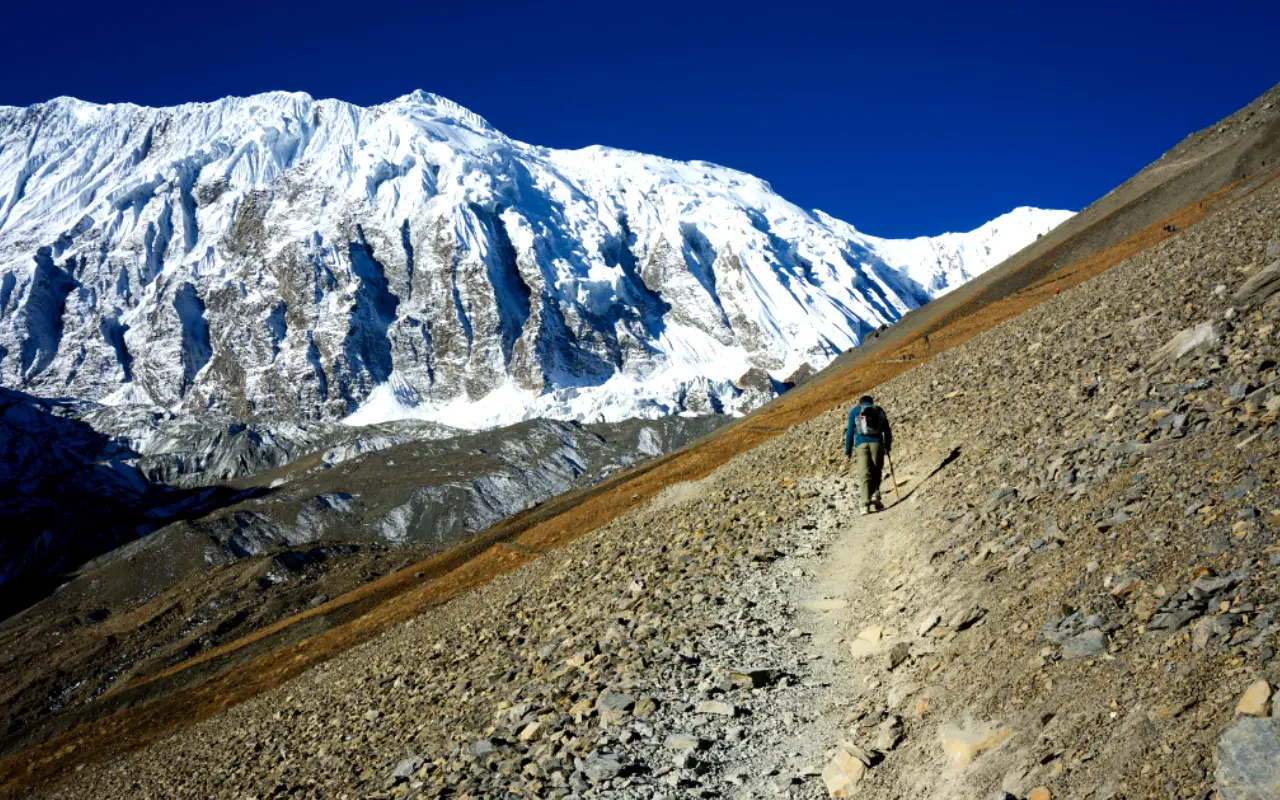
The Annapurna Circuit Trek is a famous journey through many beautiful Himalayan terrains from subtropical valleys to high alpine passes like the Thorong La. The trek showcases the stunning mountains surrounding you and provides rich cultural interactions during the journey. Although you can do the Annapurna circuit in many ways, a hallmark is the stay in Annapurna Circuit tea houses, as they provide rest and a sense of culture.
These teahouses offer you cultural and local interactions while also offering food and warmth, making them a center of nourishment and a socializing hub along the way. However, to experience such service, it is highly advisable to book teahouses early, as the teahouses are completely packed in peak seasons.
The less-trafficked months are less critical, but it is still worth considering, as tea houses may close, and owners migrate to low-lying sleeping areas where it is warmer during winter months. Agencies put this booking system in place, so visitors have a mechanism to book for their trek.
What Are Tea Houses?
Tea houses in Nepal began in the 1970s as basic lodges along Trekking routes, which developed from local homes that provided shelter and tea. The rise of tea houses supported a growing number of trekkers discovering the Himalaya, which created unique breaks during trekking on popular trails.
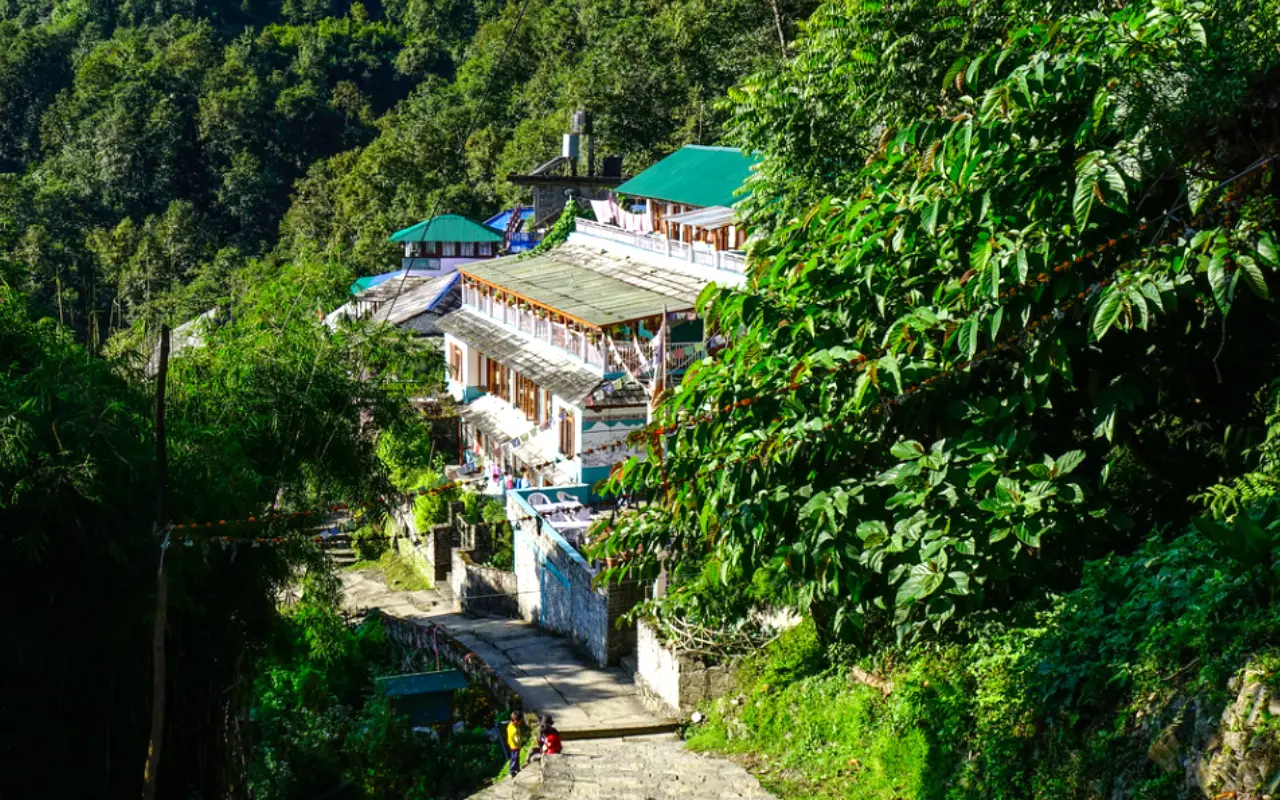
Tea houses are favored by trekkers as they provide simple, affordable meals in remote locations, especially high in the mountains. In combination with warm meals and shelter after long days of trekking, tea houses give trekkers a distinct cultural encounter to share their experiences with locals and other trekkers. Tea houses are usually small, family-run, simple, and not as select as hotels or lodges.
Tea houses are identified as a family dining experience with a basic shared toilet. Hotels and lodges are typically more comfortable and give visitors more privacy, while tea houses rely on local hospitality with little fluff and fuss before, during, and after the trek. However, tea houses are usually more practical associated with trekkers’ needs.
What to Expect from the Annapurna Circuit Tea Houses
a. Rooms & Beds
Teahouses on the Annapurna Circuit offer basic but comfortable lodging with twin-sharing bedrooms having wooden beds, thin mattresses, pillows, and blankets. However, we recommend you bring your decent sleeping bag for warmth, especially at higher elevations where tea houses don’t have the means to offer heat in their bedrooms.
Bathrooms vary widely from tea house to tea house. Some have attached bathroom and hot shower options with an additional charge, but many teahouses have cold showers with squat toilets.
b. Food & Drinks
Tea houses serve traditional Nepali food, typically including dal bhat, momos, and fried rice. Bottled water is available in almost all locations, but can be much more expensive; boiled water is sometimes offered as a safer and cheaper alternative.
Generally, the price of meals increases with altitude because of limited locations to get supplies. Meals are substantial to provide trekkers with calories; however, you may see international items like noodles and pasta, and pizzas in some larger villages. Also, expect to pay a premium for snacks and drinks as you move up the trails towards Thorong La Pass.
c. Facilities & Services
Electricity is generally solar-powered; there are charging points in the common area for a small fee. WI-FI is available in many tea houses, sometimes for a fee, very slowly, and often with limited coverage. Hot showers are offered for an extra charge in mid-range or luxury tea houses, while basic tea houses only have cold showers.
d. Ambience & Local Hospitality
Tea houses provide a cozy, social ambiance where trekkers from all parts of the world come together to share stories after a long trek. Common dining rooms are usually the only heated area in a tea house, serving as the most social and welcoming area for both guests and hosts. This communal atmosphere is one of the defining aspects of the tea house experience on the Annapurna Circuit trek.
How to Book Tea Houses on the Annapurna Circuit
a. Do You Need to Book in Advance?
Booking Annapurna Circuit tea houses is highly recommended during peak trekking times-spring (March to May) and fall (October to November). However, the monsoon and winter seasons have fewer trekkers on the trail, so it is quite easy to get a teahouse. But at higher elevations, the teahouses get closed due to the harsh environment.
b. Booking Methods
Many trekkers book Annapurna Circuit tea houses through an agency or guide, as they will handle the reservations and ensure accommodation at the busy stops. If trekking independently, you can call the tea houses directly using a local SIM card or Booking.com. Note that Booking.com is mainly good for booking tea houses at lower elevations. Otherwise, guides or porters often will book tea houses for you.
c. Best Practices
If you are not with a guide, it is best practice to arrive during the early part of the day at a tea house to book a room, especially during busy trekking days. Always ask for the room price politely before staying to avoid any surprises at the end of your stay.
If you did pre-book a room and decide not to go to the tea house or lodge, please give the owner a courtesy call. This respect towards the owners and their business is important, as it fosters good relationships with other trekkers on the trail.
Tips for a Comfortable Stay
You must bring a sleeping bag and toiletries. A sleeping bag over the blankets is going to ensure that you stay warm at higher altitudes. Some teahouses will supply you with toiletries while some don’t supply, so it is better to carry your own.
You will also need to bring a power bank and a flashlight or headlamp. In many tea houses, electricity will be limited or simply not reliable. The cost to charge your devices may also be exorbitant, and they may turn off at night. A flashlight for shared bathrooms is also useful.
Tea houses will typically have various rules and different local customs to follow. Simply respect a tea house, and your interactions with local people will more effectively lead to a positive experience on your trek. Hosts will find something in it for them in your good manners. You will also have the best practices to shape your cultural experience.
Be clean and courteous regarding noise and common areas in the Annapurna Circuit tea houses. Be respectful to others and minimize conversations after nighttime hours, be mindful in common areas, and make sure that you are not taking up large amounts of space. Being clean and courteous expresses to other trekkers a measure of good behavior and is the easy way to respect the local people and all your hosts.
Cost Breakdown
The cost of tea house rooms along the Annapurna Circuit is usually $3 to $5 in lower-altitude regions. As the altitude increases and you enter more alpine areas, the costs will increase to approximately $7 to $10 per night because of the logistical challenges and demand.
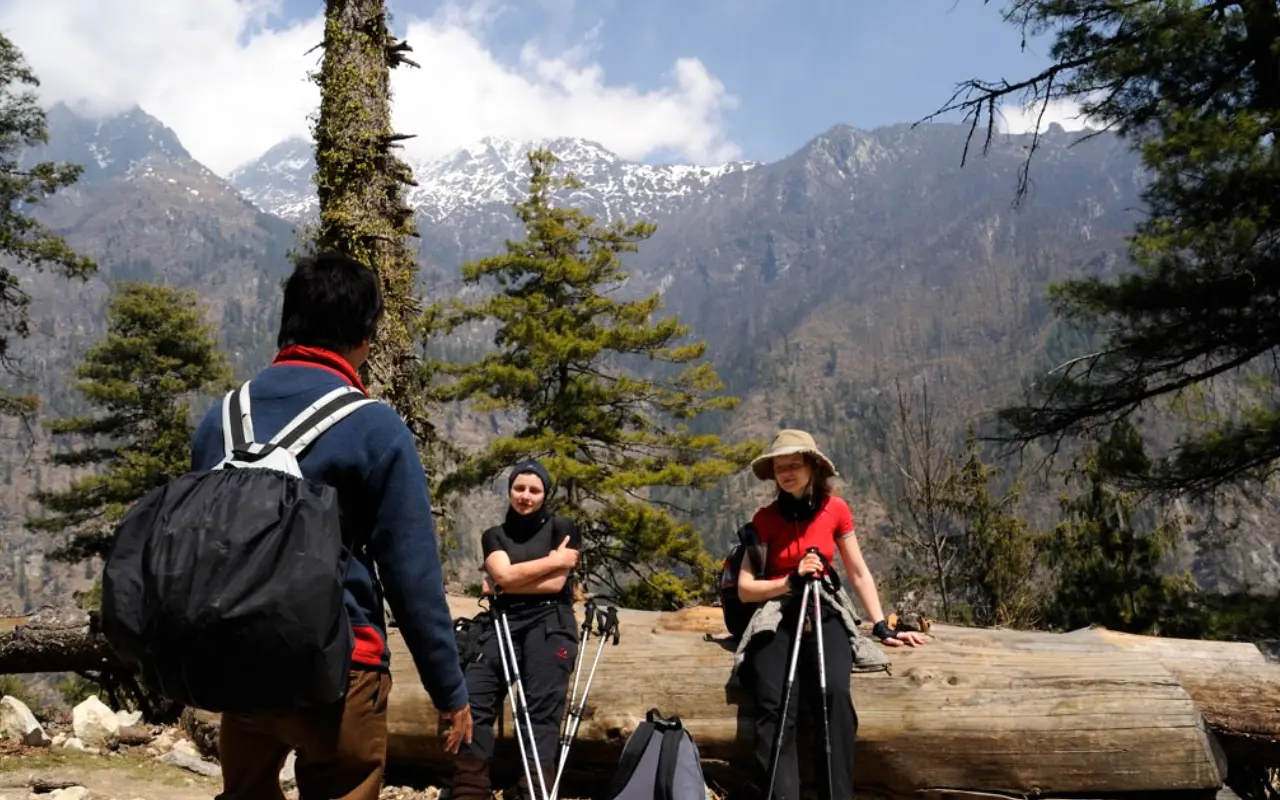
A meal of dal bhat, momos, or fried rice will typically cost $3 to $7 (depending on the altitude). A drink like tea or coffee is approximately $1 to $2. It is worth noting that prices will increase for supplies at higher altitudes, as supplies are more challenging to bring in.
Wi-Fi is usually available, but costs an average of $2 to $5 for a session. A hot shower usually costs $2 to $4. If you need to charge an electronic device, this will cost you about $1 to $3, depending on the location and plugs.
Tea House Trek vs Camping Trek
Tea house trekking on the Annapurna Circuit is easier and more eco-friendly. They allow for accommodation, food, and opportunities to interact with communities easily without carrying all the gear. It also supports local communities and minimizes environmental damage by reducing all forms of waste and resources along the way.
Camping in the Annapurna region is the best option if you are looking for remote routes, have your own itinerary needs, or are trekking in off-season when tea houses could be closed. Camping trekking allows flexibility to your trekking, and some private space when needed, but requires all of the equipment to be carried by porters. Therefore, the logistics function on your behalf, and can be more physically demanding activity-wise than tea house trekking, and less eco-friendly.
Conclusion
The tea houses along the Annapurna Circuit provide not only comfort, a cultural experience, and a sense of community. But they enhance the experience of trekking in an amazing landscape, local hospitality and human interaction, and meeting other trekkers and sharing your stories with them.
The flexibility of booking tea houses allows you to take your time, but you will want to consider pre-booking some of the busier sections of the trail. Pre-booking will ensure a place for you and take some of the stress away when you cannot see a tea house at the last minute, in some of the busier sections of the trail.
Staying in a tea house is the only true Nepali way to experience the Annapurna Circuit, resulting in an experience that was truly memorable.
FAQs Section
Do I need to carry a tent for the Annapurna Circuit?
Camping gear is not necessary for the Annapurna Circuit trek, as tea houses provide limited accommodations along the route. Carrying tent camping gear is not a requirement and is usually only done for more remote or customized trekking experiences.
Can I get vegetarian or vegan food in tea houses?
Vegetarian food can be found in the tea houses on the Annapurna circuit; for example, dal bhat, momos, and noodles etc. Vegan food will be harder to come by in tea houses because in many dishes eggs are used, and dairy too is often unavoidable. If you are vegan, please let the tea house know ahead of time if at all possible.
Is there Wi-Fi in all tea houses?
In many tea houses, Wi-Fi is available in the Annapurna circuit, especially at the lower and mid elevations, but not all tea houses provide Wi-Fi. It is often at an additional charge and can be slow or intermittent, especially at higher elevations.
Are tea houses safe for solo trekkers?
Yes, tea houses are safe for solo trekkers. In fact, for solo travelers, tea houses provide a nice, communal environment where solo travelers can meet other travelers, and experience local hospitality; all of which makes tea houses a nice, secure place to stay.
Do I need to tip the tea house owners or staff?
Tipping is never an obligation, but if you feel you have had decent service, it is a nice gesture to leave a small tip for the tea house owners. It helps their livelihood and continues these opportunities for hospitality.