
 English
 Dutch
Dutch Japanese
 Hindi
Hindi Italian
 Spanish
 French
 German
 Chinese
 Korean
 Arabic
 Hebrew
 Russian
 Portuguese
 Danish
 Czech
Czech Polish
 Swedish
Annapurna circuit trek in December and January
The Annapurna Circuit Trek in December and January is a wonderful choice for real adventurers who are looking for solitude, peace, and beautiful winter scenery. Trekking the Annapurna Circuit during these months is a bit more challenging compared to the main trekking seasons, but it offers a magical experience with fewer crowds and breathtaking landscapes.
You will find the trails much quieter, allowing you to truly connect with the Himalayas in a calm and peaceful way. However, it’s important to know that trekking during winter comes with some challenges like cold weather, icy trails, and shorter daylight hours. Crossing high passes like Thorong La (5,416m) can be especially tough due to snow, ice, and the risk of avalanches.
Even though it’s challenging, the rewards are unforgettable. Clear blue skies, sparkling snowy mountains, and a feeling of being completely immersed in the natural beauty of the Annapurna region make all the effort worthwhile. With the right gear, proper planning, and a flexible mindset, trekking the Annapurna Circuit in December and January can be an incredible adventure.
Almost all high mountain passes like Thorong La have their own highly challenging aspects because of avalanches or ice curtains. The trip offers its own hardships, but all that pain quickly disappears as the rewards come pouring in-beautiful blue skies above, breathtaking views of snow capped peaks, and the opportunity to truly immerse oneself in the stunning beauty of the Annapurna region at its most serene and softest state. Awareness and preparedness combined with the right gear and planning on how to tackle this circuit during the winter season are required for safe navigation.
It is really attracting to the real adventurer who wants to see complete solitude and be in awe of beautiful wintry landscapes. There are few tourists on the trek during these months, allowing one to more quietly and completely experience beauty in the environmental drainage of the Himalayas. The winter trek presents some very daunting conditions: cold temperatures, snow-covered trails, and short hours of sunshine. The high passes at altitude, for example, Thorong La, face nearly insurmountable challenges due to avalanches and icing. While the expedition has much difficulty, all the efforts are worth it when you have benefits coming in-for all the azure skies over you, fabulous views of snow capped peaks, and more space in which to enjoy the amazing beauty of the Annapurna region in its most peaceful and softest form. Awareness and preparedness, along with the right gear and planning on how to take on this circuit in the winter season, are essential for safe navigation.

Winter trekking on the Annapurna Circuit
Winter trekking on the Annapurna Circuit comes with its unique gainful experiences, making it worthwhile and very memorable. The most overt benefit is fewer crowds. Being one of the most traversed trekking routes, not many trekkers head to Annapurna in December and January, allowing some peace and solitude to enjoy the mountains. The trails are quiet, tea houses sparsely populated, and long views of snowy peaks can be enjoyed without interruption.
Another benefit of trekking in winter is clear skies with gorgeous views. Winter in the Himalayas often brings in crispness, cold air, and little or no cloud cover, which ensures crystal clear views and stunning panorama views of the Annapurna and Dhaulagiri ranges. The snow-blanketed trees, frozen streams, and snow-draped villages add a picturesque charm to the winter landscape, which is a delight for the eyes.
Winter trekking can also be an opportunity to see a more genuine side of Nepal. Since winter involves festivals such as Tihar and New Year, you may also get a chance to witness some local celebrations in an atmosphere almost free of tourists. The locals living in the high-altitude regions often observe the celebrations with their own traditional rituals, and observing this can add to the cultural enrichment of your trek.
Challenges and Preparation
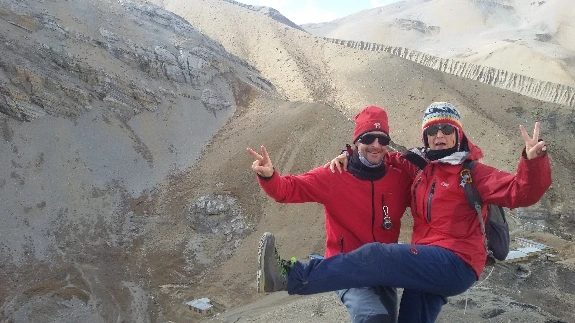
While winter trekking may be regarded as rewarding, the challenges along the way can be monumental and must be adhered to. Cold weather can be a severe threat, especially during the night when the temperature may drop to very low levels. The nighttime cold can be uncomfortable for sleeping, particularly if one is not properly outfitted in insulated gear and warm layers. You should have a proper sleeping bag rated for at least -15 to -20°C and layer up for warmth.
The snow and ice along the trail becomes a feast for the sight but perilous. Some of the harder portions of the trek, especially those up around Thorong La Pass, can prove challenging and dangerous because of heavy accumulations of snow. Ice patches are treacherous not only for trekking but also tend to increase the risk of injuries due to slipping and falling. Hence, microspikes and crampons would be a wise addition to your pack as they significantly enhance grip on icy surfaces.
Also shorter days during winter present another challenge. With limited daylight hours, it is advisable to be an early riser and to finish the day’s hike before nightfall. In the mountains, darkness comes quickly and it can be deadly to walk trails whose paths are unfamiliar in the dark, especially with snow and ice making navigating all the more difficult. You must have a functional headlamp in place and time your days accordingly to reach your destination during the daylight hours.
Altitude and Acclimatization
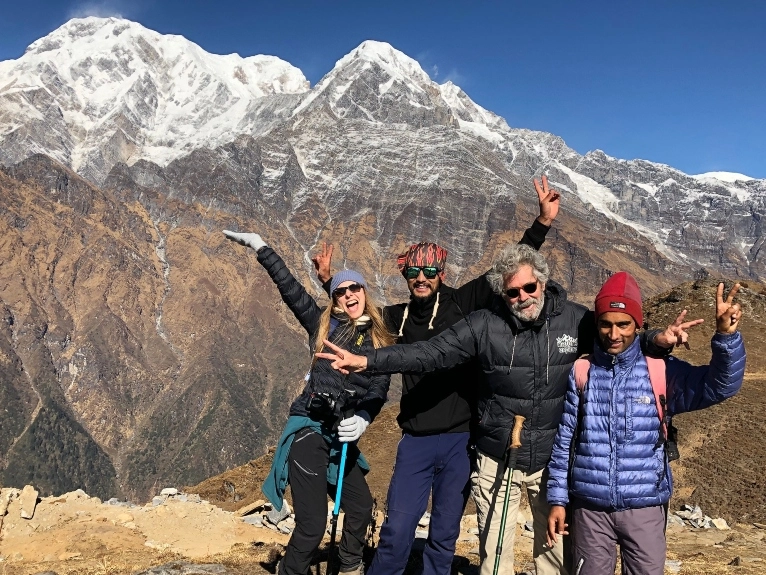
Trekking in high altitude is a true challenge on the Annapurna Circuit with altitude sickness being the major culprit, especially after crossing 3500 meters. The thinning air smoothens physical exertion and increases the tendency for altitude sickness. The chances get slimmer in winter because of freezing temperatures and heavy snow which take away your energy and spirit for trekking. Hence, acclimatization is of utmost importance. Taking frequent rest days, climbing slowly, and drinking adequate water can be handy. A good rule to follow is not to gain more than 300-500 meters of elevation per day after surpassing 3000 meters. Give altitude the respect it deserves; listen to your body and give it enough time to adjust this is major for having a safe and enjoyable trip.
Tea houses and Accommodation
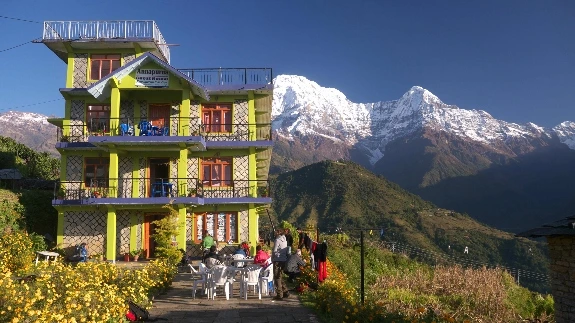
Generally, many tea houses along the Annapurna Circuit stay open during winter; however, some of the distant or not-so-frequent places have their tea houses closed during that period of low activity. The tea houses that remain open are quite combed in delicious winter spoiling, with warm coziness to sleep within on hiking days in the freezing cold. But with trekking dwindling in number, websites available for room bookings may be fewer, hence early reservation of rooms would be wiser during the midwinter peak for trekkers. Basic accommodation must be expected since many tea houses will have quite simplified rooms with no to minimum heating, most would offer a warm meal and a relaxing stay by a stove.
Accommodation at the higher altitudes is relatively selective, with some tea houses being shut throughout the months, therefore adding with challenges to the trek. But trekking these months has its perks- fewer crowds, and fewer crowds- a sight of the mountains cloaked in snow imparts a pleasantly otherworldly view! However, the extremes might be quite harsh; these include, talking about winters, extreme cold and sudden occurrence of snowstorms, yet it is the pristine experience worth celebrating with joy by any well-prepared trekker on the Annapurna Circuit.
Guide and Porter Services
Independent trekking is possible along the Annapurna Circuit Trek but trekking with a guide and porter during winter is strongly advised. The trail conditions will be able to tell the guide about the snow-covered sections of the trails and the activity done for your safety when trekking. Another advantage of having a guide is that he or she would be busy in keeping an eye on your health and acclimatization as they can easily identify the symptoms of altitude sickness and then make the itinerary change depending on the conditions. Having a porter makes the trek less burdensome because they will carry your big pack, focusing your energy on the trek itself. This becomes even more important in the winters as the cold weather gear and supplies add to the already heavy pack.
Flexibility and Prepare
Winter trekking requires a lot of flexibility. The weather in the mountains can change quite abruptly, and conditions like these can mean use of snowstorms or freezing rain with serious dislocations to plans. Passes such as Thorong La can be closed or even dangerous due to snow build-up, making a flexible itinerary imperative. If you’re trekking with a guide, they will be able to change up your schedule as needed, possibly avoiding high-risk areas or suggesting alternate routes. Contingency plans are also essential for emergencies or unintended delays.
Weather and Temperature
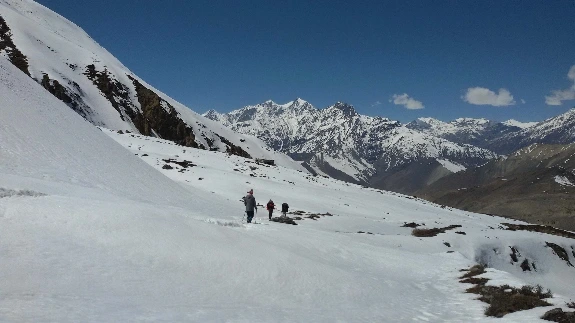
The Annapurna Circuit trek during December and January can offer an amazing experience with a few problems related mainly to weather and temperature. During this time, the area witnesses cold and dry weather and clear skies since it is the time for the dry season. Snow is also found at places of higher elevation, especially at Thorong La Pass, where nighttime temperatures might even fall to -20°C or even lower. The lower elevation places like Besisahar and Chame will have daytime temperatures between 5 and 18°C, while nighttime temperatures could fall much lower to maybe 3 or 8°C. Even while trekking in Manang and Thorong Phedi, a decrease in temperature will still be noticeable, with daytime highs averaging between -5°C and 0°C and nighttime temperatures dropping to anywhere from -10°C to lands of being colder at -20°C. The highest section, Thorong La Pass (5,416m), will be severely exposed to cold with temperatures dropping to -25°C and having chances of snowstorms too.
December generally assures clear skies and cold yet refreshing days; however, it may also be gainfully described as the cruellest month of January, which has still colder conditions and more likelihood of snowstorms at the higher reaches. Weather is unpredictable here; snow could fall at any time during the dry months, causing havoc with the trail.
This table summarizes the major locations on the Annapurna Circuit Trek, along with their elevations, average daytime and nighttime temperatures, and important trekking notes.
| Location | Elevation | Avg. Day Temp (°C) | Avg. Night Temp (°C) | Notes |
|---|---|---|---|---|
| Besisahar | 760m | 10–18 | 3–8 | Start of trek, pleasant |
| Chame | 2,650m | 5–10 | -5 to -10 | Cold mornings & evenings |
| Manang | 3,540m | 0–5 | -10 to -15 | Snow possible, crisp days |
| Thorong Phedi | 4,540m | -5 to 0 | -15 to -20 | Harsh cold, acclimatization needed |
| Thorong La Pass | 5,416m | -10 to -5 | -20 to -25 | Snowy, windy, very cold |
| Muktinath | 3,800m | 0–7 | -10 to -15 | Dry and windy |
| Jomsom | 2,720m | 5–12 | -2 to -6 | Windy afternoons |
Outline Itinerary of the Trek
Day 01 Arrive in Kathmandu and transfer to your hotel.
Day 02 Trek preparation day
Day 03 Drive from Kathmandu to Besisahar – Dharapani (alt.1900m) 221 km
Day 04 Trek from Dharapani to Chame , 2,710m ,5-6hrs
Day 05 Trek from Chame to Upper Pisang, 3,300, 5-6 hrs
Day 06 Trek from Pisang to Manang, 3,540m, 6-7hrs
Day 07 Acclimatize in Manang (Hike to Chongkor viewpoint)
Day 08 Trek from Manang to Yak Kharka, 4,110m, 3-4hrs
Day 09 Trek from Yak Kharka to Thorong Phedi, 5,416m , 6-7 hrs
Day 10 Trek to Muktinath through the Thorong La pass (alt.5416m), 5-6 hrs
Day 11 Trek from Muktinath to Jomsom, 2,720m, 5-6hrs
Day 12 Flight from Jomsom to Pokhara, 820m, 25 min
Day 13 Drive back to Kathmandu by tourist bus,
Your arrival in Kathmandu paves the way for an entire day of preparation and exploring before this 13-day Annapurna Circuit trek. Thereon, on day three, you do a long scenic drive from Kathmandu to Dharapani via Besisahar. Thus, on day four, trek to Chame because trekking starts from Dharapani. The following two days will see you climbing Upper Pisang and Manang. Acclimatization is done at Manang, including a short hike to Chongkor viewpoint, before going along the trail to Yak Kharka, then Thorong Phedi. On the tenth day, the trek crosses the challenging yet beautiful Thorong La Pass (5,416m) down to Muktinath. For the next day, it will be a trek to Jomsom, from where a short flight will take you to Pokhara, after which you’ll be driven back to Kathmandu, the last stop in what will amount to be an unforgettable Himalayan adventure.

A day like
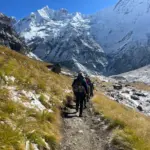
A winter day on the Annapurna Circuit starts with dead calm when the sun rises over the marble mountains, throwing its golden rays over the frost-covered landscape. A cold, sometimes even subzero morning, frozen tea houses, a quick hot tea and kleenex breakfast – and off into the trail that snakes through placid villages, several pine forests, and glacial way, all together crisp mountain air with brilliant clear blue skies above. The snow crunches underfoot as the sun brings some warmth to the day, though the cold lingers in shaded areas.
Around midday, a steaming plate of dal bhat or noodles offers comfort and energy..As the afternoon processes, the temperature drops again , and racing the next teahouse before dark becomes a priority. Evenings are spent huddling near the stove of the dining room, sharing stories with other trekkers while cooking and eating good food . Early tuck in under a warm sleeping bag, a sky full of stars above awaiting the next leg for a long journey through these quiet , magical winter mountains.
Annapurna Circuit Trek in December
Trekking the Annapurna Circuit Trek in December offers a unique and beautiful experience but it comes with certain challenges due to the winter season . At the lower elevation such as 1000m to the 2,500m temperature are mil rangug from the 5 degree to the 15 degree during the day though it can still drop to freezing or lower at night. As you ascend to higher altitudes temperature can get high especially around the Thorong La Pass(5,416m) where the daytime temperature goes around -5 degree to 5 degree and the night time temperature can drop well below – 10 degree. Snow is common in higher areas which can make the trail slippery and difficult particularly above 3,500m.
The shorter daylight hours in December mean that trekkers need to plan their hhikes carefully to avoid being on the trail after dark. While in winter means fewer trekkers , resulting in a more peaceful and serene experience, it also means some teahouse may be closed insulated jackets and trekking poles is essential for the cold and potentially icy conditions. Additionally , those trekking in winter must be cautious of the altitude sickness as acclimation can be more challenging in colder weather. Despite these challenges the reward of this trekking the Annapurna Circuit in December are clear breathtaking views of snow-capped peaks, fewer crowds, and serene , winter and that offers a truly memorable himalayan adventure.
Annapurna Circuit Trek in January
Walking the Annapurna Circuit in January is an adventure that only the adventurers can cherish, for it is one of the most beautiful and magical experiences. January coincides with peak winter in Nepal and ushers in serenity with beautiful snow-covered landscapes, creating real magic in the already beautiful Annapurna region. Oftentimes the skies would be very bright and clear, offering unhindered views of towering giants like Annapurna, Dhaulagiri, and Machapuchare.
Be prepared to feel extremely cold especially at high altitudes, with daily averages from about 5°C to 10°C, and the nights sometimes going well below freezing. Snow is a common occurrence above 3,000 meters with the major passes such as Thorong La (5,416 meters) having very thick snow, making the trek even more exciting. The best winter trekking gear, good planning, and occasionally a flexible itinerary are essential during January.
The best part about trekking at such times is that one gets a lot of peace and quiet along with scanty crowds. The trail is completely empty relative to its crowdedness during the very famous autumn and spring times. Most teahouses are operational, but those that are higher up may occasionally discourage guests or entertain them in bare hospitality.
The Annapurna Circuit in January is undoubtedly for trekkers who love solace, sceneries of dramatic white landscapes, and the pure thrill that comes with trekking in a very rough and wintry environment. It can be made into one unforgettable experience in the Himalayas with proper preparations and minds put into it.The Annapurna Circuit in January is undoubtedly for trekkers who love solace, sceneries of dramatic white landscapes and the pure thrill that comes with trekkering in a very rough and wintry environment. It can be made into one unforgettable experience in the himalaya with proper preparation and minds put into it