
 English
 Dutch
Dutch Japanese
 Hindi
Hindi Italian
 Spanish
 French
 German
 Chinese
 Korean
 Arabic
 Hebrew
 Russian
 Portuguese
 Danish
 Czech
Czech Polish
 Swedish
Introduction: Where Bhutan’s Spiritual Soul Lives
Bumthang Valley is located in the diverse mountainous zone of Bhutan. The majestic beauty is also rich in nature, and its beauty, it also offers the spiritual aspect, for which Bhutan is best known.
With centuries old monasteries and belief of different mythologies, Bumthang valley is considered the spiritual heartland of Bhutan. The significant places, such as Jakar Dzong, also known as the castle of White Birds, and Jambay Lhakhang, which is one of the oldest temples in Bhutan, with other such sites makes it the spiritual heart of Bhutan.
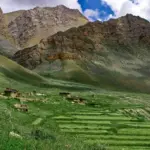
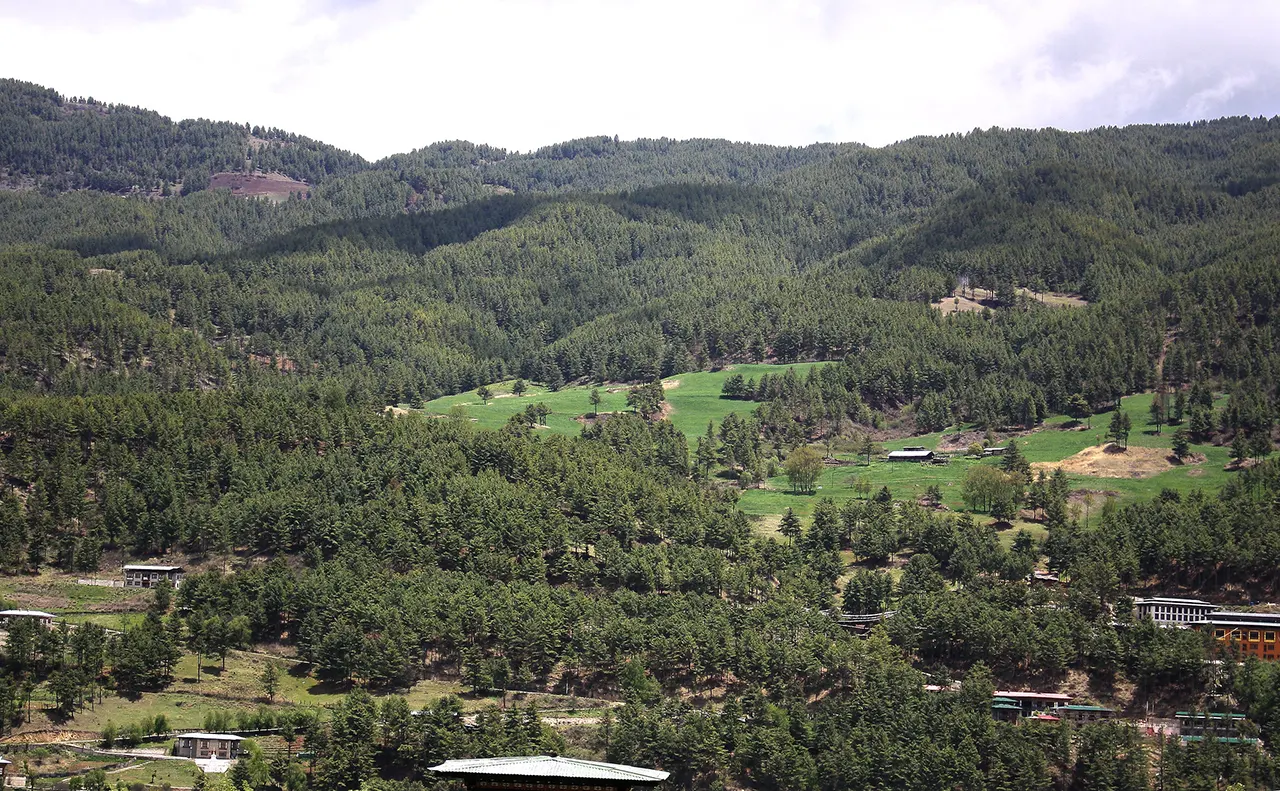
Bumthang valley is located at the centre of Bhutan at the Bumthang District, which is rich in it’s Serena beauty too. It is surrounded by high mountain peaks and alpine hills, making it a scenic destination for travel enthusiasts and visitors.
Among several iconic places to travel and explore in Bhutan, Bumthang Valley always stands as one of the most admired and chosen places by travel enthusiasts due to its Spiritual harmony, natural beauty and traditional living style of the Bhutanese people.
Due to its spiritual significance and its natural beauty, it offers both a pilgrimage experience and a travelling taste. It makes it one of the most admired and chosen places inside Bhutan to Travel.
Here, we are about to talk about the features and aspects of the Bumthang valley to ensure insights for you to make your plan for your next bucket list properly. Stick up to end to get properly into the land of Bumthang Valley of Bhutan.
Understanding Bumthang Valley
The name Bumthang derives from the words “Bum” meaning “vase” or “sacred vessel” and “Thang” meaning “plain” or “flat land/valley”, making it Bumthang, a flat land.
In spiritual significance, local believes the name is connected to a holy treasure, along with sacred relics, which are hidden in the valley. It is believed to be especially connected with Guru Rinpoche and Terton Pema Lingpa. The sacred vase symbolises spiritual abundance, blessings, and hidden teachings, which fits well with its reputation as the spiritual heartland of Bhutan, keeping some of the oldest monasteries and temples of the country.
There are mainly four valleys inside the Bumthang, which make it a big valley overall. They are Chokhor, Tang, Ura and Chhume.
The altitude of this valley lies between the elevations of 2600m and 3000m above sea level. The temperature is ideal as it remains mild throughout the year. The landscape offers a great view of layered hills and snow-capped mountains.
Birthplace of Bhutanese Buddhism
Bumthang is very significant for the birth of Buddhism in Bhutan. Guru Rinpoche, also known as Padmasambhava, is credited with bringing Vajrayana Buddhism to Bhutan in the period of 8th century . He is also revered as the “second Buddha” and is believed that he have mediated in several sites across Bumthang, leaving behind the spiritual imprints as well as blessings that continue to sanctify the valley. Rinpoche’s teaching laid the foundation for Bhutanese Buddhist practices, rituals and monastic practices in Bhutan, founding Buddhism.
Later Bumthang people played an important role in the early propagation of Buddhism along with the local rulers and monks. It helped them to establish monasteries and temples, which later became the centres of a religious learning hub with numerous Buddhist schools and monasteries all across the valley. It made Bumthang Valley the centre of speritual hub.
Sacred Monasteries and Temples of Bumthang Valley
Jakar Dzong(castle of the White Bird)
JakarDzong, which was built in the 17th century, dominated the Bumthang landscapes with its spirituality. It is believed that a white bird indicated the location for the fortress. And beyond its administrative role, it serves as a spiritual hub, housing monks and hosting the religious ceremonies all around the year round.
Kurjey Lhakhang
It is one of the most sacred temples in Bhutan. Kurjey Lhakhang is built on the mediation site of Guru Rinpoche. It houses the imprint of Rinpoche, believing a relic radiates the blessings. Pilgrims visit to obtain and seek spiritual guidance there.
Jambay Lhakhang
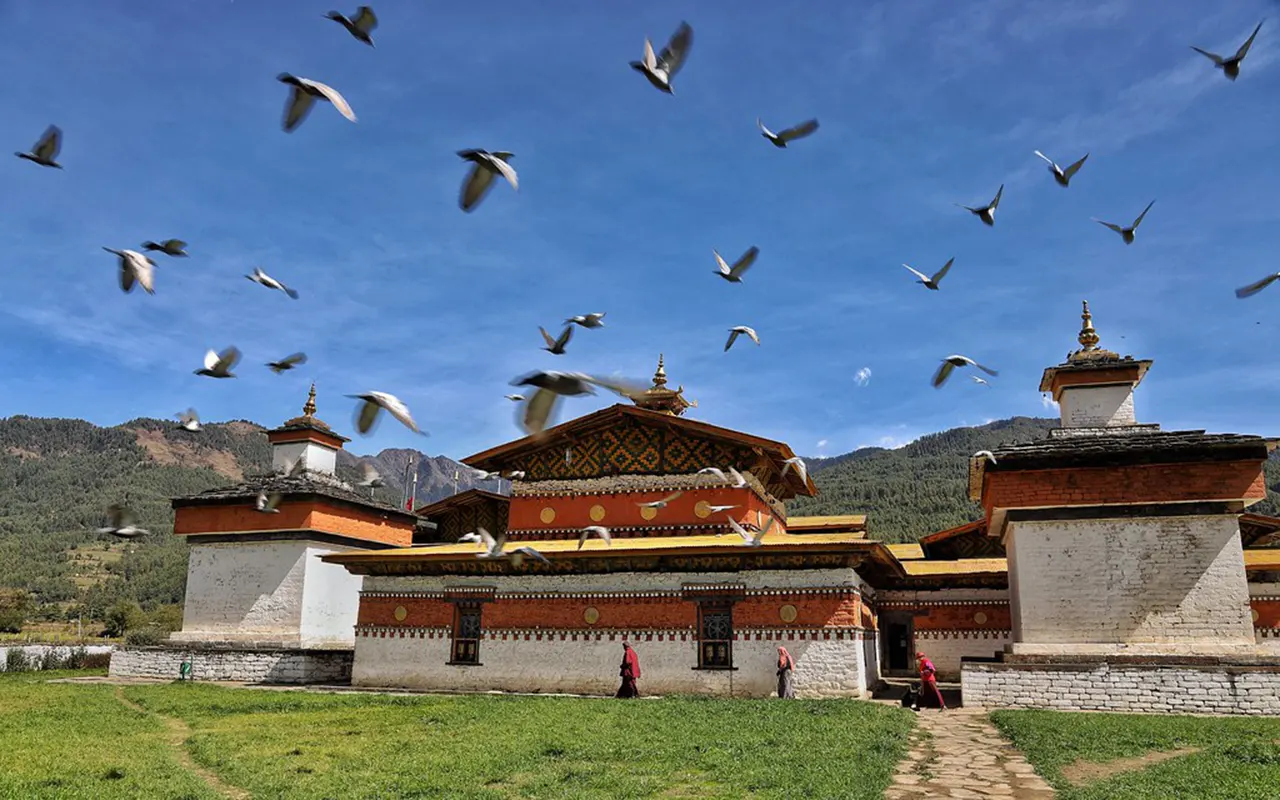
Jambay Lhakhang is one of the oldest temples in Bhutan. It was built in the 7th century by the Tibetan King Songtsen Gampo. The temple remains a centre for rituals, prayers and the ceremony site for the annual Jambay Lhakhang Drip festival. It is celebrated with the Spiritual legends speaking about the miraculous events during its construction and ongoing blessings for its devotees.
Tamshing Lhakhang
Founded in 1501 by the saint Pema Lingpa, the Tamshing Lhakhang is a pivotal Nyingma monastery. Its walls are adorned with ancient murals which stays depicting Buddhist teachings. Pilgrims often visit to receive blessings and participate in meditation, honouring the spiritual lineage of Pema Lingpa.
Festivals and Living Spiritual Traditions
Jambay Lhakhang Drul
It is celebrated annually. The festival of Jambay showcases sacred mask dances and rituals. It commemorates the temple’s foundation as well as embodies the centuries-old traditions. Locals and pilgrims gather to receive blessings and participate in communal celebrations.
Tamshing Phala Choepa
This festival honours Pema Lingpa’s legacy in the spiritual world of Buddhism. Monks perform elaborate rituals and devotees from different regions. Engage in prayers, fostering the sense of community and spiritual continuity further.
Mask Dances, Rituals and Blessings
Mask dances are usually performed to expel negative energies and to invoke divine protection from them. Rituals also include offering prayers, lighting lamps, and receiving blessings from monks. These traditions and culture of Bhutan keep the valley spiritually vibrant.
Role of Festivals in Local Spiritual Life
Festivals are not only the merely cultural events but are integral to Bumthang’s identity. It reinforced community bonds as well provide opportunities for mediation, reflection and merit-making to people.
Daily Life in Bhutan’s Spiritual Heartland
The daily life of people of Bumthang is deeply connected with their culture and traditional practices.
Monks in Bumthang receive rigorous education in Buddhist philosophy, their rituals, and meditation. More often, local youths join monasteries for spiritual training, preserving religious knowledge and practices.
Prayer flags are scattered across the valleys, spreading blessings, fluttering in the wind. Mani walls inscribed with mantras line paths, and chores make the sacred sites.
As well, people of Bumthang engage in daily prayers, meditation, and offerings. From sunrise to sunset, spiritual awareness guides their routine, whether in farming, crafts, or household chores, creating a very harmonious balance. In their daily life.
Natural Beauty with Spiritual Meaning
Bumthang’s landscape features sacred mountains, crystal clear rivers, and pristine forests. Many natural sites in the valley are considered abodes of deities or their mediation spots, enhancing the valley’s spiritual aura.
The Bhutanese people see nature as a living embodiment of spiritual energy. Pilgrims and travelers gets and opportunity to experience a sense of peace and reverence as walking through the valley, along with rivers, becoming a meditative practice.
Bumthang’s limited development preserved forests, and sacred landmarks offer a serene environment. The intertwine sperituality and beauty of nature make the valley feel timeless and deeply contemplative.
Best Time to Visit Bumthang Valley
Spring and Autumn
The time during spring and Autumn is considered ideal for visiting Bumthang Valley. During these times, both seasons offer moderate temperatures, stable weather, better visibility, clear skies, as well festivals season. So during these two seasons of Spring and Autumn, Bumthang valley is considered to be the best time to get there, which not only offers peak nature of Bhutan but also the deep cultural immersion and traditional festivals in practice.
Also, these two season offers the best features, which you can have better in comparison to other seasons of the year.
Winter
Winters also offer quite solitude and crisp air. It brings a contemplative environment very ideal for meditation and reflective travel. Snow-capped peaks enhance the Valley’s serene beauty. You may also find most of the peaks covered with snow, adding more beauty to the landscapes. It adds more flavour to the scenic enthusiast who loves to enjoy the serenity of nature.
Here are some brief features you will get during different seasons in Bumthang Valley,
Spring: pleasant and colorful blossoms
Autumn: clear skies and mild temperatures
Winter: cold but tranquil
Summer: Occasional rains but lush landscapes
Ready to book your trip with us? Fill out the inquiry form below
How to Reach Bumthang Valley
Flights to Bumthang Airport
Regular flights operate from Paro to Bumthang and other regional airports. Domestic flights are popular and convenient for travellers with limited time and who are in short vacation. It also offers you a great aerial view of traditional Bhutan and its serene mountainous beauty.
Road Journey from Thimpu or Punakha
A road trip offers the scenic drive from Thimphu, which takes 9 to 10 hours, or from Punakha, which takes about 5 to 6 hours. It provides an opportunity to experience Bhutan’s landscapes and interact with local communities. A road trip is always considered the best during travel, as you get more time and opportunity to interact with the scenery and local lifestyle in different places.
Travel permits
Travellers or visitors require Bhutanese visas and travel permits. Different museums and programs may cost entrance fee. Hiring licensed tour operators offers and ensures smooth access to valleys, monasteries, and cultural sites.
Where to stay in Bumthang Valley
Hotels and Guesthouse
Bumthang valley offers and has comfortable hotels and guesthouses catering to different budgets. It consists of local cuisines and cultural experiences. Most of these local guesthouses and hotels are also affordable, with good services and great hospitality.
Farm Stays and Local Homestay
Another great option to enhance your stay further is to stay with local families, which provides insight into daily life, spiritual routines, and traditional farming practices, enriching the travel experience. This can be picked as the best way to enhance your travel experience during the Bumthang Valley to include an authentic taste of Bhutan.
Spiritual Retreats and Monastery stays
The Bumthang valley offers retreat programs for meditation and spiritual learning, which allow visitors to engage directly with monastic life. You can also participate in those chanting and mediation which are often conducted daily by the Monasteries.
Responsible Travel in Bumthang Valley
Respecting Monasteries and Local Customs
Travellers and visitors are recommended to dress modestly. Remove shoes when entering sacred spaces, following the monastery’s regulations. Respect local customs and always be respectful towards the spiritual sites. They are not only significant for religious people, but also their beliefs.
Photography Etiquette
Before taking photographs of monks, rituals, or any sacred objects, always seek permission. And recommended to avoid flash photography in temples as well as respect their privacy. So, always be responsible while taking photographs of any specific subjects.
Supporting Local Communities
Purchasing local crafts, hiring local guides, and participating in community-led initiatives help to contribute positively to Bumthang’s economy. It also helps with cultural preservation. Also, the locally crafted and made products are always a good thing to take with you as a token.
Why Bumthang Valley is the Spiritual Heartland of the Himalayas?
Bumthang’s unique combination of sacred Monasteries, living spiritual traditions, vibrant festivals, and pristine natural landscapes makes it a very spiritual place to be in. It makes it the heart of spiritual heart of Bhutan.
Travelers always leave with a profound sense of peace, cultural understanding, and spiritual enrichment, carrying home memories. The valley always offers faith, nature, and daily life that coexist harmoniously.
Conclusion
Up to here, we provide you with the insight about the Bumthang valley, and its natural features as well as cultural immersion, which makes it the heart of spiritual harmony and a beauty icon of Bhutan. All these features are the experiences that travellers and visitors get an opportunity to explore and to experience.
Bhutan is always known for its religious harmony and the great hospitality of its people. As well as unspoiled nature and historic sites too stands as the ultimate feature to explore. The mountains in Bhutan hold such enormous beauty and a very vibrant experience to have.
So, Bhutan is always open for visitors and travellers, all around the year round. You just need to pack yourself. Get yourself out and experience the mountainous gem of Bhutan.