
 English
 Dutch
Dutch Japanese
 Hindi
Hindi Italian
 Spanish
 French
 German
 Chinese
 Korean
 Arabic
 Hebrew
 Russian
 Portuguese
 Danish
 Czech
Czech Polish
 Swedish
Peak climbing in Nepal is an adventurous exercise among the mountaineers, most of whom are attracted to the 6000m peaks. These summits are demanding, but are accessible to a wide range of climbing enthusiasts willing to put their skills to the test in the Himalayas.
Heights of 6000m levels show a significant point between high altitude mountaineering and trekking. It is also necessary as it allows climbers to acquire the necessary acclimatization and provides them with the technical experience before they can settle on more demanding expeditions.
The climbs serve as ideal training grounds for expeditions such as Everest, Ama Dablam, or other 7000m and above challenges. They aid in the development of stamina, method, and confidence that are required for the famous Himalayan giants. This is a starting point for many experienced climbers to prepare.
The future 2026 and 2027 are going to be milestone years in the Himalayan adventure travel industry. The greater accessibility, enhanced infrastructure, and escalating popularity will ensure that peak climbing in Nepal will receive a lot of never-before-seen excitement and breakthrough among the mountaineers around the globe.
What Makes 6000m Peaks Special?
Climbing 6000m peaks in Nepal offers unique challenges compared to trekking & expedition peaks. Trekking peaks are often not strenuous, but expedition peaks require significant skills. The 6000m level strikes a balance, providing thrilling technical opportunities.
Some 6000m peaks are non-technical, thus beginner mountaineers require a simple mountaineering experience. While others require technical skills like ice climbing or crevasse navigation. The types of peaks enable climbers to choose them according to their own levels and aspirations.
The essential skills required for 6000m peak climbing in Nepal include the use of crampons, handling of ropes, and traveling on glaciers. To venture into the hardest mountainous conditions with ice, snow, and steep mountain conditions, these techniques are required to master the art of surviving and success.
Of particular importance is glacier travel; a vast number of 6000m peaks are to be crossed over glacier crevasses. Rope systems, self-arrest, and rescue strategies are important to overcome these hazardous passages and move safely and without fear.
Achieving these summits rewards climbers with panoramic views of the Himalayas. The Kanchenjunga, Annapurna, Manaslu, and Everest ranges stretch across the horizon which providing one of the greatest natural scenes in the world, creating a sense of both awe and achievability.
Top 6000m Peaks in Nepal (2026–2027 Highlights)
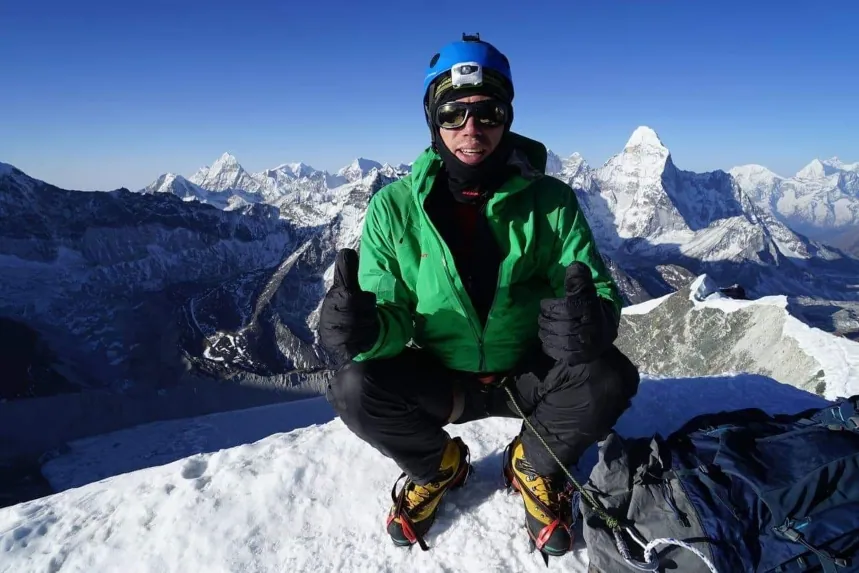
1. Island Peak (Imja Tse, 6,189 m)
Island Peak is a classic Nepal Everest entry-level climb, popular for its accessibility and the beautiful views that the mountain offers. It provides trekking combined with technical climbing to climbers, and hence is friendly to beginners.
The climb involves travelling on the glaciers, ice climbing, and navigating the crevasses, which offer precious skill-building experiences. Climbers are rewarded with the Everest, Lhotse, and Ama Dablam panoramic views, making Island Peak an adventure that is popular in the Himalayan range.

2. Mera Peak (6,476 m)
The highest trekking peak in Nepal is Mera Peak. It appeals to those who are interested in altitude, but not in technical skills. The journey offers a gradual process of acclimatization and manageable climbing sections for adventure lovers.
You can enjoy spectacular scenes of the Everest, Kanchenjunga, and Makalu. This peak is a combination of physical stamina and scenic beauty among the most fulfilling Himalayan trekking peaks.
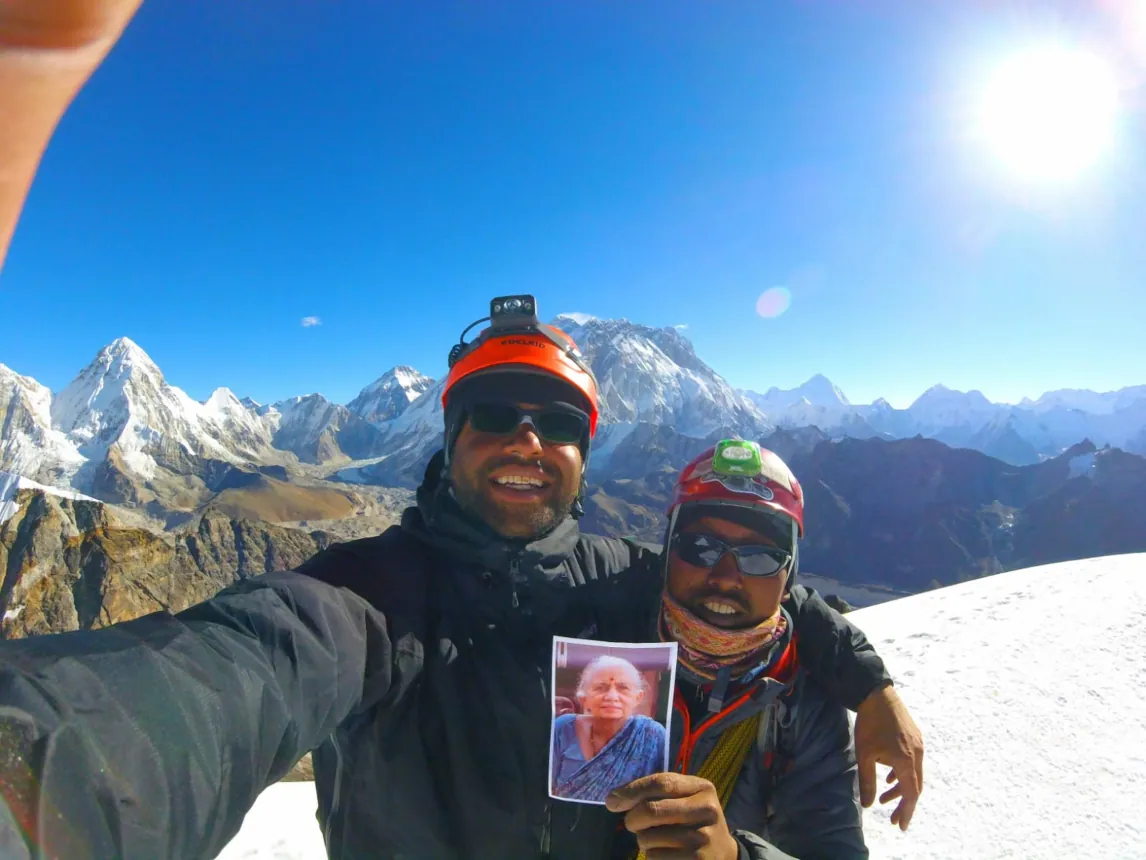
3. Lobuche East (6,119 m)
Lobuche East is a technical training peak, close to Everest Base Camp (EBC). It is perfect among climbers who are heading out to altitudes. The road incorporates climbing of rocky and icy paths, which requires sound mountaineering experience.
Lobuche East offers intense workout preparation. You will train on fixed ropes as well as crevasses. It is also next to EBC, which means it provides great scenery of Everest, Lhotse, and the Khumbu Icefall.
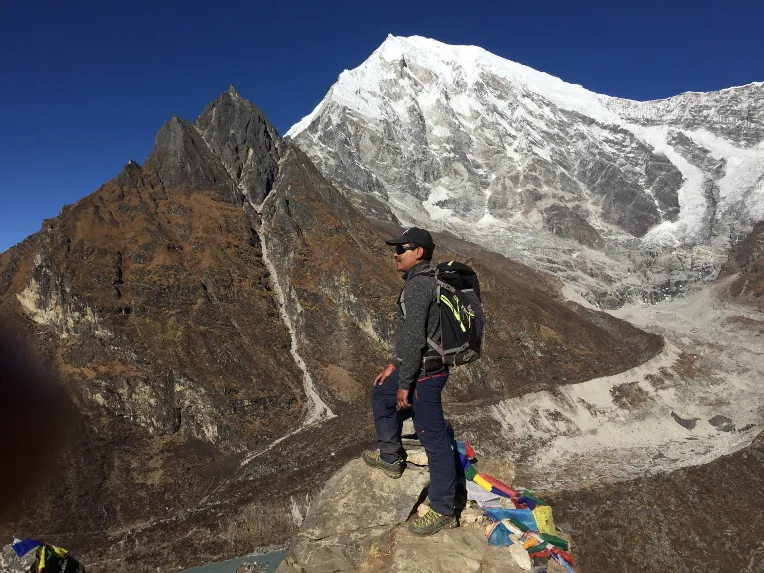
4. Yala Peak (5,732 m)
Slightly less than 6,000, Yala Peak is a beginner-friendly trek in the Langtang region of Nepal. It provides a less busy option to the climbers who desire to enjoy the Himalayan summits that have moderate technical needs.
There are snow slopes and basic ice climbing, making the climb accessible to beginner mountaineers. The peak offers a stunning view of the Langtang Lirung and the nearby mountains.

5. Chulu East & Chulu West (~6,000+ m)
Chulu West and East are precious jewels of the Annapurna area, which provide exciting technical ascents with a diverse terrain. The peaks are ideal for climbers interested in moderate challenge and the rugged wilderness of the Himalayas.
The two peaks offer extreme routes like ice and rock climbing, glacier travel, and exposure. The summit rewards ascendants with magnificent panoramas of the Annapurna, Dhaulagiri, and Manaslu ranges.
6. Tent Peak (Tharpu Chuli, 5,663 m)
Tent Peak, almost adjacent to the Annapurna base camp, is a popular option as a beginner training climb because it is below 6000 meters. It is an ideal training for climbers who want to train their high-altitude techniques in the spectacular massif of Annapurna.
The ascent includes snowy slopes and light ice climbing, making it suitable for intermediate climbers. The view of the Annapurna range and valleys around it can also be seen in panorama, making the experience more complete, as seen from the Tent Peak summit.
7. Pokalde Peak (5,806 m)
Pokalde Peak is a short, yet fulfilling climb around Everest, luring trekkers who are taking the step to mountaineering. Pokalde Peak is also another peak with an altitude of less than 6,000 m, where beginner training climbs are done.
It’s a comparatively easy climb that involves ice climbing and traveling across the glaciers, which is perfect in the eyes of beginners to acquire an alpine experience. The views from the summit include sweeping views of Mt. Everest, Lhotse, and Ama Dablam. Pokalde is a very rewarding Himalayan peak that gives climbers a strong sense of accomplishment.
Best Time to Climb (2026–2027)
Spring (March to May) is the most appropriate time of year to climb 6000m peaks in Nepal. The weather in this season is stable, and snow conditions are favorable, hence ascents are more enjoyable and safe. The length of days is increased, which helps in the process of acclimatization and climbing plans.
The other season of excellent climbing is the autumn (September-November). There is clear weather with dry conditions and good visibility. The rich, vibrant autumn sceneries contribute to the general trekking and climbing experience around the beautiful Himalayan ranges of Nepal.
The cold and reduced daylight present with winter climbing (December-February) are a challenge. Although it is more dangerous, there can be fewer crowds and frozen ground, which aids snow stability in various places.
The rainy season (June-August) is very humid and encounters heavy rainfall, hence climbers find it hazardous to climb with avalanches and slippery slopes. The lush scenery is stunning, but the trails become more dangerous with landslides and leeches.
Peak climbing in Nepal is different in terms of season; Island Peak and Mera Peak are best during spring and autumn. During the monsoon, peaks in the Annapurna area can be affected by a lot of rainfall, and this needs to be well planned for safe climbing.
Permit & Regulations
Peak climbing is regulated by the Nepal Mountaineering Association ( NMA) in Nepal, particularly in the case of trekking peaks. Peaks with NMA under its jurisdiction should have the provision of climbers with official NMA permits, with safety standards and environmental protection. NMA also requires guides on the climb, and this ensures that there is responsible climbing of the peaks in Nepal.
The permit fee differs according to the time of the year and the peak. The cost is similar for popular peaks like Lobuche, Mera Peak, Lobuche, and Chulu. However, trekkers need to pay $250 (spring), $125 (autumn), and $70 (winter/summer) for Island Peak. Permits typically cover one month, with possible extensions.
There are other permits like the Trekkers Information Management System (TIMS) card and Conservation Area permits, like in the Everest (Sagarmatha National Park), Annapurna, and the Langtang areas. These permits promote local conservation and community conservation activities in Nepal when climbing.
Some of the peaks cannot be climbed without a guide person or with a licensed guide or Sirdar registered with NMA. This prioritizes the safety of the climbers, offers local employment, and environmental welfare in peak climbing in Nepal.
Moreover, the policy of permits is changing to favor climbers in remote areas in the western region, with exemptions for 97 peaks to support economic growth and spare overcrowding in the busy zones. Another focus of the NMA is on the clean-up activities and long-term sustainable practices in future climbs.
Training & Preparation
Successful peak climbing in Nepal requires high levels of physical fitness, which include stamina, cardiac condition, and muscle strength. Physical conditioning should be based on hiking, running, and strength building to prepare the climbers for long, steep hikes, as well as on the height of difficult terrain of carrying loads.
Providing technical training is a must, and climbers have to learn how to operate ice axes, crampons, and ropes. Superiority over self-arresting, glacier climbing, and fixed-rope climbing is essential to guarantee the success and safety on 6,000 m peaks in Nepal.
Trials ahead of travel and walking establish fitness and enable acclimatization. Hiking in the hilly or mountainous areas regularly simulates the climbing conditions, hence trains the body to the extreme physical strain that peak climbing in Nepal presents.
Mental preparation is equally important as climbers need to adapt to cold, high altitude, and varied weather. Building resilience, focus, and confidence assists climbers in coping with the psychological challenges of peak climbing in Nepal.
Comprehensively, the safety and fun level among 6000 peak climbers in Nepal is significantly improved through the incorporation of physical, technical, and mental training. With early preparation, there are more chances of realizing and having a successful and rewarding summit experience.
Gear & Equipment Checklist
Peak climbing in Nepal requires necessary layers of clothes, down jackets, warm gloves, and durable mountaineering boots. Layering is used to adjust to the severe, changeable weather of the mountains and is good to make the climbers comfortable and safe in tough mountain climbs.
The technical equipment required is ice axes, crampons, climbing harnesses, helmets, and ropes. The tools play a critical role in glaciers’ travel, ice climbing, and in the control of steep or icy inclines, on 6000m peaks in Nepal.
Some expeditions need camping and climbing equipment like robust tents, cold-weather sleeping bags, and portable stoves for an overnight stay. At peak climbing in Nepal, shelter and warmth are of utmost importance and must be reliable.
Most mountaineers opt to hire equipment in Kathmandu so that they do not carry heavy equipment home with them. Kathmandu has good rental shops at reasonable prices, and therefore it is easy and pocket-friendly to peak climb in Nepal.
Cost of 6000m Peak Climbing in Nepal
The average cost of peak climbing in Nepal is USD 2,000 -4,000 per head based on summit choice, routes, and the nature of services. This high-range cover mid-level mountains such as Island Peak and Mera Peak, which are favorites among mountaineers.
The price normally comprises a Nepal government permit, commercial guiding and porter hire services, lodging expenses on the trek, food, and joint climbing equipment. This comprehensive coverage means a safer, well-supported Nepal climbing the mountain adventure.
Individual insurance, extra special equipment, guide or porter tips, and international flights in and out of Nepal are not included. Such additional costs need to be set aside in planning an expedition to peak climbing in Nepal.
As an example, the packages of Island Peak are in the range of USD 3400 to 4200, usually accompanied by the trek to the Everest Base Camp. Mera Peak climbs are usually priced USD 2500 to 4,000, depending on the itinerary, based on the amenities in the itinerary.
Challenges & Risks
High altitude and Acute Mountain Sickness (AMS) are some of the risk factors associated with peak climbing in Nepal, as the body cannot adapt well to low oxygen levels. Slow increase in altitude and acclimatization days are important elements to ensure reduced effects of AMS.
Another risk is the unpredictable Himalayan weather, of sudden storms, snow, and falls in temperature. The climbers should be flexible and have versatile plans to improve safety during peak climbing in Nepal.
Technical challenges involve maneuvering around ice walls, crevasses, and thin ridgelines, which demand excellent mountaineering abilities. The key to overcoming these challenging features is the adequate use of ropes, crampons, and ice axes.
The strains of physical and psychological activity, such as steep climbs and cold conditions, will require strong mental strength. In order to achieve a successful climb to the 6000m peaks of Nepal, the climbers ought to be focused, manage fatigue, and adjust to the stress psychologically.
Why Choose 2026–2027 for Climbing?
The recent plans to develop more trekking infrastructure in 2026-2027 have a big effect on climbing peaks in Nepal. Higher quality tea houses, less dangerous routes, and enhancement of emergency communication systems make expeditions less hard to reach and have a low probability of harm in both beginner and high altitudes.
Nepal is a politically stable country and has the prospects for the growth of tourism, contributing to a favorable atmosphere for peak climbing in Nepal. The vision of stability in the long run promotes investments in the mountaineering services.
Peak climbing in Nepal has been selected as a great adventure activity attracting global attention following the 2025 tourism promotions, since the country of Nepal is a haven for unrestrained peak climbing. The varied and picturesque Nepal 6000m peaks attract more international climbers every year.
The peak climbing in Nepal calendar is augmented by special anniversary climbs and mountaineering events planned in the year 2026 to 2027. Through these festivals, interactivity is promoted and its mountaineering history is put in the limelight globally.
Tips from Experienced Climbers
- Proper acclimatization is needed to prevent Acute Mountain Sickness in peak climbing, especially in Nepal. Climb slow uphill paths and plan to have off days so that you can safely acclimate your body to high altitude.
- Use certified guides and climbing Sherpas as a source of local know-how and security. They are quite familiar with the environments and weather, as well as emergency analysis, which makes the peak climbing a lot more pleasant in Nepal.
- Take a complete travel and rescue cover. Insurance offers money security in times of crisis and is a prerequisite for good peak climbing in Nepal.
- Be a decent tourist in the fragile mountain environment and respect the local culture. Reduce the amount of waste, do not ruin wildlife, and uplift the local communities in the mountain climbing season in Nepal.
- Allow time to create buffer days in your itinerary so that you can compensate for the retreat due to weather and the necessity of acclimatization. Flexibility means more successful climbing of the peaks in Nepal in spite of unpredictable weather in the Himalayas.
Conclusion
The ultimate adventure to be used in 2026-2027 in Nepal is the 6000m peaks that combine challenging climbs along with spectacular views of the Himalayas. The peaks are the best places where a climber can put their skills to the test, as well as have an experience to remember in the mountains.
These mountains give an ideal blend of trekking and expedition mountaineering. They fit both uninitiated and experienced adventurers who wish to move to the advanced and more technical walls under the facilitation of the addressed trekking infrastructure.
There are higher levels of climbers who are being further promoted by peak climbing in Nepal to explore the Himalayan beauties of the region. The 2026–2027 climbing seasons promise to be especially suitable and rewarding, with improved infrastructure, stable conditions, and a wide range of peaks offering both challenge and beauty