
 English
 Dutch
Dutch Japanese
 Hindi
Hindi Italian
 Spanish
 French
 German
 Chinese
 Korean
 Arabic
 Hebrew
 Russian
 Portuguese
 Danish
 Czech
Czech Polish
 Swedish
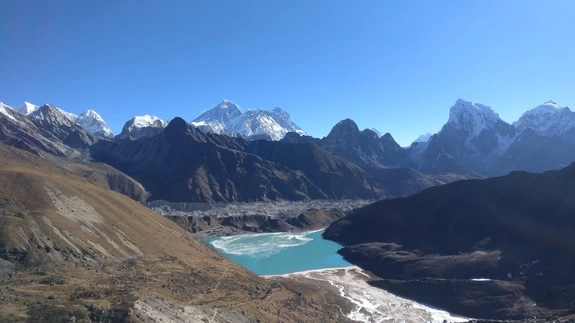
The Gokyo Lake with Renjo La Pass trek is an exciting adventure, situated in the Everest region of Nepal. and will give those looking for an experience in the Himalayas one that has no comparisons. The trek will take you to crystal-blue lakes, lovely Sherpa villages, and superb views of ridiculously nice mountains like Nuptse, Lhotse, and, of course, Everest. It’s a trek for the bucket list.
Considered to be an alternative trek to the crowded Everest Base Camp trek, this route gives trekkers time to sit back and soak in the beauty of the untouched Gokyo Lakes. It will also take you over and through the enlightenment it has to offer, crossing Renjo La Pass. Along the way, you will gaze on some incredible views of Everest and its massive companions.
This trek is recognized for incredible views and solitude (trekking-wise) as you will have mesmerizing views of the Himalayas, clear lakes, and colossal glaciers hanging in the distance. The adventurous appeal of the trek is that there are hardly any other crowds for this route, and you will have no trouble finding peace where people come from all over the world to disconnect and view the region’s beauty.
Embarking on this trek will be best done anytime from October to November. With clear skies and stable daytime temperatures with crisp mountain air, this region will offer bright, enjoyable views & lots of visibility at high altitudes for a great experience.
Highlights of the Gokyo Lake with Renjo La Pass Trek
- Views of Everest, Lhotse, Makalu, and Cho Oyu
You will be blessed with stunning views of four of the tallest peaks in the world: Everest, Lhotse, Makalu, and Cho Oyu. The October and November atmosphere provides crystalline visibility and accentuates the awe-inspiring nature of their shapes.
The views of the Himalaya become something you will not forget. There is nothing like being greeted by their snowcapped silhouettes within the light of dawn. Each vista gives another view of these giants, making the trek well worth it in return for the view and beauty.
- Gokyo Ri sunrise panorama
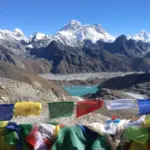
The early morning climb up Gokyo Ri is the most recommended fun experience because you will get an opportunity to witness a majestic sunrise over the Himalaya. When you reach the viewpoint, it feels effortless to simply stare at the gold shine of daylight as it travels over Everest and its companions and the Gokyo lakes below, while in the frozen morning’s silence.
You’ll observe dawn revealing Himalayan peaks, ridges, and valleys in a stunning 360° panorama. There is something special about standing there breathing crisp, cool, fresh oxygen. It is an experience that is not easy to describe, especially in the month of autumn.
- Breathtaking Gokyo Lakes
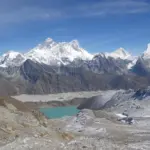
The Gokyo Lakes are stunning, deep turquoise and translucent lakes that are some of Nepal’s highest altitude wonders. Trekkers catch their breath as they take in and are amazed by the vibrant colors and dramatic mountain backdrops, all while enjoying the remote and unspoiled Himalayan wilderness.
The six main lakes are different, with each being a dedicated shoreline for rest and reflection. Their glacial origins and spiritual significance only add to their mysteriousness, creating Instagram image opportunities on the way.
- Remote Renjo La Pass crossing (5,360m)
The Renjo La Pass crossing will feel adventurous and distant, providing both solitude and wild mountain landscapes. At 5,360m and with a long, hard ascent, the reward of breathtaking views will be what most visitors will never see in Nepal.
The pass itself is less popular a route than other Everest region routes, which adds an element of discovery and achievement when visiting. Rugged terrain, prayer flags, and limitless sightlines make the excitement of crossing truly remarkable.
- Sherpa culture and villages (Namche, Dole, Gokyo, Thame)
Along the route, you will visit places like Namche Bazaar, Dole, Gokyo, and Thame to experience these lively Sherpa villages. Each village has a unique presentation of friendliness, its practices, and colorful, rustic houses in dramatic mountain settings.
You will encounter daily life, right down to the ancient monasteries and rich cultural history. Your interaction with the locals gives you insight into their way of life, their beliefs, and their commitment to remain Sherpas in Nepal’s highest valleys.

Weather in October and November
a. October Weather
The weather can often be a deciding factor for people on whether to undertake the Gokyo Lake with Renjo La Pass trek. October is clear and has amazing visibility of the mountains. The days are beautifully warm – between 10°C and 15°C – which makes for pleasant daytime trekking.
Night in Gokyo Lake can be cold, and the temperature may range between -5°C and -10°C. You must bring proper clothing for changing temperatures, especially for early mornings and late evenings. Also, bring a pair of warm socks and gloves to keep your feet and hands warm and comfortable.
The ideal trekking weather conditions in October, coupled with the clear skies, make for exceptional photography conditions of bright photos of snowcapped peaks with beautiful turquoise lakes. The crisp air makes distant mountain views easier and clearer, making October one of the most visually rewarding months for trekking in this region.
October is also popular because of the good trekking conditions; as a result, there are a lot of trekkers in this month. It is important to book all accommodations, guides, and permits well in advance. This will help to avoid the stress of not having same-day accommodations and local logistics during a crowded peak trekking season.
b. November Weather
November will have clear skies and crispness in the region, but the weather will come with coolness. The daytime temperature generally ranges from 0°C to 10°C, with fast-paced walking, but it’s still nice with the right layering and preparation.
However, the nighttime temperature is always considerably cooler and often floats between -10°C and -15°C. The use of well-insulated sleeping bags and a good amount of thermal gear will be a part of the trek to remain comfortable while staying at higher elevations.
November has fewer trekkers on the paths, which means a quieter trek with less or no disturbance. Lodges are less crowded and thus trekkers will have more opportunities to inhale and enjoy the peace and wilderness of their Himalayan experience with only rugged trails and majestic mountain views.
There can also be early snow at higher elevations, which will add a whimsical and wintry feel to the environment. Trekkers should also remain flexible in their itinerary as some routes or passes may be impassable for a short-term period following fresh snow and can alter planned itineraries.
Permits Required
• TIMS Card
The Trekker’s Information Management System (TIMS) card is compulsory for all trekkers in Nepal to assist authorities in tracking trekkers and ensuring their safety in the mountains. In order to acquire the TIMS card, you are able to apply for one in either Kathmandu or Pokhara, but you will be required to provide your passport details, and then you have to pay a fee.
• Sagarmatha National Park Entry Permit
The Sagarmatha National Park Entry Permit is required to enter Sagarmatha National Park, which includes both the Gokyo and Everest regions. The proceeds of the permit fees are used to help with preservation initiatives and environmental protection.
The permit is $11, which is collected to improve the protection of Everest. The permit is obtained from Kathmandu or at the entry point into the park and requires a separate fee for the latter.
• Local Khumbu Municipality Permit
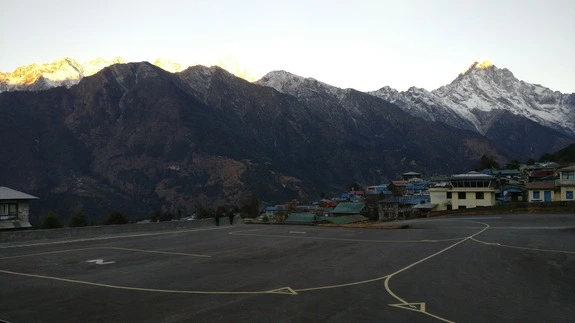
When trekking in Gokyo Lakes, you are required to obtain the Khumbu Pasang Lhamu Rural Municipality Entry Permit. This local permit allows you to enter the region and replaces the TIMS for this area. You can obtain it in Lukla or Monjo, and your payment contributes to local community development.
• Where to get and costs (updated 2025 rates)
To trek to Gokyo Lake and Renjo La Pass, you will require filling out the Sagarmatha National Park Entry Permit while also filling out the Khumbu Pasang Lhamu Rural Municipality Permit. The permits can be obtained at the Nepal Tourism Board office in Kathmandu or Monjo and Lukla.
Permits are expected to be required in 2025, and a Sagarmatha permit costs NPR 3,000 (approximately $23-$25 for foreigners), and the Khumbu Permit costs NPR 3,000 (approximately $23). The permits require fees in Nepalese rupees. Please bring your passport and photograph for processing.
Trek Difficulty and Altitude Tips
• Trek Difficulty
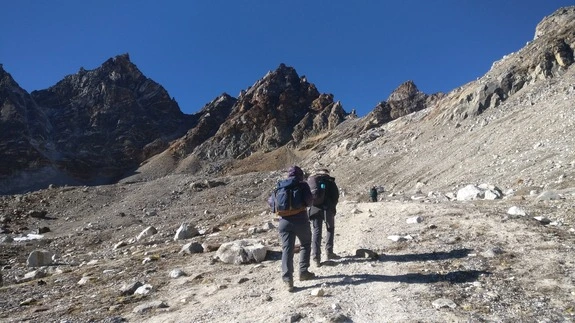
The trek from Gokyo Lake with the Renjo La Pass is graded moderate to challenging and rated in this way mainly because of the altitude and long, steep sections. There is nothing more strenuous than the ascent of Renjo La Pass, where both physical and mental endurance are challenged.
There is a lot of ascent, and with elevation gain, the air thins, making the higher altitudes more challenging to breathe as the climb becomes steeper. The climbs will be made more difficult due to rocky and uneven paths; thus, having prior experience trekking and being fit generally makes a trek safer and more enjoyable.
• Acclimatization
Acclimatization is important to adapt your body to higher elevations when the oxygen level is low. They lessen the chances of developing acute mountain sickness, and also give you time to recover before ascending any higher.
Usually, there will be added days spent at appropriate places, such as Namche Bazaar. These rest days improve your safety and add to your ability to complete the trek without the negative effects of altitude disease.
• Tips for preparation: cardio, strength, and stamina training
The trek from Gokyo Lake with the Renjo La Pass is graded moderate to challenging and rated in this way mainly because of the altitude and long, steep sections. There is nothing more strenuous than the ascent of Renjo La Pass, where both physical and mental endurance are challenged.
There is a lot of ascent, and with elevation gain, the air thins, making the higher altitudes more challenging to breathe as the climb becomes steeper. The climbs will be made more difficult due to rocky and uneven paths; thus, having prior experience trekking and being fit generally makes a trek safer and more enjoyable.
Estimated Cost Breakdown (Per Person)
a. With Guide and Porter (Standard Package)
If you choose the standard travel package to the Gokyo Ri and Renjo La Pass trek, it will cost you round-trip airfare from Kathmandu to Lukla. The price may vary from $250 to $300 per person. If you book the airfare in advance, then you can save some money.
A permit will be needed for your trek: the Sagarmatha National Park permit and the local municipality permit. The combined cost for the permits is usually around $50 – $60 per person, which is necessary for proper legal entry into the area.
You can hire guides and porters at around $25 – $35 each per day. This can add up to over 12 – 14 days, but provides you with support, safety, and a cultural experience on the trek.
Tea house or lodge accommodation and meals typically run around $25 – $40 per day per person. Therefore, the total 12 – 14-day trek, being a standard package, ranges from $1,100 – $1,400.
b. With Trekking Agency (All-inclusive)
An all-inclusive trek package to Gokyo Lake, including Renjo La Pass, typically costs between $1,200 and $1,800 per person. This is for all the essentials required to take a trek, which means it is all very convenient for all those eager to take their first big adventure.
An all-inclusive package will be made up of all or most of the following inclusions: an experienced guide and porter, permits required to trek, meals while trekking, the domestic flights from Kathmandu to Lukla and back, and cosy accommodation in teahouses/lodges along the trek.
Engaging with an agency package adds real value to your trekking experiences in terms of logistics, cultural experience, safety/back-up support, and local expertise. Prices may differ by a few hundred dollars based on some unpredictable factors like group size, type of accommodation, and seasonal demand, but these estimates are reasonable for 2025.
Packing List Essentials for October–November
To tackle the rapid changes in mountain weather, a high-quality down jacket and mid layers made from merino or synthetic, as well as windproof outer shells, are important. Layering provides warmth while also allowing for easy adjustments depending on the temperature changes throughout the day.
When selecting hiking boots for challenging terrain, especially in the Himalayan region, go with a solid, waterproof boot with Ankle support. Salomon Quest 4 GTX or Scarpa Zodiac plus GTX matched with multiple pairs of warm and moisture-wicking socks will keep your feet dry and blister-free.
A thermal hat, a few pairs of gloves, and a sleeping bag with a temperature rating of at least -10°C (preferably even -15°C) are essential preparations for the cold nights at higher altitudes. Just because there are tea house blankets does not mean you will be warm and comfortable, which is why said preparation is essential.
Other essential items include a headlamp (with spare batteries), trekking poles, a water purifier/tablets, and high-SPF sunscreen. These items will add additional comfort, convenience, and safety while we trek along the remote, exposed Himalayan trail.
Tips for Trekking Gokyo and Renjo La in Autumn
• Purchase a Lukla flight well in advance, as it is advised that spots fill quickly in the autumn season.
• If you are crossing the Renjo La Pass, do it early in the morning; this is safer and also provides you the best chance to have decent weather.
• Take adequate snacks and enough water purification tablets with you for long trekking days.
• Be prepared to dress in lots of layers, and have your rain gear and wind gear easily accessible since the weather can be unpredictable.
• Make sure to include extra acclimatization days to help prevent altitude sickness.
• Check in on the daily weather, and always be prepared to change your safety plans.
• Do not be concerned about your speed, rest often, and listen to your body as you expect to gain altitude.
FAQs
• Is Gokyo with Renjo La Pass harder than EBC?
Yes, the altitude, path steepness, and technical difficulty at Renjo La Pass make the Gokyo journey more challenging than the Everest Base Camp trek.
• Do I need trekking experience?
While it’s helpful to have previous trekking experience, tenacious beginners who are fit enough can complete this trekking route. That said, having experience in mountains will increase your safety and confidence, especially when conditions are high altitude.
• Is it busy in October?
October is peak trekking season in Nepal. Trails and lodges may be more energetic and lively, but trails will not be nearly as busy as EBC. We recommend that you book your flights and accommodation in advance to have a smooth journey.
• Can I do this trek solo?
Yes, you can trek solo to Gokyo Ri. But we recommend that you hire a guide or join a group. This will improve your safety, navigation of the route, and provide emergency support on the trails, especially on the isolated parts of the trek.
• What are the risks of altitude sickness?
Altitude sickness is a true risk given that this trek does reach very high elevations. Remember the following to reduce the risk: taking acclimatization days as required, traveling up slowly, staying hydrated, understanding the symptoms for awareness and prevention of symptoms, and traveling safely.
Conclusion
The Gokyo Lake with Renjo La Pass trek is arguably one of the Himalaya’s best treks, featuring beautiful turquoise lakes, breathtaking mountain scenery, and the opportunity for some solitude on a trail that is far less travelled than Everest Base Camp.
The area’s most breathtaking beauty can be seen during the walk in October and November. The sky is generally pristine blue, the vistas of Everest and her giants are stunning, the Sherpa culture and villages are lively with festivals, and the unbelievable mountain villages and high mountains are available at one of the best times for weather and photography.
Plan to acquire permits and accommodations for this busiest period – pack out your trash, travel responsibly, observe local etiquette, and leave no trace so you can help preserve this incredible and unforgettable journey in the Himalaya for future generations.