
 English
 Dutch
Dutch Japanese
 Hindi
Hindi Italian
 Spanish
 French
 German
 Chinese
 Korean
 Arabic
 Hebrew
 Russian
 Portuguese
 Danish
 Czech
Czech Polish
 Swedish
The sacred journey to Mount Kailash:
Kailash Mansarovar Tour package from Nepal offers a spiritually enriching journey with convenient routes, experienced guides, and breathtaking Himalayan landscapes.Mount Kailash is not just a traveler’s destination for scenery; it is a world-renowned pilgrimage site where you get pure energy and strength, full of blessings. Mount Kailash is located in the west Tibet, China, bordering the Karamkurum himalayas range , Pakistan, at an elevation of 6638m above sea level. Every year thousands of pilgrims like Hindu, Buddhist, Jains and Bon religion yatris, used to travel to Mount Kailash from April to October, as the weather is favorable in Tibet. Every devotee has a dream to visit Mount Kailash to wash away sins and bring inner peace, love, prosperity, energy, long life, and spiritual inspiration.
Kailash Mansarovar tour packages from Nepal are more practical, Scenic, Religious and good enough for acclimatization, and they include a visit to the Pasupatinath temple before visiting Kailash. The mount Kailash tour from Nepal is organized to bring a smoother, customized itinerary and affordable cost, which meets the needs of every age group of travelers, from children to senior citizens, and those who have dreamed of visiting Kailash once in a lifetime.
Nepal, Kathmandu en elevation of 1300m from sea level, is quite good for those of you who travel to Nepal directly from sea level and stop for fewer days and wait until the visa we receive from China embassy we get a chance to visit the popular Pasupatinath temple, including Budhanilkantha, the Swoyambhunath temple, and many more. In the meantime you will have a proper altitude acclimatization too before we head to the higher elevation. Before we start the sacred journey to Mount Kailash from Kathmandu, we will do the Home Puja and Rudri Puja with the good darshan of the Pasupatinath temple, for which we are fully blessed to travel to Kailash.
Arranging the Tibet-Kailash travel group visa is easier from Kathmandu for an NRI than applying from your hometown’s nearest embassy. Since you are traveling in a group, we have to apply for the visa also in a group. We can’t apply individually and the minimum group required to travel to Tibet is 5 people up to 50 or more in the same group. Therefore, travel to Kailash from Nepal gives you a good opportunity to visit the Pasupatinath temple , easy visa application, and good acclimatizations many more ..
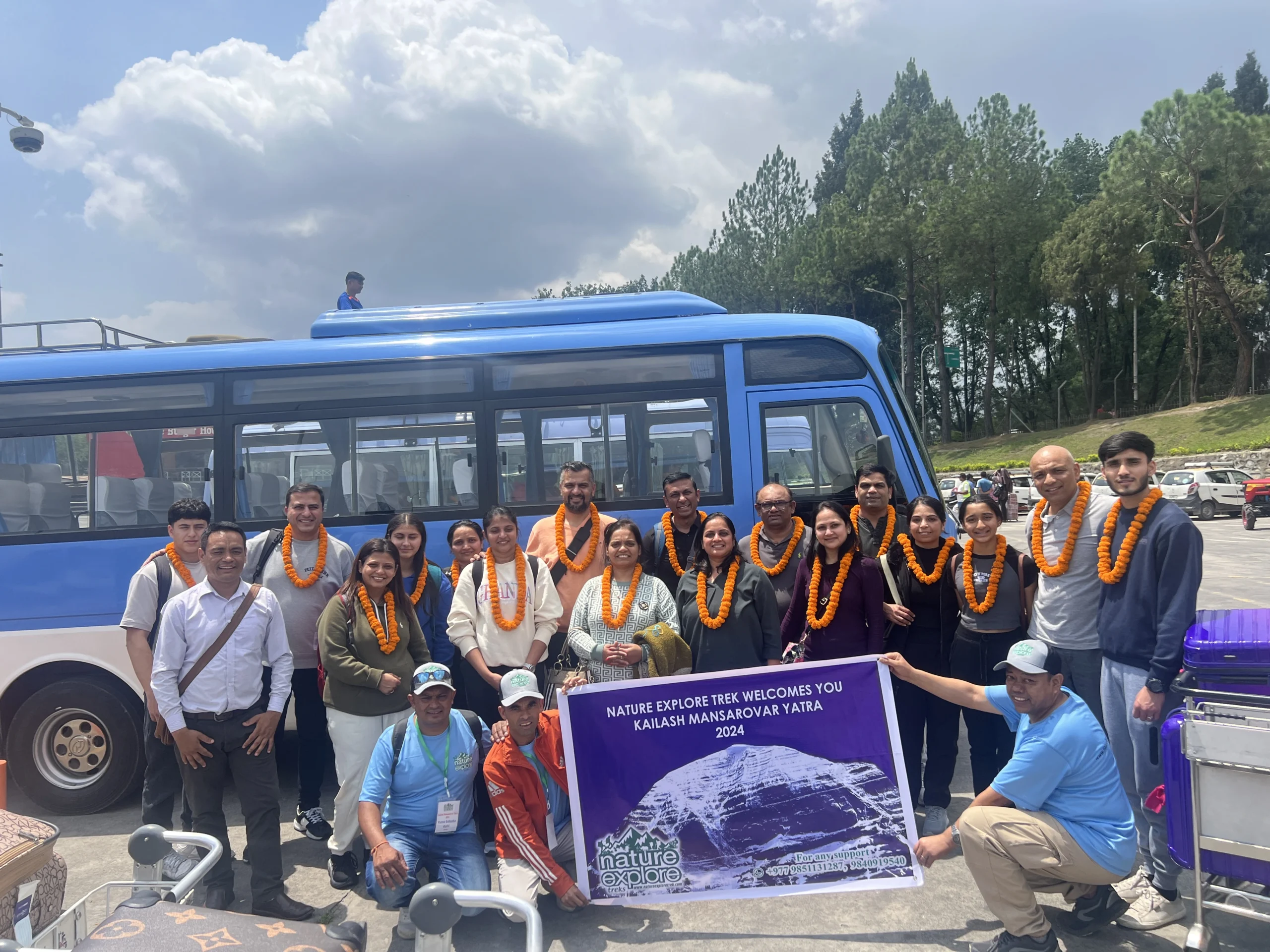
Why Choose a Kailash Mansarovar Tour from Nepal?
Here are many advantages to traveling to Kailash from Nepal:
- Visiting the Temples like Pasupatinath, Budhnilkantha and Swoyambhunath temple, the spiritual journey begins from Kathmandu.
- Comfort acclimatization: since we are travelling to Mount Kailash, a higher elevation above 5600m at Dolmala pass includes many high passes along the tour, spending fewer extra nights in Kathmandu (alt. 1300m) can be helpful to yatris for better acclimatization.
- Scenic views: since we are traveling to connect to the Nepal-Tibet border by driving through the Nepalese hilly regions like Kathmandu-Timure or Kathmandu-Kodari-Nyalam and flying to Lhasa and taking a helicopter ride to Simikot-Hilsa, you have a good opportunity to see the scenic views.
- Explore the Nepalese Heritage sites and enjoy seeing the traditional villages and lifestyle, as well as visiting the local markets; it can be a totally different experience.
- Many route options take you to Kailash, like via the Keyirung Overland tour, Via Flight to Lhasa, Via Kodari and by helicopter from Simikot-Hilsa.
- Trusted and reliable tour agent compared with the international tour organizer:
- Professional guide, Sherpa and Kitchen crews and equipment.
- Organize the Pure vegetable meals and shop for all necessary food items that are needed during the Kailash yatra. Which makes the good and same taste of foods and drinks.
Kailash Mansarovar Yatra Overview
| Trip Name | Kailash – Mansarovar Yatra from Nepal |
|---|---|
| Starting Point | Kathmandu (Alt. 1300m) |
| Ending Point | Kathmandu (Alt. 1300m) |
| Maximum Altitude | 5600m / 18,368 ft (Dolma La Pass) |
| Transportation | Bus & Jeep (as per group size) |
| Meals Plan | Vegetarian Indian & Nepali Style |
| Accommodation | Hotels, Guesthouses & Lodges |
| Duration | 15 Nights / 16 Days |
| Trip Type | Pilgrimage – Kailash Tour |
| Sherpa Ratio | 3 Yatris : 1 Nepali Sherpa |
| Guide | Professional English & Hindi Speaking Guide |
| Kailash Parikrama Distance | 52 km |
| Horse & Porter | Available at additional cost. Can be hired from Yamadwar (starting point of Kailash Kora). |
Ready to book your trip with us? Fill out the inquiry form below
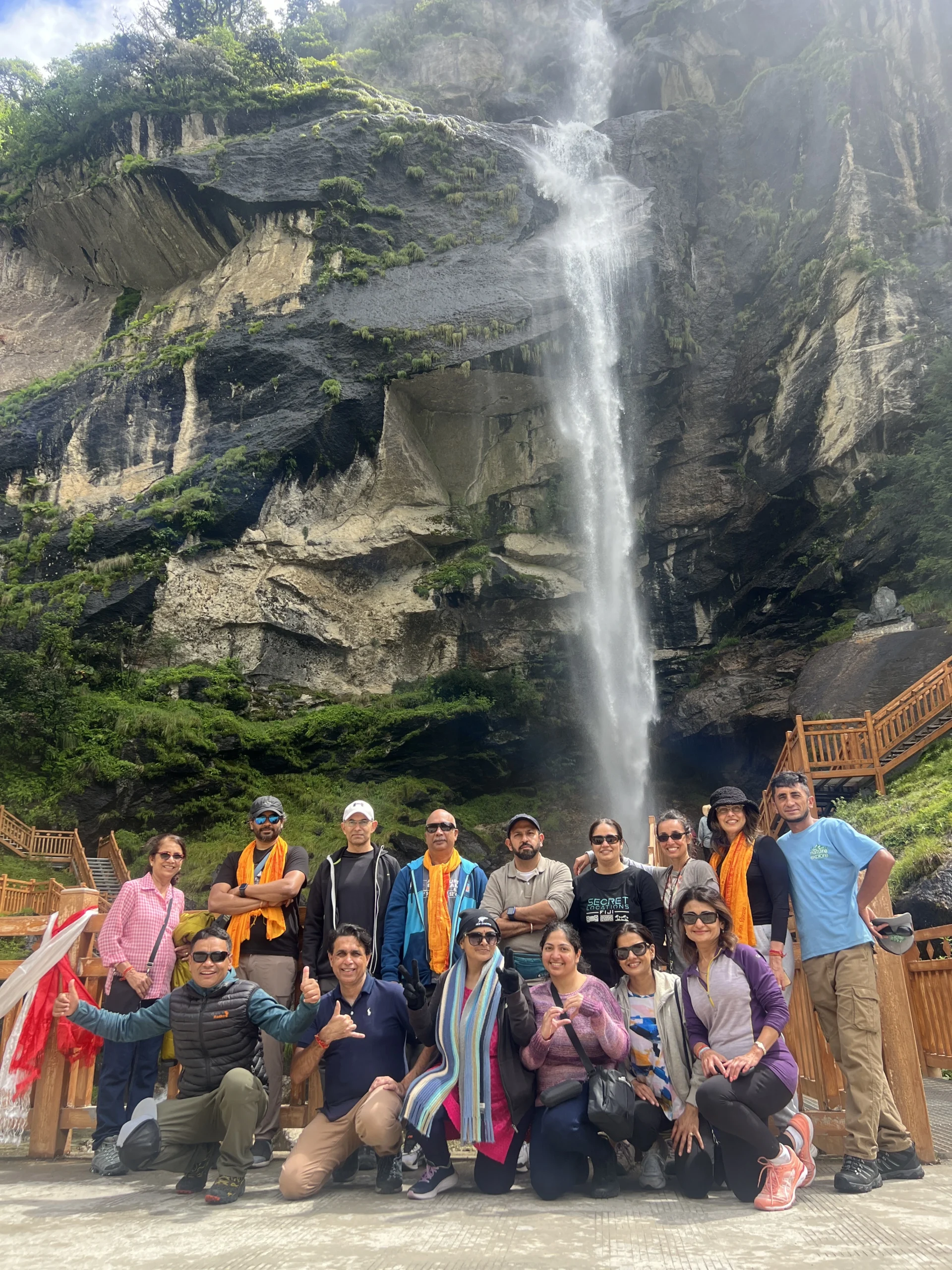
Popular Kailash yatra routes from Nepal:
The most popular route, which takes you to Kailash from Kathmandu, Nepal, is here:
Keyirung route—Overland tour: 15 nights, 16 days.
It’s one of the most used routes after early 2017. In the 2015 earthquake, the Kodari route was totally damaged, so alternately, the Keyirung route was used to enter Tibet from Kathmandu. It is located in the Rasuwa district, north of Kathmandu. We get here by driving (165-180km) , 6/7 hours or by taking a helicopter from Kathmandu in 30 minutes.
The best time to use this route is April, May and June-early July. July, August and September may not be good times to take this route because of the rain, landslides, etc. But the weather is unpredictable.
Lhasa route by flight: 17 nights 18 days
via the Lhasa route is another popular one after the Keyirung overland tour route. Going via Lhasa takes fewer days more in comparison with the Overland route as the Lhasa is located more east and Kailash is located west of Tibet platu. Meeting the classical route to Kailash at saga already takes 3 – 4 days. Lhasa by flight route is more luxurious and expensive and takes extra days, as you have to buy the air tickets to Lhasa and arrange the luxury hotels and we eat meals at restaurants before we meet the kitchen staff at saga.
The best time to use this route is July, August, September as the via Keyirung or by heli route can be affected by rain, floods, etc. July, August and September is the high season in Nepal.But the weather is unpredictable.
By Helicopter—Hilsa Simikot 9 nights 10 days:
This is one of the short routes, which takes you to Kailash quickly. This route is more popular among the Indian nationality pilgrims, as the route is close from Nepalgunj – Lakhnau – India. Taking this route to go to Kailash involves more flights, like Kathmandu-Nepalgunj-Simikot by air and Simikot-Hilsa by helicopter, before we enter Tibet-Kailash. Comparatively the Keyirung route is more expensive and similar budget with the Lhasa route even though it is a short route since there are many flights we have to buy. But the weather is unpredictable.
The best time to use this route is mid-April, May, June and July, as the weather is clear, there is good visibility and less chances to cancel the air flights to Nepalgunj-Simikot and Helicopter to the Hilsa border. The end of July, August and September may not be a very good time to use this route. It can be affected by floods, rain, cloudy and no visibility to fly in the mountain area. But the weather is unpredictable.
Overland route via the Kodari-Nyalam:
The Kodari route is one of the shortest routes from Kathmandu; we can reach the Nepal-Tibet border in 4-5 hrs—120 km—via the Dhulikhel, Dolalghat, and Barabishe eastern side from Kathmandu. This route was very popular and most of the overland tibet tour from Kathmandu used to take it. After the earthquake damaged and opened the Keyirung route, this route is still under construction on both sides in China and Nepal. But alternatively, it’s used for import and export as well in 2025 after floods swept the Keyirung bridge in July, this border was used temporarily.
Since the Kyirong route is reopened after putting in the beli bridge this might be closed for travelers as it’s still under construction. This border might open in a few years, as it’s almost ready to open on both sides of the countries Nepal and China.
The best time to use this route is the same as the Keyirung route like April, May and June.
There are a few more borders, like the border in Upper mustang are ready to open but not officially open yet. Since Nepal-Tibet is bordered by mountains and hills, it’s difficult to build many borders like we have with India.
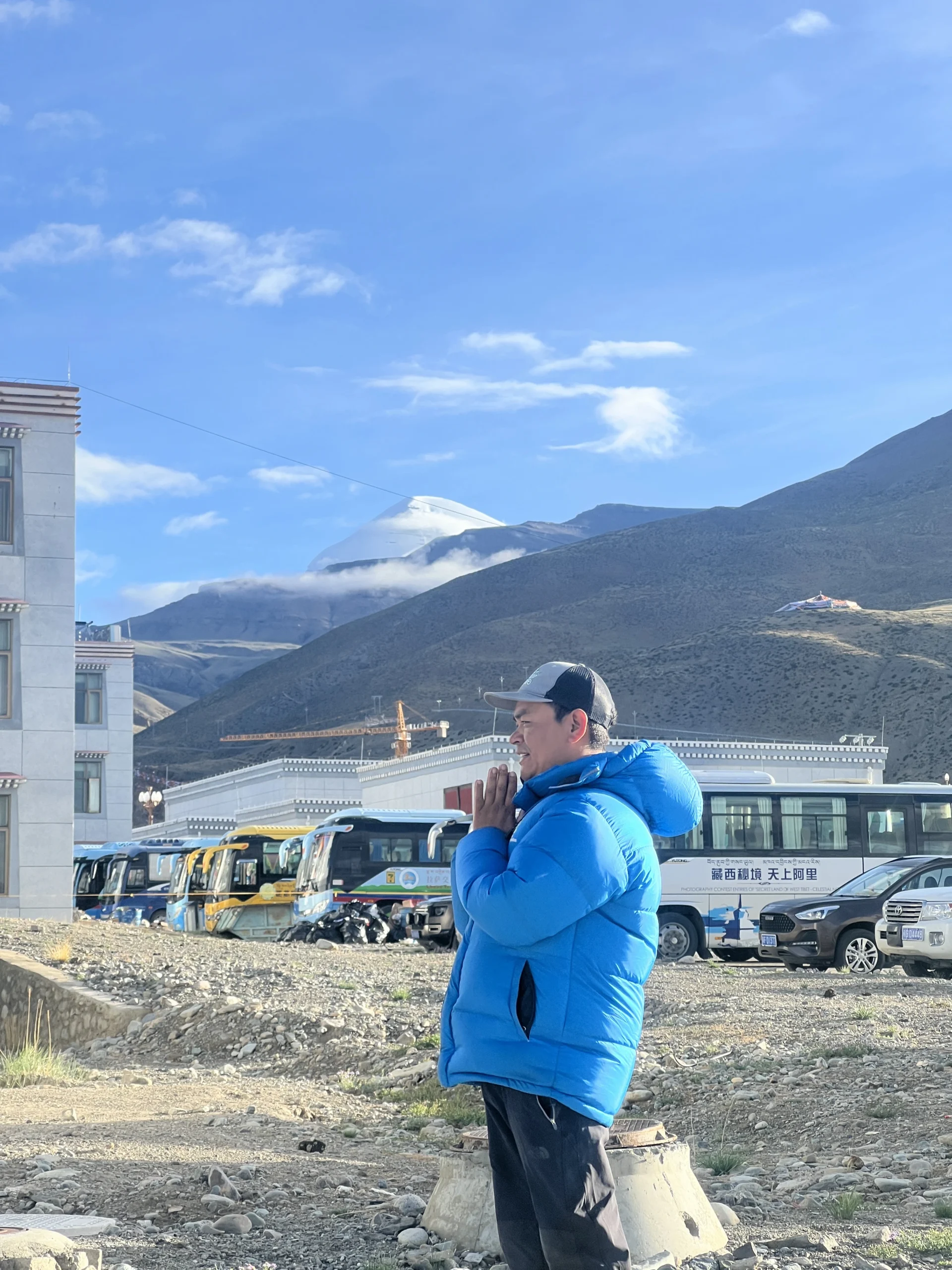
Popular Kailash-Mansarovar yatra Itinerary which meets the needs of all categories of Yatries and Travelers:
Day 1: Arrive to Kathmandu and drive to your Hotel alt. 1300m.
Warm welcome by our representative with flowers and a Rudraksha mala at the airport and transfer to the Hotel.
- Once we reach the hotel, we will offer the the welcome drinks
- Rest and relax.
- 3, 4 and 5-star hotels as per the requested budget.
- We collect your passport and process your visa application to travel to Tibet.
- Vegetable meals include.
Day 2: Visiting the Pasupatinath Temple in the morning and afternoon Trip briefing.
On the second day in Kathmandu, you will visit the Pasupatinath temple and we will organize the Puja. come back to the hotel, we have lunch and then today we have a trip briefing and equipment demonstration. And retired for the day.
- Tibet travel group Visa apply
- Visit the Pasupatinath temple, Puja, Hom, Rudri puja , abhishek puja etc
- Back to Hotel for Lunch , and a trip to necessary goods shops if needed
- Trip briefing and team introductions with the nepali team.
- Vegetable meals include.
Day 3: Visit Budhnilkantha (Vishnu Jal narayan temple, Swoyambhunath temple:
On the 3rd day of the Kailash yatra, in Kathmandu, we will visit the Vishnu temple and Swoyambhunath temple. After lunch you will have free time to pack the bags and if you do not have enough equipment or have anything left to buy, you have time for shops’ last hour before we depart to Kailash tomorrow.
- Visit the Vishnu Jal narayan temple
- Swoyambhunath temple (Monkey temple)
- Back to Hotel for Lunch
- Last-hour preparation before starting the trip to Kailash.
- Vegetable meals include.
Day 4: Drive from Kathmandu to Timure via the Dunche-Sybrubeshi in 6/7 hrs. 180 km.
Early in the morning after breakfast, we depart to Timure through the Trisuli-Dunche-Sybrubeshi bazar. It’s a 6-7 hr drive through the scenic traditional Nepalese villages, landscapes,hills and snowscapes.
Along the way we stopped for lunch and continued driving to Timure for an overnight stay. Timure is a small Nepalese town which is scenic and surrounded by mountains, where we spend a night before we cross the Nepal-Tibet, China friendship bridge tomorrow.
- Early morning Breakfast,
- Drive to Timure – 180km , 6/7hrs
- Lunch at Trisuli
- Scenic views of snowscapes, Hills, traditional villages, waterfalls, etc.
- Vegetable meals include.
- Overnight at a simple guesthouse.
- Breakfast, Lunch and Dinner.
Day 5: Drive to the Nepal-Tibet friendship bridge then cross to the immigration office at tibet side. After completing all the customs formalities, we drove to Keyirung.(alt. 2950 m.), (4-5 hrs, 40 km)
As in Tibet, China time is 2 hrs 15 minutes ahead of Nepal, so we will start the day early in the morning after breakfast. We can also walk 10/15 minutes to get to the friendshive bridge and where we have to clear the Nepal-side and tibet side customs. Nepal side is not that take time, but tibet, china side take a long time for clear all process as they check everything line by line like visa, travel necessary documents etc.
The Tibet side is stricter in checking the documents than the Nepal side. We need to be patient and wait until our turn comes, as there can be a long queue, especially in the busy high season. After crossing the border, all group members, and participants, our tibet side guide will give us warm greetings with Khata and then we will continue to drive to Keyirung for about one hour and 40 km.
Keyirung is the first Tibetan-side town that we reach today. It is standing at an elevation of 2950m from sea level. The beautiful city is surrounded by the mountains and lush forest and hills. Since it is already a developed country like China, you can already see nice roads, including well-managed basic infrastructure, etc.
- Early breakfast,
- Drive to Border then cross to tibet
- Waiting in immigration line until your turn comes
- Warm greetings from tibet side agent
- Drive to Keyirung—the first town on the Tibetan side.
- Cooking fresh meals.
Day 6: Rest/acclimatization day:
Another easy day starts with the late morning. No rush today. After breakfast, we went for a short hike around Keyirung village. Afternoon: back to the hotel for a hot lunch and free rest and relaxation. Today is the day we use for good acclimatization because we are going to higher elevations and high passes during this yatra. It can be good and helpful for digesting altitude and accommodating the Tibetan atmosphere, etc.
- We do the short hike after breakfast. Which helps us to have a good acclimatization day .
- Visits markets
- Good rest before going to higher elevations.
- Ready for a long trip to Kailash.
- Overnight at Guesthouse
- Breakfast,Lunch & Dinner.
Day 7: Drive from Keyirung to Saga, 270m , 4-5 hrs. (Alt. 4450m.)
The 3rd day in Tibet is short and scenic. After a warm breakfast, we drive to Saga in 4-5 hrs. Along the way we have very beautiful views over the mountains, Landscapes, Hills. After a couple of hours’ drive, we reach the Keyirung la pass at an elevation of 4900m above sea level. From there we can see Mt. Choyuo and Mt. Shishapangma, including the Mt Everest mountain range in the distance, if the weather permits. Before we reach saga we reach Brahma Putra river where we can stop the bus and touch the water.
We will have a Hot packing lunch; we stop somewhere in a nice spot along the route after a 3-hour drive from Keyirung, and we take lunch as a picnic with beautiful scenery.
Saga is the beautiful city where all major Kailash-Mansarovar yatra routes meet, like from Lhasa, via Kodari Nyalam. We get comfortable lodges and warm water for showers, and after that you can also visit the city, where we see lots of commercial buildings, supermarkets, restaurants, shopping malls, etc.
- Drive to Saga 270km 3 /4 hrs
- Early breakfast.
- Cross the Nyalam la pass 5000m above.
- Touching the Bramahaputra river water
- Scenic views of snowscapes, mountains, and landscapes.
- Overnight at Hotel,
- Breakfast, Lunch and Dinner.
Day 8: Drive from Saga to Mansarovar lake, 500km, 7 – 8hrs alt. 4546m.
Today is one of the biggest and longest driving days to reach Mansarover lake from Saga. we drive 500km in 7-8 hrs; very early in the morning, after breakfast, we start the day. Along the way we pass fewer high passes above 5000m like Nuyam la pass, Saga pass etc. the scenery mesmerizes you all the time, as the tibet is a scenic beauty in the high himalayan region of the world.
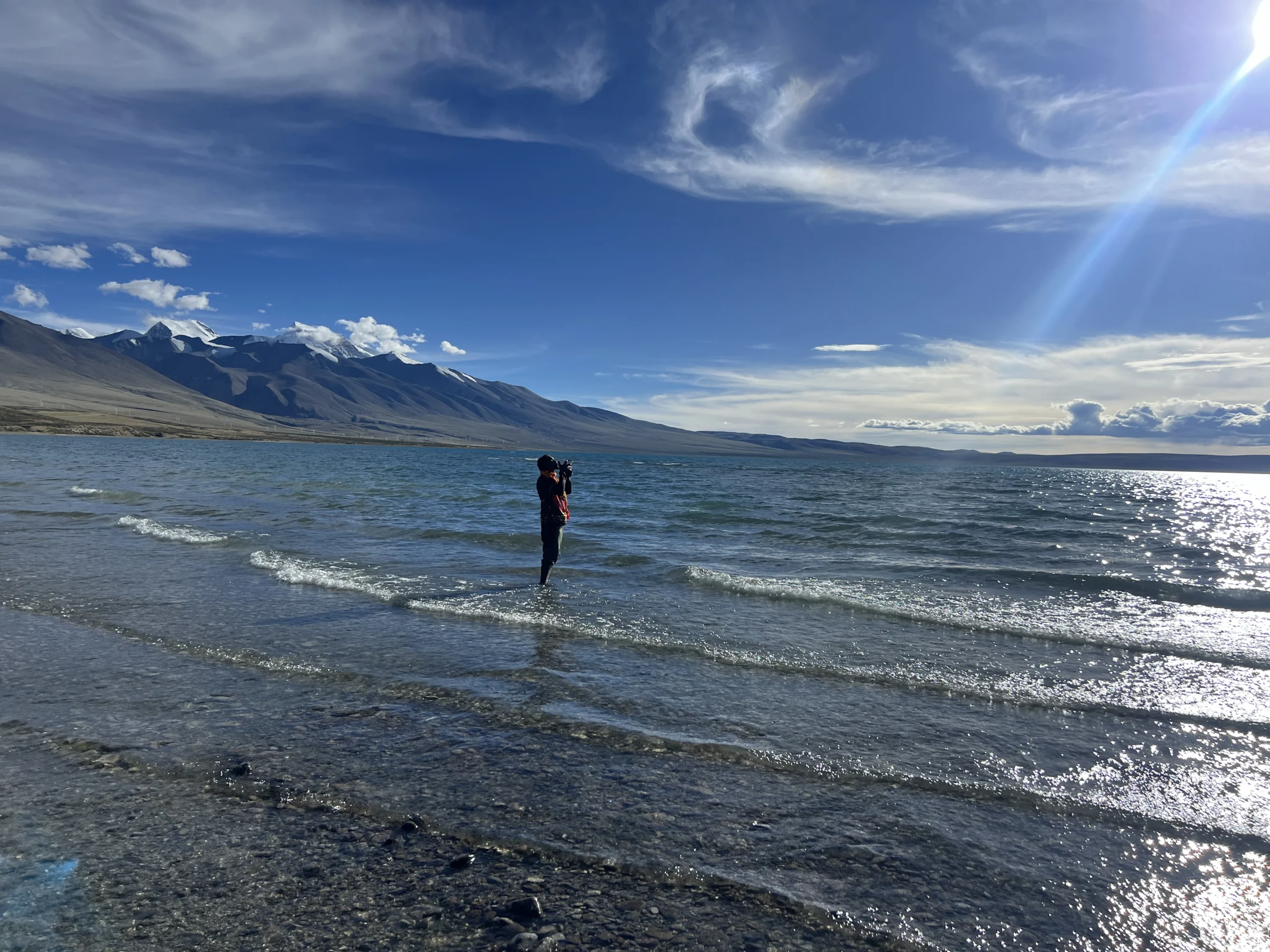
We cross several settlers, nomadic tents, ships, wild and domestic yaks, and many more. After a 4-hour drive from Saga we reach Paryang, where we stop for lunch. Continuing, we drive to Mansarover lake and we see the first Darshan of Mahadev, which includes Mansarovar lake.
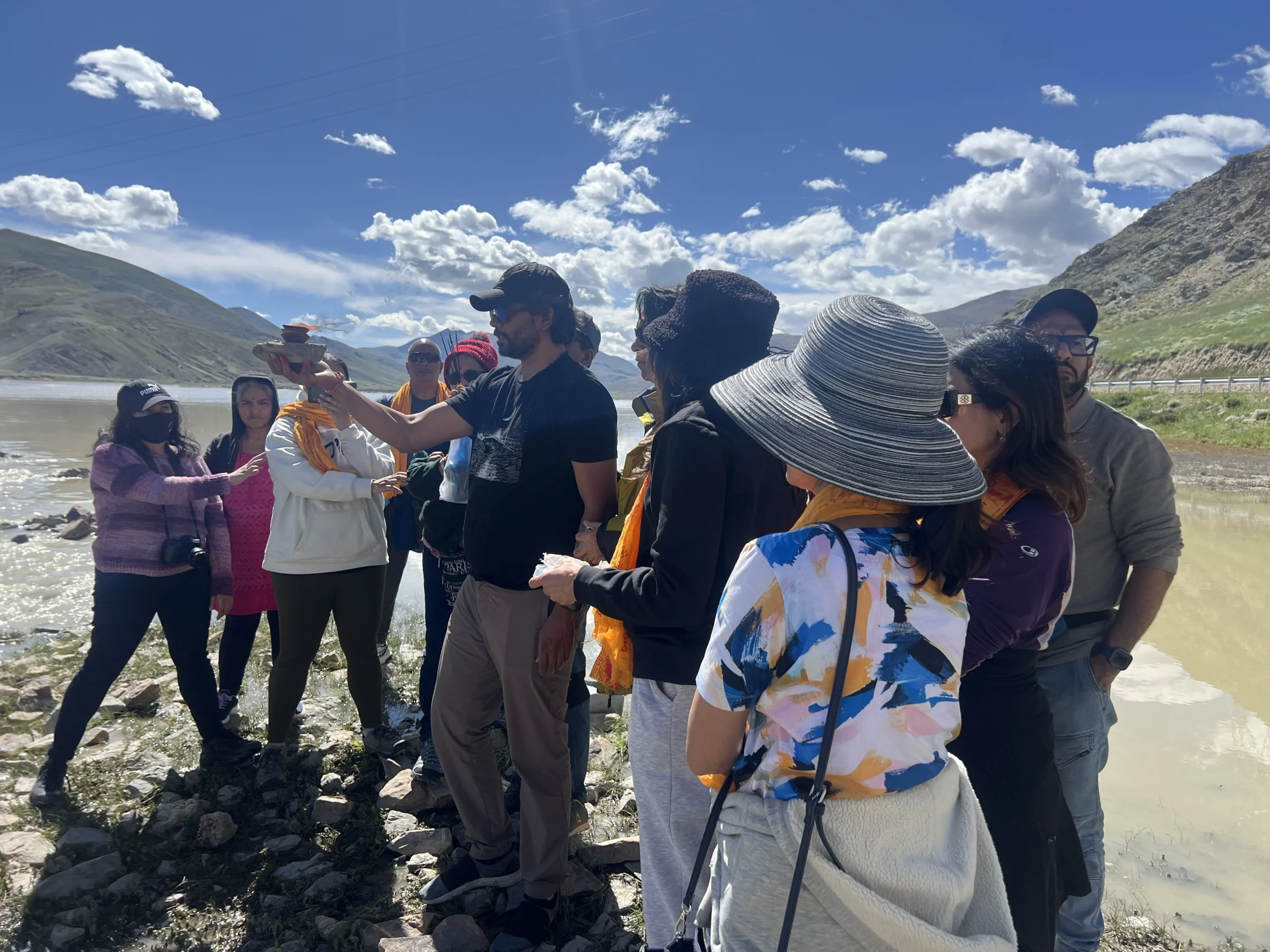
After enjoying the first views of Kailash and lake Mansarovar , we will continue driving to our camp at chhu monastery where we will spend a night. The basic mood houses are very close to the mansarovar lake. If you want, you can fill up the water from the lake to take home as prasadam, and we perform a Puja tomorrow morning before we head to darchen.
Mansarovar lake is a holy, spiritual lake surrounded by Mt. Kailash, the Guru mandala himalaya shringkhala. Where we believe Mata parvati and Mahadev take deep baths and meditate. It’s pure holiness. At the lake, we put our feet in mansarovar lake water and take a shower from the holy water. beliefs we wash away all our bad karma and bring back the positive energy, strength, love and care to each other.
- First views of Mt. Kailash from Manasarovar lake
- Reach at the Holy lake at Manasarover
- Scenic views
- Feels you are close to Mahadev home
- Enjoy the great Darshan of Shiva ji (Kailash) and holy lake mansarovar
- Parikrama the manasarovar tal by drive.
Day 9: Drive from Mansarovar lake to Darchen, 1 hr., 40km (alt. 4645m)
Very Early in the morning we provide warm water to everyone for showers before we sit for Puja. we arrange the holy water from Lake Mansarovar. Since it is a cold temperature, we can’t take showers with the cold water, so we suggest taking a quick bath. We take breakfast and then attend the puja, which takes a couple of hours. Once we finish all the processes and the puja, we arrange lunch and continue driving to Darchen, about 40km in 1 hour.
Darchen is a beautiful Tibetan city located beneath the south side of Mt. Kailash at an elevation of 4600m above sea level. As is known, it is the base camp of Mount Kailash. After Dachen, there is no similar big place during the Kailash Kora. Most of the pilgrims used to stop here overnight before they started their three-day Kailash parikrama. We repack the bags here, as we do not need all the equipment during the parikrama. Unnecessary goods we store here until we come back from Parikrama.
- Morning Puja at Mansarovar lake
- Lunch at Mansarovar lake
- Drive to Darchen
- Preparation for Parikrama.
- Overnight at the Hotel.
- Breakfast, Lunch and Dinner
Day 10: 1st day of Parikrama—Drive to Tarbuche then hike to Dirapuk (alt. 4800m – 5 /6 hrs.)
Early in the morning, after breakfast, we get ready to go to Mt. Kailash parikrama. With the limited backpacks basically here, we finally start to walk 3 more days to complete the Kailash parikrama. First in the morning we drive to Yama dawar(5 km) from darchen and basically we start to walk from here. Those people who can’t walk, you can hire a horse and helper at an additional cost. And a horse and helper meet you at Yamadawar. If you plan to walk, you can continue to walk, and those who hire a horse or porter, please, you have to wait until the horse comes.
Since it is the starting point of Kailash parikrama, this is going to be very crowded, so it may take more time than we expect to start. Horses take less time to reach dirapuk than the walking people. So in the afternoon you will meet all participants at dirapuk. Due to the remote, we spent a challenging night here. toilets is common and accommodation is basic. They count the bed, not the room. Here are only a few guesthouses available. Please do not expect the comfort lodge during the Parikrama.
- 1st day of parikrama (17 km) a 5- to 6-hour walk
- Scenic views of Mt. Kailash’s south face
- Crossing the rivers, hills, and mountains.
- Close view of the north face of Kailash from Dirapuk
- First day of the hike, it’s gradual ascents hikes
- Tarbuche (Yamadwar), where we meet the horse and local porters
- Drive 5 km from Darchen to Yamadawar.
- Pack lunch.
- Overnight at a basic guesthouse.
- Breakfast, Lunch and Dinner
Day 11: Trek from Dirapuk to Zutulkpuk (alt.4700m) via the Dolmala pass (alt.5600m) 22km , 9-11 hrs.
The highlight day of this tour (Yatra): very early in the morning we start the day. Those people in the group who plan to go by foot should leave earlier than those who are following by horseback. Horses walk quicker even in the higher elevation; they are used to it. Walkers start about 4 am and horse riders can start at 6 am after the daylight comes, as the horse can’t walk in the dark.
Getting to the summit of Dolma la pass alt. 5600m from Dirapuk takes 4-5 hrs for walking yatris, and by horse it takes only a few hours. The downhills from the summit to the other side horse—the horse can’t carry the people, so no matter what, even if you have a horse, you have to walk the downhill sections, like 5 km in 1.5 hrs, until the horse is waiting at the ending point of the downhill. And you can continue to ride a horse to Zutulpuk, where we stop today, as the path goes on a gentle, gradual descent.
Accommodation and meals are as like in Dirapuk. You will feel tired after a long day of about 22km with lots of ups and downs. But you will be rewarded with the Kailash views, scenery, rivers, domestic yaks and ships groups manymore. Ending the day’s hike means you are almost close to completing the Kailash yatra. We only have 5-7 km left for tomorrow to the end points of Kailash parikrama. We go to bed early and take a rest.
- The hike starts very early in the morning.
- 8 km to the top and from the Top to the bottom, section 5km and last part to Zutulpuk 11km total 22km
- Longest day of the hike, exhausted, tired and a long day.
- To the summit of Dolmala pass 3-4 hrs and from Dolma la pass to the other side of base camp takes
- 1.5 hrs and the last part is a gradual descent of 11km. 3-4 hrs.
- Overnight at guesthouse
- Breakfast, Lunch & Dinner
Day 12: Trek from Zutulpuk to Darch and drive back to Saga (7-8 hrs, alt. 4546m, 540 to 555km).
We start the day in the morning after breakfast; we walk 7km and our bus picks us up to Darchen. We collect our bags, take lunch and then continue the drive back to Saga. Here we come to the end of our Kailash parikrama. We celebrate the successful yatra before we take a bus ride back to Darchen. Onwards to Kathmandu, we will continue driving to Saga.
- Early in the morning after breakfast, start a 5 km hike (2 hrs).
- Bus will pick us up after a 7 km walk and 3-4km drive back to Darchen
- Kailash Parikrama completed.
- Lunch on the way
- Pick up the stored gears
- Drive to Saga 540km in 7-8 hrs.
- Breakfast, Lunch and Dinner.
- Overnight at the Hotel.
Day 13: Drive back to Kathmandu via the Keyirung-Nepal, Tibet border.
Early in the morning, we drove back to Kathmandu. It is another long drive day since we are going directly back to Kathmandu from Saga. Since the road is upgraded in the Tibet side and the Nepal side, generally driving time is reduced. so , generally, we can come back on the same day directly from Saga to Kathmandu. We drive from Saga to Keyirung, where we will take a break and continue driving to the Tibet-Nepal border and after clearing the customs systems, we will reach the Nepal side. We take lunch and continue driving to Kathmandu. The road we will be traveling back to Nepal is the same route that we used to go to Kailash.
If any unpredictable things come up and we can’t make it to Kathmandu, we have an extra spare day that we can use and reach Kathmandu the next day.
- Early breakfast,
- Drive to Keyirung first stop
- Continue driving to the Tibet-Nepal border for 1 hour.
- Clear the immigration formalities
- Continue drive back to kathmandu in 5- 6 hrs
- Overnight at Hotel
- Breakfast, Lunch and dinner.
Day 14: Free day in Kathmandu:
Today we have a free day. You can visit the Pasupatinath temple, last-hour shops and rest after the long journey back from Kailash. In the evening we distribute the yatra completed certificate and say farewell to the sherpa team.
- Free day
- Can use this reserve day if needed anywhere during the yatra.
- Final shopping and Relax day.
- Farewell programs.
- Breakfast, Lunch & Dinner
Day 15: Departure :
As per your itinerary schedule, we escort you to the airport.
- According to the flight escort to the airport.
- Leave your footprint here and take a deep memory with you
- Breakfast,
Kailash-Mansarover tour cost from Nepal:
The Kailash-Mansarover tour cost from Nepal depends on group size, routes that you want to take and you want to include the hotel categories, facilities, etc.
The general cost we are offering among the enthusiastic yatris—those who are planning to go to Kailash this year cost based from USD 2500 – 3500 for NRIs via the normal overland route. And going by flight to Lhasa cost will expensive little bit more, as the tour is long and includes flight costs, Hotel , restaurants expenses etc. and going via helicopter costs from USD 3000 to $4000 per person. This route is shorter but more expensive compared to the overland route. Going by helicopter and involved through the route numbers flights and demands a higher budget.
- Overland route from Keyirung: USD 2500-$3500 Per person. Depends on group size.
Via Lhasa by flight: USD 3000 – $4500, depending on group size. - By helicopter from Simikot to Hilsa—USD 3000 – $4000, depending on group size.
- Kodari-Nyalam route: USD 2450-$3400 per person, depending on group size.
Basic cost includes:
- Airport pickups and drops
- Hotel in Kathmandu as per the itinerary. (4- or 5-star reputable hotel
- Veg meals ( Breakfast, Lunch & Dinner)
- Hot drinks (tea, coffee
- Sightseeing – Temple visits, heritage sites in Kathmandu, etc.
- Transportation (Car, Bus & jeep as per the group size).
- Down jackets, duffle bags, Beanies, Day backpack
- All the trip logistics support.
- Tibet permit & visa
- Accommodation (hotel & guesthouse)
- Vegetarian meals
- All the ground Transportation as per the itinerary, which mentions days.
- Experienced guide & staff
- Oxygen and medical support
- Kitchen crews & equipment
- Experience sherpa
- Yatra successful certificate
- Down jackets, (to be returned after the trek)
- Daybag pack
- Duffel bag
- Topi etc more …
Cost Excludes:
- Personal expenses
- Travel insurance
- Yatra Equipment
- Emergency evacuation
- Hospital bills for the case of sick and admin at hospital
- Horse or porters during parikrama
- Tips for guides and drivers.
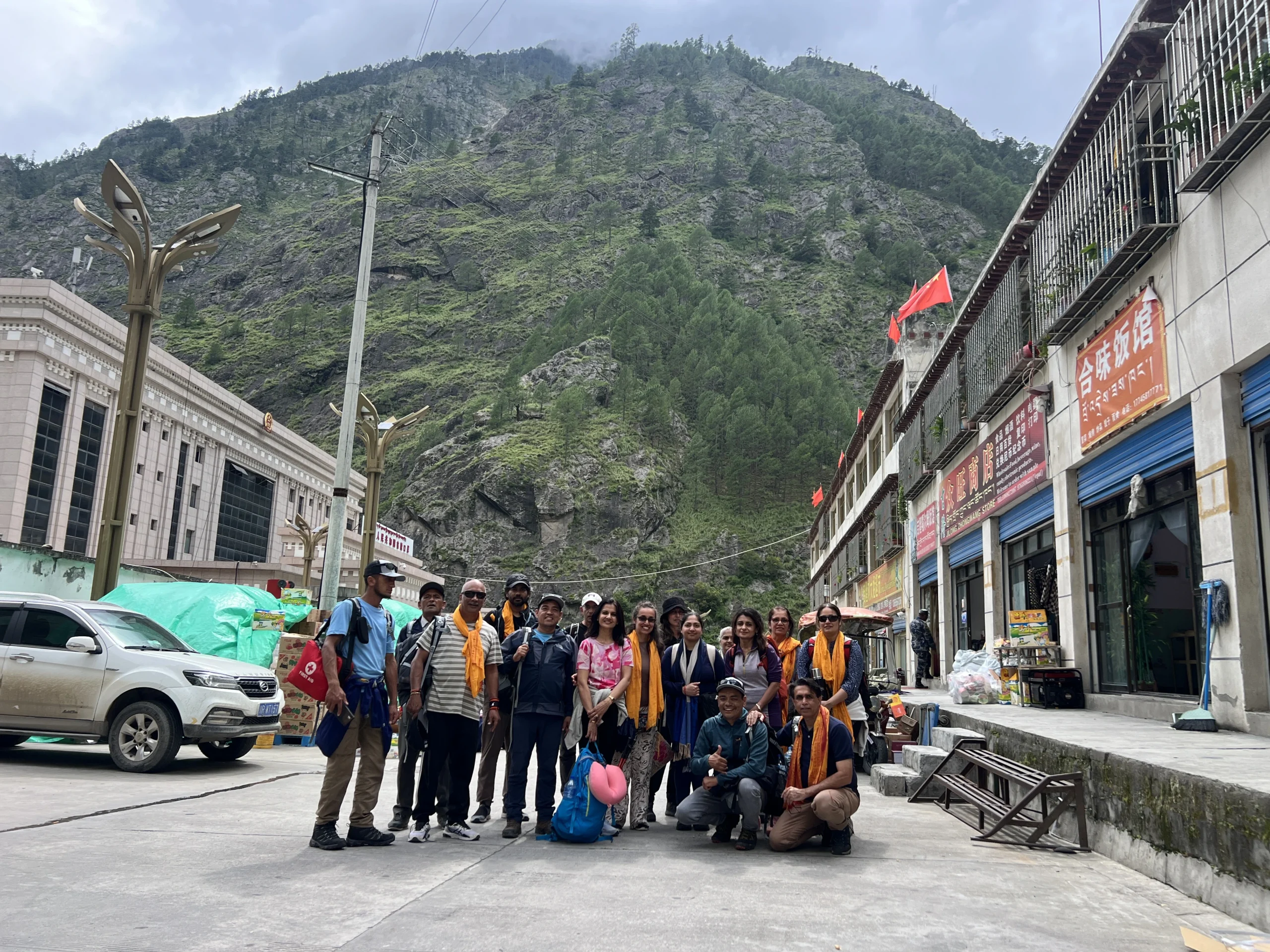
The best time (season) to go to the Kailash:
The best season to travel to Kailash from the Nepal side starts from early May to the end of September every year. As the weather is favorable like less rain, reliable temperature, sunshine, clear visibility and blue skies. Here are the month-by-month reports or trips, suggestions for those travelers and it is based on past experience. But the weather is unpredictable
May: May is the beginning of the season and it is still the spring season in Nepal and Tibet. The temperature is warmer, with sunshine and good visibility. To the higher sections of the route there can sometimes be ice and snow; it may demand good experience and proper physical and mental preparation. Those people who prefer to be in the Kailash region for good, clear darshan, May could be the best choice for you.
June: June is the perfect month to travel to Kailash, as the weather is bearable and sunny. blue skies and warm temperatures. There are higher chances to see the clear views of Kailash and the landscapes; the hills are more scenic. There is no ice or snow even in the higher sections of the route.
July: early July is fine, but from the second week of July, the real big monsoon enters Nepal and the lower section of Tibet, especially where Nepal and Tibet border. Sometimes the heavy rains bring landslides and floods too. But higher sections around the Mount Kailash and Lake Mansarovar region can be clear and dry, as the tibet stays drier with less rain most of the time. Still, it can be cloudy and not very clear visibility compared to June and May or September for July. but the temperature can be warmer and feel less chill.
August: August weather to travel to Kailash is similar to July. It can be the same as rain, with less visibility in the lower part of the region. But higher sections of the Kailash can be clear, with good views and less rain too. In the Nepal-Tibet border area floods can bring landslides and it may disturb the yatra, but still many pilgrims used to travel in August too. The temperature can be reasonable, with no cold and winds. Visibility is the same as in July. Since the world climate changes, the weather is unpredictable too; it can be different from when we are sharing information here. But this is based on the last 5-7 years of past experience.
September:September is the perfect time for less rain in Tibet. Sunshine can make a comeback in May or June. but the temperature starts to fall, but not a huge difference comes immediately. September brings clear weather, sunshine and much better visibility of Kailash and other mountain views. Temperature can fall and be chill after the mid september. If you want clear weather and are less worried about the cold weather, then we suggest you travel to do this in September, from after the second week to the end of the month.
I do not recommend going to Kailash after mid-October and in November and December. It is cold. But some people are still doing the tour, those who have prepared for the cold weather too. Sometimes the weather can be even warmer when it is sunny. But the visibility can be the best in October-November always. Peace and quiet are in April, October, and November since there is less travel used to visit the Kailash. Visiting Lhasa-Everest base camp from tibet side is still good to travel in October and November too.
Temperature chart table that we can feel during the Kailash mansarovar Yatra from may to september
| Month | Kathmandu | Lower Region of Route | Higher Region of Route | During Parikrama |
|---|---|---|---|---|
| May | 25–30°C | 22–25°C | 15–20°C | 10–12°C |
| June | 30–35°C | 25–28°C | 17–25°C | 12–15°C |
| July | 35–40°C | 28–32°C | 15–20°C | 13–14°C |
| August | 35–40°C | 28–32°C | 12–15°C | 12–14°C |
| September | 25–30°C | 18–20°C | 10–12°C | 8–10°C |
| October | 20–22°C | 12–15°C | 8–10°C | -4 to 5°C |
| November | 12–14°C | 8–10°C | 2–4°C | -10 to -20°C |
Note: during the nighttime the temperature falls slightly every month. During May, June, July and august you won’t feel cold even at night, but in september and early may can feel it cooler at nighttime.
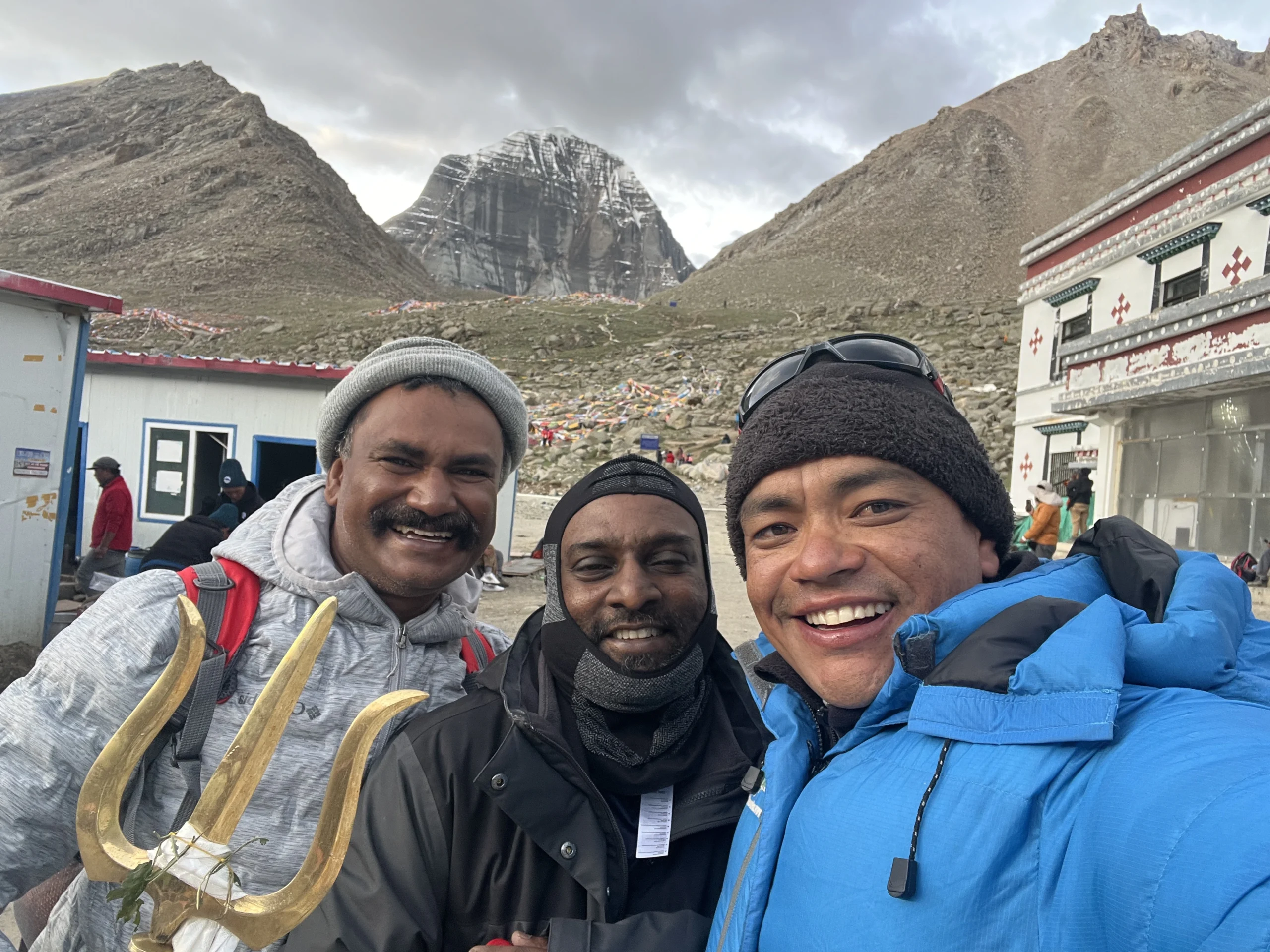
Kailash yatra difficulty and preparations:
Mount Kailash is located in the high Himalayan range in tibet, china. And everyday since we left Kathmandu for Kailash yatra, we have reached different altitude levels and atmospheres, which demands the yatra difficulty. The beginning of the yatra lies below the 1300m Kathmandu from sea level, but slowly the route leads us to higher sections of the route, which lie mostly between alt. 4500m to alt.5600m on the top of the dolmala pass. During the Kailash parikrama everyday you have to walk from 6 to 10 hours with ups and downs, which is required for the challenge of the yatra.
We spend several nights at high altitude, around alt. 4500 – alt. 4800 m from sea level and it is another challenge to get used to it. Most of the days we drive through the high hills and mountain ascents and descents throughout the journey. In the mountains, when we feel less oxygen on our buddy, we have difficulty breathing. As the tibet is dry lands , less tress , the oxyzen we feel less above the 3000m. But when we get used to it, then we don’t feel it.
To avoid difficulties of yatra and altitude sickness for the Kailash-Mansarovar yatra, the best physical and mental preparation can play the main role.
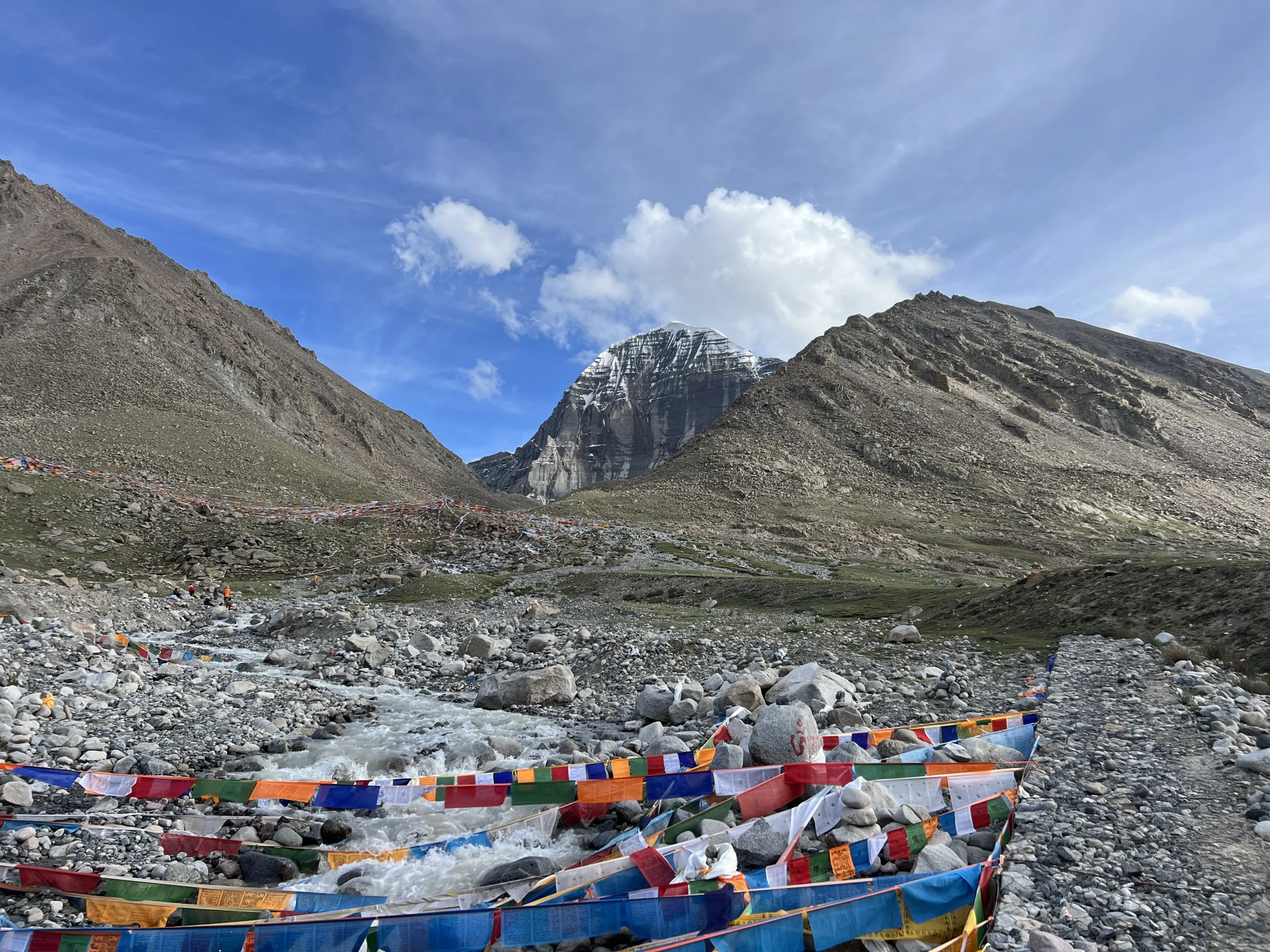
Here are the 10 top tips for how to prepare for Kailash yatra to avoid all obstacles:
- Start Physical Training at Least 2-3 months in advance. Start to do regular walking, jogging or hiking aim for 5-10 km daily gradually increasing the speed and duration
- Kailash Yatra is not a luxury trip . So make sure you are mentally prepared to adjust with the limited facilities and Parikrama days will be mentally and physically exhausting.
- Consult your doctor before the yatra especially if you have heart issues,asthma, high blood pressure or diabetes. Carry some prescribed medicines and follow medical advice strictly.
- Makes sure your passport has at least 6-8 months validity.
- Kailash Yatra involves strict rules form guides and local authorities. So be respectful and follow the rules of the government.
- Make sure you pack all the necessary equipments and if you dont find any of it in your hometown you dont need to worry you will find many shops in Kathamndu Thamel , where you can buy the euipments needed.
- Always choose the trustworthy company . While choosing the agent many people choose while comparing the budget , please make sure to see whats included on the package as many company butter up the things in advance only to disappoint later . Check their reviews , itinerary etc as its your once-in-a-lifetime journey.
- Set a clear Intention for the yatra weather spiritual, emotional or personal having a clear intention will help you maintain the focus and strength during the challenging moments.
- Get the comprehensive tour insurance covering the high-altitude emergencies, medical evacuation and trip delays before starting the yatra.
- While you are on the tour during parikrama dont get too excited and at the first day walk very fastly pace yourself gently -don’t push yourself to hard . Listen to yor body
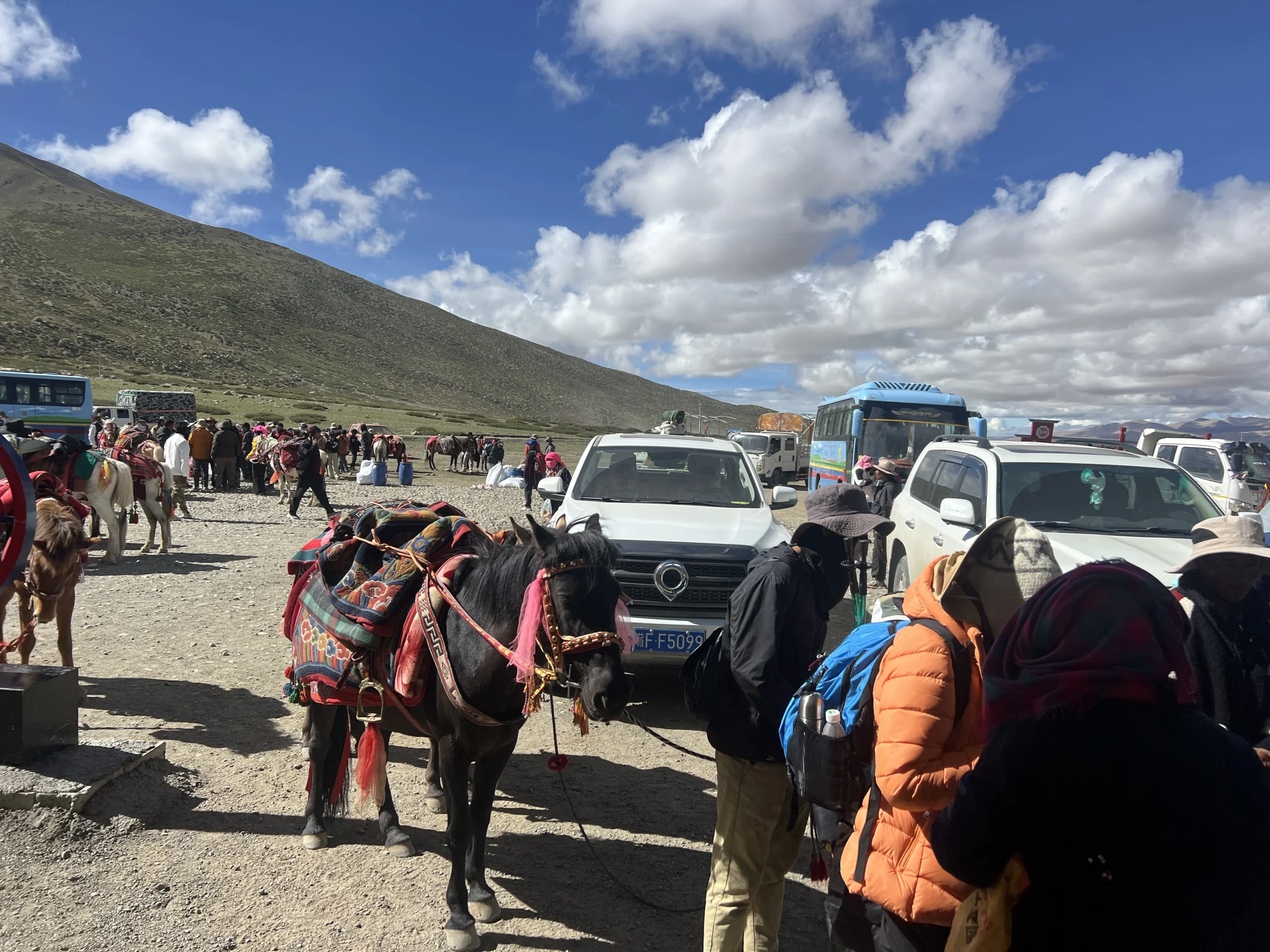
Fitness level for Kailash Yatra
The Kailash Yatra is physically demanding because of the high altitude, long walking days and challenging terrain. Mostly during the 3 days of parikrama where you have to cover up the 52 km and highest point being Dolma La pass at 5600m. Although you can take horse and horse man during those parikrama days but note that altitude is gradually increasing and from the Top of the Dolma La pass to the phedi you have to walk eventhough you have hire horse as horse cannot walk in steep descents. It’s like 2-3 hrs walk . This concludes that good physical fitness is essential inorder to complete the yatra safely and comfortably.
Pilgrims should walk like 6-7 hrs a day on uneven paths, handle the up hill climbs and manage the steep descents during the parikrama . Endurance, stamina, and strong leg muscles are crucial as well as the ability to adapt to high-altitude condition where oxygen level gets lower.
You don’y need to be an athlete but the regular cardivasculir training, trekking practice and daily walking or jogging for a few months before the journey wil make a huge difference. Simple exercies like stair climbing, squats and lung strengthening routes will help you prepare your body for long hours on your feets.
Mental fitness is just as important as physical. The yatra can be exhausting and sometimes uncomfortable due to cold, dryness and limited facilities so patience , determination and a calm mindset are key to completing the yatra.
Permits and Documents for the Yatra
Tibet Travel Permit (TTP)
- Issued by Tibet Tourism Bureau (TTB)
- It allows Travel throughout the Tibet
- Includes participants details, travel itinerary, arrival and Departure dates
- You cannot change the plans individually , as you get the TTP in group all the members must follow accordingly.
Process
- Submit your personal documents to the Licensed Tibet travel partner
- Tibet agents will submit it to TTB and then invitation letter will be issued
- Invitation letter is needed for the chinese group visa
- Original TTP will be collected bu the guide at kyirong border.
2. Chinese Group Visa
It is mandatory unless your country is on visa-free list (45 countries including Australia, France, Austria etc to know more click here:
Required documents:
- Invitation letter form TTB
- Hotel Booking approved
- Original Passport
- Passport Scan ( colored , 2 blank pages )
- Photo (48x33mm white background, face clear, no accessories, recents photo less thna 3 months)
- Embassy will take your passports during the processing and returned after the approval
Group rule : All the participants must enter and exit bia same route together
3. Nepal Visa
Those citizens who doesnot get the free-visa for tibet needs to get the nepal visa before arrival in nepal . It is requires for the visa processing .
Updated Tibet Visa Process. (Since june 2025)
Tibet Visa process has now 2 stage
Stage 1: Online submission
In this phase we have to send your personal documents like passport scan , photos, scan of passport 2 blank pages, form,Nepal visa, invitation letter, hotel booking approval on online so we need your nepal visa before your arrival as it tales like 2-3 days fpr approval so before your arrival we can get the approval an move onto second phase
Stage 2: Physical Documents Submission
In this phase we will send the physical documents so, as soon as you arrive in kathmandu we will get your physical passport , It takes like 3-4 working days inorder to get the visa and once we get the visa we will return your passport
Please note: This was how it was like this year. So this year it might change or not as its not in our hand once we get update we will inform all our yatris. From your Side please fill the documents we provide correctly so that we can avoid the visa rejection.
Why Travel Insurance is Essential
- High-Altitude journey (4500-5600m) comes with risk of altitude sickness, faigue, and cold-related issues
- Remote locations with limited medical facilities make emergency expensive and difficult
- Insurnace provides financial protection and peace of mind during the journey
What Insurance Should Cover
- High-altitude emergencies (up to 6000m or higher)
- Medical treatment and hospitalization
- Emergency evacuation or helicopter rescue
- Trip cancellation or delays
- Loss of baggage or personal belongings
- Accidental death or disability
When to Arrange Insurance
- Before leaving your home country
- Ensurance policy is valid for the entire duration of the yatra
- Keep printed and digital copies of the policy
- Share your insurance details with the tour operator or group leader
Tips for Kailash Yatra
- Read the policy carefully to check the exclusion ( some policies high-altitude travel)
- Don’t solely rely on personal funds – insurance is mandatory for the emeegency
- Having insurance allows you to focus on the spiritual and physical journey without unnecessary worry.
Why Book Kailash Yatra with us from Nepal
- Nepal is the most reliable and accessible route for Kailash Yatra with higher success rate
- We arrange all the Tibet permits , Chinese group visa, hotel booking in tibet and kathmandu, food arrangements everything , making the process smooth and stress- free
- Early birds discounts availabel for advance booking , including special january offers
- Group join options available for solo traveler
- Transparent packages with no hidden cost and clearly mentioned inclusion
- We have more then decade of experience organizing Kailash Yatra with a high success and satisfaction rate
- Well-managed acclimatization schedule designed for pilgrims of all age groups including senior citizens
- Pre-Yatra spiritual arrangements in Kathmandu including Pashupatinath Darsham, Rudri Puja and Hom Puja to begin the journey with blessing
- 24/7 tour coordination support from arrival in Kathmandu until safe departure.
- Medical preparedness including First-aid kits, oxygen cylinders and experienced staff trained to handle the altitude-related issues
- Carefully selected hotels and hygenic meals including vegeterian meals throughout the yatra
- Excellent client Feedback and repeat travelers with strong reviews on Google and TripAdvisor
Final Say: Kailash Mansarovar Tour Package from Nepal
Kailash Mansarovar Tour Package from Nepal remains the most preferred, practical, and spiritually enriching option for pilgrims planning the sacred Mount Kailash Yatra. Traveling via Nepal not only offers better acclimatization due to gradual altitude gain but also provides the rare opportunity to seek blessings at the holy Pashupatinath Temple before entering Tibet. Easy group visa processing from Kathmandu, scenic Himalayan landscapes, and well-structured itineraries make Nepal the ideal gateway for this once-in-a-lifetime pilgrimage.
Bookings for Kailash Yatra are currently open for 2026. This blog has highlighted everything that a pilgrim needs to know before booking a tour to Kailash Mansarovar from Nepal, which involves planning the itinerary, best travel season, cost considerations, packing requirements, and the importance of choosing a professional and experienced tour organizer.
Nature Explore Trek team professionally organizes the Kailash Mansarovar Yatra since 2003. With decades of experience and a dedicated expert With decades of experience and a dedicated expert team, we understand the spiritual significance, safety requirements, and comfort needs of every yatri. Our commitment is to provide a smooth, well-organized, and spiritually fulfilling journey to Mount Kailash.
For more details about the Kailash Mansarovar tour package from Nepal, we invite you to read our latest TripAdvisor and Google reviews or directly connect with our expert team leader on WhatsApp: +977-9851131287.