
 English
 Dutch
Dutch Japanese
 Hindi
Hindi Italian
 Spanish
 French
 German
 Chinese
 Korean
 Arabic
 Hebrew
 Russian
 Portuguese
 Danish
 Czech
Czech Polish
 Swedish

Mount Kailash and Lake Mansarovar in Tibet have significant value geographically and spiritually. This place draws a large number of people around the world seeking enlightenment and exploration of Himalayan beauty, and is popularly known as the “abode of Lord Shiva”.
The yatra is sacred for Hindus, Buddhists, Jains, and followers of Bon, where each tradition relates the mountains and lake to themes of creation, divinity, and liberation. A pilgrimage to Kailash Mansarovar is regarded as an effective method for absolving one’s sins and providing a pathway to salvation.
Kailash Mansarovar can be accessed via Nepal or India. You will get many scenic experiences, and the route is easily accessible from the Nepal side. The Indian route is based on ancient routes but operates a more regulated system, passing through Uttarakhand and Sikkim.
This blog outlines the cost, itinerary, permits, weather, and difficulty of the trek and answers the most commonly asked travel questions for the yatra pilgrimage in 2026/2027. With good planning, your Kailash Mansarovar yatra can be a life-long memory.
Why Start the Kailash Yatra from Nepal?
Beginning the Kailash Yatra from Nepal is a more straightforward entrance, along with excellent logistics backup, and therefore is most popular among international travelers wishing to experience ease of travel. Nepal has organized tour operators who comprehensively manage all required permits, hotels, and guides.
As far as routes from Nepal to Kailash, the popular list of route options is fairly short, including:
- The Lhasa (Kyirong) overland route
- The Simikot-Hilsa trekking route.
If you take the Kyirong overland route, you will be relying on a legitimate and safe driving route from Kyirong to Nepal’s border with Tibet. Additionally, you will get an opportunity to view the mountain scenery from a car rather than trekking.
If you take the Simikot-Hilsa route, you will be taking a mix of flights along with trekking routes through the more remote Himalayan mountain landscape unless you opt for the helicopter option.
The more commonly used starting points for traveling to Kailash from Nepal are Kathmandu, which is the central hub for Kailash Yatra paperwork; Hilsa, which is directly on the border and across from Tibet; and Simikot, which is also a base for other kinds of trek or helicopter options with a loading limit.
All the starting points are flexible enough that you can walk or travel as far out of your comfort zone as you’re comfortable, with various route options available.
In addition to the many layers of religious and scenic highlights on a pilgrimage route visiting Kailash from Nepal, the traveler has the added purpose of connecting with the intriguing Tibetan villages of the old Silk Road, and the hues of the many cultural adventures. Not to mention awe-inspiring Himalayan scenery at every turn.
Overall, Nepal is an easily accessible, culturally rich, and well-organized point to start your Kailash Mansarovar Yatra. It is a journey that mixes comfort, natural beauty, and spirituality, enriching the travel experience.
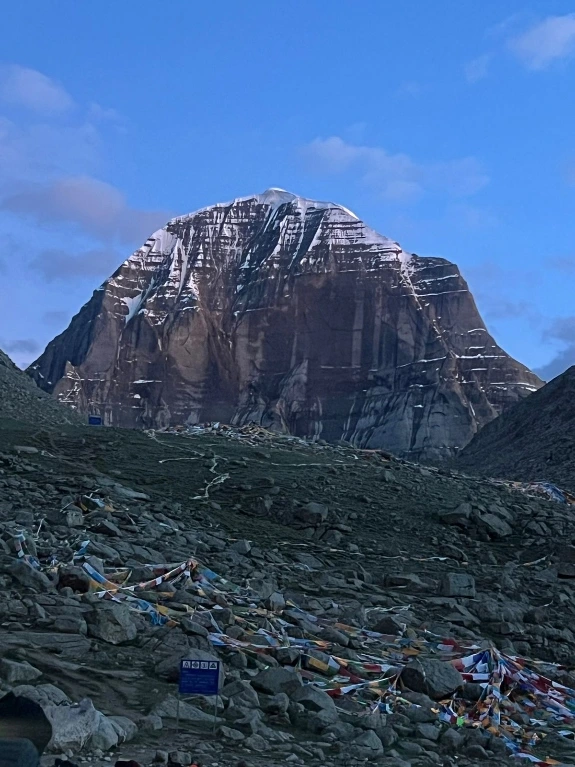
Cost of Kailash Mansarovar Yatra from Nepal (2026/2027)
• Average price range:
The approximate average cost of the Kailash Mansarovar Yatra 2026/2027 from Nepal ranges from $2,500 to $4,500. The variation in cost is because of the different routes and services you may or may not take. Overland versus helicopter routes and types of packages will vary significantly.
• What’s included:
What is included will typically cover permits, lodge/guest house accommodation in Nepal, meals, local transport, guides, yak/porters, and emergency backup as per regulations. Thus, this ensures a full pilgrimage experience on the route from Nepal to Kailash Mansarovar and the route back to Nepal, with as little hassle to the pilgrim as possible.
• What’s not included:
The cost of the package does not include the pilgrim’s expenses (snacks, drinks, medicines, etc.), International flight to Nepal, visa cost, travel insurance, or tips or gratuities. The pilgrims should consider these costs separately, as they are dependent on their expenses based on their preferences and nationality.
• Cost variation:
The cost will vary based on other factors such as group tour vs private arrangements, standard vs luxury packages, and the passport holder – Indian passport holders’ costs may differ from foreigner costs. Costs in a group tour tend to benefit from economies of scale compared to private arrangements.
Best Time to Go: Weather by Season
If you are planning to go on the Kailash Mansarovar Yatra in 2025/2026, then plan your schedule from May to September because the weather is good for trekking and travel. This month has comfortable temperatures for traveling and has the least amount of precipitation, clear skies, and manageable terrain.
The months of June to August could be classified as the pilgrimage peak months because full moon dates are very popular for pilgrims. Expect the highest number of travelers in these months with temperate weather and longer days, which is exceptional for trekking and spiritual practices.
Ready to book your trip with us? Fill out the inquiry form below
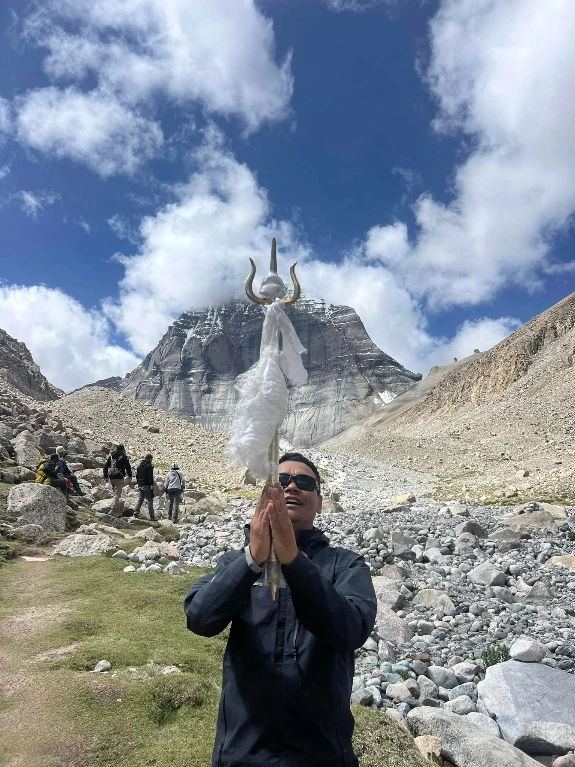
Here is a month-by-month breakdown of the conditions:
May: Expect temperatures to be between about 5 °C and 16 °C with very little rainfall, which is great for a starting month for the pilgrimage.
June, July, August: Summer months will provide temperatures of about 15-17 °C during the day. Rainfall may come in, but it typically does not seriously affect trekking.
September: Temperatures are starting to cool down, 8-13 °C. There is potential for rainfall, but it will likely not severely impair visibility or trekking.
October: Temperatures will be a little cooler (3-7 °C) with less likelihood for rain. Visibility would be good as well as clear skies for a pilgrimage, but cooler nights will start to emerge. Additionally, early snowfall may start to appear.
The visibility of Mansarovar Lake and Mt. Kailash is generally very favorable from May to June and from September to October. These times provide clear skies, more so than full dark grey clouds and rain in the peak monsoon months. That said, the lake and landscape in the monsoon season are nothing short of beautiful.
First-timer planning Mt. Kailash Yatra and need some rookie tips for those making this trip from Nepal then click on this link to now better
Difficulty Level and Physical Preparation
The Kailash Kora (parikrama) is a high-altitude trek of up to 5,650 meters (18,500 feet), over 54 km in 3-4 days. This journey involves steep ascents, rough, rocky trails, and so on, requiring a good deal of physical stamina and adjustment to low atmospheric oxygen.
• Who can go?
Most people suited to undertake the yatra are healthy individuals classified as able-bodied, generally between the ages of 18 and 70 years, who are fit and have a good cardiovascular fitness level. They shouldn’t have significant mental or respiratory conditions, and can prepare themselves for high altitude.
• Risks:
The most significant risks in trekking include Acute Mountain Sickness (AMS) and other high-altitude conditions resulting from lower oxygen levels at high altitude, as well as dramatic weather conditions. The potential for rapid weather changes leads to hypothermia and frostbite; it is paramount to acclimatize and prepare well.
• Recommended training:
In general, blood circulation can be improved with vigorous cardiovascular activity such as walking, running, cycling, etc. You can also do strengthening (legs and core), breathing activities, and flexibility stretching months before the trek.
• Emergency evacuation protocols
The typical emergency evacuation protocols should provide helicopter rescue options. Backup vehicles are organized by the tour operators if there are any altitude sickness or medical emergencies during the trek to address problems in a short time during the yatra, to keep pilgrims safe.
Permit & Visa Requirements
The Tibet Travel Permit (TTP) is required for entrance into Tibet, including Mount Kailash and Lake Mansarovar. This can be issued by the Tibet Tourism Bureau and travel agencies that operate the Kailash Mansarovar Yatra. Independent applications are not accepted.
You will also require an Alien Travel Permit to visit areas beyond Lhasa, including Mount Kailash and Lake Mansarovar. You can get this permit with the help of a Tibet tour operator.
Chinese Group Visa – All non-Indian pilgrims will require a Chinese group visa for the Yatra, which is issued as a group collectively by authorized tour operators through the Chinese Embassy located in Kathmandu. The other type of visa, individual Chinese tourist visas, will not work for the Kailash Yatra since the group visa is mandatory for the journey.
Indian passport holders have special arrangements through the Indian Government and authorized travel agencies. Therefore, the Indian passport holders still have to obtain the Tibet Travel Permit and the group Chinese visa, but have a separate processing route and sometimes different costs. The travel must then be through the government-sanctioned group tour, and an independent application is not allowed for Indian passport holders.
The Kailash Mansarovar Yatra requires a minimum group size in order to obtain permits and a group visa, which are usually arranged by a tour operator. The pilgrimage should be booked as early as possible (ideally 4-6 weeks before departure) in order to acquire permits, gather documentation, and confirm visas and permits for processing without delays.
Cultural and Spiritual Highlights
It is believed that a dip in the sacred Mansarovar Lake will purify your soul, remove sins, and lead to spiritual change. Pilgrims perform puja and meditate on the tranquil banks as they receive blessings and perform rituals practised by Hindus, Buddhists, Jains, and followers of Bon.
Dirapuk and Zuthulpuk Monasteries are important spiritual destinations on the kora. Establishments of solitude and rest, they also offer blessings and are linked to the legend of enlightened saints and sacred relics, continually supporting the spiritual significance of the Kora.
Places like Tirthapuri and Rakshas Tal are steeped in mythological significance. By completing the kora, one achieves a certain spiritual liberation, meaningfully encompassing the entire journey toward the ultimate truth.
Accommodation & Food During the Yatra
Accommodations on the Kailash Mansarovar Yatra are basic, mainly consisting of guest houses, mud houses, and communal tents on the route. The accommodations are simple but practical and give you basic bedding and shelter in small towns and in the wilderness of some Himalayan villages and monasteries.
Food is basic and vegetarian. You can find dal bhat, noodles, soups, and hot tea in teahouses. It is wise to bring water purification tablets, as the tap water along the way is not always clean, and not all accommodations will provide filtered water. Also, bring a basic hygiene kit including sanitizer, wet wipes, and trash.
Packing List for Kailash Mansarovar Yatra
Pack a down jacket, thermal base layers, waterproof clothing, hats, gloves, thick woolen socks, good trekking boots, etc. Additionally, for sun protection, bring UV sunglasses, a sun-protecting hat, and sun cream.
For altitude sickness, prepare a medical kit with prescribed medicine and Diamox in case altitude sickness becomes severe. Pack paint acts, rehydrating salts, antiseptic creams, Band-Aids, etc. Lip balm, eye drops, and personal toiletries are also beneficial for maintaining hygiene.
Additionally, pack trekking poles, a day pack, a sleeping bag, headlamps with extra batteries, and rain protection gear. Boots should be fit and broken in before the trek for your comfort when walking across mountains.
You will need high-energy food (energy bars, dried fruits, and chocolates), reusable water containers, and portable water purification options (chlorine/iodine tablets, filters, or UV purifiers). It is particularly important to seek a supply of safe freshwater and nutrition on long day hikes in the mountains.
Carry original copies and multiple photocopies of: a valid passport, permits, group visa, route approvals, and passport-sized photos. You can carry a money pouch and a small notebook for daily essentials and quick access, to be used for document checks at border crossings (permitting & visa).
Tips for a Successful Yatra
- Stay extra days in Kathmandu or Simikot to acclimate your body before you begin the high-altitude yatra.
- We recommend arranging your yatra itinerary around the full moon for added spiritual context and specific rituals.
- Buy travel insurance that is specific to high-altitude sickness and emergency rescue.
- At all times, be respectful to local customs, monks, and religious sites along your journey.
- Follow all high-altitude safety regulations, take your time, and listen to your guides to avoid sickness.
- Bring some of your expenses in Chinese Yuan, as ATMs are hard to find in remote border areas.
FAQs
• How long is the Kailash Kora trek?
The Kailash Kora trek is about 52km (32miles) and usually completed in three days.
• Is prior trekking experience needed?
Previous experience at altitude is not a requirement; however, good physical fitness and acclimatization are advisable.
• Can senior citizens do this yatra?
People over 70 years old can participate if they are medically fit, and those who are older than 70 should be extremely healthy and given approval by tour agencies.
• What is the altitude of Mt. Kailash and Mansarovar?
Mt. Kailash is 6,638m (21,778ft), and Lake Mansarovar is 4,590–4,600m (15,100ft).
• Do I need oxygen support during the trek?
Many healthy travelers manage without oxygen support, though altitude affects individuals differently.
• Can I do the Kora on a horse or yak?
The Kora can be done on horseback/yak for participants needing assistance. However, for some rough areas, people must still walk.
• Is the Kailash climb allowed?
Climbs of Mt. Kailash are not permitted out of respect for religious beliefs and are prohibited by local authorities.
• Is photography allowed around Mt. Kailash?
Yes, you can have photo opportunities around Mt. Kailash. However, precautions exist around monasteries (no photography in monasteries) and some religious sites, as well as some prohibitions against photographing with drones unless approval is given.
• What if I get sick during the trek?
If you fall ill or need assistance, a variety of options exist, including oxygen supplies, basic treatment, or emergency transport via vehicle/helicopter.
• Are single travelers allowed?
Independent travelers are generally welcome and accepted if they travel as part of an organized group; however, the authorities do not acknowledge solo or independent travel due to the permit regulations.
• What are the rules for Indian passport holders?
Indian passport holders must apply through Indian government-approved agencies and must travel in a group with special permits.
• How early should I book the yatra?
Book your yatra at least 4-6 weeks in advance for permits and processing of your group visa, and whenever possible, sooner if visiting during peak months.
• Do I need to carry my food?
You do not need to carry all of your food as vegetarian meals are provided, but it is best to bring some snacks along.
• Is a satellite phone allowed or available?
Satellite phones are generally not permitted; there may be a few for emergency purposes only, once approved by your guide and obtained following local regulations.
• What are the emergency evacuation options?
Emergency evacuation is ultimately by road, jeep, or helicopter, and arranged through the tour operator, in the event of a medical emergency due to severe illness or altitude-related problems.
Final Thoughts
The Kailash Mansarovar yatra embodies the highest form of spiritual energy converging with the majestic Himalayan backdrop. Making the journey embodies more than an adventure; it represents a spiritual journey towards transformation and internalized peace.
This experience will be one of a lifetime, and therefore will ask for serious consideration and respect for the land and the living traditions of the people of this land. In preparation, it will be necessary to physically and mentally adapt within the hills of the Himalayas and respect the people and their ways.
The operator, route, and timing all contribute to the experience. Get ahead of your planning for the 2026/2027 year. Determining the balance between comfort and spirituality will lead to a safe journey. Ultimately, most importantly, having a yatra that is tr