
 English
 Dutch
Dutch Japanese
 Hindi
Hindi Italian
 Spanish
 French
 German
 Chinese
 Korean
 Arabic
 Hebrew
 Russian
 Portuguese
 Danish
 Czech
Czech Polish
 Swedish

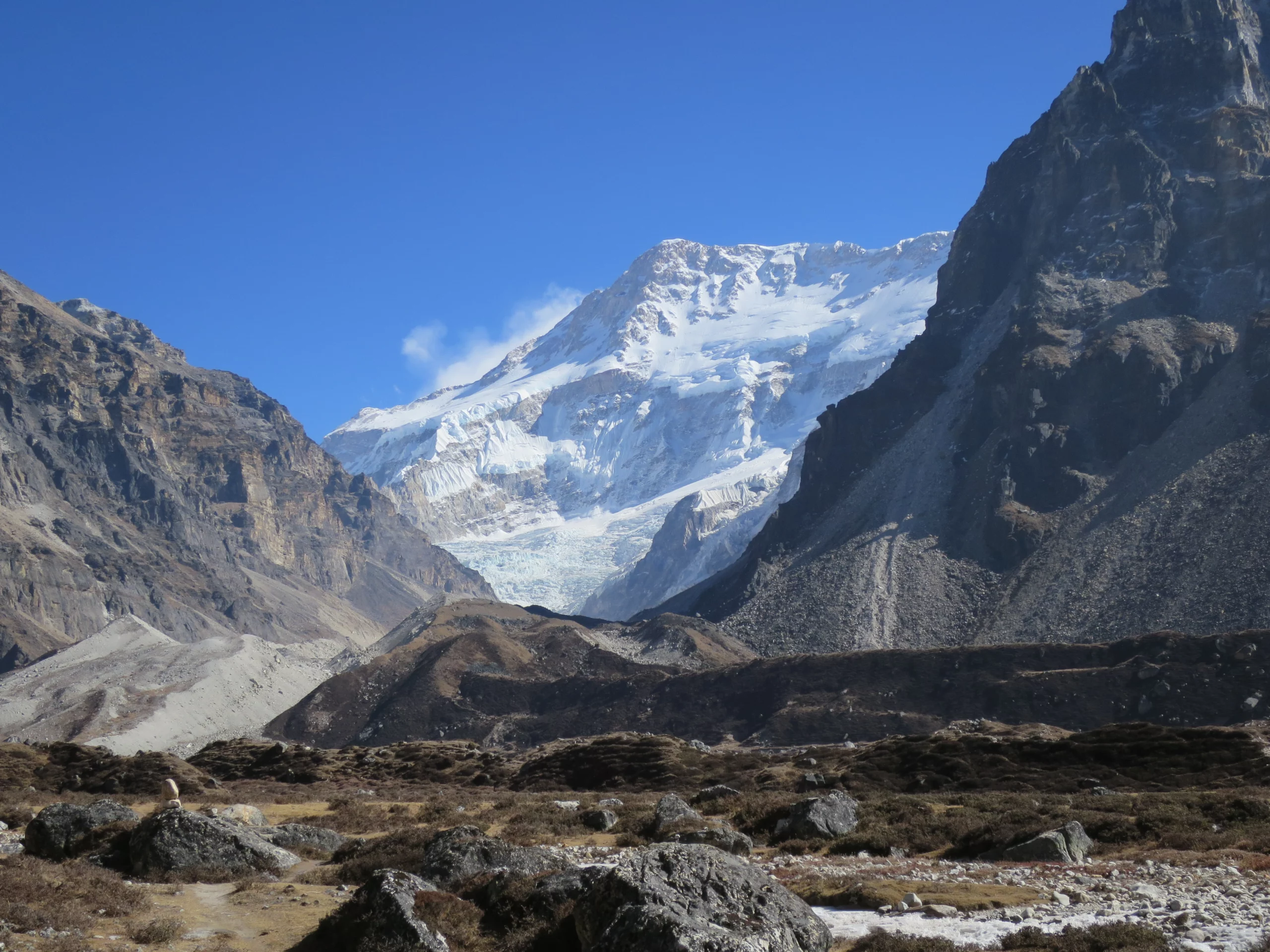
Kanchenjunga Trek Weather by Month varies by altitude and season, with lower valleys staying mild while higher alpine regions remain cold throughout the year. The Kanchenjunga region is a wild and remote area. It is one of the best but hardest and most challenging places to trek. Mt. kanchenjunga is the world’s third highest peak at 8,586m, which is supported by Jannu (Kumbhakarna, 7710m, 25300ft), Chhang Himal, and many more snowy peaks. It offers limbu and rai village, cultures, and untouched forest while trekking in Kanchenjunga. The trail passes through high mountain passes, villages of culture, and valleys, providing an awesome scenario of nature and himalayan culture.
The Kanchenjunga trek can be done throughout the year but the best seasons for trekking are during the autumn and spring seasons, when the weather is stable, the skies are clear and additional group departures are available. These periods offer the perfect balance of beautiful scenery, safe trail condition and comfortable temperatures.
Spring Season (March-June)
The spring season begins after winter ends, from March to mid-june every year. Spring offers Flowers, lush valleys, and a mild trekking climate. The temperature of this season is warmer and dry. This season is perfect for those who want less mud and mostly melted snow.
Autumn Season (september-November)
The Autumn Season starts in september after the monsoon ends. This is the season where it offers clear skies, reliable weather, mountain views, landscapes, and hills. This season is also known as the festive season in nepal,which are big festival and they are Dashain, Tihar, Chhat, Loshar, mane ramdu.
Here is the monthly report for Kanchenjunga Trek
Kanchenjunga Trek in January:
January is also the month of the winter season, which is one of the coldest months of kanchenjunga trail. The areas in the higher region will be covered by heavy snow. Many high passes and base camp routes will not be accessible. You can clearly view the mountain due to the clear weather. This month is only recommended for the expert trekkers who are fully prepared with the winter gear. The temperature that will be reached in the lower region is 8 to 12°C in the daytime and 0 to 4°C at night. And the temperature reached in the higher region is -8 to -3°C in the daytime and -15 to -22°C at night.
Kanchenjunga Trek in February:
February is also considered a winter month. In this month, the temperature starts to warm up in the lower region but is cold in the higher region. You can get clear visibility of skies in this month. The temperature reached in the lower region is 10 to 15°C in the daytime and 2 to 6°C at night. And the temperature reached in higher regions is -6 to -2°C in the daytime and -14 to -20°C at night. This season is perfect for those who want to trek, enjoy view and play with snow.
Kanchenjunga Trek in march:
March is just the beginning of the month of june. In this season, it’s more reliable to trek and offers blooming rhododendrons in mid-altitude, and landscapes become green. The temperature in Lowest region of the trek is 12 to 18°C in the daytime and 4 to 8° at night. And the temperature in the highest region of the trek is -3 to 2°C in the daytime and -12 to -18°C at night. Days became warmer and nights became so cold in these months.
Kanchenjunga Trek in April:
April is also one of the best months to trek kanchenjunga. In this month, Kanchenjunga offers clear skies and awesome views of himalayas. Also, Rhododendron forest are at their peak bloom. The temperatures are suitable for the trek. Temperature in the lowest region reached 15 to 22°C in the daytime and 7 to 10°C at night. And in the highest region it reached 0 to 5°C at daytime and -10 to -15°C at night.
Kanchenjunga Trek in May:
May is the last month before the monsoon. Highest region are colder but its suitable for trekking in this month. Kanchenjunga offers clear skies in the morning and maybe cloudy skies in the afternoon. The temperature reached in the lowest region is 18 to 25°C in the daytime and 10 to 14°C at night. And the temperature reached in the highest region is 2 to 7°C in the daytime and -6 to -12°C at night. Weather is unpredictable so there is a chance for pre-monsoon showers.
Kanchenjunga Trek in June:
June is the beginning of Monsoon. In this month, the trail will be slippery and wet in the lower region and filled with leeches. Clouds block out the views of himalayas and mountains and high risk of avalanche. The temperature reached in the lower region is 20 to 27°C in the daytime and 12 to 16°C at night. And in the higher region the temperature reached 4 to 8°C in the daytime and -4 to -10°C at night.
Kanchenjunga Trek in July:
July is in monsoon and this is a month that is less recommended for the trek. In this season, there will be heavy rainfall, which can cause landslides, slippery trails, and avalanches, and you will not get the proper view of the himalayas. The temperature reached in the lower region is 22 to 28°C in the daytime and 14 to 18°C at night. And the temperature reached in the highest region is 5 to 9°C in the daytime and -3 to -8°C at night.
Kanchenjunga Trek in August:
August is also the monsoon month. This month trek is possible but very hard to succeed. The trail is muddy, and the trail becomes dangerous. Most of the area during the trek is colder and wet. No clear views of mountains in the monsoon. The temperature reached in the lower region is 22 to 27°C in the daytime and 13 to 17°C at night. And the temperature reached in the highest region is 5 to 10°C in the daytime and -2 to -7°C at night.
Kanchenjunga Trek in september:
September is just the beginning of Autumn season. In this season, kanchenjunga offers clear skies, fresh air, and reliable weather. In this season, the temperature reached 11° to 19°c at the daytime and 7 to 5°C at night and the lowest altitude for the trek is 2,000 m and the highest altitude is 5,100 m, where the temperature reached for the highest altitude is 0 to 5°c at the daytime and -8 to -12°c at night. As the weather is unpredictable and global climate changes, we can’t guarantee exactly 100%, but we can tell you based on the past years experience that normally from mid september the weather is good and visibility is clear.
Kanchenjunga Trek in October:
October is the second-best autumn season for this trek. In this trek, it offers clear skies and views of himalayas. In early October the weather is still rainy and cloudy, as we have experienced for the past 5-7 years and After the mid october its changes are clear and it makes everyone feel that autumn is back with the clear weather and sunshine. The Precipitation for this trek is very low. At high altitude it might be snow. The temperature reached in the lower region is 12 to 17°C at daytime and 3 to 0°C at night and in the higher region it is –2 to 4°C at daytime and –10 to –15°C at night.
Kanchenjunga Trek in November:
November is highly recommended to all adventure lovers, as the weather is much clearer, with blue skies and clear visibility. If you are a photographer or making some nice pictures and videos from the kanchenjunga, November is the best month to do the Kanchenjunga Trek. The temperature in this season at lower regions reached 8 to 14°C at daytime and 0 to –3°C at night and in higher regions it reached –4 to 2°C at daytime and –12 to –17°C at night.
Kanchenjunga Trek in December:
December is the beginning month of winter. In this month, we can see snowfall and the trail is fully covered by heavy snow. The temperature will be freezing in the higher region and the common days are shorter than other seasons. The temperature reached in the lower region is 8 to 14°C in the daytime and 2 to 6°C at night. And the temperature reached in the higher region is -6 to -12°C in the daytime and -15 to -20°C at night. Trekking is possible with proper cold-weather preparation but highly recommended not to trek in this season.

Best time to trek Kanchenjunga
Best months:
March, April, October, and November are the best and peak months for kanchenjunga Trek. In these months, you can get clear skies, proper Himalayan views, rhododendron blossoms, flora and fauna, and traditional and cultural villages of rai and limbu. The trails are highly busy during these months; many trekkers start to adventure and trek to the different parts and places of nepal, and kanchenjunga is also one of them.
Good months:
Late September and Early December are also recommended to trek the kanchenjunga region. In these months, Late september is the most reliable time for the trek and early december is in winter season, which is best for those who enjoy snow which offers spectacular views and clear skies. These months are highly demanded for the trek due to weather, temperature, and scenarios.
Avoid months:
June–August (monsoon) and January–February (deep winter) are less recommended for the trek. The trail is filled with heavy snow during winter and leeches during monsoon. You will not get a clear view and scenario of mountains due to clouds and the weather in higher regions. Tea houses and many viewpoints are closed in these months due to cold. These months are only recommended for those who are fully prepared with cold gear and experienced trekkers.
Ready to book your trip with us? Fill out the inquiry form below
Temperature Table
This table helps to find the best month, including temperature in lower and higher regions.
| Month | Lower Region Day (°C) | Lower Region Night (°C) | Higher Region Day (°C) | Higher Region Night (°C) |
|---|---|---|---|---|
| January | 8 to 12°C | 0 to 4°C | -8 to -3°C | -15 to -22°C |
| February | 10 to 15°C | 2 to 6°C | -6 to -2°C | -14 to -20°C |
| March | 12 to 18°C | 4 to 8°C | -3 to 2°C | -12 to -18°C |
| April | 15 to 22°C | 7 to 10°C | 0 to 5°C | -10 to -15°C |
| May | 18 to 25°C | 10 to 14°C | 2 to 7°C | -6 to -12°C |
| June | 20 to 27°C | 12 to 16°C | 4 to 8°C | -4 to -10°C |
| July | 22 to 28°C | 14 to 18°C | 5 to 9°C | -3 to -8°C |
| August | 22 to 27°C | 13 to 17°C | 5 to 10°C | -2 to -7°C |
| September | 11 to 19°C | 5 to 7°C | 0 to 5°C | -8 to -12°C |
| October | 12 to 17°C | 0 to 3°C | -2 to 4°C | -10 to -15°C |
| November | 8 to 14°C | 0 to 3°C | -4 to 2°C | -12 to -17°C |
| December | 8 to 14°C | 2 to 6°C | -6 to -12°C | -15 to -20°C |
Rainfall & Snowfall Expectations
December-March are the heavy snow months. This month is not recommended for first-time trekkers. The trail is fully covered with snow and the temperature in the higher region is very cold. But lower regions are warmer than higher regions. June-August are the months of heavy rainfall. This month is risky and makes for a challenging trek due to heavy rainfall, leeches, and slippery trails. You can trek in this month but will not get a proper view of mountain and the sky remains cloudy. The bad weather may affect your health and the causes are hypothermia, cough, frostbite, and the worsening of altitude sickness symptoms.
What to Pack for Each Season
These items are specified for only those seasons that are required in that season only:
For spring:
- Light Fleece
- Sun Hat
- Sunglasses
- Sunscreen
For Autumn:
- Warm thermals
- Windproof jacket
- Gloves, beanie
For Winter:
- Down Jacket
- Gloves
- Thick pair of Socks
- -15°C sleeping bag
- Thermal base layers
For more Descriptive equipment list:https://www.exploreinnepal.com/equipment-list/
Weather Challenges and Safety Tips Challenges:
- Sudden Change in mountain weather
- Landslide & Heavy rainfall
- Cold temperature
- Snow and Ice in passes
- Reduced Visibility
Safety tips:
- Hire a licensed Guide
- Stay informed about weather
- Bring proper gear
- Be aware of altitude sickness
- Trek with insurance
- Carry emergency kit
Best Season Comparison Chart
The best season comparison Chart is below in the table:
| Criteria | Spring (Mar–May) | Autumn (Sept–Nov) | Winter (Dec–Feb) | Monsoon (Jun–Aug) |
|---|---|---|---|---|
| Weather Stability | ⭐⭐⭐⭐ | ⭐⭐⭐⭐⭐ | ⭐⭐⭐ | ⭐⭐ |
| Mountain Scenery | ⭐⭐⭐⭐ | ⭐⭐⭐⭐⭐ | ⭐⭐⭐ | ⭐ |
| Rainfall | Very Low | Low | Low | Very High |
| Snow Conditions | Snow at high passes early in the season | Minimal Snow | Heavy Snow | Snow above 4,000 m |
| Trail Conditions | Dry | Best / Dry | Snowy | Slippery, Muddy |
| Flora & Fauna | Rhododendrons Blooming | Forests Turning Golden | Dormant | Lush but Wet |
| Crowd Level | Medium | High | Low | Very Low |
| Wildlife Sightings | Good | Good | Limited | Limited due to Rain |
| Travel Safety | High | Very High | Low | Very Low |
| Best For | Photography | Overall Best | Adventure Lovers & Experienced Trekkers | Avoid Unless Experienced |
| Overall Rating | ⭐⭐⭐⭐ | ⭐⭐⭐⭐⭐ | ⭐⭐⭐ | ⭐⭐ |
Outline Itinerary
Day 1: Arrive in Kathmandu, alt. 1300 m
Day 2: Trip preparation day
Day 3: Fly to Bhadrapur,(40-45min) alt.91m and Drive to Taplejung—6 or 7 hours.
Day 4: Drive to Sakathum, alt. 1650 m
Day 5: Trek to Amjilosa, alt. 2498 m
Day 6: Trek to Gyapla, alt. 2725 m
Day 7: Trek to Ghunsa, alt. 3415 m
Day 8: Rest at Ghunsa-acclimatization 3415m
Day 9: Trek to Khampachen, alt. 4145 m
Day 10: Trek from Khambachen to Jannu Base Camp (15 km) (6-7 hrs)- alt.4,750-4,850m
Day 11: Trek to Lhonak, alt. 4792 m
Day 12: Trek to Pangpema North Base Camp (alt. 4750 m) and return back
Day 13: Trek to Ghunsa, alt. 3415 m
Day 14: Trek over Sele le Pass(alt.4689m)camp and Sele,alt.4000m
Day 15: Trek over Mirgin La Pass (4,645 m) and Sinion/Sinelapcha La Pass (≈4,660 m) to Cheram (3,868 m).
Day 16: Trek from Cheram (Tseram) to Ramche, then hike to the Oktang Viewpoint (near Yalung Base Camp, 4,740m | 15,551ft) and return to Ramche.
Day 17: Trek back to Tortong, alt. 2980 m
Day 18: Trek to Yamphudin (1,692 m) via Lasiya La Pass
Day 19: Drive to Kanyam (Illam) 8-9 hrs
Day 20: Drive to Bhadrapur airport, then fly back to Kathmandu
Difficult of the trek
The kanchenjunga Trek is considered a hard and strenuous trek. It is harder than everest base camp and annapurna circuit due to long walking days, high altitude, rugged terrain and remoteness. The average walking per day is 6 to 8 hours but some days it takes 10 hours. You need 3 weeks of strong endurance and consistency. The several days will be spent at 4,000 m above altitude, which makes the risk of Acute Mountain Sickness (AMS), Dehydration, Headache, Fatigue, Shortness of breath.
The trek is very hard, so the trek required basic mountaineering skills. The trek demands good physical fitness and endurance due to the long days of hiking, steep ascents, descents and high altitude. Before embarking on the trek, it is essential to have good physical fitness and endurance, as the trek is long in the remote areas and at high altitude. As trekkers ascend to higher elevations, the air becomes thinner, resulting in decreased oxygen levels. This leads to altitude sickness with symptoms such as headache,nausea,fatigue and dizziness. Proper acclimatization is crucial so that the body can adapt gradually to the changing altitude.
Weather in the Himalayas can be very unpredictable, with the possibility of snowfall, rain and strong winds at the higher altitudes. Trekkers must be prepared for changing weather conditions by carrying the appropriate clothing and gear, including waterproof clothes, insulated clothing and good-qualitytrekking boots. Overall, the Kanchenjunga Trek offers an unforgettable memory in the himalayas however the trek is quite difficult so the trekkers need to be physically and mentally prepared for things like limited basic facilities and should do some cardiovascular exercise before embarking to trek kanchenjunga trek.

Altitude sickness
Altitude sickness occurs when you ascend to high elevations too quickly and your body can’t adapt to lower oxygen levels. The common symptoms for altitude sickness are headache, nausea, dizziness, fatigue, loss of appetite and disturbed sleep. The severe forms are HAPE (fluids in lung), which is caused by shortness of breath, cough, and chest tightness, and HACE (brain swelling), which is cause by confusion, loss of coordination, and severe headache. We can prevent it by ascending slowly, taking rest/acclimatization days, drinking plenty of fluids, avoiding alcohol, and considering medication like acetazolamide if advised by a doctor. If you find any of the symptoms in you stop ascending, descend immediately and seek medical help. Altitude sickness is a serious risk on high treks like Kanchenjunga, so proper acclimatization is essential.
Final say:
The kanchenjunga region weather is unpredictable due to high altitude and remoteness. Spring and the autumn season are the best seasons, which offer stable conditions, clear views, and manageable temperatures. Best time, proper gear, and basic physical exercises are essential to safely complete this trek.
The Nature Explore Trekking team is the best professional team born and brought from the everest region of nepal. Our team members are familiar with trek routes, mountains, and hills, as they are from the countryside. You can book this trek with us without any doubt, as we have been the most trusted and reputed trekking agency for many years. You can read our TripAdvisor reviews and feedback, which are excellent. We have an easy booking process and to ensure your trek with us, you have to send 15% of the trip in advance to our official account, and the remaining balance you can bring in cash with you and pay before the trek starts. Let us know in advance, and we will save your departure date and the early spot. Leave your footprint here and take with you great memories of trekking in nepal.