
 English
 Dutch
Dutch Japanese
 Hindi
Hindi Italian
 Spanish
 French
 German
 Chinese
 Korean
 Arabic
 Hebrew
 Russian
 Portuguese
 Danish
 Czech
Czech Polish
 Swedish
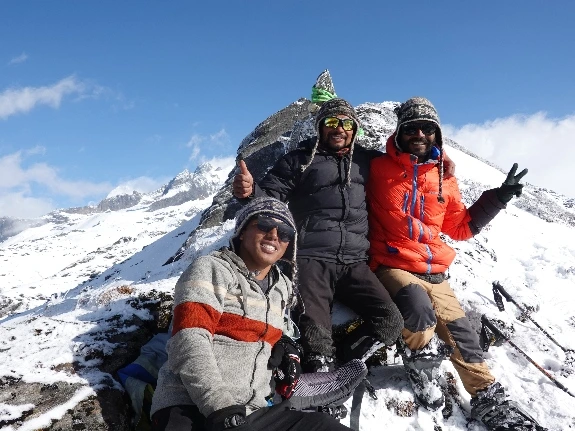 Kanchenjunga vs Makalu Base Camp Trek is a comparison between two of Nepal’s most remote and rewarding high-altitude treks.Nepal has some extremely remote trekking trails, which take adventure lovers and trekkers off the beaten path. Kanchenjunga and Makalu Base Camp treks are highlighted as amazing treks into a completely wild Himalaya.
Both require good fitness levels and a certain level of altitude experience, as the trekking trails can be long, difficult, and very remote. Trekkers wanting some relative wilderness, varieties of ecosystems, and raw, extreme, dramatic scenery will get a lot from both.
Depending on your preferences, you can choose the ideal Himalayan adventure. Kanchenjunga has its well-publicized pristine villages and views of the third-highest mountain in the world, and a dramatic landscape experience. Makalu Base Camp offers a journey through dramatic wilderness and unique biodiversity, with stunning views of Makalu, the world’s 5th highest mountain.
If cultural immersion is a priority, Kanchenjunga offers a more vibrant and authentic experience, while Makalu emphasizes remote wilderness and isolation. No matter which one you choose, both will provide lifetime memories and an unforgettable true Himalayan wilderness experience.
Quick Overview: Kanchenjunga vs Makalu
- Features Kanchenjunga Base Camp Makalu Base Camp
- Elevation 5,143 meters 5,050 meters
- Time 20 to 24 days 18 to 22 days
- Location Taplejung Sankhuwasabha
- Difficulty level challenging Very challenging
- Crowd level low Very low
- Best time to visit March to May and September to November April to May and October to November.
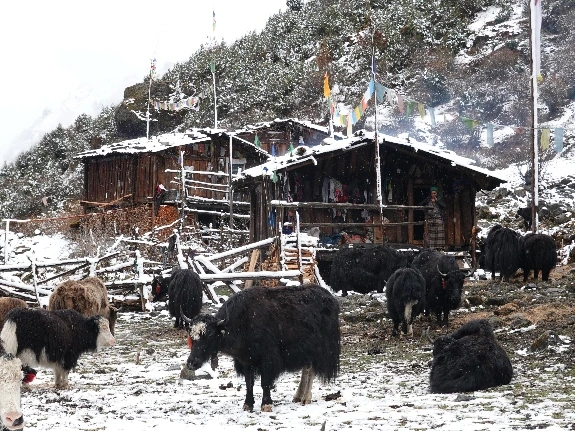
Trekking Experience
a. Kanchenjunga Base Camp
The Kanchenjunga Base Camp Trek is tough in a remote area that takes approximately 22-26 days to complete. It is a true backcountry trek that takes you to the North (Pang Pema, 5143 m) and South Base Camps (Ramche, 4580 m) of Kanchenjunga, the world’s third-highest peak.
Kanchenjunga Base Camp trails have rugged terrains including glacial moraines, alpine forests, and rural villages. To enter the Kanchenjunga Conservation Area, you have to follow the Tamur River, and you will walk through stunning rhododendron forests, high passes, and glaciers. Each day will entail 4 – 8 hours of trekking.
Culturally, an experience of remoteness through the trek is that you will pass through the villages of a Rai and Limbu population who practice rich, authentic customs in a well-preserved fashion. This area does not see a lot of tourists, allowing visitors to experience a more tranquil cultural experience far from other overcrowded and less personal trekking routes.
In addition to a wonderful cultural experience, this trek has a wealth of biodiversity to experience, with possibilities of seeing rare wildlife, including snow leopards and red pandas. During the trek, you will be walking in diverse ecological zones from the subtropical jungle to the alpine zone.
Overall, the Kanchenjunga Base Camp trek is perfect for you if you want solitude, rich cultural explorations, and amazing glacier views. The amazing blend of remote wilderness, high altitude, and vibrant culture makes your trek a truly outstanding Himalayan adventure.
b. Makalu Base Camp
The Makalu Base Camp trek is challenging and complex in rugged terrain trails. From steep ascents, sharp descents, rocky trails, and river crossings, it has its challenges. You will witness changing ecological zones when you walk, leaving lowland forests to high alpine wildernesses and glacial moraines.
Even though the region is in the Solukhumbu and close to Everest, it is still remote and undeveloped. When trekking in Makalu Barun National Park, you will find unique wildlife, streams, and valleys that have never been trekked away from the crowds at Everest.
You will find that the facilities are basic, and you will be more likely to see fewer teahouses than on any of the other major trekking routes. Many trekkers opt to camp or take a semi-supported trek. Accommodation is basic with communal bathrooms and limited facilities during the trek, especially near the base camp.
The reward for trekkers is breathtaking views at Makalu Base Camp. The insane views of Makalu, Everest, Lhotse, Chamlang, and Baruntse, along with the glacial lakes, high altitude terrain that absorbs you in every direction from the base camp, are incredible.
The trek to Makalu Base Camp is perfect for experienced explorers searching for a wild Himalayan trek, huge solitude, real Sherpa and Rai culture, and some of the most stunning mountain scenery in Nepal.
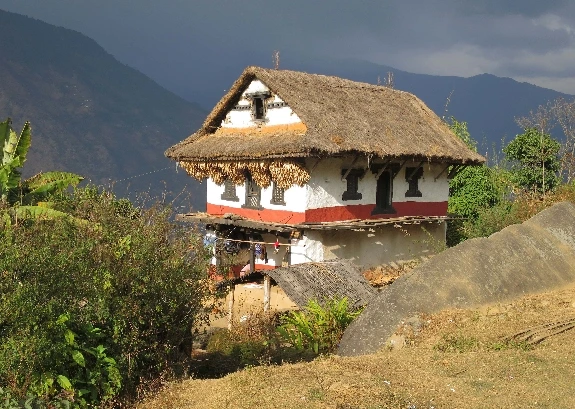
Scenery & Wildlife
• Kanchenjunga
You will walk through pristine forests of rhododendrons and terraced farms during the journey to Kanchenjunga. The route travels high, from the green valleys of the small yak herders, with stunning views of glaciers and the prominent Kanchenjunga peak amongst them. The trail winds through alpine meadows and the rich biodiversity of Kanchenjunga National Park.
During the trek, you will pass isolated villages of Rai and Limbu communities, subtropical forests, and alpine zones. Additionally, you will pass the glacier moraines and mountain passes (Mirgin La and Sele La), boasting panoramic views of Kanchenjunga and peaks on the border of Nepal and Tibet.
• Makalu
The spectacular scenery of Makalu is underscored by Arun Valley and Barun National Park, known for pristine rhododendron forests, glacial streams, and waterfalls. While the trek climbs from lush forests into arid high-altitude alpine dry deserts devoid of vegetation, it also comes with natural beauty and submerged ecologies, where the entire region has endemic flora and fauna enforced within the park.
You can see the beautiful views of Makalu, Everest, and Lhotse after reaching Makalu Base Camp. Additionally, you will encounter steep, rugged trails and river crossings in the stunning backdrops of untouched Makalu trails.
Difficulty Level & Trekking Logistics
• Kanchenjunga:
Good to excellent physical fitness and several previous treks at high altitude and long duration will be useful on the Kanchenjunga trek. Some trails can be tough to follow with limited way markers or other distinguishing features, while the trek is mostly non-technical. You’ll enjoy the trek more if you’ve had some previous trekking experience and are looking for an almost explorer-style trek.
Accommodations are lodge-based most of the way, but not in a luxurious sense. Facilities are limited: simple rooms, limited heating, basic meals, and rustic toilets. Expect rustic accommodations, meals, and the cultural charm is a bonus. Expect limited comfort, especially at higher altitudes.
Independent treks aren’t allowed, and a special permit is necessary with a minimum of two trekkers accompanied by a licensed guide. Independent trekking isn’t possible as a means to ensure safety and to promote local conservation. Incoming trekkers will be fully organized, logistically, in this restricted trekking region.
• Makalu:
The Makalu Base Camp trek is even more remote and has significantly fewer opportunities for local teahouse stops along the way. Camping or semi-supported trek is typically required, and provisions and supplies must be carefully planned since there is practically nothing offered in the villages except for those first few down low.
The routes are challenging with a significant number of river crossings, at least a couple of mountain passes, and some more technical sections of the trek. This trek requires very good physical fitness, solid navigation skills, and hiring an expedition leader who has experience navigating remote parts of the Himalaya.
Good planning is important to accomplish the Makalu Base Camp trek because the trek is in a remote and isolated location. Additionally, the changing weather patterns make the trek challenging. Therefore, this trek is for travelers willing to explore the area’s raw and wild natural beauty with challenges.
Permits & Regulations
You need a Restricted Area Permit and a Kanchenjunga Conservation Area Permit to visit the Kanchenjunga Base Camp trek. You cannot get these permits unless you trek with a licensed guide and at least one other trekker, as solo treks will not be allowed.
The Restricted Area Permit can be organized through a registered trekking company. This will enable you to be accompanied by a local guide who is acquainted with the area, and also give you the opportunity to adhere to restricted area conditions that will safeguard local culture and environment. Independent trekking is prohibited.
On the other hand, a TIMS card, a Conservation Area Permit, and a Makalu Barun National Park permit are required for the Makalu Base Camp Trek. You will not need a guide, but we strongly recommend it due to the remoteness. It is important to carry your permits to show for checks on the way, as you will be stopped frequently along the trail.
Cultural Experience
You will experience the unique Rai and Limbu culture when interacting with people in the traditional tea houses, which will introduce you to local hospitality and local cuisine. You will see Buddhist monasteries, prayer flags fluttering, and rituals being carried out on this trek.
The lifestyle in these villages is real and not very affected by modernization. Make no mistake right away; the cultural exchange opportunities are tangible. Simply meeting people, witnessing their daily lives, and enjoying a local cultural festival now and again was a great value for slugging through this trek.
On the Makalu trek, you will get an opportunity to see the Sherpa and Rai people’s remote lifestyle. You can feel a cultural space environment present, but it is mixed and less vibrant, mostly because these self-sufficient western Himalayan people live hard lives in the mountains. Due to fewer human settlements or trekkers on the Makalu trek, the cultural exchange has limited opportunities.
Trekking Infrastructure
In recent years, the trekking infrastructure of Kanchenjunga has been improved, especially on the North Base Camp Route and in the most important villages. Trekkers can find at least basic teahouses and homestays that provide basic infrastructure for trekkers.
Facilities in Kanchenjunga are basic, and trekkers can expect to find shared rooms, basic beds, and little else in the way of facilities, especially at higher elevations. Reservations are recommended during peak season when some of the villages are more remote and may only have a few available teahouses.
Makalu has fewer teahouse options in the lower sections. For the majority of treks, trekkers will be camping or in semi-supported logistics as the trekking route becomes more remote, so trekkers will have to be self-sufficient and plan appropriately.
Budget & Cost Considerations
Typically, the Kanchenjunga trek will cost you between $2,500 and $3,200 for a three-week itinerary and incorporates permits, guide, porter, food, accommodation, and internal transport. If you want a different itinerary, if you have a private group, or if you add in any extras, costs will rise.
The Makalu trek budgets range from $2,800 to $3,500, depending on logistics, as well as whether you have to coordinate camping support rather than teahouse support. The Makalu trek will cost slightly more due to:
– Fewer teahouse opportunities
– More remote and dense logistical connections
– Greater transport and cost through needing more gear due to camping, etc.
Both treks require domestic flights or transport to the trail heads, either from Kathmandu to Bhadrapur for Kanchenjunga or Tumlingtar for Makalu, as well as jeeps or local road transport to the trail heads. Travel for these logistical reasons is attached to the overall trip cost.
Daily cost patterns are generally stable. However, the daily family expenses can spike for gear rent, extra porters, or extra contingencies if you cannot return on time. It is important to be flexible with your budget at every turn – particularly if plans change or conditions become difficult in the mountains.
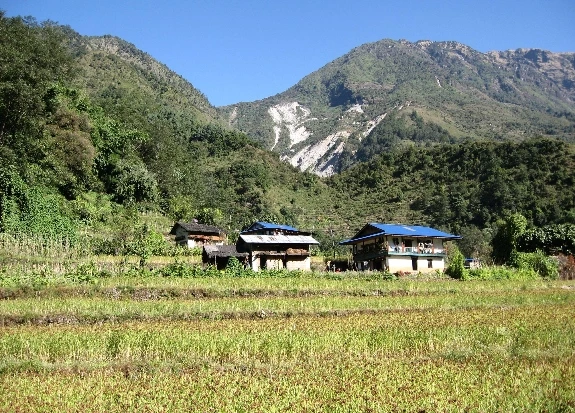
Which One is Right for You?
Choose Kanchenjunga if:
If you want a culturally enthralling trek through the colorful Limbu and Rai villages in a remote area, we suggest Kanchenjunga. You will experience wonderful ancient monasteries, lovely people, and trekking in tea houses where you can have a taste of the traditions of the Himalayas.
If you like the social contact of a lodge-based trek rather than constantly camping, this trek is perfect. The infrastructure has developed lately to include the common tea houses, the trails are much quieter, and you will get to experience wonderful mid to high mountain cultural exchanges with mountain communities.
Choose Makalu if:
Makalu is best if you have experience trekking at high altitude and do not mind being rugged. Tea houses are few; the majority of treks include camping with very sporadic lodging in basic tea houses, which will take some dedication and acceptable planning while being prepared for changing conditions.
Choose Makalu if you want to witness a beautiful, striking, and raw landscape, as you will see Everest, Makalu, and Lhotse well above the glacier moraines. The trekking is pure and wild, with lofty peaks, technical trails, and the real experience and spirit of the Himalayan remoteness.
Conclusion
Kanchenjunga gives you cultural richness with Rai and Limbu villages, upgraded teahouse trekking, and a collection of glacial landscapes. Makalu offers extreme isolation, true wilderness, and stunning views of 8,000m mountains.
Both treks involve a serious amount of difficulty and only apply to those who are physically fit and experienced trekkers who value true Himalayan experience. Regardless of whether it is Kanchenjunga with two base camps or Makalu with destitute valleys, both destinations have testing trails and a poorer trekking infrastructure.
Ultimately, it will come down to your fitness, whether you lean towards cultural experiences or true wild remoteness, and your comfort level with trekking logistics. Regardless, either trek should be a very rewarding, memorable experience deep in the Himalayas of Nepal.
FAQs (Optional Section)
• Can I do these treks solo?
Yes, you can trek solo in Makalu, but trekking in Kanchenjunga requires a licensed guide and another traveler. Makalu has no legal restriction yet on solo travel.
• Do I need prior high-altitude experience?
Yes, both treks demand high-altitude experience and good physical fitness. The routes are rugged, steep, and have greater elevation, demanding acclimatization.
• How do I arrange permits for restricted areas?
Your permits can be arranged by your tour agency, but make sure to find a reputable tour agency first.
• Which trek is more scenic?
Both treks are scenic in their own way. You will see lush villages, glaciers, and two base camps in the Kanchenjunga trails, while Makalu features remote wilderness and changing alpine terrain.
• Are these treks suitable for photography?
Absolutely! Both treks are suitable for photography because you will see amazing Himalayan backdrops, untouched wilderness, cultural explorations, and breathtaking Mountain vistas.