
 English
 Dutch
Dutch Japanese
 Hindi
Hindi Italian
 Spanish
 French
 German
 Chinese
 Korean
 Arabic
 Hebrew
 Russian
 Portuguese
 Danish
 Czech
Czech Polish
 Swedish
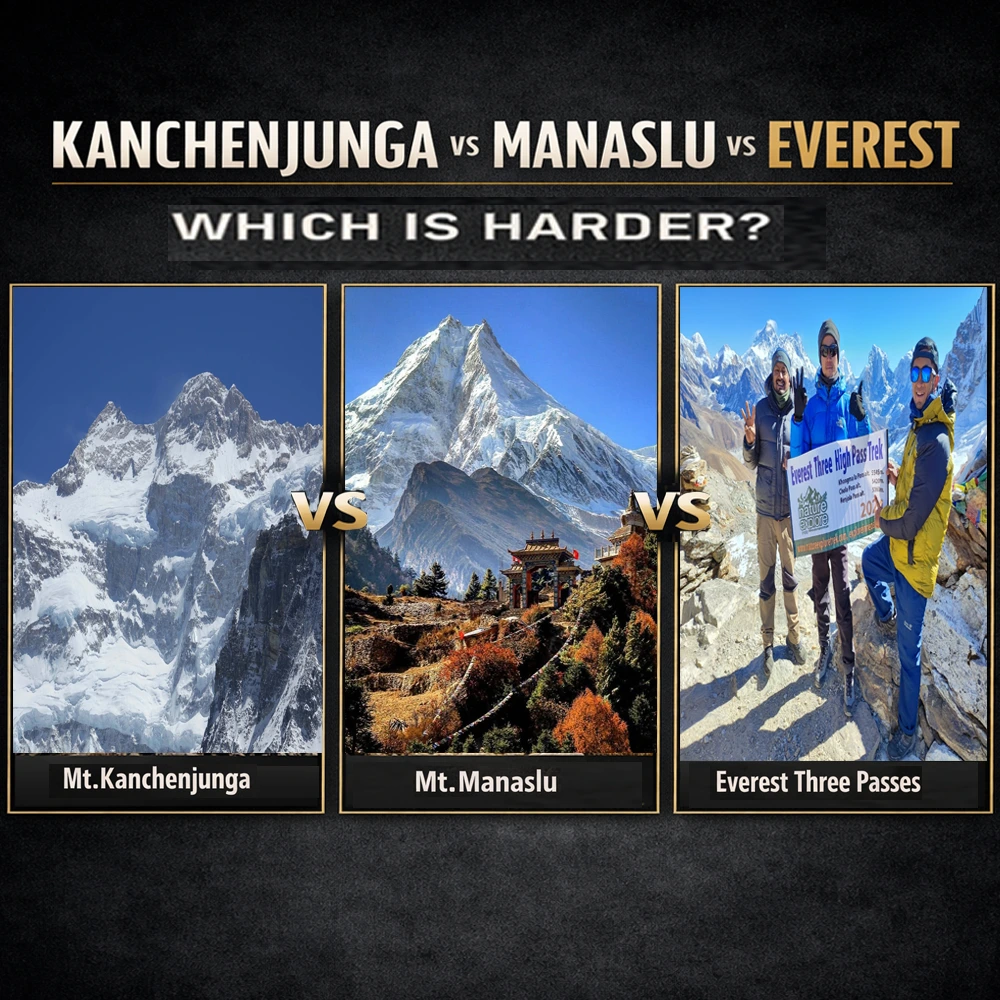
Wondering which Himalayan trek is the toughest? Compare Kanchenjunga, Manaslu, and Everest Three Passes to find out which route challenges trekkers the most. Trekking in Nepal at high altitude is an exciting adventure it also has challenges. The Kanchenjunga Circuit, the Manaslu Circuit, The Everest Three Passes trek are some of the most popular treks in the country. Both hikes provide spectacular mountain scenery, vibrant local culture and the ultimate challenge of physical fitness. Every trek is different in its own way. Kanchenjunga is isolated and wilderness, peaceful and unspoilt scenery.
Manaslu is an adventure tour combined with cultural experience, as traditional villages and monasteries are located on the way. Everest Three Pass Trek is a high-altitude adventure with superior infrastructure and support, making it more accessible than Kanchenjunga or Manaslu. But which is the most difficult and why is this or that special? We will consider all of these treks in terms of hard work and elevation as well as the cultural experience and details in this guide to get to know the challenges and rewards of Kanchenjunga, Manaslu, and Everest Three Passes.
We are friendly and informative like the trained guides at Nature Explore Treks. We are here to give you knowledge, advice, and resources that will make your trek pleasant, secure, and memorable. Any trek with proper preparation would be a Himalayan adventure of a lifetime.
Physical Difficulty Stamina and Endurance on the Trails
One of the most crucial factors to be taken into consideration is the physical challenge of a trek. Each of the three treks is intense and strenuous, but the process and nature of it vary.
Kanchenjunga Trek is commonly regarded as the most physically demanding. The path is deep, sharp, and distant. You will be having a lot of steep uphill hiking, hiking, and long walks. Certain parts pass through dense forests and narrow mountain ridges. The trek requires strong legs, endurance, and consistency, as daily distances are often long and challenging.
The Manaslu Circuit Trek is also physically challenging but a little bit simpler in comparison to Kanchenjunga. The route is highly strategized with moderate distances of walking in a day but it takes the long hours of high altitude trekking to face Larkya La Pass. The slow climb enables the trekker to physically adapt as well as providing a challenging experience.
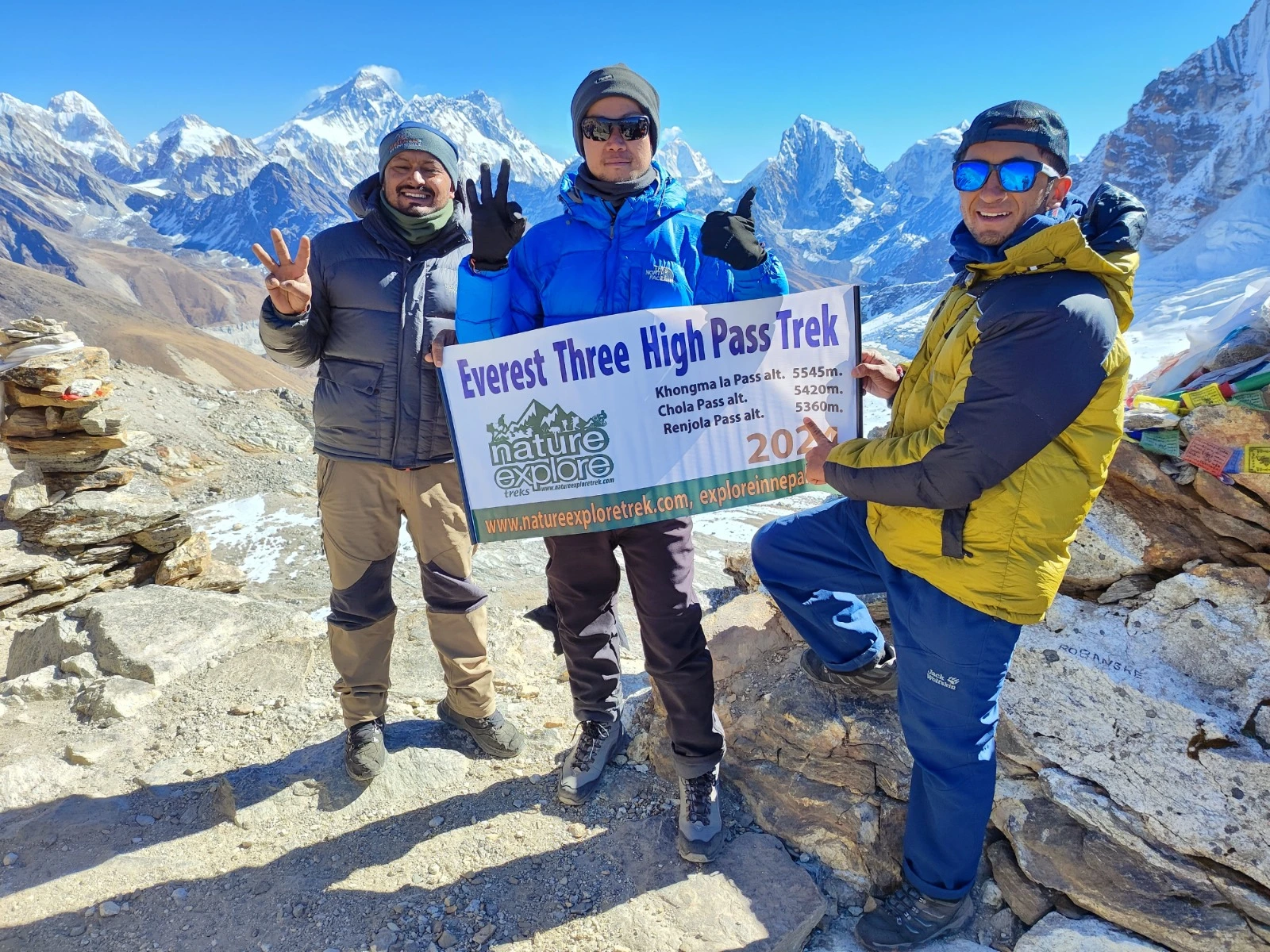
The Everest Three Pass Trek is considered as being characterized by frequent high-altitude ascents. It is physically tiresome to pass Kongma La and Cho La and Renjo La pass. The land consists of rocky trails, snow, and glaciers. Although the trail facilities are superior to Kanchenjunga, the constant ascents and descents of the mountain make it an arduous process in terms of stamina.
Altogether, Kanchenjunga requires the greatest physical effort, then the Everest Three Pass and Manaslu. To be able to do these treks, one needs fitness, stamina, and mental strength.
Maximum and Average Altitude The High Points
The difficulty of trekking is largely affected by the altitude. The increasing altitudes imply fewer bodies of air, slowness, and physical stress.
The highest point of Kanchenjunga Trek is around 5,143 meters at the plateau close to Ghunsa or Yalungs Glacier in accordance to the path. The level of the average altitude throughout the trek is high, which contributes to fatigue and necessitates a detailed pacing. Excessive exposure to elevated altitude also exposes a person to altitude sickness.
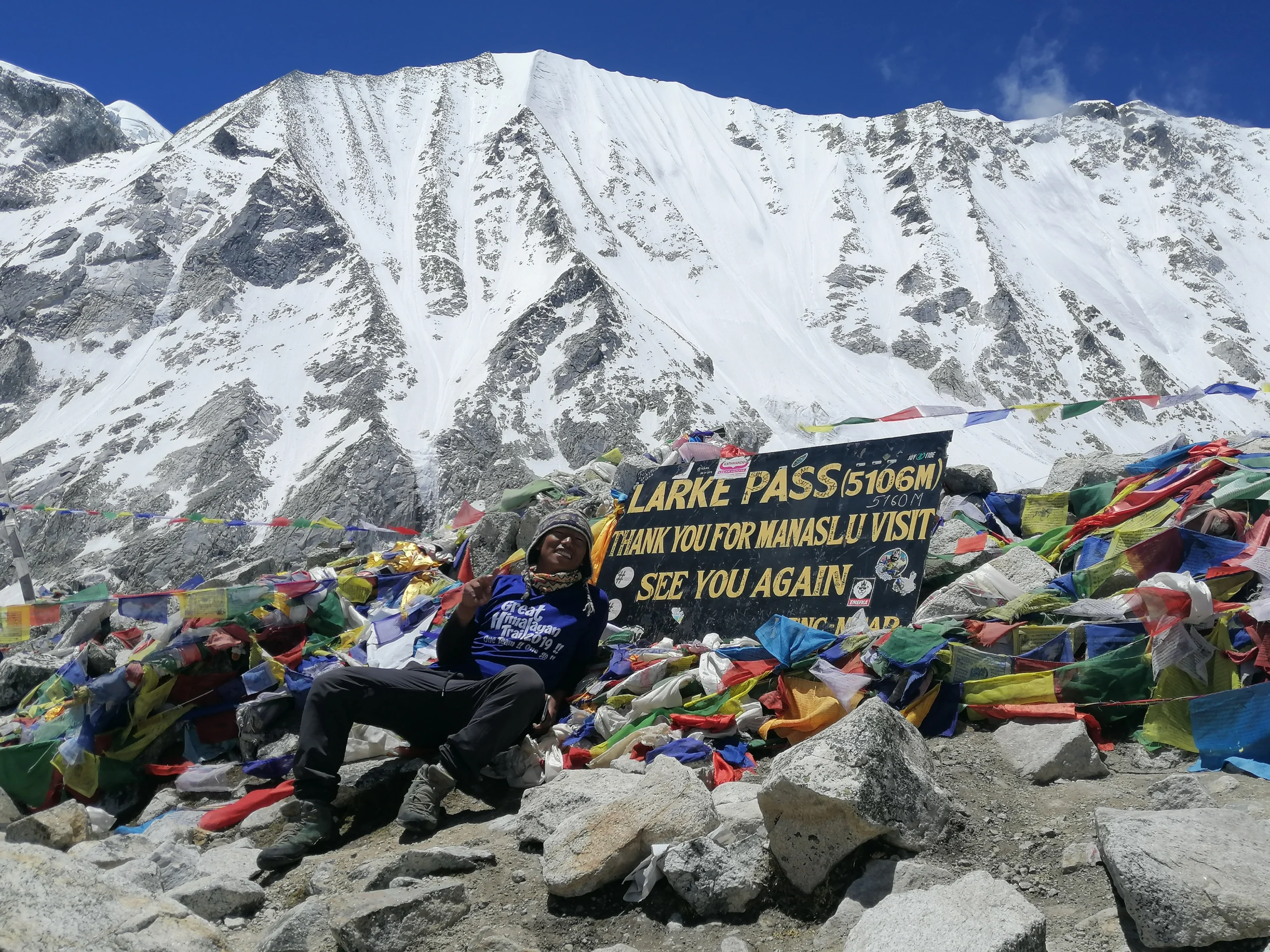
The Manaslu Circuit Trek passes Larkya La Pass which is 5,160 meters and the peak of the trek. Most of the trail has a moderate average altitude except towards the pass. This slow rise in altitude is also conducive to acclimatization and it is a bit easier than Kanchenjunga in terms of exposure to altitude.
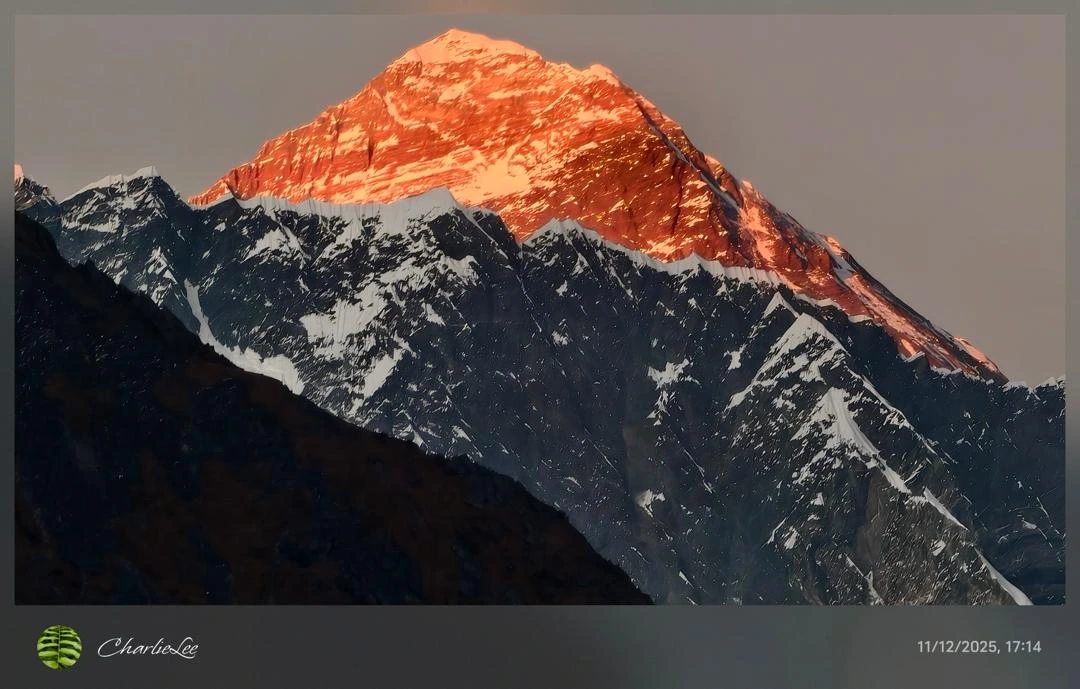
Everest Three Pass Trek is among the highest trekking routes in Nepal. The three passes—Kongma La (5,535 m), Cho La (5,420 m), and Renjo La (5,360 m)—are all above 5,300 meters. Trekkers spend significant time at these high altitudes. The frequent high ascents also complicate the trek because the body does not have so much time to rest in the intervals between the ascents.
In general, Everest Three Pass has the most high-altitude like Kanchenjunga has lengthy exposure to high-altitude and Manaslu has gradual ascent to high mark with moderate mean altitude.
Acclimatization and Altitude Risks
All high-altitude treks must be properly acclimatized. Anyone can be affected by altitude sickness, whether fit or not.
Kanchenjunga is not very accessible and hence the acclimatization should be done with caution. Trekkers have leisurely timetable and rest days in important villages. Altitude sickness is more dangerous, given that there are no emergency facilities. Symptoms include headache, nausea, fatigue, and in severe cases, potentially life-threatening complications.
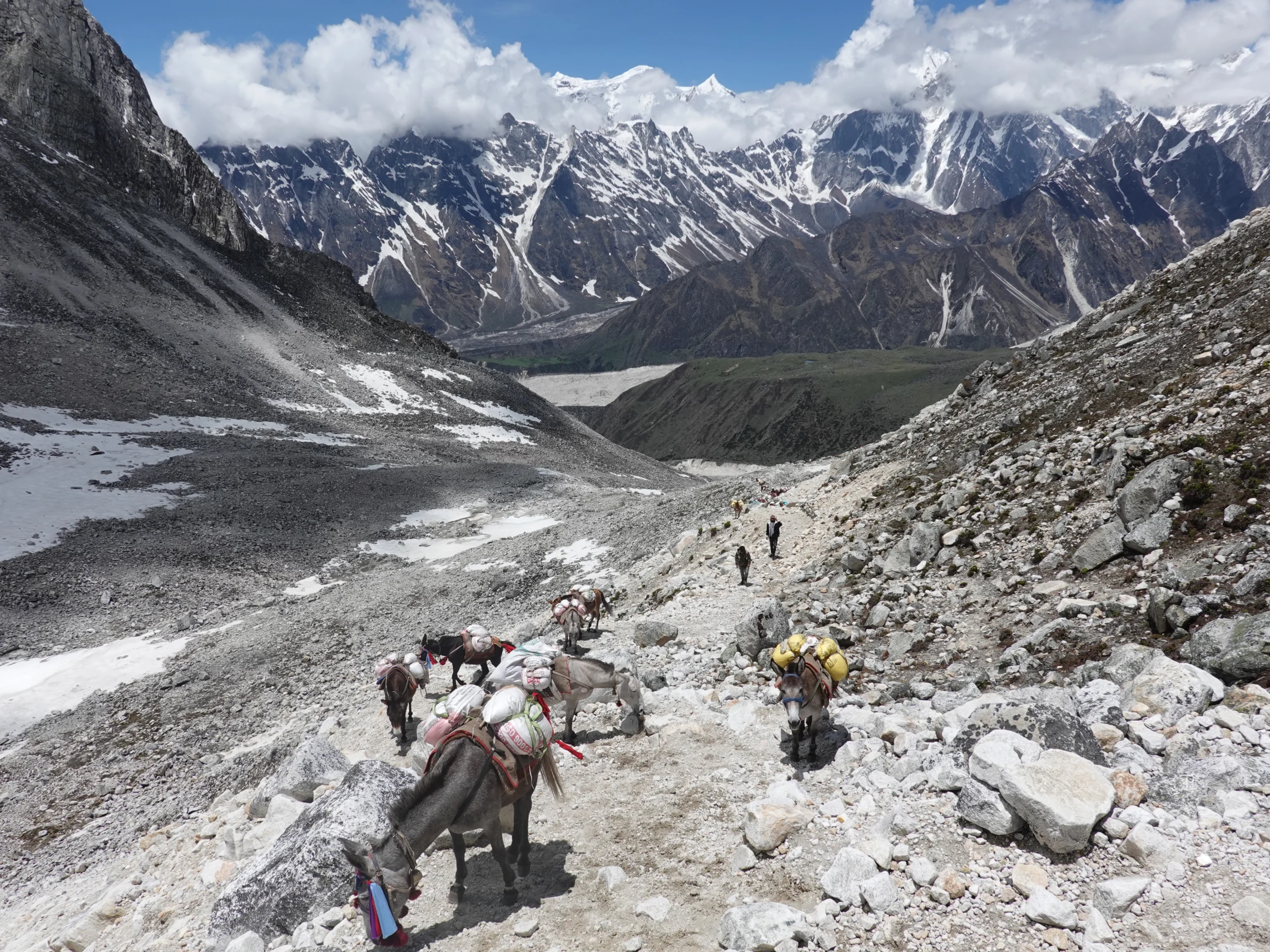
Manaslu has a more laid out acclimatization program. The route slowly ascends in altitude and it has rest days before crossing Larkya La Pass. The altitude is a problem because Trekkers still have to take good care of their health. The remote villages do not have many medical assistance thus preparation is crucial.
The Everest Three Pass involves acclimatization planning because of multiple passes within a few days. Climbers are advised to climb slowly and take rest days at opportune stages like Dingboche or Gokyo. The presence of lodges and tea houses simplifies monitoring and recovery in comparison to Kanchenjunga.
In every situation, it is important to drink a lot of water, walk slowly, and listen to your body. Trekkers should recognize the signs of altitude sickness and know when and how to descend safely.
Remoteness and Logistics Getting There and Getting Help
Safety and convenience are significant concerns of remoteness and accessibility.
The most distant of these three is Kanchenjunga. It takes long drives or flights to Taplejung or Suketar airport to access trail head. After starting the trek, there is minimal emergency support and limited services. Medical facilities, evacuation and communications are few. Trekkers have to bring necessities, emergency readiness, and be independent.
Manaslu Circuit is not extremely remote. The primary access point is Arughat or Soti Khola, which is accessible by bus or jeep. The path cuts across small villages that have lodges and tea houses. In certain areas, communication is poor, whereas evacuation in case of an emergency is more possible than on Kanchenjunga.
The least remote of the three is Everest Three Pass. Lukla airport is the nearest access point and the trail cannot be missed, as it runs through densely populated, villages such as Namche Bazaar, and Dingboche. There are more medical facilities, trekking agencies and helicopter evacuation. The infrastructure facilitates easier operation of an emergency.
Kanchenjunga has the most remote score, then Manaslu, and finally, Everest Three Pass is the easiest.
Length and Duration How Many Days on the Trail
The time of the trek influences the physical requirement, logistics and planning.
The length of Kanchenjunga Trek is normally twenty to twenty five days, based on the path. It is a far and distant path and hence distance can count on a daily basis. Trekkers should always be well prepared, carry enough food, warm clothes and carry other necessary equipments. The isolation of the trail adds to the challenge, as help may not be easily available in emergencies.
Manaslu Circuit Trek usually lasts between fourteen and twenty days. It is a little shorter than Kanchenjunga, but traversing Larkya La Pass is demanding and requires careful preparation. The trekkers would be able to move at their own time and be able to manage their energy better and acclimatize. The trail balances is a challenge trail supported by tea houses and lodges along the path.
The approximate time spent on Everest Three Pass Trek will be sixteen to twenty days. This trek is physically challenging despite better infrastructure because it takes several high passes and long walking days. Trekkers get to enjoy breathtaking scenery and extreme heights within a fairly short duration of time. The infrastructure of lodges, stores and organized facilities has made it easier to plan than in more remote treks.
Kanchenjunga is the longest, Manaslu is medium, and Everest Three Pass is intermediate in duration. The right trek is also a matter of time available, fitness level and the balance you wish to achieve between challenge and comfort.
Scenery and Landscape Mountains Glaciers and Forests Galore
The visual experience of each trek is distinct.
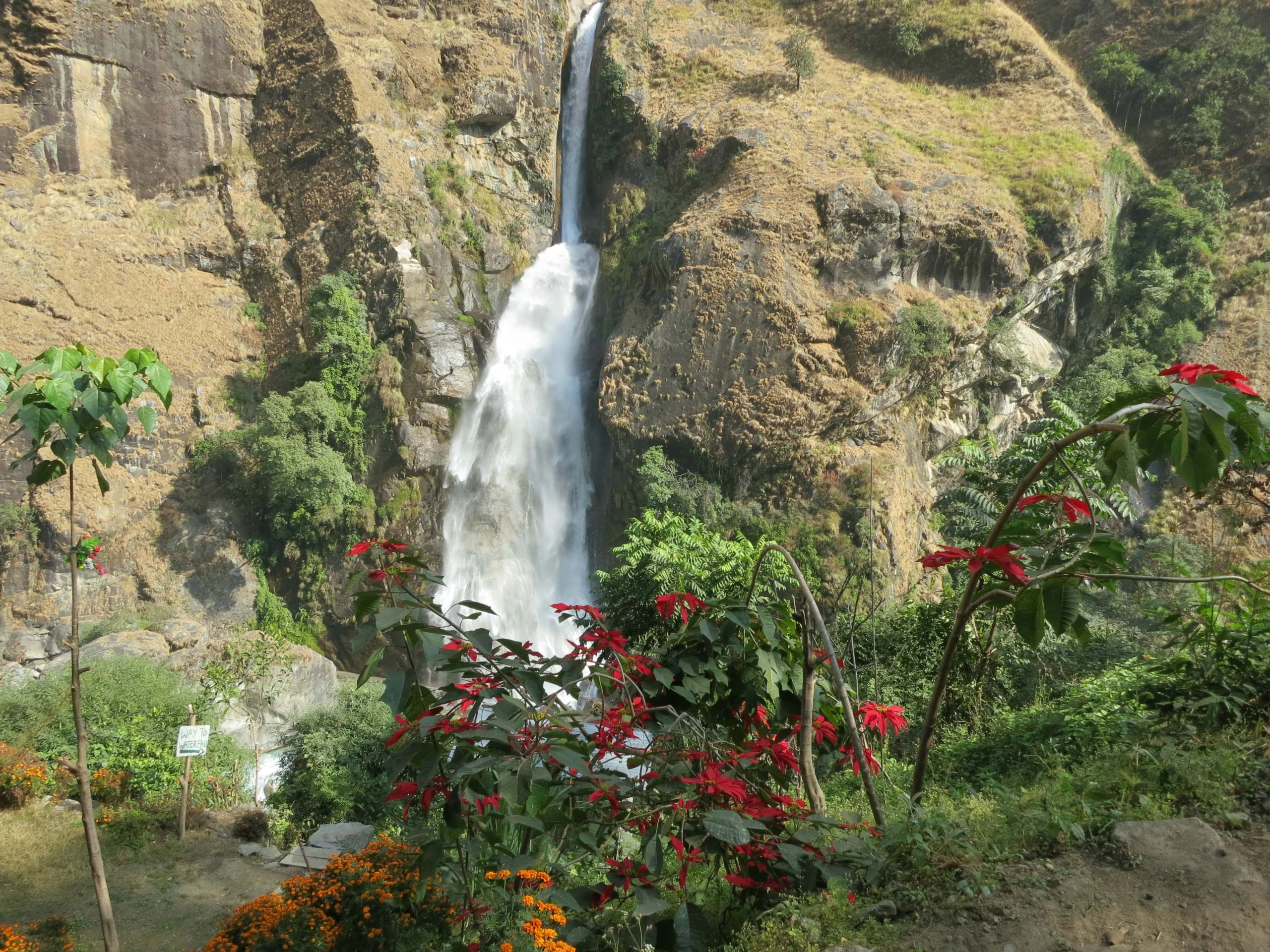
Kanchenjunga is characterized by its pure natural beauty. The path goes through rhododendron woods, alpine and glaciers. Huge mountains stand high with less traffic. The scenery is popular with waterfalls and remote valleys.
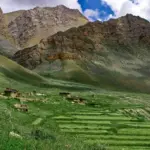
The lower parts of Manaslu have a combination of green hills, terraced farmland and forests. The glacial rivers, the spectacular cliff and the soaring Mount Manaslu can be seen as you go upwards. The landscape transformation is gradual and makes the trek a visual delight.
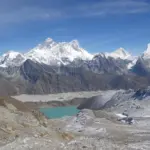
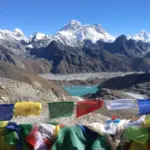
Everest Three Pass Trek offers classic Himalayan scenery. The skyline is dominated by Mount Everest, Lhotse, Makalu and Cho Oyu. You pass through vast snowfields and glaciers with stunning sceneries. The high passes offer some of the most photogenic views of the Himalayas.
In terms of scenery, Everest Three Pass is the most iconic, Kanchenjunga the wildest, and Manaslu is the most balanced.
Cultural Experience Villages Monasteries and Traditions
A trek is enhanced with cultural experiences on top of the natural beauty.
Kanchenjunga cuts across isolated villages where Limbu and Sherpa people live. You are able to visit monasteries and native ways. The distance gives a pure cultural experience. Modern tourism has not significantly impacted the villages here, providing trekkers with an idea of traditional way of life, which has stood the test of time.
You can observe local events, eat home cooked food with families and observe traditional crafts made by hand. The isolation makes it possible to have firsthand personal experiences with the locals and gain an insight into their beliefs, rituals, and lifestyles that are seldom observed by visitors.
Manaslu trek has Tibetan Buddhist influences in monasteries, Mani walls and prayer flags. The villages are a bit more advanced and you can observe the traditional farming, festivals and homestays. Trekkers will also usually be involved in local festivals when it coincides with the time of year, e.g. Losar (Tibetan New Year) or harvest festivals.
Villagers are hospitable and by staying at homestays, you get to experience the true local food such as the thukpa and butter tea. You also have an opportunity to observe the combination of traditional farming methods and little modernization in the everyday village life.
The Everest Three Pass trek goes through Sherpa villages such as Namche Bazaar and Pangboche. You visit monasteries, local markets and festivals. The cultural exposure to the Everest region is vast but not as remote as Kanchenjunga. The Khumbu has one of the oldest monasteries in Pangboche where monks continue to give daily rituals.
Festivals such as Mani Rimdu are a colorful display of mask dances and religious ceremonies. Despite being more popular with tourists, the area provides a diverse culture of tradition and the Himalayan mountain climbing history.
To go the most cultural, Kanchenjunga is the best, then Manaslu, and then Everest Three Pass offers the most accessible and widely visited cultural experience.
Trail Infrastructure Lodges Teahouses and Amenities
Trail infrastructure influences comfort, safety, and planning.
There is a low level of infrastructure in Kanchenjunga. The tea houses are primitive and certain places might necessitate camping. Trekkers should be equipped with food, warm clothes, and supplies. Electricity and heating are to a minimum and Wi-Fi is not always available. It may be necessary to boil or treat water, and there are simple bathrooms. Limited amenities and services require trekkers to be well-prepared with equipment and supplies. The distance of the path makes it important to bring along emergency necessities to ensure safety and comfort.
Manaslu has average infrastructure. Along the way there are tea houses and lodges. Services are usually reliable though comfort varies. The majority of lodges include simple meals, and accommodation, others have hot showers and Wi-Fi at a fee. There are few shops but adequate on the necessities. It is a mix of wilderness and small communities, which means trekkers can schedule resting days with good facilities between the sections.
The infrastructure of the Everest Three Pass is good. There are many tea houses, lodges, and stores that offer meals, hot showers and the internet. The trekkers will be more concerned with the adventure, instead of with the logistics. Most nights there is electricity and mobile coverage is extensive. The trekking agencies and guides offer assistance and emergency services. Along the path, supplies, trekking material and little shops are many thereby limiting the weight carried by the trekker. This is why Everest Three Pass can be offered to the people who are interested in adventure and convenience.
Infrastructure in everest three pass is good, moderate in Manaslu and basic in Kanchenjunga.
Permits and Regulations What Red Tape to Expect
All three treks require permits.
Kanchenjunga needs Kanchenjunga Conservation Area Permit, Restricted Area Permit and TIMS card. It is further complicated because of limited spaces and remote access. In many cases, permit processing involves pre-booking by trekking agencies. Tourists have to obey local laws and the problem is monitored because of the conservation status and sensitive environment. It is more expensive than the others, and a person must always have the right identification with them in every checkpoint.
Manaslu Circuit will need Manaslu Restricted Area Permit and TIMS card. The costs of permits are average and regulations are not complicated with adequate planning. Majority of paperwork is done efficiently by local agencies. Trekking permits have to be issued early and trekkers are in some cases obliged to possess a registered guide and porter. The process is simple in comparison to Kanchenjunga and as such, it is easy to do among first time remote area trekkers.
Sagarmatha National Park Permit and TIMS card is required in Everest Three Pass trek. The trekking agencies are very easy to get permits and they are widely administered. Kathmandu has easily accessible permits, which can be obtained either through agencies or at Kathmandu. The process is quick. There are a lot of checkpoints on the trail, and enforcement is easily accessible and convenient.
Everest Three Pass is the easiest, Manaslu is moderate, and Kanchenjunga is the most complicated in terms of permits.
Best Seasons to Trek Weather Windows and When to Go
The timing influences safety and fun.
The best season to trek Kanchenjunga is during spring between March and May or during fall between September and November. The trail is more hazardous with landslides and snow caused by monsoon and winter. In the spring, there are rhododendrons in blossom and warmer temperatures, whereas in fall, the visibility is clear with mountainous views. The monsoon causes the trails to be unstable and dangerous. It is a cold winter with deep snows on the high passes.
Manaslu is also perfect during spring and autumn. These periods have more stable trails. Winter is severe and monsoon is heavy. These seasons have the best scenery and the possibility of the trails being blocked by rain or snow is minimal. In spring and autumn, the weather is not so unpredictable as to be extremely unsafe to spend time on the cultural and natural activities.
Spring and autumn are the safest and the most pleasant seasons to climb Everest Three Pass. Clean skies offer beautiful mountain scenery. Experienced trekkers may visit it in winter, but it is hard due to snow and cold. During these seasons, one can get a clear sight of Everest, Lhotse, Ama Dablam and the other peaks around. Passes which may be closed by landslides and heavy rainfall are experienced by summer period. The winter conditions are harsh as the temperatures are below -20 C in certain places.
The three treks are best experienced in spring and autumn, although Everest Three Pass generally has slightly more predictable weather conditions.
Ready to book your trip with us? Fill out the inquiry form below
Who Each Trek Is Best Suited For Matching Treks to Trekkers
Kanchenjunga is suitable only to experienced trekkers who are fond of remote paths, solitude and physical challenge. Good physical condition and independence is needed. The journey is best suited to those who are adventurous and need to feel isolated and highly self-reliant. It is not advisable to newcomers or to those who do not feel comfortable with restricted services.
Manaslu has moderate to good range of fitness and requires an adventure in slightly better infrastructure. It suits well the person who desires to experience both cultural and natural. Those who are interested in a blend of Tibetan culture, beautiful scenery, and moderate difficulty will not be disappointed in Manaslu. It will suit individuals who want to have slightly less remote experience than Kanchenjunga but a more authentic one than Everest.
Everest Three Pass should be chosen by those trekkers who have good fitness and want to have the adventure of high altitude and magnificent scenery with more organized facilities. It also can be used by beginners of high altitude trekking who are ready to test themselves. The trek offers the right amount of difficulty and comfort allowing the trekkers to experience the extreme altitudes without the isolation felt when climbing Kanchenjunga. This trek can also be attempted safely by families or first time high-altitude trekkers with guidance.
Conclusion Choosing Your Adventure with Nature Explore Treks
The decision to take the most difficult route is based on your objective, experience, and fitness. Kanchenjunga is physically challenging, isolated and culturally diverse. It is also applicable to trekkers who want to have time in peace and in proximity with untouched nature. The road networks are isolated, and infrastructure is low, and one needs to plan. Manaslu is demanding and can be handled with the moderate infrastructure. It provides a moderate adventure that is full of culture, nature and adventure that is easily manageable. Trekkers are able to explore local villages, monasteries and beautiful landscapes without being too isolated.
Everest Three Pass is an adventure with high-altitude and spectacular scenery and enhanced support. This trek is suitable to those who desire to have adventure without sacrificing comfort. It can be visited by both First-time high-altitude trekkers with some prior trekking experience and by seasoned trekkers who will find lodges, shops and guides.
Regardless of the trek you decide to go on, both of them provide a memorable Himalayan adventure. Every journey provides a memorable experience of mountains, culture, and nature. It is an incredible feeling of accomplishment and a connection with the Himalayas. To make the journey enjoyable and safe, preparation, fitness and an optimal acclimatization process is necessary. Nature Explore Treks trekking guarantees good planning, orientation and assistance. Guides can take care of your safety as well as offer logistical support and local knowledge to make your experience more complete. Gear maintenance and path guidance allow your journey to be easier and safer.
Each of the three treks offers a rich combination of adventure, culture, and natural beauty. The decision then remains on the distance, difficulty, and beauty of the adventure that you desire. Whether you prefer a remote challenge, a balanced cultural journey, or a well-supported high-altitude adventure, these treks cater to every type of Himalayan explorer.