
 English
 Dutch
Dutch Japanese
 Hindi
Hindi Italian
 Spanish
 French
 German
 Chinese
 Korean
 Arabic
 Hebrew
 Russian
 Portuguese
 Danish
 Czech
Czech Polish
 Swedish
Introduction
The Manaslu Circuit Trek in November and December is a good choice for those seeking adventure, solitude, and the rugged beauty of the Himalayas. As the autumn high-season crowds end, late-season trekkers can enjoy the experience in the rugged wilderness of this remote trek—pristine landscapes, clear skies, and invigorating crisp mountain air. The Manaslu Circuit trek in November is at the end of Nepal’s well-known trekking season, brings dry weather, and is known for the clearest conditions for observing Mount Manaslu and peaks to the west and the east, while December offers the tranquility and beauty of early winter-studded villages, frozen waterfalls, and wilderness.
To fully experience the Himalayas in their most pristine condition, November and December promise a journey with less foot traffic and an immersion in nature.
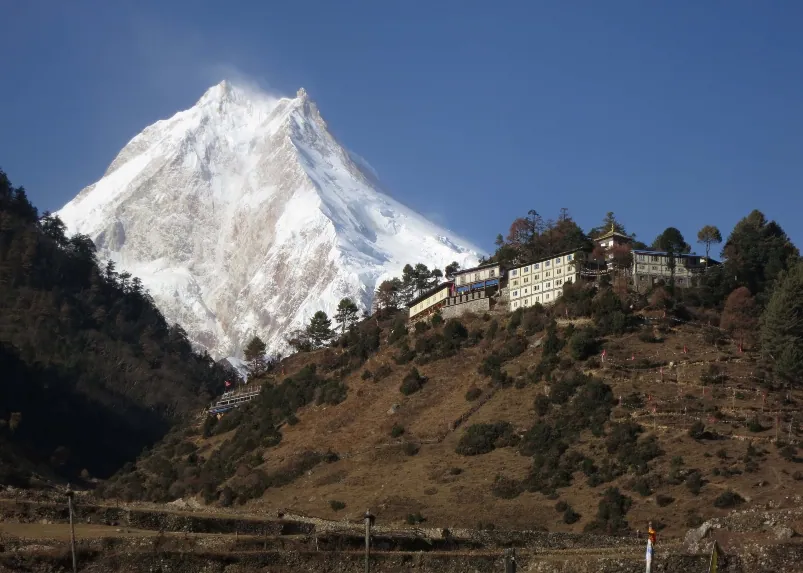
This all-in-one guide will prepare you for late-season trekkers seeking a Manaslu Circuit experience. This guide will cover the weather of November, representing the clarity of post-monsoon conditions and December, representing the temperature drops associated with drier, colder temperatures.
This guide also contains information on fluctuating weather with daytime warmth of around 10-15 °C and nighttime cold at high altitudes. It also covers the trek difficulty, with specific issues for the snow and ice on Larkya La Pass, and provides practical tips on how to acclimatize and prepare the route to avoid trouble and enjoy your adventure.
The drop in tourists is one of the factors contributing to the Manaslu Circuit Trek in November and December. November and December provide an opportunity to experience the authentic Himalayan wilderness without putting up with large groups and busy tea houses. To overcome logistical problems, this guide provides great packing advice and essential lists to keep travelers warm, safe, and comfortable.
Whether you’re an experienced trekker looking for a new challenge or a natural lover drawn to the peaceful solitude of the off-season, the Manaslu Circuit in November and December reveals the adventure of an unforgettable experience. With proper preparation, November and December of the year are emerging as one of the best times to see the wild heart of Nepal.
Why Trek Manaslu Circuit in November and December
Trekking the Manaslu Circuit in November and December provides the greatest mountain views, with stunning and unobstructed vistas. The air washed after the monsoon is free of dust and haze, providing enormous vistas of Mt. Manaslu, as well as its neighboring peaks. The view is infinitely better in the post-monsoon season with clear conditions and contrast, so the bright white snowcapped peaks pop against deep blue skies, creating a special condition for trekking and photographs.
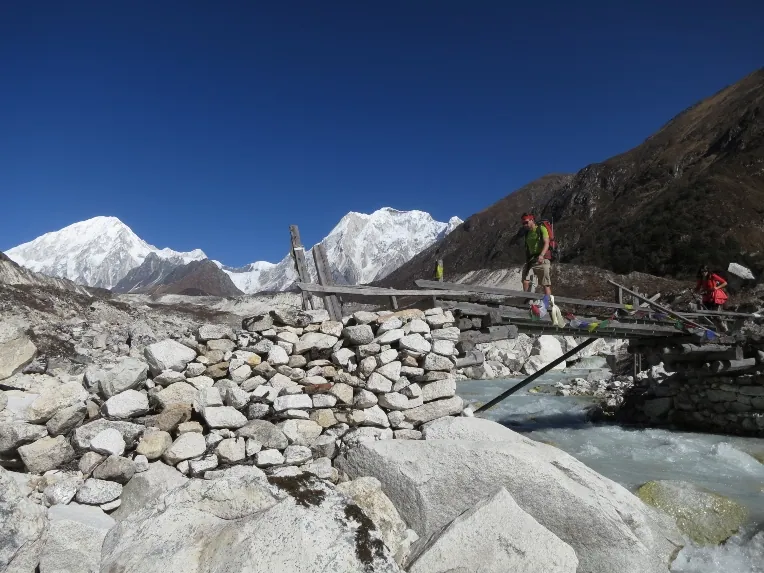
Also, late autumn and early winter provide spectacular golden light that enhances contrast and lush auburn fields of millet and buckwheat in the valleys below. The busiest month for trekking is October, when there are many teahouses and crowded routes. Whereas November and December will have fewer trekkers on the trails, giving a better experience of the tranquility of the Manaslu region. Through the peaceful trails, one can enjoy the remote mountain environment without being rushed and crowded.
Additionally, there is less competition for accommodation and space, so it improves safety as well as comfort. The calm at the end of the trekking season makes the teahouse experience more real and enjoyable. The local hosts are much more relaxed without the hustle and bustle of many tourists, giving them more time to spend with trekkers and share their culture and stories. The slow pace of village life in November and December provides an opportunity to immerse yourself in the culture of the Manaslu region.
Weather Overview: November vs. December
A. November (Late Autumn)
Manaslu Circuit Trek in November is characterized by mild and sunny daytime temperatures between 5°C to 15°C, depending on altitude. November is still regarded as the ideal month for trekking in Nepal because of the decreased moisture levels and the absence of the summer monsoon months’ oppressive temperatures. There may be some rain with less prevalent daytime thunderstorms. The sky is usually clear all day, with the positional changes in the monsoon weather creating impressive views of surrounding peaks and valleys.
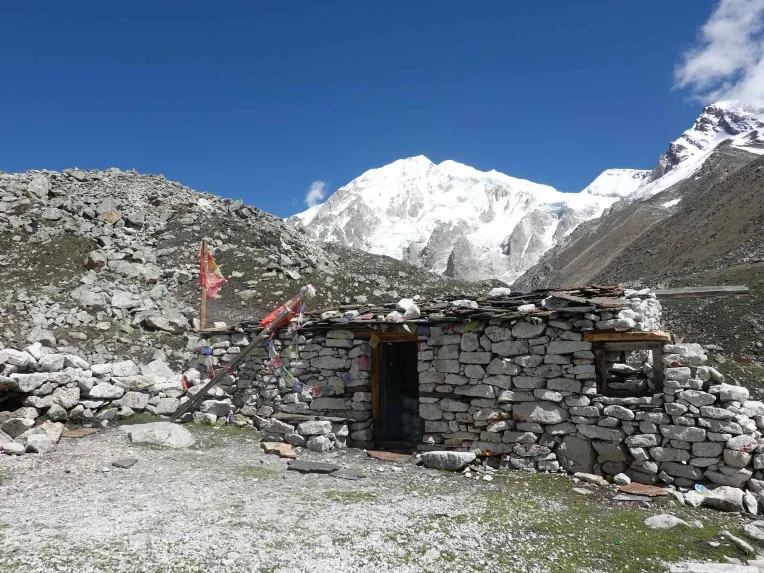
The night temperature may drop significantly, so it is important to stay comfortable at camps and lodges with warm sleeping gear and clothing for nighttime. November provides accessible conditions for trekking the highest point on the Manaslu Circuit, the Larke La Pass at 5,160 meters. Although November has clear trails free from heavy snow, there may be the possibility of having light snow and icy trails. Still, November is a favorite among many hikers due to its generally acceptable trail conditions and pleasant mix of unpredictable weather.
B. December (Early Winter)
The Manaslu Circuit trek in December provides colder daytime temperatures of 0°C to 10°C. Daytime remains mostly clear and sunny, with colder temperatures, especially at higher elevations. Trekkers need to wear layers and be ready for the cold. The crisp air with clear skies provides good visibility along with beautiful views of the mountains. Cold air usually results in bright, sharp photographs with great contrast and vibrant colors.
During the Manaslu Circuit Trek in December, the temperature drops to -10°C and even lower at high elevations. This expected temperature range requires a sleeping bag rated for low-degree temperatures, insulated clothing, and insulation from sub-zero temperatures to prevent hypothermia and frostbite.
Furthermore, snow on Larke La Pass begins to accumulate in December, and pathways begin to be constructed. January and February are the most challenging trekking seasons; trekkers can anticipate some of these conditions in December too. The entire trail might be covered in snow, and it is snowing a lot, so crampons, trekking knowledge, and skills are required.
Manaslu Circuit Trek Difficulty in Late Season:
The Manaslu Circuit Trek is challenging in November and December due to the cold weather. At higher elevations, it is much colder during the day and much colder at night. At high altitudes, nighttime temperatures during the December Manaslu Circuit trek can fall to -10°C or below. The cold temperatures may cause problems like hypothermia or frostbite.
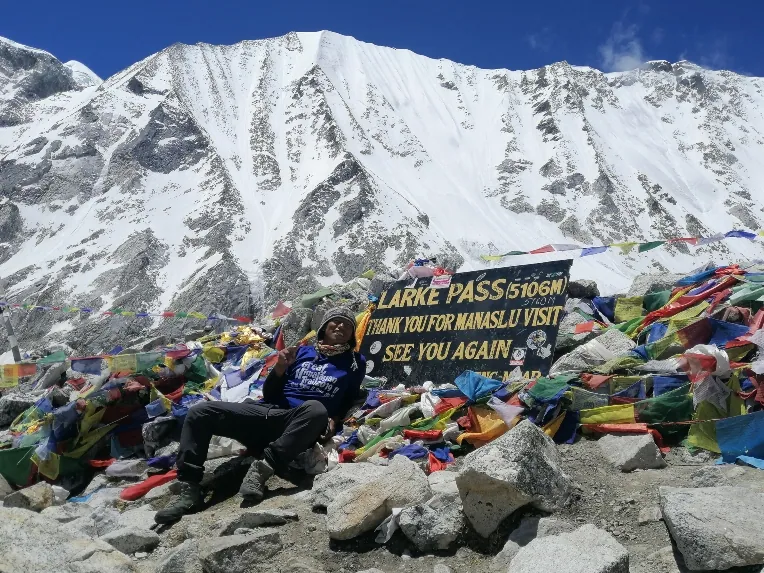
In the late season, snow and icy paths leading to the Larke Pass—the trek’s highest pass—present another difficulty on the Manaslu Circuit. Snow accumulation on the trail can obstruct it and cause areas to become slippery, making the path impassable, depending on the weather patterns. Finding a safe route is therefore challenging and may call for careful preparation, tools like crampons, and the flexibility to alter plans in the event that conditions become difficult.
Finally, because November and December have less daylight, there is less time for hiking during the day and longer nights. The trekkers might be able to carefully manage their time and alter their itinerary as a result. Trekkers with sufficient preparation, previous high-altitude trekking experience, and the capacity to adjust to harsh and uncertain conditions would, however, be best suited for the Manaslu Circuit trek in December and November.
Crowd Levels: Quiet Trails Await
The crowd levels in November and December are different, which changes the overall experience of the trek. In early November, the trails have fewer trekkers because it is still the peak trekking season in Nepal. But in comparison to other popular routes like Everest or Annapurna, the Manaslu area will still feel less crowded. The trails will be quieter and less crowded as winter approaches because there will not be as many hikers.
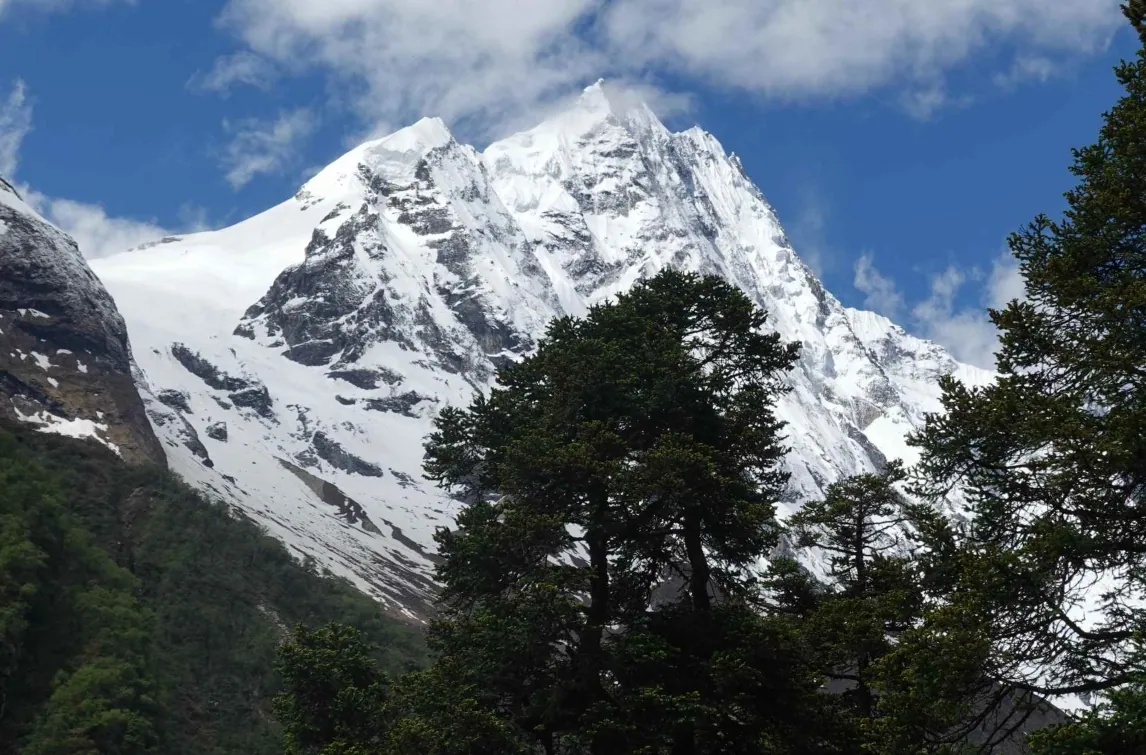
In December, the Manaslu Trek is a place of almost complete solitude. The colder weather and risk of snow limit the number of trekkers. As a result, the trails are almost deserted, giving you a closer look at the scenery as you traverse silent forests and snow-covered villages. The peace of December allows genuine wilderness adventure far away from the franticness of the busier months.
A significant advantage of trekking during these times is interacting with people along the way. With fewer trekkers passing through, teahouse owners and village people have the opportunity to connect with you to understand their culture and way of life. As a guest, trekkers may have an authentic and compelling cultural experience.
Ultimately, these seasons enhance the magical beauty and tranquility of the Manaslu Circuit. The trails are beautiful whether walking through golden fields in late November or snowy landscapes in late December; the stillness of the peaceful trails provides a meditative trekking experience. For trekkers who want to interact with locals, avoid busy crowds, and enjoy the breathtaking views, the late-season Manaslu trek is an excellent opportunity.
What to Pack: Essential Gear for November and December
- Bring a down jacket, thermal base layers, and fleece for insulation in cold conditions.
- A sleeping bag rated at least -15°C to keep warm on cold nights is also essential.
- Microspikes or light crampons provide traction in icy and snowy sections of the trail, especially near Larke Pass.
- Insulated gloves, neck gaiter, and thick socks that are moisture-wicking to avoid frostbite on extremities.
- Sunscreen with a high SPF and UV-protective sunglasses to protect against strong UV rays up high.
- A good, durable insulated water bottle or thermos to prevent water from freezing when it’s cold during the days and nights.
- Trekking poles with snow baskets to provide stability on slimy or uneven trails.
- A headlamp with additional batteries, as shorter daylight hours, may push you into low-light trekking at times.
- A portable power bank and spare batteries, since battery life in cold conditions can be cut quickly.
- Waterproof and windproof clothing, including jackets and pants, to help protect from sudden snow or wind chill.
Teahouse and Accommodation Tips
During Manaslu Circuit in November, teahouses are open with basic but comfortable sleeping accommodations. Many teahouses have heated dining areas for relaxing after a long day walk. At the end of the month, some teahouses at higher elevations (4,200 meters) near Larke La Pass may start to close. So it may be worthwhile to book ahead or check recent updates on availability.
By December, major accommodation options are even more limited and teahouses begin to close in higher elevations due to extreme cold weather. Food at teahouses is basic but substantial, as it not only sustains trekkers but also provides energy to combat cold temperatures. The main staple food is dal bhat, which consists of rice and lentil dishes. Teahouses also offer noodles and soups. As you trek higher, food options and variety will become limited. But thermal meals and tea are always available to generate energy and warmth for trekkers.
Although the majority of teahouses provide warm accommodation, a drop in temperature at night may necessitate sleeping bags and thermal clothing to stay warm at night as the warm clothing from teahouses will not be enough. If possible, use hot water bottles and spend evenings in a heated dining area prior to going to sleep. Don’t sleep with damp clothing, and try to keep electronics and empty water bottles in the warmth of your sleeping bag to prevent them from freezing.
Permits and Guide Requirements
Manaslu Circuit trek in November and December requires a Special Restricted Area Permit. This permit is required for the section between Jagat and Dharapani, as this is a restricted area since it is close to the border with Tibet. Seasonally, the cost of the Special Restricted Area Permit varies: from September to November, it costs $100 for the first seven days and $15 for each extra day; from December to August, it costs $75 for the first week and $10 for each extra day.
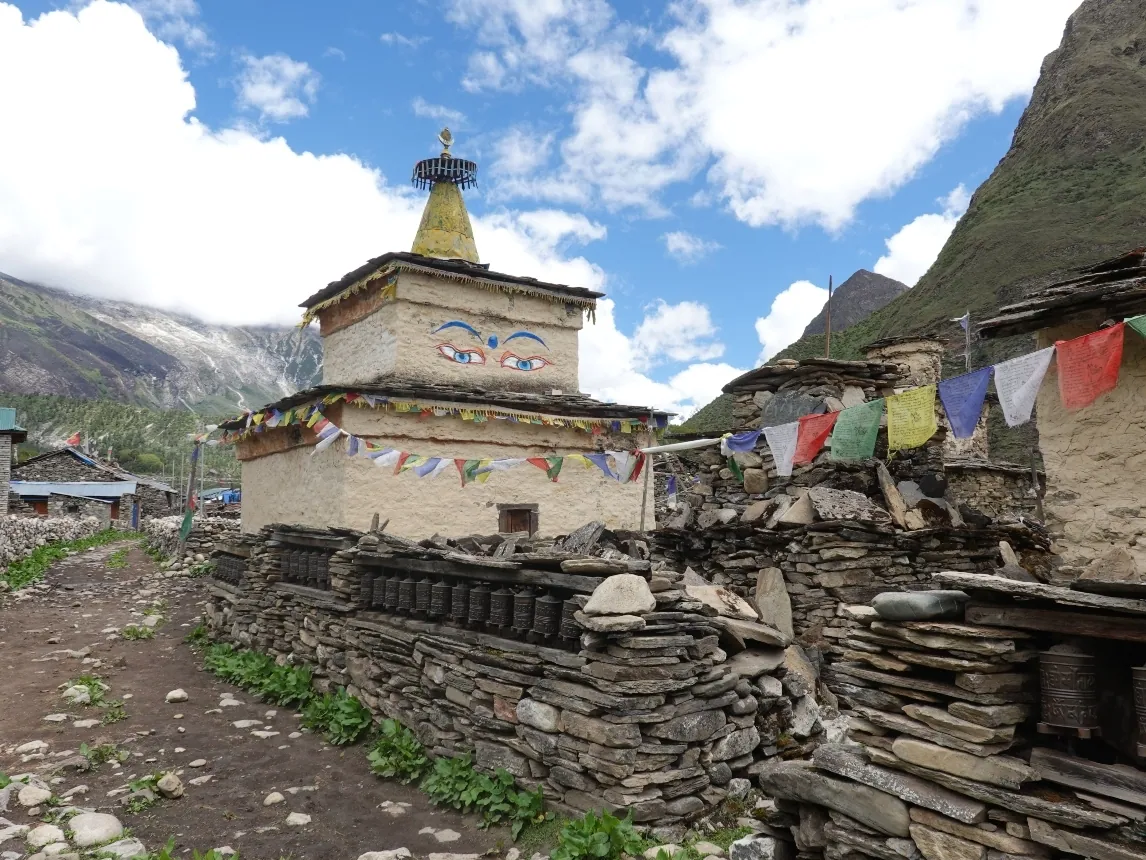
In addition to a Restricted Area Permit, trekkers require both an Annapurna Conservation Area Permit (ACAP) and a Manaslu Conservation Area Permit (MCAP). These are required to enter and exit the areas of the conservation that the Manaslu Circuit goes through. The MCAP and ACAP are about USD 30 per person each and can be obtained through registered trekking agencies, or the Nepal Tourism Board office in Kathmandu.
The Manaslu Circuit requires every trekker to hire a licensed guide because independent treks are not allowed in this restricted area. Travel agencies are the only organizations that can obtain the necessary permits for their trekkers and guides are mandated to accompany every group. The guide’s knowledge and experience are especially beneficial toward the end of the season for the affected terrain.
It’s good to keep in mind that permit offices in Kathmandu and Pokhara may have reduced working hours during the winter season, especially around national holidays. Therefore, to avoid delays, trekker should plan accordingly, allow for processing time for their permits, and discuss all planned itinerary details with the agency to avoid delays.
Larke Pass Crossing: What to Expect
The Manaslu Circuit trek’s Larke Pass crossing is challenging physically and mentally, located at 5160 meters. The trail in the Passage is steep, rugged with large rocks, and even icy, making it the most challenging part of the whole trek. The key to having a safe crossing at this high altitude is acclimatization along with walking at a steady pace.
The potential for snow increases significantly in December. When it snows, it often covers the path with ice and layers of snow which creates difficulty and hazardous conditions in the trekking. Therefore, it is advised to begin the walk early because the possibility of higher temperatures and winds will make the climb into the Larke Pass even frigid and riskier.
The use of microspikes or light crampons on snow or ice trails will improve traction on the icy probed while trekking poles will assist stability on the uneven ground as you navigate the rocky terrain. Additionally, it is beneficial to add extra days to your travel plan as there may be any delay on the trek due to unpredictable weather and the possibility of snow build-up on the trails.
Expert Tips for Late-Season Trekkers
- Early-day hiking is important to take advantage of the limited daylight hours in November and December.
- Cold weather usually suppresses the thirst which increases the risk of dehydration, stay hydrated throughout the trek.
- Allow your body to acclimatize to the altitude by moving gradually and resting between ascents to minimize the risk of altitude sickness.
- Keep your energy levels steady by taking your time, especially when you’re getting close to high passes like the Larke La.
- Be flexible with your schedule and add extra days to deal with snow or weather delays.
- Regularly check with your guide about trail conditions and the weather to keep you informed about what is happening and how you can adjust your plans for the day.
- Wear and pack appropriate warm clothing in layers to adjust to the changing temperatures during a single day.
- Bring trekking poles and microspikes or crampons to increase stability on icy and snowy areas of the trail.
Conclusion

Manaslu circuit trek in November and December provides a remote and raw Himalayan experience, coupled with extraordinary mountain views and a sense of solitude. The post-monsoon clarity of November along with the crisp atmosphere and onset of winter in December with snow-covered landscapes offers an opportunity to interact with nature and local culture.