
 English
 Dutch
Dutch Japanese
 Hindi
Hindi Italian
 Spanish
 French
 German
 Chinese
 Korean
 Arabic
 Hebrew
 Russian
 Portuguese
 Danish
 Czech
Czech Polish
 Swedish
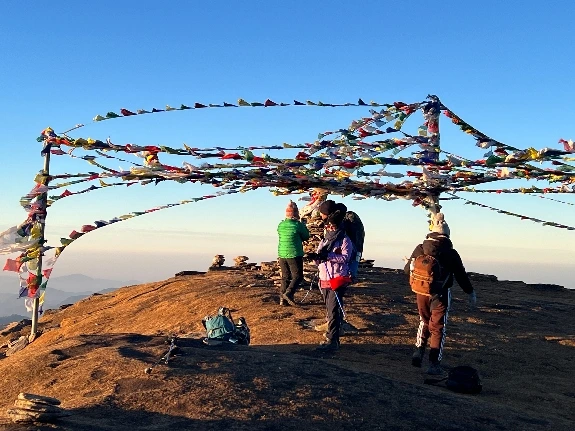
Pikey Peak Trek in December and January offers a unique and serene experience, as the trail is far less crowded compared to peak trekking seasons.Located in the Lower Everest region of Nepal, the Pikey Peak Trek is a spectacular walking route that offers wonderful views, beautiful walking trails, and the opportunity to experience the culture and hospitality of the Sherpa people.
This off-the-beaten-path trail is gaining traction as it provides an opportunity to experience the Himalayas in original and unique ways, away from the overcrowding of many of the most well-known treks in the region.
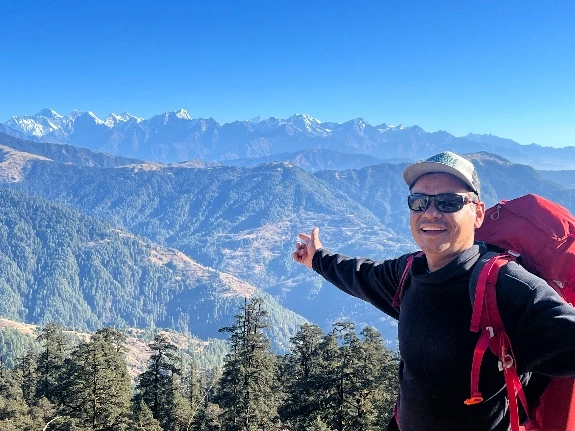
The Pikey Peak Trek is attracting more interest as it provides ideal early morning sunrise views of Everest and some of its close neighbours. It is a trek of moderate difficulty, with some trails with a lot of upward and downward elevation that are less used. The Pikey Peak Trek is, however, ideal for adventurous trekkers looking for an experience to enjoy peaceful places.
The months of December and January offer especially enchanting experiences on the Pikey Peak Trek. On these clear, crisp, dramatic days, walking through stunning mountains that look dusted in white delicately transports the trek to unforgettable moments.
Winter trekkers get to experience local lodges, have quiet paths to walk on, and opportunities to experience local communities, with all their winter glory, all on a more personal level. Even though January and December can be cool, trekkers can expect an amazing experience if they are prepared for colder temperatures.
Why Trek to Pikey Peak in December & January?
Pikey Peak trek in December provides a peaceful experience because the trails have fewer tourists. A less crowded trail will provide you with an opportunity to engage deeply in nature and local culture away from the usual bustle of tourists.
The weather in December and January is usually stable, with clear skies providing fantastic views of different Himalayan peaks without the clouds. The crisp air enhances the signature views of Everest, and this trek is especially rewarding for photographers and nature lovers.
Pikey Peak’s winter landscape is so unique, with snow-covered paths and beautiful villages cloaked in white. The peaceful landscape turns a corresponding trek into a journey through an imagined Himalayan winter wonderland.
Traveling during winter is also a great way to experience Sherpa culture in its authentic seasonal setting. Trekkers can incorporate themselves with communities that are less visited and can learn many things that will deepen your understanding of Sherpa culture.
Pikey Peak Winter Weather: What to Expect
Daytime temperatures on the Pikey Peak Trek in December and January usually sit comfortably between 5ºC and 12ºC. However, the nighttime temperature drops between -5ºC and -10ºC, so suitable warm clothing will help your comfort level.
There is potential for snow during these months, especially at altitude near the peak. Fresh snow can cover or cause trails to be slippery, so using trekking poles and micro spikes will be necessary to assist with your safety.
There are adequate hours of daylight for trekking, and the benefit of being easier to see with clear skies. On trek days, we start slightly later in the day to avoid early morning frosts, and we benefit from the crisp, bright sunshine of the winter months to afford us excellent visibility in panoramic mountain scenery.
Trail conditions will vary from clear paths at lower altitudes to areas with snow and ice at the peak. While in general, you have to be aware of icy patches and understand that post-snowfall, you should consider them while on trek.
In terms of managing the cold, trekkers should layer thermal clothing, carry a warm sleeping bag, and wear quality insulated boots. Staying dry, making sure your extremities are protected with gloves and hats, will aid in keeping you comfortable in winter conditions.
Is Pikey Peak Trek Safe in Winter?
The Pikey Peak Trek is thought to be safe in winter because it peaks at less than 4,065 meters, thereby limiting the chances of serious symptoms of altitude sickness that may affect higher Himalayan treks. However, acclimatization is still necessary, and care must be taken to maintain a slow speed to lessen mild AMS symptoms.
The safety of the trails in winter needs to be considered because snow and ice can make trails slippery. The usage of trekking poles, crampons, micro spikes, and wearing effective boots is suggested to enable safe access up or down trails. Winter guided treks have an improved safety aspect since they are done by a guide who is familiar with the trails.
Guides and porters to carry some of your equipment are generally available during the winter season, but their services will depend on how busy or quiet the trekking season is. The guides and porters can assist by carrying gear and making you safer and more comfortable if you are trekking along snowy trails.
The village teahouses are open in the off-season and can provide accommodation. However, they may only have limited services, so accommodation and food services will be limited. Planning ahead and even carrying extra food and accommodation if needed is good practice on any trek, especially in winter, to ensure that you will be able to find food and accommodation when you need it.
Pikey Peak Trek Itinerary (7 Days Example)
Day 1: Drive from Kathmandu to Dhap
The journey will start with the 8-hour drive from Kathmandu to Dhap. Along the way, there will be many opportunities to see this rural area of Nepal while driving through small towns and terraced hills covered in rice and other plants.
Day 2: Trek to Jhapre
You will trek toward Jhapre, a lovely village with its Buddhist stupas and views of distant mountains. You will travel through rhododendron forests and rural Sherpa settlements on the way.
Day 3: Trek to Pikey Base Camp
You will trek to Pikey Base Camp. As you travel, you will climb steadily in an alpine meadow over some pine forests. At camp, it will be a serene atmosphere. Everyone will be looking forward to the sunrise hike.
Day 4: Sunrise hike to Pikey Peak (4,065m) → Trek to Loding
You will wake up quite early to make your way to Pikey Peak, where we will enjoy an unforgettable sunrise of Everest and the rest of the Himalayas. Once we’re done taking it all in for as long as we like, we will descend to the quiet village of Loding, where we will stop for the night.
Day 5: Trek to Junbesi
You will start your journey to Junbesi, where traditional Sherpani lodging awaits you to rest and recover. The trail will traverse ridges and pastoral lands, which helped us experience the culture of the Sherpa people and enjoy the livestock and their monastic lives.
Day 6: Visit Thupten Chholing Monastery → Trek to Phaplu
You have a chance to visit a famous Buddhist site, Thupten Chholing Monastery, in the morning. You can visit and watch the monastery before continuing your journey to Phaplu, a village with luxury facilities available.
Day 7: Drive or flight back to Kathmandu
After completing your trek in Phaplu, you will take a flight to Kathmandu. You will have a great mountain adventure as you meet many interesting people and explore local culture before returning to Kathmandu.
Cost Breakdown for Winter Trekking
Permits costs
Winter trekking requires multiple permits. The cost of the Gaurishankar Conservation Area Permit is NPR 3000 – 3500 (about $25 -$30), the Sagarmatha National Park Permit is NPR 3000 (about $25), and the Local Area Permit is NPR 2000 – 2500 ($17 – 22).
Guide and porter cost in winter
You will spend $25 – $30 per day for a licensed guide and $15-$20 for a porter. Some porters or guides will offer a combined service guide and porter for $23/day. Insurance for each of these people will cost about $50 per trek.
Transportation
A private jeep from Kathmandu to Dhap costs $150 – 300. Public bus tickets range $10-$20 a seat, shared jeeps around $25, and flights from Phaplu range from $130-$200 one way (these flights are not frequent).
Food and accommodation
Teahouse accommodation prices range from $5-$15 per night, and meals range, on average, from $5-$10 each. Choices may be limited, but they may be slightly higher than you would typically pay at any altitude from the winter trekking season on.
Total estimated cost range
- Budget $300-$400 (basic accommodation, public bus, few to no staff)
- Mid-range $500-$600 (shared jeep, guided trip, better accommodation in tea houses)
- Luxury $700-$900+ (private jeep, flying, full staff, best available accommodation).
Other Considerations for Winter
Fewer tourists for winter treks usually means the opportunity for a bargain on accommodation and guides. Some teahouses and paths will be closed, leading to some limitations for food or lodgings, so it is important to ask before trekking. Always leave extra money in your budget for rental gear or upgrades and all the unplanned things.
What to Pack for Pikey Peak Trek in December-January
December and January are months of packing for peaky peak demands, winter layers, and materials. You must bring a moisture-wicking thermal base layer, fleece or wool for a middle layer, and a waterproof or windproof outer layer. These layered clothes will help you keep warm.
Also, pack a good quality down jacket for extra warmth on freezing mornings and frost-bitten nights. Insulated gloves will keep your hands warm, and a warm beanie also provides warmth to your body. Bring thermal hiking socks and a neck gaiter to protect your neck and feet from biting wind and snow.
We recommend using micro spikes on sections of the trail when ice or snow is covering the trail, and a light crampon as a backup. Trekking poles with winter baskets offer stability and will also help you avoid slipping on icy trail sections.
To have a comfortable night’s sleep in unheated teahouses, make sure to bring a sleeping bag that is rated for at least -10°C. Adding sleeping bag liners is also handy if it happens to get colder than you would expect on a trek.
The tap water along the trail can’t be drunk directly, so bring a water purification tablet. Additionally, bring sun protection creams because the higher elevation often has higher UV exposure.
Tips for Trekking Pikey Peak in Winter
• If possible, begin your trip early each day for light and to help ensure you get to your destination before it is dark.
• Hire a local guide who has experience in winter trekking because the trail is almost covered with snow, which makes trekking risky.
• Check the weather forecast before starting your trek each day and adjust your itinerary for weather delays and trail block due to snow.
• Dress warm, layer thermals, wear gloves and a beanie, and pack a down jacket. Get yourself warm, or find yourself cold.
• Drink plenty of water on the trek since hydration is important.
• Clippers or microspikes are great to have for icy sections, and trekking poles are helpful if the snow is deep.
• Consider the local customs and the traditions of the Nepali Sherpa along the winter routes.
Alternatives If Weather Turns Bad
If inclement winter weather causes issues for your Pikey Peak trip, a justifiable alternative is to switch to lower-altitude treks, which can be done year-round. These hiking routes have good accessibility, safe hiking conditions, and glorious scenery, and would lack the climbing challenges presented by heavy or difficult high-altitude snow.
The Namobuddha to Dhulikhel trek provides a hilly scenery trek with somewhat less altitude, coldness, friendly monasteries, and amazing views of the foothills. The Namobuddha trek area can be reached easily from the Kathmandu area, and placements are abundant and reliable.
The Ghorepani-Poonhill trek also provides another reliable trekking alternative with less likelihood of snow. The sunrises views, comfortable lodges, and colorful Gurung villages along these well-defined towns in the Ghandruk community balance out to a lower trekking cost over time.
In the worst-case scenario, where you are presented with a large winter snowstorm hitting your trek and have to delay your trekking start date for a few days, this is the safest and best trekking outcome. Mountain weather can change in a quick moment, and although a few days can be frustrating, it comes down to being safe before you carry on.
Final Thoughts: Is the December-January Trek to Pikey Peak Worth It?
Hiking to Pikey Peak in December and January will undoubtedly give you spectacular views of the Himalayas, peaceful walking in snow-covered landscapes, and peaceful mountain paths where you’re likely to be the only trekking group. The primary hardships are cold nights, shorter trekking days, and limited teahouse facilities for accommodation and food, due to winter closures.
Winter trekking is best suited for adventurous trekkers who enjoy solitude, crisp mountain air, an acceptable comfort level with cold, and an enjoyment of Sherpa Culture and life. If you’re a novice with basic winter trekking gear and are happy with cold weather, you will also have a wonderful trek.
Pikey Peak is a great option for a unique Himalayan adventure trek, particularly if the cold doesn’t bother you. For adventurous and brave winter trekkers, you will not forget the sunrises, the kindness of villages, and the magical world of snow.