
 English
 Dutch
Dutch Japanese
 Hindi
Hindi Italian
 Spanish
 French
 German
 Chinese
 Korean
 Arabic
 Hebrew
 Russian
 Portuguese
 Danish
 Czech
Czech Polish
 Swedish
The Sagarmatha National Park is a beautiful natural reserve in the Solukhumbu area of Nepal that is situated close to the magnificent Mount Everest. There are diverse green valleys, glaciers, and beautiful views of mountains that can be seen in the National Park, and this attracts many people to the wonderful site.
Sagarmatha National Park was formed in 1976 and covers 1,140 square kilometers. It is also home to various endangered flora and fauna of the world, including the snow leopard and red panda. The region has multiple Sherpa villages that will provide you with a superb cultural experience.
Listed on the UNESCO World Heritage list in the year 1979, Sagarmatha National Park is also a significant destination for trekkers and lovers of nature. This tour has a complete natural setup, natural biodiversity, and heritage, which makes the tour unforgettable in a lifetime.
Marvel at Mount Everest and Other Himalayan Giants

Sagarmatha National Park includes amazing vantage points where one can enjoy the sight of Mount Everest. Kala Patthar offers an amazing panorama of the Everest and surrounding peaks.
The Tengboche is a place of spiritual experiences with a grand monastery and breathtaking mountain landscapes. Gokyo Ri gives the trekkers spectacular views towards Everest and the glacial lakes.
The park includes several other Himalayan giants beyond Mount Everest. The massif of Lhotse and Nuptse are large mountain neighbours that can be viewed from above, including from Kala Patthar.
Ama Dablam, its pyramid-shaped pinnacle, makes an impression from near Tengboche and Gokyo. Thamserku, less well known, is still a commanding peak that offers views from near Namche Bazaar, including the setting for all of the trekking trips trekkers have initiated daily in the park.
Trekkers looking to recharge from their trekking experiences in the heart of the Himalayas will be rewarded with the unique high alpine scenery at these viewpoints. Together, the viewpoints and peaks offer great distinctiveness in viewing the extraordinary permissiveness of Sagarmatha’s memorable mountains, providing trekkers with stunning views, and fulfilling the activity of trekking.
Trek to Everest Base Camp

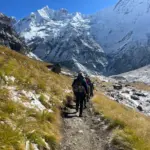
Everest Base Camp trek begins in Lukla, which winds through villages such as Phakding, Namche Bazaar, and Tengboche. Starting at Lukla, you will walk along the Dudh Koshi River to reach such beautiful villages.
The trek consists of 12-14 days, after which there are days dedicated to acclimatization at places such as Namche Bazaar and Dingboche. The weather is excellent during March-May and September-November, and this is the best time to trek.
In the process of trekking, there is a magnificent sight of Everest, Lhotse, Ama Dablam, among others. You will also come across different monasteries along the trail, such as the world-renowned Tengboche monastery, and walk across several suspension bridges.
Explore Sherpa Culture and Villages
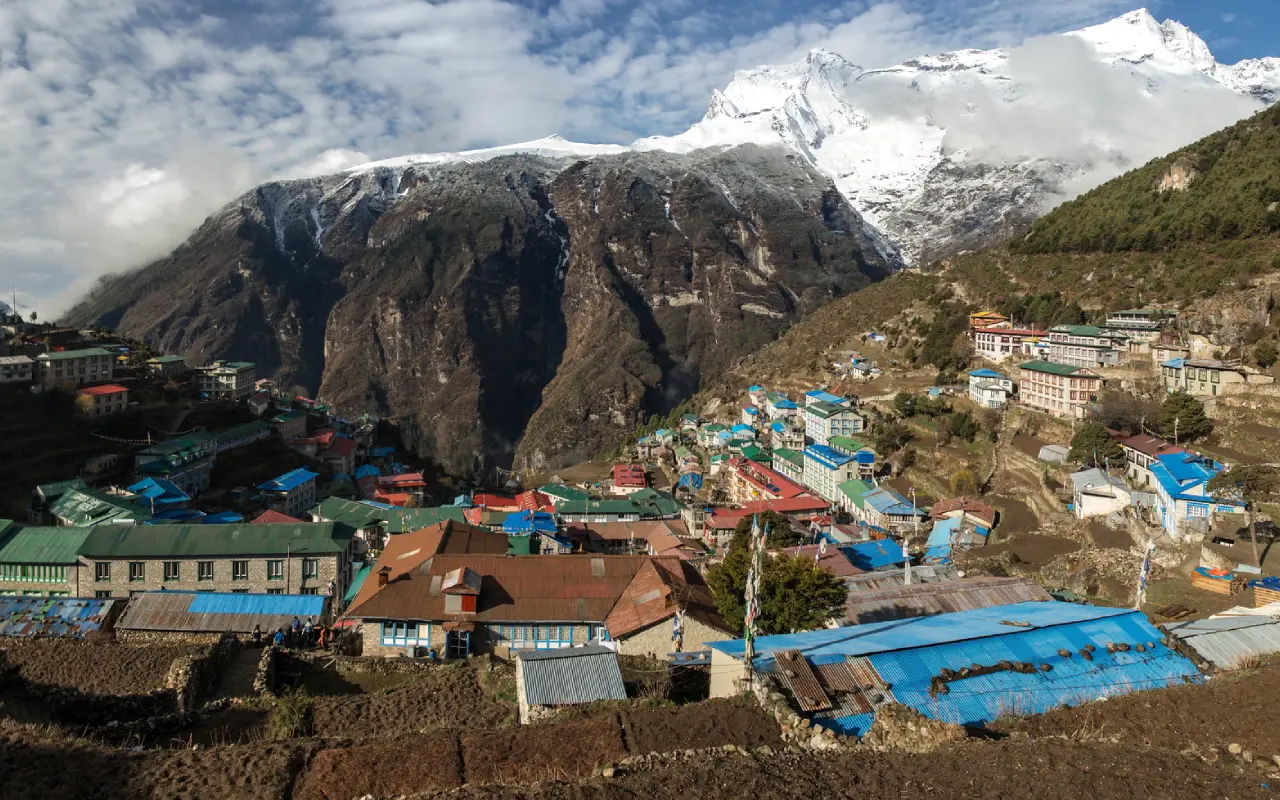
The Namche Bazaar, in Sagarmatha National Park, is the most renowned town that is also referred to as the Gateway to Everest. A major stop to acclimatize and rest, this Sherpa town is at an extremely high altitude of 3,440 meters. It is chock-full of Sherpa culture, colourful markets, and panoramas of the Himalaya, and combines action with tradition.
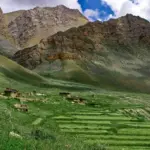
The surrounding villages of Khumjung and Khunde are significant cultural centers of Sagarmatha National Park. It has classic villages such as villages with ancient monasteries, mani walls, as well as squalid houses. Guests are able to view local traditions, the religious customs of Buddhism, and the famous Sherpa hospitality that is enriched in these communities.
Particularly in the Sagarmatha National Park, Sherpa culture is interwoven with Tibetan Buddhism. Several festivals, including the Losar (Tibetan New Year) and Dumji, are important, and they are celebrated with community dances, prayers, and feasts. The respect for nature and nature preservation are shown through the spiritual connection of the mountain Sherpas with Mount Everest (Chomolungma).
Sherpa communities found in the Sagarmatha National Park are very hospitable. To visitors who come into their village, they are shown true hospitality and are commonly included in their cultural practices, like ceremonies, prayers, and everyday life. All this combination of cultural and emotional hospitality proves that going on a way of exploring Sherpa villages is unforgettable and valuable.
Visit Tengboche Monastery
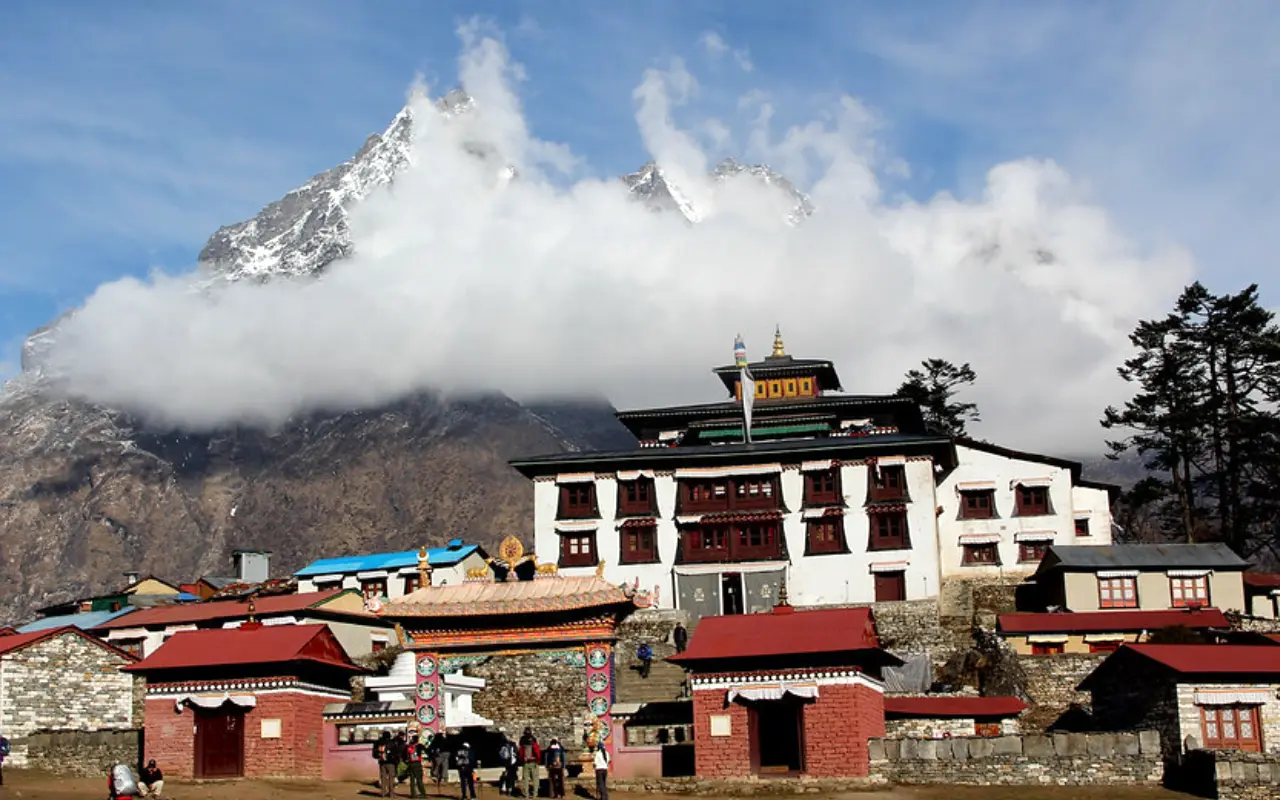
In the Sagarmatha National Park, Tengboche Monastery is the largest and most important Buddhist Monastery. This monastery was built in 1916 and is an amazing spiritual landmark on the way to the Everest Base Camp trek. It has deep ancient Tibetan Buddhist traditions and is a peaceful place to pray, meditate, and soak in Sherpa culture.
Tengboche Monastery is set in an awe-inspiring location, at 3,867 meters, with not only a panoramic view of sun-ridden mountains, Mount Everest, Ama Dablam, and Lhotse, but also of other mountain giants that fall under Sagarmatha National Park. This is in its beautiful background that makes it a must-see attraction to trekkers taking the Everest Base Camp trail, and during wildlife tours too.
The Mani Rimdu festival brings the monastery to life every autumn. The festival symbolizes the victory of good over evil and is celebrated by dances and sacred rituals. Monks, pilgrims, and trekkers come to this event, during which they get a unique cultural and spiritual experience in the Sagarmatha National Park.
Witness the Unique Wildlife
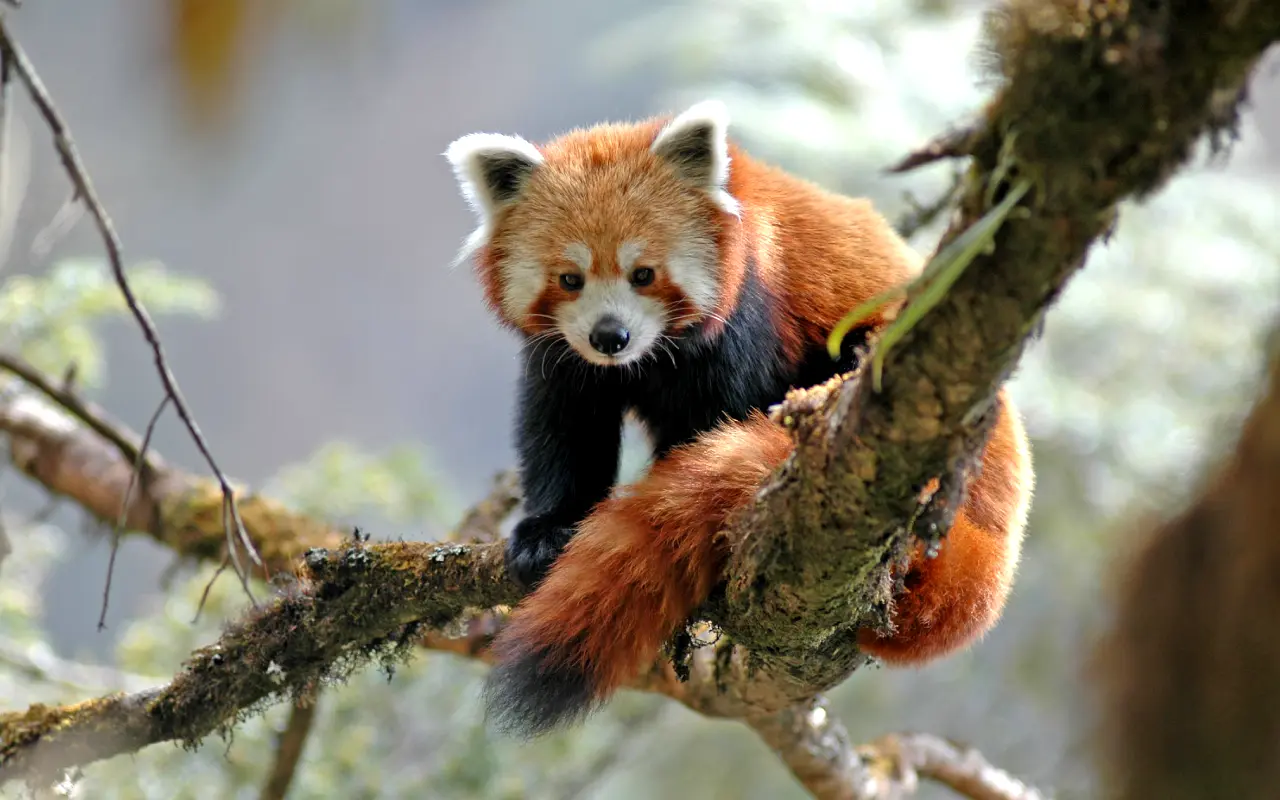
Sagarmatha National Park protects both rare and endangered wildlife, including the snow leopard and red panda. They are well-suited to the mountainous terrain and cold climate and emerge only sporadically to lucky tourists.
The park is also home to the Himalayan Tahr, a large wild mountain goat species, coated in thick woolly hair with thick curved horns, and musk deer. These species find life along the steep, rocky edges and with the alpine animals and plants.
Birding is fantastic in Sagarmatha National Park. Bird watchers flock to the park to observe a plethora of birds, vibrant and magnificent like the Himalayan Monal or Nepal’s National Bird. In total, over 200 birds live within this remoteness. Sagarmatha National Park is a bird watcher’s paradise.
Hike to Gokyo Lakes
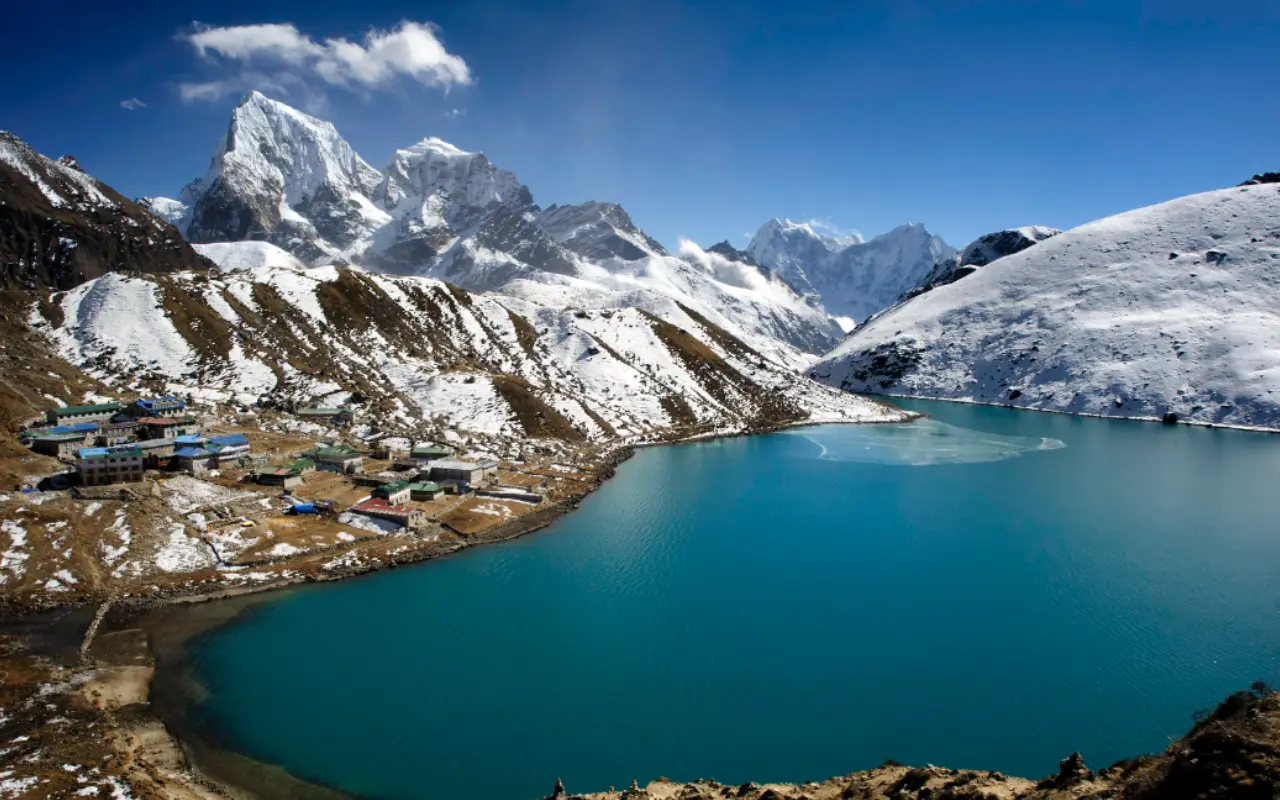
Gokyo Lakes are must see place while in Sagarmatha National Park. The water in the glacier comes from Ngozumpa Glacier, one of the highest freshwater lake systems in the world. Gokyo Tsho is sacred to Hindus and Buddhists and is situated in Gokyo Valley in the park.
Gokyo Lake trails are less crowded than the Everest Base Camp trail, and this trail is surpassed by a view of calm scenery, alpine forests, and untouched glacier water. The lakes take on the dark blue and emerald color that varies according to seasons and the sun rays that provide a remarkable visual effect. Sagarmatha National Park safeguards the sensitive environment in the area and hence, helps in maintaining its ecological and cultural values.
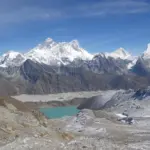
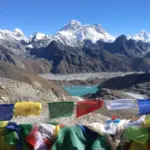
You will get amazing views of Everest, Cho Oyu, and Gyachung Kang from Gokyo Lakes. The perspective is known to have a magnificent panoramic view of the massive giants in the Himalayas. The Gokyo Lakes and Gokyo Ri offer trekkers in Sagarmatha National Park a unique beauty of nature and mountains.
Cross High Mountain Passes
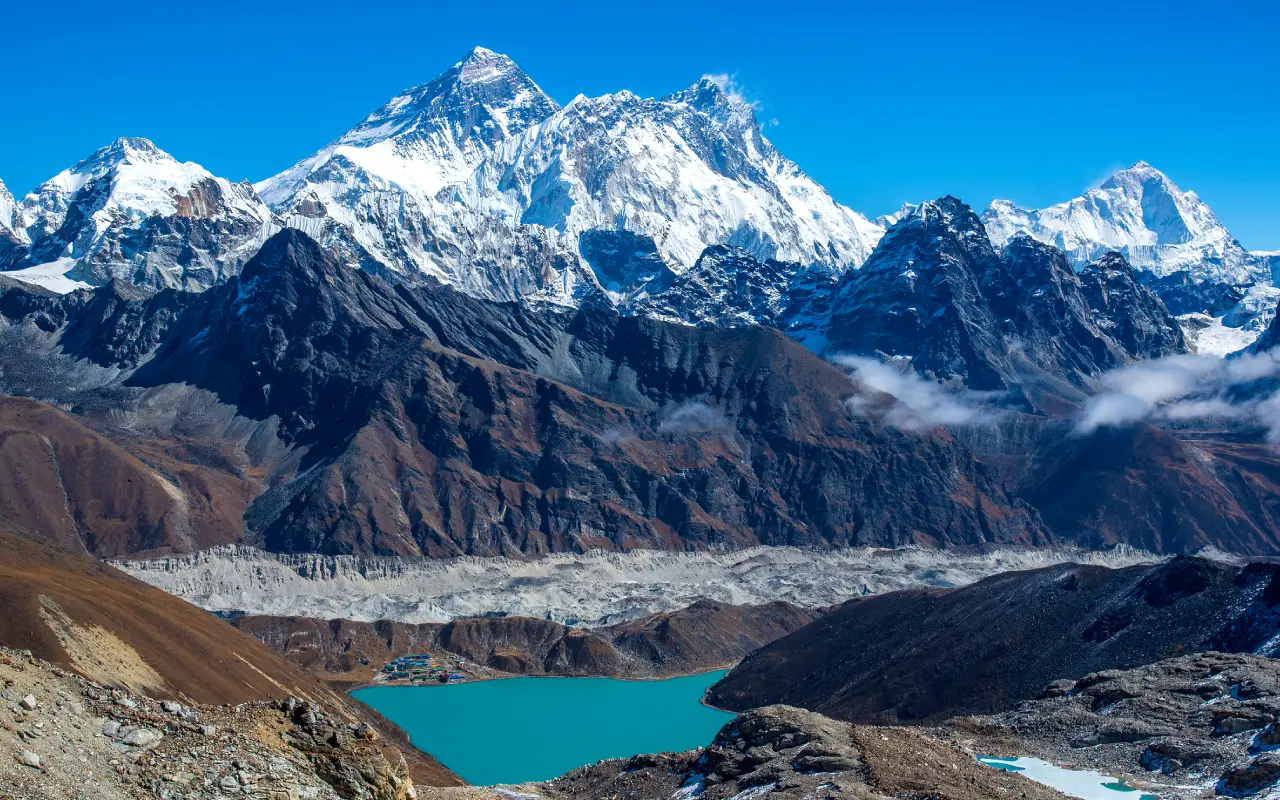
Trekking in Sagarmatha is full of adventure as one has to cross the popular three high passes, which are Cho La, Renjo La, and Kongma La. Both passes offer a monumental goal to trekkers and access to hard terrain; it comes at the cost of the unparalleled views down to Everest, and hundreds of peaks around it.
The 5,360–meter Renjo La pass is easier. It links the Gokyo Lakes with the Thame Valley in Sagarmatha National Park, offering marvelous panoramic vistas of the mountain Everest, glaciers, and the picture-perfect Gokyo Valley.
The more difficult passes are Kongma La (5,535 meters) and Cho La (5,420 meters). The Kongma La will provide trekkers with mind-blowing experiences of standing tall, light blue Himalayan giants, and expansive, remote glacial scenery. Trekking across these would give you a thrilling experience of the wild and exotic beauty of Sagarmatha National Park.
Enjoy Scenic Viewpoints and Photography
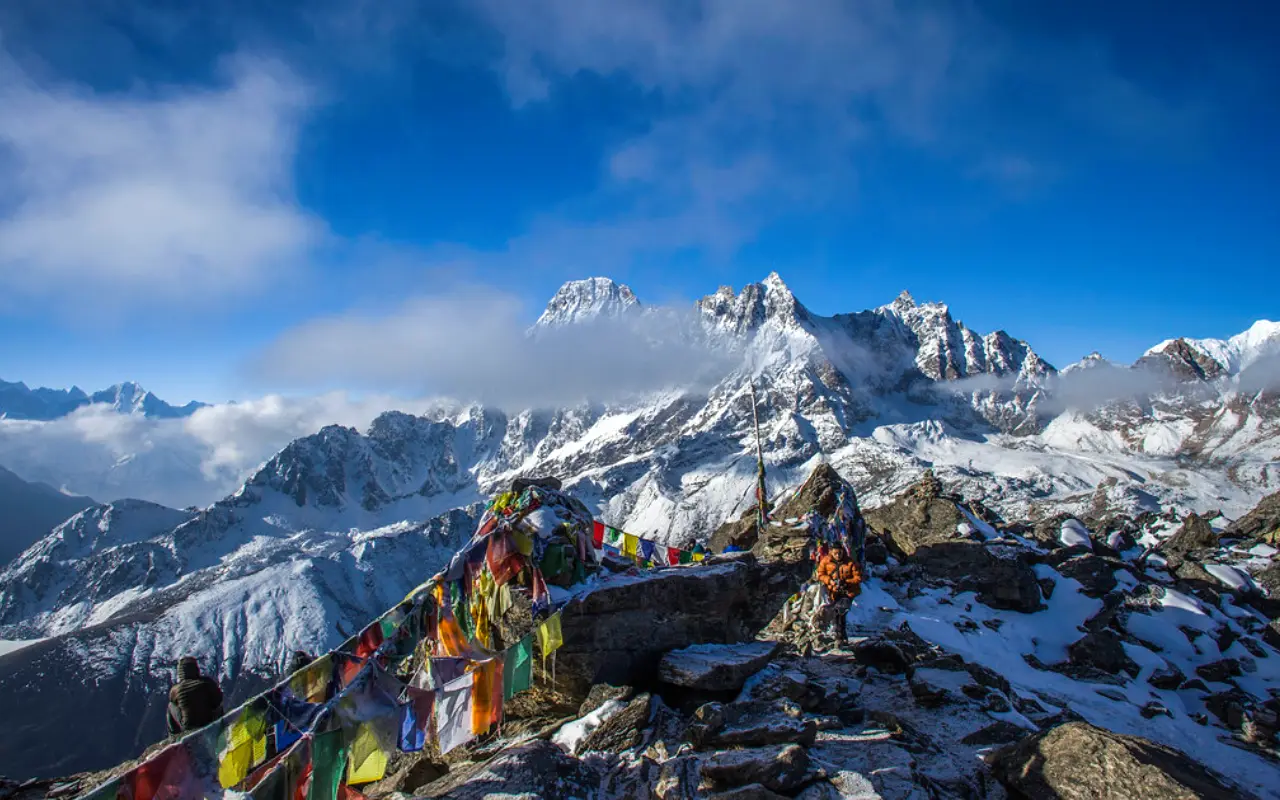
Kala Patthar is an amazing sunrise and sunset location in Sagarmatha National Park. Gokyo Ri is also a perfect spot for 360-degree vistas of mountains and Gokyo Lakes. Similarly, Tengboche Monastery is another spot that combines rich culture with Himalayan backdrops.
You can use a wide camera lens to capture vast Himalayan horizons and alpine vistas. Patience and timing are the key; the mornings and late afternoons provide soft, warm light, which adds texture and contrast. Look out for unusual viewpoints, and use natural framing to create depth and interest in shots.
To photograph wildlife, stealthy viewing and long-range cameras are useful in locating elusive animals that include snow leopards and colorful birds without scaring them away. Strive to be patient, follow the rule of respecting nature, and use good lighting to be able to get clean, intimate shots. These techniques used together cause photography in Sagarmatha National Park to be very fruitful.
Experience the Local Cuisine

Sagarmatha National Park also provides unique Sherpa food, including Sherpa stew (Shyakpa), which is a delicious heart heart-warming meat and vegetables noodle soup. The prevalent foods on the trek are Tibetan bread (Kur), a type of staple flatbread, and butter tea, which are warming and nourishing.
You will experience the real teahouse culture in Sagamartha National Park, as it is usual in these restaurants, to be served some traditional Sherpa dishes that are served fresh daily. These supplies of comforting teahouses provide the kind of local hospitality and an opportunity to enjoy the taste of delicacies such as Sha Phaley and the stunning scenery of the mountain.
Dining with trekkers in teahouses is also one way of getting acquainted with the Sherpa culture. Food such as Rildok (potato dumpling soup) and butter tea fuel trekkers at higher altitudes, and so the food in the Sagarmatha National Park trekking trip is something unforgettable.
Practical Travel Tips
The Sagarmatha National Park can be visited during the spring season (March to May) and the autumn season (September to November), as these are the most desirable seasons. In this period, there exists favorable weather characterized by blue sky days, nice temperatures, and trail conditions that provide excellent mountain scenery.
The Sagarmatha National Park entrance permit and TIMS (Trekkers Information Management System) card may be required to obtain entry and access to Sagarmatha National Park, as well as trekking in the area.
It is advisable to pack such basic things as layered clothing, suitable, robust trekking boots, a satin jacket, and rain covers. To be protected against UV rays, carry sunglasses, sunscreen, and a hat.
Altitude sickness is serious when one climbs beyond 3000 meters. Consequently, acclimatization, hydration, and symptomatic serenity are necessary.
You should pack basic medical supplies, including altitude sickness medicines, and high-energy snacks. Consider taking trekking poles to take weight off feet and knees, and take travel insurance that includes high altitude trekking for peace of mind safety.
Conclusion
The amazing scenery and the Sherpa culture in the Sagarmatha National Park give adventurers the chance to explore the park responsibly. Such an approach to nature and local culture safeguards such a rare tradition from lasting in the future.
A tour around the park is a lifetime experience with beautiful scenery around spectacular mountains, exotic animals, and colorful societies. Simply enjoy the journey and treat it with love and respect so that Sagarmatha National Park can stay in a state of pristineness to all who will come down the path.