
 English
 Dutch
Dutch Japanese
 Hindi
Hindi Italian
 Spanish
 French
 German
 Chinese
 Korean
 Arabic
 Hebrew
 Russian
 Portuguese
 Danish
 Czech
Czech Polish
 Swedish
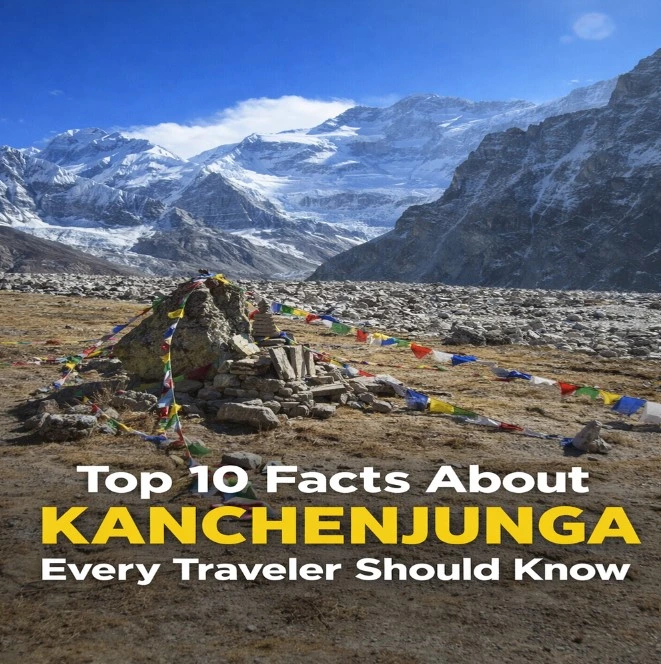
Kanchenjunga, standing tall at 8,586m is not only the third highest mountain in the world but also one of the most mystical and culturally significant peaks on Earth. It is located between the remote borders of Sikkim in India and eastern Nepal. Many travelers visit this region inorder to enjoy its snowy peaks, clean air, quiet valley and amazing views.
Kanchenjunga is not just a tall mountain. For local people it’s a holy place filled with stories, beliefs and traditions. The area around it is also home to beautiful forests, rare animals and friendly mountain villages.
In this article you will learn the Top 10 important facts about the kanchenjunga that every traveler should know. These facts will help you understand the mountain better and appreciate its natural and cultural importance
1. Kanchenjunga: The Third Highest Peak in the World
Kanchenjunga is the third highest mountain on Earth, rising to a height of 8,586m (28,169 ft). It stands tall in the eastern himalayas and is known for its massive structure, steep ridges and breathtaking beauty. The mountain is surrounded by the deep valleys, thick forests and snowy landscapes that create a dramatic and awe-inspiring sight.
This mighty peak is a part of the Kanchenjunga Himal range, which includes several other high mountains and glaciers. Because of its remote location, the region is peaceful, untouched and full of natural charm. Unlike Mount Everest or other famous peaks, Kanchenjunga has fewer climbers , making it a more serene and less crowded place for adventures.
Many travelers are drawn to Kanchenjunga not only for its height but also for its mysterious and spiritual aura. The mountain holds a special place in the hearts of local people and visitors often say they feel a deep sense of calm and wonder .
Since the area is quite far-flung, the atmosphere is peaceful and pristine. Neither Mount Everest nor any other prominent peak can match the fewer ascended totals that have reached Kanchenjunga. It is a much more tranquil environment for adventurers.
A large number of adventurers are drwn to Kanchenjunga not only because of its height but also because of the mysterious and religious overtones associated with the mountain. Kanchenjunga is a favorite for the people and a large number of adventurers feel a certain calm and sense of wonder as they observe the mountain. Its looks and religious significance make kanchenjunga one of the most fascinating mountains in the world.
2. Meaning of the Name “Kanchenjunga “
The origin of the name Kanchenjunga is from the Tibetan language and it is the translation of ‘kan-chen-dzo-nga’ and it means ‘Five Treasures of the Snow’. The Five Treasures stand for precious things such as gold, silver, gems, grains, and holy texts. The Five Treasures are believed to have been protected by the mountain spirits. This makes Kanchenjunga not only a geographical location but also a holy site.
The locals also believe the mountain safeguards such treasures and thus provides prosperity and blessings for the neighboring villages. The people living around the Kanchenjunga ranges usually perform religious abd prayers as a symbol of their spiritual bond with the mountain. For the visitor, knowing that addsa is another name for Kanchenjunga introduces a cultural and spiritual dimension to their trip. It helps them understand that Kanchenjunga is more than just an object that can be climbed or photographed it is also a holy place that local people hold in religious esteem.
3. The Sacred Mountain: Why Climbers Respect Its Summit
Kanchenjunga is considered a sacred mountain by the people of Sikkim and Nepal . They believe the summit is the home of gods and climbing to the very top is seeen as disrespectful . Because of this many climbers stop just below the summit following a tradition that shows respect for local beliefs.
This tradition started in the 1950s when the first climbers reached near the top but refused to step on it. Even today , expeditions honoe this rule making kanchenjunga unique among the world’s highest peaks.For travelers knowing the meaning behind the name adds a rich cultural layer to their visit . It reminds them that kanchenjunga is not just a mountain to Photograph it is sacred place. Understanding the local beliefs helps visitors appreciate the land , respect its culture and feel connected to the stories that surround this mahectic peak.
4. Location & Borders: Where Exactly Is Kanchenjunga?
Kanchenjunga is located in the eastern Himalays, forming a natural border between Nepal and Sikkim , india . The area is rugged and remote surrounded by the dense forests , rivers and small villages. Its isolation has helped preserve the natural beauty and the culture of the region.
The mountain is part of the Kanchenjunga Himal range which stretches over hundreds of kilometers. Many trekking routes in the area allow travelers to experience both the Nepali and Indian sides of the mountain each offering unique landscapes and cultures.
Because of its location, Kanchenjunga is less commercialized than other himalayan peaks. This means trekkers and visitors can enjoy a more peaceful and authentic experience surrounded by the nature and untouched wilderness.
5. Unique Flora and Fauna in the Kanchenjunga Region
The Kanchenjunga region is a biodiversity hotspot which is nestled in the eastern Himalayas, offering the travelers a rare opportunity to experience the pristine ecosystems. Its unique combination of altitude , climate and terrain supports a remarkable variety of plants, animals and birds many of which are rare and are endangered.
Flora
The vegetation around the Kanchenjuna varies with the altitudes:
At Lower Elevation s(1000-2500m) : It has lush subtropical forest which is dominated but the oak, pine and bamboo grovers. You will fins flowers like Rhododendron , magnolias and camellias which add the vibrant burst of color during the blooming season aka spring season
Mid-Elevation (2,500-400m) : Mid – Elevation is coevred with the dense temperature forests of fir, birch and hemlock prevail. Alpine meadows will begin to appear with will be dotted with the edelweiss, primulas and gentians which will give the trekkers a painterly landscapes
High Elevations (Above 4000m): In this harsh condition the vegetation allow only hardy alpine flora, mosses, lichens and small flowering plants apated to freezing temperatures are strong winds.
Fauna
The remote and the protected nature of the Kanchenjunga region provides the safest habitat for an impressive range of the wildlife
Mammals
The region is home to the several rare and the endangered mammals including the snow leopard, red panda, Himalayan black bear, musk deer, blue sheep and Himalayan Tahr. Though the sightseeing of them is quite rare due to the animals elusive nature, their presence highlights the ecological importance of that area.
Birdlife
Kanchenjunga is a paradise for the bird watchers, with over 250 species of the birds recorded in the region. Some of the notable species includes the Himalyan monal (Nepal’s national bird), blood pheasant, snow partridge, satyr tragopan and golden eagle. The diverse birdlife adds color, sound and the movement to the trekking experience
Reptiles and Amphibians
In the lower and the mid-elevation zones travelers may encounter various of the frogs, lizards and non-venomous snakes which thrives in the moist forest environments and contributes to the regions ecological balance.
Conservation and Protected Areas
During your Kanchenjunga trek much of the trekking route passes through the Kanchenjunga Conservation Are, Nepal’s Largest protected are. The region is joinyly managed with the involvement of the local communities, promoting the sustainable tourism and wildlife conservation. These efforts helps the preserve the fragile ecosystems while supporting traditional livelihoods.
6. First Successful Ascent: A Historic Achievement
The first successful scent of kanchenjunga was accomplished by the British team in 1955, under the leadership of Charles Evans. The two persons who reached the highest point were identified as Joe Brown and George Band. This is a significant landmark in the history of Himalayan mountaineering, considering the fact that kanchenjunga is one of the remotest mountains in the world.
The most special aspect of this climb is that it honored religious beliefs of the local population. The people of Sikkim and Nepal believe that Kanchenjunga is a holy mountain, and its summit is home to God. In reverence to that, Joe Brown and George Band climbed down a few meters below its summit, and this has remained a tradition that is followed to date by all climbers.
At that time, mountain gear and weather prediction were quite primitive making the expedition highly dangerous. The success of the 1955 expedition proved that there was not only skill and endurance involved but also cultural delicacy and lack of arrogance. They handled the situation with grace and respect that came from both the mountaineers and the locals in admirationFor the tourist, the story of the first ascent of kanchenjunga is more than a mere historical event; it holds significance and meaning. The first ascent of kanchenjunga is one of the few instances where there is a balance between the human achievement and the religious reverence that kanchenjunga is distinct from the other highest.
7. Challenging Terrain: Why Kanchenjunga Is One of the Toughest Climb
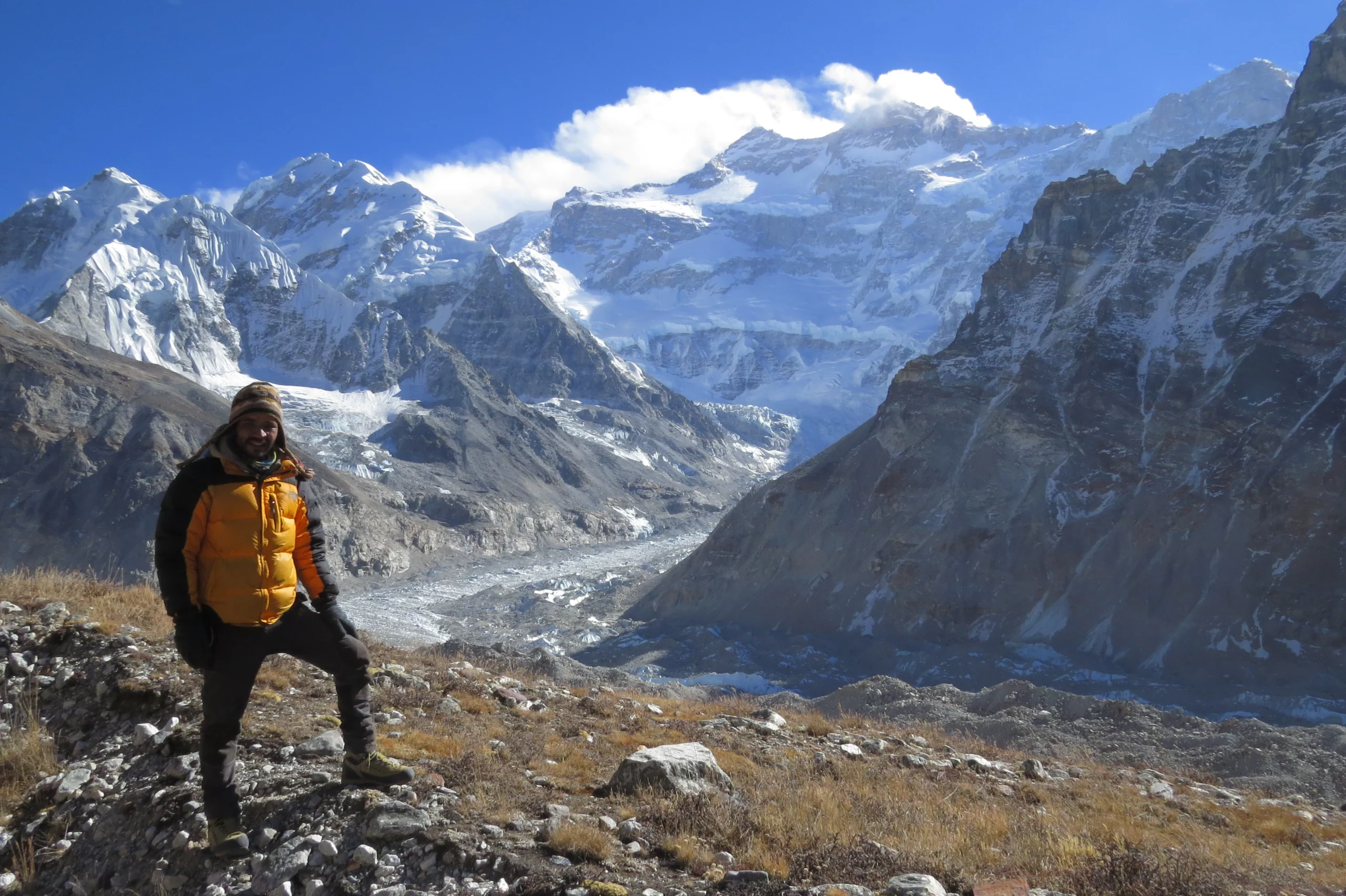
Kanchenjunga is famously known as one of the most difficult, as well as a dangerous peak, to be ascended in the whole wide world. It is, in fact, the third-highest mountains in the world, but still, it gets fewer climbers than that of Everest or K2 mountains.Reasons that make kanchenjunga the most difficult mountains to be climbed are as follows
Severe Weather Conditions
The mountain has unpredictable climatic changes. High-speed wind, intense snowfall, and extreme cold weather are most prevalent in this region, even during peak climbing seasons. Electrical storms may suddenly emerge, resulting in low visibility, the danger of frostbite, as well as avalanches. Such extreme factors make it difficult for climbers.
Steep Slopes and Technical Difficulty
Kanchenjunga has steep ridges, ice walls, and massive glaciers. A great number of sections will demand high technical skills, ice climbing, and snow and rock navigation. The mountain has long routes that will call for physical endurance coupled with psychological strength to push the mountaineers to their limit.
High Risk of Avalanches and Icefalls
The mountain has a history of frequent avalanches and collapsing icefalls, which pose serious threats to the climbers. Glaciers shift constantly and snow conditions can become unstable, especially after the heavy snowfall. These dangers make Kanchenjunga one of the riskier 8000m peaks.
Remote location and Limited Rescue Options
Kanchenjunga is located in the remote and less accessible region of the himalayas. Rescue operations are difficult due to the limited infrastructure, long distances and unpredictable weather. This isolation means climbers must be highly self-reliant and well-prepared for the emergencies
High Fatality Rate
Because of all these challenges, kanchenjunga has historically had a higher fatality rate compared to the many major peaks. The combination of technical difficulty, weather hazards and remoteness makes it a serious undertaking the suitable only of highly experienced mountaineers
For traveler and trekker enthusiasts, understanding these challenges builds greater respect for the mountain. Kanchenjunga is not just tall it is powerful demanding and unforgiving, earning its reputation as one of the toughest climbs on Earth.

8. Best Viewpoints for Travelers
Kanchenjunga is one of the most beautiful and revered mountains in the world and the best part is that traveler donot need to climb it to enjoy its breathtaking beauty. Several viewpoints across the Nepal, Sikkim and Darjeeling which offers the spectacular panoramic views of the Kanchenjunga massif especially during the clear morning when the peaks glow in the golden light.
Viewpoints in the Eastern Nepal.
Pang Pema (North Base Camp)
Pang Pema itself is one of the finest viewpoints of the kanchenjunga. From here, travelers can witness the massive north face of the Kanchenjunga along with the surrounding peaks, glaciers and icefalls. The sheer scales and the remoteness makes this viewpoint the unforgettable one.
Oktang (South Base Camp )
Oktang offers dramatic views of the south face of kanchenjunga and the stunning Yalung Glacier. The rugged terrain , icefalls and the towering peaks provide a closer and more intense perspective of the mountain’s wild character.
Lhonak Valley
Lhonak valley is located on the North Base Camp route, the Lhonak valley provides the expansive views of the Kanchenjunga , Jannu (Kumbhajkarna) and other high peaks. Its wide, open landscape and the glacials scenery makes ot one of the most scenic areas of the trek.
Sele La Pass(4,290m)
Slele La is high mountain pass which offers the panoramic views of kanchenjunga including the surrounding Himalayan ranges. Prayers flags fluttering in the wind adds the spiritual atmosphere to this breathtaking viewpoint.
Here is the list of Viewpoint from Sikkim and Darjeeling
- Gurudongmar Lake Region
- Dzongri Viewpoint
- Goecha La
- Tiger Hill
- Observatory Hill
9. Kanchenjunga Base Camp Treks (North & South Routes)
The Kanchenjunga Base Camp Trek is one of the most remote and rewarding trekking experiences in the himalayas. Unlike the crowded routes in the Everest or Annapurna regions, this trek takes the travelers deep into the untouched landscapes, traditional villages and pristine mountain wilderness. The trek offers the two main routes: North Base Camp and South Base Camp, while each of them provides the different perspective of the kanchenjunga.
North Kanchenjunga Base Camp (Pang Pema)
The North Base Camp also known as Pang Pema, lies at an altitude of approximately 5,140m . This route offers breathtaking views of the massive north dace of the Kanchenjunga along with the surrounding peaks and glaciers. Trekkers walk through the alpine forests, river valets and high mountains terrain before reaching to the base camp.
The North Base Camp trek is less technically demanding than south route but still requires the good physical fitness and proper acclimatization . It is ideal for the trekkers who wants to dramatic mountain views without the extreme technical challenges
South Kanchenjunga Base Camp (Oktang)
The South Base Camp, called Oktang is situated at about 4,700m . This route is known for its stunning views of glaciers, icefalls and the impressive Yalung Glaciers, The south side offers the closer views of the mountains rugged and he dramatic features.
This route is slightly more challenging due to the steeper trails and the longer walking days. However, it rewards the trekkers with the spectacular scenery and a deeper sense of the wilderness and isolation
10. Myths, Legends, and Local Beliefs
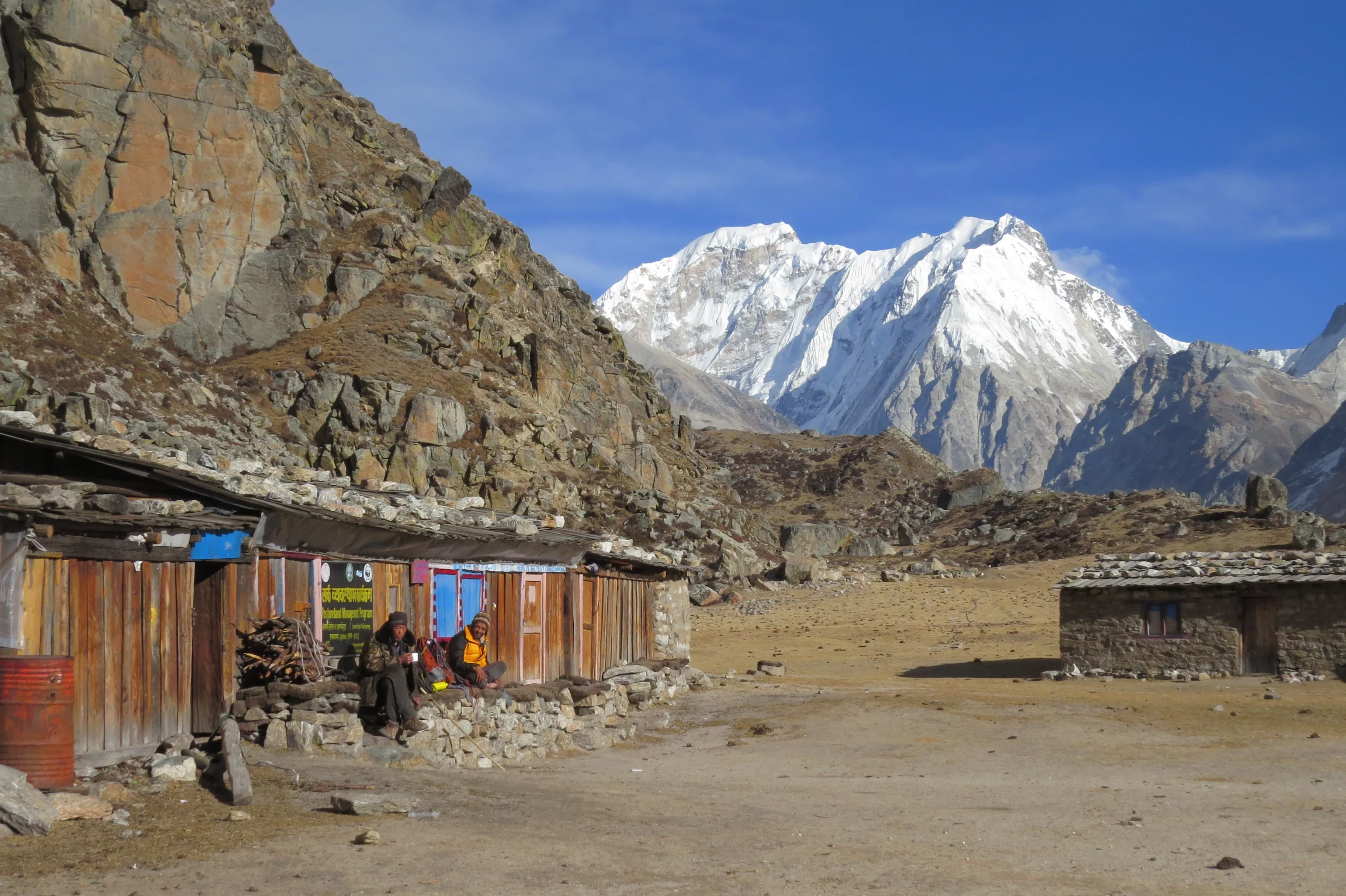
Kanchenjunga is not just the third-highest mountain in the world. It is a sacred and is deeply spiritual peak which is revered by the local communities in the eastern Nepal, Sikkim and the Tibet. For centuries the mountain has been surrounded by the myths, legends and religious beliefs that adds up the powerful cultural dimension to the trekking experience.
The Sacred Five Treasures of the Kanchenjunga
The name Kanchenjunga comes from the Tibetan words meaning “ The five Treasures of the Great Snow “ . These five treasures symbolize gold , silver, precious stones, grains and the holy scriptures which is believed to be hidden within the mountain. According to the legend, these treasures will be revealed to the humanity only when the world faces the extreme hardship , making the Kanchenjunga a guardian of the future prosperity.
Protector Deities and Mountain Spirits
Local communities , especially the limby, Rai , Sherpa and Tibetan Buddhist people believe that the kanchenunga is the home to the powerful mountain deites. The mountain is regarded as the protector god, watching over the land, people and wildlife. Many villagers perform ritual and offers the prayers before journeys , harvests or major life events to seek the blessing from the mountain spirits.
In Tibetan Buddhism, kanchenjunga is considered as the “ Dzonga” which is a sacred hidden valley blessed by the Guru Rinpoche(Padmasambhava). It is believed that the spiritual energy flows strongly in this region and many monks meditate here seeking the enlightenment and the inner peace.
The legend of Yeti (The Abominable Snowman)
Kanchenjunga is also one of the region which is most commonly associated with the yeti folklore. Locals tells the stories of large, mysterious footprints which are found in the snow and encounters with a giant, human-like creature believed to be inhabit the high himalayan wilderness. While modern science remain very skeptical, the yeti legend remains an important part of the local storytelling as well as the cultural identity.
Respect for the Summit : A Sacred Tradition
One of the most unique traditions which is related to the Kanchenjunga is the belief that humans shouldnot step on its true summit. Out of respect for the mountain deity climbers traditionally stop a few meters below the peak. This practice began with the forest successful ascent in the 1955 and is continue to be honore by many of the mountaineers today.
Nature as a living Entity
For the indigenous people of the kanchenjunga region nature is alive and sacred. Rivers, forests, glaciers and mountains are believed to have spirits. Harming the nature without the respect is thought to bring the misfortune. This belief has helped to preserve the region’s pristine environments and rich biodiversity.
Trekking to the kanchenjunga Base Camp is more than physical adventure ot is a journey into the living mythology and ancient belief systems. The isolation, silence and raw beauty of the region allows the trekkers to feel a profound connection with the mountain, culture and spirituality that have shaped life here for the generations.
Why You should choose Kanchenjunga Trek ?
The Kanchenjunga Trek is an ideal choice for trekkers who wants a deep meaningful, and adventurous Himalayan experience far from the bust and commercial trekking routes, As one of the Nepal’s most remote region, it offers the true wilderness, where trails pass through the untouched forests, dramatic valleys, massive glaciers and the high alpine landscapes dominated bu the majestic presence of the Mount Kanchenjunga, the world third highest peak.
Beyond its natureal beauty , the trek is rich in cultural and spiritual significance with ecounters among Limbu, Rai , Sherpa and Tinetan-influenced communities whose traditional lifestyles, monasteries , prayer flags, and rituals reflect a profound respect for nature The mountain itself is considered sacredand ancient beliefs along with the Yeti Lagends which obviulusly goves the region a mystical atmosphere . Trekking through the Kanchenjunga Conservation Area also allows the travelers to experience remarkable biodiversity, including rare wildlife and pristine ecosystems that have been prepserved through the local beliefs and the limited human impact.
Although the trek is physically demanding and the best suited for the experienced trekkers . The trek will reward you with the immense solitude, raw natural beauty , cultural authenticity and powerful connection to the mountains that few other treks in Nepal can offers.

Which is the best season to go to Kanchenjunga Trek
The best seasons to go onn the Kanchenjunga Tek are spring and autumn as these periods offers the most stable weather, clear mountain views and safer trekking condition in this remote Himalayan region .
Spring (March to May)
Spring is one of the most ideal seasons for the Kanchenjunga Trek. During this time , the weather is generally stable and the temperatures gradually warm as winter fades. In the lower trekking area (1500-2500m), daytime temperatures ranges form the 10°C to 20°C while nights are cool but comfortable around 5°C to 10°C in the higher regions (4000-5000m ) daytime temperatures average 0°C to 10°C, dropping to -5°C to -10°C at night.
The forests burst into the color with blooming rhododendrons, magnolias and the wildflowers creating some of the most scenic landscapes of the year. In terms of visibility its excellent making the spring perfect for the mountain views and the photography and the trails are generally in the good condition after the winter snow begins to melt.
Autumn (September to November )
Autumn is equally popular and often considered as the best overall season for the Kanchenjunga Trek. After the monsoon rains, the air becomes the crisp and clean, offering the outstanding visibility of the himalayan peaks. In the lower regions, daytime temperatures ranges between 12°C and 22°C, with nighttime temperatures around 5°C to 10°C. In the upper elevations, daytime temperatures usually stays between the -2°C and 8°C, while nights can fall to -8°C to -15°C.The weather is dry ans stable, days are mostly sunny and the risk of landslides is minimal making the trekking safer and more enjoyable. Additionally major cultual festival such as Dashian and Tihar often occurs during this season so people are on festive mode , resulting them to be more welcoming than ever. Meaning you will get chance to experience the festival, culture and tradition.
Winter (December to February)
Winter trekking in the Kanchenjunga is possible but extremely challenging and recemmende only for every experienced trekkers. In the lower areas, daytime temperatures ranges form the 5°C to 12°C, but nights can drop close to 0°C or below. In the higher regions temperatures remain well below the freezing with the daytime temperature being around the -5°C to 5°C and nighttime temperatures plunging to -15°C to -25°C. . In the winter season due to the heavy snowfall it can block the high passes and the trails which makes the trekking more difficult and sometimes w=impossible. However those who venture during winter are rewarded with incredible solitude and the crystal-clear mountains views
Monsoon (June to August)
The monsoon season is not recommended for the Kanchenjunga Trek. During this period, the lower regions experince the warm and humid conditions with daytime temperatures between the 20°C and 30°C, which higher areas remains the cooler at around 5°C to 15°C. Heavy rainfall leads to slippery trails, frequent landslides, swollen rivers and the leech-infested forests. Cloud often coves the mountain views and trekking kind of becomes more uncomfortable and risky
Overall , Spring (March-May) and autumn (Spetemer-November) are the most suitable seasons for the Kanchenjunga Trek offering the stable weather, comfortable temperatures and clear mountain views, Autumn is especially favored fr its reliability while spring out for its colorful landscapes and the mild conditions.
Ready to book your trip with us? Fill out the inquiry form below
Final Say
Kanchenjuga is more than just the third highest mountain in the world. It is a land of deep spirituality , untouched wilderness and raw himalayan adventure. From its powerful height of 8,586m to the sacred meaning behind its na,e Kanchenjunga holds a unique place in both nature and culture. Every fact about this mighty peak revelas why it remains one of the most respected and the mysterious mountains o Earth.
For travelers seeking the peace, authenticity and a true connection with the himalayas , the kanchenjunga region offers something truly special .
Its remote trails rich biodiversity, ancient traditions and respectful climbing culture make it stand apart form more than other commercial trekking destinations. Understanding these key facts before visiting heps travelers appreciate not only the mountain’s physical beauty but also its spiritual and cultural importance to local communities.
Nature Explore Trek organizes Kanchenjunga trek every season , especially in spring and autumn season with the experience guides and strong reliable porters who know the region extremely well. Our Knowlegdeable team understands the trails , culture, and challenges of this remote area and is dedicated to providing the safe comfortable and high-quality service throughthe journey.