
 English
 Dutch
Dutch Japanese
 Hindi
Hindi Italian
 Spanish
 French
 German
 Chinese
 Korean
 Arabic
 Hebrew
 Russian
 Portuguese
 Danish
 Czech
Czech Polish
 Swedish
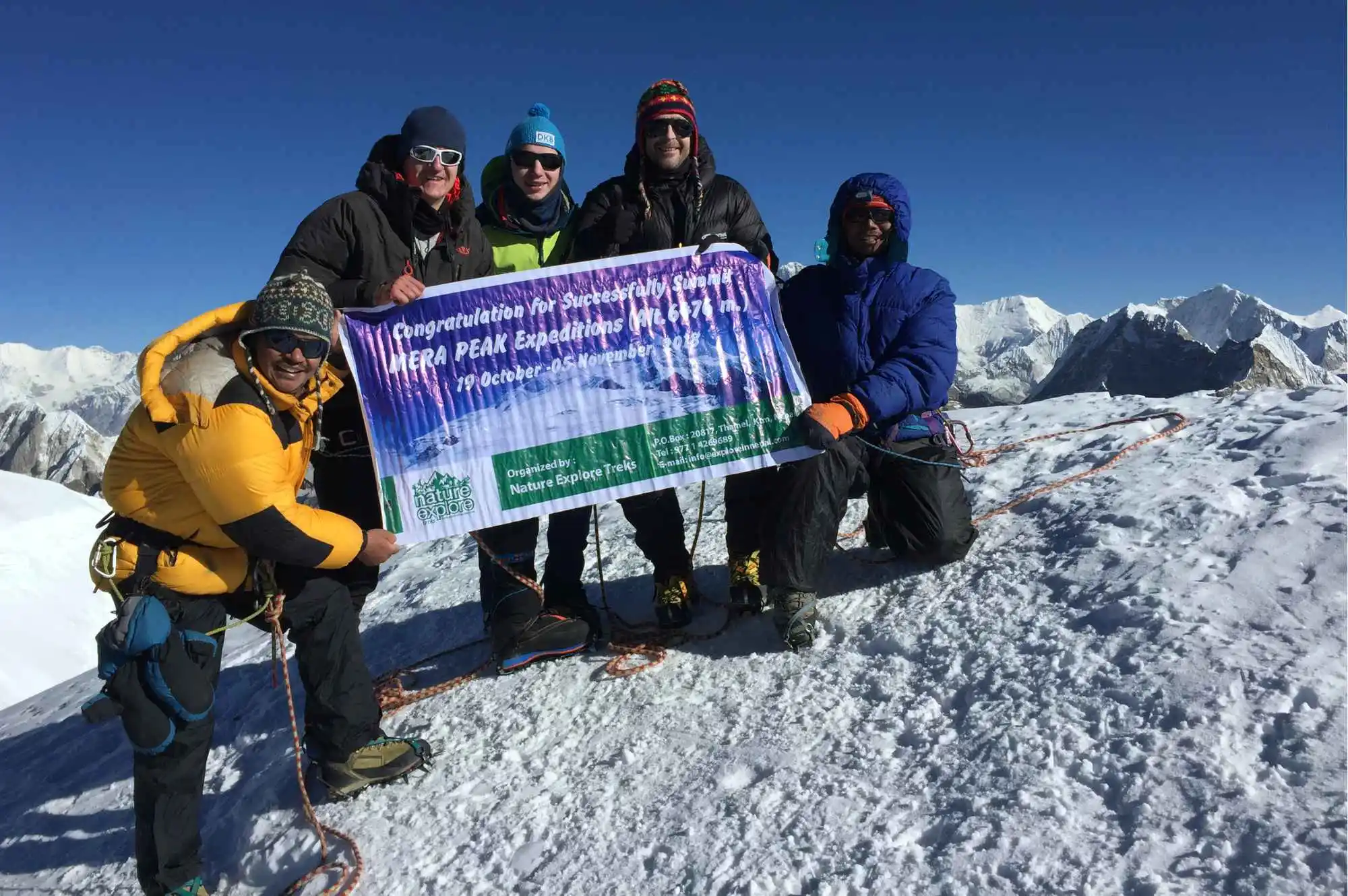
Mera Peak (6,476 m) and Island Peak (6,189 m)Autumn and Spring are the perfect seasons to climb Mera Peak or Island Peak because the weather stays clear, stable, and comfortable. are two of Nepal’s most popular trekking peaks, and many climbers choose them because they offer a real Himalayan adventure without needing advanced technical skills. One of the most important choices you make for these climbs is the season. The weather in the mountains changes fast, and the right season can make your whole trip feel smoother, safer, and more enjoyable.
Spring, from March to May, is a warm and lively time in the mountains. The days get longer, the temperatures rise, and the trails come alive with blooming flowers, fresh greenery, and clear morning skies. The snow left from winter settles into a solid layer, which makes walking on glaciers more stable and predictable. It is a peaceful season with gentle weather that helps your body adjust to the altitude.
Autumn, from September to November, is just as beautiful. The monsoon rain clears away dust and haze, leaving the air fresh and the views incredibly sharp. It is the time during which you can observe the mountains that are laid across the horizon in complete clarity. The paths dry, the skies remain mostly clear and the temperatures are pleasant and comfortable on longer days of walking.
Summer, on the other side, is too wet, the trails are too slippery, and the snow is not steady; winter complicates everything with the low temperatures and strong winds. That is the reason why the majority of the climbers select autumn or spring. These two seasons will not only provide the most suitable combination of good weather, clear visibility and good condition of the trails, but it also gives you time and space to enjoy the climb and give in to the charm of the Himalayas to full extent.
Why Autumn Is Ideal for Mera Peak and Island Peak
Stable Weather and Clear Skies
The autumn comes immediately after monsoon and it looks like the mountains are breathing a new life. The clouds dissipate, the weather is sharp, and long periods of still conditions make this season very dependable in climbing. The month of October, especially, is characterized by sunshine and stable conditions that are not likely to shift without prior notice.
The monsoon clean air allows you to have broad, open valley views of the Himalayas every day. When the weather remains stable, you will be able to proceed with your itinerary without much fear of unexpected storms or heavy clouds that may hit you at any moment, and the entire climb will be less stressful and predictable.
Comfortable Daytime Temperatures
Autumn gently cools off the mountains. The temperatures are cool yet comfortable during the day at lower altitudes, but cold high camps are still cold even in autumn, hence warm clothes are nonetheless necessary. Nights are cold but they are better than winter since cold is bearable and can be dealt with easily with right equipment.
This combination of cool days, cold nights but not extreme nights relieves your body of some of its physical burden. The slower pace of climbing also allows you to pay more attention to the trail and the view and less to maintaining warmth.
Better Visibility of Peaks and Landscapes
The most ideal aspect of autumn is that the mountains are extraordinarily clear. With months of rainfall, the dust and haze will be gone, and sharp dramatic sceneries of snow covered mountains can be seen on the very first day of your trek.
Up the mountain the landscape is even more breathtaking, with long open views that are nearly unbelievable. The sky is frequently depicted in saturated colours by sunrises and sunsets that turn the mountains into blazing monsters. This is not only very uplifting but it also guides you well in navigation and route planning.
Safer Trails and Glacier Conditions
When autumn comes, the trails are already dry due to summer rains. This implies a stable surface, well-established footing, and a reduced number of slippery or muddy areas. On the mountains themselves, the snowpack stabilises, making glacier travel more predictable.
Crevasses stand out more clearly, and the risk of fresh avalanche-prone snow is much lower than in monsoon or winter. The route feels steady under your feet, and the slow, consistent weather changes help you get used to the conditions without sudden surprises. All of this makes climbing feel safer and more controlled.
High Success Rate in Summit Attempts
Mera Peak and Island Peak are always most successful during autumn. Under predictable weather patterns, clear skies, and reliable trail conditions, the majority of teams can execute their plan without significant disruptions. The minimal number of weather delays can guarantee that you have more chances to select the ideal summit day.
The warm weather and predictable weather conditions also aid your body to get more adaptable when climbing higher. Because of the favorable climbers weather, October is the month that affirms many climbers of their best chance of making it to the top enjoying the process.
Cultural Festivals Adding Extra Experience
It is also a festival season in Nepal during autumn and this will bring a wonderful cultural touch to your adventure. Such celebrations as Dashain, Tihar, and Sherpa festival Mani Rimdu make the country alive. Villages along the trail are filled with music, lights, and warm gatherings, and you may see people in traditional dress visiting monasteries or performing rituals.
Many trekkers enjoy being part of these moments, even as spectators, because they give a deeper sense of connection to the local culture. It feels like the mountains and the people both share their best side during this time of year.
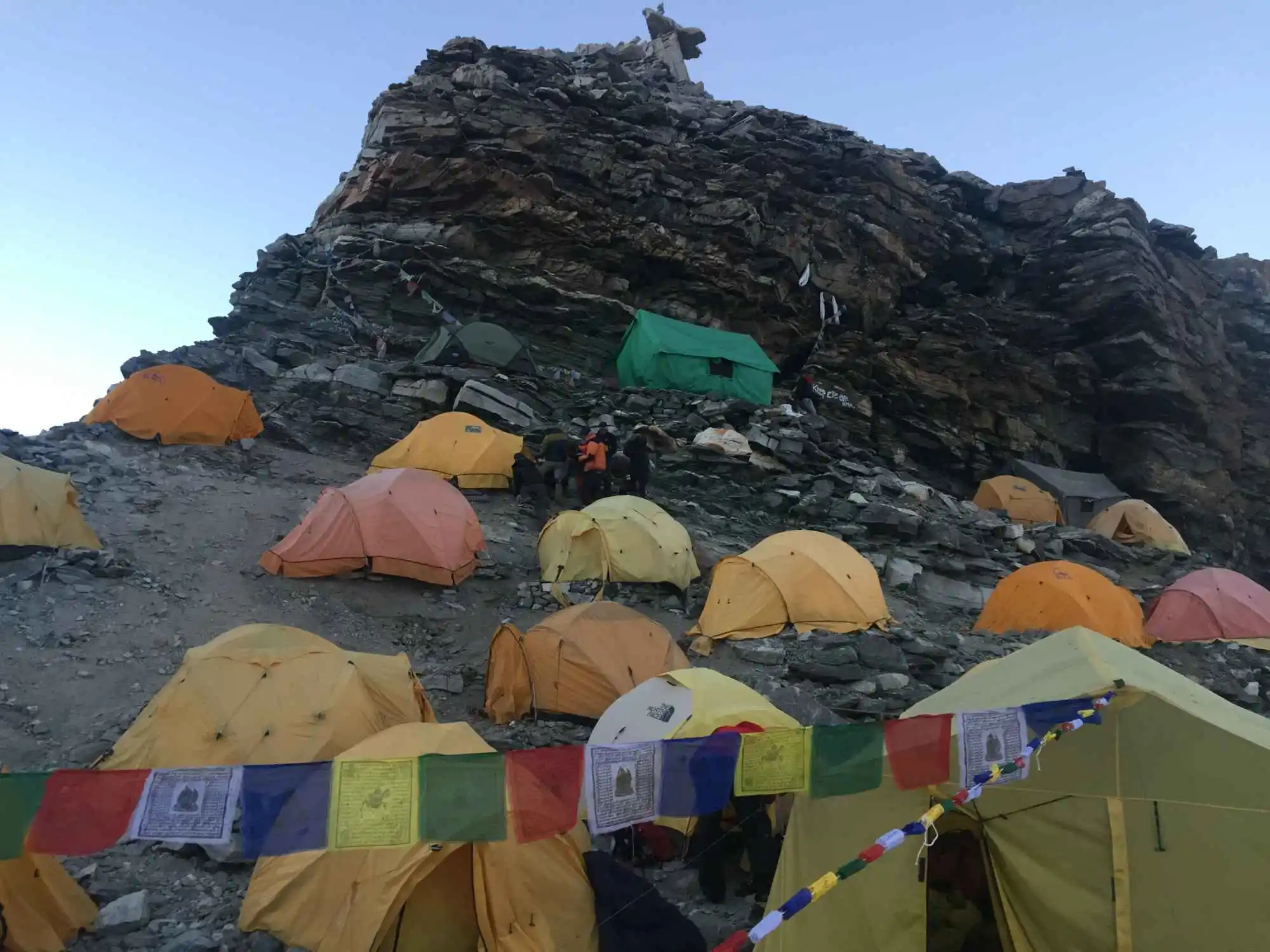
Why Spring Is Perfect for These Climbs
Warmer Temperatures and Longer Daylight
Spring slowly warms the mountains after the long winter. The days are pleasant at the lower altitudes, and in the higher altitudes the days are cold but more pleasant than during winter. In April and May, you can stroll in light clothes in sunny afternoons, but evenings are icy, but not prohibitive. The days also get longer, giving you more time to walk, rest, and enjoy the scenery. This extra daylight is helpful for both acclimatization and summit day.
Beautiful Trails with Rhododendron Blooms
Spring is the most colourful season in Nepal. The forests fill with blooming rhododendrons in red, pink, and white, making the trail feel peaceful and lively. The fresh greenery, clear air, and bright flowers create a beautiful contrast with the snow-covered peaks. It’s a great season for photography and simply enjoying nature.
Favourable Snow Conditions on the Route
Most winter snow settles and becomes firm by early to mid spring, which makes walking with crampons easier. Early spring can still have some soft snow from recent storms. The snow is usually stable in the mornings and slightly softer in the afternoons, although occasional spring storms can still bring fresh snow in April and May. Crevasse bridges are usually strong in early to mid spring, although some bridges can weaken in late spring as temperatures rise. Overall, the snow conditions feel predictable and supportive.
Less Wind and Calmer Mornings
Spring mornings are known for being calm and clear. The fierce winter winds subside and nighttime hours tend to be mild-just right to begin a climb. The weather will be a clear, smooth climb with good visibility and light wind probably. This will make the climb more comfortable and less of the strain of having to cope with the severe weather.
Great Time for Training Climbers and First-Timers
Spring is a friendly season for beginners. Many groups climb during this time, so the trails and routes are already well established. Guides often hold practice sessions to teach basic climbing skills, and the moderate weather makes learning easier. Spring gives you the right balance of challenge and comfort, which is why many first-time climbers choose this season for Mera Peak or Island Peak.
Why Not Summer and Winter?
Monsoon Summer (June–August)
Summer in Nepal is monsoon season, and it’s one of the worst times for climbing. Heavy rain turns trails muddy and slippery, and landslides become common. Higher up, this rain falls as wet, unstable snow, which increases avalanche risk. The mountains remain covered with heavy clouds during days, and this means that you will not see anything, and flights to other destinations such as Lukla are usually postponed or cancelled because of low visibility.
The weather changes quickly and makes the climb unpredictable and unsafe. Very few people attempt Mera or Island Peak in the monsoon because conditions are unstable, and even experienced climbers face serious challenges during this season. For most trekkers, summer conditions are simply too wet and unreliable.
Winter (December–February)
Winter brings the opposite challenge: extreme cold and strong winds. The weather in high camps is much lower than zero degrees, and the chill of the wind can cause it to feel just as cold as dangerous. Snow can be deep and whiteouts may occur as winter storms have a tendency of appearing without warning subsequently making climbing a dangerous affair.
Days are short, which reduces your available trekking time and forces very early starts. Only highly experienced climbers attempt these peaks in winter, mainly for the quiet trails, but the risks are much higher. For most people, the cold and unpredictable weather make winter a tough and unsafe season for these climbs.
By avoiding the monsoon and winter months, you skip the most hazardous seasons. That leaves spring and autumn, which offer the safest weather, the best visibility, and the most enjoyable climbing experience for Mera Peak and Island Peak.
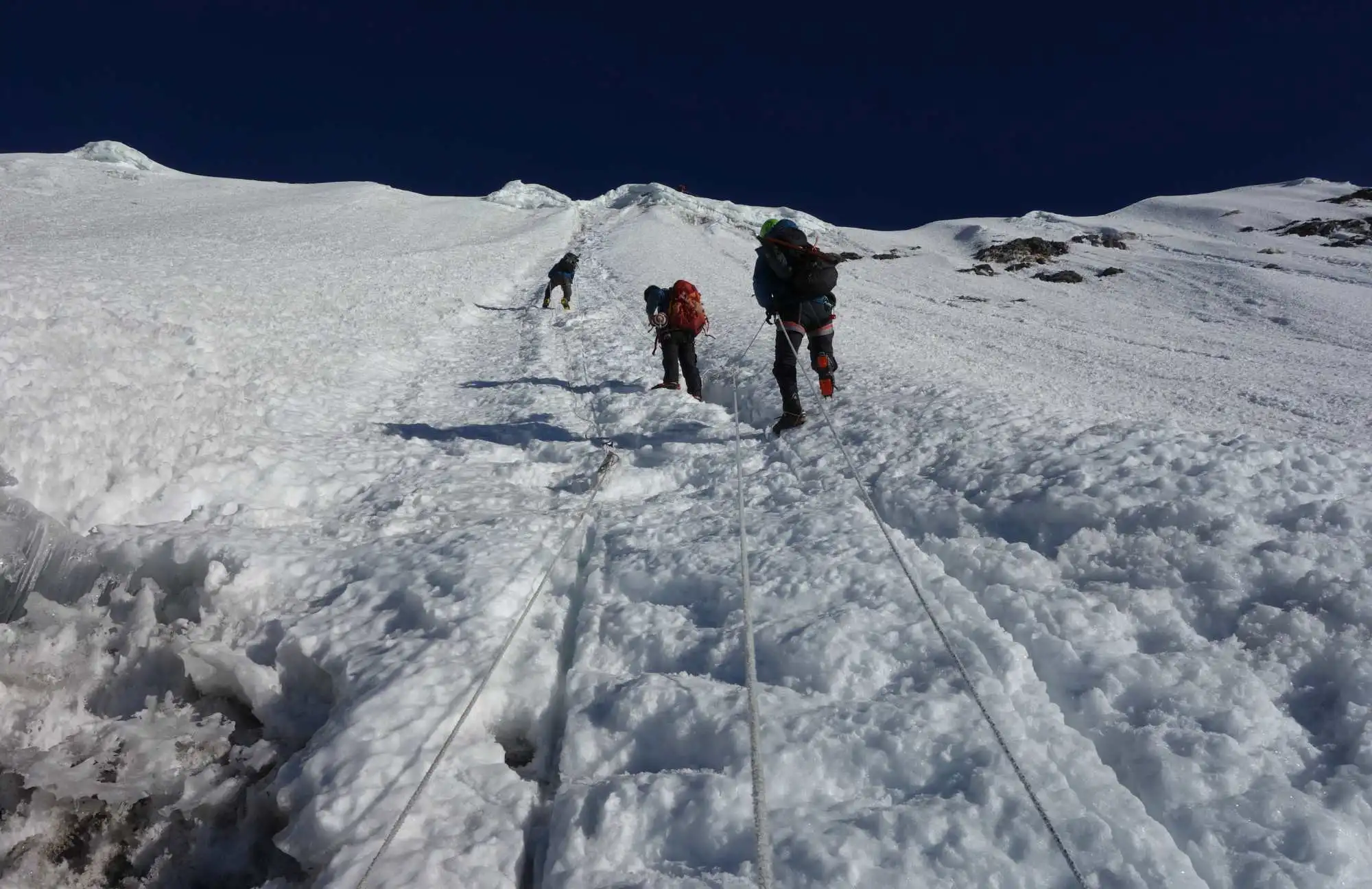
Autumn vs Spring: Which One Should You Choose?
Weather Comparison
Both seasons offer stable, dry weather, which is why they are the main climbing periods in Nepal. Autumn, especially mid-October, is known for very clear skies and long stretches of sunny days. Spring is also reliable, though late May can bring some afternoon clouds as the monsoon approaches.
Early spring can feel a bit chilly, while early autumn may still have a little leftover moisture. Overall, April and October are the best months, both offering excellent visibility and very low chances of storms.
Temperature and Wind Comparison
Autumn begins warm and gradually gets colder toward November. Spring starts cool and becomes warmer by May. If you prefer slightly warmer conditions, late spring is more comfortable.
Winds are usually mild in both seasons, with calm mornings ideal for climbing. Late autumn can get breezy, while late spring can see a few pre-monsoon winds—but nothing like winter storms. For most climbers, temperature and wind differences are small and manageable in both seasons.
Crowd Levels and Trail Conditions
Autumn is the peak trekking season in Nepal, so you should anticipate more visitors on the trails and at the teahouses, particularly in October. Spring is also busy, but crowds are spread out more evenly, and early spring (March) is quieter. Trails are dry and in great condition in both seasons.
Spring routes often become well-established early because many groups are already climbing, while in early autumn you might be among the first after the monsoon. If you prefer a bit more space, early spring or late autumn are good choices.
Best Choice for Beginners vs Experienced Climbers
Both seasons work well for beginners and experienced climbers. Spring offers a gentler learning environment with warmer afternoons, longer daylight, and well-trodden routes, making it slightly more beginner-friendly. Many people train for bigger peaks in spring, so you may find yourself climbing alongside others who are also learning.
Autumn appeals strongly to experienced climbers and photographers thanks to its incredibly clear skies and reliable weather. If you value sharp mountain views, autumn wins. If you prefer warmer conditions and more time for practice, spring may be a better fit.
Final Thought
You truly cannot go wrong with either season. Spring offers warmth, flowers, and supportive conditions, while autumn delivers crisp air, amazing clarity, and classic Himalayan views. Most climbers simply choose the season that works best for their schedule—both give you the safe and beautiful experience these peaks are known for.
Challenges You Can Avoid by Choosing These Seasons
Avoiding Monsoon Hazards
It is hard and uncomfortable to climb during summer in the monsoon. There is mud, and leeches, and landslides may clog the tracks. The mountains are covered by thick clouds hence you hardly have any views. Farther up, the rain has become heavy and unstable snow which can easily slide.
Flights to Lukla also are frequently canceled due to fog and storms. All these problems can be avoided by going in spring or autumn. The climate remains rather dry, the mountains can be seen, and the snow on the peaks is much more stable and safe to walk upon.
Avoiding Winter Extreme Cold
In winter, the cold is biting, the winds are fierce, and the snow is deep. Water is frozen, batteries rapidly exhaust themselves, and it is always difficult to keep warm. The cold is also a problem since you have to use very heavy gear and this makes climbing more difficult.
During spring and autumn, the weather is much more comfortable, days are longer and there is little rain. The tea houses are open, more people are present and the entire experience seems safer and more enjoyable.
Reduced Risks of Altitude Sickness
Good weather in spring and autumn allows you to follow a proper acclimatization schedule without being rushed. This greatly helps lower the chances of altitude sickness. Trails, lodges, and rescue services are all fully operational, so help is available if you need it.
The mild temperatures also make it easier to stay hydrated and rested. The early detection of any symptom is provided by the increased number of climbers and guides on the trail and this provides another level of safety.
Lower Chances of Flight Cancellations to Lukla
Flights to Lukla are most reliable in autumn and spring. Clear mornings mean smoother takeoffs and landings. During monsoon, flights often get canceled for days because of clouds and rain. In winter, fog causes the same problem. Choosing spring or autumn means you’re far more likely to fly on time, start your trek without delays, and avoid the stress of waiting at the airport for days.
Tips for Climbing Mera Peak or Island Peak in Autumn or Spring
As soon as you have decided on what season you are climbing, you now need to prepare a safe and successful adventure. The following are a few useful suggestions on how to make the most out of your climb of Mera Peak or Island Peak during the best times of the year:
Ideal Itinerary Length
When you’re planning a climb to Mera Peak or Island Peak, give yourself enough time. These are high mountains, and rushing only increases the chance of problems. A typical Island Peak trip takes around 16 to 20 days, while Mera Peak usually needs about 18 days because the approach is longer.
Make sure your schedule includes proper acclimatization stops in places like Namche, Chhukung, Dingboche, or Khare. The introduction of some additional days as a contingency measure is also a wise thought just in case you require more time to settle or the weather shifts. A relaxed, flexible itinerary makes the whole experience safer, less stressful, and far more enjoyable.
Essential Gear
The Himalaya is extremely cold even in the most favorable seasons, particularly at night and in the morning when on a summit. Proper equipment matters a lot. Wear warm clothes, good down jacket, and a waterproof jacket in case you need to change the dressing depending on the weather. You will require warm, crampon-compatible footwear and rudimentary climbing gear such as crampons, ice axe, a harness and a helmet.
Island Peak also includes fixed ropes and thus you will be using a jumar and something to descend. Carry warm sleeping bag, good gloves, hat, sun glasses, sunscreen and headlamp to start early. A good daypack, a tough duffel to have the porters carry up and trekking poles will help make the trip a lot easier. The appropriate equipment will keep you warm, safe, and comfortable during the climb.
Acclimatization Strategy
The key to successful and easy climb is good acclimatization. Move at your own pace, take on more altitude, use the ancient formula of climbing up the hill in the daytime and sleeping down where you can. Even when you are feeling fit, you should not waste your planned acclimatization days because your body requires that additional time.
Note the way you feel; headaches, nausea, or sleeplessness are symptoms to reduce. Take loads of water, eat and sleep. Other individuals take the Diamox as a form of aid to altitude upon consultation with a doctor. The spring and autumn tend to be predictable in terms of weather and this means that you can be in charge of your time and not caught by storms or extreme cold.
Hiring a Guide and Porters
Having a local guide and porters makes a huge difference on these climbs. An experienced guide is familiar with the mountainous terrain he or she knows the route and is able to identify hazards such as crevasses or unstable weather promptly. They also control technical sections and safety decisions and any problems of altitude that may arise.
Porters carry the heavy loads so you can walk more comfortably and save energy for the summit. Your guide also handles important logistics like permits, flights, teahouse bookings, and base camp arrangements. Beyond safety, climbing with a local team adds warmth to your journey—you learn about the culture, share stories, and build great connections along the way.
Safety Tips on Glacier and Summit Day
Summit day usually starts very early, often around 2 or 3 in the morning, because the snow is firm and the weather is calm at that time. Remain tied on the glacier, keep your crampons in order, and maintain a slow and steady steady pace. Take little pauses to drink water and take something so that you maintain your energy levels.
One thing is that your guide will establish a turnaround time, and you need to observe it even at the point of closeness to the top. The downward will get tedious and you need to keep your wits until you are back at camp. Summit day could be the most gratifying experience of your life with the predictable seasons of the fall and spring and a cautious mind.
Conclusion
Autumn or spring is a beautiful and memorable experience when climbing Mera Peak or Island Peak. Such seasons have the highest possibilities of favorable climate, clear sightseeing, and easy climbing. Once you take your time, get ready, and know the conditions it will be easier and much more fun to climb.
The spring brings warm days, colour forestry and a fresh sensation in the air. Autumn is clear and calm, and the villages feel lively with cultural festivals and local celebrations. Regardless of the time of the year, the mountains are open, calm, and welcoming.
Due to correct planning, patience during ascent, and with the assistance of local guides and porters, the trip becomes equally significant as the one of making the peak. It is an adventure that lingers in your heart even after going back home. Namaste, and happy climbing.