
 English
 Dutch
Dutch Japanese
 Hindi
Hindi Italian
 Spanish
 French
 German
 Chinese
 Korean
 Arabic
 Hebrew
 Russian
 Portuguese
 Danish
 Czech
Czech Polish
 Swedish

Nepal is a paradise, home to world-famous trails like Everest Base Camp and the Annapurna Circuit. The Kanchenjunga trek is designed for trekkers who seek wilderness, solitude, and cultural depth. The kanchenjunga trek is also known as the world third highest mountain, located at the height of 8,586m. This trek delivers the best and rawest adventure in a way that even everest or annapurna no longer can. Kanchenjunga offers views of the third highest mountain. It is one of the last “Old Nepal” treks in nepal, which lies on the border of Nepal (Taplejung district) and india (Sikkim). It is also Often called Nepal’s last great off-the-beaten-path trek. Kanchenjunga promises adventure, remote wilderness, and breathtaking scenery far from the crowds. The area around Kanchenjunga used to be said to be home to a mountain deity, called Dzonga or kanchenjunga demon, a type of yeti or rakshasa.
Who should go to the trek?
- Experienced trekkers who have completed multiple high-altitude trek
- Physically fit individual with strong stamina, leg strength and endurance.
- Trekker comfortable with long trekking days (6-8 hrs daily ) for several weeks
- Those who can handle very remote conditions with limited facilities and medical access
- People who enjoy the wilderness, solitude and untouched landscapes rather than luxury.
- Trekkers who are mentally resilient and adaptable to the unpredictable weather and basic accommodations.
- Those adventure seekers interest in cultural exploration, traditional village and diverse ecosystems
- Individuals who can commit 3-4 weeks for a slow and safe itinerary
- Those who can trek without being dependent on modern amenities like hot showers, Wi-Fi, or a variety of food.
Who should not go to the trek?
- First-time trekkers who have no high-altitude trekking experience and limited time
- Visitors who have short time in nepal and cant adjust departure date
- Trekkers who want luxury accommodation or upgraded services
- People with serious heart, lung or blood pressure conditions
- Trekkers looking for a short, easy or comfortable trek
- Individuals who are unable to walk for many consecutive days
- Those who cannot cope with limited food choices, basic sanitation.
What to expect there
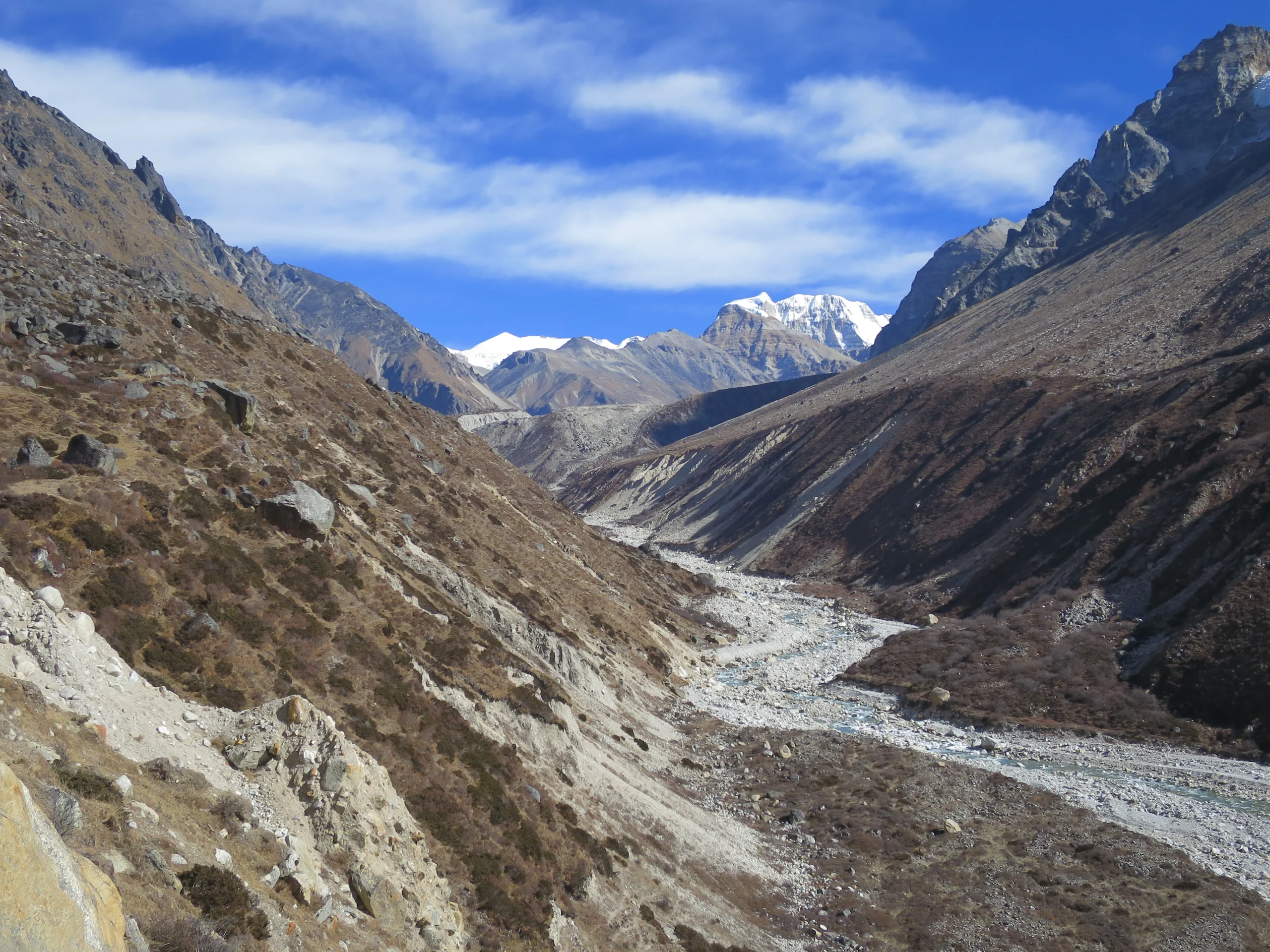
On the trail— On the trail there are long and quiet walking days during the trek. You pass narrow trails, suspension bridges, forests, and glaciers while trekking. The trail of the trek is more difficult than Everest Base camp and Annapurna Base camp. The trek tests both your physical endurance and mental resilience, but every step rewards you with unparalleled views and a sense of solitude that few other treks can offer.
Accommodation—You get simple teahouses or homestays with a shared room. There is Limited electricity and charging in some teahouses when you ascend to higher altitudes. Electricity may be limited, especially at higher altitudes, so plan accordingly for charging devices.
Food—You get simple food like dal bhat, noodles, soups, and potatoes. You will get food that is repetitive but nourishing. At higher altitudes, you will get limited food options. Food offered in the teahouses or lodges is healthy. Eating local and nutritious meals helps maintain energy and stamina as you traverse high mountain terrain.
Scenery—You will get breathtaking views and untouched scenario alon kanchenjunga. You will get a view of both north and south base camps. You will be offered towering peaks, glaciers, and alpine valleys and also get sunrise and sunset views without crowds. You’ll enjoy sunrise and sunset views without crowds, making every moment feel intimate and special. Treks during March to November offer the best weather, crystal-clear skies, and the most stunning landscapes, ensuring a truly unforgettable trekking experience.
What to not expect
- No wifi or cell signals in many areas
- No busy teahouses in the evenings
- Supplies are limited
- Trails are less maintained
- Unpredictable weather
- No hot showers most days
Pros of this trek
- One of the Nepal’s most remote treks with very few trekkers
- Close views of Mt. Kanchenjunga (8586m) the world’s 3rd highest peak
- Passing through the Kanchenjunga Conservation Area (KCA) with forests, glaciers, rivers and rare wildlife.
- Traditional Limbu, Rai and Tibetan-influenced villages
- Ideal for trekkers who are seeking for the raw, off-the-beaten-path exploration
- Subtropical forests to alpine meadows and high-altitude glaciers
- Sense of accomplishment due to its length and difficulty
Cons of this trek
- Long trekking days (20-21 days)
- Requires a licensed guide
- Basic food and lodging
- Physically demanding
- Weather changes can cause delays or route challenges.
Why Kanchenjunga Is Worth the Effort
The Kanchenjunga trek is not an easy journey, but every challenge is rewarded with experiences that few other treks can offer. Here’s why this adventure is truly worth it:
Unparalleled Solitude
Everest, Annapurna and Kanchenjunga offer days of walking in peace, surrounded by untouched nature. In the popular trekking regions, it is common to encounter large groups of trekkers, crowded teahouses and busy trails, but kanchenjunga is completely opposite due to its remote location, restricted status, and long duration; very few trekkers attempt this route each year.
Incredible Mountain Views
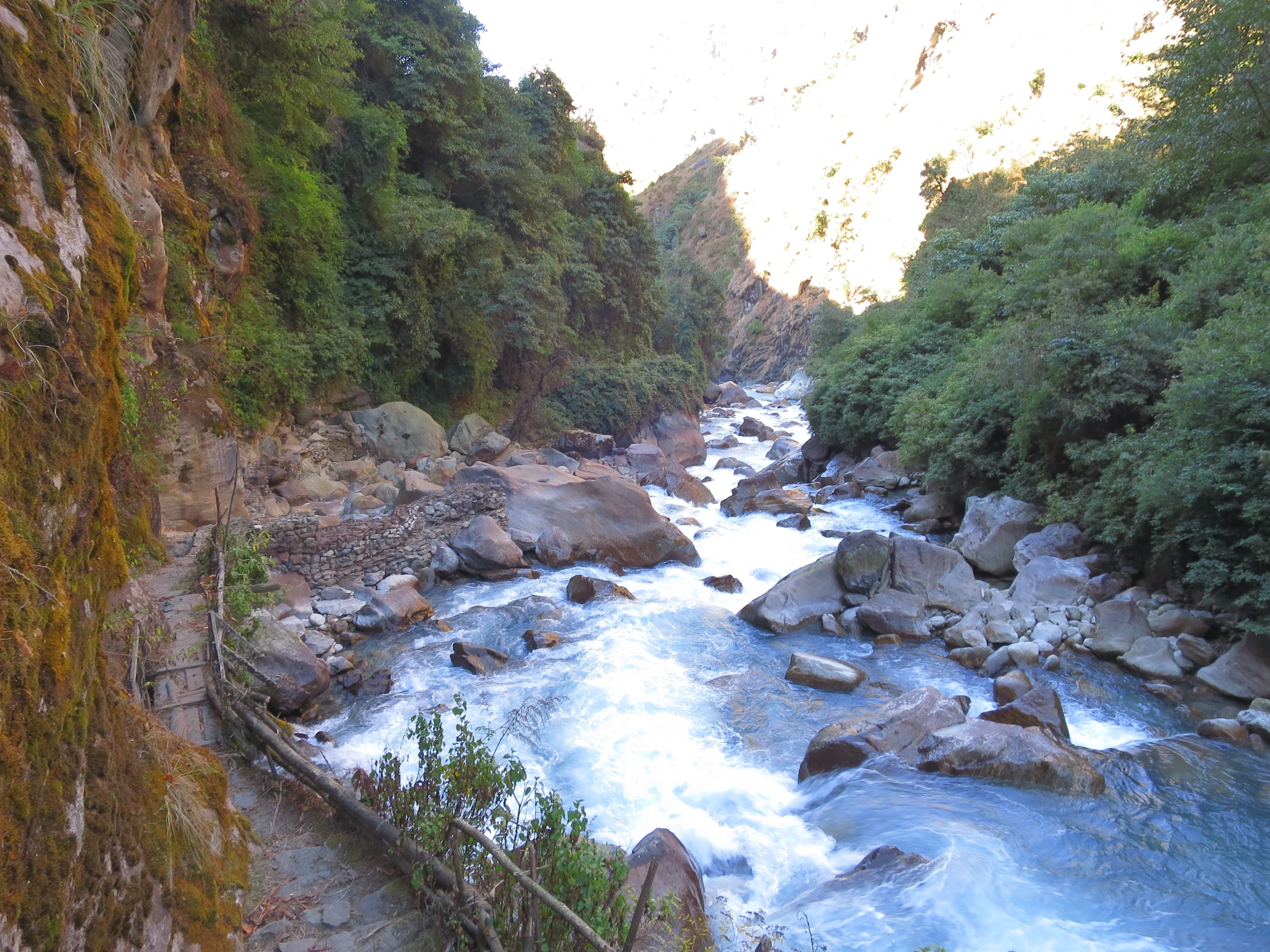
The scenario is breathtaking at every step, from towering peaks to massive glaciers. You can get the best view of world third highest mountain, along with Jannu (Kumbhakarna) and Kabru from both the north and south kanchenjunga base camps. Sunrise and Sunset get more magical in these peaks, which are made even more special by the lack of crowds.
Authentic Cultural Experiences
The Kanchenjunga region is home to communities of Rai, Limbu and Tibetan-influenced people. The villages are simple and traditional, with stone houses, prayer flags fluttering in the wind, and small monasteries serving as spiritual centers. Cultural elements such as buddhist mani walls, chortens, monasteries, and prayer wheels line the trail, offering insight into the spiritual life of the region.
A True Adventure
The Kanchenjunga trek is not for beginners. Long walking days, rugged terrain, limited facilities, and unpredictable weather make it a valuable journey. However, these challenges are exactly what make it a rewarding trek. For those seeking adventure beyond comfort, kanchenjunga delivers an experience that feels raw, real, and deeply fulfilling.
Preservation of Nature and Culture
Kanchenjunga is a restricted trekking area; trekking permits are limited and visitors must travel with a licensed guide. Kanchenjunga is a part of the Kanchenjunga Conservation Area, which is the home of rare wildlife such as snow leopards, red pandas, himalayan black bears, and various species of birds.
Where Is the Kanchenjunga Trek Located in Nepal?
The Kanchenjunga trek is located in eastern Nepal, near the borders of India (Sikkim) and Tibet (China). The kanchenjunga region centers around Mount Kanchenjunga, the world’s third-highest mountain at 8,586m. Basically, the trek lies within the Taplejung District of Koshi province. The area is secured under the Kanchenjunga Conservation Area (KCA), which is surrounded by remote valleys, glaciers, High-passes, and vast alpine terrain.
The trek required a flight or long drive to Bhadrapur, Due to its distance from kathmandu and limited Transportation access. The region remains so untouched, followed by several days of travel through hilly terrain.
Ready to book your trip with us? Fill out the inquiry form below
Kanchenjunga Trek vs Everest & Annapurna—Why Fewer Crowds Matter
The Kanchenjunga region sees Fewer than 1,000 trekkers per year, unlike the Everest Base Camp and Annapurna Circuit, which both attract more than ten thousand trekkers per year
Kanchenjunga vs Everest:
Everest base camp is the busiest trail in the world. During the peak season, the trail is packed with trekkers, porters, and yaks. Viewpoints are filled with trekkers to capture the same iconic scene, and Lodges are quickly filled with trekkers. Everest is famous for dramatic views in high-altitude landscapes and legendary views of peaks like Ama Dablam, Lhotse and Everest. Everest is surrounded by sherpa culture which is fascinating but highly influenced by tourism. Modern cafes, bakeries, and internet access are common, which creates a semi-urban feel in places like namche bazar.
Kanchenjunga offers a completely opposite experience. In this region, very few trekkers trek each year, allowing for long hiking days without meeting other groups. Kanchenjunga also offers a wider range of landscapes. The huge valleys, the silence of the mountains, and the untouched trails create a deep sense of solitude and exploration. Trekkers pass through alpine meadows, dense remote valleys, and high mountain passes with the view of Mt. Kanchenjunga (8,586 m)—the world’s third-highest peak. Daily life remains traditional; the region is surrounded by rai, limbu, and remote mountain communities.
Kanchenjunga vs Annapurna:
Annapurna is one of the most accessible trekking regions in nepal. Roads reach deep into the mountains, and trekkers enjoy flexible itineraries and comfortable teahouses/lodges. Annapurna offers different options of all levels, from beginners to experienced trekkers. The Annapurna circuit and Base camp routes allow rest days and moderate daily walking distances. It is famous for scenic varieties like rhododendron forests, arid (dry) landscapes, farmland and snow-covered peaks.
Kanchenjunga is challenging to reach. It is a restricted area requiring special permits, and treks are longer and more demanding. The journey requires a full plan and facilities are basic. It is physically and mentally demanding. The trek takes around 20-25 days and involves long walking hours and limited services. This makes it suitable mainly for experienced trekkers. Kanchenjunga remains roadless and pristine. Its landscapes feel wild and untouched, making every viewpoint feel exclusive.
Why fewer crowds make a difference:
- Peaceful trails with few trekkers
- Authentic village interactions
- Unspoiled Landscapes
- Better wildlife sightings
- An enhanced spirit of exploration
- If Everest base camp feels too crowded or the Annapurna Circuit too busy, then Kanchenjunga offers a refreshing alternative, Feels quiet and deeply immersive.
Untouched Trails: A True Remote Trekking Experience in Nepal
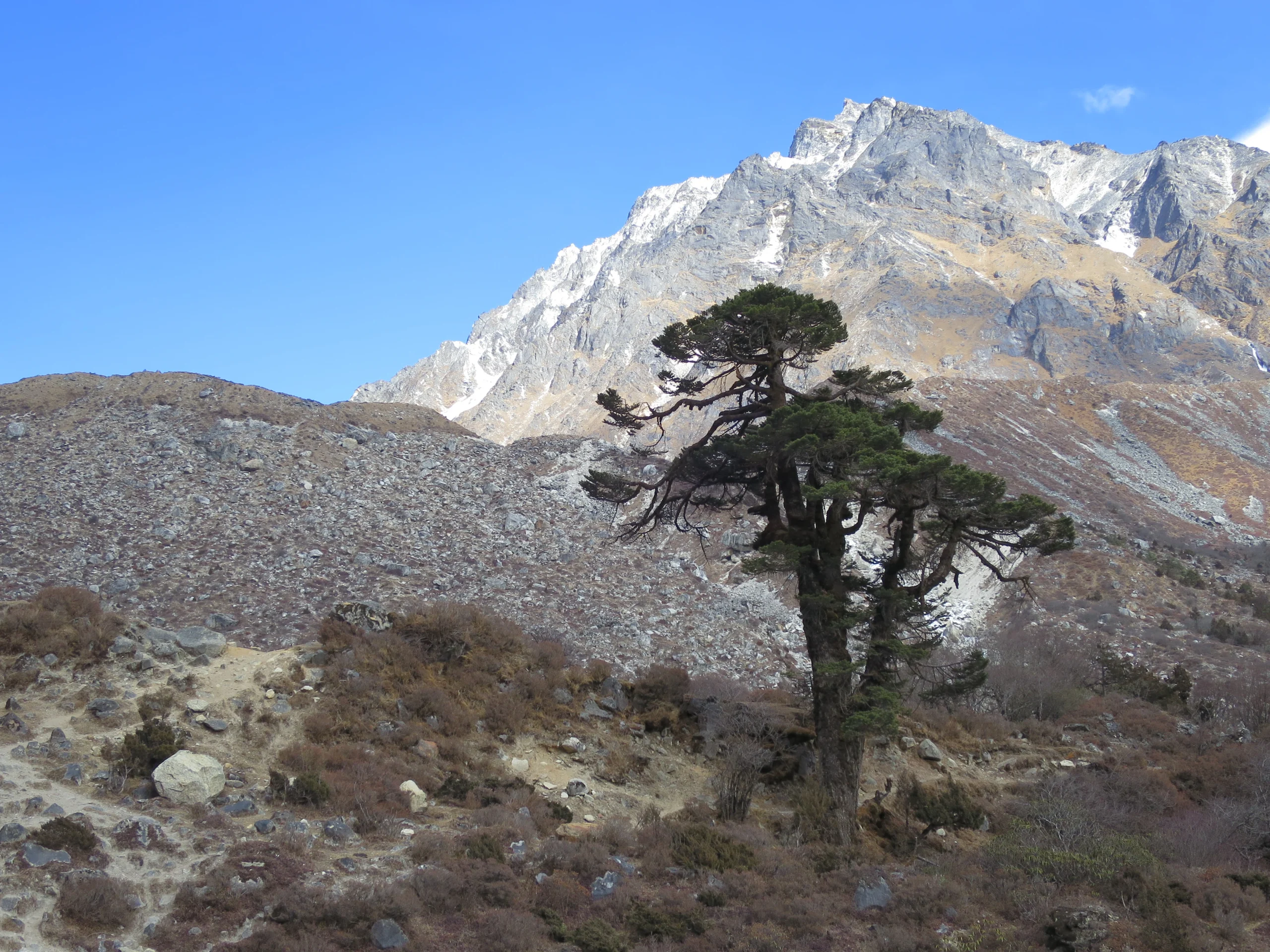
Kanchenjunga is often described as Nepal’s last great trekking wilderness. Trail passes through forests, rivers, glacial valleys, and high alpine meadows where modern infrastructure is minimal.
Trekkers should expect:
- Basic teahouse or homestay
- Occasional camping nights
- Limited electricity and communication
- Few shops and no luxury amenities
- This makes each day feel like a true expedition rather than a tourist hike.
- Spectacular Mountain Views of Mt. Kanchenjunga (8,586 m)
- Mount kanchenjunga dominates the third-highest peak on earth; it is massive, majestic, and spiritually revered by locals.
Key mountain views include:
- Mt. Kanchenjunga (main, south, central & west summits)
- Yalung Kang (8,505m)
- Kabru north & south
- Jannu (Khumbhakarna-7,711 m)
- Rathong and Talung peaks
- Magical view of sunset and sunrise over Kanchenjunga’s icy face from the base camp, which is considered one of the most breathtaking sights in the himalayas.
Authentic Rai, Limbu & Sherpa Culture Along the Trail
Kanchenjunga trek’s one of the most highlights is its rich in cultural diversity. The middle and lower hills are home to rai and limbu communities, while higher regions are inhabited by Sherpa and Tibetan-influenced people.
Cultural highlights:
- Buddhist monasteries and prayer flags
- Shamanic rituals and animist traditions
- Tibetan-influenced food, dress, and festivals
- Traditional limbu homes and farming terraces
- Because tourism is limited, cultural interactions remain genuine and respectful.
Kanchenjunga Conservation Area – Rich Wildlife & Biodiversity
Kanchenjunga is not only famous for its towering mountains but also for its extraordinary wildlife and biodiversity. Kanchenjunga Conservation Area (KCA) is special due to its huge vast range (about 1,200 m to 8,586 m), which creates many habitats and ecosystems. The KCA (Kanchenjunga Conservation Area) is home to over 2,000 species of flowering plants, including rare orchids, medicinal herbs, and rhododendrons that bloom beautifully in spring.
Kanchenjunga Conservation Area (KCA) is also special for its wildlife. It provides a habitat for endangered animals such as the snow leopard, red panda, musk deer, and himalayan black bear. Many bird species thrive as well, including eagles, vultures, Lophophorus (Nepal’s National Bird, locally known as Danphe), and Satyr tragopan. Another special thing about KCA (Kanchenjunga Conservation Area) is its Community-Based conservation approach. Local communities like the Rai, Limbu and sherpa people actively participate to protect forests and wildlife.
North & South Base Camp Trek—A Unique Combined outline Itinerary
Day 1: Arrive in Kathmandu, alt. 1300 m
Day 2: Trip preparation day
Day 3: Fly to Bhadrapur,(40-45min) alt.91m and Drive to Taplejung—6 to 7 hours.
Day 4: Drive to Sakathum, alt. 1650 m
Day 5: Trek to Amjilosa, alt. 2498 m
Day 6: Trek to Gyapla, alt. 2725 m
Day 7: Trek to Ghunsa, alt. 3415 m
Day 8: Rest at Ghunsa-acclimatization 3415m
Day 9: Trek to Khampachen, alt. 4145 m
Day 10: Trek from Khambachen to Jannu Base Camp (15 km) (6-7 hrs)- alt.4,750-4,850m
Day 11: Trek to Lhonak, alt. 4792 m
Day 12: Trek to Pangpema North Base Camp (alt. 4750 m) and return back
Day 13: Trek to Ghunsa, alt. 3415 m
Day 14: Trek over Sele le Pass(alt.4689m)camp and Sele,alt.4000m
Day 15: Trek over Mirgin La Pass (4,645 m) and Sinion/Sinelapcha La Pass (≈4,660 m) to Cheram (3,868 m).
Day 16: Trek from Cheram (Tseram) to Ramche, then hike to the Oktang Viewpoint (near Yalung Base Camp, 4,740m | 15,551ft) and return to Ramche.
Day 17: Trek back to Tortong, alt. 2980 m
Day 18: Trek to Yamphudin (1,692 m) via Lasiya La Pass
Day 19: Drive to Kanyam (Illam) 8-9 hrs
Day 20: Drive to Bhadrapur airport, then fly back to Kathmandu.

Kanchenjunga Trek Difficulty
The kanchenjunga Trek is considered a hard and strenuous trek. It is harder than everest base camp and annapurna circuit due to long walking days, high altitude, rugged terrain and remoteness. The average walking per day is 6 to 8 hours but some days it takes 10 hours. You need 3 weeks of strong endurance and consistency. The several days will be spent at 4,000 m above altitude, which makes the risk of Acute Mountain Sickness (AMS), Dehydration, Headache, Fatigue, Shortness of breath.
The trek is very hard, so the trek required basic mountaineering skills. The trek demands good physical fitness and endurance due to the long days of hiking, steep ascents and descents, and high altitude. Before embarking on the trek, it is essential to have good physical fitness and endurance, as the trek is long in the remote areas and at high altitude. As trekkers ascend to higher elevations, the air becomes thinner, resulting in decreased oxygen levels. This leads to altitude sickness with symptoms such as headache,nausea,fatigue and dizziness. Proper acclimatization is crucial so that the body can adapt gradually to the changing altitude.
Weather in the Himalayas can be very unpredictable, with the possibility of snowfall, rain and strong winds at the higher altitudes. Trekkers must be prepared for changing weather conditions by carrying the appropriate clothing and gear, including waterproof clothes, insulated clothing and good-qualitytrekking boots. Overall, the Kanchenjunga Trek offers an unforgettable memory in the himalayas however the trek is quite difficult so the trekkers need to be physically and mentally prepared for things like limited basic facilities and should do some cardiovascular exercise before embarking to trek kanchenjunga trek.
- Limited Infrastructure = Pure Himalayan Adventure
- Basic teahouses or homestays
- Limited electricity and internet
- Simple meals (dal bhat, noodles, potatoes)
- Minimum medical facilities
Permit Requirements for Kanchenjunga Trek Explained
Kanchenjunga is a restricted trekking area, so special permits are mandatory.
Permit Required:
Restricted Area Permit (RAP)
- Guide compulsory
- Minimum 2 trekkers needed for permits
- Issued only through registered trekking agencies like Nature Explore Trek
Kanchenjunga Conservation Area Permit (KCAP)
Trekkers cannot trek independently because this regulation helps to protect the environment and supports local livelihoods through regulated tourism.
Kanchenjunga Trek Cost Compared to Other Remote Treks
The kanchenjunga Trek is more expensive than popular routes but comparable to other treks like Manaslu and Upper Dolpa.
Average Cost Range:
USD 2,200—-3,500 (depending on duration, services, and group size)
Cost includes:
- Airport pick-up and drop-off
- Hotel in Kathmandu: one on arrival and one on departure, B/B
- Three times meals on trek (breakfast, lunch &, dinner)
- Hot drinks Tea or coffee-Fresh fruit after dinner everyday
- Accommodation on a normal basis is a twin-sharing room
- Experience an English-speaking guide
- Porter (Two people, one porter) Each porter carries 25kg
- Kanchenjunga conservation fee
- Kanchenjunga restricted area especially permit
- TIMMS CARD
- Rural municipality entrance fee
- All the ground transportation
- Airfare from Kathmandu Biratnagar–Kathmandu
- Treated drinking water
- All the Ground transportation
- First aid kit
- Nature explore trek down jacket (to be returned after the trek)
- Duffle bag for the trip (to be returned after the trek)
- Sleeping bag (to be returned after the trek)
- Trekking poles (if need only)
- Last night Dinner at Nepali kitchen with a cultural dance show at a typical Nepali restaurant
- All the necessary trip documents
- Government Vat and tax
Sustainable & Responsible Trekking in Kanchenjunga Region
Sustainable trekking in the kanchenjunga region begins with respect for nature. The region’s diverse landscapes from dense forests and alpine meadows to glaciers, are highly sensitive to pollution and overuse. You can prevent soil erosion by staying on marked trails and protecting rare plants, including valuable medicinal herbs. Supporting conservation rules set by local authorities helps ensure that these species continue to thrive.
Responsible trekking also means supporting local communities. Hiring local guides and porters, staying in community-run lodges, and buying locally made products contribute directly to the region’s economy. Trekkers should respect local customs, traditions, and religious sites, dressing modestly and seeking permission before clicking photos of people and infrastructure.
Why Choose Kanchenjunga Trek in 2026–2027?
The Kanchenjunga Trek is one of Nepal’s most rewarding off-the-beaten-path trekking experiences, making it top of the list for 2026-2027. This journey leads to the base of Mount Kanchenjunga (8,586 m), the world’s third-highest peak, which offers dramatic mountain views, culture, tradition and unspoiled wilderness.
The best seasons for the Kanchenjunga Trek 2026-2027 offer excellent views and unforgettable scenery, with clear skies in autumn and blooming landscapes in spring. The journey passes through traditional limbu, rai, sherpa villages, and the Kanchenjunga Conservation Area. The journey is for trekkers who are seeking challenges. If unlike crowdy routes such as Everest and Annapurna, the Kanchenjunga is peace and quiet.
If you are interested in this trek, then you can join with Nature Explore Trekking. To make the journey enjoyable and safe, preparation, fitness and an optimal acclimatization process are necessary. Nature Explore Treks take trekking guarantees, good planning, orientation and assistance. Guides are friendly and professional with the experience of more than 10 years, so they can take care of your safety as well as offer logistical support and local knowledge to make your experience more complete. Gear maintenance and path guidance allow your journey to be easier and safer.
For more information:
Contact info: +977 9851131287
Whatsapp: +977 9851131287, 9763453704
Gmail: [email protected]