
 English
 Dutch
Dutch Japanese
 Hindi
Hindi Italian
 Spanish
 French
 German
 Chinese
 Korean
 Arabic
 Hebrew
 Russian
 Portuguese
 Danish
 Czech
Czech Polish
 Swedish
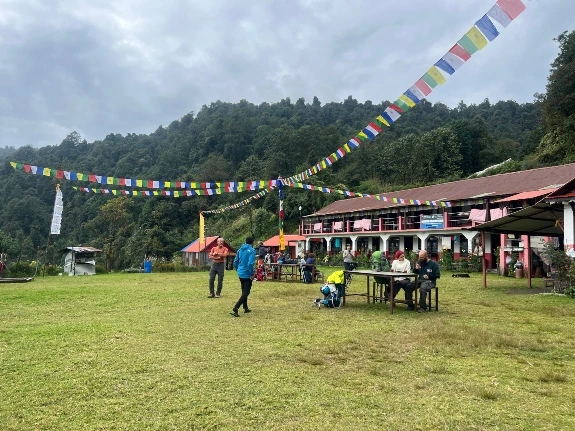
The Annapurna base camp trek in winter (December, January) offers unique winter trekking experiences in nepal, and stunning views of annapurna mountains range. On the based in past experience the weather has been changes and it has been more pleasant like clear skies, sunshine , minimal rain and snow in the mountain. You won’t feel any colder in December or the first few weeks of January either because of global climate change. However, there are other unique difficulties as well, like the weather’s unpredictability (snowing, avalanches, colder temperatures), which can make the hike more difficult.
For individuals who lack the time to trek in October, November, or another season in March, April, or May, we suggest going to the Annapurna Base Camp Trek in December and January. However, if you have the time, it would be ideal to complete this trek in the fall or spring when the weather is favorable, with consistent temperatures, sunny days, and fewer chances of snow and rain. Trekking in December and January is feasible, but it is strongly advised that you prepare thoroughly because it is winter in Nepal and the weather is erratic, with snow, ice on the trail, and cold temperatures compared to the fall and spring.
Highlights of Annapurna Base camp trek
- A breathtaking drive from Kathmandu to Pokhara that takes in the stunning scenery, hills, snowcaps, amiable locals, and intriguing culture of Nepal.
- Enjoy breathtaking views of the Annapurna ranges and the Dhaulagiri ranges. Mt. Fishtail (Machhapuchhre) is surrounded by a number of stunning peaks.
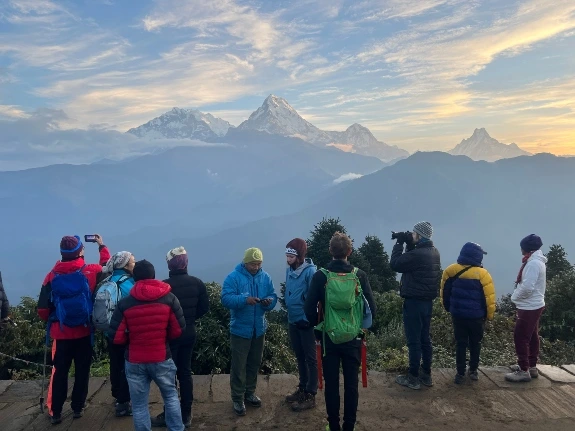
- Sunrise and sunset over the Annapurna ranges and Mount Dhaulagiri mountains from the Poon Hill viewpoint (3210m).
- Beautiful paths through traditional Nepalese villages, rice, and the friendly locals.
- As you stroll through the verdant woodlands with bamboos, pines, and rhododendrons,
- You will have the best trekking experience in Nepal if you hike to the Annapurna Base Camp, which is 4130 meters above sea level.
- Sunset and sunrise views over Annapurna I , South Annapurna , Mt. fishtail , Ganga Purna, and Annapurna III include several peaks around.
- Discover the Annapurna Base Camp, one of the longest and deepest glaciers that passes through the Annapurna I and South Annapurna.
- After the hike, enjoy a bath at Jhinu Dada’s natural hot spring. Which is the best way to relive a mountain walk with a friend after several days?
- Walking through Nepal’s hills, trails, and numerous ups and downs through the many stone steps and suspension bridges was an amazing experience.
- Try the delectable food and beverages: since the Annapurna region produces a lot of organic vegetables and foods, you will have plenty of opportunities to eat organic food.
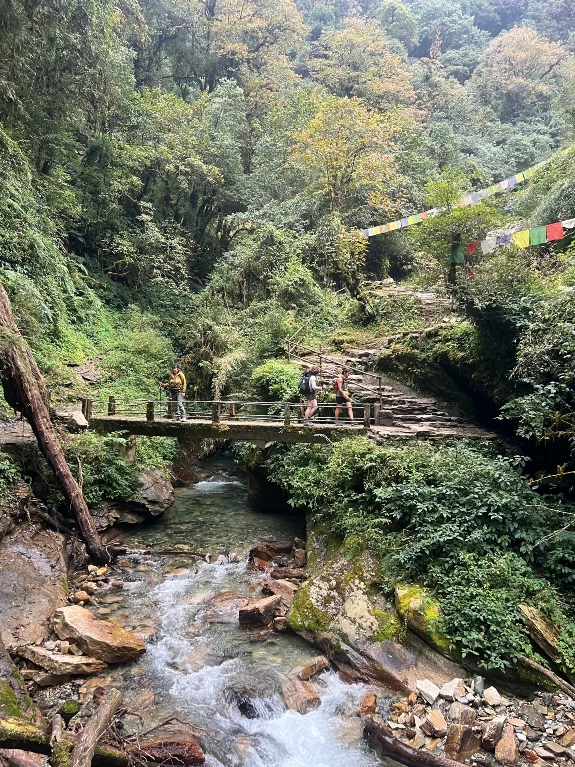
Advantages of going Annapurna Base camp trek in December and January.
As usual, annapurna base camp trek is always popular among the travelers. However, there are certain benefits to trekking to Annapurna Base Camp in December and January, especially for those who are searching for those options.
Peace and Quie trail: There are fewer hikers on the trail because December and January are considered Nepal’s off-season. Winter officially began in December, and the autumn season is now over. Previously, fewer hikers would embark on this trek during this time of year. You will also find peace and fewer people on the trail.
Good weather: December and January are winter months, which means that there will be snow on the mountains. The temperature will drop and visibility will decrease, but since the climate is changing globally, this is the exact opposite of what has happened in the previous ten years. It has been a very clear day with blue skies and sunshine. The temperature hasn’t dropped significantly, and visibility is excellent with no fog, haze, or mist. Therefore, the weather is ideal for the Annapurna Base Camp Trek in December and January.
Accommodation and Food: The Annapurna Base Camp Trek is a popular trekking route that is easily accessible to larger groups, seniors, families, and Nepali domestic trekkers. Particularly in October, November, and another season in April, May is extremely crowded and full of guesthouses and very busy restaurants along the trail. It is very difficult to manage the comfortable rooms after Chhomrong to ABC and back to Chhomrong. Due to the Annapurna Conservation Protected Area, it is also not possible to construct large guesthouses.
As a result, there are fewer teahouses available in this area. However, fewer people go trekking in December and January because it’s off-season and lodging is easier to find. Additionally, because there are fewer patrons, restaurants are free to create delectable meals with whatever is available at their establishments.
Easy, quick, and friendly trekking trail: The Chhomrong and Annapurna Base Camp trek is a moderately difficult trek that is appropriate for families of all ages due to the proximity of the road to the mountain. Furthermore, the Annapurna Base Camp Trek is a quick journey that takes six to ten days to finish, which makes it perfect for people who don’t have a lot of time to spend in Nepal or on vacation. There are several time-saving options, like renting a horse for ascents, and you can alter the itinerary to suit your schedule. If you find it difficult, are comfortable with the budget, and wish to shorten the number of days due to time constraints, you can hire a helicopter ride from Annapurna Base Camp to Pokhara or Kathmandu. Furthermore, the Annapurna Base Camp Trek route does not lie at a higher elevation because it is less than 4200 meters above sea level. As a result, the trekking trail is brief and simple.
Scenic beauty: The Annapurna Base Camp Trek, which takes place in December and January, provides breathtaking views of Annapurna I and the Mount Dhaulagiri range, which are both over eight thousand feet higher than the other two highest mountains in the world. Mount Fishtail, South Annapurna, and Himal Chuli all have numerous stunning peaks that are clearly visible due to the pleasant weather in these months. The trek starts with stunning scenery, including waterfalls, traditional villages, mountain views, suspension bridges, snowcaps, quaint locals, intriguing cultures and religions, and lovely teahouses along the way. These features will make your journey to Annapurna Base Camp unforgettable.
Less crowded : those people who are looking for peace and quiet and less people on the trail. The ideal time to complete this trek is in December or January.
Economical: given that the peak season is over and it’s You can go on this trek for less money during the off-season, so those on a tight budget candly highly recommended to do it in december and January.Meet with the professional guide and porter. Since most professional guides are free during the off-season, you may have more options to choose the one who can lead you on the trek more effectively and who will be with you for the rest of your life.
Disadvantages of going Annapurna Base camp trek in December and January.
Yes, both advantages and disadvantages are available in the december and january to going annapurna base camp trek. The unpredictable weather can be disturbing in the higher section of the trek.
Particular weather conditions: you shouldn’t be concerned about the Annapurna Base Camp trek in the beginning, but as you get to the higher parts of the route, there may be snow, which would make the trail muddy and icy. Additionally, the upper part of the Annapurna Base Camp route has a higher risk of avalanche between the Himalayas and MBC if there is only a lot of snow. However, December and early January should be fine because of the more agreeable weather, which is clear, dry, and sunny.
Risk of blocking the trail in the event of heavy snowfall: Yes, you run the risk of having to return if there is heavy snowfall in the upper portion of the trek.
There aren’t many teahouses open because it’s off-season, but since fewer people are trekking this month, there aren’t any issues with managing the lodging.
Finding the trail in the event of heavy snow can be more difficult, particularly for those who would rather travel alone without the assistance of a guide or porter. However, if you follow the guide and porter, you can do it without any issues.
The number of daylight hours is lower in winter than in autumn or spring. Because of the short daylight, it can be effect for people with busy schedules who are unable to walk for extended periods of time. However, those who are going with the pepper itinerary and flexible time have no problems with shorter daylight.
Weather conditions in december & January during the Annapurna Base Camp Trek:
The weather for the Annapurna Base Camp Trek in December and January is described below. It can get cold, dry, and chilly, especially in the morning and evening, during December and January, which are regarded as Nepal’s winter months. It is not cold during the day when the sun is shining, but as the sun sets, the mountains become chilly, especially in the higher parts of the journey. However, because the trek routes are at a lower elevation and surrounded by hills, the lower portion of the trek doesn’t feel it.
Snowfall is possible in December and January, particularly in areas higher than 3000 meters, such as Daulali. Additionally, it can make the trail challenging, slick, and covered in ice, making it slow to walk. In certain cases, severe snowfall can also turn the trail black, mostly in January. Due to climate change, December has become a convenient month for trekking in Nepal.
The visibility and sunshine with the clear sky during the december and january. Although there may be some fog in the afternoon, there is always clear visibility and fresh air in the morning, along with breathtaking views of the distant mountains. You may experience more chill winds as you ascend the trail, but there are pleasant teahouses with secluded windows and a cozy dining area open all day.
The temperature during the trek to Annapurna Base Camp in December and January is determined by historical data.
| Location | Altitude | Day Temperature | Night Temperature |
|---|---|---|---|
| Kathmandu | 1350 m | 10°C – 15°C | 7°C – 10°C |
| Pokhara | 740 m | 15°C – 20°C | 12°C – 13°C |
| Poon Hill Viewpoint | 3210 m | 8°C – 10°C | 4°C – 0°C |
| Chhomrong Village | 2300 m | 10°C – 12°C | 6°C – 2°C |
| Deurali | 3300 m | 7°C – 10°C | 0°C – -5°C |
| Machapuchare Base Camp (MBC) | 3700 m | 6°C – 8°C | -2°C – -8°C |
| Annapurna Base Camp (ABC) | 4130 m | 4°C – 6°C | -6°C – -12°C |
| Ghorepani | 2874 m | 10°C – 12°C | 3°C – 0°C |
Please take note that the information above was gathered from our knowledgeable guide, who has been leading the group in months like December and January. Due to the unpredictability of mountain weather, temperatures may drop and become even colder than reported above if there is rain in the lower portion of the trek and snow in the upper portion.
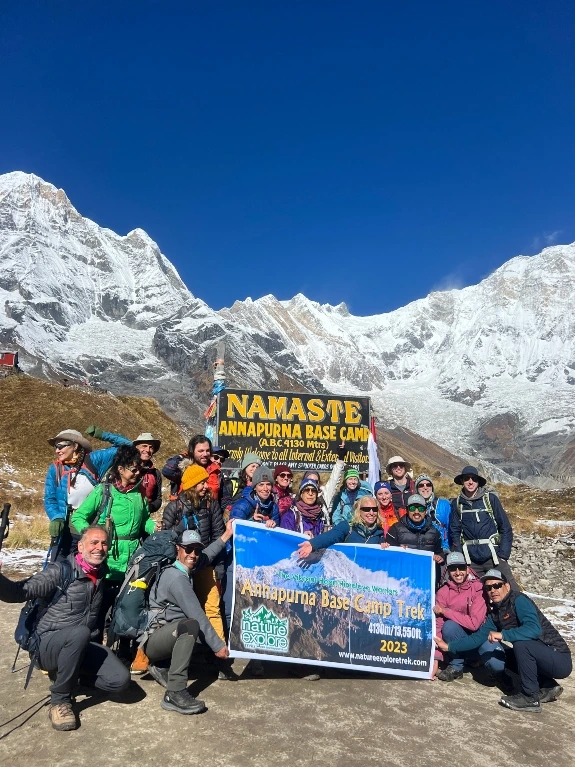
Annapurna Base Camp Trek itinerary
The Annapurna Base Camp Trek itinerary varies depending on where you want to begin the journey. Additionally, it takes six to ten days to complete the Annapurna Base Camp trek. The traditional full Annapurna base camp trek, which takes nine nights and ten days to complete via the Ghorepani PoonHill to Annapurna Base Camp trek, can also be completed in five nights and six days via the Jhinu Dada if you are traveling on a short trip and want a shorter, more affordable itinerary. Please review the general itinerary for the Annapurna Base Camp trek, which is what most hikers used to do.
Day 1: Drive from Kathmandu to Pokhara (200km), 6/7 hrs, (alt. 740m)
After breakfast today, you will travel six or seven hours by car to Pokhara via the Prithivi highway. Because of its unpredictability, the read traffic can occasionally take longer than usual. You have more fun and get to see Nepal’s countryside for the first time when you drive through its stunning hills, valleys, and numerous traditional villages.
An alternate option is to take the plane from Pokhara to Kathmandu, which takes 30 minutes and saves time if you intend to conceal the lengthy drive of six or seven hours.
This day will be excluded if you intend to travel from Pokhara to Pokhara. Not count
Day 2: Drive from Pokhara to Hille or Thikhedunga (3hrs) , at 1500m, and trek to Ulleri another 3 hrs.
After breakfast in the morning, you will travel three hours by car/Jeep or Bus as per the group size, from Pokhara to Hille or Thikhedunga via Nayapool-Birethati and Hille, and then you will essentially begin walking from there. Since this is the first day of the trek, you might feel a little more challenged because you have to climb a lot of stone stairs 2 / 3 hrs to get to Ulleri villages, where we will spend the night.
In addition, you will be rewarded with traditional villages, waterfalls, paddy rice, domestic animals, and, if the weather permits, your first glimpses of Himchuli and Mount South Annapurna from Ulleri. You will have to wait for another day if there are clouds today. One of the largest Magar and Gurung villages, Ulleri was once home to over 2,000 people for hundreds of years. You will be spending the night in Ulleri.
Please be aware that you can drive further up to Banthati in a jeep and save an additional day if you intend to complete the Annapurna Base Camp in a shorter amount of time than this.
Day 3: Trek from Ulleri to Ghorepani. 5 hours, 2800.
Today is the third day of the trek. You will begin the day after breakfast at the teahouse at around 7:00 am, and you will essentially begin the trek between 7:30 and 8:00 am. For the best views, it is always advised to start early in the morning and avoid the hot humidity in the afternoon, as well as any rain, clouds, etc.
Today’s hike takes 4 to 5 hours and leads you gradually up to Ghorepani through the beautiful forest of bamboo, black oak, and rhododendron. Following Banthati, the whole path to Ghorepani is covered in forest. It takes two hours to get to Ghorepani after lunch, but you can also stop for lunch at Nangethati along the way. If the weather is clear, you will be able to see the Annapurna mountain and Dhaulagiri in the distance once you arrive at Ghorepani. If it’s unclear, you’ll have to wait until another day.
Day 5: Hike to Poonhill viewpoint (alt. 3210m) and trek to Tadapani (6/7 hrs, alt. 2600 m)
Early in the morning, before sunrise, you will hike to the Poon Hill viewpoint (3210m), a steep ascent, about a one-hour’s hike from Ghorepani. The goal of today’s early-morning hike to Poon is to take in the sunrise views over the Himchuli (6400m), South Annapurna (alt.7210m), Mt. Annapurna,(alt. 8091 m), Mt. Fishtail (Machhapuchhare) (alt. 6993m), Mt. Manaslu (alt. 8163 m), Nirgiri (south alt. 6893m), Tukuche Peak (alt. 6400 m), and mt.Dhaulagiri (alt. 8167m)range in very close distance.
The best sunrise views in 360-degree panoramic views will be your reward on this first highlight day of the trek. This trek is well worth the once-in-a-lifetime opportunity to take in the breathtaking views and get a close-up look at the Himalayas.
It will take you half an hour to return to Ghorepani after taking in these breathtaking sunrise views. We will depart Ghorepani and continue trekking to Tadapani via the Deurali and Banthati for another four to five hours, with many ups and downs, through the rhododendron forest, hills , beautiful landscape, and good views of Annapurna and Dhaulagiri before arriving in Tadapani for an overnight stay.
Day 6: Trek from Tadapani to Lower Sinwa, 6 hrs., alt. 2100m.
Early in the morning from your teahouse, you can still see the sunrise views over the fishtail , South annapurna and Himchuli. After breakfast, you will easily descend to Khimrong Khola via the Chuile in two to three hours. After lunch, you will arrive in Gurjung after crossing the suspension bridges. gradual ascents to Since there is a lovely German bakery in Chhomrong, we can stop there for good coffee and a brewery. Once you have made the gradual ascents to Chhomrong Khola, it will take you an additional thirty minutes and an additional hour to arrive at Lower Sinwa for your overnight stay.
Day 7: Trek from Lowe sinwa to Deurali (6/7 hours, alt. 3300m)
Since we are climbing from 2100m to 3300m through numerous steep ups and downs, today is a little bit larger. You will hike to Upper Sinwa in the morning and then continue walking for another hour and a half to Bamboo, where we will end the commercial tea break. We will then continue our contour trek to Dovan for another hour in order to have lunch. Following lunch, we will hike Deurali in 3 to 4 hours. Up until the Deurali, the majority of the hiking trail is shadowed and completely covered by forest.
Day 8: Trek from Deurali to Annapurna Base camp via the MBC (Machhapuchhre Base Camp), 5 hrs. (alt. 4130 m)
Today is the last day of the ascent, but it will be a challenging trek because we will be walking over 3500 meters above sea level, where we will feel less oxygen on our companions, and the trail may occasionally become more difficult due to cold winds and ice. However, we will begin our hike today from Deurali to Annapurna Base Camp, which is 4130 meters above sea level, after breakfast. The hike takes four to five hours in total, and the walking trails lead to gradual ascents through hills, snow peaks, and lush forests. You will be in close proximity to the Annapurna South, Himchuli, and Fishtail mountains on both sides of the hill.
The trail, known as the Modi River, descends from the Annapurna Base Camp Trek and winds through the hills. It is situated between two large mountains. After three hours of walking from Deurali, we will take a lunch break at Machhapuchhre BC. From Mahhapuchhre, it will take us one and a half hours to walk to Annapurna Base Camp, which offers stunning views of Annapurna South, Fishtail, Himal Chuli, and Gangapurna. The trail is surrounded by many stunning peaks. You will be in close proximity to the views, which are more expansive. mountains and annapurna glaciers, it may feel windy and cold. Your dream will undoubtedly come true when you arrive at an Annapurna base camp at an elevation above 4,000 meters. You will be rewarded with breathtaking views of the Annapurna Himalayas in the distance.
Day 9: Early morning wakeup and enjoy the sunrise views and return back to Bamoo , 6/7 hrs alt. 2300m
You will return to Bamboo today after taking in the sunrise views from Annapurna Base Camp. The sunrise views over Annapurna I, Annapurna South, Himchuli, Mt. Fishtail Gangapurna, and Annapurna from Annapurna Base Camp are truly unique; they make you feel as though you are in heaven, where nothing from our previous lives compares to these views. You will be appreciatively taking in the view and taking some amazing photos here before slowly returning to Bamboo in six or seven hours. We will be returning on the same trail that we ascended yesterday or a few days prior, so it is familiar.
The advantage of returning after the Annapurna case camp is that you don’t have to climb any higher because most of the trails descend through Machhapuchhare BC, Deurali, Himalayan Hotel, Dovan, and finally Bamboo. Bamboo gets its name from the bamboo forests that encircle this location.
Day 10: Trek back from Bamboo to Jhinu dada. 4 hrs , (alt. 1700m)
Today is a short and easy day trek. After breakfast, you will start the day. You will first trek back to Chhomrong villages via the Sinuwa, which will be uphill and downhill for two to three hours. We’ll stop for lunch at Chhomrong, and then you’ll walk for an additional hour to Jhinu Dada, where you’ll spend the night.
Another option is to visit the Jhinu Hot Spring, which is 15 to 20 minutes from your teahouse and close to the Modi River. After hiking the mountain for several days, it’s unique and rejuvenating to take a natural hot bath. To experience the natural hot water that comes from the mountain and is extremely hot, we strongly advise visiting a hot spring. This was the end of the trek that most people used to do.
Day 11: Drive back to Pokhara (3 hrs, alt. 740m)
After breakfast, you will walk to the jeep station for 30 minutes and we will take a jeep ride back to Pokhara in 3 hours via Nayapool and Birethati. Where your trek ends.
Day 12: Drive or Fly back to Kathmandu from Pokhara:
You’ve reached the end of your journey. if you are visiting nepal for only this trek and returning back home, and you are tight with the schedule and looking to go to the next destination, then you will go back to kathmandu the next day, but if you are not immediately planning to go to the next destination and still looking to explore more sides of Nepal and want to stay extra days in pokhara it is possible, and you can spend more time here, and still you can visit the fomush chitwan national park , the birthplace of lord gautam buddha Lumbini , Palpa Tansen. let us know; we are happy to help you with additional costs.
Short version itinerary of Annapurna Base camp trek
If anyone is planning to go to annapurna base camp trek in a quicker way, as you don’t have time like 10/12 days to spend in the mountains, then here are good alternative options for those who don’t have a long time.
Here is the short itinerary.
Day 1: Drive from Pokhara to Jhinu Dada via the Nayapool (3 hrs.) and trek to Chhomrong villages (3 hrs.).
Day 2: Trek from Chhomrong to Bamboo 5 hrs alt. 2100m
Day 3: Trek from Bamboo to Deurali , 6 hrs alt. 3300m
Day 4: Trek from Deurali to Annapurna Base camp alt. 4130m, , 5 hrs
Day 5: Explore the sunrise views and trek back to Bamboo at 2100m
Day 6: Trek back to Jhinu dada alt. 1700m , 5 hrs
Day 7: Drive back to Pokhara (3 hrs); your trek ends here.
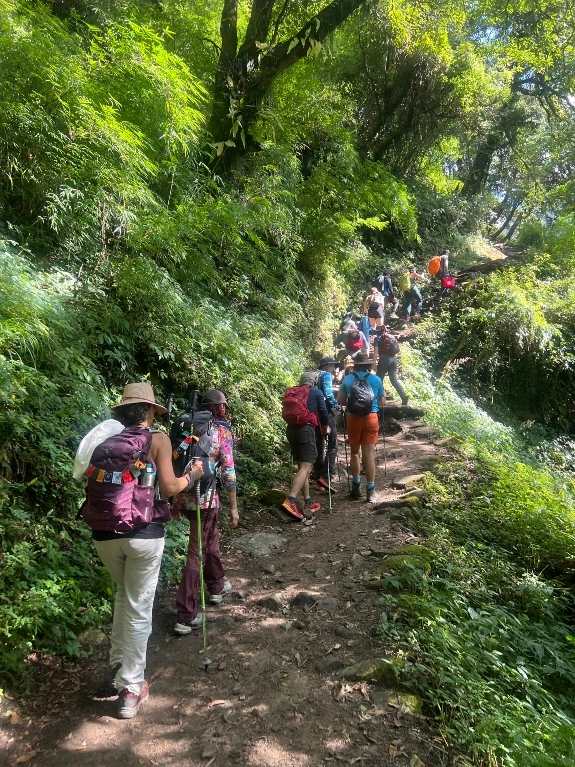
Annapurna base camp trek cost / price .
The Annapurna Base Camp trek cost depends on the service that you want to buy from the local agency. Typically, you need to arrange for a guide, permits, food, lodging, transportation, a porter, and all other equipment needed for the Annapurna Base Camp trek. This is a breakdown of the costs.
As most of the travel agencies, like nature explore trek offers to the travelers service packages and full board packages, service packages mean you will pay day wages guide and porter , permits , transportation, and some service charges for the agency, and food and accommodation you can pay yourself along the trek.
Full board package include everything: food, accommodation , Transportation , guides, porters, permits, etc.
To help you better understand and prepare for your upcoming trip to Annapurna Base Camp Trek with Nature Explore Trek, here is a breakdown of the costs.
| Category | Description | Cost (USD) |
|---|---|---|
| Guide | Per day (includes meals & accommodation) | 28 – 30 |
| Porter | Per day (includes meals & accommodation) | 28 – 30 |
| ACAP Permit | 30-day validity | 25 |
| TIMS Card | 30-day validity | 20 |
| Food & Accommodation (on trek) | Per day, estimated range | 35 – 45 |
| Hot Drinks | Tea, coffee (per cup) | 2 – 3 |
| Shared Transport | Jeep/bus Kathmandu–Pokhara (one way) | 25 |
| Private Vehicle | Kathmandu–Pokhara (split among group) | 100 |
| Domestic Flight | Kathmandu–Pokhara (one way per person) | 100 |
| Tourist Bus | Kathmandu–Pokhara (one way per person) | 12 |
| Hotel in Kathmandu | Per night (includes breakfast) | 30 – 35 |
| Hotel in Pokhara | Per night (includes breakfast) | 25 – 30 |
⚠️ Prices may vary depending on season, elevation, and preferences (e.g., bar menus, cold drinks, coffee machines). Budget-friendly guesthouses are available in both Kathmandu and Pokhara.
Please be aware that this is based on the cost experience from the most recent year and could change at any time.
Annapurna base camp Trek Difficulty during the months of December and January:
It’s vital to be aware that the Annapurna Base Camp trek can be challenging in December and January. Since the december and january is the winter seasons in nepal it is always challenging, such as with the snow, chilly wind, and slippery walking trails in the higher section of the trek. The Annapurna Base Camp Trek is a medium-level trekking route with many ups and downs. You will typically have to talk for five to six hours each day. Although the trail has steep ascents, there are many stone stairs and steep ups and downs, particularly in the early part of the trek, because Ghorepani Poon Ponhill is lower in elevation and easier to breathe.
There is less concern about altitude because the Annapurna Base Camp Trek starts at a lower elevation of about 1500m and takes many days to reach an altitude of 3000m. This is because the trek is situated below the 4500m lower elevation from sea level. which causes altitude sickness in the spouse.
All things considered, the Annapurna Base Camp Trek is a medium-difficult trekking route that requires a high level of mental and physical preparedness. Anyone planning to trek to Annapurna Base Camp should prepare for basic exercises like running, hiking, yoga, jogging, etc., at least three or four months before the trek begins. This is especially important for those who intend to go in December or January.
Best time to go Annapurna Base Camp Trek
The best seasons to trek to Annapurna Base Camp are typically autumn, October, November, and December, as well as spring, which includes mid-March, April, May, and early June.
For those who are unable to complete the trek in the fall months of October, November, March, April, and May, it is still possible to complete it in December, January, June, and September. It is really hard to predict the weather because of climate change, but these days it is pleasant in December, January, May, and June. and September. It is strongly advised that those seeking a more tranquil, quiet, and uncrowded trek do so in December, January, May, or September.
Packing list for Annapurna base camp trek during the months of December and January:
The suggested packing list for the Annapurna Base Camp Trek in December or January is provided here for those who wish to travel during these months to complete the trek.
Here is the recommended packing list for annapurna base camp trek
- Sun hat ,
- Warm beanie,
- mask,
- sunglasses,
- Sunscreen.
- A medium-sized daypack (20 to 25 liters)
- 1 50 to 70 liter backpack
- Sleeping bag or inner liner,
- Toiletry bags,
- Travel towels,
- Good hiking boots, which cover the ankle.
- 1 pair of long t-shirts,
- 1 pair short t-shirt,
- inner thermals
- 1 pair of trousers, and i can use half in the beginning of the trek.
- warm down jacket, or Gore-Tex water- and windproof
- medium jacket, warm sweaters,
- 2 pairs gloves 1 pair light and 1 pair heavy (waterproof)
- One pair of campsite shoes or sandals,
- Two regular pairs and two warm wool socks make up four pairs of socks.
- Dry foods such as snacks,
- Personal kit bag
- Rain or snow protection, like rain ponchos, bag covers, rain jackets and pants, etc.
Conclusion
Annapurna Base Camp trekking during December and January is a rare occasion, the best winter experience provided by clear skies, superb mountain scenarios, and fewer crowds. However, of climate patterns showing the possibility for unusual warmth and weather during early winters, trekkers must be on their toes for unpredictable conditions. Snow, ice, and cold temperatures tend to make hard work out of this during winter, unlike during fall and spring.
Winter trekking thus stands possible and memorable for those who miss the opportunity to travel in the best seasons-well prepared and equipped.
Nature Explore Treks, since 2015, has accompanied countless adventurers along this sacred path with loving care, professionalism, and profound respect for the journey. After nearly ten years of assisting thousands in successfully completing this awe-inspiring trek, our devoted and knowledgeable team guarantees and commits that every part of your journey will be physically rewarding as well as spiritually enriching.