
 English
 Dutch
Dutch Japanese
 Hindi
Hindi Italian
 Spanish
 French
 German
 Chinese
 Korean
 Arabic
 Hebrew
 Russian
 Portuguese
 Danish
 Czech
Czech Polish
 Swedish

250 reviews in 


20
Days
Days
- Best price guaranteed
- Secure & easy online booking
- Flexible booking dates
- Decades of experience


Have Questions?




At a Glance

Duration
20 days
Destination
Nepal
Trip Difficulty
Moderate
Max altitude
5,545 m
Group Size
2 - 25 Pax.
Activity
Trekking & Sightseeing
Accommodation
Hotel in Kathmandu, lodge & tea houses during the trek.
Meals
Breakfast, Lunch & Dinner during the trek
Vehicle
Private car, jeep or sharing baseOverview of Everest Three High Pass Trek Cost and Itinerary
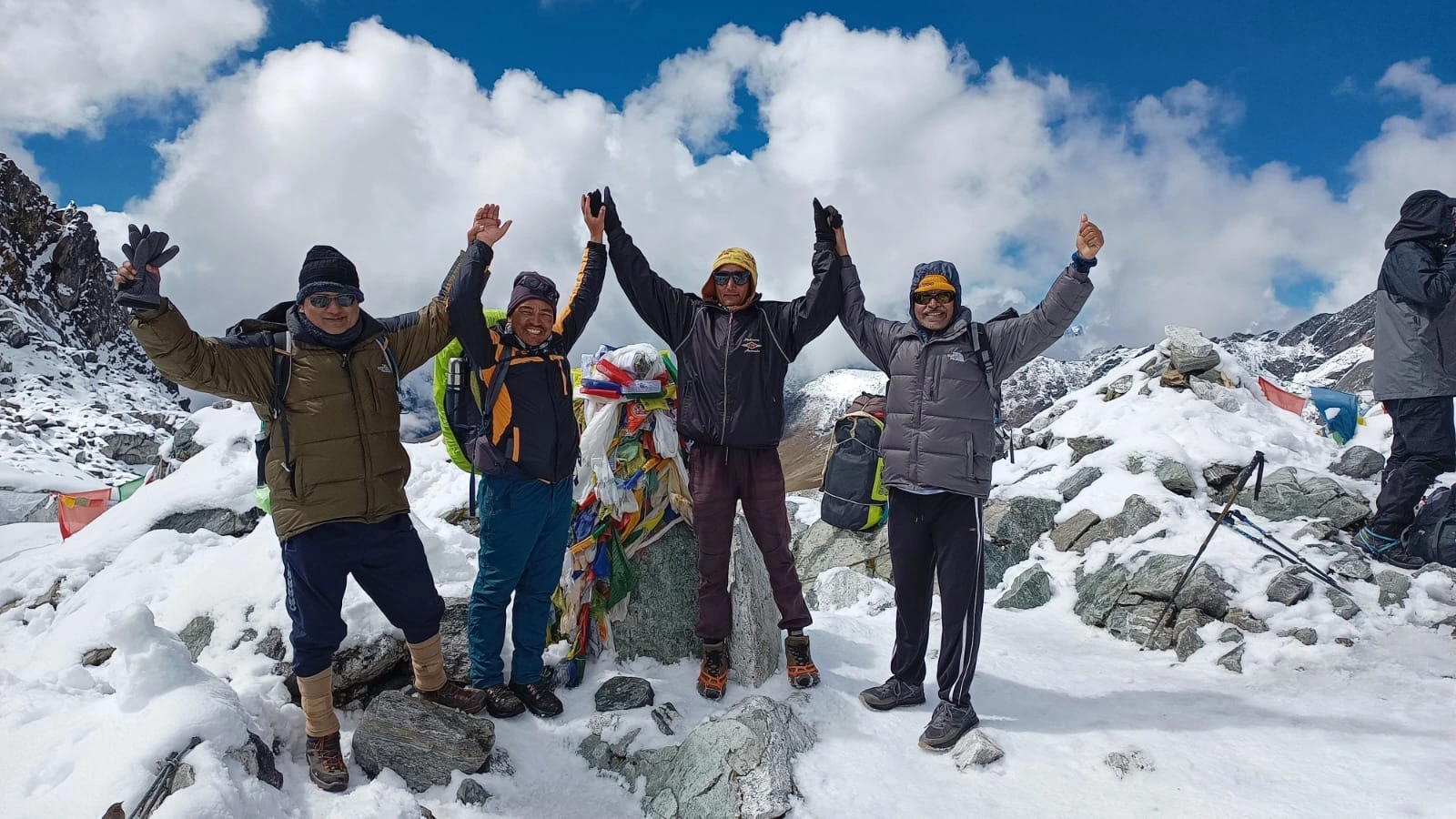 Everest Three High Pass Trek is one of the most adventurous and challenging trekking paths that lies in the Mt. Everest, Khumbu region of Nepal. The three passes, namely called Khongma La (alt. 5,550 m), Chola Pass (alt. 5,420 m), and Renjo La Pass (alt. 5,361 m), cover the east-to-west region of the higher region of the Khumbu Valley.
Since this route leads the trekkers through the higher pass and covers wonderful viewpoints, including Kalapather, Everest Base Camp, and Gokyo Ri viewpoints, you shall be treated to the stunning views of the Mt. Everest range, Mt. Ama Dablam, Lhotse, Nuptse, Pumari, Choyu, Cholastse, Twatse, Island Peak, and Lobuche Peak, which include thousands of beautiful peaks that surround the trek route. Moreover, from the beginning of the trek, you will enjoy the scenic flight to Lukla and cross the numerous traditional Sherpa villages and serene monasteries. Their basic lifestyle, charming people, and fascinating culture always impress the trekkers.
The Everest Three Pass Trek route is recommended for those travelers who are experienced hikers who have been used to walking and climbing in the mountains. Since the route is located in the higher sections of the route, it is not recommended for beginners and families with kids.
Planning the Everest Three Pass Trek budget is crucial whether you are planning for a solo private trek or joining a group trek. Budgeting options can be helpful to understand how much budget you need for this trek in advance. In this blog, I share the details of cost breakdowns for midrange-cost to luxury service for travelers who are looking to trek to the three high passes in 2026 and 2027.
The Everest Three Pass Trek cost for 2026 and 2027 that we are offering is different—different cost, as it depends on the group size and the service that you want to include in the package service, like normal or luxury accommodation categories, limited food choices or unlimited choices, drinks like tea, coffee, etc. The normal Everest Three Pass Trek cost starts from USD 2000-2500 per person.
Includes the food (breakfast, lunch, and dinner). 3-star hotel in Kathmandu before and after the end of the trek; accommodation on the trek; professional guide; strong porter; round-trip Lukla airfare; all trip necessary permits,, airport pickup and drop-off; ground transportation by car, jeep and bus as per the group size, etc.
Highlights of Everest Three High Pass Trek Cost and Itinerary
- Crossing the three legendary high passes: Kongma La (5,550 m ) Cho La (5,420 m) and Renjo La (5,360 m).
- One of the most adventurous and challenging treks in the Everest Region
- Visiting the iconic Everest Base Camp (5,364 m).
- Sunrise views over Mount Everest from Kala Patthar (5,545 m).
- Exploring the beautiful Gokyo Lakes, the highest freshwater lake system in the world.
- Hike to Gokyo Ri for the stunning panoramic mountain views.
- Spectacular views of Mount Everest, Lhotse, Nuptse, Ama Dablam, Cho Oyu, Pumori and many other himalayan peaks
- Scenic and thrilling flight to and from lukla
- Experiencing the authentic Sherpa culture, traditions and monasteries
- Walking through the villages like Namche Bazaar, Dingboche, Thame and Gokyo
- Less crowded and more remote trails compared to the classic Everest Base Camp route
- A complete Everest region circuit combining adventure, culture and natural beauty
- Ideal for experienced trekkers seeking a true high-altitude challenge.
Route Map and Altitude Chart
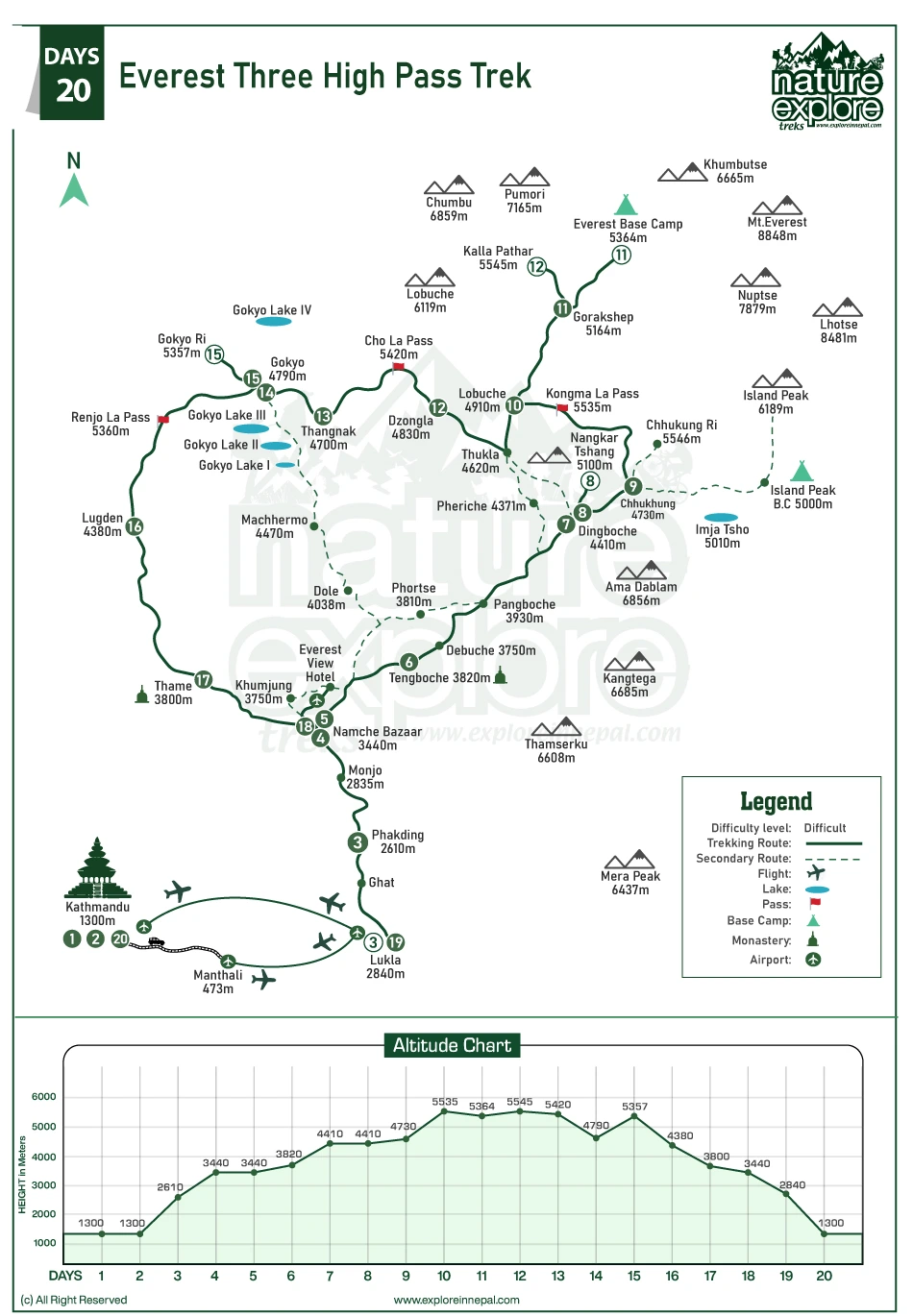 Download Map
Itinerary
01
Day 01 Arrive at Kathmandu
Today you will arrive at Tribhuvan International Airport in Kathmandu, where our representative will greet you and transfer you to your hotel. After checking in you can rest or walk around Thamel
Meals
BreakfastAccommodation
Local Teahouse02
Day 02 Trip Preparation Day
Today is dedicated to preparing for your trek and beginning gentle acclimatization. You can explore the streets of Kathmandu and buy any remaining trekking gear that you could not find. You can find any gear herein Thamel. Then in the afternoon you will meet your guide, who will be guiding you through the journey. You will have some discussion about the trek.
Meals
BreakfastAccommodation
Local Teahouse03
Day 03 Fly to Lukla (2,840m) and trek to Phakding (2,610m) 4-5 hrs
An early morning flight will take you from Kathmandu to Lukla, often considered one of the world’s most scenic airport approaches. From Lukla the trek will begin along the Dudh Koshi River valley, passing through the suspension bridges and small villages. The hike is moderately easy today, and you’ll reach Phakding, where you’ll spend your first night in the Himalayas and enjoy your first dinner.
Duration
4-5 hoursMax altitude
2610 mMeals
Breakfast, Lunch, DinnerAccommodation
Local Teahouse04
Day 04 Trek from Phakding to Namche Bazaar (3,440m)
You will walk through the picturesque villages such as TokTok, Benkkar, Monjo, and Jorsallee, entering the famous Sagarmatha National Park, the bustling Sherpa town known for its markets and cultural significance. This is a perfect introduction to Sherpa life and Himalayan village landscapes.
Max altitude
3,440 mMeals
Breakfast, Lunch, DinnerAccommodation
Local Teahouse05
Day 05 Acclimatization day at Namche Bazaar (3,440m)
Today is a vital day for altitude acclimatization You’ll rest and take a short hike to the Everest View Hotel (3,880 m) for stunning panoramas of Everest, Lhotse, and Ama Dablam. You can also explore the town market, visit cafes and interact with the local Sherpa community, preparing your body for the higher elevation ahead
Max altitude
3,880 mMeals
Breakfast, Lunch, DinnerAccommodation
Local Teahouse06
Day 06 Trek from Namche Bazaar to Debuche (3,820m, 5-6 hrs).
The trek continues through forests and rocky paths with occasional views of snow-capped peaks. You may pass the Tengboche Monastery, a spiritual center with panoramic mountain views. The day ends in Debuche, a quiet village surrounded by impressive Himalayan scenery, perfect for resting and enjoying the crisp mountain air.
Duration
5-6 hoursMax altitude
3,820 mMeals
Breakfast, Lunch, DinnerAccommodation
Local Teahouse07
Day 07 Trek from Debuche to Dingboche (4,410m ,5-6 hrs)
Today, the trail ascends into higher alpine terrain. The landscape changes to barren hills, glaciers, and distant peaks, giving you a true sense of high-altitude trekking. You’ll arrive at Dingboche, a village that serves as an ideal spot for acclimatization.
Duration
5-6 hoursMax altitude
4,410 mMeals
Breakfast, Lunch, DinnerAccommodation
Local Teahouse08
Day 08 Rest day in Dingboche (4,410m) with a short hike to Nagarjun Hill(5,100m 3-4 hrs)
Today is the rest day, so you can allow your body to adjust to the altitude. You can take a short hike to Nagarjun Hill (5,100 m) for spectacular views of the surrounding peaks. This optional hike strengthens your legs and helps you prevent altitude sickness while offering panoramic views of Lhotse, Ama Dablam, and Island Peak.
Duration
3-4 hoursMax altitude
5,100 mMeals
Breakfast, Lunch, DinnerAccommodation
Local Teahouse09
Day 09 Trek from Dingboche to Chhukung (alt. 4730m, 4-5 hrs)
Today is a relatively short trek, which lets you gradually gain the altitude. You will pass through the small villages and rocky landscapes, arriving in Chhukung, which is a gateway for the optional climbs to Island Peak or Chhukung Ri which is surrounded by the glaciers and the high Himalayan ridges
Duration
4-5 hoursMax altitude
4,730 mMeals
Breakfast, Lunch, DinnerAccommodation
Local Teahouse10
Day 10 Trek from Chhukung to Libuche (4,910m) via Kongma La Pass (alt. 5,535 m, 7-8 hrs)
Today is the challenging day you will cross the high Kongma La Pass. You will trek through the glaciers, moraine landscapes and the rugged trails, finally descending slightly to the lobuche (4,910 m) This is a physically demanding day, highly rewarding with spectacular mountain vistas.
Duration
7-8 hoursMax altitude
4,910 mMeals
Breakfast, Lunch, DinnerAccommodation
Local Teahouse11
Day 11 Trek from Lobuche to Gorak Shep (5,164m) and Everest Base Camp (5,364m) and back to Gorak Shep (7-8 hrs)
Today is one of the big days, as you will reach the Everest Base Camp. From Lobuche, after trekking to Gorak Shep (5,164 m), you will continue to the legendary Everest Base Camp, standing at the foot of the world’s tallest peak. Then, after being mesmerized by the incredible view and taking some pictures, you will return to Gorak Shep, where you will stay for the overnight.
Duration
7-8 hoursMax altitude
5,364 mMeals
Breakfast, Lunch, DinnerAccommodation
Local Teahouse12
Day 12 Trek from Gorak Shep to Kala Patthar (5545m) and then to Dzongla (4,830 m, 7-8 hrs)
Today begins early in the morning for one of the most iconic experiences of the trek. Before the sunrise you will set out from the Gorak Shep for the ascent to the Kala Patthar (5,545 m). The climb is steep and demanding due to the altitude, but the reward is extraordinary. From the top you will be treated to the best panoramic views of the Mount Everest along with the Nuptse, Lhotse, Pumori, and the vast Khumbu glaciers glowing in the morning light.
After spending some time at the summit, you will descend back to the Gorak Shep for the breakfast and a short rest. The trek then continues away from the main Everest Base Camp trail, heading towards the Dzongla. As you gradually descend, the air becomes easier to breathe, and you reach Dzongla (4,830 m) by late afternoon.
Duration
7-8 hoursMax altitude
5,545 mMeals
Breakfast, Lunch, DinnerAccommodation
Local Teahouse16
Day 16 Trek from Gokyo Laje to Lungden (4,380 m) via Renjo-La Pass (5,360 m, 7-8 hrs)
Today you cross the final high pass of the trek, Renjo La Pass (5,360 m), offering some of the most dramatic and wide-ranging views of the Everest region. After an early breakfast in Gokyo, you begin a steady ascent on a well-marked trail, climbing above the Gokyo Lakes.
The climb to Renjo La is challenging but gradual, and from the top you are rewarded with spectacular panoramic views of Mount Everest, Lhotse, Cho Oyu, Makalu, and the entire Gokyo Valley spread out beneath you.
After enjoying the views, you begin a long descent toward the Bhote Koshi valley, navigating rocky trails and high-altitude terrain. As the trail eases, you will reach the Lungden (4,380 m) by the late afternoon.
Duration
7-8 hoursMax altitude
5,360 mMeals
Breakfast, Lunch, DinnerAccommodation
Local Teahouse17
Day 17 Trek from Lungden to Thame (alt. 3,800 m, 4-5 hrs)
After breakfast you begin a gradual descent from the lodge, leaving behind the high alpine landscapes and moving into a quieter, less-traveled part of the Khumbu region. The trail follows the Bhote Koshi valley.
As you descend, the air becomes noticeably richer in oxygen, making the walk more comfortable. You will pass through the small settlements, yak pastures, and traditional stone houses that reflect the simple lifestyle of the local Sherpa community. After 4-5 hours of trekking, you will arrive in Thame (3,800 m), one of the oldest Sherpa villages in the region. Thame is well known for its historic monastery and its strong mountaineering heritage.
Duration
4-5 hoursMax altitude
3,800 mMeals
Breakfast, Lunch, DinnerAccommodation
Local Teahouse18
Day 18 Trek from Thame to Namche Bazaar (alt. 3,440 m, 5 hrs)
After breakfast in Thame, you will begin your trek towards the Namche Bazar, continuing the gradual descent through the scenic Khumbu landscape. The trail winds through a peaceful valley, a traditional Sherpa village, and a forested section filled with pine and rhododendron trees.
As you walk, you will pass prayer flags, main walls, and small monasteries that reflect the deep Buddhist culture of the region. After approximately five hours of trekking, you will arrive back to Namche Bazaar (3,440 m).
Duration
4-5 hoursMax altitude
3,440 mMeals
BreakfastAccommodation
Local Teahouse19
Day 19 Trek from Namche Bazaar to Lukla (alt. 2,840 m, 6-7 hrs).
Today is the final day of trekking in the Everest region. After breakfast in Namche Bazaar, you will begin the long but scenic descent towards the Lukla, following the Dudh Koshi River. The trail includes both downhill sections and a few uphill climbs. After 6-7 hrs of trekking you will arrive in Lukla (2,840 m)
Duration
6-7 hoursMax altitude
2,840 mMeals
Breakfast, Lunch, DinnerAccommodation
Local Teahouse20
Day 20 Fly back to Kathmandu (1,350m)
After an early breakfast, you will take a short scenic flight from Lukla to Kathmandu. The flight offers one last aerial view of the Himalayan mountains before returning to the bustling capital city.
Upon arrival in Kathmandu, you will be transferred to your hotel. The rest of the day is free to rest, shop for souvenirs, explore the city, or enjoy a farewell dinner.
Max altitude
1,350 mMeals
BreakfastAccommodation
Local Teahouse
Is this offered itinerary not suitable for you?
Inclusion/Exclusion
What's Included?
- Domestic flight to lukla
- Professional guide
- Permits
- Food (breakfast, Lunch & dinner)
- Hot drinks (tea or coffee)
- Airport pickups and drop-offs
- All the ground transportation
- Fresh seasonal fruits
- Sleeping bags (to be returned after the trek)
- Down jackets (to be returned after the trek)
- All the logistic support during the trek
- Entrance fees in monasteries, temples
- Prearrangements for all necessary trip stuff.
- Insurance of guide and porter, etc.
What's Excluded?
- Travel insurance
- Equipment
- Porter
- Accommodation and food in Kathmandu
- Extra the above-mentioned
- Tips for guide r
Trip Information
 Why is advance Budgeting important for the Everest three pass Trek ?
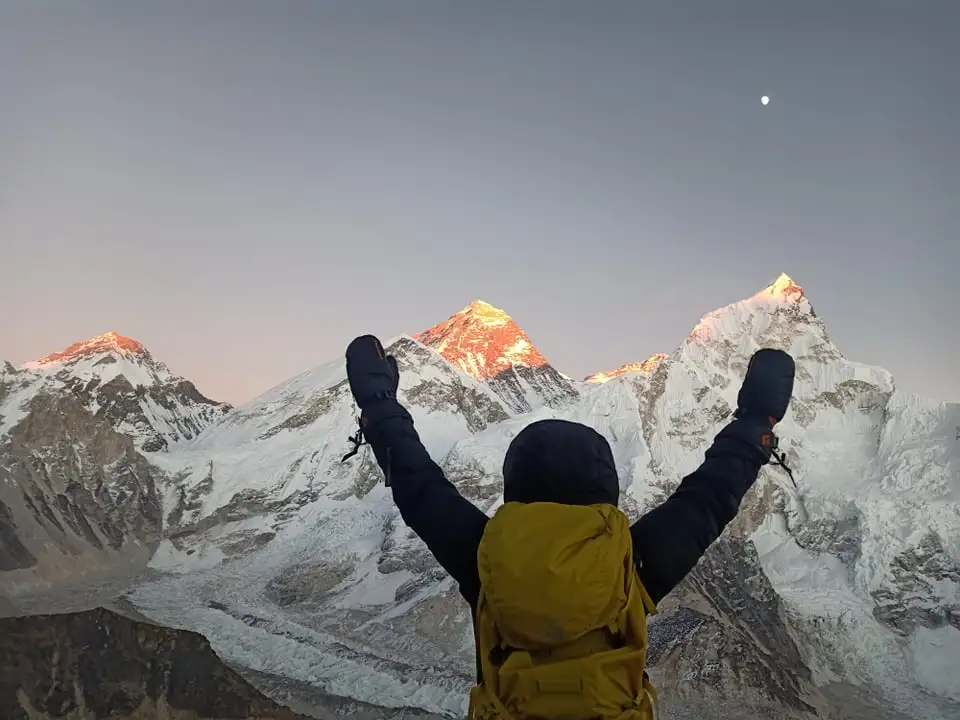 Why is advance Budgeting important for the Everest three pass Trek ?
Since the Everest three passes trekking is a challenging adventure, and the duration, higher passes, unpredictable weather, and trek durations is more longer than the classical everest base camp trek, or Gokyo lake trek , it is very important to know the cost before plan. So the cost be the based on
- Trek Durations:
- Group size:
- Professional guide and porter
- Normal or luxury service
- Guide porter hire
- Season (which months you want to trek, like busy season or quite months)
- Lukla flight by airplane or helicopter,
- Transportation mood, etc.
These are the basic things that can make the cost different for the everest three pass trek.
Main Expenses to Expect on the Everest Three Passes Trek:
Before we take you to the cost breakdown sections, here you should understand why the cost has become this much.
Airfare to Lukla both ways: at the beginning of the trek we will go by airplane to Lukla, where the trek basically starts, & at the end of the trek we take a flight from Lukla to Kathmandu, which is roughly USD 225-240 per person.
Food & Accommodation: the food and accommodations are expensive in the everest region as the transportation is long, the remoteness and basic infrastructure are factors, etc. each day we can prepare USD 50-80.
Permits: you need sagarmath national park permits and a TIMS card (Trekking agency association management systems) and Khumbu Pasang Lamu village municipality permits, which cost USD 50-70 per person.
Airport pickups and drops: normally you need 4 – 6 airport pickups and drops on this trek, including the domestic airport. Costs around USD 30-40 per person.
Professional guide: the professional guide costs USD 50 per day.
Strong porter: per day USD 30
Insurance: you need to have good high-altitude insurance and medical bills incase of an emergency situation. Which cost roughly USD 100-300 it depends on the insurance company and whether you want to include service and facilities.
Trekking Equipment: since you are trekking to the higher region of the mountain, you need warm enough clothes and good-quality boots, which cost about USD 500-1000. But if you already have some gear, then it may not be needed as well.
Tipping culture for guide and porter: at the end of the trek if you are happy with the guide and porter and the service we provide along the trek typing is compulsory and we suggest 10 -20% from total trip payment you paid to travel agencies. You can also make more or less. It’s up to you.
Hot and bar menu drinks and extra budget: roughly USD 300-500 per person
These are the basic items for which we should prepare the cost for a three-pass trek.
Budget Everest three-passes trek packages:
If you are planning to do the budget trek to Everest three pass trek it is possible and the important arrangement for the trek is that we can help you to arrange and reminding trip expenses you can pay yourself along the trek.
| S.N | Category | Estimated Cost (USD) |
|---|---|---|
| 1 | Flight to Lukla (Round Trip) | 450–480 per person |
| 2 | Food (Meals) | 40–80 per day |
| 3 | Accommodation (Teahouse) | 8–10 (double twin bed) |
| 4 | Trekking Permits | 50 per person |
| 5 | Professional Guide | 30–35 per day |
| 6 | Porter | 25–28 per day |
| 7 | Local Transportation | 10–13 |
| 8 | Hot Drinks (Tea / Coffee) | 2–7 per cup |
| 9 | Hot Shower | 3–6 per person |
| 10 | Wi-Fi (Teahouse) | 5–7 unlimited per day |
| 11 | Cold Drinks | 2–7 |
| 12 | Tips (Guide & Porter) | Guide: 150–300 Porter: 150–250 |
| 13 | Equipment Purchase | 300–500 |
| 14 | Travel Insurance | 100–150 |
| 15 | Extra Personal Expenses | 300–600 |
| 16 | Entrance Fees (Museums / Monasteries) | 5–30 |
| 17 | Kathmandu Hotel (3-Star) | 40–50 per night (double bed, breakfast included) |
.
The rest of the trip expenses you can pay by yourself, like meals, Drinks ,travel insurance. Equipment, etc.
The basic cost for the budget trek starts at USD 1500-1800 Per person. The cost depends on the group size always; the cost offered is with basic services like meals, a guide, airfare, transportation, accommodation, and permits. But with budget costs, travelers can’t expect the luxury service along the trek.
Estimated overall Trek packages cost breakdownThe cost is estimated in the budget trek to be USD 1500 to 1800 per person in the group. Here is a cost breakdown of each
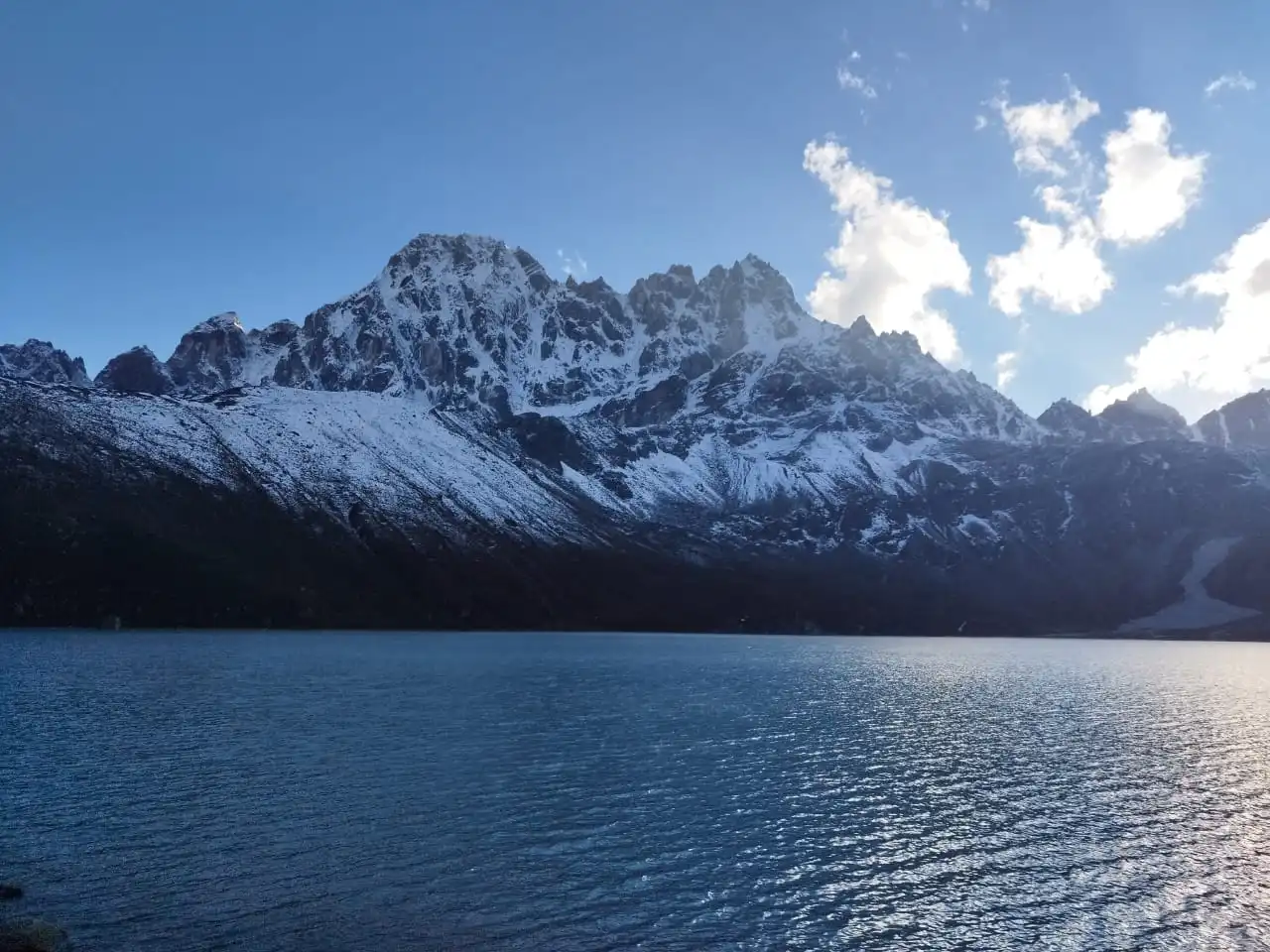
Difficulty of the Everest Three Passes Trek
The Everest Three Passes Trek is considered one of the most difficult and demanding treks in Nepal. It is significantly more challenging than the standard Everest Base Camp or Gokyo Lake treks due to its high altitude, long duration, remote terrain and three major mountain passes above 5,300m
High Altitude Challenges
The trek reaches to the elevations adobe 5,500m including :
- Kongma La Pass (5,550m)
- Cho La Pass ( 5,420m)
- Renjo La Pass(5,360m)
At these heights oxygen level are much lower increasing the risk of acute Mountain Sickness(AMS) . Proper acclimatization days in Namche Bazaar and Dingboche are essential but even with acclimatization trekker must be physically and mentally prepared inorder to cross these 3 high passes
Long and Strenuous Trekking Days
Many days during this trek involves 7-8 hrs of walking especially on pass-crossing days. The trails are often
- Steep and rocky
- Covered with snow or ice( especially on Cho La Pass)
- Narrow and exposed in certain sections
Crossing these high passes requires the early morning statra, careful footing and the capability of endurance
Remote Terrain and Limited Facilities
The Three High Passes route goes throug the less-crowded and remote areas of the khumbu region. Lodges are more basic compared to the Everest Base Camp route and facilities such as hot showers, heating and electricity, variety of food and electricity may be limited or costly at higher
Weather and Seasonal Difficulty
Mountain weather is basically unpredictable. Strong winds, snowfall and sudden temperature drops can make the trek more difficult, particularly on the high passes. During peak season (spring and autumn) conditions are generally stable while winter and monsoon treks are much more challenging and suitable only for highly experienced trekkers
Physical Fitness and Experience Required
This trek is not suitable for beginners. It is recommended for trekkers who:
- Have prior high-altutude trekking experience
- Are comfortable hiking 6-8 hrs per day
- Have good cardiovascular fitness and tsmina
- Are mentally prepared for challenging condition
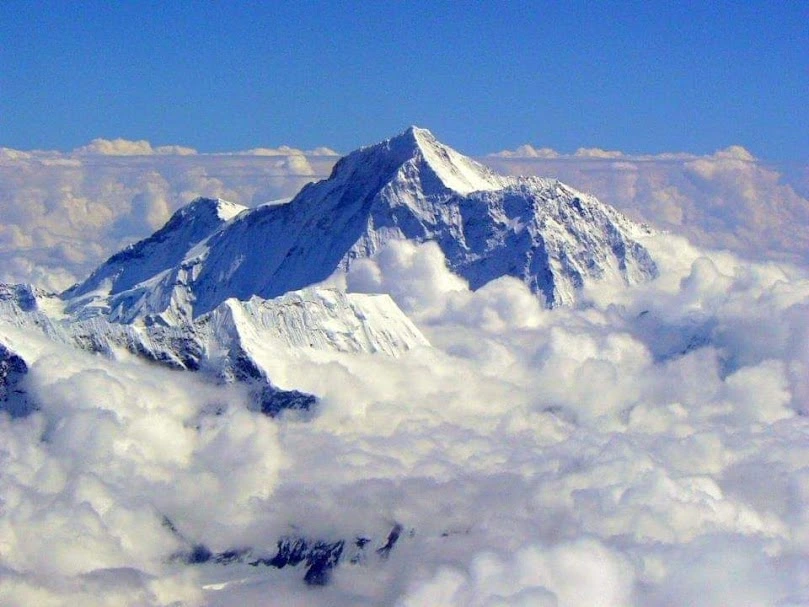
Best Season for Everest Three High Pass
Choosing the right season is extremely important for the Everest Three High Pass Trek , as weather conditions directly affects the trails safety , visibility and the difficulty of crossing the high passes. Because this trek involves three above 5,300m it is best to attempt during the stable weather months .
Spring Season (March to May)
The spring season (March to May) is one of the best times to do the Everest Three High passes Trek and is highly recommended for the trekkers planning their adventure in 2026 and 2027 . During this period, the weather gradually becomes stable, temperature rises and the Himalayas offers the excellent trekking conditions
Weather and Temperature
Spring season bring the mild daytime temperatures at lowe and mid-altitude while higher elevation remain cold but still manageable. March can still be chilly with some remaining snow on the high passes while April and May offers the more comfortable conditions
- Daytime Temperatures : 10°C to 15°C (lower elevations)
- Night temperatures: -5°C to -15°C (higher altitudes)
The trekking trails are generally dry and well-defined in spring . However early March may still have snow and ice on Kongma La ,Cho La, and Renjo La Passes. By April and May most passes are clear and safer to cross. Spring is famous for its clear skies and spectacular mountain views. Snow covers peaks shine inder sunlight offering the stunning views of Mt. Everest, Lhotse, Ama Dablam , Nuptse and Cho Oyu and many other Himalayan giants.
Autumn Season (September to November)
The autumn season ( September to November is considered one of the best and most reliable times to trek the Everest Three high pass route. After the monsoon rains clears rge atmosphere the mountains appear exceptionally shapr and the weather becomes more stable making it ideal for the high-pass crossings.
Weather and Temperature
Autumn offers the dry weather, clear skies and stable conditions especially from october onwards. Daytime temperature are conformatble for trekking while night at higher elevation can be cold.
- Daytime temperatures: 10°C to 15°C (lower elevations)
- Night temperatures: -8°C to -18°C (higher altitudes)
September may still have some lingering cloud cover early in the month but the conditions will improve significantly by october
Trails are generally dry , firm and safe which is perfect for crossing Kongma La, Cho La and Renjo La Pass. Unlike early spring there is usually less snow on the passes making the autumn one of the safest season for the Three Passes Trek.
Autumn is also famous for its exceptionally clear mountain views. The post-monsoon air offers some of the best visibility of the year with the uninterrupted views of Mt. Everest, Lhotse, Ama Dablam, Nuptse , Cho Oyu and surrounding himalayan peaks.
Food and Accommodation on the Three High Passes Trek
During the Everest Three high pass trek trekkers will find very satisfactory food and the accommodation throughout the route at the reasonable prices. The trek follows the established teahouse trails, allowing you to enjoy the hot meals and basic yet comfortable lodging even in the remote himalayan villages
Food options on the Trek
Teahouses along the Three High Passes route serves a variety of meals suitable for the trekking days . You can choose your meals form the menu for the breakfast, lunch and dinner with the options including the Nepali, Indian,Italian and Continental cuisine.
Typical Options on the Trek
- Breakfast : cereal, porridge,toast,eggs,pancakes,tea or coffee
- Main Meals: Dal Bhat (rice, lentils, vegetables -refillabel and highly recommended
- Other dishes: Noodles, freid rice, spaghetti, pasta with garlic cheese sauce,momo (dumpling), spring rolls, soups (Especially garlic soup) and snacks like popcorn.
Teahouses also sell hot drinks, bottled water,soft drink, beer and alcoholic beverage. However consuming alcohol during the high-altitude trekking is strongly discouraged due to health and acclimatization risk. If you really want to eat then you can after successfully completing the trek in Namche, kathmandu.
Accommodation on the Three High Passes Route
Accommodation is provided in teahouses or small mountain lodges. Facilities in villages such as Lukla, Namche Bazaar, Thame, Deboche, and Dingboche while more basic lodges are found in the higher elevations
Typical accommodation features:
- Twin-sharing rooms with separate beds
- Basic bedding (blankets, pillows , foam mattresses).
- Shared bathrooms(attached bathrooms are rare at high altitude)
- Dining halls with heater(limited hours)
Additional services such as wifi , charging electronic devices , and hot showers are usually available for an extra cost. Free wi-fi is very limited and rarely available above 5,400m
Lukla flight
The adventure of the Everest Three Passes Trek begins with a scenic flight to lukla (2840m) often described as one of the most thrilling mountain flight in the world. The short 30-35 min flight from kathmandu .
Due to the high air traffic volume during peak trekking season (spring and autumn) , the Nepal government decided to operate most of the lukla flights form Ramechhap (Manthali Airport ) which is just 40-45 min drive frm kathmandu and we provide the private transportation to the airport. Small domestic aircraft in Nepal can carryr only 15-17 passenger and lukla airport can only handle a limited number of flight each day .
Because the number of aircraft is limited managing all the flights from kathmandu become difficult. From Ramechhap the flight to lukla takes only about 15-20minutes allowing the planes to operate frequently and reducing the chances of flight delays or cancellations. During the off-season when air traffic is lower direct flight from kathmandu to lukla usually operate , depending on the weather conditions.
What a typical day is like on the Everest Three High Passes Trek
On the Everest Three High Passes Trek , a typical trekking day involves 5 to 8 hours of walking covering around 8 to 15 kilometer depending on the terrain, altitude and the day’s destination. The day usually begins with the early breakfast at the teahouse followded by the gradual walks along the mountain trails which includes the steady uphill climbs, downhill sections, rocky paths and glacial moraines. The pace is slow and steady to help you all with acclimatization especially as the altitude increases.
Lunch is normally taken at a teahouse along the trail after which the trek continues towards the overnight stop. On the high-pass crossing days such as Kongma La, Cho La, and Renjo La , the walks are longer and more challenging with the steep ascents, cold winds and sometime snow-covered trails. After reaching the lodge in the afternoon, trekkers rests, enjoy a warm meal and spend the evening relaxing and preparing for the next days journey.

Got a question about Everest Three High Pass Trek Cost and Itinerary?
Reach out to our travel experts.Customer Reviews
250 Excellence Reviews
20
Days
Days
- Best price guaranteed
- Secure & easy online booking
- Flexible booking dates
- Decades of experience