

 English
 Dutch
Dutch Japanese
 Hindi
Hindi Italian
 Spanish
 French
 German
 Chinese
 Korean
 Arabic
 Hebrew
 Russian
 Portuguese
 Danish
 Czech
Czech Polish
 Swedish

250 reviews in 


10
Days
Days
- Best price guaranteed
- Secure & easy online booking
- Flexible booking dates
- Decades of experience


Have Questions?



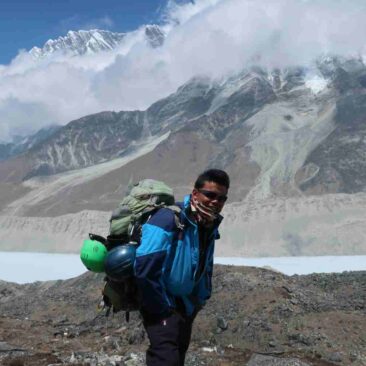
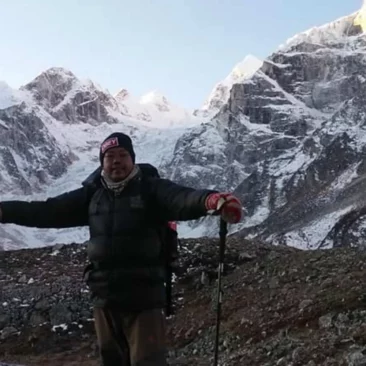
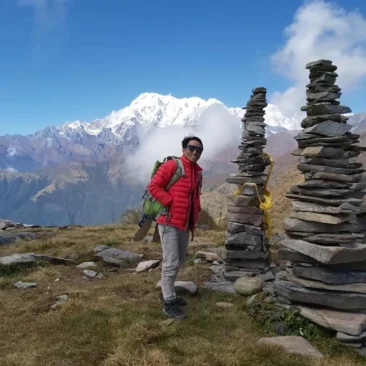
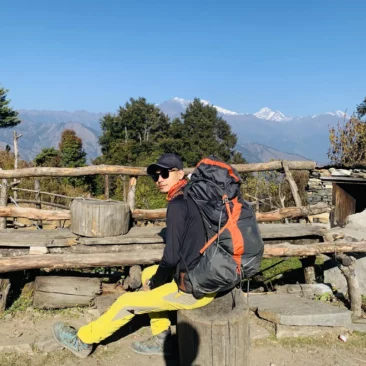


At a Glance

Duration
10 days
Destination
Nepal
Trip Difficulty
Easy
Max altitude
3842m
Group Size
2 - 25 Pax.
Activity
Trekking,hiking & sightseeing
Accommodation
Hotel in Kathmandu, lodge & tea houses during the trek.
Meals
Breakfast,Lunch and Dinner during the trek
Vehicle
Private car, jeep or sharing baseOverview of Ganesh Himal Basecamp with Ruby Valley Trek
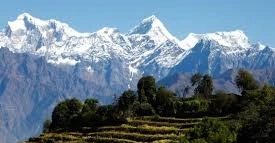
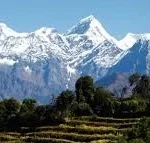
Ganesh Himal Basecamp with Ruby Valley Trek is a stunning off-the-beaten-path adventure that combines beautiful Himalayan scenery with authentic Tamang and Gurung culture.Have you ever thought about walking through silent villages, green forests, and high mountains that reach up to the sky? In that case, the Ganesh Himal basecamp via Ruby Valley would be best for you.
The trip begins in the vibrant city of Kathmandu, where you will be greeted by colorful temples, old monuments, along with warm and friendly locals. In this journey, the road leads to a small town named ShyabruBesi. It marks the beginning of the true adventure here.
Every day of the journey feels like a new world. You trek along serene paths, meet the locals of the village and do wonderful sightseeing of the Ganesh Himal range. These are huge snowy mountains, and it looks like a piece of a fairy tale. On your way, you go through Ruby Valley, which is full of beauty as well as culture. Its name is Ruby Valley, because it is as good and rich as a ruby!
The experience of connecting with people living in the villages is one of the finest parts of this trek. They are very kind and always hospitable to everyone. You will get to eat home-cooked meals, stay at cozy tea houses, and understand the local culture. Villages like Gatlang, Tipling, and Chalish are extremely beautiful. You can see rock houses, prayer flags, and children in the fields along the trail.
The higher you climb, the colder it becomes and the better the view. You will visit the holy lake of Parvati Kunda and Pangsang Pass, a place that gives you a 360 view of the Himalayas. And it feels like you’re on top of the world!
It is more than just a journey about the mountains. There are hot springs as well, where you can rest your weary legs. You will walk through forests with birds and flowers. At each bend on the path, something new and interesting awaits you.
This is not a very difficult trek, but it requires the use of legs day by day. It is an excellent destination for people who love nature, culture, and are willing to experience new cultures. You do not have to be an experienced trekker, just come in with your inquisitiveness and a big smile.
The basecamp of Ganesh Himal basecamp via Ruby Valley trek remains unknown to many tourists. That’s why it feels special. It is not as busy as other well-known trails. You enjoy the tranquility, people, and the raw beauty of Nepal.
Therefore, in case you are seeking an adventure that is full of marvels and tales, and amazing landscapes, this hike is calling your name. Pack your bag and tie your shoes, and come to see a magical part of the world. The mountains are calling you.
Highlights of Ganesh Himal Basecamp with Ruby Valley Trek
- Views of Ganesh Himal, Langtang, and even Manaslu on clear days.
- Small villages like Gatlang and Tipling show you how people live in the hills of Nepal.
- Parvati Kunda, a quiet lake with local stories behind it.
- Forests filled with rhododendron, pine, and chirping birds.
- Pangsang Pass with wide views and a peaceful spot to rest and take photos.
- Natural hot springs near Neber Gaon.
- Views of quiet paths and real village life.
- Prayer flags and small temples along the way.
- Every day brings a new landscape
Itinerary
01
Day 01 Arrival in Kathmandu and Hotel Transfer
Once you land in the Tribhuwan International Airport, you will be welcomed by one of our representatives. After that, you will be taken to a comfortable and beautiful hotel in the Thamel area. Along the way, you have glimpses of busy markets, and the far hills that give you a presupposition of what you are about to see.
Once you check in, you can relax or go sightseeing in some of the places around with handicrafts and street food. It is a calm evening, which is an ideal time to get used to with the pace of Nepal. You will get to see the actual beauty of Kathmandu tomorrow.
Max altitude
1400mMeals
BreakfastAccommodation
Hotel02
Day 02 Full-Day Sightseeing in Kathmandu
Today is your cultural warming up. You get off to explore the spiritual and historical center of Kathmandu after having breakfast. The steps of the Swayambhunath Stupa, where the monkeys play and prayer wheels turn. This is a calm and peaceful place, but can be chaotic sometimes due to visitors. Next, it is Pashupatinath, which is one of the most religious temples of the Hindu people, by the holy Bagmati River. Boudhanath, with its huge white dome, comes next, along with the chanting monks.
You will also see the Patan Durbar Square, which has hewn windows and stone yards that tell the tales of the kings and craftsmen from centuries ago. This day is a mix of culture, history, and meaning; each location is a reflection of the multi-layered identity of Nepal. At night, you come back to the hotel and your head is full of pictures of god and incense and rooftops that are extremely beautiful. Tomorrow, the road to the mountains starts.
Max altitude
1400mMeals
BreakfastAccommodation
Hotel03
Day 03 Drive from Kathmandu to Shyabru Besi (1503m)
The city is left behind, and you start a long journey to the north, towards ShyabruBesi, the entrance to Ruby Valley. The trip lasts approximately 8-9 hours as it follows mountains and rivers, as well as villages along the road. You go through Trishuli and Dhunche, as the scenery changes, as you move from the city to the forested hilly sides. The highway is sometimes unpleasing, but the scenery is worth it, as it is filled with terraced farms, cataracts, and glimpses of mountains in the distance.
Later in the afternoon, you become part of the Langtang region when you arrive in Shyabru Besi, which is 1503 meters above sea level. It is a small, peaceful village. The atmosphere is colder, and the landscape changes. You rest in a local guesthouse, rest your legs, and get ready for the next day. The mountains have become nearer from here.
Duration
8-9 hrsMax altitude
1503mMeals
Breakfast, Lunch, DinnerAccommodation
Local Teahouse04
Day 04 Trek from ShyabruBesi to Gatlang via Chawatar (2337m)
Today, you will take a relatively gradual uphill trek from Shyabru Besi to Gatlang, which climbs more than 800 meters. The trail goes through forests and plowed fields, and scenery of the green hills and scattered houses is visible. After 2-3 hours, you reach to Chawatar, a small village, and here you stop, have lunch, and rest.
The second part of the journey lasts 2-3 hours and brings you to Gatlang village with an altitude of 2337 meters. The round distance of the trek is approximately 11 km, and the ascent of that day is not sharp but gradual. Gatlang welcomes you with Tamang stone houses, prayer flags, and curious kids waving in doorways. Today you will relax here in the calm surroundings, where you can see the mountains and observe the life of locals from near.
Duration
6-7 hrsMax altitude
2337mMeals
Breakfast, Lunch, DinnerAccommodation
Local Teahouse05
Day 05 Gatlang to Parvati Kunda, Yuri Kharka (Lunch) to Somdang (6–7 hrs)
You part with the peaceful village of Gatlang and start out on a scenic uphill hike all the way to the holy lake of Parvati Kunda, with pine trees growing around it with local beliefs. The path goes slowly, and in just a few hours, you are at the sparkling waters of the lake at approximately 2600 meters. People in the area take it as a spiritual area, and the calm and mesmerising beauty of nature makes it very easy to believe. Here, the path leads up to Yuri Kharka, a high pasture on which the yaks are grazing and where the air is cool. Here you take lunch, and you are lost in the bauty of mountains.
After having lunch, the trail goes to Somdang (approx. 3271 meters), an old mining village surrounded by hills. The overall hike is 6-7 hours, the terrain is gradually rising, and part of it is rocky. Somdang is remote and peaceful, and the forest and tales of ancient copper mines are all around. You will rest heretoday and get ready to go tomorrow up to the pass.
Duration
6–7 hrsMax altitude
3271 metersMeals
Breakfast, Lunch, DinnerAccommodation
Local Teahouse06
Day 06 Somdang to Pangsang Pass (La) – 3842m (3½ hrs)
The journey of today is brief but strong. Your climb trek as you start climbing Somdang (3271m) to Pangsang Pass, as the locals call it Pangsang La, which is at an elevation of 3842 meters. The path ascends continuously during approximately 3 1/2 hours, which is a rise of close to 600 meters in altitude. The world is expanded as you pass beyond the tree line along with vast meadowlands, small trail and beautiful panoramas.
The pass itself is an attraction of the whole trek. When there is clear weather, it is possible to see Ganesh Himal, Langtang, and even some parts of the Annapurna range. The prayer flags are blowing in the wind, and the quietness looks holy here. It is an ideal place to relax, meditate, and take pictures. The distance is not much, but the elevation is such that it is a slow, gradual climb. You will either stay the night or go near here, according to the weather and the stages of the group. The air is thin, stars are bright, and the mountains are so close it feels like you can touch them.
Duration
3-4 hrsMax altitude
3842mMeals
Breakfast, Lunch, DinnerAccommodation
Local Teahouse07
Day 07 Pangsang Pass to Tipling (Lunch) – Shertung/Chalish (1875m) (5–6 hrs)
The next day, you start on a peaceful trek by the pass to the colorful villages of Tipling, Shertung, and Chalish. The path goes down to 3842 meters and then approximately to 1875 meters, and this is a day of constant downward walking. It takes approximately 5 to 6 hours, with intervals to take a break and experience the scenery varying with time. You go through rhododendron forests, open meadows, and small streams. After half a day, you arrive in Tipling, which is a vibrant village where you have your lunch and interact with the people of the Tamang and Gurung communities. The path then diverges to Shertung and Chalish, which are two ancient villages whose cultures are rich and their hospitality is warm.
You will have the traditional houses, prayer wheels, and kids in the fields. It is a smooth but extended downward slope, and the lower elevation is warmer and greener. Tonight you are staying in one of these villages, taking a close look at the country life.
Duration
5–6 hrsMax altitude
1875mMeals
Breakfast, Lunch, DinnerAccommodation
Local Teahouse08
Day 08 Chalish to Hindung (Lunch) and Neber Gaon (2220m) – 6 hrs
You leave Chalish behind and start the trail in the morning, which goes across terraced fields and pine trees. It is a cool morning, and the birds’ noise accompanies you. After three or four hours, you arrive at Hindung, a small village, where you have lunch. People here are from agricultural backgrounds, and the views of the hills around are amazing and serene. The journey again starts after lunch, with a combination of slight traces of uphill and downhill walking through forested routes and open ridges. You will cross small streams, and if you get lucky, you will see langurs swinging about in the trees. The other 2-3 hours, you reach Neber Gaon, which is located at 2220 meters.
It is a small town with ancient-type houses and smiling people. The overall walk takes approximately 6 hours, and the gradual uphill walk of the day is not heavy on the legs. You will stay here the night, and enjoy the beauty of nature here for the day.
Duration
6 hrsMax altitude
2220mMeals
Breakfast, Lunch, DinnerAccommodation
Local Teahouse09
Day 09 Neber to Hot Springs to Kupchyat (2066m) – 5 hrs
Today’s walk is about slowing down and literally immersing in nature. You leave the Neber Gaon and head slowly on forest paths, and you move towards the natural hot springs, which the people have been using over the years. The walk takes approximately 2 hours, and the road is covered with trees and wildflowers. After arriving at the hot springs, it is time to relax. The hot water is best to relax the sore muscles, and the scenery of being in the forest with birds singing might feel like it is a secret hideout.
Having soaked and eaten a simple lunch on your way, you proceed to Kupchyat, a small village, at 2066 meters. The last part of the walk for the day is another 2-3 hours of flat and downhill walking. Kupchyat is quiet and has some houses and broad perspectives of the valley below. The overall walk takes approximately 5 hours, and the day is like a reward, silent yet restorative and charming.
Duration
5 hrsMax altitude
2066mMeals
Breakfast, Lunch, DinnerAccommodation
Local Teahouse10
Day 10 Kupchyat to Khading – Lapa Gaon (2025m / 6660 ft) – 4–5 hrs
The last day of trekking starts with the easy descent of Kupchyat, followed by forested hills and small farmlands. There is not much noise; nothing but your feet and the rustling leaves. About 2 hours later, you arrive at Khading, an old village made of stone houses and prayer flags blowing in the wind. It is better to stop there and talk with people and have a cup of tea. Here, the path goes on another 2 or 3 hours again toward Lapa Gaon, which is the last village at 2025 meters (6660 feet).
The village is bigger than most villages you have seen, having a school and a monastery where you can see a very great feeling of unity within the community. The entire walk today is 4 or 5 hours. You will have a silent pride as you take your last evening walk in the hills after 10 days of walking, learning, and getting to know a different Nepal than most people do.
Duration
4–5 hrsMax altitude
2025mMeals
Breakfast, Lunch, DinnerAccommodation
Local Teahouse
Is this offered itinerary not suitable for you?
Inclusion/Exclusion
What's Included?
- Airport pick and drop off.
- Hotel in Kathmandu according to itinerary
- Three meals a day during the trek (Breakfast, Lunch &, and Dinner)
- Hot drinks Tea or coffee.
- Fresh fruit after dinner every day
- Accommodation during the trek on a normal basis twin sharing room.
- Professional English-speaking guide.
- Porter (Two people one porter& weight limit 20- 25kg.)
- Langtang national park fee
- TIMMS CARD
- All the ground transportation is by local sharing jeep or Bus. Or we can also provide private transportation if you want.
- Treated drinking water.
- All the Ground transportation.
- Basic First aid kit.
- Duffle bag for the trip (to be returned after the trek)
- Last night’s Dinner at Nepali kitchen with a cultural dance show.
- Sleeping bag(to be returned after the trek)
- Trekking poles (if need only)
- All the trip necessary documents
- Vat and tax
Complimentary
- Nature Explore Trek T-shirt gift
- Trek Map
- Nature Explore Trek Cap
- Trekking successful achievements certificate
What's Excluded?
- Personal Insurance ( incase of emergency only)
- International airfare
- Lunch and Dinner in Kathmandu.
- Trekking equipment
- All types of beverage
- Extra expenses like Battery charge, WIFI- Hot shower, Laundry during the trek.
- Tipping for Guide and Porter.
Trip Information
Best Season to Trek Ganesh Himal basecamp via Ruby Valley
Trekking to Ganesh Himal basecamp via Ruby Valley is most preferable during the two main trekking seasons in Nepal, the spring (March to May) and autumn (September to November). The months are clear, with mild weather and no sudden changes; this is the best time to enjoy the scenery and ensure the weather is safe enough to walk without any complications. The trail is lined with rhododendrons and wildflowers in the spring, making the forest colorful. Autumn is crisp and long-range, making it ideal to go out and capture photos of mountains as well as enjoy quiet walks.
In monsoon season (June to August), the road is slippery and full of leeches, and landslides may cover the roads. The winter (December to February) leads to snowfall in the high places, such as the Pangsang Pass, making parts of it icy and challenging. But even such lower villages as Chalish and Tipling are both reachable and pristine.
Trekking seasons early in March or late in November are nice when crowds are smaller and the experience is more authentic. One should only be ready to have cold mornings and wear layers. The spring and autumn are the best times of the year to enjoy the beauty, comfort, and safety. The selection of the appropriate season will guarantee both the enhancement of the views and the ease of the trails, as well as the increased enjoyment of the connection to nature and the local culture.
Difficulty Level and Fitness Requirements for the Ganesh Himal basecamp via Ruby Valley
Ganesh Himal basecamp via Ruby Valley is said to be of moderate difficulty. It does not require any technical climbing; however, it does have long hiking days, sharp ascents, and elevated mountain passes. It includes an average of 5-7 hours of trekking per day and a of 500-1000 meters. The highest point of the trek is Pangsang Pass at a height of 3,842 meters, and this may be challenging for beginners who have not been adequately acclimatized.
You do not have to be a sports person, but simple fitness is required. In case you can walk for a few hours a day and with a light backpack on your back, then you are moving in the right direction. The regular ascends, climbing on stairs, or cardiovascular exercise a few weeks before the trek make your journey easier. Mental strength is also significant; some trails are isolated and quiet, and the weather may change rapidly.
It has rocky areas, village trails, forest paths, as well as stone steps. It is easier and safer as your porters and guides will offer great help. In case you are used to with the idea of walking and you love nature, then this trek can be done easily. It is ideal in cases where trekkers are interested in a blend of culture, landscape, and adventure without crowded trails like Everest or Annapurna. With some preparations, the Ganesh Himal basecamp via Ruby Valley trek can be done.
How to Prevent Altitude Sickness Risks During Ganesh Himal Basecamp via Ruby Valley
The problem of altitude sickness in the Ganesh Himal Basecamp via Ruby Valley is mainly seen when you cross Pangsang Pass, which is about 3842 meters above sea level. The symptoms may include headache, nausea, dizziness, and fatigue. It typically occurs when the body fails to adapt properly to the thin air in high-altitude regions. Altitude sickness might not be an issue for everyone in this trek, as it is a gradual climb, giving yourself time to acclimatize, particularly when you move according to the schedule and do not hurry.
Hydration is important to avoid altitude sickness. Take lots of water during the day, though you may not feel thirsty. It is best to avoid alcohol and smoking on the trek. Slow down, rest, and listen to your body. When you have symptoms, take a rest and go down, where necessary. Guides are also trained to be able to observe the early signs and assist you in coping with them.
Diamox (acetazolamide) is a preventive drug, and it is not a self-prescription. Light meals and sleep are also helpful in helping your body adapt. The itinerary has night stays in mid-altitude villages such as Gatlang and Somdang, allowing the body to become familiar with the itinerary before reaching the pass.
Unless you have ever hiked above 3000 meters, it is wise to figure out the symptoms and be aware. Any person can experience altitude sickness without reference of their age and fitness. Through the right timing, water supply, and knowledge, the majority of trekkers pass the trail successfully without major problems and enjoy the breathtaking landscapes.
Permits Required for Ganesh Himal basecamp via Ruby Valley
To trek in the Ganesh Himal basecamp via Ruby Valley, you will require two permits, which include the TIMS Card (Trekkers Information Management System) and the Langtang National Park Entry Permit. Even though Ruby Valley is not a restricted zone, certain sections of the trail, in particular around ShyabruBesi and Gatlang, that fall within the borders of the Langtang National Park, require the purchase of the park permit.
A TIMS card is also compulsory for all foreign trekkers, which assists the authorities in monitoring the trekkers. You can either take permits from the Nepal Tourism Board in Kathmandu or in Dhunche at the entrance point of the park.
If you plan to make some side trips to Manaslu or other restricted areas, an extra permit might be necessary. But in the case of the regular Ganesh Himal base camp via Ruby Valley route, there is no special restricted area permit required.
Always bring several copies of your permits or keep a digital copy with you, along with your passport. On the way, some checkpoints can request to inspect them, particularly around the edges of parks or larger villages. When hiring a guide, he or she will normally do the paperwork, but individual trekkers have to take care of it.
There may be price variations while converting into Nepalese currency it is always best to ensure with your agency or Nepal Tourism board before your trek has started.
What type of Accommodation is Available During the Ganesh Himal basecamp via Ruby Valley?
In the Ganesh Himal Basecamp via Ruby Valley trek, accommodation is easy, basic, and well-rooted in the life of locals. As opposed to the more commercially oriented routes such as Everest or Annapurna, this area has a combination of teahouses, homestays, and simple camping facilities, depending on the village and the time of the year.
You will also spend the night in homestays (local family houses) in villages such as Gatlang, Tipling, Chalish, and Lapa Gaon. These are intimate and homely stays. You will be staying in a simple room, and in most cases, the toilets and simple bedding are shared. Their inability to provide luxury would be compensated by their warmth and hospitality, as well as by their cultural experience.
In some of the larger villages, such as ShyabruBesi and Somdang, there are teahouses. They are small lodges having simple rooms, a dining room, and a kitchen that serves hot meals. At some remote places, such as in the Pangsang Pass, where there are no permanent settlements, camping is the only way.
There can be a power shortage, and hot showers are not common. There are also certain areas with solar showers or bucket showers that cost a bit. They normally have blankets, but a sleeping bag is most likely to be recommended.
Foods available during the Ganesh Himal basecamp via Ruby Valley
The food during Ganesh Himal basecamp via Ruby Valley trek is basic, warm, and largely locally produced. The area is not that commercialized, and since it is remote as well, you will not find fancy menus, but what you get is fresh and well prepared.
Dal bhat (a typical Nepali dish of rice, lentil soup, vegetables, and sometimes pickles or meat) is the most widespread meal. They also serve it in large amounts, and it is also a favourite of trekkers since it is not only nutritious but also helps keep you going throughout the trek. You will constantly hear the saying, Dal Bhat power, 24 hours and it means so.
Dhindo (a porridge of thick millet or buckwheat), roti (flatbread), or noodle soups may also be found in villages such as Gatlang, Tipling, or Chalish. Some of the breakfast foods include eggs, potatoes, and seasonal greens. You can also get homemade yogurt, butter tea, or local millet beer (tongba) in certain locations.
There is meat occasionally, which is often chicken or goat, but again, this is a matter of supply locally. The majority of the meals are vegetarian. Small village stores have snacks such as biscuits, noodles, and tea, although you should always bring your own energy bars or trail mix on the days when you have to walk far.
Food is prepared in fresh cooking, mostly on wood fires or gas stoves, so patience is the most important. It also makes a fantastic way of bonding with your hosts; most of them will open their kitchens to you, or they will tell stories as they cook meals. Food here is more than calories; it is about culture, community, and taking time to enjoy what you are doing.
Is Mobile Network and Internet available on the Ganesh Himal basecamp via Ruby Valley?
Connection on Ganesh Himal basecamp via Ruby Valley is not very high but still present. In the more rural areas such as ShyabruBesi, Gatlang, and Tipling, there will be poor mobile network connectivity, primarily via NTC (Nepal Telecom) but occasionally Ncell as well. The signal may be poor or unreliable, particularly in bad weather or in the forest.
The higher you go, the less mobile signal you have; toward Somdang, Pangsang Pass, and more distant areas such as Kupchyat, no mobile signal at all. There will be no 4G or high-speed data; even regular calls or messages might fail. Solar-powered charging stations are available in some of the villages, and power is scarce, with frequent power outages. It is clever to carry a power bank or a solar charger for your phone and camera.
Internet access is minimal. There are Wi-Fi-equipped teahouses in larger villages, but it is usually sluggish and costs a lot. Such an adventure should be performed in the spirit of digital detox, a unique opportunity to forget screens and rediscover nature and people.
In case you need to remain connected, it is a good idea to get a local SIM card (NTC has the best rural coverage) and tell the family that you will be offline at some point. Guides tend to have phones to make emergency contact.
Can I Trek Solo on the Ganesh Himal Basecamp via Ruby Valley Route?
Yes, it is possible to walk alone in Ganesh Himal base camp via Ruby Valley, but it is not always safe. It is an off-road route that is not as commercialized as mainstream treks such as Everest or Annapurna. Although trekking alone is not against the law, it is associated with difficulties. Other villages such as Tipling, Chalish, and Somdang are scattered, and there are fewer signboards and fewer trekkers, particularly in areas close to the Pangsang Pass.
The area does not have many checkpoints, and cell phone coverage is not very strong. There may not be easy help in case of injury, altitude sickness, or in case of getting lost. In addition, in smaller villages, it might be difficult for you to communicate with the locals due to language barriers. You will then have to get permits, food, and manage accommodation yourself, and this may be hectic.
Solo Trekking in this region is only recommended to people who have some experience in the Himalaya, are very fit, and are familiar with local languages. In case you are new to Nepal or want an easier journey, then it is safer and more rewarding to hire a guide or even join a small group. You can keep enjoying the remoteness and peaceful vibe of the trail and the authenticity of the area, but with additional backup and cultural understanding. So, it is not impossible to walk alone, but think of the dangers that might come along and be well prepared.
Why Are Guides and Porters Needed for the Ganesh Himal Basecamp via Ruby Valley Trek?
The Ganesh Himal basecamp via Ruby Valley also necessitates the hiring of guides and porters; it is not only convenient, but it is a necessity as well. The area is isolated, less advanced, and not marked out as much as the popular trekking areas in Nepal. A guide is more than a guide to navigate; he provides cultural knowledge, security measures, and takes care of logistics. They are familiar with the landscape, the villages, and the way to deal with the problems of altitude. Where you can get lost while figuring out the routes alone and in areas such as Somdang or Pangsang Pass, where the weather is unpredictable, a guide can make sure that you are not lost and that you make wise choices.
Porters, on the other hand, will transport your heavier luggage normally up to 20 -25 kg, so that you can hike with only a day pack. This is particularly important during the long days when there are steep ascents or descents. Hiring the porters also helps boost the economy of the village.
In addition to safety and comfort, guides assist with permits, accommodation, as well as food arrangements. Even in homestay villages such as Chalish or Tipling, they help solve the cross-cultural differences and assist you in relating with the locals. They can also help in emergencies, be it altitude illness, harm, or even a diversion of the route by a landslide or weather.
Though the trek can be done alone, a guide and a porter will make a difficult trip an experience of cultural value and safe adventure. It is not only convenience, but it is also about utilizing the best of the journey and know the locals better.
Ganesh Himal Basecamp with Ruby Valley Trek FAQ'S
Q
When’s the best time to go?
Spring (Mar–May) and autumn (Sep–Nov) offer the clearest skies and most comfortable weather.
Q
Is the Ganesh Himal Basecamp via Ruby Valley trek difficult?
It’s moderately challenging, with some long days and high-altitude sections, but doable with preparation.
Q
Can I trek solo to Ganesh Himal Basecamp via Ruby Valley Trek?
Yes, but it’s safer and more enriching with a guide, especially in remote areas.
Q
Do I need a guide or porter during Ganesh Himal Basecamp via Ruby Valley Trek?
Yes, it is highly recommended as they help with navigation, culture, safety, and lighten your load.
Q
What permits do I need for Ganesh Himal Basecamp via Ruby Valley Trek?
You’ll need a TIMS card and a Langtang National Park entry permit.
Q
Is altitude sickness a concern during the Ganesh Himal Basecamp via Ruby Valley Trek?
It can be a problem, especially near Pangsang Pass, so acclimatize slowly and stay hydrated.
Q
Where do I get the permits?
In Kathmandu or at the Dhunche checkpoint before entering the park area.
Q
What kind of places will I sleep in during the Ganesh Himal Basecamp via Ruby Valley Trek?
You will mostly stay at homestays and teahouses, with occasional camping in remote areas.
Q
Will I have mobile signal or Wi-Fi during Ganesh Himal Basecamp via Ruby Valley Trek?
There is a proper signal in the lower villages, but expect it to be extremely poor or no signals at all in higher areas.
Q
What food is available on theGanesh Himal Basecamp via Ruby Valley Trek?
Local meals like dal bhat, noodle soup, and seasonal vegetables which are simple but nourishing.
Q
How long is the Ganesh Himal Basecamp via Ruby Valley Trek?
The Ganesh Himal Basecamp via Ruby Valley trek usually takes 10 to 12 days, depending on your pace and route.
Q
Is Ganesh Himal Basecamp via Ruby Valley trek okay for beginners?
Yes, with some fitness and support, it’s a great first Himalayan adventure.
Q
Are there hot springs on the route?
Yes, near Neber Gaon, a perfect mid-trek treat.
Q
What’s the highest point during the Ganesh Himal Basecamp via Ruby Valley Trek?
Pangsang Pass at 3842 meters is the highest point during the Ganesh Himal Basecamp via Ruby Valley Trek.
Q
Should I get travel insurance for Ganesh Himal Basecamp via Ruby Valley trek?
Absolutely, make sure it covers trekking above 3000 meters and altitude-related issues.
Q
Are there ATMs on the trail?
No, bring enough cash from Kathmandu for the whole trek.
Q
Is the trail crowded?
Not at all, it’s a quiet, offbeat route with few trekkers.
Q
Will I see wildlife during Ganesh Himal Basecamp via Ruby Valley trek?
Yes, birds, langurs, and occasional Himalayan animals in forested areas.
Q
Can I charge my phone or camera during Ganesh Himal Basecamp via Ruby Valley trek?
In some villages, yes, but bring a power bank just in case.
Q
Is the trek culturally rich?
The Ganesh Himal Basecamp via Ruby Valley trek is very much culturally rich, and the Tamang and Gurung villages offer deep traditions and warm hospitality.

Got a question about Ganesh Himal Basecamp with Ruby Valley Trek?
Reach out to our travel experts.Customer Reviews
250 Excellence Reviews
10
Days
Days
- Best price guaranteed
- Secure & easy online booking
- Flexible booking dates
- Decades of experience