
 English
 Dutch
Dutch Japanese
 Hindi
Hindi Italian
 Spanish
 French
 German
 Chinese
 Korean
 Arabic
 Hebrew
 Russian
 Portuguese
 Danish
 Czech
Czech Polish
 Swedish

250 reviews in 


US$ 780 US$ 555Per Person (Group Size: 1-12)
Group Discounts- Best price guaranteed
- Secure & easy online booking
- Flexible booking dates
- Decades of experience
- No. of Pax Per person
- 2 - 4 peopleUS$ 605
- 5 - 8 peopleUS$ 555
- 9 - 12 peopleUS$ 505
- 13 - 16 peopleUS$ 455
- 17 + people 9999 US$ 405


- No. of Pax Per person
- 2 - 4 peopleUS$ 605
- 5 - 8 peopleUS$ 555
- 9 - 12 peopleUS$ 505
- 13 - 16 peopleUS$ 455
- 17 + people 9999 US$ 405
Have Questions?


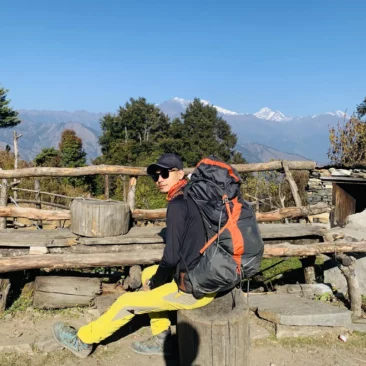
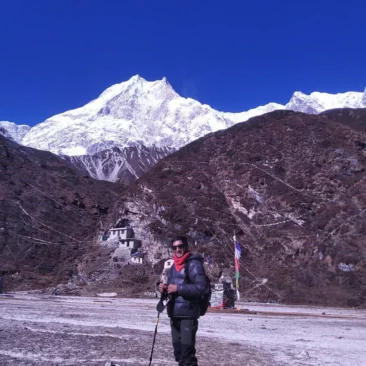
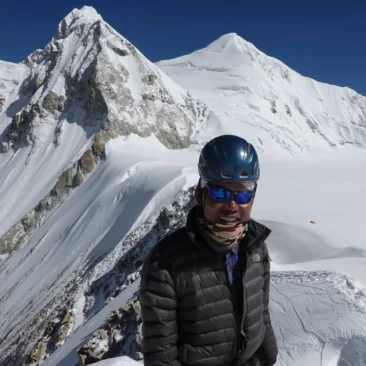


At a Glance

Destination
Nepal
Trip Difficulty
Moderate
Max altitude
4380m/14370 ft
Group Size
1-12 Pax.
Activity
Trekking, Hiking & Sightseeing
Accommodation
Hotel in Kathmandu, lodge & tea houses during the trek.
Meals
Breakfast, Lunch & Dinner during the trek
Vehicle
Private car/bus/jeep and flightOverview of Gosaikunda Lake Trek- 8 days
Gosaikunda Lake Trek is a popular trekking route in the Langtang region of Nepal, renowned for its natural beauty and religious significance. Gosaikunda Lake is located 147 km north of Kathmandu in Langtang National Park. Inhabited by Tibetan migrants, Tamangs, and Sherpas people.
Passing through the lush Rhododendrons forest, filled with conifers and oaks we will have plenty of opportunities to immerse ourselves in the natural surroundings and wildlife. The stunning mountain views of Langtang Lirung,(Alt 7230m) Yala Peak,(Alt 5530m) Gan Cheppu Himal range,(Alt 74220m) Nyakhang Peaks. (Alt 5840m) Gosainkunda Lake,(Alt 4330m) GaneshHimal range,(Alt7422m.) Manaslu ranges(Alt 8176 km) are of short enlists to this trek. The region is surrounded by 108 beautiful and still, lakes and Gosainkunda is one of them.
The region has Tibetan migrants with Sherpa inhabitants. Lhosar (January/February) and Dumji (June/July) are the main festivals celebrated by Sherpa. In the meantime in June and July, 1000 pilgrims visit Gosaikunda Lake. Dhami and jhakri, one of the oldest customs of the region, plunge Trishul (tri-sectional pointed metal made, an instrument), believed to be wielded by Lord Shiva) to pour water. The true cultural feel is at Langtang village. A wash with fluttering prayer flags, brightly painted chortens, many walls, and stones carved with the Tibetan mantra ‘Om Mani Padme Hum’. You will be sure to receive a gracious welcome from the yak herders.
After crossing the Gosaikunda Laurebina pass (4600m), we trek back via another route to this region. This course takes us back to Kathmandu via Kutumsang, Chisapani and finally Kathmandu
Highlights of Gosaikunda Lake Trek- 8 days
- Stunning view of the Langtang, Manaslu, Ganesh Himal, Annapurna and Hiunchuli mountain ranges.
- Trekking through traditional villages inhabited by Tamang and Sherpa communities provides an opportunity to experience local culture,traditions and hospitality.
- Short and moderate trek.
- Walking through the colorful rhododendron and pine forest in the spring season.
- Sacred Gosaikunda Lake and other nearby lakes like Bhairab,Saraswati and Surya Kunda.
Route Map and Altitude Chart
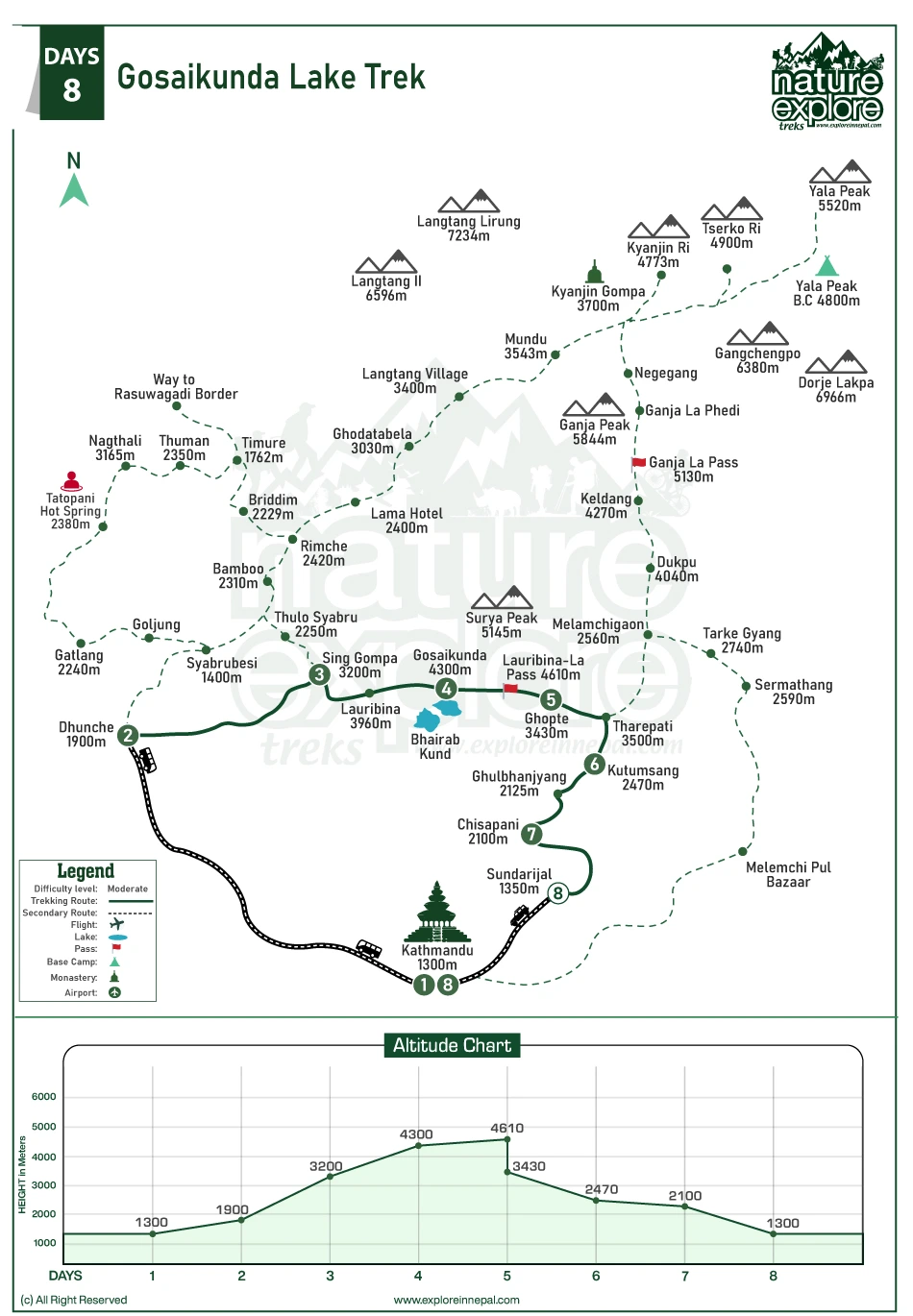 Download Map
Itinerary
01
Day 01 Arrive in Kathmandu,alt.1300m
Welcome you in Nepal and transfer to your hotel. One of our nature explore trek representatives will pick you up and then drive to your hotel. After a short rest you will introduce yourself to your guide and check your equipment , if not enough and you think not enough you can also buy in Kathmandu, Thamel.
Max altitude
1300m/4265 ftMeals
BreakfastAccommodation
Hotel02
Day 02 Drive to Dunche,6-7 hrs(alt.1900m)
Early in the morning you will drive to Dhunche from Kathmandu about 5 to 6 hours ,totaling 147 km via the Pasang Lhamu highway. Along the way you will cross several local villages, beautiful landscapes, Hills and snow peas. One the way the bus stops for lunch. Once you reach Dhunche you can walk around the markets to explore local goods

Duration
6-7 hrsMax altitude
1900m/6233ftMeals
Breakfast, Lunch, DinnerAccommodation
Local Teahouse03
Day 03 Trek to Sing Gompa(alt.3200m)
Today you will trek from Dhunche to Sing Gompa in 4 to 5 hours. Beginning of the day you will walk a gradual flat in about 1 hrs and mostly ascend to the Sing Gompa. Along the way we stop for lunch at low sing Gompa. After lunch, continue the trek to sing gompa final for 1 more hour.
Duration
6-7hrsMax altitude
3200m/10498. ftMeals
Breakfast, Lunch, DinnerAccommodation
Local Teahouse04
Day 04 Trek to Gosaikunda lake,(alt.4300m)5-6 hrs
After a warm breakfast, you will start your trek from Sing Gumpa to Gosaikunda lake in 4 to 5 hours. Travers through the forest until the laurebina where we stop for lunch and after lunch continue ascending to the lake.
Along the way you will have a nice view of Langtang Himal, Ganesh Himal , Manasalu region and Annapurna region in the distance. Mostly you will ascend to get Gosaikunda lake from Sing Gumpa.
Afternoon if you want to hike a few hundreds more up for more views you can do the short hike before dinner. It will be good acclimatization as you reach higher than you are sleeping tonight
Duration
5-6 hrsMax altitude
4300m/14107 ftMeals
Breakfast, Lunch, DinnerAccommodation
Local Teahouse05
Day 05 Trek to Ghopte via Gosainkunda pass(alt.300m)6-7 hrs
Today is the highlight day of this trek as we are going to cross above 4600m Laurebina pass. Early in the morning we start our day after breakfast. At the beginning of the walk we will gradually ascend the rocky trail to the top of the laurebina pass in 2 to 3 hours and after the pass we will descend to Phedi in 1 hrs where we stop for lunch. Continue the trek to Ghopte 2-3 more hours through the lush forest of bamboo , rhododendron and black oke pine. If you still want to do a little more and then you can trek until Thadepati 1.5 hours. Thadepati is much nicer than Ghopte for the mountain view, accommodation and food.
Duration
6-7 hrsMax altitude
300m/984 ftMeals
Breakfast, Lunch, DinnerAccommodation
Local Teahouse06
Day 06 Trek to Kutumsang (alt.2,470m)6-7 hrs
On the day 6 of Gosaikunda lake trek you will trek from Ghopte to Kutumsang via the Thadepati.
Warmup gradually ascends to Thadepati about 1.5 hours , where we can stop and enjoy the great view over the Dorje Lakpa Himal with a cup of hot tea. We will continue trekking down to Magnin Goethe for lunch and 2 more hours descending to Kutumsang for overnight stay.
Duration
6-7 hrsMax altitude
2,470m/8103 ftMeals
Breakfast, Lunch, DinnerAccommodation
Local Teahouse07
Day 07 Trek to Chisapani(alt.2100m)
Today is your second last day of this trek. We will start the day after breakfast. You will reach Chisapani through the Tamnang villages, up and down. On the way we stop for lunch before ascending the final steep ends of the day. Along the way you will see many local old villages, charming people and their daily basis lifestyles , fascinating culture , domestic animals includes a panorama views of western side of nepal Himalayas in distance
Chisapani alt. 2200m from sea level is close to Kathmandu and surrounded by the Shivapuri national park . Many domestic and international tourists used to trek from Kathmandu for a day trek overnight and enjoy the great views of himalayas at sunrise and sunset.
Duration
4-5 hrsMax altitude
2100m/6889 ftMeals
Breakfast, Lunch, DinnerAccommodation
Local Teahouse08
Day 08 Trek back to Sundarijal (5-6 hrs )then drive to Kathmandu(1-2 hrs) (alt.2,215m)
Last day of your trek today we will trek to Sundarijal and drive to kathmandu. to edge of the hills we will ascends through the shivapuri national park and continue descends to Sundarijal via the Mulkharka village where your trek is ends and we drive back to Kathmandu by bus or car as per the group size.
Duration
5-6 hrs hike and 1-2 hrs driveMax altitude
2,215m/7267 ftMeals
Breakfast, Lunch, DinnerAccommodation
Hotel
Is this offered itinerary not suitable for you?
Inclusion/Exclusion
What's Included?
- Airport pick up and drop.
- Two night hotel in Kathmandu two on arrival and one in departure B/B.
- Three times meals on trek(breakfast,lunch & dinner).
- Hot drinks Tea or coffe.
- Fresh Fruit after dinner everyday.
- Accommodation in normal basis twin sharing room.
- Experience English speaking guide.
- Porter(2 people 1 porter)each porter with max 25kg.
- Langtang National Park fee.
- TIMMS card.
- Rural municipality entrance fee.
- All the ground transportation.
- Treated drinking water.
- First aid kit.
- Nature Explore Trek down jacket(to be returned after the trek)
- Duffle bag for the trip(to be returned after the trek)
- Sleeping bag (to be returned after the trek)
- Trekking poles (if need only)
- Last night dinner at Kitchen with cultural dance show.
- Govt.Vat and tax.
- All the trip necessary documents.
Complimentary
- Nature Explore Trek T-shirt gift
- Trek Map
- Nature Explore Trek Cap
- Trekking successful achievements certificate
What's Excluded?
- Personal Insurance.
- Insurance airfare.
- Lunch and dinner in Kathmandu.
- Trekking equipment
- All type of beverage.
- Extra expenses like battery charge,Wi-fi,Hot shower,Laundary during the trek.
- Tipping for staff.
Trip Information
Accommodation during the gosaikunda lake trek
Throughout the Gosaikunda Trek, accommodation is generally provided in teahouses or lodges, which are basic but comfortable. These tea houses are generally run by the local families of the Tamang and Sherpa communities. Rooms are simple, typically a wooden bed with a mattress and a blanket. Higher up in the mountains, rooms may be colder so it’s a good idea to bring a sleeping bag for extra warmth, especially in the winter months.
Tea houses often have a common dining area where trekkers gather to eat and socialize. These areas are warm. Most tea houses provide basic meals such as dal bhat (rice and lentils), noodles, soup and western style options like pancakes, porridge and sandwiches. The meals are typically filling and nutritious. Basic facilities such as shared bathrooms (often squat toilets) are available as you ascend to the higher altitudes. Hot water is often available at a small extra cost and some teahouses may offer charging facilities for electronic devices.
Although the accommodations are not luxurious, they provide a cozy, authentic trekking experience and staying in local tea houses provides the trekkers a glimpse into the everyday lives of the mountain communities. It’s important to keep in mind that as you reach higher altitudes, accommodation options become more basic but the hospitality and the warmth do not.
Gosaikunda lake
Gosaikunda Lake is a sacred alpine lake located at an altitude of about 4,380 m (14,370 ft) in the langtang National Park of Nepal. The lake covers an area of around 13.8 hectares, surrounded by rugged, rocky terrain and snow-capped peaks. The crystal-clear waters of the lake offer the stunning reflection of the surrounding mountains. The lake is thought to have been formed by the glaciers of the Langtang range, and it is fed by meltwater. It Eventually drains into the Trishuli river, one of the major rivers of Nepal.
Gosaikunda holds deep spiritual significance in Hindu mythology. It is believed to have been created by Lord Shiva, the hindu god of destruction, who, according to legend, struck the ground with his Trishul (Trident) to create the lake. This act was done to cool his throat after consuming poison in order to save the universe during the churning of the ocean (Samudra Manthan).
Gosaikunda is a major pilgrimage site, particularly during the janai purnima festival in August. Thousands of devotees take a ritual bath, as it is believed that the lake’s waters are sacred and can cleanse the sins. The lake is mentioned in ancient hindu scriptures such as the Ramayana, Mahabharata and the Puranas. In local Tamang and other ethnic communities, Gosaikunda is regarded as a sacred place.
Gosaikunda is a popular trekking destination, typically reached as part of the Langtang valley or Helambu treks. The journey to the lake includes traversing the beautiful forests, remote villages and rugged mountain paths. The trek to gosaikunda offers breathtaking views of the himalayan peaks like langtang lirung (7,234m), Ganesh Himal, and Manaslu, and the serene beauty of the lake is the reward for trekkers who brave the challenging terrain.
At higher altitudes like Gosaikunda, temperatures can drop below freezing, especially at night. During the trekking season (spring and autumn), the weather is more stable , with clear skies and pleasant temperatures during the day. Gosaikunda lies within Langtang National Park, which is rich in biodiversity, including species like red pandas, snow leopards and various birds. The lake itself, along with the surrounding region, is protected to preserve both its natural beauty and its cultural significance.
Transportation
We will pick you up in a private jeep or car or bus, depending on the group size and drive from Kathmandu to Dhunche via Trishuli. It is a comfortable and scenic drive, which you will enjoy and relax while admiring the beautiful landscapes. And after completing the trek, we will also arrange return transportation through the same route.
Best season for Gosaikunda lake trek
The best seasons for the Gosaikunda lake trek are as follows:
Autumn (Sep–Nov)
This is very popular and peak season for this trek, which offers you a stunning view of langtang and ganesh himal. In this season, we get the best and clearest view. The temperature of gosaikunda lake is pleasant, not too hot and not too cold; it’s around 5° to 15° during the day and -3° to -8° during the night.
Spring (Mar–May)
This is the second-best season: colorful and pleasant. Warm days with blooming rhododendron forests make the trail colorful. The view is generally good, though sometimes slightly hazier than in autumn. In this season, days are long and the temperature is also warm; it’s around 8° to 18° during the day and -2° to -6° during the night.
Winter (Dec–Feb)
This season is suitable for experienced trekkers who especially can handle freezing conditions. The trek is challenging and hard for first-time trekkers. The sky’s view is clear but the trail may be covered up by snow. It’s very cold around the Gosaikunda Lake and Lauribina La Pass, especially above the 4,000m. The temperature is very cold, which is around -5° to 5° during the day and -10° to -20° during the night.
Monsoon (Jun–Aug)
This season is not the best due to the heavy rainfall, slippery trails, leeches, and festivals. It’s hard and risky for this season to trek and clouds often block views. However, landscapes are lush and green; the temperature is around 10° to 18° during the day and 2° to 8° during the night. If you don’t mind the rain, you can do the trek, but janai purnima attracts pilgrims during august make the trail busy. It offers a unique cultural experience.
Difficulty of Gosaikunda lake
The Gosaikunda Lake Trek is considered a moderate to challenging trek suitable for trekkers with a reasonable level of fitness. The trek reaches altitudes of up to 4,380m at Gosaikunda and 4,610m at Lauribina La Pass. The risk of altitude sickness is present , so proper acclimatization is crucial . While the trek doesn’t go as high as the Everest or Annapurna regions, the altitude can still affect trekkers.
The trail is a mix of uphill and downhill paths, including steep ascents and descents, particularly when crossing passes like Lauribina La. The paths can be rocky and uneven, with some sections that are narrow and exposed. Most of the trekking days require 5 to 7 days of walking with moderate to challenging uphill climbs.
Weather conditions can be unpredictable, with cold temperatures at higher elevations, particularly at Gosaikunda and Lauribina La. Even in the warmer months, temperatures can drop to below freezing at night. Hydration, rest and gradual ascension are key to avoiding altitude sickness. Additionally, trekkers should be prepared for changing weather conditions, carrying appropriate gear such as warm clothing, rain protection and good trekking shoes. Due to the terrain and potential for cold temperatures, mental and physical preparedness are important for completing the Gosaikunda Lake trek safely and comfortably.
Gosaikunda Lake Trek- 8 days FAQ'S
Q
What is the best time to trek to Gosaikunda Lake?
The best times are spring (March–May) and autumn (September–November), when the temperature is moderate, the weather is clear and stunning views of the Himalayas.
Q
How difficult is the Gosaikunda Lake Trek?
The trek is considered moderate to challenging and the trail includes steep ascents and high altitudes, especially near Gosaikunda Lake.
Q
How many days does the Gosaikunda Trek typically take?
It takes 8 days to do the Gosaikunda Trek as per our itinerary. You can fully customize the itinerary as per your needs and demands.
Q
Do I need a trekking permit for Gosaikunda?
Yes, You need a permit for a TIMS Card (Trekkers’ Information Management System) and a Shivapuri–Nagarjun National Park Entry Permit.
Q
What is the highest altitude reached during the trek?
The highest altitude is 4,380m in Gosaikunda lake during the trek.
Q
What is the starting point of the Gosaikunda Trek?
Dhunche is the most common starting point of the Gosaikunda Trek. Dhunche is in Nepal’s Rasuwa District, known as the administrative hub and gateway for treks into the Langtang Valley and to the sacred Gosainkunda Lake, which offers stunning views of the Himalayas and a cool climate.
Q
Is altitude sickness common on this trek?
As the highest point of this trek is at 4,280m (Gosaikunda lake) there is a chance of altitude sickness. Altitude sickness starts with the altitude of 2500m so, make sure you drink lots of water Keep your body hydrated, walk slowly, trek high sleep low, and add more acclimatization days by doing this, you will be able to adjust to the altitude and prevent the sickness. Make sure you know the symptoms of altitude sickness, e.g., nausea, headache and fatigue.
Q
What accommodation options are available along the route?
Tea houses and lodges offer basic rooms, meals, and hot drinks, and if you book with us, it will be managed by us along the route for the trek.
Q
Is the trek suitable for beginners?
Yes, it’s suitable for beginners, but you have to be physically fit one month prior to the trek make sure you do some cardiovascular exercises, hire a guide, and go at a slow and steady pace, and proper acclimatization makes the trek successful.
Q
What should I pack for the Gosaikunda Lake Trek?
Essential items to pack for the Gosaikunda Lake Trek are Warm clothing (down jacket, thermal layers), Waterproof jacket & pants, Trekking boots, Gloves, a hat, a buff, Trekking poles, Sleeping bag (optional but useful), Headlamp, Water purification tablets, and a First-aid kit (especially for altitude). For more details.
Q
Are local guides required for the trek?
Yes, you need a guide for the trek, especially during the winter or when crossing the Laurebina La Pass.
Q
How cold does it get near Gosaikunda Lake?
The temperature gets to -5°C to -10°C in peak seasons at night and -15°C or lower in winter and Days are milder.
Q
Are there food and water facilities available on the trail?
Yes, teahouses provide foods such as dal Bhat, Soups, noodles, pancakes, etc. Bottled water or boiled water (recommended with purification tablets)
Q
Can the trek be done in winter?
Yes, but the trek will be challenging and the trails are covered by heavy snow and the temperature is also extremely cold. Guides are mandatory during the trek in winter.
Q
Is Gosaikunda Lake culturally or religiously significant?
Yes, Gosaikunda is a sacred Hindu lake, believed to be created by Lord Shiva. During Janai Purnima the trail is busy with the thousands of pilgrims who visit there.

Got a question about Gosaikunda Lake Trek- 8 days?
Reach out to our travel experts.Customer Reviews
250 Excellence Reviews
US$ 780 US$ 555Per Person (Group Size: 1-12)
Group Discounts- Best price guaranteed
- Secure & easy online booking
- Flexible booking dates
- Decades of experience
- No. of Pax Per person
- 2 - 4 peopleUS$ 605
- 5 - 8 peopleUS$ 555
- 9 - 12 peopleUS$ 505
- 13 - 16 peopleUS$ 455
- 17 + people 9999 US$ 405
- No. of Pax Per person
- 2 - 4 peopleUS$ 605
- 5 - 8 peopleUS$ 555
- 9 - 12 peopleUS$ 505
- 13 - 16 peopleUS$ 455
- 17 + people 9999 US$ 405
Have Questions?
US$ 555