

 English
 Dutch
Dutch Japanese
 Hindi
Hindi Italian
 Spanish
 French
 German
 Chinese
 Korean
 Arabic
 Hebrew
 Russian
 Portuguese
 Danish
 Czech
Czech Polish
 Swedish

250 reviews in 


16
Days
Days
US$ 2450 Per Person (Group Size: 2 - 25)
Group Discounts- Best price guaranteed
- Secure & easy online booking
- Flexible booking dates
- Decades of experience
- No. of Pax Per person
- 10 - 15 peopleUS$ 2650
- 15 - 20 peopleUS$ 2450
- 20 - 30 peopleUS$ 2350
- 30 + people 9999 US$ 2200


- No. of Pax Per person
- 10 - 15 peopleUS$ 2650
- 15 - 20 peopleUS$ 2450
- 20 - 30 peopleUS$ 2350
- 30 + people 9999 US$ 2200
Have Questions?





At a Glance

Duration
16 days
Destination
Tibet
Trip Difficulty
Moderate
Max altitude
5600m
Group Size
2 - 25 Pax.
Activity
Trekking,hiking & sightseeing
Accommodation
Hotel, lodge & tea houses during the trek.
Meals
Breakfast,Lunch and Dinner during the trek
Vehicle
Private car/bus/jeepOverview of Kailash Mansarovar Yatra 2026
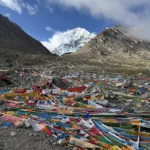
Kailash Mansarovar Yatra 2026 promises a sacred journey to Mount Kailash and Lake Mansarovar, offering rituals, parikrama, and Himalayan views.If you are looking for the most desired religious, cultural, and natural adventure in the world, then the Kailash Mansarovar Yatra 2026 is your answer. Those who have already been to Kailash confirm its enchanting grip and magic, thus forcing them to return again and again.
We also share this belief, and so we invite you to our Kailash Mansarovar Yatra 2026, where we promise you will get your answer to your existence and purpose.
Additionally, the upcoming 2026 is more special as it is the Horse Year, which happens every 12 years. Walking around Kailash this year is like walking 13 times around the holy mountain, bringing you closer to Nirvana.
It will be the year when Kailash and Lake Mansarovar will attract countless Buddhist and Hindu pilgrims from all over the world.
However, for Westerners, the Kailash Mansarovar Yatra 2026 may not hold such a deep spiritual meaning. But we assure you that reaching the summit of this sacred mountain, standing tall above turquoise lakes and stunning plateaus, will give you a supernatural thrill that goes beyond ordinary experience.
Additionally, you will also meet ancient communities of rural Tibet who are still untouched by modernity and tourism. However, Kailash Yatra 2026 is certainly a challenging journey that asks for the spirit of adventure and decent physical fitness, but it doesn’t ask for elite fitness.
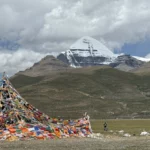
Mount Kailash at 6638 m in Ngari prefecture in West Tibet is a sacred monument and the center of the universe for Buddhists and Hindus. For Hindus, it is the Kingdom of Lord Shiva, and for Buddhists, it is the Kang Rinpoche, home of their beloved Buddha.
For Jains, it is the Mount Ashtapada, and for Bons, it is the seat of all spiritual forces. Lake Mansarovar, on the other hand, at 4600 m at the foot of Kailash, is the maternal force that represents the divine love of Goddess Parvati for Hindus.
For Buddhists, it is a lake of compassion and enlightenment where Queen Maya Devi bathed before Buddha’s conception.
Thus, pilgrims of all these religions believe they should make a pilgrimage around the mountain and the lake at least once in their lifetime, which is called Parikrama for Hindus and Kora for Bons and Buddhists.
Hindus and Buddhists walk clockwise while Bons walk anticlockwise along the 53 km long outer route around Kailash North Face. Our Kailash Mansarovar Yatra 2026 retraces this route through Kodari and Nyalam border from Kathmandu.
Then, traveling along the winding Friendship Highway, we pass through ancient monasteries and villages, finally reaching Lake Mansarovar. After a puja and parikrama of the lake, we travel to Darchen from where the three days of captivating trekking will begin.
We will circumnavigate the mountain alongside a multitude of monks, sadhus, pilgrims, and travelers, sharing the unique moment. We will be reborn again once we cross the formidable Dolmala Pass (5600 m).
Our Kailash parikrama will then end, bringing us back to Darchen, from where we will retrace the road through Nyalam and Kodari to reach Kathmandu.
Our Kailash Mansarovar Yatra 2026 is open through March and October, but holds immense significance in full moon days of June, July, and August, while becoming more naturally enticing in spring and autumn in Tibet.
A Little about Kailash
Mount Kailash is honored as a sacred mountain by at least one-fifth of the world’s population and four religions: Hinduism, Buddhism, Jainism, and Bon.
For over a thousand years, pilgrims have associated this peak with deep spiritual significance. It is often seen as a connection between humanity and the divine.
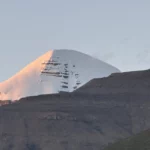
The mountain has four sides, each pointed to the four cardinal directions of the planet. Each of these faces is considered the holy face of Lord Shiva: north made from gold, east from crystal, south from Lapis lazuli, and west from ruby.
The peak is also the source of four major rivers in Asia: Karnali, Brahmaputra, Indus, and Sutlej. It is one of the few peaks in the world that still hasn’t been conquered.
Lake Mansarovar
Lake Mansarovar is one of the highest freshwater glacial lakes in the world, which is round in shape, has an 88 km circumference, a maximum depth of 90 meters, and spans 320 km².
According to the Hindu and Buddhist religions, Lake Mansarovar is the Lake of the Sun and God, as it represents light and life. The symbolism of water and ritual immersion is ancient, as water heals, revitalizes, and purifies, erasing what is old and worn out.
Importance of Three Days Kailash Parikrama
Every year, pilgrims eagerly wait for the Kailash Mansarovar Yatra to start so they can spend three days walking around Mount Kailash. This act is called Parikrama in Hinduism and Kora in Buddhism.
Pilgrims believe that this sacred journey connects them to pure existence and helps purify their karma. It helps them to move from their limited knowledge and gain a bigger understanding, thus fading away the material worries and selfishness.
After completing the three-day parikrama, devotees felt that they had become detached from their bad habits that restrict their awareness of a larger reality.
Many gurus and monks say that the Kailash parikrama expands our views and enhances our perception of reality. Thus, walking around Kailash means immersing and absorbing the vital energies that reflect in his holy place.
Highlights of Kailash Mansarovar Yatra 2026
- A few days of acclimatization in beautiful Kathmandu, discovering Pashupatinath, Swayambhunath, Budhanilkantha, and Dhulikhel
- A picturesque mountain trip along the Kodari route to Nyalam
- A rest day at Saga, a town of Happy People, many beautiful Monasteries, and the River Brahmaputra
- A prayer ritual on the bank of Lake Mansarovar with its optional parikrama via bus
Outer Parikrama of Kailash north face - A brief glance at the west and south side of Kailash en route
- Challenging crossing of the Dolmala Pass to rebirth with a new chapter
- Lake Gaurikunda darshana
- Trekking and travel on the Tibetan plateau and the Himalayan range
- Engage in one of the most important pilgrimages in Asia
- Meeting with Tibetan, Hindu, Bon, Jain, and other pilgrims from all over the world
- Three-day medium-difficulty high-altitude trek.
Itinerary
01
Day 01 Arrive in Kathmandu, 1350 m, and transport to your Hotel
Today, you will land in Kathmandu, the city of Pashupatinath, from which your Kailash Mansarovar Yatra 2026 will begin. At TIA, our representative will receive you with garlands and take you to your chosen hotel.
Depending on your flight, you may have some free time for an initial exploration of the capital. Later in the evening, you will meet our guide, who will provide you with all the necessary details about our Kailash Yatra 2026.
Max altitude
1350 mMeals
BreakfastAccommodation
Hotel02
Day 02 Visa Preparation and Visit Pashupatinath Temple
After your breakfast, you will meet our guide once again, who will take all the Yatris of our Kailash Mansarovar Yatra 2026 to the Chinese Embassy. Here, we will all have to submit our photo, passport, and fingerprints for authorization and registration for the Chinese Group Visa.
The Embassy will deliver the passport and visa collectively within two to three days. Now, we will go to the Pashupatinath Temple, which is also known as the small Banaras of Nepal.
Here, as a group, we will organize a Rudravishek Puja to receive Lord Shiva’s blessings for the success of our Kailash Mansarovar Yatra 2026.
Then, we will take a thorough tour of the Pashupatinath temple complex, including a visit to the Guhyeshwori Temple. We will also observe an open-air funeral ceremony with cremation along the banks of the Bagmati River
Duration
2-3 hrsMax altitude
1350mMeals
BreakfastAccommodation
Hotel03
Day 03 Visit Budhnilkantha Temple and Swayambhunath Temple
Today, we will take you to the enigmatic temple of Budhanilkantha resting at the base of the green Shivapuri Hill. Here, you will see the large statue of Lord Vishnu peacefully resting on Sheshnaag (the King of Snakes).
Then, we will head to Swayambhunath Temple, the oldest Buddhist stupa situated atop a green hill reachable by climbing 365 stone steps. The stupa contains the eyes of the Buddha gazing over the entire Kathmandu Valley.
Enjoy the expansive sight of the beautiful Kathmandu Valley with the rhesus monkeys as your playful companion.
Duration
4-5 hrsMax altitude
1300mMeals
BreakfastAccommodation
Local Teahouse04
Day 04 Trip preparation and Drive from Kathmandu to Dhulikhel,1500 m, 2 hours
Today, we will get our Chinese Group Visa, after which we will begin preparations for our Kailash Mansarovar Yatra 2026. Then, we will set off from Kathmandu along the Araniko Highway to the stunning town of Dhulikhel.
On our way, we will pass through Thimi, Bhaktapur, Sanga, and Banepa, all of which are charming towns that offer a glimpse into the ancient Newari culture.
Duration
2-4 hrsMax altitude
1500 mMeals
Breakfast, Lunch, DinnerAccommodation
Local Teahouse05
Day 05 Drive to Kodari, 2300 m, 4 hours, Cross the Nepal - Tibet border and drive to Nyalam, 3600 m, 1 hour
Our day will begin with the eye-catching sight of sunrise over Annapurna, Dorje Lhakpa, Ganesh, Lhotse, Langtang, Jugal, Numbur, and many more. Then, we will prepare to continue our travel along the Araniko Highway.
Shortly, we will be in Tatopani (Hot Water) of the Bhote Koshi River Valley. Our drive will advance to Kodari from where we will journey over the Friendship Bridge to reach Zhangmu, which is also called Khasa.
This is the border point between Nepal and Tibet, where we will have to complete the immigration procedure. Our Tibetan guide will also be present, who will welcome us across the border to take us to Nyalam.
The Chinese road will be quite steep for an hour till we are at our first Tibetan town for overnight rest. Please get enough rest and drink plenty of water to avoid altitude sickness.
Duration
5-6 hrsMax altitude
3600 mMeals
Breakfast, Lunch, DinnerAccommodation
Local Teahouse06
Day 06 Drive to Saga, 4446 m, 6 to 7 hours, 270 km
From Nyalam, our travel continues along the route beside the huge yet beautiful Tibetan highlands. The road will ascend the steep slopes of the Thong La Pass (5153 m) and the Lalung La Pass (5030 m).
Get out of your vehicle for a while and watch the towering Shishapanga, Cho Oyu, and Gaurishankar stretching before your eyes. As we continue, we will drive down the pass and journey along the flat road passing through the enticing Tibetan towns of Khunmen Tso, Sinling, and Karru Ongchen before we reach Pelgu Tso.
We will rest for a moment beside the serenity of this calm lake. Resuming our travel, our road will lead us down through a tight gorge. We will then reach the ferry floating over the Yarlung Tsangpo/River Brahmaputra.
Duration
6 to 7 hoursMax altitude
4446 mMeals
Breakfast, Lunch, DinnerAccommodation
Local Teahouse07
Day 07 Rest Day at Saga
To ensure that we acclimatize effectively before reaching Kailash, we will extend our stay in Saga for one more night. After a late wake-up, we will go out to see the charm of this Happy Land.
The town is home to several monasteries and various shops selling several beautiful handmade Tibetan crafts. Additionally, the Friendship Highway will be a beauty to take a calm walk in the town, observing the local life and culture.
Max altitude
4446mMeals
Breakfast, Lunch, DinnerAccommodation
Local Teahouse08
Day 08 Drive to Mansarovar Lake, 4600 m, 7 to 8 hours, 500 km
Now that we are well-rested, we will continue our Kailash Mansarovar Yatra via Nyalam with a drive to Lake Mansarovar. Our journey will resume beside the Brahmaputra for a while, after which we will reach Old Dzongba.
Driving a little further, we will see the contemplative atmosphere of the Dargyeling Monastery. The road ahead will now take us to Paryang, a nice spot with restaurants, shops, and prayer wheels.
We will keep traveling west and reach the military checkpoint in the Horchu River Valley. The officials will check our documents, after which we will progress over the steep slope of the Mayum La Pass (5211 m).
Stand at its summit and see the shimmering features of Gurla Mandata. As we travel down the pass, the road will be flat for around 2 hours. Suddenly, we will arrive at the mirror-like surface of the Lake Mansarovar resting alongside its twin Rakshas Tal at the foot of Mount Kailash.
Duration
7 to 8 hoursMax altitude
4600 mMeals
Breakfast, Lunch, DinnerAccommodation
Local Teahouse09
Day 09 Morning Puja (prayer) at Mansarovar Lake and afternoon drive to Darchen, 4670 m, 1 hr, 40 km
Today, we have a half day available for some walks and an optional excursion around the holy lake. But first, we will take a sacred bath and conduct a morning prayer, and Havana at the bank of Lake Mansarovar.
Then, you can take a bus to go around the lake and explore Chiu Gompa. Please know that on-site payment will be needed for the bus drive around the lake and exploration of the Gompa.
Next, we will drive through the Barkha plain to Darchen, where our papers will be checked again at the Darchen checkpoint. It is the village from where the pilgrimage around Kailash begins.
Once we settle in the hotel, our Tibetan guide will tell you all about your three-day Kailash Parikrama. If you like to have the assistance of a horse or porter, you can request our guide for the advance arrangement.
The fee will depend on the quote cited by the Horse and Porter Association, which you will have to pay on-site. A horse or porter will meet you at the Tarboche Gate the next day.
Duration
1 hrMax altitude
4670 mMeals
Breakfast, Lunch, DinnerAccommodation
Local Teahouse10
Day 10 (1st day parikrama) Drive to Tarboche 5km, 4724 m, 30 minutes, and trek to Dirapuk, 4920 m, 12 km, 5/6 hrs
Today is the first parikrama day of Mount Kailash, which is relatively easy and simple. We will leave Darchen and drive along an ascending rocky path to Tarboche Gate.
On the Saga Dawa Festival held every year, Tibetan pilgrims erect the new flagpole at the gate in the presence of the monks and hang new prayer flags.
For the Hindus, this gate is the entrance overseen by Lord Yama, the deity of death, and so for them, it is the Yama Dwara. After we encircle the gate and walk through it, we will meet our horse and porter, and you can continue with them.
The rest of us chosen to trek will continue further through the Sky Burial site and enter the rugged landscape of the Lha Chu Valley. Soon, we will see the quaint Dirapuk Monastery rising on the horizon, situated right below the majestic north face of Mount Kailash.
Duration
5/6 hrsMax altitude
4920 mMeals
Breakfast, Lunch, DinnerAccommodation
Local Teahouse11
Day 11 (2nd day parikrama) Trek to Zutulpuk, 4790 m, via Dolmala Pass, 5600 m, 23 km, 11-12 hours
Today is the second parikrama day of Mount Kailash, which is the longest and toughest section of the entire Kailash Mansarovar Yatra 2026. From Dirapuk, we will ascend halfway up the hill at a gradual slope for around 20 minutes.
We will be at Shiva Tsal cemetery (5330 m), which is littered with piles of stones covered with old clothes, shoes, bowls, and several other personal belongings.
We will also make our offering as a symbol for a safe transition between our old and new lives. The trail will keep on ascending gently along the sub-glacial alpine terrain.
A little further, we will come across the old walls of Jarok Donkhang. The route now levels off slightly and runs along the granite boulders.
After around 20 minutes, the route will turn right ascending along the glacial moraine. This is the final ascent to the pass, with a 180-meter elevation gain.
The Dolmala Pass summit is covered with prayer flags and offerings, and prayers are made here. This pass is also called the Green Tara Pass, signifying the home of the nurturing goddess.
The trail from the pass now descends more sharply towards Gaurikunda Lake/Thukpe Dzingbu/Tso Tuksche at 5608 m. Due to an extreme cold environment, we suggest you not take a bath but rather collect the water for later purification purposes.
The trail will keep on descending steeply through granite rocks to the Axe of Karma. Once we pass through this, our lives will be clear of any negative sins. We will now trek on the relatively level ground until we reach Zutulpuk.
Duration
11-12 hoursMax altitude
4790 mMeals
Breakfast, Lunch, DinnerAccommodation
Local Teahouse12
Day 12 (3rd Day Parikrama) Drive Back To Darchen, 14 km, 4 to 5 hours
Today is the third and final parikrama day of our Kailash yatra, which is relatively short and easy and will end us at Darchen, from where we have begun.
Walking alongside the other pilgrims through the Barkha Plain, we will reach Darchen, where we will rest overnight.
Duration
4 to 5 hoursMax altitude
4,570 metersMeals
Breakfast, Lunch, DinnerAccommodation
Local Teahouse13
Day 13 Drive to Saga, 500 km, 7 to 8 hours
After breakfast, we will get in our vehicle and travel past Lake Mansarovar and over the Mayumla Pass to Paryang. We will again have evocative transfer alongside the Brahmaputra River till we are at the luxury of Saga.
Duration
7 to 8 hoursMax altitude
4,640 metersMeals
Breakfast, Lunch, DinnerAccommodation
Local Teahouse14
Day 14 Drive Back To Kathmandu via the Nepal-Tibet Border
We have a long and exciting day ahead as we travel back to Kathmandu today, ending our Kailash Mansarovar Yatra 2026. The magnificent mountain road will traverse through Pelgu Tso and ascend over the Lalung La and Thongla Passes.
The trail now joins the trans-Himalayan Friendship Highway, which we will follow to reach Nyalam. We will continue to Zangmu and pass through the Chinese and Nepalese checkpoints to continue to Kathmandu.
The road will descend through Kodari and Tatopani along the Himalayan slopes to the Nepalese capital.
Duration
6-7 hrsMax altitude
1300mMeals
Breakfast, Lunch, DinnerAccommodation
Local Teahouse15
Day 15 Reserve Day
Today is the reserve day we have placed for any event that may obstruct our journey from Saga to Kathmandu. If our travel goes according to plan, then you can use this day to rest and explore the rest of Kathmandu’s sites.
Meals
Breakfast, Lunch, DinnerAccommodation
Local Teahouse16
Day 16 Departure
We will transfer you to the TIA for your return flight to your home today.
Meals
BreakfastAccommodation
Local Teahouse
Is this offered itinerary not suitable for you?
Inclusion/Exclusion
Trip Information
Why 2026 is special for Kailash Mansrovar Yatra?
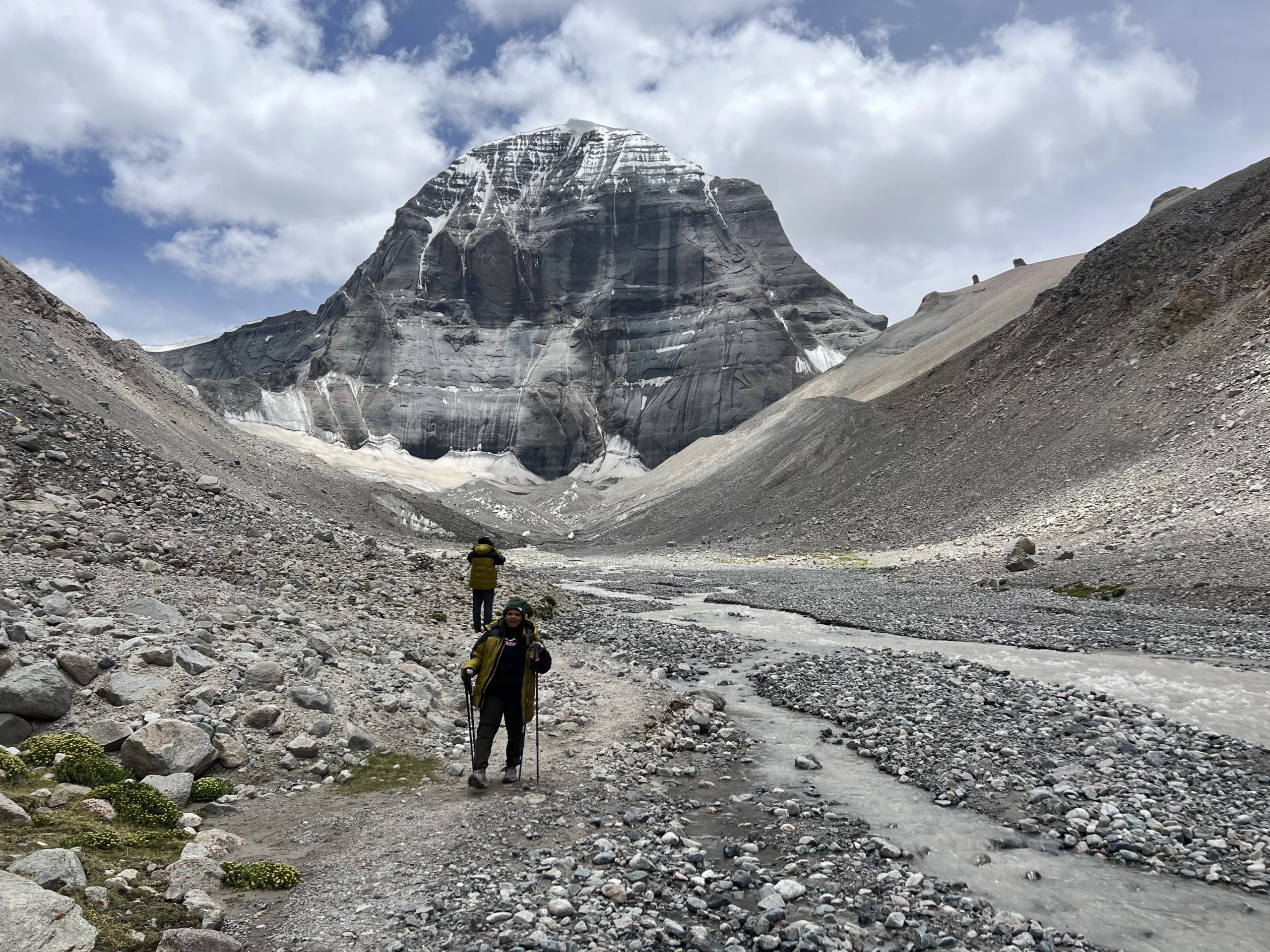
The upcoming 2026 is the Horse Year according to the Tibetan Calendar, and thus the Kailash Mansarovar Yatra becomes even more meaningful and special in the year for Buddhist pilgrims, particularly.
For Buddhists, taking the Kora around Kailash in the Horse Year will offer the merit equal to thirteen koras.
Generally, pilgrims engage in the outer route of Kailash kora 13 times before they set out for the more challenging Inner Kora of Kailash, which is more sacred, guiding them to the south face of Kailash.
In 2026, without violating this belief, the pilgrims can complete both outer and inner kora at the same time.
According to the Buddhist legend, Mount Kailash was formed in the Horse Year, which coincides with the birth of Buddha Shakyamuni. Upon his birth, deities from all directions, including bodhisattvas, gods, arhats, asuras, and celestial musicians, gathered around Mount Kailash.
It is also the Horse Year when Saint Milarepa arose victorious over Bon Master Naro Benqiong.
For the ancient Bons, the Horse Year is the time when Bon Buddha Dunba Xinrao vanquished monsters at Kailash and established Dharma.
These tales, therefore, establish the Horse Year as more auspicious for Tibetans, which occurs every 12 years.
What is the Horse year 2026 on the Tibetan Calendar?
The Tibetan Calendar features a 12-year zodiac cycle where each year is represented by a different animal. Among them, Horse represents the 7th zodiac cycle that last occurred in 2014 and is now returning in 2026.
In Buddhism, horses hold immense religious symbolism. For example, Kanthaka, the future Buddha Shakyamuni’s devoted horse, shows the sacrifice of worldly desires for enlightenment.
Likewise, the windhorse represents the mode of the human soul to carry prayers to the Universe.
In Hinduism also, horses have an equal religious place. For example, in ancient times, the Kings used to perform the Asvamedha (Horse) Yagya to gain spiritual merit.
And, the seven horses draw the chariot of the Sun God, representing the colors of the rainbow and Vedic meters.
Best season for Kailash Yatra 2026
The Kailash region is the trans-Himalayan region, so it is naturally shielded from the monsoon rain and winds that come from India between June and August.
July is often the wettest month, while May, September, and early October offer the clearest skies and consistent climate. However, the climate in Kailash is ever-changing, and you may find rain in September and clear skies in July.
Generally, the time frame between May and September is therefore considered the best time for the Kailash Mansarovar Yatra 2026. November to March is the coldest time when the Kailash Yatra 2026 will not be possible due to heavy snowfall and extreme cold.
Please remember that any time you travel to Kailash, you must be ready for sudden temperature drops, which can sometimes reach around -10°C.
Auspicious Date for the Kailash Mansarovar Yatra 2026
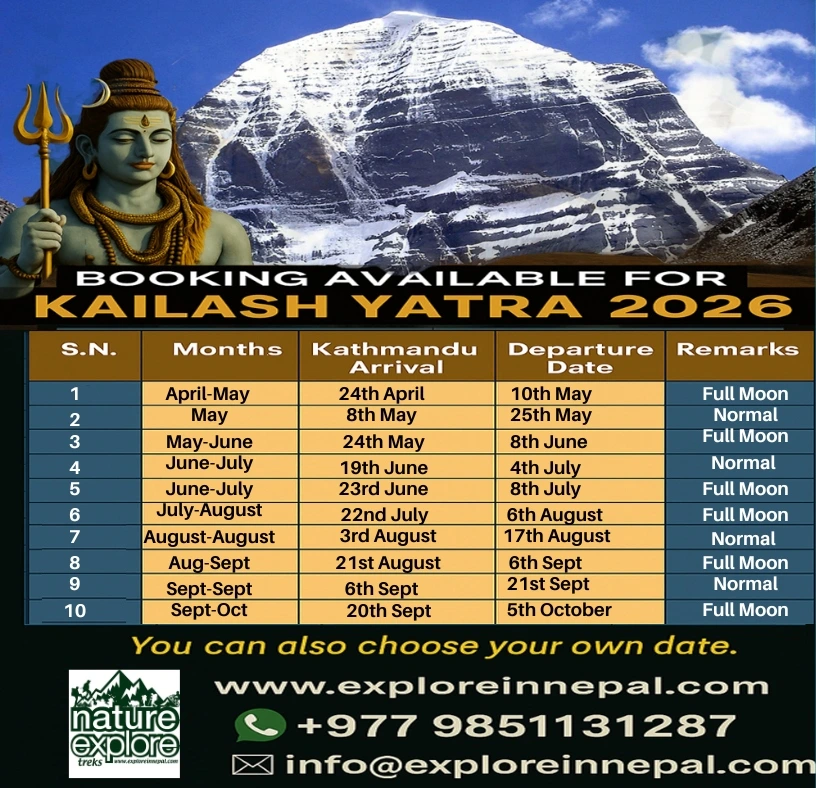
Our Kailash Mansarovar Yatra 2026 will be open for travel from March to October. However, the most blessed times for the trip will be during the full moon days of 2026, which fall on January 3, February 2, March 3, April 2, May 1, May 31, June 29, July 29, August 28, September 26, October 26, November 24, and December 24.
During these times, the one parikrama around Kailash is said to relieve us from the sins of the past 100 lives.
Among these, Buddha Purnima (Buddha Jayanti) on Friday, May 1, 2026, Janai Purnima on Friday, August 28, 2026, and Guru Purnima on Wednesday, July 29, 2026, are particularly significant for Buddhists and Hindus.
Buddha Jayanti is also called the Baisakh Purnima, a time when the Saga Dawa festival is celebrated throughout Tibet.
Kailash Mansaorvar Yatra 2026 Preparation Schedule Suggestions
Have no doubt that Kailsh Mansarovar Yatra via Nyalam will truly challenge the strength of your body and mind. We have included drives for most of the journey, but the combination of altitude and the three-day trek around Kailash will truly push your limits.
Therefore, after you decide you want to go to Kailash, read legends and know about the local culture, climate, and facilities available in Kailash.
To prepare physically, first go through a thorough medical examination and ensure you are in good cardiorespiratory health. Then, initiate improving your endurance and strength through regular exercises three months ahead of your Kailash Mansarovar Yatra 2026 departure date.
Begin with fundamental activities such as walking and jogging, then progressively increase the distance. Then, gradually incorporate activities like stair climbing, squats, and weight lifting.
As your Kailash Yatra 2026 departure date approaches, engage in altitude training by hiking to 3000 m.
Difficulty Level of Kailash Mansarovar Yatra 2026
Our Kailash Mansarovar Yatra 2026 presents a challenge of category III mountain adventure with the peak elevation reaching 5600 m at Dolmala Pass.
The mountain trekking around Kailash for three days is also tough, with daily hikes lasting 5 to 9 hours. Thus, the main objective difficulty is the altitude and the exhaustion, which can cause physical and mental distress.
We cannot also overlook the ever-changing weather and terrain of Kailash, where you will traverse dry Tibetan plateaus and high passes, as well as experience subglacial alpine terrain.
Additionally, you will find decent accommodations only till Darchen. The few guesthouses available in Dirapuk and Zutulpuk are generally uncomfortable and not very clean, adding more difficulty to the overall experience.
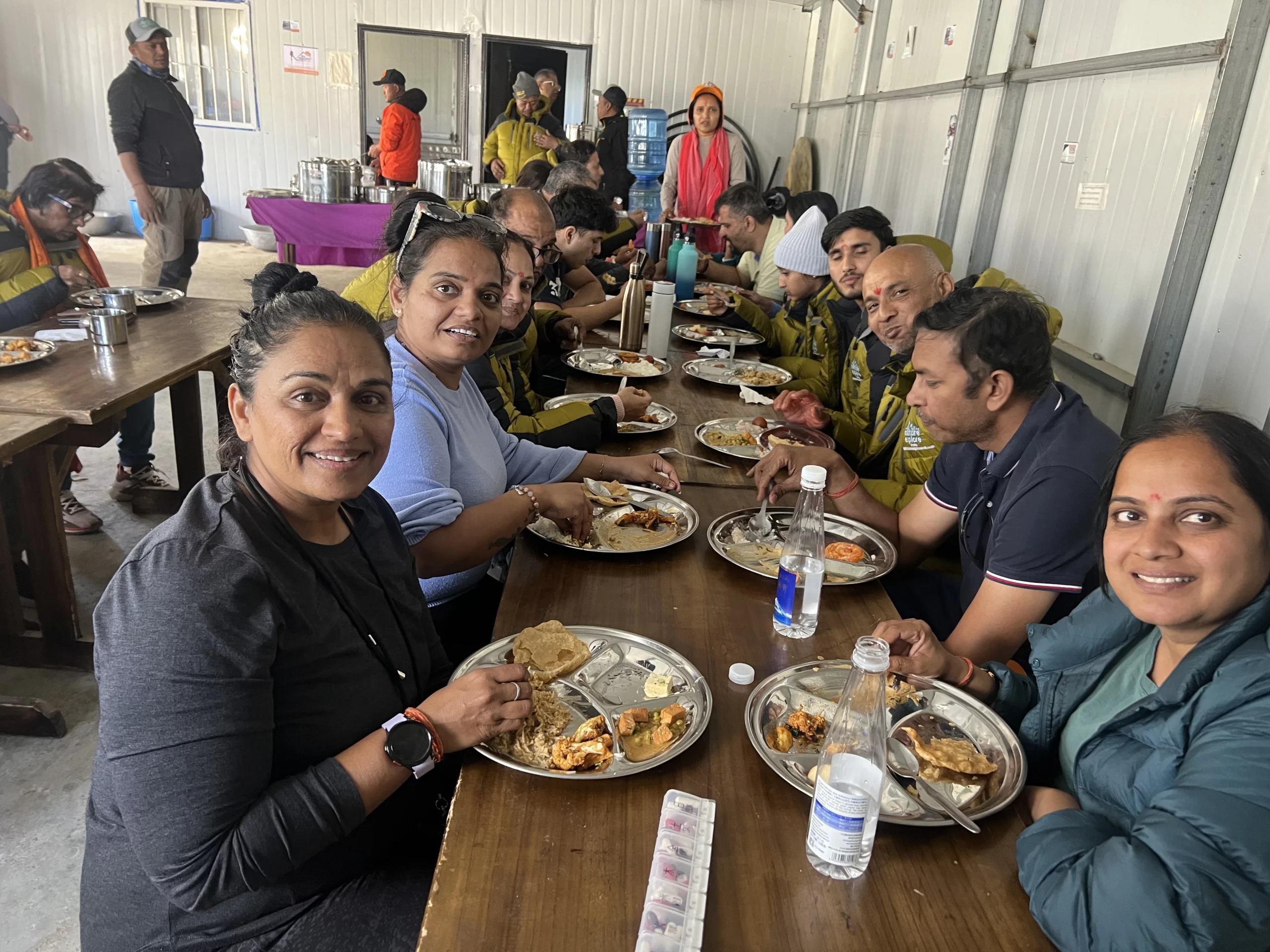
Accommodation and Food Arrangements
During your stay in Kathmandu and Dhulikhel, you will sleep in the sharing double room of a nice quality three-star hotel. Should you desire a private room, just tell us at the time of booking our Kailash Mansarovar Yatra 2026, and we will arrange it for you at a small surcharge.
The stay will be on a bed and breakfast basis, where every morning, a vegetarian breakfast will be served to you.
On the Kailash Mansarovar Yatra, again, three-star Tibetan accommodation will be arranged for you till Saga. However, in Lake Mansarovar and beyond Saga, the accommodation will be simpler guesthouses, while in Dirapuk and Zutulpuk, your stay will be in dorm-style guesthouses.
Sometimes, sleeping in a two or three-person tent will also be necessary in Dirapuk and Zutulpuk, especially in the peak pilgrimage season.
During the Kailash Mansarovar Yatra, you will get full board vegetarian meals along with tea or coffee and seasonal fruit after dinner.
During Kailash parikrama, our kitchen team will prepare fresh, hygienic meals for you.
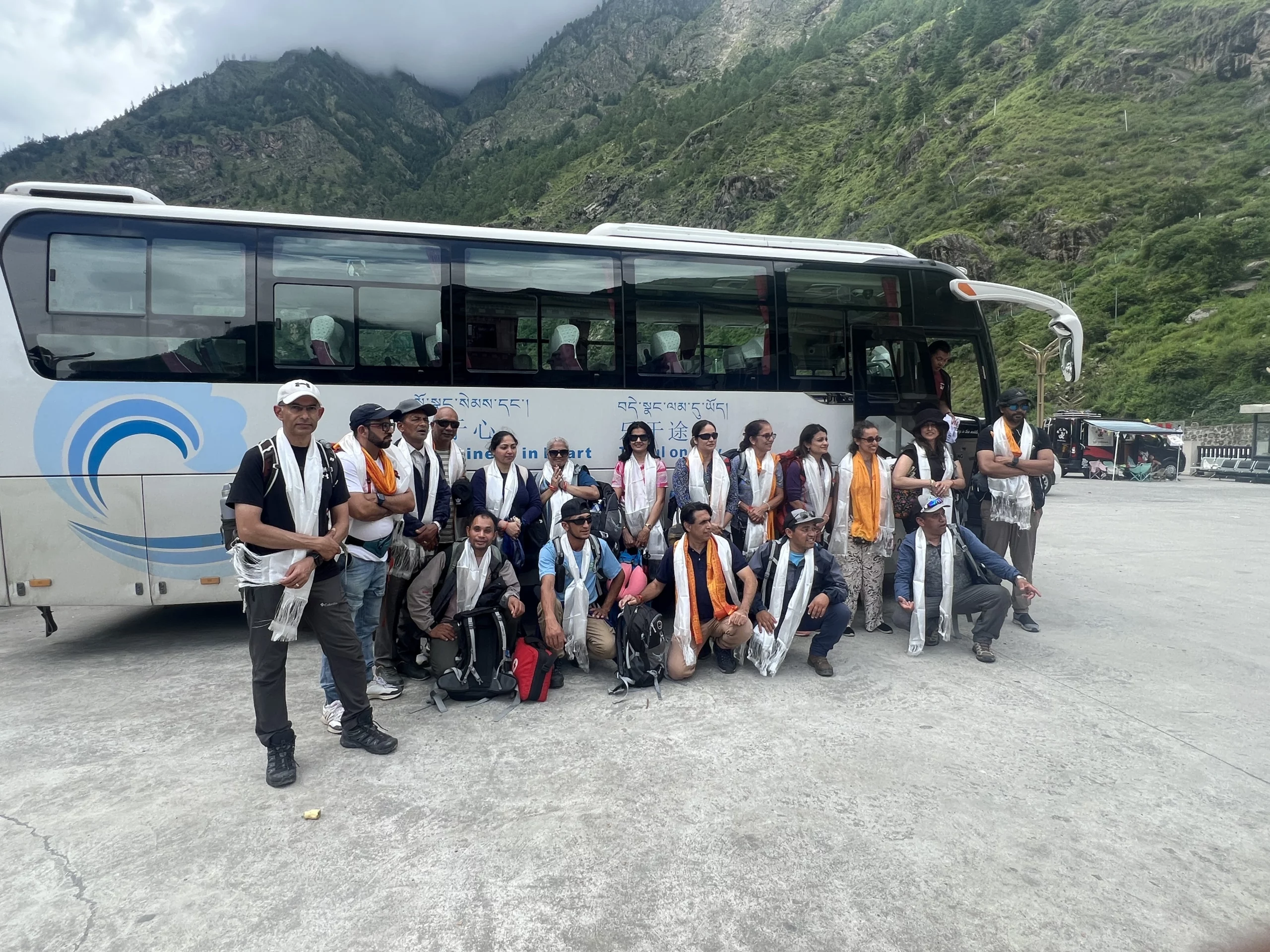
Transportation
Concerning your travel arrangements, we will offer you a private vehicle (bus, car, van, or jeep). You will have your own driver and guide for all your travels on the ground in both Kathmandu and Tibet.
This service includes your airport arrival, departure, Kathmandu tour, trip to Dhulikhel, transport to Nyalam, and beyond.
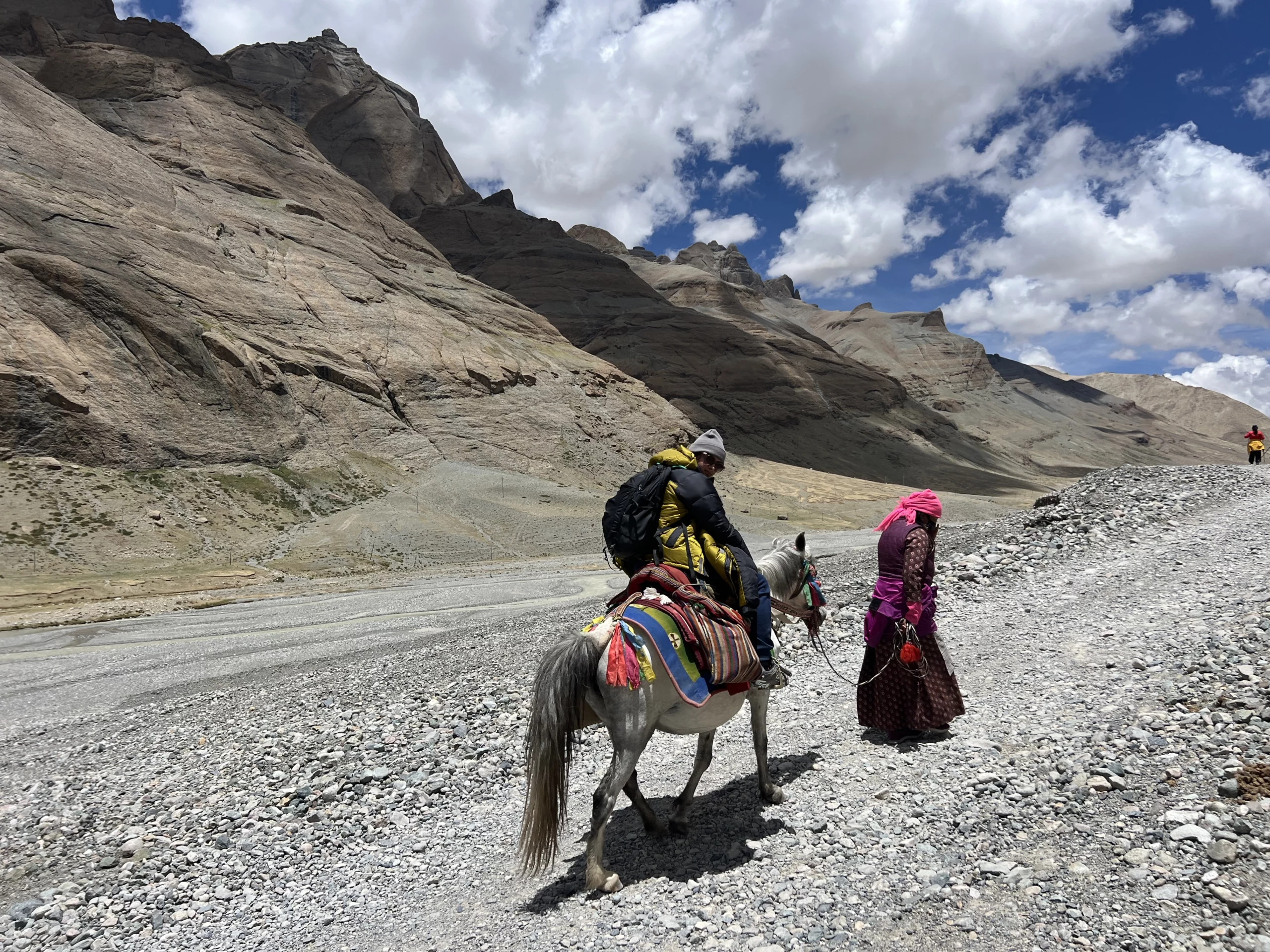
Horse and Porter hire for Kailash Parikrama.
If the three-day Kailash parikrama on foot seems quite difficult for you, you can also hire a horse and porters to help you complete the parikrama, which you can rent in Darchen.
We often have seen that the presence of a horse has provided psychological comfort to our pilgrims. Our guide will arrange them, and the fees will be as quoted by the Horse and Porter Association of Tibet. You will need to pay this fee on-site, as it is not part of our Kailsh Mansarovar Yatra 2026 package cost.
Permits and Visa arrangements
Nature Explore Treks has been facilitating Kailash Mansarovar Yatra for many years, making us well-versed in organizing the trip.
So please believe us when we say all types of trips in Tibet must be organized, and you must buy an established and planned package from a certified Nepali travel agency like ours when departing from Nepal.
Tibet still does not allow any independent travel in its territory, and no agent or unofficial person can assist with that. When traveling inside Tibet (except for trekking), you will compulsorily need to travel in a private vehicle with a local licensed guide and driver.
You also need a permit to enter Tibet, which only a certified agency can arrange for you. For the Kailash Mansarovar Yatra 2026, you will also need three other permits, which will take around 10 to 15 office days.
Therefore, it is essential for you to book our Kailash Mansarovar Yatra via Nyalam one month in advance.
Documents needed for the Kailash Yatra 2026
- Original passport with a minimum of 6 months’ validity time after you leave Tibet
- 51 mm X51 mm photo with plain white background
- Your face should be expressionless, no makeup, and glasses
- Travel insurance paper
Visa and Permits
For our Kailash Mansarovar Yatra via Nyalam, we will need:
- Tibet Travel Permit/TTP
- Chinese Group Visa
- Military permit
- Alien Travel Permit
- Foreign Affairs Permit
Nature Explore Treks will organize the TTP and Chinese Group Visa, while our affiliated Tibet travel agency will organize the rest of the permits.
Tibet Travel Permit (TTP)
The Tourism Bureau of Tibet authorizes your travel in its region by issuing the Tibet travel permit. It contains all your travel itinerary and personal information, along with your travel dates and accommodations.
So, understand that once the application process is underway, you can’t make any modifications to the program.
For our Kailash Mansarovar Yatra 2026, once we have all your documents, we will forward them to our registered Tibet travel agency, which will then coordinate with the tourism office.
In a few days, we will receive an invitation letter, while the TTP will be secured by our Tibetan guide. The general processing time for TTP is 10 to 15 office days.
Chinese Group Visa
A Chinese group visa will be granted as one visa for a group and will not be stamped on the passport. In fact, it will be like an official white paper that mandates every group member of our Kailash Yatra 2026 to get in and out of Tibet on the exact date.
Once all the participants of our Kailash Mansarovar Yatra 2026 are in Kathmandu, our guide will take you all to the Chinese Embassy. You will have to provide your fingerprint, photo, and passport, which will be returned with your Visa.
The two common processes to get the Chinese Group visa are one through the standard process that takes 4 office days and costs USD 175 for U.S. nationals and USD 70 to USD 170 for other citizens.
The second is through the express method, which takes 2 to 3 office days and costs between USD 90 and USD 180 per person (depending on nationality).
Packing List for Kailsh Yatra 2026
For our Kailash Mansarovar Yatra 2026, consider packing the following items:
Clothing and Footwear
- Thermal innerwear
- Fleece jackets
- Long-sleeve shirts
- Warm pant
- Down jacket
- Windproof and waterproof jacket or raincoat
- Woolen Cap, Sun hat
- Scarf and mask
- Woolen Gloves
- 4 pairs of warm wool socks
- Waterproof hiking boot
- Sandals or slippers
Gear and Accessories
- Duffel Bag and waterproof daypack
- Hiking Pole
- Water purifier
- Sunglasses, sunscreen, lip balm, and moisturizer
- Torch or headlamp
- Power bank, camera, and mobile
Health and Hygiene
- First-Aid kit with your personal medications, Diamox, painkillers, antiseptic, and bandages
- Toiletry kit with toothbrush, toothpaste, soap, quick-dry towel, wet wipes, hand sanitizer, toilet paper, and feminine hygiene products
Additional Cost for the Kailash Mansarovar Yatra via Nyalam
Our Kailash Mansarovar Yatra 2026 includes almost all your travel expenses. However, there are certain expenses related to the trip that you will have to manage on your own, such as
- International flights to and from Kathmandu
- Personal expenses (including snacks, souvenirs, and tips)
- Travel insurance
- Personal gear
- Additional accommodation and meals in Kathmandu
- Expenses for hiring horses and helpers during the Kailash parikrama
- Emergency medical cost at the hospital
- Extra activities in Kathmandu
- Tips for the guide and driver
We cannot precisely predict the additional extra amount you may need during the Kailash Mansarovar Yatra 2026. However, we suggest you budget:
- US$50 to US$100 or more per day for any personal expenses
- US$100 to US$200 for travel insurance
- US$500 to US$700 for tips and small local purchases like a SIM Card, etc
Additional Routes for Kailash Mansarovar Yatra 2026
Apart from the Kailash Mansarovar Yatra via Nyalam, there are a few more routes that will take you to Kailash, which are:
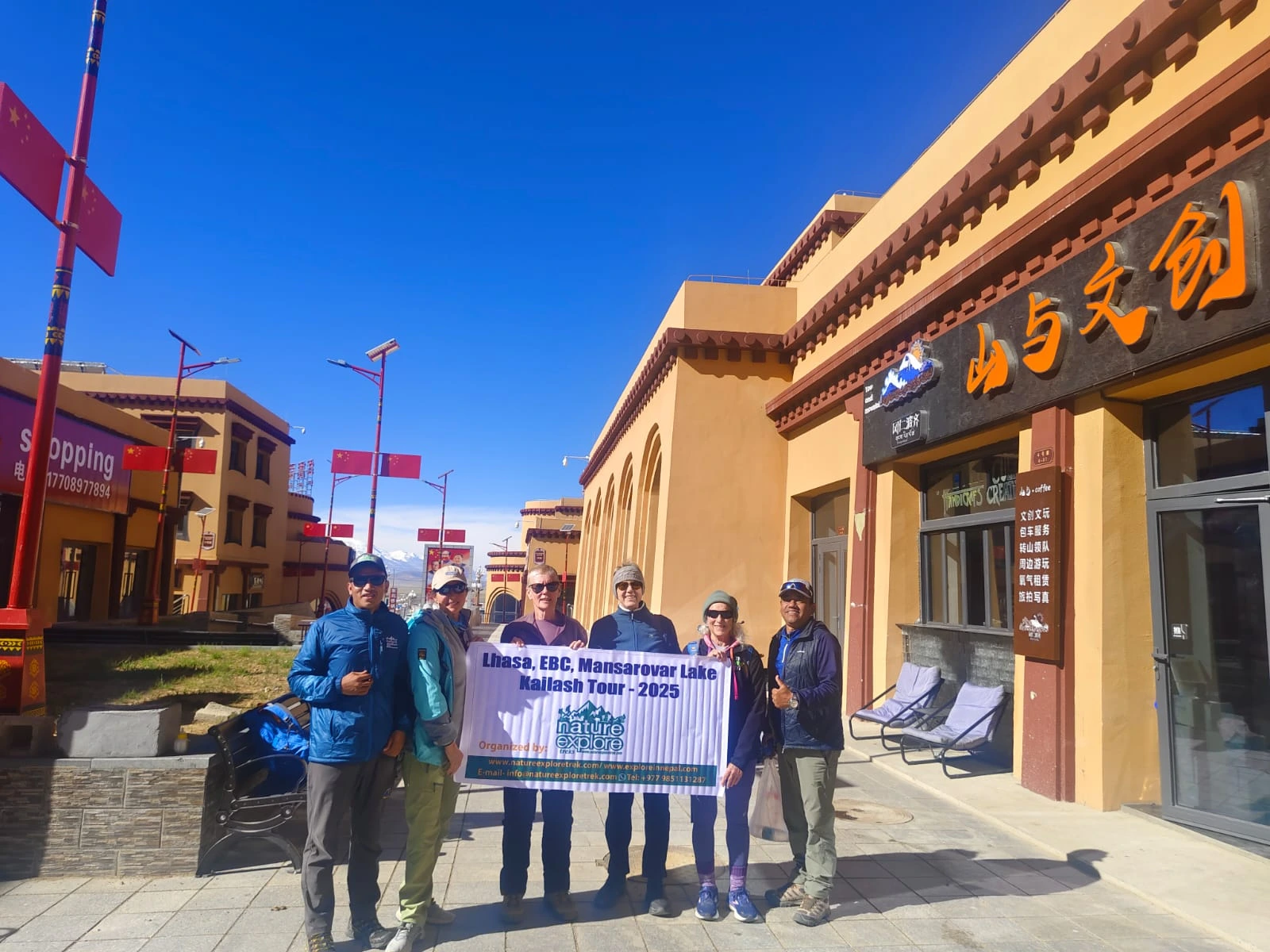
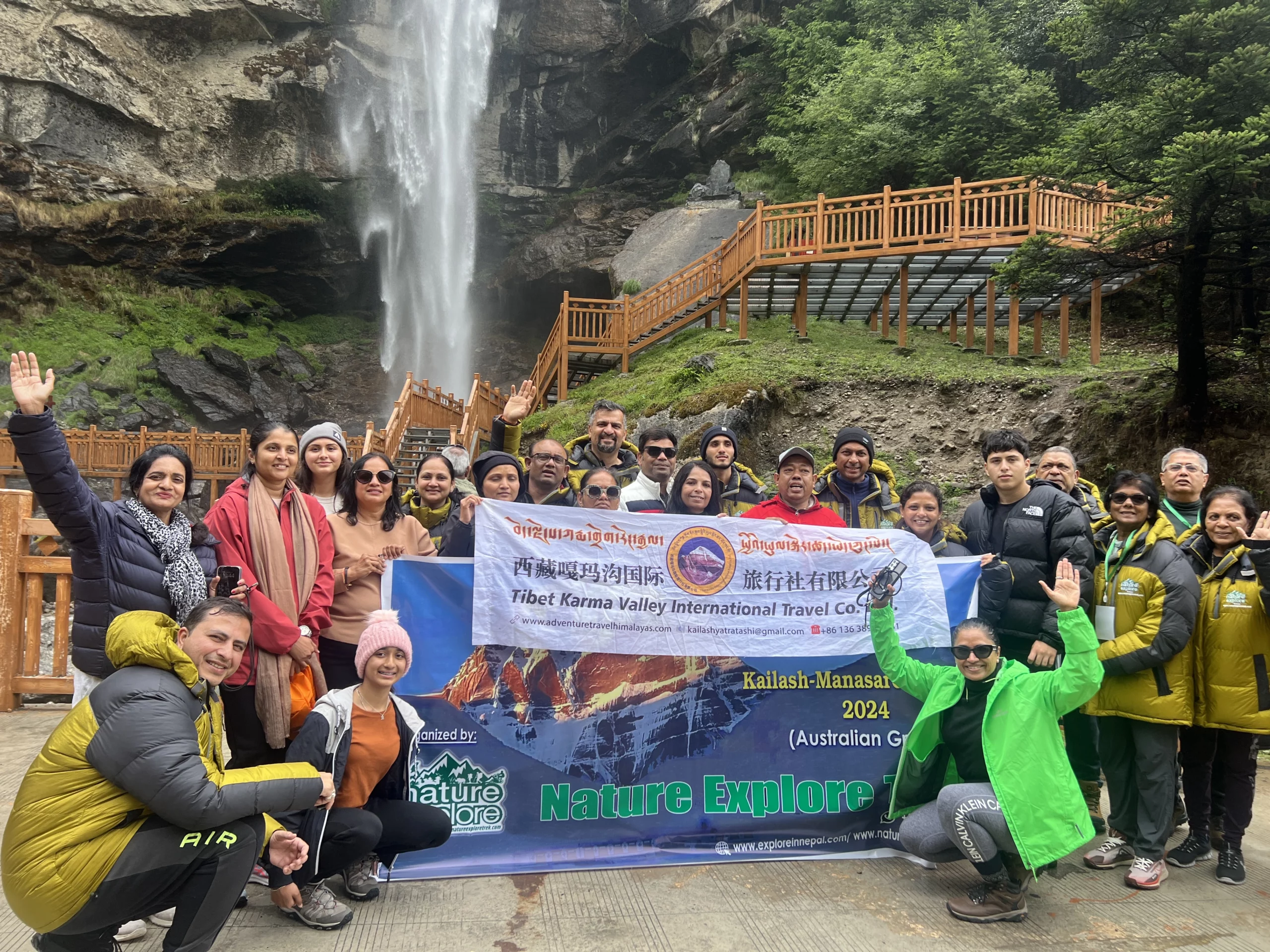
Via Lhasa
You can also go on the Kailash Mansarovar Yatra 2026 via the Lhasa route from Kathmandu. With a straight short flight to Lhasa, you will get a couple of days to see the beautiful monasteries of Lhasa.
Additionally, you will also get to see Gyantse and Shigatse before you reach Kailash.
Choosing this route, you will be saved from long, exhausting road journeys, and you will also have plenty of acclimating chances.
Via Kerung
Another option for our Kailash Mansarovar Yatra 2026 is to take the Kerung route, which is more or less similar to our Kailash Mansarovar Yatra via Nyalam.
When choosing the Kerung route, you will cross the Nepal-Tibet border at Rasuwagadhi instead of Kodari. If you decide on this route, you can also return through Lhasa. It’s the quickest and cheapest route among all the options available for the Kailash Mansarovar Yatra 2026.
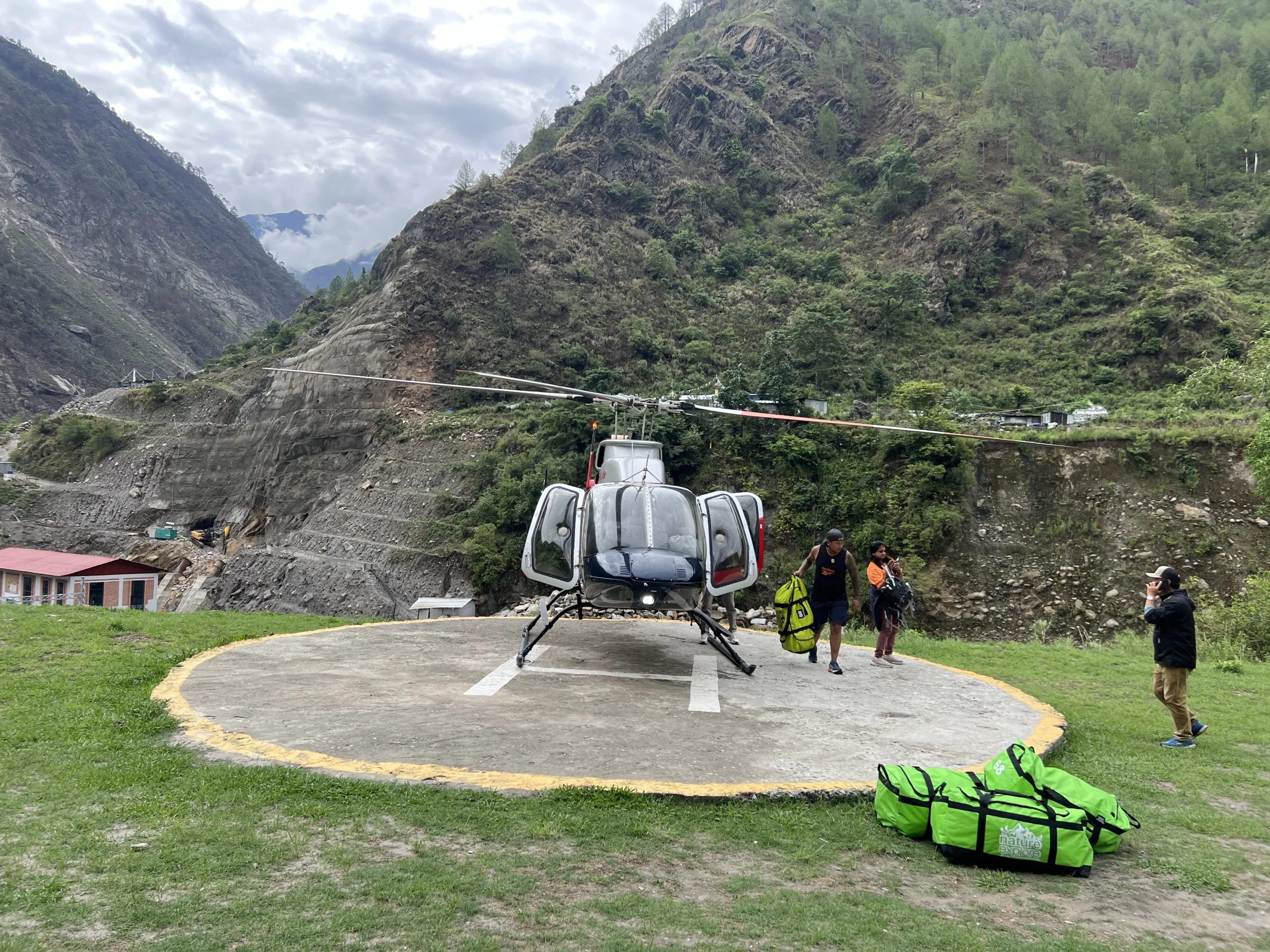
Via Simikot by Helicopter
Another route that exists for the Kailash Mansarovar Yatra 2026 is through Simikot. This option, however, includes numerous flights, such as flying from Kathmandu to Nepalgunj, then to Simikot.
From Simikot, a chartered helicopter will take you to the small Humla town named Hilsa, from where you will journey to Taklakot, Darchen, and Lake Mansarovar.
You will again retreat the same way as you have reached Kailash through flights to Simikot and Nepalgunj. This option, available for the Kailash Mansarovar Yatra 2026, is the safest and time-saving route but will cost you more.

Got a question about Kailash Mansarovar Yatra 2026?
Reach out to our travel experts.Customer Reviews
250 Excellence Reviews
16
Days
Days
US$ 2450 Per Person (Group Size: 2 - 25)
Group Discounts- Best price guaranteed
- Secure & easy online booking
- Flexible booking dates
- Decades of experience
- No. of Pax Per person
- 10 - 15 peopleUS$ 2650
- 15 - 20 peopleUS$ 2450
- 20 - 30 peopleUS$ 2350
- 30 + people 9999 US$ 2200
- No. of Pax Per person
- 10 - 15 peopleUS$ 2650
- 15 - 20 peopleUS$ 2450
- 20 - 30 peopleUS$ 2350
- 30 + people 9999 US$ 2200
Have Questions?
US$ 2450