

 English
 Dutch
Dutch Japanese
 Hindi
Hindi Italian
 Spanish
 French
 German
 Chinese
 Korean
 Arabic
 Hebrew
 Russian
 Portuguese
 Danish
 Czech
Czech Polish
 Swedish

250 reviews in 


5
Days
Days
- Best price guaranteed
- Secure & easy online booking
- Flexible booking dates
- Decades of experience


Have Questions?


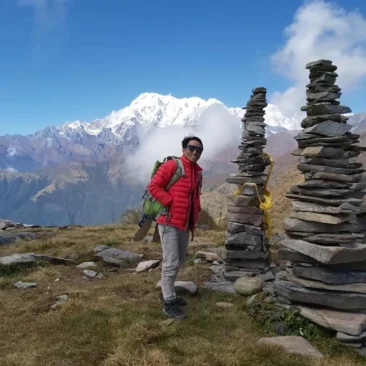
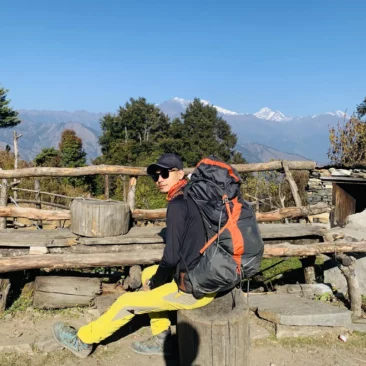
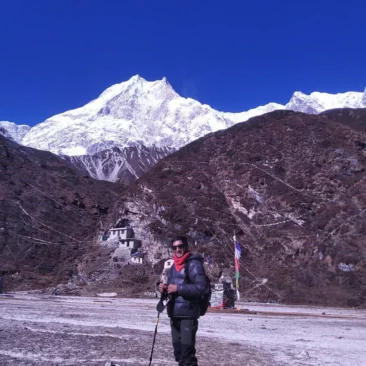
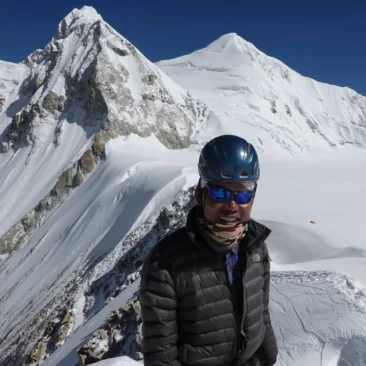


At a Glance

Duration
5 days
Destination
Annapurna Region
Trip Difficulty
Easy
Max altitude
2,450 m / 8,038 ft
Group Size
1-12 Pax.
Activity
Trekking & Sightseeing
Accommodation
Hotel, lodge & tea houses during the trek.
Meals
Breakfast, Lunch & Dinner during the trek
Vehicle
Private car, jeep or sharing baseOverview of Sikles Kapuche Lake Trek from Pokhara
Sikles Kapuche Lake Trek from Pokhara is a short and rewarding Himalayan journey in the Annapurna region of Nepal. This trek is best suited for people who wish to see mountainous landscapes, local culture, and an undisturbed glacier lake but do not want to go to high altitude and spend all day in the forest. It is a combination of scenic jeep ride, mild walking tracks, and scenic village life and is, therefore, appropriate to both beginners and seasoned trekkers who need a relaxed adventure.
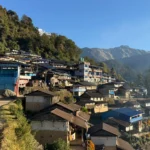
The trek generally starts in Pokhara, a lakeside town at 822 m (2,696 ft). The Sikless Kapuche lake trek, being the starting point of the Pokhara trek, begins with a picturesque jeep ride northwards towards the foothills of the Annapurna range. The road goes through the forests, rivers and the traditional Gurung villages, then reaches Sikless village at 1,980 m (6,496 ft). Sikless is a big Gurung village in the region and has very beautiful scenery of the mountains that surround it, its stone-laid lanes and the local hospitality.
The trek starts from Sikless on foot, over pine forests, open meadows and grazing lands to Hugu Goth at 2,016 m (6,614 ft). The tracks are clear and not so steep that the trekkers can walk easily, and also enjoy nature.
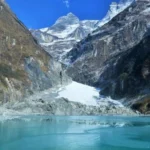
The highest point of the trek is reached on the third day when you hike up to Kapuche Glacier Lake 2,450 m (8,038 ft). It is a turquoise lake and is located below high mountains, and is said to be the lowest-altitude glacier lake in Nepal. It is a very special place with a peaceful environment and mountain reflections.
The manageable altitude and the duration of the Sikles Kapuche Lake Trek are two of the largest benefits of this location. Due to the fact that the trek does not exceed 2,500 m (8,202 ft), the danger of getting altitude sickness is minimal. The amount of walking time is moderate and ranges between four and six hours on a daily basis. The trek is comfortable for both fit beginners and the family with older children.
Nature Explore Treks organises the trek and offers experienced guides, required permits, transportation, and accommodation in the country. Trekking with the help of a professional and the good planning of the route, the trekkers will be able to pay attention to the beauty of the landscape, the traditions, and the calm atmosphere of the mountain.
Therefore, the Sikless Kapuche Lake Trek is the ideal place to begin trekking in Nepal by balancing nature and culture in a short and easily reachable trip.
Highlights of Sikles Kapuche Lake Trek from Pokhara
- Jeep ride through forests, rivers and old-fashioned mountain villages in Pokhara.
- Explore authentic Gurung culture and good hospitality in the beautiful village of Sikless.
- Peaceful forest trails and open meadows with panoramic mountain views.
- Hike to the Kapuche Glacier Lake, which is a low-altitude glacier lake in Nepal.
- Stunning views of Annapurna and Machhapuchhre (Fishtail) along the route.
- Short and rewarding trek, with a real Himalayan adventure in a limited time.
Route Map and Altitude Chart
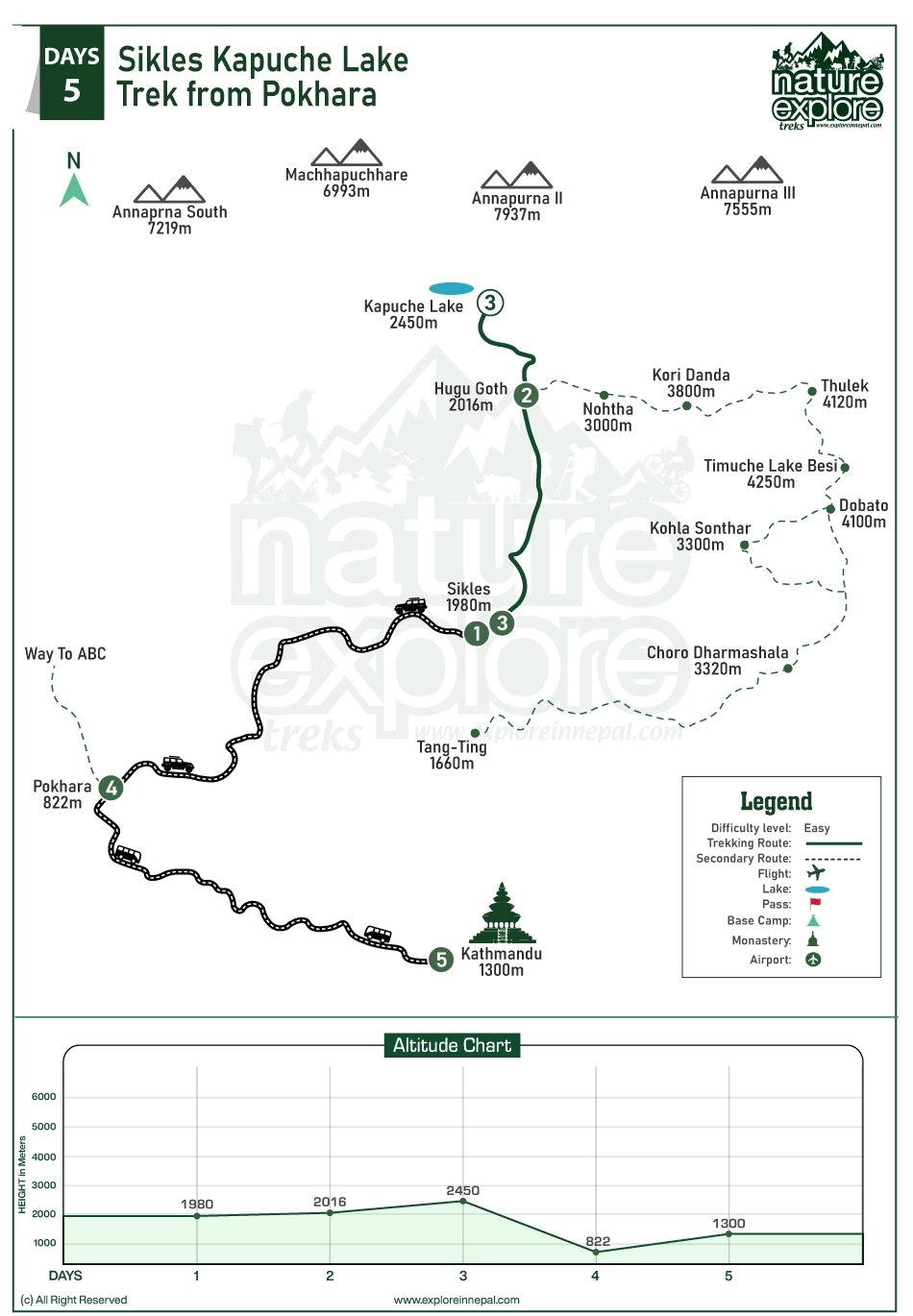 Download Map
Itinerary
1
Day 1 Drive from Pokhara (822 m / 2,696 ft) to Sikless (1,980 m / 6,496 ft)
You start the day first day of the trek in Pokhara (822 m, 2,696 ft). You leave after breakfast and drive up to the Annapurna foothills by jeep. The road is scenic and adventurous, and it takes approximately 3-4 hours on meandering rural roads.
On the gradual way up the road, you pass through green trees, terraced rice fields, rivers, and small Gurung villages. As you go, you can have some beautiful mountain scenery, with Machhapuchhre (Fishtail) glowing over the hills.
There are rough and bumpy parts of the road, and the journey is pleasant due to the natural scenery. The higher you go, the colder and fresher the air becomes.
In the early afternoon, you reach the village of Sikless at 1,980 m (6,496 ft), which is one of the largest Gurung villages in the area. The village is located on a hillside, and it has expansive views of the Annapurna range.
Once you have checked into a local lodge or homestay, you have lunch that is made by your hosts. Afternoon is at liberty to go and have a stretch in the village. The stone-paved roads, traditional houses, prayer flags, and tiny monasteries can be explored. The locals are welcoming, and they are usually pleased to narrate about village life.
During the evenings, there will be a scenic sunset across the mountains. At the lodge, dinner is served, which is simple local food. It is the night to have a rest and adapt to the increased altitude prior to the start of trekking.
Duration
3-4 hours’ driveMax altitude
1,980 m (6,496 ft)Meals
Lunch, DinnerAccommodation
Local Teahouse2
Day 2 Trek from Sikless (1,980 m / 6,496 ft) to Hugu Goth (2,016 m / 6,614 ft)
You start your first day of trekking after breakfast in Sikless, 1,980 m (6,496 ft) above. The path begins with a light and easy walk through terraced land and little woods. You pass by pine forests and rhododendrons and hear birds and the silence of nature. It is an easy beginning to the trip with a nice trail that is not overly steep.
As you walk up, there are small villages and open grazing lands. The landscape gradually transforms the village’s farmland into broad mountain meadows. On the way, you can see yaks, goats or sheep freely grazing in the green meadows. The walk is quite pleasant with the fresh mountain air and serene environment.
The hiking takes approximately 4-5 hours before you get to Hugu Goth at 2,016 m (6,614 ft). It is a small village inhabited by shepherds, and the primitive stone huts are encircled by plain grass. The views of the surrounding hills and mountains are lovely and silent.
Here you take your lunch and rest. During the afternoon, you can visit the surrounding places, take pictures, or just sit up and watch the silence of the mountains. It is a secluded spot that is peaceful, beyond the villages.
The meal is taken in the shepherd’s hut, and the stay is simple though comfortable enough to spend the night. This is a serene place where you get to sleep early enough before the longer journey tomorrow.
Duration
5 hrs hikingMax altitude
2,016 m (6,614 ft)Meals
Breakfast, Lunch, DinnerAccommodation
Local Teahouse3
Day 3 Trek to Kapuche Lake (2,450 m / 8,038 ft) and return to Sikless (1,980 m / 6,496 ft)
It is the most exciting and rewarding day of the Sikless Kapuche Lake Trek today. Early breakfast at Hugu Goth (2,016 m / 6,614 ft), and then start hiking to Kapuche Glacier Lake. The route ascends uphill, both through woods and rocks. You gain approximately 400 m (1,312 ft) in elevation, and the climb is more difficult than the past days, yet the view helps to keep you going.
After approximately 2.5 hours, you arrive at Kapuche Lake, which is situated at 2,450 m (8,038 ft). This is a beautiful lake of the glaciers that is encircled by snow-white mountains and rocky hills. This is really the place, as the water is turquoise-blue and the atmosphere is quiet. You take time and relax, take photographs and eat your packed lunch by the lake.
Once you have enjoyed the sight, you start the steep drop down. It might seem that the way down is steeper and, thus, you are walking slowly and resting in between. You go by Hugu Goth and head the entire way back to Sikless at 1,980 m (6,496 ft).
You get back to your lodge in Sikless after a very long and yet rewarding day. A warm dinner and comfortable bed feel especially good tonight as you celebrate reaching Kapuche Lake.
Duration
7 hrs hikingMax altitude
2,450 m (8,038 ft)Meals
Breakfast, Lunch, DinnerAccommodation
Local Teahouse4
Day 4 Drive from Sikless (1,980 m / 6,496 ft) to Pokhara (822 m / 2,696 ft)
Have your breakfast in Sikless at 1,980 m (6,496 ft), and you start making preparations to make the drive back to Pokhara. Bid your hosts farewell and go in the jeep on the picturesque journey back. The road continues on the same path towards the downhill area, through forests, rivers, and Gurung villages.
It is a 3–4-hour road, and it seems to be an easy drive after some days of trekking. The air is warmer, and the landscape is greener as you go down. You can make breaks in between at any point to have a glimpse or even have brief photo stops.
At mid-afternoon, you reach Pokhara at 822 m (2,696 ft). The city located on the lake is lively in contrast to the mountains that are quiet. You can check into your hotel and spend time on your own free time to relax or do shopping or go around cafes around Phewa Lake.
It is an ideal day to take the load off your legs and have a taste of the modern creature comforts after your hike.
Duration
3-4 hours driveMax altitude
1,980 m (6,496 ft)Meals
BreakfastAccommodation
Local Teahouse5
Day 5 Drive from Pokhara (822 m / 2,696 ft) to Kathmandu (1,400 m / 4,593 ft)
You have a picturesque trip to Kathmandu, 1,400 m (4,593 ft) from Pokhara, at the end of your Sikless Kapuche Trek. Following breakfast, you start the 6-7 hour-long journey along the winding highways that pass rivers and valleys.
The highway runs along small-towns, farmlands, and hilly terrain. You can have lunch at the highway restaurants to stretch your legs and have local snacks. When you are on your way, see how the landscape is altered every few miles with mountains and then bustling communities.
In late afternoon or early evening, you reach Kathmandu at 1,400 m (4,593 ft). You are left at your hotel by your guide, and the adventure of Sikless Kapuche Lake is over. You are free to relax or to sightsee the city.
Duration
6-7 hours driveMax altitude
1,400 m (4,593 ft)Meals
BreakfastAccommodation
Local Teahouse
Is this offered itinerary not suitable for you?
Inclusion/Exclusion
What's Included?
- Pick-up and drop in Hotels in Pokhara or Kathmandu.
- Shared Jeep/vehicle for all drive within the trek.
- Breakfast, lunch and dinner on the trekking days. (Tea/coffee served after meals.)
- Annapurna Conservation Area Permit (ACAP), TIMS card, and local entry permits.
- Teahouse lodges or homestays provide accommodation in twin sharing during the trek.
- English-speaking guide from Nature Explore Treks.
What's Excluded?
- Trekking equipment (sleeping bags, down jackets, etc.) is not included.
- Personal expenses like Wi-Fi, internet and soft drinks.
- Porter (optional, may be hired locally at about US 21 per day).
- Accommodation and meals in Pokhara or Kathmandu before and after the trek.
- Private Jeep rental (shared vehicle is included, but a private vehicle on your own would be an additional charge).
- Guide and driver tips, personal purchases, and other things not specified in the itinerary.
- Anything else not mentioned in the inclusion list.
Trip Information
How Difficult is the Route
The Sikless Kapuche Lake Trek is regarded as an easy to moderate level of trek that can be undertaken by beginners and has a basic fitness level. The path goes through village tracks, forest trails and some jeep tracks. The hours of trekking require walking 4-6 hours at a slow pace. It is usually a smooth landscape without any steep ascents, but with shallow, gradual ones.
The gain of elevation is gradual and easy during the Sikless Kapuche lake trek from Pokhara. On the second day, you go from Sikless (1,980 m) to Hugu Goth (2,016 m), which is a very moderate ascent.
The highest point of the trek is Kapuche Glacier Lake, which is 2,450 m (8,038 ft), and it is reached on day three. Owing to the fact that this altitude is relatively low compared to other treks in the Himalayas, altitude-related issues are not prevalent.
There is only one day longer and a little more challenging, the day you walk to the lake and come back. The payoff of breathtaking glaciers is worth it even at that time.
Most people can comfortably do this trek with proper hiking shoes and at a steady pace. Trekking with the help of Nature Explore Treks, trekkers are properly assisted in the trip. This journey is a mix of mountainous views and no intense physical efforts, so it is considered to be suitable to the first time Himalayan trek.
Weather and Best Season
The Sikless Kapuche lake trek is best done during spring (March to May) and autumn (September to November). The seasons are predictable and have good weather, clear skies and temperatures.
The forests are covered with colourful rhododendrons, and the daytime temperatures vary between 15-25 °C (59-77°F) in lower altitudes such as Pokhara at 822 m (2,696 ft) during spring. The evenings are colder in and around such a village as Sikless, at 1,980 m (6,496 ft).
The Sikless Kapuche lake trek from Pokhara is a notable tourist attraction during the autumn, as the monsoon winds have cleared the atmosphere, presenting the sharp mountain outlook. Days are warm with nights being cool. November is the month when one can see the best views of the surrounding mountains.
During monsoon season (June-August), it is difficult to trek as it is highly rainy, muddy, and the risk of landslides exists. It is cold in winter (December to February), and it may snow at Kapuche Lake at 2,450 m (8,038 ft). Winter trekking is possible, but nights can be extremely cold, even for experienced trekkers.
Spring and autumn are highly recommended because of the balance between the safety, scenery, and comfort of the location.
Food & Drink During the Trip
The Sikless Kapuche lake trek will involve having simple, healthy and sustaining food made by local hosts. The breakfast consists of porridge, eggs, Tibetan bread or chapati and tea or coffee. Such meals are good sources of energy during trekking days. Nepali dal bhat is a common dish served at lunch and dinner, and it consists of rice, lentil soup, vegetables and curry. The teahouses also serve Noodles, pasta or fried rice.
Lodges and shepherd huts in such villages as Sikless at 1,980 m (6,496 ft) and Hugu Goth at 2,016 m (6,614 ft) serve the meals during the trek. Food is freshly made and hygienic, but the options available become more basic the higher the location. There is usually tea, coffee, and hot drinks, which are quite soothing in the cooler mountain climate.
Trekkers should also have a reusable water bottle and purification tablets or filters. Bottled water is available for purchase, and it is more costly at the greater elevation. Nuts or chocolate are good sources of energy snacks when trekking.
Nature Explore Treks covers meals in the trekking package and the ability to cater to simple dietary requirements with prior notice. On the whole, the food is suitable for the conditions of trekking.
Altitude Sickness and Suggestions
Altitude sickness is not a significant issue in the Sikless Kapuche Lake Trek from Pokhara since the highest point is the Kapuche Glacier Lake at 2,450 m (8,038 ft). The majority of the trek is at a lower altitude, resulting in easier acclimatisation. The trek begins at Pokhara, 822 m (2,696 ft), and slowly ascends to Sikless 1,980 m (6,496 ft) so that your body can get used to it.
Nevertheless, in some cases, like the lake day, mild symptoms such as headache or tiredness may be experienced. The trek should consist of walking slowly, drinking as much water as possible and avoiding alcohol to eliminate risk. Regular meals and sleep do help as well.
In the Sikless Kapuche lake trek, it is the guides who pay close attention to the health of the trekkers. When one is unwell, the best solution is to rest or have a lower altitude. Taking personal medication like Diamox is not necessary but beneficial to the concerned people, with the consultation of your physician.
The Nature Explore Treks guides have been trained to be able to identify the symptoms of altitude and act upon them. The trek does not soar to extreme levels, and this makes it comfortable for most of the trekkers. Having listened to your body and taken the guidance tips, you can safely make the trek without issues with altitude.
Preparation and Fitness
The Sikless Kapuche lake trek requires a moderate level of fitness. Previous experience of trekking is not required; however, some preparation will make the trip more pleasant. Frequent walking, jogging, cycling or ascending stairs before the trek will create stamina. It is also good to start with a light backpack.
During the trek along the Sikless Kapuche lake from Pokhara, the distance covered each day is between 4 and 6 hours with slow uphill and downhill walks. Fatigue may be minimised by strengthening leg muscles through easy exercises such as squats and lunges.
It is also important to have good hiking shoes that have ankle support because some of the trails may be rocky or uneven. The trekking poles assist in balance, particularly when walking down. Wear layers to cope with the temperature differences between Pokhara at an altitude of 822m (2,696 ft) and the lake of Kapuche at 2,450 m (8,038 ft).
Nature Explore Treks also offers guided tours; however, individual training in fitness matters. This path is not challenging and can be enjoyed by most of the trekkers with some basic training and a positive attitude. It is better to be prepared and see the view instead of struggling to hike up the trail.
Visa and Permits
A tourist visa is required for all foreigners who visit Nepal. The visa is easily obtained on arrival at Kathmandu airport. It is presently priced at US30 within a period of 15 days or US50 within a period of 30 days to be paid in cash. Carry passport-sized photographs and make sure the passport has a minimum of six months’ validity. To do the trek at the Sikless Kapuche lake from Pokhara, you need to get the Annapurna Conservation Area Permit (ACAP). This is an authorisation to hike in the Annapurna area. The permit assists in financing conservation and other community projects.
In the Sikless Kapuche lake trek organised by the Nature Explore Treks, all the required permits are arranged on your behalf, thereby saving time and effort. All you have to do is give passport copies and photos. The TIM cards will not be necessary, but the guides will resolve any local needs.
In the course of the trek, it is always important to have your permits, since checkpoints might require them. With permits arranged in advance, you can focus on enjoying the trek rather than paperwork.
Health & Safety
The Sikless Kapuche lake trek has health and safety as its priorities. Consult your doctor before traveling in regards to regular vaccinations. Bring in personal medicine and a small first-aid kit, with blister care, pain medication and stomach medications.
During the Sikless Kapuche lake trek from Pokhara, you will walk at elevations ranging from 822 m (2,696 ft) to 2,450 m (8,038 ft). Wash your hands, avoid raw food, and drink purified or bottled water only to prevent illness. Wear a hat and sunscreen because the sun is very intense even when it is cool.
Nature Explore Treks guides are equipped with communication gadgets and simple first medical aid in case of emergencies. Helicopter evacuation can be done in case of an emergency, which is very rare. The country is usually safe, and crime is not common on this route; however, watch your valuables. Walk in the groups, walk carefully on narrow paths, and obey the instructions of guides. The journey is quite safe and fun for the majority of the travellers with very basic precautions and common sense.
Transportation
The package of Sikless Kapuche lake trek from Pokhara includes transportation. You can reach Sikless from Pokhara by a 4×4 jeep, which takes approximately 3-4 hours to reach through a rough mountain road. The road, though not smooth, has beautiful forests, rivers and villages.
Having finished the Sikless Kapuche lake trek, you get back to Pokhara via the same route. On the last day, a tourist bus or shared vehicle takes you out of Pokhara at 822 m (2,696 ft) to Kathmandu at 1,400 m (4,593 ft), and takes approximately 6-7 hours.
Pokhara to Kathmandu can be done by domestic flights or privately operated vehicles at an additional fee. Flights last approximately 30 minutes and provide breathtaking mountain scenery, but are also subject to the weather.
Nature Explore Treks has experienced drivers who know the road to the mountains, ensuring safe and comfortable travelling. Although the roads in the countryside are not always in perfect condition, the transport system is highly-organized, and you can dedicate your time to the experience of travelling instead of logistics.
Travel Insurance
It is highly advisable to purchase travel insurance when visiting the Sikless Kapuche lake trek from Pokhara due to the fact that some of the roads are isolated and the facilities are remote. Although the highest point of the trek is at Kapuche Glacier Lake, which stands at 2,450 m 8,038 ft, any accident or disease may occur anywhere in the trek.
A comprehensive policy may save you the huge expenses in case you undergo medical treatment, a delay in trips or an emergency evacuation.
In the case of a Sikless Kapuche lake trek, be sure to have travel insurance that covers at least 3,000 m / 9,843 ft of the trek and has helicopter rescue and evacuation. Hospital bills, doctor visits, medicines and additional transport due to blocked roads caused by landslides or weather should also be included in your policy.
Always have a printed or electronic copy of your insurance information, including emergency contacts, and make a copy and leave one at home with family. Maintain records of any medical or travel expenses in the form of receipts, which are useful in claims in the future.
Nature Explore Treks can help in communication in cases of emergencies; however, insurance is what helps you financially.
Alternative Routes
The classic Sikless Kapuche Lake Trek route from Pokhara is not complex. You drive from Pokhara to Sikless, walk to Hugu Goth, Kapuche Lake and back. Since the trail is in a definite valley, you do not have many options, except that there are some good substitutes in case you have more time.
In the case of the Sikless Kapuche Lake Trek from Pokhara, some of the trekkers opt to walk along the surrounding villages rather than driving the entire distance in a jeep. This will create additional trekking days and more time in the Gurung villages, culturally.
The second alternative, it is to add a rest or exploration day in Sikless at 1,980 m / 6,496 ft to experience life in the village and the scenery. You can even combine Kapuche and short views of Annapurna around Pokhara, or arrange a longer trip through Annapurna later on.
Nature Explore Treks will design the itinerary according to your preference, time and fitness. The basic plan is the most effective, yet changes in routes to small paths can bring additional scenery and a more local experience.
Your Extra Expenses
Although most of the basics are included in the Sikless Kapuche lake trek package by Nature Explore Treks, there is still a need to budget for personal expenditure. The normal additional expenses are bottled water, snacks, soft drinks, chocolates, and additional tea or coffee in lodges. Just the little things, such as hot showers, charging, or laundry, can be a little too much, particularly in places such as Sikless at 1,980 m / 6,496 ft.
When doing Sikless Kapuche Lake Trek from Pokhara, you also require cash to spend on meals and hotels in Pokhara and Kathmandu before or after the trek, as it is not encompassed in your package.
Another trend among trekkers is to hire a porter, which is not mandatory but useful for walking without extra weight.
Another cost to consider is the tipping. In case you are satisfied with the service, it is a tradition to tip your guide and your driver in Nepal. It might also be necessary to bring money to purchase gifts, local delicacies or small gifts in cultural places.
Carry Nepali rupees in small bills because the villages might not have change. There are ATMs in Pokhara and Kathmandu. Having a little additional budget, you can keep warm and have a pleasant experience of the trek without money worries.
Language & Communication
In the Sikless Kapuche lake trek from Pokhara, Nepali dialect and Gurung language are mostly used, particularly in the villages such as Sikless at 1,980 m / 6,496 ft. English is not commonly used by all people, yet many of them are quite friendly and understand simple words. Even in the case of a different language, smiles and simple gestures can work.
In the Sikless Kapuche lake trek, the language barrier is overcome with the assistance of your English-speaking guide, who also translates and explains the local culture. It will be comfortable to learn some Nepali words. It is acceptable to say Namaste (hello), Dhanyabaad (thank you), which demonstrates respect.
Nature Explore Treks offer guides who can interpret the local practices and help you communicate with the villagers comfortably. Even though there is a language barrier, the atmosphere is generally very welcoming to most trekkers, and cultural exchange becomes one of the best experiences of the trek.
Mobile Network, Internet and Charging Facilities
Mobile coverage is limited on the Sikless Kapuche lake trek. NTC and Ncell might operate successfully in some of the villages in and around Sikless at 1,980 m / 6,496 ft, though most of the time, the trail is weak or non-existent. The Internet is not reliable, and can be slow with data, so it is better to assume that you will spend most of your time offline.
There is also complete phone coverage in Pokhara and Kathmandu, meaning you can download the maps, music, and other important documents beforehand. Connection in mountain lodges is not available and is often very poor, and the weather may affect it.
Your electronic gadgets can be charged in lodges by a very small generator or solar power. Power can be restricted, and outlets can be shared. Carry a universal plug and charge devices every time you get an opportunity, usually at night.
A power bank is very useful, as well as a headlamp to use at night. Switch to aeroplane mode on your phone to conserve battery. Even without elaborate preparation, a restricted network and charging will not be an issue, and you will have a more tranquil trekking experience.
Don’ts on this Trip
In order to make the Sikless Kapuche lake trek from Pokhara safe and worthwhile, a couple of significant don’ts should be taken into consideration. Do not dump or dispose of plastic waste on the trail. Take your garbage back to the right places of disposal. No destruction of plants, breaking of branches, or disturbance of wildlife. Never feed stray dogs or wild animals, as it can be unsafe and harmful for them.
During the Sikless Kapuche Lake Trek from Pokhara, you can see cultural villages such as Sikless at 1,980 m / 6,496 ft, and explore the culture of the people. Never trespass into houses, temples, or monasteries. Removal of shoes before entering a house is always good, and touching people on the head is disrespectful. Get permission to take pictures of people.
Never walk alone or run very far ahead of the group. The mountain weather is unpredictable, and the trails can be slippery after rain. During thunderstorms or heavy rain, avoid trekking because landslides may occur.
The guides of Nature Explore Treks will remind you of cultural regulations and precautions. These few don’ts can protect the environment, consider the locals, and make the trekking experience easier.
Photography & Drone Rules
The Sikless Kapuche Lake trek from Pokhara has one of the most favourable sides of photography since you will be able to take pictures of villages, woods, and mountainous landscapes up to the Kapuche Lake at an altitude of 2,450 m / 8,038 ft.
Photography is always welcome, but in a reasonable manner. Request permission before capturing close-up shots of individuals, residential or other personal property. A smile and joining your palms for Namaste says a lot.
In the Sikless Kapuche lake trek, one should understand that drone use should not be used without the official government authorisation. The Annapurna Conservation Area contains a rigid regulation to preserve wildlife and minimise disturbance. In the vast majority of situations, it is better to leave drones at Pokhara and use a camera or a smartphone instead.
Never take photographs when in temples or when observing ceremonies unless you are permitted. When it is time to pray, keep the flash off. Never take a picture of military and police locales. Stay in the safe distance when taking pictures of the animals, and do not run after the wild animals to take a photograph.
Electrical power may be scarce in remote lodges, and it is important to carry extra batteries, memory cards, and a power bank. You can make beautiful memories without being offensive or breaking the law during the Sikless Kapuche Lake Trek.
Tips for First-Time Visitors
Trekking to Sikless Kapuche lake from Pokhara is a good option, especially if it is your first trek, since it is not difficult. Nevertheless, it is more comfortable to have some preparation before the journey. Light pack only, with warm clothes. The weather may fluctuate between Pokhara at 822 m / 2,696 ft and Kapuche Lake at 2,450 m / 8,038 ft, particularly during the mornings and evenings.
Wear in your hiking shoes prior to travelling in order to prevent blisters. Carry a reusable water bottle and purification pills or a filter to clean your drinking water. Target drinking 3-4 litres of water each day. Bring easy foods such as nuts, energy bars or chocolate to boost energy on more days of walking.
A trek to the Sikless Kapuche lake requires one to take their time. Trekking poles can be used where you have them, particularly on a downhill walk. Inform your guide about being unwell, even about minor cases.
Keep duplicates of significant documents like insurance and a passport in a waterproof pouch. The guides at Nature Explore Treks assist with the pacing and planning of events, yet you are the one who must have a positive attitude. Rest, have fun in the villages, and get time to enjoy the Himalayan scenery.
Sikles Kapuche Lake Trek from Pokhara FAQ'S
Q
What is the Sikless Kapuche Lake Trek?
Sikless Kapuche Lake Trek is a short Himalayan trekking route that leads to the Kapuche Glacier Lake, the lowest glacier lake in Nepal, in the Annapurna region.
Q
What is the starting point of the trek?
The Sikless Kapuche Lake Trek starts from Pokhara with a jeep ride to Sikless village.
Q
What is the duration of the Sikless Kapuche Lake Trek?
The walk normally involves three days of walking and five days altogether with transport.
Q
What is the highest elevation of this trek?
The highest elevation is Kapuche Glacier Lake, 2,450 m (8,038 ft).
Q
How difficult is the trek?
The Sikless Kapuche Lake Trek is rated as easy to moderate and can be done by beginners who are of basic fitness.
Q
Does this trek have altitude sickness issues?
The altitude sickness is not a common issue in this trek because it remains below 2,500 m (8,202 ft).
Q
When is the most appropriate season to do this trek?
The spring (March to May) and the autumn (September to November) are the best seasons.
Q
Did this trek need any permits?
Yes, an Annapurna Conservation Area Permit (ACAP) and a Trekkers’ Information Management System (TIMS) card are needed.
Q
Do the packages include permits?
Yes, Nature Explore treks organise all the necessary trekking permits and is included in the package.
Q
What kind of accommodation will be provided in the trek?
Accommodations will be provided in basic teahouses, simple lodges and shepherds’ huts during the trek.
Q
What are the meals provided in the trek?
During trekking days, breakfast, lunch and dinner are served.
Q
Is travel insurance necessary?
Trekking and emergency evacuation travel insurance is highly encouraged.
Q
Is it necessary to have a guide when taking this trek?
Yes, it should have a licensed guide, and Nature Explore Treks provides one.
Q
Will the trail be covered by a mobile network?
During the trek, the mobile network is limited and ineffective at times.
Q
Can beginners do this trek?
Yes, fit beginners will be able to comfortably go through the Sikless Kapuche Lake Trek.
Q
Is a porter necessary?
It is not necessary to get a porter, although it is advisable to be comfortable.
Q
Can the drones be used during the trek?
Without the official permission of the government, drones are forbidden.
Q
How do I return after the trek?
It is a jeep ride back from Sikless to Pokhara and then back to Kathmandu by road or air after the trek.
Q
Is the trek family-friendly?
Yes, the trek is suitable for families with older children who are used to walking.
Q
Who organises this trek?
The trek is organised by Nature Explore Treks with licensed guides and local support.

Got a question about Sikles Kapuche Lake Trek from Pokhara?
Reach out to our travel experts.Customer Reviews
250 Excellence Reviews
5
Days
Days
- Best price guaranteed
- Secure & easy online booking
- Flexible booking dates
- Decades of experience