

 English
 Dutch
Dutch Japanese
 Hindi
Hindi Italian
 Spanish
 French
 German
 Chinese
 Korean
 Arabic
 Hebrew
 Russian
 Portuguese
 Danish
 Czech
Czech Polish
 Swedish

250 reviews in 


10
Days
Days
US$ 880Per Person (Group Size: 1-15)
Group Discounts- Best price guaranteed
- Secure & easy online booking
- Flexible booking dates
- Decades of experience
- No. of Pax Per person
- 1 - 1 personUS$ 950
- 2 - 3 peopleUS$ 880
- 4 - 7 peopleUS$ 850
- 8 - 10 peopleUS$ 780
- 11 + people 9999 US$ 750


- No. of Pax Per person
- 1 - 1 personUS$ 950
- 2 - 3 peopleUS$ 880
- 4 - 7 peopleUS$ 850
- 8 - 10 peopleUS$ 780
- 11 + people 9999 US$ 750
Have Questions?




At a Glance

Duration
10 days
Destination
Nepal
Trip Difficulty
Moderate
Max altitude
5416m
Group Size
1-15 Pax.
Activity
Trekking,sightseeing and adventure
Accommodation
Hotel in Pokhara and guesthouse while trek
Meals
Breakfast,Lunch and Dinner
Vehicle
jeep/car/bus according to the group sizwOverview of Annapurna Circuit Trek Package – Price
Annapurna Circuit Trek package price depends on multiple factors, including the duration, itinerary, season, and the type of services you select. As an example, a full-board package that includes lodging, meals, and a guide and porter service will typically cost more than just the guide and porter service. Price also depends upon the option that you choose for the means of transportation. If you opt for shared transportation instead of private transportation, it will be more economical. The Trekking package for the Annapurna Circuit ranges from
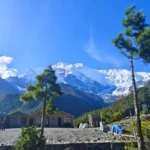
The Annapurna Circuit Trek is one of the most iconic trekking routes in Nepal, offering the trekkers an incredible blend of natural beauty , cultural richness, and diverse landscapes. The circuit offers breathtaking views of the Annapurna mountain range, including Annapurna I (8091M), Machapuchare (6997m), and Dhaulagiri (8167m), as well as lush forests, traditional villages, and high-altitude deserts. The trek also passes over the Thorong La (5416 m), which is one of the highest trekking passes in the world.
The Trek is located in the Annapurna Region in Nepal, which is protected by the Annapurna Conservation Area Project (ACAP). The trek begins at 800 meters and climbs to 5,416 meters (Thorong La Pass) via rural villages, subtropical forests, rice paddies, and glacial areas.
Highlights of Annapurna Circuit Trek Package – Price
- Trekking through the woods of oak, rhododendron and rice fields, you can discover the varouos facets of the Himalyas
- Crossing the world highest pass in the world Thorong La pass 5416m
- Visiting the 108 stone faucets at the Muktinath Temple, which is revered by both hindus and buddhist
- Stunning viewed of Mount Annapurna, Nilgiri, Chiulu, Tukuche , Dhaulagiri , Lamjung etc
- Magnificent Lakes, glaciers , deep gorges and stunning waterfalls
Itinerary
01
Day 01 Drive to Dharapani from Kathmandu via Besisahar
We will start our journey early in the morning from Kathmandu, leaving the busy city behind. The drive takes us through the scenic countryside, with rice terraces, small villages, and lush green hills. We’ll reach Besisahar first, then switch to a more rugged road as we climb towards Dharapani. It’s a long ride, but the changing landscapes are beautiful, and you’ll get your first glimpses of rural Nepalese life. You’ll spend the night in Dharapani ,a quiet village surrounded by the forests.
Duration
5-6hrsMax altitude
1400mMeals
Breakfast, Lunch, DinnerAccommodation
Hotel02
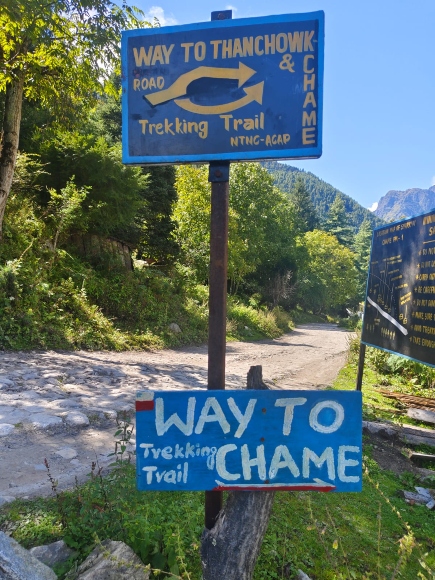
Day 02 Trek to Chame (4–5 hrs, alt. 2,600m)
Today we officially begin our Trek. The trail follows the Marsyangdi river and passses through the lovely forests and traditional villages. As we gain altitude, the scenery changes you’ll start to see pine trees, waterfalls and distant peaks. We’ll cross a few suspension bridges and reach Chame, the district center of Manang. It’s a charming town with view of lamjunng Himal and small hot spring nearby. You can rest and enjoy the fresh mountain air.
Duration
4–5 hrsMax altitude
2,600mMeals
Breakfast, Lunch, DinnerAccommodation
Local Teahouse03
Day 03 Trek from Chame to Upper Pisang (5–6 hrs, alt. 3,300m)
We’ll continue the trek up to the valley, walking through the dense forests and alongside dramatic rock walls. One of the highlights is a massive rock face called Paungda Danda, a huge curved slab that towers above the river. You’ll feel the change in the atmosphere as we enter alpine territory. After a gradual climb, we reach towards Upper Pisang, a traditional village with prayer wheels, stone houses, and fantastic views of Annapurna II. The air is cooler here, and you feel the mountains surrounding you.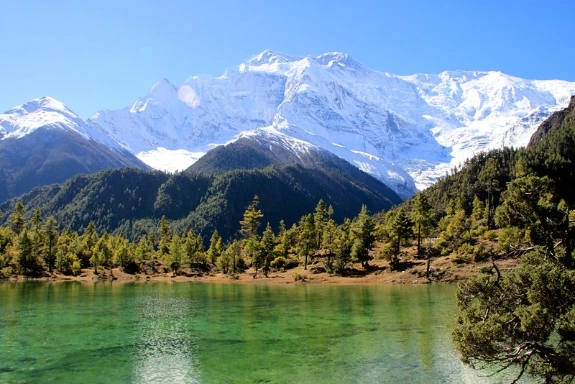
Duration
5–6 hrsMax altitude
3,300mMeals
Breakfast, Lunch, DinnerAccommodation
Local Teahouse4
Day 4 Trek to Manang via the upper trail (8–9 hrs, alt. 3,500m)
Today is one of the most scenic days on the trek. We take the upper trail, which is longer but offers amazing panoramic views.
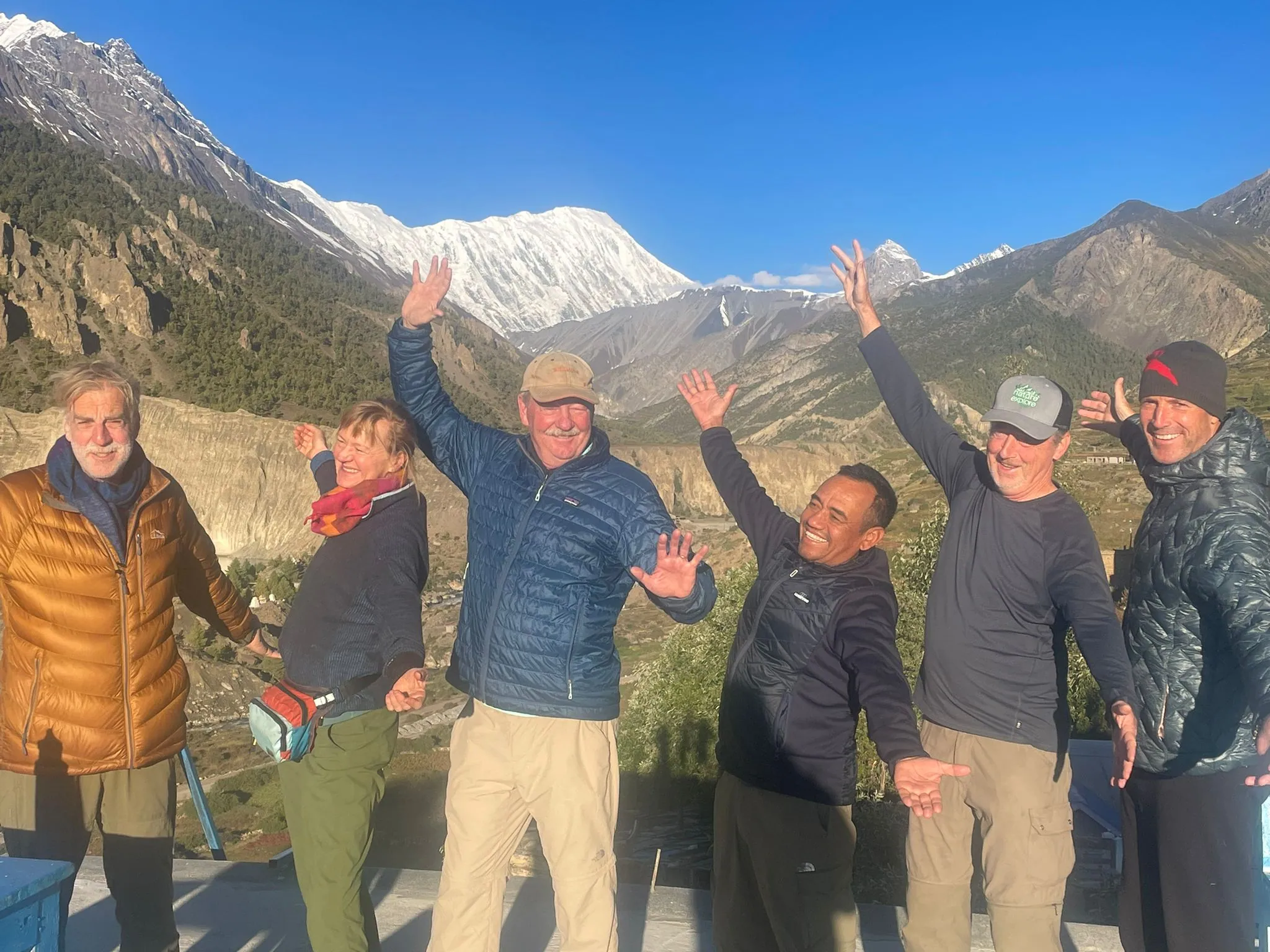
We’ll pass through the ancient villages like Ghyaru and Ngawal, where time seems to stand still. The trail runs along a ridge, offering wide views of the Annapurna range. Eventually, we will descend into the beautiful valley of Manang, a picturesque town nestled below the towering peaks. We’ll stay here for two nights to help your bodies to adjust to the altitude.
Duration
8–9 hrsMax altitude
3,500mMeals
Breakfast, Lunch, DinnerAccommodation
Local Teahouse05
Day 05 Rest day in Manang (Acclimatization day)
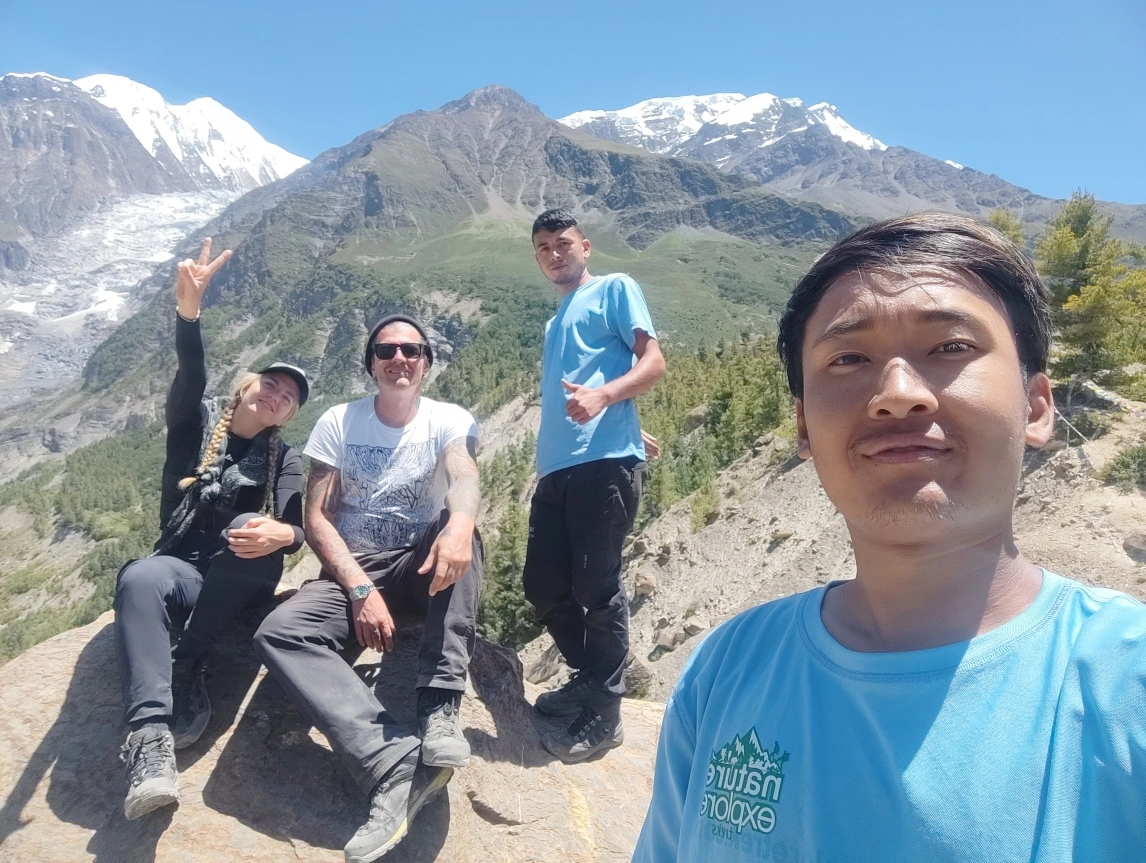
Today is acclimatization day . We use it to help our bodies adapt to the high altitude and thin aor. You can go for a short hike to places like Gangapurna Glacier Viewpoint or the Bhojo Gumba (monastery). You’ll also have time to explore Manang you can visit local bakery, check out the Himalayan Resque Association for an altitude talk or just relax and take in the views.
Duration
4hrs hoursMax altitude
3900m / 13260FTMeals
Breakfast, Lunch, DinnerAccommodation
Local Teahouse06
Day 06 Trek to Yak Kharka (3–4 hrs, alt. 4,050m)
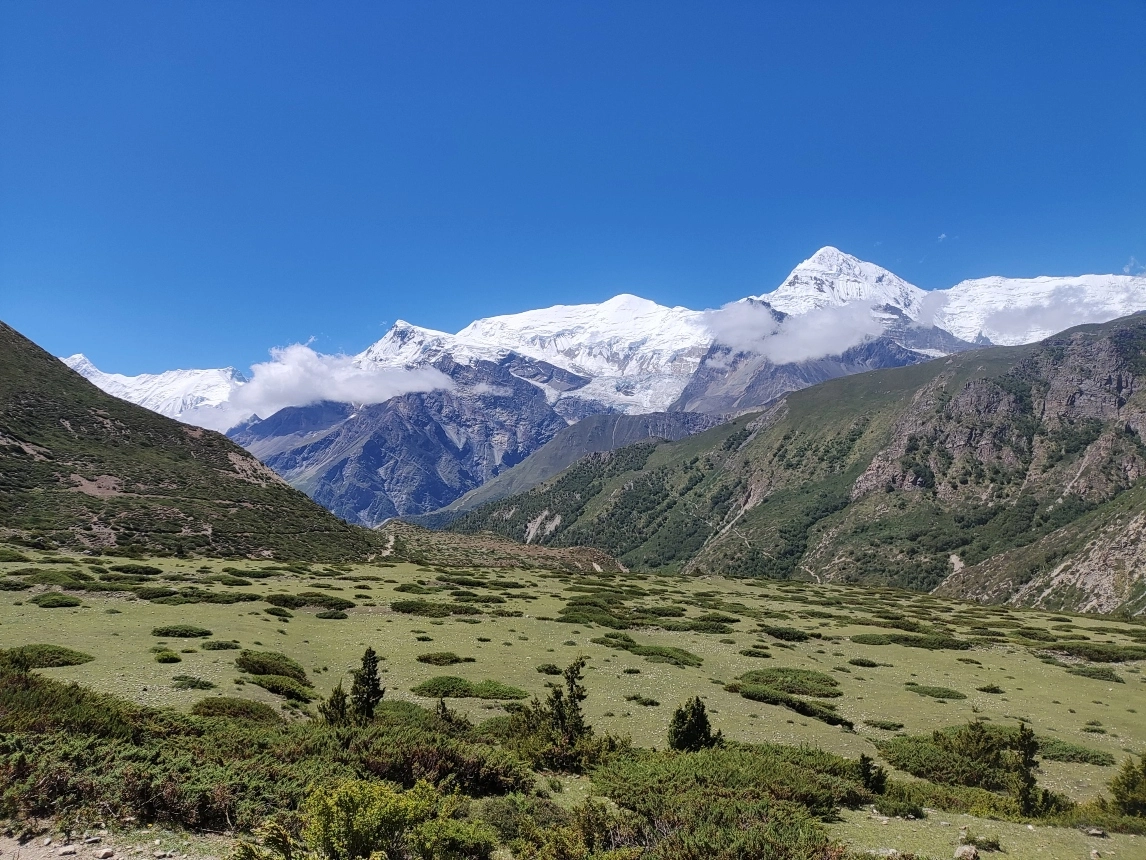
We will leave the tree line behind today as we hike into a high, open landscape. The trail climbs gently and passes through the pastures where yaks and horses graze. The terrain is rocky and the vegetation sparse, with shrubs and alpine grasses. You’ll feel the altitude more now, so we will take it slow and steady. We reach Yak Kharka by early afternoon and settle down for the day.
Duration
3–4 hrsMax altitude
4,050mMeals
Breakfast, Lunch, DinnerAccommodation
Local Teahouse7
Day 7 Trek to High Camp (4–5 hrs, alt. 4,800m)
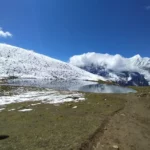
Today we will climb higher towards the Thorong La Pass. The landscape becomes even more rugged and remote. We’ll stop for a short break at Throrng Phdei , the base camp, then continue up a steep but well-marked trail to High Camp, where we’ll spend the night. It’s a cold, windy place with stunning views of the snow-covered peaks. We’ll go to bed early to rest for our biggest challenge tomorrow.
Duration
4–5 hrsMax altitude
4,800mMeals
Breakfast, Lunch, DinnerAccommodation
Local Teahouse8
Day 8 Trek to Muktinath via Thorong La Pass (alt. 5,416m)
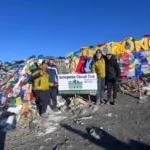
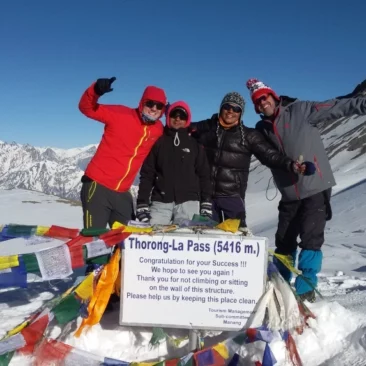
Today is the hardest but most rewarding day of the trek. We will wake up around 4 AM and then begin the slow, steady climb up to Thorong La Pass, the highest point of the trek at 5,416 m. The trail is tough due to the altitude, but the sunrise over the Himalayas is unforgettable . Reaching the top is an incredible achievement; there’s a sigh and a pile of prayer flags to mark the spot. After a short break and lots of photos , we start a long descent into the Mustang region . By the afternoon, we will reach Muktinath, a sacred pilgrimage site with temples and a peaceful atmosphere.

Duration
10-11 hrsMax altitude
5,416mMeals
Breakfast, Lunch, DinnerAccommodation
Local Teahouse09
Day 09 Drive to Tatopani via Jomsom and Marpha (6–7 hrs, alt. 1,100m)
After yesterday’s big day we will give our legs a rest and hop in a jeep or bus. The drive takes us down through the windy, barren landscapes of Jomsom and past the apple capital of Nepal which is Marpha. The village was charming with white washed houses and narrow alleys. We will continue descending into a greener valley and finally reach Tatopani, where natural hot springs awits. You can soak in the warm pools and ease all the soreness form the trek.
Duration
6–7 hrsMax altitude
1,100mMeals
Breakfast, Lunch, DinnerAccommodation
Local Teahouse10
Day 10 Drive back to Pokhara (Trek ends here)
We’ll wrap up the journey with a scenic drive to Pokhara, a beautiful lakeside city. As we leave the mountain behind, you’ll pass through the valleys, farmlands, and bustling villages. Once in Pokhara you can enjoy a hot shower, a comfortable hotel bed, and maybe a celebratory meal by the lake.
Duration
5-6 hrsMax altitude
960mMeals
Breakfast, Lunch, DinnerAccommodation
Local Teahouse
Is this offered itinerary not suitable for you?
Inclusion/Exclusion
What's Included?
- Three times meals a day on the trek (breakfast, lunch, and Dinner)
- Hot drinks (Tea or Coffee)
- Seasonal fresh fruits
- All the necessary airport pick-up and drop
- All necessary ground-sharing transportation during the trek
- Accommodation during the trek.
- 1 night in a hotel in Pokhara at the end of the tre.
- Professional guide
- Annapurna Conservation permits and TIMS cards are required by the Nepal government.
- Basic medical Kit bag
- Treat drinking water
- All necessary trip arrangements.
- Last night’s dinner at Nepali Kitchen with a cultural dance show.
What Nature Explore Trek provides
- T-shirt and Cap as a gift
- Trekking successful Achievements Certificate
- Duffle bag (To be returned after the trek)
- Down-Jacket (To be returned after the trek)
What's Excluded?
- International airfare
- Personal insurance (in case for emergency only)
- Trekking equipment
- Porter
- Extra nights’ accommodation and food in Pokhara and Kathmandu.
- Bar Menu like coke, sprite, beer, etc.
- Personal expenses such as Wi-Fi, extra snacks, laundry, hot showers, battery charges, etc.
- Not mentioned in the itinerary or included section.
Note: If you need a porter, the tentative cost is USD 150-200 per person.
Trip Information
Preparation for Annapurna Circuit Trekking
The Annapurna Circuit Trek is one of the most famous and rewarding trekking routes in Nepal. This classic journey takes you around the Annapurna Massif, offering a mox of beautiful mountain views, deep valleys, high passes and diverse cultures. Trekkers experience everything from green rice paddies and rhododendron forest to dry high altitude landscapes that feel like Tibet.
Before you go, it’s important to prepare well both physically and with the right gear . This trek is considered moderately challenging. It usually takes around 15 to 20 days in past but now as the transportation facilities has been developed so it can customize up to 10 days trek it depends upon your pace and route you choose. The highest point of the trek is Thorong La Pass which is of 5,416m , which is also one of the highest pass in the world, so the altitude is something that needs to be taken seriously. Make sure you include acclimatization days to avoid the altitude sickness.
You dont need to be mountaineer to do the Annapurna Circuit trek but being in good shapes always helps. Start preparing for the trek a couple of month in advance with regular hiking , walking uphill even jogging. It’s helpful to practice carrying your backpack too, as you’ll be walking several hours a day.
Weather wise spring (March- May ) and autumn (September- November) are considered as the best time to trek in Nepal . During these season , the skies are clear the weather is more stable the views of the himalayas are spectacular. If you can try to plan then consider these months.
You’ll need to bring some essential gear : warm layers, a good sleeping bag, hiking boots, waterproof jacket and daypack. During the trek you ‘ll stay in teahouses which are simple guesthouse along the trail offers a basic food accommodation
Permits are required you’ll need a TIMS card and Annapurna Conservation Area permit (ACAP ) which are easy to get but you don’t have to worry about it as we’ll take care of it.
What to Expect on the Annapurna Circuit Trek
The Annapurna Circuit is one of the most scenic and varied treks in Nepal and in the word. Over the course of the trek you’ll walk throug the wide range of landscapes, climate and cultures, Here is what you can expect
Changing Landscapes
The trek begins in lush green valleys with terraced fields and rivers, then gradually moves into alpine forests and eventually to dry, windswept highlands that feel like a different country. The change in scenery every day is one of the trek highlights
High mountain and Big views
You’ll see incredible views of the some of the world’s highest peaks including Annapurna I (8091m) Dhaulagiri (8,167m), Manaslu , Machapuchare (Fishtail ) and many more . The sunrise views from places like Poon Hill or Thorong La Pass are unforgettable.
Thorong La Pass(5,416m)
Crossing this high-altitide mountain pass is the most challenging part of the trek and also the most rewarding. It’s a long and steady climb often starting before sunrise but the views from the top are absolutely worth it.
Cultural Diversity
The trail passes through the villages home to Gurung , Tamang and Thakali people in the lower region and Tibetan-influenced communities in the higher parts like Manang Muktinath. You can expect the colorful prayer flags , ancient monasteries and warm hospitablity along the way.
Altitude and Acclimatization
As you go higher, the air gets thinner. It’s important to acclimatize most of the itinerary include the rest day in places like Manag to adjust to the altitude. Some people,may feel tired , get headache or feel dizzy so take it slow and drink plenty of water
Weather and Temperature
In the lower area, it can be warm during the day but as you go up you can expect the cold morning and nights especially near the pass . In spring and autumn season you’ll mostly get clear skies and good trekking weather through the condition can still change quickly in the mountains
Annapurna Circuit Trek for Beginner
tHe Annapurna Circuit Trek is one of Nepal’s most beautiful and popular treks and its a great choice for beginners who want to experience the adventurous trek .While the trek is considered as the moderate trek , you don’t need to be a mountaineer or an athlete to complete it. Many first-time trekkers from around the world has successfully finish the Annapurna Circuit every year. The key is to take it slow, listen to your body and prepare little in advance. The trek usually used to take 15-20 days to complete but now as the access to transportation has increased so it takes 10-15 days however it totally depends upon your itinerary, pace and route you take. If you are a beginner we suggest you have acclimatization days and at leat 13 days of trek . The trek leads you through the wide ranges of landscapes from the green terraced field and forest to dry, high-altitude valley and snowy mountain passes.
One of the most challenging part of the trek os you have to cross the Thorong La pass which sits on elevation of 5,416m . For beginners this may sound intimidating but with proper acclimatization and rest days, most of the beginners trekkers manage it just fine. Staying hydrated, walking at a steady pace and including rest day in places like Manang help your body adjust to the altitude. Many beginner choose to trek with guide and porter and if you’re beginner you have to have them as a guide will help you navigate the route take care of your safety, introduce you to the culture, describe you the area history , help you book the accommodation and while porter will carry your heavy backpack making the trek much more manageable. Along the trail you’ll stay in small mountain lodges called tea houses where you’ll find simple but warm food and a friendly place to sleep . You’ll aslo meet te trekkers from all around the world , sharing meals and stories bacomes the part of the experience .
Before starting the trek it’s best idea to do some basic training. Hiking, Walking or jogging a few time a weel will help you build your stamina. Reading article or blog about the trek will help you become mentally prepare for the trek and make sure you trek in spring ( March – May ) and autumn(Septemebr- November) as its most ideal time to trek.
What It Really Costs for You to Trek the Annapurna Circuit in 10 Days
To many adventure travelers, the Annapurna Circuit is a dream. Its rewards are dramatic mountain landscapes, rich cultural experiences, and fragile ecosystems: one is led into the very heart of the Himalayas. While the journey is priceless in terms of experience, it is very important to know what the actual cost is-if planning an itinerary of 10 days.
This detailed guide breaks down every major expense you are likely to experience on Annapurna Circuit-from permits, accommodations, and to daily food expenses. Whether you are a solo trekker or in a group with a tour operator, this post will help you prepare and budget efficiently.
Permits Required for the Annapurna Circuit
To undertake the Annapurna Circuit legally, some permits are to be obtained by each visitor. These permits are the toolkit of local authorities for tourism management, trail maintenance, conservation funding, and trekker safety. If you fail to obtain these permits, you may be fined or denied entry to certain areas.
Annapurna Conservation Area Permit (ACAP)
Annapurna Conservation Area is a protected area, and all trekkers are required to obtain the Annapurna Conservation Area Permit (ACAP).
Cost of Permits: NPR 3,000 (US$ 23 approximately) for international trekkers
For SAARC Nationals: NPR 1,000 (US$ 8 approximately)
Where to get: ACAP permits can be issued by Nepal Tourism Board offices in Kathmandu and Pokhara
Where to Obtain It: ACAP permits are available from Nepal Tourism Board offices in Kathmandu and Pokhara and at official checkpoints at the start of the trail.
Why It’s Required: Basically, this permit is used for financing environmental conservation, trail improvements, community welfare, and waste management in the Annapurna region.
TIMS Card (Trekkers’ Information Management System)
This card registers all trekkers to track their movements for safety reasons during some catastrophes such as natural calamities or search-and-rescue operations.
Cost for Solo Trekkers: NPR 2,000 (USD 15 approx.)
Costs When Trekking with Licensed Guides or in Groups: NPR 1,000 (USD 8 approx.)
Where to Obtain: Obtained from the Nepal Tourism Board or authorized trekking agencies.
Purpose: To monitor trekking flow and extend better safety measures to foreign trekkers.
Optional: Restricted Area Permit (RAP)
Certain trail options in or around Annapurna Circuit pass through restricted zones such as Upper Mustang or parts of the Manang District.
Cost: Beginning from USD 90 per person for the first week, with extra charges for longer stays
How to Get It: Should be obtained through authorized trekking agencies; restricted areas do not permit solo trekking.
Total Estimated Permit Costs
If you are going for the usual 10-day Annapurna Circuit route (without entering restricted areas), the total permit costs vary from about USD 38 to USD 46, depending on whether you trek solo or join a group.
Accommodation Costs Along the Annapurna Circuit
As you progress through the Annapurna Circuit, you’ll find a wide network of locally-run guesthouse and lodges designed to support the trekkers. These places to stay often called teahouses .
Tea Houses
Tea Houses are the most common form of accommodation on the trail . These are simple mountain lodges which are usually operated by the local families which offers a basic but comfortable place to sleep and rest
Room Type: Typically twin beds with shared toilets
Facilities: Shared bathroom, dining area, and sometimes a commun stove or heater
Cost Ranges from USD 2 to USD 10 per night , increasing with the elevation
Lodges
Lodges are larger , more developed aversion of tea houses. In lower-altitide areas , they mau offer more privacy and services
Room Type : Some Lodges offer private rooms with en-suite bathrooms
Facilites /; Electricity for charging devices , hot showers (for small fee) and occasionally wifi
Cost : Usually between USD 5 and USD 15 per night
Food Costs During the Annapurna Trek
Food is another major expense en route. The higher you go, the prices go up as porters or animals have to carry them up there. Foods are generally eaten at the same tea houses or lodges where you stay, and most places generally have a fixed menu by local authorities.
Breakfast
Breakfast dishes include porridges, pancakes, Tibetan bread, eggs, and tea or coffee.
- Cost at Lower Elevations: USD 3-5
- Cost at Higher Elevations: USD 6-8
Lunch
Lunch options will include dal bhat (rice, lentils, and vegetables, local dish), fried noodles, chow menu, or fried rice. Dal bhat is very popular because it is free with unlimited refills.
- Cost at Lower Elevations: USD 4-7
- Cost at Higher Elevations: USD 6-10
Dinner
Dinner will mostly give you heavier meals including soups, stews, and pasta; in some bigger settlements, there may be pizza.
- Cost at Lower Elevations: USD 5-8
- Cost at Higher Elevations: USD 8-12
Small Treats and Drinks
Bottled waters, tea, energy drinks, or chocolate bars are available, but they carry a higher price tag with ascent.
- Water: USD 0.50 to USD 3 per liter
- Tea/Coffee: USD 1 to 3 per cup
- Snacks: USD 1 to 4 depending on location.
- Estimated Total Food Cost for 10 Days
Budget about USD 15 to 30 per day, so in total for 10 days, around USD 150 to 300, depending on your food choice and how far up you are going.
Factors That Influence Costs of Trekking
Few factors will affect your overall budget while trekking:
1)Altitude and Remoteness
As you gain the altitude the cost of goods and services increases significantly. This is because more supplies like food , gas, and building materials must be carried up by porters or transported by miles or helicopter. Villages located at higher elevation such as High Camp or Thorong Phedi have no direct road access, making it resupply more difficult and expensive. For trekkers this translates into higher prices for meals, accommodation, bottled water, snacks and even basic services like hot showers. A plate of dal bhat that cost $4-5 in lower area may cost $8-10 or more at higher altitudes.
2) Season
Trekking costs are also affected bu the season in which yu choose to go. The peak trekking season spring (March-May ) and autumn (September to November) are the most popular due to the clear skies, stable weather and excellent mountain views.However increase in demand often leads to the higher price in lodging, meals and guiding services. In some cases you may also need to book accommodation in advance. However trekking in off-season can be cheaper , but weather challenges and fewer open lodges can affect your experience.
3) Services
Many tea houses offer only the basic , but additional comfort are available for a price. Of you choose to use services like
- Hot Showers
- Charging electronic device
- Wifi or mobile data access
You can expect to pay an extra $1-3 per service per use. While these costs may seem small they can still add up over a multi-day trek. Some trekkers reduce expenses by bringing solar charges or power banks and by skipping non-essential services.
Group Size and Travel Style
Th enumber of people in your group has a direct impact on the per-person cost. Larger groups often benefit from lower individual costs because they can share the cost of guide, porterand transportation. Additionally some trekking agencires offers a discounted rates of groups booking together, including lowr accommodation and meal costs. Conversely, solo trekkers tend to spend more especially on private guides pr porters and may bot have access to the smae group discounts for food and lodging.
Tips To save Money While Trekking
- While you are in trek try to eat local dishes like dah bhat which are cheaper as well as more filling than Western foods
- Buy the energy bars , nuts or dried fruits from Pokahara inoder to avoid the high prices on the trails
- Stay flexible which means being open to basic accommodation can help you save
- Many tea houses offers the discount if you eat all of your meals there.
- Limit hot showers, charging and Wi-fi use unless necessary to keep your cost low.
Annapurna Circuit Trek Package – Price FAQ'S
Q
How fit do I need to be for annapurna circuit trek ?
You should be able to walk 5–7 hours a day. Some uphill days are tough, so practice walking before the trek.
Q
Can beginners do it annapurna circuit trek ?
Yes, if you’re healthy and go slowly. A guide helps a lot for first-timers.
Q
What permits do I need for annapurna circuit trek ?
- TIMS Card
- ACAP Permit (Annapurna Conservation Area Permit)
Q
How do I avoid altitude sickness an annapurna trek ?
- Take rest days (like in Manang).
- Drink lots of water.
- Walk slowly.
- Don’t skip acclimatization.
Q
What should I pack for annapurna circuit trek?
Warm clothes, trekking shoes, a headlamp, a water bottle, snacks, sunscreen, and a first aid kit.
Q
Where do I sleep and eat during the annapurna circuit trek ?
In tea houses. They give food and a bed — simple but comfortable.
Q
Is the trail marked an annapurna circuit trek ?
Yes, but sometimes it’s confusing. Maps or a guide are helpful.
Q
Can I do it alone annapurna circuit trek ?
Yes, but not recommended in high pass areas. Better with a guide or in a group.
Q
What’s the best month to go annapurna circuit trek ?
- March–May (Spring – warm, clear)
- September–November (Autumn – cool, clear views)
Q
Is there phone or Wi-Fi?
Yes in many villages, but it’s slow and may cost money. Some spots have no signal.

Got a question about Annapurna Circuit Trek Package – Price?
Reach out to our travel experts.Related Blogs

August 4, 2020
Annapurna Circuit Trek in October and November 2025/2026

May 12, 2025
Annapurna Circuit Trek in September I What to Expect
Customer Reviews
250 Excellence Reviews
10
Days
Days
US$ 880Per Person (Group Size: 1-15)
Group Discounts- Best price guaranteed
- Secure & easy online booking
- Flexible booking dates
- Decades of experience
- No. of Pax Per person
- 1 - 1 personUS$ 950
- 2 - 3 peopleUS$ 880
- 4 - 7 peopleUS$ 850
- 8 - 10 peopleUS$ 780
- 11 + people 9999 US$ 750
- No. of Pax Per person
- 1 - 1 personUS$ 950
- 2 - 3 peopleUS$ 880
- 4 - 7 peopleUS$ 850
- 8 - 10 peopleUS$ 780
- 11 + people 9999 US$ 750
Have Questions?
Similar Packages

US$ 880