
 English
 Dutch
 Japanese
 Hindi
 Italian
 Spanish
 French
 German
 Chinese
 Korean
 Arabic
 Hebrew
 Russian
 Portuguese
 Danish
 Czech
 Polish
 Swedish

Langtang National Park is one of Nepal’s most rewarding destinations for travelers who want to experience the Himalayas without committing to a long expedition. The site, situated north of Kathmandu, near the Tibetan border, features forest trails, snow-covered mountains, traditional Tamang villages, glacial valleys and sacred alpine lakes. It gives you the chance to see the natural beauty and culture of the mountains of Nepal in one go.
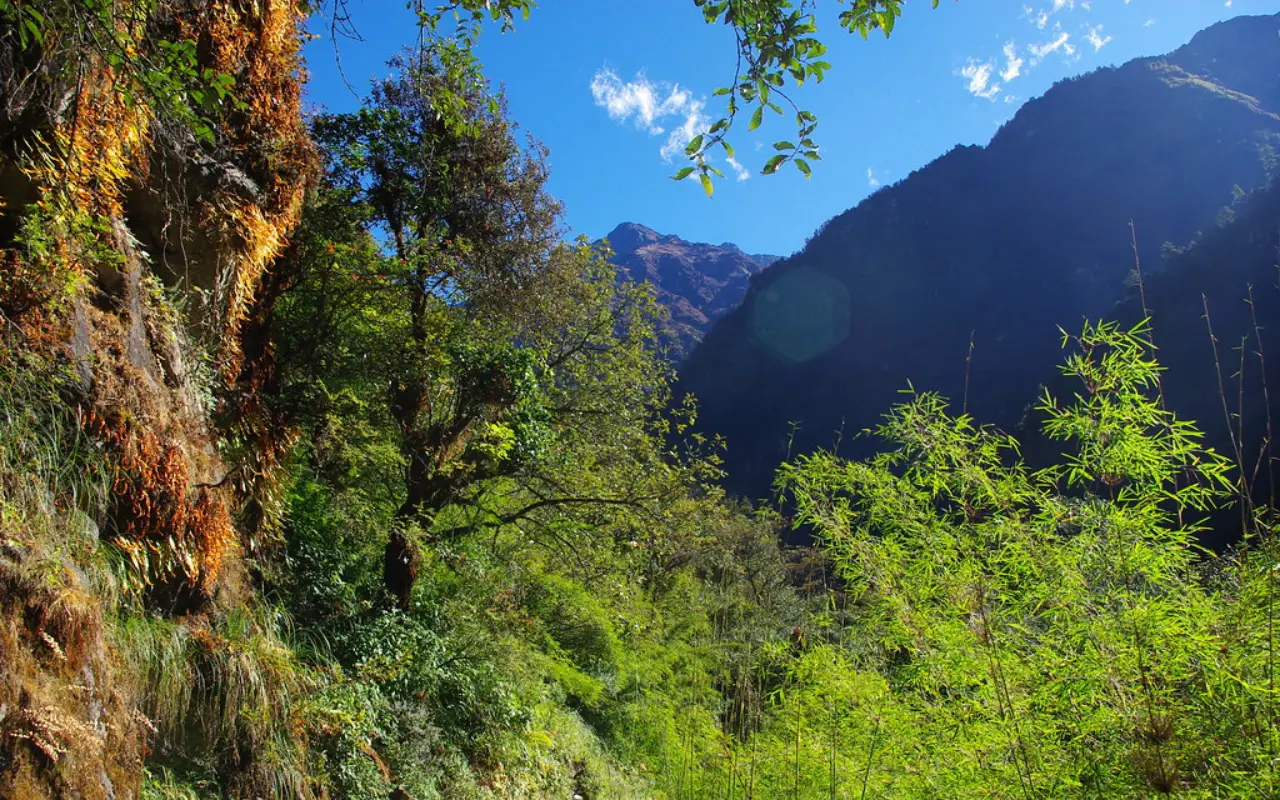
If you are looking for a peaceful place to visit in Nepal or you’re planning your first trek to the Himalayas or you’re looking for a place to see red pandas, Langtang has something to offer you. This guide offers information on what to expect, when to go, which hikes to choose, how much to expect to spend and how to plan for a great trip in 2027.
Where Is Langtang National Park?
Langtang National Park is located in Rasuwa, Nuwakot and Sindhupalchok districts of Nepal. Established in 1976, it covers approximately 1,710 square kilometres, with an additional buffer zone. It has a range of geography from subtropical forests to alpine meadows, glaciers and the rugged Himalayan peaks.
Langtang Valley, Kyanjin Gompa, Gosaikunda Lake and Helambu are the major highlights of the park. The region is also home to the Tamang people, whose customs, architecture, cuisine and Buddhist culture enhance the experience.
Syabrubesi is the typical starting point for the Langtang Valley trek, via road from Kathmandu. The trip usually takes approximately 6-9 hours, which depends on the road conditions, traffic and construction.
Why Visit Langtang National Park in 2027?
The beauty, culture and ease of trekking in Langtang are appealing to various kinds of travellers.
- Take in the close-up view of the Himalayan peaks, glaciers and scenic valleys
- Go into the forests of oak, pine, bamboo and rhododendron
- Go to a traditional village and Buddhist monastery
- Visit the sacred lakes and vantage points
- Spot red pandas, Himalayan tahr, musk deer and other native birds
- Enjoy teahouse trekking without camping along the way
Langtang can be easily accommodated in a one- to two-week holiday, including the travel from Kathmandu, compared to some longer routes in the Himalayas. The trails are still mostly uphill and at altitude, though.
Top Attractions in Langtang National Park
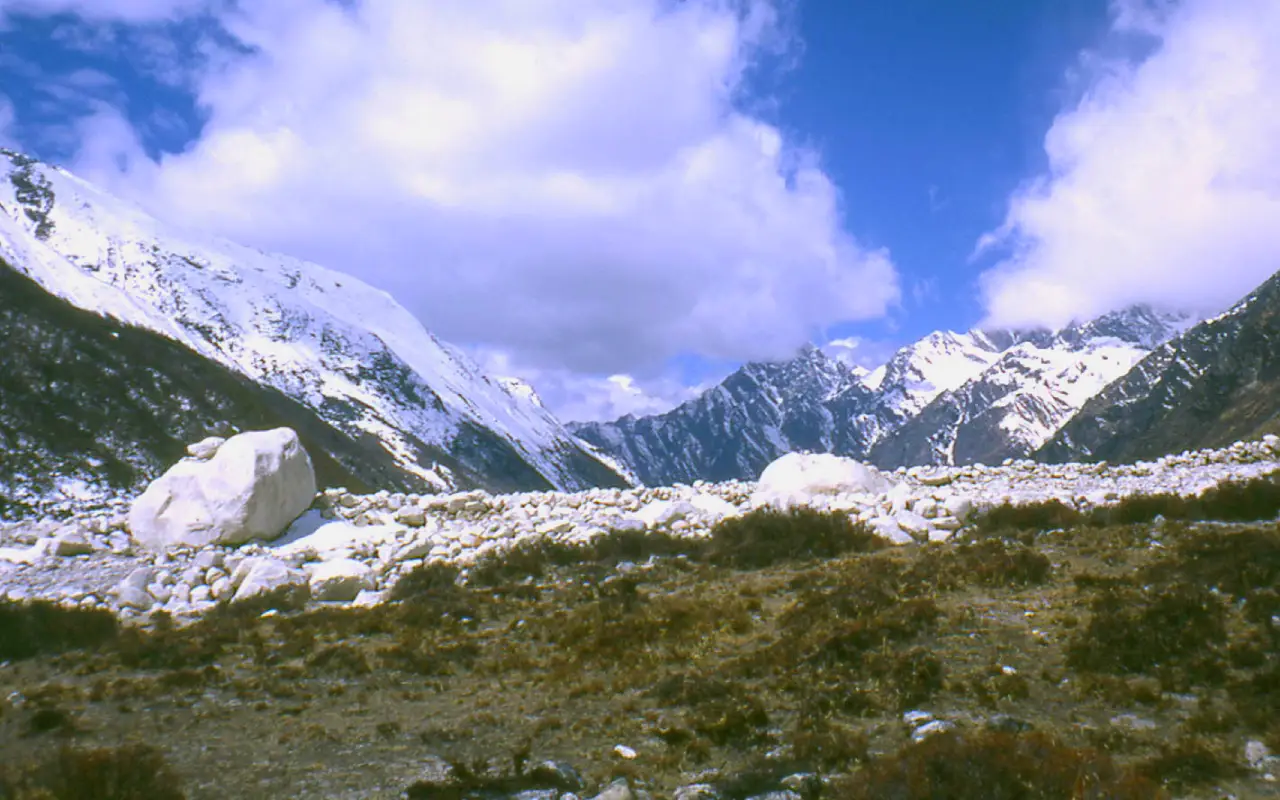
Langtang Valley: This is the park’s signature trekking destination. The track crosses a valley along a river, passing through woods and a village, to the wide-open space of the alpine field, in front of the high mountains.
Kyanjin Gompa: Situated at approximately 3,870 m (12,697 ft), this mountain settlement is a major stop on the Langtang Valley trek. Visitors can walk through the monastery and see local areas for cheese-making (when open) and take an optional hike to viewing areas.
Kyanjin Ri: This popular viewpoint rises to approximately 4,773 m (15,659 ft). This challenging hike is rewarded with impressive views of Langtang Lirung and surrounding peaks, if the hiker is prepared. Don’t do it right away; take time to acclimatize yourself.
Tserko Ri: At approximately 4,984 m (16,352 ft), Tserko Ri is a demanding viewpoint above Kyanjin Gompa. Ideal for the trekking enthusiast who is well-acclimatized, physically fit and able to hike for several hours at altitude.
Gosaikunda Lake: This sacred alpine lake sits at approximately 4,380 m (14,370 ft). It has significance for the Hindu and Buddhist traditions and it is a pilgrimage destination, especially during the Janai Purnima festival. This trek is more challenging than an average Langtang Valley trek.
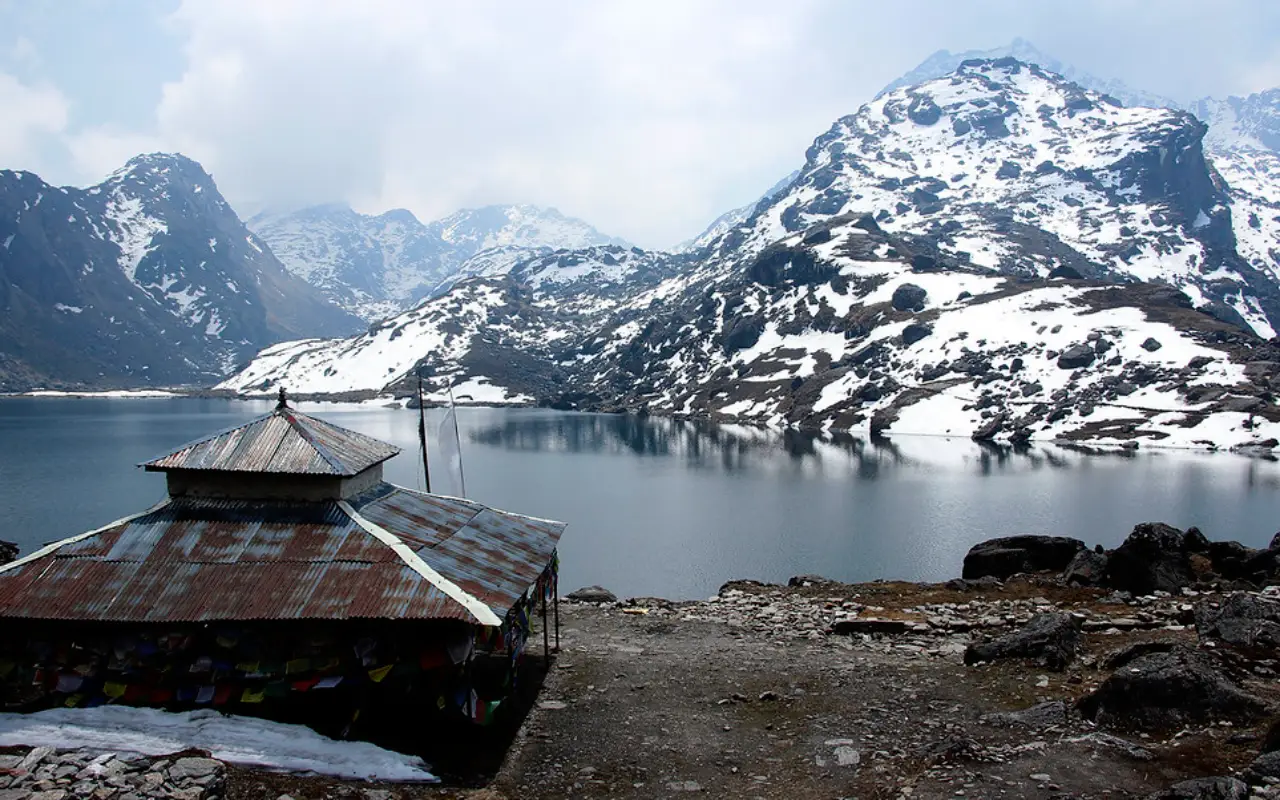
Helambu: Known for its mountain villages, forest trails and Buddhist cultural heritage, Helambu is a worthwhile choice for travelers seeking a different trekking experience within the wider Langtang region.
Wildlife and Natural Diversity
Langtang National Park is a conservation area for an amazing diversity of Himalayan habitats. At lower elevations, forests slowly turn into rocky slopes and glacial landscapes.
Red pandas, musk deer, Himalayan black bears, Himalayan tahr, serow and many other mammals are found in the park. The region is also home to snow leopards, albeit sightings are very rare. Birdlife is diverse; pheasants and others from the Himalayan region are a drawcard for nature lovers.
Red pandas are especially interesting to wildlife enthusiasts, although sightings are never certain. These are shy animals, inhabiting forest environments and visitors are advised not to make noise, attempt to feed the animals or depart from marked trails to look for them.
Rhododendrons bloom in the spring and in the fall, you can enjoy unobstructed views of the mountains. Responsible tourism can help conserve these habitats and benefit the people who live near the park.
Best Time to Visit Langtang National Park
High and dry mountains, blooming forests, quiet paths or snowy scenery—when is the best time?
| Season | Months | What to expect |
| Spring | March–May | Rhododendrons, improving weather and generally good trekking conditions |
| Autumn | September–November | Clearer skies, excellent mountain views and popular trekking trails |
| Winter | December–February | Cold nights, possible snow and challenging high-altitude routes |
| Monsoon | June–August | Rain, clouds, slippery trails and possible landslides |
Best overall choices: March to May and October to November are generally the most suitable periods for trekking. Clear mountain views are very good in October and November and coloured forests in spring.
Roads and trails may be closed during the monsoon due to landslides. If you want to go on a trek during the winter months, there are suitable routes; however, snow, cold weather and the condition of the trail will require planning.
Best Treks and Hiking Packages in Langtang for 2027
There are routes in the park that are relatively short and cultural tours, as well as some high-altitude adventures. When it comes to choosing trekking and hiking packages in Nepal for 2027, here are some valuable things to consider.
Langtang Valley Trek — 7–11 days
This is an excellent choice for those visiting for the first time and seeking to see the area’s highlights. The usual route is from Kathmandu to Syabrubesi, through Lama Hotel and Langtang Village and the Kyanjin Gompa (3870 m /12697 ft).
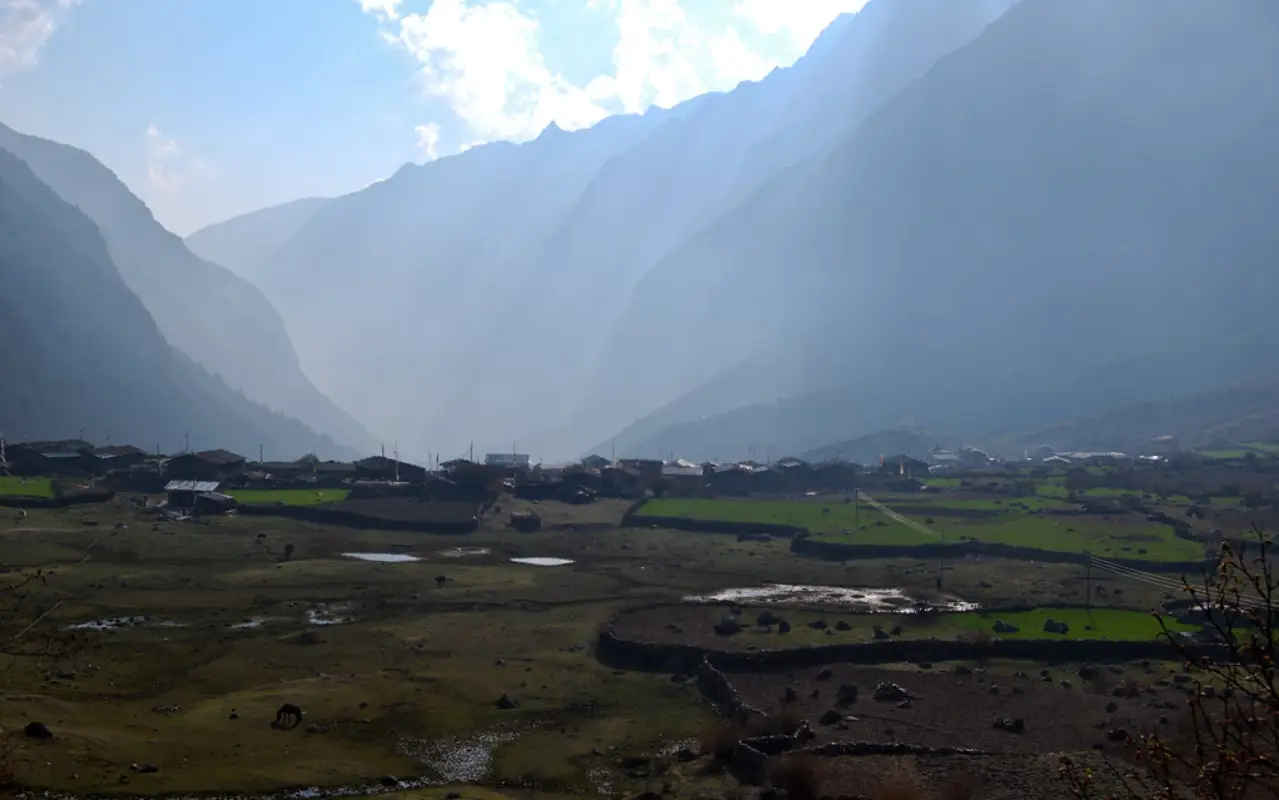
A day can be spent hiking in the same valley to view another nearby site before heading back home. It’s a walkway that gives you an opportunity to experience the forest and the mountain landscape as well as the culture of the Tamang people, though no technical experience is required.
Langtang Valley and Gosaikunda Trek — 12–16 days
This longer trek is a trek to the Langtang Valley and to the holy lakes around Gosaikunda (4,380 m /14,370 ft). The itinerary may include a high mountain pass, such as Laurebina La (4,610 m/15,125 ft).
It is recommended for experienced trekkers with time for acclimatization and with longer walking days. Be flexible with the timing of the pass crossing, as weather and snow can impact it.
Tamang Heritage Trail — 5–8 days
The hike is focused on traditional Tamangs, hospitality and culture and mountain views. It is a good option for trekking enthusiasts who do not focus on reaching a high point or summit.
Itineraries can also be extended with Langtang Valley for a more cultural and trekking vacation.
Helambu Trek — 5–8 days
Helambu village walks, forest trails, monasteries and scenic viewpoints. It is recommended for shorter-stay travellers who wish to have a cultural trekking experience in the broader Langtang region. The difficulty of the ride will vary depending on the route, distance per day and the total amount of elevation gain.
Kyanjin Ri or Tserko Ri Hiking Extension — 1–2 days
Those who stay at Kyanjin Gompa can take a difficult day hike to Kyanjin Ri (4,773 m /15,659 ft) or opt for Tserko Ri (4,984 m /16,352 ft). These are challenging, high-altitude walks and not easy sightseeing tours.
Research packages in 2027 and compare. The advertised price might not include a guide, transport, permits or meals. Check the contents before booking!
Langtang National Park Permit Costs for 2027
The national park entry permit and trekking documentation for the route should be taken into account when budgeting for travel. The following rates are included in the latest published fee schedule, but please check them prior to travel in 2027.
| Permit or document | Foreign visitors | SAARC nationals | Nepali citizens |
| Langtang National Park entry | NPR 3,000 | NPR 1,500 | NPR 100 |
| TIMS card, where applicable | NPR 2,000 | NPR 1,000 | Confirm current rules |
The national park entry fee is per person. The applicable requirements should be checked for the route and nationality and the TIMS card is a separate trekking card. Licensed guides and agency-issued TIMS documentation are required on designated trekking routes, including the Langtang region, under Nepal Tourism Board guidance.
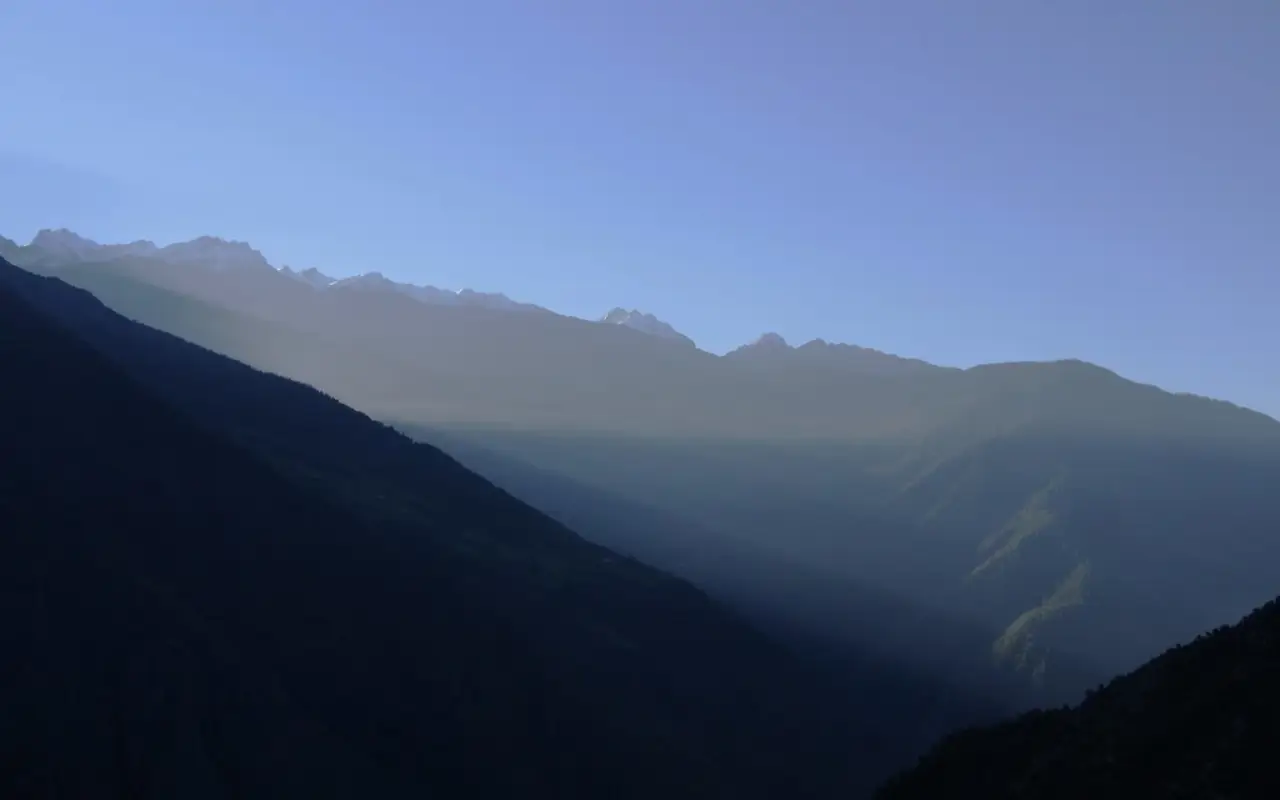
Bring your passport or valid ID, permit confirmation and necessary paperwork for trekking. Do not take it for granted that a national park entry fee will cover all other trekking permits.
Estimated Langtang Trekking Costs for 2027
Consider factors such as route, trip length, group size, accommodation and services included to determine your total budget. These estimates are not commitments but rather practical planning ranges or 2027 prices.
| Expense | Estimated cost per person |
| Return road transport from Kathmandu. | NPR 2,000–5,000 |
| Teahouse accommodation | NPR 500–2,000 per night |
| Meals and drinks | NPR 1,500–3,000 per day |
| Guide | NPR 3,000–5,000 per day |
| Porter | NPR 2,000–3,500 per day |
| National park entry and applicable TIMS | NPR 3,000–5,000 for foreign visitors |
For a foreign traveler, a self-arranged Langtang Valley trek of around a week may cost approximately US$300–600, excluding international flights, travel insurance and personal shopping. A guided package lasting around 7–11 days may cost approximately US$500–1,100 or more, depending on inclusions and group size.
The number of days, transportation, guide service and accommodation might increase if additional days are needed to complete the tour itinerary. Have a backup plan for unplanned delays, hot showers, charging devices, snacks and emergency transport.
These estimates are not final prices. Prices may vary due to inflation, exchange rates, roads and seasonal demand before 2027.
Accommodation and Food
The most popular lodging choices along the established trekking routes are teahouses and mountain lodges. Rooms are typically basic and shared bathrooms are standard in higher or more populated rooms. Heating may be limited, especially in bedrooms.
Dals, noodles, fried rice, soups, potatoes, eggs and other common trekking foods are served at meals. Dal bhat can be very helpful for the supply of energy on long walking days.
Bring enough cash for the journey, as some sections may be remote where there are no ATMs or payments can be made using cards. As a general rule, the farther from road access, the higher the price.
How Difficult Is Trekking in Langtang?
The Langtang Valley trail is of moderate difficulty. There is no need for technical climbing skills, but it is important to be at ease walking uphill for a few hours a day for 2-3 days in a row.
Issues include steep climbs, rocky paths, climatic conditions and lower oxygen levels at altitude. There are alternative perspectives and the Gosaikunda route requires more fitness and acclimatization.
- Begin walking or hill training several weeks before travel
- Ramp up elevation and add rest days as necessary
- Take water frequently and take your time
- If you experience signs or symptoms of altitude sickness, let your guide know right away
- If severe symptoms from the effects of altitude occur, descend quickly
If you are going to trek in remote areas, be sure your travel insurance includes coverage for high elevation trekking and helicopter rescue.
What to Pack for Langtang National Park
- Waterproof trekking boots and comfortable hiking socks
- Warm layers, down jacket and waterproof outerwear
- A daypack, reusable water bottle and water purification supplies
- Sunscreen and sunglasses, lip balm and sun hat
- Headlamp, power bank, personal medications and basic first aid
- Passport, permits, travel insurance and adequate cash
- Trekking poles and a warm hat for colder conditions
Pack for the season and route. Clothing is warmer for trips in the winter and in higher elevations than for the walks in lower villages.
Responsible Travel Tips
The forests, wildlife and mountain communities in Langtang require respect. Stay on established trails, carry out your rubbish, avoid single-use plastics where possible and never feed wild animals.
Ask permission before photographing local people, respect monasteries and religious customs and purchase food or handicrafts from local businesses when practical. Enlisting a licensed local guide may also make your trip safer and help the local economy at the same time.
Final Thoughts
Langtang National Park is a perfect destination for the 2027 Himalayan holiday for a simple valley trek, cultural village tour or a more challenging adventure, connecting the mountain viewpoints and sacred lakes. If you are creative, have the proper budget, the correct permits and the proper preparation, you can have a great experience without having to rush through the mountains.
Work your way around the attractions instead of your fitness and available time. The peaceful road in the forest, the warm villages and the transformation of the mountains are as much a part of the experience as the ultimate view in Langtang.