

 English
 Dutch
Dutch Japanese
 Hindi
Hindi Italian
 Spanish
 French
 German
 Chinese
 Korean
 Arabic
 Hebrew
 Russian
 Portuguese
 Danish
 Czech
Czech Polish
 Swedish

300 reviews in 


12
Days
Days
- Best price guaranteed
- Secure & easy online booking
- Flexible booking dates
- Decades of experience


Have Questions?


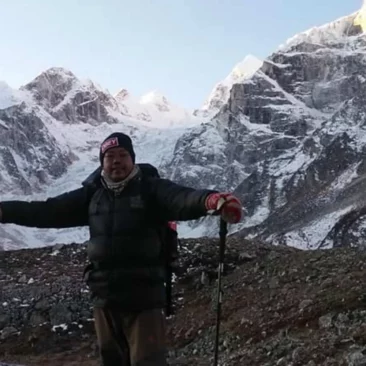
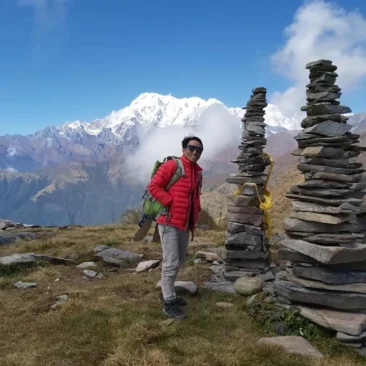
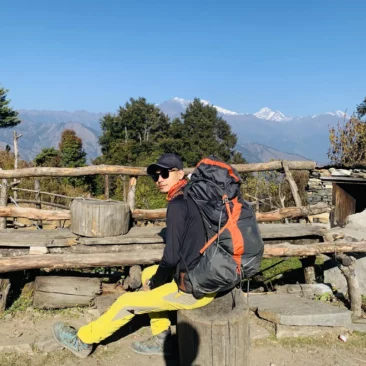
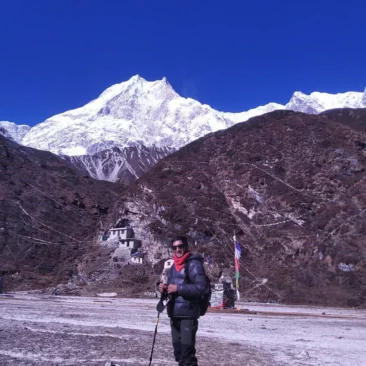


At a Glance

Duration
12 days
Destination
Nepal
Trip Difficulty
Moderate
Max altitude
5,106 m (16,752 ft)
Group Size
2-25 Pax.
Activity
Trekking & Sightseeing
Accommodation
Teahouse/Lodges during the trek
Meals
Breakfast, Lunch & Dinner during the trek
Vehicle
Private car, jeep or sharing baseOverview of Budget-friendly Manaslu Circuit Trek 2027/2028
Budget-friendly Manaslu circuit trek is a low-cost adventure that is suitable for tourists who want a low-cost Himalayan adventure with spectacular mountain views, cultural, and isolated trekking paths. It is an affordable means of exploring one of the most rewarding trekking paths in Nepal without losing out on the much-needed trekking experience. The Manaslu area is less crowded and full of authenticity as compared to busier Himalayan routes, and it is perfect in case one is seeking a quieter adventure.
This Manaslu circuit budget trek will lead you through traditional mountain villages, dense forest, suspension bridges, river valleys, and spectacular alpine upper and lower landscapes. Trekker experiences the Gurung and Tibetan culture, old monasteries, and breathtaking Himalayan scenery along the way, including the world’s eighth-highest mountain, Mount Manaslu. The most significant one is the crossing of Larke La Pass (5,106 m / 16,752 ft), the highest and most difficult point of the expedition.
One of the key benefits of this low-cost Manaslu circuit Trek is that the cost of transport is cheaper since the trek does not require costly domestic flights, as the initial point of the trek is Kathmandu to be reached by overland transport. Basic teahouse lodging, meals, and transportation contribute to the cost-effectiveness of the entire Manaslu circuit trek, among budget-conscious tourists. Explore in Nepal deals with permits, logistics, guides, and trekking arrangements, and thus makes the journey easy and well-organized.
This adventure is appropriate for fit beginners and even seasoned trekkers who desire adventure, cultural experience and amazing views at an affordable cost. You may also proceed to Manaslu Base Camp (4,800 m / 15,748 ft) or proceed to the Annapurna Circuit, should you have more time. This trekking adventure is a great value in the Himalayas with proper planning.
Highlights of Budget-friendly Manaslu Circuit Trek 2027/2028
- Affordable trekking trip to the remote Manaslu area in Nepal.
- Cross the famous Larke La Pass at (5,106 m / 16,752 ft)
- Live the Gurung and Tibetan-inspired mountain culture.
- Hiking in forests, rivers, alpine valleys, and villages.
- Lodging in local teahouses and experiencing Himalayan simplicity.
- Option to visit Manaslu Base Camp at (4,800 m / 15,748 ft)
Itinerary
01
Day 01 Drive from Kathmandu to Machhi Khola
Your trip starts with a long and picturesque ride by shared jeep or local bus (depending on availability) from Kathmandu to Machhi Khola. This road runs along the Prithvi Highway along the Trishuli River and then through rural hills, terraced agricultural land, waterfalls, and ancient villages. The road is rough and dusty after Arughat and Soti Khola and has some uphill and downhill stretches.
In the drive, you will go through small settlements, rivers, suspension bridges, and green forested landscapes. The last route to Machhi Khola is small and rough, but with an amazing mountainous landscape and a glimpse of the Budhi Gandaki Valley. The Manaslu Circuit Trek begins with a small village, called Machhi Khola, which is a river village.
Once there, you may take a rest in the teahouse and plan the trek, which starts the next morning.
Duration
8-9 hrsMax altitude
900 m (2,953 ft)Meals
Breakfast, Lunch, DinnerAccommodation
Local Teahouse02
Day 02 Trek from Machhi Khola to Jagat
Today, you start your trek from Machhi Khola to Jagat. The path takes winding tracks along the river, and through some small villages, falls, rocky hills, and arable land. Once over suspension bridges and short uphill stretches, you will arrive at Tatopani, a small village, where there are natural hot springs. The path goes through woody sections and rocky steps and over another suspension bridge at Dobhan. The path slowly ascends to Jagat, a pretty stone-paved village, the gateway to the Manaslu Conservation Area.
While trekking, you will be able to have impressive river sights and see the everyday village life in the lower Himalayan region. Jagat is a Gurung village that has traditional houses made of stones, prayer flags, and terraced fields. Once you have arrived at Jagat (1,340 m / 4,396 ft), you can have some rest and admire the calm mountain environment.
Duration
5-6 hrsMax altitude
1,340 m (4,396 ft)Meals
Breakfast, Lunch, DinnerAccommodation
Local Teahouse03
Day 03 Trek from Jagat to Dyang
Now you begin the walk you have started at Jagat to Dyang, along the Budhi Gandaki River, through picturesque mountain scenery, quaint villages and wooded paths. It travels through the restricted Manaslu area and covers Salleri, Sirdibas and Philim, a big Gurung settlement with stunning mountain views and farming lands. Outside of Philim, the path is more rugged and narrow with twists cutting through bamboo trees, rocks, waterfalls and various suspension bridges spanning the river.
The landscape grows more dramatic as you head further into the valley, with cliffs and narrow gorges and remote villages along the way. The gradual ascending slope would finally lead to the mountain village of Dyang at (1,860 m / 6,102 ft), a small mountain village circled by woody hills. It is an enjoyable trekking day which will involve cultural adventures, scenic beauty, and a slow rise in altitude as you proceed further into the Manaslu region.
Duration
5–6 hrsMax altitude
1,860 m (6,102 ft)Meals
Breakfast, Lunch, DinnerAccommodation
Local Teahouse04
Day 04 Trek from Dyang to Namrung
Today you quit Dyang and walk to Namrung, climbing steadily up through the upper Budhi Gandaki Valley, into more and more alpine scenery. The track goes through thick pine and rhododendron forests, over suspension bridges and through twisting mountain tracks along the river. On your way, you will cross villages like Bihi and Ghap, where the Tibetan culture is more pronounced by the presence of mani walls, prayer wheels, chortens and traditional stone houses.
The scenery turns colder with mountain scenery as the altitude rises, and distant mountainous scenery is seen with snow-covered mountain tops. The last ascendancy is Namrung at (2,630 m / 8,629 ft), which is among the larger settlements in the area. Namrung is a beautiful mountain scene with serene environments, monasteries, and good Tibetan cultural impact, which make it a pleasant and scenic place to spend the night, then move on to a higher altitude within the Manaslu trekking region.
Duration
7 hrsMax altitude
2,630 m (8,629 ft)Meals
Breakfast, Lunch, DinnerAccommodation
Local Teahouse05
Day 05 Trek from Namrung to Syala via Lho Gaun
Today, you leave Namrung and walk to Syala through Lho Gaun, where you have some of the most picturesque mountain scenery of the whole journey. The path slowly ascends with forested hills, traditional Tibetan-inspired villages, and open mountain terrain. You will go through Lihi, Sho, and arrive at Lho Gaun at (3,180 m / 10,433 ft), a beautiful village with a monastery and excellent views of Mount Manaslu.
The trail is then followed through the pine forests and the yak grazing fields to Syila. The higher you go, the more dramatic the scenery gets, with spectacular views of Mount Manaslu, Himal Chuli, Peak 29, and the Himalayan peaks around it. Syala at (3,500 m / 11,483 ft) is a serene mountain village where the mountain view is breathtaking, and hence can make a great place to spend the night before arriving at Sama Gaun.
Duration
6–7 hrsMax altitude
3,500 m (11,483 ft)Meals
Breakfast, Lunch, DinnerAccommodation
Local Teahouse06
Day 06 Trek from Syala to Sama Gaun via Pungyen Gompa
You head off today, leaving Syala, and passing via Pungyen Gompa to Sama Gaun which is most scenic trekking day in the upper Manaslu area. The path ascends slowly through alpine meadows, yak grazing fields, and the glacial terrain, and the entire path will provide a clear view of Mount Manaslu and other snow-covered mountains. On the way, you are going to see a very valuable Buddhist monastery, Pungyen Gompa, underneath the spectacular Manaslu glaciers, and under the colorful prayer flags.
The trail is followed after some time at the monastery through open valleys and rocky mountainous terrain to Sama Gaun at (3,530 m / 11,581 ft). This is a Tibetan-style village, which is among the most significant in the area. The shorter day of walking gives you time to rest and to have your body properly acclimatized to the rising altitude before you move higher into the Himalayas.
Duration
5–6 hrsMax altitude
3,530 m (11,581 ft)Meals
Breakfast, Lunch, DinnerAccommodation
Local Teahouse07
Day 07 Acclimatization Hike from Sama Gaun to Manaslu Base Camp
As you head to higher altitudes to Manaslu Base Camp, you spend an entire day at Sama Gaun today on a significant acclimatization hike to prepare your body. In the morning, you start to climb the rocky hillsides, yak grazing fields, and glaciers to Manaslu Base Camp at (4,800 m / 15,748 ft). The path is also physically challenging due to the altitude, yet the views are incredibly satisfying.
During the climb, you will be able to have breathtaking close-up views of the mountain Manaslu, the glaciers, icefalls, and the high Himalayan peaks. This acclimatization day aims at minimizing the possibility of altitude sickness prior to crossing the Larke La Pass in the trek. You will spend some time in the base camp area, then go back to Sama Gaun to get some rest, and hopefully your body will be ready to face the hard trekking days ahead.
Duration
6–7 hrsMax altitude
4,800 m (15,748 ft)Meals
Breakfast, Lunch, DinnerAccommodation
Local Teahouse08
Day 08 Trek from Sama Gaun to Samdo
Today, you part with Sama Gaun and walk over the distant upper Himalayan terrain to Samdo, in continuation of your journey to the high mountain pass. The path is through broad alpine valleys that include stunning mountain scenery, open grazing lands, and historic yak pastures. This route is easier and shorter than before, and assists with further acclimatization to higher altitudes.
On the path, you will also encounter old mani walls, prayer flags, and the traditional Tibetan-style settlements that are a result of the cultural heritage of the area. The closer you get to the Tibetan border, the drier, more open and rugged the landscape gets. Several hours of trekking will take you to Samdo at (3,860 m / 12,664 ft), the last permanent settlement before Larke Pass, where you can rest, admire the mountain environment, and prepare to proceed to the next step.
Duration
4 hrsMax altitude
3,860 m (12,664 ft)Meals
Breakfast, Lunch, DinnerAccommodation
Local Teahouse09
Day 09 Trek from Samdo to Dharamsala
Now you go out of Samdo today and walk to Dharamsala, which is also called Larke Phedi, the last point of the high mountain pass. The trail narrowly ascends through open valley alps, rocky mountainous areas, and yak pastures with fewer villages along the way. During the stroll, you will have a wonderful view of Larke Peak, glaciers around it, and the snow-covered mountains in the background. The highway is a portion of an old trade route that leads towards Tibet, crossing some small streams and rocky areas on the way.
The gradual nature is slow and steady due to the rising altitude, so that appropriate acclimatization is achieved before the most difficult day of the trek. Dharamsala (4,460 m 14,633 ft) is a small seasonal village where trekkers gear up to make the pass crossing. Once you arrive, you need to get some sleep and get ready to face tomorrow with the challenging journey.
Duration
5 hrsMax altitude
4,460 m (14,633 ft)Meals
Breakfast, Lunch, DinnerAccommodation
Local Teahouse10
Day 10 Trek from Dharamsala to Bhimthang via Larke La Pass
Today, set off from Dharamsala and walk to Bhimthang, crossing the Larke La Pass, which is the most difficult and satisfying day of the whole Manaslu Circuit Trek. You start at a very early morning and slowly ascend to reach the highest point of the journey which is Larke La Pass at (5,106 m / 16,752 ft). The route goes through rocky trails, moraines, snowy routes, and steep mountainous routes with tremendous panoramic views of Himlung Himal, Cheo Himal, Kang Guru, and Annapurna II.
Once the pass is reached and the spectacular views are taken in, the trail goes down through the alpine meadows, frozen lakes, and glacial valleys, and then into the landscapes of the greener mountains. You later arrive at Bhimthang (3,720 m / 12,205 ft), a beautiful valley with towering mountains. It is a physically exerting, but long day, yet one of the most memorable things about the trek.
Duration
8–9 hrsMax altitude
5,106 m (16,752 ft)Meals
Breakfast, Lunch, DinnerAccommodation
Local Teahouse11
Day 11 Trek from Bhimthang to Tilche
You depart today at Bhimthang and walk down to Tilche amidst lovely woods, river gullies, and shifting mountainous sceneries. The route today is not as difficult as yesterdays after the difficult pass crossing, and is more downhill. The path leads down through alpine meadows, rhododendron forests, pine woodlands, and wooden bridges over glacial rivers. The closer you get to the ground, the more green, warm, and fertile it gets, and you see waterfalls, fields, and even ancient villages on the way.
You can also cross small grazing grounds with local yak herders. Tilche at (2,300 m / 7,546 ft) is a serene Gurung village in lower Manang, with a relaxing environment and comfortable teahouse stay. Such a milder trekking day allows your body to rest and enables you to appreciate the change from the rugged Himalayan to being in greener lower mountain areas.
Duration
6–7 hrsMax altitude
3,720 m (12,205 ft)Meals
Breakfast, Lunch, DinnerAccommodation
Local Teahouse12
Day 12 Drive from Tilche to Kathmandu via Besisahar
Today, you drive back to Kathmandu via Besisahar and Tilche by shared jeep or local bus, depending on their availability, on the last day of your Manaslu adventure. The adventure starts on rugged mountain tracks, traversing Dharapani, the old villages, terraced fields, waterfalls, and beautiful river valleys. The initial part is very narrow and rocky and provides the spectacular scenery of the hills and the Marsyangdi River.
Once you reach Besisahar, the motorway proceeds along the Prithvi Highway along the Trishuli River, along the green hills and bustling towns, back to the capital. Your trekking adventure formally comes to a close when you arrive in Kathmandu at (1,400 m / 4,593 ft). You can rest in your hotel, have a comfortable evening, and contemplate the experiences of the unforgettable Manaslu Circuit Trek.
Duration
9–10 hrsMax altitude
2,300 m (7,546 ft)Meals
Breakfast, Lunch, DinnerAccommodation
Local Teahouse
Is this offered itinerary not suitable for you?
Inclusion/Exclusion
What's Included?
- Breakfast, lunch, and dinner during the trek.
- Hot drinks (tea or coffee).
- Professional trekking guide
- TIMS card, Manaslu Restricted Area, Manaslu Conservation Area and Annapurna
- Conservation Area Permit fees.
- Village municipality fees
- Shared bus or jeep (depending on availability) (private transportation can be made at an extra fee on request)
- 14 nights/15 days stay on a twin-sharing basis.
- All trekking logistics support.
- Fresh fruits after dinner every day
- Guide insurance, wages, food, and accommodation.
What's Excluded?
- International airfare
- Personal trekking equipment
- Travel insurance with emergency evacuation insurance.
- Wi-Fi, hot shower, laundry, and charging of devices.
- Any extra services or expenses not mentioned in the inclusions section
- Porter service
- Tips to guide and porter
Trip Information
Best Time
The most appropriate season to have a budget-friendly Manaslu circuit trek is during spring and autumn when the weather is more stable, and visibility is excellent. March to May is a time of warmer weather, blooming rhododendrons, and clear trekking days. The monsoon ends in September to November with dry trails, fresh mountain air, and spectacular Himalayan views. The winter trekking is feasible, but the snow around the Larke La Pass may complicate the path. Monsoon is accompanied by rain, slippery roads, landslides, and low visibility.
Off-seasons may be used to save money in case your main consideration is comfort and cost. The selection of the appropriate trekking season enhances safety, the state of the trails, and the experience, as well as allows the travelers to address both logistics and expectations.
Elevation and Trekking Distance
An average budget-friendly Manaslu circuit trek typically includes a distance of 160 to 180 kilometers, and varies according to the route options and detours. The walk starts at Machha Khola at (900 m / 2,953 ft) and ascends slowly along the isolated mountain villages, forests, and alpine valleys. The most physically challenging section is the peak of Larke La Pass (5,106 m / 16,752 ft). The amount of elevation gained per day differs, and thus acclimatization is important.
Certain itineraries have additional increases around Sama Gaun, adding a little bit of distance. The route is a mix of cultural villages and spectacular mountainous landscape, which makes the route challenging and fulfilling to the trekkers who want to have a remote experience of Himalayan trekking.
Maximum/Minimum Walk per Day
Daily walking time on a Manaslu circuit trek on a budget-friendly circuit is usually 4 to 10 hours a day, depending on the altitude, route, and weather. The shorter days tend to occur during acclimatization breaks or less demanding trail parts between the neighboring villages. The Larke La Pass crossing may require longer trekking days, with an early start and slower speed at high altitude, adding to the overall walking time.
The distance is usually between 8 and 24 kilometers per day. Walking time is also influenced by trail conditions, individual fitness and resting periods. An even-handed itinerary will curb fatigue and enhance acclimatization. Slow and steady is better than speed, and in high altitudes, overstraining can make a person more vulnerable to altitude-related issues.
How Difficult Is this Trek?
The low-cost Manaslu circuit trek is regarded as moderately challenging to difficult due to the long walking days, altering terrain and high altitude. The path is full of steep ascents, rocky downs, suspension bridges, mountainous tracks, and icy alpine weather. The most problematic is the Larke La Pass (5,106 m / 16,752 ft), where, due to thin air, the physical effort becomes more difficult.
Facilities are simpler and farther, in contrast to easier trekking paths. The mind is as crucial to training as the body. It does not need technical climbing, yet stamina, patience, and pacing are necessary. Difficulty is also subject to weather variations, particularly when the trekking seasons are colder or unpredictable.
Can a Beginner Do This Trek?
Yes, the beginner can finish a budget-friendly Manaslu circuit trek if they are well prepared and with a reasonable itinerary with adequate time to acclimatize. Past trekking experience is not necessary, though it is beneficial to those who are healthy, have average fitness, and will. Novices must realize that it is no stroll up a mountain but a serious trek. Prior training facilitates the learning process and reduces the risks.
Trekking with a certified guide is indeed advisable since the Manaslu area needs to be hiked in an organized manner with permits and local expertise. Explore Nepal can assist beginners with their responsible planning. Individuals who walk at a gradual rate, hydrate, eat well, and adhere to the altitude restrictions usually complete the walk and appreciate the whole experience significantly.
Health
Overall good health is appropriate to successfully and comfortably finishing a budget-friendly Manaslu circuit trek. You do not have to be an elite athlete, but you must be able to walk several days, through uneven mountain hikes, for several hours a day. Individuals who have heart diseases, severe breathing problems, or other serious health issues ought to consult a medical professional before making a reservation.
The impact of high altitude is not the same on everyone, irrespective of their age or fitness level. Hydration, getting enough sleep, and eating enough will aid your body in adapting better. Bring your own medicines as there are few medical clinics in isolated locations. Emergency evacuation insurance on travel is mandatory, particularly in high-altitude trekking in remote Himalayan areas.
Preparation and Training
Budget-friendly Manaslu circuit trek is safe and enjoyable when prepared. Begin physical training at least 6-8 weeks before departure. Concentrate on walking, climbing stairs, hiking, cycling, or endurance building cardio functions. Building leg and core strength will aid in steep climbs and lengthy descents. Training with a daypack to replicate trekking. Mental training is also important because trekking remotely may be physically exhausting and unforeseeable.
Break in your trekking boots prior to arrival in order to avoid pain. Pack up and research necessities such as layers, rain gear, and altitude drugs as recommended by your doctor. Good preparation will make your experience in the Himalayas less stressful, more confident, and allow you to enjoy the trip.
Alternate Routes
Trekking in the Manaslu circuit trek has a number of other route alternatives that can be adopted by the trekkers in case of doing a budget-friendly trek. Some itineraries begin at alternative access points of the road based on transport conditions. Others feature side trips to Manaslu Base Camp at (4,800 m / 15,748 ft), Pungyen Gompa, or other acclimatization hikes. Some trekkers do not end there but proceed to the Annapurna Circuit after going over the Larke La Pass. This will enable longer adventures in cases of additional time.
Alternative routes can alter the distance of walking, the stay places, and the methods of transport. The cost of the Manaslu circuit trek also depends on the route selected, and therefore, route selection before departure is a way for you to make decisions that will ensure you have selected an itinerary that will be the most practical towards achieving your travel objectives.
Altitude Sickness
One of the largest issues with the budget-friendly Manaslu circuit trek is altitude sickness since the trail ascends higher (5,000 m / 16,404 ft). The symptoms are common, such as headache, nausea, dizziness, poor sleep, fatigue, and lack of appetite. In extreme cases, it can be dangerous when neglected. Gradual ascent, good hydration, rest, and reasonable acclimatization days are the best prevention. Do not use alcohol or overstrain at high altitudes. In case of aggravation of the symptoms, it is crucial to go down rapidly.
No adventure shall be worth worrying about severe health issues. Guides keep a close follow-up on trekkers to watch out for. Being aware of altitude sickness prior to arrival will enable you to react promptly and make safe choices throughout the trek instead of overlooking the symptoms and letting them become critical.
Food and Drink
Food on a budget-friendly Manaslu circuit trek is very easy, filling, and needs to sustain long trekking days. The typical dishes are dal bhat, noodles, fried rice, soups, potatoes, pasta, eggs, pancakes, and tea. An increase in elevation usually implies a decrease in the menu options since supplies are either hand-delivered or transported by animals. It is necessary to drink water and, in particular, to adjust to the altitude.
Where possible, bottled water should be avoided in favor of purified or treated water. Between meals, snacks such as energy bars and nuts come in handy. The cost of food increases with the altitude because of transport hardship, and that is why it will impact the total cost of the Manaslu circuit trek. Hot beverages are used to warm and rehydrate in colder areas of the trek.
Accommodation
In a budget-friendly Manaslu circuit trek, accommodation is primarily in the local teahouses, where trekkers can get simple yet decent accommodation. Rooms typically consist of simple twin beds, blankets, and shared toilets, but amenities differ by village. Lower settlements tend to be a little more comfortable than the higher ones, and the facilities are fewer in the higher settlements. The heating is often not present in bedrooms but only in common dining rooms.
Internet, hot showers, and charging can be an additional charge. Teahouse lodging also enables one to interact with the local people and other trekkers. It is useful to make reservations when the seasons are busy. A Manaslu circuit budget trek ensures that the costs of accommodation remain affordable in the face of more luxurious forms of trekking, whilst still offering the necessary overnight protection along the route.
Gadgets, Charging, and Internet
Most of the budget-friendly Manaslu circuit trek routes can be charged on electronic devices, but this becomes unreliable at higher altitudes. Teahouses that charge are found in many teahouses, not necessarily in private rooms. It is highly advisable to carry a power bank. Internet services are slow and restricted compared to those in cities. Wi-Fi is available in some villages at an extra fee, with coverage by mobile networks being unreliable or nonexistent in remote areas.
The connectivity is influenced by the weather and location. Having realistic expectations is in case remaining connected is important. Manaslu circuit budget trek is more about a remote mountain experience than digital convenience, and an irregular lack of connection is part of the adventure.
Permits
The budget-friendly Manaslu circuit trek is required to have permits since the area is a restricted trekking zone. It requires Trekkers to have the Manaslu Restricted Area Permit, the Manaslu Conservation Area Permit, and the Annapurna Conservation Area Permit in case they complete the circuit route. Other conditions are that trekking must be done with a licensed guide and at least two trekkers, according to the standard conditions, based on permit requirements.
Costs of permits also change in seasons, and this directly affects the cost of trekking the Manaslu circuit. Paperwork is normally done by organized operators, which simplifies the process. Bring copies of your passport and valid travel documents. Regulations of permits may vary, and it is worthwhile to verify what is needed before traveling to prevent any delays, refusal of entry, or administrative hassles.
Typical Daily Routine
The day in a typical budget-friendly Manaslu circuit trek starts early, that is, at around 6:00-7:00 in the morning. Trekkers get up, bathe, and have breakfast, and then begin to walk. Early morning walking tends to be simpler, as the temperature is lower, and the energy level is better. Lunch is served in a teahouse on the trail, after which one continues walking to the overnight destination.
By mid-afternoon, most trekkers have arrived, giving time to rest, keep exploring, hydrate, and get ready to face the following day. Dinner is typically taken in the common dining room where the trekkers sit to warm up and talk. Early sleep is usual, particularly prior to high-altitude trekking days or pass crossings that are demanding.
Transportation
A budget-friendly Manaslu circuit trek is typically within the bounds of transportation that consists of an overland transportation between Kathmandu, the starting point of the trek, and Kathmandu, the starting point of the trek at the end of the trek. The trekkers tend to use local buses or shared jeeps to save money, but personal vehicles are more comfortable and cost more. The roads may be dirty, dusty, and slow, particularly in the mountainous areas. The journey can be made back to Kathmandu, sometimes via Dharapani or other road access points.
Schedules may be influenced by weather, road repairs, and seasonal conditions. The decision to use common transportation allows keeping the cost of the trek in the Manaslu circuit down. The tourists are supposed to be subjected to long, and at times, uncomfortable trips, but the rural landscape is dramatic, and it would make the trip exciting.
What to Expect on the Trip
A low-end Manaslu circuit trek has remote Himalayan scenery, village culture, dramatic mountain scenery, and a physically challenging trekking experience. Suspension bridges, forest trails, Rocky Mountains, glacial valleys, and varying weather are to be expected. The trail is not as busy as other trading trekking areas, and so it is appealing to those travelers who want to find fewer people on the trail. Facilities and accommodation are simple, particularly at greater altitudes.
The cultural experiences involve Tibetan-influenced villages, monasteries, prayer flags, and mountain hospitality. Everyday lives are straightforward and centered on trekking, eating, resting, and acclimatization. The levels of comfort are low, yet the benefits are high. This trip is the best experience among travelers who appreciate adventure, nature, and a genuine mountain experience as compared to luxury traveling.
Private Trip vs Group Joining
The decision between individual and group options is based on budgetary considerations, flexibility, and individual preferences. A private Manaslu circuit trek is a budget-friendly trek that provides personalized pacing, flexible itineraries, and a personal interaction with your guide. It is the best option where the travelers desire particular schedules or other side trips. Group joining treks tend to be cheaper since the logistics, costs of the guide and transport are divided.
They even offer socialization with other trekkers. Group pace, however, might be less adaptable. Explore in Nepal can organise either of these options based on your requirements. A Manaslu circuit budget trek by joining groups is the best option for many travelers, with the best balance of affordability, organization and safe trekking experience.
Insurance
To join a Manaslu circuit trek, which is on a budget-friendly package, it is important to have travel insurance due to the remote area and high altitude. Policies must provide emergency medical care, helicopter evacuation, trip interruption and altitude trekking of more than 5,000 m / 16,404 ft. High altitude trekking is not necessarily covered by standard travel insurance, and it is advisable to scrutinize the terms of the policies.
The area has fewer medical facilities, and evacuation is costly without insurance. Delays in trips or lost baggage can also come in handy. Insurance is not a new thing. Proper coverage would not only secure your finances but also your health in case of some unexpected sickness, injury, or logistical issues during the trek.
Trip Extension
In case you have additional time, a low-cost Manaslu circuit trek could be supplemented by other Nepalese adventures. It is also possible that some trekkers go on to the Annapurna Circuit after passing Larke La Pass, because the trails are linked by the wider trekking network. Some include add-ons like Manaslu Base Camp at (4,800 m / 15,748 ft) or visiting Kathmandu on a trip back. The decision of extension depends on time, energy, and budget.
The longer the itineraries, the more accommodation, food, transport, and permit costs. A Manaslu circuit budget trek cannot be very expensive with careful planning, but additional days will increase the overall expenses. Trip extensions are good when the traveler would like to have a more Himalayan trekking experience.
Budget-friendly Manaslu Circuit Trek 2027/2028 FAQ'S
Q
How difficult is the budget-friendly Manaslu circuit trek?
This is a fairly challenging trek. It consists of long walking days, mountain climbing, rocky trails, and high altitude.
Q
What is the number of days that the Manaslu circuit trek is on a budget-friendly trip?
The expedition typically lasts 12-16 days, contingent on the schedule and acclimatization days.
Q
When is the optimal season to do the budget-friendly Manaslu circuit trek?
The best times are spring (March to May) and autumn (September to November) due to clear weather and the improvement of trail conditions.
Q
Am I required to get permits when trekking the budget-friendly Manaslu circuit?
Yes, you will need permits to do the budget-friendly Manaslu trek which are the TIMS card, Manaslu Restricted Area, Manaslu Conservation Area, and Annapurna Conservation Area Permit
Q
Can beginners do the budget-friendly Manaslu circuit trek?
Yes, beginners can handle this trek provided that they are fit, get ready, and walk at a slow pace.
Q
What is the peak of the walk?
The highest point is Larke La Pass at (5,106 m / 16,752 ft).
Q
What type of accommodation can it offer?
You will remain in plain teahouses with bare rooms and common facilities.
Q
What food will there be on the trek?
There are basic foods such as dal bhat, noodles, rice, soup, eggs, tea, and coffee.
Q
Do you have any problems with altitude sickness?
Yes, it can also be altitude sickness, hence hydration and proper acclimatization are essential.
Q
Does the Manaslu circuit budget trek include transportation?
Most packages have a shared bus or jeep transport, which depends on the itinerary.
Q
Should I take travel insurance?
Yes, emergency evacuation travel insurance is highly suggested.
Q
Does the internet work on the trek?
Yes, there are villages with Wi-Fi; however, the connection is not fast and stable
Q
Is it possible that I can employ a porter?
Yes, there is a porter service at an additional charge.

Got a question about Budget-friendly Manaslu Circuit Trek 2027/2028?
Reach out to our travel experts.Customer Reviews
300 Excellence Reviews
12
Days
Days
- Best price guaranteed
- Secure & easy online booking
- Flexible booking dates
- Decades of experience