
 English
 Dutch
Dutch Japanese
 Hindi
Hindi Italian
 Spanish
 French
 German
 Chinese
 Korean
 Arabic
 Hebrew
 Russian
 Portuguese
 Danish
 Czech
Czech Polish
 Swedish
Trekking in Nepal is easier to enjoy when you have the right local trekking company to support your journey. Routes in the Everest, Annapurna, Manaslu, Langtang, and Mustang regions vary in difficulty, altitude, accommodation, transport, and permit requirements. A good agency will be able to ensure you select a route that is right for you in terms of time, fitness, and experience, and will make the necessary arrangements for you.
When selecting a trekking company, one must not only consider the cost but also the company’s ability to provide a quality tour. A lower-cost package might exclude certain essential elements like professional guides, adequate lodging, permits, or transportation. You might not get some of the essential elements, such as professional guides, suitable accommodation, permits, transportation, or proper safety support, in a lower-cost package. However, a reputable company will clearly inform you of what is involved, how the journey will be handled, and the support you can expect on the journey.
A good local trekking guide may make a difference before and during your trek. The company you go with is a crucial part of your trip, from planning to any changes you might need on the trail.
This guide details the factors to consider when choosing a trekking company in Nepal, such as experience, guides, safety measures, permits, reviews, pricing, communication, and service. It will help you make a good decision before agreeing to the trek.
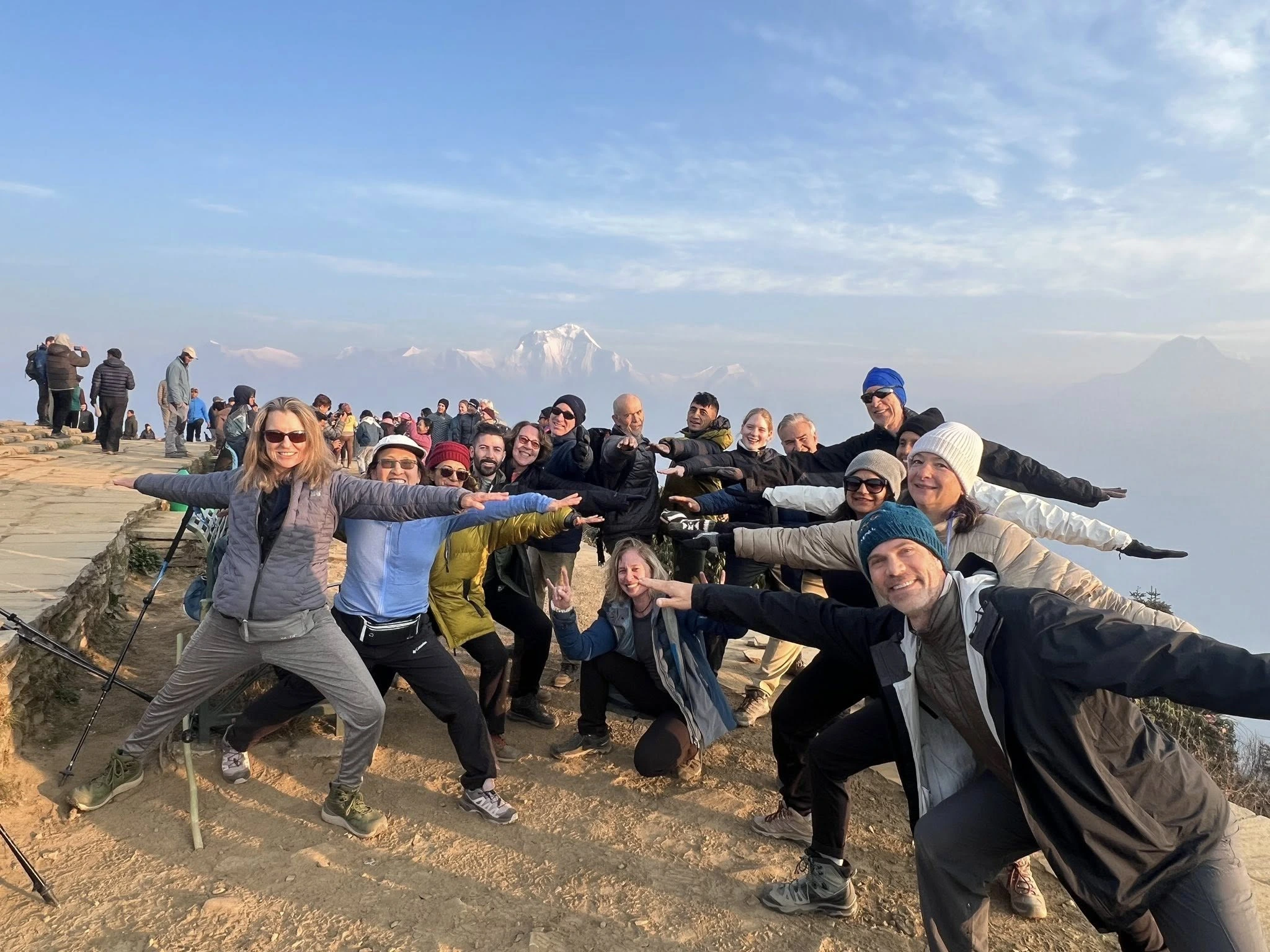
What Makes a Good Trekking Company in Nepal?
When selecting a trekking operator, you can not merely compare the cost of the packages, or simply check the eye-catching photographs. It is important that a good company is legally registered, that all aspects relating to services are clear, that safety is taken care of, and that the practical aspects that can arise along the mountain trails can be managed. All of these factors can do much to help you determine if an agency will fit the planned trek.
Legal Registration and Tourism Credentials
Make sure that the company is registered and authorized before making the booking to conduct trekking services in Nepal. A legitimate operator should be able to provide clear information on their registration, tourism-related credentials, and professional memberships. Don’t accept a site’s logos for their word. Travelers should be able to check if a company is a member of a tourism association or has a specific certification.
This is particularly true if you are comparing a trekking company which you know with one you don’t. Good registration gives added assurance that the business is run under the proper legal and tourism structure and guidelines.
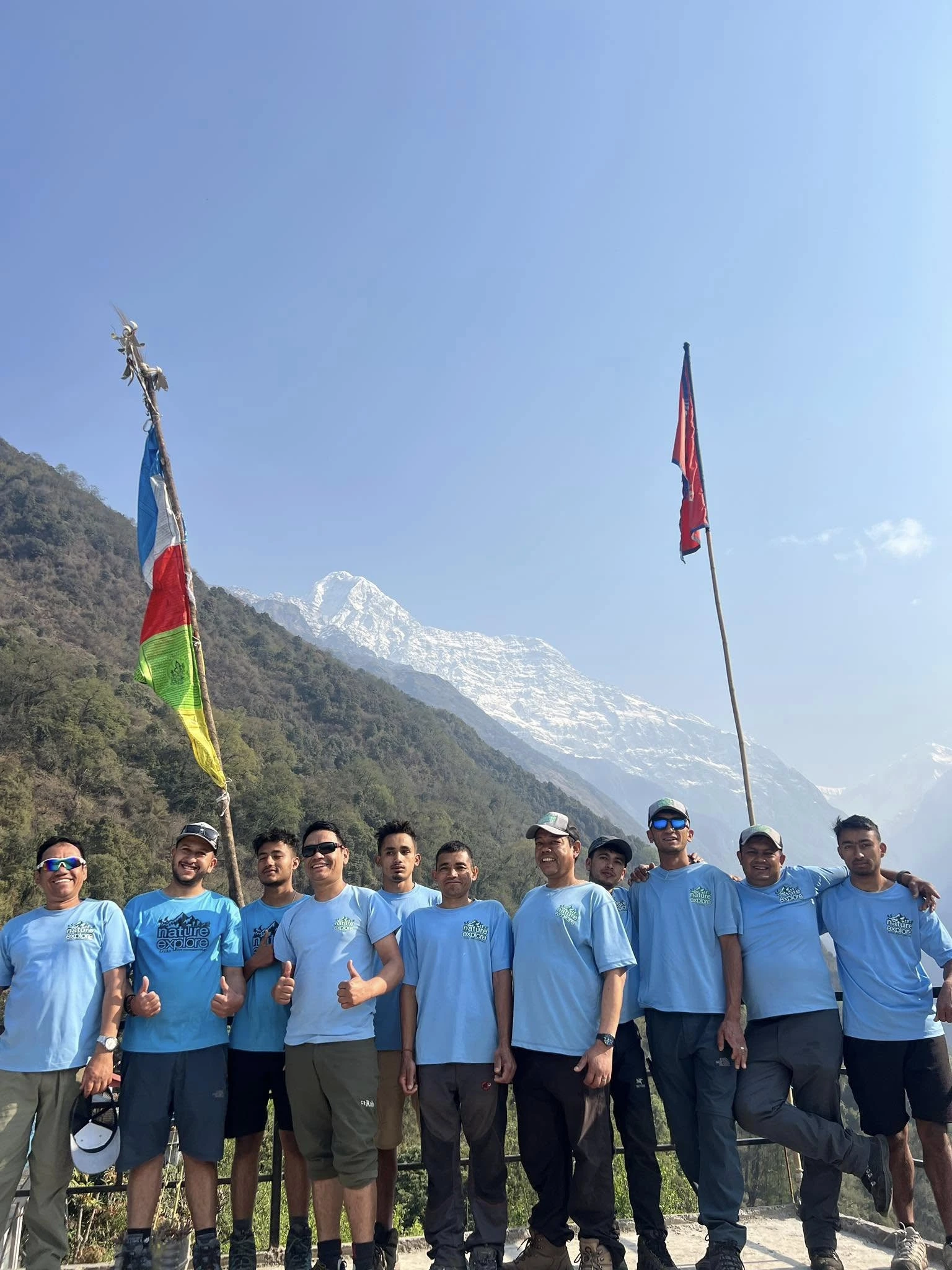
Experienced Trekking Guides
Your guide is directly involved in your trek’s safety and quality. Find a guide with a good amount of experience on the trail you are riding and who is aware of the altitude-related issues, weather, and trail conditions.
A competent guide must also be knowledgeable in first aid and know what to do if a trekker falls ill. Communication is also vital, as guides must clearly communicate walking conditions, daily plans, safety issues, and changes. They will also know about the local communities and can help trekkers interact appropriately with the locals.
Realistic Trekking Itineraries
A good trail plan should reflect the actual nature of the trail rather than an attempt to rush through the trail. Acclimatization requirements, rest days, elevation gain, and weather and trail conditions all must be taken into consideration.
A sensible schedule will allow the body to get used to lower oxygen levels on higher altitude routes. A reputable Trekking Company in Nepal should also outline the rationale behind the use of certain nights’ accommodation and acclimatisation days rather than dismissing them as unhelpful extras.
Clear and Honest Pricing
Price is an issue, but the lowest-priced package is not necessarily the best value. There can be multiple trekking packages with varying rates due to various levels of accommodation, transportation, meals, permits, guide, porter service, or safety arrangements.
Before paying, request a clear description of what you get and don’t get for the money you pay. A reliable operator should also outline any potential future charges and not give you an unusually low charge that changes later.
Responsible Tourism
A good trekking company should take into account the people and the environment that are associated with the trail. This includes fair payment to porters, suitable equipment and working conditions, and ensuring local employment wherever possible.
Good operators also encourage trekkers to minimize waste, not harm natural areas, and to respect local culture and communities. Responsible trekking is a means to safeguard the destinations and to ensure that tourism can offer people in mountain areas a meaningful contribution.
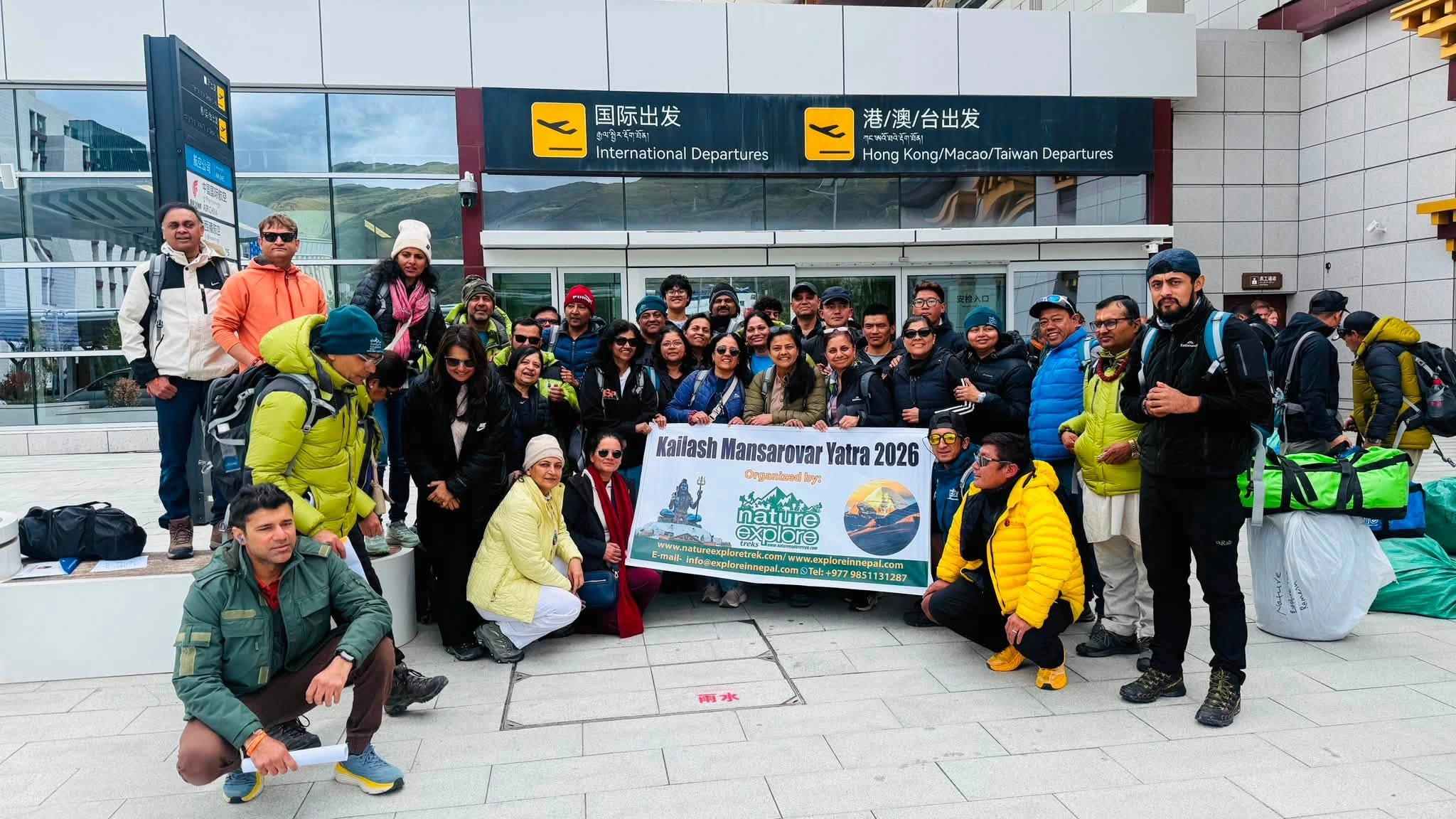
How to Choose the Right Trekking Company in Nepal
It is crucial to make the right decision when selecting a trekking company. With the right operator, the booking process can be made easier, assistance and support will be available during the journey, and help will be available in case of changes due to weather or trail conditions. Avoid settling on the first agency you come across; take your time to research the services, experience, cost, and communication of the agency.
Step 1: Shortlist Local Trekking Companies
First, locate a number of agencies that run the trek of your choice. Do research online, read traveler recommendations, and read through the websites of the companies to learn about their travel services and routes. You can get a better idea of normal prices and service standards by comparing at least three options.
Be careful not to choose a company due to a high ranking in search results. A small local operator can also be a great choice, whereas a larger company may not be a fit.
Step 2: Check Company Credentials
Verify that the company is legally registered and that their claimed tourism memberships and/or professional qualifications can be confirmed. Search for a company address, working contact numbers, and transparent details regarding their services.
You can also inquire about the company’s experience following the route you’ve selected, its guides, and permits needed for the trek. The answer should be simple and not too hard to get from a local trekking agency in Nepal.
Step 3: Compare the Actual Itinerary
Don’t compare packages based only on the days in the package. The 7-day hiking trip might be much more difficult than the other 7-day hike if it involves walking long days.
Compare walking hours per day, peak elevation, acclimatisation days, accommodation, transport and rest days. Look at the rate of ascent of the road and the time available.
A sensible programme should take into account the typical trail conditions and not attempt to do too much walking in a day.
Step 4: Ask Who Will Guide Your Trek
You’ll have a guide on the ground to help manage the trek; make sure they have plenty of experience before booking. Determine if they have walked the route you are interested in before and if they have first aid and altitude awareness training.
Ask questions about replacing guides, in case they are unavailable to accompany you. You’ll have a better understanding of how the business operates when you get clear answers.
Step 5: Check Package Inclusions
Don’t compare prices without finding out what each package contains. Check if the figure quoted includes:
- Guide
- Porter
- Accommodation
- Meals
- Required permits
- Transportation
- Airport transfers
Look for personal insurance, drinks, tips, extra accommodation, and emergency expenses as well. Knowing these details can save you from any unforeseen expenses later on.
Step 6: Read Recent Reviews
Recent traveller reviews will tell you how the company is doing at this time. Listen to feedback on guides, communication, accommodation, transport, itinerary management, and dealing with unforeseen issues.
Don’t assume all the testimonials are from the company. You can get more opinions from independent review platforms. Be on the lookout for similar reviews, not one single glowing or scathing one.
Step 7: Contact the Company Before Booking
How an agency answers your queries can give you a lot of clues in terms of its professionalism. Inquire directly about the programme, the prices, the places where they are going to stay, permits, guides, safety measures, etc.
A good Trekking Company in Nepal will reply explicitly and provide you with adequate information to make a decision. If the company provides complicated answers to questions, ambiguous pricing, or pushes you to pay before you know what you are getting into, be careful.
Quick Checklist Before Booking
| What to Check | What to Look For |
| Company | Registration and clear contact details |
| Guide | Experience and relevant training |
| Itinerary | Realistic walking and acclimatization plan |
| Permits | Clearly explained requirements |
| Price | Transparent inclusions and exclusions |
| Reviews | Recent and detailed feedback |
| Safety | Clear emergency procedures |
| Communication | Helpful and timely responses |
These brief checks can help you select an operator according to the actual service you receive instead of appearance and/or price.
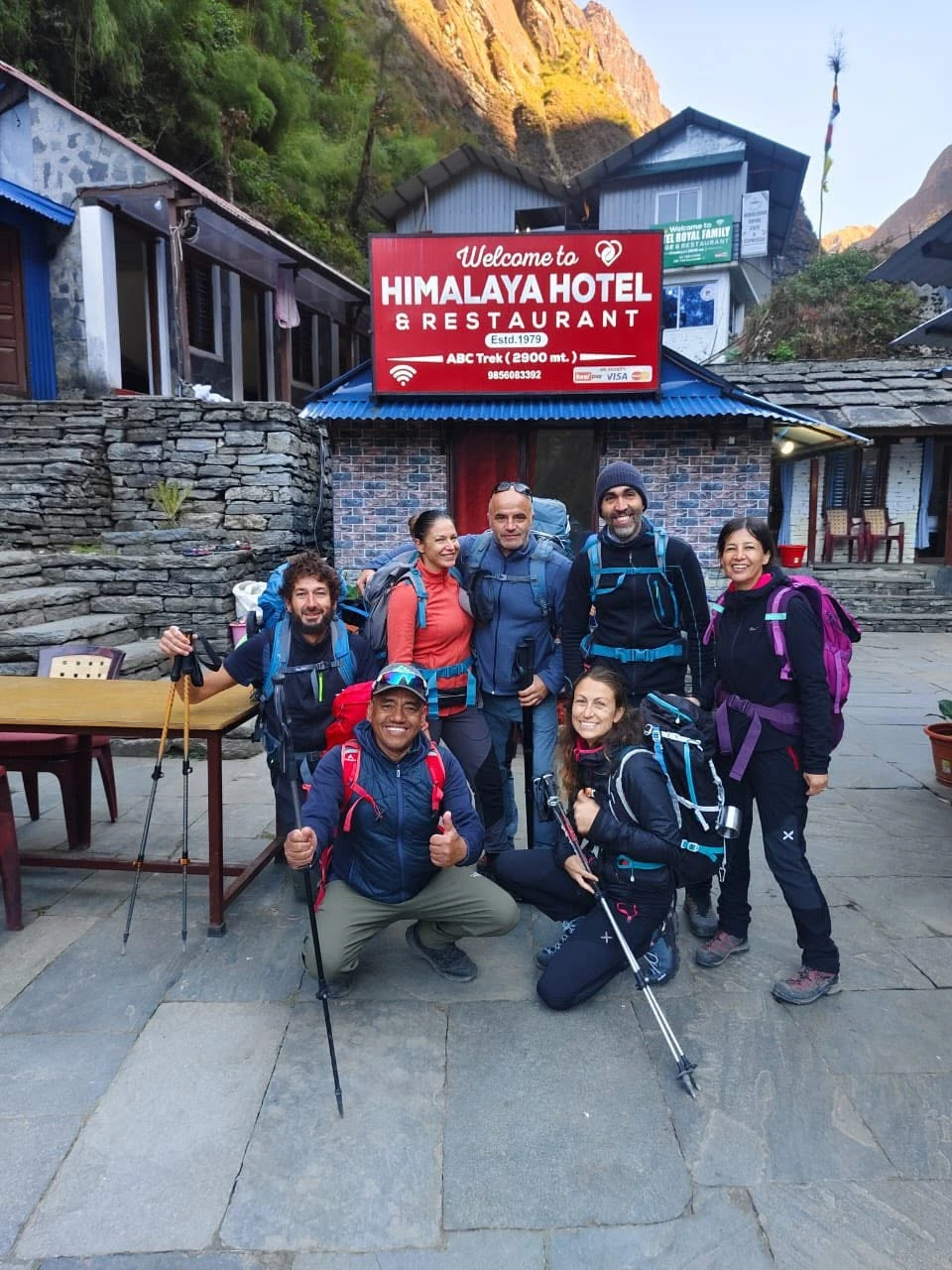
Safety, Guides, Permits and Emergency Support
When selecting a trekking operator, it is crucial to have a safety plan, particularly for trips to higher altitudes or remote locations. A good company will know what to expect on the journey and how to overcome some of the typical difficulties.
Why Local Trekking Experience Matters
Under certain circumstances, knowledge of the local area may be helpful on a trek. Regular mountain guides know the state of the trails, how the weather changes throughout the year, transportation in the area, and the location of the tea houses.
They also can be well versed on alternate routes if a trail is hard or unavailable. Local customs are also beneficial, as tourists should respect the customs, religion, and practices of the village.
In Nepal, a local tour company can more often be responsive to practical problems due to their local contacts in the trek areas.
Trekking Guides and Porter Support
Guidance is provided for walking instructions, planning, communication, and general safety on the trail. They are also extremely helpful on routes that are at higher elevation, where conditions in the terrain, fatigue, and weather can impact the day’s plans.
Porters are of great assistance in transporting trekking equipment and bags. The company should make sure porters are carrying appropriate loads, wearing appropriate clothing, and working in appropriate conditions. Another important thing a traveller should know is the luggage allowance for the package he/she is taking.
Trekking Permits in Nepal
The trekking routes and regions have different requirements for permits. For instance, trekking in the Everest and Annapurna regions is different from that of the restricted regions like Manaslu and Upper Mustang.
There are other routes, such as Kanchenjunga and Dolpo, which may also have their own permits and regulations. Your Trekking Company in Nepal should inform you which permits would be applicable to your trek, and if any permit is needed, it should be included in the package information.
You don’t necessarily have to know every permit rule before you purchase a trip. The key is to ensure that the necessary paperwork is organized properly ahead of the trip.
Altitude and Acclimatization
One aspect of planning a higher altitude trek is to gradually increase in elevation. The itinerary should include time for rest and acclimatization, rather than sudden elevation changes.
Trekkers should be familiar with the signs and symptoms of altitude illness – headache, nausea, dizziness, unusual tiredness or sleep disturbance. Symptoms shouldn’t be dismissed or regarded as a common occurrence for all trekkers.
A competent operator is dedicated to watching the effects on the trekkers and ready to modify the programme as necessary. A hurried schedule can lead to undue risks.
Emergency and Evacuation Support
Before going, inquire what the company does in the event of an emergency. The operator shall be able to contact guides and trekking personnel and shall be familiar with the procedures for assistance from the local health centre or hospital.
Travel insurance which includes trekking insurance at the necessary trekking height and emergency evacuation is essential. If there is a serious medical situation and it is medically necessary and available, the trekking company can assist in the coordination of the helicopter evacuation with the appropriate providers.
Clear procedures for emergencies do not imply that there are problems expected. They just make sure that in case of an unforeseen event, everybody knows what to do.
Trekking Costs in Nepal and What Your Package Should Include
The trekking price in Nepal is different for different routes, services, and styles of trekking. Compare prices and what service is included in the advertised price. Transportation costs, permit regulations, season, and the quality of accommodation can also affect prices.
What Affects Trekking Cost?
There are many factors that affect the final price of a trek. Generally, the longer the journey, the more nights’ accommodation, meals, and guide/porter services are needed. The area of the trek can also be important, as a remote route may need more permits and extra transportation costs.
Additional accommodation standards, transport, and permit requirements may also impact the cost. The size of the group is another factor. Private trekking is typically more expensive than group trekking since the services are booked for your particular party.
What Is Usually Included?
If you are comparing a local trekking company in Nepal, you should look at the package of the trek. The following is an example of what a trekking package might contain:
| Usually Included | May Be Extra |
| Trekking guide | International flights |
| Accommodation | Travel insurance |
| Trekking meals | Personal equipment |
| Required permits | Personal expenses |
| Ground transportation | Tips |
| Airport transfers | Emergency evacuation costs |
Confirm the inclusions before booking, as they differ from company to company and route to route. Some packages may also add porter service, and some packages may have it as an additional service.
Why the Cheapest Package May Not Be the Best Choice
While a low price may not be an issue, one needs to be aware of the reason behind the lower price. Look to see if all the necessary services are included, such as accommodation, experienced staff, transportation, permits, and more.
A good Trekking Company in Nepal will let you know the exact cost and should give you an idea of what things aren’t included and what is included. The best comparison is the number and value of the package, not the lowest ‘headline’ price.
Why Book With a Local Nepalese Trekking Company?
Travelers can find it easier to plan their trip and connect with individuals who have firsthand knowledge of the trekking environment by booking directly with an operator in Nepal. It may also be helpful in the event of a change of plans before or during the trip.
Direct Communication
When travelling with a local trekking company, direct communication is possible with the team that is organising the trek. Complaints regarding routes, accommodations, transportation, permits, and daily plans may be addressed to those who are directly operating the service instead of having to go through another provider.
Local Knowledge
Nepalese people are aware of the practical aspects of trekking trails and mountain trips. They can give up-to-date advice on the trail conditions, transport, accommodation, seasonal variations, and local etiquette.
This local knowledge may prove very useful when changes to the original plan are necessary due to weather or trail conditions.
Flexible Trekking Plans
You can find some alternative options with the help of a local trekking agency in Nepal depending upon your program and choice. Depending on the route, travelers can opt for private tours, small groups, varying lengths of the tour, extra rest days, or tailor-made tours.
Flexibility is helpful for travellers who don’t want to adhere to a hard and fast timetable that has been meticulously planned around all sorts of hikers.
Local Support
If you go ahead with a team based in Nepal, you’ll have local support prior to and throughout your trip. The company is able to arrange airport transfers, transport, hotel, guides, and more. Communication can also be facilitated by directing local support in the event of an unexpected problem.
Supporting Local Tourism
Direct bookings can help retain more of the tourist dollars in the local economy. Trekking companies coordinate with Guides, porters, tea houses, hotels, transport companies, etc., of the local community. Thus, by opting for a responsible Trekking Company in Nepal, one can help create jobs and tourism earnings for Mountain Communities.
Reviews and Reputation: What Should You Check?
By reviewing, you can learn what a trekking company does in real situations. But the star ratings are not the only thing to consider, and you need to read the experiences of those who have been there before.
Look for Recent Reviews
Recent feedback provides a better insight into the company’s current methods of service, guidance, communication, and procedures. The information in older reviews can still be helpful to get background; however, staff and services might have changed since the reviews were written.
Read Detailed Experiences
Read reviews that address certain aspects of the journey, including: the performance of the guides, communication, safety measures, lodging, transportation, and what the company did during unforeseen issues. Detailed experiences are generally more useful than a simple statement saying that everything was good.
Check More Than One Platform
Avoid only reading positive reviews on the company’s website. When applicable, check reviews from independent travel sites and travel communities. It’s helpful to look at a few sources and see if there are any patterns.
Feedback should be representative of actual trips and categories of travellers, and a good-reputation local trekking company in Nepal should have this type of feedback.
Be Careful With Suspicious Reviews
Not all online reviews are to be believed. If there are numerous reviews all with the same text or overly vague reviews, or no information about the specific trek, proceed with caution. However, a majority of reviews that come in within a short time can also give cause for concern.
You do not want to find a company with no negative reviews. A reputable trekking company in Nepal should have authentic reviews that provide you with a fair perspective of their expertise, including when things go wrong.
Red Flags to Avoid When Choosing a Trekking Company
When selecting an operator, there is a certain amount of care to be taken. Having one warning sign alone should not lead to the conclusion that a company is unreliable, but if several signs do exist, it should raise your suspicions.
Extremely Cheap Packages
A lower-than-typical price could indicate that key services are not included. Make sure to compare the packages before buying one, as they can cover different things, such as accommodation, transportation, permits, guides, meals, and other essentials.
No Clear Company Information
If it is hard to find the registration information, office info, or a reliable contact, be careful. The basic information of a legitimate local trekking agency in Nepal should be made available in a public manner.
No Information About Guides
Your trek should be led by people that you have a reasonable knowledge of. Routes with limited experience, training, and/or responsibilities of the guide can be a concern.
Unclear Permits and Inclusions
The company should describe what permits will be necessary and explain what they are being paid for. Don’t book when important expenses or services are not known.
Unrealistic Itineraries
An itinerary that is very fast may seem tempting because it means fewer days in the mountains for rest and acclimatization, but may not be as enjoyable as one that is slower.
Poor Communication
If a slow, vague, or evasive answer is given before booking, it is possible that there will be issues later. Note whether the firm gives consistent answers and answers your questions directly.
Unverifiable Reviews
Exercise caution when reading reviews that are difficult to verify or are just general compliments. A good Trekking Company in Nepal should be able to offer a true testimonial that includes some information regarding actual trekking experiences.
Best Treks to Book With a Nepalese Trekking Company
There are trekking options available for all types of fitness, duration, and preference in Nepal. Book a trek through a local operator, who will guide you in choosing a route, make arrangements for permits and transport, and arrange guides and accommodation for you. Here are some of the most popular trails to choose from.
Trek Brief Description
Trek Brief Description Everest Base Camp Trek A classic Himalayan route through Sherpa villages and the Khumbu region toward Everest Base Camp. Annapurna Circuit Trek A varied route through mountain villages, forests, valleys, and high Himalayan terrain. Annapurna Base Camp Trek A shorter Himalayan trek through villages and forests toward the Annapurna Sanctuary and base camp. Manaslu Circuit Trek A quieter circuit with traditional villages, diverse landscapes, and challenging high-altitude sections. Langtang Valley Trek A convenient Himalayan trek featuring forests, local villages, valleys, and mountain scenery near Kathmandu. Mardi Himal Trek A relatively short trek through forests and mountain trails with views toward the Annapurna range. Upper Mustang Trek A distinctive trek through dry landscapes, traditional villages, ancient settlements, and Tibetan-influenced communities.
Frequently Asked Questions
Is it possible to alter your trekking itinerary once you have booked?
Yes, changes to itineraries are possible depending on trail conditions, availability of accommodations, transportation, permits, and other expenses incurred.
May participate in a trek without prior experience at high altitudes?
Yes, it is possible for beginners to participate in suitable treks if the itinerary involves gradual ascents, adequate acclimatization, and guidance throughout.
Is a trekking company able to arrange for the pick-up from the airport and pre-trek before the trek?
Yes, many trekking companies can arrange for their clients’ pickups from the airport, accommodation, permits, assistance with equipment and transportation, and pre-trek briefings.
Is it possible to organize a private tour for my family/friends?
Yes, private treks are often offered for families or friends, and can include an appropriate trek, transportation, lodging, guides, and porters.
What do I need to ask the trekking company before paying a deposit?
Browse through the itinerary, inclusions, exclusions, payment conditions, cancellation policy, guide arrangements, permits, insurance conditions, and any extra costs before making payment.
Final Thoughts: Choosing the Right Trekking Company in Nepal
When in the market for a trekking company, it’s not just about price comparisons. Verify company credentials, compare full itineraries, and consider the experience of your travel guide. Know inclusions, exclusions, and permit arrangements before booking. Discuss safety protocols and any comments from recent travelers with the company, and ask them to clarify any unclear information.
Whether you’re thinking of a Nepal trek, we can make it easier for you by selecting the appropriate path and organizing the necessary services. Please be sure to reach out and talk to us about your preferred dates, trekking plans, group size, and travel needs prior to booking.