
 English
 Dutch
Dutch Japanese
 Hindi
Hindi Italian
 Spanish
 French
 German
 Chinese
 Korean
 Arabic
 Hebrew
 Russian
 Portuguese
 Danish
 Czech
Czech Polish
 Swedish
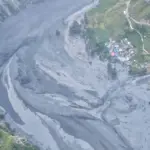
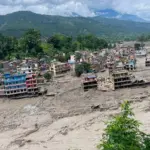
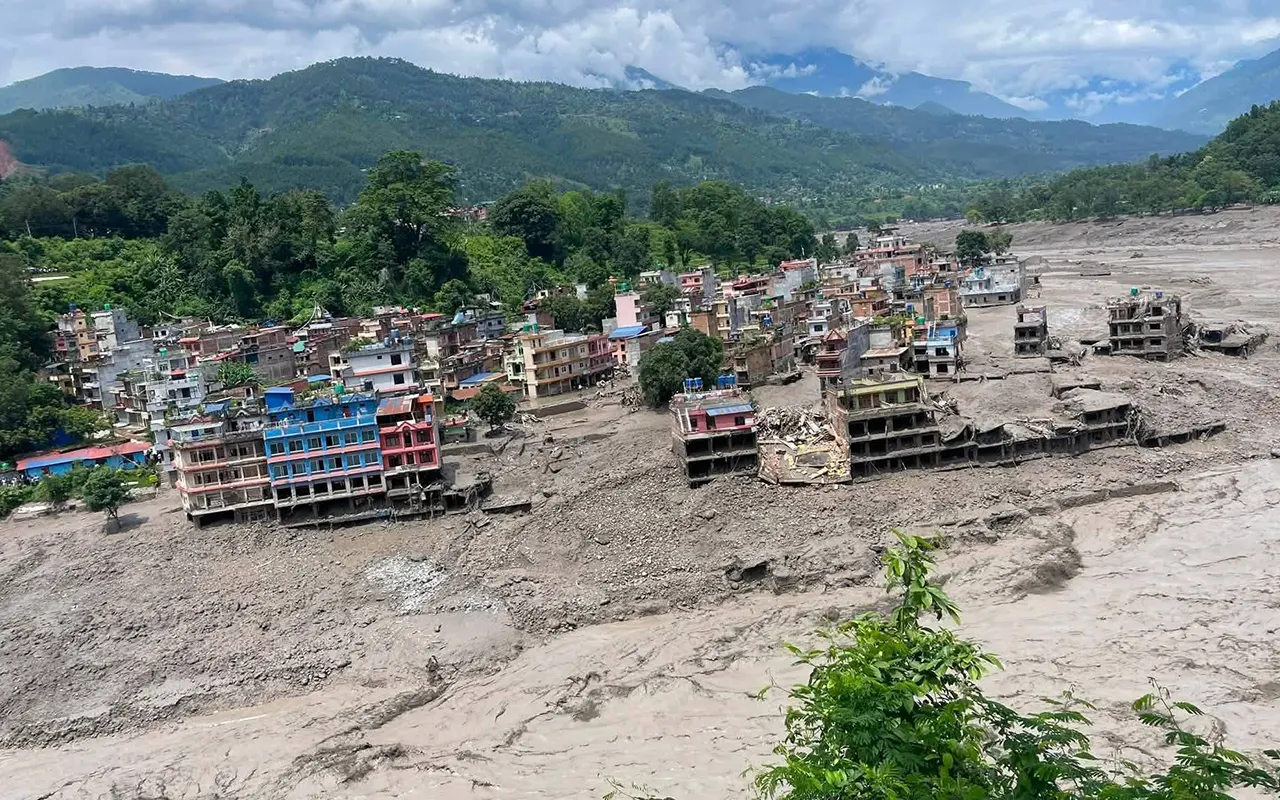
The recent Rasuwa flood has changed access to some northern trekking areas, but trekking in Nepal after the Rasuwa flood remains possible in many parts of the country. The major flash flood on August 26, 2026, caused serious damage around Rasuwagadhi, Timure and sections of the Bhotekoshi and Trishuli corridors.
For trekkers planning an autumn journey, Nature Explore Treks recommends looking at the specific route, road or trailhead connected to the chosen destination rather than assuming that the entire country has been affected. The main concern is whether that particular access route is currently available.
Several major trekking areas remain outside the direct impact of the flood. Some affected destinations can also be reached through different approaches, depending on current trail, road and weather conditions.
What Trekkers Need to Know Before Choosing a Route
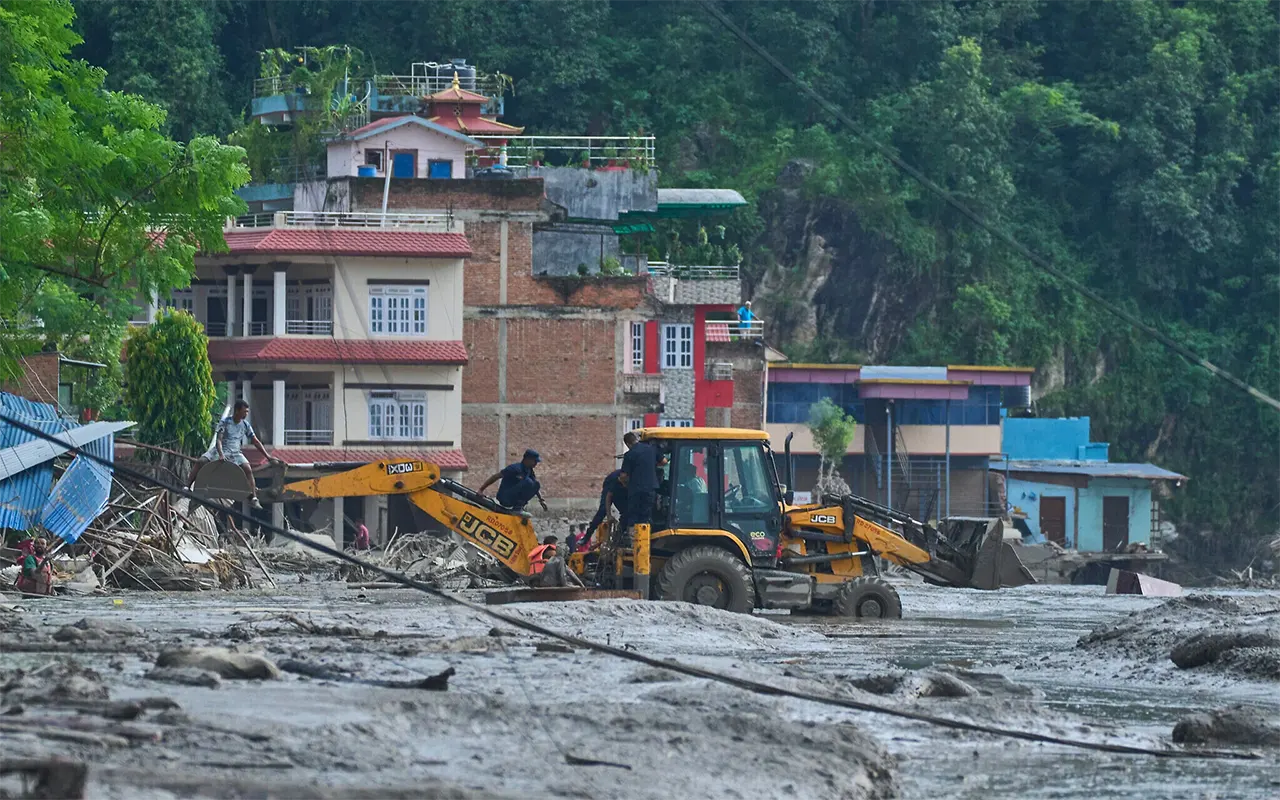
The Rasuwa flood has mainly affected transportation and access in the northern part of the country. Roads and bridges around the affected corridor have suffered damage, while recovery and assessment work continue.
This means trekkers should consider their entire journey from Kathmandu to the trailhead. A trekking area may remain safe while the road normally used to reach it is temporarily unavailable.
Current information should be checked close to departure because road conditions can change as recovery work progresses. The same applies to alternative trekking routes, where accommodation and local transportation may need to be confirmed in advance.
Where Has the Flood Changed Trekking Access?
Langtang, Gosaikunda, Ganesh Himal and Ruby Valley require particular attention because their usual northern access is connected to the affected area.
TAAN has reported that Langtang and Kyanjin Valley and Gosaikunda remain safe, while access through the Trishuli Betambeti corridor is affected and currently closed.
Ganesh Himal and Ruby Valley are also outside the direct impact area, but their traditional approaches from Dhunche and Syabrubesi have been disrupted.
For these destinations, the main question is therefore about access rather than the condition of the entire trekking area.
Safe Trekking Destinations for the Coming Autumn
Several major trekking regions remain outside the direct impact of the Rasuwa flood according to the current trekking safety assessment.
| Destination | Direct Flood Impact | Main Planning Point |
| Everest | Not directly affected | Check flights and weather |
| Annapurna | Not directly affected | Check road and trail conditions |
| Manaslu | Not directly affected | Confirm trailhead access |
| Kanchenjunga | Not directly affected | Check local transportation |
| Makalu | Not directly affected | Confirm road or flight arrangements |
| Rolwaling | Not directly affected | Check local access |
| Dhaulagiri | Not directly affected | Confirm weather and transportation |
| Dolpa | Not directly affected | Check flights and local access |
| Rara and Jumla | Not directly affected | Confirm transportation |
Being outside the Rasuwa flood zone does not mean that every journey will operate normally. Mountain roads, domestic flights and weather conditions can create separate travel issues.
Langtang and Gosaikunda: A Different Way In
Langtang and Gosaikunda remain important options for trekkers, but their normal access requires additional planning. TAAN has suggested an alternative approach beginning from the Kathmandu side. The route passes through Sundarijal, Chisapani, Thadepati, Ghoptebhir, Gosaikunda, Thulosyabru, Pairo, Lama Hotel, Langtang and Kyanjin.
This approach changes the starting point and trekking flow compared with the usual road journey through the affected northern corridor. Trekkers considering this option should first confirm the current condition of the trails, availability of accommodation and weather. An alternative route should be treated as a practical option that still requires local confirmation, rather than as a permanently established replacement.
Routes That Can Be Replanned
Not every affected itinerary needs to be cancelled. Depending on the destination, travelers may be able to change the approach or select another trekking area.
| Trek | Usual Access Consideration | Possible Plan |
| Langtang | Northern road corridor affected | Approach through Gosaikunda side |
| Gosaikunda | Usual northern access affected | Consider Kathmandu side approach |
| Ganesh Himal | Northern approach disrupted | Consider Dhading or Arughat |
| Ruby Valley | Northern access affected | Check an alternative southern approach |
| Manaslu | Approach roads need checking | Consider Benighat and Arughat access |
| Everest | No direct Rasuwa impact | Continue with normal flight checks |
| Annapurna | No direct Rasuwa impact | Check current road conditions |
The right choice depends on the travel date and the condition of the route at that time.
Choosing Between an Alternative Route and a New Trek
An alternative route can make sense when the trekking destination remains safe but its usual access has been affected. Langtang is a good example. The trekking area has been reported as safe, while the regular approach has been disrupted. In this situation, changing the approach may be more practical than abandoning the destination.
For travelers with less flexibility, choosing a different trekking region may be simpler. Everest, Annapurna, Manaslu and several other destinations remain outside the direct flood impact and have different access corridors. The decision should be based on current transportation, trail conditions, available time and weather rather than on the flood situation alone.
What Makes a Route Suitable Right Now?
When considering safe trekking destinations in Nepal, trekkers should look at several parts of the journey. First is the condition of the road or flight route used to reach the trailhead. Next is the actual trekking trail and whether local accommodation is operating.
Weather also matters. September can still experience monsoon conditions in parts of Nepal, while rainfall can affect mountain roads and trails even outside the Rasuwa area.
Local information is equally important. A trekking agency or guide can provide recent information about road sections, trail conditions and accommodation that may not be reflected in older travel plans.
Planning Transport Before Your Trek
Transportation should be checked before leaving Kathmandu. For road based treks, confirm the condition of the complete route rather than only asking whether the destination is accessible. A single damaged bridge or road section can change the travel time or require a different approach.
For treks involving domestic flights, confirm the flight schedule and weather conditions before departure. Mountain flights can be affected by visibility and changing weather. Trekkers using an alternative approach should also confirm where the vehicle journey ends and where the trekking section begins.
How Autumn Conditions May Affect Your Journey
The autumn season normally brings increased trekking activity after the monsoon. However, the transition period can still bring rain in some parts of Nepal. The current Nepal trekking conditions 2026 therefore need to be considered together with local weather and transportation information.
Routes outside Rasuwa may still be viable, but expect the usual seasonal difficulties. Don’t assume a destination is safe just because it is outside the flood zone. Checking conditions just before you leave gives trekkers a better basis for making final decisions.
A Practical Checklist for Trekkers
- Check the trailhead: Check the trailhead: Confirm how you will reach the starting point of the trek.
- Check the road: Observe recent data concerning bridges, road sections and transportation.
- Check the trail: Enquire about the presence of the trekking route and its suitability.
- Check accommodation: Ascertain that lodges are open along the scheduled route.
- Check the weather: Check the forecast of the actual trekking area.
- Verify local details: Talk to your guide or trekking agency prior to departure.
Such checks will ensure that travelers do not use information that is now outdated following the flood.
Planning Your Nepal Trek With Current Information
The Rasuwa flood has changed access to several northern trekking areas, but it has not affected every trekking destination in Nepal. Langtang, Gosaikunda, Ganesh Himal and Ruby Valley require more careful planning because their usual approaches have been disrupted.
At the same time, Everest, Annapurna, Manaslu, Kanchenjunga, Makalu, Dolpa and other regions remain outside the direct impact area reported in the current assessment.
For people considering trekking in Nepal after the Rasuwa flood, flexibility is particularly useful. An affected road does not always mean that the entire trek has to be cancelled. In some cases, a different approach can keep the original plan possible. In other cases, choosing a destination reached through a separate access corridor may be the better option.
The autumn trekking season can still be planned, but decisions should be based on the latest road, trail, flight and weather information available close to departure.