
 English
 Dutch
Dutch Japanese
 Hindi
Hindi Italian
 Spanish
 French
 German
 Chinese
 Korean
 Arabic
 Hebrew
 Russian
 Portuguese
 Danish
 Czech
Czech Polish
 Swedish

290 reviews in 


21
Days
Days
- Best price guaranteed
- Secure & easy online booking
- Flexible booking dates
- Decades of experience


Have Questions?


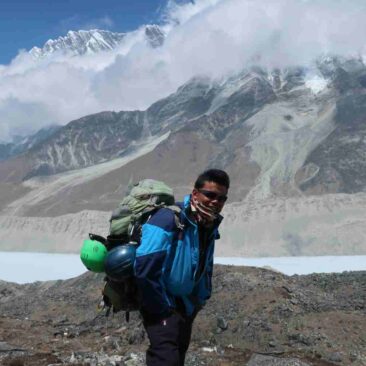
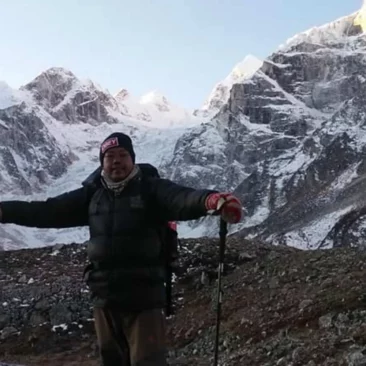
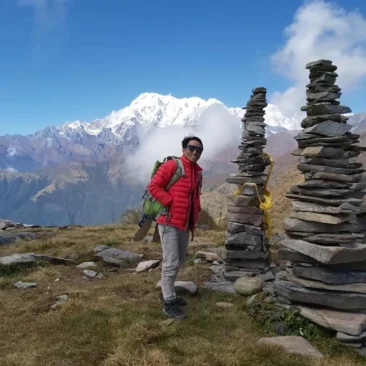
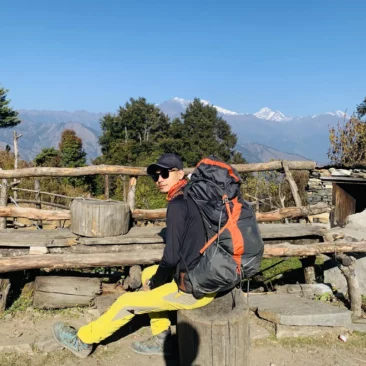


At a Glance

Duration
21 days
Destination
Nepal
Trip Difficulty
Extreme
Max altitude
Mera Peak (6,476m) and Island peak (6,189m)
Group Size
2 - 25 Pax.
Activity
Trekking,hiking & sightseeing
Accommodation
Hotel in Kathmandu, lodge & tea houses during the trek.
Meals
Breakfast, Lunch & Dinner during the trek
Vehicle
Private car, jeep or sharing baseOverview of Mera Peak with Island Peak Expedition
If you’re looking for a complete Himalayan experience , something beyond just trekking this Mera Peak and Island peak expedition is one of the best journeys you can take in Nepal. It combines remote wilderness, high mountain passes and two incredible summit climbs all in one trip.
We begin in Kathmandu where we take time to check gear and prepare for the mountains. From here, we fly to lukla a small mountain airstrip that marks the start of our trek. While most trekkers head straight into the Everest Base Camp trails , we take a quieter route into the Hinku valley one of the more remote and less crowded areas of the himalayas
The First part of the journey is all about the gradual and acclimatization. We walk through the forests of pine and rhododendrons, cross the rivers through the suspension bridges and pass through the small , peaceful villages where life is still very traditional. As we gain the altitude, the landscapes opens up into the wide alpine valleys and eventually into the glacial terrain
Our first big objective is Mera Peak. Its the highest trekking peak in Nepal and while it doesnot require technical climbing skills it is physically demanding due to the altitude and long summit day. We move slowly, allowing proper acclimatization and before the summit push and we provide basic training on using crampons , ice axes and ropes.
Summit day on Mera Peak usually starts early before sunrise. It’s a climb on snow and glacier but the view from the top is amazing. From the summit you can see many of the worlds mountains like Mount Everest, Lhotse, Makalu and Kanchenjunga on a clear day.
After celebrating and descending safely the journey gets more exciting. We cross the Amphu Lapcha Pass, one of the challenging and remote passes in Nepal. This part of the expedition feels really wild and remote with sections, ice and incredible glacier views. It’s a day but also one of the best parts of the trip.
When we enter the Everest region you’ll notice a change. There are villages, monasteries and a strong Sherpa culture. We pass through trekking areas and make our way to our second peak.
The final climbing goal is Island Peak. Unlike Mera Peak, Island Peak is more technical. It involves traveling on glaciers using fixed ropes and climbing an ice wall near the summit. We take time to prepare properly with acclimatization hikes, gear checks and basic climbing practice to ensure everyone is confident and ready. The effort is rewarded with an exciting summit climb and breathtaking views of some of the Himalayas famous peaks making it a truly unforgettable experience, on Island Peak.
Highlights of Mera Peak with Island Peak Expedition
- Summit two iconic Himalayan peaks: Mera Peak (6,476m) and Island Peak (6,189m).
- Enjoy a thrilling scenic flight between Kathmandu and Lukla.
- Trek through the remote and untouched Hinku Valley, away from the main Everest trails.
- Experience authentic Sherpa culture and traditional mountain villages.
- Witness spectacular views of Everest, Lhotse, Makalu, Cho Oyu, Ama Dablam, and Kanchenjunga.
- Cross glaciers, moraines, alpine valleys, and high mountain passes.
- Learn and practice basic mountaineering skills including crampon and rope techniques.
- Explore the beautiful Amphu Lapcha region and pristine high-altitude landscapes.
- Visit Pangboche Monastery and the vibrant mountain town of Namche Bazaar.
- Complete an unforgettable Himalayan adventure combining trekking, climbing, culture, and breathtaking scenery.
Itinerary
01
Day 01 Arrival in Kathmandu (1,400m)
Upon your arrival at the Tribhuvan International Airport, Our office staff will be there to pick you up then they will transfer you to your hotel. Today is entirely for rest and gentle adjustment after the international travel.
Max altitude
1400mMeals
BreakfastAccommodation
Hotel02
Day 02 Preparation Day in Kathmandu (1,400m)
Today is dedicated to final expedition preparations. In the morning, you enjoy a hearty hotel breakfast before meeting your guide for a detailed briefing. Permits are checked, gear is inspected, and if any missing equipment you can buy it on thamel you will find many gear shops .
Today is dedicated to your preparation day for your final preparations. In the morning , you will enjoy a hearty hotel breakfast before meeting your guide and then you will have a briefing about the climbing guide will check your gear and if anything is missing he will let you know and you will find many gear shops.
Max altitude
1400mMeals
Breakfast, Lunch, DinnerAccommodation
Hotel03
Day 03 Flight to Lukla then Trek to Paiya (2,800m 4–5 hrs trek)
An early morning flight from Kathmandu to Lukla delivers one of the world’s most thrilling aviation experiences. After breakfast in Lukla, the trek begins through narrow forest trails and scattered Sherpa settlements. The terrain is a mix of rocky descents and muddy paths through pine and rhododendron forests. Lunch is taken on the trail at a small teahouse. By late afternoon, you arrive at Paiya, tired but exhilarated.
Today we will have a morning flight from kathmandu to lukla. Your guide will be at your lobby at the estimated time then he will take you to the airport . The flight is like 25-30 min) and it will be the first day where you will have the glimpses of the mountain if the weather permits.
Note:
In case of flight cancellation, or delay, and in the peak season of spring and autumn, we will first drive to Ramechhap airport in a jeep for 4 hours and take a Lukla flight.
Duration
4–5 hrs trek 30-45 min flightMax altitude
2,800mMeals
Breakfast, Lunch, DinnerAccommodation
Local Teahouse04
Day 04 Trek from Paiya to Panggom (2,846m , 5–6 hrs)
Today the day will begin with a misty mountain breakfast overlooking the dense forest valley. The trail is narrow, often slippery and constantly undulating through the ridges and suspension bridges. You climb gradually then descend sharply testing your stamina and balance.
Lunch is taken at a small village teahouse surrounded by the prayer flags. The weather shifts quickly from sun to fog adding to the himalayan mystery. Arriving in Panggom a quiet sherpa village you will feel deeper immersion into the local culture.
Duration
5–6 hrsMax altitude
2,846mMeals
Breakfast, Lunch, DinnerAccommodation
Local Teahouse05
Day 05 Trek from Panggom to Ningsow (2,863m , 5–6 hrs)
After the breakfast in the crisp mountain air , the trail wil lead us through the dense forests filled with the birdsong and moss covered trees. The path is less crowded offering a true sense of the wilderness. Small ascents and descents will continue throughout the day. Then you will enjoy it on a ridge with sweeping valley views. The altitude gain is gradual but noticeable and the breathing becomes slightly heavier
Duration
5–6 hrsMax altitude
2,863mMeals
Breakfast, Lunch, DinnerAccommodation
Local Teahouse06
Day 06 Trek from Ningsow to Chhatra Khola (2,800m , 6–7 hrs)
In today trek you will enter in more remote terrain . As you have your breakfast in the early morning you will be ready for todays trek the trail descends into the deep river valleys which is surrounded by the thick forests. The humidity increases and the path willbecome more rugged and less maintained.
Lunch will be taken near a riverbank where you will rest to the sound of the flowing glacial water. The physical challenge increases due to the constant ups and downs. By the afternoon you will reach to the Chhatara Khola , a peaceful forest camp and the denner will feels especially rewarding after a demanding day.
Duration
6–7 hrsMax altitude
2,800mMeals
Breakfast, Lunch, DinnerAccommodation
Local Teahouse07
Day 07 Trek from Chhatra Khola to Kothe (3,600m ,6–7 hrs)Trek from Chhatra Khola to Kothe (3,600m ,6–7 hrs)
The trail for today follows the hinku valley and the landscapes begins to change dramatically. Pine forests opens into the alpine terrain and distant snow peaks begins to appear. Breakfast is light and the climb becomes more sustained.
Lunch will be taken at a riverside teahouse often with the stunning views of the wurrounding ridges. The air grows cooler and thinner. Emotionally anticipation builds you are entering into the true high mountain territory . Jothe feels like gateway to the high himalayas.
Duration
6–7 hrsMax altitude
3,600mMeals
Breakfast, Lunch, DinnerAccommodation
Local Teahouse08
Day 08 Trek from Kothe to Thaknak (4,350m , 4–5 hrs)
Today’s trek is shorter but significantly higher, Breakfast is taken with the views of the glacial valleys. The trail follows the rover upstreams and the vegetation becomes sparse. The cold wind begins to bite , signaling altitude gain. Lunch is taken in the early and by the afternoon you will reach the thanknak , a small settlement surrounded by the towering peaks.
You can already see signs of glaciers ahead. The evening is cold, and layers are essential.
Duration
4–5 hrsMax altitude
4,350mMeals
Breakfast, Lunch, DinnerAccommodation
Local Teahouse09
Day 09 Trek from Thaknak to Khare (5,045m , 4–5 hrs)
A short but steep climb brings you to Khare, the base area for Mera Peak. Breakfast is early, and the terrain becomes rocky and glacial. The air is noticeably thin, and walking pace slows naturally. Lunch is taken with dramatic views of Mera Peak looming above. By afternoon, you arrive at Khare, surrounded by ice and snow. This is a major milestone.
Duration
4–5 hrsMax altitude
5,045mMeals
Breakfast, Lunch, DinnerAccommodation
Local Teahouse10
Day 10 Acclimatization in Khare (5,045m , 2–3 hrs hike)
Today is dedicated to acclimatization. After breakfast, a short hike is done to higher elevation to help the body adapt. The terrain is icy and steep, offering excellent training for the summit ahead. Lunch is back in Khare, followed by rest, gear checks, and rope practice. The weather is cold and crisp, with strong mountain winds.
Today is dedicated as the acclimatization day . After breakfast a short hike is done to the higher elevation to help the body adapt. The terrain is icy and steep offering excellent training for the summit ahead. Lunch is back in khare, followed by the rest, gear checks and rope practice. The weather is cold and crisp with strong mountain winds.Today is dedicated as the acclimatization day
Duration
2–3 hrs hikeMax altitude
5,045mMeals
Breakfast, Lunch, DinnerAccommodation
Local Teahouse11
Day 11 Trek from Khare to Mera High Camp (5,780m , 5–6 hrs)
Today is the demanding alpine climb over the snow and ice. Breakfast is early and high energy. Crampons, ropes and helmets are used for the first time. The ascent is slow and technical requiring full concentration. Lunch is often minimal and taken on the glacier.
By the afternoon you will reach high camp which is surrounded by the endless white peaks . The air is thin and even small movements feels more tiring . Dinner is simple and sleep is restless due to the altitude and anticipation of the summit
Duration
5–6 hrsMax altitude
5,780mMeals
Breakfast, Lunch, DinnerAccommodation
Local Teahouse12
Day 12 Summit Mera Peak then Return (6,476m , 8–10 hrs)
Today is the summit day and it starts very early in the morning, usually before the sunrise. It is very cold and dark and you will use a headlamp to see the path. You will begin walking slowly on snow and ice from the high camp. The route is mostly a long uphill climb on a glacier. You will wear the crampons on your boots so you don’t slip on the ice and you are often tied to your team with rope for the safety
As you go higher the air becomes very thin so breathing becomes harder and every step feels tiring. The path is not very technical but it is long and steep so you need steady pace and patience. Near the top the slope becomes a bit steeper and more tiring and you feel very slow because of the altitude
When the sun rises, you can see amazing big mountains like Everest, Lhotse, and Makalu glowing in the morning light. Reaching the top feels very special and emotional because of the hard climb.
After a short time at the summit, you start going back down the same route over the glacier. The descent is faster but still careful because of ice and tired legs. You return to High Camp or Khare, where you rest and eat dinner. You feel very tired but very happy and proud.
After a short time
Duration
8–10 hrsMax altitude
6,476mMeals
Breakfast, Lunch, DinnerAccommodation
Local Teahouse13
Day 13 Trek from Khare to Seto Pokhari
After the summit, the trek transitions toward the Amphu Lapcha region. The trail is remote, quiet, and rugged. Breakfast is calm, and the body feels fatigue from the summit climb. Lunch is taken in open alpine terrain surrounded by glaciers. The scenery is surreal and untouched. By evening, Seto Pokhari offers a peaceful but cold camping environment.
Duration
6–7 hrsMax altitude
4,800mMeals
Breakfast, Lunch, DinnerAccommodation
Local Teahouse14
Day 14 Trek from Seto Pokhari to Ama Lapcha Base Camp (5,600m , 6–7 hrs)
The terrain becomes more technical and glaciated. Breakfast is early and progress is slow over moraine and icy sections. Lunch is taken in a dramatic high-altitude basin . The air is thin and silence dominates landscape. Reaching Ama Lapcha Base Camp feels like entering another world
Duration
6–7 hrsMax altitude
5,600mMeals
Breakfast, Lunch, DinnerAccommodation
Local Teahouse15
Day 15 Trek from Ama Lapcha Base Camp to Chukung (4,730m , 7–8 hrs)
This is one of the most challenging transition days, involving high passes and technical terrain. Breakfast is early and heavy. The route involves steep ascents and descents with potential snow and ice conditions. Lunch is minimal and taken on the move. By the late afternoon you will descent into the Imja valley reaching chukung a more inhabited regions
Duration
7–8 hrsMax altitude
4,730mMeals
Breakfast, Lunch, DinnerAccommodation
Local Teahouse16
Day 16 Trek from Chukung to Island Peak Base Camp (5,200m , 3–4 hrs)
A short but important trek leads to Island Peak Base Camp. The trail is rocky and glacial, with increasing cold. Breakfast is relaxed, and arrival at base camp is mid-day. Climbers prepare gear, practice techniques, and rest. Lunch and dinner are at camp, with a strong sense of anticipation. The mountain feels close and intimidating.
Today there will be a short but very important trek as it leads to the Island Peak Base Camp. The trail is rocky and glacial with increasing cold.
Duration
3–4 hrsMax altitude
5,200mMeals
Breakfast, Lunch, DinnerAccommodation
Local Teahouse17
Day 17 Summit Island Peak then Return to Base Camp (6,189m | 8–10 hrs)
Summit day starts very early, usually around midnight or 1 am , when it is freezing cold and completely dark. You begin the climb from Island Peak Base Camp using headlamps to see the trail. The first part of the route is a rocky and snowy path that slowly leads up to the glacier.
After reaching the glacier, you put on crampons and move carefully over snow and ice. The route becomes steeper as you go higher and you are often fixed to ropes for safety. You walk slowly in a line with your team, step by step because the air is very thin and breathing is difficult.
Near the top, there is a steep ice wall section where fixed ropes are used. You pull yourself up carefully using a jumar (Ascender) while placing your feet on the icy steps. This part is the hardest and requires full focus and strength.
After this, you reach the summit ridge, which is narrow and snowy. From the top , you can see amazing views of lhotse, Ama Dablam and other Himalayan peaks glowing in the morning sun. Reaching the summit feels very emotional because of the long and tough climb.
After a short time at the top, you start descending the same way back downcarefully climbing down the ice wall, then walking back over the glacier to base camp. The descent is faster but still tiring. When you reach base camp, you feel extremely exhausted but very proud and happy for what you achieved.
Duration
8–10 hrsMax altitude
6,189mMeals
Breakfast, Lunch, DinnerAccommodation
Local Teahouse18
Day 18 Trek from Island Base Camp to Pangboche (3,985m , 5–6 hrs)
The descent begins towards greener valleys. Breakfast is relaxed and oxygen feels richer with every step downward. Forests reappear and temperatures warm slightly. Lunch is taken in a village teahouse. Pangboche offers cultural immersion with its ancient monastery.
Duration
5–6 hrsMax altitude
3,985mMeals
Breakfast, Lunch, DinnerAccommodation
Local Teahouse19
Day 19 Trek from Pangboche to Namche Bazaar
The trail descends through the rhododendron forest and suspension bridges over the roaring rivers. Breakfast is taken with mountain views one last time. Lunch is at a busy teahouse. Namche Bazaar feels lively after days of isolation. Shops , bakeries and fellow trekkiers bring the comfort.
Duration
6–7 hrsMax altitude
3,440mMeals
Breakfast, Lunch, DinnerAccommodation
Local Teahouse20
Day 20 Trek from Namche Bazaar to Lukla (2,860m , 6–7 hrs)
The final trekking day is emotional. The descent is long but familiar now. Breakfast is early, and lunch is taken on the trail. Every step feels like a closing chapter. Arriving in Lukla brings relief and accomplishment.
The final trekking day is emotional. The descent is long but familiar now. Breakfast is early and lunch is taken on the trail. Each step feels like a closing chapter.
Duration
6–7 hrsMax altitude
2,860mMeals
Breakfast, Lunch, DinnerAccommodation
Local Teahouse21
Day 21 Flight to Kathmandu (1,400m ,35 min flight)
Early in the morning, we will once again board the domestic flight to Kathmandu from Lukla. In about 30 minutes, we will arrive at the domestic terminal of the International airport. We will then transport you to the hotel in Kathmandu where you can rest and take a hot shower
In the evening, you can once again walk around the nook and corners of the city street. We will have a delightful farewell dinner at one of the typical Nepali restaurants with a cultural dance show.
Duration
35 min flightMax altitude
1,400mMeals
Breakfast, Lunch, DinnerAccommodation
Local Teahouse
Is this offered itinerary not suitable for you?
Inclusion/Exclusion
What's Included?
- Airport pick and drop
- Hotel in Kathmandu as per itinerary including breakfast.
- Three times meals on the trek (breakfast, lunch, dinner)
- Hot drinks, tea, or coffee after each meals
- Fresh fruit every day after dinner
- Accommodation during the expedition
- For camping part tent & all kitchen crews
- Professional guide and porter ( Two people and one porter (each porter carries 25kg)
- Kathmandu – Lukla – returns Kathmandu air ticket
- Makalu national park entrance fee
- All the ground transportation on public sharing basis
- Treated drinking water
- Nature Explore Trek duffle bag (to be returned after the trek)
- Nature Explore Trek t-shirt as a gift
- All the Gov. Vat, tax, etc
- Last night’s dinner at Nepali Kitchen with a cultural dance show
- Climbing Part Includes
- Climbing permit for Mera peak
- Climbing permit for Island peak
- Garbage deposit cost as per require from Nepal Gov for both peak.
- Professional climbing guide for both peak.
- Tent and kitchen crews for the both climbing part.
- Fresh food and hot drinks cook during the both climbing period.
- All the necessary climbing documents etc.
- Guide and porter insurance.
What's Excluded?
- International airfare.
- Personal insurance (incase for emergency only.)
- Personal Trekking and Climbing gear.
- Lunch and dinner in Kathmandu.
- Wi-Fi Laundry, Hot shower, Cold drinks, (mineral water, beer, and coke Fanta etc.), Extra Snacks during the trip.
- Extra then above mention in itinerary.
- Tipping to staff.
Trip Information
Best Season
The Best Time to do the Mera Peak and Island peak climbing is during the two main climbing season in Nepal which is spring (March to May) and autumn (September to November). These periods offers most stable weather, clearer skies and safer climbing conditions which is wht both of the time is preferred for both trekking as well as high-altitude mountaineering in Nepal.
Spring Season (March-May)
Spring is one of the best times for this expedition ,offering a balanced combination of stable weather, moderate temperature and beautiful naturall scenery. During this season , the lower valleys are filled with the blooming rhododendron forests , green landscapes, and clear river views making the trekking section visually very rich and enjoyable . As you gain altitude , temperatures gradually drop but the conditions remains very manageable with the proper gear.
The weather is generally stable in the morinings with clear skies, which provide excellent visibility of himalayan peaks such as Everest, Makalu, Lhotse and Ama Dablam. Afternions can sometimes bring the cloud frmations, especially in mid altitude regions but heavy stroms are rare compared to the other seasons. At the higher elevation above 5000 m temperatures remain very cold often dropping below freezing at night and snow conditions can become more softeer latrine the day making climbing more physically demanding .
Overall spring offers slightly warmer trekking conditions, vibrant landscapes and reliable climbing windows making it a very good option for those who prefer a more colorful and dynamic mountain environment.
Autumn Season (Sept-Nov)
Autumn is widely considered as the best and most reliable season for this expedition due to its extremely stable weather and exceptional mountain visibility. After the monsoon the air becomes clean, dry and crystal clear creating some of the best panoramic views of the himalayas throughout the entire year.
The weather during autumn is very stable with clear blue skies dominating most days and very low chances of rainfall or snowfall interruptions. This makes trekking conditions safer and more predictable, especially in the remote and high-altitude sections. Trails remain mainly dry and firm in the lower regions and glacier travel becomes safer due to the better snow consistency at the high elevations.
Temperatures are generally colder than spring especially above 4000m with the nigh temperatures at the higher camps often dropping well below freezing. However the dry air makes the cold feel more manageable and climbing efficiency improves due to the stable conditions.
Visibility is at its absolute best in autumn with sharp unobstructed views of peaks like Everest, Makalu , Lhotse and Ama Dablam. The Himalayan scenery appears to be more clear and more dramatic especially during the sunrise and the sunset moments which makes the ideal for both photography and summit attempts.
Overall autumn provides the safest climbing conditions, best visibility and most consistent weather, making it as the best time to conquer both of the peak.

Got a question about Mera Peak with Island Peak Expedition?
Reach out to our travel experts.Customer Reviews
290 Excellence Reviews
21
Days
Days
- Best price guaranteed
- Secure & easy online booking
- Flexible booking dates
- Decades of experience