
 English
 Dutch
Dutch Japanese
 Hindi
Hindi Italian
 Spanish
 French
 German
 Chinese
 Korean
 Arabic
 Hebrew
 Russian
 Portuguese
 Danish
 Czech
Czech Polish
 Swedish
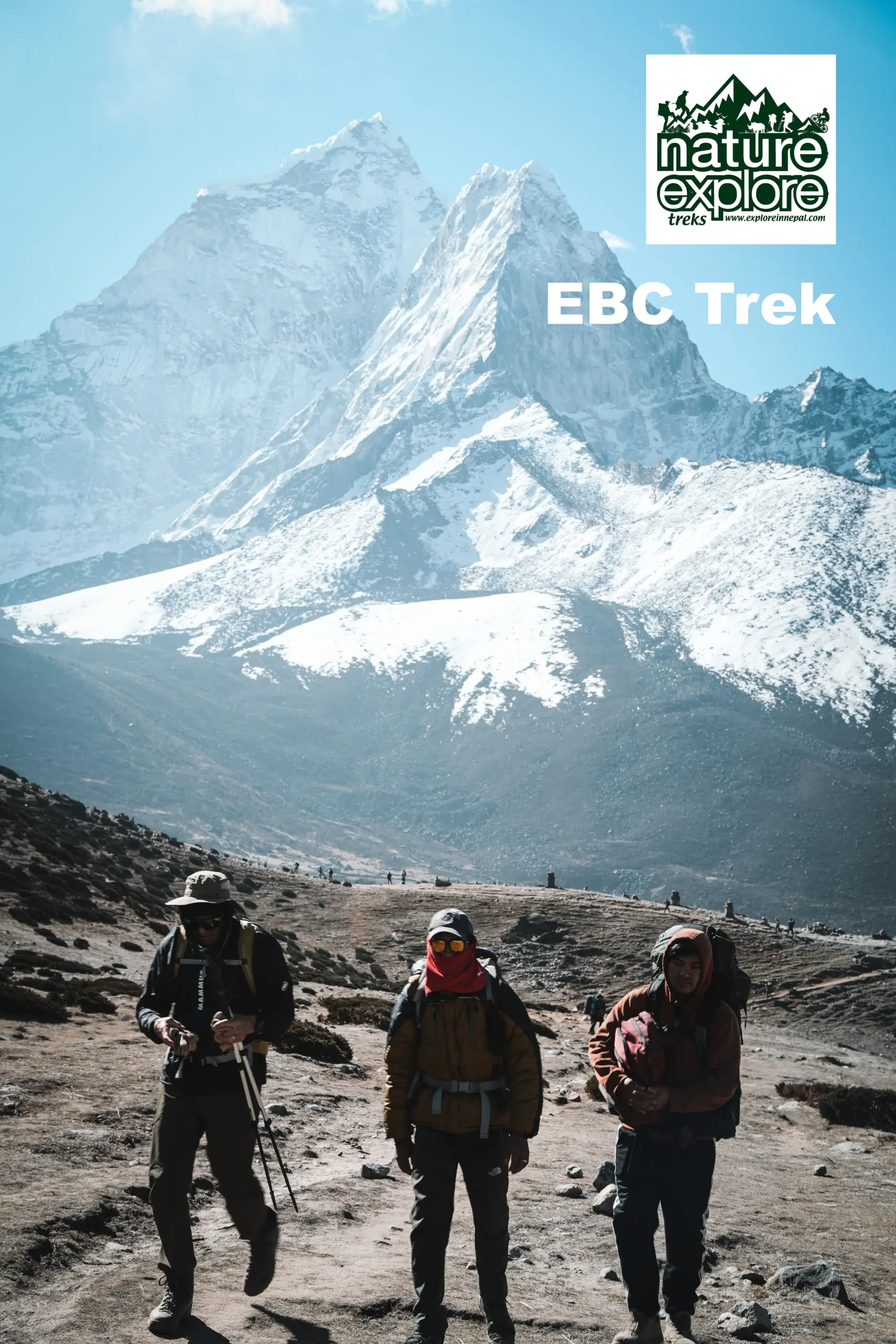
The Everest Base Camp trek is a popular adventure for Australians who want to experience the Himalayas, Sherpa culture and some of the world’s highest mountains. This trek leads through traditional villages, forests, suspension bridges and alpine scenery all the way to Everest Base Camp (5,364 m /17,598 ft). Many trekkers also trek to Kala Patthar (5545 m /18192 ft) to enjoy one of the best views of Mount Everest.
It is crucial that you make an investment plan for it. In addition to flights from Australia, trekking permits, accommodation, meals, travel insurance, gear and personal expenses, there are several other factors that affect the total cost. When you know what these costs are upfront, you can select the package that works best for you and prevent any surprises along the way.
The Everest Base Camp Trek Cost from Australia is explained in this guide for the 2026 and 2027 seasons. It also includes the most important cost items to keep in mind before you go to Nepal and while trekking in the Everest region.
How Much Does the Everest Base Camp Trek Cost from Australia?
The average price for the whole trip for most Australians is AUD 2,500 to AUD 4,000 and up. The final budget will be determined based on the trekking package, trekking season, flight cost and individual spending.
The typical budget trek ranges from AUD 2,500 to AUD 3,000. Typically, they consist of permits, domestic flights, guide services, simple teahouse lodging and group departures.
The most common type of guided trek, the standard trek, costs approximately AUD 3,000 to AUD 3,500. It combines comfort, knowledgeable guides, porter services and an organised logistical framework in an appropriate balance.
Luxury trek begins at approximately AUD 3,800 and can be much more than AUD 4,000. These packages typically come with high-quality hotels in Kathmandu, superior lodging (where available), private transportation and other amenities during the journey.
Guided treks are more expensive than travelling on their own, but they also bundle together permits, accommodation, transport and local knowledge and so can offer good value for money.
Estimated Budget
| Trek Style | Estimated Cost (AUD) |
|---|---|
| Budget Group Trek | AUD 2,500–3,000 |
| Standard Guided Trek | AUD 3,000–3,500 |
| Luxury Trek | AUD 3,800–4,000+ |
Everest Base Camp Trek Cost Breakdown from Australia
It’s much easier to plan for a realistic budget with an understanding of where your money is going.
International Flights
One of your highest costs after trekking is most likely your flight. Typically Australians leave from Sydney, Melbourne, Brisbane, Perth or Adelaide with one or two stops along the way before reaching Kathmandu.
The average return airfares are normally between AUD 900 and AUD 1,800, depending on the airline, booking date and travel season. If you are traveling during spring or fall, it may be cheaper to book several months ahead.
Nepal Visa
A tourist visa is required for Australian citizens to come to Nepal. The majority of visitors will apply for their visa before travel or at Tribhuvan International Airport.
The current visa fees are:
| Visa Duration | Fee (USD) |
|---|---|
| 15 Days | 30 |
| 30 Days | 50 |
| 90 Days | 125 |
Most of the trekkers opt for a 30-day visa which is sufficient for the trek and a couple of days in Kathmandu.
Trek Package
The trekking package includes a majority of services that are needed for the trek. This basic package generally covers: Airport transfers, domestic flights to and from Lukla, accommodation in Kathmandu, accommodation at teahouses while trekking, permits, an experienced guide and porter support.
Other companies also offer meals on the trek or only breakfast in Kathmandu. Just remember to inquire about the included items before booking, as you can make the right budget estimation.
Another advantage of booking a Nepal trek directly from a local trekking company is that the expense is not as high as it is when booked through an overseas travel agency due to fewer extra service charges.
Travel Insurance
Everest Base Camp travel insurance is a must-have for those visiting the base camp. The elevation of Kala Patthar is 5,545 m (18,192 ft) and the policy must state this.
It must also cover emergency helicopter evacuation, medical treatment abroad, trip cancellation and coverage of bags. High altitude trekking is not always covered by standard travel insurance policies, so be sure to read the insurance policy details carefully before trip departure.
Trekking Gear
If you already have hiking gear, the amount that you need to invest may be relatively low. If not, you might have to purchase or rent vital equipment like a down jacket, sleeping bag, waterproof apparel, walking boots and walking poles.
One of the popular options among trekkers in Australia is renting equipment in Kathmandu as it is often less expensive than purchasing new gear before heading out on an adventure.
Meals and Personal Expenses
There are teahouses at every stop along the trail, but as you go higher up the trail, the price of the food is adjusted accordingly–supplies are brought in from the valley.
If not included in the package, most trekkers will be eating a meal, drinks and snacks for AUD 25–250 per day.
Don’t forget to factor in extras like WiFi, electronic device charging, hot showers, laundry, souvenirs and bottled beverages.
Last, a SURPRISE saving of approximately AUD 300-AUD 500 is recommended should there be flight delays, additional overnight accommodation requirements or any other unforeseen expenses.
These costs can be planned for before departing Australia, helping you to keep your budget in check and select the trek package that fits your travel type. The next part will discuss the best time to go on a trek, the weather in each month and the impact the season can have on your trek in general and your costs.
Best Time to Trek Everest Base Camp from Australia
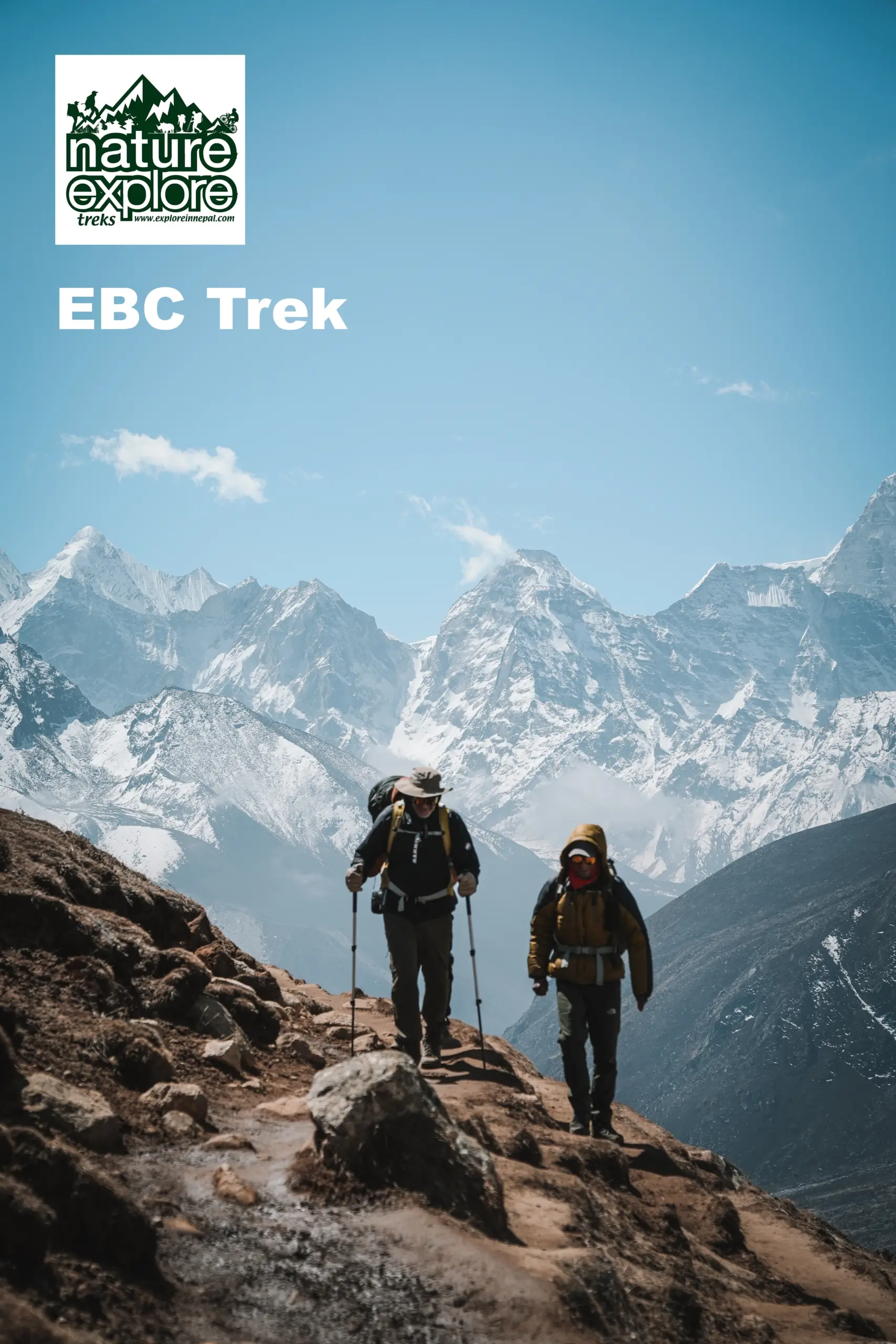
The ideal season for the Everest Base Camp Trek Australia is the spring season (March-May) or autumn season (September-November). The most stable weather, comfortable daytime temperatures and mountain views occur during these seasons. These are also busy months, so flights and trekking packages must be booked in advance.
The winter or monsoon season is also a possibility, but each poses its own issues. The season you go in can impact a variety of aspects of the Everest Base Camp experience, such as conditions on the trails, reliability of the flights, accommodations and even the overall cost.
Spring (March to May)
The trek is one of the most popular in the spring season. Spring brings warmer weather and at lower elevations, the rhododendron forests begin to bloom. The morning sky is generally clear and good visibility is enjoyed of Everest and other peaks of the Himalayas, although the afternoon may be slightly cloudy. April and May are busy times on the trails, so early reservations are suggested.
Autumn (September to November)
Autumn is considered the best overall trekking season. Following the summer monsoon, air is clear and visibility is good. Dry weather and comfortable walking trails prevail. October is the crunchiest month as it has warm weather and great views of the mountains.
Winter (December to February)
Winter is a quiet and beautiful time of the year for trails. At high altitudes, however, it can get very cold and snow showers can occasionally cause delays in flights from and to Lukla. Suitable winter clothing should be on the trekker’s list and they should expect colder weather.
Monsoon (June to August)
Regular rains are accompanied by cloudy skies and muddy trails during the monsoons. Flight delays are more common because of poor weather. Of course, the trails are much quieter and the hills are greener after the rain. It’s a season for those who are more seasoned trekkers with flexible travel plans.
Everest Base Camp Weather by Month
The table below gives some idea of the weather in the Himalayas for each month, but it can change rapidly.
| Month | Temperature | Crowd | Visibility | Recommendation |
|---|---|---|---|---|
| January | Very cold | Low | Excellent | Suitable for experienced trekkers |
| February | Cold | Low | Very good | Good with proper winter gear |
| March | Cool | Moderate | Excellent | Very good time to trek |
| April | Mild | High | Excellent | One of the best months |
| May | Mild | High | Very good | Excellent before monsoon |
| June | Warm and wet | Low | Limited | Not recommended for most trekkers |
| July | Warm and wet | Very Low | Poor | Frequent rain and flight delays |
| August | Warm and wet | Very Low | Limited | Suitable only for flexible travellers |
| September | Cool | Moderate | Very good | Excellent from mid-month onwards |
| October | Mild | Very High | Outstanding | Best overall trekking month |
| November | Cool | High | Excellent | Excellent trekking conditions |
| December | Cold | Low | Excellent | Good for quiet trekking |
Everest Base Camp Trek Difficulty
The Everest Base Camp trek is of moderate level. It requires good fitness and stamina and careful acclimatisation, but is not technically climbing.
The typical walking time for most days of trekking is 5–7 hours, with 8–15 kilometres (5–9 miles) of daily walking. The path is steep, slippery and rocky, with suspension bridges and stone steps.
The summit of the standard route is Kala Patthar (5,545 m / 18,192 ft). Even a moderate hike at this elevation is more challenging due to the reduced amount of oxygen.
It can help a trek be more comfortable if people walk, hike, climb stairs or otherwise exercise regularly for several weeks before departure.
It is a physically demanding journey, but for novices many walk it successfully each year, with the right route and pacing and acclimatising along the way.
Altitude Sickness
The main difficulty on the trek is altitude sickness due to the high altitude of the trail above 3000m (9843 ft). The higher the elevation, the lower the amount of oxygen and the more difficult it is for the body to adapt.
Common symptoms are headache, nausea, tiredness, dizziness, lack of sleep and loss of appetite. All of these symptoms should never be overlooked.
The best way to reduce the risk is to ascend gradually. The majority of tours will incorporate acclimatisation days at Namche Bazaar 3,440 m (11,286 ft) and Dingboche 4,410 m (14,469 ft). Your body adjusts by drinking lots of water, eating regular meals, walking slowly and avoiding alcohol.
Certain trekkers take Diamox (Acetazolamide) with their doctor’s advice prior to their trip. When symptoms are severe, the best course of action is to immediately lower elevations.
If serious, a helicopter evacuation might be necessary. That is why in-depth travel insurance is highly recommended.
Travel Insurance for Australians
Travel insurance is a key component in planning a trek. Before purchasing a policy, make sure it specifically covers high altitude trekking up to at least 5,545 m (18,192 ft).
Emergency helicopter evacuation, medical treatment overseas, hospital costs, cancellation of the trip, lost baggage and flight delays should be covered by a suitable policy. This coverage may be useful for flights to and from Lukla as there are occasional weather-related delays.
Bring both paper and electronic copies of your insurance information with you on the hike, in case of emergency.
Everest Base Camp Trek Permits
All trekkers must have two permits to enter the Everest region. Foreign visitors must obtain a Sagarmatha National Park Entry Permit to enter the national park and it now costs NPR 3,000 plus taxes.
The second is the Khumbu Pasang Lhamu Rural Municipality Permit that is at present available for NPR 3,000 to the vast majority of foreign trekkers.
Typically, permits are part of the guided trekking package, so you do not need to plan for them separately. Permits can be picked up in the trekking area if you are travelling as a solo trekking group.
It is important that permits are carried with you throughout the trip as they will be checked at various points along the way.
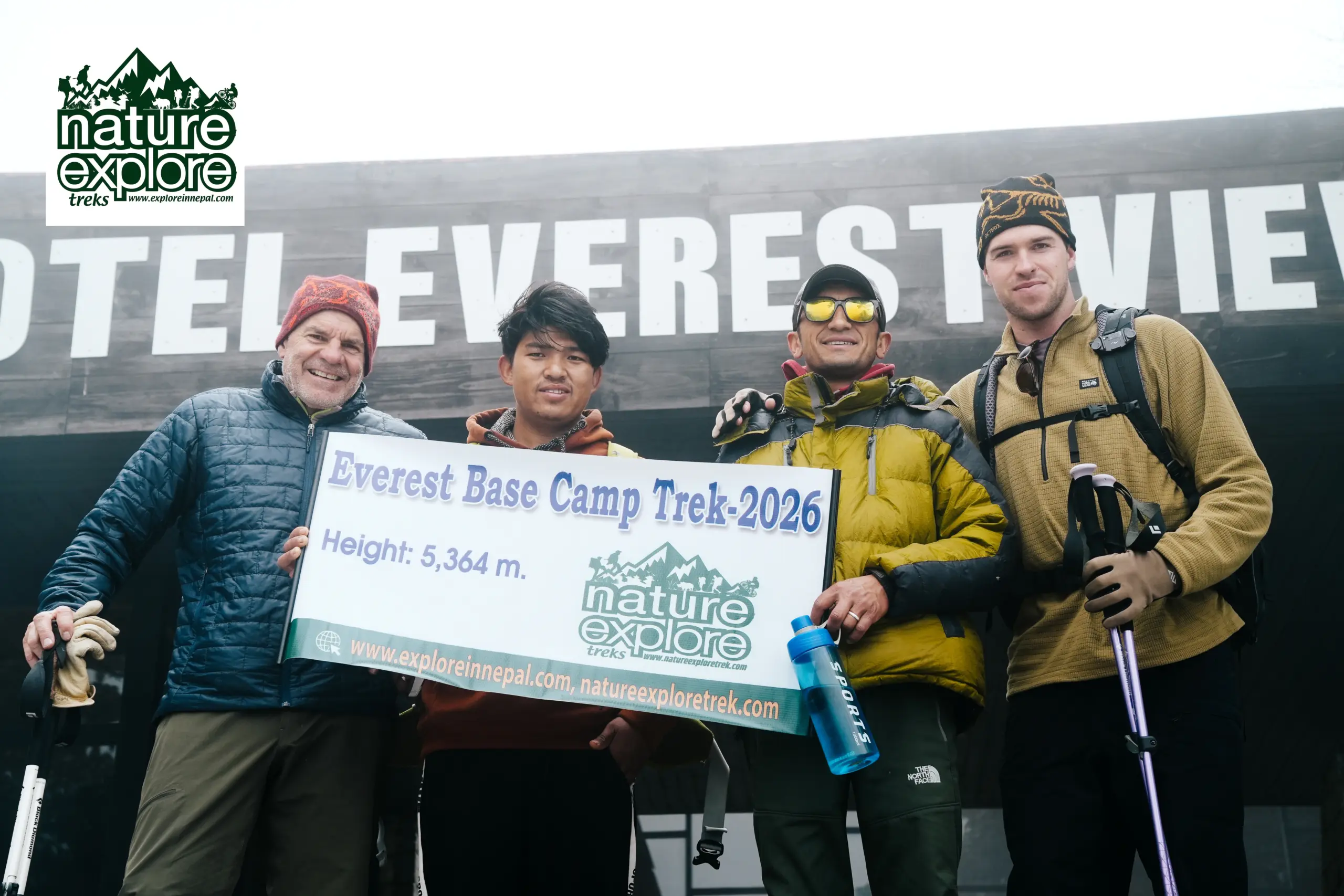
Solo Trekking and Group Departures
So the question that’s often asked is whether or not Australians can do the Everest Base Camp trek alone. It really depends on the current trekking conditions in Nepal, so be sure to review the current rules before embarking on your trek. Although trekking is allowed without a guide in the Everest area, many tourists opt for hiring a licensed guide for safety and convenience.
A guide will assist with navigation, accommodation, weather and altitude awareness and provide local knowledge about the Khumbu area. Several companies offer porter hire which can help to make the journey a bit easier.
The most popular option for first-timers on a trek is a group departure. Groups are typically 6 to 12 in size and happen in the spring and fall. This is also a more affordable way of travelling than a private trek, as there are shared transport and guide services. It also allows you to make new friends and have a wonderful trip together.
Private tours are more suited for couples, families and those who want more flexibility. They are more expensive, but give you the option to pick your departure date and walking speed.
Suggested 14 Day Everest Base Camp Itinerary
Day 1: Arrive in Kathmandu
Pick up your guide in Kathmandu, participate in a trek orientation session and make final arrangements.
Day 2: Fly to Lukla and Trek to Phakding
Take the scenic flight to Lukla 2,860 m (9,383 ft) and trek to Phakding 2,610 m (8,563 ft).
Day 3: Trek to Namche Bazaar
Hike to Namche Bazaar 3440m (11286ft) in Sagarmatha National Park.
Day 4: Acclimatisation in Namche Bazaar
Hike around the day to get used to the altitude before heading back to Namche.
Day 5: Trek to Tengboche
Continue to Tengboche 3860m (12664ft), where you will find the famous monastery.
Day 6: Trek to Dingboche
Take the path through Pangboche and then on to Dingboche 4410 m (14469 ft).
Day 7: Acclimatisation in Dingboche
Do another acclimatisation walk to acclimatise you further before reaching higher heights.
Day 8: Trek to Lobuche
Pass the memorials of the climbers of Everest before coming to Lobuche 4910 m (16109 ft).
Day 9: Everest Base Camp and Gorakshep
Reach Everest Base Camp 5,364 m (17,598 ft) and return to Gorakshep 5,164 m (16,942 ft) for the night.
Day 10: Kala Patthar and Pheriche
Climb to Kala Patthar 5,545 m (18,192 ft) for sunrise before descending to Pheriche 4,240 m (13,911 ft).
Day 11: Trek to Namche Bazaar
Come back and head back to Namche Bazaar via Tengboche.
Day 12: Trek to Lukla
Follow the road downhill through Sherpa villages to Lukla.
Day 13: Fly to Kathmandu
Return to Kathmandu and have a free afternoon to visit or shop.
Day 14: Departure
Pick you up at the airport to fly home or on to more of Nepal.
Packing List for Australian Trekkers
Your backpacking safety pack list will make your trip enjoyable. The climate and temperature difference between Kathmandu and higher areas of the trail is huge, so layering clothing is essential.
Warm base layers, down jacket, waterproof jacket, trekking trousers, gloves, warm hat and well-broken-in hiking boots. These items will help keep you feeling comfortable in varying weather conditions.
Other items to have are trekking poles, a sleeping bag with cold weather capabilities, a headlamp, a water bottle or hydration bladder, a power bank, sunglasses, sunscreen and a small daypack for everyday essentials.
Before departure from Australia, arrange your passport, travel insurance policy documents, travel arrangements, permits (if applicable) and sufficient Nepalese Rupees for personal needs and expenses. There are ATMs in Kathmandu and Namche Bazaar, but cash is the most popular payment method the entire trek.
If you have to hire a porter, you can walk more easily if you only bring what’s necessary and don’t exceed the weight limit. A 10-15kg (22-33lb) duffel bag will be ample for most trekkers and your daypack should include water, snacks, warm clothes and other essentials.
Money Saving Tips
If you can plan, you’ll be able to keep your Everest Base Camp Trek Cost down without compromising your trekking experience.
Book international flights early in the spring or fall when demand is highest. You can also find better fares if you do some calculations and are flexible on your travel dates.
Another method of saving money is to join a group trip. Group packages are often cheaper than individual treks as they share services and transport with other members of the group.
If you don’t have trekking gear, you can hire a down jacket, a sleeping bag and trekking poles in Kathmandu. Rental costs tend to be cheaper than purchasing new equipment in Australia.
Instead of purchasing water bottles on the journey, bring a reusable water bottle and water purification tablets or a filtration bottle. This helps to lower your expenses and plastic waste.
Before leaving Kathmandu, it would also be a good idea to change enough Nepalese rupees. Cash is required in most of the villages along the trail, although some accept cards.
Why Book with a Local Nepal Trekking Company?
Travelers will usually find a better deal in booking a trekking package directly with a local travel company than with an overseas travel company. Local operators are in direct contact with the guides, porters, hotels and transport firms, thus ensuring competitive package rates.
Local guides have experience of the Everest region, weather and altitude challenges. They keep you healthy throughout the journey, plan accommodations and can handle any changes that occur, like a flight delay or a change in itinerary.
Local businesses, too, are more flexible. They can design your trip to Nepal or make an itinerary according to what you would prefer to do; whether you want to travel alone or do more sightseeing.
The other excellent advantage is that each reservation benefits local guides and porters and communities in the Khumbu area contributing to the enhancement of the local economy and responsible tourism.
Conclusion
Generally, the average Everest Base Camp Trek Cost from Australia is AUD 2500 to 4000 and above, depending on the traveler’s preferences, trekking package and personal expenses. Planning your budget will help you avoid additional expenses and enjoy a smoother trip.
The best times to trek in the mountains are during the spring and autumn seasons because of the clear mountain air and relatively stable weather and the trek is a safe one provided there is proper acclimatisation, proper travel insurance and the required permits.
When you select a trusted local trekking company, you are guaranteed high-quality trekking, value for your money and experienced and knowledgeable guides all throughout your trek. No matter whether you go on a group tour or organise a private tour in the Everest region, careful planning will help you to make the most of your time there.
So, if you’re thinking about trekking to Nepal from Australia, it’s a perfect opportunity to take the time to shop around, create a customised trek and book your spot on your Nepal trek 2026 or 2027.
Frequently Asked Questions
What is the cost of an Everest Base Camp trek from Australia?
Most Australians pay AUD 2,500 to AUD 4,000 for flights, trekking package and personal expenses.
Do you need to spend AUD 3,000 for the Everest Base Camp trek?
Yes. If flights are chosen at a reasonable price, a standard guided trek to Australia normally requires AUD 3,000.
Is there a need for a visa in Nepal for Australians?
Yes. You must have a tourist visa as an Australian citizen, available on arrival in Kathmandu or by online application.
Which permits do you need for the trek?
The Sagarmatha National Park Entry Permit and the Khumbu Pasang Lhamu Rural Municipality Permit are required.
What is the best time to trek to Everest Base Camp?
The best seasons to visit are spring (March to May) and autumn (September to November) when the weather is generally good and views of the mountains are superb.
Can beginners do the Everest Base Camp?
Yes. Many beginners make it up the mountain with proper preparation and fitness and enough acclimatisation.
Do you need travel insurance?
Yes. High altitude trekking, emergency medical treatment and helicopter evacuation should be covered under your policy.
How much cash should I take on the journey?
Bring sufficient Nepalese Rupees to cover eating, drinking and WiFi, hot showers, tips and personal purchases as card payments are limited along the trail.
Is it possible to go to Everest Base Camp by yourself?
Please check the current requirements before travelling – regulations are subject to change. But despite this, many still opt for a guide for safety and local support.
Is an Australian agency or a local Nepal trekking company better?
It is also economical to book directly from a reputable local trekking company which will also offer itineraries more suited to your needs, seasoned guides and a more personal servic