
 English
 Dutch
Dutch Japanese
 Hindi
Hindi Italian
 Spanish
 French
 German
 Chinese
 Korean
 Arabic
 Hebrew
 Russian
 Portuguese
 Danish
 Czech
Czech Polish
 Swedish
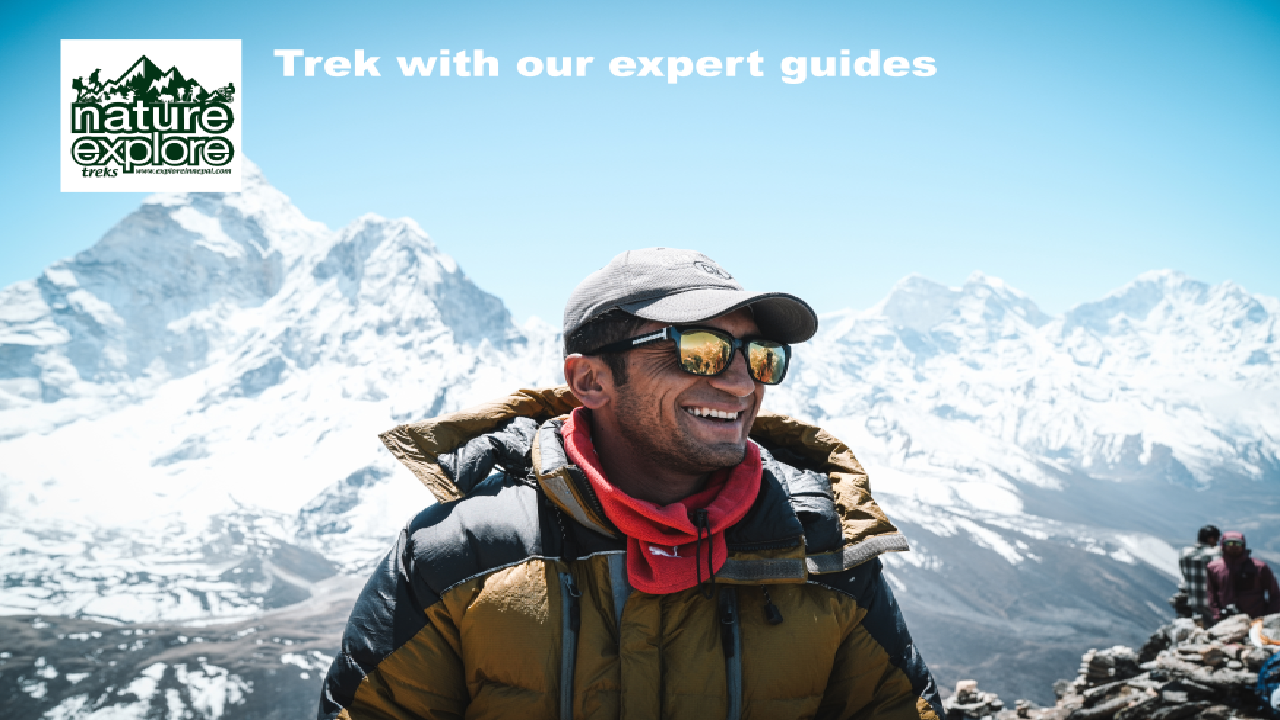
Everest Base Camp Trek with Local Guide.The Everest Base Camp trek takes you through the Khumbu region of Nepal, with mountain villages, suspension bridges, Buddhist monasteries and high mountain trails leading to Everest Base Camp (5,364 m /17,598 ft). While anyone who is an experienced trekker can take the trek by themselves, many people opt to take the Everest Base Camp trek with a local guide for more support and easier planning.
A local guide will possess the actual experience of the Khumbu region such as the trekking routes, villages, weather, altitude, accommodation and local practices. A guide can also help in obtaining permits, transportation, accommodation, and communication with the locals in case of need. This will make the journey easier for those who are visiting Nepal for the first time.
The distinction between independent trekking and travelling with a guide is the support that you get during the trek. You have the option of an independent hike or a guided hike both with their respective merits. There are two options: an independent hike or a guided hike, each with its own benefits.
In this guide, you’ll learn how much it costs to hire a trek guide for Everest Base Camp where you can find a guide, the experience and training required to be a guide, permits and logistics, solo trekking with a guide, female guides and how to find a professional guide. A well-organized trek package should be about $2,500-$3,500 depending on the services offered, group size and trekking day plan.
Who Is a Local Guide for the Everest Base Camp Trek?
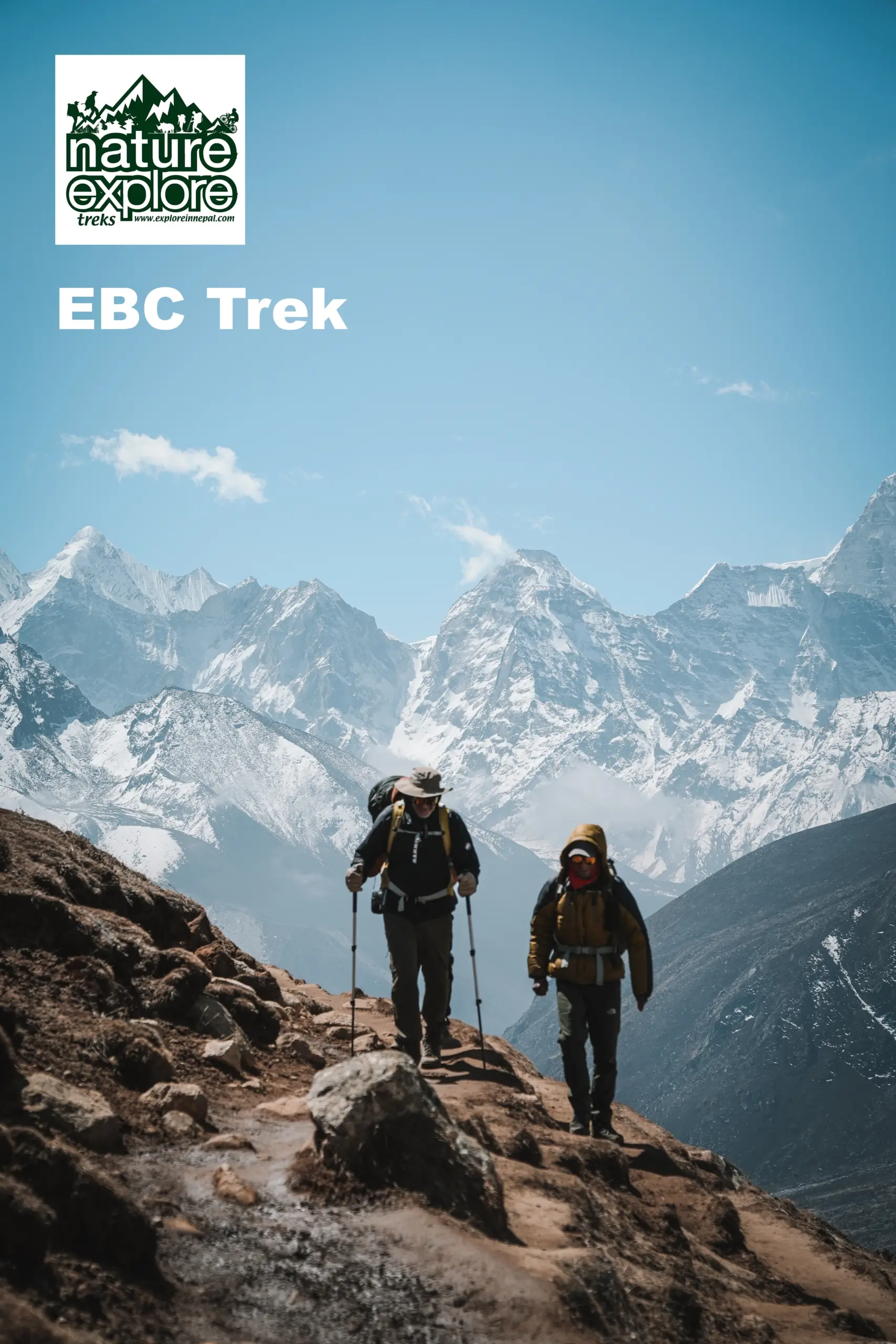
A local guide for the Everest Base Camp trek is a trained professional who is familiar with the region and helps the trekkers during their entire journey. The guide is responsible for escorting the group along the trail, coordinating the daily activities, booking accommodations and meals and addressing any areas of difficulty. They are also able to describe local culture, views of mountains, villages, monasteries and traditional activities.
The local guide who will guide you to Everest Base Camp also knows a lot about the local weather, the teahouses available, acclimatization requirements and changes of altitude. They can become valuable in the event of changing trail conditions or in the event of an emergency. They also can interact with the local communities and educate trekkers about local customs.
| Feature | Local/Khumbu Guide | Guide from Kathmandu |
| Local knowledge | Excellent | Good |
| Route experience | Excellent | Excellent |
| Cultural knowledge | Strong | Varies |
| Cost | Varies | Varies |
| Availability | Usually arranged through agencies | Easy through agencies |
Either may be qualified professionals, but a local guide is likely to have more first-hand knowledge of the Khumbu area.
Where Can You Meet Your Everest Base Camp Guide?
In Kathmandu, the majority of trekkers see their guide before moving on to the Everest area. This gives time to prepare a trek brief, do a check on equipment, prepare permits and introduce each other before we depart.
Discussing in advance also allows you to plan the trip and ensure that everything is prepared.
Another option is to arrange to meet your guide in Lukla if you want to make the journey from Kathmandu without a group. However, it is sometimes harder to find a guide in Lukla during peak periods, so it’s safer to book a guide ahead of time. Take precautionary measures before embarking on the trek by verifying the identification, experience and professional credentials of the guide if hiring directly.
It can be met in Namche Bazaar, but it’s not very convenient. You would have to trek for several days and take care of the first part of the trek by yourself. So most of the trekkers find it better to organise a guide either before leaving Kathmandu or before arriving in Lukla.
How Experienced and Trained Should an Everest Guide Be?
Experience is essential when selecting the Everest Base Camp guide, especially above 4,000m (13,123ft). The highly trained guide needs to be aware of the route, signs of altitude sickness, daily walking plans and be sensible about opportunities with changing weather and trail conditions.
A trekking guide should be trained in trekking and have knowledge and experience in first aid, mountain security, altitude awareness and emergency response. Experience around Namche Bazaar (3,440 m/11,286 ft), Tengboche (3,860 m/12,664 ft), Dingboche (4,410 m/14,469 ft), Lobuche (4,940 m/16,207 ft), Gorak Shep (5,164 m/16,942 ft) and Everest Base Camp (5,364 m/17,598 ft) is useful. Knowledge of Kala Patthar (5,545 m/18,192 ft) is also useful.
When selecting an Everest Base Camp trekking guide, inquire about their experience in the trek, the number of times they have done the trek, whether they are licensed and trained and whether they have first aid training. Inquire about emergency procedures, accommodations, food, first aid supplies and what will be done if you get sick at altitude. There are plenty of English-speaking guides and other languages, such as Spanish, are available through trekking agencies.
Everest Base Camp Trek Guide Cost from Lukla
The trekking cost from Lukla to Everest Base Camp is not a fixed rate, but is dependent upon a number of factors. The cost may vary based on guide experience, trek length, trekking season, services provided, size of the group and language. The private guide will tend to be more expensive than a shared guide with other trekkers.
Average Daily Guide Cost
Often guides charge for a day at a time. The rate must be agreed on at the start of the trek and it should be explicit about what is included. Some cover the wages, lodging, meals, insurance, etc of the guide and some transportation/flight related logistics. Depending on the agreement, equipment could also be provided.
The basic cost of a guide can be estimated using:
Daily guide rate × number of trekking days = approximate guide cost
You might, for instance, calculate the expected guiding fee by multiplying a negotiated daily rate by 12-14 days. Other costs may be tips, travel, lodging, food, insurance and emergency expenses. When hiring, seek a breakdown of costs to ensure that you know what you need to pay and what is covered.
Everest Base Camp Trek Full Package Cost: $2,500–$3,500
The cost of an Everest Base Camp Trek that is arranged as a package can range anywhere between $2,500 and $3,500 per person, depending on the itinerary, group size, accommodation standard, season and services offered. A package in this range may include airport arrival and departure transfers by private vehicle, Kathmandu hotel, Lukla flights, a professional guide, porter service, teahouse accommodation, meals, Sagarmatha National Park permit, local trekking permits, guide and porter costs, agency services and emergency support.
International flights, Nepal visa fees, travel insurance, personal trekking equipment, snacks and drinks, WiFi, hot shower, personal expenses, tips or helicopter evacuation may not be included in the price of the package. Make sure to verify package inclusions before booking as they are not always the same.
This document provides a breakdown of the 2012/13 EBC Budget.
| Expense | Estimated Budget |
| Guide | $400–$600 |
| Accommodation | $300–$500 |
| Meals | $400–$600 |
| Lukla flights | $400–$500 |
| Permits | $50–$100 |
| Porter | $250–$350 |
| Kathmandu hotel | $150–$300 |
| Insurance/emergency allowance | $100–$250 |
| Miscellaneous | $150–$300 |
| Estimated Total | $2,500–$3,500 |
These are only approximate numbers as actuals can change per season and per package.
What Is the Best Season for the Everest Base Camp Trek?
Spring (March-May) is generally stable with clear mountain views and the rhododendrons are in flower, but the path may be crowded. Another popular time is in autumn between September and November when the weather is relatively calm and the skies clear. These are also the seasons when guides and teahouse accommodation are in demand.
It snows in some higher areas of the trail in winter (December to February) and is colder. At this time there are not so many trekkers, but clothing and preparation are key. The rainy season (June – August) is less optimal for trekking because of the rain, cloudy skies, trails that might be slippery and a potential for flight delays.
A local guide can be helpful in the winter and shoulder seasons, as well as during the transition seasons. They understand the local environment and will be able to assist with route planning, accommodation and changes of plans.
Can Solo Trekkers Do the Everest Base Camp Trek with a Guide?
A solo trekker means travelling on his/her own from his/her home or travel group; independent trekking means planning the trek without a guide or organized agency. With regards to Everest Base Camp, though, current rules in Nepal’s Tourism Board demand that trekkers on this path should be accompanied by a licensed trekking guide and should have a TIMS card issued by the Tourism Board.
A guide provides assistance for solo visitors in navigating, booking lodging, managing altitude, communicating and handling emergencies. It can be a companion on the journey as well.
Having a private guide means more flexibility and more privacy and being part of a group can save money and make it more fun. The current guide and TIMS regulations therefore do not allow for the usual legal independent trekking at EBC. Before departing, you can book a guide with a registered trekking organisation for a solo hiker.
Can I just hire a guide for Everest Base Camp?
Yes, but it should be done in accordance with the existing trekking rules and guidelines and coordinated by a registered trekking agency. You arrange your own flights, accommodation, meals, permits, etc. and the guide will assist you by guiding you through the route and showing you how to do things.
The guide provides navigation and handles heavier luggage, with a guide and porter. A full trekking package is more elaborate: The trekking company will handle the guide, permits, lodging, meals, airfares, transportation and emergency services.
A full package might be more convenient for first explorers, families and anyone who wants to plan simply. A guide who specializes in the route and safety aspects may be preferred for experienced trekkers. A solo traveller may opt for a private guide to offer more flexibility or a budget traveller can opt for a group.
Everest Base Camp Trek Permits and Logistics with a Local Guide
There are several permits and logistical requirements for climbing up to the EBC route. The entry permit to Sagarmatha National Park will be used for the management and conservation of the protected area. In addition to the Trekker’s Permit, trekkers must also have a permit from the Khumbu Pasang Lhamu Rural Municipality which is available in the Khumbu region.
A guide can help to prepare paperwork, get registered and ensure that permits are available if needed at checkpoints. They are also able to assist in the coordination of Lukla flight logistics, such as adjusting flight schedules for various reasons, including weather, airport transfers and alternative arrangements if required.
Teahouses are usually available along the way. Guides may inform and verify good room availability and arrange bookings during busy seasons. They may also be able to assist with meals and drinking water, such as selecting appropriate food, drinking water and the use of purified or treated water.
How to Find a Professional Everest Base Camp Guide
It is practical to find a professional guide through a registered trekking agency. Agencies can confirm that guides are up to scratch, give pre-trek briefings and back up and help with emergencies if they arise on the trek.
When hiring a guide, inquire about their license and/or certification, trekking training, experience in high altitudes, first aid training and previous experience on the Everest trail. Also, recent customer reviews can be used to gauge communication, reliability and to focus on certain service quality.
Don’t select a guide because they are the cheapest option. Get an itemized breakdown of the costs and verify the exact amount you are paying for. Discuss payment of guide fees and what is included and what is not before you make any payments. Also inquire if there are tips expected or not. It will be helpful to have these things in writing to avoid misunderstandings on the journey.
Female Guide for the Everest Base Camp Trek
Yes, female guides are available on the Everest Base Camp route, but it may be subject to season and availability. A female guide should be requested when arranging for a trek.
Some women prefer travelling with another female professional so a female guide can provide an enjoyable experience. She has an understanding of cultural factors that can aid in communication during the journey, along with local knowledge and trekking experience. Having a female guide might be more comforting for a woman traveling alone, as they may now have someone to guide them on the trail, stay in teahouses and join with local communities.
When booking through a registered trekking agency, you can specify your preference and enquire if a female guide is available for your trip. Even after all of this, it is also very much necessary to verify her training, experience and first aid qualifications before finalizing the booking.
What Does a Local Guide Do During the Everest Base Camp Trek?
A Guide’s duties start before the walking of the day commences. In the morning, the guide will check the weather and trail conditions organise breakfast, discuss the route of the day and ensure everyone is ready before leaving the teahouse.
The guide assists in keeping the group within an appropriate walking pace and guides the group at decision points and challenging areas along the route. The guide could also remind hikers to drink water and take breaks as needed and to be aware of any symptoms that may be signs of altitude sickness. It’s a great asset when the trail starts to rise to higher ground that they know their way around.
Once the day’s establishment has been reached, the guide can arrange rooms and make food arrangements with the teahouse. They can also talk about the next day’s route, the time walked and what to expect on the day, so that the trekkers know what to expect.
In case of an emergency, the guide will evaluate the situation and direct necessary assistance; This can include the trekking company, local support services, medical services or helicopter evacuation services. While a guide can be of great assistance, important medical decisions should be made by a qualified medical professional.
What Should You Expect From Your Everest Base Camp Guide?
Your guide should be able to support you through the trek and inform you clearly about the route (map), weather, daily itinerary and practical arrangements. These are some of the things they should be familiar with, such as knowing the trail, understanding the risks at altitude, respecting the local culture and managing accommodation and other logistics.
Keeping them safe should be a primary part of their duties. A good guide should be able to identify signs of potential trouble, promote proper acclimatization and advise the trekker of when to call it quits and/or to descend. They must also be able to make appropriate changes to plans in the event of unsuitable weather or health conditions.
But it’s important to have realistic expectations. A guide is not a doctor and will not diagnose and treat all medical issues. A guide is not a guarantee of avoiding getting altitude sickness or other trekking hazards. Travel insurance is still a must, especially for emergency evacuations. Being ready, fit, prepared, hydrated and willing to discuss health issues are also crucial.
Guide, Porter or Porter Guide: Which Should You Choose?
Deciding which type of package to book for the Everest Base Camp trek is a matter of how much support you require guide, porter, porter guide or full package. These options play various roles and knowing the difference can help you choose an appropriate arrangement.
| Service | Main Responsibility | Best For |
| Guide | Safety, navigation, logistics | Most trekkers |
| Porter | Carries luggage | Travelers with heavy bags |
| Porter guide | Combines guiding and luggage carrying | Budget travelers |
| Full agency package | Complete trek logistics | First-time trekkers |
The role of a guide is to provide route guidance, assist with safety, daily logistics and communication during the trek. This is ideal for anyone who hikes during the season and wishes to have a professional guide but doesn’t need a full package.
The primary duty of a porter is to carry your bags. Generally, porters are not as knowledgeable as a trained guide in terms of route guidance, safety management or cultural information.
The porter guide will have a bit of both: some guiding and carrying bags. This may be less expensive, but check the individual’s training, licensing, experience and specific duties before hiring.
Full agency package offers the most complete package. The agency can arrange permits, flights, accommodation, meals, guides, porters, transfers and emergency assistance. This can be a good way to simplify planning for first-time trekkers.
Tips for Hiring an Everest Base Camp Local Guide
Make reservations for peak season early in the season. Book a guide in advance during the spring and autumn seasons when more people are seeking access to a guide. Verify credentials. Verify the license, training and professional identification of the guide before taking the booking.
Ask about experience. Determine the number of times the guide has made the Everest Base Camp trek and if they have experience at high altitudes. Discuss the itinerary. Make sure the route and stops in between where you stay, rest days and acclimatisation programme are checked before departure.
Always make sure to check trekking hours. Inquire about the average time spent walking daily and if it can be modified when needed. Discuss altitude acclimatisation. Do not forget to give ample time for ascent.
Check in to the room and food. Inquire about the accommodation that is included and if the daily meals will be provided in the price. Discuss emergency plans. Be informed of how the guide will react in case of illness, injury, extreme weather and other emergencies.
Ensure that you settle on the price. Have a clear idea of the guide fee and additional expenses and tipping. Keep travel insurance. Make sure that you have the right high-altitude trekking and emergency evacuation cover on your policy.
Is an Everest Base Camp Trek with a Local Guide Worth It?
The Everest Base Camp trek with a Local Guide can be valued depending on the experience, travel style and support you require on the trek. A guide is not a mere guide who walks with you along the trail. Their intimate understanding can help to make everyday things easier to navigate and offer extra help when things change.
For first-time trekkers, having a guide can be valuable. They are able to assist with navigation, lodging, food, altitude changes and local community interaction. This helps to minimize the complexities involved in carrying out logistics in an unfamiliar environment while hiking at high altitudes.
While some people are at ease in traversing the trail alone, a guide can provide valuable knowledge on local culture, safety tips, assistance and familiarity with the area. A private tour guide is someone who offers assistance to a single traveller rather than a tour party.
A guide can also be a benefit to couples as they can have a more flexible itinerary, as well as professional support. Finally, the cost is better than its value when the convenience is matched by the local know-how, safety assistance and a minimal planning burden.
Suggested 12 to 14 Day Everest Base Camp Trek with Local Guide
Itinerary that covers 14 days with preparation and acclimatization days. The route is amendable based on weather conditions, flight programs, trekking speed and one’s requirements.
Day 1: Kathmandu Arrival. Arrive in Kathmandu and transfer to the hotel. The rest and preparation time can be used up the rest of the time.
Day 2: Kathmandu Prep and Briefing. Meet with your guide, review your trekking gear, make the necessary preparations and talk about your route and safety plan.
Day 3: Fly into Lukla and Trek to Phakding. Fly to Lukla and start the trek towards Phakding.
Day 4: Hike from Phakding to Namche Bazaar. Hike along the Dudh Koshi Valley to Namche Bazaar (3440m/ 11286ft).
Day 5: Acclimatization at Namche. Take time to get used to the altitude during the day with a gentle hike and explore around Namche.
Day 6: Namche to Tengboche. Follow the forest paths as you head towards Tengboche (3860m/12664ft), passing through mountain villages.
Day 7: Tengboche to Dingboche. Trek toward Dingboche at 4,410 m (14,469 ft).
Day 8: Dingboche acclimatisation. Take a rest and go for a short walk to acclimatize your body.
Day 9: Dingboche – Lobuche. Continue to Lobuche at 4,940 m (16,207 ft).
Day 10: Lobuche to Everest Base Camp and then back to Gorak Shep. Reach Gorak Shep at 5,164 m (16,942 ft), then continue to Everest Base Camp at 5,364 m (17,598 ft).
Day 11: Kala Patthar & Lower elevation. Head up to Kala Patthar (5545m / 18192 ft) and go back down to a lower campsite.
Day 12: End Day Tripper at Lukla. Follow the route down the Khumbu region.
Day 13: Fly from Lukla to Kathmandu. Return flight to Kathmandu (weather and flight operation dependent).
Day 14: Departure. Go to the airport and proceed on your next trip.
The route may change depending on flight timetables, acclimatisation needs, weather and the pace of the trekking.
FAQs
Should you get the services of a local guide in Everest Base Camp?
Yes, throughout the trek, the guide understands the route, can carry out the logistics, has an awareness of altitude, can offer cultural insights and has resources for emergencies.
What is the Everest Base Camp cost of a local guide?
The price depends on the experience, season, length, services, the language and the type of guide (private or group).
May I book a guide in Lukla?
Guides are available in Lukla, but booking a guide with a registered agency in advance will give you more security and reliability.
Is it possible to hire only a guide and not a package?
Yes, you can book guiding service separately, but now the regulation will allow trekkers from Everest Base Camp to use guide service from registered guiding agencies that are licensed.
What is the cost of the Everest Base Camp trek with a guide?
The price for a guided trek is around $2,500-3,500 for a full package, with services, itinerary, season and group size all affecting the price.
Is $2,500–$3,500 enough for Everest Base Camp?
Yes, this range is definitely capable of covering a guided package to cover a wide range; however, it will depend on the flights, accommodation, services, itinerary, season and individual expenses.
Is it possible for people traveling alone to get a local guide?
Yes, even an individual trekking without a group can hire a licensed guide from a registered trekking agency for exclusive services all through the Everest trekking.
Do you offer a female guide to EBC?
Yes, you can book a qualified female guide when booking – depending on availability on the requested dates and season.
Should I take a tour to Everest Base Camp?
Yes, there are rules and regulations in place in Nepal which require the presence of a licensed trekking guide and TIMS card for people doing the Everest Base Camp trek.
What permits do you need to get into Everest Base Camp?
The trekkers must have the Sagarmatha National Park Permit, the Khumbu Pasang Lhamu Rural Municipality Permit and the TIMS card issued by the trekking agency.
Does the guide make the trek permit arrangements?
A guide who is working through a registered agency can help with the preparation of permits, registration, documentation and checking of permits throughout the trek.
What is considered to be a part of an Everest Base Camp guide?
Typical services are route navigation, daily logistics and accommodation assistance, safety support, cultural information and support in unforeseen trekking circumstances.
Do I need to book a porter, in addition to a guide?
A porter may be helpful if you have lots of heavy gear or a guide with more expertise in navigating, safety and logistics, as well as communicating during your trek.
How to check Everest Base Camp guides?
Check their license, their agency affiliation, training, high altitude experience, first aid knowledge, references and their previous Everest Base Camp experience.
Is it safe to go with a guide in Lukla?
If the placement is by direct hire, it may be possible, but it is important to check credentials thoroughly before hiring and to schedule directly from a registered agency for added confidence and accountability.
What makes a good Everest Base Camp guide?
A proper guide needs to have a licence, trekking training, experience at high altitudes, knowledge of first aid, awareness of safety and good communication skills.
What happens if I get altitude sickness?
Your guide will evaluate your condition and suggest stopping or going down if necessary and should arrange any medical help or evacuation if necessary.
Which month is best to visit Base Camp Everest with a guide?
The months of March through May and September to November offer good trekking conditions, except when conditions are wet and windy, but guides are useful all year round.
Am I able to book a private guide for my Everest Base Camp booking?
Of course, if you’re hiking at a different speed than most people, you may need a different acclimatization schedule; maybe you prefer to go a different route or you don’t have enough time, you can usually work out a plan with a private guide.
When should I make a booking for an Everest Base Camp guide?
It is recommended to make a reservation several weeks in advance and especially helpful during busy season (spring and autumn trekking)
Final Thoughts: Choosing the Right Local Guide for EBC
Selecting a guide is the best way to make your Everest Base Camp trip easier to handle and more enjoyable. A local guide, who knows the route, knows local communities, accommodation, weather conditions, and altitude challenges. They can also offer assistance in the daily routine and unforeseen circumstances on the trail.
Price should not be your only consideration when choosing a guide. Experience, training, safety awareness, communication skills and great pricing are also crucial. Make sure you book with the understanding of exactly what you are paying for in the guide fee or package.
The range of $2,500 to $3,500 is a good place to start when planning a full-service trek package, depending on the trek, services, group size and season. Look beyond just the headline price and include extras like flights, hotel, meals, permits, guide services, porter services and emergency services.
Ready to Trek to Everest Base Camp with a Local Guide?
Call our trekking staff to discuss dates, budget, itinerary and guide preferences. We help you decide whether you want a private guide, porter or a package that includes both.