
 English
 Dutch
Dutch Japanese
 Hindi
Hindi Italian
 Spanish
 French
 German
 Chinese
 Korean
 Arabic
 Hebrew
 Russian
 Portuguese
 Danish
 Czech
Czech Polish
 Swedish
Many travelers ask about the permits before booking this journey. That is because the Kailash Mansarovar Yatra permit process involves more paperwork than most other trips in this region. Tibet is a restricted zone for foreign travelers, and the area around Mount Kailash sits inside a further restricted zone within Tibet. Getting the permits right is not optional. Without them, you will not cross the border, and you will not reach the mountain.
Our team has been handling this process for many years. We know the timelines, the common mistakes, and what to do when something does not go as planned. In this guide, we want to lay out everything clearly, so you understand what documents are required, how the process works, and what to expect at each step.
If the permit side of things has been putting you off planning this trip, this post should help. It is more straightforward than it first appears, as long as you work with a reliable operator and give yourself enough time.
Why the Kailash Mansarovar Yatra Permit Process Is Different
Most destinations in Nepal and the Himalayas have a simple permit system. You pay a fee, you show your passport, and you get a stamp or a card. The Kailash Mansarovar Yatra permit system is different for one main reason: you are entering Tibet, which is administered by China and China has strict controls over who enters Tibet and where they can travel within Tibet.
This means the permit process involves both Chinese and Nepalese systems, and it requires working through a registered tour operator. Independent travel to Tibet is not permitted under current regulations. As a result, every foreign traveler doing the Kailash Yatra via Nepal must be part of an organized group, and the operator handles most of the permit applications on behalf of the group.
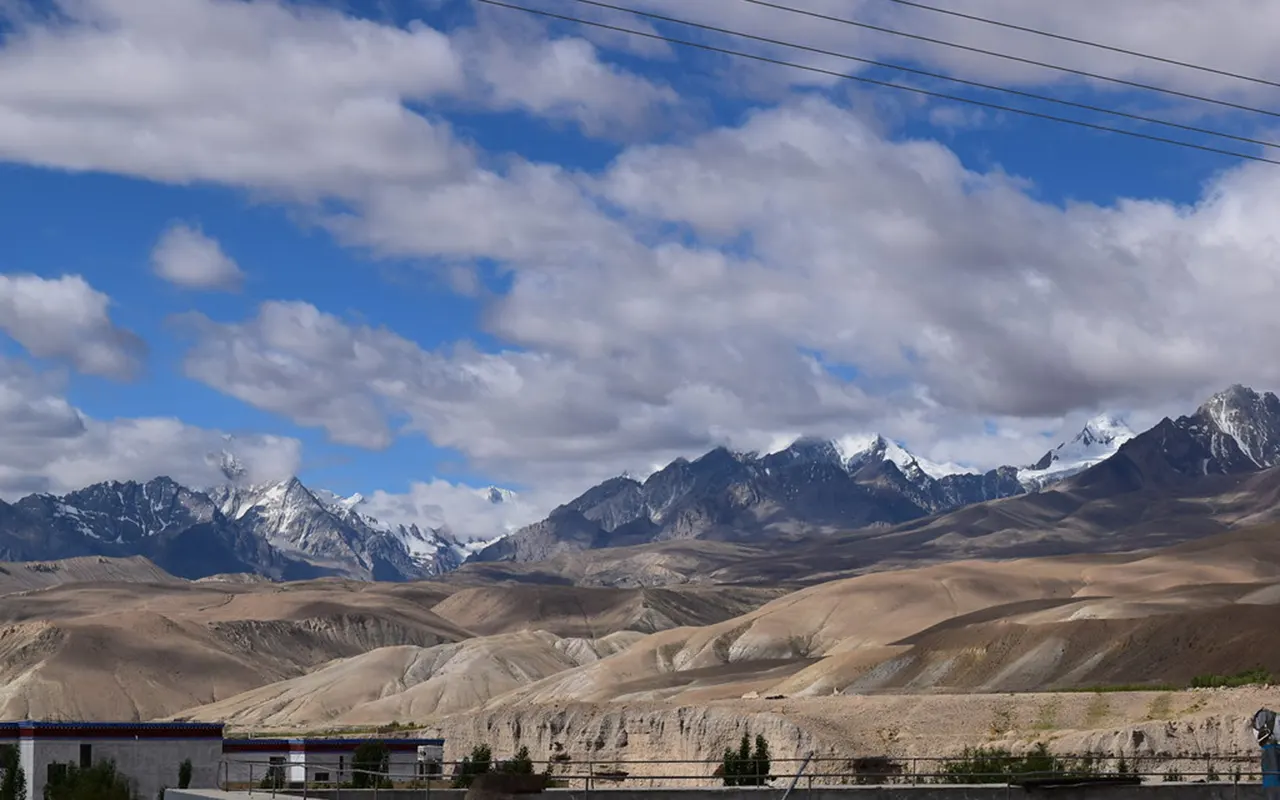
This is not as complicated as it sounds, but it does mean you cannot leave permit arrangements until the last minute. Some permits take weeks to process, and the Chinese Embassy in Kathmandu has its own schedule and requirements that must be followed precisely.
The Four Main Permits You Need
1. Tibet Travel Permit
The Tibet Travel Permit, often called the TTP, is the foundational document for any travel into Tibet Autonomous Region. Without it, no foreign national can enter Tibet legally. It is issued by the Tibet Tourism Bureau and can only be obtained through a registered Chinese travel agency. In practice, for travelers coming via Nepal, your Nepalese trekking operator coordinates with their partner agency in Tibet to arrange this permit.
The TTP is not stamped in your passport. It is a separate document that you carry with you and present at checkpoints. You will be asked to show it multiple times between the Nepal border and Mount Kailash, so keep it accessible at all times during the journey.
Processing time for the Tibet Travel Permit is typically two to four weeks. This is one of the main reasons we tell clients to start the booking process at least six to eight weeks before their intended travel date.
2. Chinese Group Visa
The visa that a tourist will need to make entry into Tibet through Nepal will be based on the nationality and the new Chinese immigration policies. Travelers might need a Chinese Group Visa or any other approved visa arrangement depending on the policy of the day. Our team will inform you on the proper procedure in accordance with your nationality, make the required visa arrangements, and show you all the procedures before leaving.
Visa policies in China may fluctuate, so travelers cannot afford to make visa arrangements without the help of an agency, in this case. Our group takes the necessary visa procedure organized based on the current laws and your nationality. Many first time travelers are confused with this as they have been to mainland China before and expect their current visa or past entry record to come to their rescue. It is not applicable in this case. The Tibet entry group visa is another procedure.
Other documents may need to be provided including your original passport, passport photographs and completed application forms depending on the visa arrangement you need, as a result of your nationality. Our crew is informed about the latest Chinese immigration requirements and will take you through the appropriate process to make sure that you have all the required paperwork in place before you leave.
3. Alien Travel Permit
The Alien Travel Permit, known as the ATP, is required for travel outside the main cities of Tibet, including the Ngari Prefecture where Mount Kailash is located. It is arranged by your Tibetan tour operator as part of the overall permit process, so travelers do not need to apply for it separately.
Travelers on the Nepal route typically do not stop in Lhasa, as they enter Tibet through the Kerung border. The required permit is arranged before or during the journey by the local Tibetan operator, and your guide manages the documentation throughout the trip.
The Alien Travel Permit is different from the Tibet Travel Permit. To enter Tibet you will need the Tibet Travel Permit and for travel to other restricted areas you will need the Alien Travel Permit, depending on your itinerary other regional permits may be required for the Mount Kailash area and these are arranged by your tour operator.
4. Ngari Restricted Area Permit
The Ngari Restricted Area Permit is a third layer of permission specifically for the Mount Kailash zone. The Ngari Prefecture sits in far western Tibet and is treated as a particularly sensitive area. This permit is arranged alongside the Alien Travel Permit and is also handled by the operator. Travelers will need to carry it from the moment they enter the Ngari region.
At various checkpoints along the road between Saga and Darchen, and again at points around the Kailash base area, all three Tibet-side documents will be checked together. Our guides manage this at each checkpoint so travelers do not need to search through their bags at every stop.
Documents You Need to Prepare Personally
While our team handles the permit applications themselves, there are documents that each individual traveler must prepare and submit to us in advance. Getting these ready early makes the process much smoother for everyone.
- Valid passport with at least six months validity beyond your travel dates and at least two blank pages.
- Two to four recent passport-sized photos on white background.
- Completed Chinese Group Visa application form, which we will provide to you as a fillable document.
- Copy of your travel insurance policy, if required by your tour operator.
- An in-depth coverage of high altitude traveling and emergency evacuation is highly advisable.
- Any other documentation that the tour operator or other authorities need before departure.
- In the case of Indian nationals who apply using the MEA quota system, the Indian government needs supplementary documents, which we can discuss separately.
The Step by Step Permit Process via Nepal
As soon as you book in, select your trip dates, and place a booking deposit, we will send you an in-depth checklist of all the things we require of you. The majority of the documents may be uploaded at this point, and original documents may be transported to Kathmandu. We provide a definite timeframe of submitting the documents on the permit processing schedules.
Step 1: Initial Booking and Document Collection
Once you confirm your trip dates and make a booking deposit, we send you a detailed checklist of everything we need from you. Most documents can be submitted digitally at this stage, with originals brought to Kathmandu. We give you a clear deadline for document submission based on the permit processing timelines.
Step 2: Tibet Travel Permit Application
We forward the details of the group members to our Tibetan partner agency who requests the Tibet Travel Permits to the Tibet Tourism Bureau. It occurs automatically and is a process that takes two to four weeks. During this phase you will not be required to do anything except have sent your documents to us before the due time.
Step 3: Chinese Group Visa Application at Kathmandu Embassy
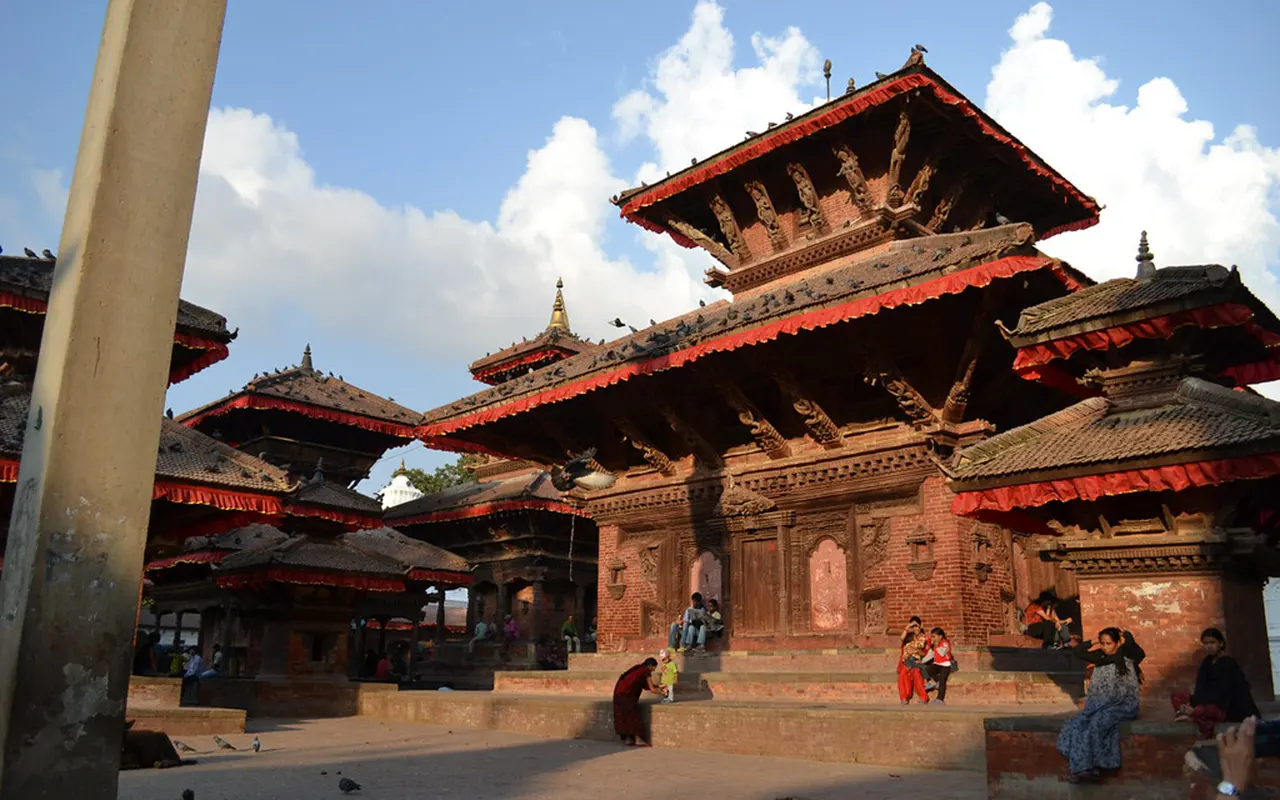
This process takes place in Kathmandu and that is why all group members are required to get to Kathmandu at least two-three days prior to the trip. Together with the Chinese Embassy, we make group visa application. The visa can be obtained within two to three working days at Kathmandu. The submission and collection is accompanied by our team.
Step 4: Collecting All Documents Before Departure
Prior to the group taking the road trip to Kathmandu, our team will ensure that all the members have all the necessary documents with them. We check on passports, group visa, Tibet Travel Permit and any other documentation finally. This is also where we issue a document folder to each traveler to keep everything in order in the course of the trip.
Step 5: Alien Travel Permit and Ngari Permit Collection
Our Tibetan partner agency organizes these permits as part of the permit process. The documents are taken care of by your Tibetan guide on the trip and are tabled at checkpoints where necessary.
Common Mistakes and How We Avoid Them
Over the years, our team has seen the same mistakes come up time and again, usually from travelers who tried to arrange things themselves or who booked with operators who were not fully experienced with this process.
- Leaving document submission too late. The Tibet Travel Permit alone takes two to four weeks. Add the embassy processing time in Kathmandu and you need at least six weeks from booking to departure, ideally eight.
- Passport photographs that do not meet Chinese Embassy specifications. The embassy is strict about background color, head size, and print quality. We advise on this in advance and can arrange photographs in Kathmandu if needed.
- Assuming that an existing Chinese visa or making independent visa arrangements is sufficient for travel to Tibet via Nepal. Visa requirements vary depending on nationality and current regulations so always follow the guidance given by your tour operator.
- No valid travel insurance covering high altitude and evacuation. Travelling without adequate insurance may cause serious difficulties in the event of illness, injury or emergency evacuation so comprehensive travel insurance is strongly advised.
- Traveling with a passport that expires within six months of the return date. Even if your passport is technically valid when you travel, Chinese authorities require six months of remaining validity.
How Long Does the Permit Process Take in Total
From the moment you book and submit your documents to us, the permit process runs in parallel with your other travel preparations. The Tibet Travel Permit is the longest item, at two to four weeks. The Chinese Group Visa is processed in Kathmandu and takes two to three working days while you are already there.
If you account for the time needed to gather your own documents, submit them to us, allow for any back-and-forth on photographs or forms, and then add the processing times, we recommend giving yourself a minimum of six weeks between booking and travel. Eight weeks is more comfortable and allows a buffer if anything needs to be resubmitted or corrected.
Can You Arrange Kailash Mansarovar Yatra Permits Independently
This is something we get asked regularly, and the honest answer is no, not legally and not practically. Tibet does not permit independent foreign travel. There is no walk-in permit counter at the border. The Tibet Travel Permit can only be issued to travelers on an organized tour with a registered agency. Visa arrangements for travel to Tibet via Nepal must follow the latest Chinese immigration regulations and are coordinated through an authorized tour operator as part of the organized tour.
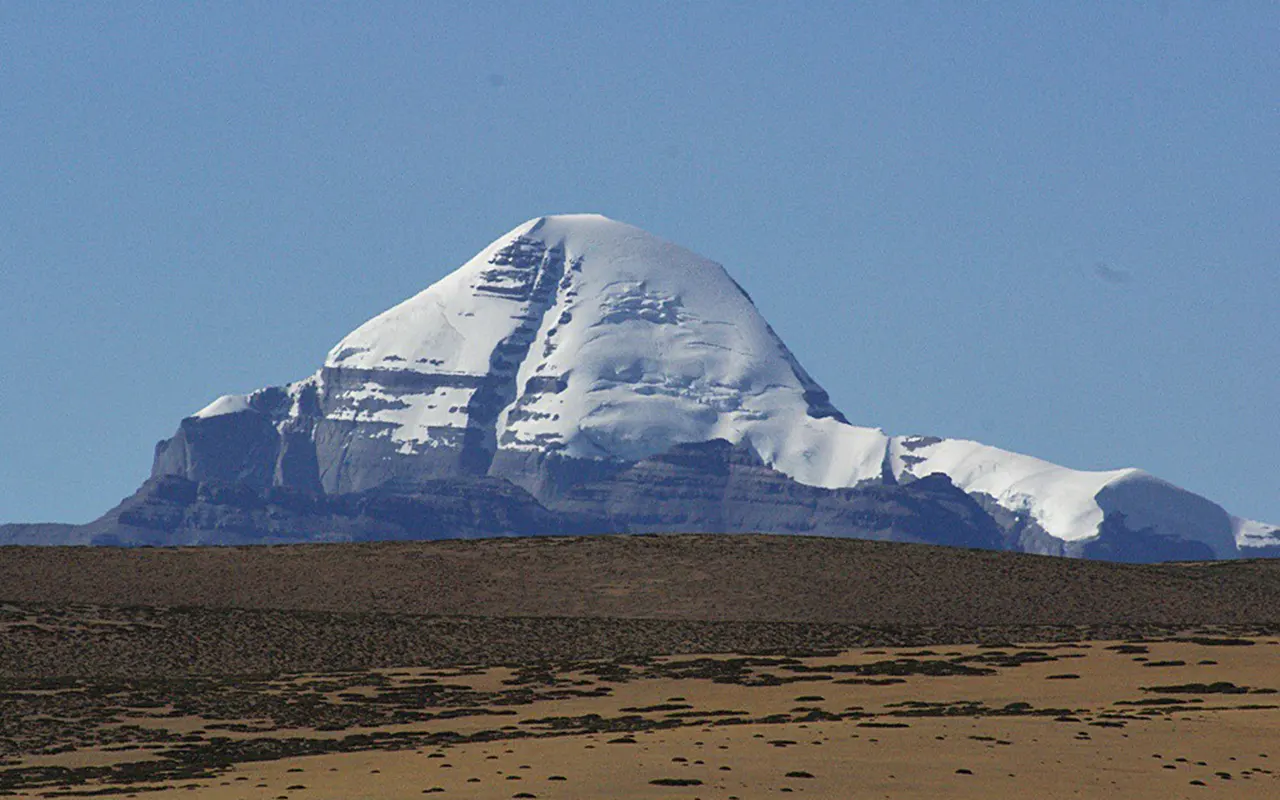
We understand that some travelers prefer to do things on their own terms. But the Kailash Mansarovar Yatra permit system is one area where the rules do not allow for an independent approach, and trying to work around the system usually ends in being turned back at the border. Working through a reliable operator is not just the easier path. It is the only path.
A Final Note from Our Team
The permit side of this journey can feel like a barrier when you first look at it. Several permits and travel documents, visa arrangements, a specific embassy process, strict timelines. We understand why it can seem complicated before you start.
But our team has done this many times. We know exactly what is needed, we stay current on any changes to the embassy process or permit requirements, and we handle everything so that by the time your group is sitting in a jeep heading toward the Nepal Tibet border, all you have to think about is the journey ahead.