
 English
 Dutch
Dutch Japanese
 Hindi
Hindi Italian
 Spanish
 French
 German
 Chinese
 Korean
 Arabic
 Hebrew
 Russian
 Portuguese
 Danish
 Czech
Czech Polish
 Swedish
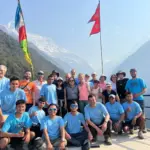
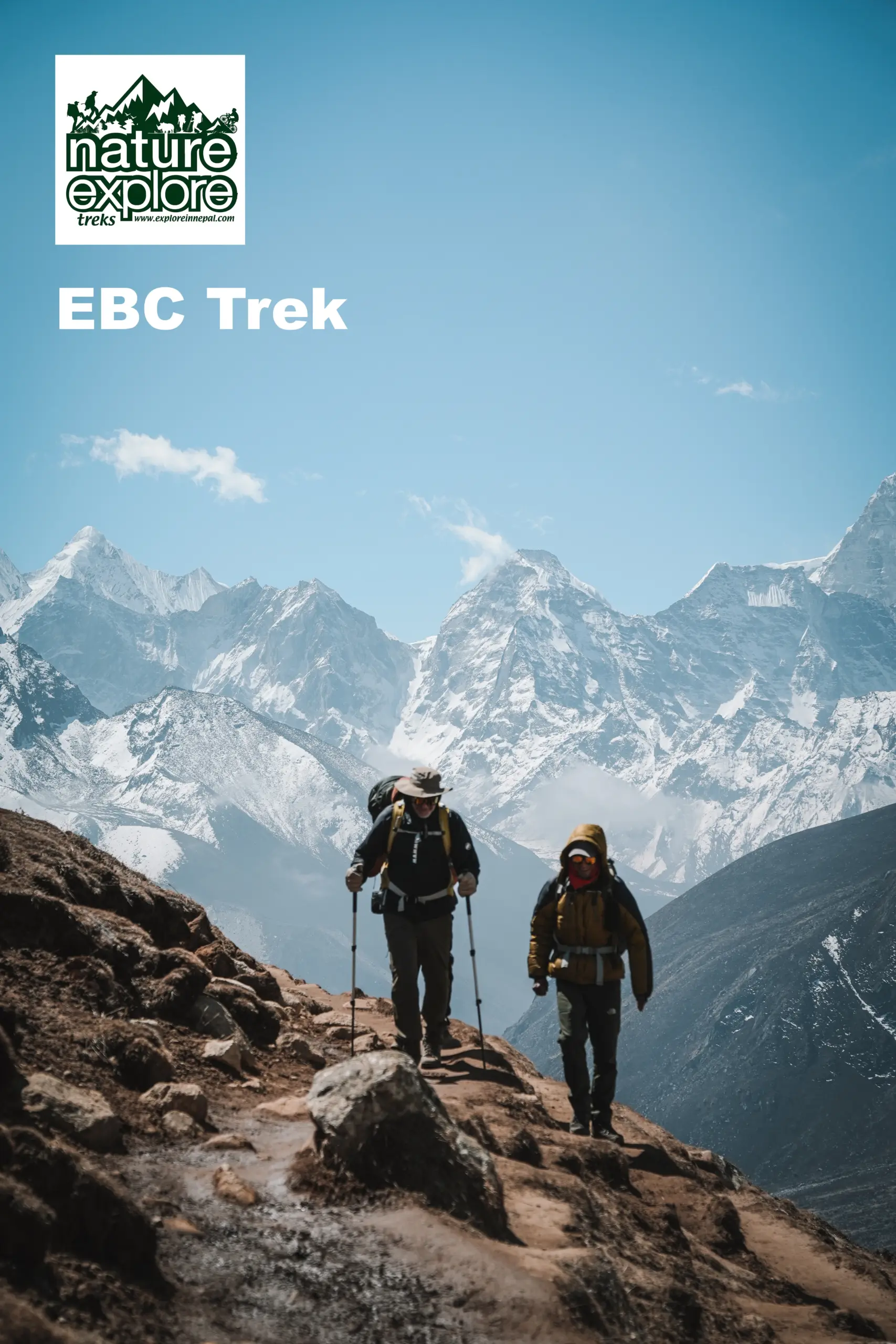
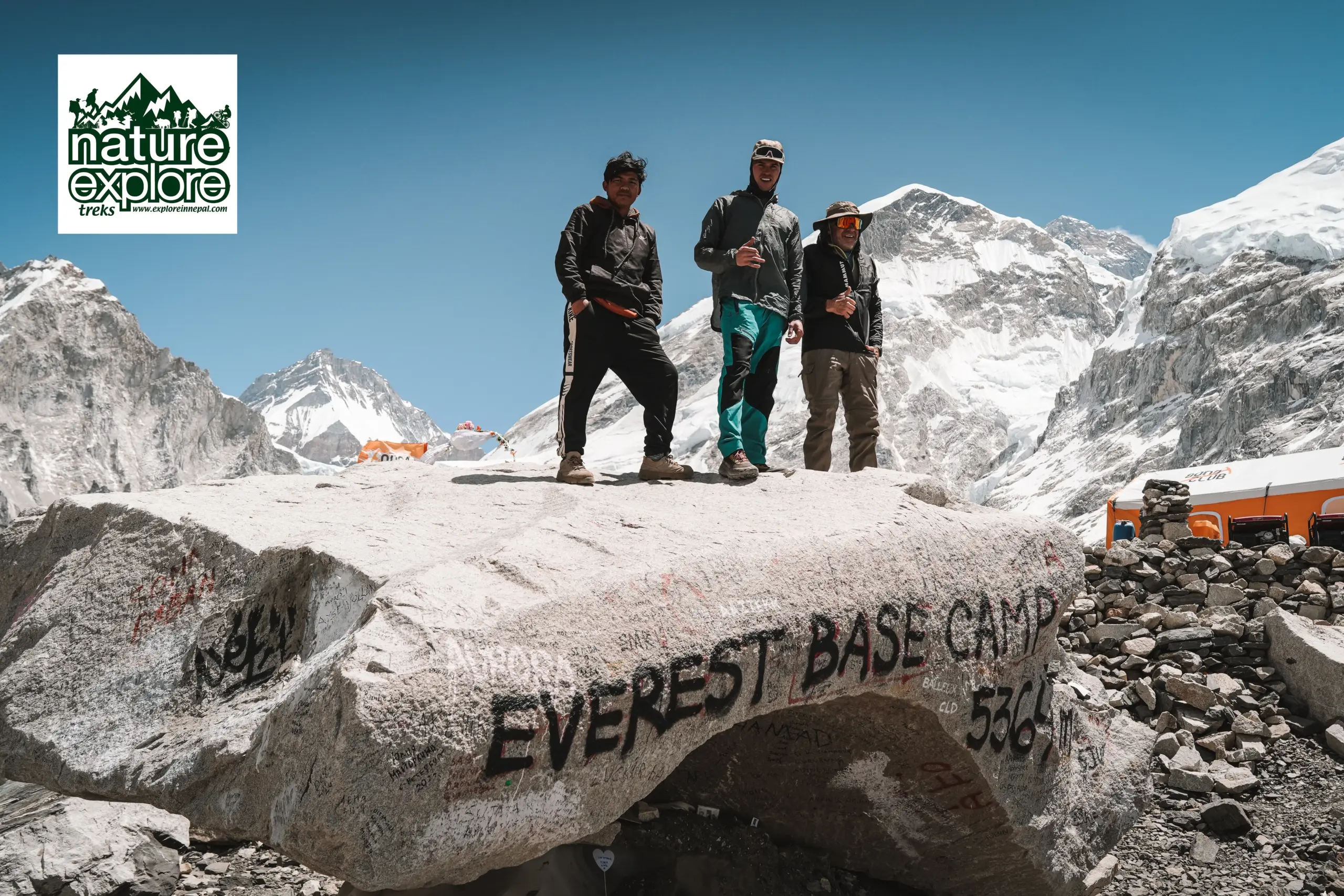
A Small Group Everest Base Camp Trek is designed for travelers who want to experience the Everest region with a limited number of people rather than joining a large departure. Groups typically consist of 2-6 trekkers, which provides a more intimate experience on the trail. Fewer people to communicate with the guide and the group can make realistic decisions when there is a need for change in conditions or individual needs.
A Small Group EBC Trek also provides trekkers with increased opportunities to connect with the guide and other participants during the trek. A smaller setting may be beneficial when spending long days walking, acclimatization stops and spending time in high mountain villages. Meanwhile, you can still enjoy the companionship of the trek to EBC instead of travelling solo.
This guide will tell you how small group trekking operates and what to expect on the trek to EBC. It will also let you know how group size can impact your experience and some things to consider before taking this style of EBC trek.
Why Choose a Small Group for Everest Base Camp?
A small group that changes the day-to-day Everest Base Camp experience. If there are just a few others along for the walk, there is less of a barrier to communication, less of a barrier to walking style and more opportunity for everyone to be involved in decision-making along the way. It’s not the number of people; it’s how that reduces the overall trekking experience.
Easier Communication and Guidance
There are 2-6 trekkers, so communication between the guide and the group is closer. Trekkers may pose questions on route, villages, mountains, local culture, or conditions of walking, without having to wait for the group to come together. The guide can also be more cognizant of the manner in which each individual is making the journey and can offer practical assistance where necessary to cheat for a longer rest or regroup for a different pace.
A Small Group Everest Base Camp Trek also provides more chances for natural conversation during the day. Questions may be answered while walking, during tea breaks, or at the lodge at the end of the day. For first-time hikers, this can be helpful if they would like to learn more about altitude, the trail, or what to expect on the next day’s hike.
Easier Pace and Trail Decisions
Individuals are not walking at the same rate. Variations in pace may be more challenging in a large group as multiple individuals need to act in the same time frame. A smaller group allows the guide to plan appropriate breaks or holding points and regrouping without bogging down the day.
Even things can change on the day that are due to the mountain conditions. The route may be changed due to weather, trail conditions, delays, or the individual trekker’s situation. There will be fewer people involved, which will make it easier to discuss the situation and come up with a practical solution.
It is not as if any/all decisions can be made at will by a Small Group EBC Trek. It is the same group with the same route and plan, but with a smaller number, it will be easier to make necessary discussions and adjustments.
Social Experience Without a Large Crowd
A small group keeps you company without making you feel like you’re departing as a large group. During the trek, trekkers can share meals, have conversations during breaks, cheer each other on when it gets tough and make new friendships. Companionship for solo travellers; opportunity to meet people of all backgrounds for couples and friends.
Private and social spaces are well balanced with the size of 2-6 trekkers. A party of two or three can be quiet and intimate; four to six members can have more talk and are not hard to manage. This option makes a Small Group Everest Base Camp Trek an ideal choice for many travellers who want to avoid the extreme expense of a fully private tour but prefer an alternative to the mass tourism experience.
Difficulty, Altitude and Acclimatization
While the Everest Base Camp trek is a difficult trek at high altitudes, it is not technically challenging. The problems are the long walking days, the rough terrain on the mountains and the progressive decrease in oxygen availability as altitude increases. These factors are more important than taking into account just physical fitness for first-time trekkers.
Understanding the Difficulty and Altitude
The Everest Base Camp trek difficulty rating is moderate to difficult due to distance, terrain and altitude. The amount of walking each day will vary between 5 and 8 hours, depending on the route, weather, rest stops and the group’s speed. The trail features stone steps, rocky areas, suspension bridges, woodland trails and inclines and declines.
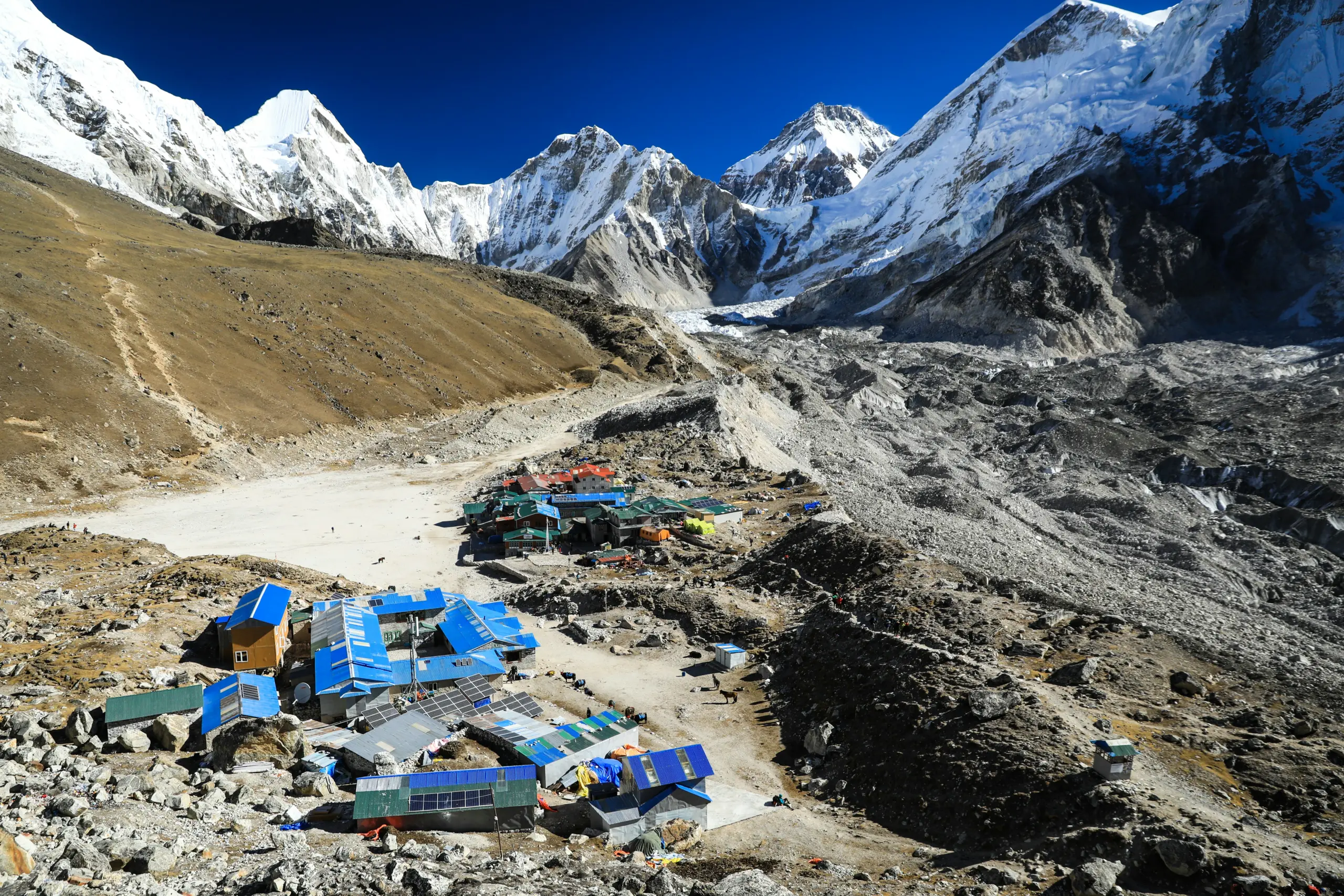
Fitness is a good thing, but elevation can still have an impact on even the strongest people. The amount of oxygen available in the air decreases with increasing height and walking becomes more difficult. The climb from the lower valleys to Everest Base Camp (5,364m /17,598ft) allows for acclimatisation, yet the effects of altitude need to be taken seriously.
Normally, a Small Group Everest Base Camp Trek is not a steep ascent but a gradual rise to the highest parts of the trip. The pace is set to ensure that walking is not too fast and a stopover each night is done at different levels. This is a step-by-step preparation for higher elevations and is an important component of getting ready for higher elevations.
Acclimatization and Altitude Sickness
The body must acclimatize, since there is less oxygen available. Generally, Namche Bazaar (at approximately 3440m/11286ft) is a base area for acclimatisation. Typically, the trekker will stay in the area longer than the usual trek for higher elevation.
One of the other acclimatization centres is Dingboche (4,410 m /14,469 ft). Extra time here will ready trekkers for the higher parts of the trail. Small hikes around these villages are often employed to help people adapt slowly without exerting themselves too much.
The high altitude of Everest Base Camp may be enough to warrant concern about altitude sickness. Symptoms may range from mild (headache, tiredness, dizziness, loss of appetite, nausea, or trouble sleeping). The symptoms should not be dismissed, especially if they get worse or they don’t go away.
What Happens If Altitude Problems Develop?
The guide is an integral part of the group’s check-up. If symptoms occur, the trekker should be assessed by the guide and they should consider moving him/her to a lower altitude or stopping the ascent. It will depend on their symptoms and condition.
If symptoms are severe or are getting worse, it is not safe to continue up. The first and most important answer to altitude illness is to descend to a lower level, as this will give the body denser air. Therefore, for a trekker, it may be necessary to deviate from the route for health reasons.
Climbing for acclimatization is not meant to ensure protection against altitude sickness. To provide time for this to adapt and to facilitate the early detection of problems. A Small Group EBC Trek allows for easier contact with the guide and may facilitate quick responses to those who are not acclimatising well at the height.
Best Time for a Small Group Everest Base Camp Trek
The best time to go on an Everest Base Camp trek is whatever time suits your tastes best, whether it’s when you want to see the mountains clearly, experience comfortable weather, hike on less crowded paths, or when the snow falls.
Spring and autumn are ideal for trekking, during which the weather is generally more predictable, whereas winter and monsoon seasons require more tolerance for cold, snow, rain, cloud, or travel disruptions. A smaller group does not change the seasons themselves, but will make it easier to communicate and to make everyday arrangements when the weather is less predictable.
The time from March to May and September to November is usually the best time to trek to the Everest Base Camp. The spring season is characterized by slowly rising temperatures, fair visibility and longer daylight hours. Walking can be a very enjoyable activity in April and May, although it gets warmer at lower elevations.
In the winter season (December to February), winter temperatures are lower and the chances of snow increase at higher elevations. Even if skies are clear, some parts of the day can be tough due to freezing temperatures and snow. Also, with shorter daylight hours, careful planning is key.
During the monsoon (primarily from June to August), it is common to see rain, clouds and wet trails. The lower part may be muddy and visibility of the mountains may be affected by clouds. Bad weather may also cause delays in flights to and from the Everest region.
So, the Everest Base Camp Trek Season isn’t just about weather. All of these factors affect your total experience: daylight, transportation, conditions of the trail and visibility.
| Month | Weather | Visibility | Trail Conditions | Crowds | Overall Suitability |
| March | Cool, warming | Good | Mostly dry | Moderate | Good |
| April | Mild | Very good | Dry | High | Excellent |
| May | Mild to warm | Good | Mostly dry | Moderate to high | Excellent |
| June | Warm, wet | Limited | Wet | Low | Less suitable |
| July | Wet and cloudy | Limited | Muddy | Low | Less suitable |
| August | Wet and cloudy | Limited | Wet | Low | Less suitable |
| September | Improving | Moderate to good | Improving | Moderate | Good |
| October | Cool, dry | Very good | Good | High | Excellent |
| November | Cool and dry | Very good | Good | Moderate | Excellent |
| December | Cold | Often clear | Possible snow | Low | Challenging |
| January | Very cold | Often clear | Snow possible | Low | Challenging |
| February | Cold | Improving | Snow possible | Low | Challenging |
Spring or autumn are the most accommodating seasons for a Small Group Everest Base Camp Trek, offering conditions that are typically good for weather, visibility and trail conditions.
What Is the Trek Experience Like?
Life on the Everest Base Camp trail is plain and is dictated by the conditions of the mountain. The typical Small Group Everest Base Camp Trek accommodates at tea houses, which provide fewer amenities the farther you trek up the mountain. There is a focus on having a comfortable place to rest, eat and recuperate for the next day’s walk, not on hotel-style service.
Tea Houses, Meals and Daily Comfort
Along the way, the primary shelters are tea houses. The rooms are simple in most cases with two single beds and basic furniture. Sharing bathrooms is possible, especially at higher elevations. Attachments to bathrooms are available at a few lower-level lodges and do not exist in all villages and properties.
Familiar foods like dal bhat, noodles, pasta, rice, potatoes, soups, eggs, bread and vegetables depending on the season are often served. There is a wide selection of hot drinks tea and coffee. The more you rise in elevation, the more limited your food choices will be, so it is vital to have a simple meal and eat enough when you have many walking days.
Water is available from lodges, local taps and water refill stations in many locations. Water must be treated before consumption, either by using an appropriate water purification system or by buying bottled water that has been treated to ensure safety. There are many tea houses which provide hot showers for an extra fee, but the facilities can be less luxurious at higher altitudes.
Connectivity and Basic Facilities
Some lodges have the western style toilet; others have squat toilets. There are shared bathrooms and sometimes hot water is not available. Cell phone reception is inconsistent along the way and WiFi exists in many tea houses and is usually available for a fee, but can sometimes be slow and unreliable.
Many lodges have charging facilities, typically with an extra charge. Due to the varying availability of power, please do not plan to rely on a constant power supply, particularly in higher villages. It can be convenient to have a power bank to keep devices charged.
Villages, Monasteries and Local Culture
The Everest Base Camp Trek Experience is closely linked with the Sherpa communities in the Khumbu region. The trail goes through villages in which traditional houses and monasteries are part of daily life, as well as mani stones, prayer wheels and prayer flags. One can see Buddhist practices throughout the region and hear the chimes of the monasteries or the religious rituals of the locals.
The Small Group EBC Trek provides time for visitors to enjoy these environments at an appropriate rate. It is important to respect local customs, especially in monasteries, prayer wheels, religious structures and sacred sites. The trail is not just to Everest Base Camp, but through communities that live and work all year round.
Getting to and From the Everest Trail
The journey to the Everest trekking route entails a brief domestic flight and the beginning of the trek. The majority of travellers fly from Kathmandu to the primary air gateway to the Khumbu region, which is Lukla. The flight is brief, but the weather in the mountains can influence when flights can be flown and the transport should be considered as part of the trekking schedule and not as an appointment.
Flights and Ramechhap Transfers
The flights to Lukla can leave from Kathmandu airport or, sometimes, in the period when the airlines change their operations, from Ramechhap airport. Usually, people have to come to the airport from Kathmandu by road early in the morning when flights are scheduled from Ramechhap. The specific layout will vary according to the airline schedule, airport operations and season.
The trekking company will plan the necessary transportation and flight arrangements for a Small Group Everest Base Camp Trek normally as per the current operating schedule. However, travellers must still provide sufficient time for changes to be made, especially during peak trekking seasons.
Weather Delays and Cancellations
Weather in the mountains is often unpredictable and flights to Lukla can be delayed or cancelled due to low visibility, strong winds, or other operating conditions. These disruptions may impact when your trip is scheduled to start or return, so having a little flexibility in your travel is helpful.
When flights are cancelled, the standard practice is to seek alternative flights, if they exist. Alternatives, such as helicopter services as available and appropriate, may also be considered, depending on the circumstances. Certain additional charges may be applicable for alternative transport.
The Everest Base Camp Trek Transportation plan should therefore feature some ‘extra time’ instead of a rigid international flight schedule right before or after the trek. Some time buffer in your itinerary can help minimize stress if there are delays related to weather or operations.
Once it is possible to get the small group to the EBC, the revised EBC Trek will proceed as per the schedule, subject to the availability of the transport, the weather and other factors at the time of the trek.
How to Prepare for a Small Group Everest Base Camp Trek
With good preparation, a long high-altitude journey can be better handled. A Small Group Everest Base Camp Trek is a trek in which one must walk a number of days, cross landscapes and get higher and higher. Therefore, preparation should be based on staying fit and ready for the long walks rather than on speed. While no expert mountaineer is required, experience walking uphill will be helpful.
Build Fitness Before the Trek
Begin training some weeks or months prior to your travel. Strengthening exercises like walking, hiking, cycling, or stair climbing improve endurance. The trail has some steep climbs and descents and frequent walking uphill is a good exercise.
It can also be beneficial to try walking every day. A long trek is not one big trek, since one must take in the recovery process while still walking every day. Practicing with the type of daypack that you will use will also give you some practice with its weight and fit.
The physical preparation needs to be matched with realistic expectations. Everest Base Camp Trek Preparation is not a matter of getting extremely fast and strong. Plan to walk slower on higher elevations, take frequent breaks and accept some days that are harder than others.
Prepare Your Clothing and Personal Gear
Use comfortable, break-in, trekking shoes with good traction. Clothing needs to be layered in order to react to the varying temperatures throughout the day. Useful to change mountain conditions: warm insulating layer, waterproof outer layer, comfortable trekking clothes, gloves, warm hat and suitable socks.
Personal medicines should be carried in the daypack, not just your main pack. Pack any regular medications you may need and any other personal health items suggested for your journey. For a Small Group EBC Trek, you will need a passport, permits or relevant documentation, insurance information, a phone, a power bank, a headlamp and charging cables.
Travel Insurance and Mental Preparation
One keystone of planning a high altitude trip is travel insurance. The specific coverage in your policy should include trekking up to the highest altitude you will be climbing and treatment and, if necessary, emergency helicopter evacuation. Be sure to review policy terms or conditions, as standard travel insurance may not cover high altitude trekking or evacuation.
Mentally preparing yourself is important as well. Walking may be more difficult than normal; you may feel tired and need to make adjustments to activities based upon weather and/or body response to altitude. If these situations arise, it may be easier to deal with them if both the guide and the horse are patient and communicate openly.
It is important to be prepared for changes along the way, rather than expecting to anticipate every aspect of the journey to Everest Base Camp. A safe and manageable trek is made possible by fitness, appropriate gear and a realistic attitude.
Everest Base Camp Permits, Cost and Extra Expenses
It is good to know the permits required before embarking on a Small Group Everest Base Camp Trek, the factors that influence the trek price and what other expenses might be required in addition. The prices of trekking companies differ depending on the service they provide, so it is important to check what is included in the price before comparing.
Permits Required for the Trek
Those who are trekking to EBC through the standard route should have a Sagarmatha National Park entry permit and a Khumbu Pasang Lhamu Rural Municipality entrance permit. These are inspected throughout the journey, so the necessary documents should be available throughout the journey.
Normally, the trek company will arrange permits for an organised Small Group EBC Trek before or during the trek. In general, passport information and other information are required for Trekkers. It is still important to carry your passport and relevant permit documents as instructed by the trekking company.
What Determines the Trek Cost?
The Everest Base Camp Trek Cost is determined by various factors, such as the duration of the trek, the number of participants, the guides and porters, the level of accommodation, the transportation, meals, permits and other services covered in the package. The season and other conditions may also affect the final price.
The number of participants may impact the cost per person, as some items (e.g., guide services, some transport options) may be shared. So, the per-person cost of a group of 5 or 6 trekkers might be different than a group of 2, but it will depend on how the trekking company determines its cost.
A standard organized trek can consist of permits, accommodation, guide service, porter service (as indicated) and domestic transport or flight. Some packages include meals and other services, while others do not, so it is important to look at the inclusions and not just the advertised price.
Extra Expenses to Plan For
Passengers must have their own money to cover services outside their package. They can be meals, treated or bottled drinking water, tea or other liquids, hot showers, tips and personal purchases. Some service costs are generally higher in higher villages due to the additional distance that needs to be travelled to the villages in the mountains.
Another separate cost is travel insurance, which should include the planned altitude of the trek, any medical treatment and emergency helicopter evacuation (if applicable). The cost of emergency evacuation can be quite high if it is not covered by insurance so please make sure that you arrange the insurance before undertaking the Small Group Everest Base Camp Trek.
Small Group vs Solo vs Private Everest Base Camp Trek
A small group, private or individual tour will depend on your level of independence, social interaction and planning. All of these choices could be used on the Everest Base Camp route, but can vary significantly in day-to-day experience.
Spring or autumn are the most accommodating seasons for a Small Group Everest Base Camp Trek, offering conditions that are typically good for weather, visibility and trail conditions.
What Is the Trek Experience Like?
Life on the Everest Base Camp trail is plain and is dictated by the conditions of the mountain. The typical Small Group Everest Base Camp Trek accommodates at tea houses, which provide fewer amenities the farther you trek up the mountain. There is a focus on having a comfortable place to rest, eat and recuperate for the next day’s walk, not on hotel-style service.
Tea Houses, Meals and Daily Comfort
Along the way, the primary shelters are tea houses. The rooms are simple in most cases with two single beds and basic furniture. Sharing bathrooms is possible, especially at higher elevations. Attachments to bathrooms are available at a few lower-level lodges and do not exist in all villages and properties.
Familiar foods like dal bhat, noodles, pasta, rice, potatoes, soups, eggs, bread and vegetables depending on the season are often served. There is a wide selection of hot drinks—tea and coffee. The more you rise in elevation, the more limited your food choices will be, so it is vital to have a simple meal and eat enough when you have many walking days.
Water is available from lodges, local taps and water refill stations in many locations. Water must be treated before consumption, either by using an appropriate water purification system or by buying bottled water that has been treated to ensure safety. There are many tea houses which provide hot showers for an extra fee, but the facilities can be less luxurious at higher altitudes.
Connectivity and Basic Facilities
Some lodges have the western style toilet; others have squat toilets. There are shared bathrooms and sometimes hot water is not available. Cell phone reception is inconsistent along the way and WiFi exists in many tea houses and is usually available for a fee, but can sometimes be slow and unreliable.
Many lodges have charging facilities, typically with an extra charge. Due to the varying availability of power, please do not plan to rely on a constant power supply, particularly in higher villages. It can be convenient to have a power bank to keep devices charged.
Villages, Monasteries and Local Culture
The Everest Base Camp Trek Experience is closely linked with the Sherpa communities in the Khumbu region. The trail goes through villages in which traditional houses and monasteries are part of daily life, as well as mani stones, prayer wheels and prayer flags. One can see Buddhist practices throughout the region and hear the chimes of the monasteries or the religious rituals of the locals.
The Small Group EBC Trek provides time for visitors to enjoy these environments at an appropriate rate. It is important to respect local customs, especially in monasteries, prayer wheels, religious structures and sacred sites. The trail is not just to Everest Base Camp, but through communities that live and work all year round.
Getting to and From the Everest Trail
The journey to the Everest trekking route entails a brief domestic flight and the beginning of the trek. The majority of travellers fly from Kathmandu to the primary air gateway to the Khumbu region, which is Lukla. The flight is brief, but the weather in the mountains can influence when flights can be flown and the transport should be considered as part of the trekking schedule and not as an appointment.
Flights and Ramechhap Transfers
The flights to Lukla can leave from Kathmandu airport or, sometimes, in the period when the airlines change their operations, from Ramechhap airport. Usually, people have to come to the airport from Kathmandu by road early in the morning when flights are scheduled from Ramechhap. The specific layout will vary according to the airline schedule, airport operations and season.
The trekking company will plan the necessary transportation and flight arrangements for a Small Group Everest Base Camp Trek normally as per the current operating schedule. However, travellers must still provide sufficient time for changes to be made, especially during peak trekking seasons.
Weather Delays and Cancellations
Weather in the mountains is often unpredictable and flights to Lukla can be delayed or cancelled due to low visibility, strong winds, or other operating conditions. These disruptions may impact when your trip is scheduled to start or return, so having a little flexibility in your travel is helpful.
When flights are cancelled, the standard practice is to seek alternative flights, if they exist. Alternatives, such as helicopter services as available and appropriate, may also be considered, depending on the circumstances. Certain additional charges may be applicable for alternative transport.
The Everest Base Camp Trek Transportation plan should therefore feature some ‘extra time’ instead of a rigid international flight schedule right before or after the trek. Some time buffer in your itinerary can help minimize stress if there are delays related to weather or operations.
Once it is possible to get the small group to the EBC, the revised EBC Trek will proceed as per the schedule, subject to the availability of the transport, the weather and other factors at the time of the trek.
How to Prepare for a Small Group Everest Base Camp Trek
With good preparation, a long high-altitude journey can be better handled. A Small Group Everest Base Camp Trek is a trek in which one must walk a number of days, cross landscapes and get higher and higher. Therefore, preparation should be based on staying fit and ready for the long walks rather than on speed. While no expert mountaineer is required, experience walking uphill will be helpful.
Build Fitness Before the Trek
Begin training some weeks or months prior to your travel. Strengthening exercises like walking, hiking, cycling, or stair climbing improve endurance. The trail has some steep climbs and descents and frequent walking uphill is a good exercise.
It can also be beneficial to try walking every day. A long trek is not one big trek, since one must take in the recovery process while still walking every day. Practicing with the type of daypack that you will use will also give you some practice with its weight and fit.
The physical preparation needs to be matched with realistic expectations. Everest Base Camp Trek Preparation is not a matter of getting extremely fast and strong. Plan to walk slower on higher elevations, take frequent breaks and accept some days that are harder than others.
Prepare Your Clothing and Personal Gear
Use comfortable, break-in, trekking shoes with good traction. Clothing needs to be layered in order to react to the varying temperatures throughout the day. Useful to change mountain conditions: warm insulating layer, waterproof outer layer, comfortable trekking clothes, gloves, warm hat and suitable socks.
Personal medicines should be carried in the daypack, not just your main pack. Pack any regular medications you may need and any other personal health items suggested for your journey. For a Small Group EBC Trek, you will need a passport, permits or relevant documentation, insurance information, a phone, a power bank, a headlamp and charging cables.
Travel Insurance and Mental Preparation
One keystone of planning a high altitude trip is travel insurance. The specific coverage in your policy should include trekking up to the highest altitude you will be climbing and treatment and, if necessary, emergency helicopter evacuation. Be sure to review policy terms or conditions, as standard travel insurance may not cover high altitude trekking or evacuation.
Mentally preparing yourself is important as well. Walking may be more difficult than normal; you may feel tired and need to make adjustments to activities based upon weather and/or body response to altitude. If these situations arise, it may be easier to deal with them if both the guide and the horse are patient and communicate openly.
It is important to be prepared for changes along the way, rather than expecting to anticipate every aspect of the journey to Everest Base Camp. A safe and manageable trek is made possible by fitness, appropriate gear and a realistic attitude.
Everest Base Camp Permits, Cost and Extra Expenses
It is good to know the permits required before embarking on a Small Group Everest Base Camp Trek, the factors that influence the trek price and what other expenses might be required in addition. The prices of trekking companies differ depending on the service they provide, so it is important to check what is included in the price before comparing.
Permits Required for the Trek
Those who are trekking to EBC through the standard route should have a Sagarmatha National Park entry permit and a Khumbu Pasang Lhamu Rural Municipality entrance permit. These are inspected throughout the journey, so the necessary documents should be available throughout the journey.
Normally, the trek company will arrange permits for an organised Small Group EBC Trek before or during the trek. In general, passport information and other information are required for Trekkers. It is still important to carry your passport and relevant permit documents as instructed by the trekking company.
What Determines the Trek Cost?
The Everest Base Camp Trek Cost is determined by various factors, such as the duration of the trek, the number of participants, the guides and porters, the level of accommodation, the transportation, meals, permits and other services covered in the package. The season and other conditions may also affect the final price.
The number of participants may impact the cost per person, as some items (e.g., guide services, some transport options) may be shared. So, the per-person cost of a group of 5 or 6 trekkers might be different than a group of 2, but it will depend on how the trekking company determines its cost.
A standard organized trek can consist of permits, accommodation, guide service, porter service (as indicated) and domestic transport or flight. Some packages include meals and other services, while others do not, so it is important to look at the inclusions and not just the advertised price.
Extra Expenses to Plan For
Passengers must have their own money to cover services outside their package. They can be meals, treated or bottled drinking water, tea or other liquids, hot showers, tips and personal purchases. Some service costs are generally higher in higher villages due to the additional distance that needs to be travelled to the villages in the mountains.
Another separate cost is travel insurance, which should include the planned altitude of the trek, any medical treatment and emergency helicopter evacuation (if applicable). The cost of emergency evacuation can be quite high if it is not covered by insurance so please make sure that you arrange the insurance before undertaking the Small Group Everest Base Camp Trek.
Small Group vs Solo vs Private Everest Base Camp Trek
A small group, private or individual tour will depend on your level of independence, social interaction and planning. All of these choices could be used on the Everest Base Camp route, but can vary significantly in day-to-day experience.
| Trekking Style | Best Suited For | Guide Support | Flexibility | Social Experience | Planning Responsibility |
| Small Group | Solo travelers and people who enjoy meeting others | Shared professional guide | Moderate | High | Lower |
| Private Trek | Couples, families and friends | Dedicated guide | High | Limited to your own group | Lower |
| Solo Trekking | Experienced and independent trekkers | Self-managed or separately arranged | High | Depends on the trekker | High |
Responsible Trekking and Common Mistakes to Avoid
A Small Group Everest Base Camp Trek is a journey through villages and communities where tourism plays an integral role in local life. By respecting the people, culture and environment, the trail is made pleasant for visitors and residents alike. Basic values like observing local traditions, asking first before taking photos of people and taking care of monasteries and sacred places are important.
Another practical responsibility is to minimize waste. Using a reusable water bottle will decrease the use of one-use plastic water bottles. Trekkers can also help the local economy by staying in tea houses, eating locally, as well as buying services and products from the businesses on the trail.
Common Mistakes to Avoid
Everest Base Camp Trek can get difficult if trekkers walk too quickly or ignore the need to acclimatize. It is essential to get sufficient water, rest and time to acclimatize the body all along the trip.
Too much stuff in the backpack can make walking difficult and inappropriate shoes can lead to discomfort or blisters. No altitude symptoms should be overlooked or discounted as simply something that is to be tolerated. If symptoms are severe or deteriorate, notify the guide immediately and follow their instructions.
International travelers should also not schedule their trips too close to the trekking dates. The weather can prevent flights into and out of the Everest region, so it is wise to have some additional time. Road travel and high-altitude trekking coverage, medical treatment and emergency evacuation (as applicable) should also be included in travel insurance.
A Small Group EBC Trek is about responsible behavior and sensible preparation to safeguard the individual and the communities on the trail.
Conclusion
A Small Group Everest Base Camp Trek is a trek that has a group of 2-6 trekkers and thus is not a large group departure. A smaller group allows the guide to communicate more directly with the group and provide more individual attention. The smaller setting may also make it more manageable to regulate the pace and make practical decisions when conditions change.
Even a Small Group EBC Trek still needs to be well-prepared, especially when it comes to altitude and acclimatisation. This style of trekking is ideal for those who wish for companionship, guide support and some flexibility, but do not want to join a large group.