
 English
 Dutch
Dutch Japanese
 Hindi
Hindi Italian
 Spanish
 French
 German
 Chinese
 Korean
 Arabic
 Hebrew
 Russian
 Portuguese
 Danish
 Czech
Czech Polish
 Swedish
Many trekkers believe that the best way to visit such a remote area in the Himalayas is by the Upper Mustang Trek in Autumn. Behind the huge Himalayas of Annapurna and Dhaulagiri, Upper Mustang is a place that has a very different landscape and culture than the rest of Nepal. Hundreds of years-old villages, centuries-old monasteries, cliffs, and broad valleys form a hiking adventure that is a mixture of nature and culture trek.
Even though the Upper Mustang can be explored at other times of the year, autumn is always the month with the largest number of visitors. September to November, the weather remains unchanged, visibility is good, and the temperatures are pleasant for walking. This makes the area perfect for trekking, with a chance to enjoy all that the area can provide.
Nature Explore Treks is the preferred choice of many travelers planning their Himalayan adventure, as they opt to use the services of this company, which will help them with the permits, logistics, and local guidance and thus enable them to enjoy the journey. Be it an experienced trekker or a person seeking a unique cultural trekking experience, autumn would be the ideal time to visit Upper Mustang.
Understanding the Upper Mustang Region
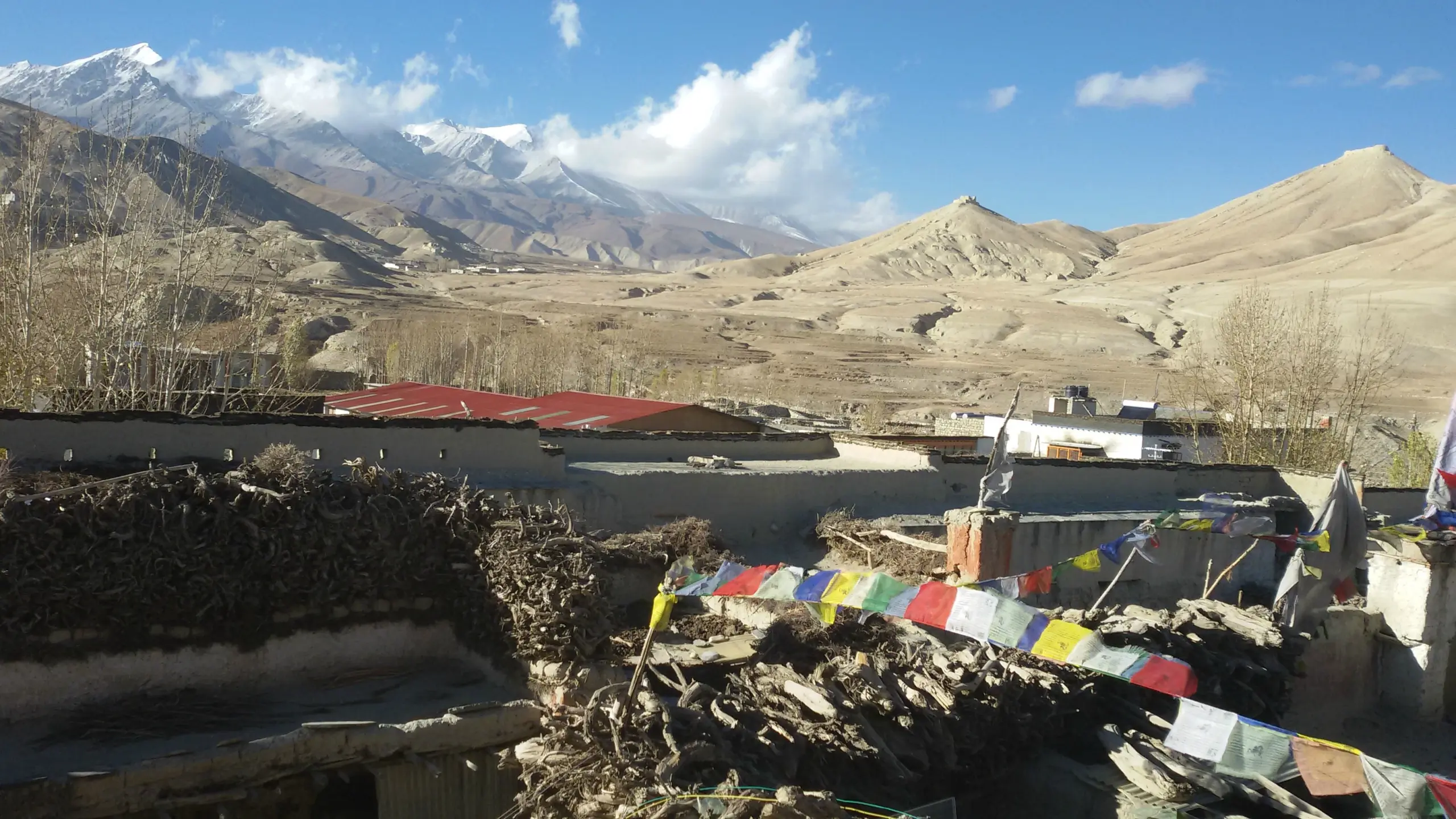
The Upper Mustang is in the North of Nepal, bordering Tibet. For several centuries, it was left to itself and retained its traditions, language, and style of life. The area was historically referred to as the Kingdom of Lo, and remnants of royalty can be observed even at present.
It was closed to foreigners until 1992. Today, special permits are needed to get into the region. This restricted entry has contributed to the maintenance of the cultural identity and traditional way of life in the area.
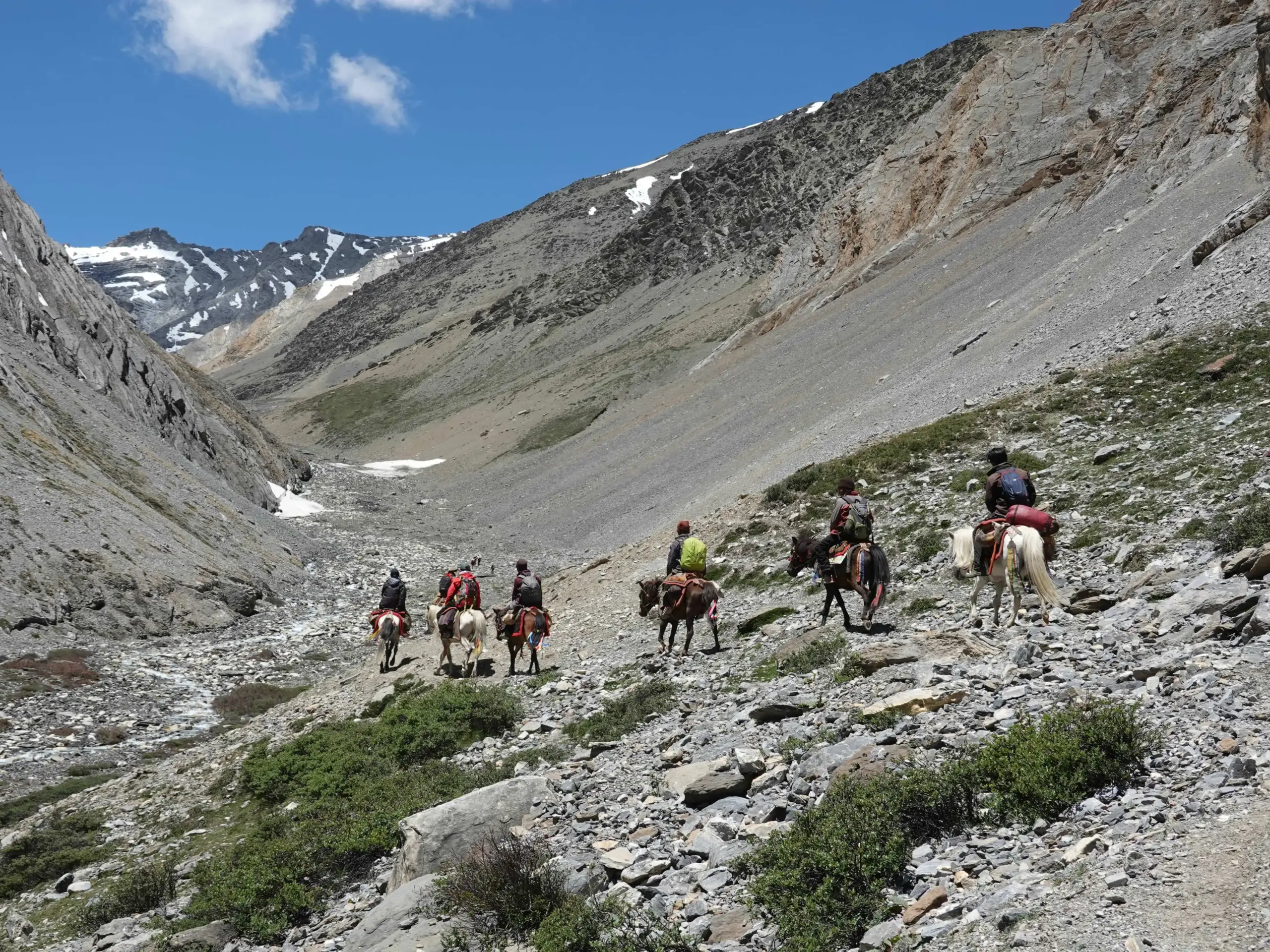
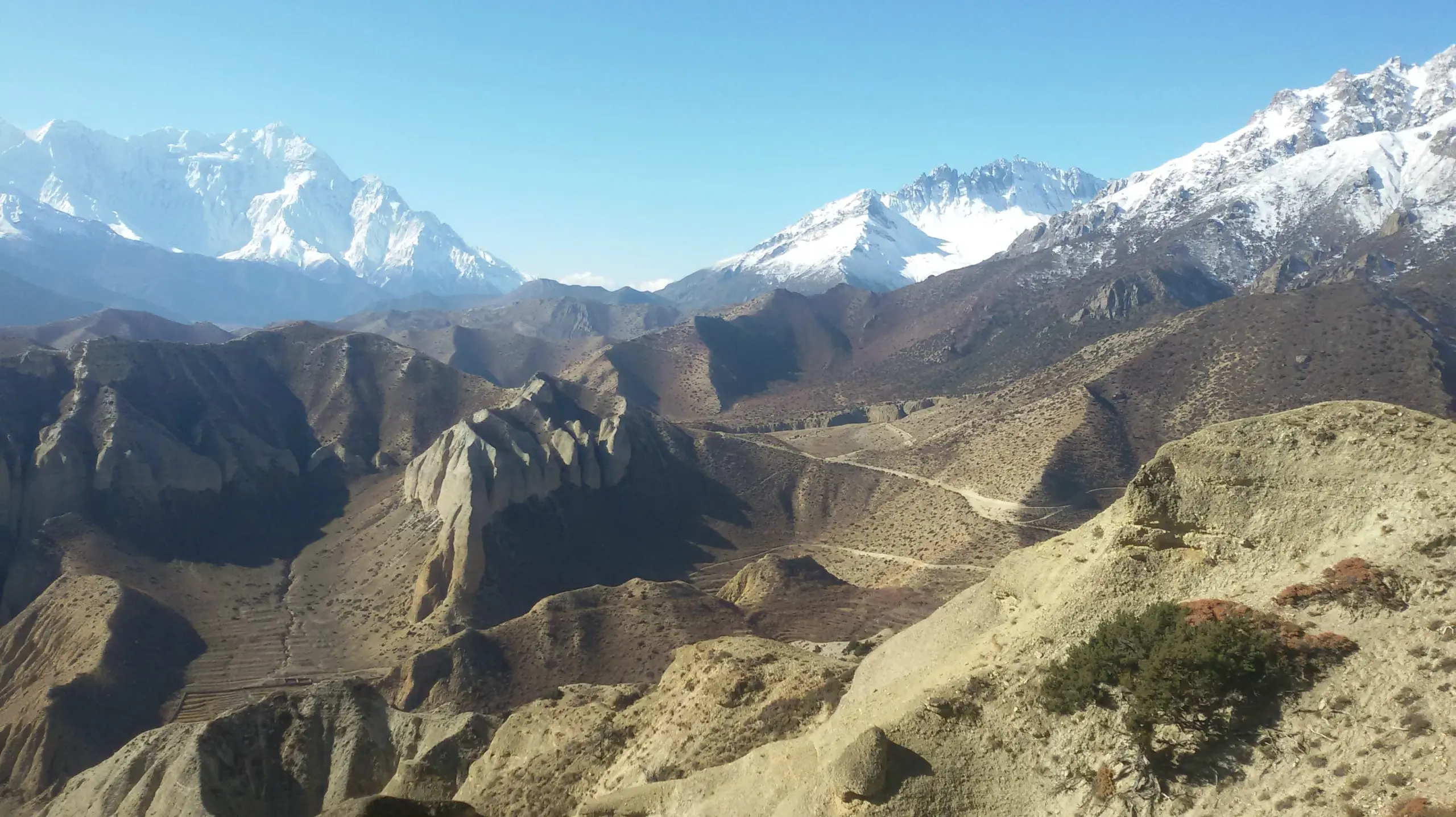
In contrast to most of the trekking areas of Nepal, which are lush with forests and verdant hills, Upper Mustang is dry and rugged. The terrain is made up of steep canyons, washed-away cliffs, colored rock structures, and open plains, which were a product of wind and time. The landscape tends to make the visitors recollect some elements of Tibet, instead of the green Himalayan foothills that are synonymous with Nepal.
The majority of trekking tracks start at Jomsom ( 2,720 m /8,924 ft). There, the route takes the Kali Gandaki Valley and then slowly climbs up through traditional villages until it arrives at Lo Manthang ( 3,840 m /12,598 ft).
What Makes Autumn Special?
In Nepal, the fall is the first thing after the monsoon period. Dust and pollution in the atmosphere are washed away by the rains that occur in the summer, resulting in remarkably clear skies. Consequently, mountain outlooks are enhanced and clearer.
This change in the seasons makes ideal trekking conditions in most parts of Nepal. The advantages are even more evident in Upper Mustang due to the peculiarities of the region. As Upper Mustang is a rain shadow region, it does not get as much rain as most other trekking places.
Towards autumn, trails become more or less stable. Rivers are easier to cross, and chances of weather-related disruption are reduced to a great extent. Clearly skied and reliable conditions make the Upper Mustang Trek during Autumn appealing to visitors who want to have a comfortable trekking experience.
The daytime temperatures make the season popular as well. At lower altitudes, temperatures are usually between 15 °C and 20 °C, whereas in the highlands, the temperatures are cool but are not too cold. Such conditions make the long days of trekking fun.
Exceptional Mountain Views
The chance to have excellent mountain scenery is one of the primary reasons why people opt to go on the Upper Mustang Trek during the Autumn. The clear air enables trekkers to view the far mountains with an amazing clarity.
All through the trek, the visitors are blessed with the sights of Dhaulagiri, Annapurna, Nilgiri, Tilicho Peak and many other surrounding mountains. Mornings are especially beautiful when the sun is slowly shining on the snow-white tops.
The alternation of light during the day creates ever-changing landscapes. The early morning golden sunlight, the sunshine in the middle of the day, and the sunset in the evening give the photographers many chances to take some memorable images.
Since the occurrence of clouds is less frequent in the autumn season, the mountain scenery can be seen longer than in other seasons. This will enable trekkers to enjoy the size and beauty of the Himalayas during their trip.
A Landscape Unlike Anywhere Else in Nepal
The strange landscape of Upper Mustang comes as a surprise to many trekkers. In contrast to the forest-covered areas and alpine meadows, Upper Mustang is a landscape that has been eroded, blow and molded by millions of years of geological processes.
Rocky cliffs are upheaved in red, orange, yellow and brown. The landscape is pierced by deep canyons and individual villages emerge as small islands of life amidst the massive landscape.
These natural colors are even stronger during the Autumn Trek in the Upper Mustang. The blue horizon is bright and the contrast between the colorful hills and the blue horizon is increased by clear skies and intense sunlight.
The scenery keeps on changing as the trekkers venture deeper into the region. Every day, new structures, gorges and perspectives are discovered that make the journey intriguing throughout.
Comfortable Temperatures for Trekking
The weather conditions significantly contribute to the quality of a trekking experience. In autumn, Upper Mustang is normally comfortable when walking around.
Temperatures in the lower elevations during the day are generally warm and pleasant. The daytime is also favorable to discover and sightseeing, even at elevated places like Lo Manthang (3,840 m 12,598 ft).
The climate is dry and the region is at a lower altitude, resulting in colder nights. At elevations, temperatures may drop to below the freezing point in late October and in November. Nevertheless, when wearing correct clothing and sleeping gear, one is generally comfortable.
Autumn has a much more favorable trekking climate than winter, which has much colder temperatures. Tourists do not have to endure the extreme cold as is usually experienced during the winter season to enjoy the mountains.
Cultural Richness Along the Trail
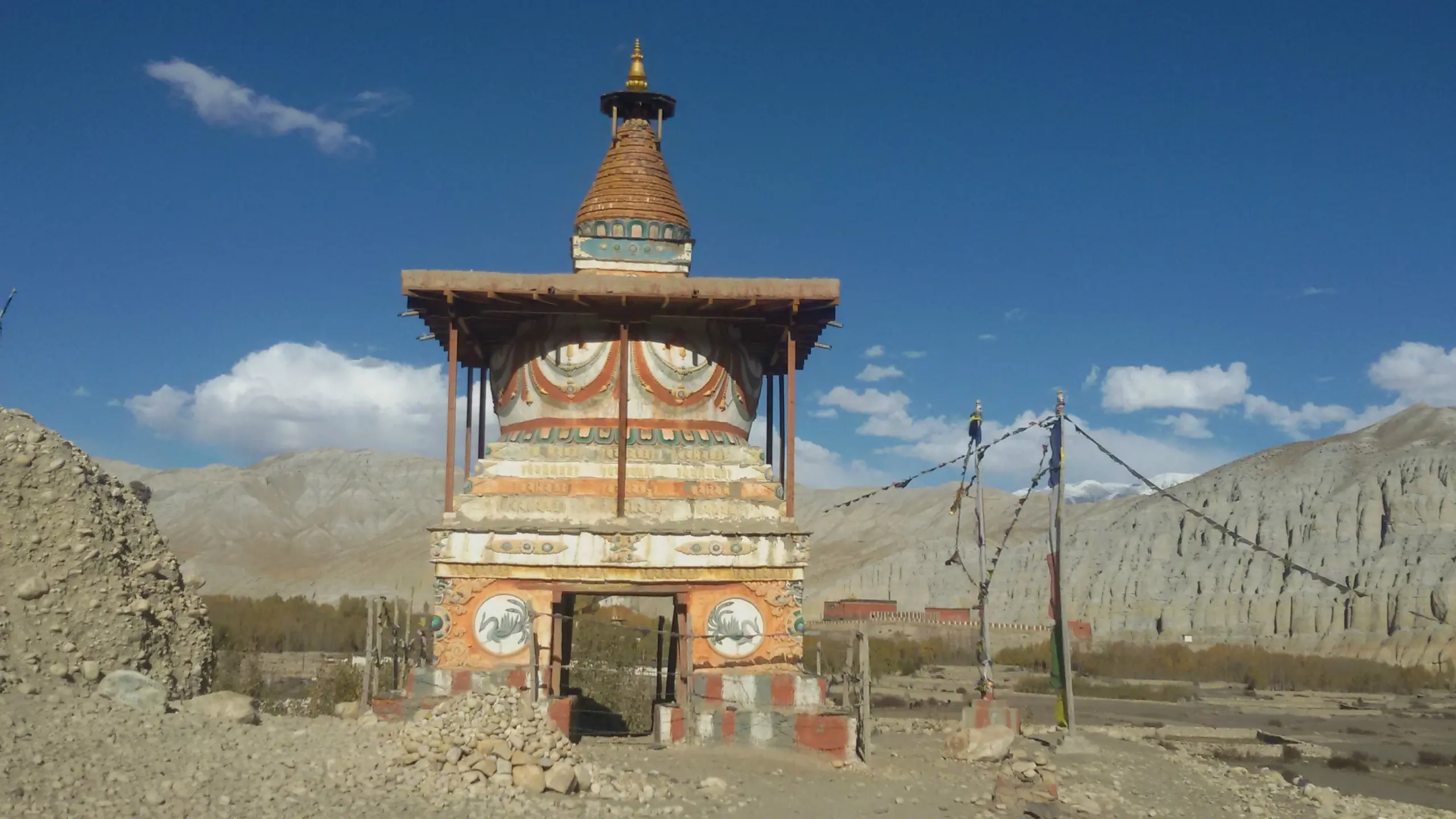
One of the most significant things about any trip to Upper Mustang is the cultural experience. The Tibetan influence on the region is very strong, and it can be observed in everyday life, architecture, religions and traditions.
Whitewashed houses, prayer wheels, chortens and monasteries are found throughout the villages with centuries of Buddhist history. The locals still adhere to traditions that have flowed down through their generations, thus developing a feeling of authenticity that is not easily available in more advanced destinations.
As trekkers pass through one village to the next, they discover communities that still have a strong connection to their history and traditions. Such cultural exchanges usually turn out to be some of the best parts of the trek.
The Upper Mustang Trek Best Time is mostly related to the fall, not only due to the weather conditions but also due to the active work of communities living in this area. Agricultural activities, religious activities, and social interactions make the region vibrant.
Visiting the Ancient Capital of Lo Manthang
Lo Manthang is the best part of the trek for many tourists. This historical city is surrounded by old stone walls and is the cultural and historical hub of Upper Mustang.
Lo Manthang (3,840 m/12,598 ft) has traditional houses, monasteries, and royal palaces that provide an invaluable experience of the history of the area. When walking through its little streets, one gets the impression of being in the past.
The city has a few significant monasteries to visit. The ancient Buddhist tradition can be traced in these buildings in their murals, religious texts, and artwork. The weather in autumn is especially nice for exploring Lo Manthang. The blue skies are excellent for sightseeing, photography and impromptu tours to the nearby attractions.
Monasteries and Spiritual Heritage
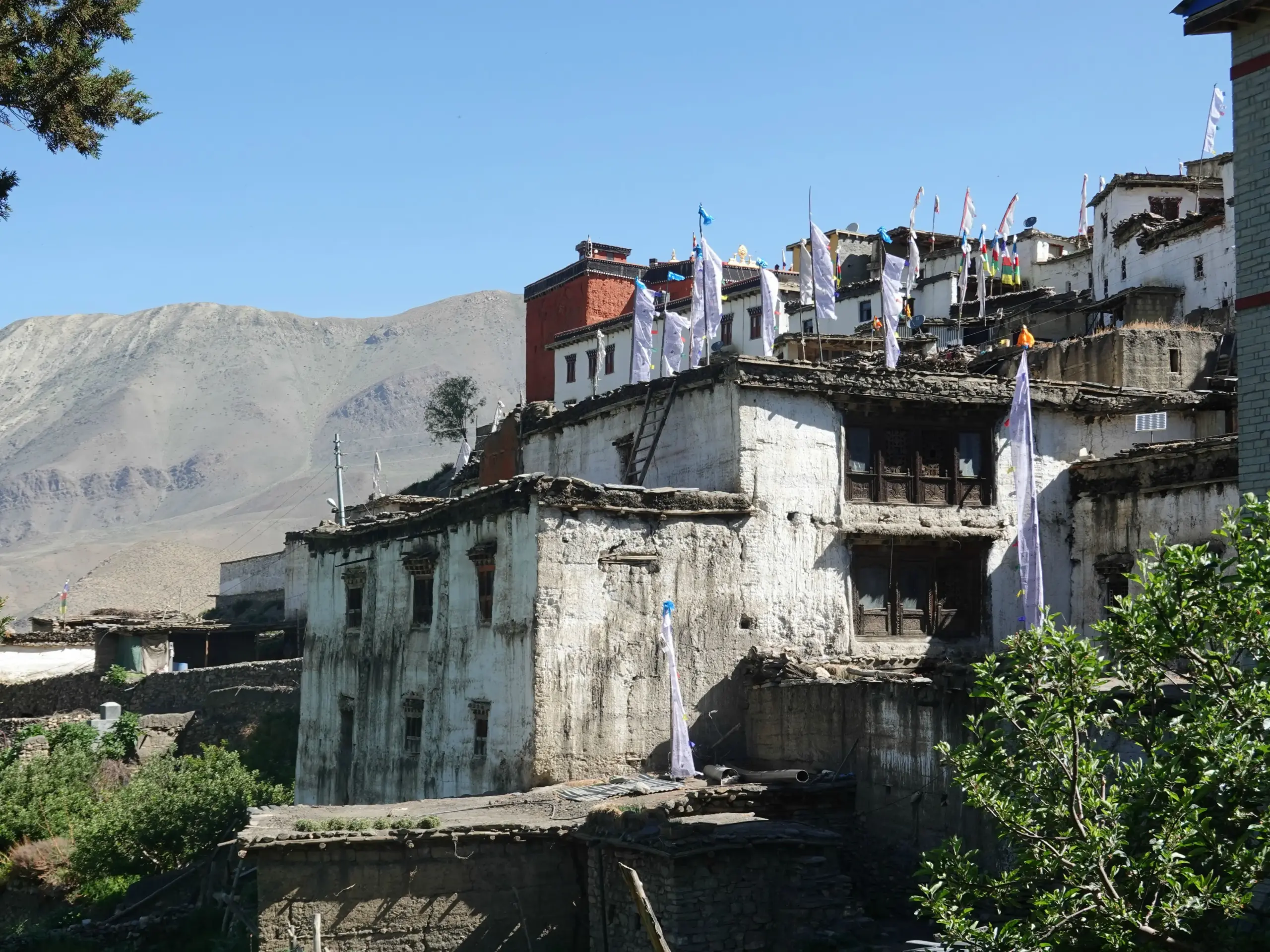
In Upper Mustang, religion is still very much involved in everyday life. Monasteries are used as places of worship, education and communal gatherings. Most of these buildings are hundreds of years old, and they remain significant in conserving local culture. Tourists usually get to see monks reciting prayers, doing rituals and conducting traditional ceremonies.
The serene environment that is available in these monasteries is a pleasant relief to the physical exertions of trekking. These cultural experiences have become as significant to many of the trekkers as the mountain scenery itself.
The trekking route has an abundance of ancient prayer flags, mani walls and sacred monuments. Collectively, they form a landscape in which spirituality and everyday life are closely intertwined.
Why Photographers Love Autumn
The Upper Mustang trek is another trek that is often undertaken by photography enthusiasts during Autumn due to the amazing lighting conditions that can be experienced during the season.
Remarkable visibility and rich colours are created by the post-monsoon atmosphere. Mountains are steeper, landscapes are more detailed, and the natural background contrast between the sky and the ground is more enhanced.
Sunset and sunrise are especially gratifying. The alternating light and shadow bring out the textures of the cliffs, valleys and old buildings in dramatic scenes that are hard to capture at other seasons of the year.
Most trekking agencies such as Nature Explore Treks suggest the season of autumn since it is usually more predictable and reliable for those tourists whose main interest is landscape and cultural photography.
Festivals and Local Traditions
Autumn is a season of feasts in Nepal as well. Big festivals like Dashain and Tihar are usually celebrated at this time, and the community unites through family reunions, religious practices and traditional practices.
In Upper Mustang, other local Buddhist traditions are equally significant. Ceremonies of seasons, events in the monastery and celebrations of the community will provide the visitors with a rare chance to see cultural practices that have been preserved since ancient times.
Such experiences enable trekkers to have more insight into the local life beyond the actual physical trekking experience.
Permits and Entry Requirements
The Government of Nepal has designated Upper Mustang as a restricted area. Due to its cultural significance and its sensitive border position, trekkers are not allowed to enter the area alone. They need special passes and one must be accompanied by a registered trekking agency and licensed guide.
One of the most important requirements for entering Upper Mustang is the restricted area permit. Moreover, trekkers should also have the Annapurna Conservation Area Permit. These permit regulations aid in safeguarding the cultural heritage and natural landscape of the region as well as controlling the number of visitors in a responsible manner.
The permit process might appear to be complex initially, but before the trip commences, it is normally arranged by trekking companies. This will enable guests to prepare to have an adventure as opposed to undergoing the paperwork. Proper planning will make the trip to Nepal and the beginning of the trek go on smoothly.
Accommodation During the Trek
In Upper Mustang, accommodation is usually offered in the form of local tea houses and lodges. These lodges have basic yet comfortable rooms where the trekkers can sleep after a day of walking.
Simple bedding is offered by most tea houses, which offer twin-sharing rooms. Villages have different facilities, and all services are reduced the more remote an area is. It is usually a pleasant and memorable experience due to the hospitality of local families.
The peak season of autumn in Upper Mustang is the busiest trekking season, so it is possible that accommodation is already occupied in certain villages. Planning Ahead: This will assist in making sure that they have proper accommodation along the way.
The tea houses are also a social place where the trekkers get to interact with other travelers, exchange stories, and get to know more about the local culture. Nighttime meals and chats around the stove in the dining room can be one of the best experiences of the trek.
Food and Dining Experience
Energy is a significant factor in a multi-day trek, and food is essential to keep up the energy. Luckily, there are tea houses all around Upper Mustang that offer a range of meals that are appropriate for trekkers.
The most popular one is traditional Nepali dal bhat. This meal is composed of rice, lentil soup, vegetables, and seasonal side dishes. It offers a healthy mix of nutrients and carbohydrates that can aid long trek days.
Noodles, soups, fried rice, potatoes, bread, eggs and plain pasta dishes are also available in many villages to the visitor. Although the menu might be smaller compared to that offered in larger trekking areas, most trekkers are pleased with the menu provided.
Hot beverages are common and are exceptionally welcome on cool mornings and evenings. Hot lemon drinks, tea, coffee and ginger tea are popular drinks served along the route.
Altitude and Acclimatization
Even though the Upper Mustang Trek in Autumn can be deemed as moderately difficult, the issue of altitude cannot be ignored. The trek gradually climbs from Jomsom (2,720 m /8,924 ft) to Lo Manthang (3,840 m /12,598 ft), with some optional excursions reaching above 4,000 m (13,123 ft).
The majority of trekkers adjust well as there is a gradual increase in altitude. However, you should pay attention to your body and not hurry. When acclimatized properly, the chances of altitude sickness are minimized, and it also enhances overall comfort in the trek.
Simple yet effective methods of aiding in acclimatization include drinking enough water, walking at a steady pace and getting enough rest. Guides also keep a check on the trekkers’ symptoms and can advise on any concerns.
Stable weather is one of the benefits of fall. Conditions are usually predictable, so trekkers will be able to stick to their schedule without having to deal with frequent delays, and the acclimatization schedule will be more consistent.
Side Trips and Hidden Attractions
Although the main destination is Lo Manthang, Upper Mustang has a lot of side trips which can enhance the trekking experience. The field trips offer the chance to visit the historical and cultural locations that are not as well known.
A large number of tourists visit Cho La, a village with impressive cave formations and ancient villages. They were hewn centuries ago in the form of caves, which are still a subject of interest to historians and archaeologists.
The other tours can be trips to old monasteries, isolated villages, and vistas that overlook the valleys around them. Some of them are over 4,000 m (13,123 ft), with wider perspectives of the rugged landscape of the area.
These excursions are used to exhibit the diversity of Upper Mustang to the tourists who are taking the trekking path. They also offer other possibilities to study local history and culture.
Wildlife and Natural Environment
Although it is dry, Upper Mustang has an environment that has a wide range of wildlife that is adapted to high-altitude conditions. The isolated location assists in the preservation of numerous species that are hard to find in other areas.
One of the most easily spotted animals in the region is the blue sheep. Himalayan griffons flying above the cliffs and valleys can also be seen by Trekkers. The rugged terrain of the area is home to other wildlife species, but they can be hard to see and are usually a matter of chance and weather.
The season of autumn is the best time to observe wildlife, as visibility is clear throughout the season. With clear skies, it is easy to scan distant slopes and locate animals that are moving on the land.
The environment of Upper Mustang is delicate, and responsible trekking would conserve the unique ecosystems to be available to future generations.
Responsible and Sustainable Trekking
Responsible tourism is becoming more and more significant as the number of visitors grows. Simple efforts during their journey can assist Trekkers in giving back to the local people and environmental conservation.
Sustainable tourism is reinforced by respecting local traditions, minimizing waste and encouraging local businesses. The use of reusable water bottles and the reduction of single-use plastics can significantly help in reducing environmental impact.
Local guidelines also need to be followed by visitors who visit monasteries and religious sites. Requesting consent to take photos of individuals and dressing decently shows respect for local customs.
Nature Explore Treks promotes responsible tourism and collaborates with local communities to aid in making sure that tourism is beneficial to both visitors and locals. These activities help in preserving the cultural and natural heritage of Upper Mustang in the long term.
Packing for an Autumn Trek
A successful trek requires proper preparation. Despite the pleasant weather of autumn, the weather may change significantly during the day and night.
Layered clothes such as dresses are mostly the best option. Light clothes are good in warm weather during the daytime, whereas insulated jackets are comfortable during cold mornings and evenings. Even though it is unlikely that it will rain in autumn, a waterproof outer layer is still recommended.
The most important thing is probably comfortable trekking boots. Trekking is an activity that takes trekkers several hours on rocky trails and good footwear is very effective in enhancing comfort and safety.
Sunglasses, sunscreen, gloves, a warm hat, personal medications and a sleeping bag that fits cool weather are also useful. When climbing steep ascents and descents strain can be relieved with the aid of trekking poles. With proper packing, trekkers are able to travel with a lot of pleasure without the need to suffer and be inconvenienced.
Comparing Autumn with Other Seasons
Each season provides a new view on Upper Mustang, but autumn is always the most popular Spring is warmer and has vegetation blooming in the lowlands. It is also another great hiking season, but sometimes haze may interfere with visibility.
In a large part of Nepal, summer overlaps with the monsoon season. Nevertheless, trekking can be carried out since Upper Mustang is a rain shadow region. Nonetheless, this does not always make travel logistics and transportation easier, as weather conditions in other parts of the country may make them more complex.
Winter is a whole different story. The temperatures are greatly reduced, and some inhabitants of the area temporarily relocate to lower areas. Additional weather conditions, like harsh weather, can make the trek more challenging and uncomfortable.
Taking weather, visibility, trail conditions and overall comfort into account, the majority of experienced trekkers will agree that the Fall months in autumn are the Best Time to do the Upper Mustang Trek.
Why the Experience Feels Different
Numerous trekking trails in Nepal feature mountain scenery, but Upper Mustang has more than just mountain scenery. The region offers a historical, cultural, spiritual and dramatic scenery.
A stroll through the villages where the traditions have been maintained over the centuries gives one a feeling of being in touch with the historical past. The trek has a unique style that is not very easy to find in other places owing to its ancient monasteries, royal heritage, and Tibetan influences.
Even the landscapes themselves help to create this feeling. The presence of huge cliffs, remote villages, and wide-open valleys leaves a sense of remoteness that can be highly satisfying to many tourists.
Upper Mustang Nepal Autumn Trek enables the visitors to enjoy all these factors in some of the best conditions of the year.
Planning Your Trek Successfully
Planning is the usual starting point of the best trekking experiences. It is possible to make a big difference by selecting the right itinerary, getting into shape and knowing what the region needs.
The duration of most itineraries in the Upper Mustang is between 10 and 17 days based on the mode of transport and other sightseeing. Adequate time to acclimatize and explore will assist in making the experience more relaxed and enjoyable.
Hiring a veteran guide may make the process of the expedition much easier by taking care of most of the details such as licenses, transport, lodging, and guiding. Nature Explore Treks helps tourists plan these details and offers precious local information during the trip.
Physical training is good as well. Although the trek is not a technical climbing experience, walking, a light workout, and cardiovascular training prior to the start of the journey can enhance stamina and general enjoyment.
Conclusion
Upper Mustang Trek in Autumn is one of the most outstanding trekking experiences in Nepal. Stable weather, clear skies, comfortable temperatures and excellent visibility make the trek in this unique Himalayan region ideal.
In addition to the natural beauty, the Upper Mustang has other cultural experiences that are equally marvelous. Fourth-century monasteries, rural villages, historical landmarks and centuries-old traditions give us a glimpse of a lifestyle that has not changed much over the centuries.
To those who want to know the Upper Mustang Trek Best Time, autumn provides the most balanced weather, scenery and culture opportunities. The season enables visitors to take all the pleasure offered by the region and also experience good trekking conditions.
In case you are interested in photography, history, culture, wildlife or adventure, the Upper Mustang Trek in Autumn will be a memorable experience in one of the most interesting places in Nepal. When equipped and accompanied by knowledgeable staff like Nature Explore Treks, the tourist can easily venture into this amazing region and make lifelong memories.